

If you’re thinking about heading to Lofoten in Norway with kids, a rational little voice might immediately pipe up to ask whether this is complete madness. But with good preparation and the right expectations, the north of Norway can turn into the best family holiday you’ll remember for the rest of your life.
This guide wasn’t written for solo backpackers. It tackles exactly the situations where you need to find safe paths without cliffs, keep a sleep routine on track, or come up with a plan for a rainy afternoon. You’ll discover that the islands are home to gorgeous white-sand beaches, flat trails perfect for baby carriers, and plenty of farms full of animals your little ones will absolutely adore.
In this article we’ll dive into exactly 8 tips on what to see and do in Lofoten so you can enjoy the trip calmly and without unnecessary stress. I’ll show you how to outsmart the quirks of the polar day, where to shop for groceries so you don’t blow the family budget, and how to strategically choose the ideal base for your day trips.
We spent 8 days in Lofoten with two-year-old Jonášek, and here’s the very first lesson: if you’re not flying direct, count on the transfer eating up an entire day. We flew from Prague via Oslo to Evenes and only then drove the rest by car — tough with a small child, but doable.
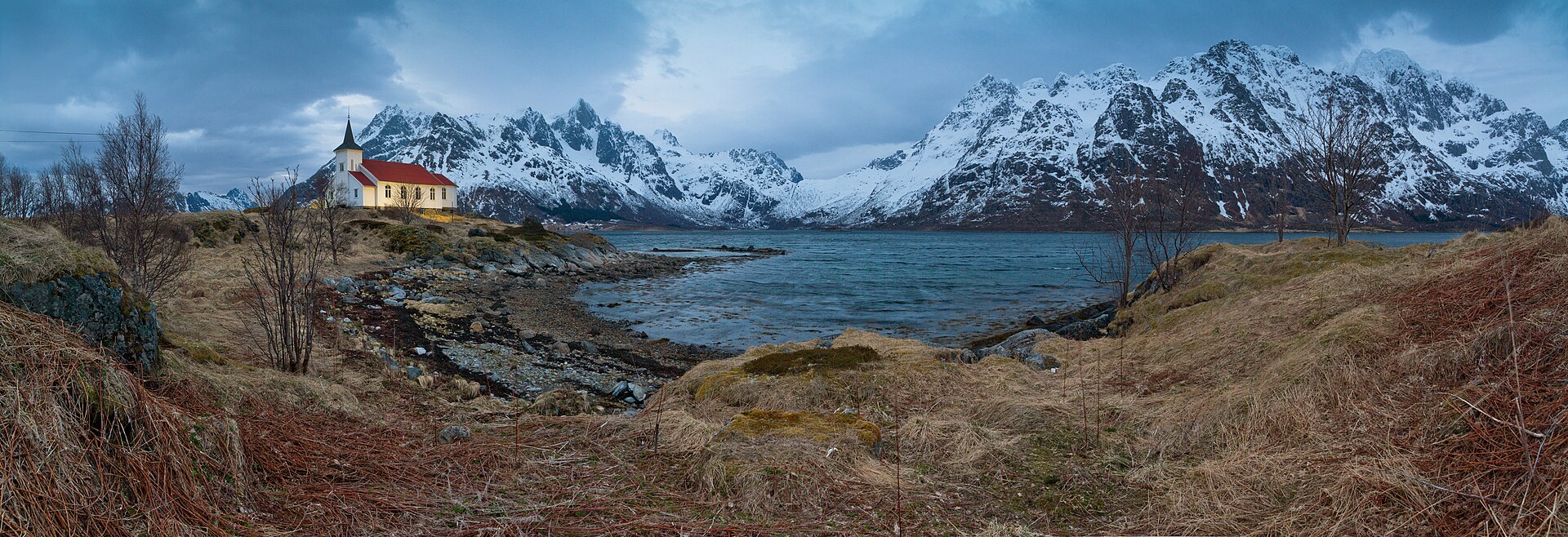
TL;DR
- Pick a single base camp: With kids, avoid hopping around — find strategic accommodation with a kitchen and just take day trips around the area.
- Don’t underestimate the polar day: From late May to mid-July the sun never sets, so don’t forget to pack travel blackout blinds or dark bags for the windows.
- Follow the Norwegian yr.no app: The weather changes minute by minute and flexibility is the key to success, so always have a backup plan under a roof.
- Avoid steep treks: Leave popular peaks like Reinebringen to others and go for safe coastal paths and wide beaches instead.
- Cook for yourselves from local ingredients: Restaurant prices are extreme, so it pays to shop at Kiwi or Rema 1000 supermarkets.
- Be ready to layer up: Even in July temperatures hover around 12 to 15 degrees, so a good waterproof layer and merino wool are absolute must-haves.
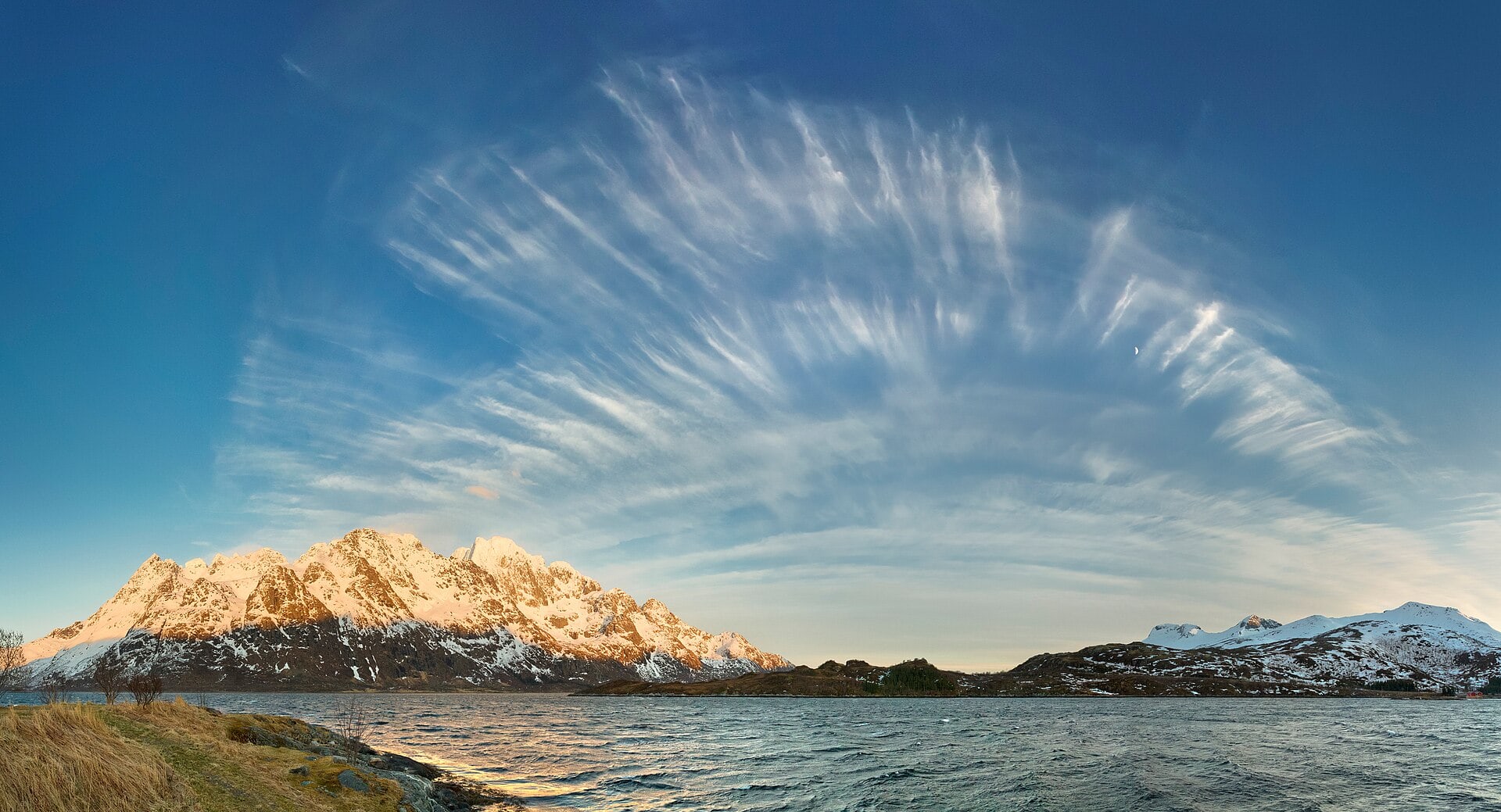
The full destination guide: Lofoten — guide and what to see
When to Visit Lofoten
The best time for a family trip is, without a doubt, July and August, when temperatures are at their most pleasant, averaging between 12 and 15 degrees Celsius. During this period all the ferries, restaurants and tourist attractions run at full capacity, although you’ll have to factor in bigger crowds and busier roads. From a logistical point of view, it makes sense to fly into Bodø and take the ferry, or fly to Evenes airport and rent a car right there. From the UK, expect a connecting route — there are no direct flights, so you’ll usually go via Oslo with SAS or Norwegian.
A hallmark of the summer months is the so-called midnight sun, which from 28 May to 14 July never dips below the horizon and creates a magical atmosphere. For a child’s body, though, this is a huge challenge, because the body needs darkness to produce melatonin, so you’ll need to stick to a strict evening ritual and black out the bedroom completely.
The weather in the north is incredibly changeable, and sunshine, strong wind and horizontal rain can easily trade places over the course of a single afternoon. Statistically it rains here on average nine days a month in July and as many as eleven in August, so don’t count on sun-drenched postcard scenes. The Norwegian weather app yr.no will become your best friend — it’s worth watching its 90-minute radar in particular and changing your plans on the fly.
The ideal length of stay for a family with younger children is roughly 7 to 10 days, which gives you a decent buffer in case of bad weather. That way you won’t have to rush from place to place, and you can even afford the luxury of staying inside a warm cabin for a day when it’s bucketing down outside. In peak summer season I really don’t recommend relying on wild camping, because finding a free and safe spot in the evening with a crying toddler in the car is practically impossible.
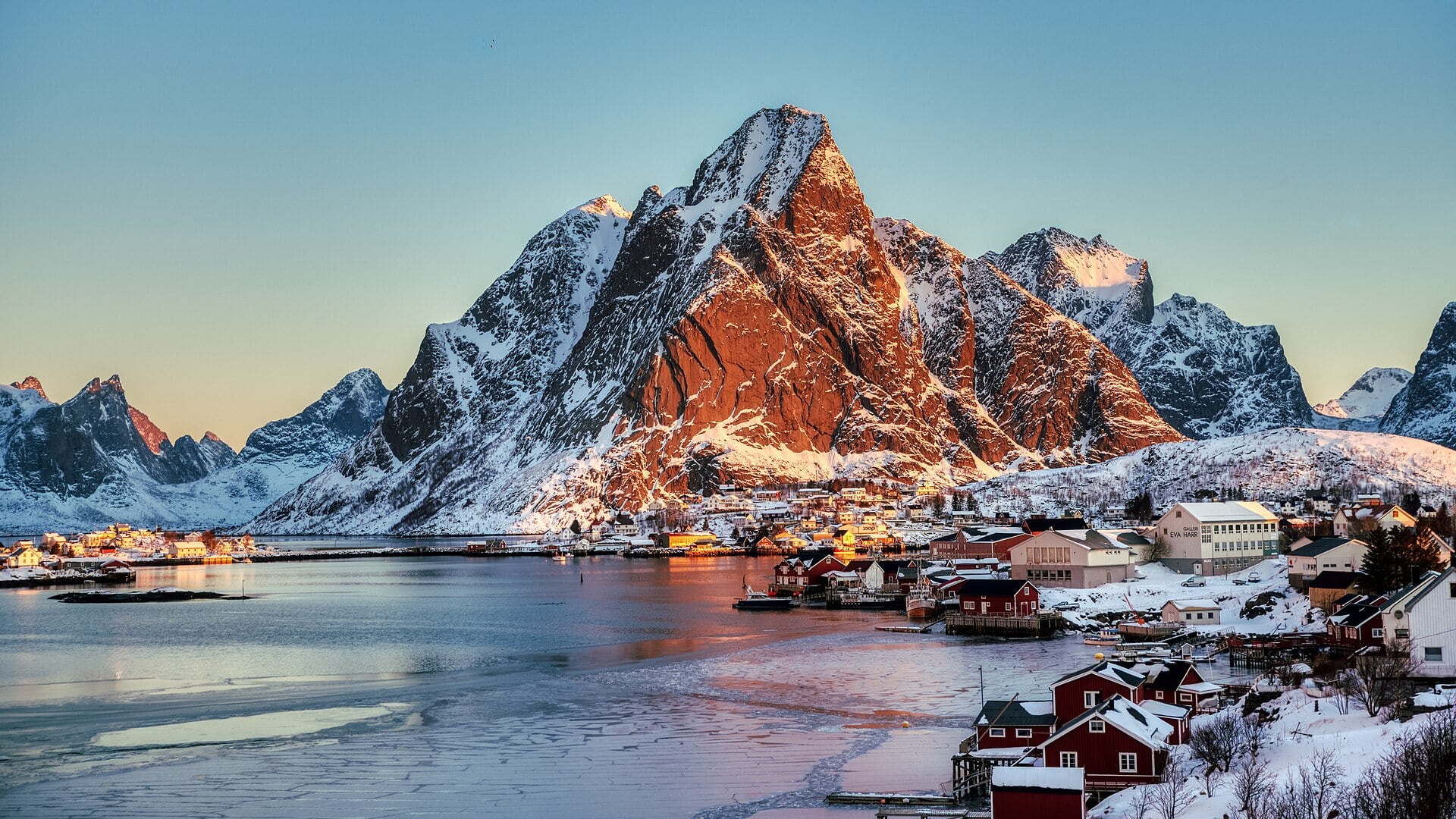
Where to Stay in Lofoten
💡 Tip for accommodation and experiences: We love searching for places to stay on Booking.com, which tends to have the best cancellation terms. For tickets, tours and activities, it pays to compare and book through GetYourGuide.
With younger kids you’ll quickly realise that a classic road trip swapping hotels every other day brings nothing but stress, which is why it’s far better to choose one stable base camp. The traditional red or yellow fishermen’s cabins on stilts above the water, the so-called rorbuer, offer a wonderful atmosphere and, crucially, a fully equipped kitchen that will save your budget. In peak summer season expect prices from 2,000 to 3,500 Norwegian kroner per night, which works out to roughly 175 to 305 €. If you want a good choice, book four to six months in advance.
When choosing where to stay, always check in advance whether the bedroom has good blackout curtains, and just to be safe, bring your own dark window covers. Watch out for terraces and steep ladder-like stairs too, because many of the historic cabins sit right above the icy sea and require constant parental supervision every time a door opens.
If you’re after an absolute icon with excellent accessibility, check out the Sakrisøy Rorbuer complex, with its beautiful yellow cabins and a toy museum right next door. A lovely alternative is the famous red cabins of Eliassen Rorbuer on Hamnøy island, though here you should be aware that children from the age of three already pay the full adult rate.
Another great option for families is the more modern Hattvika Lodge or the more affordable Kræmmervika Havn in the village of Ballstad, an excellent strategic hub for trips to both ends of the islands. For lovers of civilisation, Svinøya Rorbuer in the town of Svolvær works brilliantly — you can comfortably stroll into the centre with a pushchair, straight to the pharmacy and the bigger shops. If you prefer sand and more open space, rent a cheaper wooden cabin at Lofoten Beach Camp on Skagsanden beach, where the little ones can run straight onto a huge sandy beach while you watch the brave surfers.
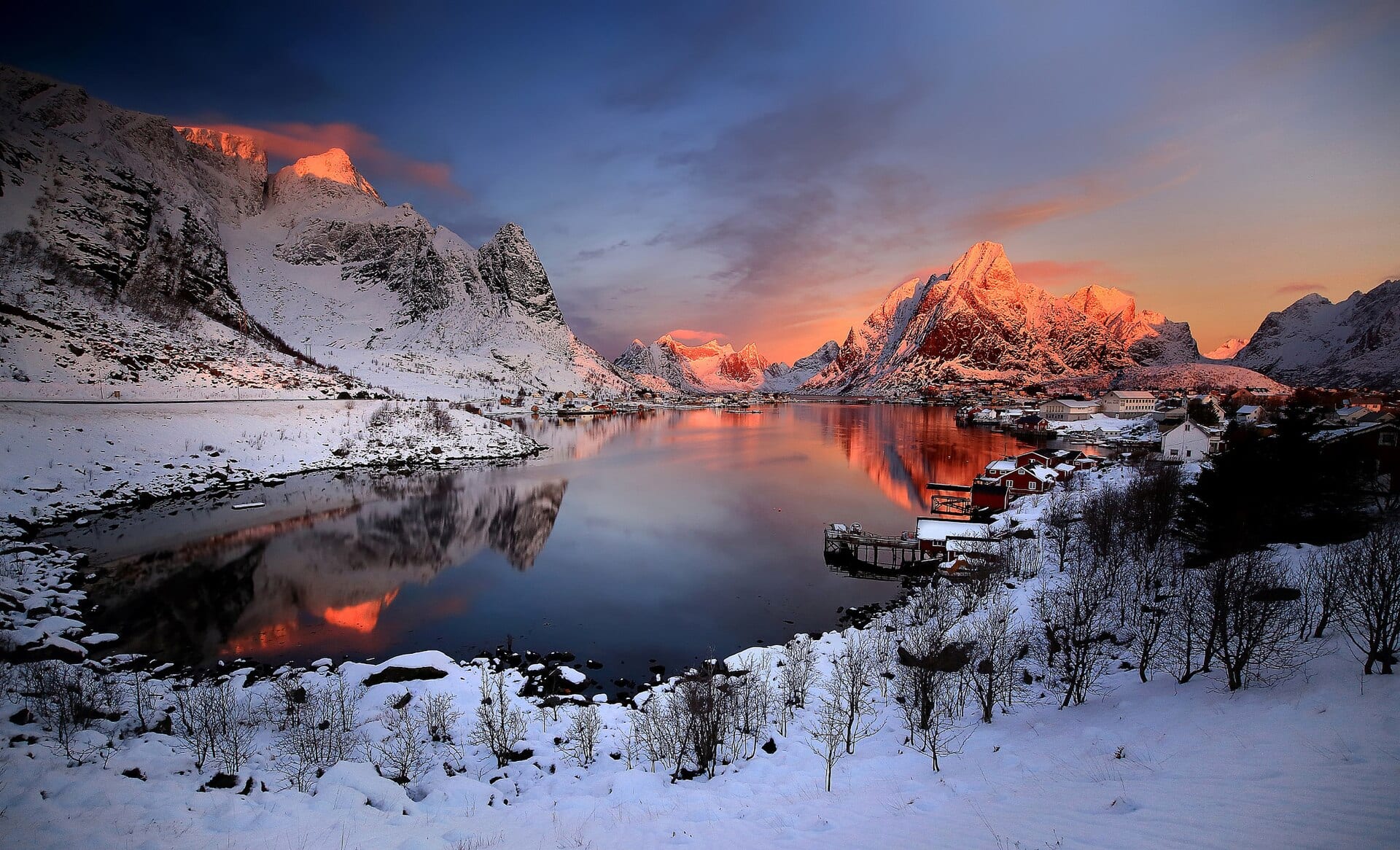
8 Tips on What to See and Do in Lofoten
And now, let’s take a look at 8 tips on what to do with kids in Lofoten.
1. Bunes Beach as a Full-Day Adventure
This trip has absolutely everything for kids, because it starts with the very act of boarding the local ferry in the town of Reine, which takes you to the remote hamlet of Vindstad. The journey itself, gliding through a picturesque fjord, is a huge experience for little travellers, who can watch the gulls and the majestic surrounding mountains straight from the open deck of the boat.
After disembarking, a very pleasant and easy route awaits you across a narrow isthmus, with a climb of just 80 metres that you can comfortably manage even with a baby carrier on your back. It’s more of a roughly four-kilometre gentle stroll than a real trek, so you don’t have to worry about any dangerous drops or slippery rocks after overnight rain.
Once you cross the gentle saddle, a gigantic beach with white sand and turquoise water opens up before you, framed by tall black cliffs. The beach is so vast that even in high season tourists spread out easily, and the kids have endless space for safe running around. Since there’s no restaurant or café nearby, don’t forget to pack plenty of local cheeses, nuts and fresh bread in your backpack for a proper family picnic.
💡 Tip: Always carefully check the return ferry times in advance and be at the Vindstad jetty with plenty to spare, because the boats don’t wait and there simply is no alternative way back by land.
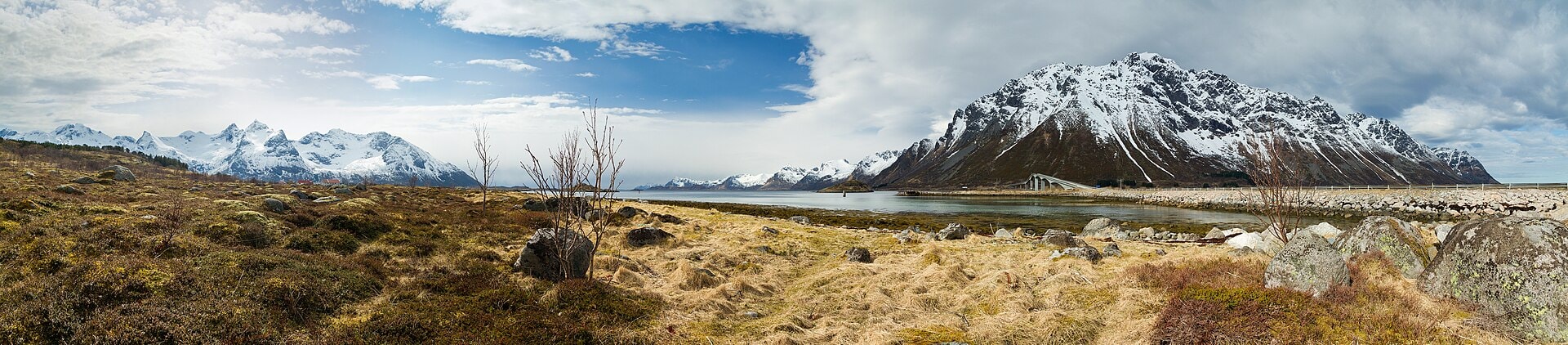
2. The Coastal Path Between Haukland and Uttakleiv Beaches
While most tourists scramble up the steep Mannen mountain, you can choose the old coastal road with the kids, which comfortably connects the two famous beaches. It’s a completely flat, wide gravel road that cuts into the cliff just above the ocean and offers fantastic views without a single bead of sweat on your brow.
This route is one of the few places on the islands where you can confidently set off with an off-road pushchair with air-filled tyres, because the surface is beautifully smooth and safe. The whole walk there and back is about 8 kilometres, so if your little one drifts contentedly off to sleep along the way, you’ll cover a gorgeous stretch of rugged Norwegian nature in complete peace.
Haukland beach itself is often called the most photographed in all of Norway, which is why it pays to arrive first thing in the morning, before the car park (with a fee of around 100 to 200 Norwegian kroner) fills up completely with campervans. The water here feels more like icy slush in terms of temperature, but the white sand and gentle entry make it a perfect open-air sandpit.
💡 Tip: Dress the kids in a waterproof rubberised overall and good wellies, so they can dig in the wet sand without limits and avoid getting cold in the sharper sea breeze.
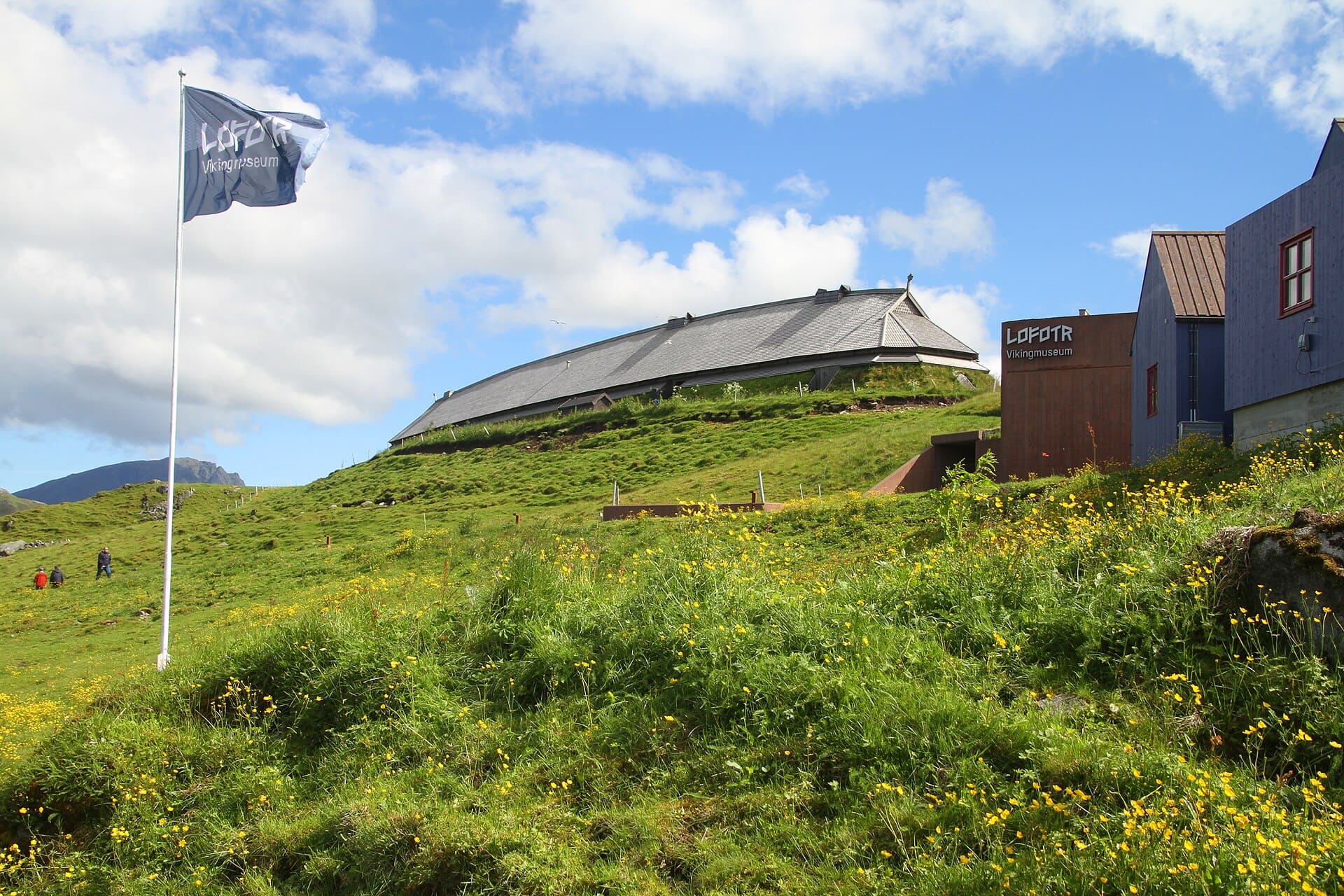
3. A Journey Into the Past at the Lofotr Viking Museum
If you’re looking for the perfect plan for a rainy morning, head to the village of Borg, where archaeologists discovered the remains of the largest Viking house in the world and rebuilt it at full scale of 83 metres. Don’t expect dull glass cases, because inside this huge longhouse a fire crackles, the air smells of wood and people walk around in period clothing, instantly drawing the children into the story. In season it’s typically open from ten in the morning to five in the afternoon.
While you admire the traditional crafts and sample a vegetarian vegetable soup with fresh bread, your kids can safely explore the vast space under the roof. The experience then peaks outside, where you’ll come across enclosures with wild boar, sheep and beautiful Icelandic horses that you can see up close.
If the weather softens a little, set off about a kilometre and a half down a well-maintained path on a gentle slope straight to the lake, where a replica of a historic Viking ship is moored. Adults are handed massive oars and can try to power the boat across the water, while families simply enjoy a quiet ride on the water with no engine noise.
💡 Tip: The grounds are very large, but the gravel path to the lake is comfortably navigable with an off-road pushchair, so you don’t have to worry about carrying tired little ones all the way back up the hill on your back.
💡 Our experience: at Lofotr the kids can dress up as Vikings — in our case Jonáš didn’t want to dress up himself but insisted that we dress up as Vikings instead 🙂
4. Lofoten Aquarium as a Rainy-Day Rescue
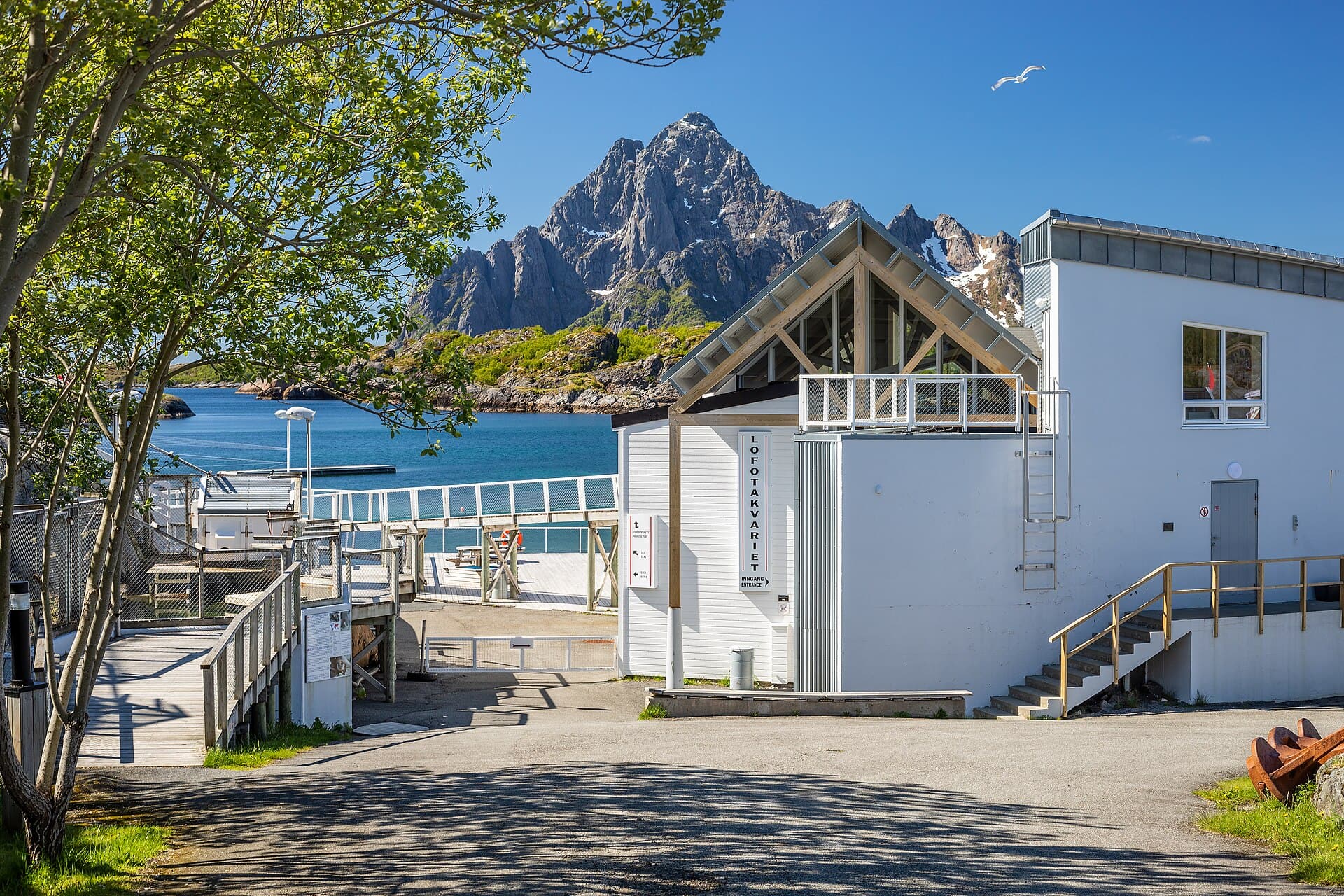
When heavy clouds roll in and it starts pouring, hop in the car and head to the town of Kabelvåg, where you’ll find an intimate Arctic aquarium. It’s not a giant marine world like those in the big European capitals, but for younger visitors its size and clear layout make it an absolutely ideal refuge where you won’t be stuck for the whole day.
The undisputed highlight of the whole visit is the regular feeding of the otters and seals, which reliably banishes any childhood meltdown or bad mood brought on by the weather. Find out at the entrance what time this takes place and position yourself by the outdoor pool a little early, so you have the best view of the playful animals.
Inside the main building, in the warmth, you’ll see various species of Nordic fish and learn plenty of interesting facts about life in the icy waters. The facilities also include a pleasant café, where after your visit you can enjoy a hot herbal tea and let the kids colour in themed pictures until the worst of the downpour passes.
💡 Tip: If you still have energy in the afternoon and it’s still raining, pop over to nearby Svolvær to the Magic Ice gallery, where you’ll be kitted out with warm ponchos and can spend half an hour walking among illuminated sculptures of pure ice with the kids.
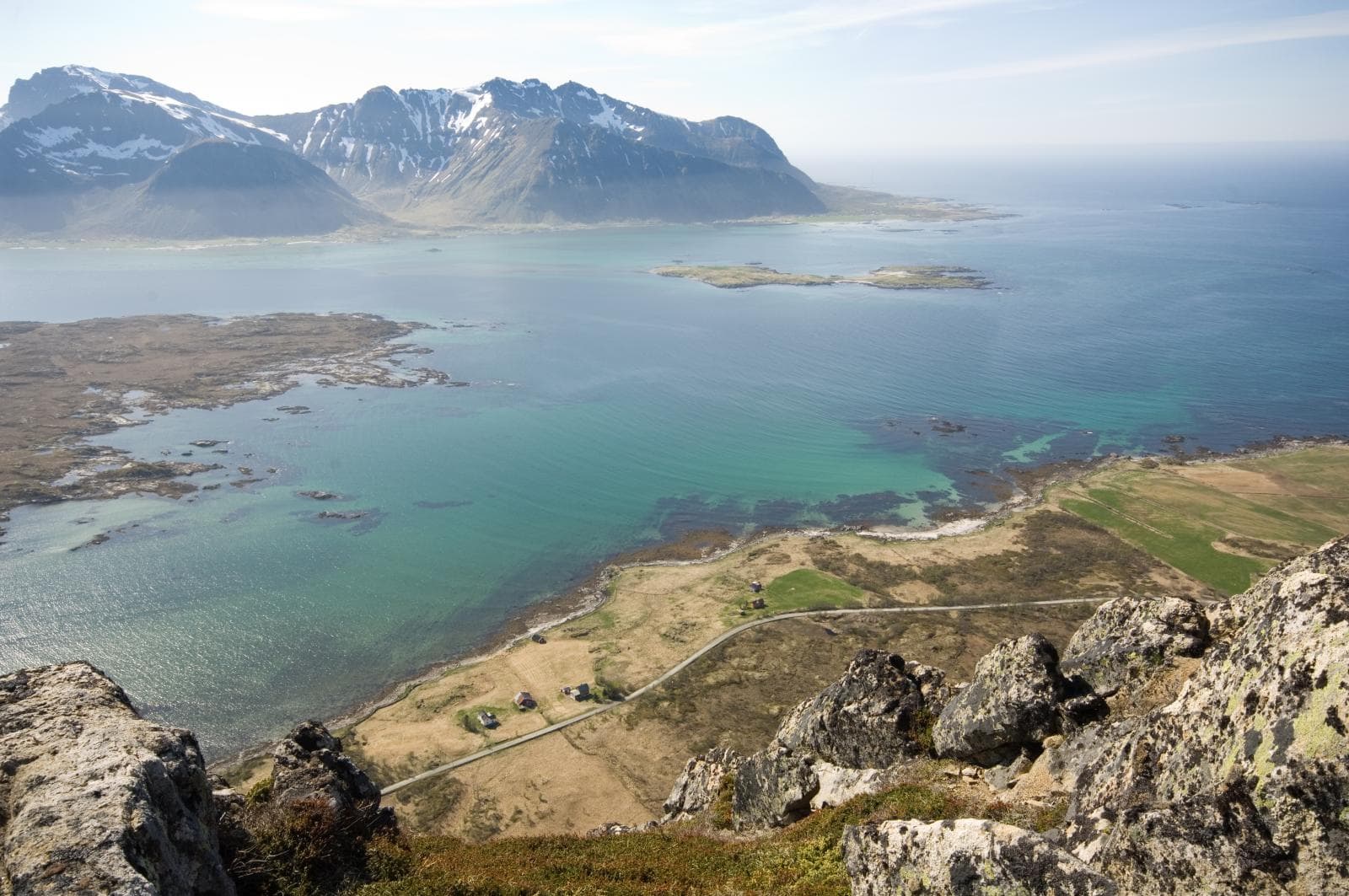

5. Visiting the Local Farms Hov Gård and Aalan Gård
Animals are a universal key to children’s joy, and a visit to the family-run Aalan Gård goat farm in the central part of the islands is a sure bet. The kids literally go wild with excitement over the animals, which roam freely outside and are used to visitors’ attention, while inside the farm you can buy fantastic homemade cheeses and sit down for a cup of fresh herbal tea.
A sunny day, on the other hand, definitely calls for a trip to the northern side of Gimsøy island, home to the beautiful Hov Gård farm, which keeps dozens of shaggy Icelandic horses. Even if your children are still too small for a ride of their own, just the sight of a huge herd grazing on white sand with the turquoise ocean in the background looks like something straight off the silver screen.
You can stop here for a while, treat yourself to great coffee with a vegetarian sandwich at the cosy local Låven restaurant, and let the kids watch the horses safely over the wooden fence. The area around the farm is also wonderfully flat and calm, which makes it an ideal spot for a short family walk far from the busiest tourist centres.
💡 Tip: Norwegian farms are by nature very informal and friendly, but always carefully respect the owners’ instructions about feeding the animals, so you don’t disrupt their special diet.
6. Quiet Beaches Without the Crowds: Storsandnes and Rambergstranda
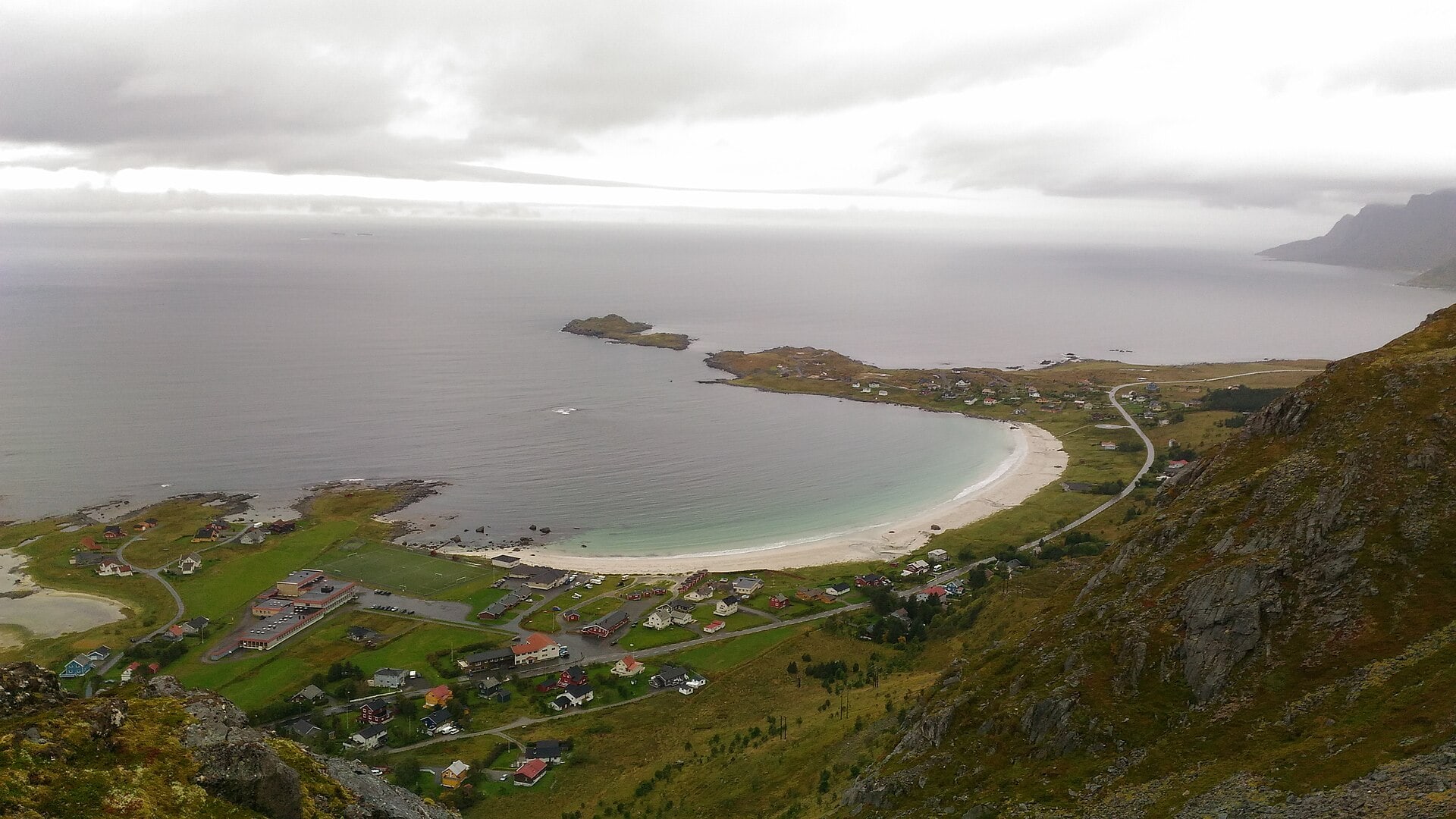
While the famous beaches around Leknes are bursting at the seams in peak summer, you only need to drive a little further to discover hidden gems like Storsandnes bay. This sheltered, peaceful beach offers incredibly easy access right from the road, so you can park the car literally a few metres from the sand and don’t have to do any trek at all.
Thanks to this great accessibility, you can release the kids straight out of their car seats, spade in hand, and let them build sandcastles or endlessly collect seashells. The water is only suitable for true hardy souls even in July, but for paddling up to the ankles in waterproof boots it’s an absolutely safe and visually stunning paradise.
Another gorgeous stop is the wonderfully spacious Rambergstranda, which boasts a perfect crescent shape and is surrounded on all sides by sharp mountain peaks. The fine white sand here invites long walks, and if a strong northerly isn’t blowing, you can lay out a picnic blanket with open sandwiches and enjoy views like somewhere in the Caribbean, just with the temperature twenty degrees lower.
💡 Tip: Always keep a complete spare set of dry clothes ready in the boot of the car, because the Nordic waves can be unpredictable and children’s enthusiasm for the water very often ends in soaked trousers.

7. A Fjord Cruise with Brim Explorer
When you arrive in the larger towns like Svolvær, you’ll probably see ads everywhere for fast, adrenaline-fuelled trips on rigid inflatable boats called RIBs, which promise a frantic ride and sea eagle feeding. These boats, however, slam hard across the waves and every impact goes straight into your spine, which is absolutely unsuitable and potentially dangerous for younger children — plus they tend to have a strict age limit from six years.
Instead, for a family outing choose the modern hybrid-electric boat operated by Brim Explorer, which offers a beautifully quiet and smooth cruise with no unpleasant juddering or deafening engine noise. The journey through the majestic Trollfjord takes just under four hours, but the whole time you can move freely around the spacious deck and the kids can wander about safely.
A huge bonus for families is the heated indoor lounge with large panoramic windows, where you can easily take shelter the moment the cold Arctic wind starts to blow. You’ll also find a good café with light refreshments and, above all, a beautifully clean, spacious toilet where you can sort out all the nappy changes and hygiene in complete peace.
💡 Tip: Even though the boat is largely covered and pleasantly heated, don’t forget to bring the kids a warm hat and gloves, because the outdoor deck tempts you out for magnificent views, but the wind out on the open sea can be very sharp.
8. The Charm of the Fishing Villages Henningsvær and Å
💡 Tip with kids: Near Henningsvær, stop by the Gamle Skola café — there’s a play area, you get to enjoy delicious cinnamon rolls and the kids can let off steam. Priceless after the rain.
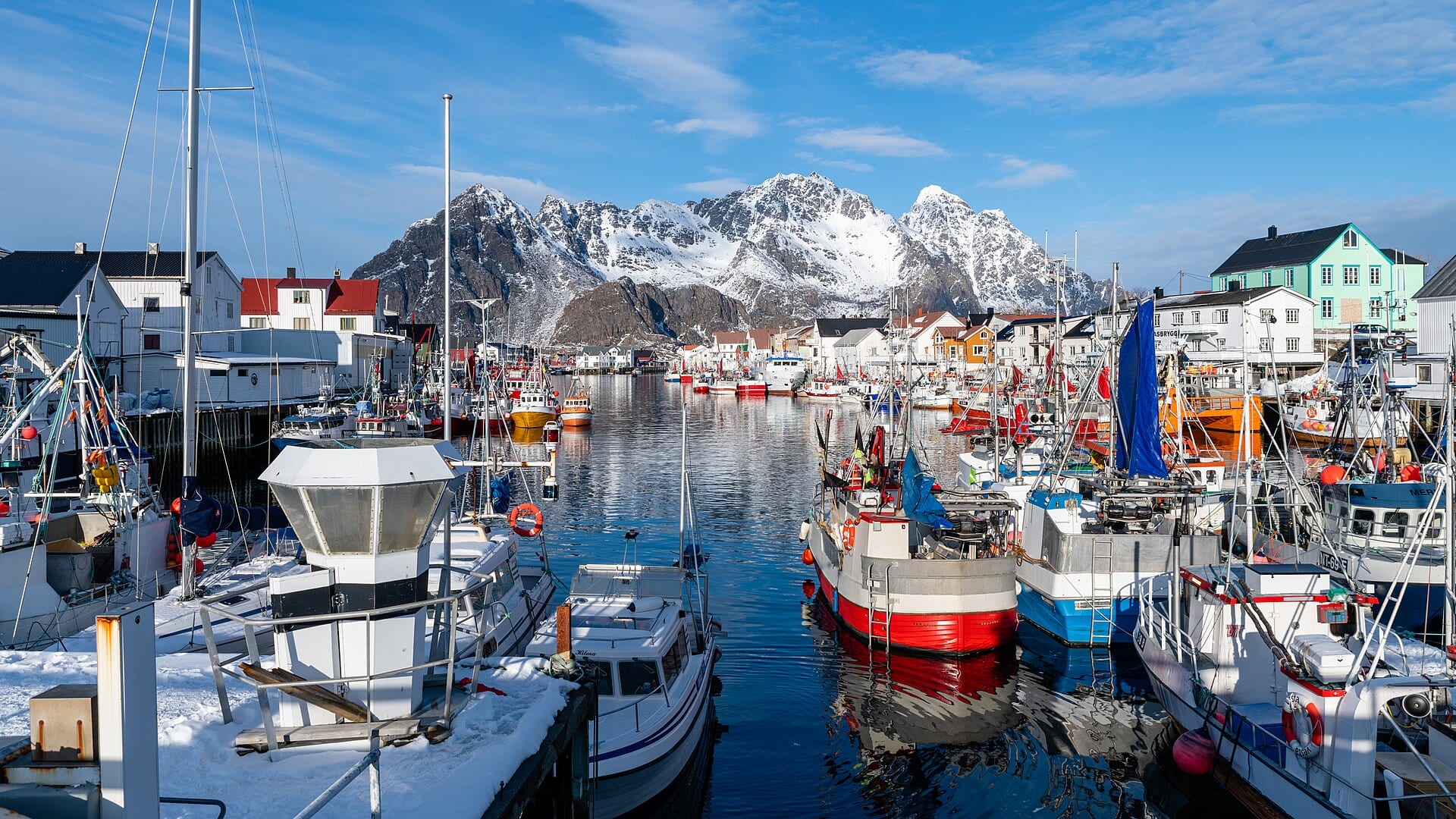
When the weather isn’t quite up for longer hikes into nature, exploring the local villages becomes the ideal backup plan, full of pleasant surprises. In Henningsvær, often nicknamed the picturesque Venice of the North, you can wander along a flat asphalt road between iconic wooden cod-drying racks and admire the famous football pitch perched on a rocky islet.
You’ll also find the old Trevarefabrikken factory converted into a wonderful community space, where there’s plenty of room for a pushchair and you can spend peaceful moments over great coffee and a vegetarian sandwich. If, on the other hand, you drive all the way to the very end of the E10 road, you’ll be welcomed by the village with the shortest name, Å, which is full of traditional red cabins and ever-noisy gulls.
The absolutely essential stop here is the historic Bakeriet bakery, where they bake in an original wood-fired oven dating back to 1844, and their fresh cinnamon buns called kanelboller will instantly lift any dented morale. The walk along the packed paths here is very easy, or you can pop over to the village of Vikten and show the kids the fascinating glassblowing in the Glasshytta workshop right on the beach.
💡 Tip: Take huge care when moving along the old wooden jetties, which can be extremely slippery after rain or morning dew, so hold smaller children really firmly by the hand or pop them in the carrier.
Where to Go Next from Lofoten
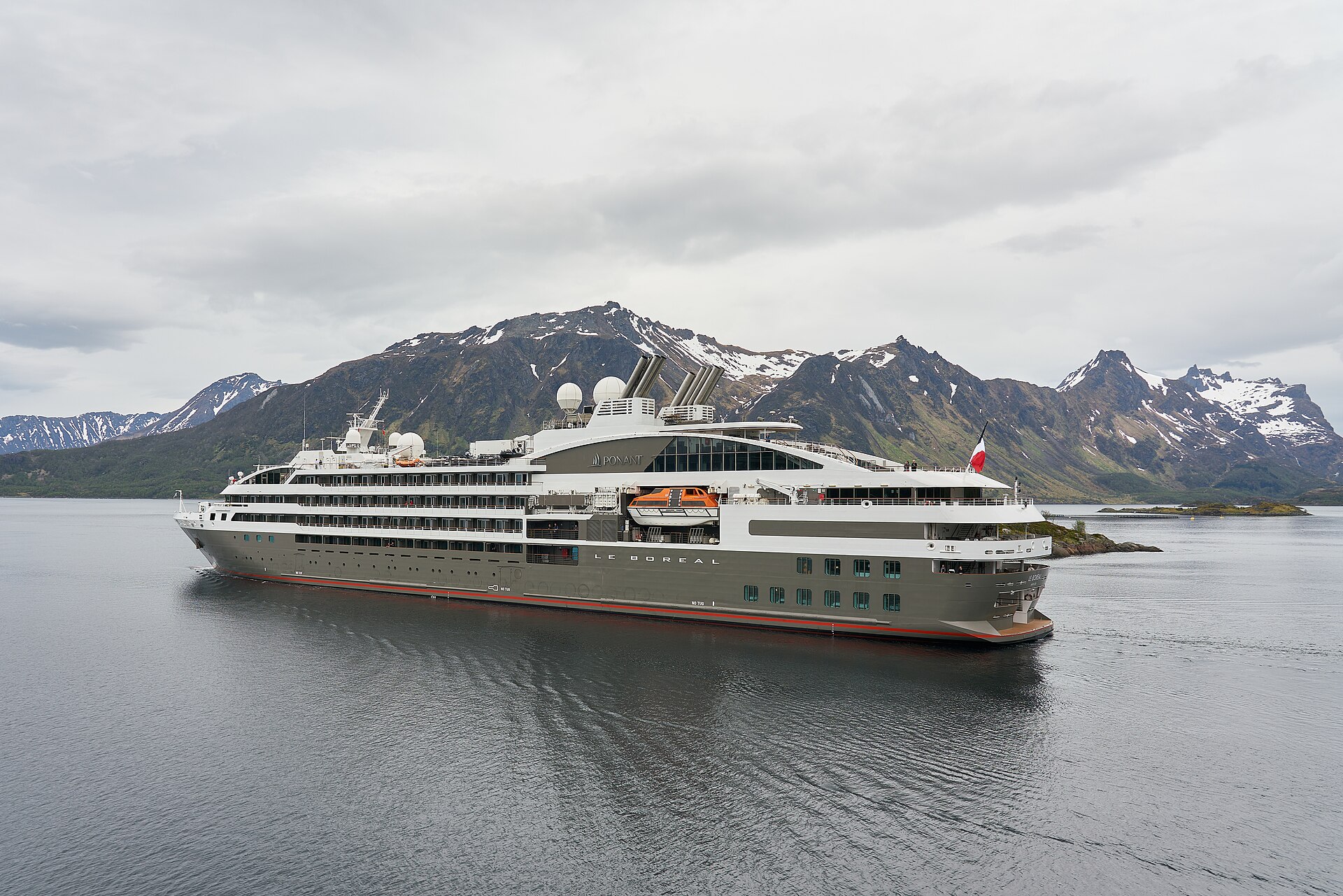
If you have more time to explore the Nordic wilderness, consider crossing over to the neighbouring Vesterålen, which offer a calmer atmosphere and are famous for whale watching. An excellent alternative is also the island of Senja, often described as Norway in miniature, where you’ll find equally dramatic mountains but a fraction of the tourists — something you’ll especially appreciate in peak summer season.
For better orientation and detailed planning of your next steps, be sure to read our big guide to Lofoten, where you’ll find plenty more inspiration. If the Viking history caught your eye and you want to know more, take a look at our article on the Lofotr Viking Museum. For ocean lovers we’ve put together the most beautiful beaches in Lofoten, and if you’re still undecided on a base, check out our tips on where to stay in Lofoten.
Frequently Asked Questions
Are the Lofoten Islands safe for small children?
Yes, traveling to the north is very safe, the local infrastructure is of a high standard, and Norwegians are extremely welcoming to families. The biggest risk is the extremely changeable weather and slippery terrain after rain, so it’s important to not overestimate your strength and avoid exposed mountain treks without railings, such as the popular Reinebringen.
Do I need an all-terrain stroller for trips?
A regular city stroller with small wheels won’t help you much on gravel and natural paths; ideal is an all-terrain model with inflatable wheels, such as Thule. For most trips, however, an ergonomic baby carrier or hiking backpack is much more practical, allowing you to reach even remote beaches and uneven rocky cliffs.
How is it with medical care and insurance?
On the islands, there’s a fully functioning hospital in the town of Gravdal, and your European Health Insurance Card (EHIC) is valid here for emergency care. However, you should always expect a Norwegian co-payment, which can amount to €18 to €36. Commercial travel insurance for the whole family is therefore an absolute necessity, as potential air repatriation would be financially devastating. For quick consultations, the 116 117 helpline works brilliantly.
Can you save money on food in Lofoten?
Restaurant prices are astronomical, a regular main course will easily set you back 200 to 400 NOK (up to €35), so the best solution is accommodation with a fully equipped kitchen. Buy groceries at Kiwi or Rema 1000 supermarkets, where you can get affordable store brands, and for lunch on your trips, pack your own sandwiches with local cheeses.
What is the local culinary specialty?
A typical local specialty is skrei, which is Arctic cod, and also traditional stockfish, or air-dried fish, whose distinctive aroma you’ll smell in many villages. However, children usually enjoy most the brunost, a sweet brown cheese with a distinctive caramel flavor, which goes great on fresh bread for breakfast, or the sweet potato flatbread lompe.
How annoying are mosquitoes in the summer?
Thanks to the constant cooler sea breeze, the insect situation on the islands is much more bearable than in mainland Norway. However, in August midges and mosquitoes can appear in calmer spots, so to be safe pack quality DEET repellent and a fine mosquito net for the pram or baby carrier.
Should I bring diapers and baby food from home?
Definitely not, Norwegian supermarkets are excellently stocked with all kinds of baby products and you’ll find absolutely everything from fruit pouches to formula. Local private-label diapers from Rema or Kiwi stores are moreover often very good quality and definitely won’t break the bank, so save that precious space in your suitcase.
Can you pay with cash or card everywhere?
Norway is essentially a cashless society and you can pay with a regular payment card absolutely everywhere, even at public toilets in the middle of remote nature. You don’t need physical banknotes at all, and exchanging money before your trip is thus an unnecessary waste of time and bank fees. Locals often use the Vipps mobile app, but they always have a card terminal ready.
Tips and Tricks for Your Vacation
Don’t Overpay for Flights
Search for flights on Kayak. It’s our favorite search engine because it scans the websites of all airlines and always finds the cheapest connection.
Book Your Accommodation Smartly
The best experiences we’ve had when looking for accommodation (from Alaska to Morocco) are with Booking.com, where hotels, apartments, and entire houses are usually the cheapest and most widely available.
 🚗 Car rental on the roadVerified rental cars in Norway
Search with the DiscoverCars comparison engine — it compares prices from dozens of local and international rental companies, and most bookings come with free cancellation.
Compare car prices in Norway →Don’t Forget Travel Insurance
Good travel insurance will protect you against illness, accidents, theft, or flight cancellations. We’ve had a few hospital visits abroad, so we know how important it is to have proper insurance arranged.
Where we insure ourselves: SafetyWing (simple monthly subscription) and TrueTraveller (for extra-long trips).
Find the Best Experiences
Get Your Guide is a huge online marketplace where you can book guided walks, trips, skip-the-line tickets, tours, and much more. We always find some extra fun there!
More from Lofoten
Full guide → When to go · most readWhen to Visit Lofoten, Norway: Weather Month by Month and the Midnight Sun 2026
 BeachesThe Most Beautiful Beaches in Lofoten, Norway: Haukland, Uttakleiv and More
 What to seeReine & Hamnøy: 6 Things to See in Lofoten’s Most Photogenic Village
 Day trips7 Best Things to Do in Leknes, Norway (2026 Guide)
 BeachesRyten & Kvalvika Beach: 10 Things to Know About Lofoten’s Most Famous View


