

If you’re planning a trip to Montenegro from the Croatian border, I have one absolutely essential recommendation for you. Just across the border, Herceg Novi in Montenegro is waiting for you — a town that most tourists rush straight past on their way to the more famous Kotor or Budva. And that’s a real shame, because this is exactly where you’ll find one of the most authentic atmospheres on the entire Adriatic coast.
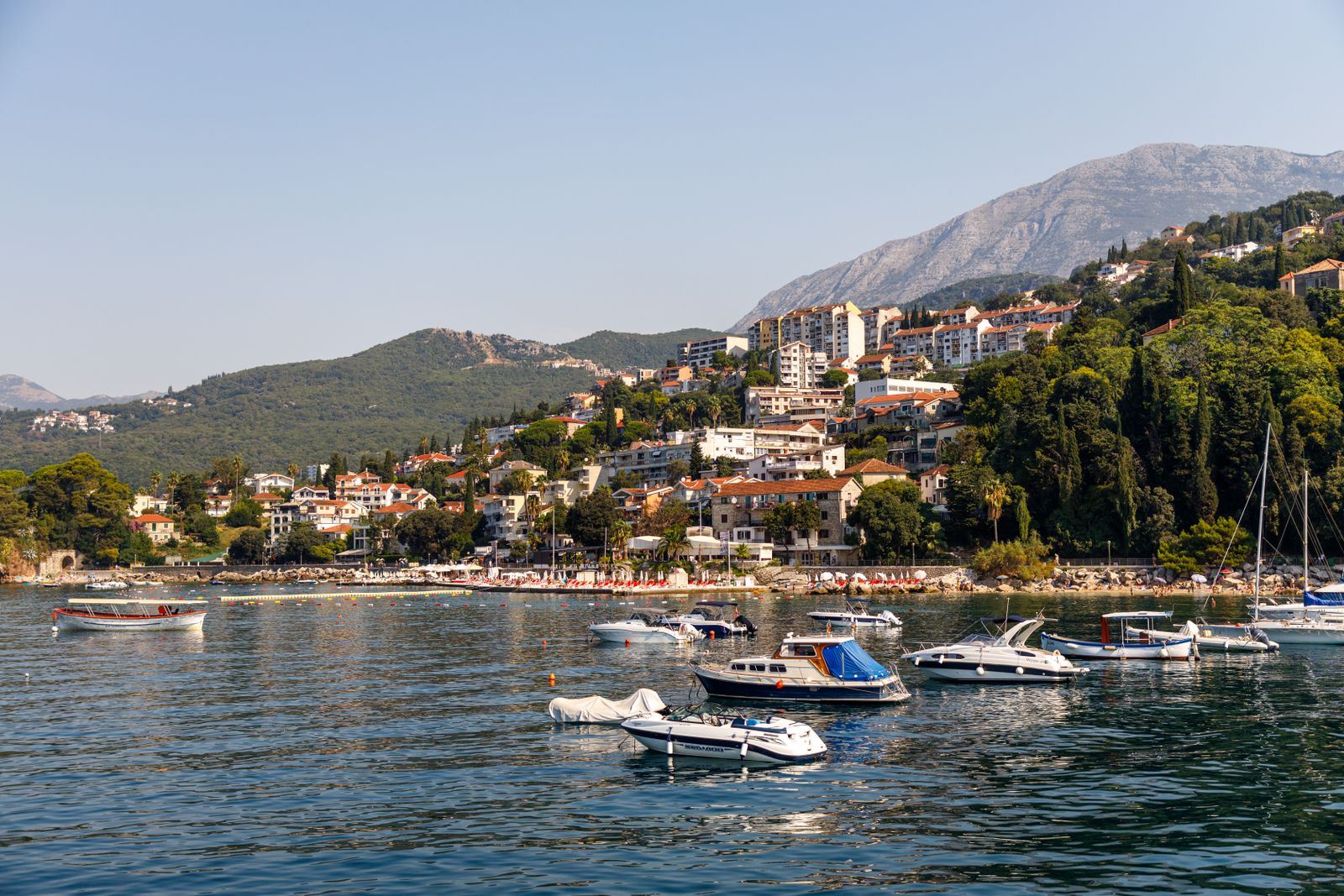
This area is often nicknamed the gateway to the Bay of Kotor, and the moment you arrive you’ll immediately understand why. The town clings to steep slopes right above the crystal-clear sea and welcomes you with a flood of subtropical greenery. Unlike the packed resorts a little further south, Herceg Novi still holds on to its laid-back Balkan character.
But be prepared for one important thing — the stairs. The town is nicknamed the city of 100,000 steps, and trust me, your calves are in for a serious workout. The views that open up from the upper terraces over the whole bay, however, are absolutely worth the effort. Let’s take a look together at the very best things you can experience here.
TL;DR
- Strategic location: Herceg Novi is the ideal first stop on the way from Dubrovnik in Croatia, lying right across the border.
- City of stairs and fortresses: The historic centre is laced with endless staircases and guarded by three stunning fortresses (Forte Mare, Kanli Kula and Španjola).
- Car-free beaches: The most beautiful swimming spots are the Žanjice and Mirišta beaches, easily reached by water taxi for just a few euros.
- Blue Cave: The local harbour is the best and closest starting point for trips to the famous Plava špilja.
- Green oasis: Thanks to its microclimate, palms, fig trees and mimosas thrive here, blooming as early as February during the famous festival.
- A calmer alternative: Compared to Budva or Kotor, even in high summer the atmosphere here is far more relaxed and less commercial.
- A walker’s paradise: The seven-kilometre Pet Danica promenade runs along the sea, perfect for a morning jog or evening stroll.
The full destination guide: Montenegro — guide and what to see
When to Visit Herceg Novi
The best balance between gorgeous weather and manageable crowds is in June and September. The sea is already (or still) beautifully warm at 22 to 26 degrees, but you’ll dodge the biggest summer crowds. All the restaurants and boat lines are running at full tilt, and you can wander the town without swimming in your own sweat.
If you’re tied to school holidays and have to come in July or August, arm yourself with a little patience. Prices climb to their peak and big cruise ships sail into the bay. Even so, Herceg Novi is noticeably quieter than nearby Budva. A big draw in summer is also the film festival and evening open-air screenings right at the historic fortress.
The destination’s real speciality, though, is February, when the famous Mimosa Festival takes place. While the rest of Europe is freezing, here everything is already blooming in a brilliant yellow, with parades and markets filling the streets. In autumn, around October, the town sinks back into total calm, the sea is still surprisingly warm and accommodation prices drop to a minimum.
Where to Stay in Herceg Novi (Montenegro Hotels)
💡 Tip for accommodation and experiences: We love searching for places to stay on Booking.com, which usually has the best cancellation terms. For tickets, tours and activities, it pays to compare and book through GetYourGuide.
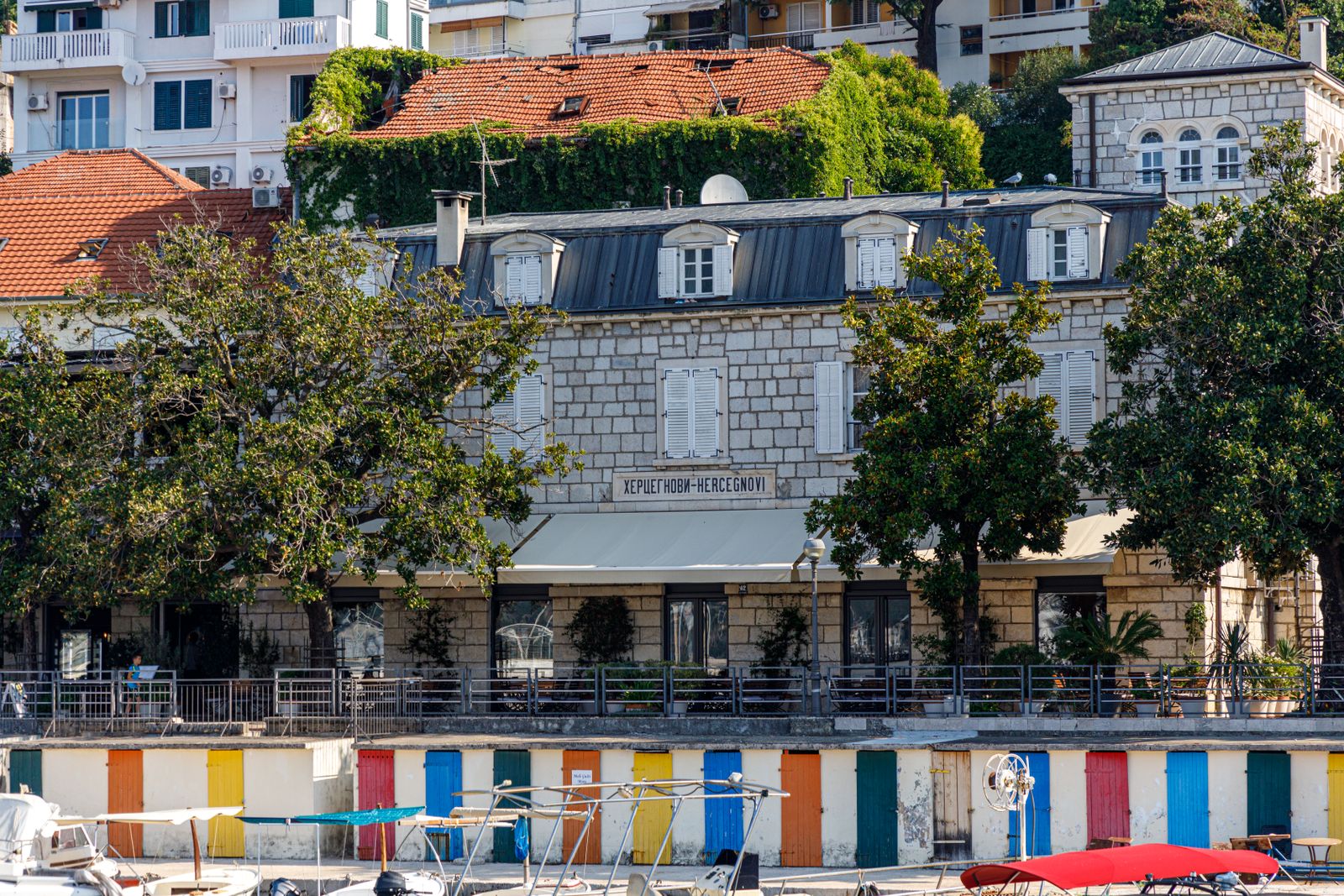
Choosing where to stay can be a bit of a puzzle here, because there are very few hotels right in the historic centre. Most of the best options sit along the long seafront promenade or in nearby districts like Meljine or Kumbor. It mostly comes down to whether you’re after sheer luxury or a cosy boutique hotel. You can easily book the local hotels in Montenegro through Booking, and I recommend doing so well in advance.
If you’re looking for the absolute top tier, I recommend the five-star One&Only Portonovi in the Kumbor district. It’s a breathtaking marble resort with its own sandy beach and flawless wellness — ideal for a romantic getaway or honeymoon. For lovers of historic atmosphere, a brilliant choice is the Lazure Hotel & Marina, set in a beautifully restored building right on the promenade and offering first-class service.
For a mid-range budget and a quieter stay, go for the Boutique Hotel Blanc & Bleu, which is closer to the centre and offers excellent value for money. If you want to roll straight out of bed and into the sea in the morning, book the popular Hotel RR, which has its own access to the water. And for anyone after something truly controversial and out of the ordinary, there’s Mamula Island by Banyan Tree, a luxury hotel built right inside a former island fortress.
11 Things to See and Do in Herceg Novi, Montenegro
Let’s take a look at the most interesting things this terraced town has to offer. Get your seriously comfortable shoes ready, because you’ll be clocking up plenty of kilometres.
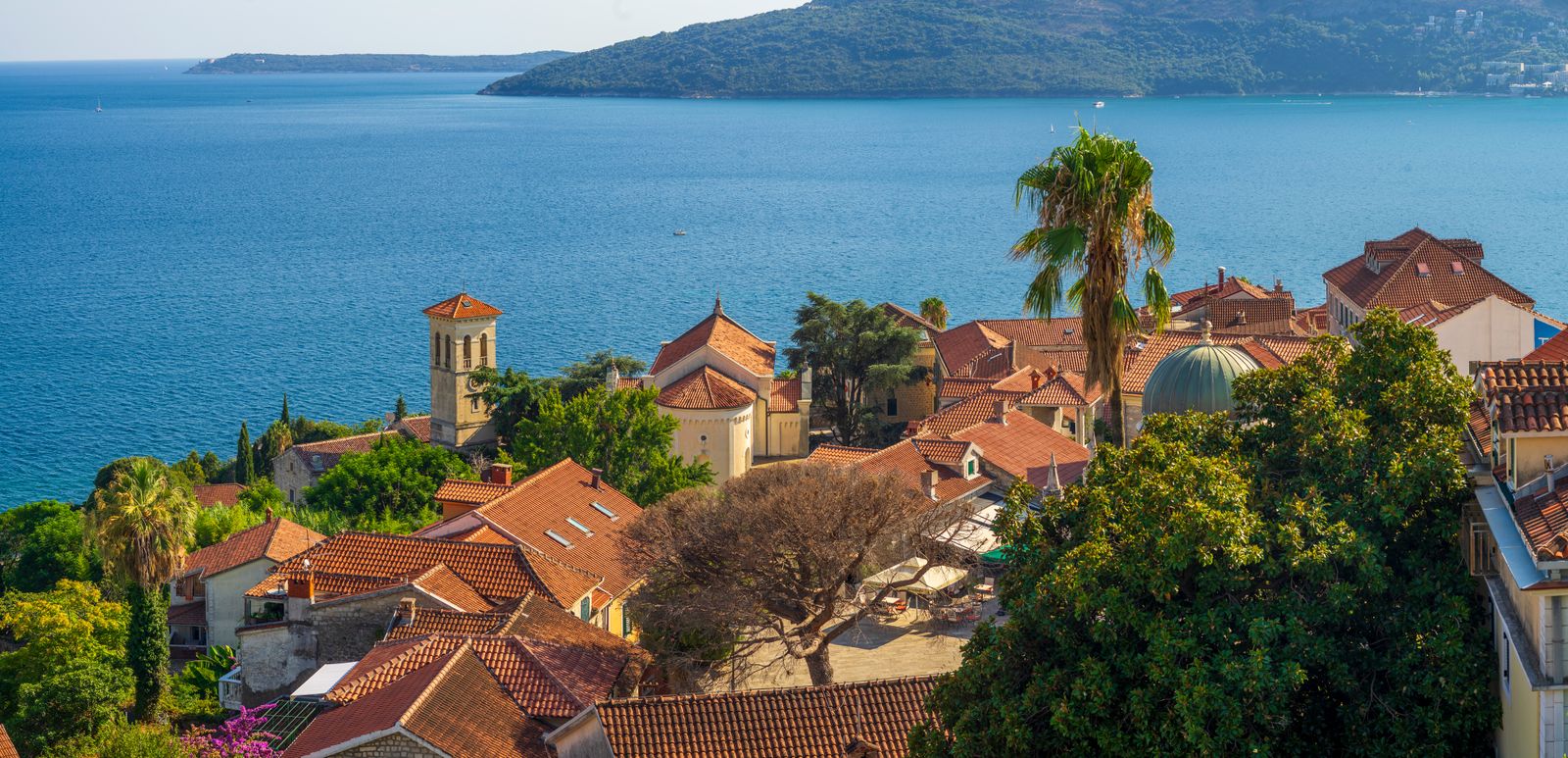
1. The Old Town and 100,001 Steps
The historic centre is utterly unique in that you’ll find almost no cars here. Everything is connected by an intricate labyrinth of stone staircases — supposedly exactly 100,001 of them. Whether that’s true or just a legend, the stairs are an inseparable part of local life, something even the famous Nobel laureate Ivo Andrić wrote about, having lived here with his family in the 1960s.
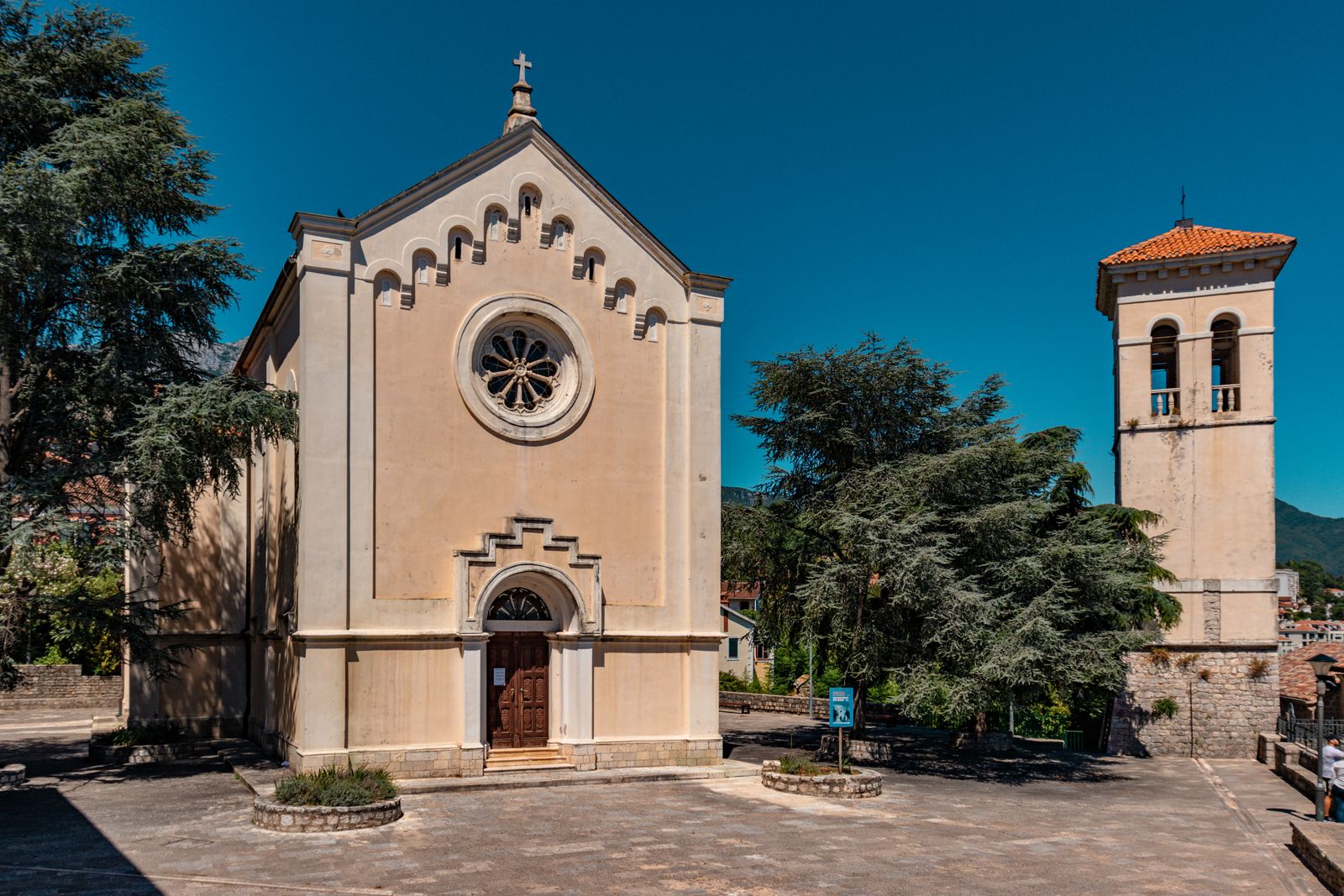
The heart of the old town is the main Nikola Đurković Square, watched over by the beautiful Clock Tower, or Sahat Kula. It was built in 1667, still under Ottoman rule, and served as the main entrance gate. From there you can head higher up to the so-called Belavista, an upper terrace with a little church.
From Belavista you get the very best view over the red rooftops and the blue waters of the Bay of Kotor. I recommend coming here especially towards evening, when it’s no longer so hot and the setting sun bathes the whole town in gorgeous golden tones.
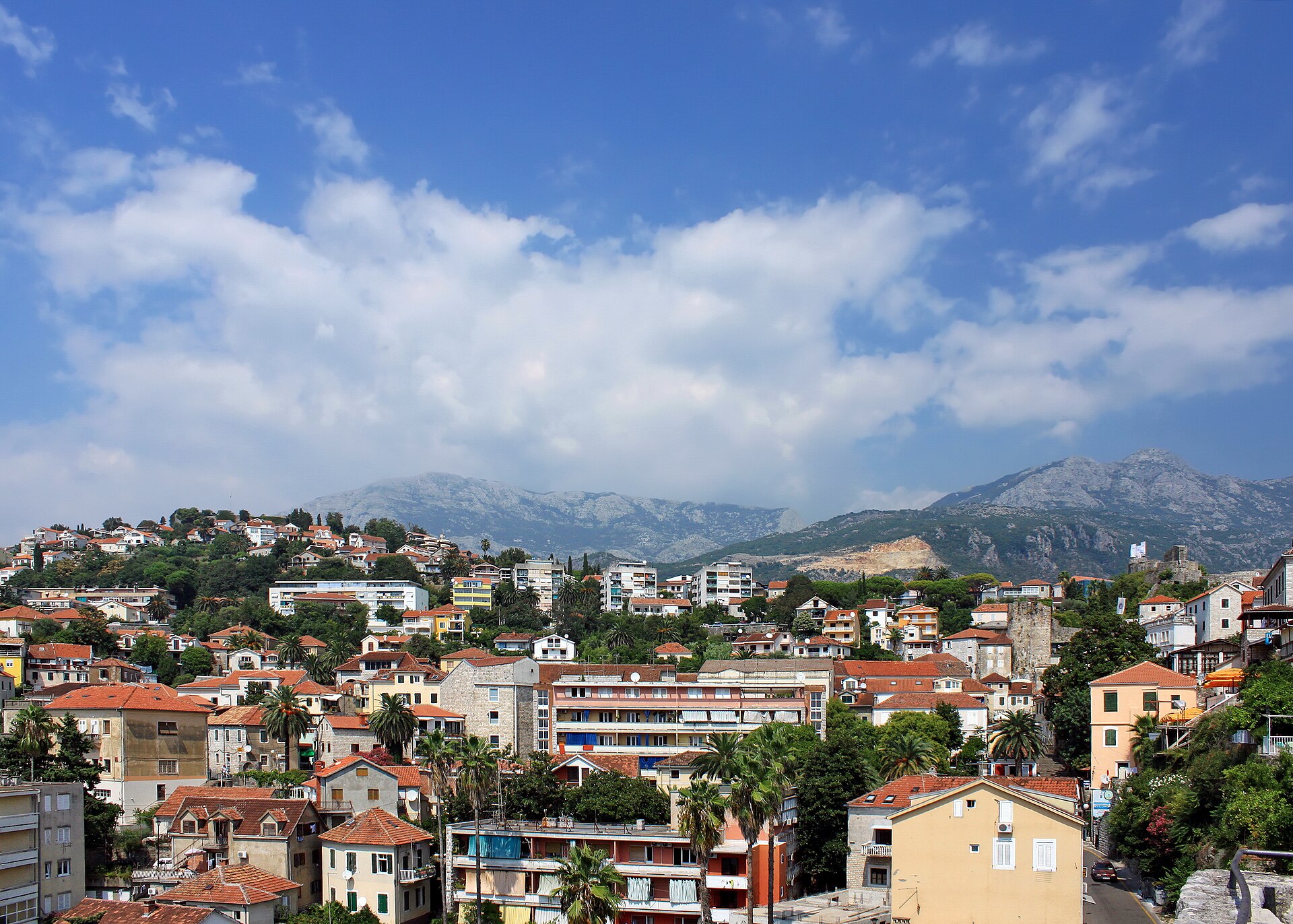
2. Forte Mare Fortress
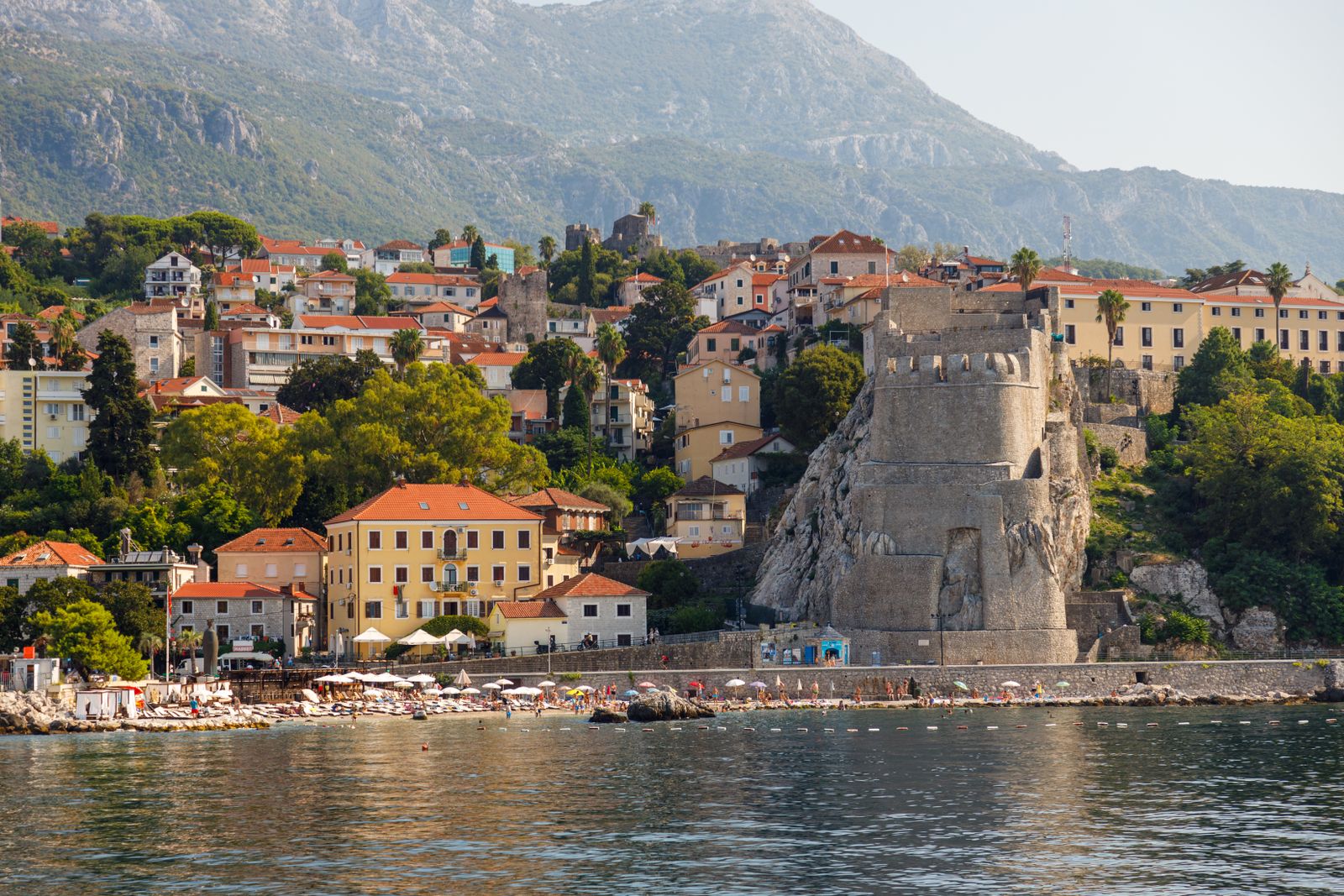
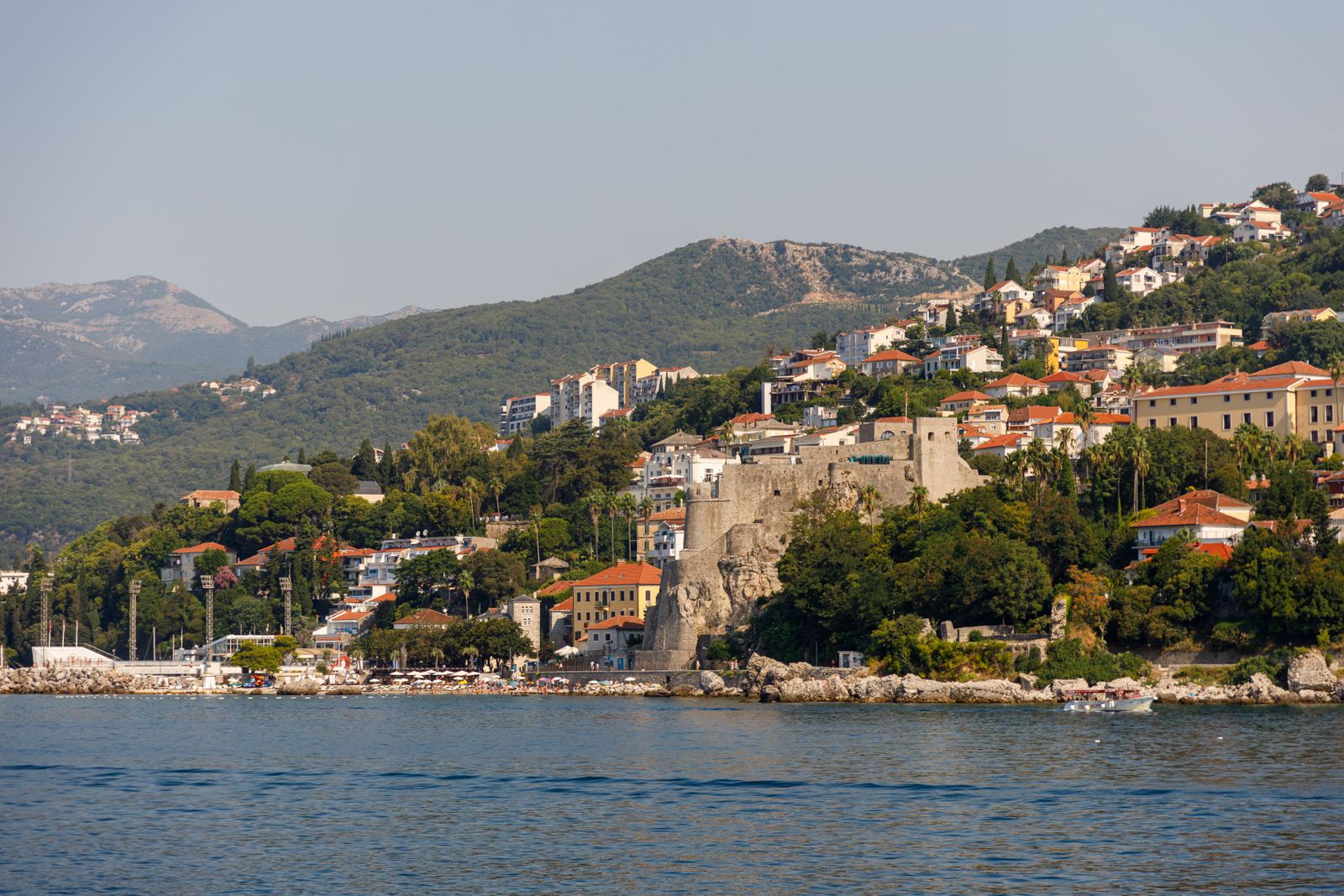
Right above the promenade, at the very edge of the sea, stands the majestic sea fortress Forte Mare. Its construction began as early as the 14th century and was gradually improved by the Turks, Venetians and Austrians. The fortress guarded the main entrance to the bay, and today from its upper terrace you can watch ships sailing into Kotor as if they were in the palm of your hand.
Admission to the viewing walkway costs around €4, and definitely bring cash with you. A walk along the old ramparts takes no more than an hour, but the views over the bay and the old town are absolutely unbeatable and make for the best holiday photos.
What’s truly unique, though, is that the fortress has functioned as a summer cinema since 1952. It’s one of the very oldest open-air cinemas in Europe. If you’re here in summer during the film festival, don’t miss an evening screening under the stars — it’s a magical experience.
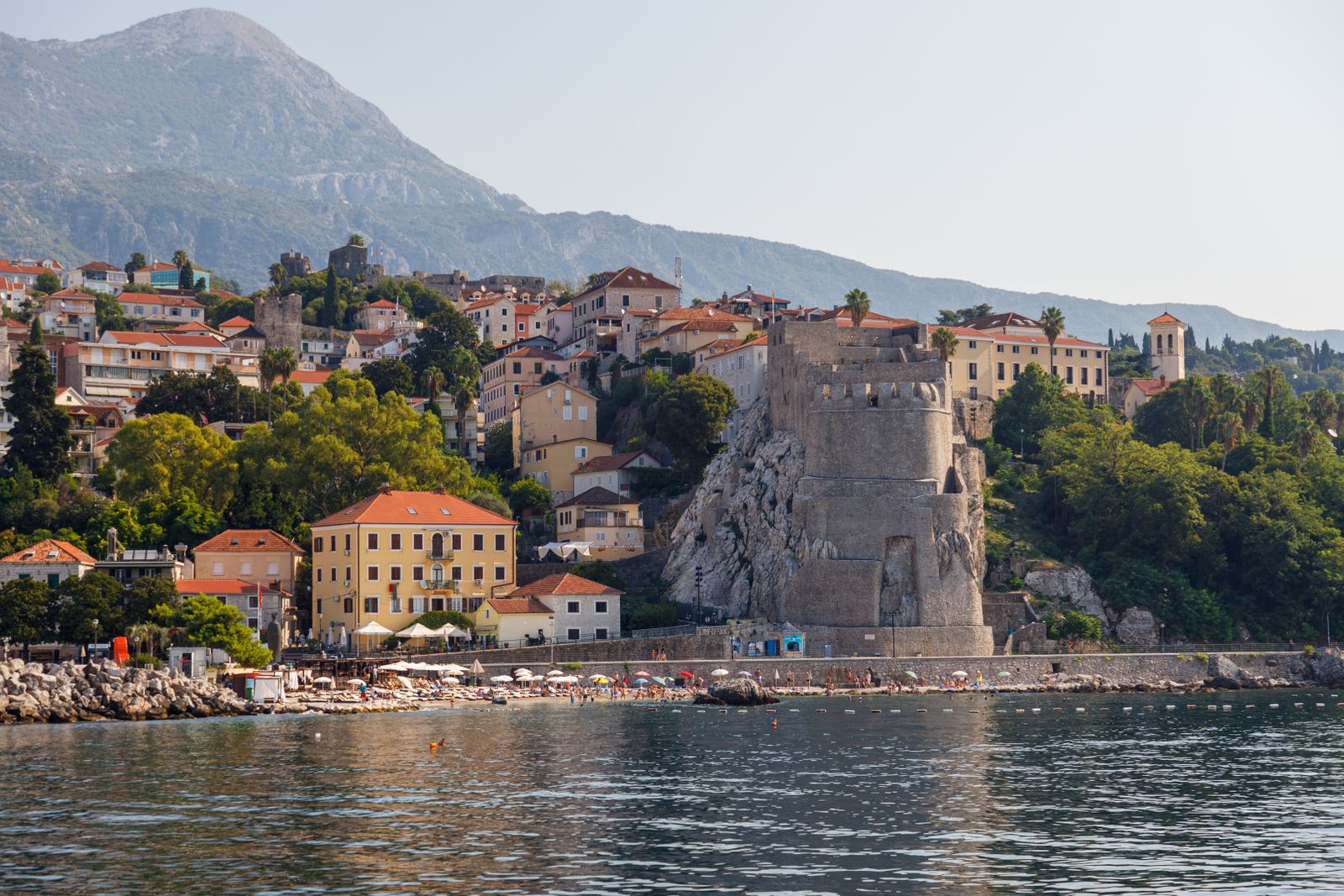
3. Kanli Kula, the Bloody Tower
Even higher above the town rises another fortress, one with a notably darker history. It’s called Kanli Kula, which translates as the Bloody Tower, and it was built by the Ottomans in 1539. For long years it served as a feared prison with no escape, and traces of that era can still be felt here today.
Admission ranges from €2 to €4, and if you already have a ticket from Forte Mare you’ll get a discount. From its walkways you have the entire old town and its tangle of lanes literally spread out beneath you, offering a completely different perspective than the lower fortresses.
Today, though, a much cheerier atmosphere reigns here. In the 1960s the interior was rebuilt into a huge summer amphitheatre for more than 1,000 spectators. During the season it hosts opera performances, guitar festivals and theatre plays, and the acoustics between the old stone walls are said to be absolutely perfect.
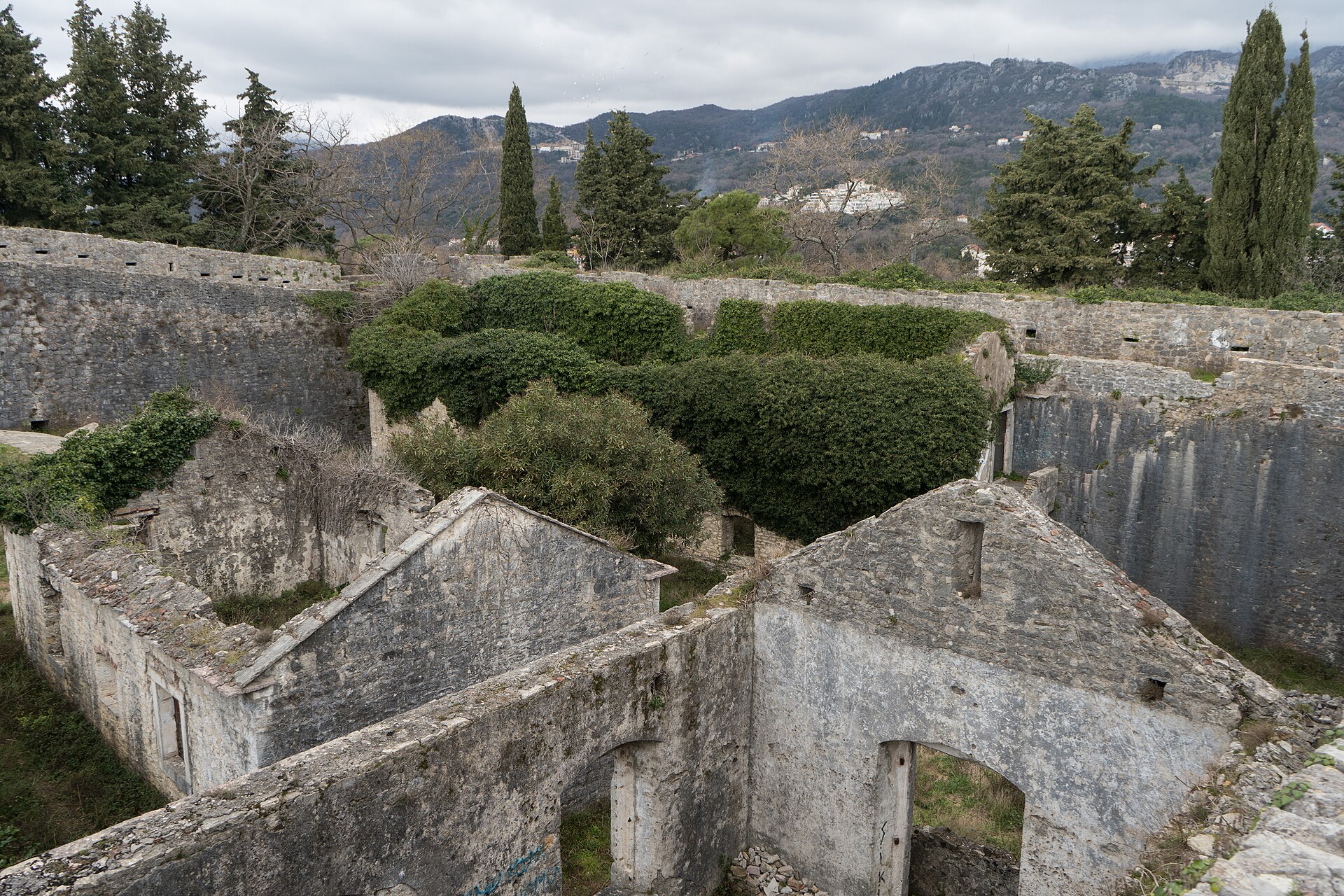
4. Španjola Fortress
If you want to escape the tourists and experience a slightly rawer slice of history, head up to the Španjola fortress. You’ll find it high on Bajer hill above the town, and the climb is quite demanding, though you can drive much of the way. It was originally built by the Turks, but got its name from the Spanish, who briefly owned it.
A huge advantage is that entry is still completely free. The fortress is currently going through the first phase of restoration, which should hopefully be finished by 2027. Despite the scaffolding and somewhat crumbling state, the grounds are freely accessible and there’s a wonderful atmosphere of a place being slowly reclaimed by nature.
From the old ivy-covered barracks you get perhaps the most picture-perfect view in the whole area. The combination of the bay, the open Adriatic and the high mountains in the background is breathtaking. You’ll meet hardly anyone here, so you can sit down in peace and soak up the silence.
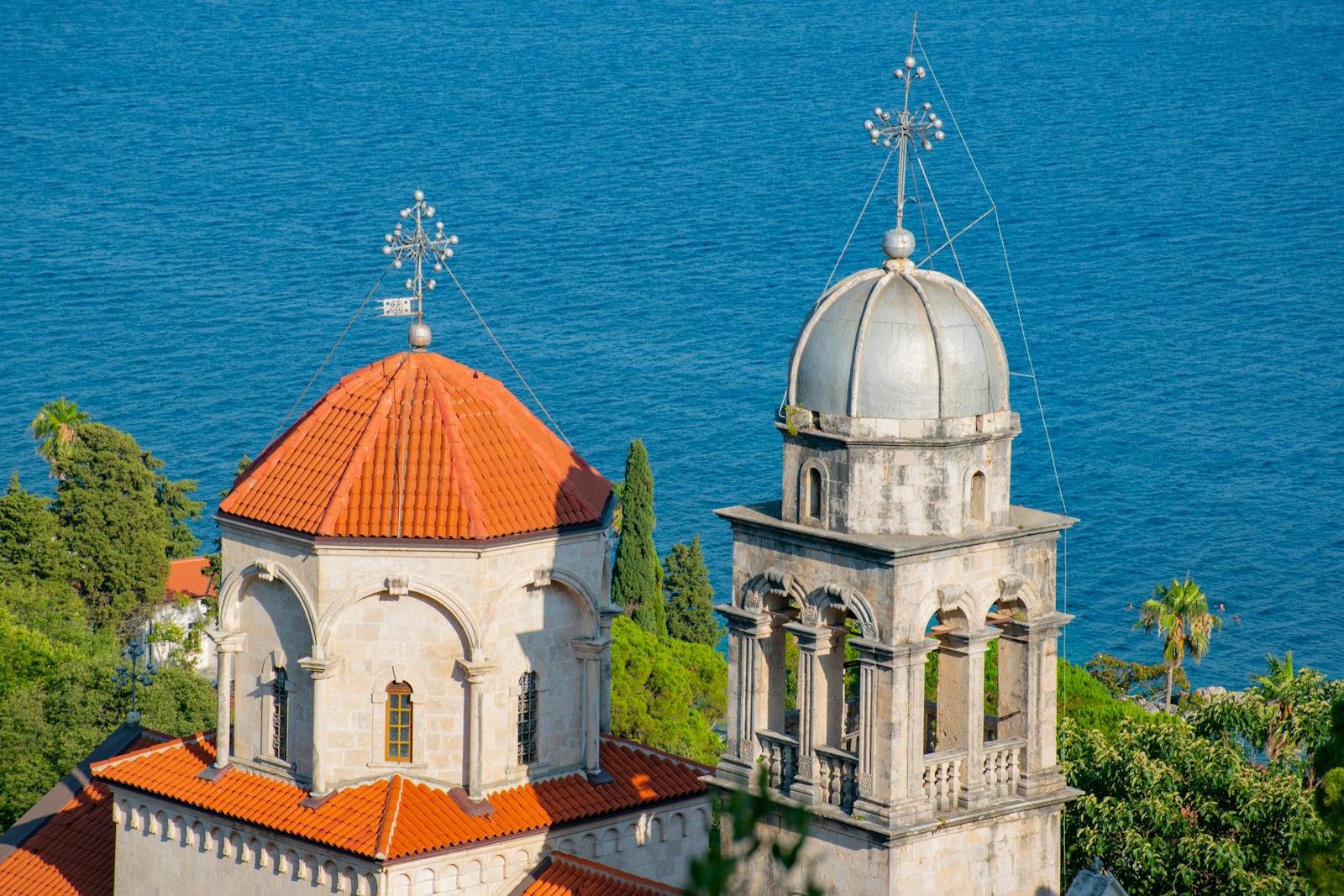
5. Savina Monastery and the Local Vineyards
About half an hour’s walk from the bustling centre, the Savina Monastery is tucked away in a dense pine forest. The path here leads gently uphill, but the shade of the trees protects you from the worst of the heat. Entry to the grounds is free, but don’t forget appropriate clothing — shoulders and knees must be covered, as this is an active Orthodox monastery.
The whole complex is made up of three churches. The oldest is the Small Church, with fragments of frescoes from the 11th century, while the main attention falls on the large Baroque church from the 18th century with its ornate iconostasis. The third little church stands a bit higher up the slope, and even though it’s usually closed, the view from it is well worth it.
Around the monastery stretch traditional vineyards covering roughly two hectares. The monks grow vines here and make their own excellent Vranac wine. I recommend coming early in the morning, when there’s absolute peace, the scent of pine resin fills the air and you’ll meet only a handful of locals.
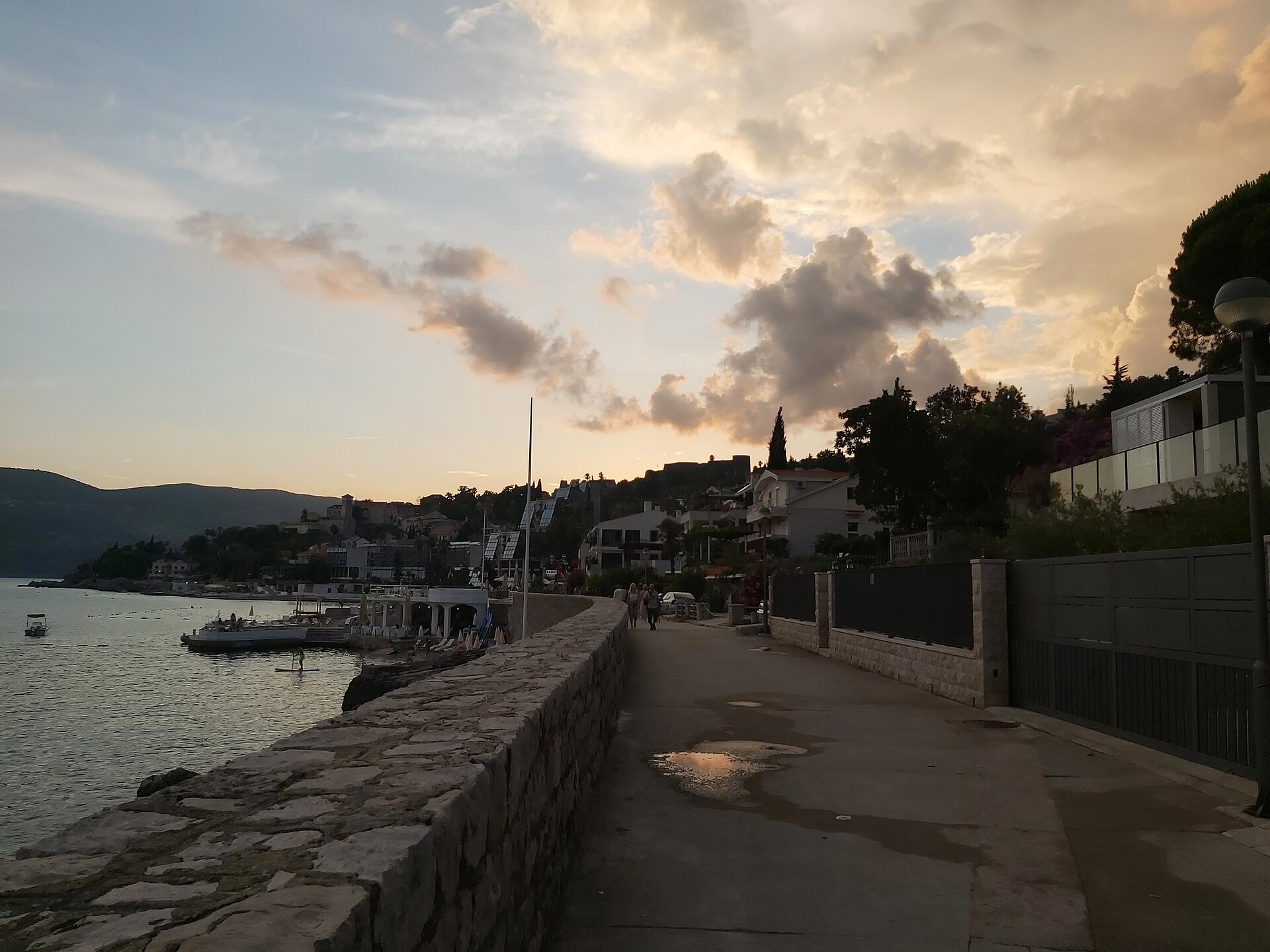

6. The Pet Danica Promenade
Once you’ve had your fill of climbing stairs, head down to the Pet Danica promenade. It stretches an impressive 7 kilometres along the coast from the Meljine district all the way to the spa town of Igalo. It was named in honour of five young partisan women called Danica, who fell during the Second World War.
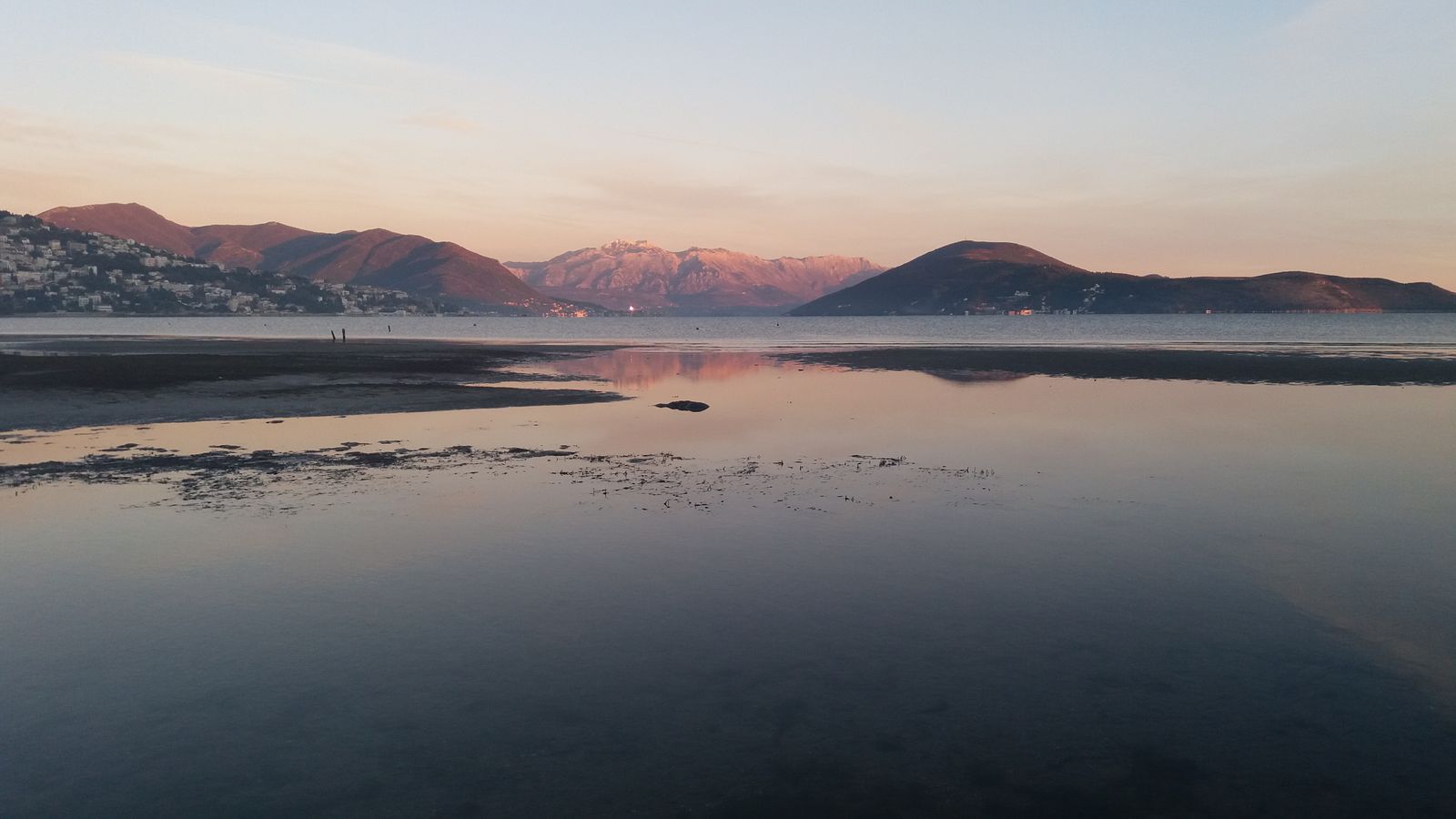
Along the entire route you’ll find cafés, restaurants and little swimming jetties. You can simply stroll along, sit on a bench or dive straight into the sea, which sits at a pleasant 24 to 26 degrees in summer. It’s most beautiful here just before sunset, when the surrounding mountains turn pastel shades.
💡 Tip for vegetarians: Right on the promenade you’ll find Peters Pie & Coffee. They serve fantastic savoury meat-free pies, fresh vegetable dishes and great coffee. It’s one of the best vegetarian stops in the whole town. For lunch in the classic konobas, reach for the traditional cheese zeljanica or fried priganice, and leave the meat and fish specialities to everyone else.
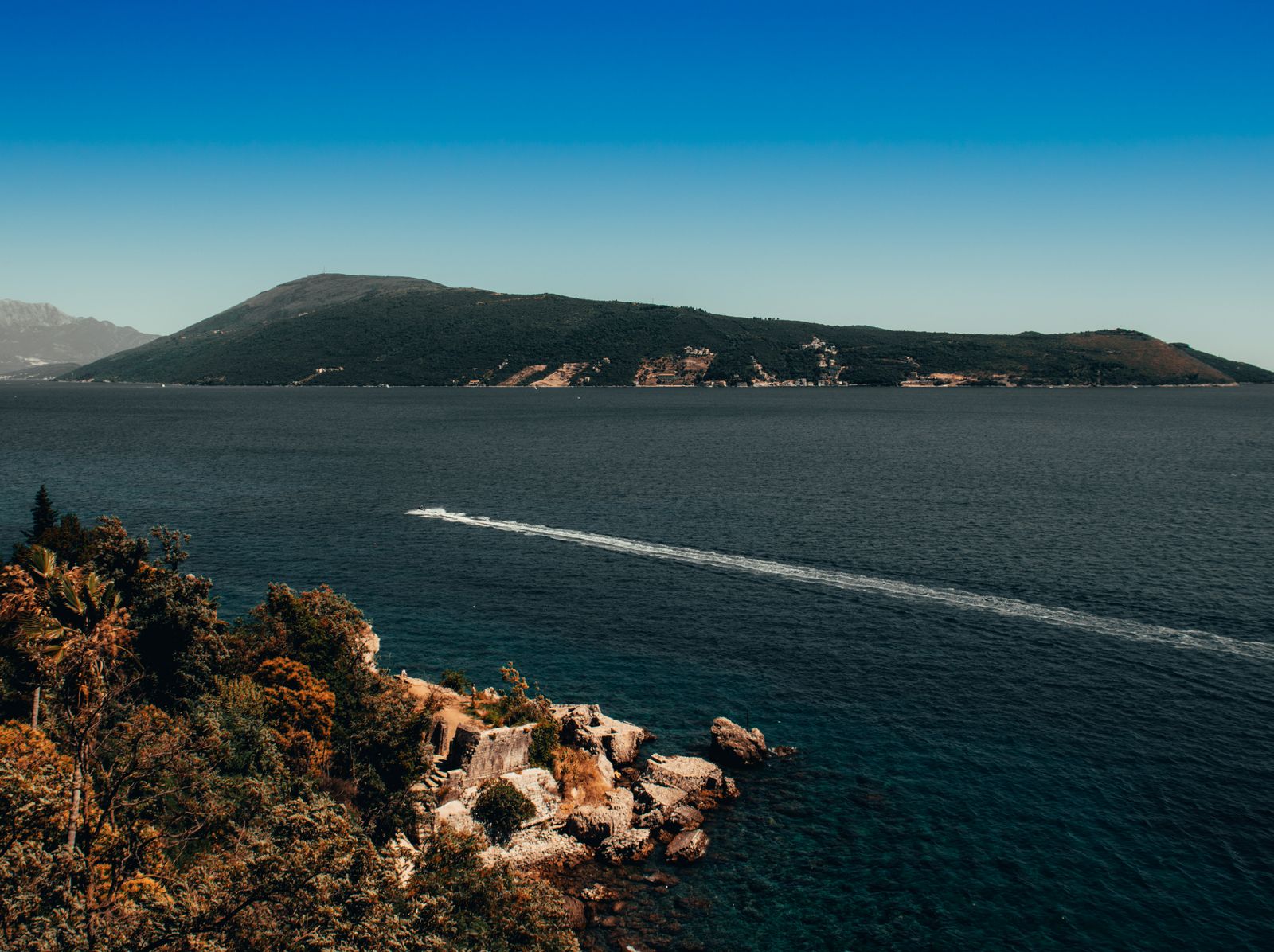
7. Žanjice and Mirišta Beaches
Although you can swim straight off the concrete jetties in Herceg Novi, for the prettiest beaches you’ll need to take to the water. Your target should be the Luštica peninsula and its two gems, the Žanjice and Mirišta beaches. This way you’ll skip the stressful drive along narrow local roads.
From the main town pier of Škver, small water taxis run daily from nine in the morning. The trip takes about 15 minutes and a return ticket will set you back a bargain €5. Žanjice is a beautiful pebble beach lined with olive trees and Mediterranean greenery, offering absolutely crystal-clear water.
Mirišta lies right next door and is a little smaller and quieter. Both spots are equipped with sun loungers and restaurants, so you can easily spend the whole day here. It does get quite busy in season, though, so I recommend hopping on the very first morning boat to bag the best spot by the water.
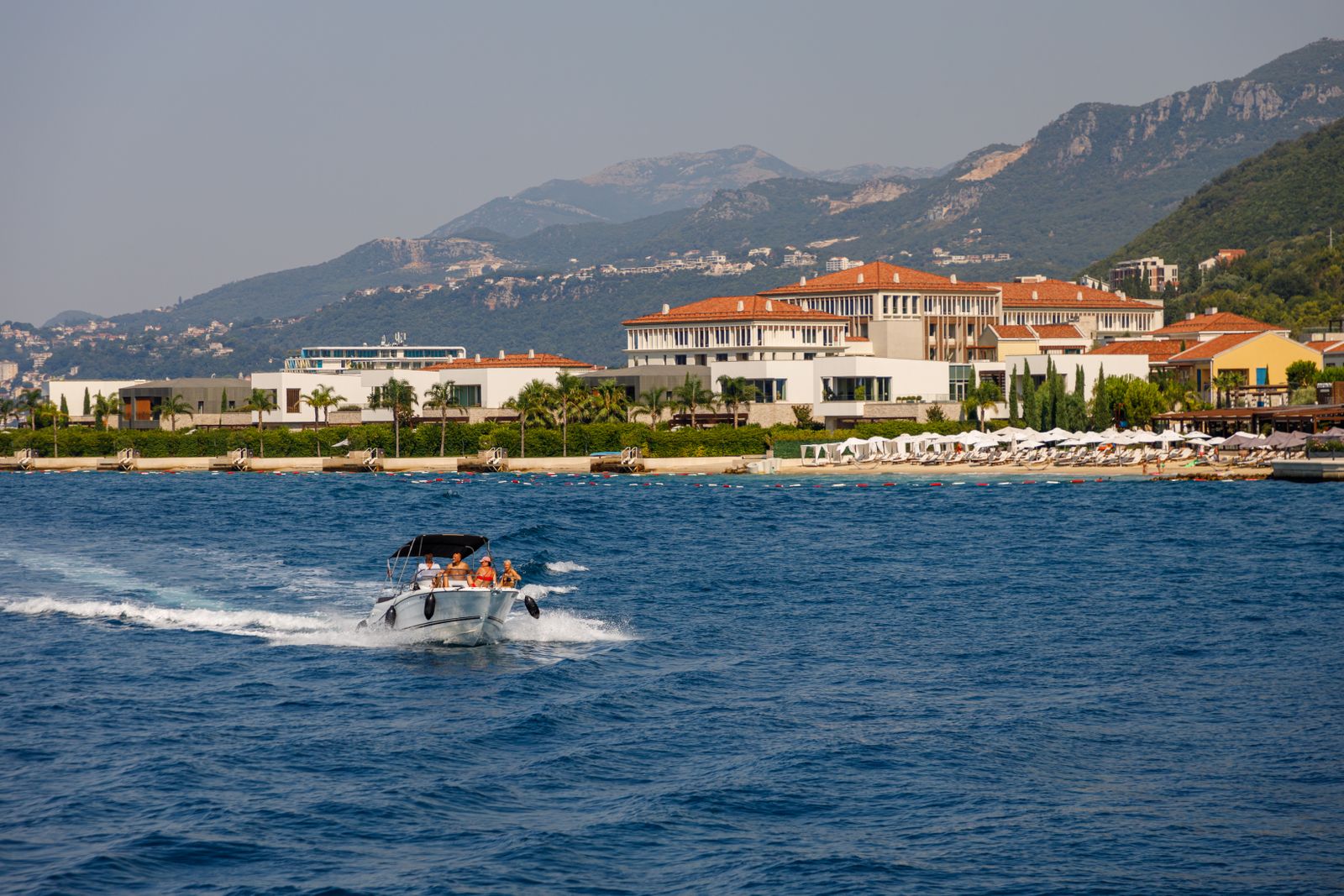
8. The Blue Cave (Plava špilja)
Herceg Novi is the single best starting point for visiting the famous Blue Cave. It’s much closer from here than from Kotor or Budva, so you won’t spend half a day on the boat. You’ll find group trips at the Škver harbour and prices start at around €30 per person.
The cave’s main magic lies in a light effect. Sunlight penetrates through an underwater opening and turns the water inside an incredibly vivid shade of blue. Inside the cave you can even swim or snorkel, which is a wonderful experience in this glowing water.
💡 Tip: If you want to see the most intense blue hue, ideally set off on the trip around midday. That’s when the most sunlight reaches the cave. The cave is at its most beautiful from May to October, when the sea is calm and the light effect works to perfection.
9. Mamula Island
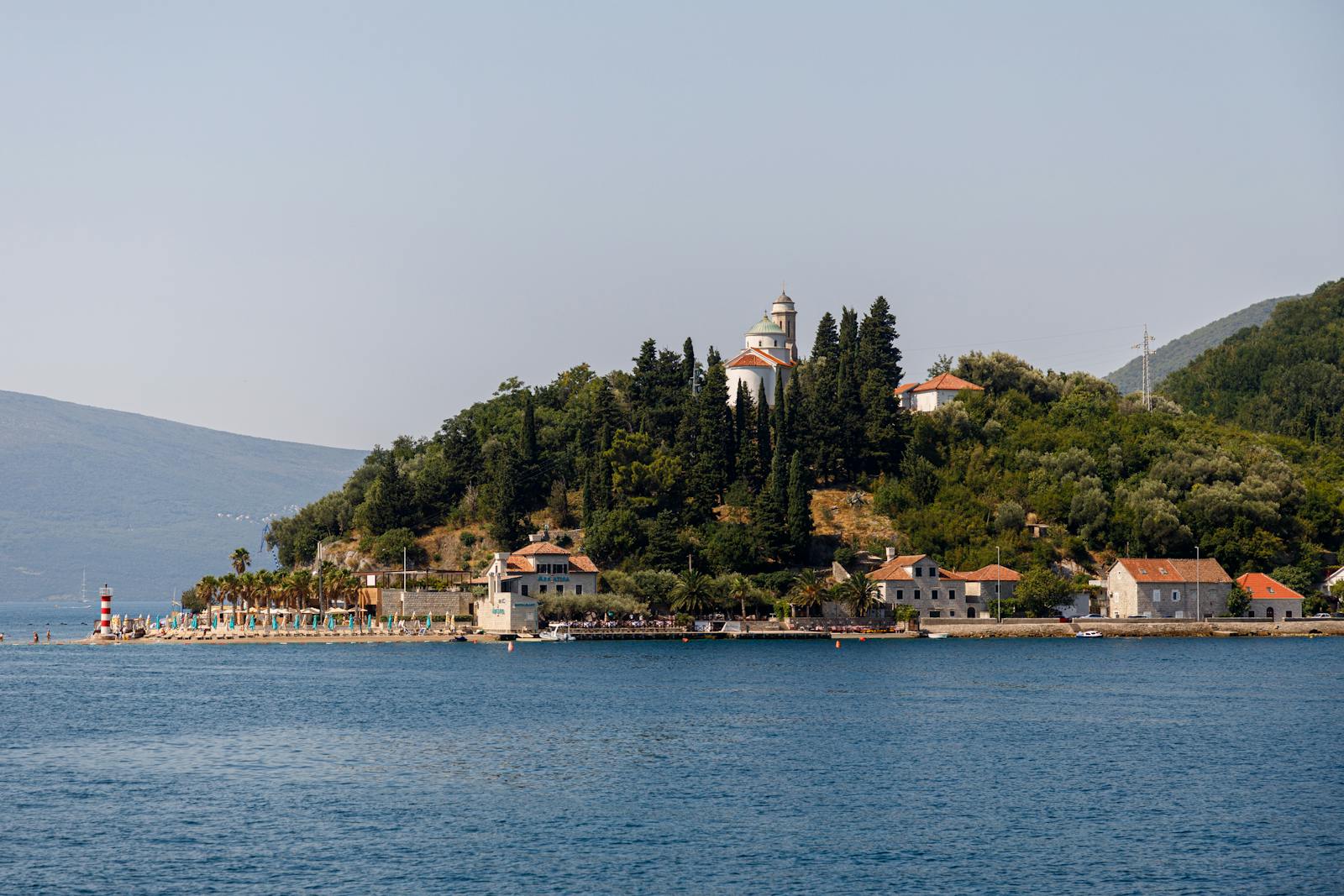
Looking out to the open sea from the promenade, you’re sure to notice a small circular island. It’s called Mamula, and on it stands a massive 19th-century Austrian fortress. During the Second World War it served as an Italian prison, something that still stirs up plenty of emotion and controversy among locals.
Today the situation on the island is completely different. Since 2026, the luxury five-star Mamula Island by Banyan Tree resort has been fully operating here. The fortress was rebuilt into an exclusive hotel with pools and a spa, and a memorial gallery was also created inside, commemorating the complicated history of this place.
It’s important to know that the island is not freely accessible to ordinary tourists. You can’t just sail over and walk along the ramparts — entry is permitted only to overnight guests, who arrive by private transfer. Regular tour boats merely slow down by the island so you can photograph this striking circular structure up close straight from the deck.
10. The Mimosa and the February Festival
Thanks to how sheltered the bay is from cold winds, the town has a unique subtropical microclimate. Palms, eucalyptus and large fig trees grow commonly right in the streets here. The greatest symbol of all, though, is the beautifully yellow mimosa, which lends the town its signature colour and scent.
While back home in February we’re scraping frost off our cars, here the mimosas are already in full bloom. To celebrate them, the famous Mimosa Festival is held here every year. In 2026 it will be the 57th edition, running exactly from 13 to 28 February. The town comes alive with spring markets, music and parades.
It’s an absolutely fantastic reason to come here outside the main season. Accommodation prices are ridiculously low, the streets smell of perfume from the blossoms and you’ll experience a real, genuine Montenegrin celebration without the summer tourist crowds.
11. Igalo, Healing Mud and Tito’s Villa
At the very western edge of the promenade, about seven kilometres from the centre, lies the spa district of Igalo. These days it’s practically merged with the town, but a far calmer atmosphere reigns here. You’ll find the famous Dr Simo Milošević Institute, renowned for its natural healing peloids — in other words, sea mud.
The spa is celebrated all over Europe, and in 2026 it even marks 50 years since the arrival of the first Norwegian patients. If you enjoy wellness, you can book various treatments here or stay right in the spa complex, which feels like an intriguing step back in time.
A huge curiosity here is the so-called Tito’s Villa Galeb. The Yugoslav president Josip Broz Tito himself stayed in this enormous residence from the 1970s. Today the building, with its 137 rooms, is part of the spa, and occasionally public tours are held here, taking you through the opulent historic halls.
Map of points of interest for your phone
Where to Go Next from Herceg Novi
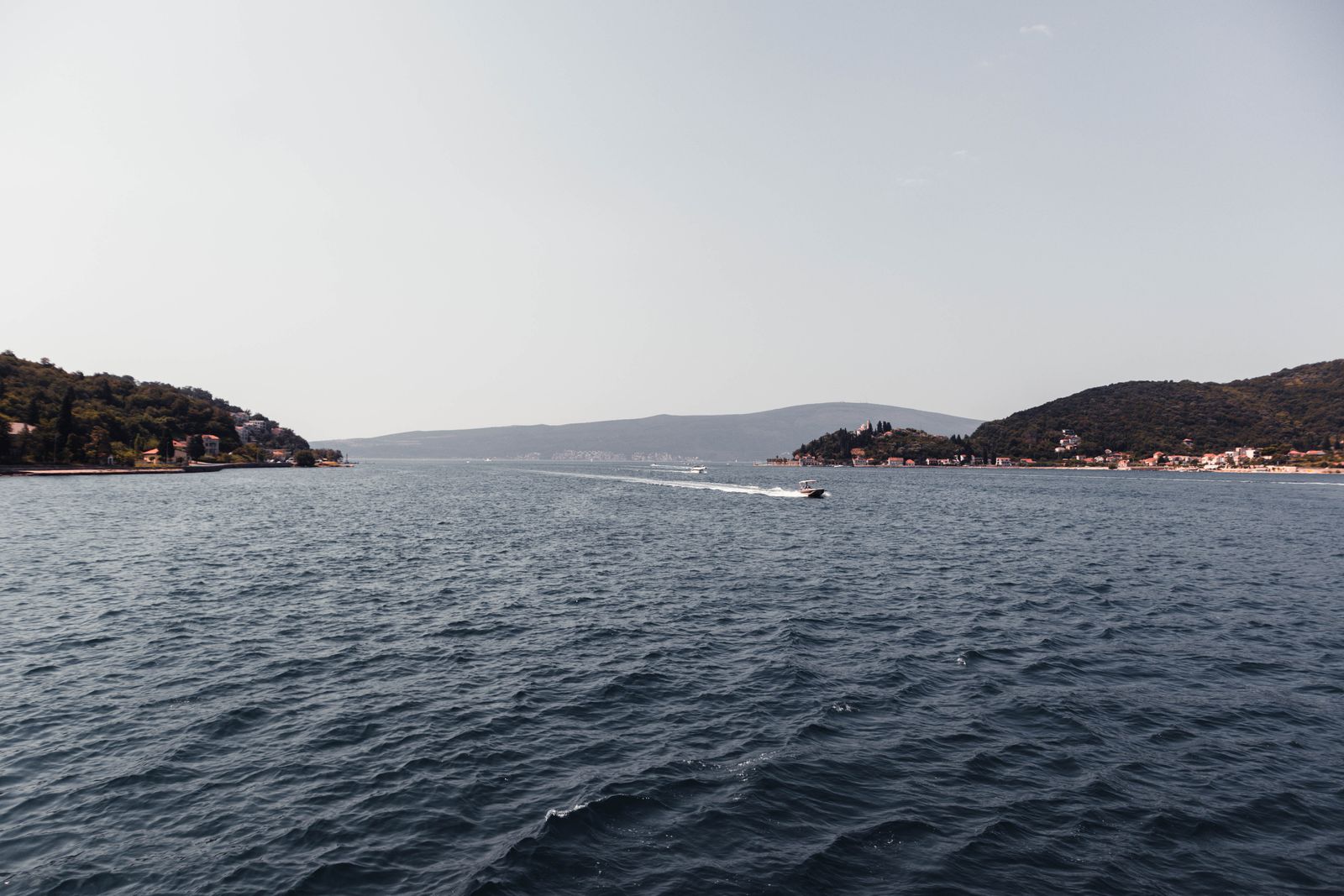
Herceg Novi is an absolutely brilliant base for further travel. If you have a car, you can head deeper into the bay. To avoid driving all the way around the gulf, though, I recommend taking the Kamenari–Lepetane ferry. The crossing takes just 10 minutes, costs about €5 per car and saves you nearly an hour of driving to Kotor or Tivat.
I’d definitely recommend not skipping the country’s other iconic spots. If you’re after inspiration, take a look at our big article Holiday in Montenegro: 15 Tips for the Coast and the Mountains. You’ll find tips on national parks and historic towns there, and it’ll help you put together the very best itinerary.
Frequently Asked Questions
Can you visit Mamula island and the fortress there for free?
Unfortunately not. The island has recently been transformed into a private five-star luxury resort, Mamula Island by Banyan Tree, and only guests staying there have access. However, most tourist boats stop by so you can admire this photogenic fortress with a dark past at least from the deck.
Why is the city nicknamed the city of 100,000 stairs?
The entire historic center is built on a very steep slope and staircases are the only way to connect the upper quarters with the promenade. The number 100,000 is of course symbolic, but after a day of walking it will certainly feel that way. Nobel laureate Ivo Andrić himself described the city with the words: stairs, stairs, stairs.
How do I get here from Dubrovnik, Croatia?
It’s incredibly easy. By car from Dubrovnik airport, you’ll reach the border in about 40 to 60 minutes. Herceg Novi is the first larger town just past the crossing. However, in July and August, watch out for huge queues at the border that can extend your journey, so it’s better to set off early in the morning.
How much does entrance to the local fortresses cost?
Prices are still very friendly. For the view from Forte Mare, you’ll pay around 4 € in cash, while entry to the upper Kanli Kulu costs approximately 2 to 4 € (often with a discount if you already have a ticket from the lower fortress). The highest one, Španjola, is currently under reconstruction and visiting it is completely free.
Why should I go to Herceg Novi in February?
While winter reigns at home, the local microclimate is already awakening nature to life. The famous Mimosa Festival takes place here (in 2026 from February 13 to 28), the town is fragrant with blooming yellow trees, concerts are organized and accommodation prices are at their annual minimum.
How to best get to the famous beaches of Žanjice and Mirišta?
Although it’s located on the Luštica peninsula and you can drive there, the roads are narrow and parking is difficult. The best option is to take a boat taxi from Škver port. Boats run during the season from morning and a return ticket costs only €5, plus it’s a beautiful trip across the water.
Is the city good as a base for trips around the area?
Absolutely yes. It’s a strategic point from which you’re close to both the airport in Dubrovnik and the interior of Montenegro. Thanks to the nearby ferry in Kamenari, you can quickly get to Kotor as well. Plus, accommodation and dining here are somewhat cheaper than in the busier resorts.
Tips and Tricks for Your Vacation
Don’t Overpay for Flights
Search for flights on Kayak. It’s our favorite search engine because it scans the websites of all airlines and always finds the cheapest connection.
Book Your Accommodation Smartly
The best experiences we’ve had when looking for accommodation (from Alaska to Morocco) are with Booking.com, where hotels, apartments, and entire houses are usually the cheapest and most widely available.
 🚗 Car rental on the roadVerified rental cars in Montenegro
Search with the DiscoverCars comparison engine — it compares prices from dozens of local and international rental companies, and most bookings come with free cancellation.
Compare car prices in Montenegro →Don’t Forget Travel Insurance
Good travel insurance will protect you against illness, accidents, theft, or flight cancellations. We’ve had a few hospital visits abroad, so we know how important it is to have proper insurance arranged.
Where we insure ourselves: SafetyWing (simple monthly subscription) and TrueTraveller (for extra-long trips).
Find the Best Experiences
Get Your Guide is a huge online marketplace where you can book guided walks, trips, skip-the-line tickets, tours, and much more. We always find some extra fun there!
More from Montenegro
Full guide →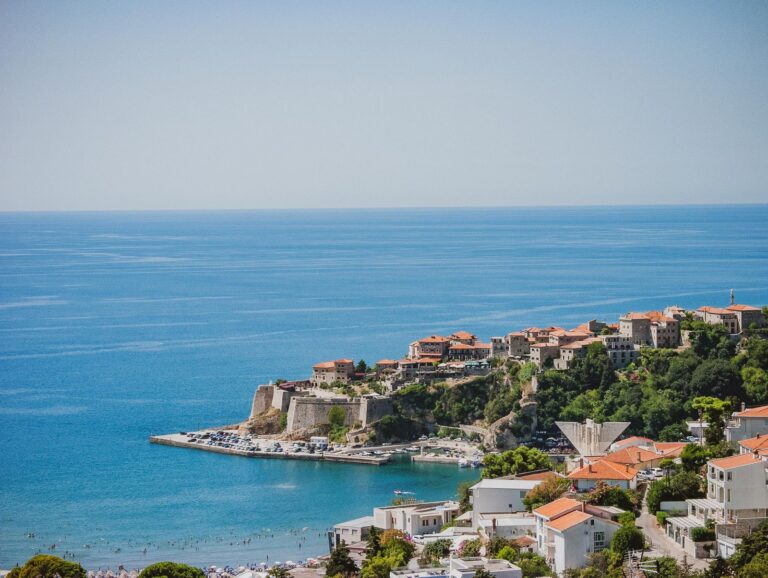 Beaches · most readUlcinj, Velika Plaža & Ada Bojana: 11 Tips for Montenegro’s Southernmost Coast
 Day tripsTivat & Porto Montenegro: 10 Tips for the Luxury Marina and Beyond
 When to goMontenegro Weather: When to Visit the Coast and the Mountains (Month by Month)
 ActivitiesTara River Canyon & Đurđevića Bridge: Rafting, Zip-Line and Europe’s Deepest Canyon 2026
 What to seeOstrog Monastery: 8 Tips for a Cliff-Carved Pilgrimage Site 2026


