

When you picture an Alpine idyll, Grindelwald in Switzerland is exactly the kind of place that springs to mind. Timber chalets dotted with geraniums scattered across deep-green pastures, the ominous north face of the Eiger looming right outside the window, and air so clean you could happily bottle it and sell it. The village will have you reaching for your camera every five minutes, because the panoramas look almost too good to be real.
Grindelwald is responsible for a lot of full SD cards and drained power banks — and honestly, I’m not the least bit surprised. Here are 14 tips that will help you get the most out of this mountain paradise, save money on the cable cars and dodge a few nasty surprises.
One word of warning up front: the trip up to Jungfraujoch costs over 260 CHF (around £230), and in bad weather you’ll come away with nothing but a painful memory. Pack your sturdy boots, get your calculator ready and let’s dive in 😉.
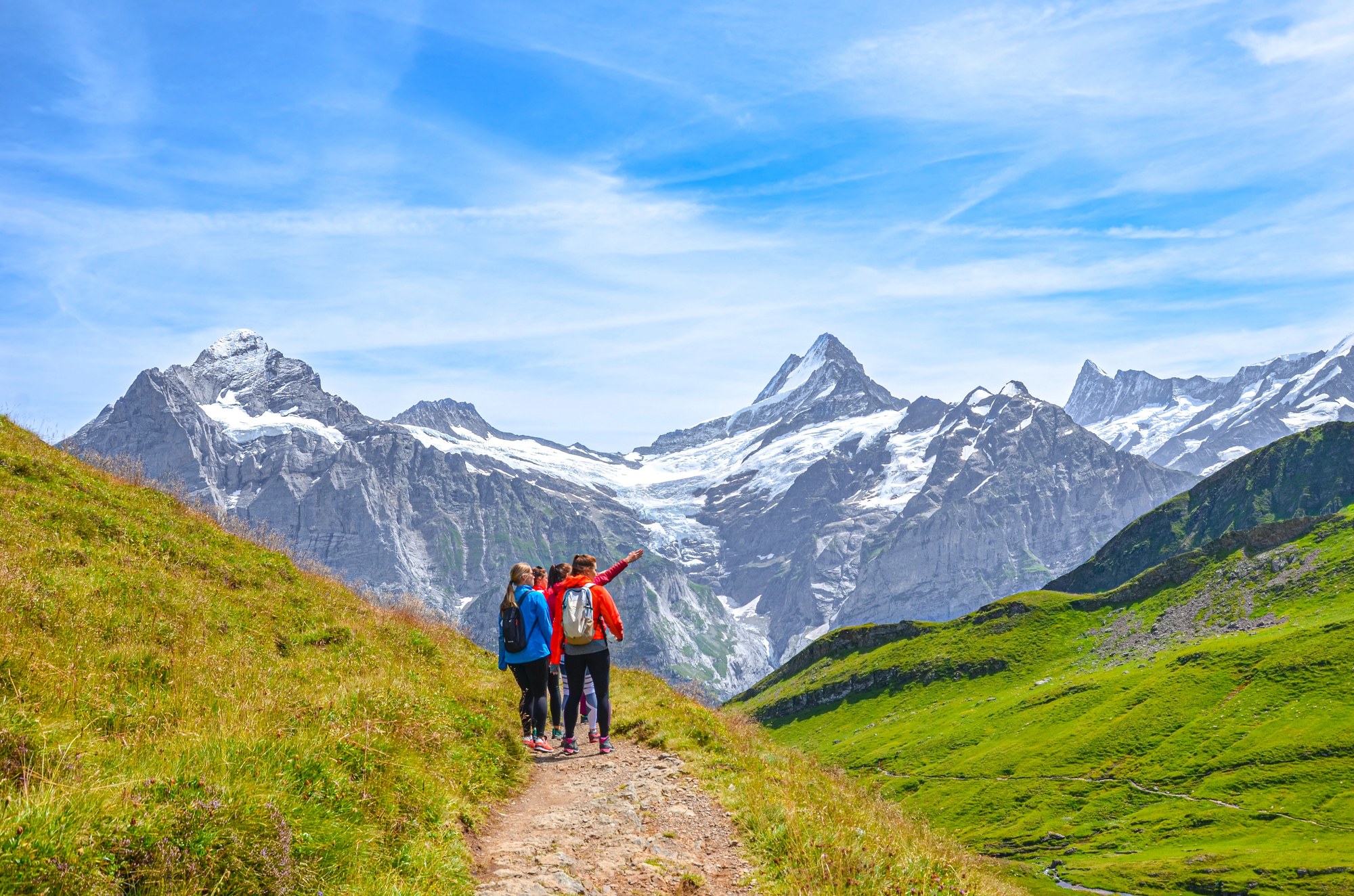
TL;DR
- The cable car to First (from 76 CHF) is an absolute must-do — the photogenic suspension bridge First Cliff Walk is included in the price.
- The trek to the fairytale Lake Bachalpsee takes about 50 minutes, but keep in mind that the lake often doesn’t fully thaw until mid-July.
- The revolutionary new tri-cable gondola Eiger Express whisks you up to the glacier in just 15 minutes, saving you almost an hour of the tedious old route.
- A trip to the famous Jungfraujoch (Top of Europe) costs over 260 CHF and is only worth it in absolutely clear weather.
- If you’re staying longer, consider the Jungfrau Travel Pass — it can save you a fortune on cable cars and local trains.
- Avoid the dead season in November, when major cable car maintenance takes place and many attractions and hotels are closed.
- If you’re looking for accommodation with breathtaking mountain views, book the iconic Hotel Belvedere or the luxurious Bergwelt Grindelwald well in advance.
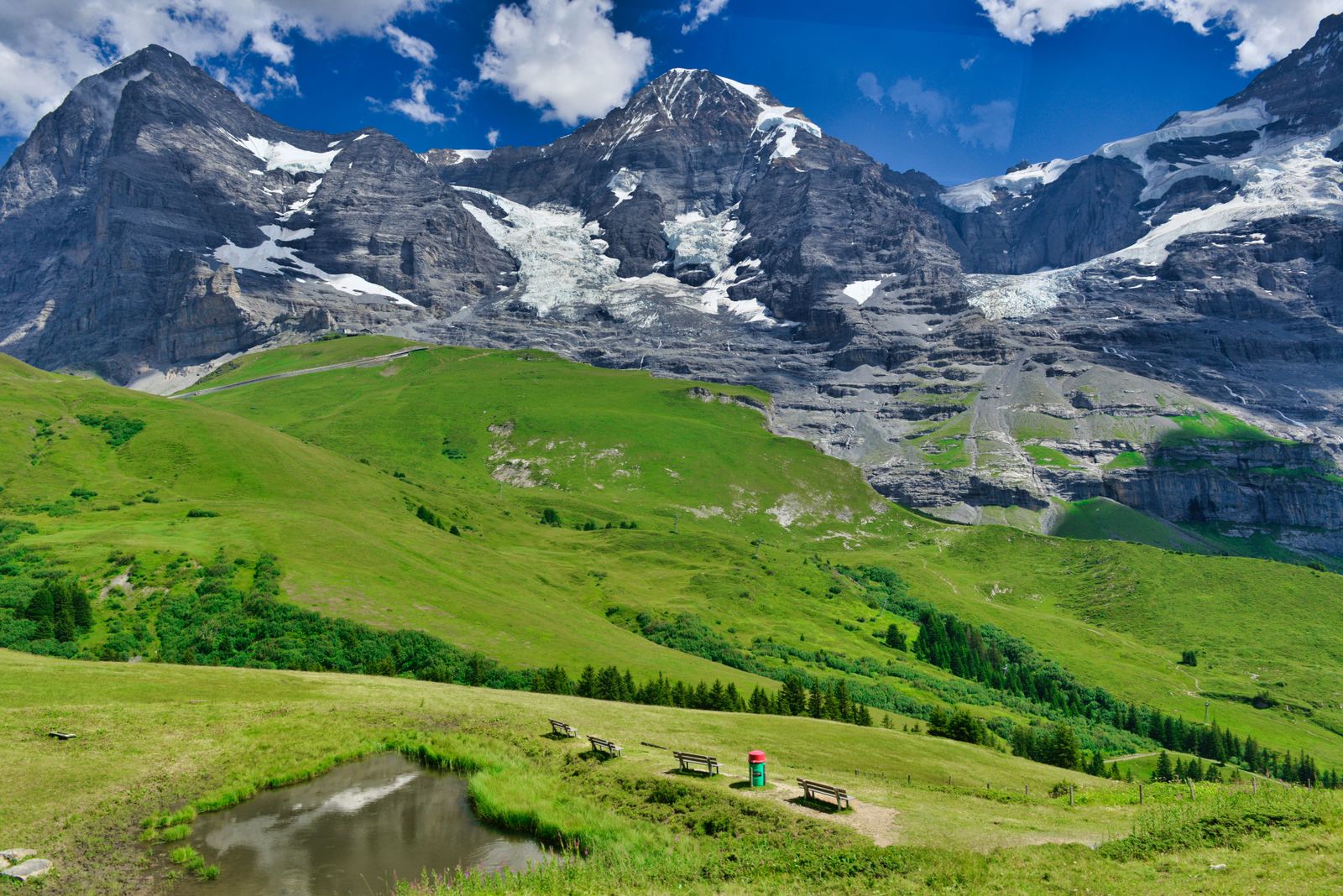
The full destination guide: Switzerland — guide and what to see
When to Visit Grindelwald
Picking the right dates is absolutely crucial in the Swiss Alps. If your goal is high-altitude hiking and you want to see that famous mirror reflection of the mountains on the lakes, the best time to visit is from July to September. By then all the main trails are safely passable and the snow at higher elevations has usually melted. On top of that, Alpine weather in Grindelwald can change minute by minute, so even in the middle of a hot summer don’t forget to pack a quality waterproof layer and a warm jumper. You’ll be glad of them once the cable car takes you above 3,000 metres.
Spring and early summer can be deceptive. Right through June there’s still snow on many trails, especially on the popular Eiger Trail and around Lake Bachalpsee. Winter, from December to April, transforms the valley into a top-class ski resort with over a hundred kilometres of groomed pistes and the longest sledging run in Europe.
The biggest mistake you can make when planning is to go in November. It’s the dead off-season in the most literal sense: nature is bracing for winter, the cable cars are being serviced, and the village itself feels as if everyone’s gone away on holiday. The glacier gorge is closed too, and a sleepy atmosphere hangs over the whole place.
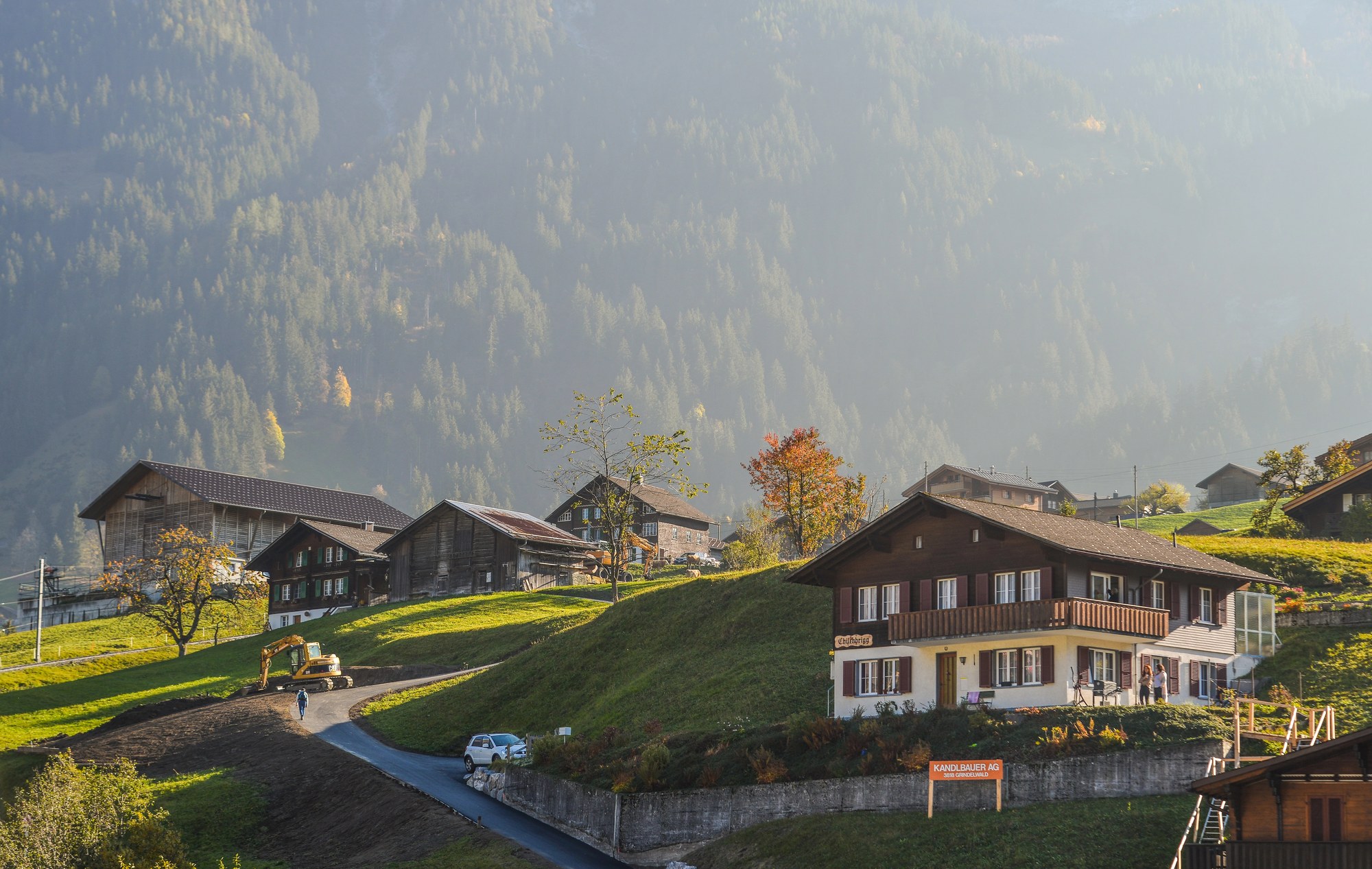
Where to Stay in Grindelwald and Around
Accommodation in Grindelwald is gorgeous, but it won’t do your wallet any favours — we’re in Switzerland and in the mountains at the same time, so you get a double premium. Rooms fill up incredibly fast in both the summer and winter seasons, so I’d strongly advise against leaving your booking to the last minute. A big perk of staying right in the village is the included guest card, which gets you discounts on selected attractions and free travel on the local buses.
For families or a group of friends, renting an apartment with its own kitchen often makes the most sense, because dinners at the local restaurants can really stretch your budget. Here are the top-rated hotels travellers fall for, both for their atmosphere and their fantastic views of the surrounding 4,000-metre peaks.
- Bergwelt Grindelwald is a stunning modern four-star design resort featuring an infinity pool and a luxury spa. Rooms have glass-fronted balconies with direct views of the Eiger massif, making it arguably the most stylish pick in the entire valley.
- Hotel Belvedere is an absolute classic and boasts an incredible 8.9 rating on Booking. It’s a family-run establishment with a renowned panoramic terrace where you can soak in the views straight from an outdoor saltwater hot tub.
- Sunstar Hotel is strategically located right across from the First cable car base station. With an 8.7 rating, it’s an ideal family hotel that impresses with a spacious pool and beautiful views of the North Face from most rooms.
- Eiger Mountain & Soul Resort sits right in the centre next to the train station and prides itself on its unique wellness concept. The staff are famous for their friendliness, and the hotel offers the perfect retreat after a tough day in the mountains.
- Eiger Lodge Easy is a tip for those who want to save money without missing out on the action. It’s a short walk from the new terminal, breakfast is included, and you can choose between shared and private rooms. A really solid pick for the price.
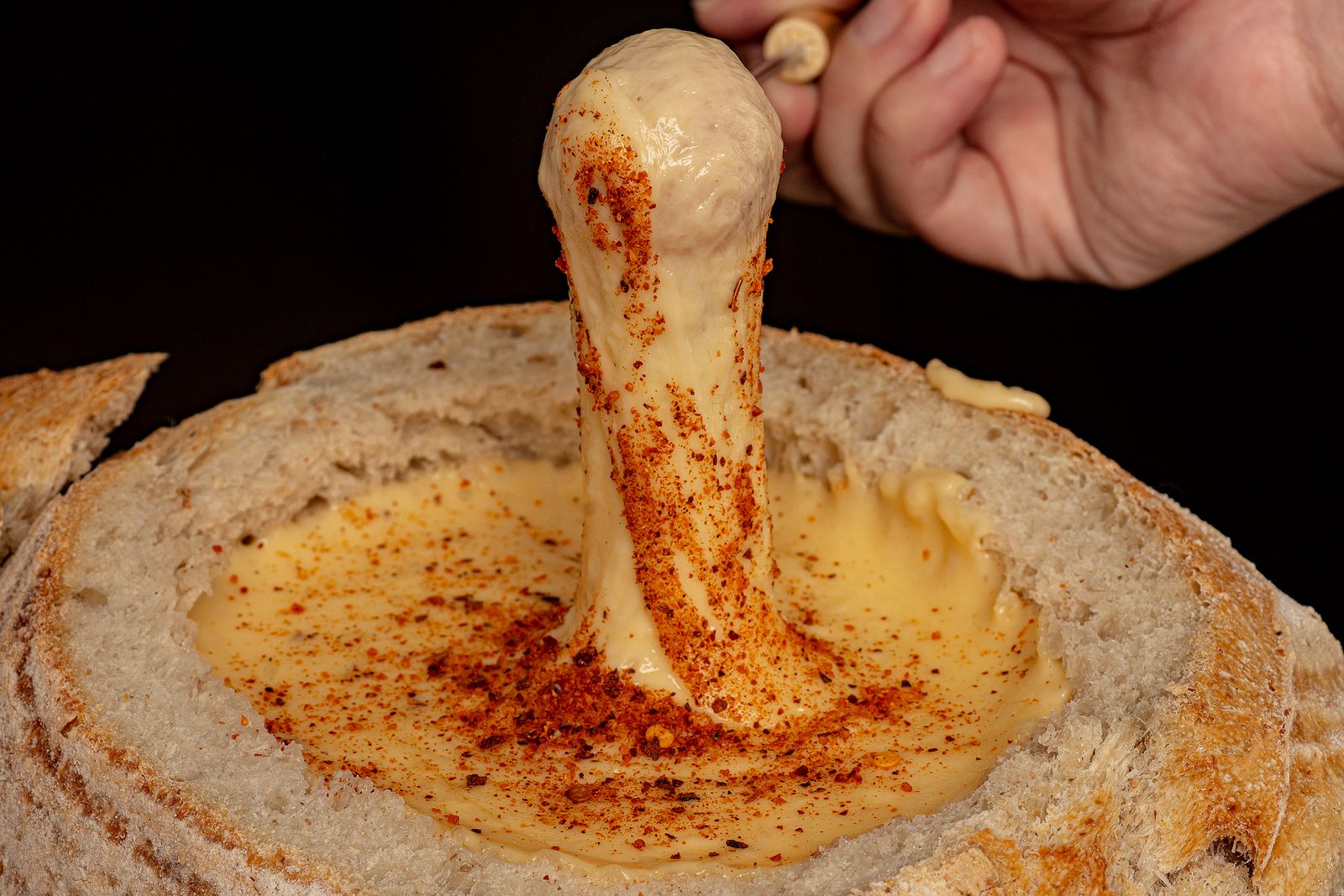
Where to Eat Well in Grindelwald
Switzerland may be best known for its meaty sausages and air-dried meat, but vegetarians certainly won’t go hungry here. The very foundation of the local cuisine is cheese and potatoes. The absolute must-tries include traditional cheese fondue and golden-fried potato rösti, which you’ll find on the menu of just about every mountain hut.
If you’re after a cosy atmosphere, head to Onkel Tom’s Hütte, a cult tiny pizzeria in an adorable wooden chalet. They serve excellent vegetarian wood-fired pizzas and a huge wine selection, but booking a table is absolutely essential. For an afternoon coffee and cake, the unbeatable spot is C&M Café, with a terrace offering the best imaginable view of the glacier.
For lovers of mountain romance, Alpinhotel Bort at the cable car’s mid-station is a great choice, serving superb fondue and plenty of vegetarian options right on the slope. And when you’ve finally had your fill of melted cheese, a surprisingly brilliant rescue is the restaurant GoldenIndia. They cook utterly authentic Indian food packed with spices, and their vegetarian selection is exceptionally generous.
Grindelwald, Switzerland: 14 Best Things to Do
Grindelwald is a little sneaky, actually. From a distance it looks like a place for relaxed mountain gazing, but then you discover you can fly on a zipline, drive go-karts and hike beneath a wall where climbers fight for their lives. Here are the best things to do in Grindelwald, Switzerland, so you can pick exactly according to your mood. The area is incredibly varied, and thanks to a dense network of cog railways and modern cable cars you can reach spots that would otherwise be reserved for experienced mountaineers only.
1. The Cable Car to Grindelwald First
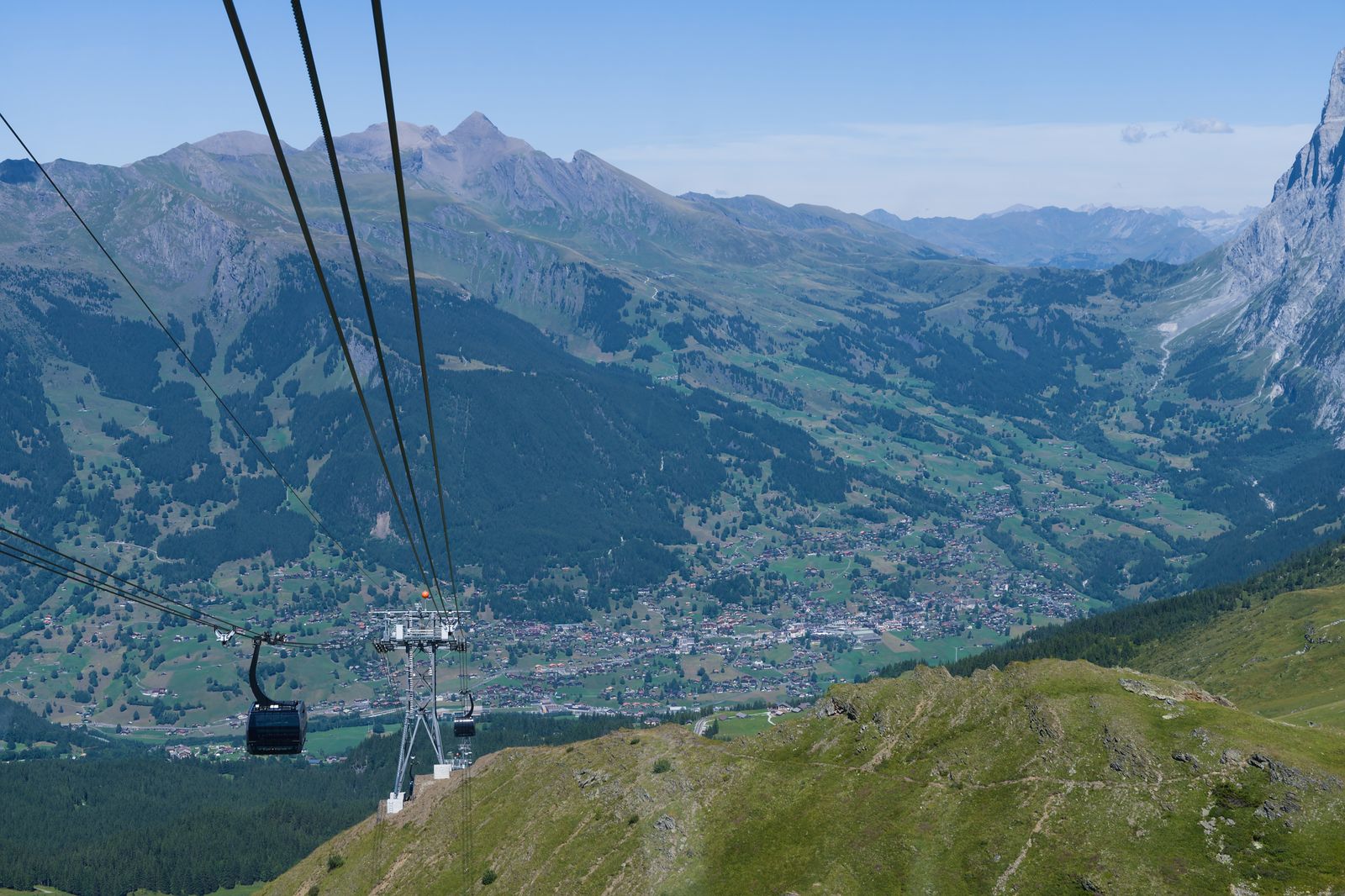
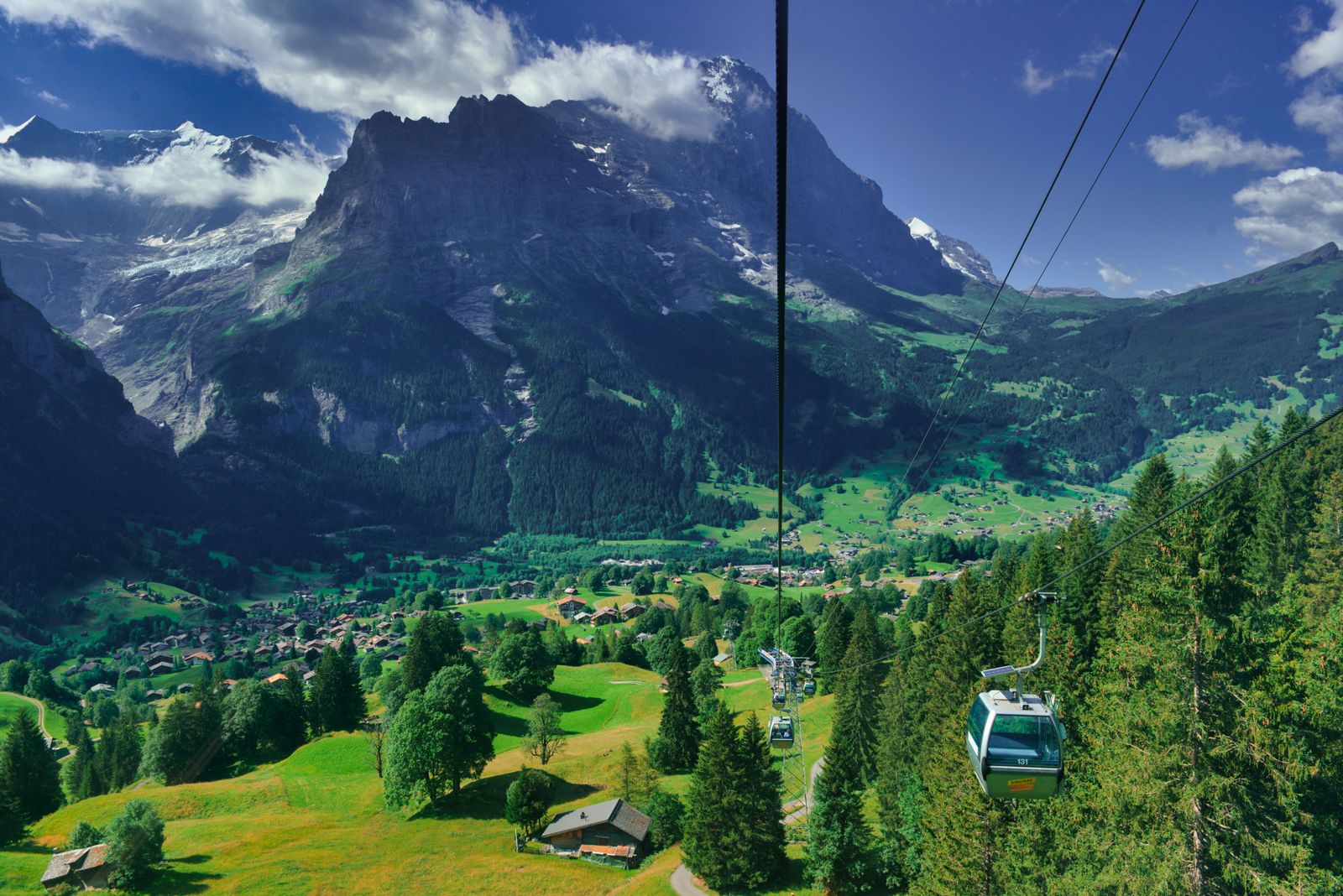
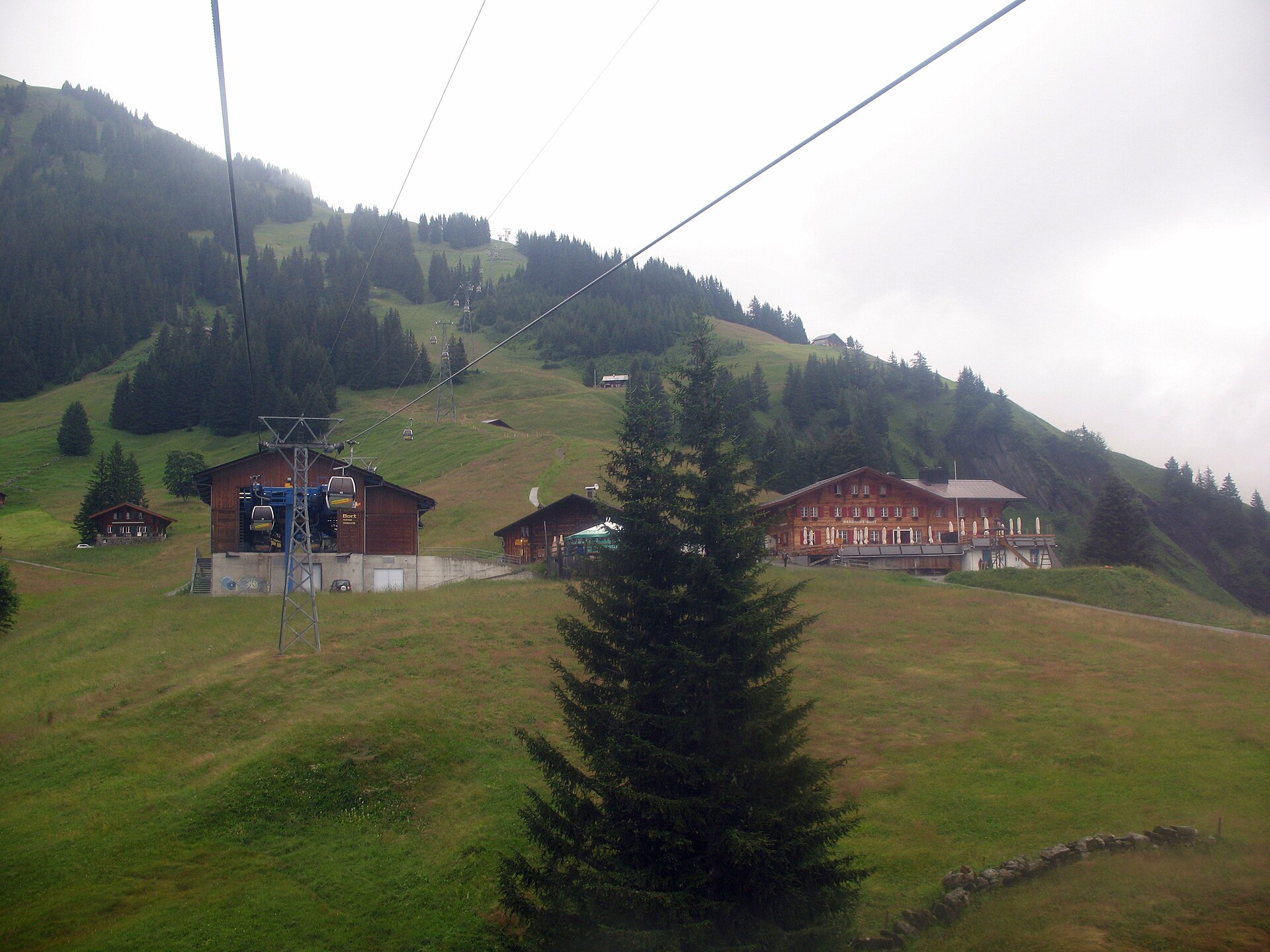
The First area has earned, without exaggeration, the nickname ‘the local adventure hub’ — and the cable car ride is only the beginning. Over twenty-five minutes you climb an impressive number of vertical metres, with green pastures and grazing cows in bells gliding by beneath you. At the top, 2,168 metres above sea level, you’re treated to an incredible view of the glaciers and the surrounding giants.
A return ticket in peak summer season costs 76 CHF per adult, which works out at a little over £68. If you hold a Half Fare Card or a Swiss Travel Pass, you get 50% off the ticket. The absolute winners are holders of the regional Jungfrau Travel Pass, for whom the trip to First is included completely free.
The cable car has two important mid-stations on the way up, named Bort and Schreckfeld. Don’t head straight back down from them, because this is exactly where all the popular adrenaline attractions and descents into the valley begin. During the summer months there tends to be a fair queue at the village station, so I’d recommend hopping into the very first cabin of the morning.
2. First Cliff Walk by Tissot
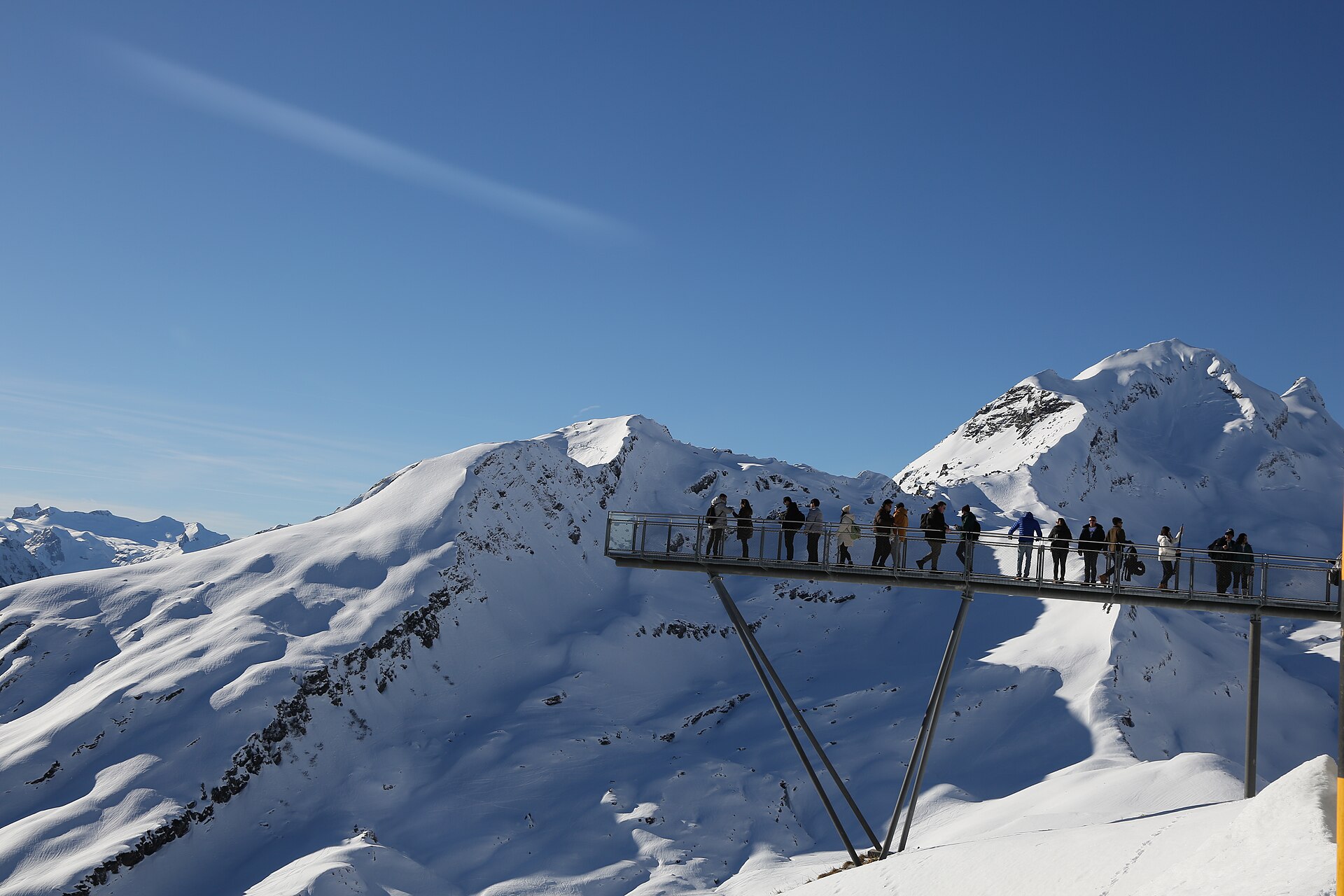
Right by the upper cable car station you’ll find one of the most photographed attractions in all of Switzerland. The First Cliff Walk is a unique steel walkway that clings firmly to a vertical rock face, with nothing but tens of metres of empty air below you in places. The whole loop ends on a long suspension bridge with a glass floor, offering a phenomenal view of the Eiger.
Access to the walkway is free (you only pay for the cable car), and a one-way pass, including stops for photos, takes about fifteen minutes — so even people who aren’t keen on heights have nothing to fear, because the whole structure is solidly built and completely stable.
💡 Tip: The viewpoint is open during cable car operating hours, until roughly 4:15 pm, but it closes during strong winds or thunderstorms. In peak season there are long queues for that final photo on the protruding platform, so the early-bird rule applies here too.
3. The Hike to Lake Bachalpsee
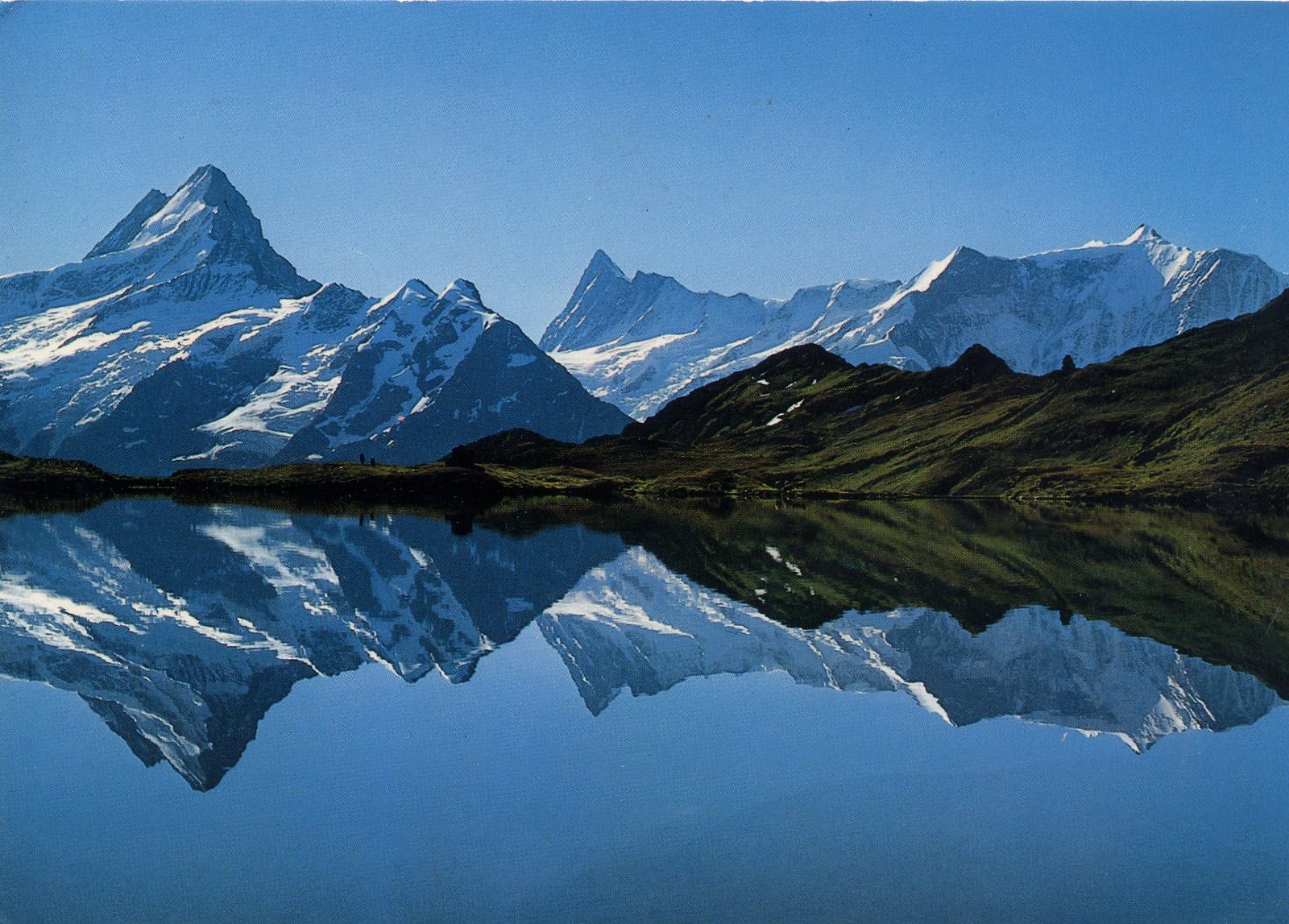
If you only had time for one single hike in Grindelwald, it has to be the walk to the blue Lake Bachalpsee. The trail starts at the upper First station and takes roughly fifty minutes of easy walking one way. It’s a very easy, wide path with minimal elevation gain, which even small children or all-terrain pushchairs can handle with no trouble. Don’t forget to pack plenty of drinking water and ideally a small snack too, because you won’t pass any mountain huts with refreshments along the way.
The reward at the end of the trail is two connected mountain lakes, in which the sharp peaks of the Schreckhorn massif are perfectly mirrored on a windless day. If you want to capture that famous flawless reflection on the water, you’ll need to get up early. Around ten in the morning a thermal wind often picks up in the valley, rippling the surface and wiping out the reflection in an instant. The ideal move is to reach the water as early as possible.
I do have to flag one important thing that often catches tourists out unpleasantly. Given the altitude of over 2,200 metres, the lake is often frozen until the end of June. Even in mid-July there are routinely ice floes drifting on the surface, so the best window for classic summer photos opens up from mid-July to roughly the start of October.
4. Adrenaline on First: Flyer and Glider
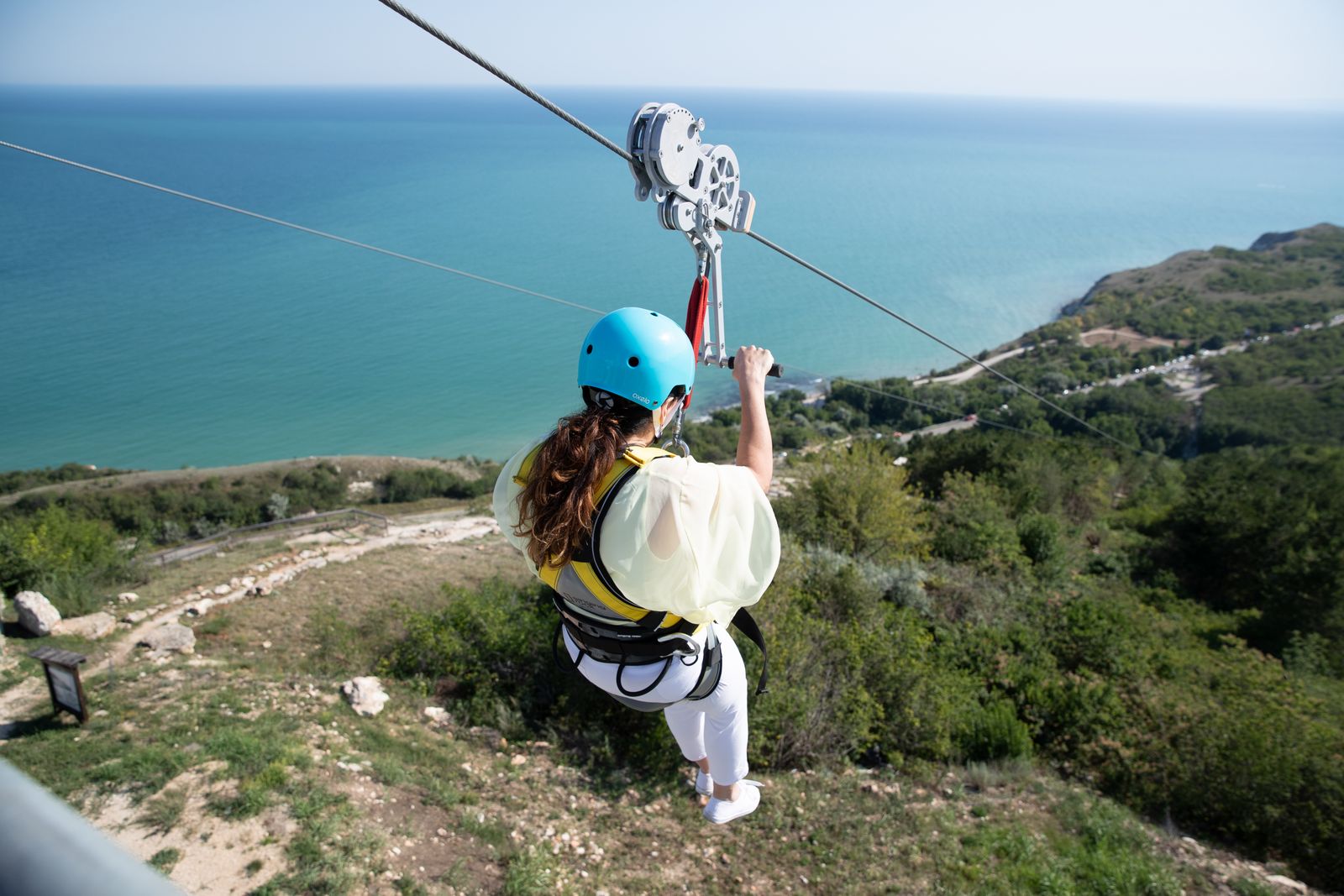
For those for whom simply admiring the mountains isn’t enough, the Swiss have laid on a proper dose of adventure on the slopes of First. The first option is the First Flyer, a giant seated zipline that sends you racing down to Schreckfeld station at speeds of up to 84 kilometres per hour. During the flight you’re safely strapped into the seat and you enjoy the sensation of soaring freely over the Alpine meadows. As scary as it sounds, the safety standards here are absolutely top-notch and the staff explain everything carefully.
An even more bizarre experience is offered by the First Glider. Here, the crew clip you into a harness shaped like a giant eagle, which can hold up to four people at once. The eagle first hauls you sharply backwards up the slope, and then you plummet back down at over 80 kilometres per hour. It’s great fun for a group of friends or a family with older children.
These activities can be bought as part of the so-called Adventure Package. The price for a single activity starts at around 69 CHF (~£62), and there are also combinations that include unlimited cable car rides. Given the huge popularity of these descents, I’d recommend booking the package well in advance, as the afternoon slots are hopelessly sold out during the summer months.
5. Descending to the Valley by Mountain Cart and Trottibike
Once you’ve flown through the air enough, you can carry on down to the village by land — but definitely not on foot. At Schreckfeld station you can hire a Mountain Cart, a three-wheeled off-road go-kart, for a fantastic three-kilometre descent along a gravel track to Bort station. The ride is incredibly addictive and you control the speed yourself with strong brakes, which is more than enough to give you a cracking dose of adrenaline.
At Bort station you then swap the kart for a giant off-road scooter called the Trottibike. These rugged machines with fat tyres are ideal for the final stretch along the tarmac lanes all the way down into Grindelwald itself. Hiring the scooter on its own costs 21 CHF (~£19) per adult, or it’s included in the adrenaline packages mentioned above.
💡 Tip: On the scooter descent you share the road with hikers and occasionally with local farmers in tractors. I’d recommend riding really carefully and keeping to the edge, because the road drops away quite sharply in places and the scooter can pick up unexpectedly high speed.
6. Eiger Express: The Revolutionary Tricable
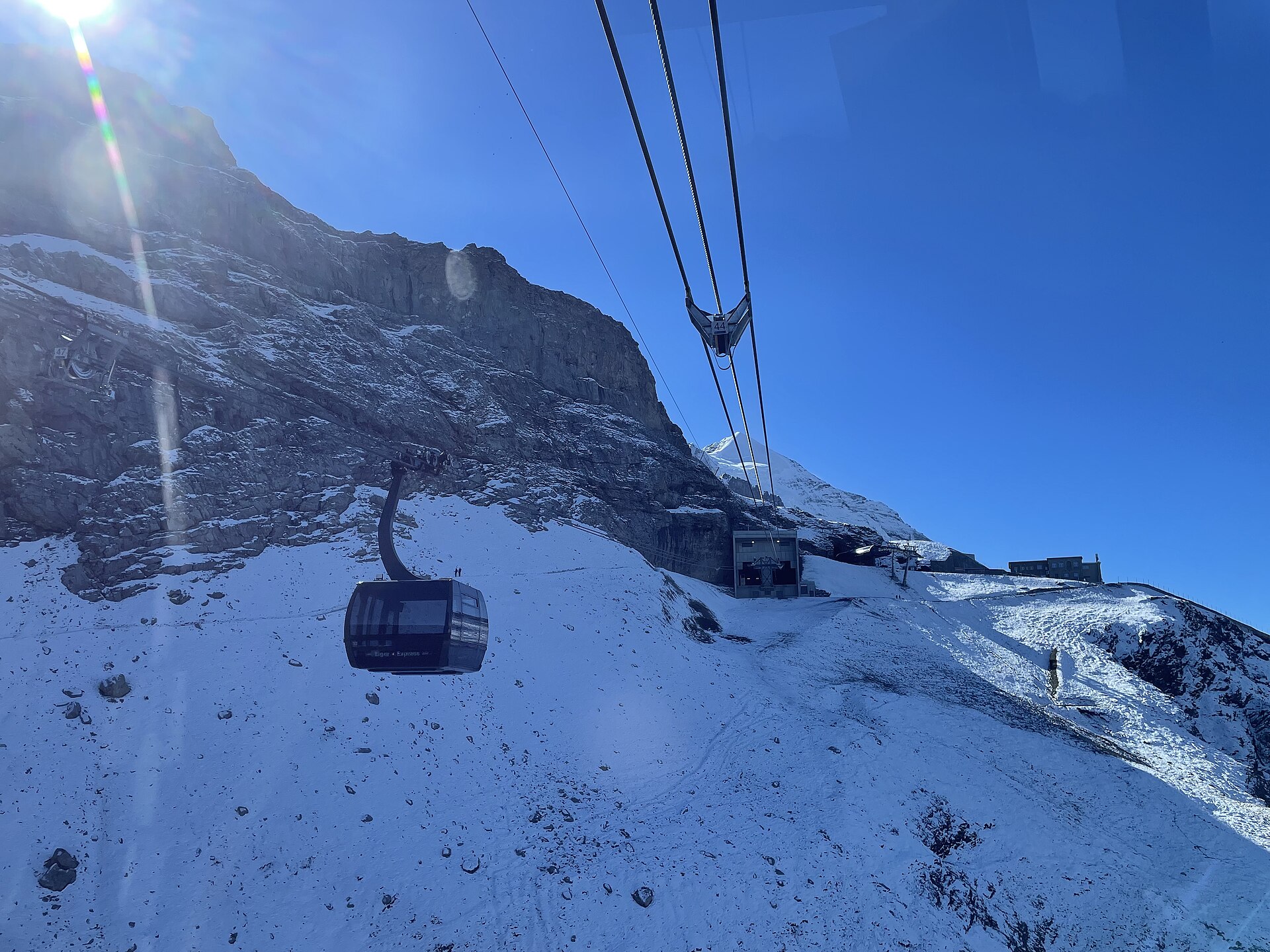
Getting up to the famous glacier has never been easier. In December 2020, the ultra-modern Eiger Express tricable opened to huge fanfare, completely transforming the way tourists travel around the region. The enormous glass cabins, each holding 26 people, carry you from the new terminal up to Eigergletscher station in an incredible 15 minutes.
The cable car ride is a visual experience in itself. The whole route is over six kilometres long and held up by just seven giant pylons, so the cabins seem to float effortlessly through the air. At its highest point the cable car passes the ominous north face of the Eiger at a distance of just 1.8 kilometres, so you feel you could almost reach out and touch the rock. Inside the cabin there’s plenty of room to take photos from every angle.
This engineering marvel saves passengers a brilliant 47 minutes compared with the old route on the traditional cog railway over the Kleine Scheidegg pass. Tickets and any reservations can be easily arranged through the official website, or you can book them from the comfort of home via the trusted GetYourGuide portal.

7. Jungfraujoch: Top of Europe
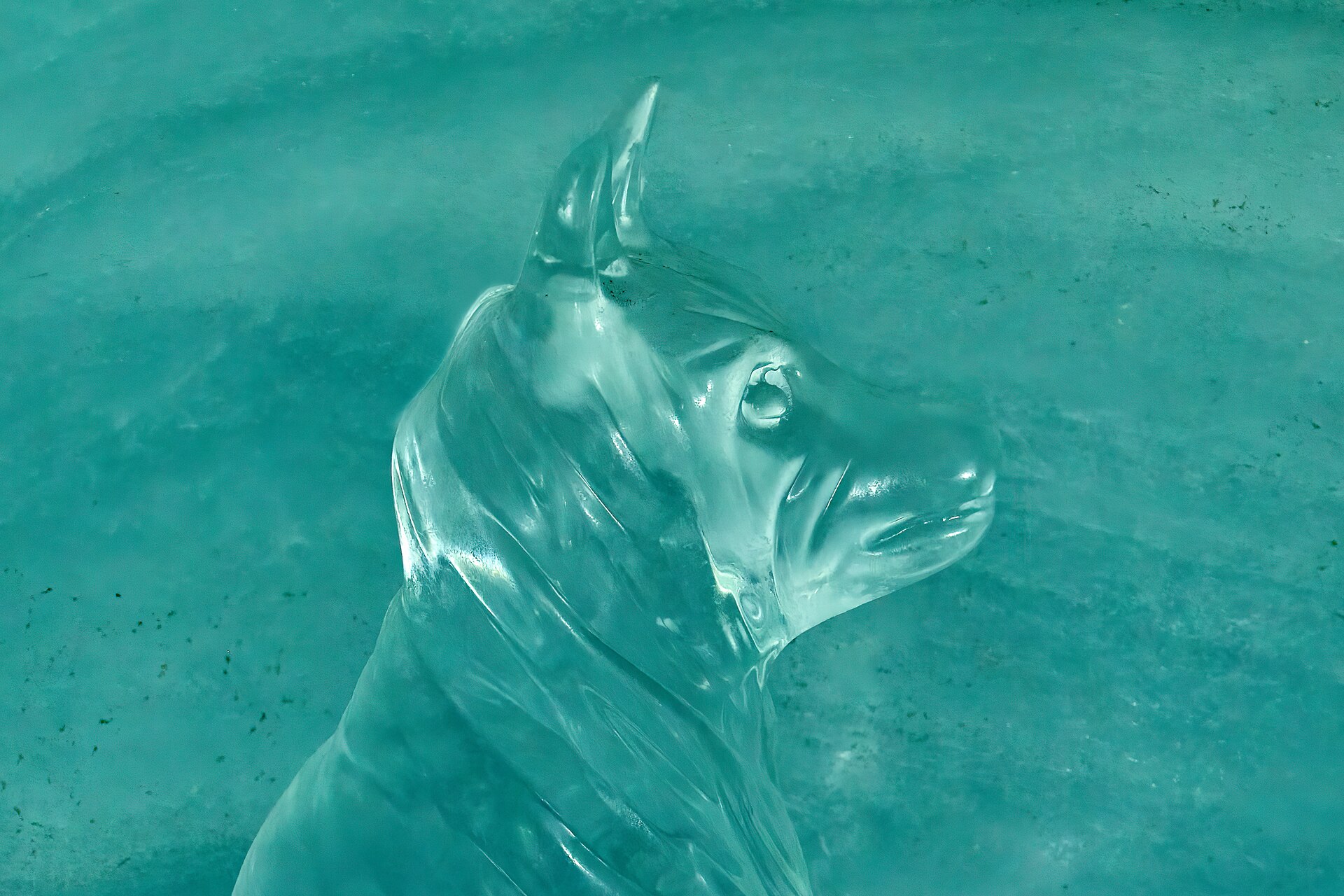
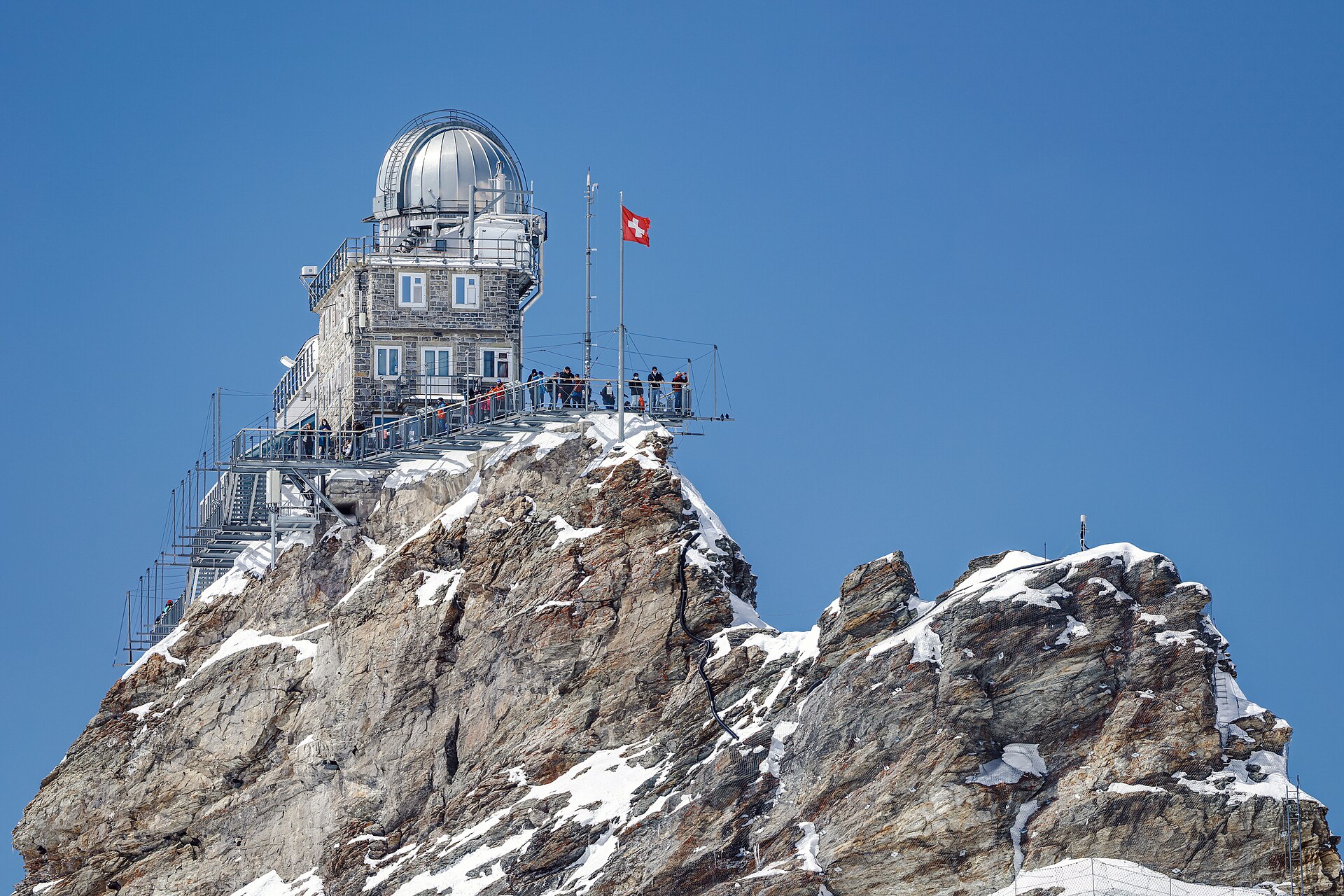
Jungfraujoch — 3,454 metres above sea level, the highest railway station in Europe and a bucket-list item people travel here from the other side of the world to tick off. The cog railway has been running here for over a hundred years, and a substantial part of the route runs through a tunnel blasted directly into the heart of the Eiger and Mönch. At the top you’ll discover the famous Sphinx Observatory, the magical Ice Palace carved into the glacier and, above all, the view of the majestic Aletsch Glacier, which at 22 kilometres long is the longest in the Alps.
I’d recommend slowing your pace a little at the summit itself, because at three and a half thousand metres you’ll feel the thinner air the moment you climb the first flight of stairs. A return ticket from Interlaken costs a whopping 261 CHF (~£233) in summer season, and from May to October you have to add a compulsory seat reservation of ten francs. If you have the regional Jungfrau Travel Pass, you get a significant discount and the top-up for the summit itself costs just 63 to 79 CHF depending on the season.
💡 Important warning: Travellers on the popular TripAdvisor forums agree unanimously that the trip up is only worth it in absolutely clear weather. Always check the live webcams in the morning, because paying over £230 to stand in thick white fog is a genuine nightmare. If you’re on a limited budget, many reckon the First area offers far better value for money.
8. Männlichen and the Royal Walk Viewpoint
If you want to see the famous mountain trio of the Eiger, Mönch and Jungfrau from the best possible angle, take the cable car up to Männlichen. You’ll find the boarding station right in the new terminal in Grindelwald, and the twenty-minute ride up costs around 34 CHF (~£30) one way — though I’d always advise checking current prices on the official website.
From the upper cable car station, a short and easy trail called the Royal Walk leads to a viewing platform shaped like a royal crown. The climb takes about half an hour of gentle ascent, and your reward is a panoramic view often considered the most beautiful in all of the Bernese Oberland. The benches along the way practically invite you to extend the walk and just soak up the atmosphere.
Besides the snow-capped peaks themselves, from the viewpoint you’ll also get a stunning view down into the deep Lauterbrunnen valley, famous for its dozens of waterfalls cascading down sheer cliffs. It’s a very photogenic spot where you’ll feel as if you’re on top of the world, and all without any extreme physical effort.

9. The Panorama Trail to Kleine Scheidegg
Right after returning from the Royal Walk viewpoint, I’d recommend not taking the cable car back down but setting off on foot for one of the most famous walks in Switzerland. The Panorama Trail links Männlichen with the Kleine Scheidegg pass and offers just under five kilometres of pure mountain perfection. The path is very easy and runs gently downhill the whole way, so you can cover it in around an hour and a half.
It’s exactly the kind of trail you set off on in trainers, without a map and without planning, because the path is so wide and clear that you simply walk and gaze. You need nothing more. The whole way you have the iconic trio of mountains constantly in view, surrounded by meadows full of Alpine flowers.
This route is a popular choice for families and older travellers and makes a perfect logical loop. In the morning you take the cable car from Grindelwald up to Männlichen, walk the Panorama Trail to Kleine Scheidegg, and from there descend on the famous yellow-and-green cog railway back into the valley.
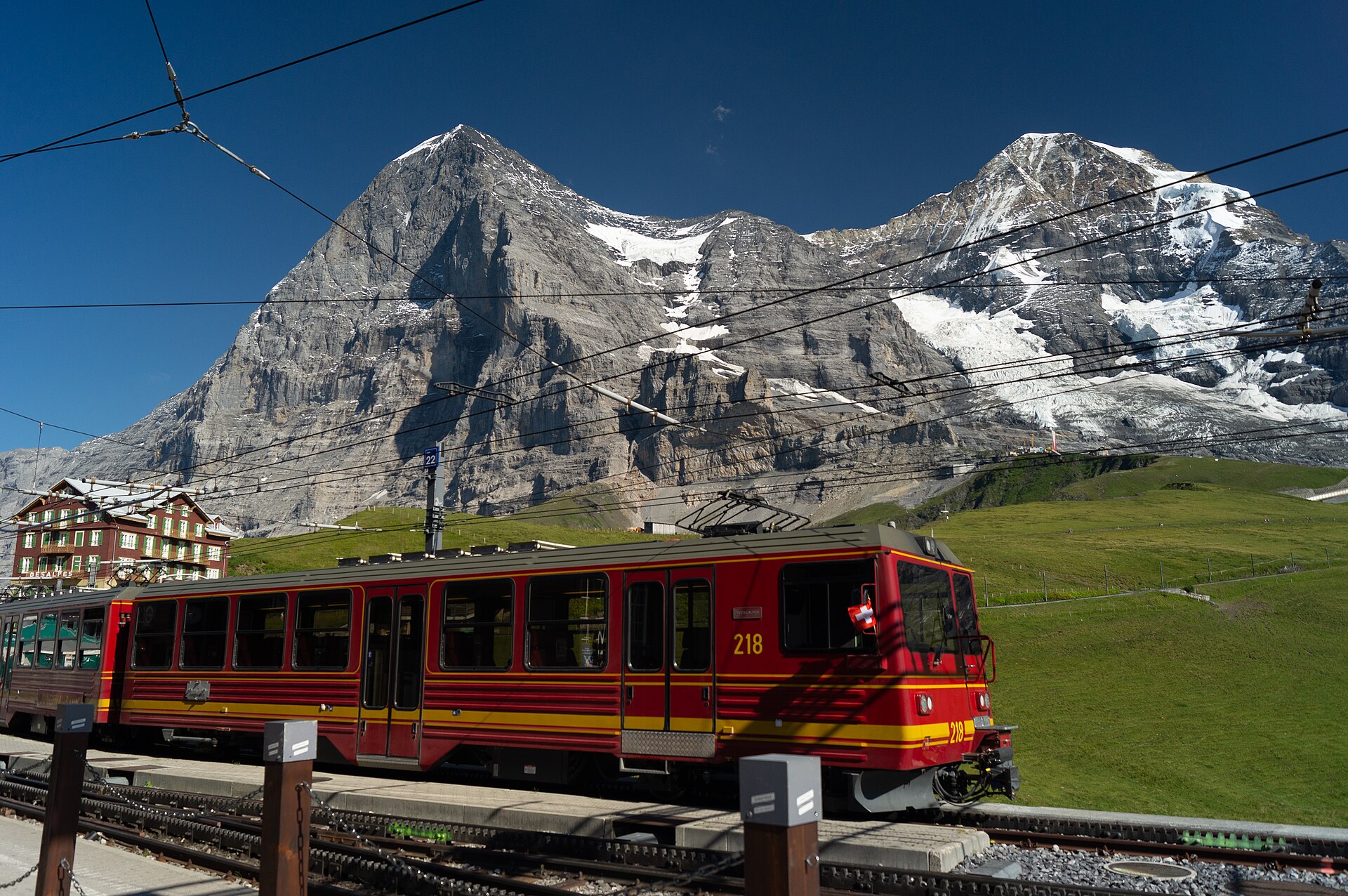
10. The Historic Kleine Scheidegg Pass
The mountain pass of Kleine Scheidegg, at 2,061 metres, is a genuine crossroads of the entire region. The cog railways from Grindelwald and neighbouring Wengen meet here, and it’s also where the historic route of the famous train to Jungfraujoch begins. The place is constantly buzzing with life and has an unmistakable mix of transport and tourist atmosphere.
Right in the pass stands the legendary Hotel Bellevue des Alpes, which has retained its almost fairy-tale charm since the early twentieth century (it served as a base for countless climbing expeditions, and the chilling film North Face was shot here too). Even if you’re not staying overnight, do stop for a coffee on the outdoor terrace and enjoy watching the bustle around you.
In the winter months the whole area turns into the pulsing heart of the Jungfrau ski region. The pass serves as the main interchange point for skiers, and the renowned Lauberhorn run — the longest course in the entire Alpine Skiing World Cup — starts nearby.
11. The Eiger Trail Beneath the North Face
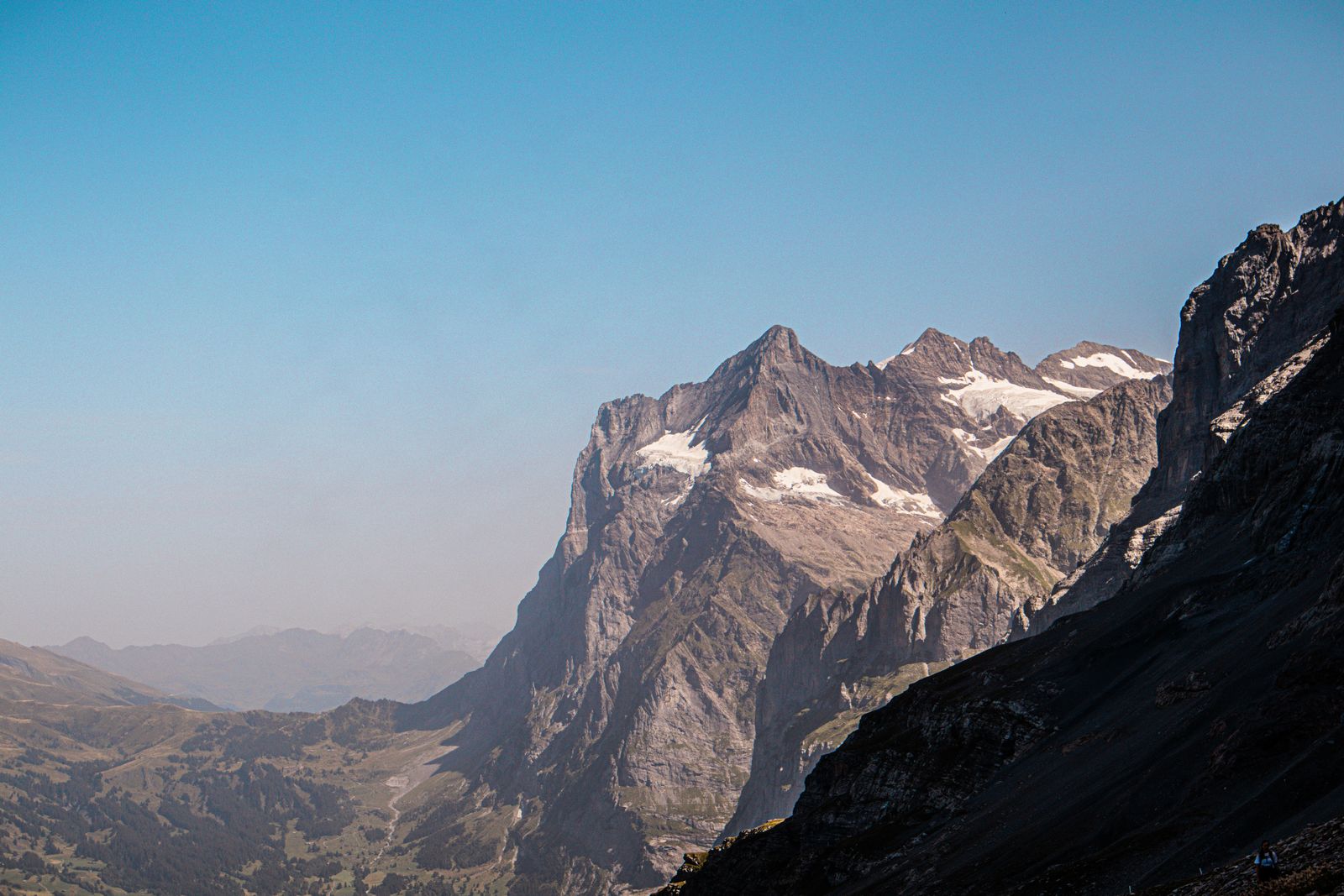
If you have any respect for climbing history, you can’t miss the legendary Eiger Trail. This trail starts at Eigergletscher station, where the new express conveniently drops you off, and descends roughly six and a half kilometres to Alpiglen station. The whole route runs directly beneath the sheer 1,800-metre north face of the Eiger, which sends shivers down your spine just looking up at it, especially when you grasp the sheer scale of that drop.
The hike is rated as moderate, but technically there’s nothing tricky about it, because you walk downhill the whole way on a well-maintained gravel path. It takes roughly two to three hours, and along the way you’ll come across special information boards describing the dramas and heroic feats from the days of the first attempts to conquer this feared wall.
💡 Important warning: Because of the shadow cast by the giant wall, layers of snow often linger on the trail until the end of June. During this period the trail is usually officially closed for safety reasons, so the best conditions for this walk reliably come only from July to September.
12. The Gletscherschlucht Glacier Gorge
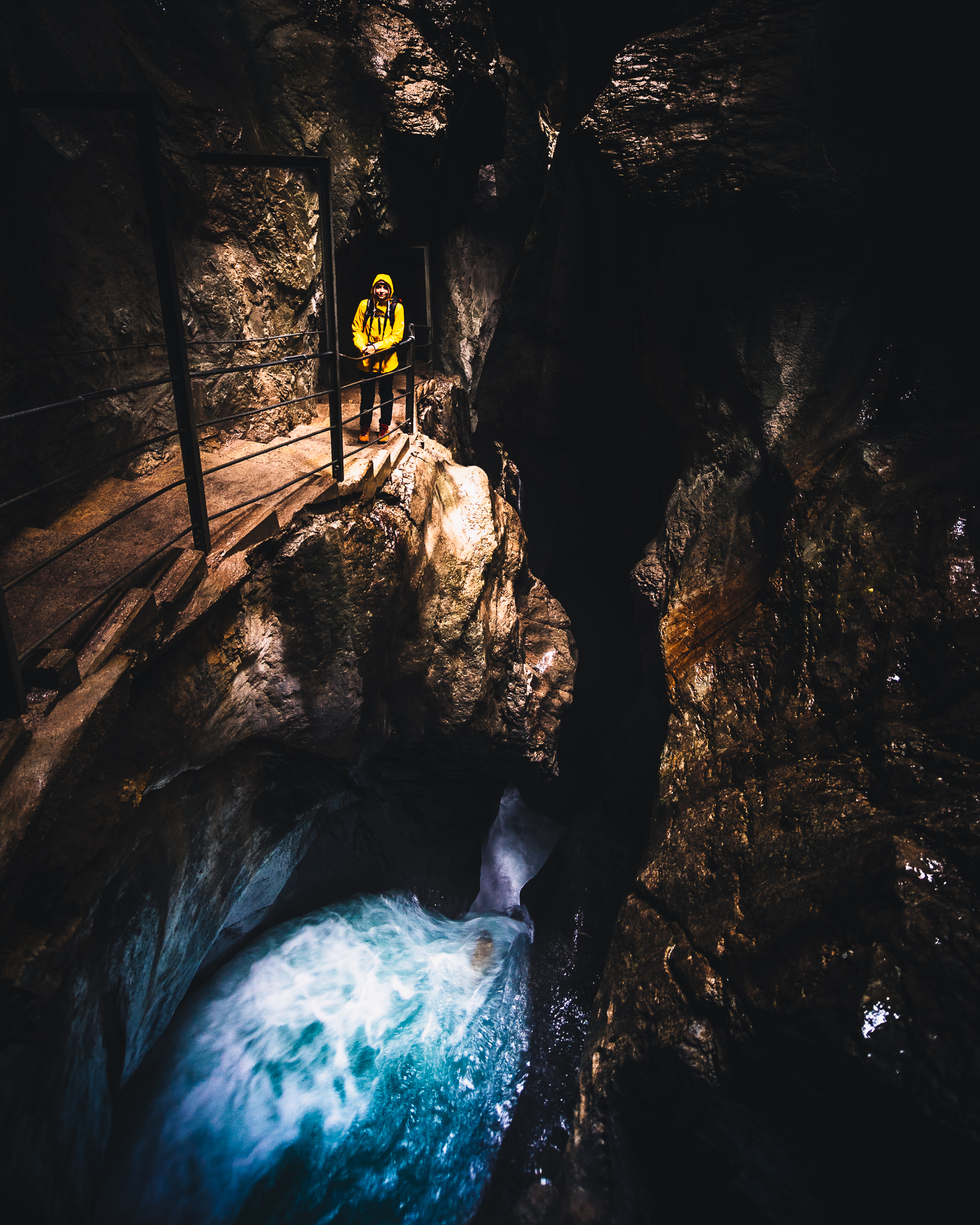
Once the mountain heights tire you out, head off to explore the power of nature deep in the valley. Just about 35 minutes’ walk from the centre of the village lies the fascinating Gletscherschlucht glacier gorge. Over millennia the River Lütschine has carved out a kilometre-long ravine here, its vertical limestone walls rising to a staggering height of up to three hundred metres.
The walk through the gorge runs along safe wooden walkways and through short tunnels blasted straight into the rock. The temperature inside rarely exceeds ten degrees, even on the hottest August days, so you definitely won’t manage without a light jacket. The biggest draw for the brave is a giant net platform called the Spiderweb, stretched high above the roaring river, which you can walk out onto. It’s a great spot to take refuge on sweltering summer days, since it stays reliably cool inside.
Admission for an adult is 21 CHF (~£19), with children under six getting in free, and the guest card earns you a small discount. Bear in mind, though, that the gorge is only accessible in summer season, from May to mid-November — over winter it’s uncompromisingly locked for safety reasons.
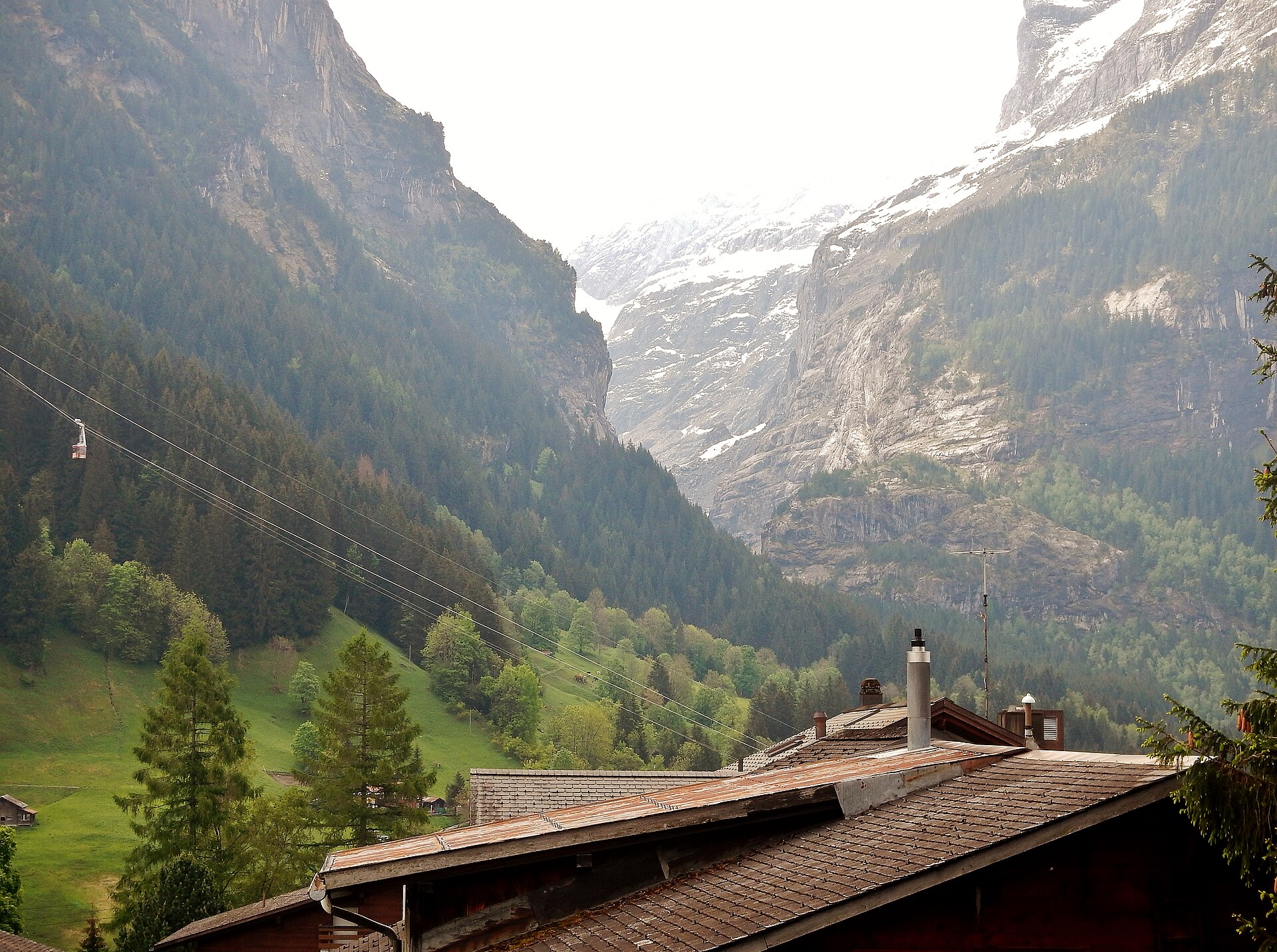
13. Pfingstegg: The Summer Toboggan Run
The Pfingstegg hill, on the southern edge of the village, is the smaller, quieter sibling of bustling First. A charming little cable car carries you up, and a return ticket costs around 32 CHF (~£29). It’s an ideal spot for families with younger children looking for fun without the massive crowds of tourists.
The main attraction is a fast 736-metre toboggan run, with a superb view over the whole valley as you descend; a ride costs 8 CHF (~£7) and the carts reach up to 40 km/h. Children from the age of four can ride with an adult for a token surcharge.
Besides the toboggan run, they recently opened the Fly-Line, a gentler suspended track that glides you smoothly between the treetops. Up top there’s a spacious terrace with a restaurant, where you can grab a coffee and admire the view of the village below.
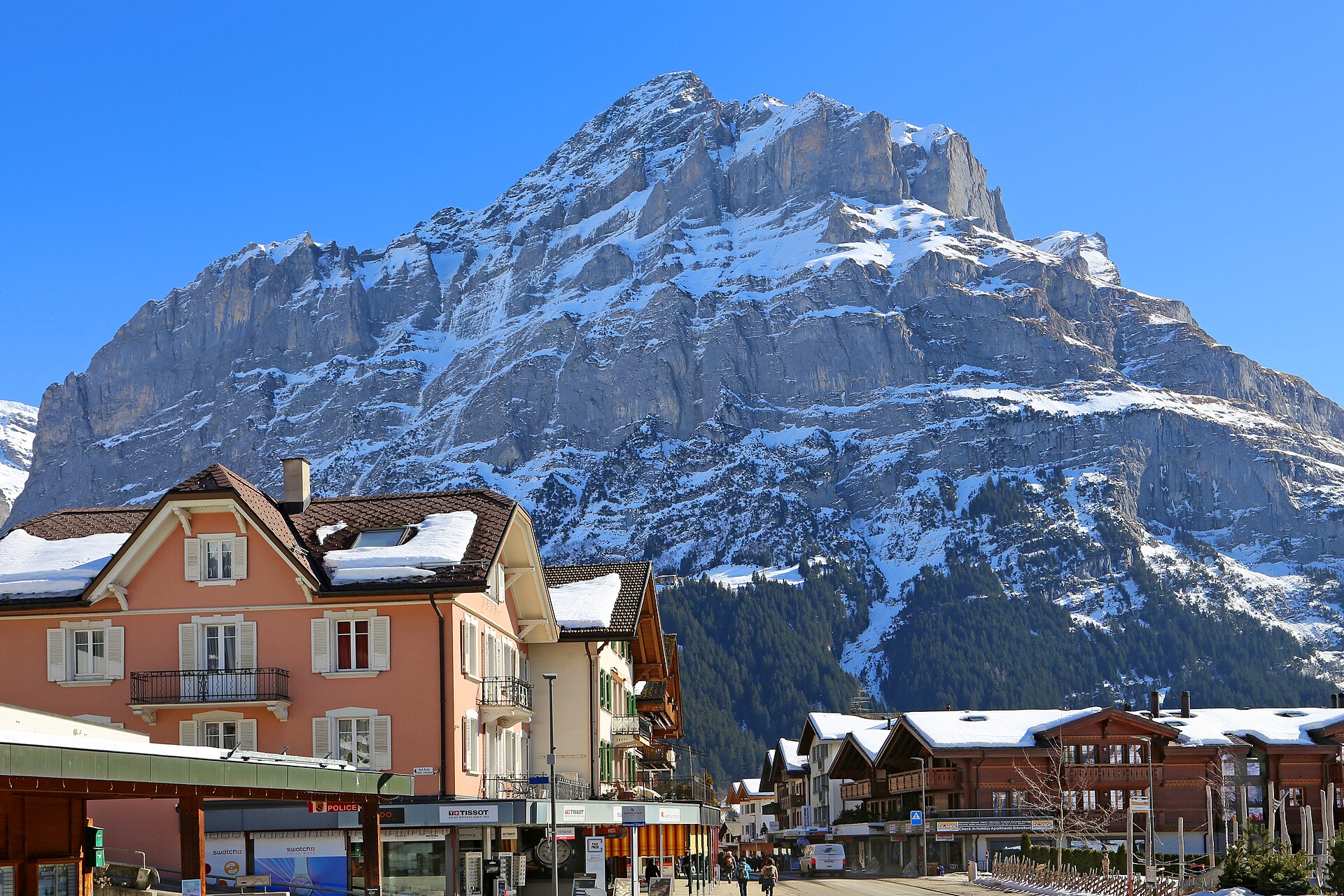
14. Winter Paradise: The Longest Sledging Run
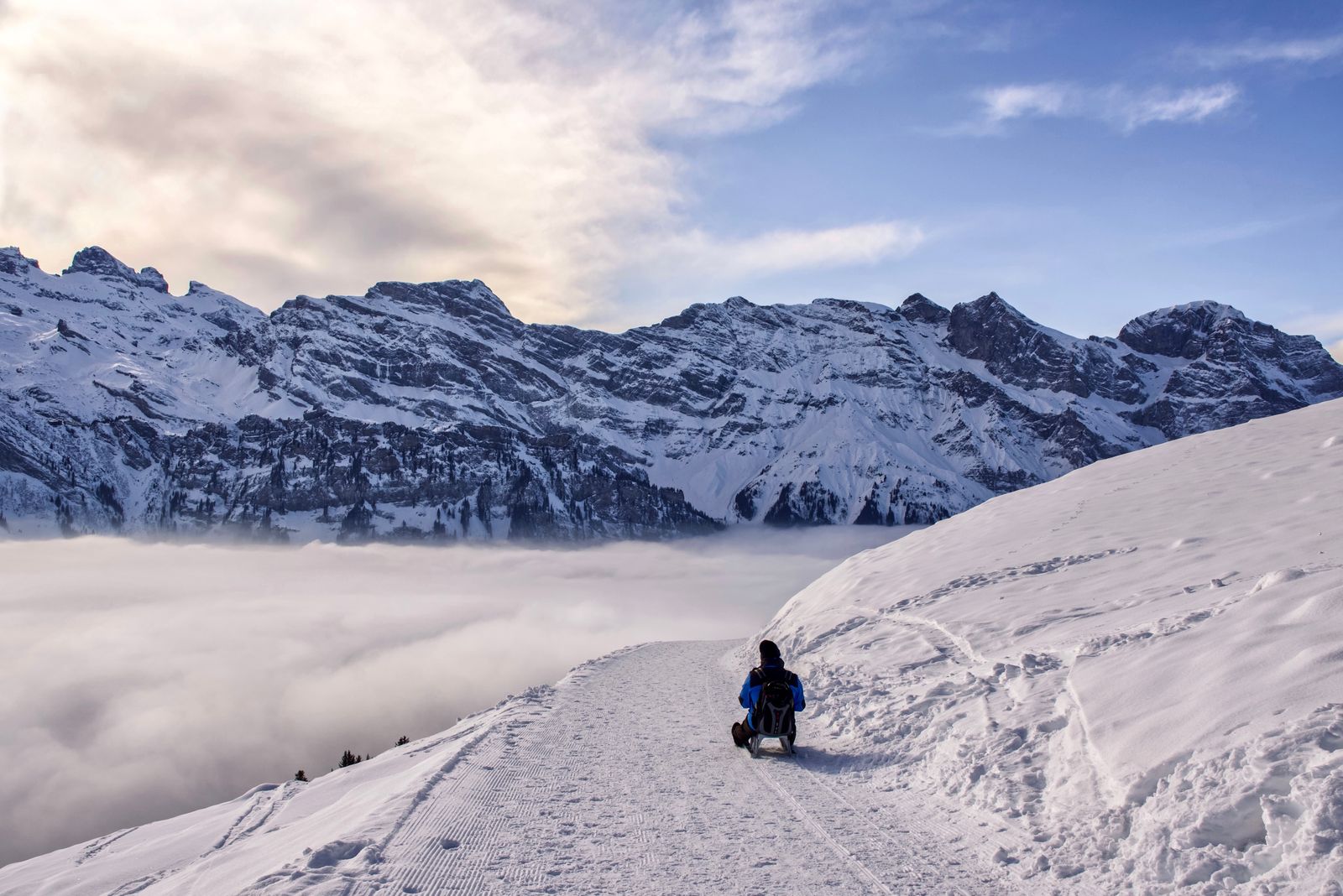
If you head to the region in winter, alongside the first-class skiing you’ll also enjoy one absolute European rarity. It’s called Big Pintenfritz, and it’s the longest sledging run in Europe, measuring an incredible 15 kilometres. It starts at the summit of Faulhorn at 2,681 metres and ends right down in the village of Grindelwald.
There is, however, one small catch. You can’t take a cable car to the start itself. From the upper First station you have to carry your sledge by hand and face a roughly two-and-a-half-hour walk uphill through the snowy landscape. Don’t forget to bring really good, warm, waterproof boots. It’s a proper sporting effort, but that endless descent into the valley is absolutely worth the trouble.
For those who want to sledge without trudging uphill, there’s a great yellow bus service up to Bussalp. You can buy a day pass and enjoy shorter but still fantastic runs with a view of the Eiger. Another huge hit here is night sledging combined with a traditional cheese fondue dinner — a real treat you won’t forget in a hurry.
Map of points of interest for your phone
Where to Go Next from Switzerland (or from Grindelwald)
Switzerland is laced with such a perfect rail network that it would be a shame to stay in just one place. If you’re planning a longer holiday and wondering how to put your itinerary together, take a look at our big overview, Switzerland Holidays: Where to Go, What to See and When.
From Grindelwald it’s just a short train ride into the neighbouring valley, which looks like something straight out of Lord of the Rings. Find out everything hidden in Lauterbrunnen: The Valley of Waterfalls. If cities are more your thing, you mustn’t skip the capital with its bear park — read all about it in Bern: What to See in the Swiss Capital. And if you want to see the single most iconic mountain in the whole Alps, read our guide to Zermatt and the Matterhorn: What to See and Do.
 🚗 Car rental on the roadVerified car rentals in Switzerland
Search with the DiscoverCars comparison engine — it compares prices from dozens of local and international rental companies, and most bookings come with free cancellation.
Compare car prices in Switzerland →Frequently Asked Questions (FAQ)
Planning a trip to the Swiss Alps can sometimes leave your head spinning, so it’s no wonder you often ask the same practical questions. Here I’ve gathered the answers to the most common queries, so you have everything important in one place.
How much does the cable car to Grindelwald First cost?
Return ticket in the high summer season costs an adult 76 CHF (approximately €80). Outside the high season, the price is slightly lower, specifically 72 CHF. If you own a Swiss Travel Pass, you get a 50% discount, and with the regional Jungfrau Travel Pass, the journey is completely free.
Is a trip to Jungfraujoch worth it?
This expensive trip for more than 260 CHF is worth it only in absolutely clear weather. Travellers agree on forums that if you’re on a tighter budget, the First area offers a much better price-to-experience ratio. You can save significantly at Jungfraujoch with passes or early morning tickets.
When is the First Cliff Walk viewing platform open?
The attraction is open year-round depending on the operation of the cable car to First (typically from 8:00 AM to 4:15 PM). Please note that for safety reasons, the walkway is immediately closed during strong winds or thunderstorms and is also inaccessible during the autumn cable car maintenance period.
How long is the trek to Lake Bachalpsee?
The path from the First upper station to the lake is about 3 kilometers long and takes approximately 50 minutes of leisurely walking in one direction. It’s a very easy and wide trail. However, keep in mind that the lake is often frozen until early July.
How to best get to Grindelwald?
The most convenient way to arrive is by yellow-and-blue train from Interlaken Ost, the journey takes about 30 minutes. It’s important to board the rear part of the train, as it splits at Zweilütschinen station. By car, the journey takes about the same time, and I recommend parking at the huge Grindelwald Terminal building.
What is the Eiger Express and how much time does it save?
Eiger Express is a super-modern tricable gondola opened in 2020. It whisks you from the new terminal in Grindelwald to Eigergletscher station in just 15 minutes. This shortens the journey to the glacier on Jungfraujoch by a fantastic 47 minutes compared to the old cogwheel route.
Is the Jungfrau Travel Pass or Swiss Travel Pass better?
The Jungfrau Travel Pass is worth it if you plan to spend 3 or more days exclusively in this specific region and want to use the local cable cars (First, Männlichen). Don’t forget to calculate in advance how many cable cars you can realistically fit in per day, because purchasing the pass usually breaks even at three to four major excursions. The Swiss Travel Pass, on the other hand, is ideal for those who want to explore all of Switzerland and travel longer distances by train.
Tips and Tricks for Your Vacation
Don’t Overpay for Flights
Search for flights on Kayak. It’s our favorite search engine because it scans the websites of all airlines and always finds the cheapest connection.
Book Your Accommodation Smartly
The best experiences we’ve had when looking for accommodation (from Alaska to Morocco) are with Booking.com, where hotels, apartments, and entire houses are usually the cheapest and most widely available.
Don’t Forget Travel Insurance
Good travel insurance will protect you against illness, accidents, theft, or flight cancellations. We’ve had a few hospital visits abroad, so we know how important it is to have proper insurance arranged.
Where we insure ourselves: SafetyWing (simple monthly subscription) and TrueTraveller (for extra-long trips).
Find the Best Experiences
Get Your Guide is a huge online marketplace where you can book guided walks, trips, skip-the-line tickets, tours, and much more. We always find some extra fun there!
More from Switzerland
Full guide → ItinerarySwitzerland Roadtrip: 7–10 Day Itinerary by Car 2026
 PricesSwitzerland Trains: Glacier Express, Bernina Express & More + 2026 Prices
 What to seeLauterbrunnen, Switzerland: 12 Best Things to See in the Valley of 72 Waterfalls
 What to seeBönigen, Switzerland: 24 Things to Do at Lake Brienz 2026
 What to seeInterlaken Switzerland: 14 Best Things to See & Do 2026


