

Catalonia has a way of pulling in just about everyone – the beaches of the Costa Brava, Roman ruins, Dalí, great wine and Barcelona right next to it all. But then the practical worries kick in: when should you actually go to avoid the crowds and not overpay, how much will the whole thing cost, and can you pull it off on your own, or are you better off booking a package? These were exactly the questions we kept asking ourselves, which is why we put together this hub.
You’ll find three things here: up-to-date package and flight prices that we refresh every morning, our hands-on tips from our own trips and articles, and a plan for when and what to book so you don’t overpay. No fluff – just what we use ourselves when planning a trip to Catalonia.

What to see and do in Catalonia
Catalonia is smaller than it looks, and that’s exactly why it combines so well – a beach, a historic town and an art-filled day trip can all fit comfortably into a single week. Here are the places we think are worth a stop:
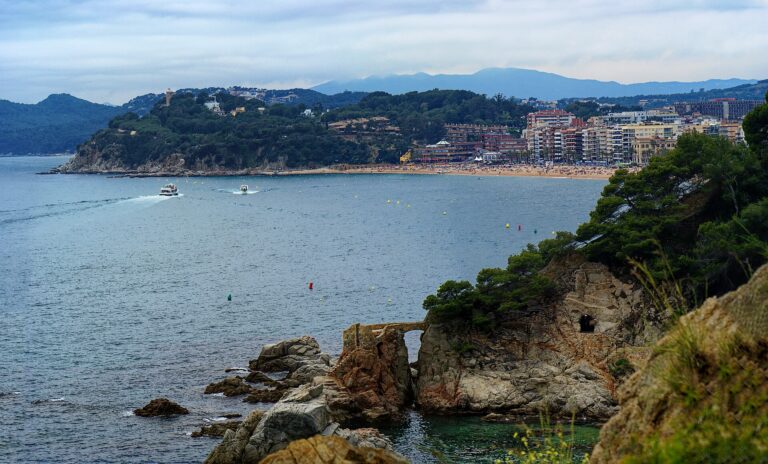
- Costa Brava – the most beautiful stretch of the Catalan coast, with rocky coves, crystal-clear water and photogenic little towns like Cadaqués and Tossa de Mar.
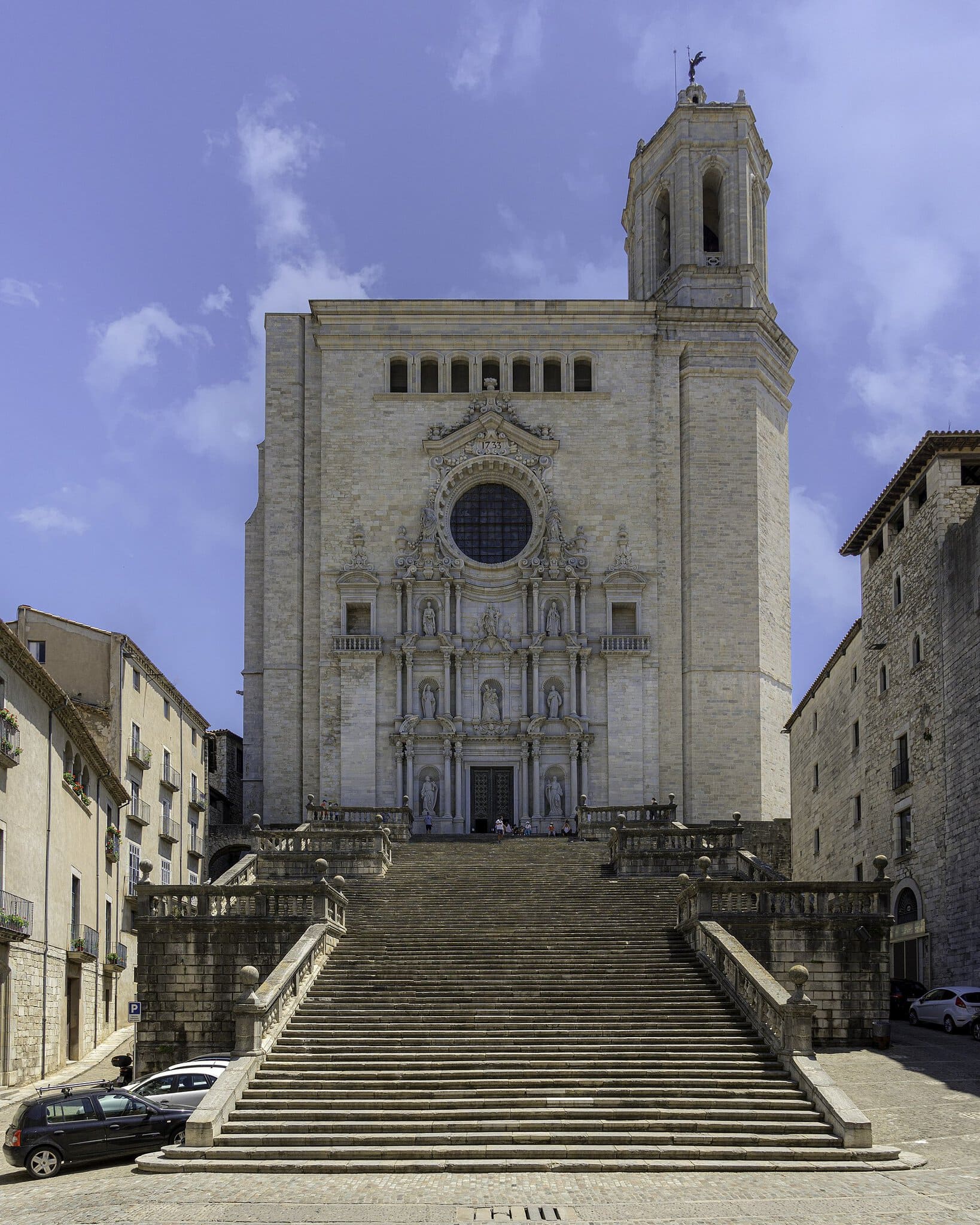
- Girona – medieval lanes, colourful houses above the river and a Jewish quarter; perfect as a day trip from the coast or a destination in its own right.
- Figueres and the Dalí Museum – a surreal experience right in the painter’s birthplace, and one of Spain’s most visited museums.
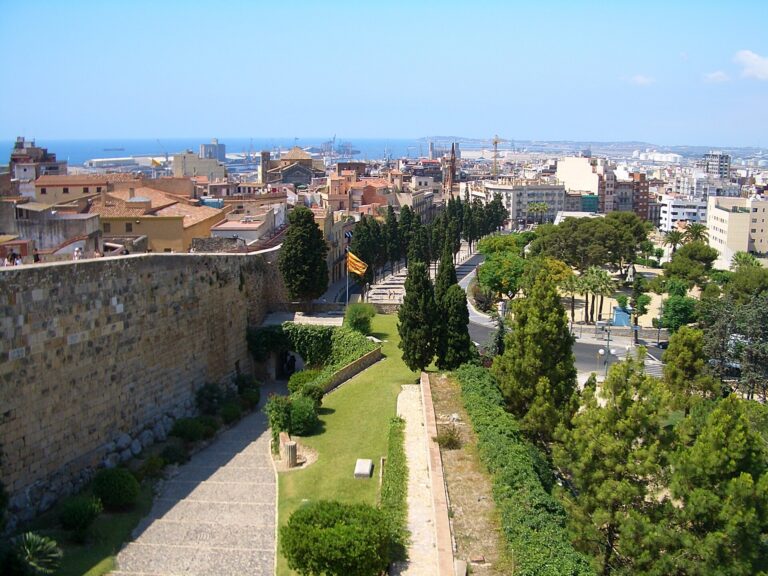
- Tarragona – a Roman amphitheatre by the sea, an aqueduct and ancient heritage on the UNESCO list.
- Sitges – an elegant resort south of Barcelona with beaches, a seafront promenade and a lively buzz.
And if you fancy heading further south along the coast, take a look at Alicante and the Costa Blanca – it’s beyond Catalonia, but it links up beautifully when you’ve got more time and want a longer road trip along the sea.

When to visit Catalonia
The best balance of weather and peace and quiet comes in spring (May–June) and early autumn (September to early October). It’s warm, the sea is still – or already – swimmable, the towns aren’t packed, and accommodation prices are nowhere near as steep as in high season.
July and August are the hottest and liveliest, but also the priciest, with beaches and Barcelona seriously crowded. If you’re coming mainly for the swimming and don’t mind the crowds, it’s no problem at all – just book well ahead. Anyone wanting the sea in peace should aim for June or September instead.
Off season (November–March) the coast goes dead and some businesses close, but cities like Girona, Tarragona and Barcelona run year-round. With a pleasant 15 °C in winter, they’re wonderful for walking with no queues.






How to get to Catalonia
The easiest option is to fly into Barcelona (El Prat airport), with direct flights from Prague taking roughly 2.5 hours. From the airport you can then get around the region very comfortably by train, bus or car. A regional alternative is the smaller Girona airport, often served by low-cost carriers and ideal for the Costa Brava.
Driving from the Czech Republic is more of an expedition – reckon on roughly 1,600–1,800 km and two days through Germany and France, usually with tolls and an overnight stop along the way. It mostly pays off if you want to cover lots of places and bring your own gear. Otherwise, flying and renting a car on the spot is faster and often cheaper too.
Renting a car
A car is worth it in Catalonia when you want to explore the Costa Brava, the inland areas and smaller villages where public transport doesn’t run so frequently. But if you’re staying in Barcelona or travelling between the big cities (Girona, Tarragona, Sitges), the train will serve you perfectly well. In the city centre a car is more of a burden – pricey parking and narrow lanes.
- Book in advance through a rental comparison site – it’s usually dearer on the spot and can sell out in season.
- Watch out for the deposit blocked on your card and the insurance – topping up to reduce the excess often pays off.
- Expect motorway tolls and paid parking in city centres; fill up away from the motorway, it’s cheaper.
Where to stay in Catalonia
Where to rest your head depends mainly on what you want from the trip. For a mix of city and day trips, the most practical base is Barcelona or Girona, with easy train connections in every direction. If you’re mainly here for the sea, you’ll appreciate staying right on the Costa Brava or in Sitges.
- Apartments – the best value for space for couples and families, and a kitchen of your own saves on food.
- Guesthouses and smaller hotels in the historic centres (Girona, Tarragona) – atmosphere and everything within walking distance.
- Beachfront resorts and hotels on the coast – comfort, but in July and August book well ahead.
- Hostels, mainly in Barcelona – for backpackers and travelling on a sensible budget.
Package tour or independent travel?
The million-dollar question – do you go with a tour operator, or arrange everything yourself? Both make sense; it comes down to the kind of trip you want and how much you enjoy planning.
A package is worth it when…
- you mainly want to relax by the sea and don’t fancy dealing with transport and accommodation;
- you’re travelling with kids and value the service and security of all-inclusive;
- a good early-bird or last-minute deal comes up and you don’t want to spend hours comparing flights.
Go it alone when…
- you want to combine cities and beaches and switch places on a whim;
- you love discovering villages and spots off the tourist trail;
- you want full control over your budget and itinerary.
The two of us love exploring Catalonia on our own – the region is easy to navigate, transport works and the freedom is worth it. But if you want pure, hassle-free downtime by the sea, a package is an absolutely fine choice and often even cheaper than piecing everything together yourself.
Budget: daily costs in Catalonia
A rough daily budget per person (excluding flights) to help with your planning. The prices are indicative and vary by season and area – in Barcelona and on the coast in summer, expect the upper end.
| Level | Accommodation | Food | Transport & activities | Total/day |
|---|---|---|---|---|
| Backpacker | 20 €–30 € (hostel/shared room) | 12 €–18 € (menu del día, self-catering) | 8 €–14 € (public transport, train, entry tickets) | approx. 45 €–65 € |
| Standard | 45 €–70 € (apartment/3* hotel) | 25 €–35 € (restaurants, tapas) | 16 €–30 € (day trips, rental car) | approx. 85 €–135 € |
| Comfort | 100 €+ (4* beachfront hotel) | 45 €+ (quality restaurants) | 35 €+ (private tours, experiences) | approx. 180 €+ |
How to save when planning
- Flights are best bought 2–4 months ahead, and even earlier for summer. Keep an eye on Tuesdays and Wednesdays, which tend to be cheaper than weekends. Search for flights in our finder.
- Accommodation for high season (July–August) should be booked several months in advance – the best beachfront apartments sell out early. Our accommodation tips.
- Packages have two sweet spots: early-bird deals (in spring for summer dates, with the best choice) and last minute (a few weeks before departure, if your dates are flexible). Check out the current packages.
- Activities and entry tickets to top spots (the Dalí Museum, Sagrada Família) should be booked online in advance – on the spot you’ll face queues, and sometimes they’re sold out. What to book in time.
- Where you overpay: restaurants right on the main promenades and next to the sights. Just walk a street further and you’ll pay half for the same meal.
Practical information
- Language: both Catalan and Spanish are official. You’ll get by in English in tourist areas, but a few words of Spanish always go down well.
- Payments: you can pay by card almost everywhere; cash comes in handy only at small markets and local bars. The currency is the euro.
- Connectivity: the easiest option is an eSIM – activate it before you leave home and you’ll have data the moment you land, with no hunting for a local SIM.
- Safety: Catalonia is safe, just watch out for pickpockets in Barcelona and at stations – wear your backpack on your front and keep your documents separate.
- Transport: regional trains (Rodalies) and buses are cheap and reliable, and you can travel between coastal towns without a car.
Don’t forget travel insurance – even within the EU, the European Health Insurance Card doesn’t cover everything, especially repatriation or private clinics. A small thing that saves you a lot of worry.


