Slovenia is living proof that the best things come in small packages. It packs an incredible four different worlds into one single country that is barely bigger than Wales. Within a single hour’s drive you can swap the snowy peaks of the Julian Alps for deep karst caves, and a moment later find yourself swimming in the waves of the Adriatic.
Lukáš and I drove through Slovenia on our way to the sea and we were absolutely blown away by how compact and varied this place is. Crystal-clear lakes, wild rivers, deep forests and charming historic towns make this destination an absolute paradise for nature lovers and foodies alike. We stopped at every turn, because behind every bend a new breathtaking panorama appeared.
We’ve put together 22 of the best things to see and do in Slovenia so you can make the most of your trip. I’ll tell you when the ideal time to go is, how much the electronic motorway vignette costs and where to base yourself strategically so all the natural beauty is within easy reach.
TL;DR
- Most beautiful places: Don’t miss the iconic Lake Bled, the wilder Lake Bohinj, the majestic Vintgar Gorge and the huge underground Škocjan Caves.
- When to go: For mountain hiking and lake swimming, late June to mid-September is best; you can visit the thermal spas year-round without a second thought.
- Currency and documents: The euro is used here and, since the country is in both the EU and the Schengen Area, all you need to cross the border is a valid passport.
- E-vignette: Slovenia has a purely electronic motorway vignette; for a car the weekly version costs €16. There is no one-day vignette, so even for a quick drive-through you have to buy the weekly one.
- How many days you need: For a nice loop covering the Alps, the karst caves and the short coastline, set aside ideally five to seven days.
- Top tip: Always head to Lake Bled, the gorges and the mountain passes early in the morning to avoid the biggest crowds and parking headaches.
The full destination guide: Slovenia — guide and what to see
When to Visit Slovenia
If you plan to explore the mountain regions, gorges and high-altitude roads, the best time to visit is from late June to mid-September. During this period you have the greatest chance of stable weather and all the hiking trails are safely passable. Bear in mind, though, that the Vršič Pass is usually completely closed in winter due to snow and only opens around the end of April.
Lake Bled draws tourists from all over the world during the summer holidays. If you come in July or August, I recommend getting up early and heading to the water at dawn. By around nine in the morning the peaceful atmosphere is gone and the battle for parking spaces begins. If you can, plan your Bled visit for June or late September, when it’s considerably quieter and the weather is still very pleasant.
The Slovenian coast is busiest from June to September. The sea is warmest during August, when the water temperature reaches a comfortable 25 °C. If, on the other hand, you’re drawn to Slovenia’s thermal spas, they make an absolutely ideal year-round destination. There’s simply something magical about soaking in hot springs in winter.
Getting there is easy. The most popular hassle-free option for travellers from the UK is to fly to Ljubljana — there are seasonal direct flights from London, and year-round connections via Munich, Vienna or Frankfurt. From the airport, picking up a hire car is the most convenient way to explore. Don’t forget to buy the electronic motorway vignette, which costs €16 a week or €32 a month for a car. You can buy it easily online on the official evinjeta.dars.si website. Also note that passing through the Karawanks Tunnel is not included in the Slovenian vignette and is paid separately at just under €9 per direction.
If you’d rather not deal with the long drive at all, the easiest approach is to fly into Ljubljana directly, or alternatively into nearby Venice or Klagenfurt in Austria and pick up a car there. Trieste airport in Italy is another handy gateway right on the Slovenian doorstep. To get around once you arrive, you can compare deals here:
Where to Stay in Slovenia
Slovenia is fairly small, so you can choose one or two strategic bases and take day trips out from there. For exploring the Julian Alps, the area around Lake Bled or Bohinj is absolutely ideal. Accommodation near Bled is a little pricier and busier, while Bohinj offers a calmer atmosphere and closer contact with the wild nature of Triglav National Park.
If you’re heading mainly for the water and rafting, choose accommodation in the town of Bovec in the Soča Valley. For lovers of city sightseeing and anyone who wants every spot in the country within an hour’s drive, the capital Ljubljana is a great choice. On the coast itself you can pick the romantic historic Piran or the livelier resort of Portorož with its sandy beaches.
We very often use Booking to find accommodation, where you can discover real gems. At Lake Bled we can recommend the gorgeous Adora Luxury Hotel, which offers stunning views right onto the lake and impeccable service. If you prefer nature and quiet a little further from the main promenade, take a look at Ribno Alpine Resort, where you’ll find utterly charming glamping cabins hidden in the forest.
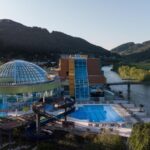
Right by Lake Bohinj, a great choice is the Bohinj Eco Hotel, which also has its own water park — something you’ll appreciate enormously after a full day’s hike in the mountains. For a stay by the sea in picturesque Piran, definitely check out Hotel Piran. It sits right on the waterfront a short walk from the main square, and breakfast on their rooftop terrace overlooking the Adriatic is an experience in itself.
The Julian Alps and Alpine Lakes
The most visited and arguably most beautiful part of the entire country is in the northwest. And here are the very best things the Julian Alps and the surrounding nature have to offer.
1. Lake Bled
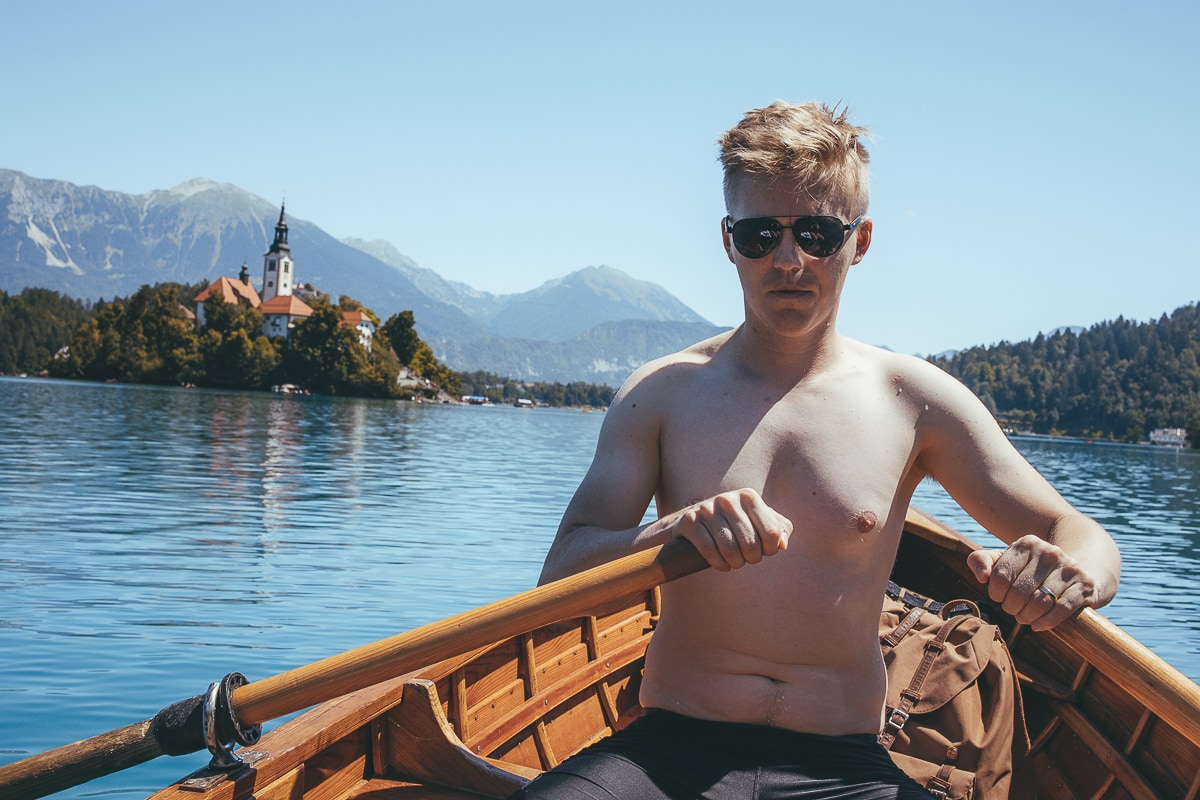
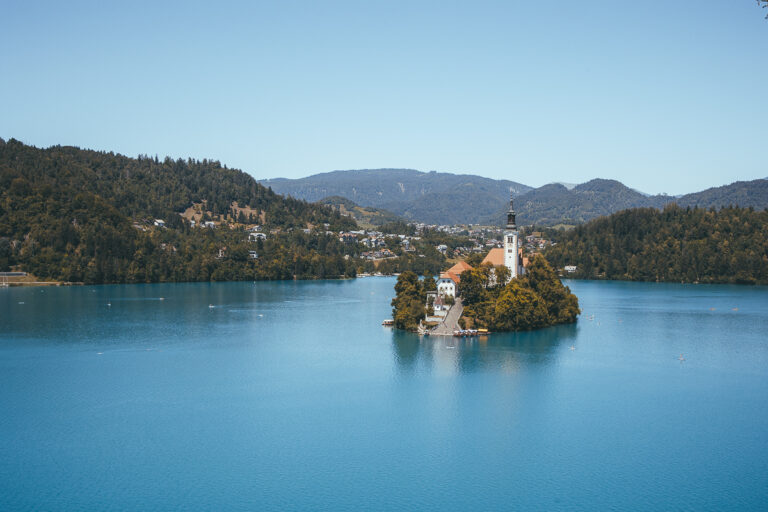
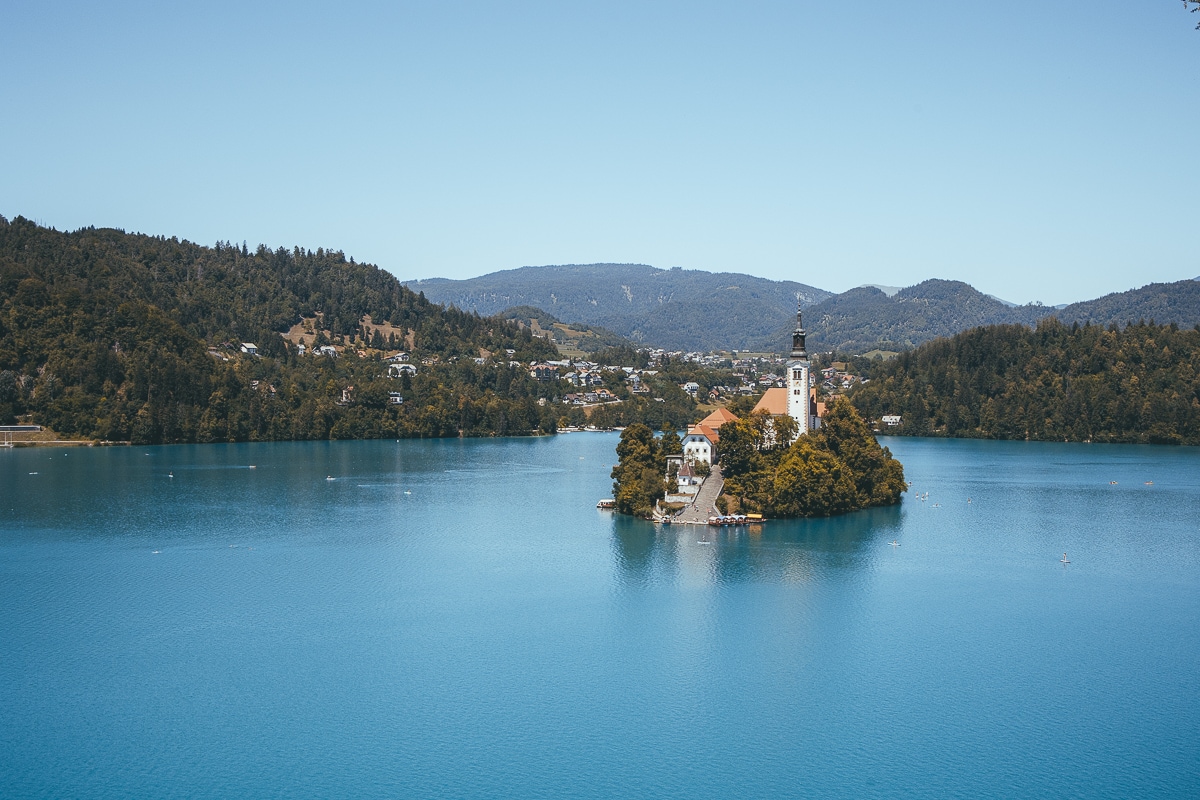
This lake is simply the most iconic symbol of all Slovenia. Lukáš and I arrived first thing in the morning and the sight of the calm water with the little island in the middle completely won us over. The biggest draw is the traditional wooden boat called a pletna, which will take you out to the island with its picturesque little church for around €20 per person. Exactly 99 stone steps lead up to it, and inside you can ring the wishing bell.
Above the lake, on a steep 130-metre-high cliff, towers the monumental Bled Castle. Admission costs €19 and it offers the absolute best panoramic view over the whole area. We walked up to it and, although it was quite a climb, those views from the top were definitely worth the effort.
💡 Tip: After a stroll around the lake, be sure to stop for a local speciality. The famous Bled cream cake (blejska kremšnita), a fluffy custard slice, was created here in 1953 at the local Park Hotel and today a piece will set you back around €6.50.
2. Lake Bohinj
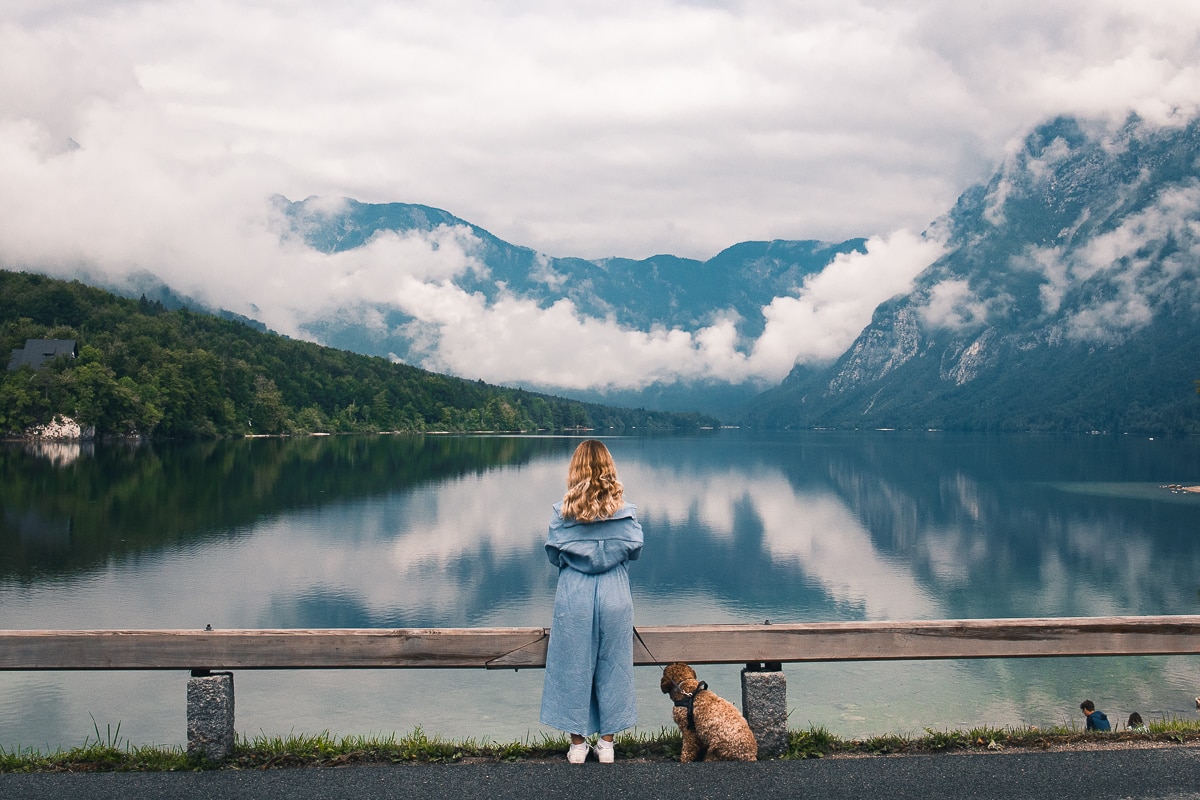
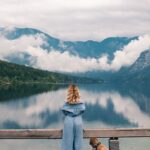
While Bled looks like a perfect postcard, Lake Bohinj reveals the wild, untamed soul of nature. It lies right inside Triglav National Park and is considerably bigger, quieter and less affected by mass tourism. We enjoyed wonderful peace here on a long walk along the shore and even went for a swim, because unlike at Bled, swimming is completely normal and permitted in many spots.
A short distance from the lake you’ll find the Vogel cable car station, which whisks you high into the mountains. A return ticket costs around €33 and the views of Triglav, the highest peak, from the top station are breathtaking. A whole range of hiking trails of varying difficulty starts up here, so families with children and seasoned mountaineers alike will find something to enjoy.
💡 Tip: Take the roughly half-hour walk up the stone steps to the nearby Savica Waterfall. It’s one of Slovenia’s most famous waterfalls and the water plunges into a mesmerising emerald pool.
3. Vintgar Gorge (Blejski vintgar)
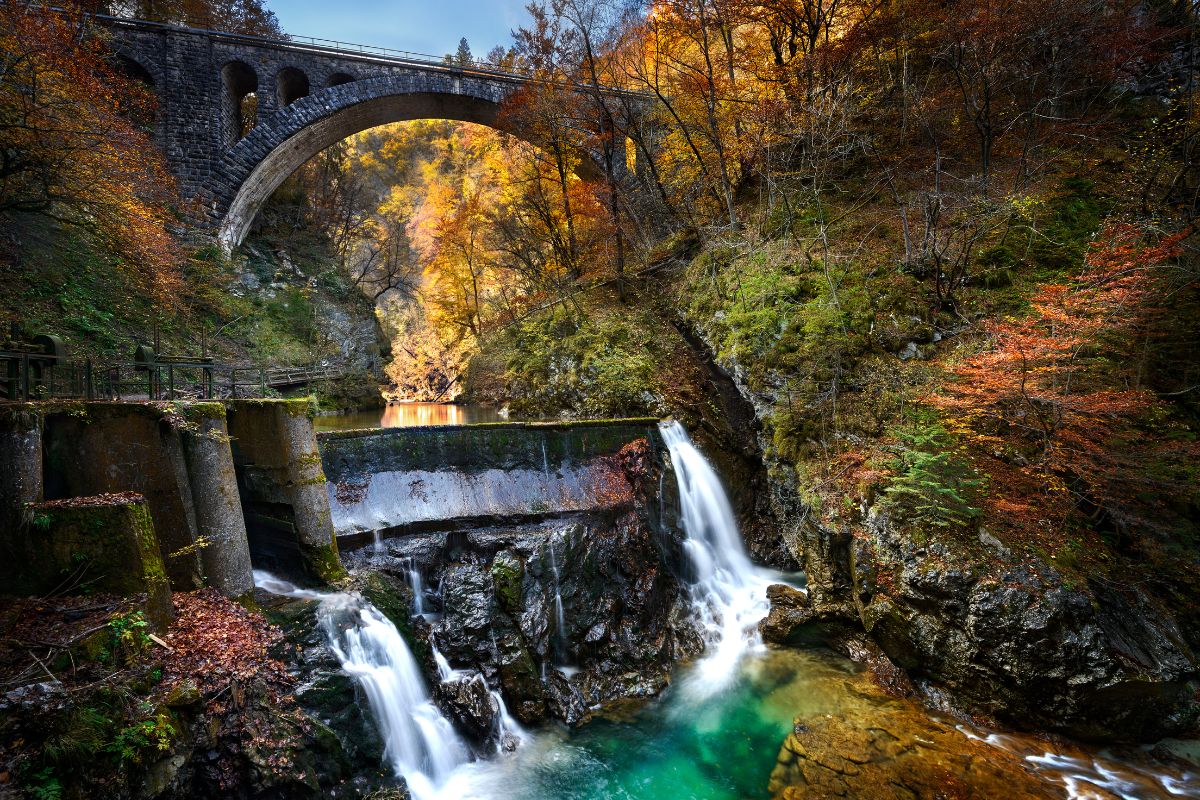
This place absolutely captivated us. Vintgar Gorge offers a 1.6-kilometre trail along wooden walkways bolted directly onto the steep cliffs above the roaring turquoise Radovna River. The whole route ends at the photogenic Šum Waterfall, and the entire time you won’t know where to point your camera first.
Admission currently costs €15 for an adult and €5 for children. The gorge is only open from April to October and demand is huge in peak summer season. The full loop takes around two to three hours of easy walking, returning via a forest path with lovely views into the valley.
💡 Tip: Booking a specific time slot online is practically obligatory these days. To avoid parking problems right at the entrance, use the shuttle bus from the park-and-ride car parks, which runs very reliably.
4. Triglav National Park and Mount Triglav
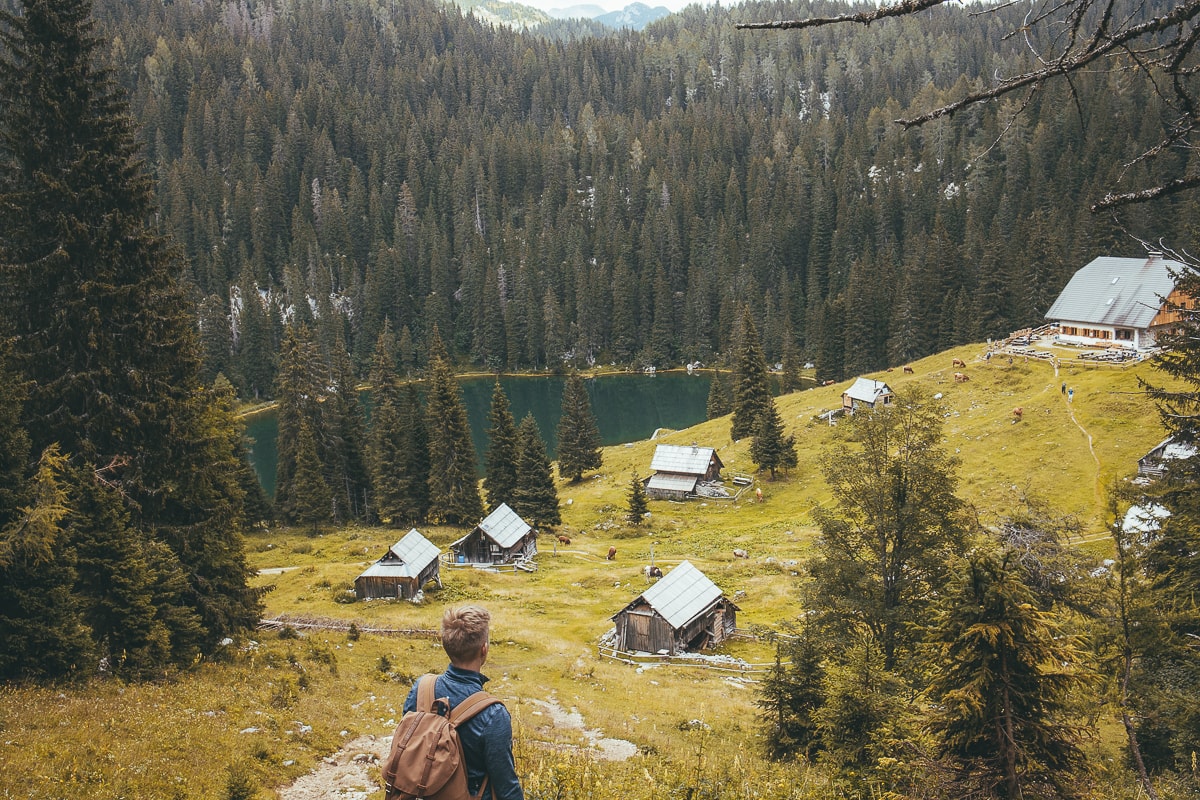
This is the only national park in all of Slovenia and represents the true heart of the country’s nature. Its centrepiece is the highest mountain, Triglav, at 2,864 metres, which even appears on the national flag and coat of arms. Locals like to say that you only become a true Slovenian once you’ve climbed to this summit at least once in your life.
On the very summit stands the iconic metal Aljaž Tower, where seemingly every successful climber poses for a photo. Climbing Triglav usually takes two days with an overnight stay in a mountain hut, so it’s definitely not an afternoon outing. The routes to the top include more demanding secured sections and via ferratas.
💡 Tip: If you don’t have experience with high-mountain hiking, definitely don’t attempt the summit on your own. Better to pay for a local certified guide and don’t forget quality gear, including a helmet and harness.
5. Kranjska Gora and Lake Jasna
Kranjska Gora is a renowned mountain resort that comes alive mainly in winter thanks to the alpine skiing World Cup. Not far away you’ll also find the famous ski-jumping hills in Planica. In summer, though, the town transforms into a perfect base for mountain hikes and cycling trips around the wider area.
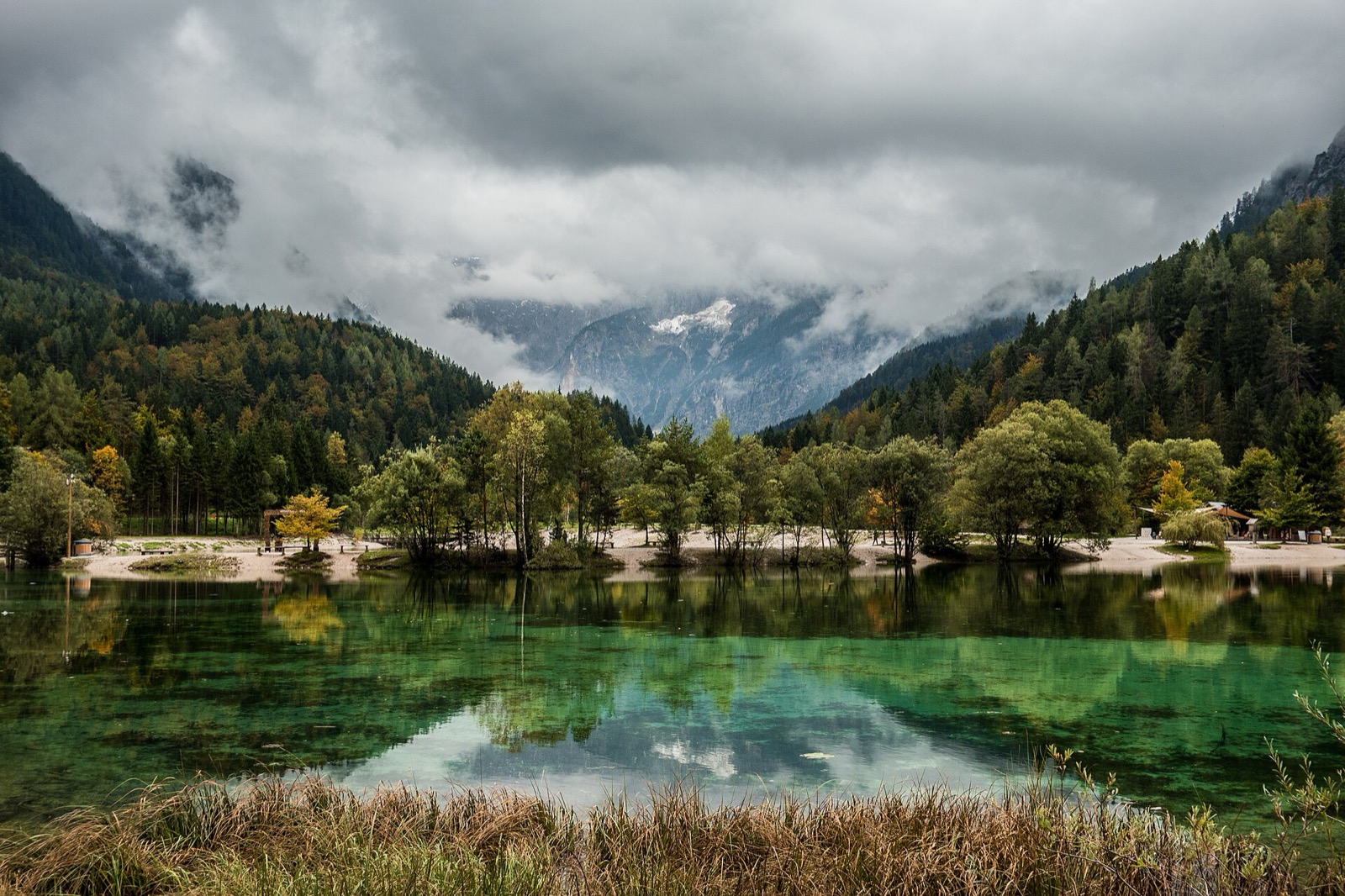
Just outside town, towards the mountain pass, you’ll come across the emerald Lake Jasna. It’s probably the most photogenic stop in the entire Julian Alps, where the surrounding limestone peaks are mirrored right on the surface. By the water stands the famous bronze statue of the Zlatorog ibex, which you simply have to photograph.
💡 Tip: Comfortable wooden walkways have been built around Lake Jasna and you’ll also find several pleasant cafés here. Swimming in the lake is permitted, but the water is incredibly icy even in the middle of summer.
6. Vršič Pass (1,611 m)
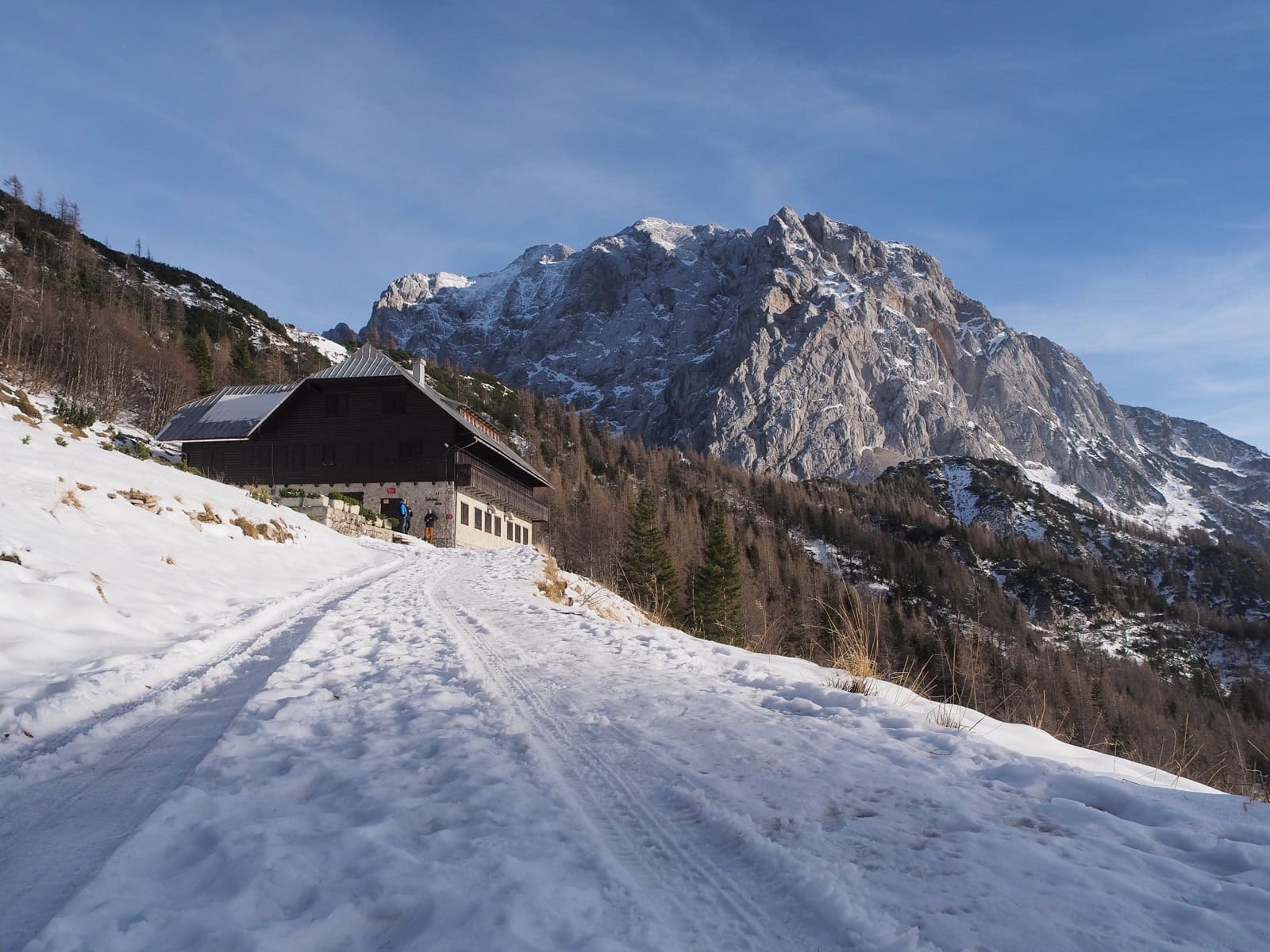
The road over the Vršič Pass is the highest road link in all of Slovenia. Be prepared for exactly 50 numbered hairpin bends that will thoroughly test your driving skills and your car’s brakes. Interestingly, the northern ascent from Kranjska Gora is still cobbled with the original stones on many of its bends.
Just after the eighth bend, be sure to stop at the picturesque wooden Russian Chapel. This beautiful structure was built here by Russian prisoners of war in 1916–1917 in memory of their comrades who died in an avalanche during the construction of this strategic military road.
💡 Tip: The road over Vršič is completely closed all winter due to heaps of snow. In summer, set off as early in the morning as possible, because the narrow bends quickly clog up with caravans and slow cyclists.
7. The Soča Valley
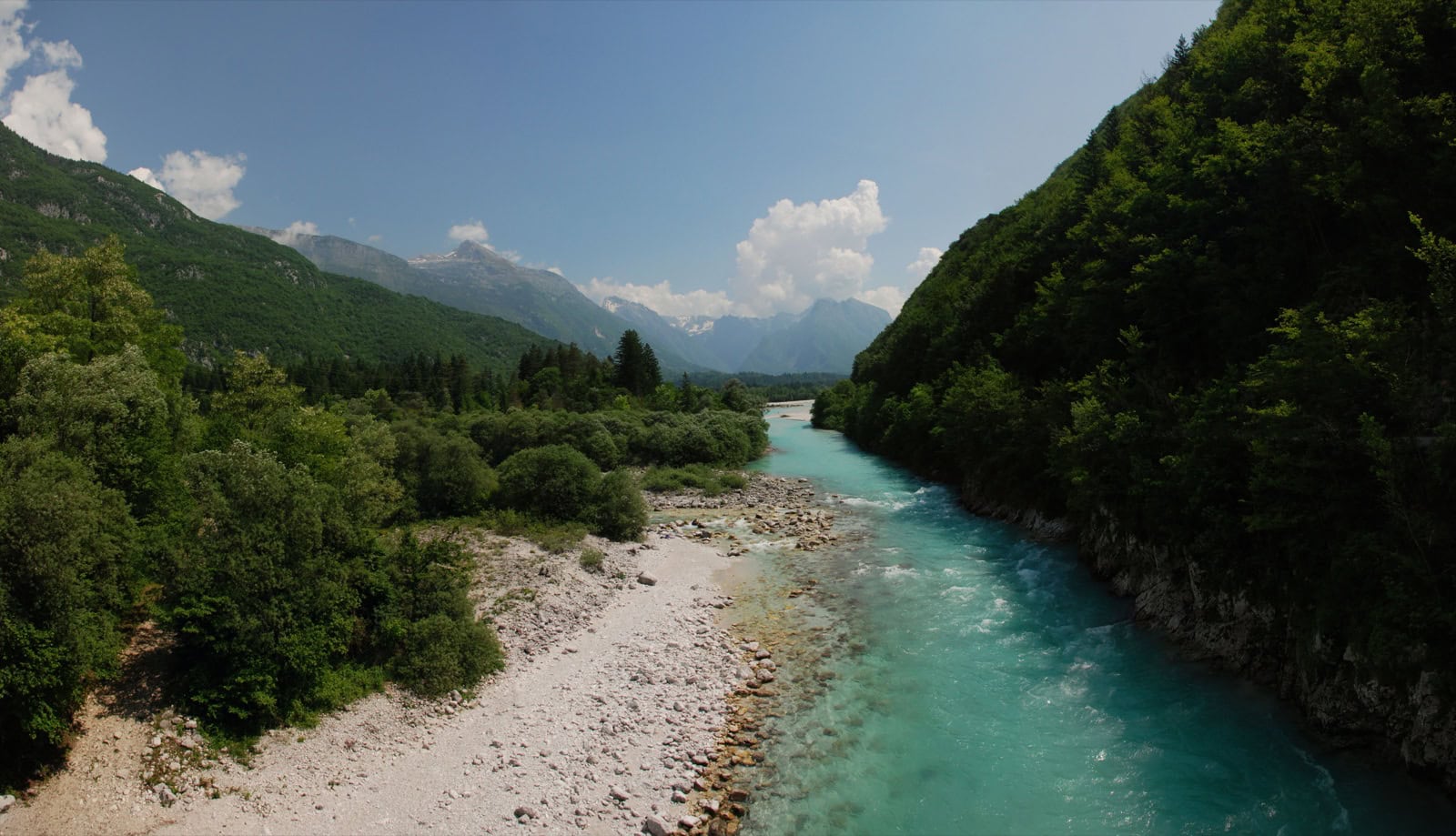
The Soča River is often called one of the most beautiful rivers in Europe. We drove through this valley and the emerald-turquoise colour of the water completely astonished us. The hub of the whole valley is the sporty little town of Bovec, where adrenaline lovers gather from all over the world for the superb rafting and kayaking. Nearby you’ll also find one of the largest zipline parks in Europe.
As you travel through the valley, don’t skip a stop at Velika korita. It’s a narrow, deep rocky canyon through which the wild river forces its way with tremendous power. You can walk across the suspended footbridges for free and watch the incredible force of nature up close from a safe height.
💡 Tip: Swimming in the Soča is an experience only for the truly hardy. The water temperature rarely exceeds 15 °C even on the hottest summer days, so most people just dip their feet in.
8. Kobarid and the Kozjak Waterfall
The little town of Kobarid went down in history above all during the First World War, when the bloody Isonzo Front ran through here. Today you’ll find an award-winning First World War museum that vividly maps the brutal mountain battles of the time. The atmosphere of this place, incidentally, also inspired the famous writer Ernest Hemingway.
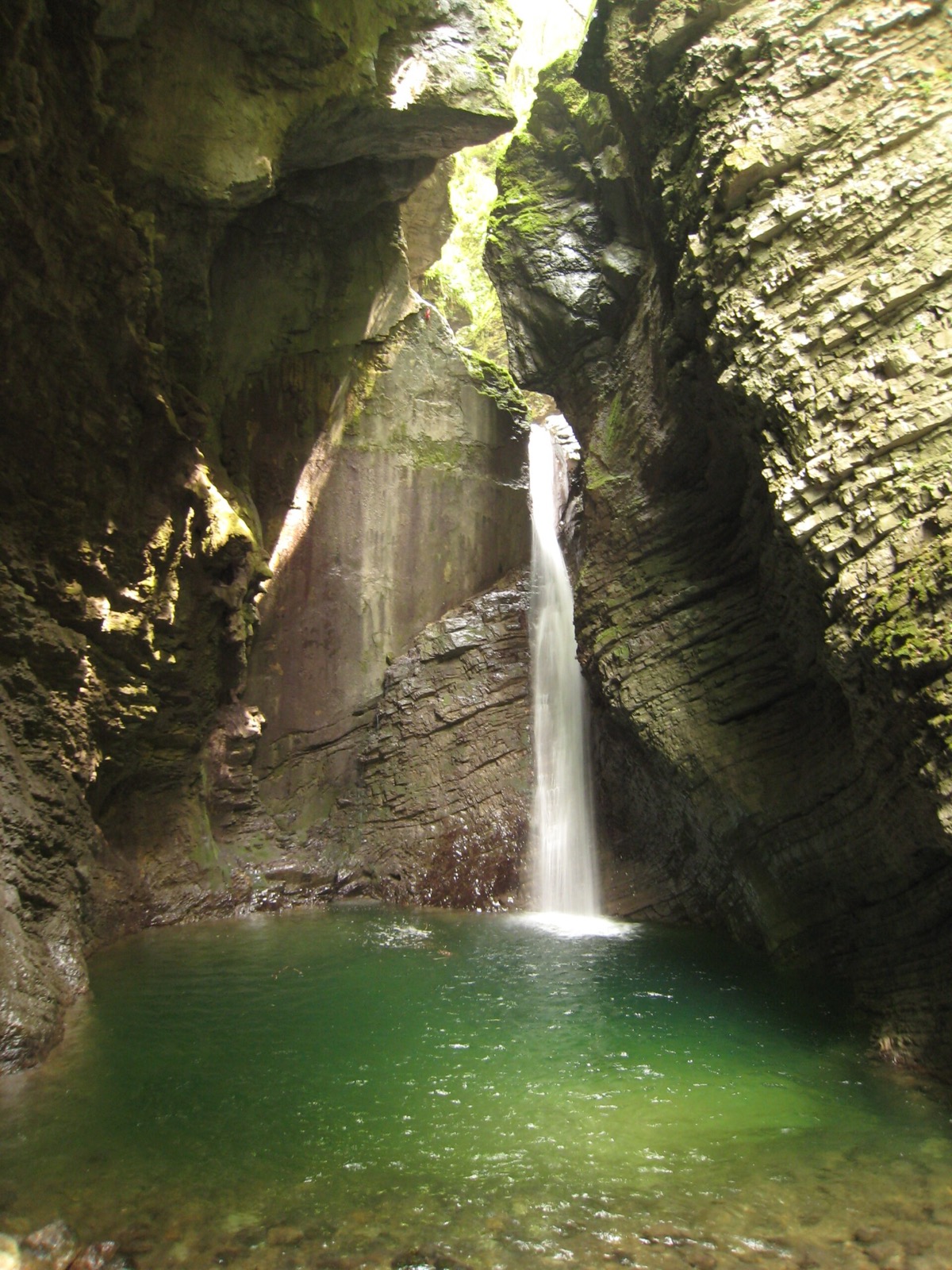
From the historic Napoleon Bridge, take an easy half-hour walk along the maintained walkways to the Kozjak Waterfall. The water tumbles into a mysterious semi-open rock chamber, at the bottom of which a gorgeous turquoise pool forms. It feels like a scene from a fantasy film.
💡 Tip: Wear sturdy footwear for the walk to Kozjak Waterfall. The path runs partly over slippery stones and the rock chamber with the waterfall itself tends to be very damp and cold.
Karst, Caves and Castles
The southwestern part of the country is riddled with kilometres of underground passages and karst formations. And this is where things get really interesting, both deep underground and high up on the cliffs.
9. Postojna Cave
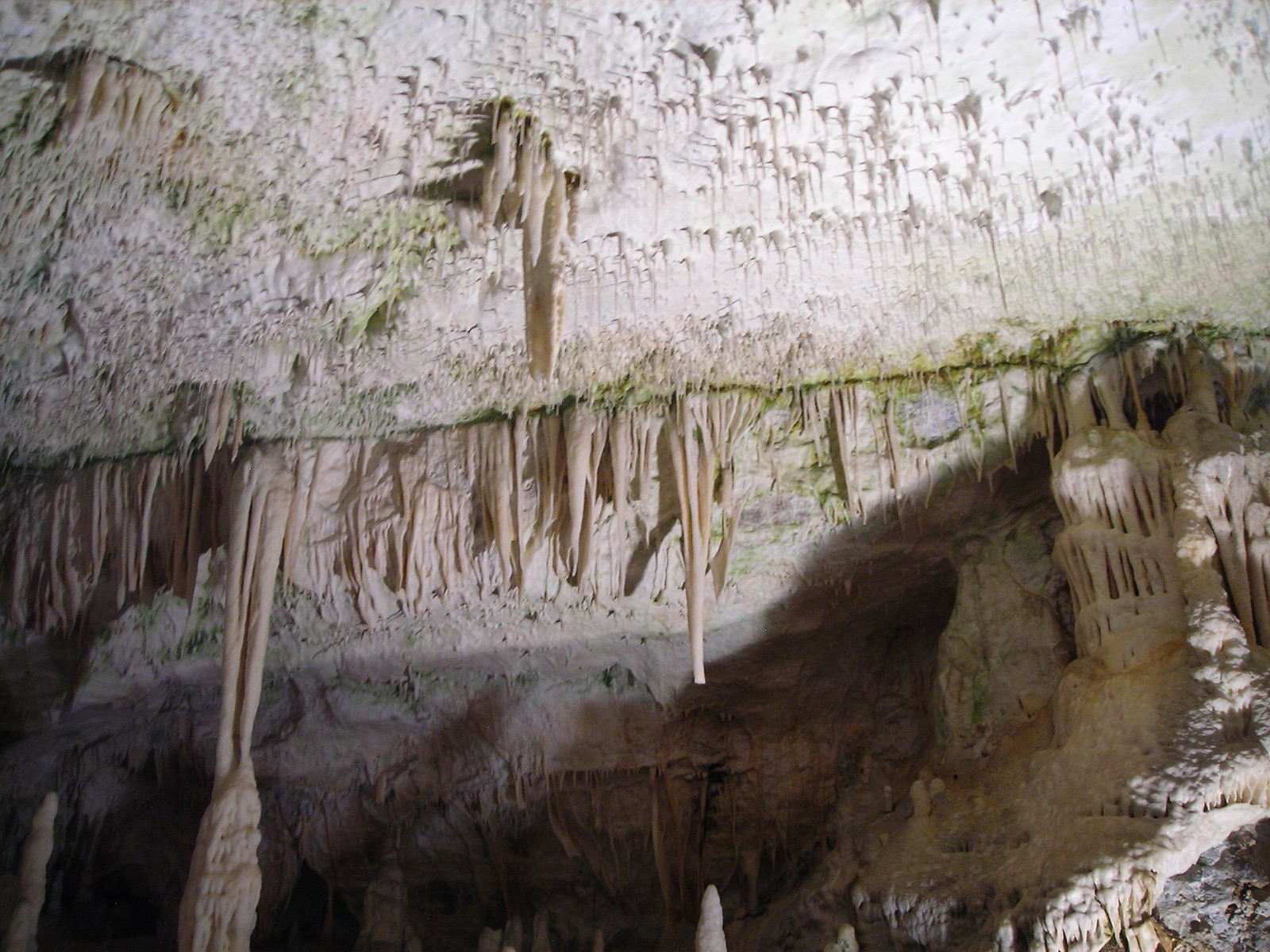
This place is an absolute world first. Postojna Cave is home to the only double-track underground railway in the world. The sightseeing train takes you an impressive 3.5 kilometres deep underground, where the walking tour itself only begins — full of enormous stalactites in all manner of shapes and colours.
The biggest curiosity here, though, is the olm, affectionately nicknamed the “human fish”. This blind amphibian can survive for several years without food and commonly lives to over a hundred years old. Admission to the cave costs €27.90 off-season, while in the peak summer months from June to September you’ll pay €30.90.
💡 Tip: Even when it’s scorching outside, the temperature in the cave stays steady at around 10 °C. Definitely pack a warm hoodie or a light jacket, otherwise you’ll be cold during the train ride.
10. Predjama Castle
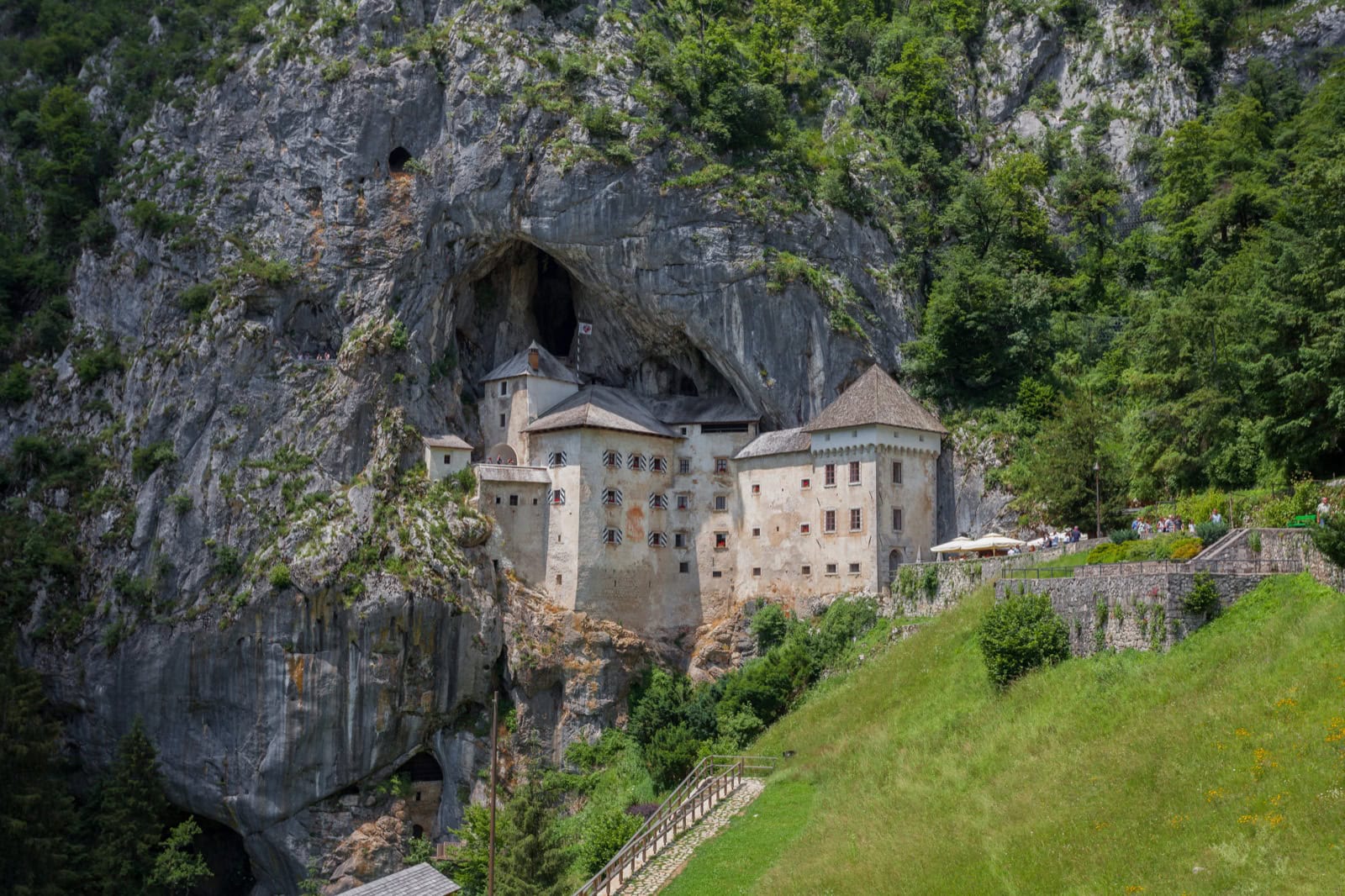
A short distance from Postojna you’ll find a structure that defies belief. According to the Guinness Book of Records, Predjama Castle is the largest cave castle in the world. It is literally set into a 123-metre-high sheer rock face and from a distance it looks as if it’s growing straight out of the cliff. Separate admission costs €21.50.
The castle is linked to the famous legend of the robber knight Erazem, who managed to withstand a year-long siege by the imperial army thanks to secret underground passages. If you plan to visit both the cave and the castle in one day, it’s worth buying a combined ticket for €47.50.
💡 Tip: The drive between Postojna Cave and the castle takes about 15 minutes. In summer season a free shuttle bus runs between the two attractions, so you don’t have to worry about driving over and finding another car park.
11. Škocjan Caves
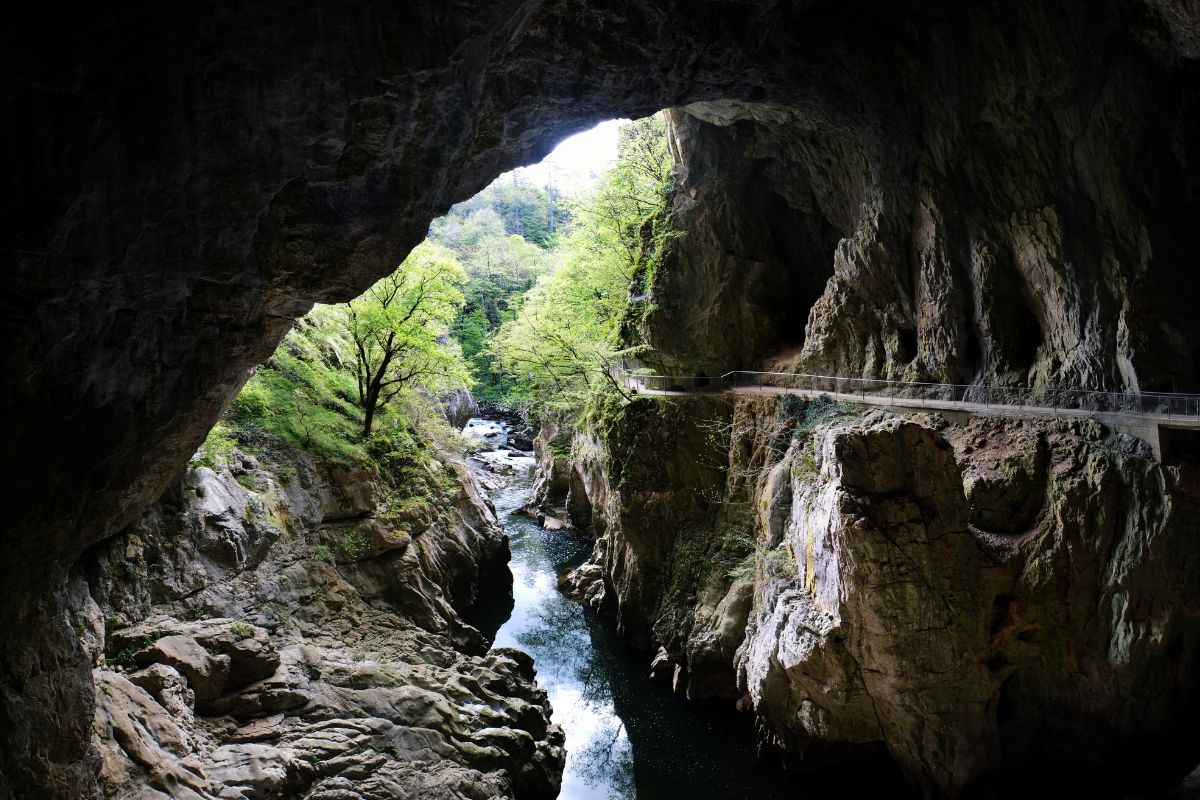
While Postojna feels more like a giant funfair with a train, the Škocjan Caves have preserved their utterly raw and wild character. These caves are on the UNESCO list and visiting them genuinely gave us goosebumps. You walk the whole route on foot, discovering an enormous underground canyon carved out by the wild Reka River.
The biggest adrenaline rush comes when you cross a narrow bridge suspended 45 metres above the roaring river. The experience is absolutely incredible and feels like a journey to the centre of the earth. Admission ranges from €16 to €20 depending on the season, and the queues here tend to be considerably shorter than at neighbouring Postojna.
💡 Tip: Unlike most other tourist attractions, photography is strictly forbidden inside the Škocjan Caves. Soak up that magical space with your own eyes — the memories you take home will be all the stronger for it.
12. Lipica
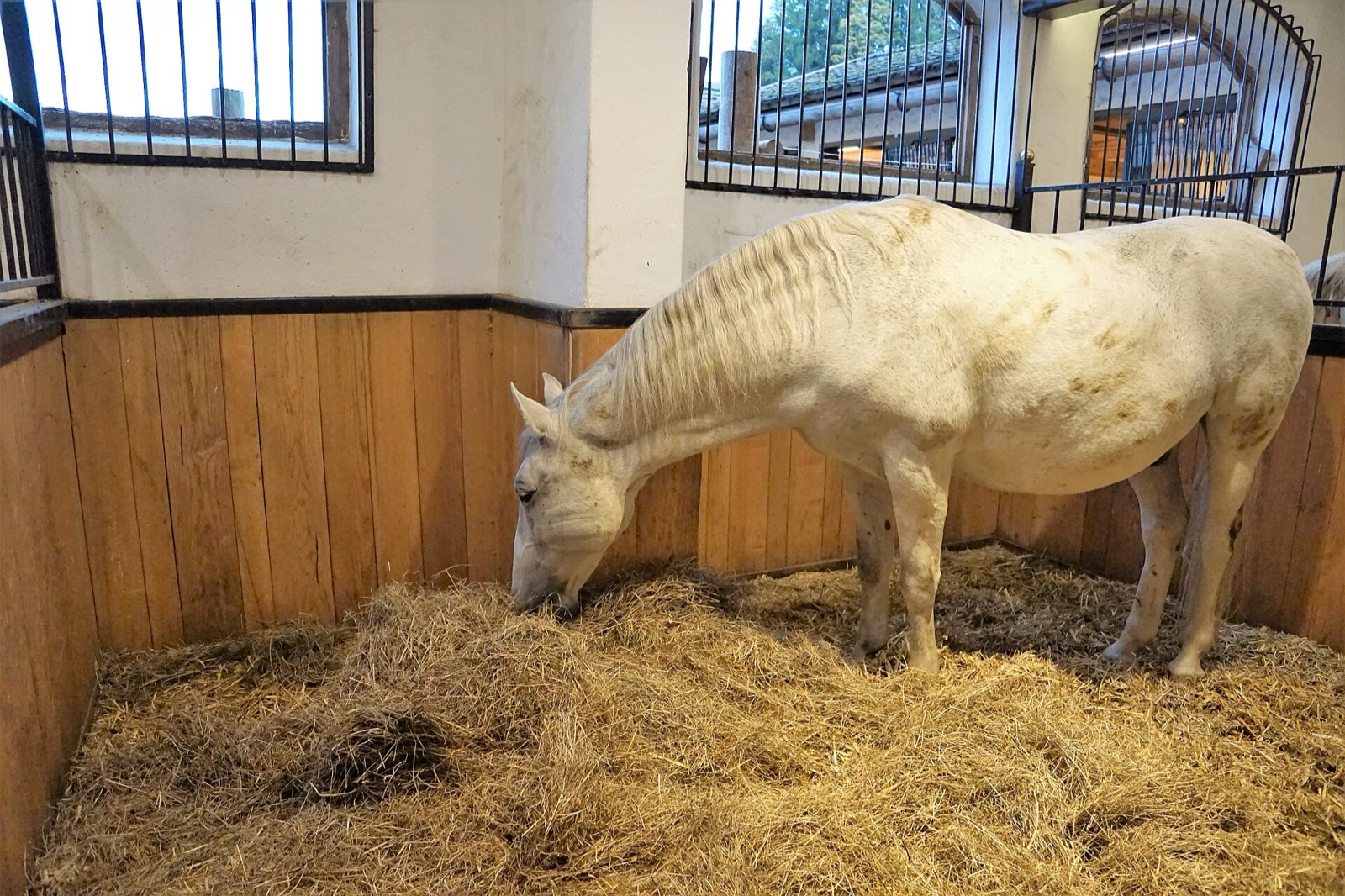
All horse lovers should unquestionably head to the little village of Lipica. This is home to the oldest continuously operating stud farm in Europe, founded by the Habsburgs back in 1580. The famous white Lipizzaner horses are bred here and travel from here even to the renowned Spanish Riding School in Vienna.
Interestingly, Lipizzaner foals are born completely dark and only gradually acquire their characteristic white colour as they grow up. Basic admission to the grounds costs €16, €20 or €23 depending on the season. You can wander freely among the pastures full of these noble animals.
💡 Tip: If you want to see the horses in their full glory during dressage, time your visit to catch the main performance, which is held here almost every day at 3 p.m. on the dot.

13. Štanjel
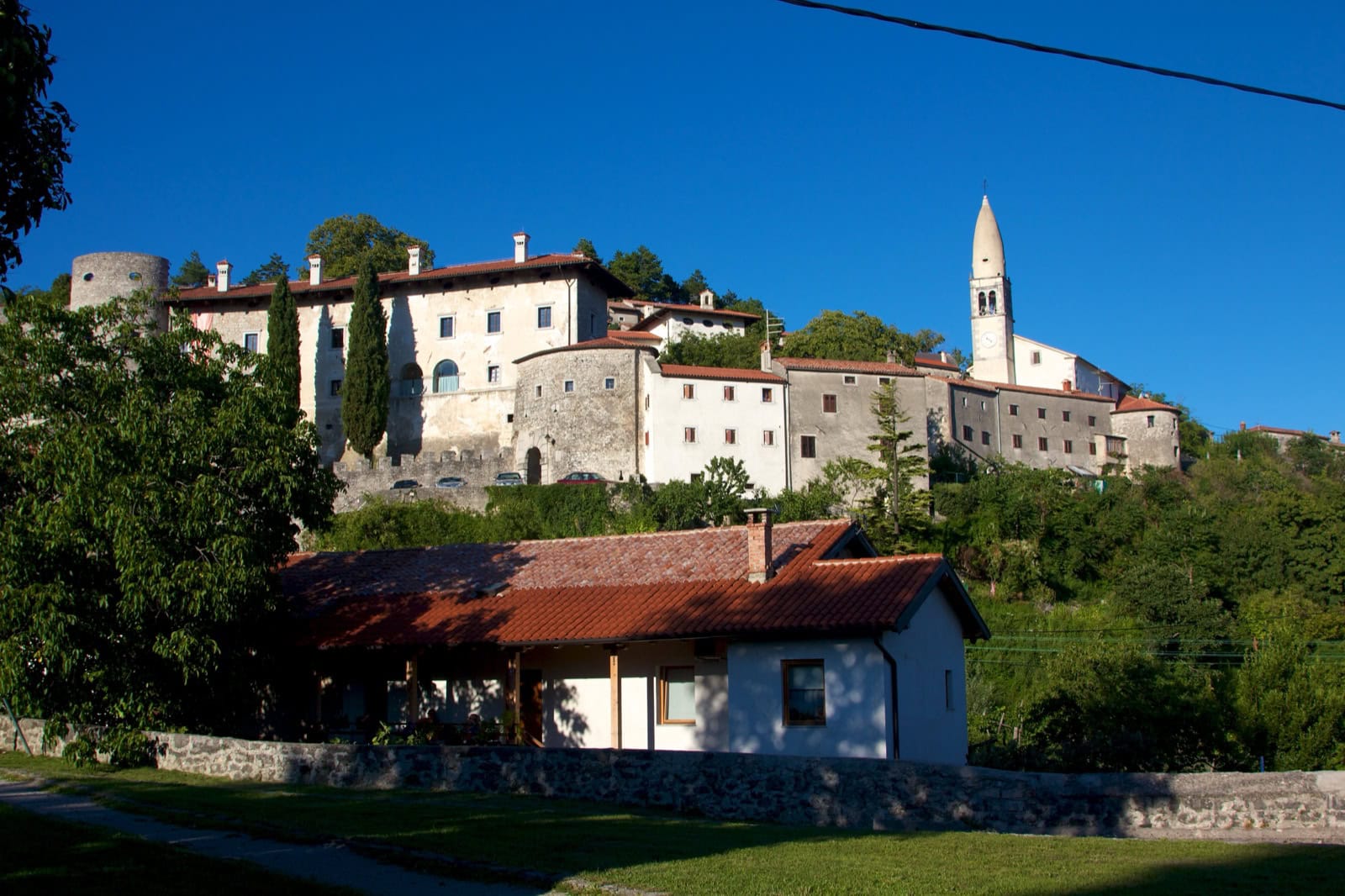
This picturesque stone karst village sits perched on a hill right above the fertile Vipava Valley. It’s among the oldest settlements in the entire karst region and its narrow cobbled lanes instantly transport you several centuries back. It’s an ideal place for a quiet afternoon stop with a coffee or a glass of local wine.
The greatest jewel of the whole village is the terraced Ferrari Garden, designed by the celebrated architect Maks Fabiani. You’ll find gorgeous stone arches, small pools and romantic little bridges, from which an absolutely stunning view opens up over the surrounding countryside.
💡 Tip: An incredible calm and peace reigns throughout Štanjel, because the historic centre is practically car-free. You have to leave your car in the designated car park just before the entrance to the old town.
The Slovenian Coast: 47 km of Adriatic
Slovenia boasts one of the shortest coastlines in the world, measuring just under 47 kilometres. Even so, you’ll find beautiful ancient towns and pleasant resorts here.
14. Piran
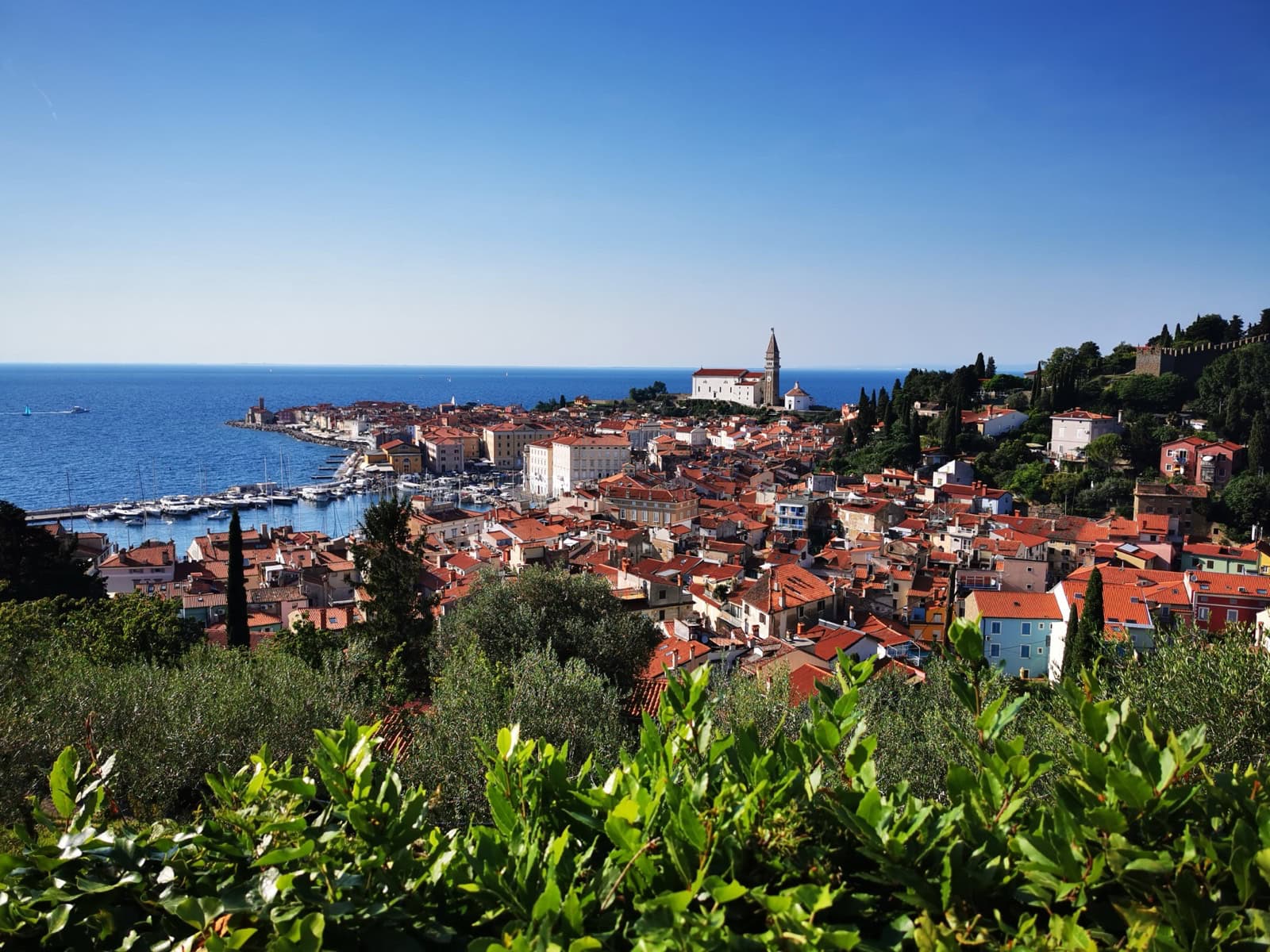
Piran is without doubt the best preserved and most beautiful town on the entire Slovenian coast. Its narrow lanes and colourful houses strongly recall Venice in Italy, which is no coincidence, as the town was under Venetian rule for centuries. The heart of the town is the oval Tartini Square with a large statue of the famous violinist Giuseppe Tartini.
For the very best view, head a little way up the hill to the old town walls. For a symbolic €3 entry fee, you’ll be treated to the most beautiful view of the town’s red rooftops contrasting with the blue surface of the sea. In the early evening I recommend a walk to the lighthouse, which has the most beautiful sunsets.
💡 Tip: Non-residents are strictly forbidden from driving into Piran’s historic centre. You have to leave your car in the huge Fornače multi-storey car park outside town, and from there you can reach the centre either on foot or by free bus.
15. Portorož and Strunjan
Portorož is the complete opposite of historic Piran. It’s the largest and liveliest spa resort in the country, where you’ll find a big promenade, luxury hotels and the only truly sandy beach on the Slovenian coast. The place is also renowned for its wellness treatments using mud and salt from the nearby Sečovlje Salt Pans.
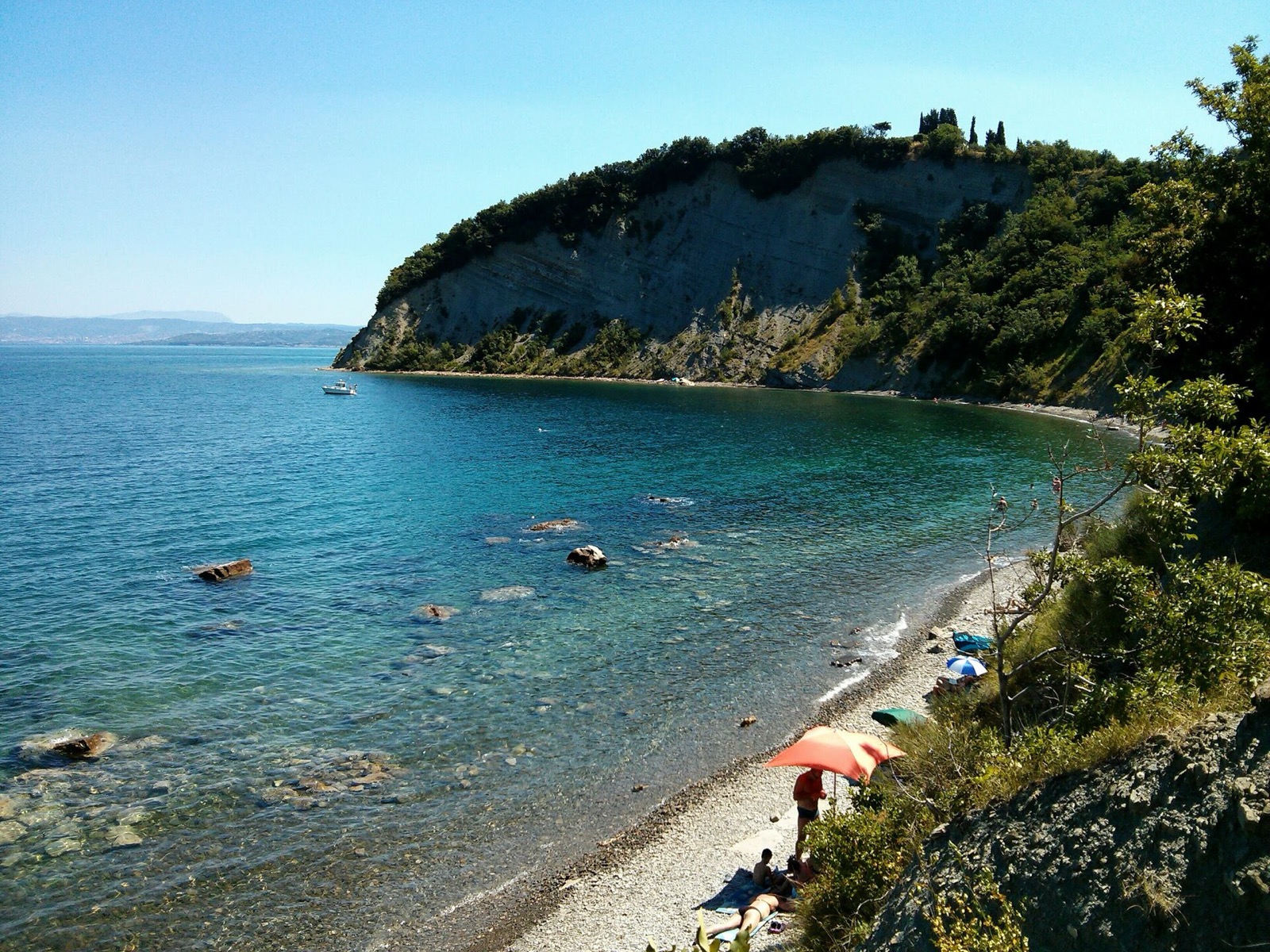
If you’re looking for peace and wild nature instead, head to neighbouring Strunjan. Here rise the highest flysch cliffs on the whole Adriatic, reaching up to 80 metres. Hidden beneath them is the gorgeous Moon Bay with its pebble beach, accessible only on foot via a steeper trail.
💡 Tip: At Strunjan, forget about sun loungers and beach bars. It’s a protected nature reserve, so don’t forget to bring your own water supplies and ideally water shoes for the stony entry into the sea.
Map of points of interest for your phone
Cities, Wine and Thermal Spas
Besides the mountains and the sea, Slovenia has plenty of other attractions. From a cosy capital to wine-covered hills and hot thermal springs.
16. Ljubljana
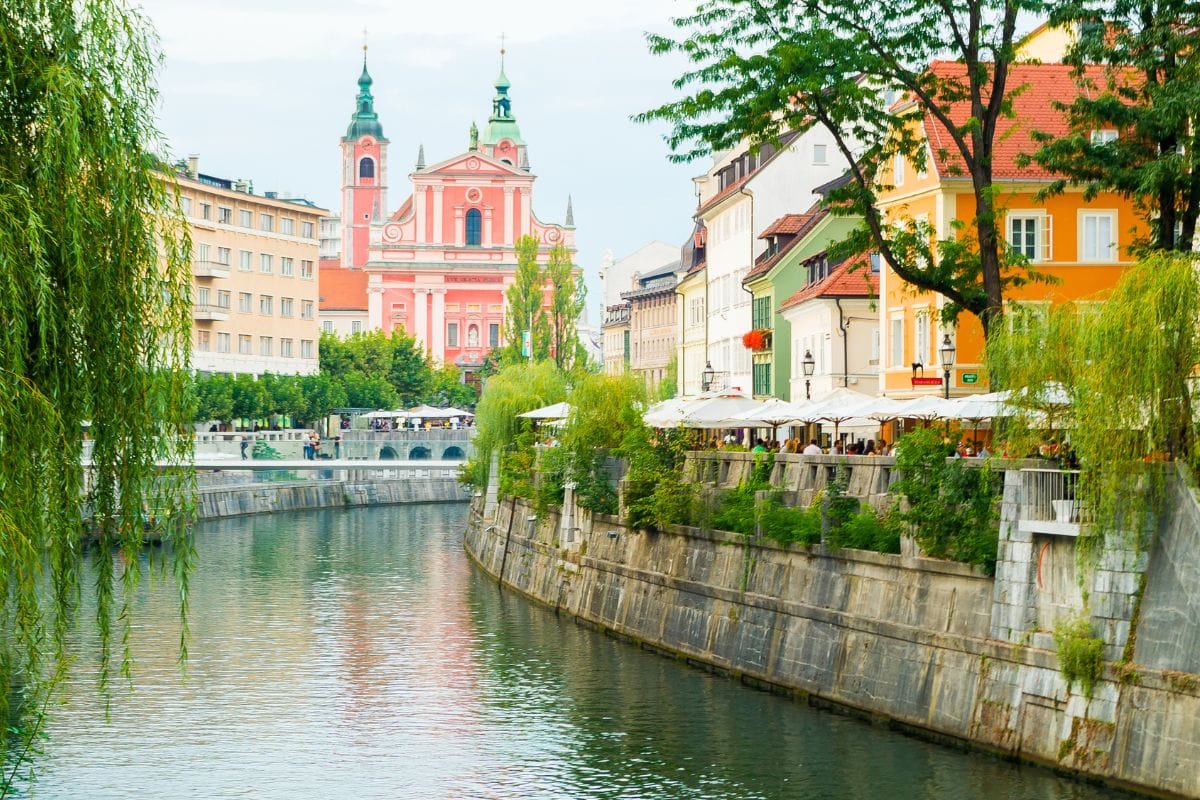
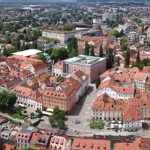
Ljubljana is one of the smallest and greenest capitals in Europe, and we instantly fell in love with its laid-back atmosphere. Its appearance was significantly shaped by the famous architect Jože Plečnik, who left behind an incredible number of beautiful buildings. Perhaps the best known are his Triple Bridge (Tromostovje), which connects the modern part of the city with the historic centre across the Ljubljanica River.
As you stroll through the city, don’t miss the famous Dragon Bridge, guarded by four fearsome-looking bronze dragons. From the centre you can take the funicular up to Ljubljana Castle, or relax in the sprawling, beautifully landscaped Tivoli Park. We also stopped at the riverside market, where local farmers sell fresh vegetables and cheeses.
💡 Tip: If you like alternative culture and street art, definitely head out in the evening to the Metelkova district. The former military barracks here have been transformed into an incredibly vibrant art and music hub.
17. Maribor
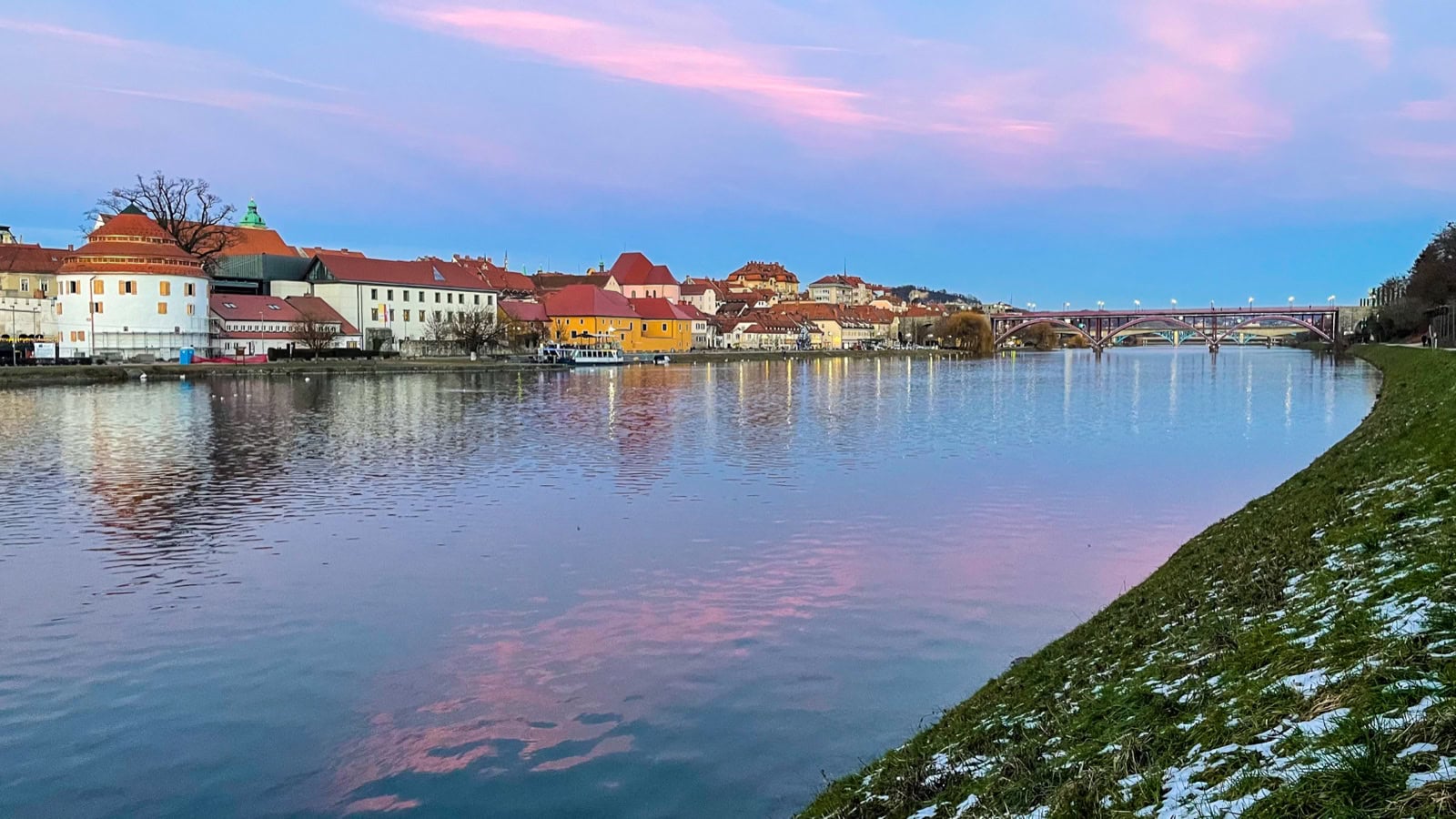
Maribor is Slovenia’s second largest city and lies in the east, not far from the Austrian border. It’s above all an important gateway to the wine region and the Pohorje mountains, where people go for skiing and summer hikes. The city has a very pleasant, relaxed atmosphere that you’ll best savour on a walk along the banks of the Drava River.
The city’s greatest pride is the old historic Lent district, where the Stara trta grows. It’s officially the oldest still-fruiting grapevine in the world, more than 400 years old and even listed in the Guinness Book of Records. You can visit a museum dedicated to this unique plant.
💡 Tip: The area around Maribor is home to a huge number of excellent wineries. Set off along one of the local wine routes and sample the superb white wines for which this Styrian region is famous.
18. Ptuj
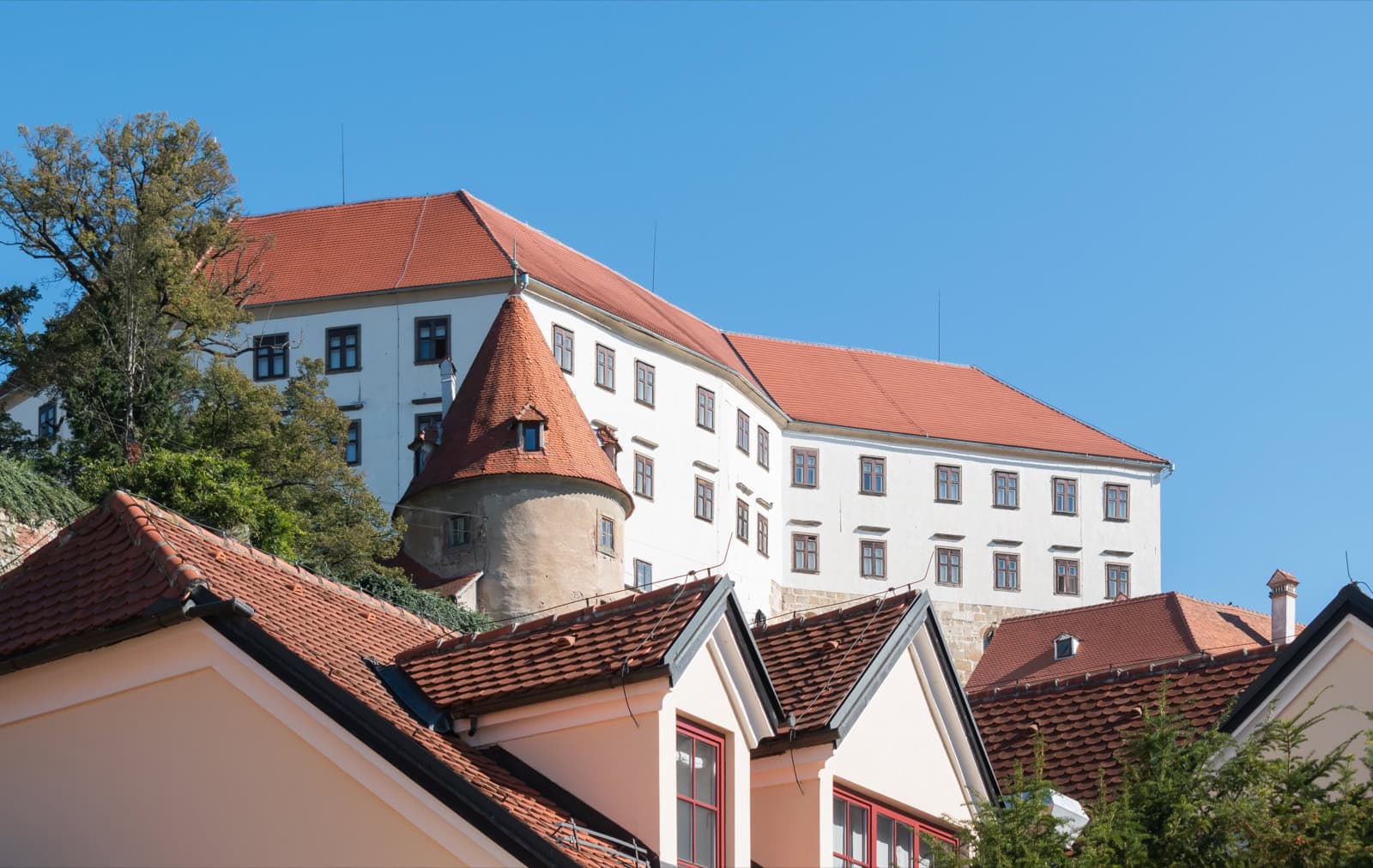
On your wanderings through eastern Slovenia, you shouldn’t miss Ptuj, because it’s the oldest town in the country. Its roots reach all the way back to ancient Rome, when an important military camp called Poetovio stood here. The town is dominated by a mighty 12th-century castle, from which there’s a wonderful view of the red rooftops of the old town and the nearby lake.
The town is known across Europe for its unique carnival called Kurentovanje. During it, spooky kurenti parade through the town — figures dressed in sheepskins with giant bells, whose job is to chase away winter. This fascinating tradition is even inscribed on the UNESCO list of intangible heritage.
💡 Tip: Right on the edge of town are the large thermal baths Terme Ptuj. After sightseeing you can relax beautifully here in the outdoor and indoor pools filled with healing thermal water.
19. Logar Valley and the Solčava Panoramic Road
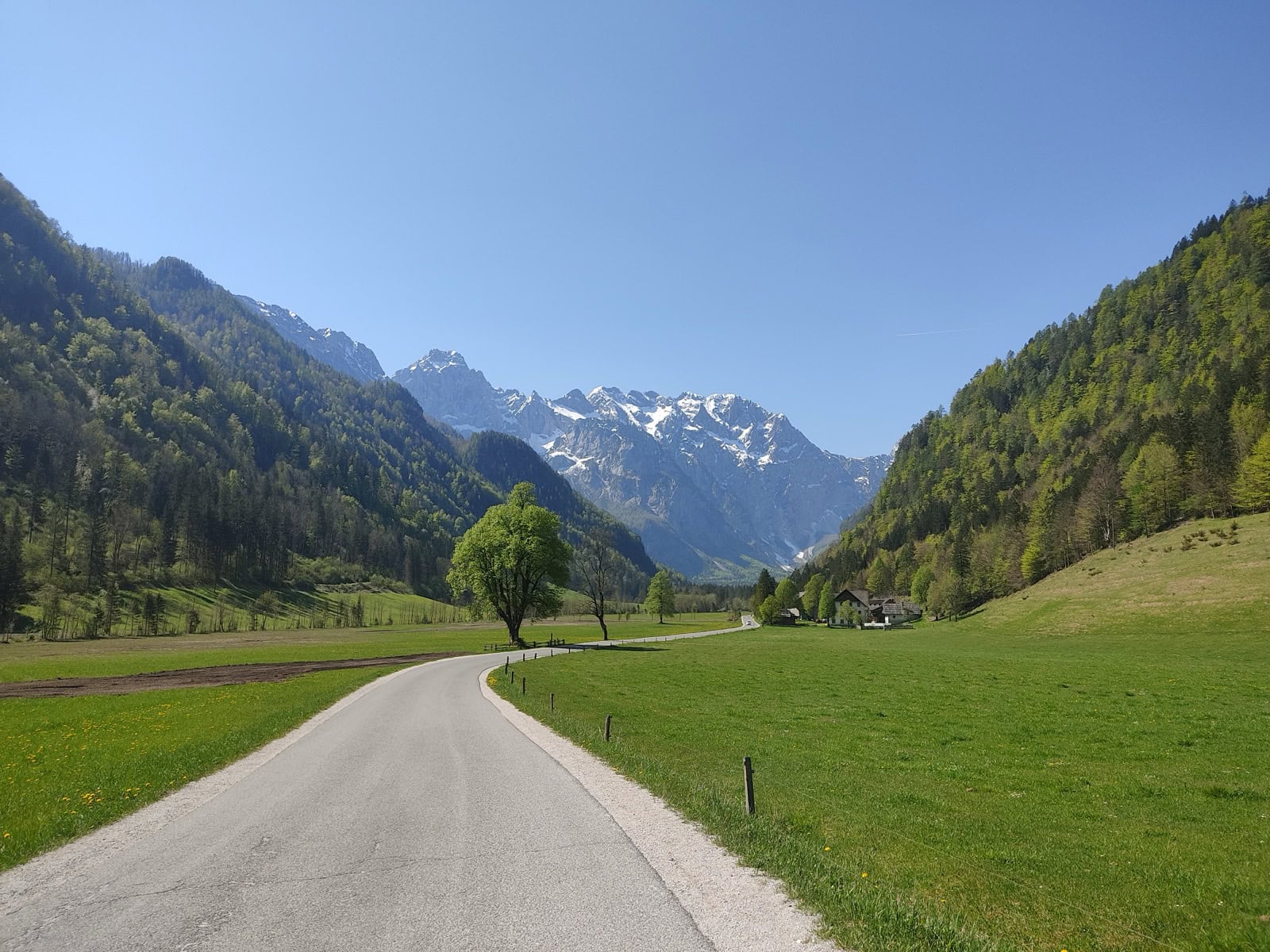
This place is often called one of the most beautiful alpine glacial valleys in all of Europe. The Logar Valley has the typical U-shape and offers a perfect harmony of green pastures and steep rocky peaks of the Kamnik–Savinja Alps. At the very end of the valley you’ll find the gorgeous, roughly 90-metre-high Rinka Waterfall, reached by a short, easy walk through the forest.
Driving into the valley costs €7 off-season and €10 in summer. If you come on foot, by bike or in an electric car, however, entry is completely free. You can take the valley experience up a notch with a drive along the Solčava Panoramic Road, a roughly 32-kilometre scenic route high above the valley with the very best views.
💡 Tip: Several traditional farmsteads still operate in the valley to this day. Stop at one of the farms and try their homemade cheeses, yoghurts and fresh bread.
20. Velika Planina
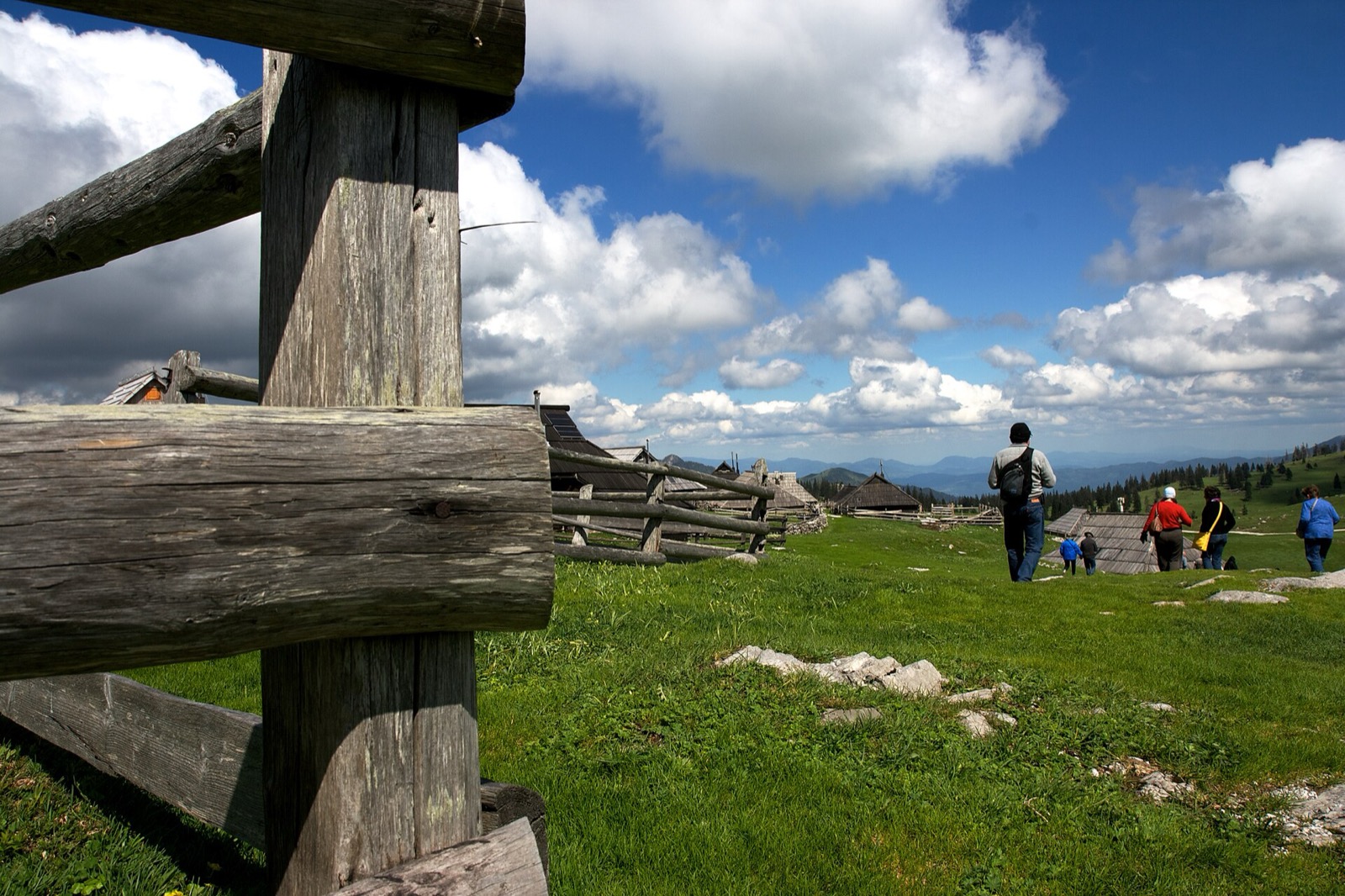
If you want to experience the authentic atmosphere of old alpine pastures, Velika Planina is an absolute must. It’s home to one of the largest preserved herders’ settlements in Europe, where traditional wooden huts with their characteristic sloping roofs of pine shingles still stand today. It’s an incredibly easy and visually rewarding high-mountain experience just above the town of Kamnik.
You don’t have to scramble up in any complicated way — a large cable car comfortably whisks you up there for around €27 to €29. At the top, sprawling green meadows full of cows await you, along with the jingle of bells and gorgeous views of the surrounding mountain peaks.
💡 Tip: In summer the shepherds here make a special hard cheese called Trnič, shaped like a woman’s breast. In the old days, lovestruck shepherds gave them to each other as a symbol of fidelity, and today you can take one home as a lovely and tasty souvenir.
21. Goriška Brda
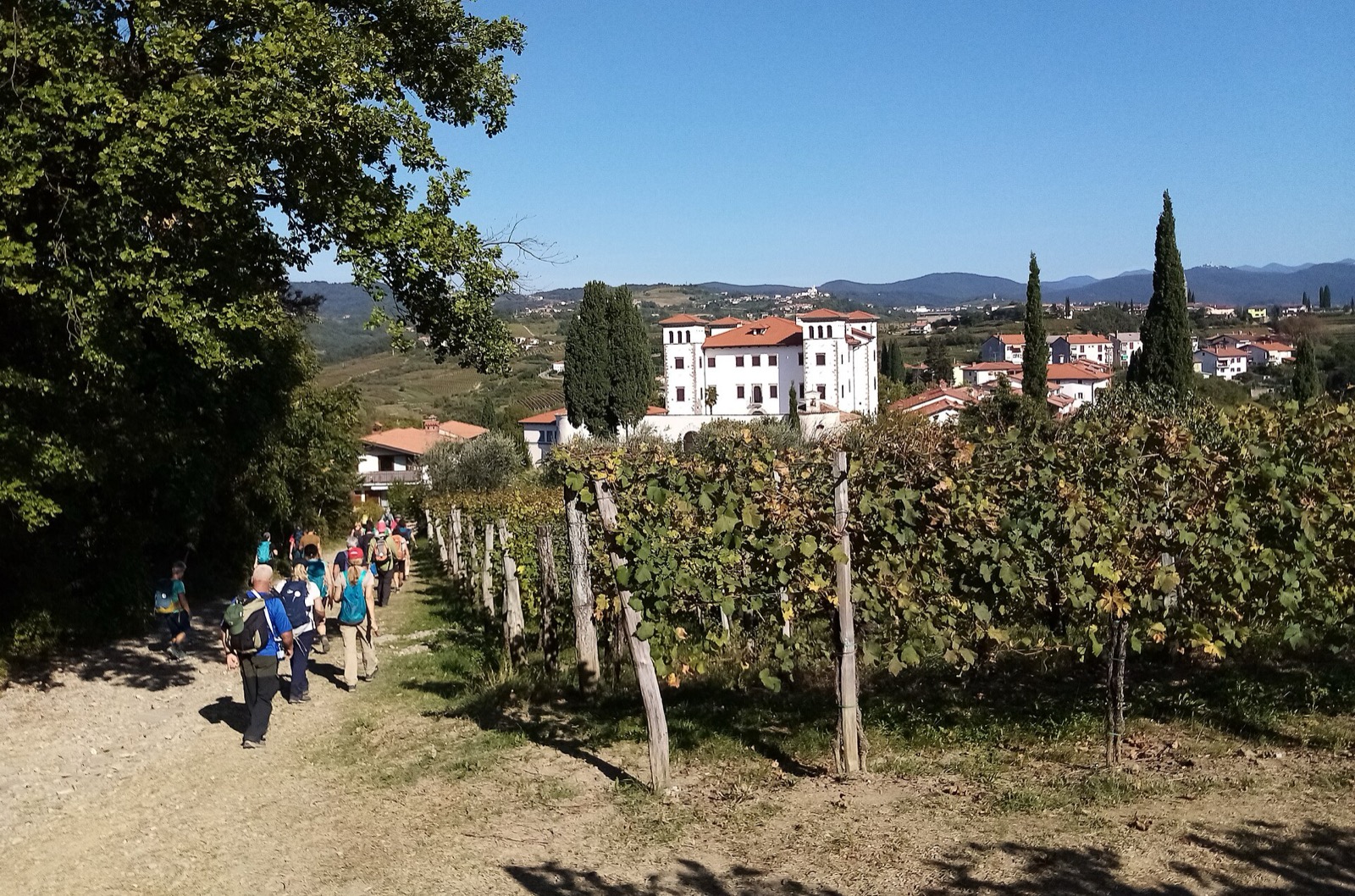
This picturesque hilly region on the border with Italy has thoroughly earned its nickname, the Slovenian Tuscany. Goriška Brda is dotted with endless vineyards, olive groves, cypresses and small historic villages on the hilltops. The most beautiful medieval village in the area is the fortified Šmartno, where several historical films have been shot.
The whole area is world-renowned for wine production, and it’s considered the cradle of so-called orange wines. The local flagship is the ancient Rebula variety. You’ll get the best overview of the entire region from the modern 23-metre-high Gonjače viewing tower, from which you can see across the vineyards all the way to the sea.
💡 Tip: Stop at one of the family wineries and arrange a tasting. The local winemakers are incredibly hospitable and always serve up plenty of homemade nibbles to go with the wine.
22. Thermal Spas
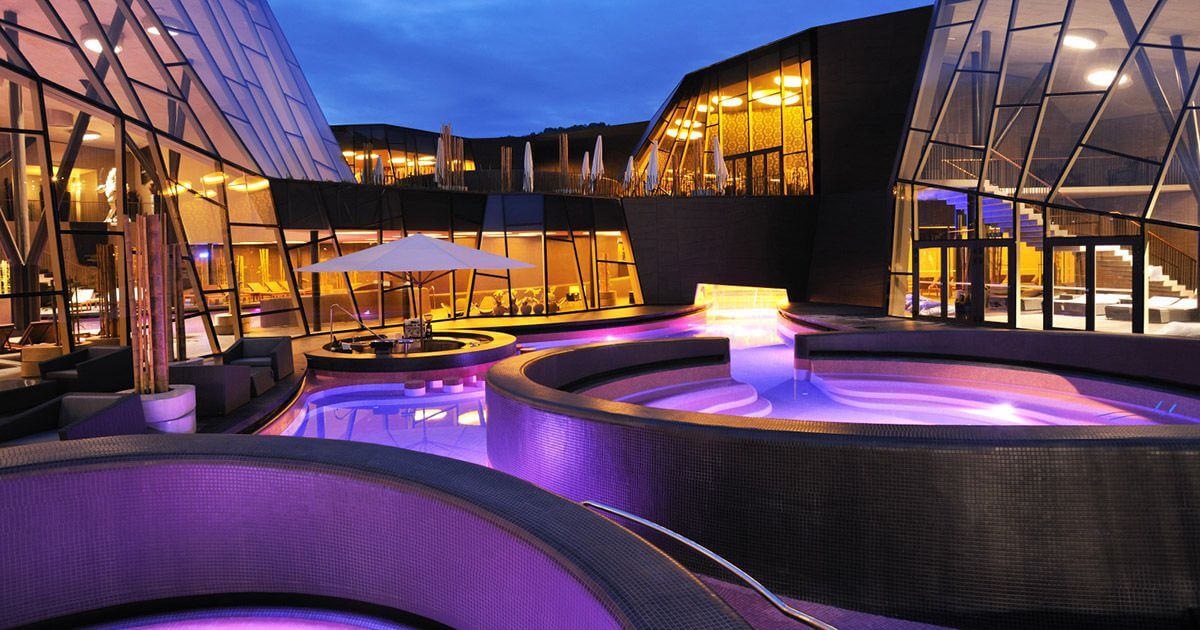
Thermal spas are practically a national sport in Slovenia, and for good reason. Thermal spas are a huge Slovenian speciality and are scattered mainly across the eastern part of the country. For families with children the biggest draw is probably Terme Čatež, which is essentially a gigantic water park with an enormous range of attractions.
If you’re after quieter relaxation and modern architecture, head to the more upmarket Terme Olimia or Thermana Laško with its gorgeous glass dome. Soaking in hot thermal water is an ideal plan for winter or cooler days outside the main summer season, when you need to warm up properly after a walk.
💡 Tip: Most thermal complexes also offer excellent sauna worlds. Slovenians take saunas very seriously, so you can look forward to professional sauna ceremonies and perfect relaxation.
What to Try from Slovenian Cuisine
Slovenian cuisine is a wonderful mix of Italian, Austrian and Balkan influences. Lukáš and I eat meat-free and I have to say we ate absolutely brilliantly here. Our biggest sweet favourite is hands down the blejska kremšnita, the perfect custard slice with puff pastry. Coffee also pairs beautifully with prekmurska gibanica, a layered cake filled with poppy seeds, curd cheese, walnuts and apples, or the traditional rolled cake called potica.
From the main meat-free dishes, definitely try ajdovi žganci, a hearty buckwheat porridge that you can also have as a sweet dish with honey and milk. We also often had the excellent štruklji, traditional rolled dumplings filled with curd cheese, cheese or mushrooms. The idrijski žlikrofi are also very popular — small potato dumplings you’ll adore with a creamy or mushroom sauce (just watch out for the meat-based bakalca sauce). The hearty bean soup jota is excellent too — just always ask for the meat-free version in the restaurant.
For meat lovers (which we aren’t, but the locals rave about it), an absolute classic is the famous Carniolan sausage or the air-dried Karst ham and pršut. And of course great local wine goes with all of it. Try the white varieties Zelen and Šipon from the Vipava and Styria regions, or pluck up the courage for the unique orange wine Rebula from the Goriška Brda region. In the evening, locals like to round things off with a stronger plum, blueberry or Williams pear brandy.
Where to Next: More Articles About Slovenia
If this green alpine country has captured your heart and you want to dive into planning in more detail, definitely check out our other guides. I’ve prepared a detailed article, Slovenia: 15 Things to Do in Bled and at Lake Bohinj, where you’ll find specific spots for the best photos and parking at both legendary lakes.
For those of you who love to travel by car, we’ve put together the complete Slovenia Road Trip: A 7-Day Itinerary. There you’ll find a precise day-by-day route plan. If you have more time off and want to do it really thoroughly from the mountains to the coast, make use of our longer Slovenia Road Trip: A 14-Day Itinerary.
If you’re heading south as far as Croatia and want to combine the trip with the best of Slovenia, take a look at our article Slovenia and Croatia: A Journey Through the Julian Alps and Plitvice Lakes to Zadar. And if, on the other hand, you’re travelling purely for relaxation and hot springs, you’ll find inspiration in our roundup Wellness Hotels in Slovenia and Croatia: 12 Thermal Gems.
Frequently Asked Questions
When is the best time to travel to Slovenia?
For high mountain hiking, river rafting and swimming in lakes, the best time is from late June to mid-September, when the weather is stable. Vršič Pass is usually closed during winter due to snow. Head to the sea ideally in August, and you can visit the popular thermal spas year-round without worry.
How many days is enough for Slovenia?
For the ideal circuit, during which you’ll manage to see alpine lakes, caves and a bit of the sea, set aside five to seven days. Thanks to the country being relatively small, you won’t spend that much time on transfers. If you want to go on longer hikes or leisurely enjoy the coast, I recommend 10 to 14 days.
Do I need a highway vignette in Slovenia and how much does it cost?
Yes, you’ll need an electronic motorway vignette (e-vignette), which is linked to your license plate. For a car, the weekly vignette costs €16. Slovenia unfortunately doesn’t offer a one-day vignette, so even if you’re just passing through the country to Croatia, you’ll need to buy the weekly version. You can easily purchase it online.
Is Slovenia expensive?
Slovenia is generally a bit more expensive than the Czech Republic, but it’s still cheaper than neighboring Austria or Italy. A meal at a restaurant will typically cost you 11 to 15 € per person and a half-liter of beer costs around 3 to 4.5 €. Entrance fees to major attractions such as caves or castles usually run around 20 €.
Is Lake Bled or Bohinj better?
It depends on what exactly you’re looking for. Bled is an iconic and breathtaking postcard with a castle and a little church on an island, but in summer there tend to be huge crowds of tourists here. Bohinj, on the other hand, is bigger, considerably wilder, and offers more peace and quiet as well as better options for hassle-free swimming in nature.
Postojna or Škocjan Caves — which one to choose?
Postojna Cave offers an underground train ride and the chance to see the rare olm, making it ideal for families with children. Škocjan Caves are a UNESCO World Heritage site, the tour is on foot and offers a massive, absolutely breathtaking underground canyon with an abyss. They are considerably more authentic and less crowded.
What to taste from Slovenian cuisine?
For vegetarians, Slovenia is an absolute paradise. Try the sweet Bled cream cake kremšnita, the layered cake gibanica, buckwheat porridge ajdovi žganci, or the dumplings štruklji filled with cottage cheese and mushrooms. Among meat dishes, the most famous is the traditional Carniolan sausage or air-dried prosciutto pršut.
What is the Slovenian sea like and can you swim in it?
Slovenia has just under 47 kilometers of coastline, but swimming here is very pleasant. The beaches are mostly pebbly, rocky, or made up of concrete platforms with steps. The only classic sandy beach can be found in the busier spa resort of Portorož.
How to get to Slovenia from the Czech Republic?
The fastest and most comfortable route is by car through Austria (Linz, Salzburg and Villach) and the Karavanke Tunnel, taking about 6 to 7.5 hours from both Prague and Brno. Direct flights from Prague to Ljubljana are currently not operating, so another convenient alternative is the direct FlixBus coach service.
Is Slovenia suitable with children?
Absolutely! It’s a very safe and compact country where transfers don’t take long. Kids will be thrilled by the underground train ride in Postojna Cave, boat trips on Lake Bled, easy walks around the lakes, and huge water parks with slides, such as Terme Čatež or Terme Ptuj.
Tips and Tricks for Your Vacation
Don’t Overpay for Flights
Search for flights on Kayak. It’s our favorite search engine because it scans the websites of all airlines and always finds the cheapest connection.
Book Your Accommodation Smartly
The best experiences we’ve had when looking for accommodation (from Alaska to Morocco) are with Booking.com, where hotels, apartments, and entire houses are usually the cheapest and most widely available.
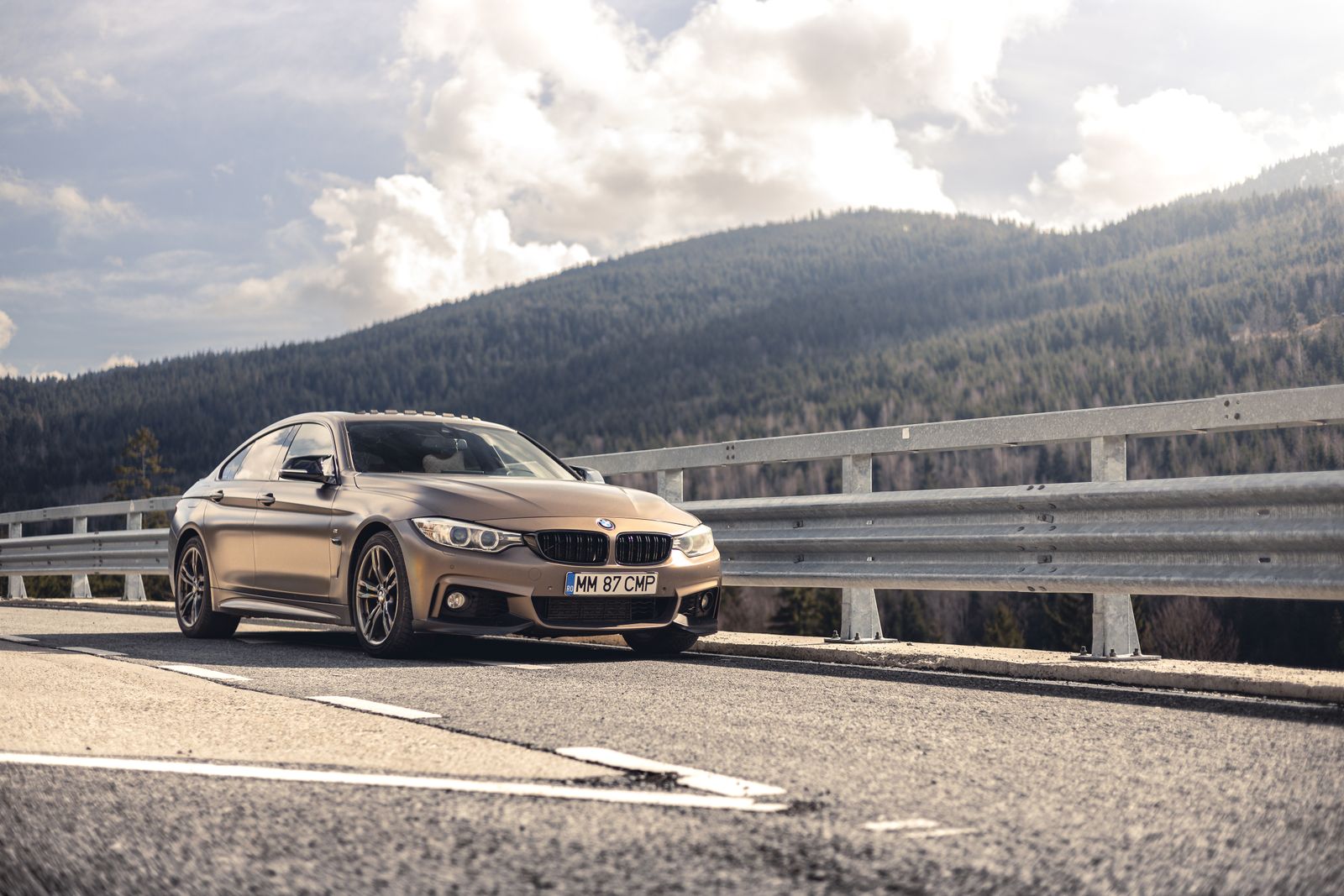 🚗 Car rental on the roadVerified rental cars in Slovenia
Search with the DiscoverCars comparison engine — it compares prices from dozens of local and international rental companies, and most bookings come with free cancellation.
Compare car prices in Slovenia →Don’t Forget Travel Insurance
Good travel insurance will protect you against illness, accidents, theft, or flight cancellations. We’ve had a few hospital visits abroad, so we know how important it is to have proper insurance arranged.
Where we insure ourselves: SafetyWing (simple monthly subscription) and TrueTraveller (for extra-long trips).
Find the Best Experiences
Get Your Guide is a huge online marketplace where you can book guided walks, trips, skip-the-line tickets, tours, and much more. We always find some extra fun there!