

If you love a good glass of wine and dream of a journey through the most beautiful corners of Western Europe, the French countryside will sweep you off your feet. Picture steep rooftops shimmering in every colour, endless green vineyards bathed in sunshine, and deep chalk cellars where millions of bubbles quietly mature in total silence. When it comes to France wine, three legendary regions form the backbone of a route you can travel for days on end, always feeling as though you’ve stepped straight into a perfect period film. While the south of France can be oppressively hot and packed with tourists in summer, the eastern wine belt offers a far more authentic experience.
I’ve put together a complete circular route that takes you all the way from the German border to the heart of the old Burgundian dukedom. You’ll discover where the finest Riesling is born, how real Dijon mustard is made, and why entry to certain underground tunnels in Reims costs so much. This road trip is designed for eight days, but if you like to slow down and linger over long afternoon coffee breaks, feel free to stretch it into a full two weeks.
TL;DR
- Total route length: Roughly 700 kilometres (excluding the drive from the UK), best spread over 8 to 10 days.
- When to go: The best months are May, June and September, when you avoid the main holiday crowds and the weather is kind to day trips.
- What to look forward to in Alsace: Fairy-tale half-timbered houses, superb dry Riesling and the breathtaking Gothic cathedral in Strasbourg.
- Burgundy’s main draw: The iconic rooftops of the medieval hospital in Beaune and the world’s priciest vineyards along the Route des Grands Crus.
- The Champagne experience: Descending into ancient chalk quarries in Reims, where the world’s most famous bottles mature at a steady temperature.
- Foodie tips for vegetarians: Try the traditional thin pizza tarte flambée in its mushroom or cheese version, the famous Munster cheese and the fluffy Burgundian cheese puffs known as gougères.
- Driving heads-up: You’ll need a Crit’Air clean-air sticker to enter the big cities, and be prepared for tolled motorway sections.
- Top tip: Tastings at the famous Champagne houses sell out weeks in advance, so book everything online before you leave home.
When to set off on this trip
Choosing the right dates is absolutely crucial for a French road trip, because every month offers a completely different atmosphere and calls for different planning. The ideal time is without doubt September and early October, when the vineyard leaves slowly start to turn golden and the long-awaited harvest gets under way across the regions. In Champagne, the exact harvest date — the so-called Ban des vendanges — is announced each year according to grape ripeness. You can even pay for the wonderful “Vendangeur d’un jour” programme here, where a local winemaker hands you the secateurs, takes you straight into the rows, shows you gentle hand-picking, and rounds off the day with a hearty lunch and tasting right in the vineyard.
If you prefer nature waking up in spring, head out in May or June, when the days are gloriously long and all the castles and monuments are fully open. The Burgundian cycle path Voie des Vignes is especially magical for a ride at this time of year. On the other hand, I’d strongly advise avoiding August, because the French take mass holidays this month and many smaller family wineries unexpectedly shut up shop. On top of that, you’ll hit endless tailbacks on the motorways — particularly the famous Route du Soleil — during what the French call the chassé-croisé, the dreaded changeover days.
The Advent season deserves a chapter all of its own, transforming the northern part of the route into a perfect winter fairy tale. Alsace is world-famous for its Christmas markets, and the giant one in Strasbourg boasts over three hundred wooden stalls — in 2026 it runs from 27 November to 27 December. The smaller, more intimate markets in Colmar kick off as early as 23 November. Bear in mind, though, that accommodation prices skyrocket during this period, rooms vanish half a year in advance, and the narrow lanes fill with huge crowds from all over Europe. If you do decide on Advent, arm yourself with patience and enjoy a mug of hot mulled wine with star anise ☺️.
Practical info: car, transport and budget
Getting to the French wine regions from the UK is easiest by flying into Strasbourg, Basel-Mulhouse or Paris and picking up a hire car, though dedicated road-trippers can also bring their own vehicle via the Channel Tunnel or a Calais ferry and drive across in a few hours. French motorways are tolled through booths known as péages, so set aside enough budget for the journey. Reckon on a rough cost of around €9.50 for every hundred kilometres driven. Some newer sections now run on a barrier-free system (Free-Flow), where you must pay the toll online within seventy-two hours — so keep a close eye on that.
Something absolutely essential for 2026 is France’s low-emission zones, known as ZFE, which apply to foreign vehicles without exception. To enter cities with more than 150,000 inhabitants — including Reims and Strasbourg — you’ll definitely need a Crit’Air clean-air sticker. You have to order it several weeks ahead on the official government website for around €5, otherwise you risk an unpleasant fine starting at €68.
As for the food budget, France can be pricey, but there’s one brilliant trick for travellers. Make the most of the lunchtime offer known as the menu du jour, served strictly between midday and two in the afternoon. For somewhere between €15 and €25 you’ll get a proper three-course meal. If you miss that window, most restaurants will offer you nothing more than a coffee and maybe a dry baguette in the afternoon, because the kitchen simply closes and won’t reopen until the evening service.
Day-by-day itinerary
This plan walks you chronologically from the eastern border south into Burgundy and then north to the land of bubbles. Every day has a clear goal, but leaves you plenty of room to get pleasantly lost in picturesque lanes or treat yourself to a long coffee break.
Day 1: Arrival in Alsace and magical Strasbourg
Once you arrive, park up on the edge of Strasbourg at one of the park-and-ride sites and head into the historic centre on foot or by tram. A car would only be a nuisance here, and the city is laced with excellent cycle paths — it’s one of the most cycle-friendly places in all of France. The heart of the city is the island of Grande Île, encircled on all sides by the River Ill, and the whole area is rightly listed as a UNESCO World Heritage Site. Getting your bearings here is incredibly easy, because everywhere you look you’ll see the asymmetrical tower of the Gothic Notre-Dame cathedral, which Victor Hugo aptly called a vast and delicate marvel.
Up close, the pink sandstone cathedral looks like an unbelievably detailed petrified lace and is well worth a thorough look. I’d recommend waiting for the astronomical clock, which springs to life inside every day at exactly 12:30 and offers a fascinating spectacle of parading apostles and the figure of Death. In the afternoon, drift over to the most photographed quarter, called Petite France. Once home to tanners and millers, it’s where centuries-old half-timbered houses with enormous rooftops now lean over the water channels.
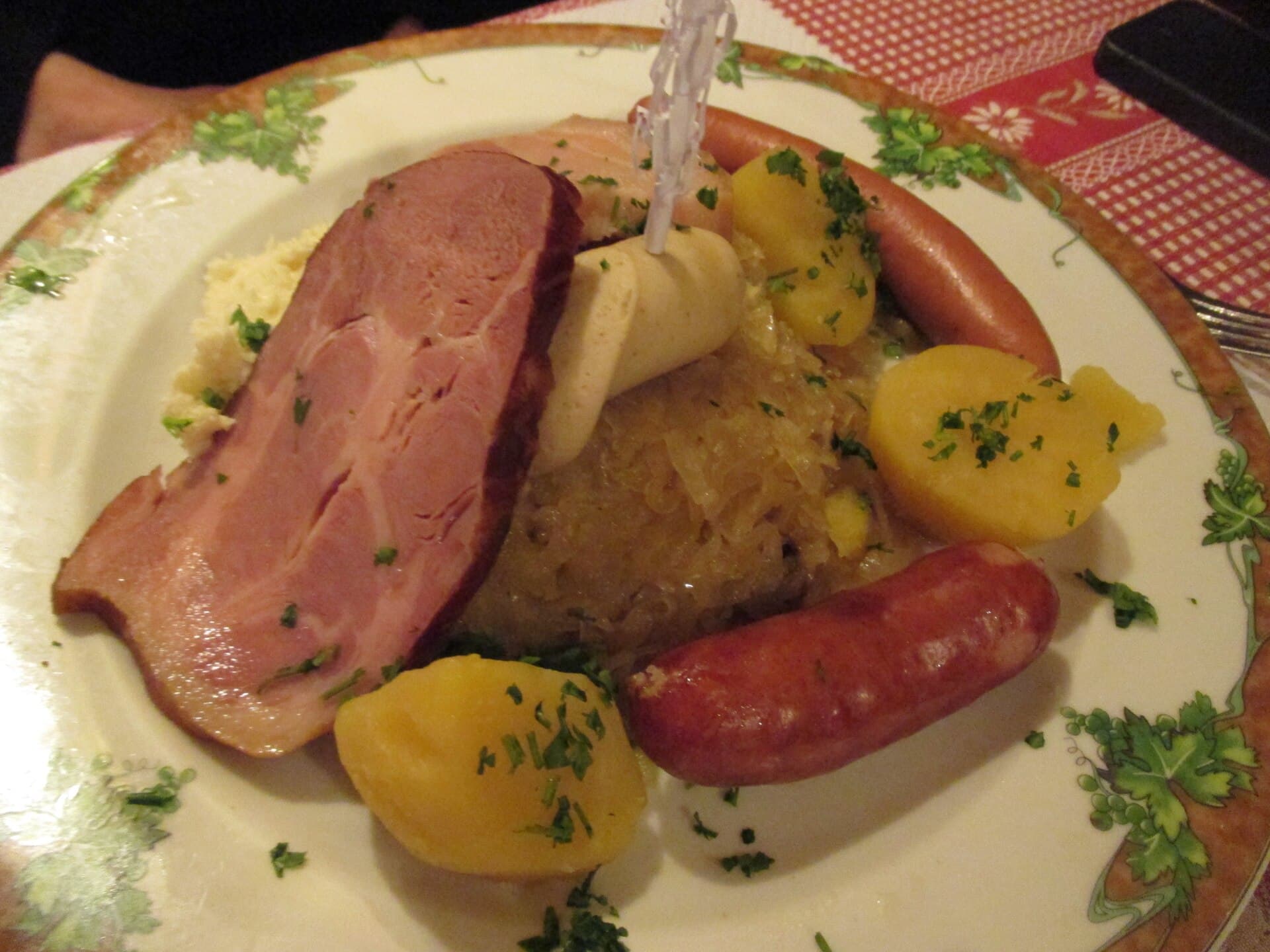
When hunger strikes, slip into one of the traditional Alsatian taverns known as winstub and tuck in. Skip the meaty choucroute garnie and order the vegetarian version of the thin pizza tarte flambée, also called flammekueche. Instead of cured meats, the extremely thin, crispy base brushed with cream comes topped with delicious local cheeses, onion and fresh forest mushrooms — an absolutely perfect match for the local white wine.
💡 Tip: Wander across the Ponts Couverts covered bridges and then climb up to the viewing terrace of the historic Vauban Dam. From there you’ll get the very best panoramic view over the whole historic centre with the cathedral tower in the background — and it’s completely free.
Day 2: The Alsace Wine Route through Colmar, Eguisheim and Riquewihr
In the morning, leave the big city behind and head south along the very oldest wine route in France, which stretches an impressive 170 kilometres and was founded back in 1953. Your first stop will be fairy-tale Colmar, whose historic centre is a labyrinth of cobbled lanes and pastel-coloured houses whose hues once marked out the owners’ trades. The biggest magnet here is the Petite Venise quarter, where you can hire a little boat and glide along the narrow Lauch canal right beneath windows draped in geraniums. Don’t miss the Maison Pfister from 1537, whose oriel windows make it look like a Renaissance château, or the old custom house, the Koïfhus.
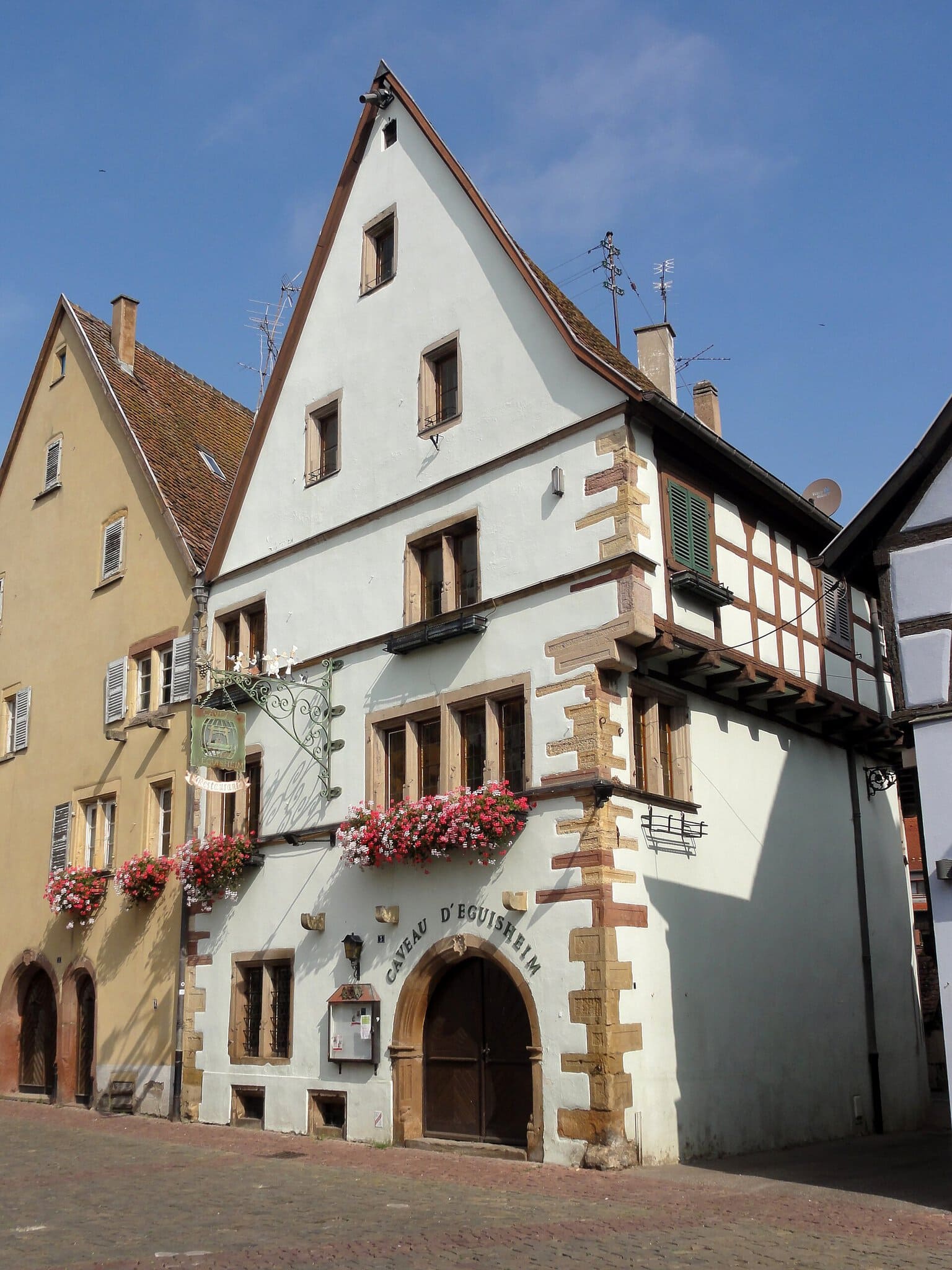
Just a few kilometres from Colmar lies the village of Eguisheim, which regularly tops polls for the most beautiful place in all of France. Its unique layout is made up of three concentric rings encircling a central square with a castle. As you stroll, you’re constantly curving around, and a new flower-drenched facade waits around every corner. This is exactly where I’d recommend stopping at one of the family cellars to taste the proud, steely-dry local Riesling, which pairs beautifully with regional cheeses.
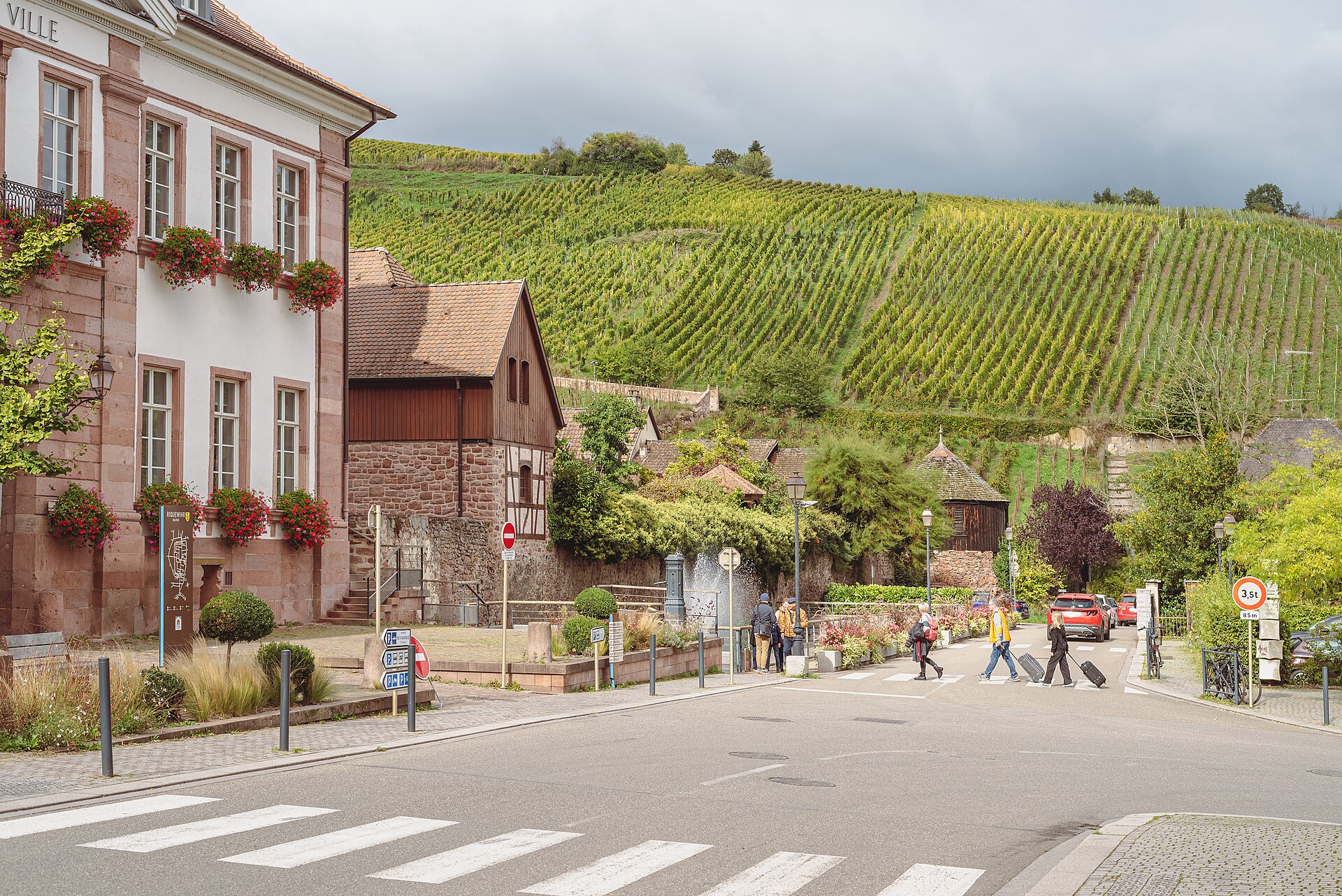
End the afternoon in Riquewihr, which had extraordinary luck and survived both world wars without the slightest damage, so you’ll feel as if you’ve stepped into a perfect medieval film. In a small space you’ll find over forty historic monuments, presided over by the old thirteenth-century defensive Dolder tower. What’s more, every other house hides a tasting cellar, so your evening entertainment — sampling fragrant Gewürztraminer — is firmly taken care of.
💡 Tip: If you love bold flavours, seek out the cow’s-milk Munster cheese in the local cheese shops. It has a very pungent aroma, but its smooth, creamy taste with caraway is utterly unforgettable.
Day 3: The Haut-Koenigsbourg eagle’s nest and the drive to Burgundy
Today begins a touch dramatically, as you head for a vast fortress that from a distance looks like the impregnable lair of a dark lord from a fantasy novel. Haut-Koenigsbourg Castle towers on a rocky spur 757 metres above sea level, and the German emperor Wilhelm II had it completely rebuilt at the start of the twentieth century from the original ruins destroyed by Swedish troops. You’ll cross drawbridges and pass through massive defensive bastions, old armouries and lavishly furnished chambers with beautiful wood panelling and tiled stoves.
The view from the Great Bastion will literally take your breath away, because on a clear day you can see the whole Alsatian plain, the Vosges mountains, Germany’s Black Forest and occasionally even the peaks of the distant Swiss Alps. In 2026, adult admission costs €16, and I’d recommend arriving right at opening time. The parking spots along the winding mountain road fill up very quickly through the morning, and later you’d have to park really far away. After the tour, hop back in the car and brace yourself for a longer drive to the southwest.
Your destination is the Burgundy region, where the landscape slowly shifts from narrow wooded valleys to open, gently rolling plains dotted with vineyards. By evening you’ll reach the city of Dijon, which will serve as an excellent base for the days ahead. For dinner, find a traditional bistro in the centre and be sure to try the local delicacy gougères. These are golden-baked choux-pastry puffs generously filled with Burgundian cheese — a flawless match for an evening glass of wine and a delight for any vegetarian.
💡 Tip: As you leave Alsace on the motorway, make a quick stop at one of the larger supermarkets and stock up on local wines. Prices here tend to be far friendlier than in the tourist shops along the wine route.
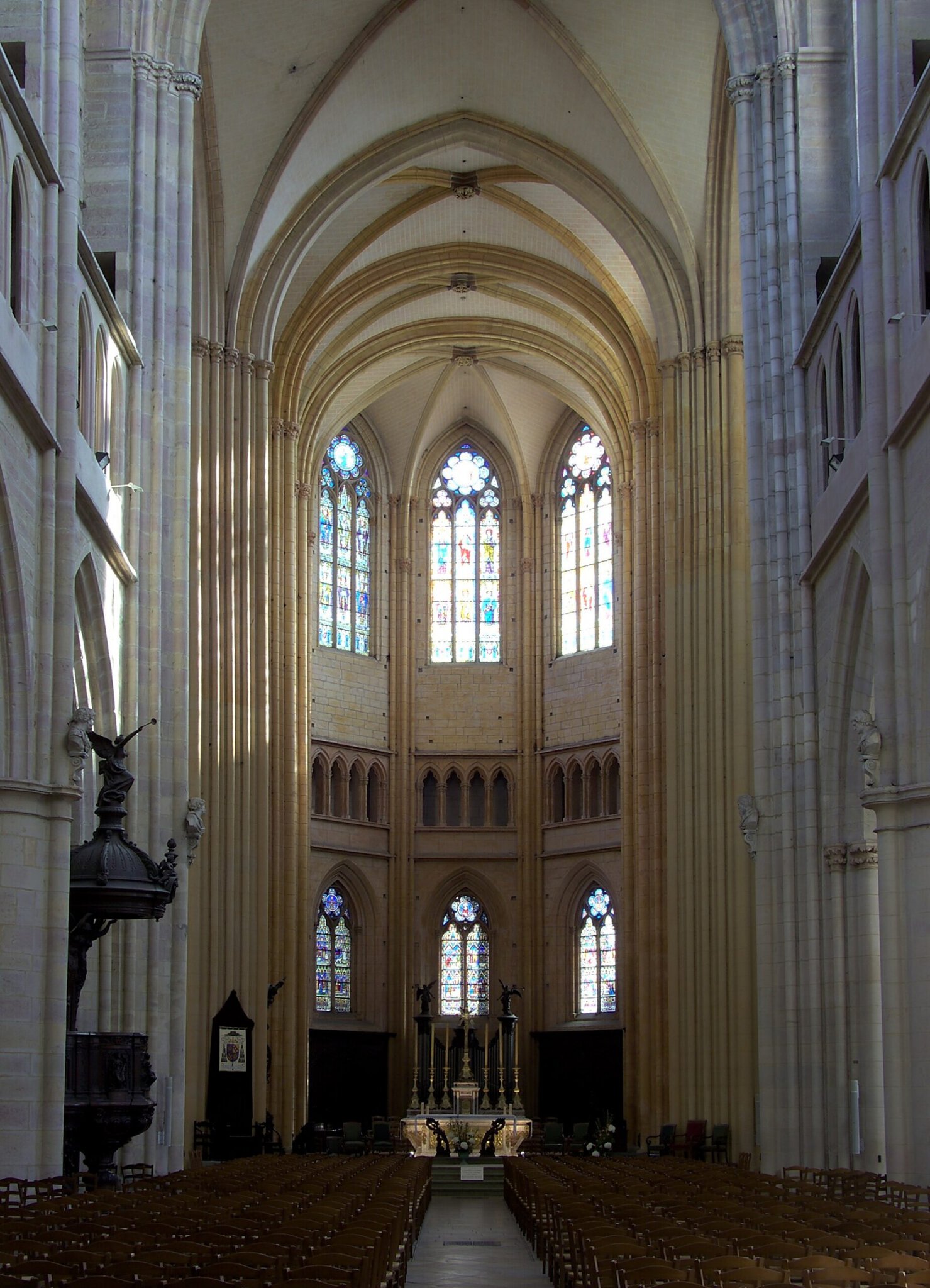
Day 4: Dijon, mustard and ducal splendour
Dijon is no ordinary provincial town, but the former seat of the mighty Dukes of Burgundy, whose wealth in the fourteenth and fifteenth centuries often overshadowed even the kings of France. Their legacy is tangible here in the enormous Palace of the Dukes of Burgundy, which today serves partly as the town hall and partly as an excellent art museum brimming with historic treasures. As you wander the cobbled lanes, watch the ground carefully for small brass plaques bearing the symbol of an owl — they mark twenty-two key stops and will reliably guide you through the best of the historic centre.
On the north wall of the church of Notre-Dame you’ll find a little stone carving of the owl itself — don’t forget to stroke it with your left hand for luck. Your steps should definitely lead to the Moutarderie Fallot, one of the last traditional makers of genuine Dijon mustard in the region. They still use old stone mills here, and a tasting of unusual variations with tarragon, blackcurrant or nuts will completely change how you think mustard should taste.
In the afternoon, drive south and join the legendary Route des Grands Crus, rightly nicknamed the Champs-Élysées of Burgundy. This sixty-kilometre wine route takes you from Dijon down to Santenay, right past the planet’s rarest and most expensive vineyards, where premium Pinot Noir and Chardonnay are born. Be sure to stop at the Renaissance Château du Clos de Vougeot, founded by Cistercian monks back in the twelfth century and still surrounded by absolutely flawless rows of vines.
💡 Tip: If you’d like to swap the car for a bike, a gorgeous, twenty-three-kilometre cycle path called the Voie des Vignes winds through the Burgundy vineyards, where you’ll dodge the traffic and enjoy the scenery at a far gentler pace.
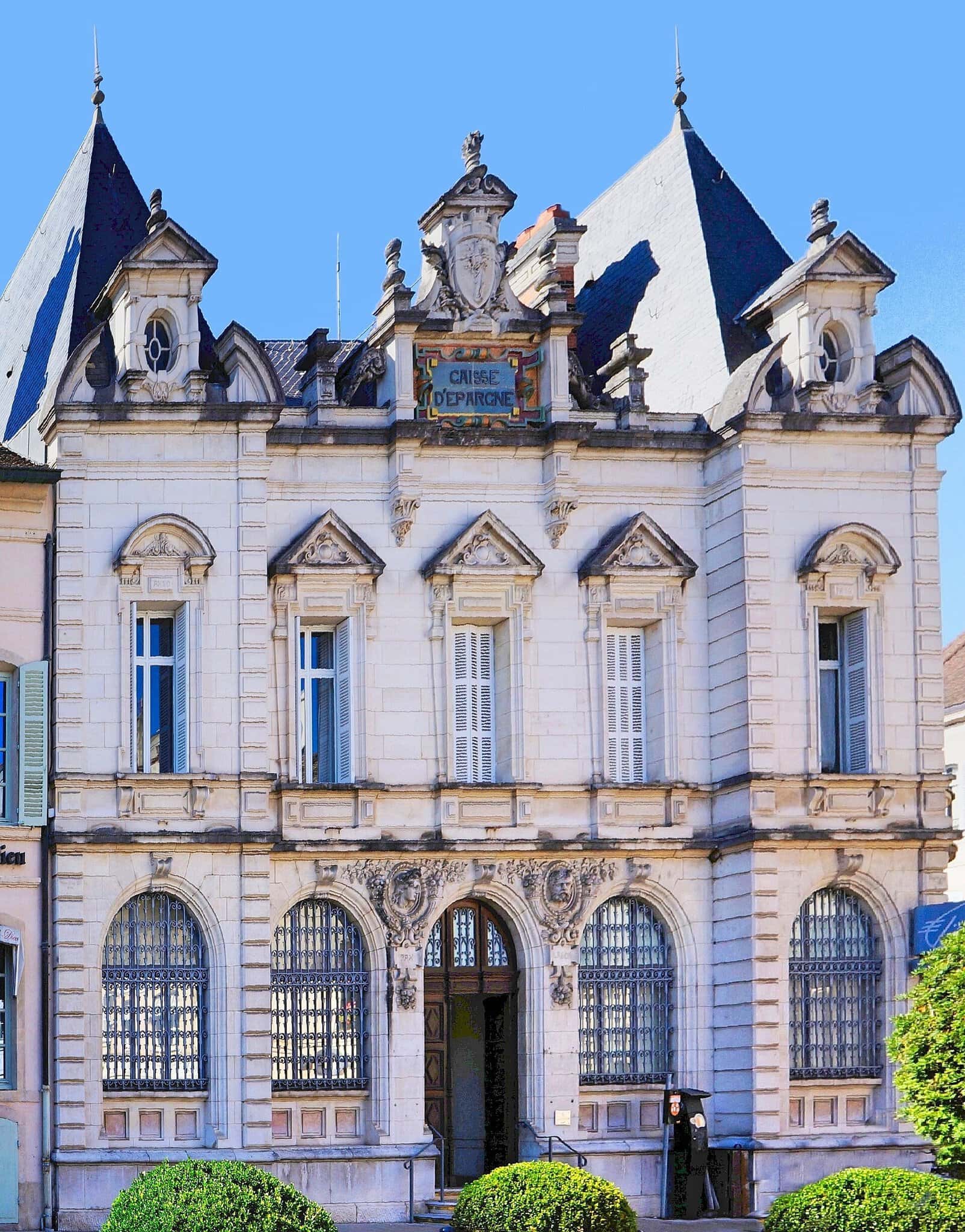
Day 5: Beaune and a multi-million auction beneath a glazed roof
The heart of wine-growing Burgundy is without doubt the picturesque little town of Beaune, far more intimate than Dijon and a place utterly steeped in wine. No surprise, really, when kilometres of maturing barrels lie right beneath your feet under the cobbled streets. The town’s biggest magnet is the medieval hospital Hospices de Beaune, which instantly catches your eye with its incredible fifteenth-century roof. It’s covered in intricate geometric patterns of brightly coloured glazed tiles, and inside it conceals a breathtaking ward for the sick as well as the famous Last Judgement polyptych by Rogier van der Weyden.
This historic hospital still owns top-tier vineyards, bequeathed to it over the centuries by wealthy patients, and every year it hosts the world’s most famous charity wine auction. In 2026, this grand event falls on 15 November. Buyers gather here from across the globe to bid on barrels of young wine for astronomical sums during the Trois Glorieuses weekend, and the whole town bursts at the seams. If you head here on these dates, you’ll need to sort accommodation a good year in advance.
In the afternoon, make time for a proper tasting in one of the many historic cellars and refuel with some great food. You can happily skip meaty feasts like boeuf bourguignon, because Burgundian cuisine offers plenty of fantastic cheeses, walnut salads and vegetable dishes. Try asking for a vegetarian version of the daily menu in the local bistros — the French are far more accommodating these days than they used to be and will gladly rustle up something meat-free ☺️.
💡 Tip: If you fancy a break from driving, Burgundy has a great local rail network, the TER. The train from Dijon straight into the centre of Beaune takes just twenty minutes and a ticket costs a pleasant €8.
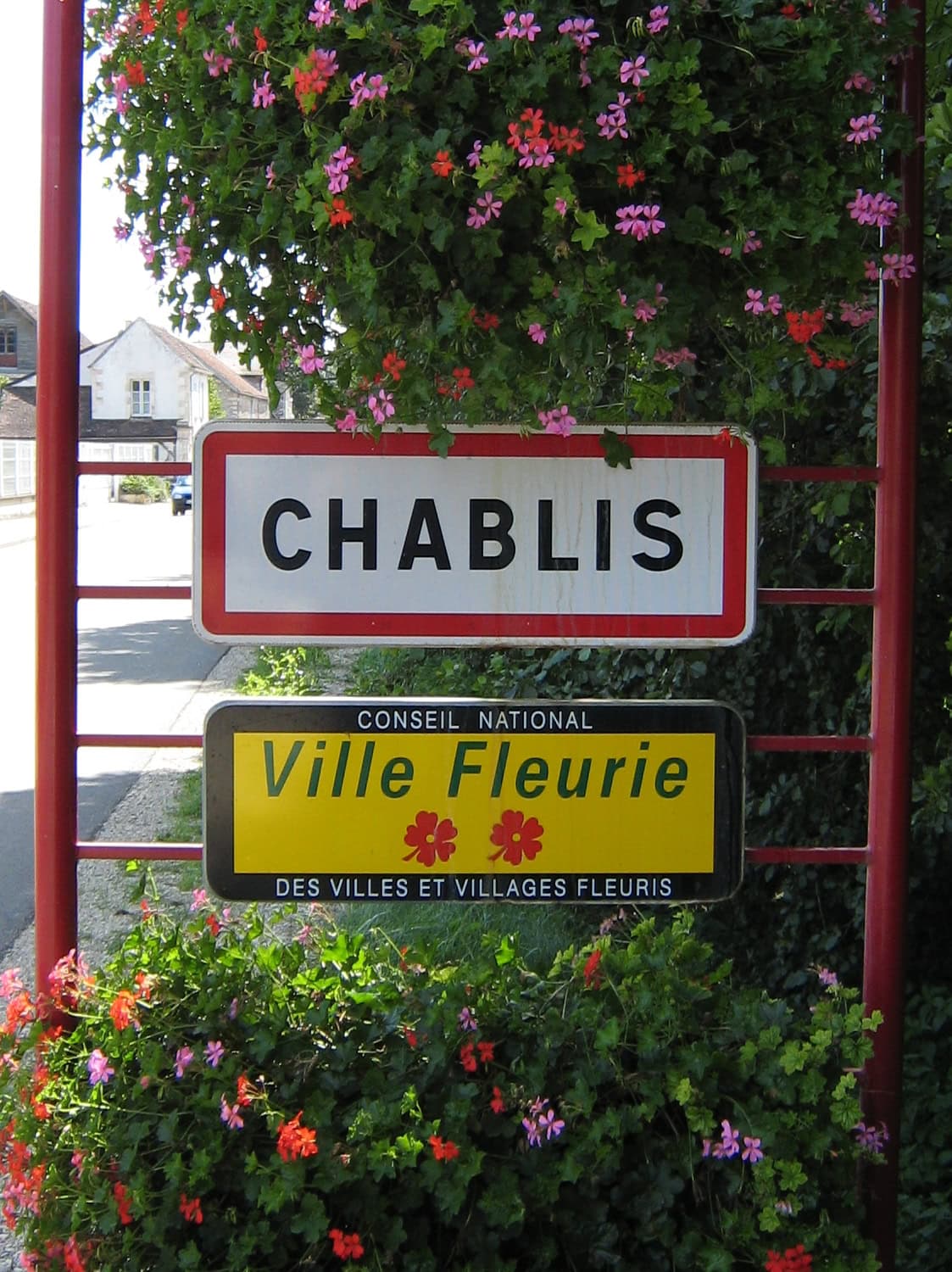

Day 6: Crisp Chablis and the long drive north
Today you’ll say goodbye to the heavy red wines of the main Burgundian axis and head north through a region that’s synonymous with the crispest white wines in France. A stop in the village of Chablis is an absolute must if you want to grasp the sheer diversity of French winemaking. The local limestone soil here, literally packed with the fossils of prehistoric oysters, gives the local Chardonnay an utterly unrepeatable mineral character. The whole village is wrapped in steep, vine-covered slopes and feels far calmer than the busy tourist streets of Beaune.
Pop into one of the local bistros for a light lunch and treat yourself to a fresh, crusty baguette with regional cheeses — a perfect partner for the local wine. After lunch, you’re in for a drive of roughly two and a half hours across the countryside towards the Champagne region, where the finale of your road trip will unfold. The landscape shifts once again, becoming noticeably flatter, and the sky often takes on dramatic leaden hues that lend the whole area a faintly mysterious, majestic air.
In the early evening you’ll reach Reims, a historic city that will become your third and final base on this journey. Reims is a surprisingly busy, large metropolis, so ideally choose accommodation within walking distance of the centre, so you don’t have to hunt around for expensive parking in the evening. Head to one of the lively squares, order a glass of the local sparkling wine and toast your successful arrival in the royal city of bubbles.
💡 Tip: Around Chablis you’ll come across plenty of small producers offering completely free tastings. If you buy at least a bottle or two from them at the end, it’s good manners and a great souvenir all in one.

Day 7: Reims, the Gothic cathedral and the chalk underworld
Reims is a city of two utterly different faces, the first of which rises proudly to the heavens in the form of the majestic Notre-Dame cathedral. This Gothic masterpiece is UNESCO-listed and became the coronation place of thirty-three French kings, so a vast slice of history breathes from every stone. Take your time admiring the cathedral inside and out, and be sure to notice the stunning modern stained-glass windows, some of which were designed by the famous painter Marc Chagall, creating a beautiful contrast with the ancient architecture.
The second, far more mysterious face of the city hides dozens of metres beneath the pavement, and for wine lovers it’s even more alluring. Beneath Reims stretch hundreds of kilometres of tunnels carved into pure white chalk, known as crayères, dating all the way back to the time of the ancient Romans. Today they serve as perfect, naturally air-conditioned cellars for millions of bottles of champagne, with the temperature holding steady at ten to twelve degrees Celsius year-round and very high humidity.
Descend underground as part of a tour of the famous Taittinger house, whose UNESCO cellars are among the most impressive in the entire area. In 2026, a ticket will cost between €40 and €90, depending on how exclusive the vintages are and how many samples you want to taste at the end. You’ll need to book everything well in advance through the official website, as capacity sells out very fast. Definitely pack a warm jumper, because after a while underground you’ll start to feel cold even in the height of summer.
💡 Tip: The prestigious Pommery house also has enormous cellars here, and very boldly combines the classic tour of the historic tunnels with installations of modern, often deeply bizarre art. The result is a fascinating contrast you won’t see anywhere else on the route.
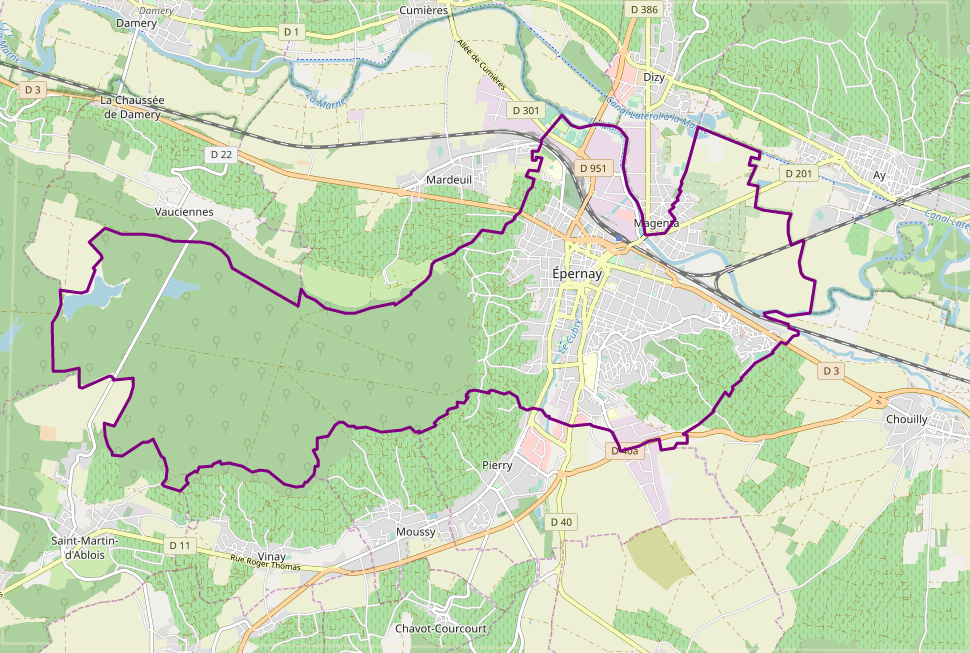
Day 8: Épernay, the world’s most expensive street and the monk Pérignon’s grave
While Reims is a metropolis with a rich history, nearby Épernay is the thoroughbred capital of bubbles, reachable by car in under half an hour. Everything here revolves around the famous Avenue de Champagne, of which Winston Churchill once jokingly declared it was the most drinkable street on the entire planet. It’s lined with opulent nineteenth-century mansions, and beneath the pavements, in a dark labyrinth, rest over two hundred million precious bottles of the very best brands 😅.
This is the home turf of the biggest global players, led by Moët & Chandon, whose underground system runs an incredible twenty-eight kilometres. Tastings at these houses are highly polished, professional and expensive, with prices ranging from €48 right up to €460 for the most exclusive guided experiences. If you’re after something a little more relaxed and light-hearted, hop aboard the underground tourist train at the Mercier house, where the tour even reveals a gigantic historic barrel that held the equivalent of two hundred thousand bottles.
To wrap up the whole road trip, drive a few kilometres up into the hills above town to the unassuming little village of Hautvillers, surrounded by a sea of endless vineyards. It was at the local abbey that the monk Dom Pérignon worked, the man whom legend unfairly credits with inventing champagne and the famous line about drinking the stars. His grave in the local church is now a place of pilgrimage, and the small family cellars nearby offer fantastic bubbles for a fraction of what you’d pay down in the commercial centre.
💡 Tip: If you want to dodge the pricey paid tours inside the buildings, a simple stroll along the Avenue de Champagne is completely free. You can admire the wrought-iron railings and soak up the luxurious atmosphere straight from the pavement.
Map of points of interest for your phone
Where to stay along the route
💡 Accommodation and experiences tip: We like to look for places to stay on Booking.com, which usually has the best cancellation terms. Tickets, tours and activities are then worth comparing and booking through GetYourGuide.
Since you’ll be constantly on the move across France, the best approach is to pick three main strategic bases along the route and use them for shorter day trips. That way you avoid endlessly packing and unpacking, save heaps of time and dodge the stress. Always book accommodation well in advance via Booking, especially if you’re travelling during the autumn harvest or the pre-Christmas markets, when rooms along the wine route vanish at lightning speed and prices shoot up. It’s quite common for the nicest hotels to be sold out half a year ahead.
For the first part of the trip, find accommodation right in Strasbourg or in the smaller Colmar. Strasbourg is an excellent choice if you enjoy evening buzz, a wide choice of restaurants, and want the magnificent cathedral and the TGV station right around the corner. Just watch out for the pricey parking in the centre and the need to sort a Crit’Air clean-air sticker. The smaller Colmar, by contrast, is far more intimate and romantic, offering a quick escape straight onto the Alsace wine route. Its park-and-ride sites fill up very fast in high season, though, so ideally look for a hotel with its own garage parking.
In Burgundy, the absolutely ideal strategic choice is historic Dijon. It offers a wide range of hotels for every budget, and in the evening you can stroll through the beautifully lit old town full of great bistros and superb bakeries. The romantic town of Beaune is closer to the most famous vineyards on the Route des Grands Crus, but in season it’s often hopelessly sold out and noticeably pricier than Dijon. On top of that, the cheap and fast TER train runs between the two towns, whisking you from Dijon to Beaune in twenty minutes for around €8, so you won’t miss anything important and you’ll save money ☺️.
For the end of the journey in the Champagne region, drop anchor in Reims, which thanks to its size has the best infrastructure and excellent high-speed train links to Paris. You’ll find beautiful hotels just a stone’s throw from the Gothic cathedral, and the biggest chalk cellars full of champagne will be literally right beneath your feet. I’d definitely recommend avoiding accommodation right on the luxurious Avenue de Champagne in nearby Épernay, unless you fancy paying premium, near-astronomical sums for a single night. Reims is far more practical for a regular overnight stay, and you can simply drive to Épernay for a half-day trip.
Where to go next
If this eastern loop has won you over and you’d like to learn more about the individual regions, we’ve put together some detailed guides for you. Find out exactly how to plan your stops and where to grab the best coffee.
- Explore all the details and secret corners hidden along the fairy-tale Alsace Wine Route.
- Read our extensive guide to the medieval monuments and acclaimed restaurants that Burgundy has to offer.
- Get inspired by detailed tips on the best tasting cellars you mustn’t miss when you set off for the Champagne region.
- See why it’s worth spending more time discovering the colourful canals and charming lanes of Colmar.
Frequently asked questions
Do I need an environmental sticker to travel to France?
Yes, to enter larger cities along the route, such as Reims and Strasbourg, you need a Crit’Air environmental sticker, even for Czech cars. In 2026, strict rules apply and the sticker costs just over five euros, and you must order it several weeks in advance online from the official government website and have it mailed to your home. Without it, you risk a fine of 68 euros.
Are French motorways very expensive?
France doesn’t use motorway vignettes, but instead charges tolls at so-called péages. As a rough guide, expect to pay around 9.50 euros per 100 kilometers driven. On some newer sections, cameras are already in operation (Free-Flow system without barriers) and the toll must be paid retroactively online within 72 hours.
When are the famous Christmas markets in Alsace held?
Strasbourg and Colmar host some of the most beautiful markets in Europe. In 2026, the Strasbourg markets with more than 300 stalls run from November 27 to December 27, while the more intimate ones in Colmar start as early as November 23. However, be prepared for huge crowds and extremely expensive accommodation that disappears six months in advance.
Is it necessary to book winery tours in advance?
At the major champagne houses in Reims and Épernay, advance booking online is absolutely essential, as capacity is often sold out weeks ahead. Smaller family wineries in Alsace will often welcome you without notice, but during high season and on weekends, it’s always safer to book ahead.
Will I find quality vegetarian food along this route?
The French countryside is very meat-heavy, but you definitely won’t go hungry. In Alsace, try mushroom tarte flambée or aromatic Munster cheese, while in Burgundy you’ll find excellent cheese gougères, fresh baguettes, and vegetable salads. Always ask at restaurants for a meatless version of the daily menu.
Can I manage this road trip with small children?
Absolutely, but I recommend slowing down the itinerary significantly. Kids probably won’t be thrilled about spending all day touring wine cellars, but they’ll fall in love with the fairytale colorful houses in Colmar, a boat ride, and a visit to the massive Haut-Koenigsbourg castle.
How much do tastings cost at prestigious houses in Champagne?
Prices vary greatly depending on exactly what you want to drink. A basic tour combined with a tasting of one sample starts at around 40 euros in 2026. However, if you’re after exclusive and vintage bottles at the best houses on Avenue de Champagne, the price can climb to over 460 euros.
Can part of the trip be done without a car by train?
Yes, especially in Burgundy, rail transport is excellent. Regional TER trains will reliably and quickly take you between Dijon and Beaune for a pleasant eight euros, so you can enjoy evening wine tastings without worrying about driving or complicated parking.
Tips and Tricks for Your Vacation
Don’t Overpay for Flights
Search for flights on Kayak. It’s our favorite search engine because it scans the websites of all airlines and always finds the cheapest connection.
Book Your Accommodation Smartly
The best experiences we’ve had when looking for accommodation (from Alaska to Morocco) are with Booking.com, where hotels, apartments, and entire houses are usually the cheapest and most widely available.
 🚗 Car rental on the roadVerified rental cars in Alsace and Burgundy
Search with the DiscoverCars comparison engine — it compares prices from dozens of local and international rental companies, and most bookings come with free cancellation.
Compare car prices in Alsace and Burgundy →Don’t Forget Travel Insurance
Good travel insurance will protect you against illness, accidents, theft, or flight cancellations. We’ve had a few hospital visits abroad, so we know how important it is to have proper insurance arranged.
Where we insure ourselves: SafetyWing (best for everyone) and TrueTraveller (for extra-long trips).
Why don’t we recommend any Czech insurance company? Because they have too many restrictions. They set limits on the number of days abroad, travel insurance via a credit card often requires you to pay medical expenses only with that card, and they frequently limit the number of returns to the Czech Republic.
Find the Best Experiences
Get Your Guide is a huge online marketplace where you can book guided walks, trips, skip-the-line tickets, tours, and much more. We always find some extra fun there!


