When you step off the ferry and take your first deep breath, you’ll feel it instantly. The air on Corsica, France carries a heady blend of wild thyme, rosemary, myrtle and sun-scorched earth that the locals lovingly call the maquis. Napoleon Bonaparte himself once declared with great nostalgia that he could recognise his native island blindfolded, purely by this distinctive and unmistakable scent.
Corsica, nicknamed around the world the Island of Beauty (L’Île de Beauté), offers far more than just fragrant nature and picturesque beaches. It’s essentially one enormous, jagged mountain range that nature dropped, quite unexpectedly, slap-bang in the middle of the Mediterranean. Don’t expect the polished atmosphere of luxury promenades you might know from mainland France. The island is rugged, proud, and unforgiving towards travellers who turn up unprepared.
The roads here wind dramatically high above deep ravines, and the mountain trails will more than once push you to your physical limits. At the same time, the sea shimmers in colours you’d normally only see in airbrushed travel brochures advertising the exotic Caribbean. If you’re after a destination where you can scale mountain ridges with steel chains in the morning and wash away the fatigue in a warm turquoise lagoon by the afternoon, you’ve come to the right place.
TL;DR
- A car is an absolute must: Without your own or a rental car you’ll barely move around the island, as public transport is highly unreliable.
- Avoid August: Accommodation and ferry prices skyrocket in August and the beaches are utterly overrun with tourists.
- The south offers the Caribbean: The beaches around Porto-Vecchio such as Palombaggia or Santa Giulia are among the most beautiful in all of Europe.
- The west is wild: The Scandola reserve with its red rocks is accessible only by boat, and the rules protecting its nature keep getting stricter.
- The mountains will test you: The interior, with the town of Corte and the legendary GR20 trek, offers some of the toughest and most beautiful mountain routes in the world.
- Book ferries early: Reserve ferry tickets from France or Italy ideally several months in advance to get a reasonable price.
The full destination guide: Corsica — guide and what to see
When to Visit Corsica and How to Get There
Planning a trip to this French island starts with transport, because the logistics can give your overall budget a real shake-up. Corsica has four smaller airports and flying here from mainland Europe is fairly easy, but most experienced travellers opt for the ferry. The reason is simple and pragmatic: without a car, you’re completely lost on Corsica. Public transport technically exists, but relying on it means spending much of your holiday waiting at stops where the bus might turn up, and might not. A car, on the other hand, gives you absolute freedom to explore empty coves and hidden mountain passes.
If you’re travelling from the UK, the most straightforward route is to fly into one of Corsica’s airports — Ajaccio, Bastia, Calvi or Figari — with seasonal direct flights from London plus easy connections via Paris or Nice with the likes of British Airways, easyJet or Air France. To bring a car, you’ll first cross to the continent (the Channel Tunnel or a Dover ferry), then catch a Corsica Ferries crossing from a French or Italian port. The fastest route is Nice to Bastia, taking roughly six to seven hours. From Toulon, expect eight to ten hours, while Marseille is the longest, with crossings of up to fourteen hours. Ticket prices swing dramatically depending on the season and how full the boat is — a foot passenger typically pays between €40 and €100. Add a car and travel as a pair, though, and a return ticket can cost anywhere between €250 and €1,000. If you want to save on the travel budget, definitely consider departing from Italy, where ferries have always been the cheapest.
There’s one crucial unwritten rule here that any local will confirm. Give August a very wide berth. That’s exactly when the French and Italians descend on the island en masse during their national holidays, with two to three times more people than in July. The narrow coastal roads turn into endless car parks, the best beaches are hopelessly booked out, and accommodation prices shoot to downright absurd heights.
The ideal months for a calm, relaxed visit are May, June and especially September. The September sea is still gloriously warm after the whole summer, the afternoon heat is no longer so punishing, and you can finally breathe freely on the mountain roads. In spring, the island is incredibly green and in full bloom, though the Mediterranean water may still be a touch bracing for those who feel the cold.
Where to Stay in Corsica and Prices in 2026
💡 Tip for accommodation and experiences: We like to look for accommodation on Booking.com, which usually has the best cancellation terms. Tickets, tours and activities are then worth comparing and booking through GetYourGuide.
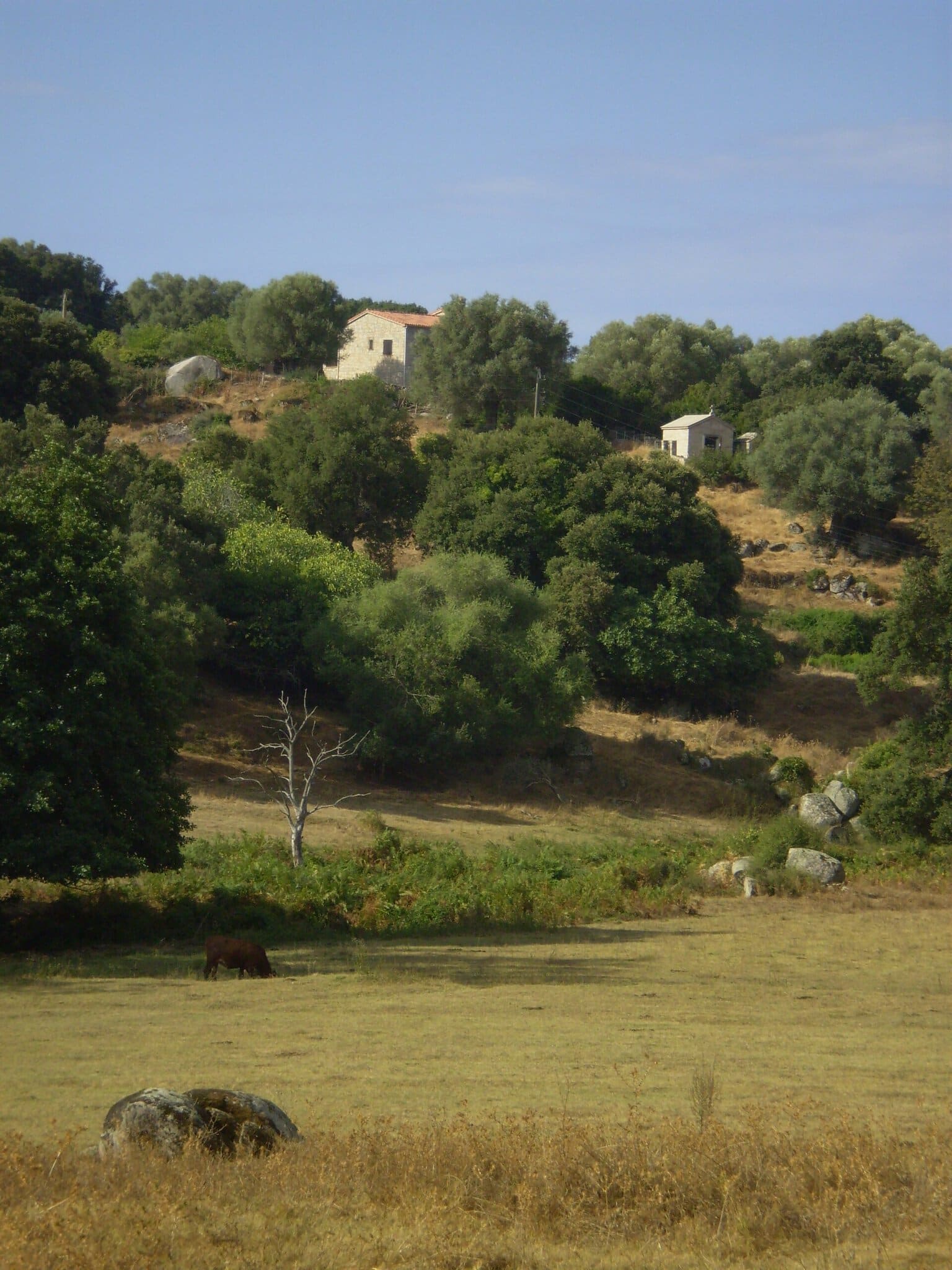
Plan your accommodation strategically around the kind of holiday you actually prefer and everything you want to fit in on the island. For lovers of perfect beaches, white sand and shallow seas, the southeast coast around Porto-Vecchio is an absolute must. This is where you’ll find the most photogenic bays from the promotional brochures — but bear in mind it’s also the most expensive and busiest part of the whole island. If you plan to spend most of your time by the water, it’s worth paying extra for a hotel with its own dedicated parking right by the beach.
If, on the other hand, you’re after more dramatic scenery and historic towns, and want to be close to the high mountains, choose the western or northern coast. The area around Ajaccio or Calvi offers a great compromise between easy beach access and the chance to head off on day trips into the rugged interior. Many travellers also very sensibly opt for a split-holiday model, spending a few days relaxing in the south before moving north to explore the sights and tackle mountain treks.
As for prices in the 2026 season, be prepared for the fact that Corsica isn’t exactly a cheap destination, and your budget will feel it. A standard double room in a pleasant hotel with a pool will set you back roughly €150 to €250 a night in high season. If you’re after cheaper alternatives, campsites and fully equipped mobile homes can be found for around €80 to €120 a night, but capacity is very limited and you’ll need to book a long way ahead. I’d recommend searching for and booking your accommodation well in advance through the usual accommodation search engines, where you’ll find the widest choice with free cancellation in case your plans change.
Among specific hotels, ones worth your attention include the Hotel Solemare in Bonifacio, which offers breathtaking views straight onto the old citadel and the bustling harbour. In the capital, Ajaccio, consider the popular Hotel Les Mouettes, set just a short stroll from the beach with a beautiful garden and a very calm, almost family-like atmosphere. At both places I’d always recommend carefully checking the availability of hotel parking, because finding a spot to park your car in Corsica’s old towns can be quite the headache.
15 Things to See and Do in Corsica
Let’s take a look together at a complete overview of the most interesting spots you shouldn’t miss on your trip. I’ve included famous historic clifftop towns, hidden nature reserves where time seems to stand still, and of course the most popular beaches straight out of the brochures.
1. Bonifacio on the Limestone Cliffs
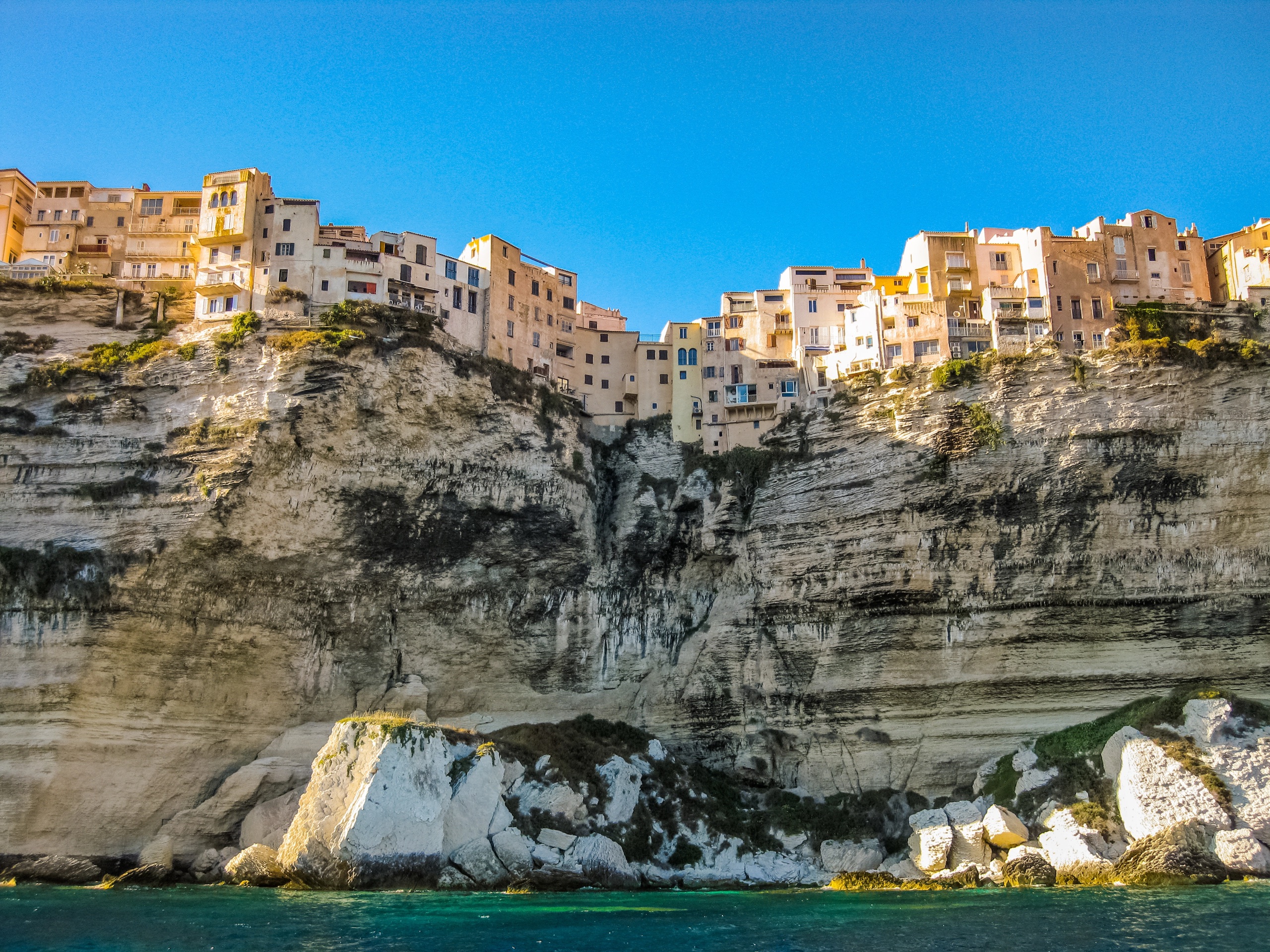
If you could only see one place on the entire island, definitely head to the very south and explore the town of Bonifacio. This historic settlement defies every law of gravity, as its old quarter with its mighty citadel literally balances on the very edge of dazzling white limestone cliffs. These cliffs drop tens of metres straight down into the churning sea, and the houses on the brink look as though they might slide into the waves below at any moment.
Strolling through the narrow stone alleys, you’ll come across plenty of little shops and pubs where you can enjoy a fantastic local Pietra beer brewed from edible chestnuts. Don’t miss a walk along the ramparts themselves, which open up fantastic views over the strait separating Corsica from nearby Italian Sardinia. On a clear day you’ll see the Italian shores so sharply it’s as if you could swim across to them, lending the whole place an incredible magic.
💡 Tip: The traffic situation in Bonifacio is absolutely critical during the summer months, and finding a free parking spot is nearly impossible. If you want the very best photo of the town perched on the cliff, park further from the centre and walk along the cliffs towards the Phare de Pertusato lighthouse.
2. The Aragon Steps (Escalier d’Aragon)
Right in the heart of Bonifacio you’ll find a fascinating historic monument that will thoroughly test your fitness and your head for heights. It’s exactly 187 steep steps carved directly into the rock face beneath the old citadel. According to the famous and highly romantic legend, Aragonese soldiers cut them in a single night during the siege of the town in 1420, in order to slip inside unnoticed and capture it.
The reality is rather less dramatic — the staircase was most likely built by Franciscan monks over a very long period to secure safe and steady access to a freshwater spring down by the sea. Whether you believe the legend or the historians, the descent down to the water’s edge and the gruelling climb back up under the blazing sun is an experience your legs won’t forget in a hurry.
I’d recommend coming here early in the morning, right as the site opens. Later in the afternoon the sun beats down into the narrow rocky cleft, the air goes completely still, and the climb back up turns into a full-on sauna where you sweat buckets. The ticket costs just a few euros and is well worth it despite the enormous physical effort.
3. The Lavezzi Archipelago
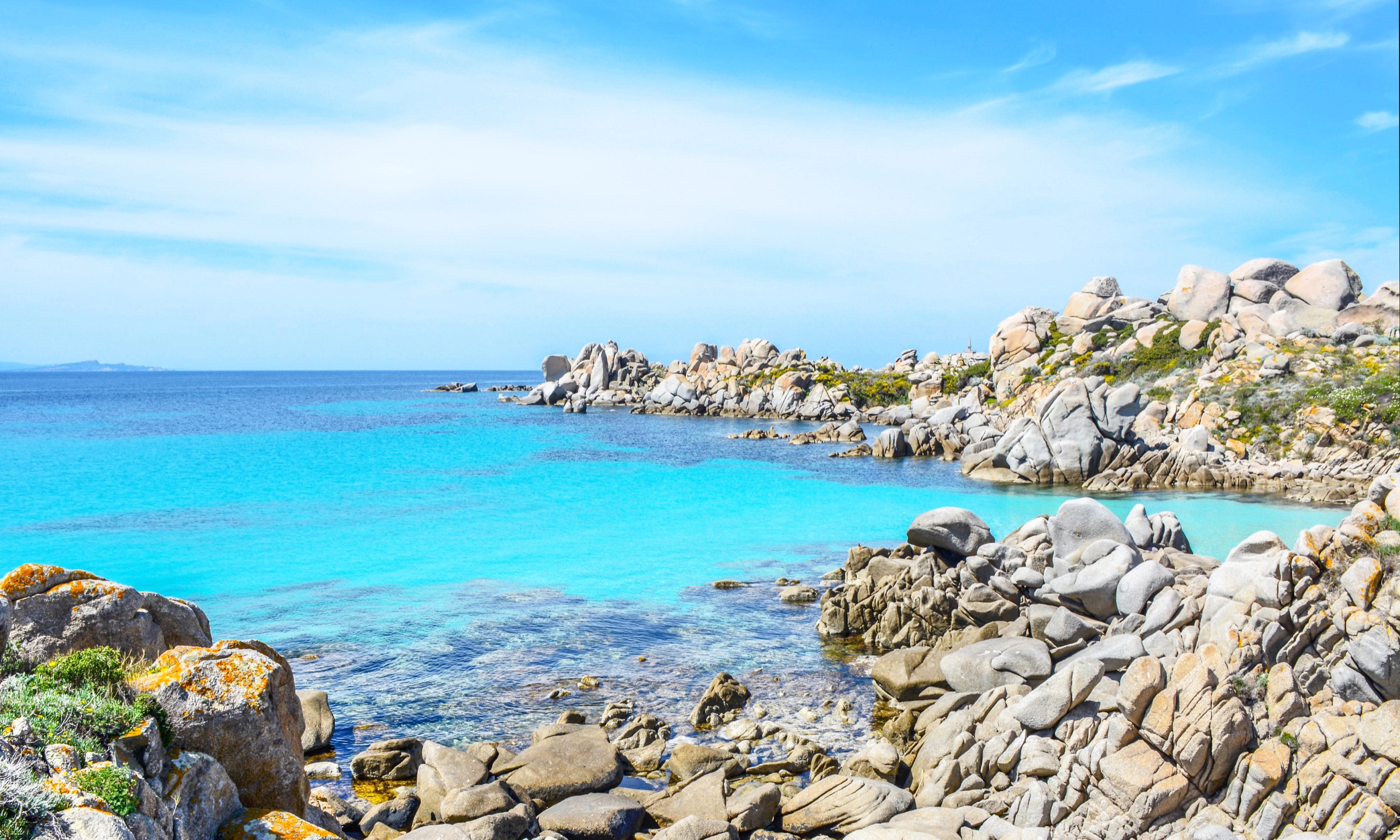
From Bonifacio’s harbour opens the gateway to the Lavezzi archipelago, a fascinating cluster of enormous granite boulders scattered across crystal-clear water. Hop on a boat trip and let it carry you to this unique nature reserve lying on the border between Corsica and Sardinia. The water here is so incredibly clean and teeming with fish that it tempts you into a full day of snorkelling and exploring the underwater world.
You’ll need to prepare very carefully, though, because there’s absolutely no natural shade on the islands and you won’t find any refreshment stalls or public toilets. It’s simply pure, raw nature where you have to rely entirely on what you bring in your backpack. Pack plenty of drinking water, good sun cream, a light hat and of course snorkelling goggles, without which the trip wouldn’t make sense.
Boat trips run here at regular intervals and usually operate on the popular hop-on hop-off system, so you can spend exactly as much time on the island as you see fit. On the way back, the captain often takes you along the coastal caves and cliffs of Bonifacio, a great visual bonus to round off the trip.
4. Palombaggia Beach
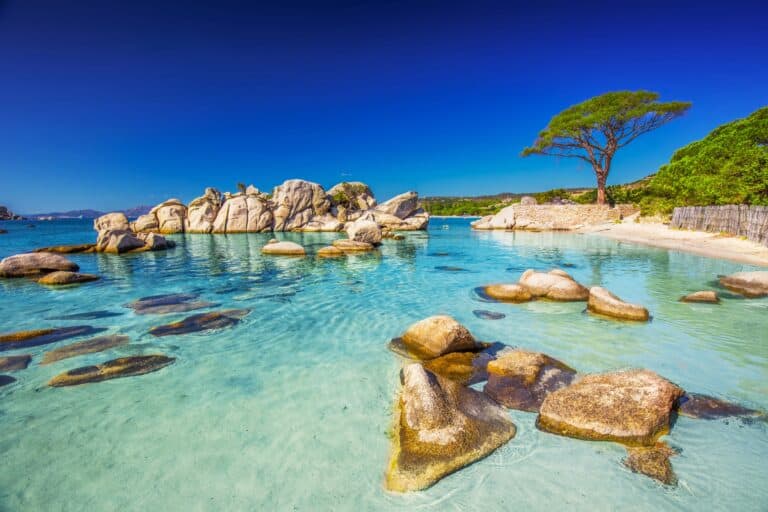
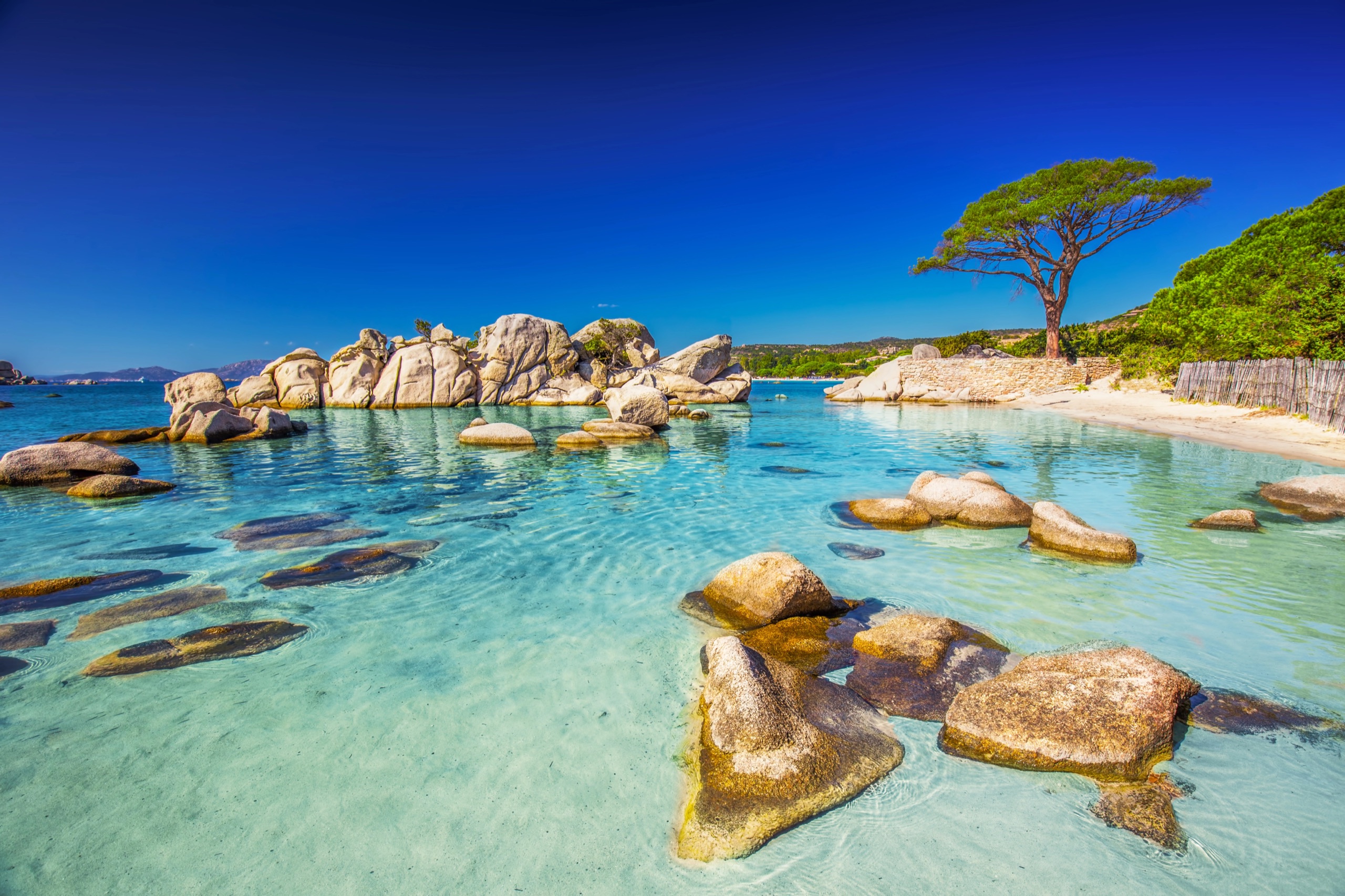
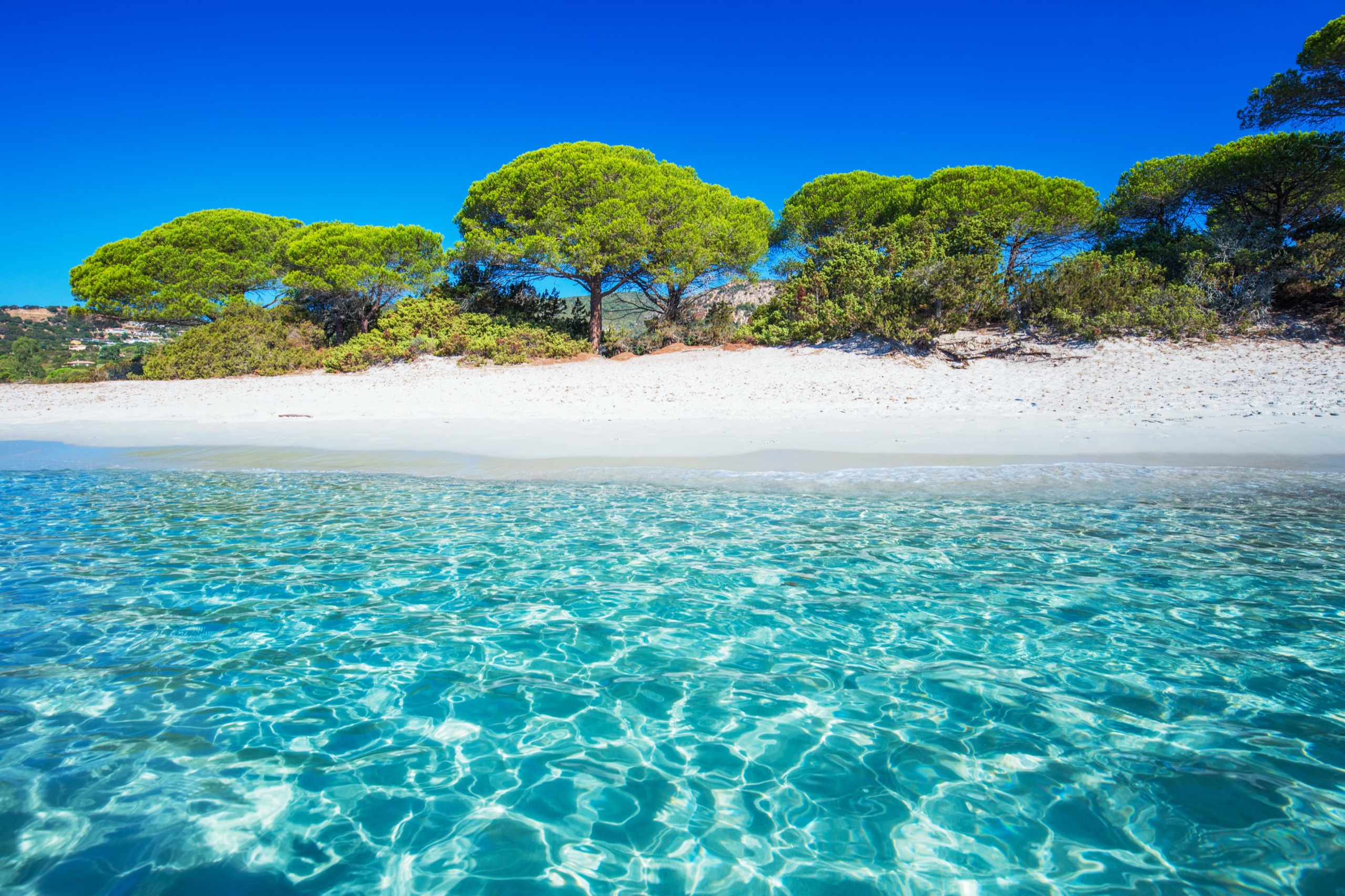
The southeast coast below Porto-Vecchio is the main reason the island is so often admiringly nicknamed the European Polynesia. Palombaggia is without a doubt the most famous beach on the whole island, and you’ll surely recognise it from every promotional brochure and travel magazine. It’s lined with the gorgeous crowns of umbrella pines, which on hot summer days provide that much-craved, merciful shade.
Here and there, mighty red porphyry rocks jut out of the perfectly calm, turquoise water, creating the perfect contrast to the dazzling white sand that’s as fine as flour. The water is incredibly shallow and calm, which makes this spot an ideal destination for families with small children or for anyone who just wants to lounge lazily in the warm ripples without battling strong currents.
It’s photogenic kitsch in the very best sense of the word, but be prepared for the fact that in season you definitely won’t be the only one who knows about this beauty. Come here really early in the morning, ideally before nine o’clock, because the narrow access road clogs up with cars fast and getting any parking spot turns into a full-on adrenaline-fuelled battle.
5. Santa Giulia Beach
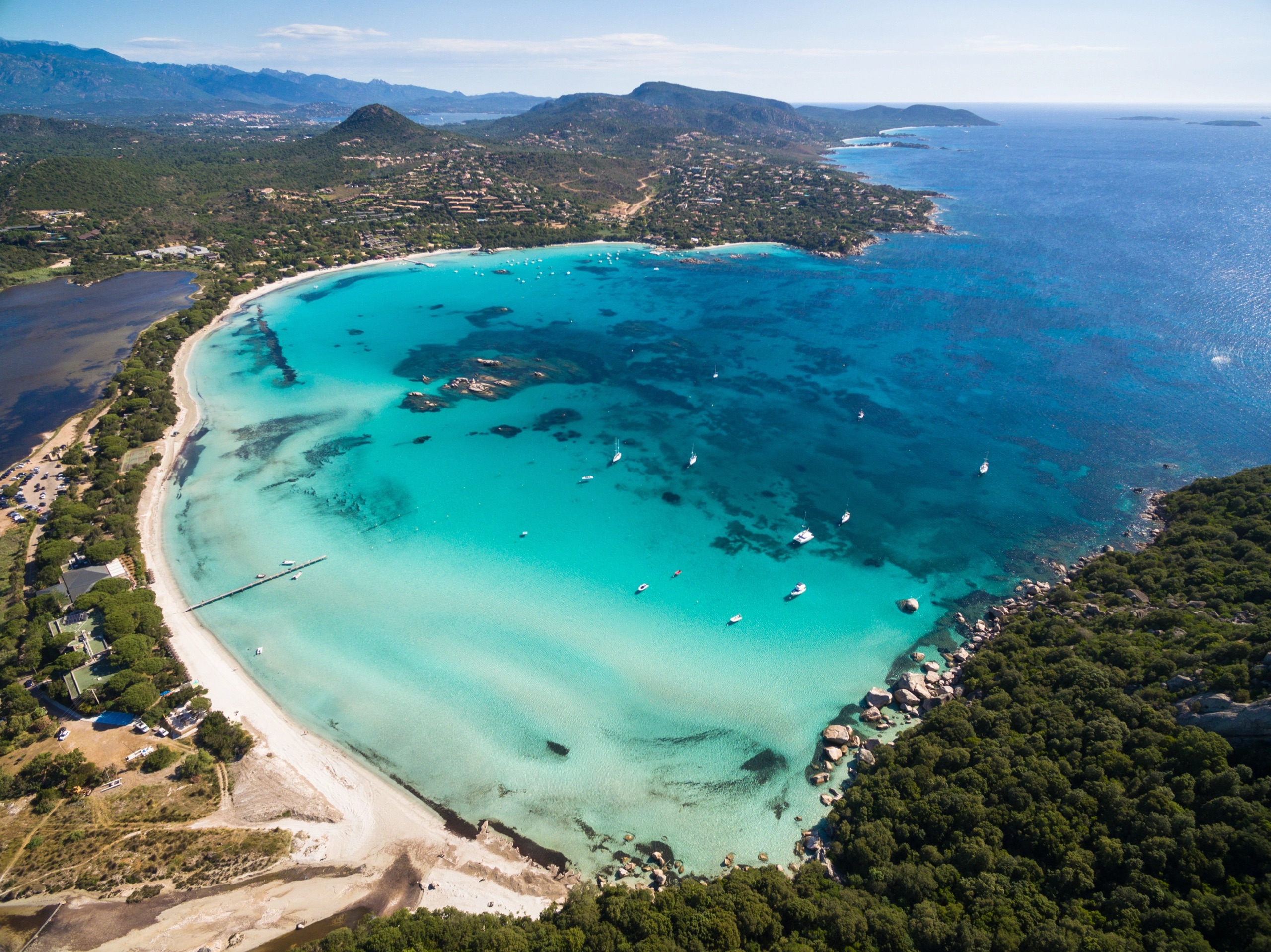
Right next door to the famous Palombaggia lies another natural gem of the southeast coast you shouldn’t miss. Santa Giulia bay is shaped into an absolutely perfect horseshoe and forms a beautiful natural lagoon safely sheltered from the bigger waves of the open sea. The water here is so calm and remains shallow for so incredibly long that at times you feel as though you’re standing in an enormous, sun-warmed swimming pool.
If you’re one of the more active travellers, it’s an absolutely ideal spot to rent a paddleboard or a small kayak. The surface stays mirror-smooth for most of the day, so you can practise your balance with no trouble and glide calmly across the water over longer distances along the coast. You’ll also find quite a few beach bars and restaurants here with a pleasant holiday atmosphere.
💡 Tip: On the right-hand edge of the bay there’s a long, very photogenic wooden jetty that’s perfect for evening walks. It’s from here that you’ll capture the most beautiful photographs of the whole turquoise lagoon, with no distracting elements in the foreground, especially as the sun begins to dip towards the horizon.
6. Rondinara Bay
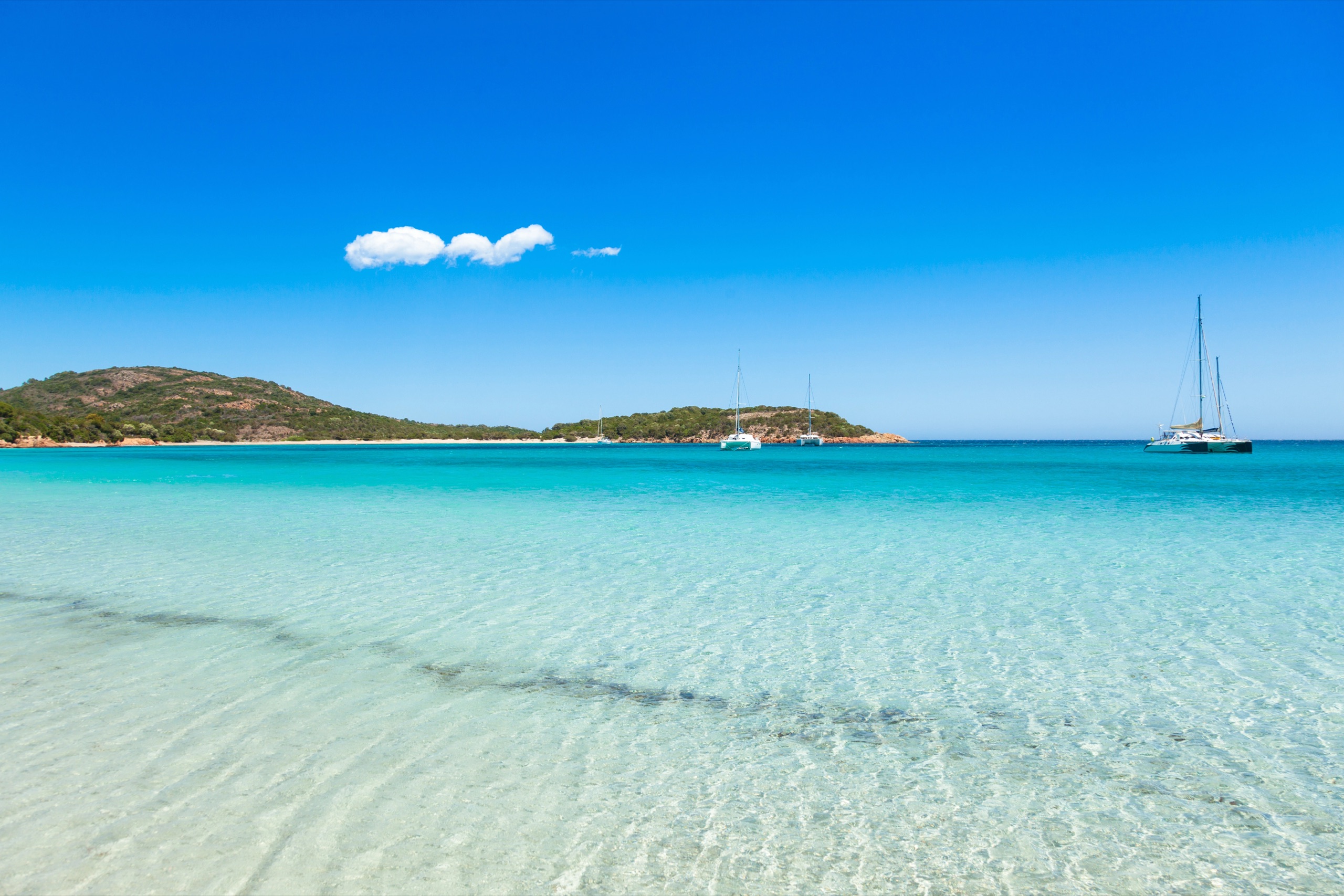
A little further south, exactly halfway towards the cliffs of Bonifacio, the gorgeous Rondinara bay hides from the eyes of hurrying drivers. Its shape closely resembles a seashell, with turquoise water held firmly between two wooded peninsulas that reach out into the sea like the giant claws of a crab. It’s no surprise this beach was officially ranked in 2019 among the prestigious TOP 10 best beaches in the entire world.
The fine white sand contrasts sharply and very dramatically with the deep blue of the deeper water, which begins just a short way from the shore. A huge advantage of this bay is its sheltered position, protected from the unpleasant wind off the open sea. That means that even when it’s blowing hard along the rest of the coast, here you’ll most likely find perfect calm and a sheltered spot for relaxed swimming.
The access road is a bit more winding and narrow, as is usually the case on Corsica, but at the end of it you’ll find a huge paid car park tucked away beneath the trees. The cows that occasionally stroll about quite nonchalantly along the beach among the sunbathing tourists give the whole place a wonderfully authentic and laid-back character.
7. Calanques de Piana
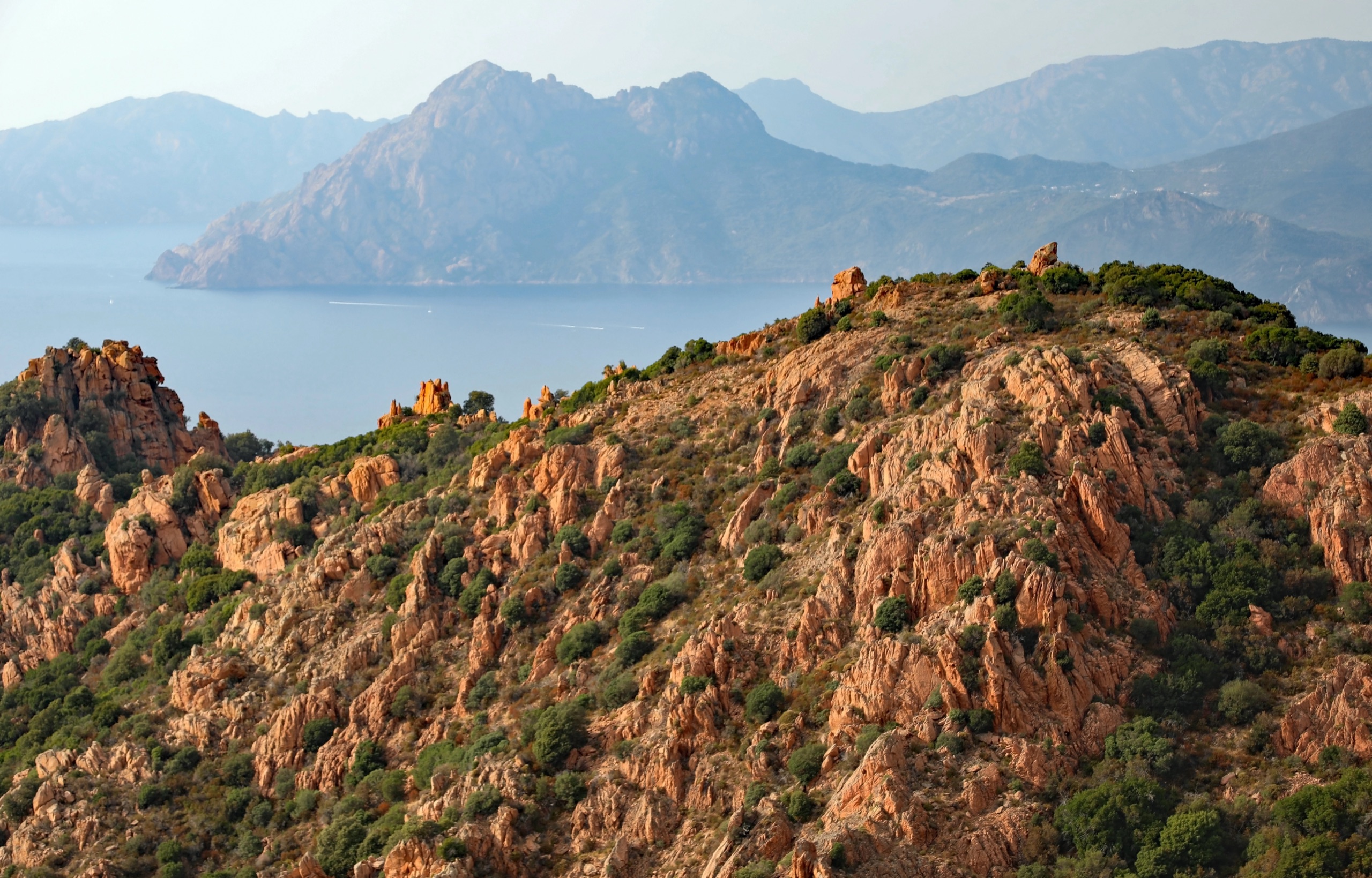
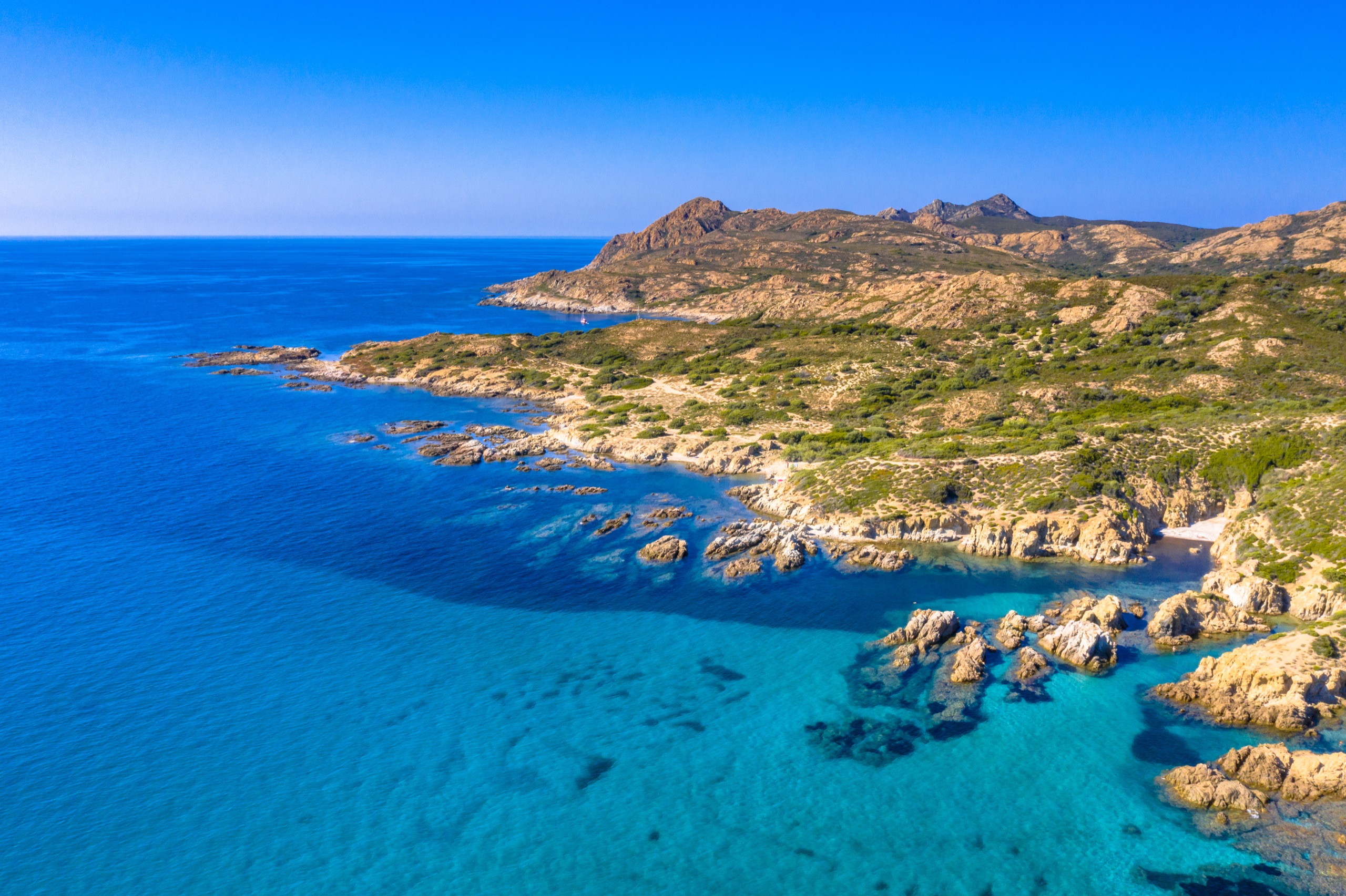
If the east of the island is defined by white beaches and calm bays, the west coast is all about pure, unadulterated natural drama. In the Calanques de Piana area, forget the pale limestone cliffs you might know from around mainland Marseille. Here the rock is literally blood-red, and granite formations wildly gnawed by erosion plunge hundreds of metres straight down into the churning sea.
The road marked D81, which runs through this fascinating area, is partly carved straight into the steep cliff. It’s so incredibly narrow that when two larger coaches meet, the drivers have to manoeuvre to the very millimetre while you stare out of the window straight into the abyss below. The drive is mildly stressful for the driver, but the panoramas that open up around every bend are absolutely unforgettable.
Stop at one of the widened lay-bys and set off on a short walk towards the coast. The marked trails will lead you to safe viewpoints from where you’ll see rock windows and curious formations resembling animals or human faces. If you arrive here at dusk during sunset, the whole rocky area lights up and practically blazes red before your very eyes.
8. The Scandola Nature Reserve
A little to the north of the red rocks lies the strictly protected Scandola nature reserve and the adjacent Girolata bay. This entire sprawling area is proudly under UNESCO World Heritage protection and represents one of the few places in France that you absolutely cannot reach by any car. You can’t even reach the very heart of Scandola on foot — the fragile nature here simply takes absolute priority over tourism.
The only permitted way to see this fascinating volcanic landscape of dark caves, sheer cliffs and protected ospreys with your own eyes is to take a boat trip from Porto or Calvi. Local guides will take you right up close to the bizarre rocky clefts and show you the geological anomalies and rich marine life. The rules here are extremely strict, and there’s an absolute ban on stepping ashore from the boat.
The ecosystem is so rare, and yet so overloaded with boat traffic in summer, that the park authority is constantly negotiating further restrictions. Very strict quotas and special licences for boat operators are being introduced, expected to take full effect around 2027. If you want to arrange this fascinating boat trip without stress and avoid the queues at the harbour, I’d recommend using the popular GetYourGuide portal, where you can sort everything out comfortably in advance.
9. Ajaccio and Napoleon’s Shadow
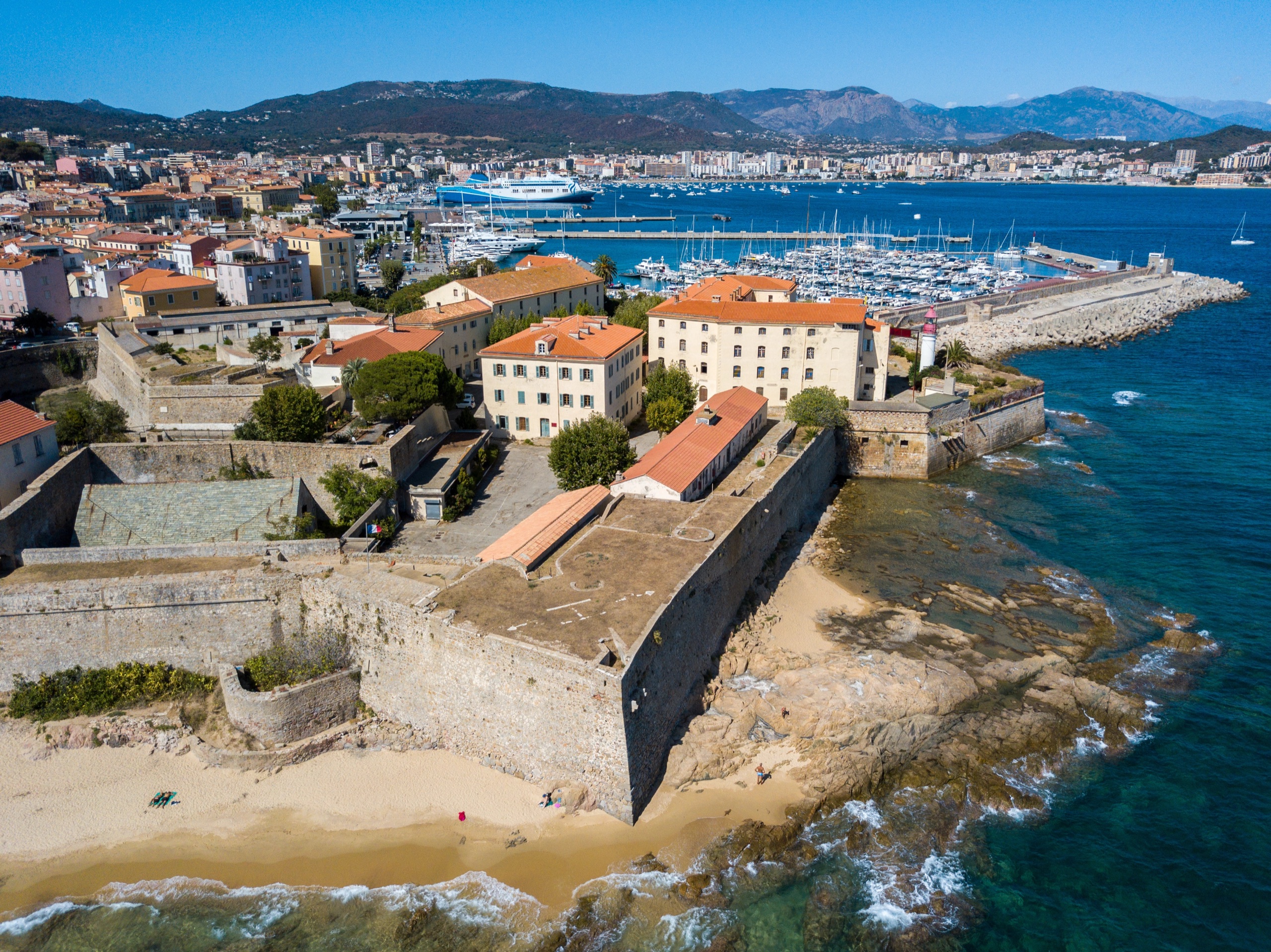
The towns on the west coast have a completely different dynamic and atmosphere than the calm south full of beach resorts. Ajaccio is the capital of the whole island and, above all, the famous birthplace of Napoleon Bonaparte. Here you’ll find an international airport, a large and busy harbour, and altogether a bit more urban bustle, traffic and civilisation than is usually the norm on Corsica.
At every turn you’ll come across strong historical references tied to the famous general. The streets are lined with elegant cafés, almost every larger square boasts a monumental statue of the emperor, and you can even visit his well-preserved birthplace (Maison Bonaparte), which today functions as an interesting museum. Thanks to its wide boulevards and majestic architecture, the town’s atmosphere feels slightly more French and polished than the rest of the island.
💡 Tip: If you want a break from history and the bustle of the city for a while, take a short drive towards the Pointe de la Parata headland. There’s a beautiful old Genoese tower here, and your reward will be a magical view of the Bloody Islands (Îles Sanguinaires), which take on rich red hues at sunset.
10. Authentic Bastia
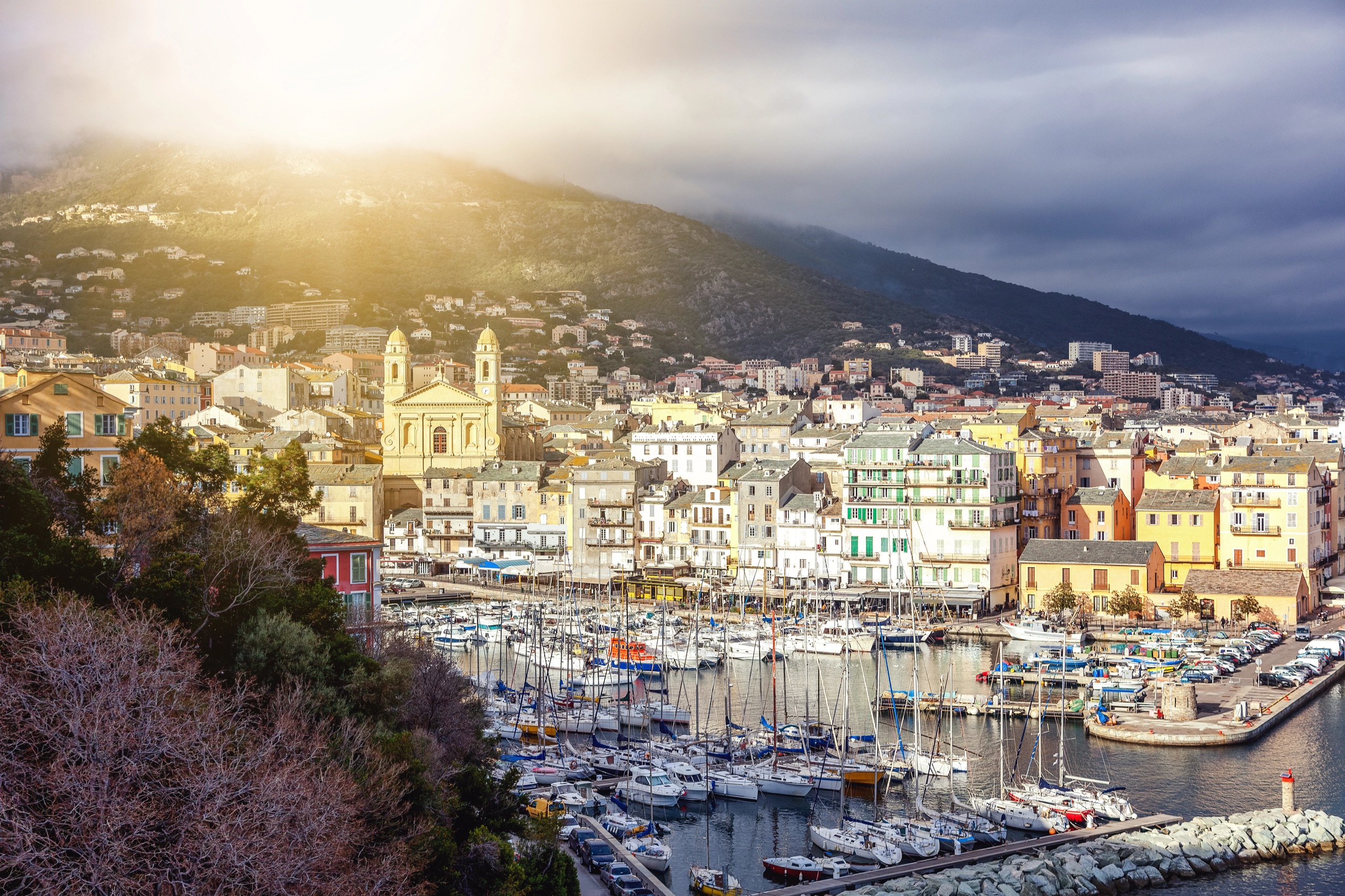
The port town of Bastia in the northeast of the island is the polar opposite of the polished, touristy Ajaccio. It’s far more authentic, slightly more weathered, and rough around the edges in the very best sense, which gives it an unmistakable charm. The historic centre around the old harbour is characterised by narrow, shady alleys where freshly washed laundry hangs from the balconies and the air smells of fresh fish and dried herbs.
In Bastia you’ll simply find real, everyday Corsican life that isn’t entirely beholden to summer tourism. The town is dominated by the enormous, sprawling Place Saint-Nicolas, one of the largest squares in France, lined with mature trees and constantly full of locals sipping their afternoon coffee or a strong Corsican beer.
Don’t forget to climb the steep alleys all the way up to the old citadel and take in the majestic church of Sainte-Marie. From the massive ramparts, wonderful views open up down over the bustling harbour full of giant ferries arriving from the mainland. Bastia is also the ideal starting point and main gateway for exploring the wild Cap Corse peninsula.
11. The Cap Corse Peninsula
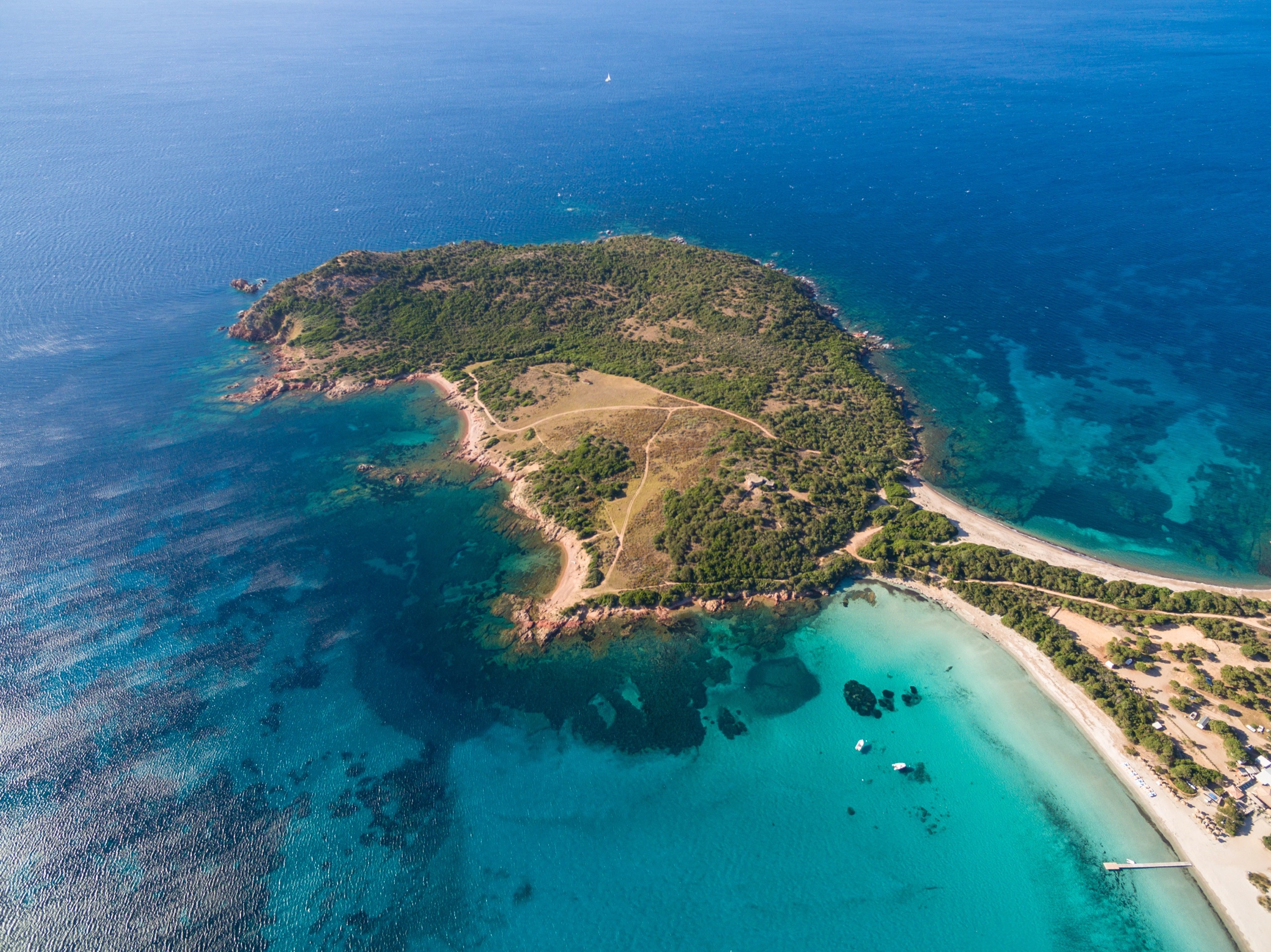
If you point your finger at a map of northern Corsica, you’ll see a thirty-kilometre-long peninsula that points like a raised finger straight towards Italian Genoa across the sea. Cap Corse is essentially the whole of Corsica cleverly squeezed into one small miniature. The narrow, very winding coastal road will guide you in a single day past historic monuments, secluded beaches and dramatic rocky cliffs.
A defining feature of this peninsula are the old and often very photogenic Genoese watchtowers dotted along the entire coast, which in the past protected the locals from sudden pirate raids. Be sure to stop in picturesque fishing villages like Erbalunga or windswept Centuri. It’s right at the northern tip of the peninsula that the slopes are steepest and the road cuts into the cliffs dangerously close to the water’s surface.
For an absolutely perfect driving experience, I’d recommend going round the peninsula anti-clockwise — that is, setting off from Bastia up the east coast and returning down the western side. This way you’ll drive along the more rugged west coast in the right-hand lane closer to the cliffs, with an unbeatable view of the sun setting into the sea.
12. The Fortress Town of Calvi
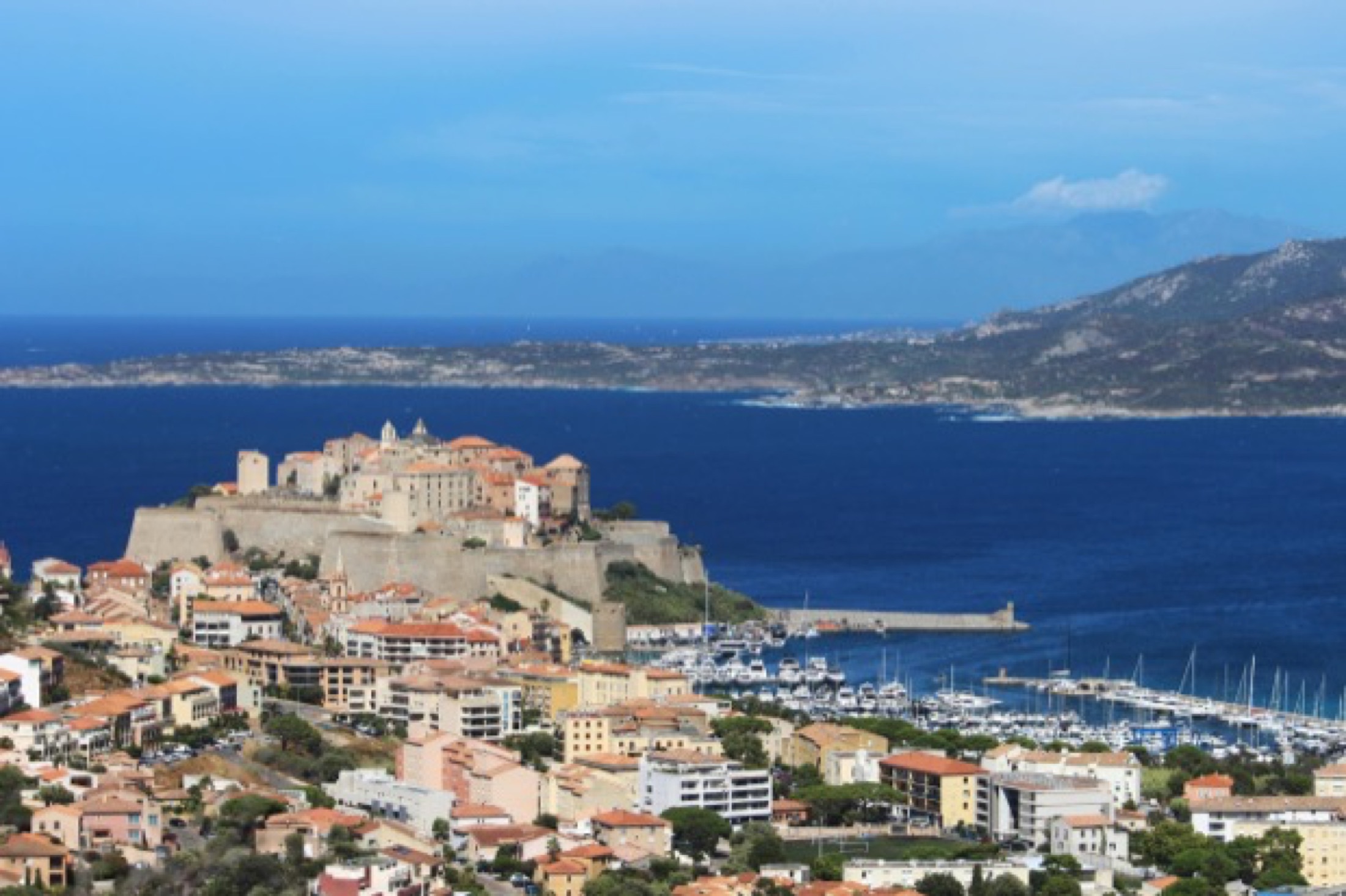
In the northwest of the island you’ll find Calvi, a charming town with an utterly unmistakable and very proud silhouette. The whole wide bay is confidently dominated by an enormous, perfectly preserved citadel that towers majestically on a mighty rocky outcrop right above the sea. Within these massive ramparts hides an intricate, shady labyrinth of old cobbled alleys steeped in rich history.
A walk through the citadel offers not only a great historical experience but also gorgeous views of the long sandy beach stretching along the modern part of the town in the bay. In the narrow alleys you’ll come across plenty of little wine bars and pubs where you can savour fantastic local Corsican wine to the accompaniment of traditional polyphonic music drifting from open windows in the evening.
Calvi has one more entirely crucial and very practical significance for all active sportspeople and mountaineers. It’s from the nearby, unassuming mountain village of Calenzana that the northern — and it has to be said, the absolutely most demanding — section of the legendary long-distance GR20 trek officially starts.
13. L’Île-Rousse and the Red Rocks
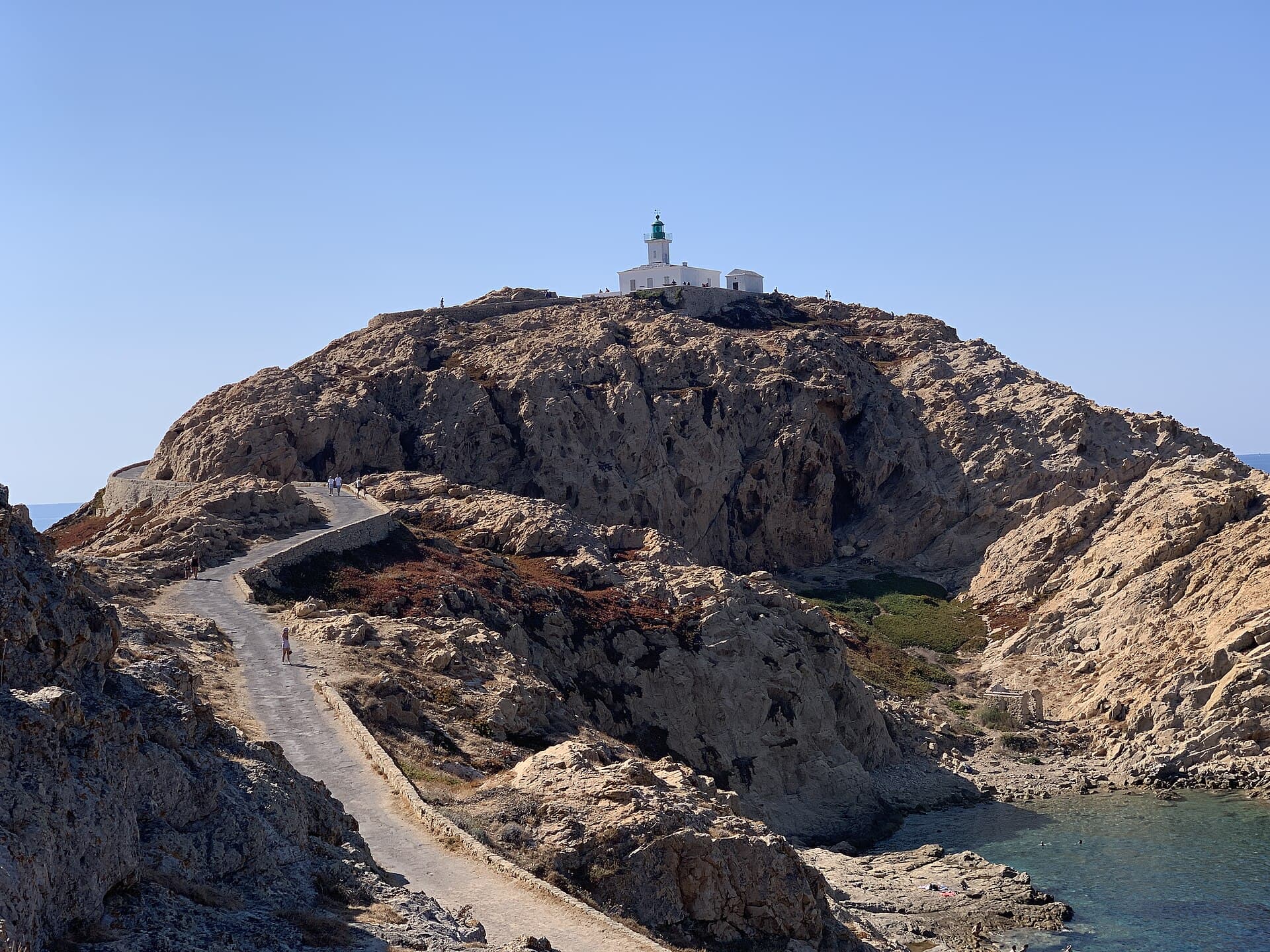
Just a short, pleasant drive east of Calvi lies the immensely likeable and elegant port town of L’Île-Rousse. It got its intriguing, slightly poetic name (the Red Island) from the striking red granite islets that lie just off the coast and are practically connected to the mainland by a long causeway. Especially at dusk during sunset, these rugged rocks take on an incredibly rich, fiery colour.
The town itself is much younger than most other Corsican settlements — it was only strategically founded in the 18th century by the national hero Pasquale Paoli. The natural hub of all the action is the shady Place Paoli, surrounded by aged, mature plane trees beneath which local pensioners spend long hours playing traditional pétanque and sipping coffee.
Be sure to take a walk out to the historic lighthouse on the Pietra island, from where there’s an absolutely fantastic view back over the town and the jagged surrounding mountains. The town also has a very beautiful fine-sand beach right in the centre, so you can easily combine sightseeing with a refreshing swim in the sea without having to drive anywhere.
14. Corte and the Restonica Gorge
While Corsica’s coastline draws millions of sun-seekers every year, the true, unadulterated soul of the island lies hidden high in the rugged interior. Here, absolute silence reigns, along with the impenetrable chestnut forests of the Castagniccia region and sharp granite peaks. The historic and spiritual centre of the entire island is the mountain town of Corte, which is surrounded on all sides by majestic mountains and deep valleys.
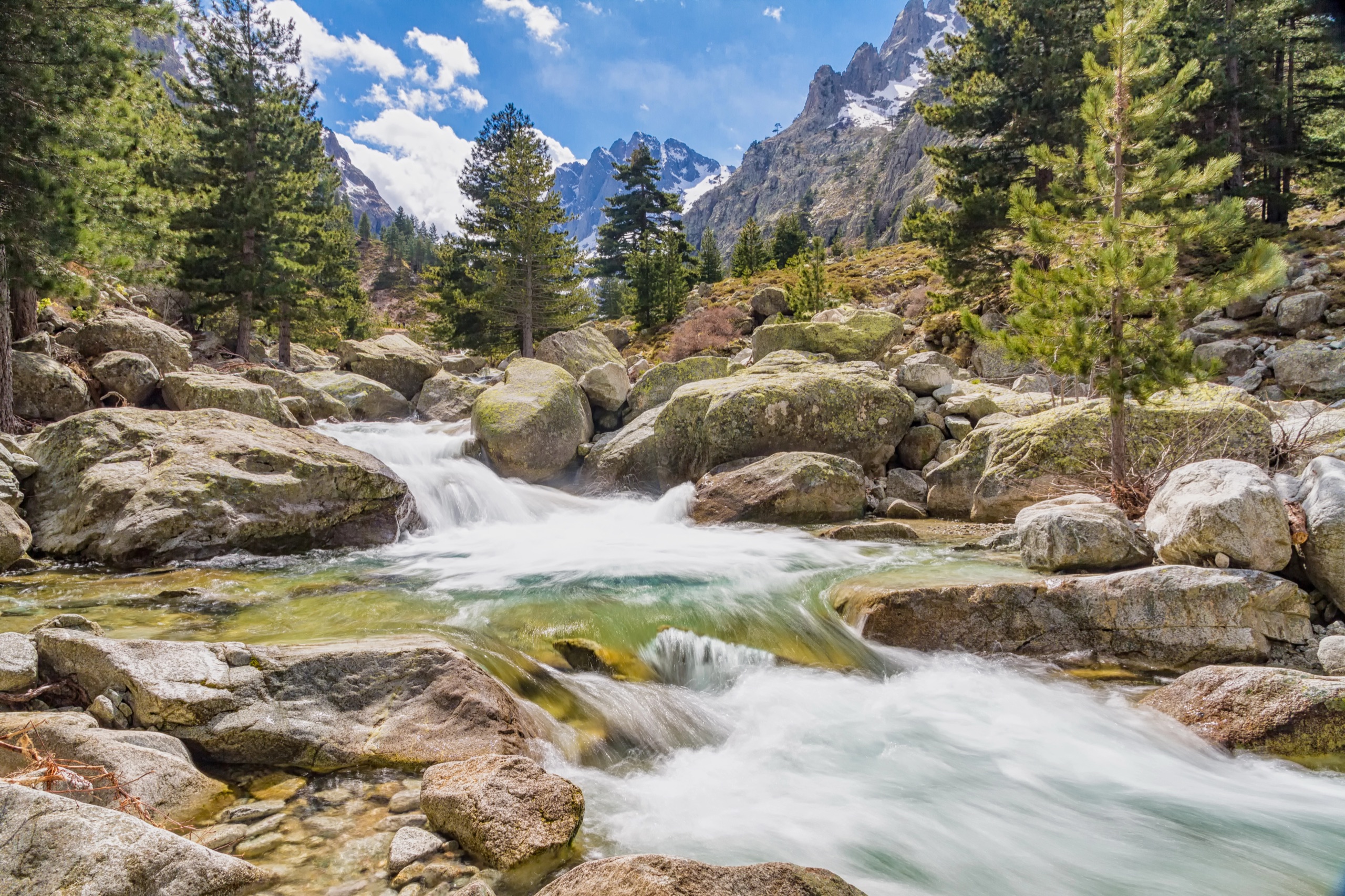
It was in Corte that the first independent Corsican government confidently sat in the 18th century under the leadership of Pasquale Paoli, and to this day the island’s only university operates here, giving the town a wonderfully lively, youthful atmosphere all year round. Hikers and climbers set off straight from town into the famous Restonica valley gorge. The road running along the icy-cold mountain river is terrifyingly narrow, but it’ll bring you to the trailhead car park for some of the most beautiful mountain hikes.
From here you can head off to the breathtaking glacial lakes of Melo and Capitello. The route to the first lake is fairly manageable even for ordinary tourists, but the climb to the upper lake Capitello already requires sturdy footwear, a bit of rock scrambling and safe securing with steel chains. Your reward, though, will be the sight of dark blue water held firmly between vertical walls.
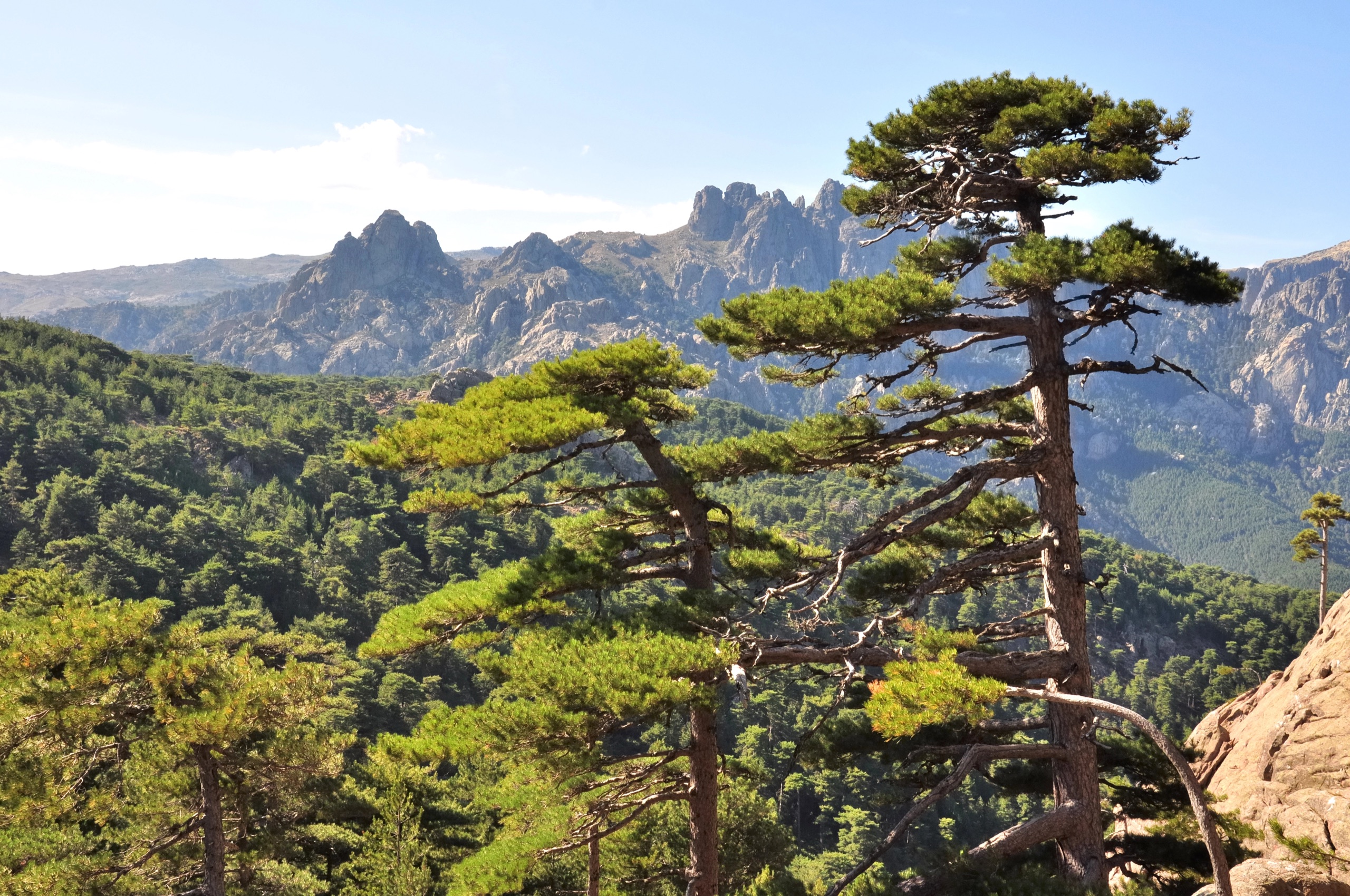
15. GR20 and the Aiguilles de Bavella
If you’re a keen mountain enthusiast, the mere combination of letters and numbers GR20 is guaranteed to fill you with enormous respect. The Grande Randonnée 20 is an absolute legend among long-distance trails and cuts diagonally across the whole island over a length of roughly 180 kilometres. What makes it arguably the toughest trek in Europe isn’t so much the distance itself as the extreme profile. Over sixteen stages you’ll climb a combined and frankly insane 12,000 metres of elevation gain.
The northern part of the trek is an outright brutal test of endurance. It isn’t just classic walking along paths — it’s so-called scrambling, or easier-grade climbing, where you often have to hold tightly to steel chains and pull yourself up across smooth granite slabs above the abyss. If you don’t fancy the whole route, you can sample a slice of mountain wilderness in the south in the gorgeous Aiguilles de Bavella area.
These so-called “Bavella Needles” are stunning, jagged granite spires that rise like sharp teeth high above the pine forests. It’s an absolute paradise for climbers and canyoning lovers. The logistics in the mountains are extremely strict, though — pitching a tent anywhere out in the wild is strictly forbidden on Corsica, and you must spend the night exclusively at designated mountain huts (refuges), which you’ll need to book a very long time ahead in season.
Map of points of interest for your phone
Where to Go Next from Corsica
If you have more time for travelling and want to extend your Mediterranean holiday a little further, there are several logical options. Since the island is superbly connected by ferries to mainland Europe, you can easily move on and explore the nearby mainland part of France.
A very popular option is to combine the wild nature of Corsica with the polished luxury of the coast in the south of France. Take a look at our detailed article and discover everything the French Riviera has to offer. There you can visit famous towns like Nice, Cannes or Saint-Tropez and compare their atmosphere with the Corsican one. Another option, of course, is a short ferry hop from Bonifacio over to Italian Sardinia, which is just a mere hour’s crossing away.
Frequently Asked Questions
Is food and drink expensive in Corsica?
Yes, prices in restaurants and cafés are noticeably higher than on mainland France, because most ingredients have to be transported to the island by ferry. You’ll pay between 20 and 30 euros for a typical meal at an average restaurant. Local specialties, such as traditional Corsican cheeses, roasted chestnuts, or hearty vegetable soups, tend to be a bit more affordable and very filling.
Can I get by with English on the island?
In the main tourist areas, larger hotels, and car rental agencies, you’ll be able to communicate in English without much trouble. In more remote mountain villages and smaller establishments, however, you’ll often encounter a language barrier, so it’s helpful to have at least basic French or a reliable translator app on your phone.
What’s the sea temperature like in autumn?
September and early October are absolutely ideal for swimming, because the sea is beautifully warm after the hot summer. Water temperature in September typically ranges between 23 and 25 degrees Celsius. In contrast, in May or early June the water is still quite refreshing and tends to be around 19 to 20 degrees.
Do I need an international driving permit?
If you’re an EU citizen and have a valid Czech driving license, you don’t need an international driving permit in Corsica. The regulations are the same as in mainland France. However, be prepared for narrow mountain roads full of hairpin turns, and local drivers who drive very confidently and fast.
Is tap water drinkable?
Yes, public tap water in Corsica is completely safe and drinkable. In mountain areas and on the GR20 trek you’ll find springs near the huts, but for some of them it’s recommended to use a filter bottle or purification tablets, especially during dry periods when water is scarce and springs may run dry.
Can you pay by card in Corsica?
In cities, supermarkets, and larger restaurants, paying by card is completely standard. However, if you head into the mountains, more remote villages, or want to buy local products at the market, always have enough cash in euros with you. Mountain huts on the GR20 trek accept cash only.
Are the island’s beaches sandy or pebbly?
Corsica offers a bit of everything. The southeastern coast around Porto-Vecchio boasts perfect coves with fine white sand. On the western and northern coasts you’ll find wilder beaches where sand alternates with small pebbles, and in some coves there are large stones, so water shoes come in handy.
Tips and Tricks for Your Vacation
Don’t Overpay for Flights
Search for flights on Kayak. It’s our favorite search engine because it scans the websites of all airlines and always finds the cheapest connection.
Book Your Accommodation Smartly
The best experiences we’ve had when looking for accommodation (from Alaska to Morocco) are with Booking.com, where hotels, apartments, and entire houses are usually the cheapest and most widely available.
 🚗 Car rental on the roadVerified rental cars in Corsica
Search with the DiscoverCars comparison engine — it compares prices from dozens of local and international rental companies, and most bookings come with free cancellation.
Compare car prices in Corsica →Don’t Forget Travel Insurance
Good travel insurance will protect you against illness, accidents, theft, or flight cancellations. We’ve had a few hospital visits abroad, so we know how important it is to have proper insurance arranged.
Where we insure ourselves: SafetyWing (simple monthly subscription) and TrueTraveller (for extra-long trips).
Find the Best Experiences
Get Your Guide is a huge online marketplace where you can book guided walks, trips, skip-the-line tickets, tours, and much more. We always find some extra fun there!