Imagine a town so picturesque and romantic that Portuguese kings spent centuries gifting it to their wives as a wedding present. That’s exactly what Óbidos, Portugal is. This dazzling white pearl, encircled by perfectly preserved medieval walls, sits just a short hop north of Lisbon and makes for one of the most beautiful day trips you can take in the whole country. The moment you pass through the main town gate, you’re whisked several centuries back in time.
Inside you won’t find a single car — just winding cobbled lanes lined with little houses painted in bright blue and yellow stripes. Cascades of red and purple bougainvillea spill lazily from the windows year-round, the air smells of fresh chocolate, and at every other little window someone offers you the town’s famous local cherry liqueur. Even though you can crisscross all of Óbidos in a single afternoon, its atmosphere will completely sweep you away. Pack comfortable shoes and your camera, because you’ll want to capture every corner here.
TL;DR
- Best way to get there: From Lisbon, take only the express bus (Rapida Verde from Campo Grande). The journey takes exactly one hour and a ticket costs around €8.50. Skip the train — it’s slow and involves changes.
- The main draw: The fully preserved medieval walls you can walk right around the town on. Just be aware — there are no railings.
- What you must taste: Traditional Ginjinha d’Óbidos. It’s an excellent cherry liqueur served here in tiny cups made of real dark chocolate.
- When to come: Ideally early morning (around 9 a.m.) or, conversely, in the late afternoon. Between 11 a.m. and 3 p.m. the town is flooded with crowds from tour coaches.
- A quirky claim to fame: Óbidos proudly holds the title of Book Town (Vila Literária). You’ll find bookshops in the most unexpected places, including a former church.
- Big events: In spring the town hosts the famous International Chocolate Festival; in summer the whole place transforms into a huge medieval market complete with jousting tournaments.
The full destination guide: Lisbon — guide and what to see
When to Visit Óbidos
Timing your visit to Óbidos right is absolutely crucial to your overall experience. Because the town is genuinely tiny and lies so close to the capital, it has become a favourite stop for big organised tours. If you arrive at high noon in the middle of the summer holidays, you’ll be quite literally shuffling shoulder to shoulder through the narrow lanes.
The ideal time to visit is spring (March and April) and early autumn (September and October). Temperatures during these months hover around a pleasant 18 to 24 degrees, which is absolutely perfect for walking the walls. You’ll also dodge the punishing summer heat, when the mercury in this region regularly climbs past 30 and the sun-baked stone makes it hard to breathe.
As for the time of day, there’s one simple rule that will save you a lot of frustration. Arrive on the first morning bus, around 9 a.m. You’ll have the empty walls to yourself, snap lovely photos with no crowds in the background, and enjoy an unhurried early lunch. By 11 a.m. the main street, Rua Direita, starts to fill up, and by around 1 p.m. the town is usually heaving. The other great option is to arrive after 4 p.m., when the tours leave and the streets sink into the golden light of the setting sun.
Where to Stay in Óbidos
💡 Tip for stays and experiences: We love searching for accommodation on Booking.com, which usually has the best cancellation policies. For tickets, tours and activities, it pays to compare on GetYourGuide.
Staying overnight in Óbidos is the best way to experience its real magic. When the gates symbolically close in the evening and the day-trippers disappear, the town falls silent. Suddenly the lamplit winding lanes and quiet little squares are yours and yours alone. Accommodation here splits into two basic categories: inside the historic walls, and within easy walking distance just outside them.
If you’re after pure romance and don’t mind dragging your suitcase over cobblestones, definitely choose a place right in the centre. Just bear in mind that you can’t park inside the walls. You’ll have to leave your car in the paid car park in front of the main gate and walk to your hotel. Hotels outside the walls, on the other hand, offer easier access, often have their own parking, and are no more than a five-minute walk from the main gate.

When hunting for the perfect room, it’s worth browsing the listings on Booking.com, where you’ll find everything from luxurious historic hotels to cosy family-run guesthouses. Given the town’s limited capacity, I’d recommend booking well in advance, especially if you’re planning to come during one of the festivals.
- Pousada Castelo de Óbidos: This is a once-in-a-lifetime experience. You can stay right inside a 12th-century castle that today operates as a luxury historic hotel. The rooms have stone walls and an incredible atmosphere.
- Casa das Senhoras Rainhas: A gorgeous boutique hotel tucked away in a quiet lane just behind the main walls. It offers a lovely inner patio, excellent breakfasts, and a welcome break from the main tourist bustle.
- Hotel Real d’Obidos: If you want to stay just outside the walls and have easy access to your car, this medieval-style hotel with an outdoor pool is a great and practical choice.
12 Things to See and Do in Óbidos
Óbidos may not be a big town, but its historic centre is absolutely packed with things to see. The entire town has been declared a national monument, and thanks to careful upkeep it has kept its authentic character. Let’s take a look at the best things you can experience here, from an adrenaline-fuelled walk along the walls to sampling local specialities.
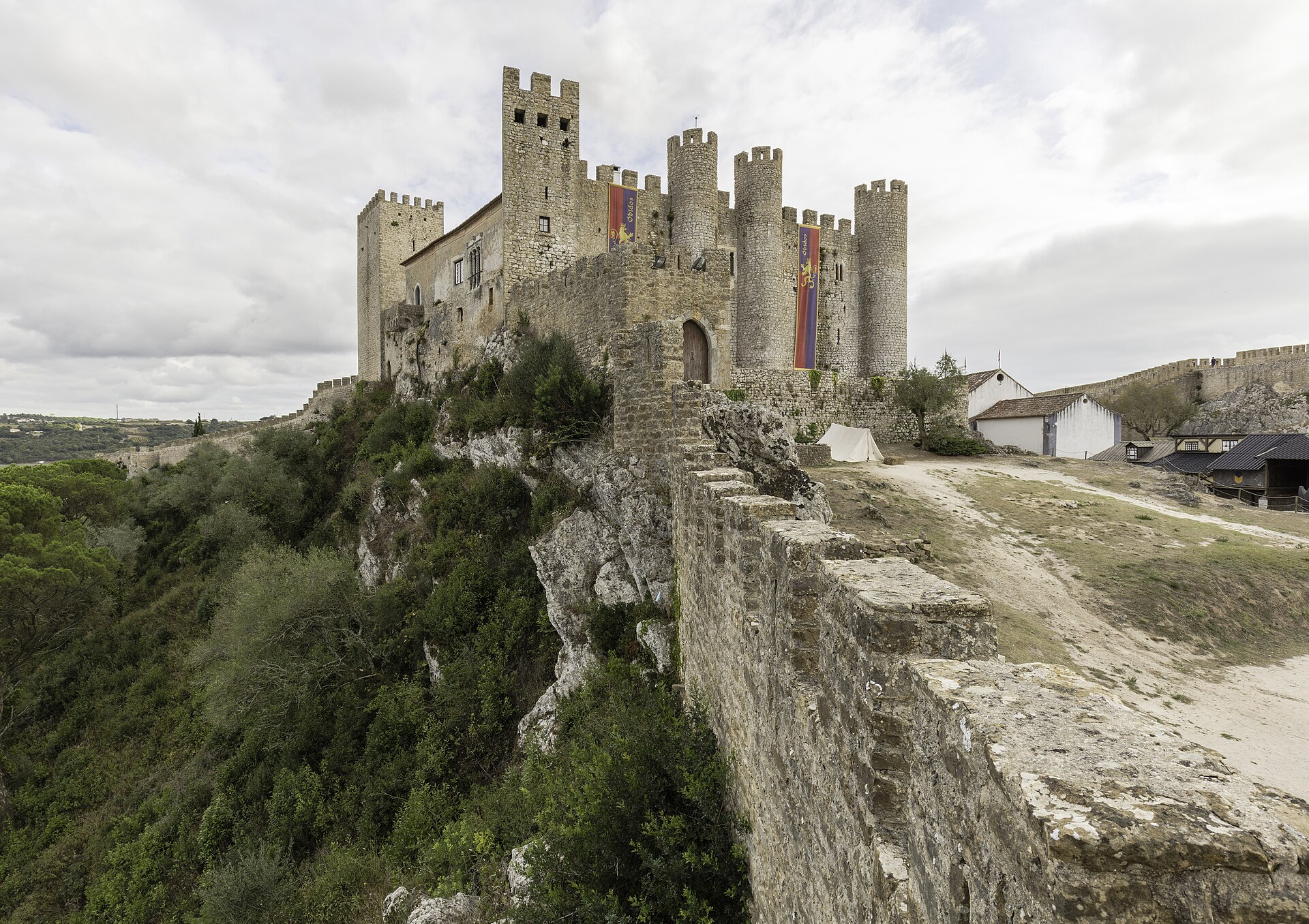
1. Walk the Medieval Walls (Muralhas)
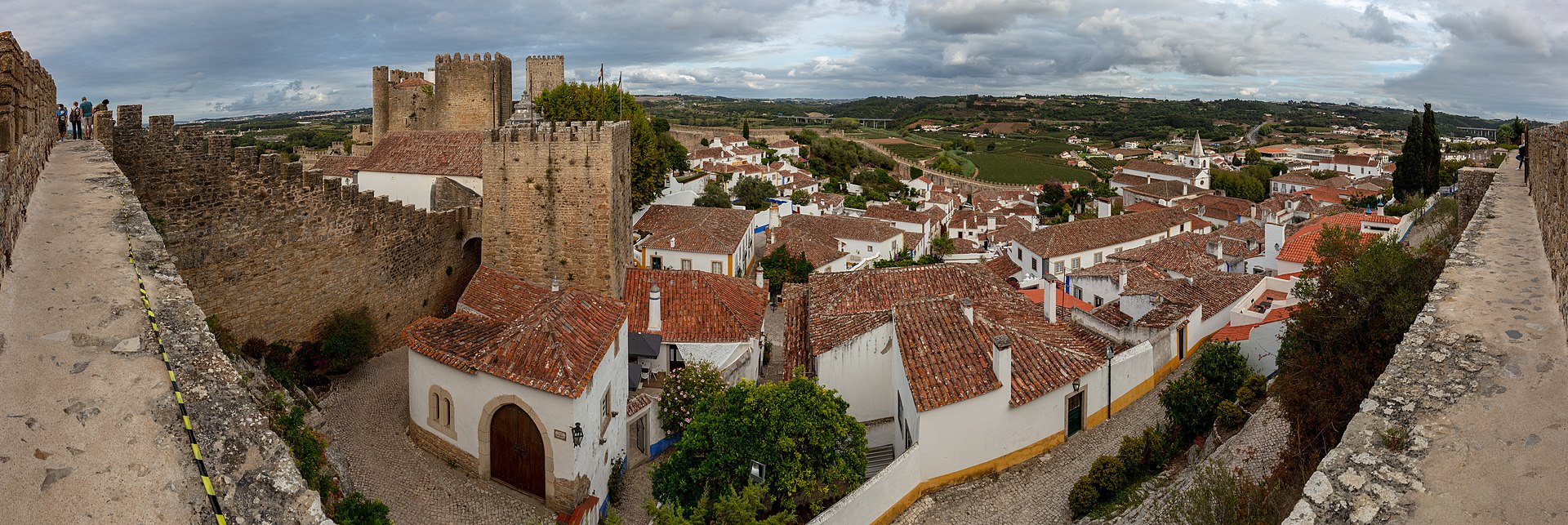
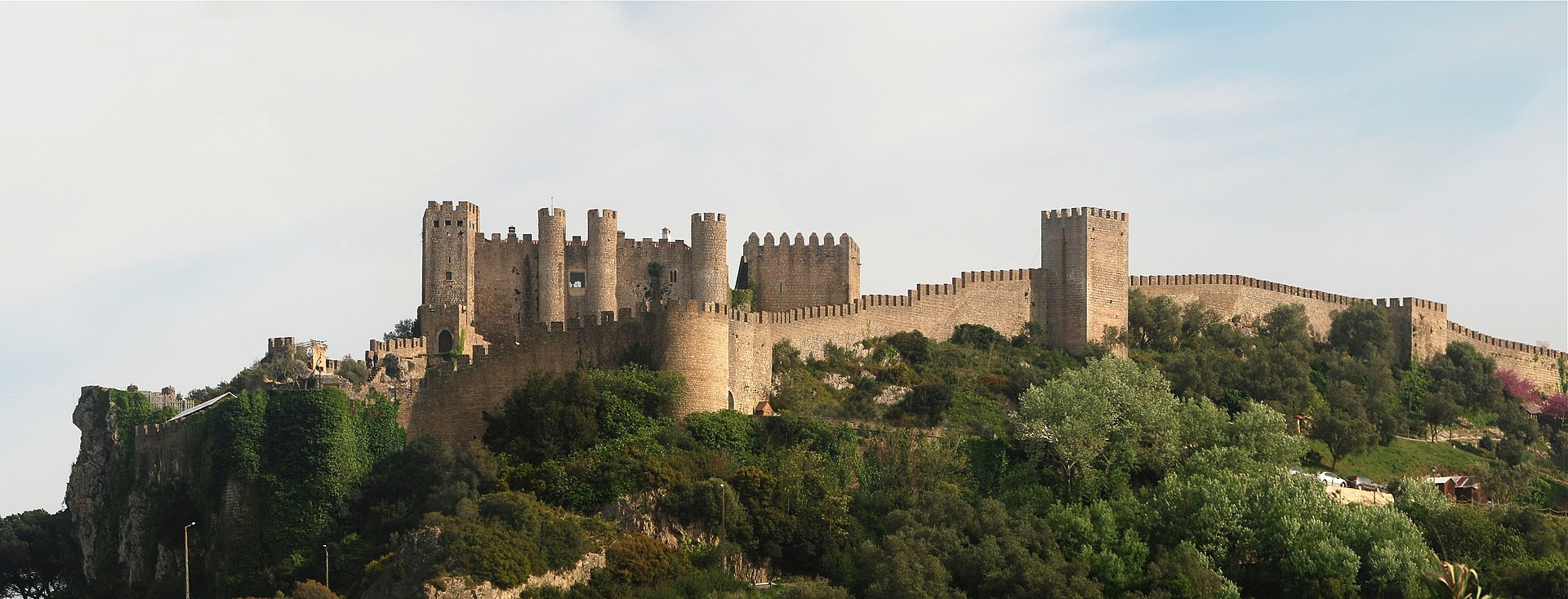
This is an absolute must and the best way to see the town from a bird’s-eye view. The massive stone walls wrap around the entire historic centre and stretch for roughly a kilometre and a half. They were built mostly in the 14th century, and today they’re freely accessible to anyone brave enough to climb them. The views over the terracotta rooftops and the endless green orchards beyond are simply phenomenal.
You do need to be very careful, though. There are absolutely no railings or barriers on the inner side of the walls. The stones can be uneven, slippery in places, and the path along the top of the wall is fairly narrow in some sections. If you suffer from vertigo or you’re travelling with energetic kids, think carefully about whether to do the full loop or just take in the view from the safe lookout points by the staircases.
💡 Tip: The best access to the walls is right by the main gate, Porta da Vila. If you want the most stunning photos, head along the walls to the left (the western side), which offers the best view of the castle and the town below.
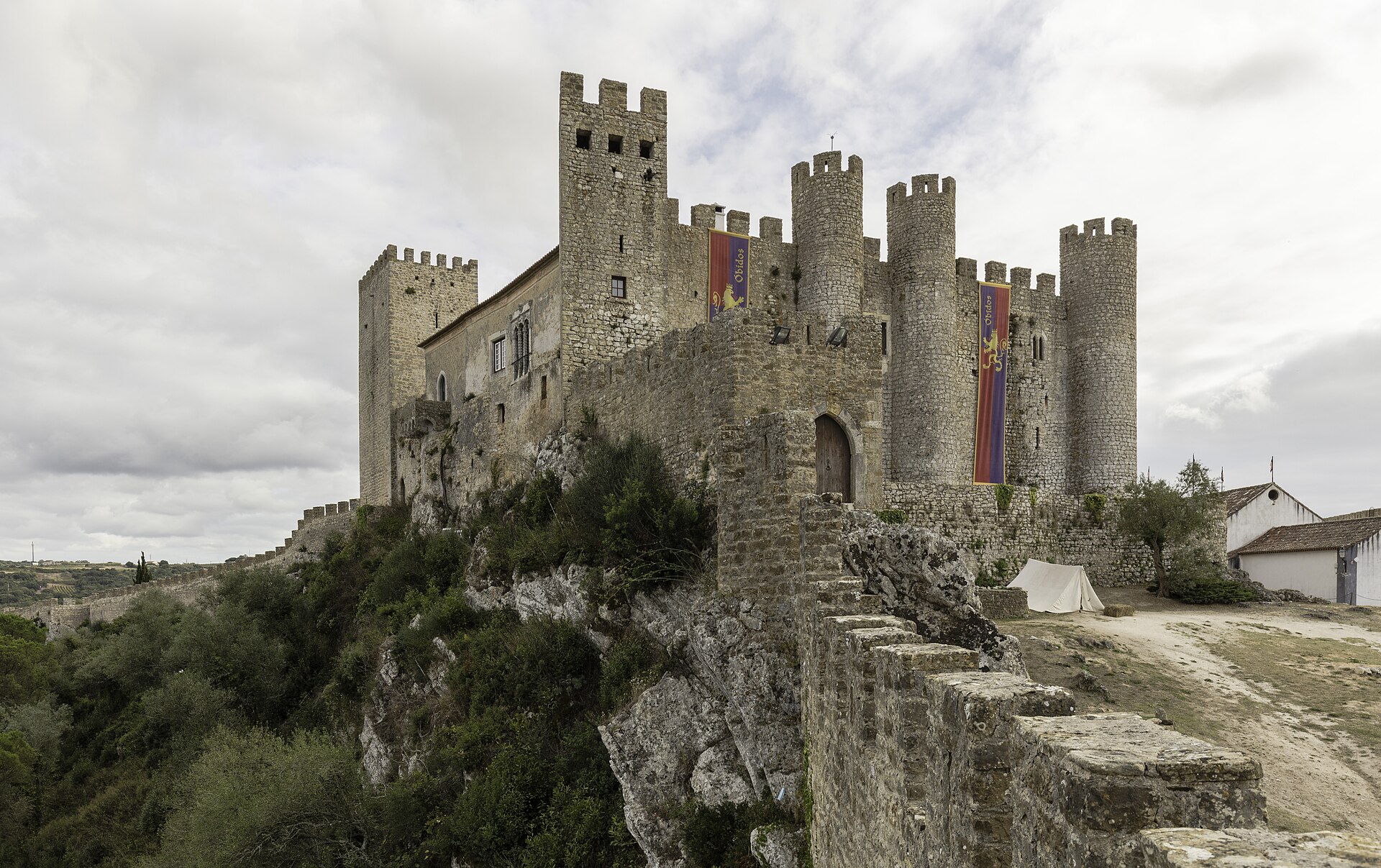
2. Admire the Tiles at the Porta da Vila Gate
Your exploration of the town will most likely begin right here. Porta da Vila serves as the main southern entrance to the town and is actually made up of two angled gates set one behind the other. This clever architectural feature was designed in medieval times to prevent enemy cavalry from charging straight in and to make it harder to use a battering ram. Today, instead of soldiers, you’ll be greeted by buskers.
Once you pass through the first part of the gate, don’t forget to look up. The space between the gates is decorated with a beautiful chapel lined with traditional blue-and-white azulejo tiles from the 18th century. These intricately painted tiles depict scenes from the Passion of Christ and are set into an elegant wooden balcony. It’s one of the most photographed spots in all of Óbidos.
💡 Tip: In the morning a cluster of tourists forms here to photograph the gate. Come back in the evening as you’re leaving, when the chapel is beautifully lit and the gate is usually completely empty.
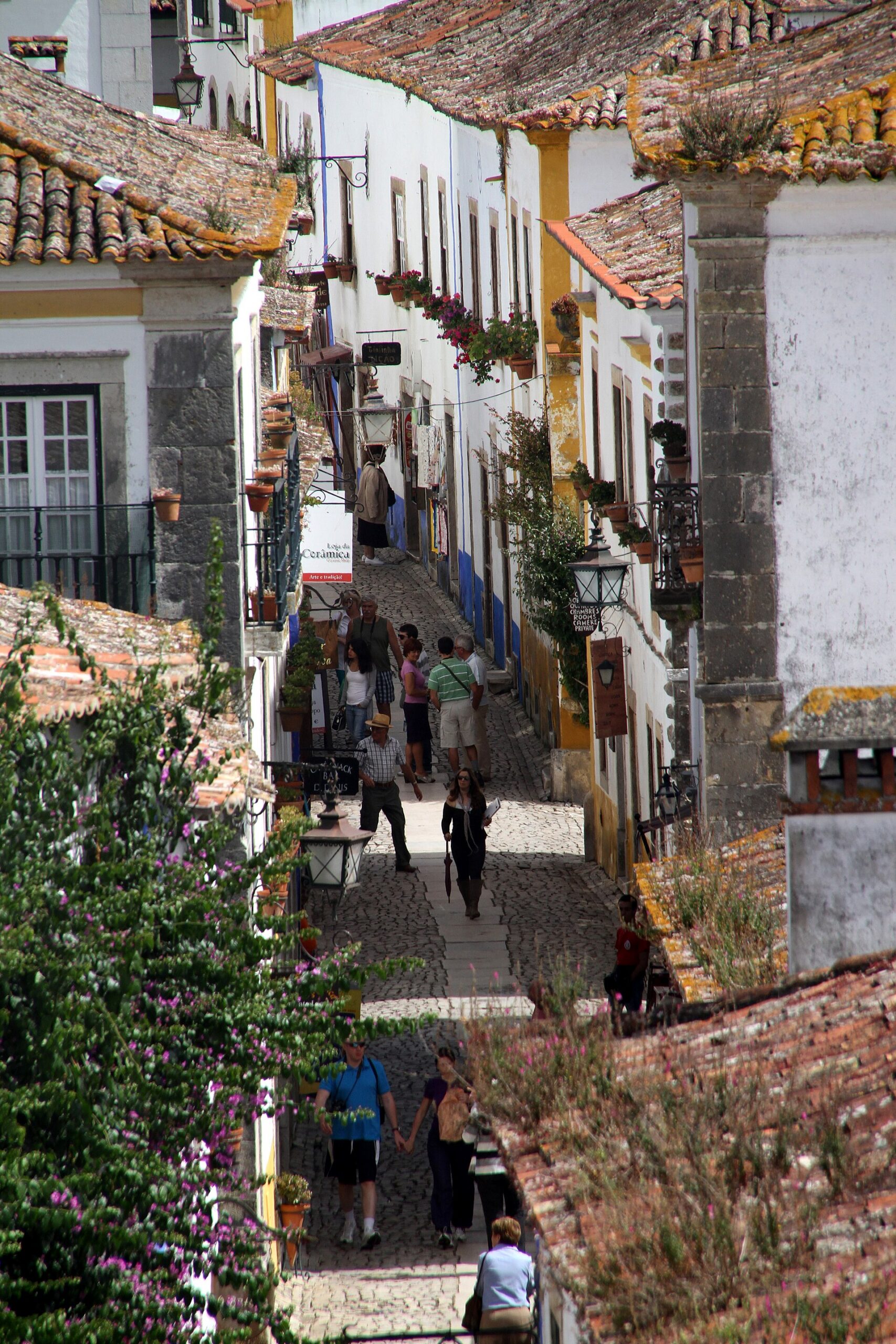
3. Lose Yourself in the Crowd on Rua Direita
The town’s main artery starts right behind the main gate. Rua Direita — literally “Straight Street” — runs from the southern entrance all the way to the castle at the northern end. It’s the busiest and liveliest spot in Óbidos, lined with traditional white houses. Their ground floors now house dozens of shops selling souvenirs, local ceramics, hand-woven rugs and, of course, traditional cork products.
During peak season it gets genuinely packed. Try not to rush and occasionally peek through open doors and passageways. You’ll often discover hidden flower-filled patios or small craft workshops. Although the street is very touristy, it keeps its charm thanks to the uniform architecture and the complete absence of garish neon signs, which are strictly banned here.
💡 Tip: Don’t limit your shopping to the main street. The most interesting and authentic pieces of local ceramics are often found in little shops tucked away in the side lanes, where the prices tend to be a bit friendlier too.
4. Taste Ginjinha d’Óbidos in a Chocolate Cup
A visit to Óbidos without tasting this iconic liqueur hardly even counts. Ginjinha (or just Ginja for short) is a traditional Portuguese liqueur made from sour cherries, alcohol and sugar. Although you’ll find it all over the country, the most famous version comes from right here and has its own special drinking ritual. They don’t serve it in a glass, but in a small edible shot made of dark chocolate.
This genius idea of pairing the tart cherry liqueur with quality chocolate is a fairly recent invention, but it became an instant hit. A shot of the liqueur will set you back around €1.50 to €2. The ritual is simple: you drink the liqueur (sometimes there’s even a preserved cherry floating in it), then eat the cup with a satisfying crunch. You’ll find little windows selling Ginjinha at practically every step along the main street.
💡 Tip: If you fall in love with the liqueur, definitely buy a whole bottle to take home as a souvenir. They also sell gift sets here that come complete with a box of chocolate cups for serving at home.
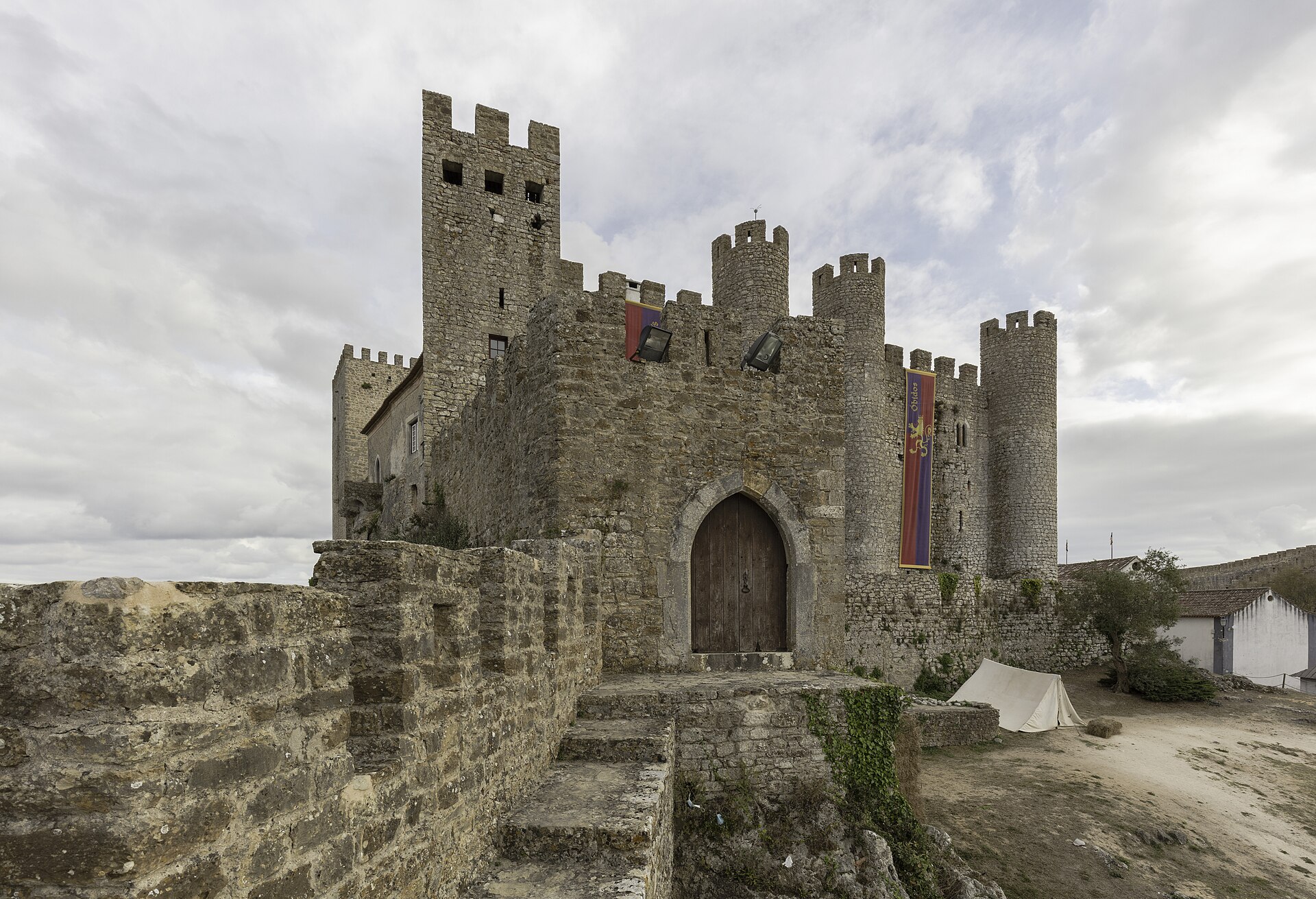
5. Explore the Castle (Castelo de Óbidos)
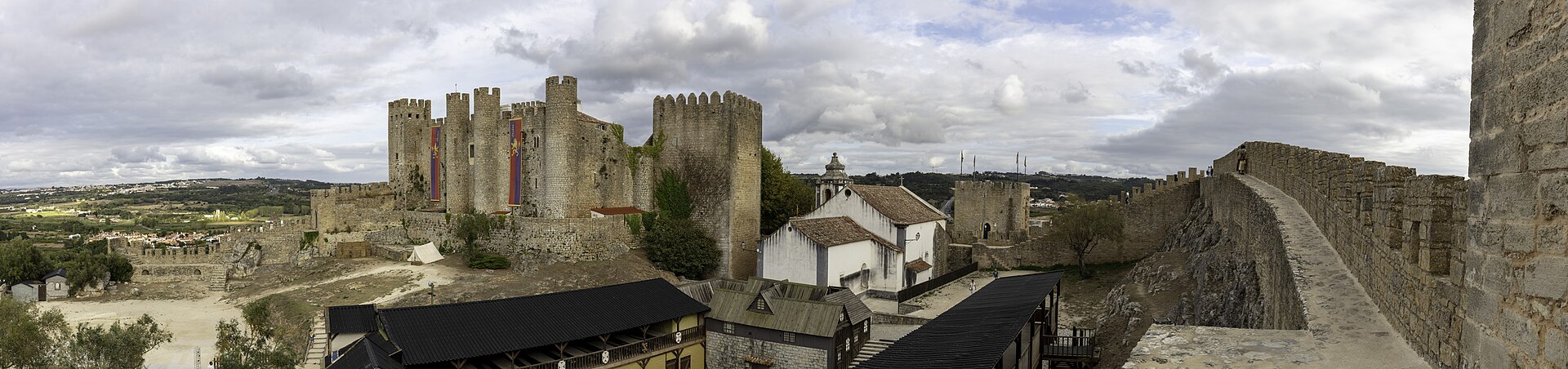
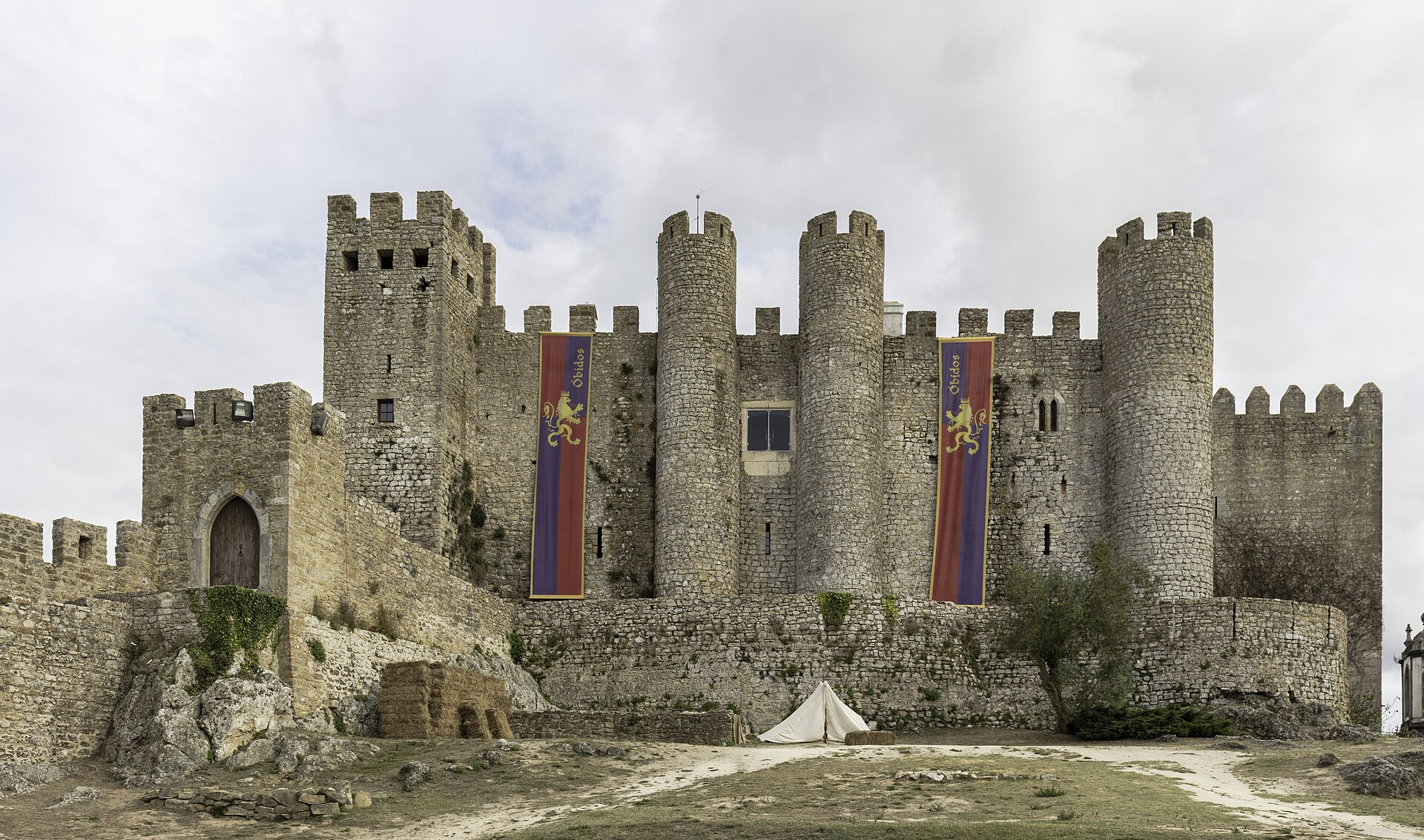
At the town’s highest point stands a proud, massive medieval castle that has dominated the skyline since the 12th century. It was originally built by the Moors, but after the Christian Reconquista it went through many rebuilds and alterations. Its current form, with square towers and mighty battlements, makes it a perfect example of Portuguese military architecture. This very castle was the famous wedding gift of King Dinis I.
In the 1950s the castle underwent a unique transformation and became the very first historic hotel in Portugal, a so-called Pousada. Even if you decide not to stay inside, you can wander freely into the main courtyard and admire the massive walls up close. The area in front of the castle also offers a fantastic view over the entire historic centre far below.
💡 Tip: Although the interiors are reserved primarily for hotel guests, you can pop into the castle café and bar for a coffee. That way you get a chance to peek into the amazing vaulted spaces without paying for a night’s stay.
6. Stop by the Igreja de Santa Maria Church
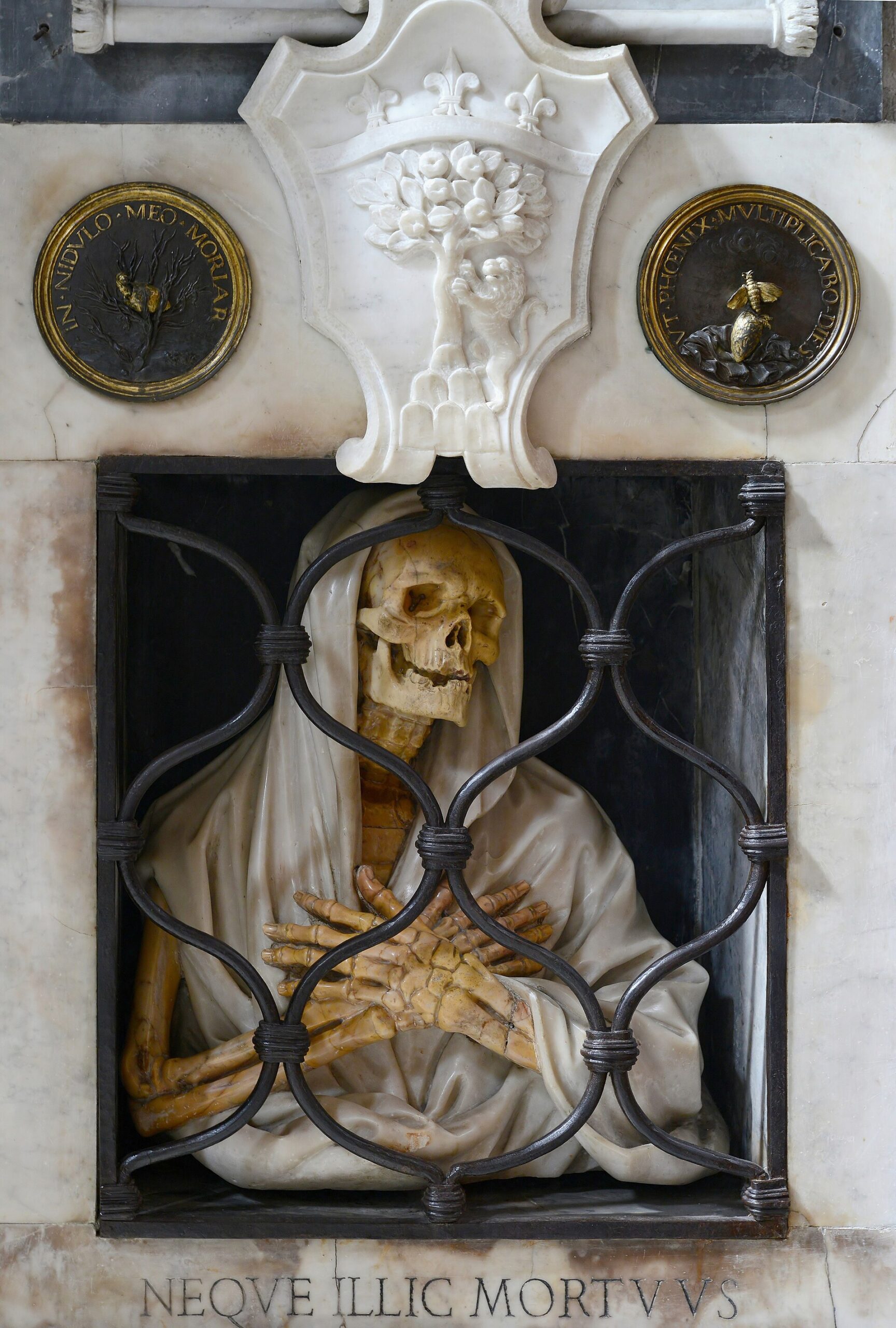
The main square, Praça de Santa Maria, hides the town’s most important religious building. This beautiful Renaissance church stands on the site of an original Visigothic shrine and a later Moorish mosque. It went down in history above all in 1441, when a royal wedding took place here. The ten-year-old King Afonso V married his cousin Isabel, who was only eight at the time.
When you step inside, you’ll be instantly stunned by walls completely covered in blue azulejo tiles from the 17th century. The painted wooden ceiling and a magnificent canvas by the famous Portuguese painter Josefa de Óbidos turn the interior into a genuine work of art. Just beside the church on the square, take note of the 15th-century pillory (Pelourinho), decorated with a fishing net symbolising the rescue of a queen from a stormy sea.
💡 Tip: Pay attention to the Renaissance tomb of the town’s governor, João das Regras, to the left of the altar. It’s a masterful piece of stone carving that often gets overlooked.
7. Discover the Photogenic Lanes Full of Bougainvillea
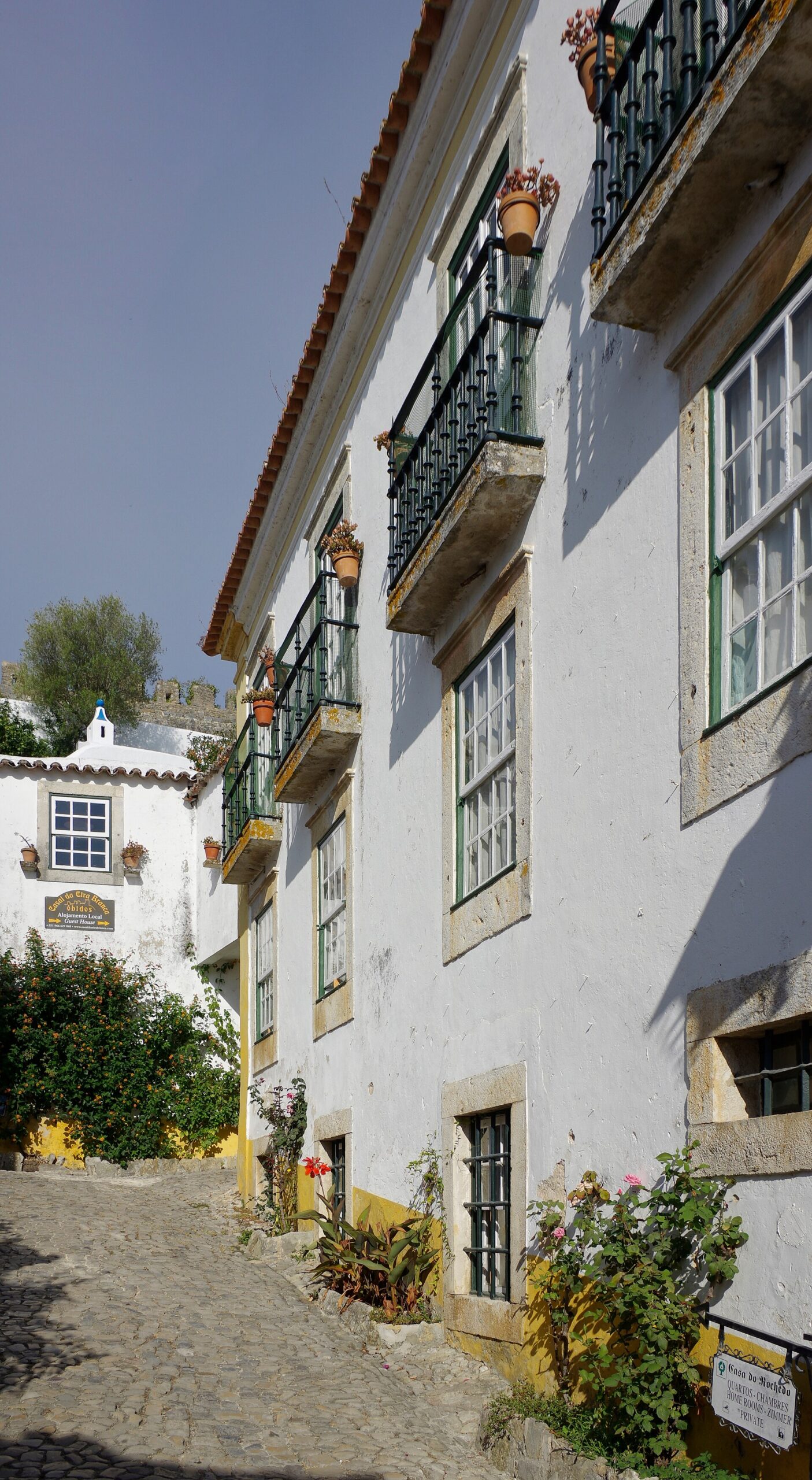
The charm of Óbidos lies not just in its grand monuments, but above all in its details. As soon as you step off the bustling main street, you’ll discover a network of narrow lanes where time seems to have stopped. Every house here follows a strict colour code — dazzling white façades trimmed with bright yellow or blue stripes. Legend has it that the blue wards off evil spirits and the yellow protects against insects.
What makes the lanes truly magical, though, are the flowers. Practically every house is wrapped in huge bougainvillea bushes, whose vivid pink, purple and red blooms create a gorgeous contrast against the white walls. It’s precisely in these crowd-free side lanes that you’ll catch the best atmospheric photos and soak up the town’s true, peaceful soul.
💡 Tip: The prettiest floral corners are in the lanes near the Igreja da Misericórdia church. Head down Rua de São João and simply let your instinct guide you.
8. Dive into the Book Town (Vila Literária)
A few years back, Óbidos decided it didn’t want to be just an empty open-air museum, and came up with a brilliant idea. It turned itself into a literary town. Today you’ll find an incredible concentration of bookshops here, hidden away in the most unexpected places. Books are sold in the old post office, in a gallery, and even in the premises of a former fruit market.
The absolute highlight of this literary project is Livraria de Santiago, a huge bookshop located right inside a deconsecrated 12th-century church at the end of the main street. The bookshelves stand right next to the old altar, and you can read beneath vaults that are several hundred years old. Every autumn the town also hosts the popular Folio literary festival, which draws writers from all over the world.
💡 Tip: If you love old and rare books, head to Livraria do Mercado. They have a huge collection of antiquarian pieces, and you can often pick up books in English or other languages here for just a few euros.
9. Experience the International Chocolate Festival
If you manage to plan your trip to Portugal for the spring months, a sweet surprise awaits you in Óbidos. Usually in March or April, the town hosts the Festival Internacional de Chocolate, which for several weeks transforms the entire place into a paradise for sweet-tooths. The lanes fill with the scent of cocoa, and chocolate specialities are sold on every corner, from pralines to chocolate churros.
The biggest draw of the festival, though, are the giant chocolate sculptures that master confectioners create on a pre-set theme (past themes have included music, animals and fairy tales). During the festival there’s an entry fee for the main areas, where workshops, cooking shows and tastings take place. Be aware that at weekends it gets extremely crowded with families and children.
💡 Tip: If you want to see the chocolate sculptures in all their glory and undamaged, try to visit the festival in its first few days after opening.
10. Travel Back in Time at the Medieval Market
In July and August, Óbidos swaps chocolate for swords and armour. The Mercado Medieval is one of the biggest events in the region, and the town’s historic backdrop makes for an absolutely perfect setting. The area around the castle fills with tents, craftsmen, jugglers and musicians playing period instruments. Most of the locals dress in historic costumes, and the whole atmosphere is incredibly authentic.
In the courtyard you can watch rough jousting tournaments on horseback, falconry displays or theatrical scenes from Portuguese history. The air is constantly filled with the smell of smoke and roasting food, as visitors feast at long wooden tables and drink wine from clay jugs. There’s an entry fee for the festival zone, but the experience is absolutely worth it.
💡 Tip: You can even hire your own historic costume for the whole day. Not only will you blend right into the crowd, but you’ll often get cheaper tickets to various side events too.
11. Check Out the Old Aqueduct
Even before you set foot in the historic centre, an impressive feat of engineering greets you on the approach to town. The Óbidos aqueduct (Aqueduto da Usseira) was commissioned in the 16th century by Queen Catherine of Austria to solve the town’s drinking-water shortage. The queen even financed the entire structure out of her own pocket, in return for which she was later granted land in the surrounding area.
This massive stone structure stretches an impressive three kilometres from the springs at Usseira all the way to the main square in Óbidos. In some places the aqueduct is supported by elegant arches and looks incredibly majestic. It’s a great spot for a quick stop and some photos, since most tourists just drive past it without a second glance.
💡 Tip: The best view of the aqueduct’s arches is from the large car park south of town. Stop here just before sunset, when the stone takes on a beautiful honey colour.

12. Head to the Ocean and the Lagoa de Óbidos
If you have a car and there’s still time left after exploring the town, head out into nature to clear your head. Just about 20 minutes’ drive from the walls lies the Lagoa de Óbidos, a huge coastal lagoon separated from the wild Atlantic by only a narrow strip of sand. Unlike the open ocean, the water here is calm and fairly warm.
It’s an ideal spot for water-sports lovers — you can rent a paddleboard or kayak, or try kitesurfing. The area is also an important birdwatching site, so with a bit of luck you might spot flocks of pink flamingos and other waterbirds wading in the shallows. Several pleasant walking and cycling trails also run around the lagoon.
💡 Tip: Stop in the little town of Foz do Arelho on the northern side of the lagoon. From there you get a beautiful view of the spot where the calm lagoon water meets the wild waves of the Atlantic.
Map of points of interest for your phone
Where to Go from Óbidos
Thanks to its strategic location in the heart of Portugal, Óbidos makes a great springboard for further adventures. If you’re heading south back towards the capital, be sure to check out our detailed Lisbon guide, where you’ll find the best tips for cafés and secret viewpoints. Just outside Lisbon, don’t miss the fairytale town of Sintra with its romantic palaces and wonderfully eccentric gardens, or the elegant coastal town of Cascais.
If, on the other hand, the raw power of the ocean calls to you and you’re travelling up the coast, just under an hour’s drive from Óbidos you’ll reach the famous Nazaré. Here, in the winter months, you can watch the biggest waves in the world from the safety of the cliffs — they reach up to thirty metres high. And if you’re heading even further north, you shouldn’t skip the colourful, vibrant city of Porto either.
Frequently Asked Questions
What’s the best way to get to Óbidos from Lisbon?
Definitely take the express bus operated by Rodoviária do Oeste (Rapida Verde line). It departs from the bus terminal at Campo Grande metro station. The journey takes exactly 60 minutes and you can buy your ticket from the driver for around €8.50. The bus drops you off conveniently right at the main town gate.
Is it worth taking the train to Óbidos?
No, I definitely don’t recommend train travel from Lisbon. The train journey requires transfers, takes over two hours (twice as long as the bus), and the local train station is quite far from the historic center at the bottom of the hill. The bus is faster, cheaper, and much more practical.
How much time do I need to explore the town?
For the historic center itself and a walk along the walls, 3 to 4 hours will be more than enough. It’s an ideal half-day trip. However, if you want to enjoy a leisurely lunch, sit down for coffee, or attend one of the local festivals, plan for a full day.
Can I bring small children or a stroller?
You can get into the town center with a stroller without any problems, though moving along the cobblestone streets (calçada) can be a bit bumpy. However, the walls are not suitable for small children or strollers. The paths are narrow, the stairs are steep, and there’s no railing whatsoever on the inner side of the walls.
Where can I park near the town?
Cars are not allowed inside the historic center within the walls without special permission. However, there are several large paid parking lots around the main southern gate and along the aqueduct. During high season, try to arrive as early as possible in the morning—parking lots are hopelessly full in the afternoon.
When is the town least crowded?
You’ll enjoy the most peace and quiet early in the morning, roughly between 8 and 10 a.m., before the first organized bus tours arrive from Lisbon. The town also empties out very pleasantly after 4 p.m. From November to February, there are minimal tourists throughout the day.
Are there any entrance fees to visit the town?
No, entry to the entire historic town and access to the medieval walls is completely free and open year-round. Admission is only charged during special events, such as the Chocolate Festival or Medieval Market, when part of the town is closed off as a festival zone.
Tips and Tricks for Your Vacation
Don’t Overpay for Flights
Search for flights on Kayak. It’s our favorite search engine because it scans the websites of all airlines and always finds the cheapest connection.
Book Your Accommodation Smartly
The best experiences we’ve had when looking for accommodation (from Alaska to Morocco) are with Booking.com, where hotels, apartments, and entire houses are usually the cheapest and most widely available.
 🚗 Car rental on the roadVerified rental cars in Lisbon
Search with the DiscoverCars comparison engine — it compares prices from dozens of local and international rental companies, and most bookings come with free cancellation.
Compare car prices in Lisbon →Don’t Forget Travel Insurance
Good travel insurance will protect you against illness, accidents, theft, or flight cancellations. We’ve had a few hospital visits abroad, so we know how important it is to have proper insurance arranged.
Where we insure ourselves: SafetyWing (simple monthly subscription) and TrueTraveller (for extra-long trips).
Find the Best Experiences
Get Your Guide is a huge online marketplace where you can book guided walks, trips, skip-the-line tickets, tours, and much more. We always find some extra fun there!