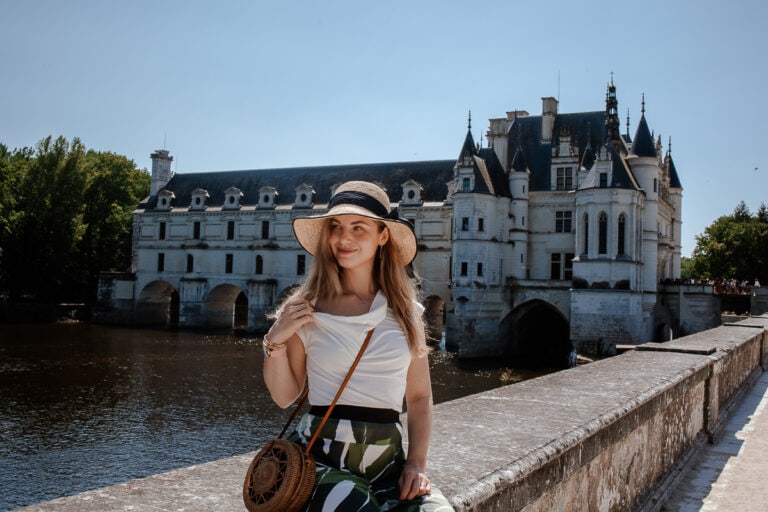
Close your eyes and picture the sun-drenched south of France, where luxury meets an endless blue sea. Cannes, France is the cinematic capital of the French Riviera — a place that has drawn lovers of elegance from around the world for decades. But this city offers far more than red carpets and overpriced boutiques. Tucked behind the glittering façade are narrow cobbled lanes, Provençal markets fragrant with herbs, and tranquil islands where time seems to stand still.
In this guide you’ll find exactly 12 things to see and do in Cannes to make the most of your visit. You’ll learn how to dodge the worst of the crowds and why leaving the car behind in favour of regional trains is always the smarter move. I’ll also share advice on where to stay strategically and which day trips you absolutely shouldn’t skip. The city of the famous film festival will surprise you with its contrasts — a perfect backdrop for an unforgettable holiday.
Whether you’re heading here for a long weekend or planning a longer exploration of the Côte d’Azur, Cannes makes an excellent base. Fair warning: the atmosphere is highly addictive. You’ll find out how much a coffee with a sea view will set you back, where to try the best local specialities, and how to enjoy your 2026 holiday without unnecessary stress.
TL;DR
- Best way to get around: Skip the car entirely on the Riviera — rely on the regional TER trains, which are frequent and reliable.
- When to go: Avoid July and August (temperatures up to 43 °C and enormous crowds); June or September are ideal — the sea is warm and the city is far more relaxed.
- Historic old town: The hilltop quarter of Le Suquet offers the best views over the harbour and wonderfully winding historic streets.
- Local food: Make sure to try socca at the Marché Forville — a thin pancake made from chickpea flour, a true Riviera staple.
- Nature escape: Take the ferry to the Lérins Islands, where you’ll find unspoilt nature and an ancient monastery well away from the city bustle.
- The Cannes Film Festival: Takes place in May — the city is buzzing with celebrities, but also extremely expensive and packed to the rafters.
- Day trips: The train whisks you easily to the perfume city of Grasse or the art-filled historic town of Antibes.

The full destination guide: France — guide and what to see
When to Visit Cannes
Getting the timing right is absolutely key to a great experience on the French Riviera, because the summer months can be genuinely brutal. In July and August, temperatures regularly soar to 35–43 °C and the Mediterranean sun is relentless. Coastal roads grind to a standstill under the weight of traffic, and claiming even a small patch of free beach requires some serious determination. If you’re dreaming of romantic, empty streets, you simply won’t find them in the height of summer — so it’s worth thinking carefully before booking those dates.
A much smarter approach is to plan your trip during the shoulder seasons — June or September. Daily temperatures hover around a very pleasant 25–28 °C, the sea is perfect for swimming, and accommodation prices drop to far more manageable levels. You’ll also find it considerably easier to get a table at the most popular restaurants. The city breathes, the pace slows down, and you actually get the space to enjoy it properly.
May is a special case, because that’s when the Cannes Film Festival takes over the city. For a few weeks, Cannes transforms into one giant pulsating party, filled with journalists, filmmakers and curious onlookers from every corner of the globe. It’s an extraordinary spectacle, but be aware that hotel prices shoot up dramatically and many venues are reserved exclusively for private industry events. Unless the film world buzz genuinely excites you, May is best avoided.
Whenever you arrive, be prepared to embrace the distinctly Southern French rhythm of the day. Around midday, when the sun is at its most punishing, the city retreats into the shade and locals settle in for long, leisurely lunches. Do exactly the same — find a cool restaurant and save your sightseeing for the late afternoon, when the light turns golden and the heat finally begins to ease.
Where to Stay in Cannes
💡 Accommodation tip: We always search for hotels on Booking.com for the best cancellation policies. For tickets, tours and activities, it’s worth comparing and booking through GetYourGuide.
Accommodation in Cannes broadly falls into three zones, each offering a very different experience — and requiring a very different budget. The most expensive and luxurious option is staying right on the famous La Croisette boulevard. This is where you’ll find iconic five-star properties like the Hôtel Martinez and Le Majestic — the kind of places where Hollywood stars check in during the film festival. If your budget is generous and you want the full-on French luxury experience, this is undoubtedly the place to splash out.
For something more romantic and genuinely authentic, I’d recommend looking for accommodation in the Le Suquet quarter. This is the old hilltop town, full of winding lanes, ancient stone houses and small Provençal bistros. Many apartments here offer gorgeous views over the harbour and the city below. The one downside is that you’ll be hauling your luggage uphill — but the evening atmosphere, well away from the tourist frenzy, more than makes up for it.
The most practical and budget-friendly option is the Centre-Ville area around the main train station. From here, you’re a short walk from both the sea and the market, and you’re straight on a train whenever you fancy a day trip along the coast. Whichever zone you choose, I’d strongly recommend booking well in advance — ideally six months ahead — because the best places disappear remarkably fast.
💡 Tip: If you’re planning to explore the whole Riviera intensively, it might actually be more strategic to base yourself in nearby Nice. It has an excellent tram connection from the airport, and TER trains run in all directions from there, saving you a lot of time on daily transfers.

12 Best Things to See and Do in Cannes, France
Here’s my detailed list of the places and experiences you shouldn’t miss on your visit. Each one offers a different perspective on this fascinating city — from glittering glamour to hidden historical treasures.
1. La Croisette Boulevard
La Croisette is the absolute heart of modern Cannes — the place where you simply have to see and be seen. This three-kilometre palm-lined promenade sweeps along the entire curve of the bay, offering stunning views across the Mediterranean. On one side, the waves lap gently at private beach clubs; on the other, the grand façades of the most luxurious hotels and flagship boutiques line up impressively.
Strolling along La Croisette is an experience in itself, not least for the fascinating mix of people you’ll encounter. In the morning you’ll pass local joggers and dog walkers; by afternoon the promenade fills with tourists; and come evening, elegantly dressed couples glide past on their way to opulent dinners. The Belle Époque and Art Deco hotel architecture lends the whole boulevard a strikingly aristocratic atmosphere that pulls you in immediately.
The best time to walk La Croisette is the early evening, when the sun begins to sink towards the Esterel mountains. The light turns a deep gold, the sea settles, and you can sink into one of the iconic blue chairs dotted along the path. Listen to the sound of the waves, watch the supercars cruise slowly past, and soak up the true rhythm of the French Riviera.
💡 Tip: For a really beautiful crowd-free photo, head to the promenade early in the morning — around 7am. You’ll practically have the whole seafront to yourself, and the soft morning light is absolutely perfect for photography.
2. Palais des Festivals et des Congrès
The Palais des Festivals is unquestionably the most famous building in the city — even if, to be honest, it’s not exactly an architectural masterpiece. This vast concrete complex at the end of the promenade truly comes alive in May, when it hosts the Cannes Film Festival. This is where the famous red carpet unfurls across the legendary 24 steps, climbed by the biggest names in world cinema every year.
Even outside festival season, the building draws enormous crowds of visitors. You can have your photo taken on the red carpet yourself — it’s laid out year-round — and spend a moment feeling like a film star at a premiere. Right next to the Palais, you’ll also find the well-stocked main tourist office, where friendly staff will happily point you in the right direction and kit you out with maps and up-to-date information about the city and wider region.
Just in front of the Palais lies the Chemin des Étoiles — the Cannes Walk of Fame. This pavement of celebrity handprints features hundreds of impressions from famous actors and directors cast into the paving stones. Names like Meryl Streep, Quentin Tarantino and Jean-Paul Belmondo are all here, and hunting for your favourites among the prints is surprisingly absorbing — you’ll end up lingering far longer than you planned.
💡 Tip: Various exhibitions and conferences take place inside the Palais throughout the year. Ask at the tourist office whether any guided backstage tours are running — they can take you into the screening rooms and VIP areas that are normally off-limits to the public.
3. Le Suquet Old Town
When the glitter of the modern city and the bustle of the promenade start to feel like too much, head uphill to the Le Suquet quarter. This is the oldest part of Cannes, and it retains the soul of the original fishing village. Instead of wide boulevards, you’ll find steep, narrow cobbled lanes that twist their way up to the hilltop. They’re flanked by pastel-coloured houses with shuttered windows and cascading bougainvillea — a perfect visual contrast to the modern centre down below.
The climb is a little demanding on a hot summer’s day, but the reward at the top is absolutely worth it. At the very summit, the Place de la Castre offers a breathtaking panoramic view. The whole of Cannes, the harbour packed with luxury yachts, and the Lérins Islands all spread out before you. The hilltop is dominated by an imposing old château and the 16th-century church of Notre-Dame d’Espérance, which is well worth a short visit for a dose of history — and the welcome cool of its ancient stone walls.
Le Suquet is also a wonderful spot for an evening meal, though you’ll need to respect the strict French dining schedule. Lunch is served firmly between 12:00 and 14:00, and dinner doesn’t really get going until after 7:30pm. The narrow streets are lined with family-run bistros serving traditional Provençal cooking — think ratatouille, fresh goat’s cheese and grilled fish straight from the bay.
💡 Tip: If you’d rather not tackle the steep climb on foot, hop on the little tourist train that runs regularly from the Palais des Festivals — it’ll carry you all the way up to the top of Le Suquet in comfort.
4. Marché Forville Market
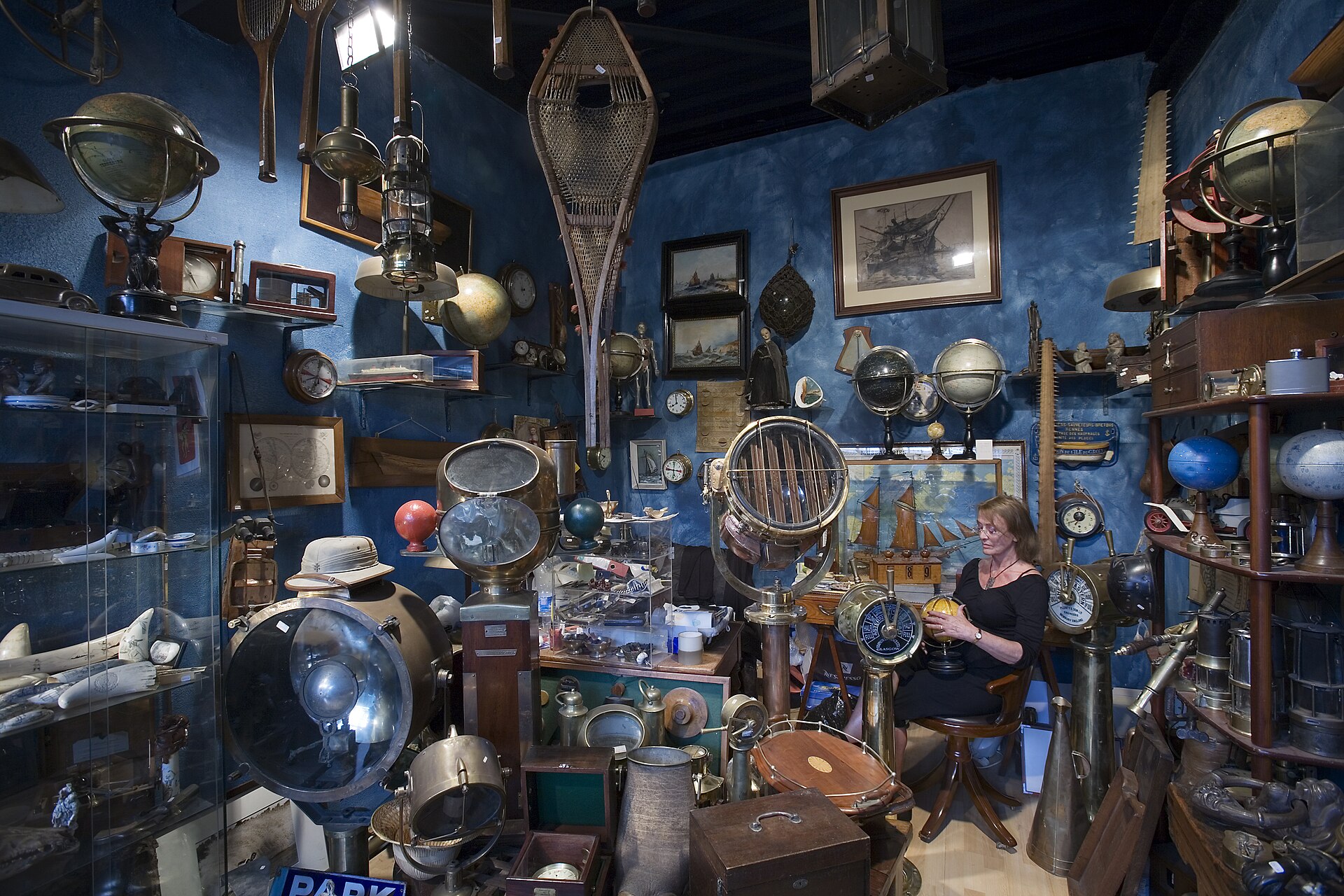
If you want to discover the real soul of the city and breathe in the finest aromas of the south of France, the Marché Forville is unmissable. This large covered market at the foot of Le Suquet hill is the beating heart of local food culture. It opens early — from around 7am there’s already a lively buzz, as local chefs arrive to select the freshest vegetables, olives and herbs for their restaurant menus.
Wandering through the stalls, you’re immediately hit by an explosion of colour and scent. You’ll find perfectly ripe tomatoes in every imaginable shape, mounds of fresh cheeses, Provençal spice blends and cut flowers. It’s an ideal place to stock up on picnic supplies if you’re planning a beach day or a trip to the islands. The atmosphere is wonderfully authentic, and stallholders are often happy to let you try a sliver of cheese or a taste of tapenade.
While you’re at the market, you absolutely must try socca — the ultimate local street food. It’s a thin, crispy pancake made from chickpea flour, olive oil and water, baked in huge wood-fired ovens and served generously dusted with coarse black pepper. Several stalls around the market make it fresh in front of you. It’s a naturally vegan, totally satisfying snack that’ll keep you going for a few euros.
💡 Tip: The market runs every day except Monday, when the space transforms into a brilliant antiques and brocante flea market (Marché Brocante). If you love vintage finds and old ceramics, Monday morning is not to be missed.
5. Vieux Port and the Luxury Yachts
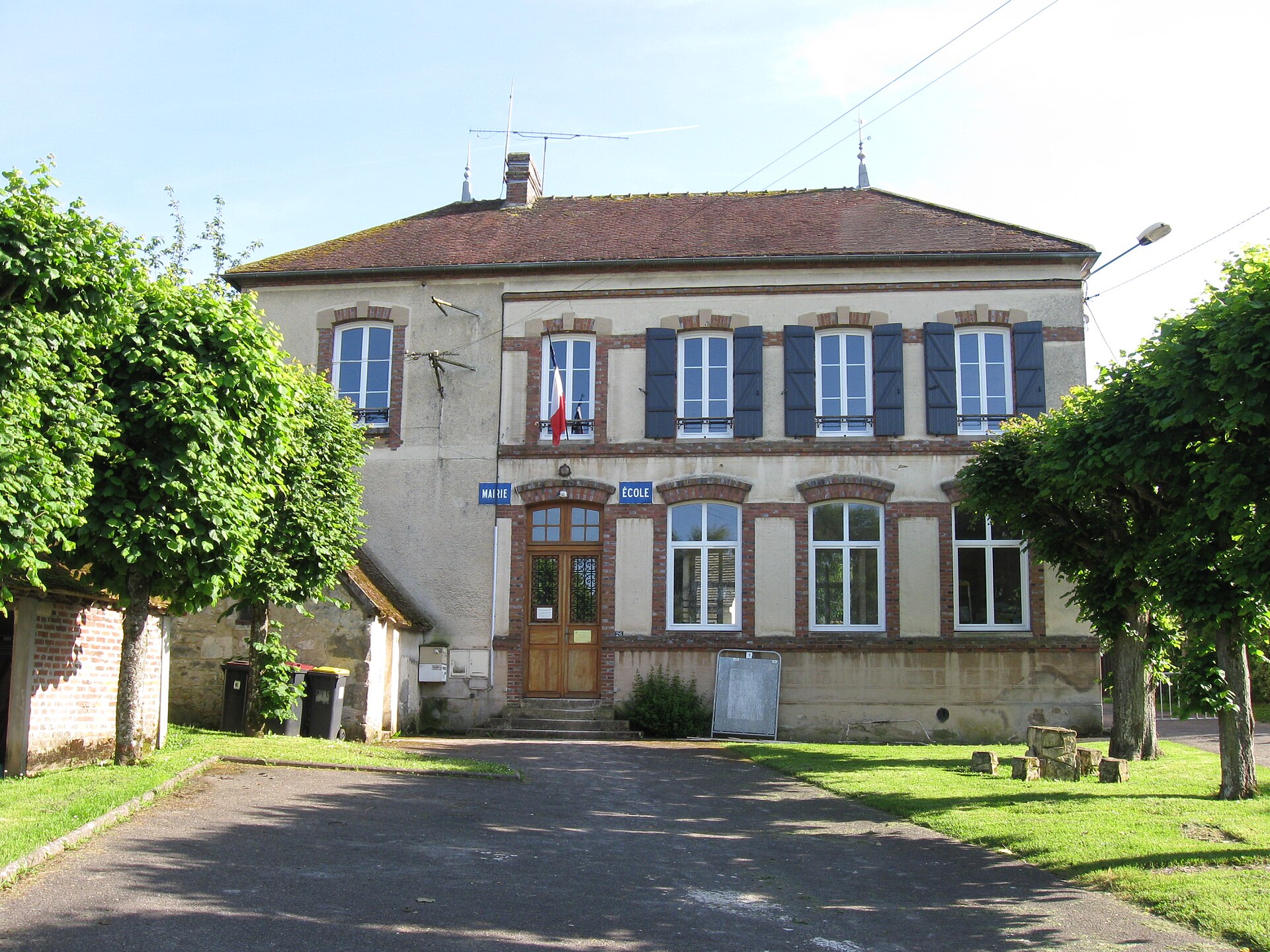
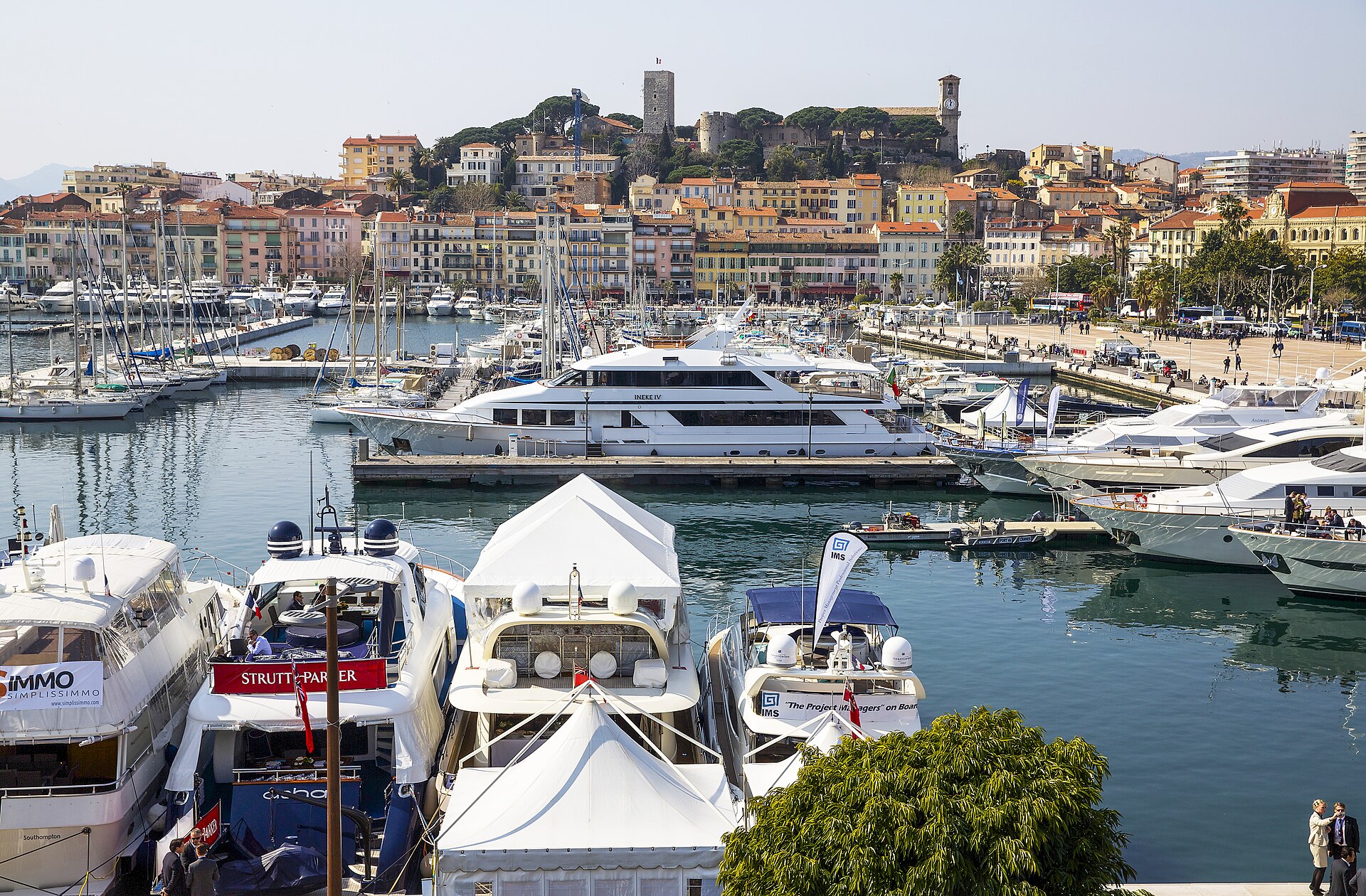
Right at the foot of Le Suquet lies the Vieux Port (Old Harbour) — a natural link between the historic quarter and the modern promenade, and one of the most fascinatingly contrasting spots in all of Cannes. On one side, small traditional wooden fishing boats known as pointus still bob on the water, with local fishermen selling their overnight catch from the dockside every morning.
On the other side, however, you’ll find some of the world’s largest and most extravagant superyachts. A stroll along the Mole Albert-Édouard is like visiting an exhibition of unimaginable wealth. There are floating palaces complete with their own helipads, vast jacuzzis and uniformed crews endlessly polishing already-gleaming decks. It’s a truly surreal spectacle — one that is utterly synonymous with the Riviera and quite unlike anything you’ll see anywhere else in Europe.
The port stays busy throughout the year. Every autumn it hosts the Cannes Yachting Festival, one of the world’s largest boat shows. But even outside that, it’s a great spot for a slow wander. Pull up a bench, eat a fresh baguette from the market and watch the comings and goings on the water — elegant sailing boats heading out towards the open sea and the islands on the horizon.
💡 Tip: For a view of the harbour with a drink in hand, head to one of the bars on the Place de l’Hôtel de Ville (Town Hall Square). Prices here are a fair bit more reasonable than along La Croisette, and the view of the moored boats is absolutely spot on.
6. Île Sainte-Marguerite
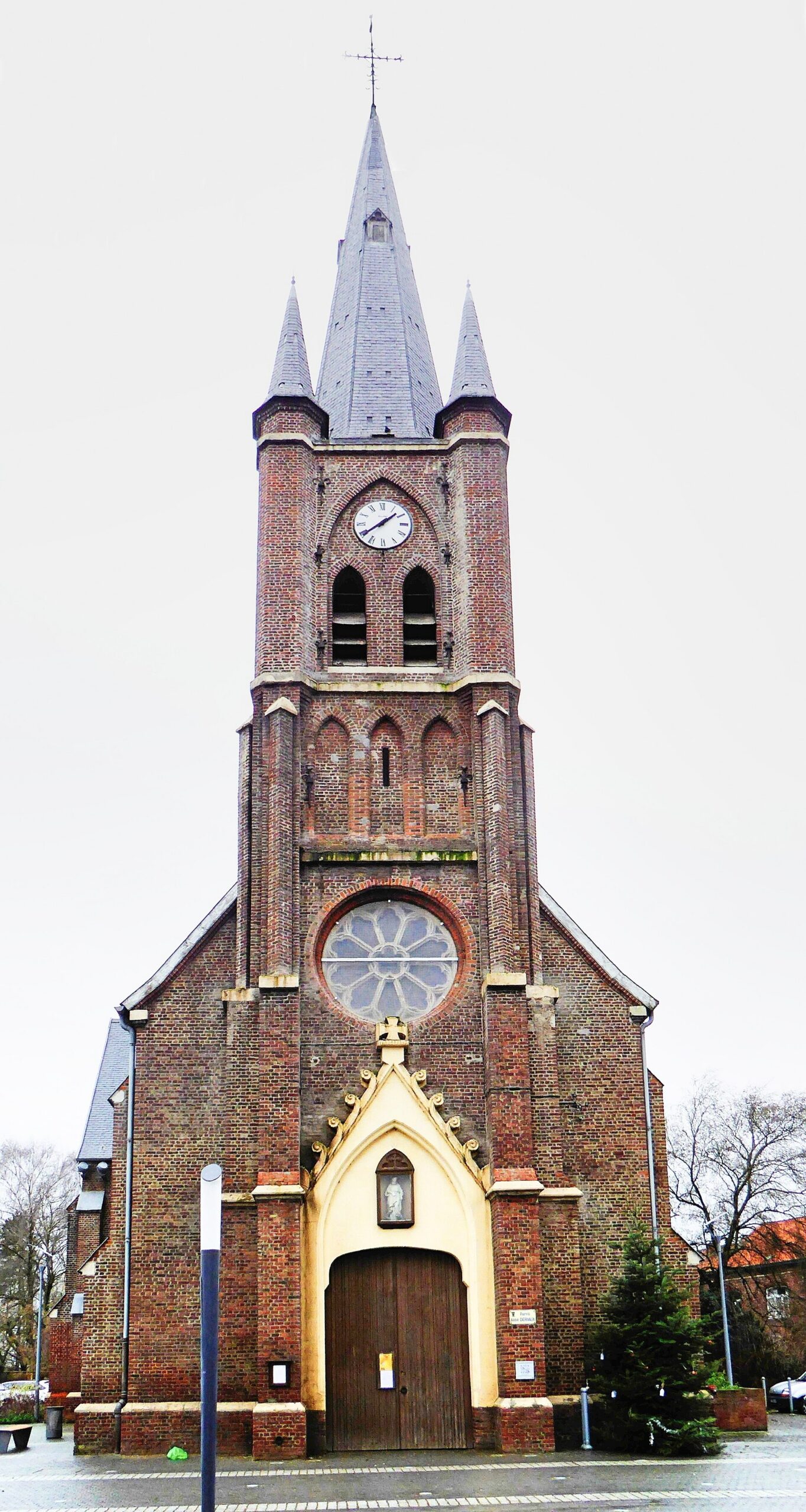
When you’ve had your fill of city noise and scorching streets, escape is wonderfully easy. Just fifteen minutes by ferry from the harbour lie the Lérins Islands. The larger of the two, Sainte-Marguerite, is a gorgeous natural sanctuary scented with eucalyptus and pine — a perfect retreat from the summer heat. It’s crossed by kilometres of marked forest trails leading to secluded little coves with crystal-clear water, ideal for a long, peaceful day of swimming.
The island also has a rather dark history worth exploring. Dominating the northern shore is the imposing Fort Royal, once a feared state prison. Its most famous inmate, transferred here in the 17th century, was never officially identified — he was the legendary Man in the Iron Mask, immortalised by Alexandre Dumas. Today you can visit his cell, which feels surprisingly spacious yet deeply gloomy and cold.
Within the fort you’ll also find a maritime museum with remarkable archaeological finds recovered from ancient Roman and Saracen shipwrecks. There are no cars on the island and no large hotels, which makes it a wonderfully calm refuge from the summer madness on the mainland shore. Bring plenty of water and your own picnic — you won’t regret it.
💡 Tip: Book your ferry tickets in advance online via GetYourGuide — you’ll avoid the long, draining queues at the harbour ticket office that start forming from early morning in peak season.

7. Île Saint-Honorat
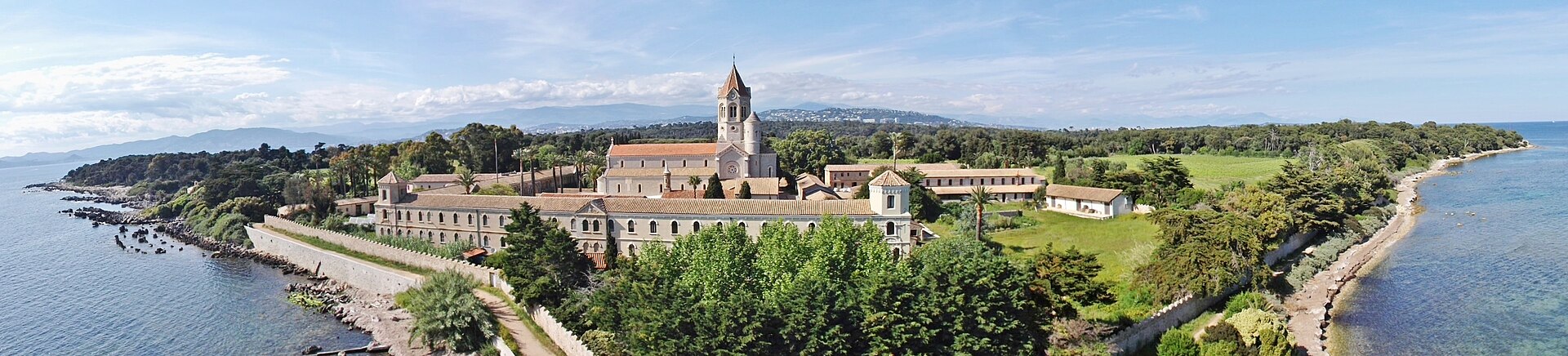
The second, considerably smaller of the Lérins Islands is Saint-Honorat, and it offers an even quieter, more contemplative atmosphere than its bigger neighbour. This island has been home to Cistercian monks living in silence and prayer since the 5th century. The entire place has a deeply spiritual, meditative quality that settles over you the moment you step off the boat. You can almost physically feel time moving at a completely different, much slower pace than in Cannes just across the water.
The monks don’t only tend to their prayers — they also manage beautiful vineyards and olive groves covering much of the island’s land. They produce excellent local wine and herbal liqueurs from ancient secret recipes, all of which you can buy at the monastery shop. It makes a genuinely unique and memorable souvenir that you simply won’t find anywhere on the mainland.
Walking around the island, you’ll come upon the Monastère Fortifié — a fortified monastery perched on the southern cliff edge directly above the waves. This 11th-century stone fortress was built to protect the monks from pirate raids. You can climb right up to its roof, where you’re rewarded with a breathtaking view across the open Mediterranean, with the snow-capped peaks of the Alps faintly visible on the horizon.
💡 Tip: Please respect the tranquillity of this very special place. The monks ask all visitors to move quietly around the island and dress appropriately (keep swimwear strictly for the water’s edge). This is a space for reflection, not a summer party venue.
8. Cannes Beaches: Public vs. Private
Cannes has one big and very welcome advantage over nearby Nice. While Nice is famous for its uncomfortable pebble beaches, Cannes boasts beautiful golden sandy beaches — no special water shoes required. Beach culture here is, however, quite specific and divided into two distinct worlds. A large portion of the coastline along La Croisette is taken up by private beach clubs belonging to the luxury hotels. You can rent one of the iconic striped sun loungers, but be prepared — prices typically range from around €50 to €150 per person per day.
If you’d rather not spend that kind of money, the city also offers excellent free public beaches. The best-known is Plage du Midi, which stretches west of the Vieux Port. It has lovely clean sand, a very gentle slope into the water, and beautiful views across to the Esterel mountains. In peak season it does get busy, so you’ll want to arrive early to bag a good spot.
Another excellent free option is Plage Macé, close to the Palais des Festivals, where free open-air film screenings take place on summer evenings during May. The water in the bay is usually very calm and surprisingly clear — a real pleasure after a long day exploring the city in the heat.
💡 Tip: If you’re heading to a public beach, bring your own umbrella. Natural shade is virtually non-existent, and the afternoon sun on the Riviera can be genuinely ferocious. You’ll find beach umbrellas for sale at countless stalls along the promenade for just a few euros.
9. Shopping and Luxury Boutiques
Whether you’re planning to actually spend serious money or simply want to admire some extraordinary design, shopping in Cannes is an experience in its own right. La Croisette is home to the most prestigious and expensive brands on the planet — Chanel, Dior, Louis Vuitton, Gucci — all with boutiques whose window displays are curated like works of art. Even if you’re not buying a thing, window-shopping along the boulevard is a favourite pastime for the vast majority of visitors.
For more accessible fashion and shops where you might actually treat yourself, head to the long Rue d’Antibes. Running parallel to the promenade but set a few blocks back from the sea, this street is lined with well-known high-street brands, French fashion labels and excellent beauty shops. It’s busy from morning to evening and has a much more relaxed, everyday atmosphere than the glamour of La Croisette.
For unique local products and genuinely special souvenirs, explore the Rue Meynadier near the Forville market. This narrow pedestrian street is full of small, fragrant delis selling fresh cheeses, lavender soaps, Provençal fabrics and artisan preserves. Pick up some quality olive oil or a blend of herbes de Provence — they’ll bring a taste of the Riviera back into your kitchen long after the holiday is over.
💡 Tip: France’s summer sales (known as Soldes) typically kick off at the end of June or start of July and run for around a month. If your trip falls in this window, even the shops on Rue d’Antibes can yield some brilliant bargains on quality French brands.
10. Musée des Explorations du Monde
If you enjoy history and love discovering far-flung cultures, make time for the Musée des Explorations du Monde (formerly known as the Musée de la Castre). This fascinating museum occupies the ruins of an 11th-century castle at the very top of Le Suquet hill. The historic building itself — complete with its imposing square tower — is worth exploring in detail, but the real riches lie in the collections inside.
The museum houses a remarkable ethnographic collection donated to the city by Dutch traveller Baron Lycklama in the 19th century. It contains rare artefacts from across the globe — from masks collected in Oceania and the Himalayas to pre-Columbian ceramics from the Americas and Mediterranean antiquities. Particularly striking is the extensive collection of musical instruments from around the world, which is wonderfully diverse and visually captivating.
The undoubted highlight of any visit, however, is climbing the old château tower. After 109 winding stone steps, you’re rewarded with the finest panoramic view in all of Cannes. From up here you can see the entire bay, the harbour, the Lérins Islands and the Alps gently sketched out on the horizon. Entry costs around €6 per person and is worth every penny for this view alone.
💡 Tip: Right next to the château is a small but beautifully kept Mediterranean garden filled with pines and flowering plants. After your museum visit, it’s a lovely spot to sit on a bench and soak up the calm, high above the busy, sun-baked streets below.
11. Day Trip to Grasse — the Perfume Capital
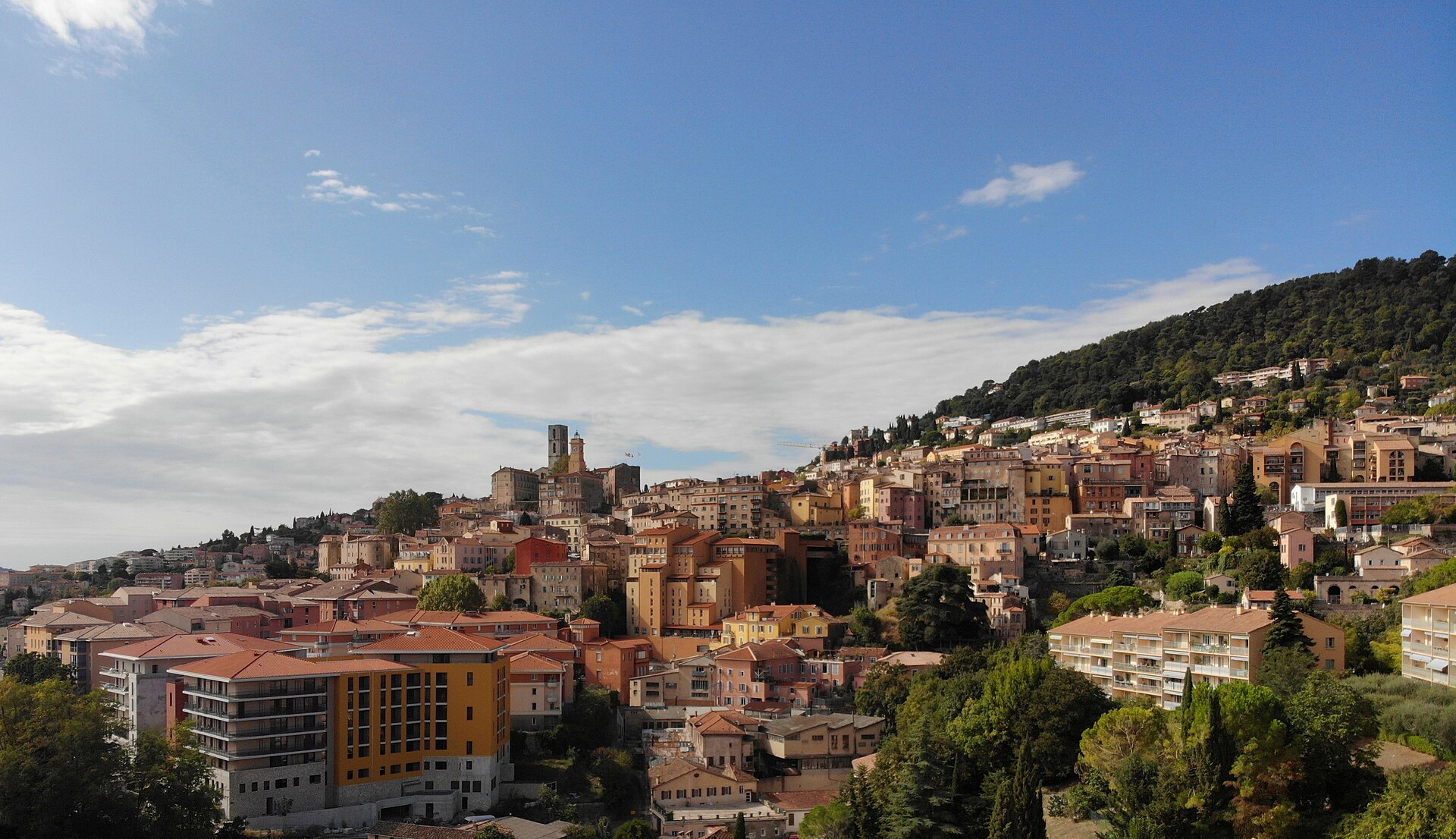
Cannes is a superb launchpad for exploring the hilly Provençal interior. Just 40 minutes away by train or bus lies Grasse, the undisputed world capital of perfumery. This picturesque historic town, draped across steep hillsides, was made famous internationally by Patrick Süskind’s novel Perfume: The Story of a Murderer. The surrounding countryside is blanketed with fragrant fields of jasmine, centifolia roses and lavender, all harvested and distilled here into precious essences.
Grasse is home to the three great historic perfume houses — Fragonard, Molinard and Galimard. All three offer fascinating tours of their historic workshops and museums, very often completely free of charge. You’ll see antique copper distillation stills, learn about the perfume pyramid and come to appreciate just how extraordinarily precise the work of the master “noses” really is.
Beyond its fragrant heritage, Grasse has a lovely medieval centre with narrow lanes and tall stone houses. Charming little squares are often shaded by strings of colourful umbrellas, and there are plenty of small cafés to stop at. Make sure you sit down for a coffee and treat yourself to a lemon tartlet — sunshine in pastry form, and utterly typical of this part of France.
💡 Tip: For a truly personal and memorable experience, book a perfume-blending workshop at one of the perfumeries. With the guidance of an expert, you’ll create your own unique fragrance, which you take home in an elegant bottle — the ultimate Riviera souvenir.
12. Day Trip to Antibes and the Picasso Museum
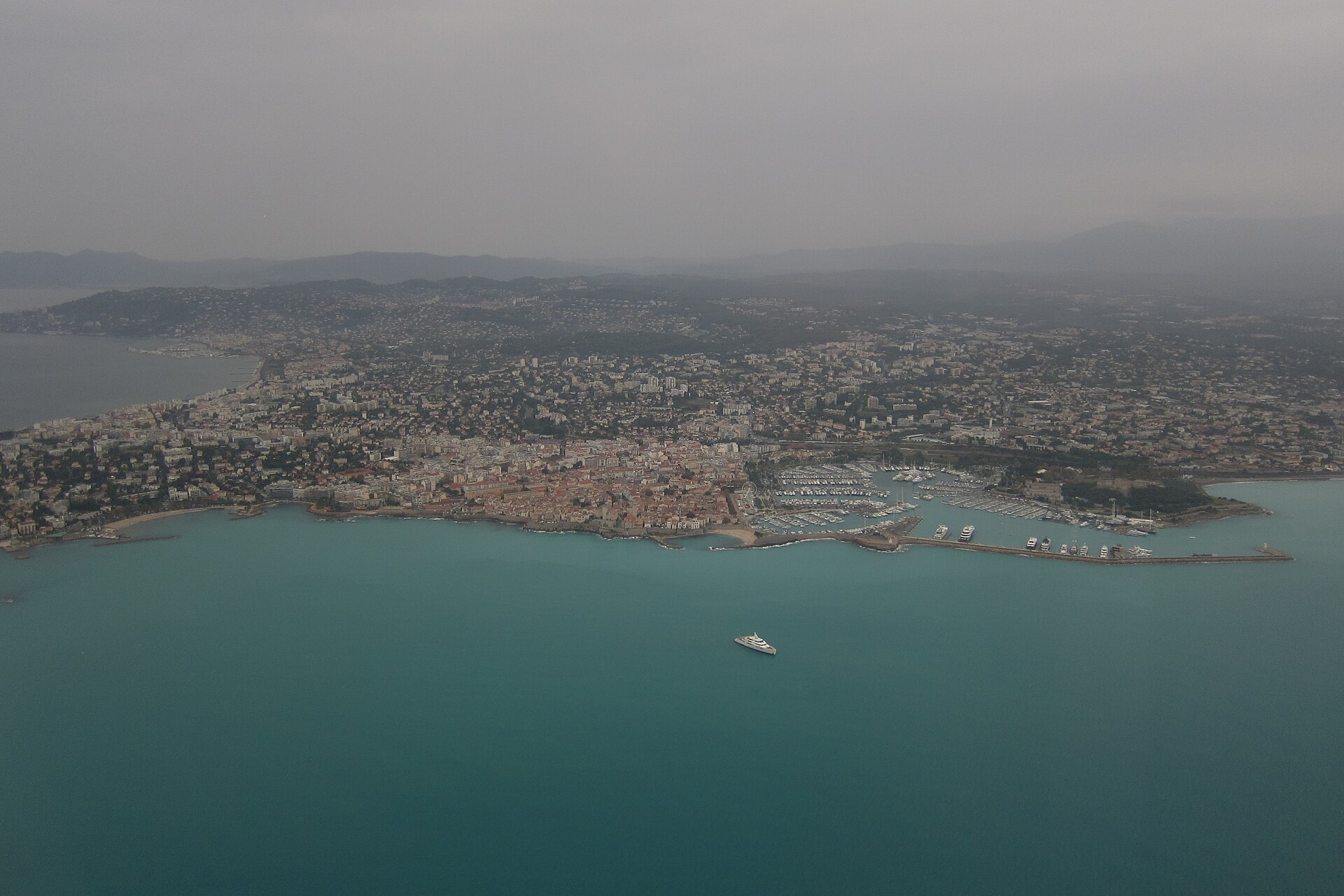
Antibes is another absolutely essential excursion from Cannes. The reliable TER regional train gets you there in just 25 minutes, with a single ticket costing around €5. Antibes has a completely different feel to glamorous, film-world Cannes — it’s more historic, more intimate, and far more deeply Provençal in character. The old town is enclosed by massive 16th-century ramparts along which you can stroll romantically, watching the waves crash against the rocks below.
The jewel in the city’s crown is the Château Grimaldi, which today houses the celebrated Musée Picasso. The great painter set up his studio here for several months in 1946 and, out of gratitude, donated a large part of what he created to the city. You’ll see joyful, light-drenched canvases, playful ceramics and drawings that clearly reveal how profoundly Picasso was inspired by the surrounding sea and Mediterranean mythology. It’s one of the most powerful artistic experiences on the entire Riviera.
After the museum, wander down to Port Vauban harbour. This is the largest marina for private yachts in Europe, home to vessels so enormous that even the ones in Cannes look like modest dinghies by comparison. On your way back to the station, stop at the Marché Provençal for local cheeses, olives and a cold homemade lemonade — the perfect end to a brilliant day out.
💡 Tip: If you enjoy coastal walking and spectacular scenery, from Antibes you can follow the Sentier du Littoral coastal path around the Cap d’Antibes headland. This narrow rocky trail hugs the wild clifftops and serves up views you’ll genuinely never forget.
Map of points of interest for your phone
Where to Go Next from Cannes
Cannes sits in an enviably strategic position that practically begs you to explore the wider French Riviera. As I’ve mentioned, the TER regional train is the ideal way to get around, running three to four times an hour along the coast. It keeps you well clear of the summer traffic jams that can utterly ruin even the most carefully planned itinerary. If you’re planning to travel frequently throughout your stay, look into the Pass SudAzur, which gives you unlimited travel across the whole département.
- Head east and you’ll reach vibrant Nice, the transport hub of the entire region. The train from Cannes takes 40 minutes (tickets cost around €7–10) and brings you to a city famous for its iconic pebble beach and ochre-façaded old town.
- From Nice, it’s easy to continue further east along the coast. You can reach glamorous Monaco in just 20 minutes (€4–6), and the lemon-scented border town of Menton in 35 minutes, right on the edge of Italy.
- For more inspiration — including the dramatic clifftop village of Èze or charming Villefranche-sur-Mer (just 7 minutes from Nice by train) — take a look at our full guide to the French Riviera.
- Saint-Tropez deserves its own special mention — and a word of caution. In July and August, it’s best avoided entirely. There’s no railway to the town, and the single access road becomes a completely paralysed car park. The only sensible summer option is to arrive by ferry directly from Cannes.
Frequently Asked Questions
Is a holiday in Cannes expensive?
Yes, Cannes is one of the pricier destinations in Europe. The prices for accommodation and food here are noticeably higher than average, especially if you stay near the La Croisette promenade. Dinner at an ordinary bistro without wine will cost around €25 to €40 in 2026. You can save money by shopping for groceries at the market and making use of the free public beaches.
Do I need a car on the Riviera?
Definitely not. Renting a car on the coast in the summer season is more of a punishment. The coastal roads are jammed to bursting point, and parking in town centres is extremely expensive and complicated. Rely on the regional TER trains, which run frequently and reliably and stop right in the centres of all the important towns.
Are the beaches in Cannes sandy or pebbly?
Unlike nearby Nice, where you’ll find large pebbles and can’t do without water shoes, Cannes boasts beaches with beautiful, fine sand. That makes it a great and comfortable destination for a full day of swimming. Just don’t forget that a large part of the sandy beaches in the centre are paid for and run by private beach clubs.
When is the best time to visit?
You’ll get the best weather with the fewest crowds in June and September. The temperatures are pleasant, the sea is good for swimming, and the prices are lower than in high season. If you want to avoid the extremes, don’t go in July and August (heat up to 43 °C) or in May, when the film festival takes place and the town is hopelessly sold out.
Where can I best taste local food?
The most authentic gastronomic experience awaits you at the Marché Forville market in the morning hours. Try the local fresh cheeses, olives, and above all the famous socca (a crispy chickpea flatbread). For dinner, I recommend heading into the narrow streets of the old Le Suquet quarter, where you’ll find plenty of excellent Provençal bistros.
Do you tip in France?
A restaurant bill in France always includes a “service compris” item, which means that a 15% service charge is already included in the price. A tip is therefore not mandatory. But if you were satisfied, it’s a common custom to round the amount up or leave 1 to 2 euros on the table. Remember that in France you often can’t add a tip directly via the card terminal, so keep some small change in cash on hand.
Is a trip to Saint-Tropez worth it?
During the summer peak (July and August), it’s better to skip Saint-Tropez entirely. The town sits on a peninsula with no railway, and in the summer traffic jams the journey commonly stretches into long hours. If you do want to come here, choose spring or September, or take the boat from Cannes, which is pricier but lets you avoid the collapsing road traffic.
Tips and Tricks for Your Vacation
Don’t Overpay for Flights
Search for flights on Kayak. It’s our favorite search engine because it scans the websites of all airlines and always finds the cheapest connection.
Book Your Accommodation Smartly
The best experiences we’ve had when looking for accommodation (from Alaska to Morocco) are with Booking.com, where hotels, apartments, and entire houses are usually the cheapest and most widely available.
 🚗 Car rental on the roadVerified rental cars in France
Search with the DiscoverCars comparison engine — it compares prices from dozens of local and international rental companies, and most bookings come with free cancellation.
Compare car prices in France →Don’t Forget Travel Insurance
Good travel insurance will protect you against illness, accidents, theft, or flight cancellations. We’ve had a few hospital visits abroad, so we know how important it is to have proper insurance arranged.
Where we insure ourselves: SafetyWing (simple monthly subscription) and TrueTraveller (for extra-long trips).
Find the Best Experiences
Get Your Guide is a huge online marketplace where you can book guided walks, trips, skip-the-line tickets, tours, and much more. We always find some extra fun there!