If you’re thinking about heading to Greece for a summer holiday this year, here’s a tip you’ll thank us for later. Naxos is, by many travellers’ accounts, hands down the best Greek island for families — and honestly, once you visit, you’ll instantly understand why. While neighbouring islands groan under the weight of tourist crowds and battle soaring prices, here you’ll find genuine Cycladic peace of mind for far more reasonable money. It’s the largest and greenest island of the entire archipelago, living at its own pace and not relying solely on tourism to get by.
So what does Naxos Greece have in store for you? I’ve put together 15 tips covering everything from the most beautiful beaches and ancient sculptures to mountain villages where you won’t pass a single tourist all afternoon. You’ll find endless sandy beaches with a very gradual slope into the sea — perfect for little swimmers. Beyond the swimming, though, I’d strongly recommend hiring a car and heading inland, where traditional white-marble mountain villages and fertile valleys full of olive trees are waiting to be explored. Naxos truly rewards visitors who aren’t in a rush and want to discover its hidden corners.
The full destination guide: Cyclades — guide and what to see
TL;DR
- Best beaches: The western coastline offers kilometres of fine sand, with beaches like Plaka and Agios Prokopios ranking among the most beautiful in all of Greece.
- History and monuments: Right by the harbour, the ancient gateway of Portara welcomes you, and in the main town you can get wonderfully lost in the alleys of the Venetian castle of Kastro.
- Active holiday: The island is home to the highest peak in the Cyclades (Mount Zas, 1,004 m), with a great hiking trail to the summit, and the Mikri Vigla area is world-famous for kitesurfing.
- Great food: The island is largely self-sufficient in food, so make sure you try the famous Naxian potatoes, local cheeses graviera and arseniko, and the local liqueur kitron.
- Getting there: From Athens (Piraeus port) you can reach Naxos by ferry in 3 to 6 hours, with tickets costing roughly €50 to €95 depending on the speed of the boat. From the UK, fly to Athens with British Airways, easyJet or Aegean Airlines, then take the ferry from Piraeus.
- Prices and budget: Compared to its more famous neighbours, you can easily save 30 to 40 percent on accommodation and taverna meals here.
When to Visit Naxos
The best time to visit Naxos depends on what you’re after, but generally speaking, June and September are the ideal months. The sea is already beautifully warm, the days are long and sunny, and you’ll avoid the worst of the summer crowds. Temperatures hover at a pleasant 25–28°C, which is absolutely perfect not just for swimming but also for hiking in the mountains and exploring ancient sites. Most restaurants and hotels are fully open, and accommodation prices tend to be more wallet-friendly than during the peak summer rush.
If you’re planning a trip in July or August, be prepared for very high temperatures and also for the strong summer wind known as the meltemi. This northerly wind can whip up the sea quite dramatically in the afternoons and send sand flying across the beaches, so it’s worth planning big beach days early in the morning. Fortunately, the island has plenty of sheltered coves — such as the Alyko cedar forest area or the southern part of Agios Georgios beach — where the water stays calm even in strong winds. For windsurfers and kitesurfers, on the other hand, August is absolute paradise.
To explore the whole island properly, I’d recommend setting aside at least 5 to 7 days so you don’t feel rushed. Naxos is genuinely large and the mountain roads are full of bends, so getting from place to place takes a fair amount of time. If you have fewer days, you’ll need to choose between beach relaxation and exploring the interior, because you simply can’t fit both into a long weekend. From late October onwards, many businesses close and ferries run less frequently, so autumn trips require more careful planning.
Where to Stay in Naxos
💡 Accommodation & experiences tip: We always search for accommodation on Booking.com, which tends to have the best cancellation policies. For tickets, tours and activities, it’s worth comparing and booking through GetYourGuide.
Choosing the right area to stay is key on Naxos, because the island is large and each part offers a completely different atmosphere. The best base for a first visit is the main town of Chora (Naxos Town) and the adjacent Agios Georgios beach. You’re within easy reach of the ferry, you can walk to dozens of excellent tavernas in the evening, and you don’t necessarily need a hire car for your entire stay, as most buses depart from here. A very popular choice in this area is Hotel Katerina, which offers excellent value for money, or the somewhat more upmarket Phoenicia Naxos apartments with beautiful views.
If you’re after a classic beach holiday and want to step straight from your room onto the sand, I’d suggest focusing on the resorts of Agios Prokopios and Agia Anna. These areas lie about five kilometres south of the main town and offer the most beautiful beaches with turquoise water. You’ll find everything from beach clubs with sun loungers to quieter family-run guesthouses. A fantastic beachside option is Margaret of Naxos, where they serve absolutely fantastic breakfasts, or the very elegant Melidron Hotel with bright rooms and a large outdoor pool. Nightly rates at these hotels in high season typically range from around €60 to €120.
For those who love absolute peace and quiet — or a touch of romance — the more southerly beaches such as Plaka or Pyrgaki will give you far more privacy. Bear in mind, though, that in these more remote parts a hire car is pretty much essential, as buses are infrequent and the choice of restaurants within walking distance is quite limited. Whichever area you choose, I’d recommend booking your accommodation through Booking.com well in advance, as the best family hotels tend to sell out for the summer holidays as early as spring.
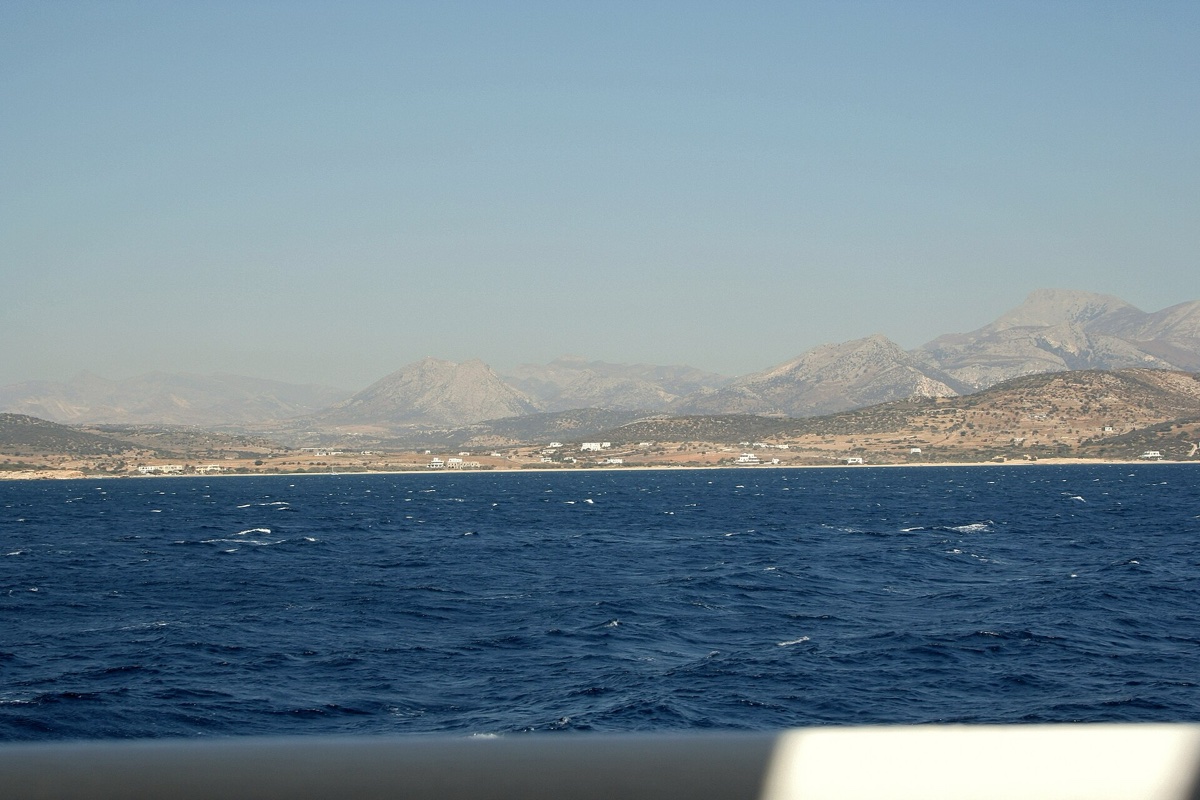
15 Best Things to See and Do in Naxos
And now for the main event — here are the places you absolutely must tick off your list in Naxos. I’ve included both the most iconic landmarks and a few hidden gems tucked away inland.
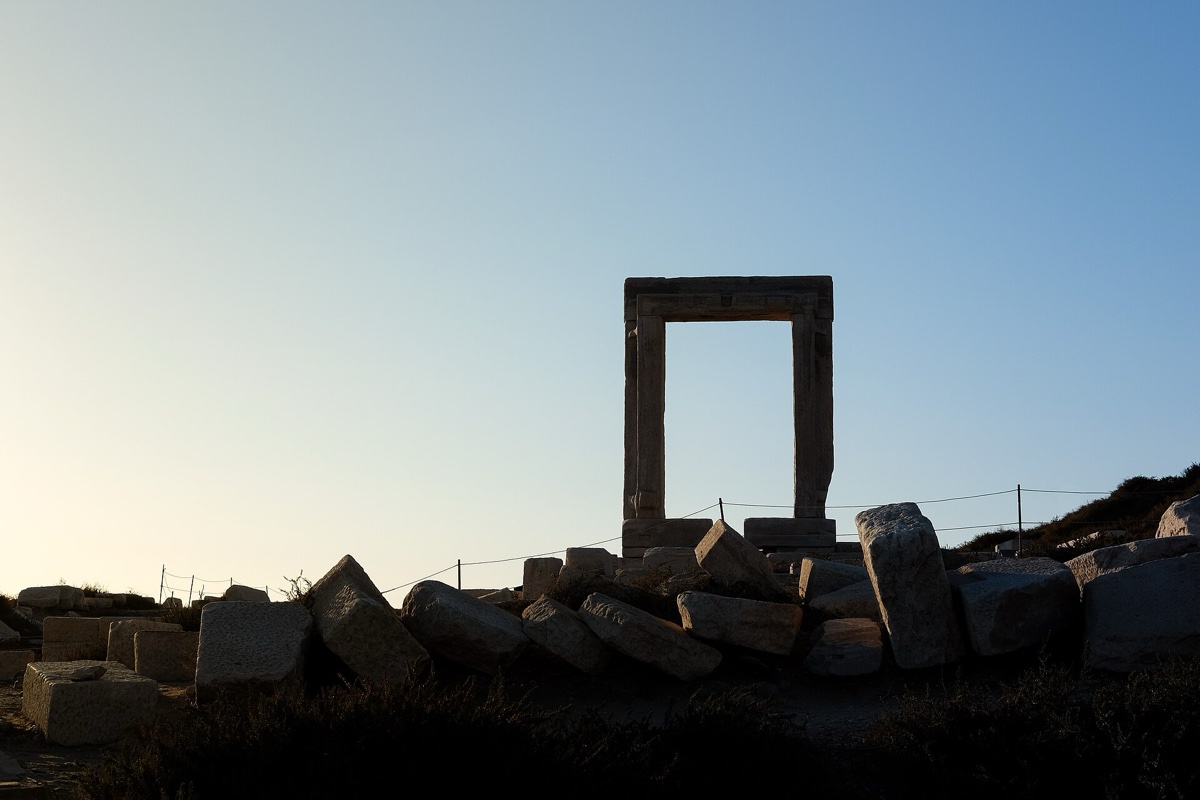
1. Portara (Gateway of Apollo’s Temple)
The moment your ferry pulls into the harbour, you’re greeted by the island’s most majestic symbol — the enormous marble gateway known as Portara. This is the only completed part of the ancient Temple of Apollo, dating back to the 6th century BC. The temple itself was never finished, and most of its stones were later used to build the Venetian castle, but this nearly six-metre-tall gateway has stood proud ever since.
The gateway stands on the tiny islet of Palatia, connected to the main town by a short and wonderfully photogenic stone causeway. Access to the monument is completely free and it’s open 24 hours a day, so you can visit whenever the mood takes you. Ocean waves occasionally wash over the path, so watch your step — and your shoes.
The most magical experience here is at dusk, as Portara is the most popular sunset spot on the entire island. The sun often sets perfectly framed within the marble gateway, creating a truly breathtaking scene — one that even NASA once used as their image of the day. In peak season it gets very busy, so I’d recommend arriving at least an hour early and claiming a good spot on the surrounding rocks.
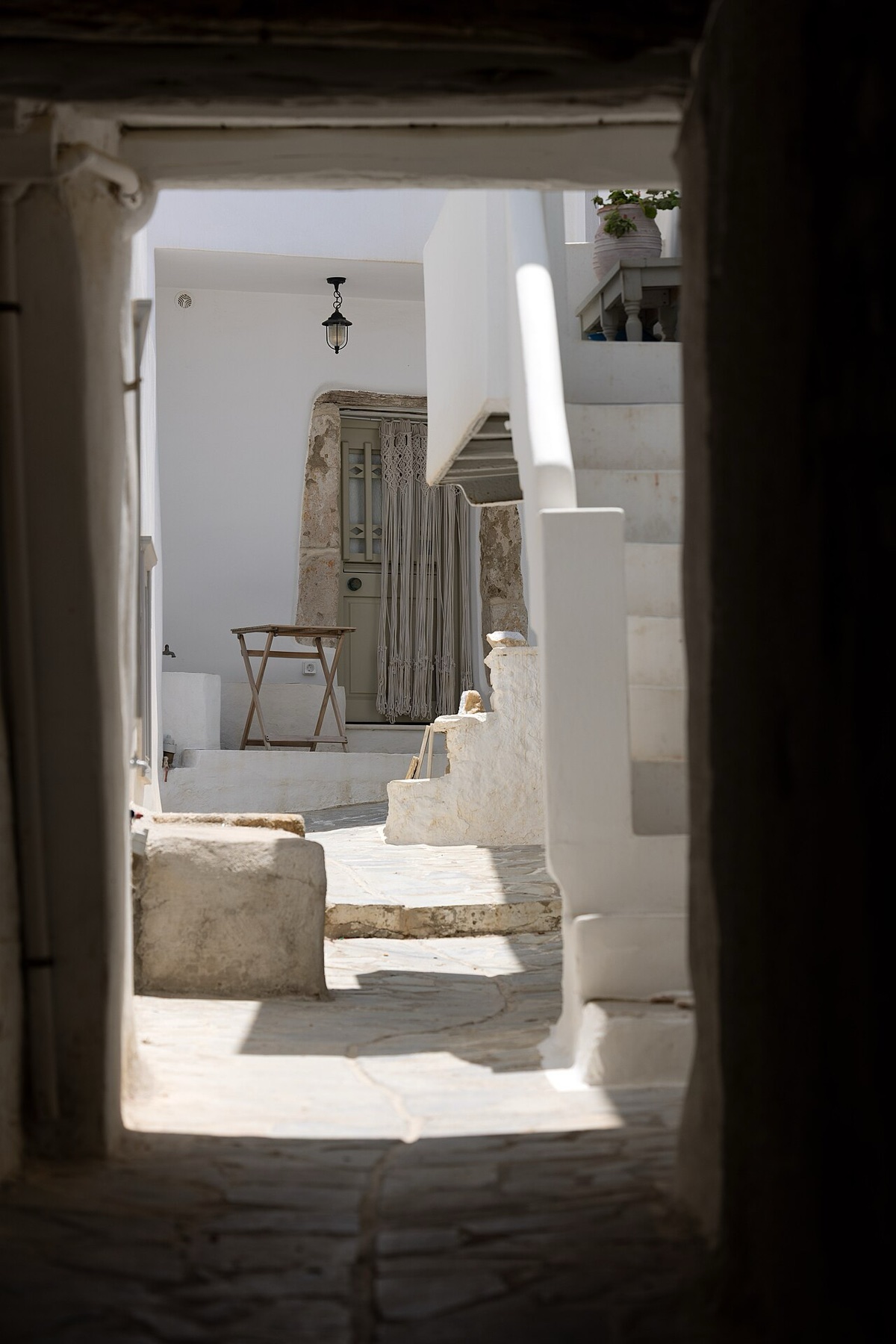
2. Chora (Naxos Town) and the Venetian Kastro
The island’s main town — which locals simply call Chora — is a perfect showcase of Cycladic architecture interwoven with medieval history. Once you move away from the busy harbour promenade, you’ll discover a beautiful labyrinth of narrow whitewashed alleyways and stone staircases climbing up the hillside. This area is known as the Old Market and is home to dozens of small boutiques selling gorgeous linen dresses, handmade leather sandals and local jewellery at prices far more reasonable than anything you’d find on Mykonos.
Crowning the hilltop is the 13th-century Venetian castle of Kastro, a reminder of the three centuries that Venice held sway over the island. Inside the old walls, an extraordinary calm descends, and you’ll find old Catholic churches, museums and ancient noble houses with coats of arms above their doors. It’s a striking contrast to the typically Greek bustle just a few streets below.
One fascinating detail: the marble used to build the castle walls came from the very temple whose gateway still stands at the harbour, so antiquity and the Middle Ages blend together seamlessly here. A walk through the whole town including the Kastro takes around half a day, and I’d highly recommend finishing it with a superb dinner at one of the traditional tavernas tucked away in the side streets, where you can sample the finest local cheeses.
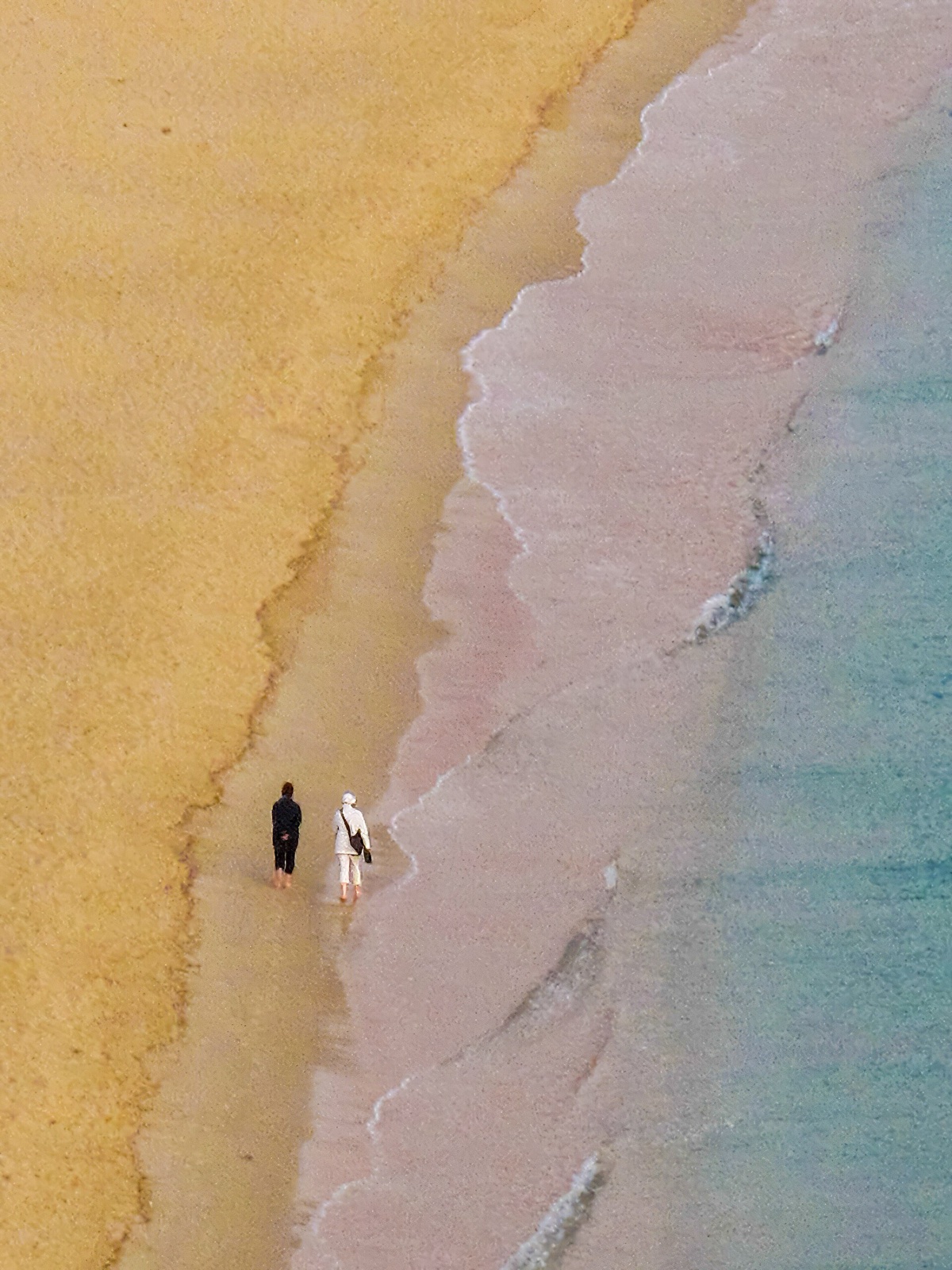
3. Agios Prokopios Beach and Agia Anna
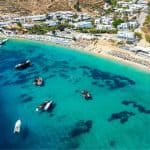
If you’re searching for the ultimate beach idyll, head straight for the western coastline and the resorts of Agios Prokopios and Agia Anna. These two beaches flow seamlessly into one another and are among the most popular in all of Greece. Agios Prokopios stretches for roughly one and a half kilometres of coarse white sand and impossibly clear, turquoise water that looks more like the Caribbean than the Mediterranean.
The beach is well sheltered from northern winds thanks to the nearby cape of Stelida, which means the water is wonderfully calm and perfectly suited to families with young children. You’ll find every comfort imaginable — sun lounger and umbrella hire, a full menu of water sports, and plenty of beachside cafés. Better still, buses run from the main town every twenty minutes in season, and a one-way ticket costs just €2.10, so a hire car isn’t necessary at all.
Neighbouring Agia Anna is a little smaller and has a much more intimate feel. There’s a small fishing harbour with colourful boats and a wonderful selection of tavernas with tables set right in the sand, just a few steps from the water’s edge. It’s an ideal spot to while away a lazy afternoon with an iced frappé in hand and soak up the relaxed, wonderfully cosmopolitan evening atmosphere.
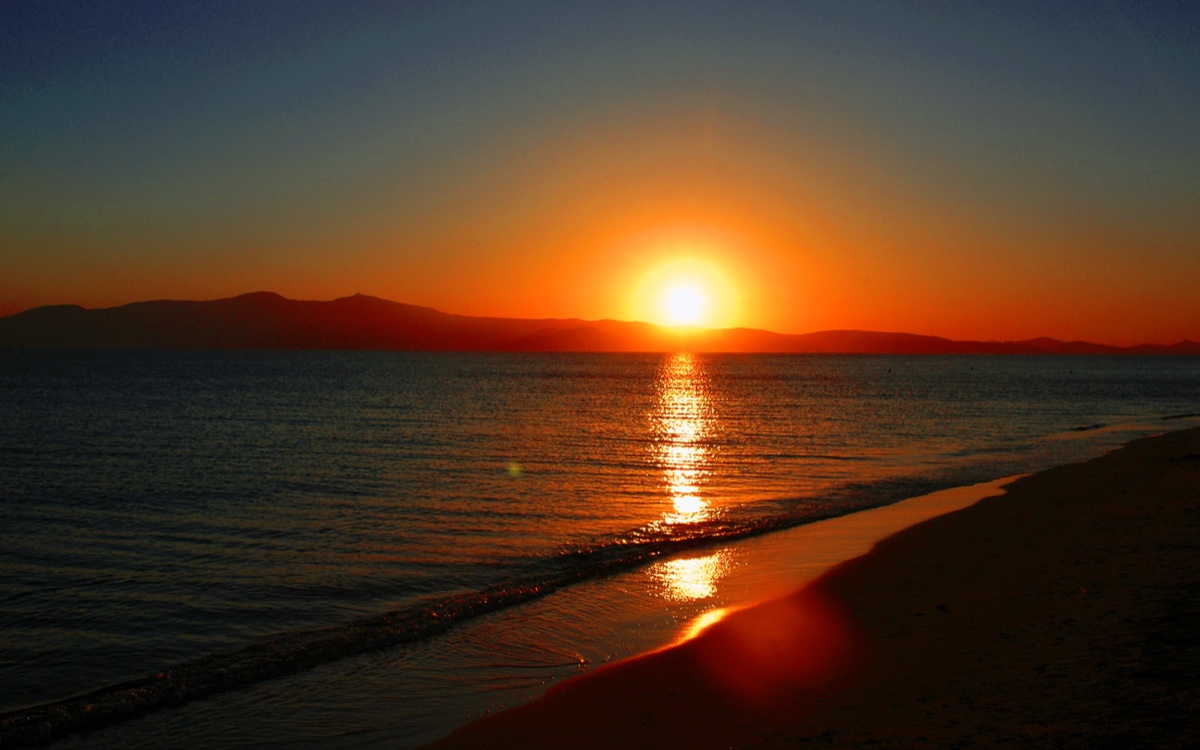
4. Plaka Beach
Just beyond the resort of Agia Anna begins another natural gem — the staggering Plaka beach. At nearly four kilometres long, it’s one of the longest unbroken stretches of sand in the entire Cyclades. The sand here is incredibly fine, golden, and in many places forms beautiful natural dunes covered with low-growing vegetation, giving the whole place a wonderfully wild and untamed character.
The sea entry is extremely gradual and the seabed slopes away only very gently, making it safe and enjoyable for even the very smallest children. The further south you walk along the beach, the fewer people you’ll encounter and the more privacy you’ll find. In the southern sections, where there are no organised sun loungers, nudism is widely tolerated, so there’s a little freedom for everyone here.
A sandy track runs along the beach, with a handful of excellent tavernas and small guesthouses dotted along it, but you won’t find any enormous hotel complexes here. That’s what keeps Plaka with its perfectly laid-back, slightly bohemian vibe — you know, the kind of place where you take off your watch and forget what day it is 😁.
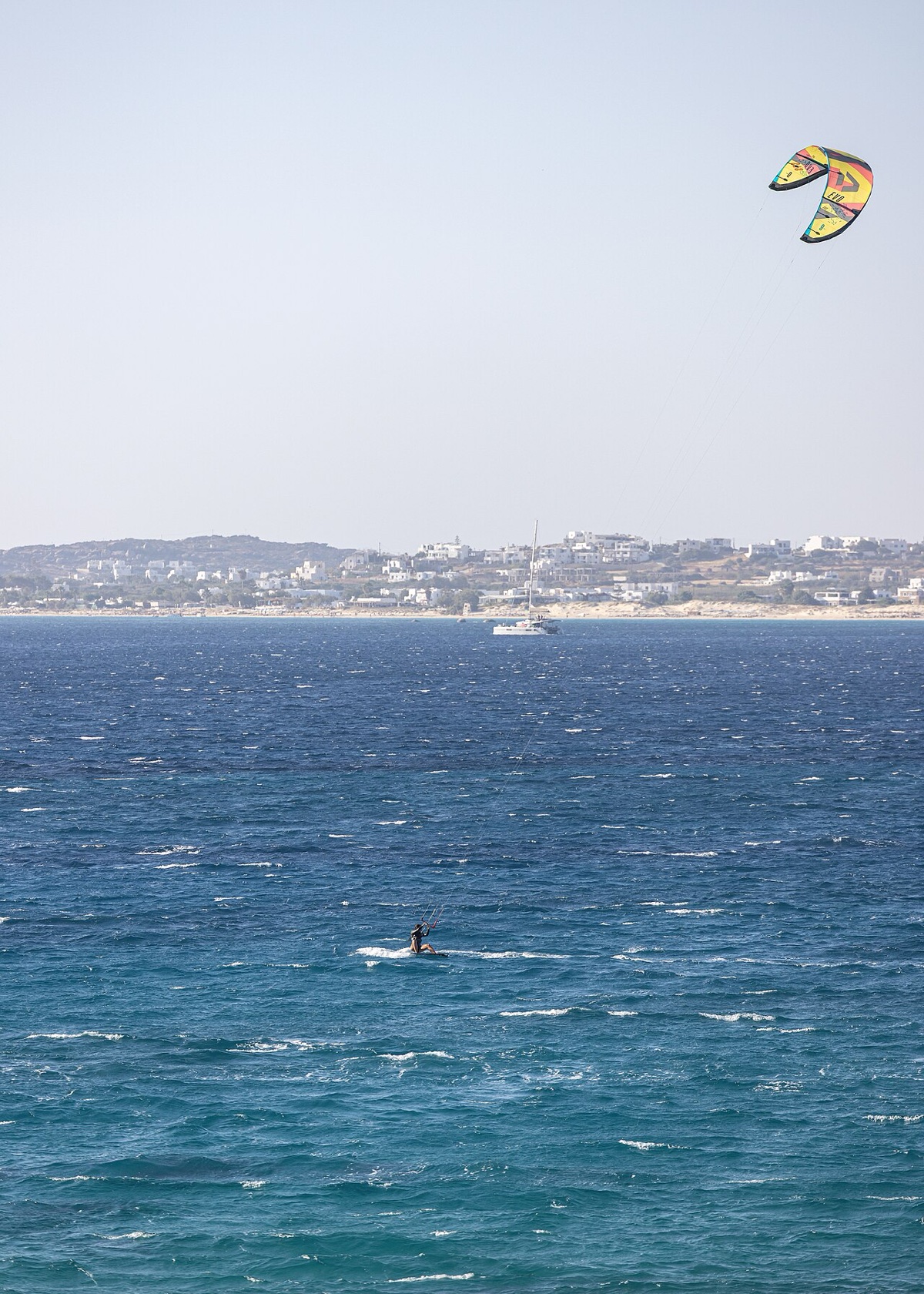
5. Kitesurfing and Windsurfing at Mikri Vigla
Adrenaline seekers and water sports enthusiasts should make a beeline for the Mikri Vigla area on the south-west of the island. This stretch of coast is formed by a rocky headland that splits the shoreline into two gorgeous white-sand bays. The northern side of the headland, known as Orkos Bay, is world-renowned as one of the best and windiest kitesurfing spots in the entire Mediterranean.
The specific geography of the surrounding islands creates a Venturi effect that amplifies the summer meltemi wind funnelling through the channel between Naxos and Paros. Conditions for kite riding in July and August are simply outstanding. Based right on the beach is the legendary Flisvos Kitecentre, where you can hire complete RRD equipment or book lessons with IKO-certified instructors.
💡 Tip: Private kitesurfing lessons here start at around €70 per day. If you’re brand new to the sport, I’d recommend booking your lessons right at the start of your holiday, as a beginner’s course typically takes around ten hours spread over several days. The southern side of the Mikri Vigla headland, meanwhile, is sheltered from the wind and offers wonderfully calm swimming for anyone in your group who prefers to stay on dry land.
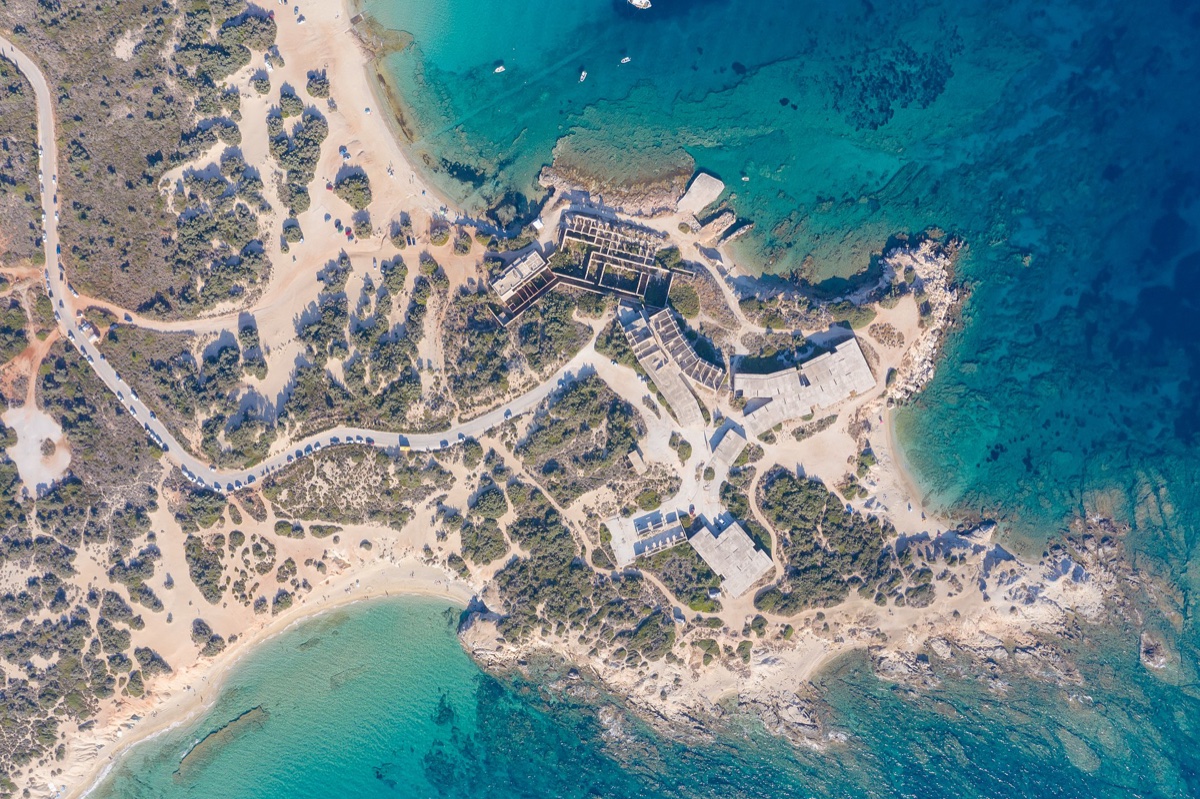
6. Alyko Cedar Forest and Hidden Beaches
If you’re craving a complete escape from civilisation, head further south to the protected nature reserve of Alyko. This place is truly one of a kind — it’s home to a sprawling forest of rare cedars and junipers that grow directly on the sandy dunes and stretch right to the edge of the cliffs. Hidden among the trees are four stunning white-sand coves, often nicknamed Hawaii Beach.
The great advantage of this area is its position, which shields the beaches perfectly from northern winds. Even when a fierce meltemi is battering the rest of the island, the water in the Alyko coves stays mirror-calm. There are no stalls, sun loungers or beach bars here, so make sure you bring enough drinking water, snacks and your own umbrella — though shade can also be found under the overhanging branches of the trees.
The whole place has an incredible tropical feel, with the water shimmering in extraordinary shades of blue and green. Up on the cliff above the beach, the ruins of a never-completed hotel complex now serve as a canvas for breathtaking street art by internationally renowned artists. It’s a fascinating contrast between wild nature and contemporary urban art.
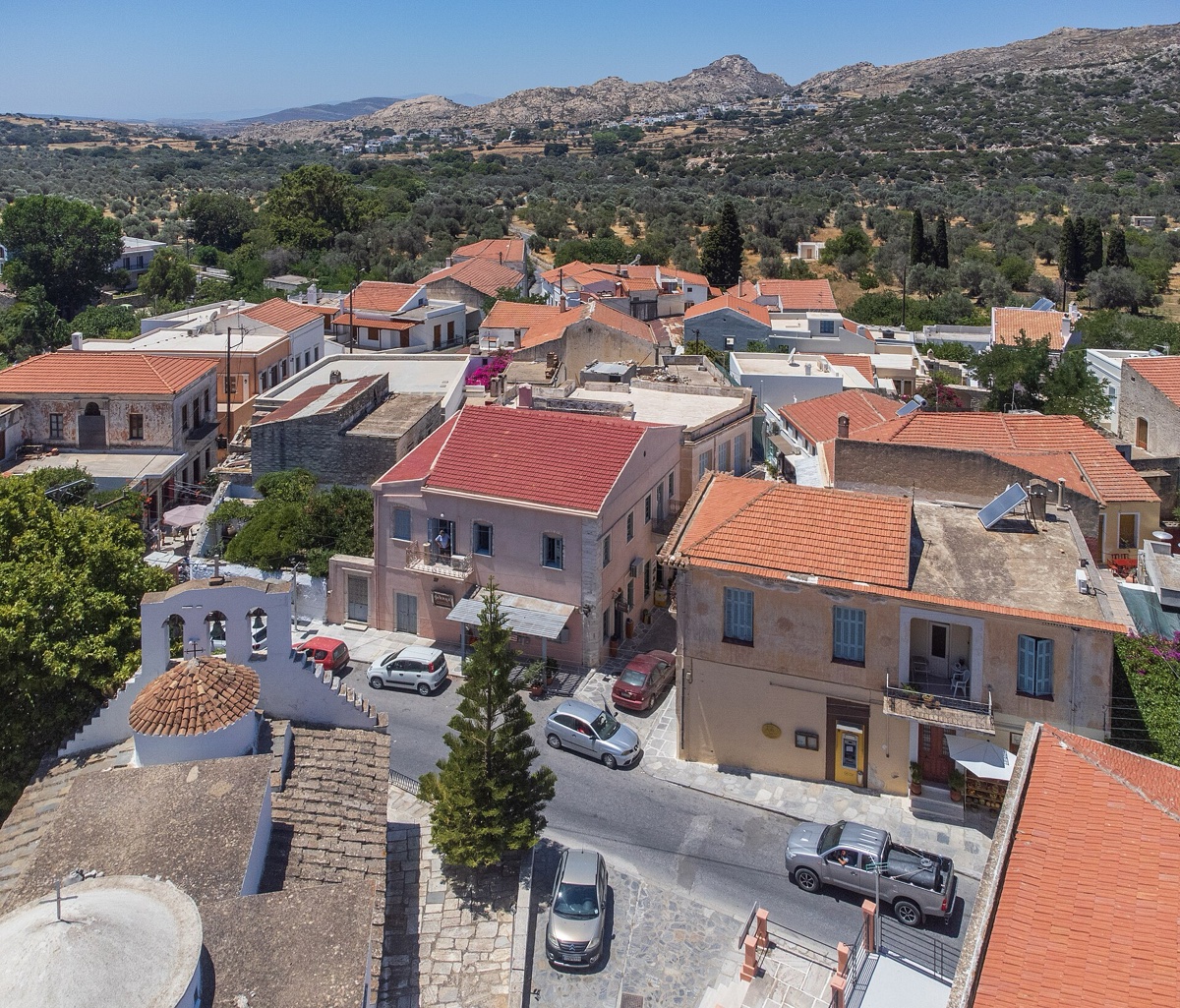
7. The Mountain Village of Halki and the Vallindras Distillery
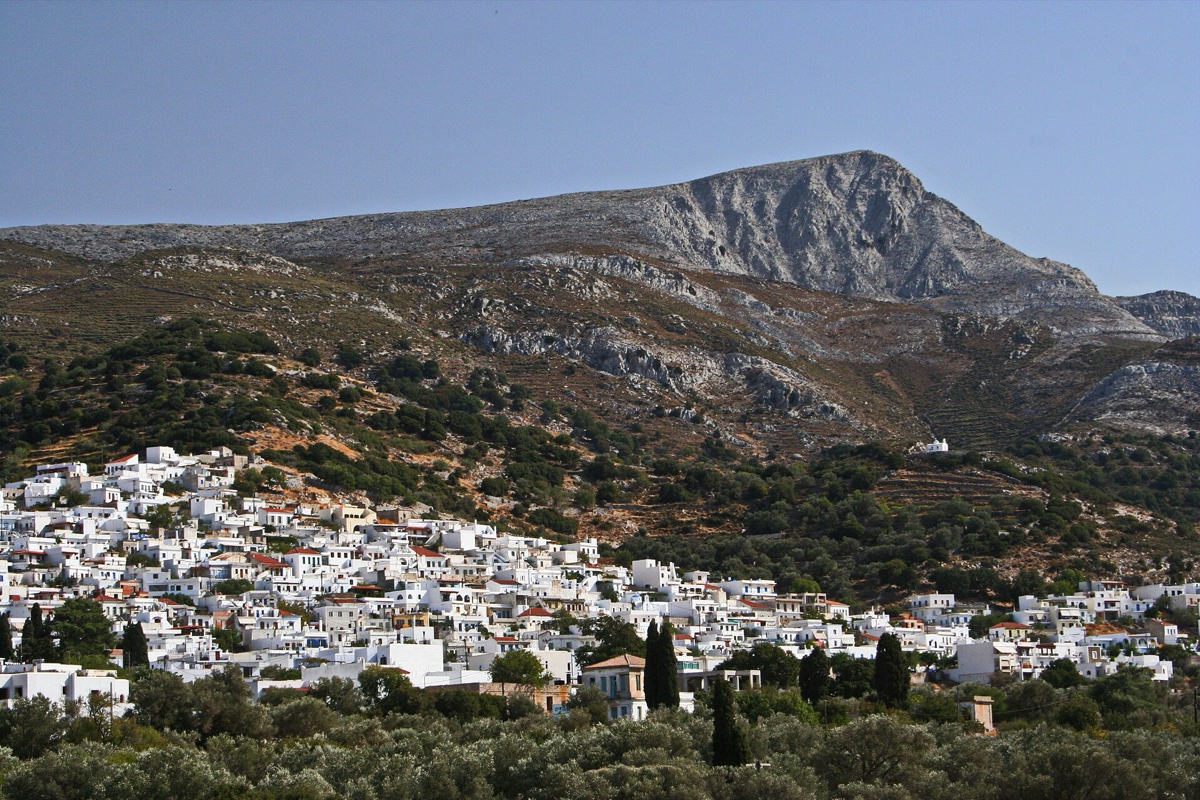
To truly discover the soul of Naxos, you need to leave the beaches behind and venture into the lush interior. In the heart of the fertile Tragea valley lies the charming village of Halki (also spelled Chalki), which was once the island’s main commercial hub. To this day you can admire beautiful neoclassical villas with colourful shutters and ancient Venetian tower houses, all testaments to the considerable wealth of local merchants in centuries past.
The village’s star attraction is the historic Vallindras Distillery, founded back in 1896, which as the island’s oldest distillery still produces the famous local liqueur kitron. This sweet and intensely aromatic drink is distilled from the leaves and fruit of the citron — an ancient relative of the modern lemon. A visit to the distillery, which includes a small family history museum, is entirely free and requires no booking.
The visit ends with a complimentary tasting of three different varieties of kitron, which vary in colour and alcohol content from the gentle green version through to a strong, clear spirit. A short distance from the village, I’d also recommend visiting the tiny 6th-century church of Panagia Drosiani, which shelters some of the oldest surviving Byzantine frescoes on the entire Balkan Peninsula.
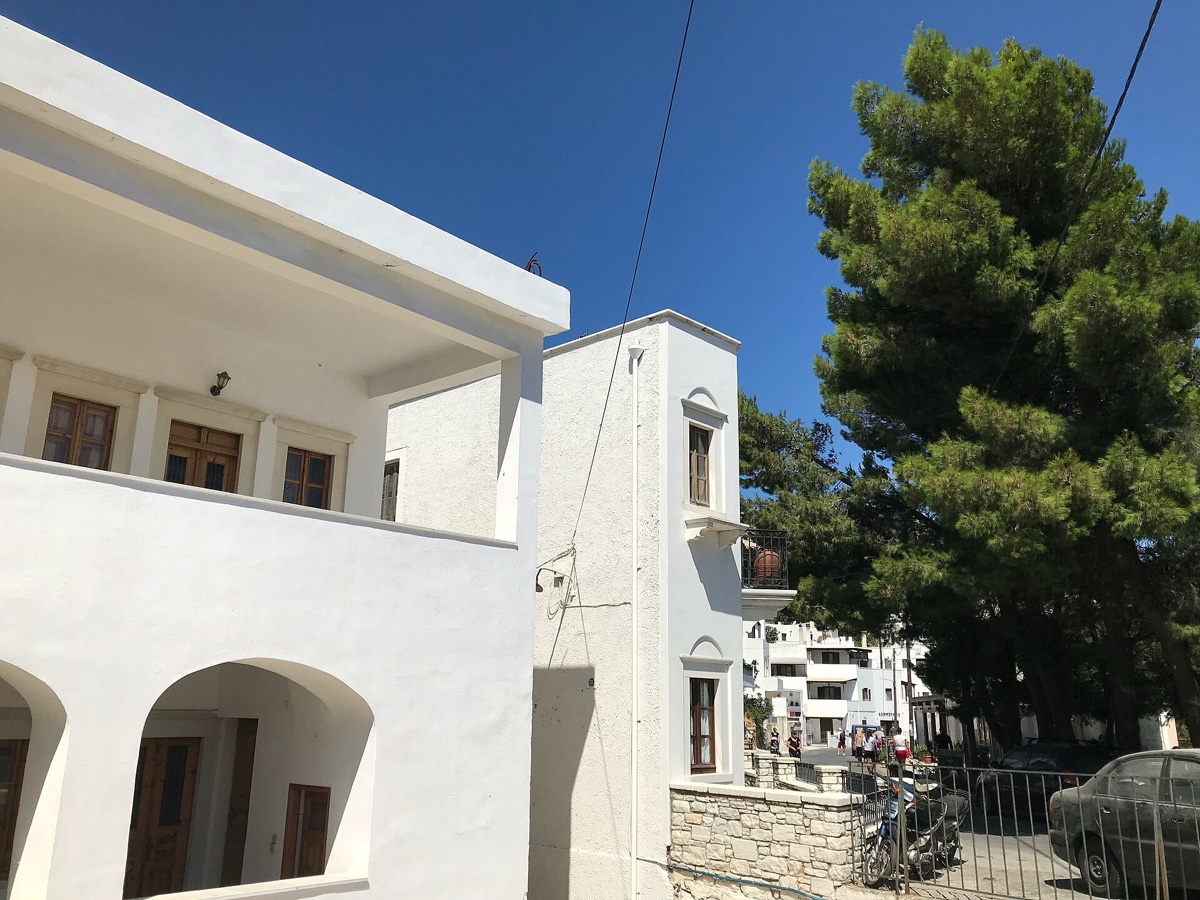

8. The Marble Village of Apiranthos
Higher still in the mountains, at around 600 metres above sea level, you’ll come across what is arguably the most photogenic village on the entire island. Apiranthos is an architectural marvel — virtually every house, narrow lane and staircase is built from gleaming white local marble. The village was founded long ago by refugees from Crete, and to this day it retains its own distinct dialect and cultural traditions that set it apart from the rest of Naxos.
Wandering the winding alleyways feels like stepping back in time. You can visit no fewer than five small museums here, including a fascinating geological and archaeological museum. On the main square, several excellent traditional tavernas await, with the much-loved Rotonda being a particular favourite thanks to its sweeping panoramic view across the valley — serving wonderful meat-free dishes packed with fresh vegetables and local cheeses.
💡 Tip: Never visit Apiranthos at midday in summer. The white marble acts like a giant reflector and heats up to a fierce intensity remarkably quickly, making the village almost unbearably hot in the middle of the day. The ideal time to visit is either early in the morning or in the late afternoon, when the sun loses its edge and the marble takes on a beautiful golden hue.
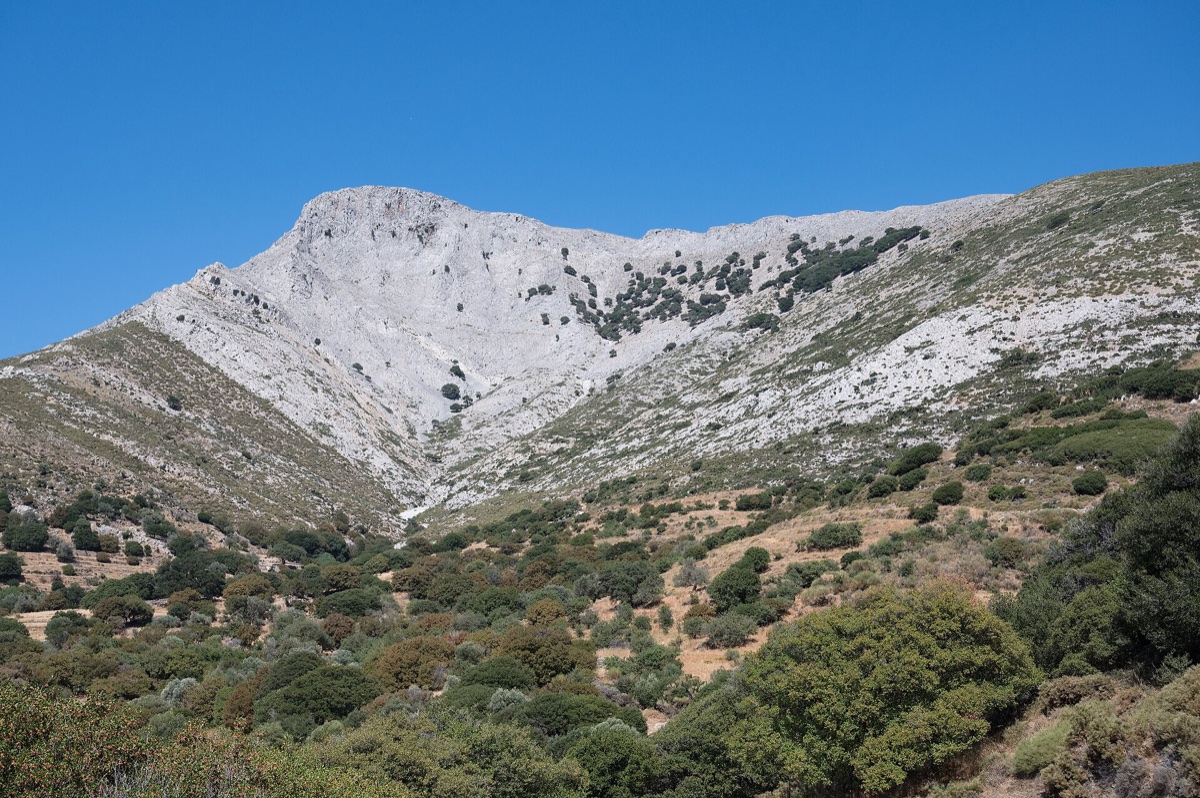
9. Hiking Mount Zas (Zeus)
If you like to stay active on holiday, the hike to the highest point in the entire Cyclades is not to be missed. Mount Zas — often referred to as Mount Zeus — rises to 1,004 metres, and according to ancient Greek mythology, this is the very spot where the king of the Olympian gods grew up in a secret cave. From the summit, you’re rewarded with an indescribable panoramic view across the whole of the Aegean Sea and the surrounding islands.
The classic hiking route forms a roughly five-kilometre circular trail with around 500 metres of elevation gain. The path starts near the mountain village of Filoti at a small spring called Aria, where you can fill your bottles with deliciously cold, fresh mountain water. The route is fairly steep and very rocky, requiring sturdy footwear, but it’s very much doable in around two to three hours depending on your pace.
On the way up, you’ll pass the famous Cave of Zeus — a vast cavern full of impressive stalactites. The golden rule? Bring plenty of water and set off at first light, because there isn’t a scrap of shade on the entire route and the Aegean sun beating down on bare rock is no joke.
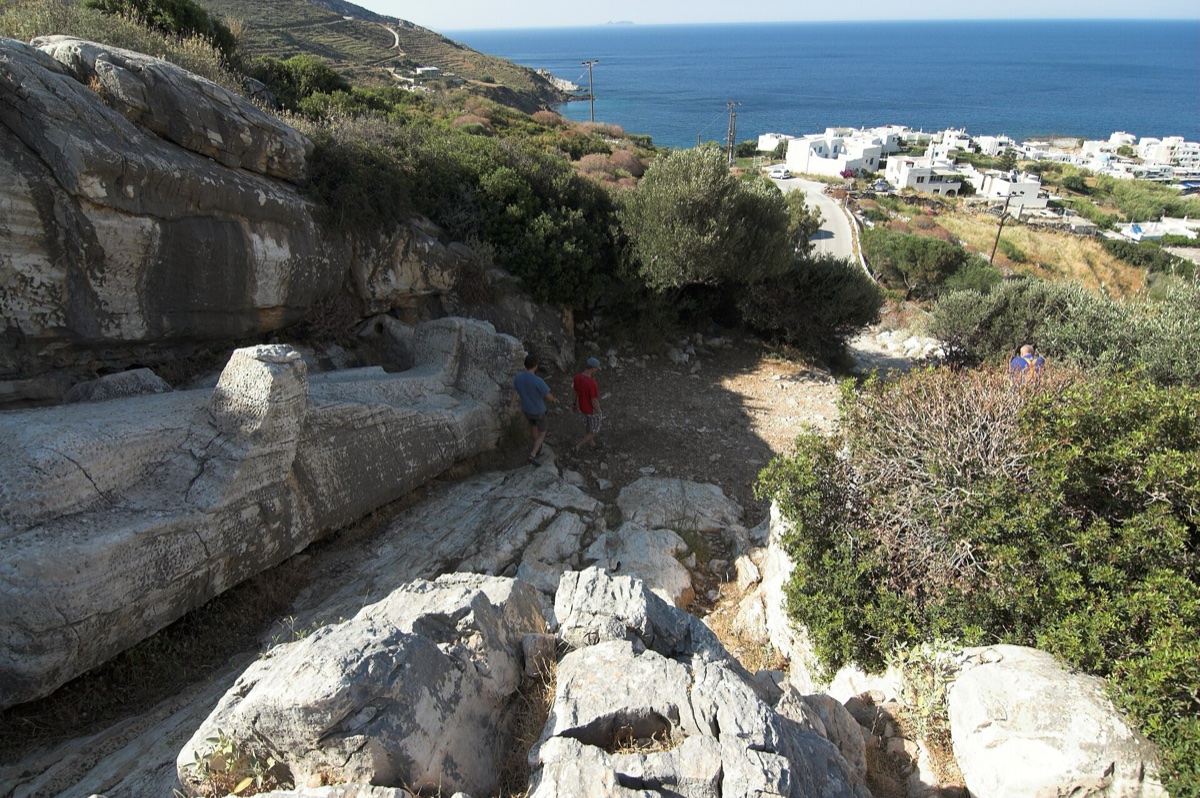
10. The Colossal Kouros Statues (Apollonas and Melanes)
In antiquity, Naxos was one of the most important centres of sculpture, thanks to its vast reserves of top-quality marble, and the island is still home to three remarkable unfinished statues known as kouroi. The most famous is the giant Kouros near the fishing village of Apollonas on the northern coast, which measures an impressive 10.7 metres in length and weighs an extraordinary 80 tonnes.
The statue — most likely a depiction of Dionysus or Apollo — dates from the 7th century BC and has been lying in the ancient quarry for nearly three thousand years, halted by a deep crack in the stone that ultimately led the sculptors to abandon their work. It’s possible the commission also fell through when the patron ran out of money — the ancient world had its share of overambitious projects too.
Two further similar, if slightly smaller, unfinished statues lie in the shade of old orchards near the village of Melanes in the Flerio area. The path to them winds through beautiful green countryside alongside an ancient aqueduct that once supplied the main town with water. Visiting these sites is a quietly magical experience — you’re seeing ancient art in its raw, abandoned state, exactly where the master craftsmen were forced to leave it all those centuries ago.
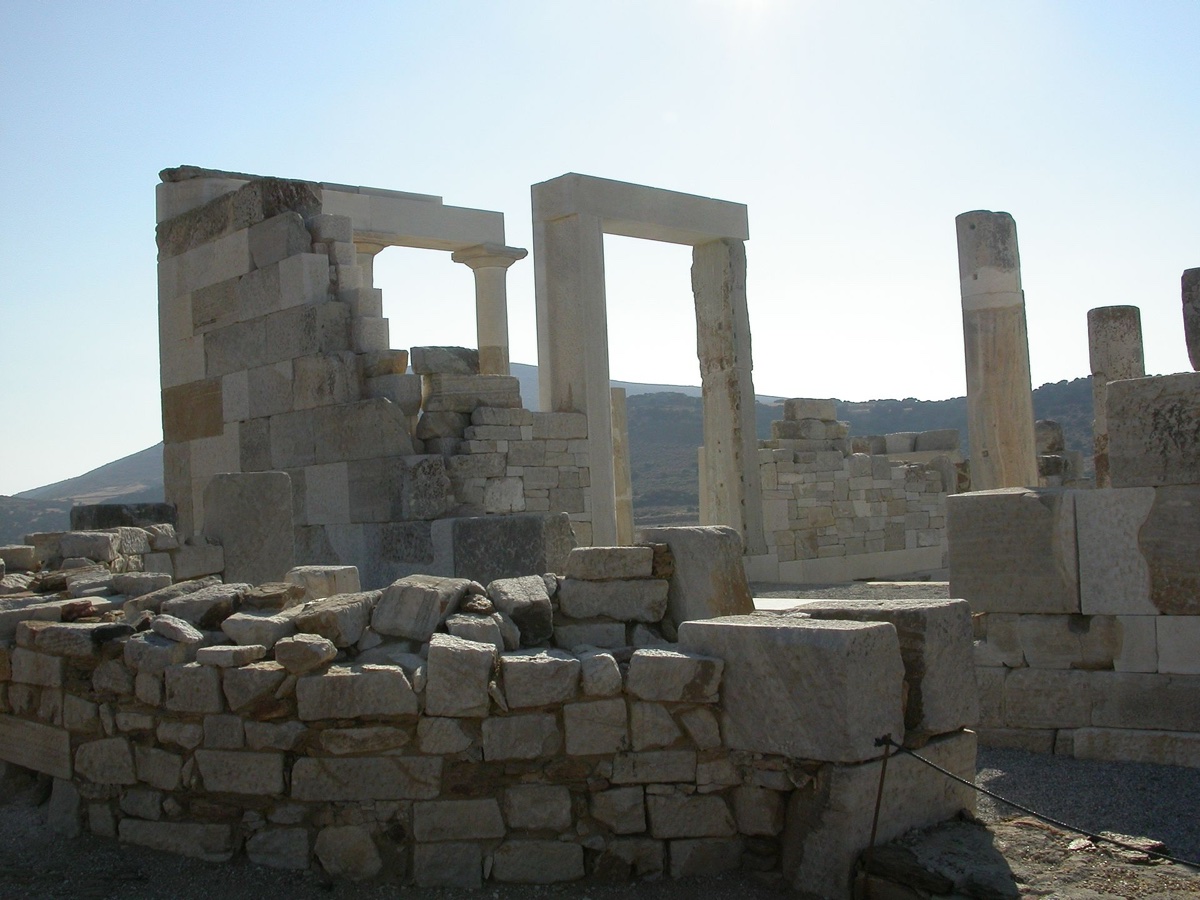
11. The Ancient Temple of Demeter near Sangri
History lovers are truly in their element on Naxos, and about ten kilometres from the main town near the village of Sangri stands a beautifully reconstructed ancient temple from the 6th century BC. The sanctuary was dedicated to Demeter, the goddess of agriculture and the harvest — which makes perfect sense, as it sits in the middle of the most fertile farming valley on the entire island.
This marble temple is architecturally hugely significant, having been built a full century before the famous Parthenon in Athens. It also represents one of the earliest known examples of marble roof tiling. For centuries it lay hidden beneath layers of soil and a later Christian basilica, until archaeologists rediscovered it in 1949 and painstakingly reassembled it from the original stones scattered across the surrounding fields.
Today the site is beautifully maintained and exudes an incredible sense of calm. In spring, when the surrounding landscape is vivid green and carpeted with wild flowers, a visit to the temple is genuinely restorative. Just beside the ruins, a very well-designed modern museum offers fascinating detail about the complex and painstaking archaeological reconstruction.
12. The Routsouna Waterfall and the Green Interior
When most people picture a Greek island, they imagine dry, parched landscapes — but Naxos will happily prove you wrong. Hidden between the villages of Keramoti and Kinidaros is the rare 20-metre Routsouna waterfall, an absolute natural rarity by Cycladic standards. It’s formed where two mountain streams converge, and its surroundings feel more like a lush tropical jungle than anything you’d expect in the Aegean.
The waterfall is reached by a roughly 40-minute walk from the village of Keramoti, passing old stone bridges, the ruins of ancient water mills and trees draped in thick ivy. The waterfall itself tumbles into a small natural pool where, after the exertion of the hike, you can take a wonderfully refreshing dip.
It’s worth saying that the most spectacular sight awaits in spring or early summer, when the streams are still fed by snowmelt from the mountains. During a particularly dry August, the main flow can diminish considerably and sometimes dry up altogether — but even then, the walk through this unusually verdant valley full of butterflies and plane trees is absolutely worth the trip.
13. The Emery Mines and Cable Transport to Moutsouna
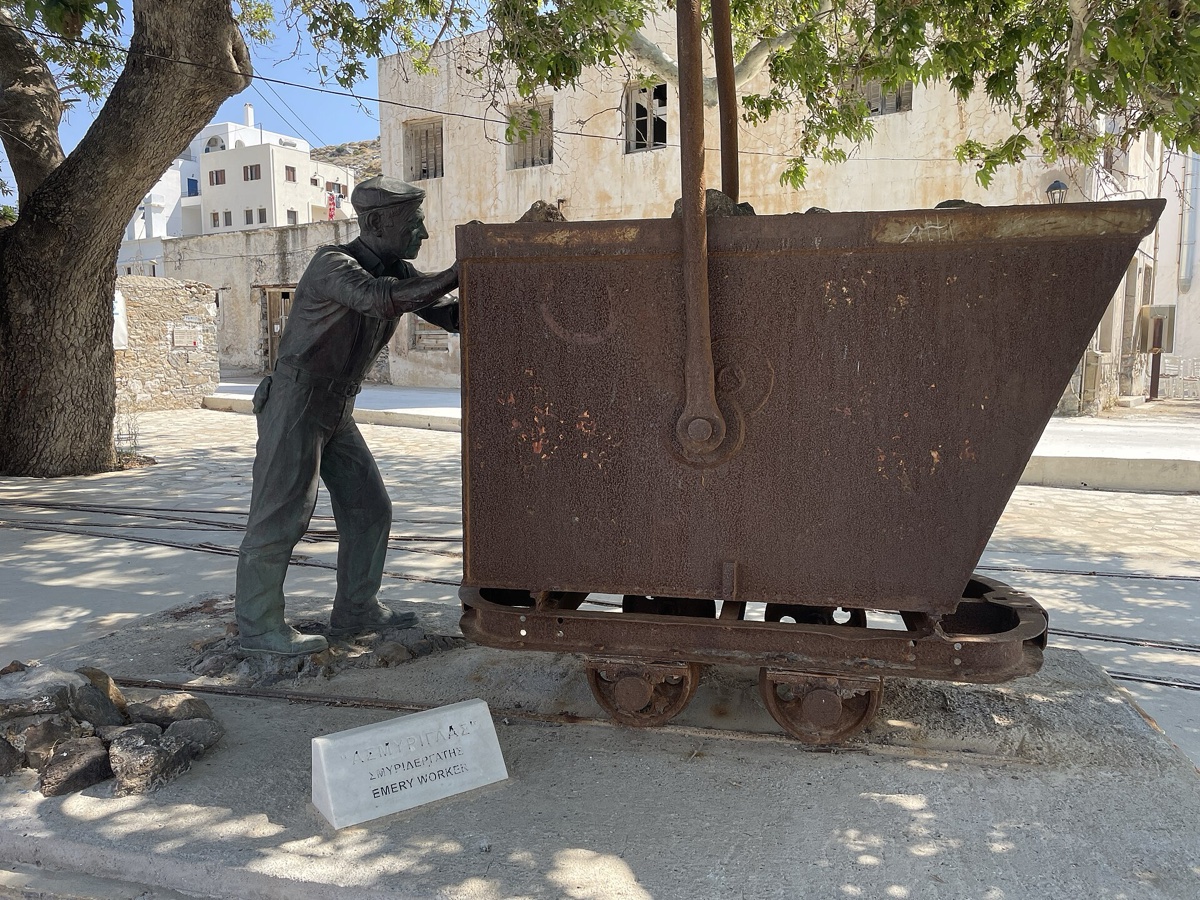
Naxos has a rich industrial history that is, by European standards, truly unique. For centuries the island was the only region in Europe to mine emery on a large scale — an exceptionally hard mineral used industrially for grinding and polishing metals. The mining took place in harsh conditions deep in the mountains near the village of Koronos.
The most remarkable industrial monument is the enormous aerial ropeway built between 1926 and 1929, constructed to carry heavy wagons loaded with emery from the mountain mines down to the sea at the port of Moutsouna. This nine-kilometre-long industrial line operated until 1978, and its pylons and rusting wagons still hang in the air high above deep valleys — a poignant reminder of the hard-working lives of local miners.
Moutsouna itself, on the isolated eastern coast, has gradually transformed from a busy industrial port into an extraordinarily peaceful fishing village. The local beaches are almost deserted, and time seems to have stood still in the tavernas right on the quayside — making it an ideal escape from the summer crowds on the western coast.
14. Remote Southern Beaches (Kalados and Pyrgaki)
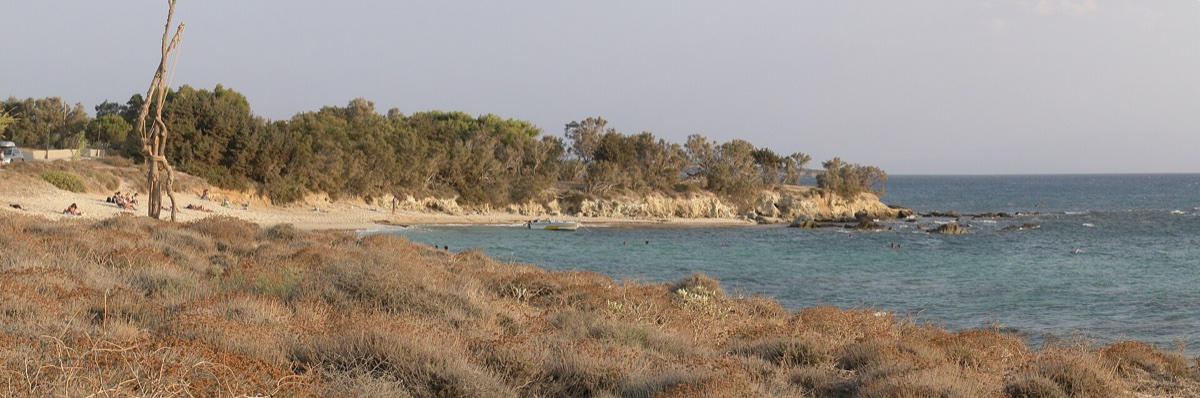
If you’ve got a reliable hire car and don’t mind a bit of adventure on rougher roads, set off to discover the island’s most southerly beaches. The area around Pyrgaki and Kalados bays is completely isolated and offers absolute silence and serenity. Pyrgaki is a gorgeous bay with fine sand and very shallow water, facing south and therefore perfectly sheltered from the summer’s northerly winds.
Even more remote is Kalados beach at the very southern tip of Naxos. The road to it descends deep from the mountains from the village of Filoti and covers about 24 kilometres, with the final sections often unpaved and dusty — a four-wheel drive vehicle is recommended for this stretch. Your reward is untouched nature where you’ll barely see another tourist.
In summer, small excursion boats occasionally make the trip to Kalados from the main town, but for most of the year this place is blissfully deserted. Make sure you bring everything you’ll need — food, water, the lot — as there are no supermarkets or beach bars anywhere near here.
15. Food and Local Produce
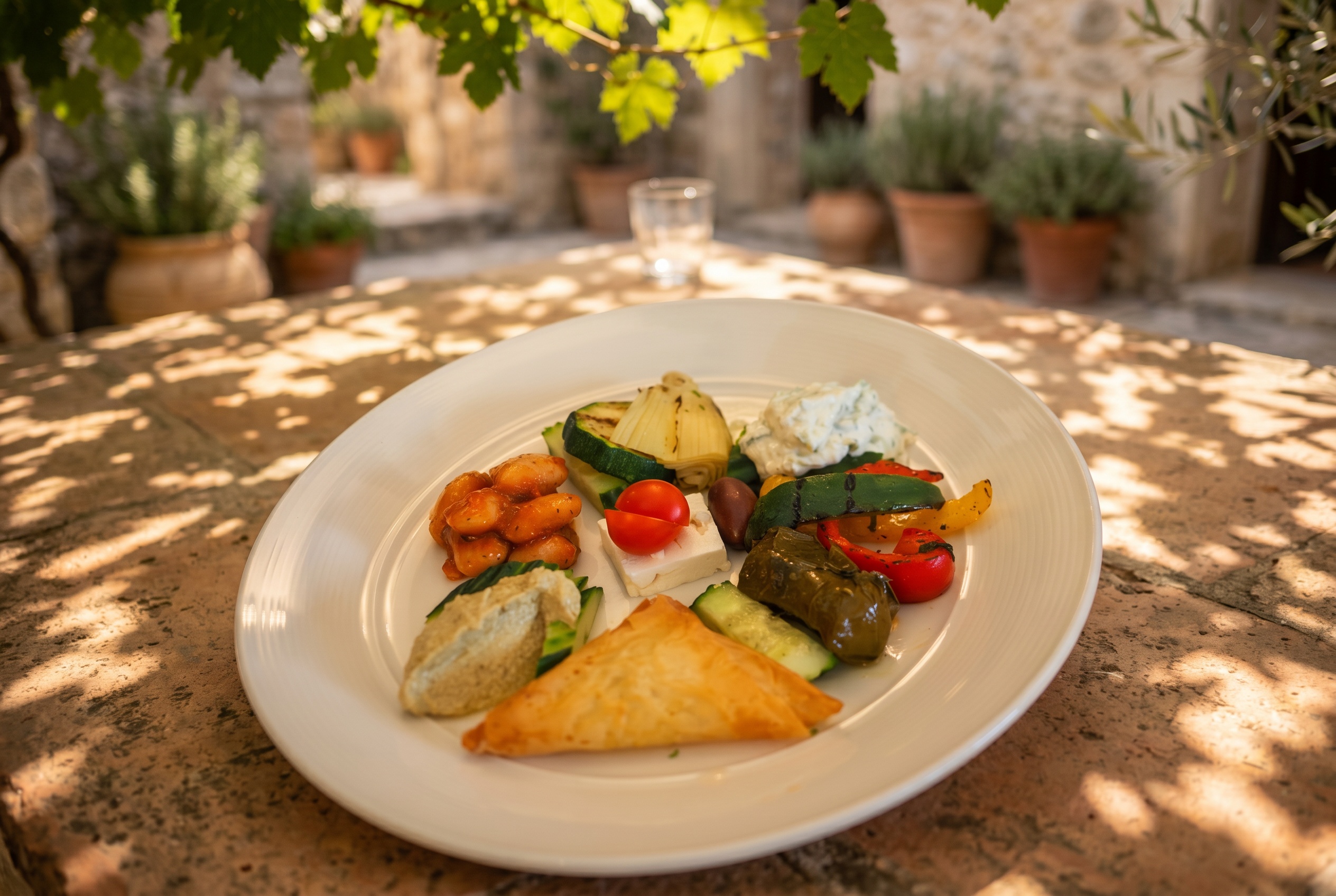
Greek food is great everywhere, but Naxos is simply in a league of its own — and that’s largely because the island is almost entirely self-sufficient. Almost everything that lands on your plate grew just a few kilometres from the taverna. The island’s most celebrated ingredient is the Naxian potato, which thanks to its unique soil has a protected designation of origin and is so good that top restaurants in Athens have it delivered specially.
The local cheeses are another highlight. I’d strongly recommend trying graviera — a mild, buttery cow’s milk cheese with a slightly sweet flavour — and the much bolder, hard and piquant sheep’s milk cheese arseniko. Vegetarians will feel like they’ve found paradise here: local tavernas make exceptional fava (a thick yellow split-pea purée), gemista (vegetables stuffed with rice and herbs) and dolmadakia (stuffed vine leaves). The island also does wonderful slow-roasted goat and pork with lemon, but meat-free options are plentiful and genuinely delicious.
💡 Tip: The best authentic food is found in the inland villages. The family-run Axiotissa taverna near Kastraki is hugely praised for its outstanding meat-free vegetable pies, fried green tomatoes and crispy dakos with xinomyzithra cheese. Back in the main town, don’t miss the traditional restaurant To Elliniko, tucked away in a cool shaded courtyard and serving the finest home-cooked specialities.
Map of points of interest for your phone
Where to Go Next from Naxos
Thanks to its central position in the Cyclades, Naxos is an outstanding springboard for exploring the wider archipelago. Ferries depart from the local port daily to virtually every corner of the Aegean.
- A trip to the Small Cyclades: If you love islands where almost no cars are allowed, hop on the local ferry Express Skopelitis for a day trip to Koufonisia or the tiny island of Iraklia. The beaches here will remind you of the Maldives.
- Paros: The neighbouring island is so close that the direct ferry takes just 40 minutes. Paros is far more cosmopolitan — full of elegant boutiques and a buzzing nightlife — making it a perfect contrast to the rustic charm of Naxos.
- Santorini: Even famous Santorini is very easily reached from here. The high-speed catamaran takes between one and two and a half hours, with tickets costing around €31 to €60, so it’s entirely doable as an intense day trip to catch those legendary sunsets.
For more inspiration and practical advice on travelling around the Greek islands, take a look at our other guides:
- Where to Go on Holiday in Greece
- Most Beautiful Greek Islands
- Santorini Holiday Guide
- Mykonos Holiday Guide
- Crete Holiday Guide
- What to Pack for a Greek Holiday
Frequently Asked Questions
Before you head off to Naxos, here are the answers to the most common questions we get. Hopefully they’ll make your planning a little easier. 😉
How do I get to Naxos?
The most common route is a flight to Athens followed by a transfer to the port of Piraeus. From there, the classic Blue Star ferries run to the island (the trip takes 5 to 6 hours and a ticket costs 50 to 60 euros), or the faster SeaJets catamarans, which cover the route in 3 to 4 hours for around 85 to 95 euros. Always buy your tickets well in advance.
Which Greek island is the most beautiful?
It depends on your preferences, but Naxos is often called the most beautiful thanks to its diversity. Unlike the barren islands, it’s incredibly green with vast fertile plains, majestic mountains, and the longest, finest sandy beaches in the entire region—all without the mass tourism.
Which Greek island is best for a holiday?
If you’re looking for the perfect balance between price and quality, Naxos is the clear winner. Compared to overpriced Mykonos or Santorini, you’ll save tens of percent on accommodation and food here. Plus, the island offers everything from beach lounging to active hiking, ancient ruins, and outstanding local cuisine.
Is Naxos suitable for families with children?
Absolutely! International guidebooks regularly rate it as the best Greek island for families. The beaches on the west coast, like Agios Prokopios or Plaka, have soft sand and very shallow, safe water entry. There’s also a calm, relaxed atmosphere without wild nighttime parties.
How many days should I spend on Naxos?
Given the size of the island and the number of activities available, I’d recommend planning a stay of at least 5 to 7 days. Anything shorter and you won’t have time to combine beach relaxation with exploring mountain villages, visiting the ancient Kouros statues, and wandering through the historic center of Chora.
What can’t you bring into Greece?
Greece is in the EU, so standard European rules apply. Basically: don’t pack meat or dairy products from non-EU countries, drugs, weapons without permits, or protected animals or plants. Nothing dramatic—just common sense.
Tips and Tricks for Your Vacation
Don’t Overpay for Flights
Search for flights on Kayak. It’s our favorite search engine because it scans the websites of all airlines and always finds the cheapest connection.
Book Your Accommodation Smartly
The best experiences we’ve had when looking for accommodation (from Alaska to Morocco) are with Booking.com, where hotels, apartments, and entire houses are usually the cheapest and most widely available.
 🚗 Car rental on the roadVerified car rentals in the Cyclades
Search with the DiscoverCars comparison engine — it compares prices from dozens of local and international rental companies, and most bookings come with free cancellation.
Compare car prices in the Cyclades →Don’t Forget Travel Insurance
Good travel insurance will protect you against illness, accidents, theft, or flight cancellations. We’ve had a few hospital visits abroad, so we know how important it is to have proper insurance arranged.
Where we insure ourselves: SafetyWing (simple monthly subscription) and TrueTraveller (for extra-long trips).
Find the Best Experiences
Get Your Guide is a huge online marketplace where you can book guided walks, trips, skip-the-line tickets, tours, and much more. We always find some extra fun there!