

Lublin Poland is a hidden gem that truly deserves a spot on your travel radar. While most visitors to Poland automatically head for the beauty of Krakow or the modern buzz of Warsaw, it’s well worth venturing off the beaten path. And that’s exactly where Lublin comes in. It’s the largest city in eastern Poland, and it’s surprising how little attention it gets from international travellers.
This place is brimming with history that tugs at your heartstrings, and an Old Town so picturesque I had my phone out on every single corner. It’s wonderfully colourful and packed with brilliant restaurants, yet you won’t encounter the same tourist crowds as in other Polish cities. Historically, it was a true cultural crossroads — Christians, Jews, Orthodox believers, and Tatars lived side by side here for centuries. Here’s everything you need to know before you pack your bags. 😉
TL;DR
Here’s a quick overview of the essentials you should know before your trip. If you’re in a hurry, this should give you a solid starting point:
- How long do you need: One full day is plenty for the historic centre itself, but I’d recommend adding at least half a day for a visit to Majdanek.
- Where to stay: The most romantic option is right in the Old Town, though it’s a touch pricier. For a cheaper and quieter stay, look for accommodation in the Wielicka district.
- Top highlights: Don’t miss Lublin Castle (Zamek Lubelski) with its unique Trinity Chapel, the colourful lanes of the Old Town, and the remnants of the city walls crowned by the Kraków Gate.
- What to taste: You absolutely must try the local speciality with a protected designation of origin — an onion flatbread called cebularz lubelski.
- Transport and money: The currency is the Polish złoty (PLN), and cards are accepted virtually everywhere. For public transport, I recommend downloading the mPay app.
- Majdanek: The former concentration camp lies just 5 kilometres from the city centre. Entry is free, but the exhibition is emotionally very intense and definitely not recommended for children under 14.
The full destination guide: Poland — guide and what to see
What Is Lublin and Why Should You Visit
If you pull up a map and search for Lublin Poland, you’ll see it sits relatively close to the Ukrainian border and serves as the capital of the Lublin Voivodeship. It’s often nicknamed the “gateway to the East” and was once one of the most important trading cities in the entire region.
It was once a major cultural hub where, before World War II, Jewish residents made up around seventy percent of the population. The demographics have obviously changed dramatically since then, but the historical imprint of Jewish, Christian, and Orthodox culture is visible at every turn. Today, Lublin has around 340,000 inhabitants and is largely a university city, which means it’s full of young people, lovely little cafés, and a relaxed, easygoing atmosphere. It’s no wonder people keep coming back — it’s considerably cheaper and more peaceful than western Poland.
When to Visit and How to Get to Lublin
Planning a trip to eastern Poland is fairly straightforward, though logistically it takes a bit more effort than, say, a weekend in Wrocław or Krakow. Let’s look at the best time to visit and which transport option will make your journey as comfortable as possible.
Best Time to Visit
Lublin is at its finest from May to September, when the streets come alive with outdoor terraces and the summer air has that perfect laid-back feel. If you love festivals, plan your visit for August when the famous Jagiellonian Fair fills the city with music and art.
Although autumn can be drizzly — and we always check the Lublin Poland weather forecast beforehand, since it can spring quite a surprise — the city shrouded in mist has a wonderfully mystical atmosphere. In winter, you’ll find beautiful Lublin Poland Christmas markets that feel far more authentic than the big commercial ones in major cities.
How to Get to Eastern Poland
If you’re travelling from the UK, one of the most convenient options is to fly. There are regular flights from London to Lublin Poland operated by Wizz Air, landing at Lublin Airport (Poland’s handy regional hub). From there, you can also look into connecting flights from London to Lublin Poland via Warsaw on LOT Polish Airlines if the direct route doesn’t suit your schedule. Once you’re in Poland, a road trip across Poland is one of the best ways to really get to know the country — and we’ve done it ourselves many times.
FlixBus is also a popular and affordable option if you’re already in Poland, connecting Lublin with Warsaw and Krakow. There’s no direct train from the UK, of course, but once you reach Warsaw by air, regular trains and buses will get you to Lublin in around 2.5 hours.
Where to Stay and How Much Does Lublin Cost
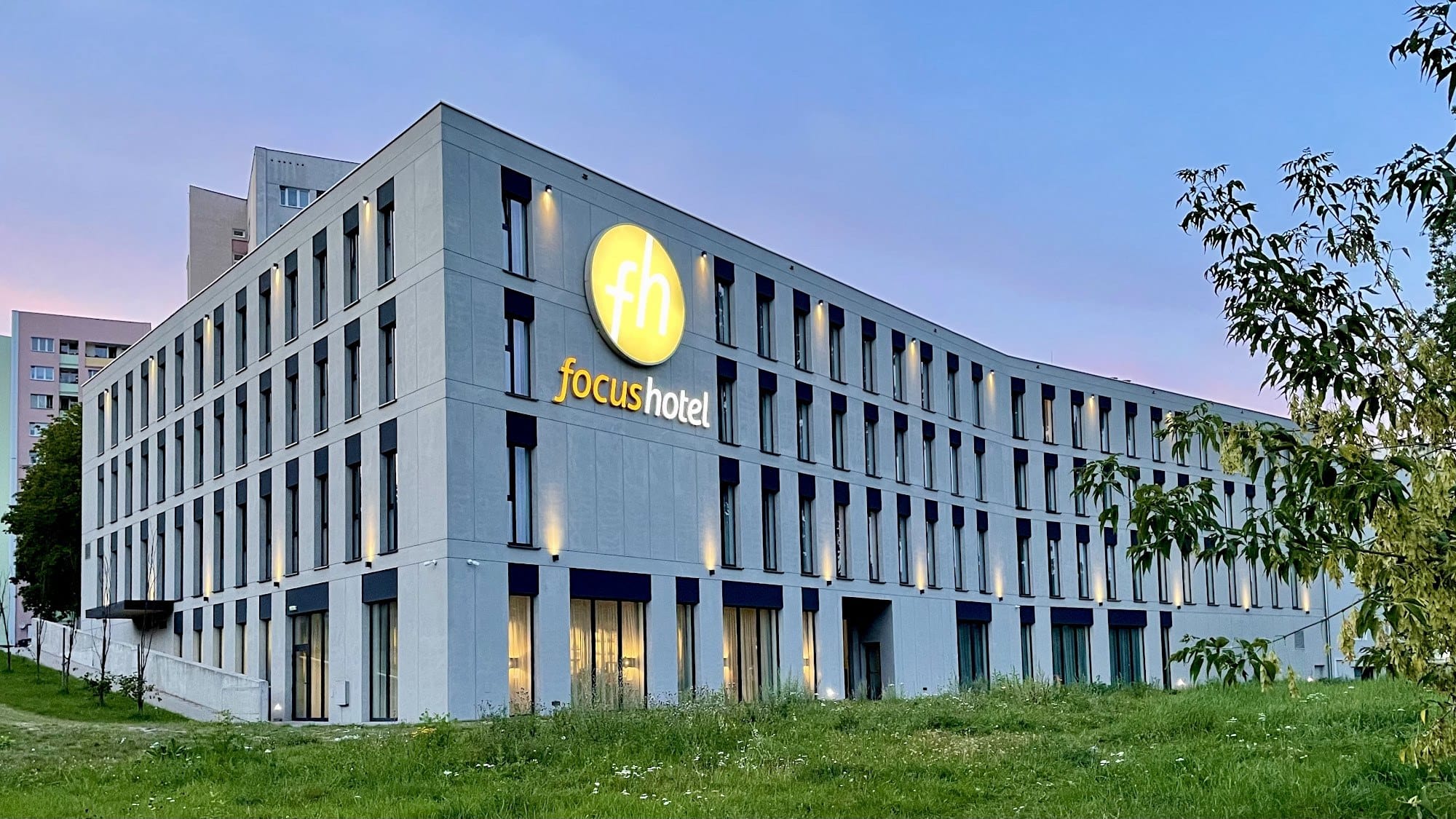
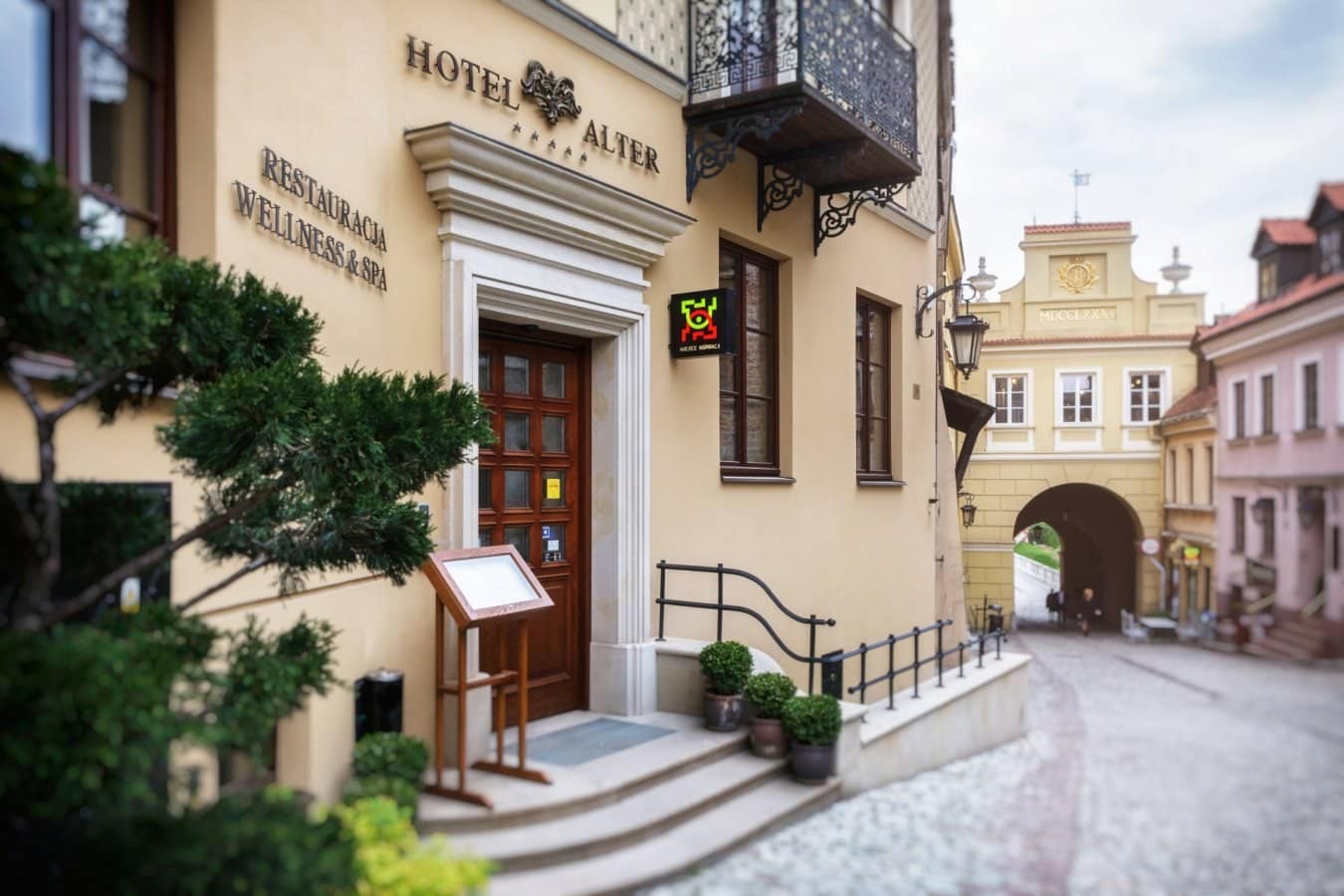
Finding accommodation in Lublin is a real pleasure, because prices here don’t reach the heights of the capital and you get genuinely luxurious service for very reasonable money. It simply depends on whether you want to stay right in the historic centre with everything on your doorstep, or whether you prefer modern hotels in the business district.
If you’re after romance and don’t mind a slightly higher price tag, look for hotels and apartments in the Stare Miasto (Old Town) quarter. The atmosphere is gorgeous — in the evening you just step out of your hotel and sit straight down at one of the excellent restaurants. The area around the Dominican Basilica is particularly lovely. It can get a bit noisy at night from the street buzz, but the views are well worth it. A wonderfully romantic choice is Hotel Alter, which has an amazing wellness spa right in the cellar of a historic building. If you’re driving or looking for a cheaper, quieter alternative, check out the Wielicka district — it’s a bit further from the absolute centre but still very well connected, and parking is much easier and cheaper. Here I’d recommend the modern apartments at Focus Hotel Premium, where you’ll find peace and a luxurious breakfast. Lublin is generally very affordable — a beautiful double room in the centre costs around 45–75 € per night, which is an absolute dream compared to western Europe. Use Booking.com to find the best deals.
15 Best Things to See and Do in Lublin
When you arrive in Lublin, you’ll immediately realise it’s a city made for walking. Most of the main sights are concentrated in a compact area within the beautifully preserved historic core, so you won’t need to worry much about public transport. Just be prepared to do a lot of walking. That said, these are the places you absolutely shouldn’t miss.
1. Lublin Castle (Zamek Lubelski) and Its Iconic Views
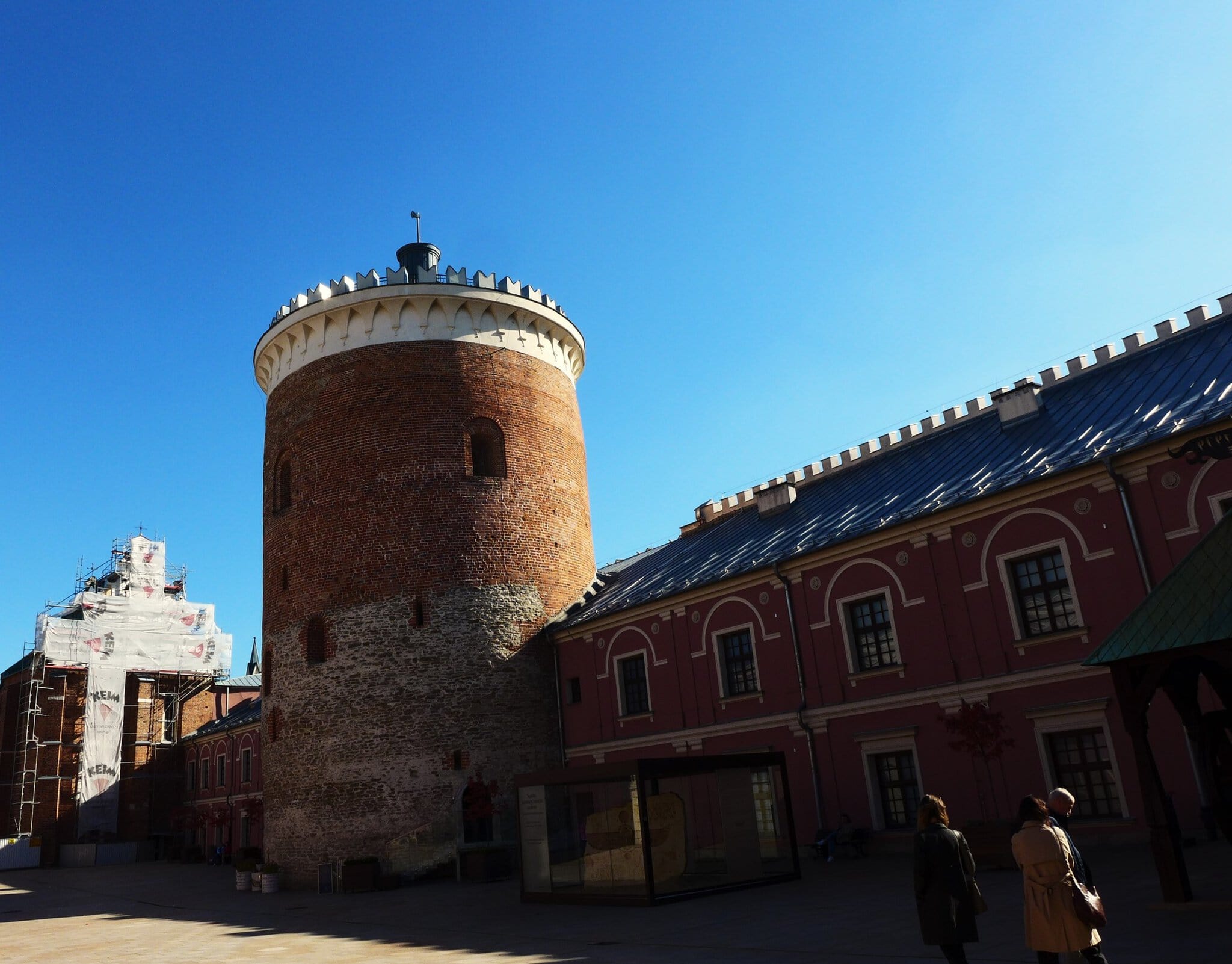
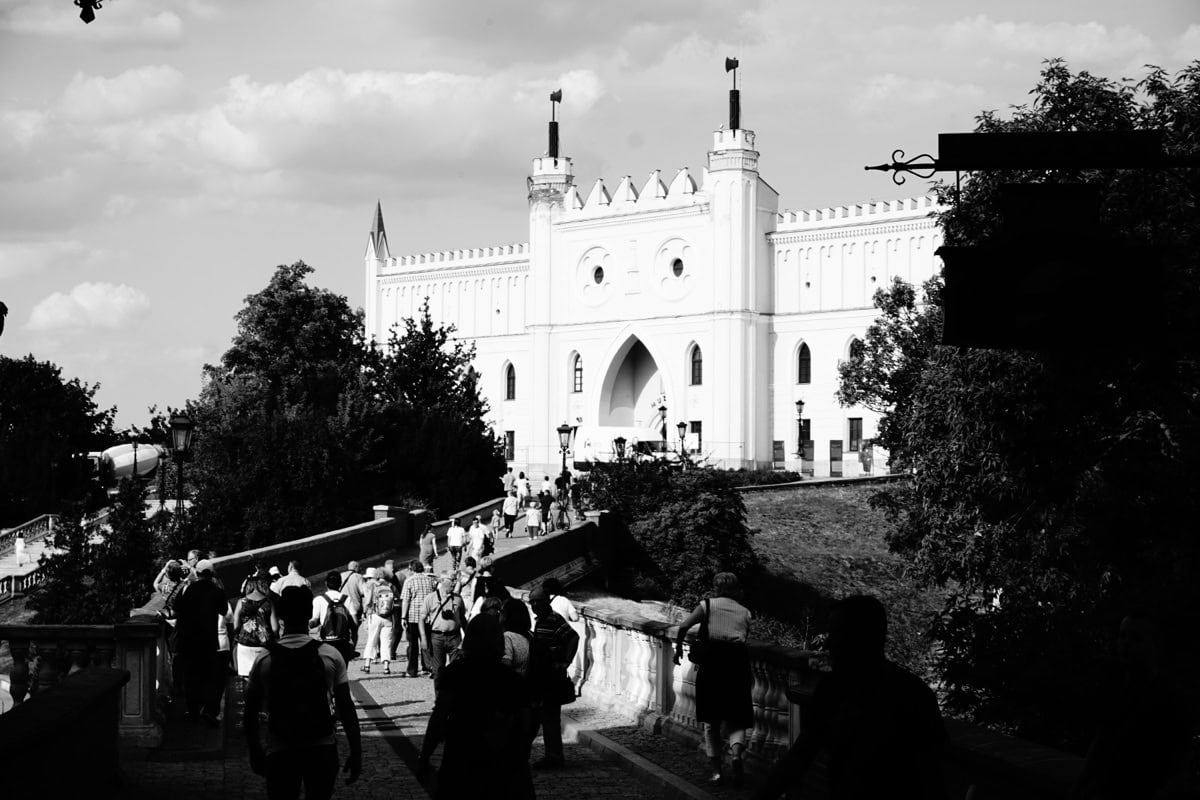
You simply can’t miss this castle — it rises majestically on a hill right next to the Old Town and is arguably the most striking landmark in all of Lublin. While the current appearance dates mostly from the nineteenth century, when the building served as a much-feared prison, inside you’ll find absolutely breathtaking spaces and an excellent museum covering the history of the entire region.
It’s well worth taking a lovely stroll around the castle walls, where you’ll also get beautiful views over the rest of the city. For details, check out the official museum website for current opening hours and ticket prices.
2. The Holy Trinity Chapel (Trinity Chapel)
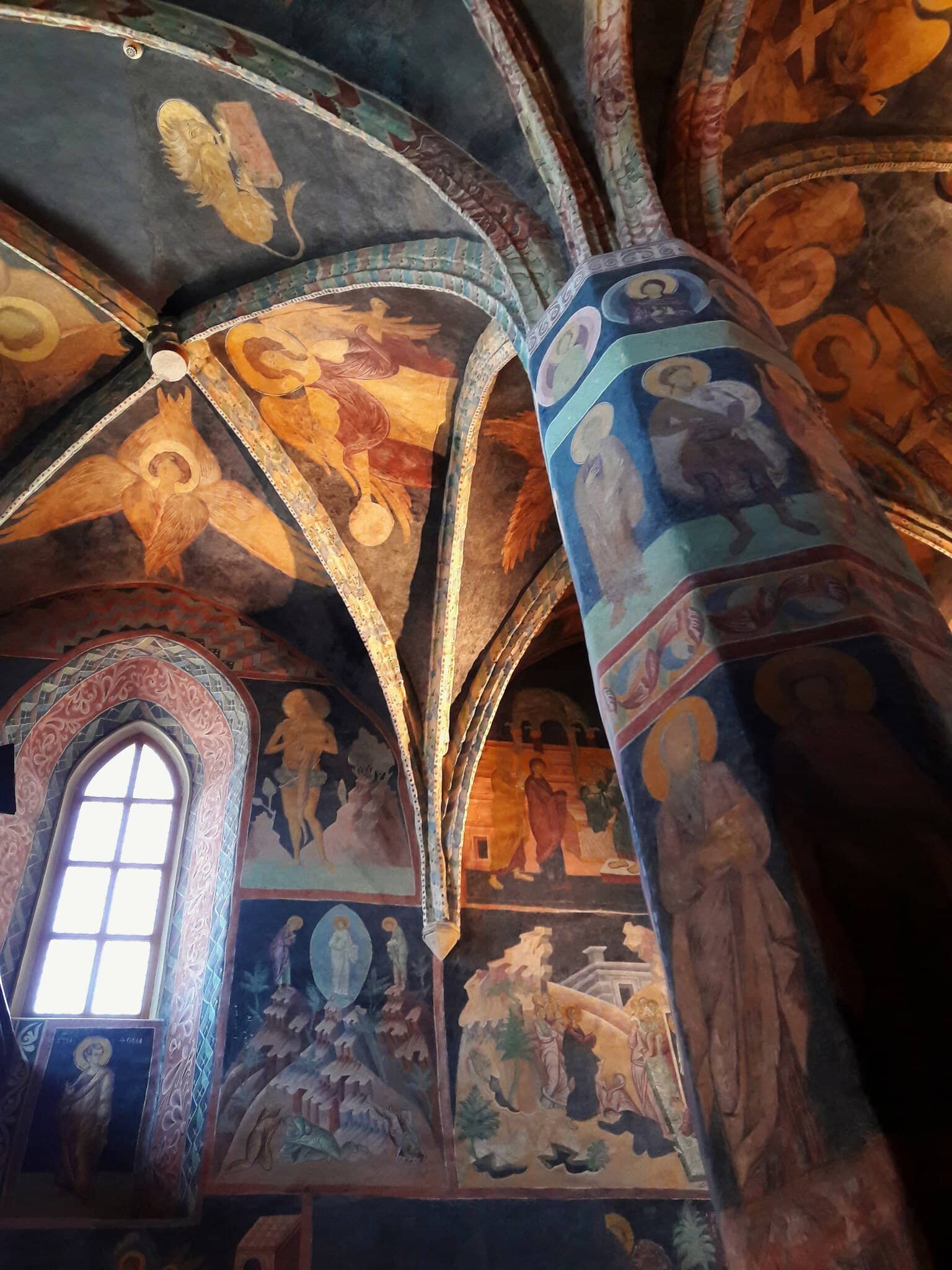
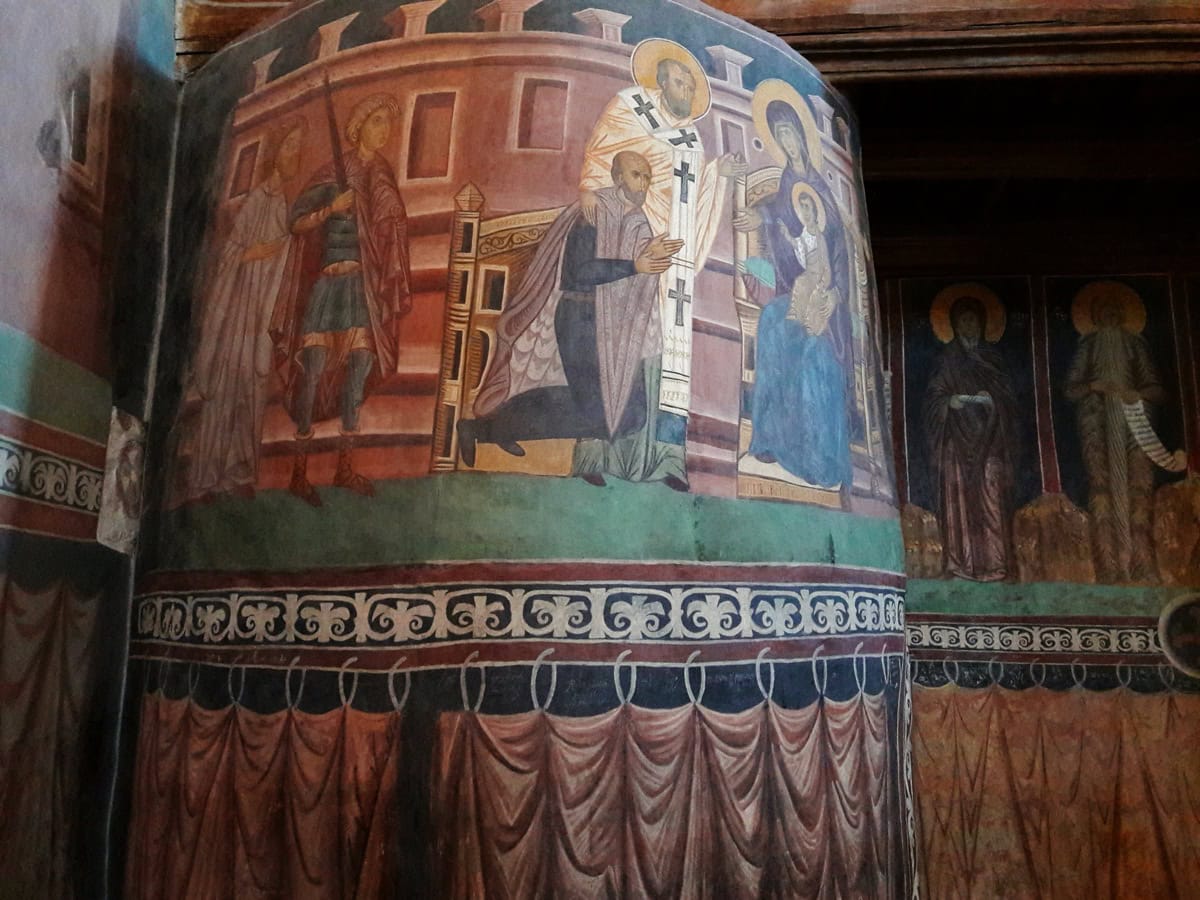
Although the chapel is physically part of the Lublin Castle complex, it deserves its own entry because it’s the main reason to visit. Inside, you’ll find unique Byzantine-Renaissance frescoes from the early fifteenth century that have no equal in Central Europe and are connected to the UNESCO heritage lists. The contrast between Western Gothic architecture and Eastern Orthodox paintings is simply fascinating — and this is precisely what makes Lublin a true crossroads of cultures.
Make sure you buy your tickets in advance, as only a limited number of visitors are allowed inside at a time. I’m usually not one for historical paintings, but here my jaw genuinely dropped — the atmosphere is simply indescribable.
3. A Stroll Through the Colourful Old Town
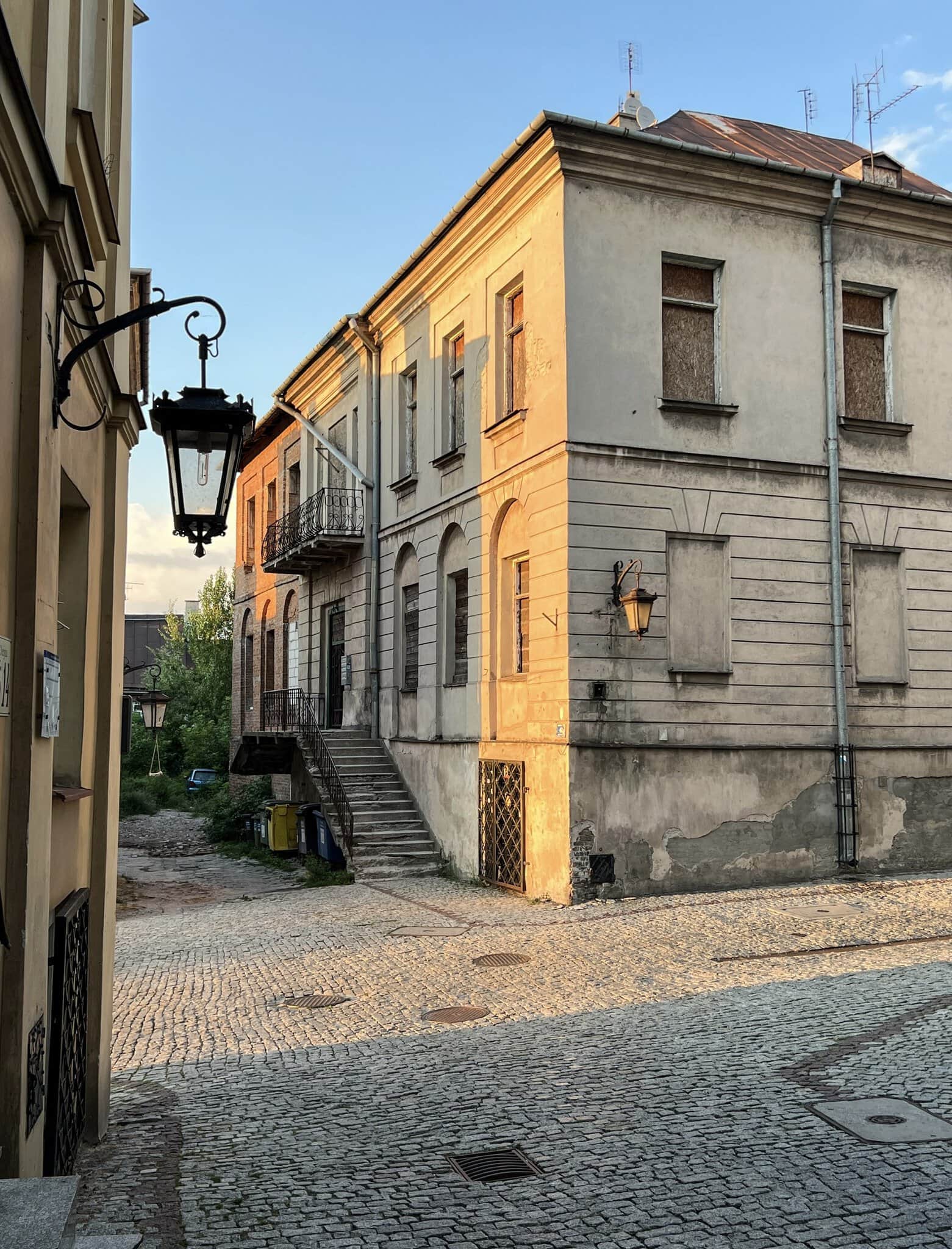
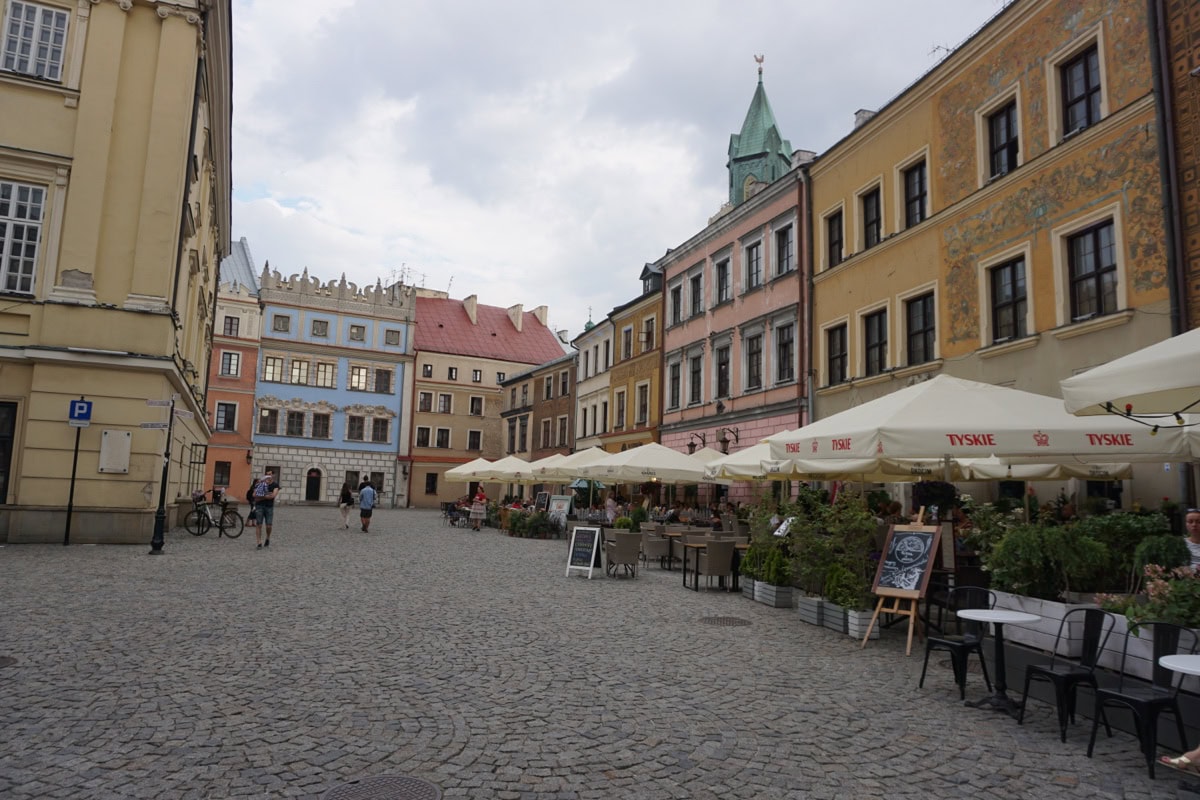
Lublin’s Old Town is incredibly photogenic, made up of small, winding lanes filled with beautifully restored and brightly coloured townhouses. There are no massive boulevards here — just narrow passageways and cobblestone squares where centuries of history seem to breathe from every wall. You can simply wander, photograph details of old windows and doors, or sit down at one of the many outdoor terraces and soak up the pleasant bustle.
The best time to explore the side streets is early morning, before the other tourists emerge. You’ll easily stumble upon a hidden courtyard draped in ivy that looks like something straight out of an Italian film.
4. Brama Krakowska: The Symbol of the City
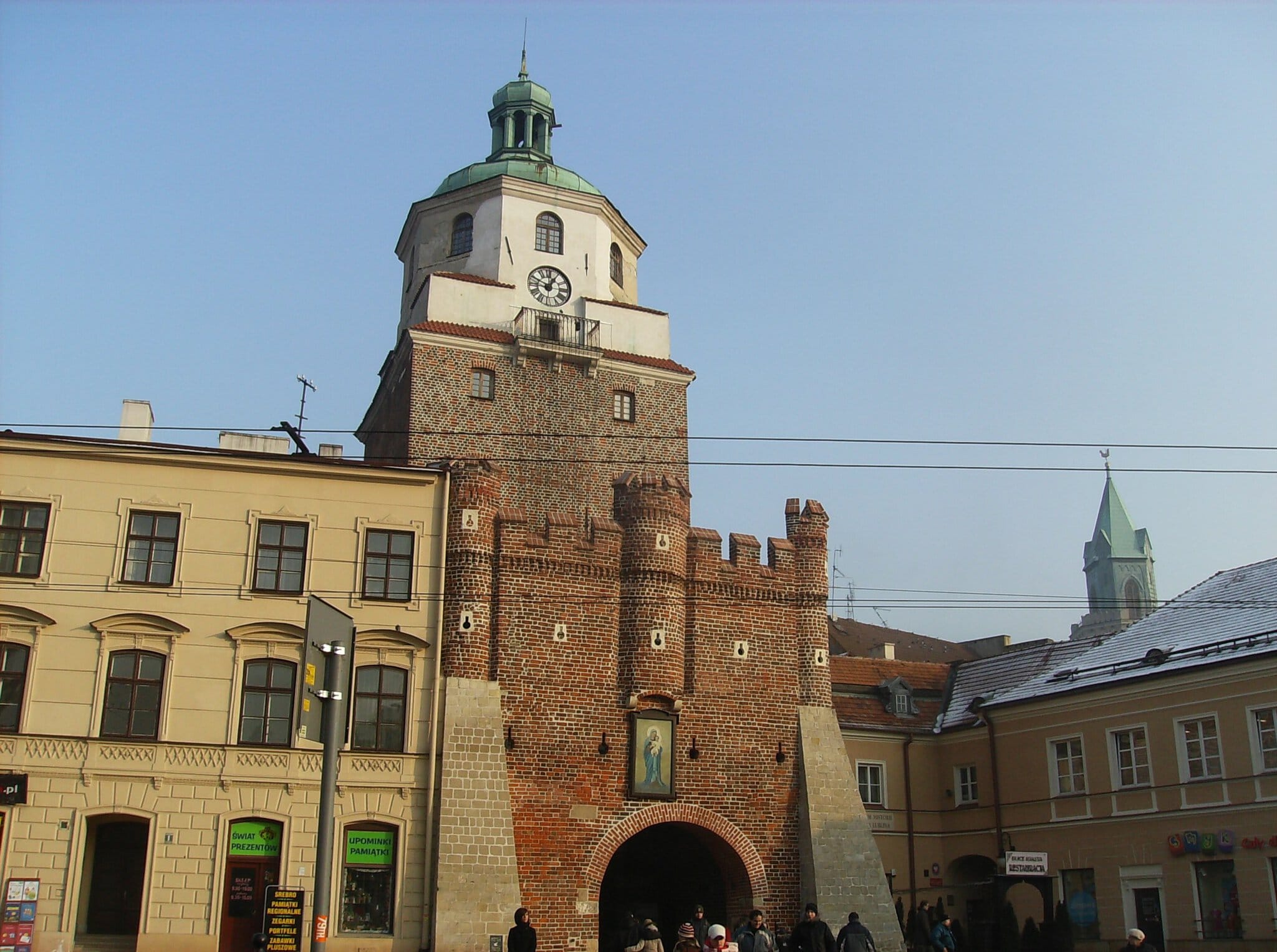
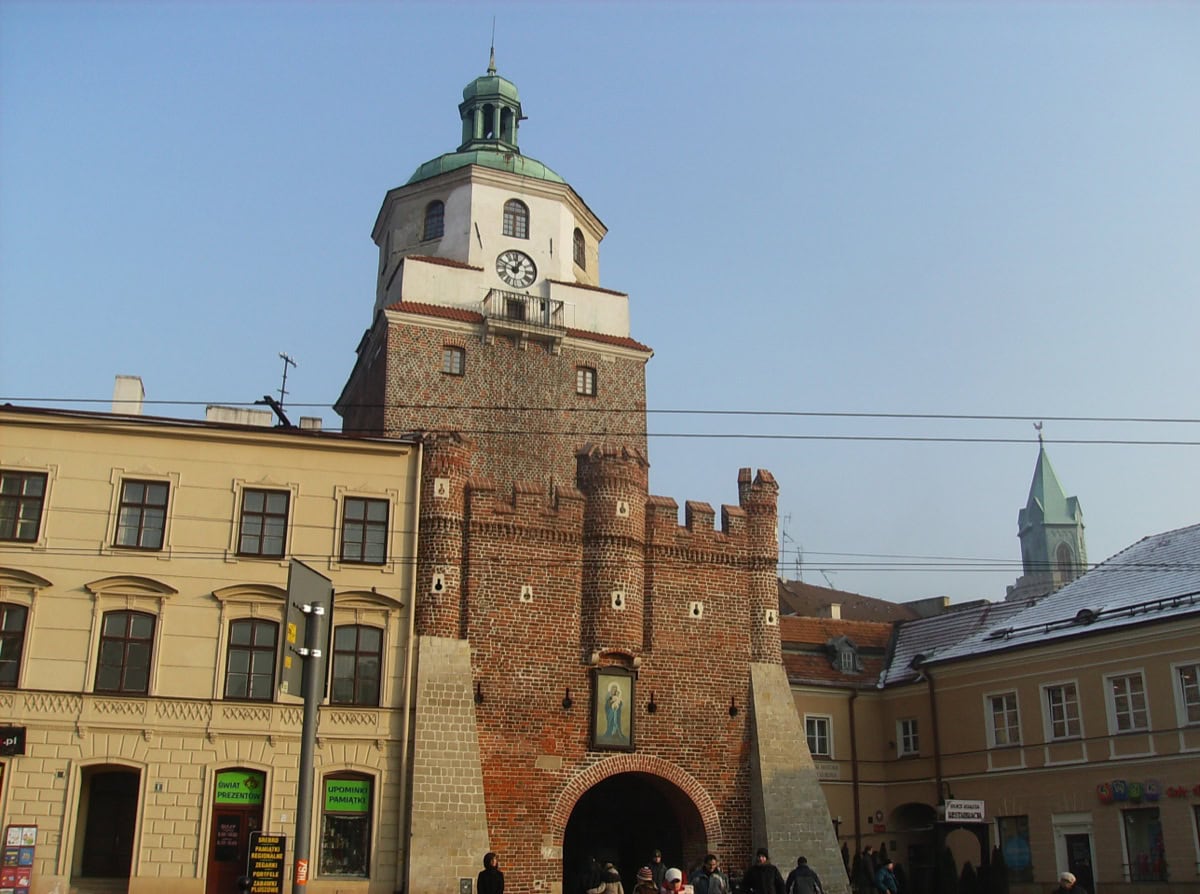
This gate is the only major remnant of the original fourteenth-century city walls and today serves as the symbolic entrance to the historic centre. It houses a small history museum, but above all, it’s the spot where everyone gathers and snaps photos. The moment you pass under its arch, you’re transported into an entirely different world, far from the modern rush of the city.
In the evening, the gate is beautifully illuminated and you’ll often encounter street musicians here. You can soak up the wonderful evening atmosphere and appreciate how, despite its historical significance, this place is very much alive and thriving in the present.
5. Plac po Farze Square and Its Ruins
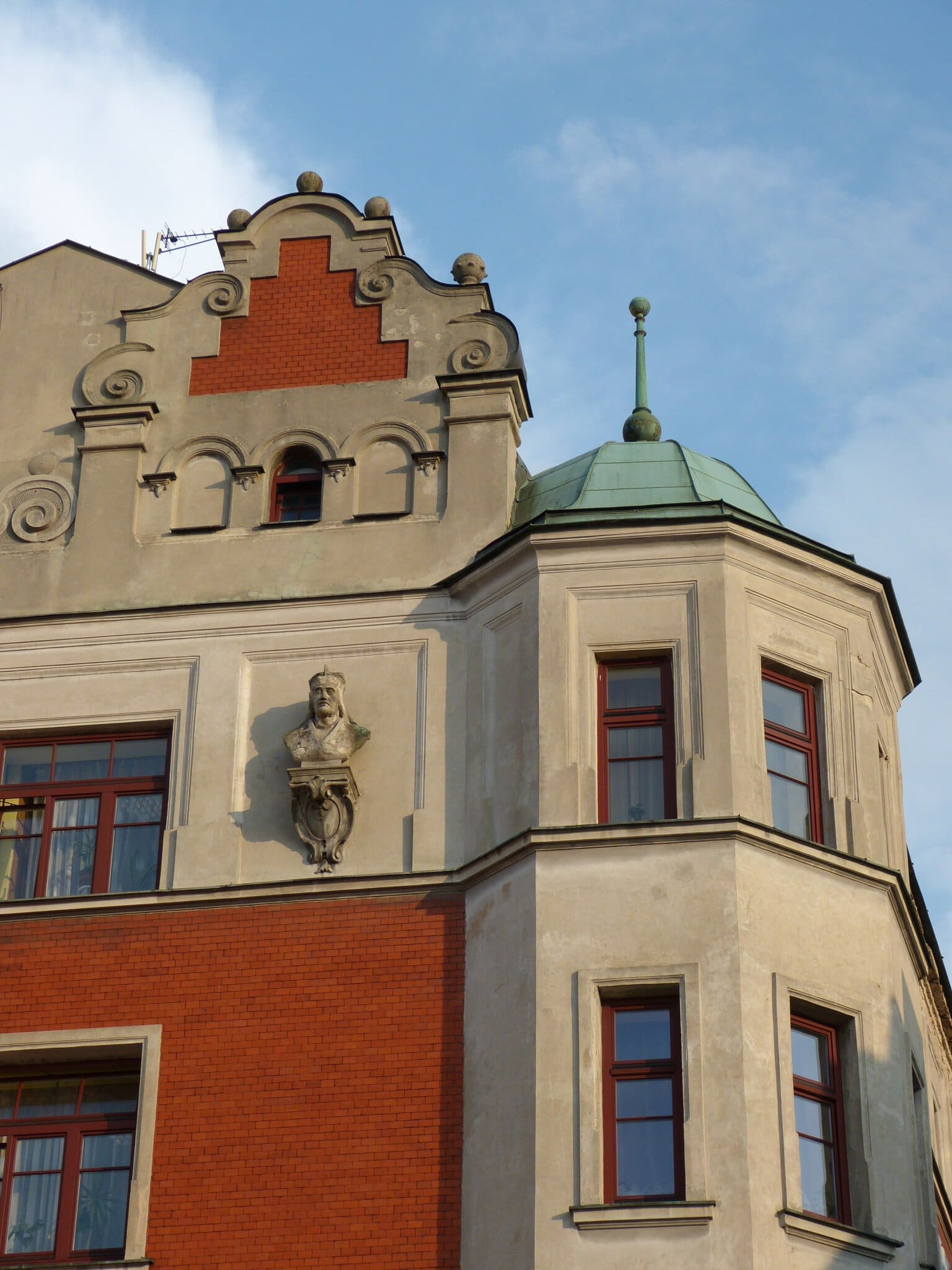
Venture deeper into the centre and you’ll come across a very peculiar and beautiful spot — Plac po Farze. A massive Church of St Michael the Archangel once stood here, but it was demolished in the nineteenth century and only the foundations remain today. People sit casually on the low walls, and from the edge of the square there’s a gorgeous view straight towards Lublin Castle, making it the perfect spot for your travel photos ☺️.
It’s a large grassy area right in the middle of the stone-built city, which creates a wonderfully calming effect. Locals bring their coffee here and read books, so if you need a moment to recharge, you’d be hard-pressed to find a better place.
6. Climbing the Trinitarian Tower (Wieża Trynitarska)
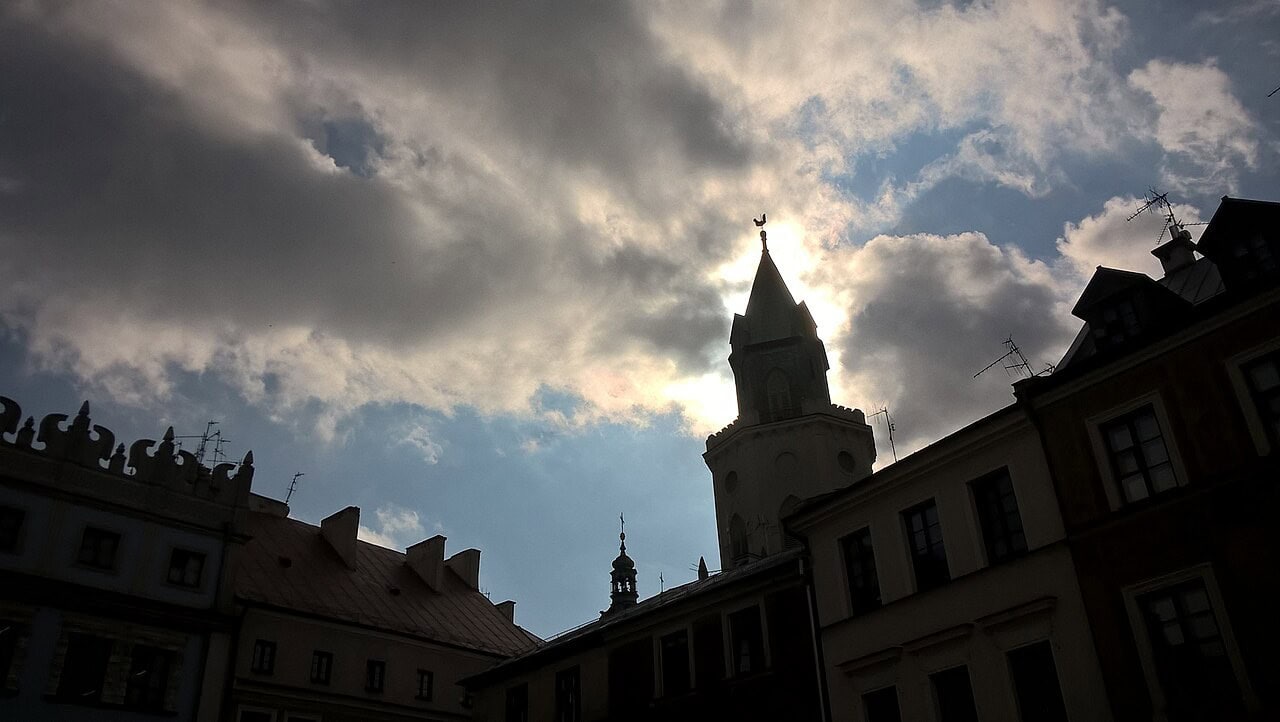
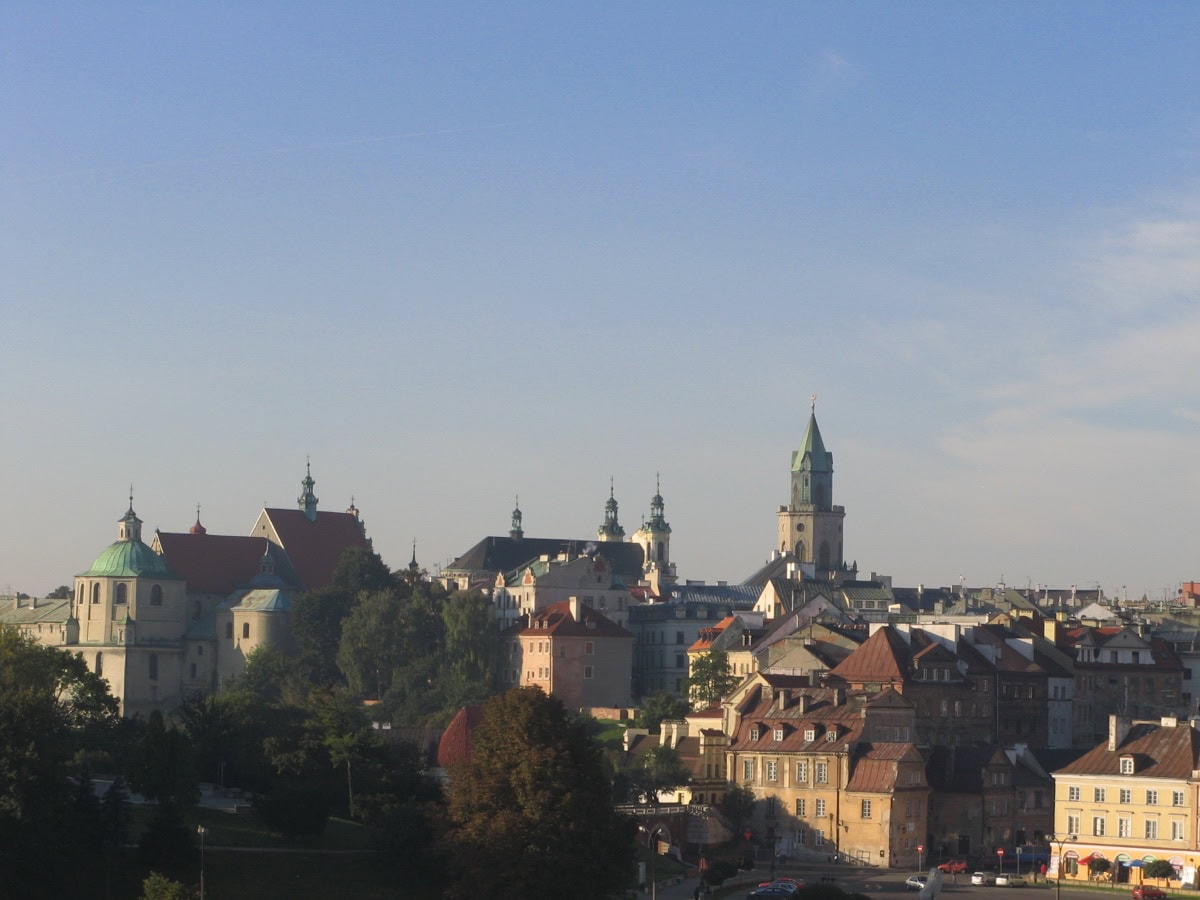
If you love views from above as much as we do, definitely pay the entrance fee to climb the Trinitarian Tower, which serves as the bell tower of Lublin Cathedral. Be prepared to tackle quite a few steps — the climb up the old wooden staircases is a bit of a workout — but the panoramic view over the entire Old Town is absolutely worth it.
It can be quite breezy at the top, so don’t forget to bring a light jacket even in summer. But the sight of those red rooftops and spires will quickly make up for any huffing and puffing on the way up.
7. Centre for the Meeting of Cultures (Centrum Spotkania Kultur)
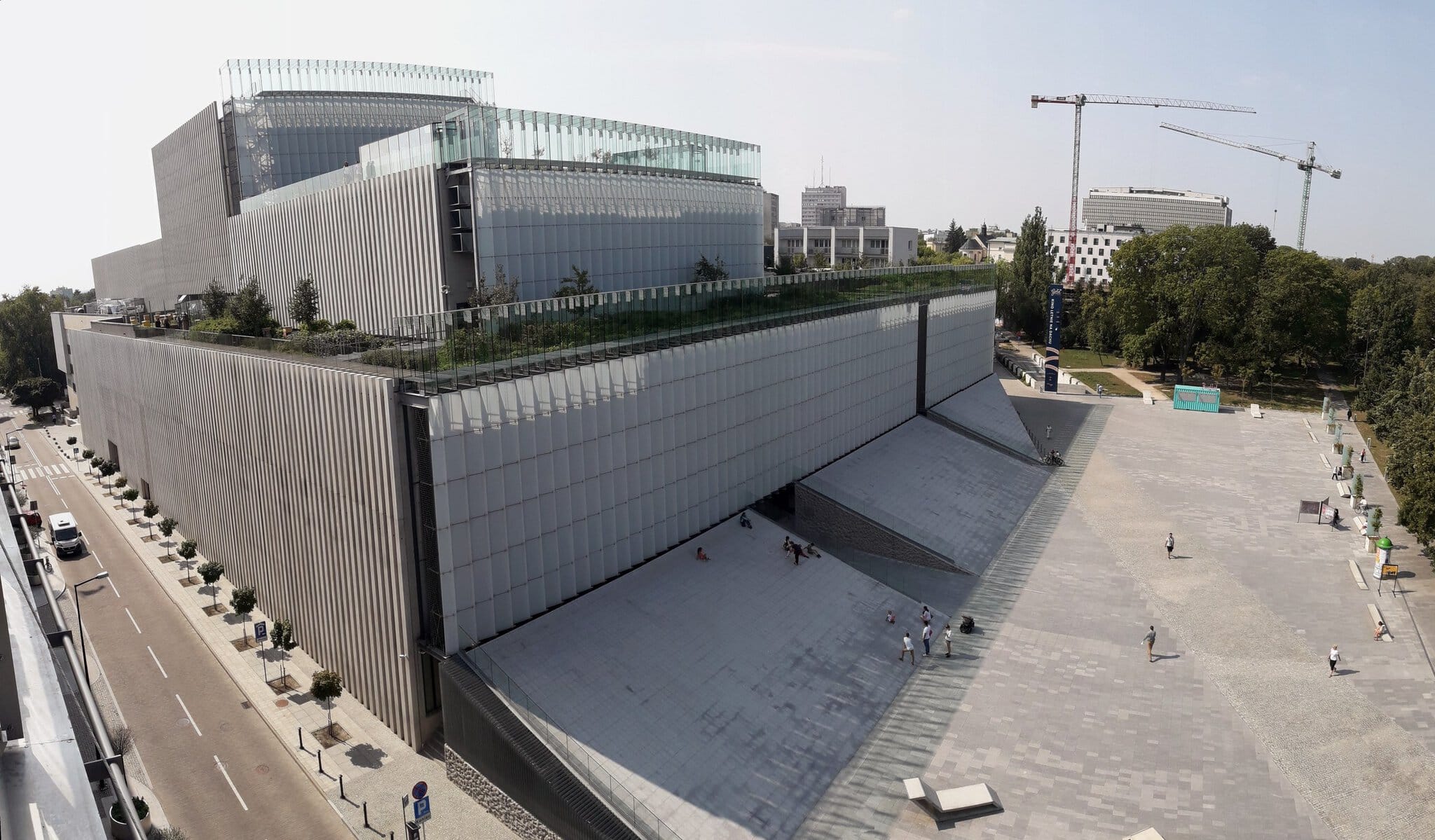
Just so you don’t think Lublin is all about history, head over to the modern building of the Centre for the Meeting of Cultures. Architecturally, it’s a striking contrast to the historic centre — all glass and concrete — and inside you’ll find contemporary art exhibitions, theatre performances, and concerts.
There are regularly rotating photography exhibitions and other events. It’s great to see that Lublin isn’t just a museum piece frozen in time. I’d recommend checking the official website and picking something from their rich programme.
8. Dominican Basilica of St Stanislaus
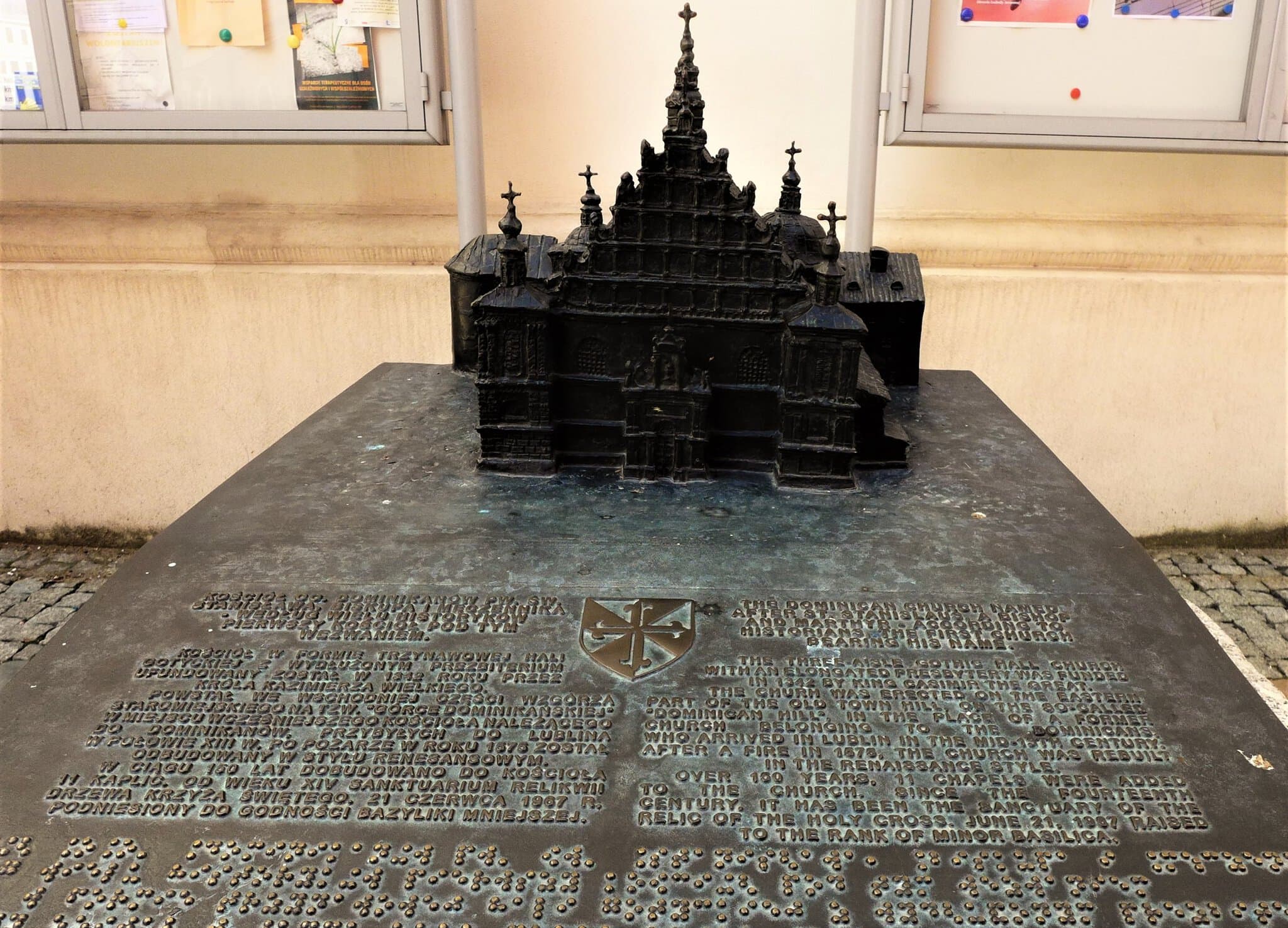
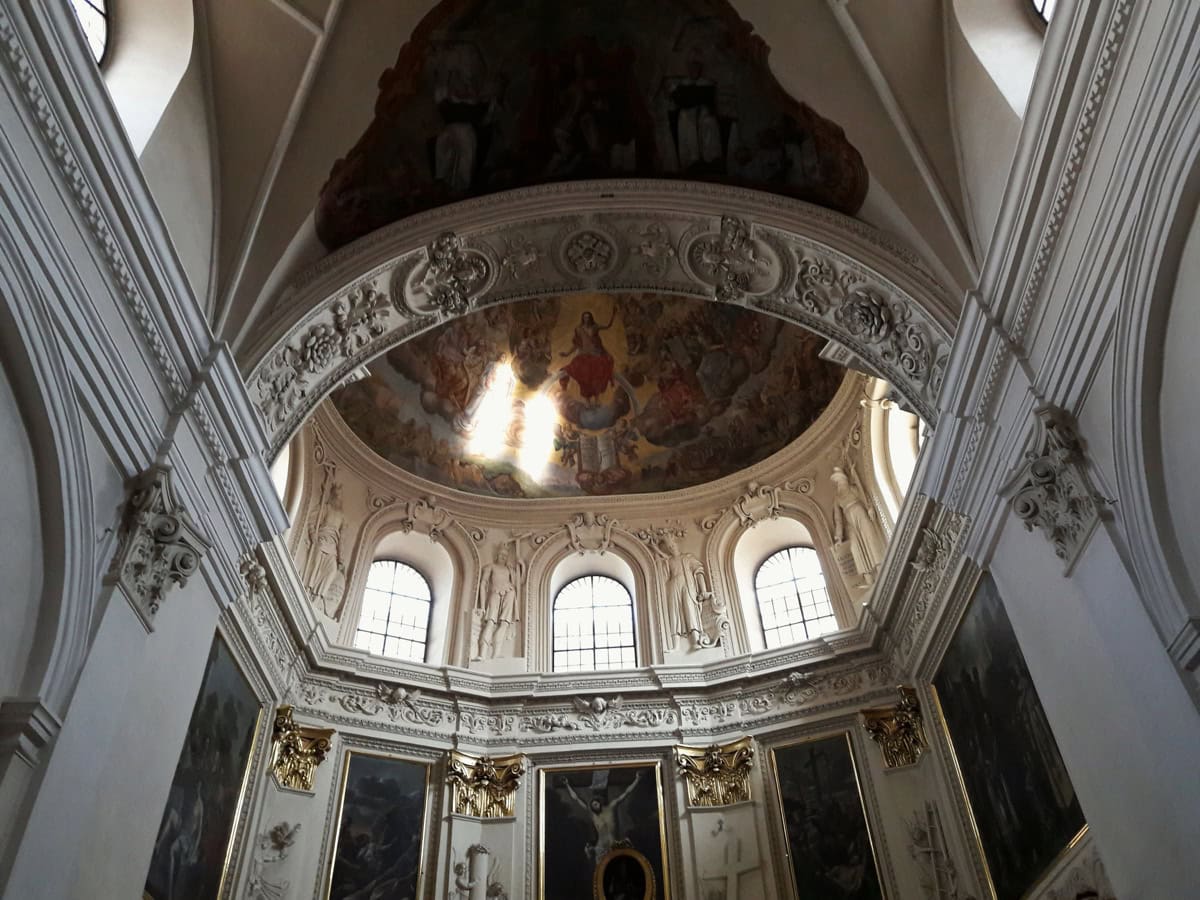
Just a stone’s throw from the main action you’ll find the Basilica of St Stanislaus (Bazylika oo. Dominikanów), one of the most important churches in the city. From the outside, it may not look as grandiose as Italian cathedrals, but the interior is incredibly rich — filled with gilding, altars, and chapels. Even if you’re not religious, the tranquil atmosphere and jaw-dropping stucco decoration will probably make you sit down for a few minutes and just stare in awe.
Local legend has it that fragments of the Holy Cross were once kept here, which drew pilgrims from all across Europe. What we loved most was the quiet majesty of the place — a perfect retreat from the summer sun at any time of day.
9. Relaxing in the Saxon Garden (Ogród Saski) by the Bystrzyca River
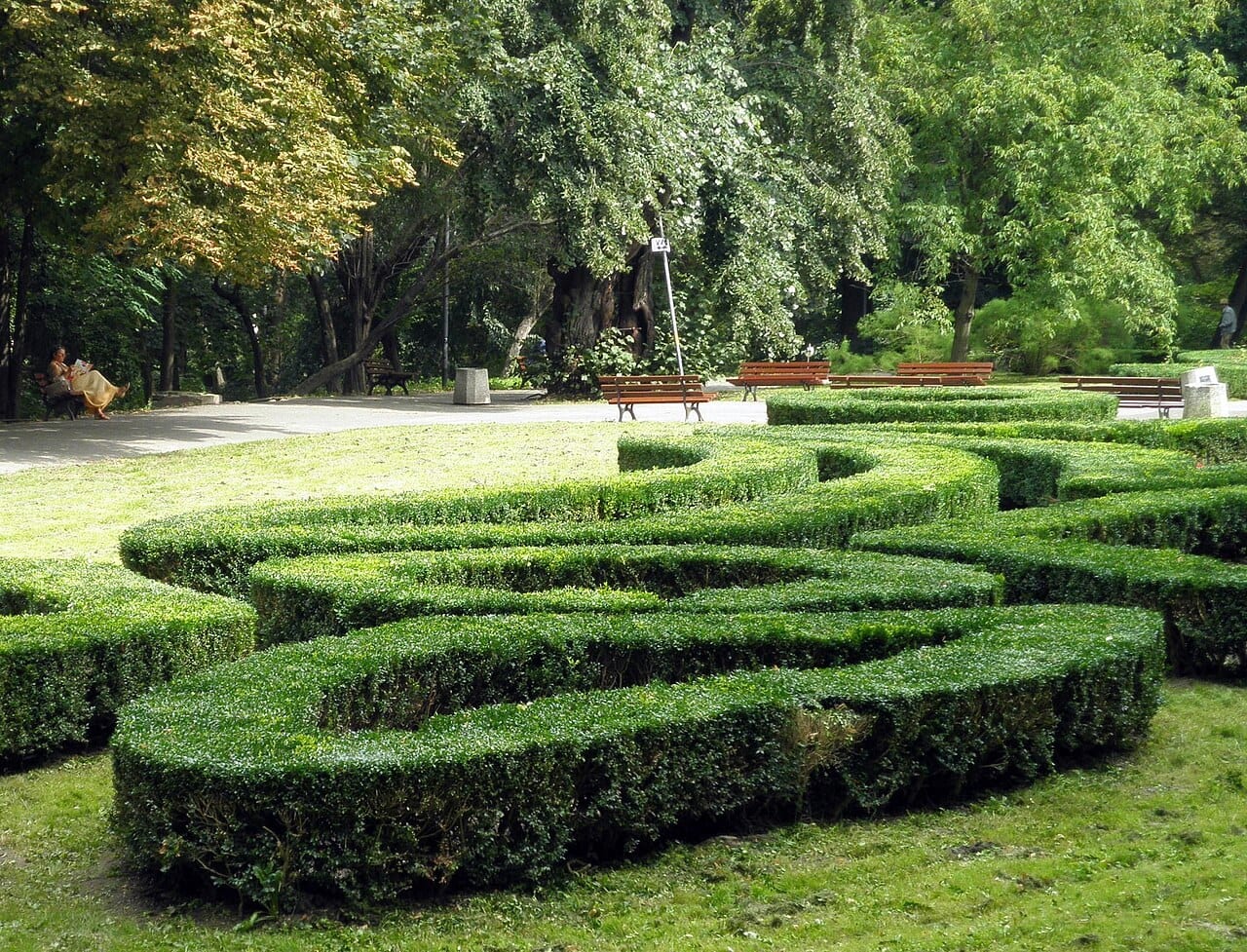
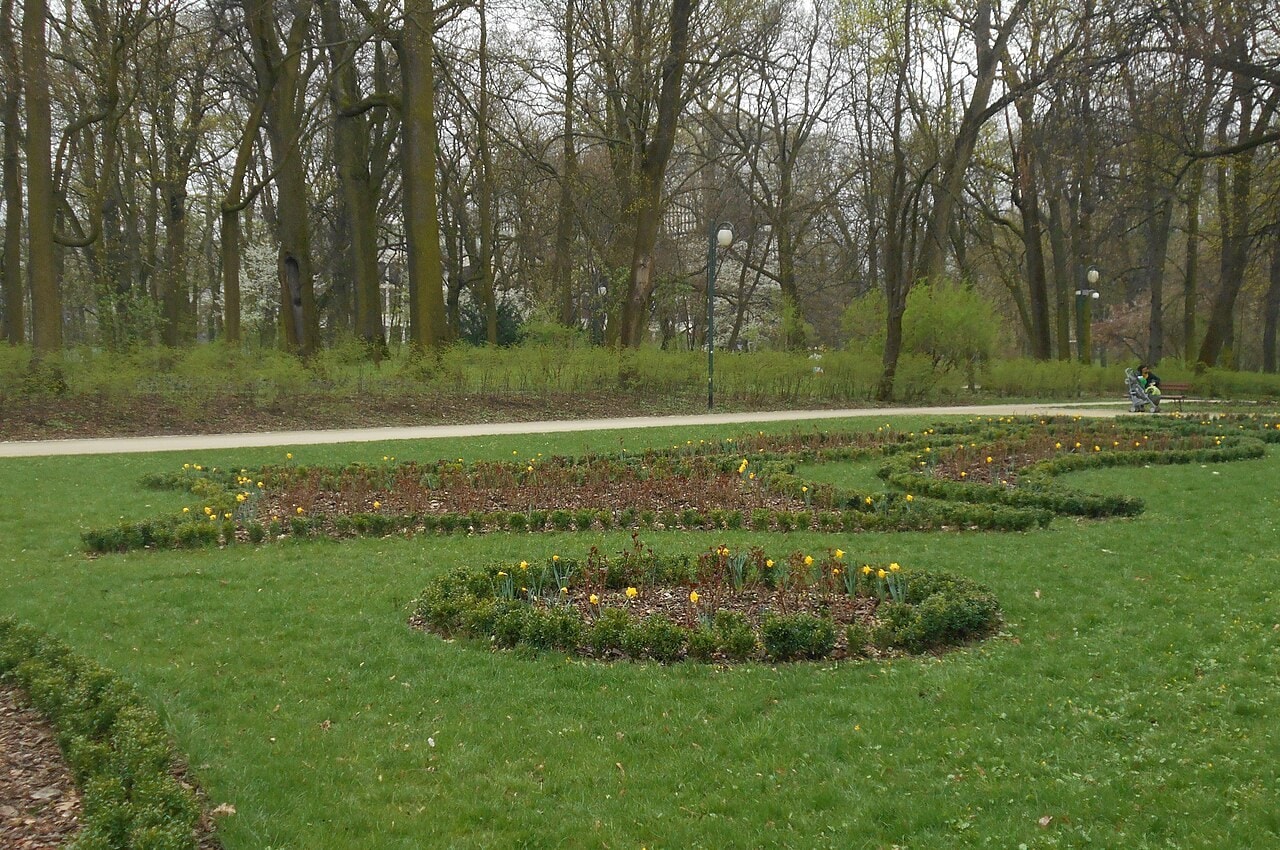
When you’ve had your fill of sightseeing, I’d suggest grabbing a takeaway coffee and heading to the Saxon Garden (Ogród Saski), which lies near the Bystrzyca River. It’s one of the oldest city parks in all of Poland and the locals absolutely adore it. If you’re travelling with dogs like we often travel with our girls Kája and Baby, this is exactly the kind of place where they can take a break from the city pavement while you sit on a bench in the shade of ancient trees.
The paths are beautifully maintained, and you might even spot free-roaming peacocks strutting about proudly. Kája and Baby were absolutely gobsmacked at first, but eventually it became their favourite entertainment of the trip.
10. Lublin Open-Air Museum (Muzeum Wsi Lubelskiej)
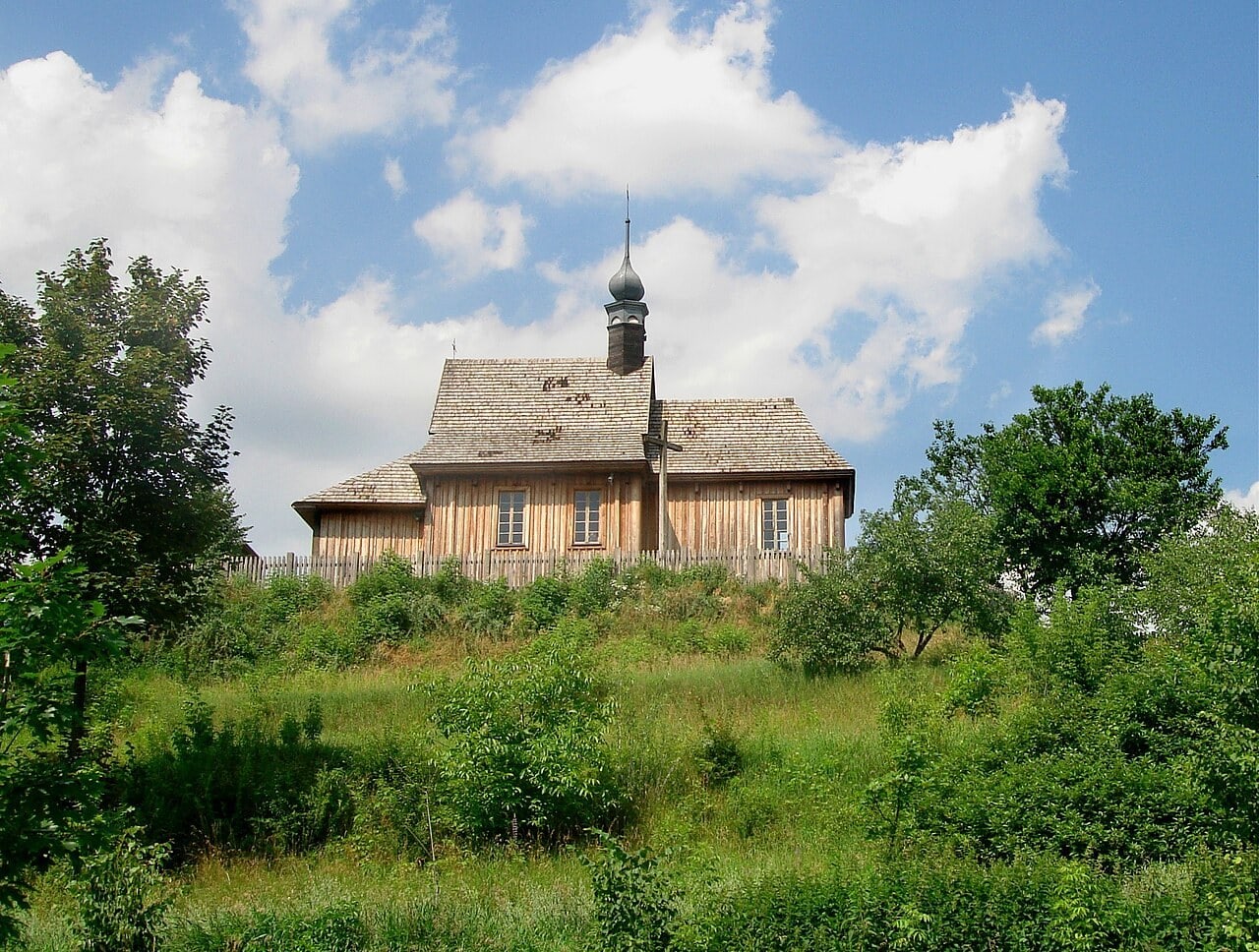
About twenty minutes by bus from the centre, you’ll find Muzeum Wsi Lubelskiej — a huge open-air museum and one of the most beautiful of its kind in Poland. You’ll walk among dozens of traditional wooden cottages, see old windmills, and get a feel for what life was like for Polish farmers hundreds of years ago. For families with children, I think this is one of the best day trips in the area.
I’d recommend setting aside at least three hours for the museum — the sheer size of the grounds is easy to underestimate. You’ll find more information and a map on the museum’s website, which will help you navigate the site.
11. The Union of Lublin Monument and Plac Litewski
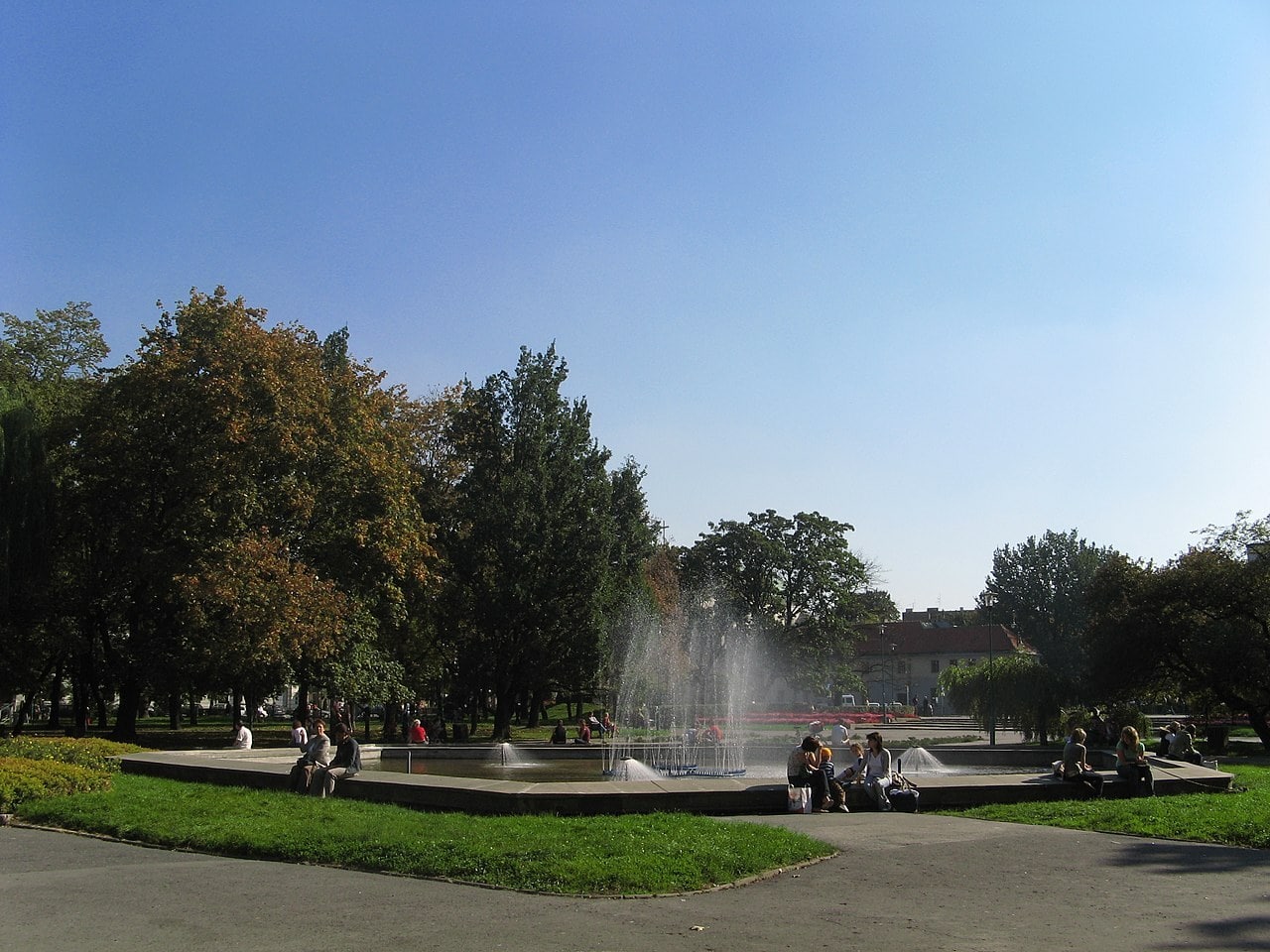
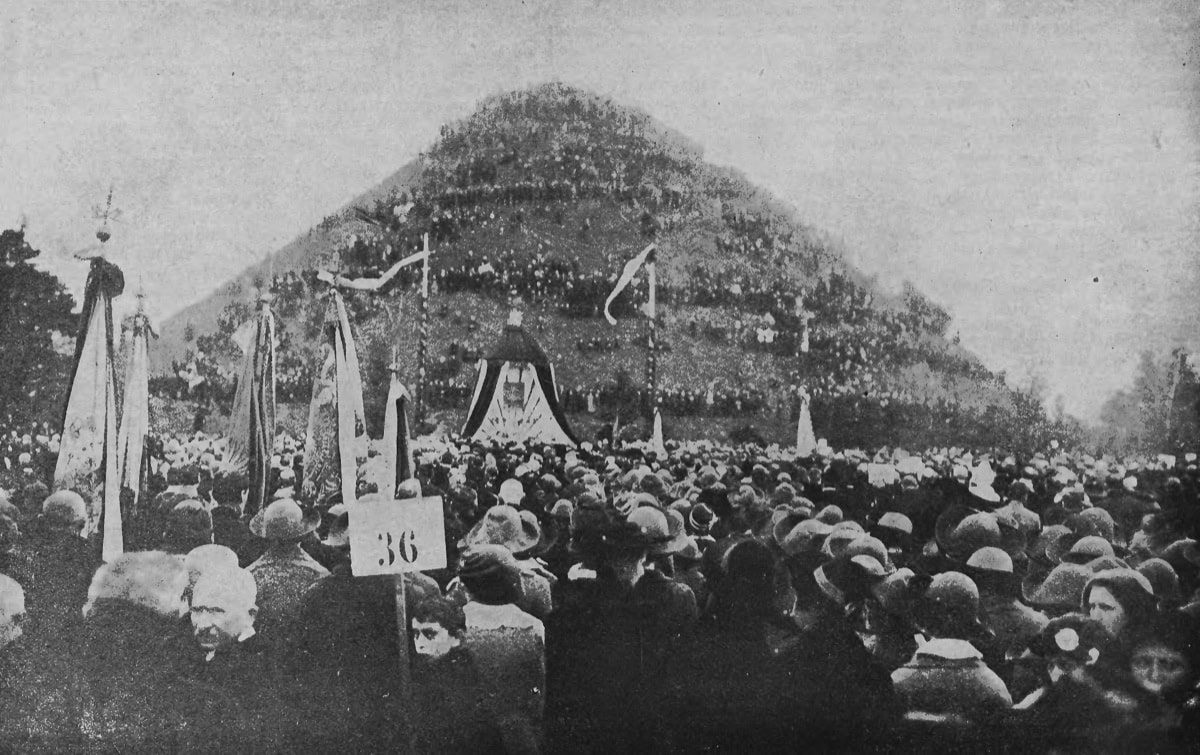
While exploring the city, you’ll come across the large and historically significant Monument to the Union of Lublin. It was right here in Lublin that the 1569 agreement was signed, uniting Poland and Lithuania into one vast and powerful state known as the Rzeczpospolita. The square around the monument was recently renovated — in summer the fountains are in full flow, and in the evening the whole area comes alive.
There are plenty of modern benches and wide promenades around the square. It’s exactly the kind of spot where we love to stop with a cone of local ice cream and simply watch the world go by.
12. Cathedral of St John the Baptist and the Acoustic Sacristy
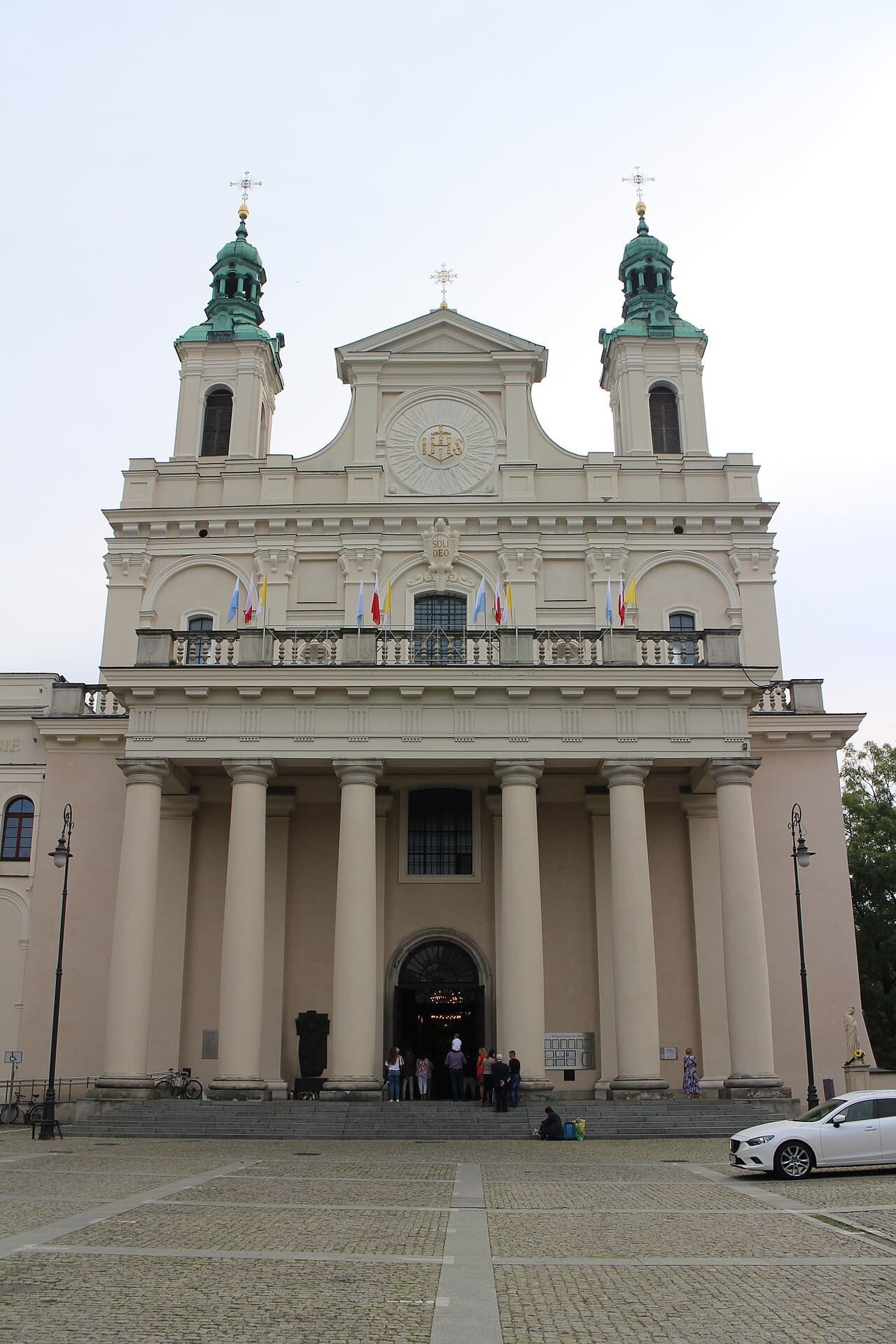
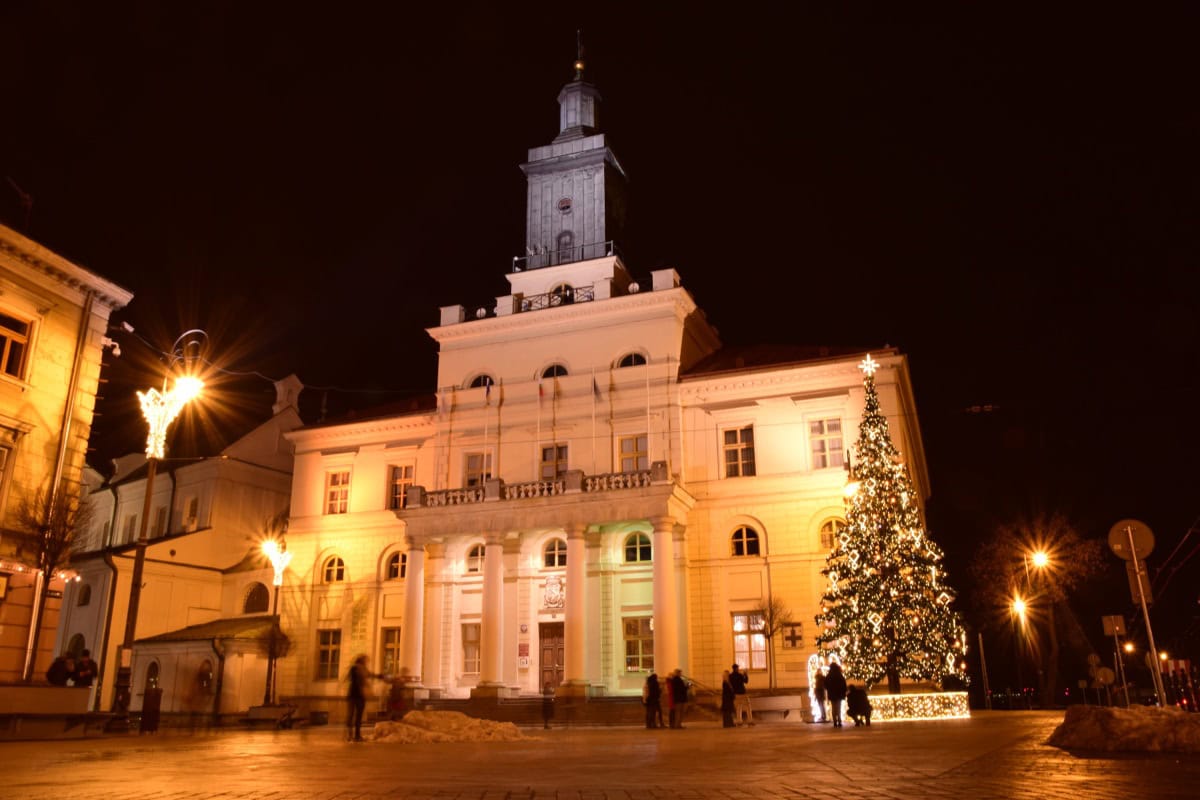
From the outside, Lublin’s cathedral rather blends in with its surroundings, but inside it’s a stunning showcase of Baroque art. Most visitors look around the main nave and leave, but make sure you ask for access to the acoustic sacristy. The vaults are so ingeniously constructed that when someone whispers in one corner, you can hear them crystal clear in the opposite one — it’s a brilliant experience, and kids especially love it.
Testing the unique acoustics is such a fun experience that you’ll easily lose track of time. The cathedral interior also features stunning illusionistic frescoes that make the ceiling appear much higher than it actually is.

13. Local Shopping at the Plac Wolności Market
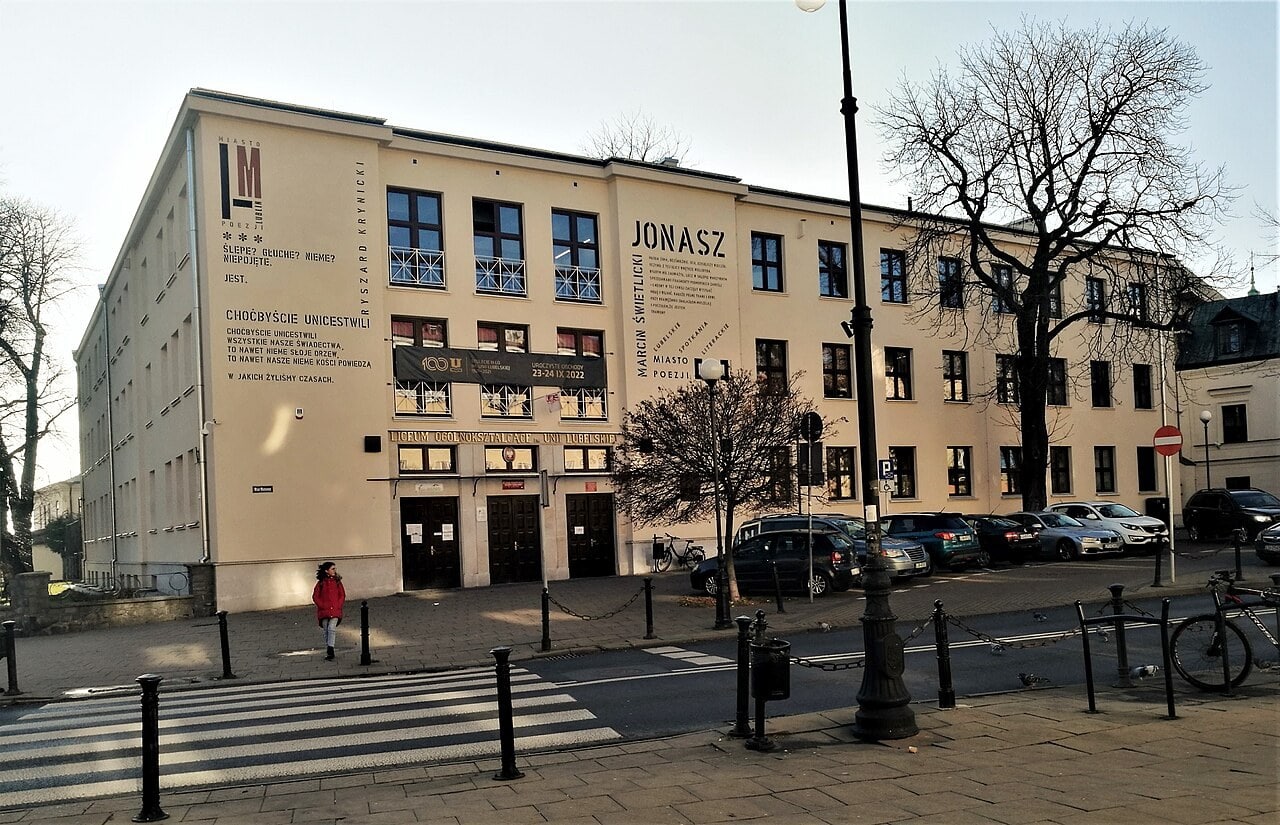
We love visiting local markets and watching everyday life unfold, so we always seek out bazaars — and in Lublin, it’s all about the market at Plac Wolności. You’ll find the freshest raspberries, blackberries, homemade cheeses, and baked goods straight from farmers in the surrounding villages. It’s not a tourist attraction — it’s a real, functioning market with incredible energy.
Try to arrive as early as possible in the morning, when the selection is at its best and the stall owners are in the cheeriest mood. You can take home some fantastic sausages that’ll disappear in record time.
14. Jewish History in the Streets and the Ghetto Memorial
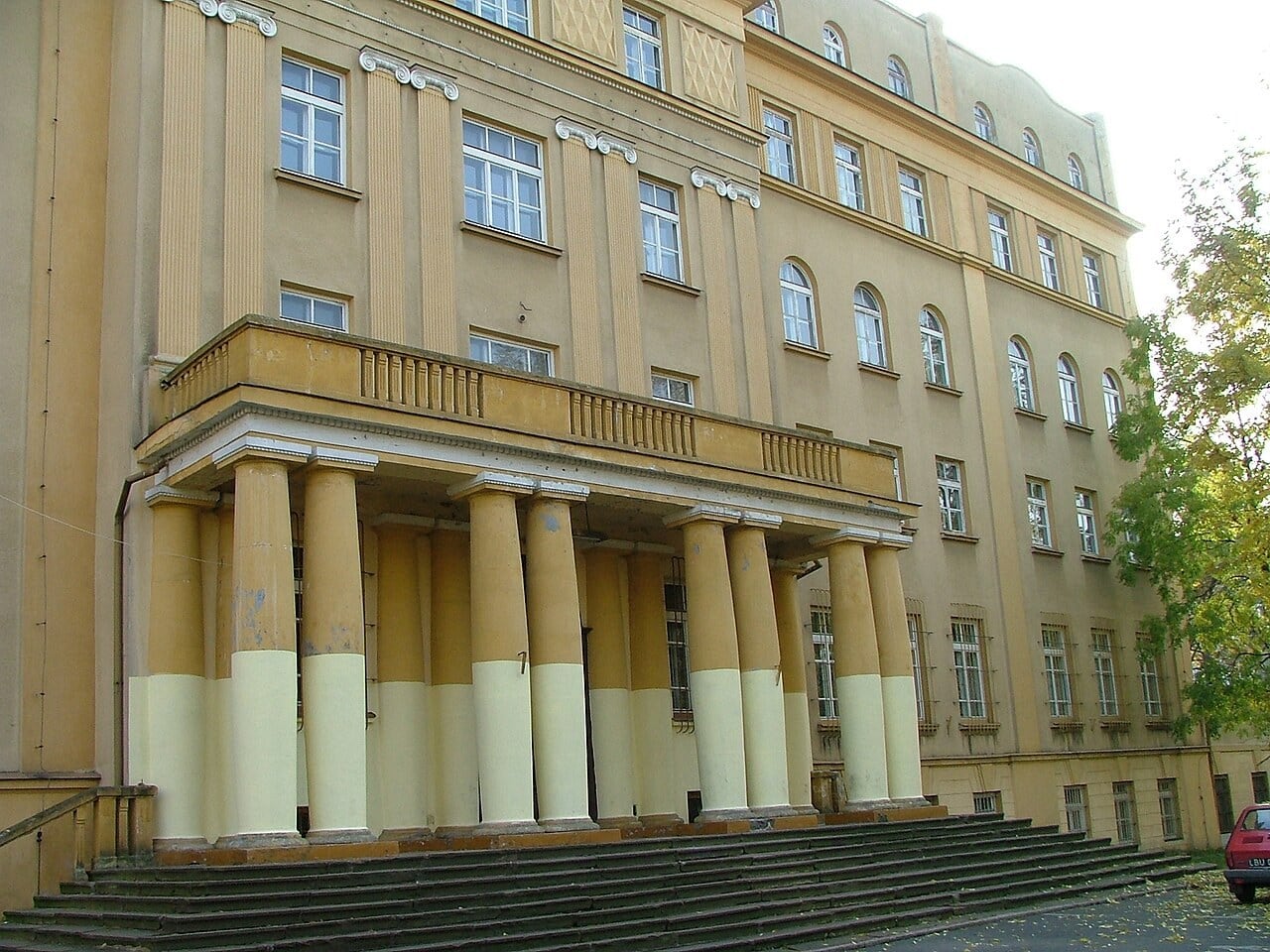
Since Lublin was once one of the centres of European Jewry, you shouldn’t overlook the places that commemorate this history. Walk through the old Jewish streets and stop at the memorial on the edge of the former Jewish ghetto, which the Nazis established here during the war. It’s a very quiet but important reminder of how dramatically the city changed in the twentieth century and how many people lost their lives here.
Along the way, you’ll likely come across the Yeshiva Chachmei Lublin, which was once one of the largest Talmudic academies in the world. These unassuming historical layers give the city an extraordinary depth that’s difficult to put into words.
15. Visiting the Majdanek Concentration Camp
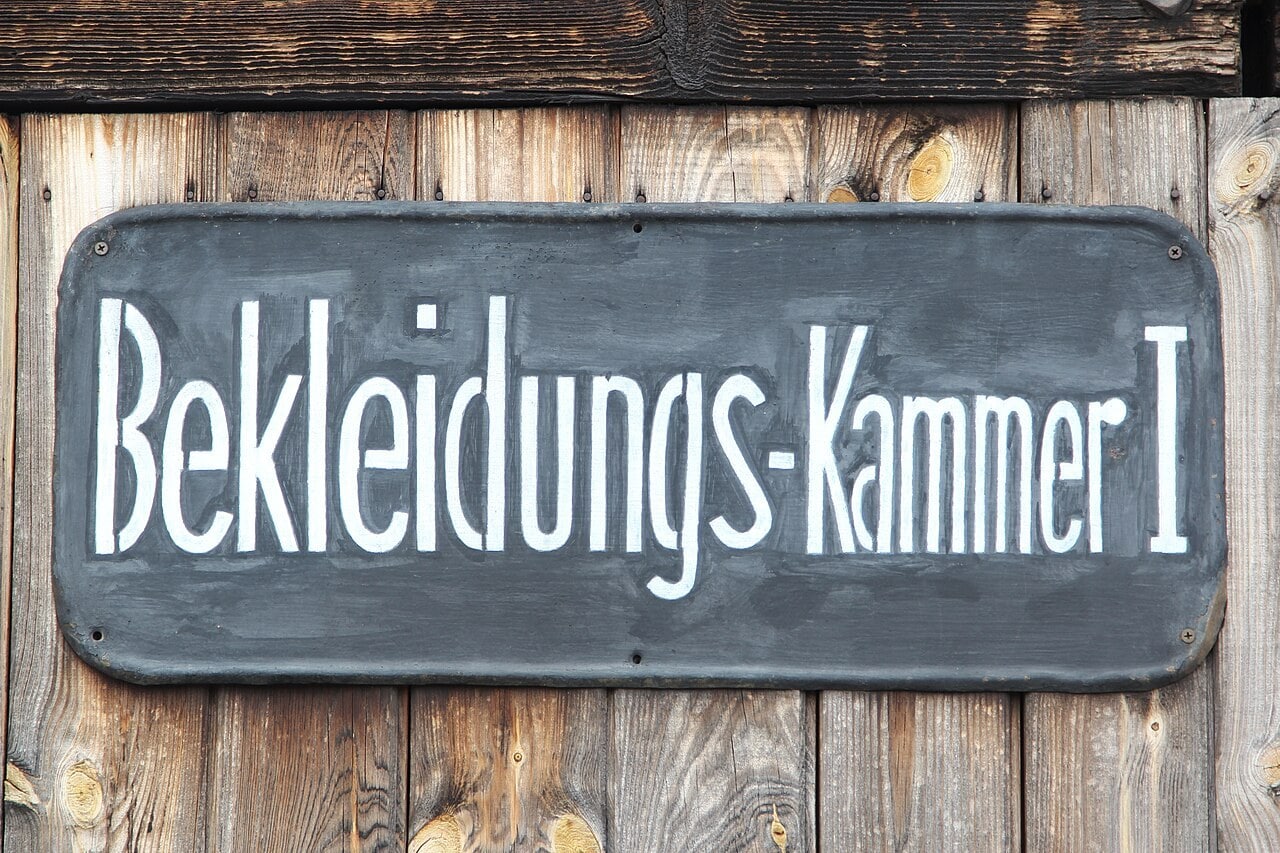
Although it’s not exactly a cheerful topic, visiting the former concentration camp of Majdanek is an absolutely essential part of understanding this region’s history. It sits on the very edge of the city and is easily reached by bus, but because it’s a truly powerful and emotionally draining experience, I’ve given it its own detailed section below.
This is a place that everyone who wants to fully understand Poland’s twentieth-century history should visit. You’ll find the details about this stop in the next chapter.
Map of points of interest for your phone
A Dark but Important Shadow: Majdanek
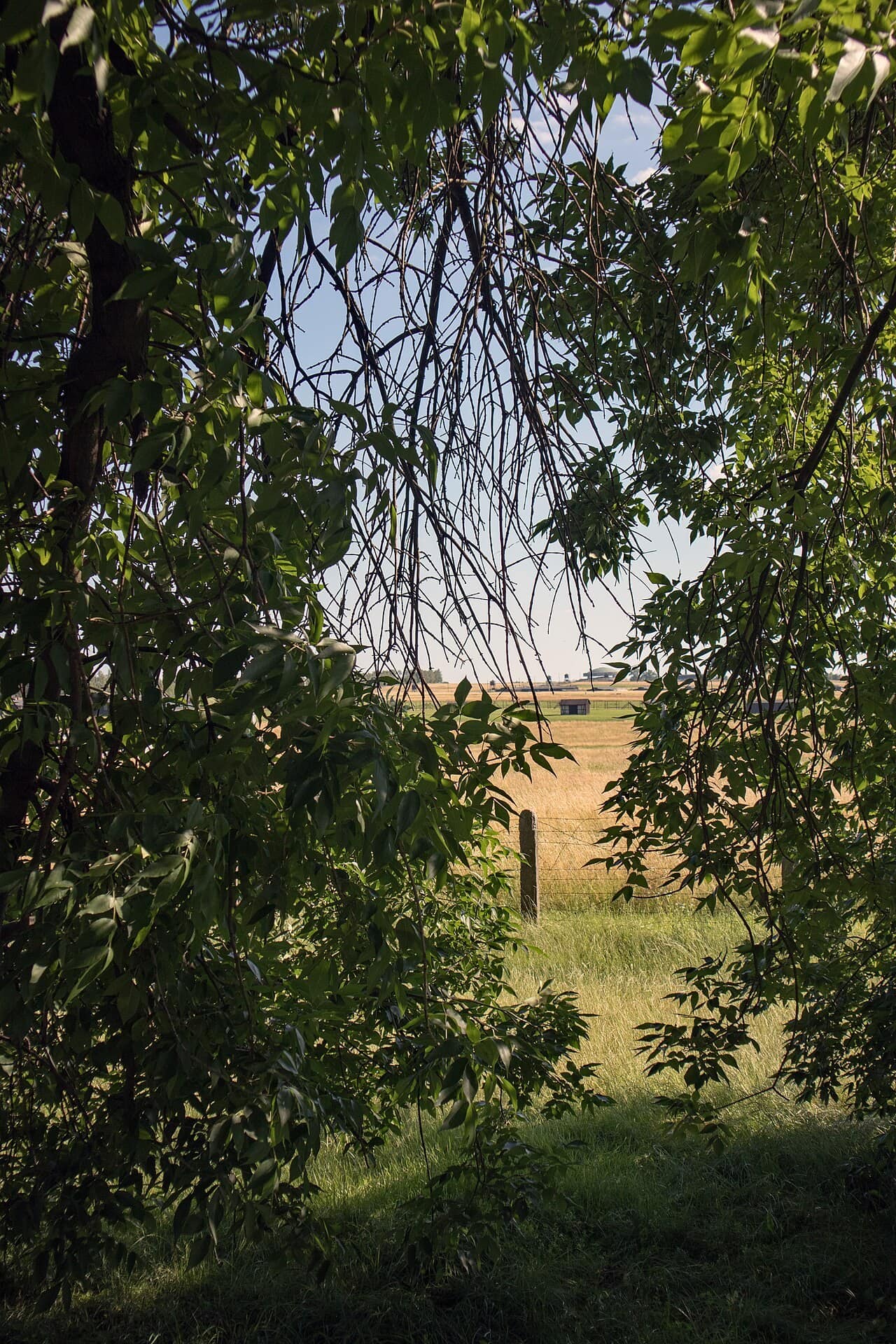
When travelling, it’s worth not shying away from difficult topics and places that serve as reminders of Europe’s dark history. Much like visiting Auschwitz, the former concentration camp of Majdanek on the outskirts of Lublin leaves visitors with a deeply harrowing feeling.
Majdanek lies roughly 5 kilometres from the centre and you can get there easily on bus number 153 or 158. Before your visit, check the Majdanek memorial website for maps of the entire grounds. Perhaps the most shocking thing about this place is that the camp isn’t hidden deep in some forest — it’s visible from many of Lublin’s residential areas, which feels profoundly unsettling. The camp has been largely preserved as the Nazis left it when they fled at the end of the war, so you’ll see the original wooden barracks, watchtowers, and a massive memorial mausoleum containing the ashes of the victims.
Entry is free, and you should allow at least two to three hours for the visit — though honestly, I spent even longer. I just couldn’t bring myself to leave quickly. Please don’t bring small children. The exhibitions inside the barracks are raw, displaying real belongings of the victims, and the museum’s official recommendation is that children under 14 should not visit. This isn’t a tourist attraction — it’s a memorial that truly makes you re-evaluate many things in your own life.
What to Eat in Lublin and Where to Dine
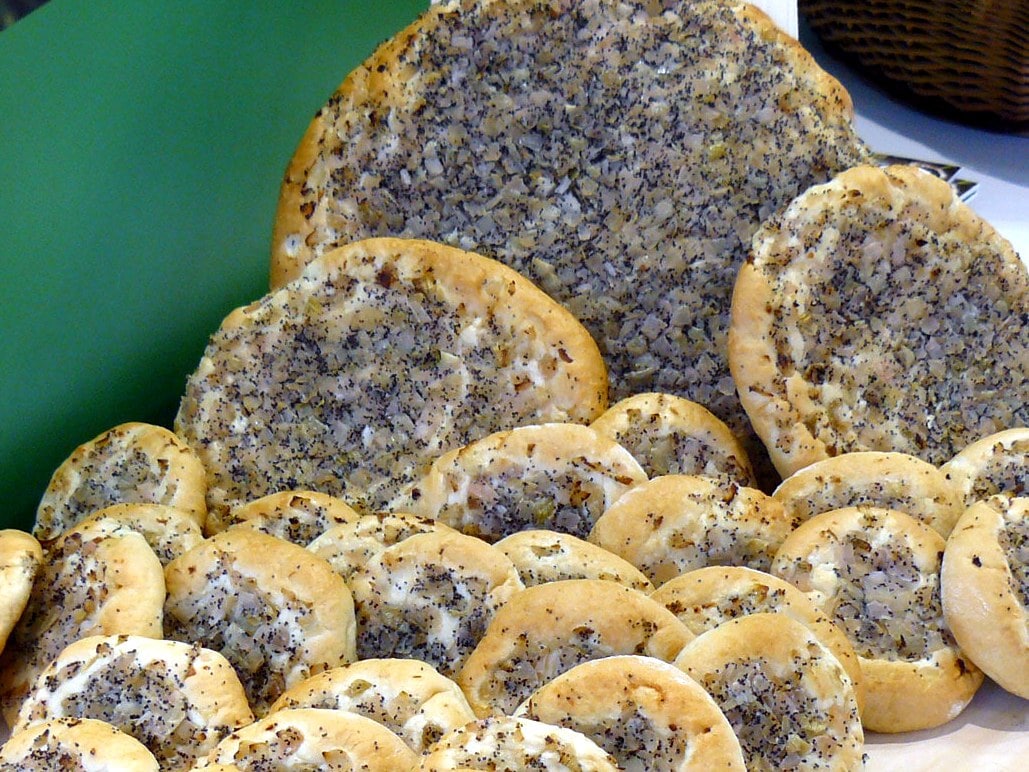
Polish cuisine is hearty and filling — packed with meat and potatoes — so if you love a good meal, you’ll be in seventh heaven in Lublin. If you want to try something truly authentic from this city, look for bakeries selling cebularz lubelski. It’s a traditional yeasted flatbread topped generously with onion and poppy seeds, originally invented by the local Jewish community and now even protected by the European Union. I managed to devour two in a row and then regretted not being hungrier. 😅 It’s a brilliant and cheap snack to grab on the go while exploring the sights. And of course, you can’t skip the classic pierogi (stuffed dumplings), which come in countless varieties here — sweet with fruit, or savoury with potato and cheese.
When it comes to choosing restaurants, definitely book a table at Restauracja Mandragora. It’s a wonderful traditional Jewish restaurant right on the Old Town square, the atmosphere is absolutely enchanting, and they serve excellent dishes based on old recipes. For speciality coffee lovers, we’d recommend Cafe Kawka — a modern classic where local students and laptop nomads hang out. They serve not only great coffee but also superb homemade cakes. And if you fancy a taste of old-school, slightly communist-era nostalgia, seek out a local Bar Mleczny (Milk Bar), where for just a couple of euros you’ll get a massive portion of honest, home-cooked food served by lovely Polish ladies.
Lublin with Kids and Dogs
If we decided to bring our little one Jonášek here this year, I honestly think it would make a lovely family holiday. Lublin’s Old Town is fairly compact, many spots are free of awkward steps, and while the historic lanes are sometimes cobbled, you’ll manage just fine with a decent pushchair. For older kids, there’s the recently opened MUS — a modern, highly interactive museum where they can touch and try everything. The Saxon Garden also has large playgrounds and lovely walking paths.
As for travelling with dogs — as you know, we take our girls Kája and Baby almost everywhere, though we tend not to go into the very centre of cities with them, because crowds and hot pavement in summer aren’t great for dogs. In Lublin, a shorter walk outside peak season would probably be fine. Poles are generally a very dog-friendly nation and at many restaurant terraces they’ll cheerfully bring out a bowl of water. Just remember that dogs aren’t allowed at the open-air museum or Majdanek, so you’ll need to plan your logistics accordingly.
Practical Information and Useful Details
Before your trip, it’s handy to know a few practical things. Poland doesn’t use the euro — the currency is the Polish złoty (PLN). That said, we rarely carry cash because you can pay by card everywhere, even in the tiniest bakery. If you need to use public transport, download the Polish mPay app, which lets you quickly buy bus tickets or pay for parking without hunting for ticket machines.
Did you know that Lublin once had a Daewoo van factory? Fascinating, right? 😅 Today, hardly anything remains of the industrial era. The city is also home to the Motor Lublin sports club, which fans of football or speedway will appreciate. In short, Lublin is a city full of surprises, and if you’re looking for something fresh and off the beaten track, it’s an absolute winner.
Tips and Tricks for Travelling to Poland
To help you plan your trip as smoothly as possible, here are some tried-and-tested services we recommend:
Where to Find Affordable Accommodation
No matter where we go, we most often use Booking.com, where you can find beautiful, well-reviewed apartments with ratings from real travellers.
We often hunt for last-minute deals there, and it’s never let us down — so definitely have a look before your trip.
Renting a Car for a Road Trip
If you’re not driving your own car and plan to hire one on the spot, a great option is the DiscoverCars platform, which works reliably across the world.
They have an excellent comparison of offers from various companies, so you can easily pick the one that suits your needs and budget best.
Where to Search for Connections
Search for cheap flights on Kiwi. It’s our favourite portal, and while getting to Lublin is more commonly done overland, it’s still a great comparison tool for all types of connections.
You can sometimes find really interesting train and bus combinations there, which comes in particularly handy when travelling to eastern Poland.
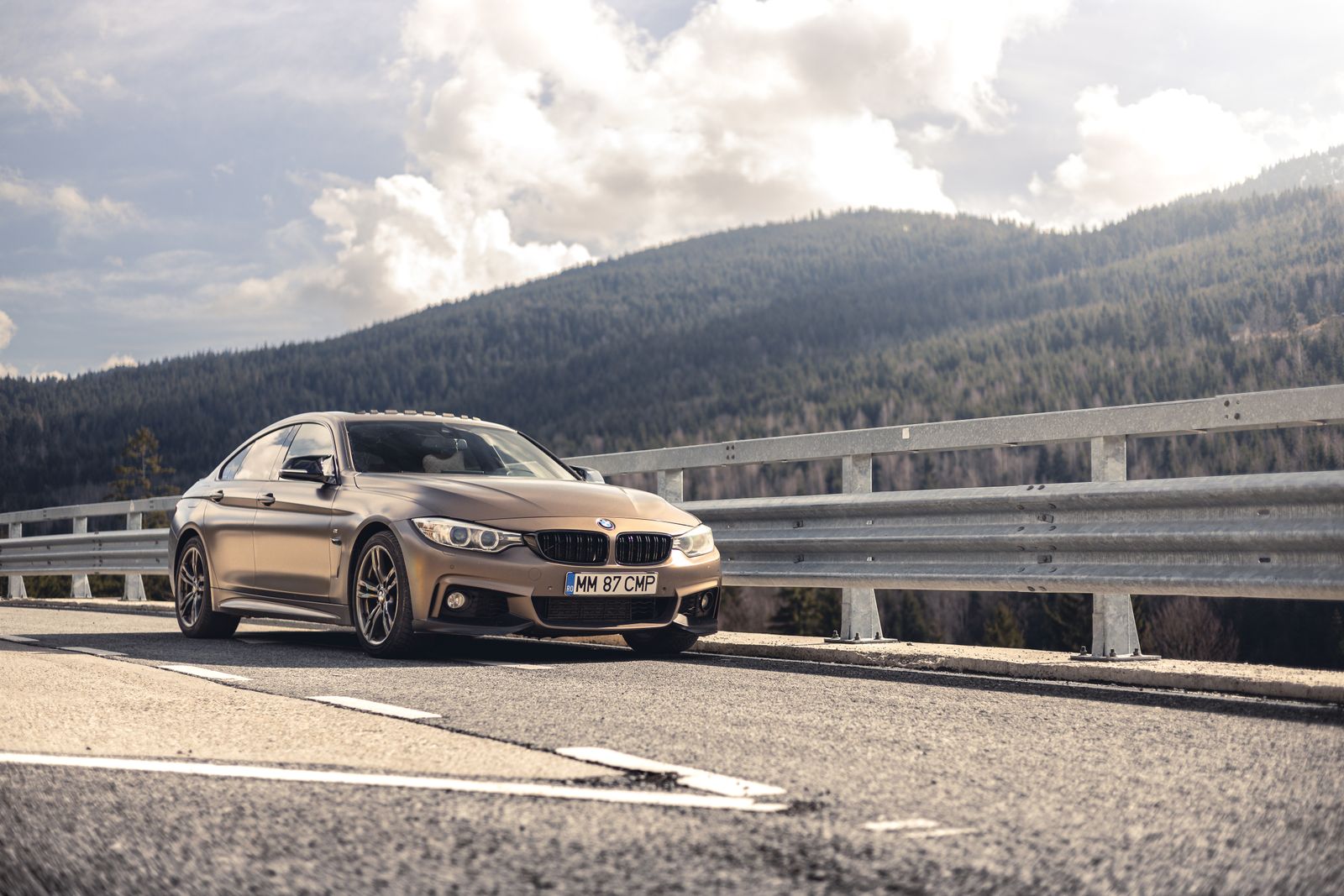 🚗 Car rental on the roadVerified rental cars in Poland
Search with the DiscoverCars comparison engine — it compares prices from dozens of local and international rental companies, and most bookings come with free cancellation.
Compare car prices in Poland →Don’t Forget Travel Insurance
Even though Poland is just a short hop away, don’t underestimate the importance of travel insurance.
For shorter European trips, we go with AXA (if you book through us, you get a 50% discount), and if you’re considering a longer nomadic journey, check out our SafetyWing review.
Where to Go from Lublin
If you’re already in eastern Poland and have time for a longer trip, don’t miss some of the other beautiful Polish cities. We warmly recommend:
- Krakow: What to See and Do in the Former Royal Capital
- Warsaw: A Guide to the Modern Metropolis
- Wrocław: The City of Dwarfs and Bridges
- Auschwitz: A Visitor’s Guide and Our Reflections
FAQ: Frequently Asked Questions About Lublin
To wrap up, we’ve put together answers to the most common questions you might have about visiting Lublin.
What is there to see in Lublin?
The main attractions include Lublin Castle with the Chapel of the Holy Trinity, the colorful Old Town, Krakowska Gate, and for history enthusiasts, the nearby former Majdanek concentration camp and the open-air museum of folk architecture. It’s up to you what pace you choose, but we recommend not overpacking your itinerary so you can also enjoy the atmosphere of the streets themselves.
What is the population of Lublin?
Lublin currently has a population of approximately 340,000. This makes it the largest city in eastern Poland and the ninth most populous city in the country.
Can you pay in euros in Lublin?
Unfortunately not—the official currency throughout Poland is the Polish złoty (PLN). However, you can pay by card almost everywhere, including at markets, so there’s no need to exchange large amounts of cash.
Is Lublin suitable for families with children?
Absolutely! The historic center is stroller-friendly, and kids will enjoy the interactive MUS museum, the huge playgrounds in Saska Kępa park, and the traditional wooden cottages at the Lublin open-air museum. However, it’s best to avoid Majdanek with younger children—it’s too intense and would unnecessarily expose them to stress.
How do you get from Majdanek to the city center?
The connection is very straightforward—just take city buses 153 or 158. They run fairly frequently and will take you from the camp site directly back to Lublin’s historic center in about fifteen minutes.
Is entry to Majdanek concentration camp free?
Yes, entry to the memorial site is completely free. You only pay if you book an organized tour with an official guide, which is worth arranging well in advance.
What is cebularz lubelski and where can you buy it?
Cebularz lubelski is a traditional Jewish leavened flatbread generously topped with roasted onions and poppy seeds, which even has protected geographical indication status. You can buy it at basically any decent bakery right in the city center, so definitely don’t miss trying it for a snack.
Tips and Tricks for Your Vacation
Don’t Overpay for Flights
Search for flights on Kayak. It’s our favorite search engine because it scans the websites of all airlines and always finds the cheapest connection.
Book Your Accommodation Smartly
The best experiences we’ve had when looking for accommodation (from Alaska to Morocco) are with Booking.com, where hotels, apartments, and entire houses are usually the cheapest and most widely available.
Don’t Forget Travel Insurance
Good travel insurance will protect you against illness, accidents, theft, or flight cancellations. We’ve had a few hospital visits abroad, so we know how important it is to have proper insurance arranged.
Where we insure ourselves: SafetyWing (simple monthly subscription) and TrueTraveller (for extra-long trips).
Find the Best Experiences
Get Your Guide is a huge online marketplace where you can book guided walks, trips, skip-the-line tickets, tours, and much more. We always find some extra fun there!
More from Poland
Full guide → With kids · most readPoland: 11 Best Places for Your Holiday
 When to goKrakow Christmas Markets 2026 – Dates, Opening Hours & Programme
 Where to stayPoland: 15 Best Places for Your Holiday
 FoodPolish Food: 15 Tips on Pierogi, Bar Mleczny, Vodka & Everything You Must Try
 PricesPoland: Your Complete Guide to Driving – Tolls, Prices, Routes, Speed Limits, and Insurance


