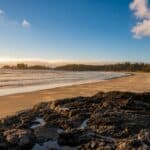
Tofino Canada is exactly the kind of place where ancient rainforests tumble straight into the wild ocean, bald eagles wake you with their cries in the morning, and the air is perpetually thick with salt mingled with the scent of thousand-year-old cedars. It gets under your skin from the very first breath and never lets go. Although we arrived with sky-high expectations, reality still blew us away — and I mean that as the highest possible compliment.
The moment you first step onto an endless beach where icy Pacific waves crash against the shore and a proper ocean wind hits your face, you instantly understand why surfers, nature lovers, and romantic souls flock here from all over the world. Tofino, British Columbia, has a way of selling itself so completely that you forget the rest of the country even exists ☺️. We absolutely fell in love with the laid-back local vibe, where luxury resorts rub shoulders with a slow-paced surf lifestyle, and it’s perfectly normal to walk into an excellent restaurant wearing wellies and a mud-splattered jacket.
I’ve put together twelve places and activities that completely won me over in Tofino, whether you’re catching waves, watching whales, or simply sitting with a hot coffee gazing at a storm. I’ll also share the best time to visit, where to stay strategically, and how much this adventure at the edge of the world actually costs.
The full destination guide: British Columbia — guide and what to see
TL;DR
- Best beaches: Long Beach in Pacific Rim National Park (perfect for long walks) and Chesterman Beach (easy access from town and stunning sunsets).
- Surfing: Cox Bay is the most famous surf spot with the best waves. For beginners, we recommend lessons with Pacific Surf School or Surf Sister.
- Winter storms: From November to March, people come here for “storm watching,” when waves can reach up to 12 metres.
- Wildlife excursions: In spring and summer, don’t miss a whale watching tour (grey whales and orcas) or a zodiac trip to see black bears hunting for crabs on the beaches.
- Getting there: From the mainland, you need to take a ferry to Vancouver Island (to Nanaimo or Victoria), then drive roughly three hours along the winding Highway 4 through the mountains. From the UK, fly into Vancouver (direct flights are available from London Heathrow with Air Canada or British Airways) and continue from there.
- Prices: Tofino is one of the most expensive destinations in Canada — accommodation should be booked six months or more in advance.
When to Visit and How to Get to Tofino
When to visit really depends on what you’re after, because Tofino wears a completely different face in summer than it does in winter. If you want to surf (or at least give it a go in slightly more bearable conditions), go sea kayaking, hike through the national park, and soak up long sunny days, aim for the summer months from June to September. Just be prepared for a town that’s bursting at the seams and accommodation prices that shoot through the roof.
From November to March, on the other hand, Tofino transforms into a dramatic scene straight out of a disaster movie. This is storm watching season, when massive winter storms slam into the coast and you can watch twelve-metre waves lash the shoreline from the warmth of your hotel room beside a crackling fire. It’s incredibly romantic and utterly mesmerising to witness.
The journey itself is an experience in its own right. First, you need to reach Vancouver Island, typically by ferry from mainland Vancouver to Nanaimo harbour. From the UK, you can fly direct from London Heathrow to Vancouver with Air Canada or British Airways, and budget-friendly connections via other European hubs are also widely available. From Nanaimo, you’re in for a roughly three-hour road trip along the iconic Highway 4, which winds through majestic mountain ranges, past deep lakes, and over narrow bridges. We’d recommend hiring a car straight from the airport — comparing prices well in advance is key, as summer rates climb quickly. The road can be quite tricky in places and is often icy in winter, so don’t underestimate the need for winter tyres and cautious driving.
Where to Stay and How Much It Costs
Tofino really isn’t a cheap destination, and if you’re visiting during peak summer season, brace yourself for a bit of wallet pain. To give you an idea, a night in an average hotel or a decent Airbnb will set you back roughly 300 to 500 CAD (about £175 to £290 / €200 to €340). Luxury resorts with ocean views can easily climb to 800–1,500 CAD per night. Camping is the more affordable option (around 50–80 CAD per night), but campsites tend to be hopelessly sold out up to nine months in advance. Despite some people confusingly calling it “Tofino Island,” it’s actually a town on a peninsula on Vancouver Island, and there are strict rules against wild camping or sleeping in your car — so I wouldn’t recommend trying it.
🏨 Recommended Tofino Hotels
- Luxury: Wickaninnish Inn Tofino
- Mid-range: Pacific Sands Beach Resort
- Budget: HI Tofino hostel
If you want the ultimate experience and budget isn’t a concern, the absolute icon is the Wickaninnish Inn. This legendary hotel sits right on a cliff above Chesterman Beach — exactly the kind of place where you want to watch winter storms in a bathrobe with a glass of wine in hand.
An excellent, albeit still premium, alternative is Pacific Sands Beach Resort, right on surfing hotspot Cox Bay. They have lovely fully equipped apartments with kitchenettes, which can save you a fortune on eating out. For those looking for a balance between price and quality who want to be closer to the town centre, we can recommend Tofino Resort + Marina.
12 Best Things to See and Do in Tofino Canada
Here are twelve places and activities that won me over the most in Tofino — and you should thank me for spending all that time scouting them out on your behalf. From jaw-dropping beaches and adventurous boat trips to peaceful walks through ancient rainforests, there’s something here for everyone.
1. Iconic Long Beach and Pacific Rim National Park
When someone says Tofino, this is exactly the place most people picture first. Long Beach is an incredible 16-kilometre stretch of hard-packed sand lining the coast of Pacific Rim National Park. It’s the longest sandy beach on all of Vancouver Island, and walking along it is a truly magical experience. The beach is littered with enormous silver-bleached tree trunks that the ocean hurled ashore during massive winter storms. Locals often use these logs as impromptu benches or windbreaks for picnics.

By the way, you’ll need a National Park Pass to enter the park (you can buy one from the machines at the car park — we always forget and end up queuing at the visitor centre 😅). Park at Incinerator Rock, a massive rock formation jutting out of the sand where waves crash so spectacularly that your first half hour will vanish just taking photos. The water is freezing year-round and the currents are unpredictable, so this definitely isn’t a spot for a casual swim — but for long, windswept walks in a proper jacket, it’s absolute paradise. If you’re planning longer hikes on the surrounding trails, make sure to read our guide on how to choose the right hiking boots before you go.
2. Tame the Waves at Cox Bay
Cox Bay is the beating heart of Tofino’s surf culture. If Tofino is the capital of Canadian surfing, then this crescent-shaped bay is its finest playground. Waves roll in straight from the open Pacific, and the shape of the bay creates consistent conditions all year round. We spent ages here just sitting on driftwood logs watching pros in black wetsuits glide confidently across the water while seagulls circled overhead.
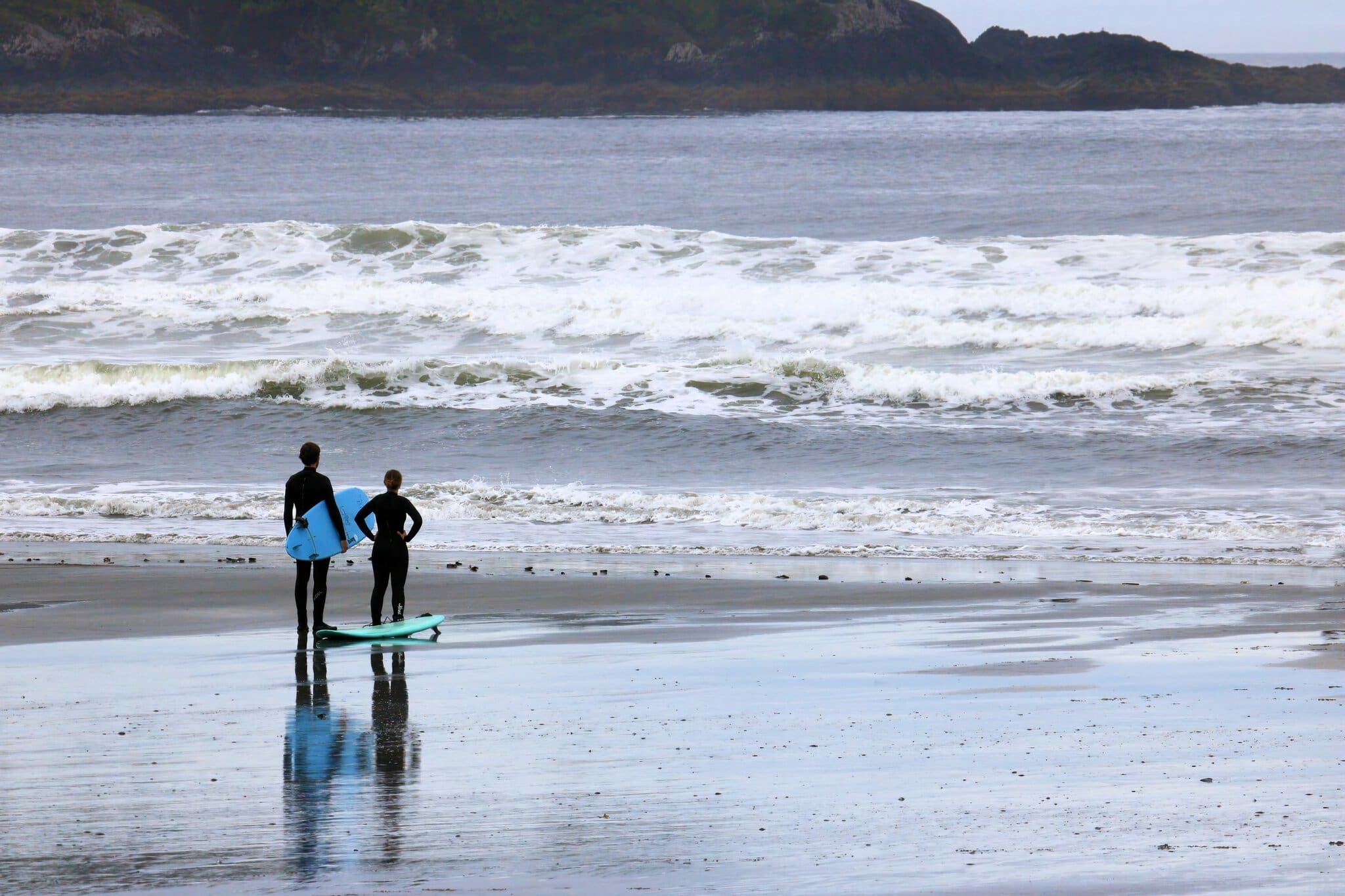
If you fancy trying surfing for yourself, Tofino is the ideal place. Just bear in mind that the water hovers around 10–12°C even in the middle of summer, so a seriously thick wetsuit with a hood and booties is an absolute must. The town has several excellent surf schools — we recommend the renowned Pacific Surf School or the all-women Surf Sister, both of which have incredibly patient instructors and top-notch gear. It’s pretty hard work for beginners, but that feeling when you first stand up on the board and ride the whitewater is absolutely worth the freezing and the mouthfuls of salt water 😅.
3. The Spectacular Theatre of Storm Watching
As I touched on earlier, bad weather in Tofino is actually a massive tourist draw. From late autumn through early spring, Vancouver Island’s west coast faces enormous low-pressure systems that form over the Gulf of Alaska. These storms unleash awe-inspiring natural power in the form of hurricane-force winds and waves that can reach a staggering 10 to 12 metres. Watching this raw force from a safe vantage point is one of the most iconic experiences you can take home from Canada.
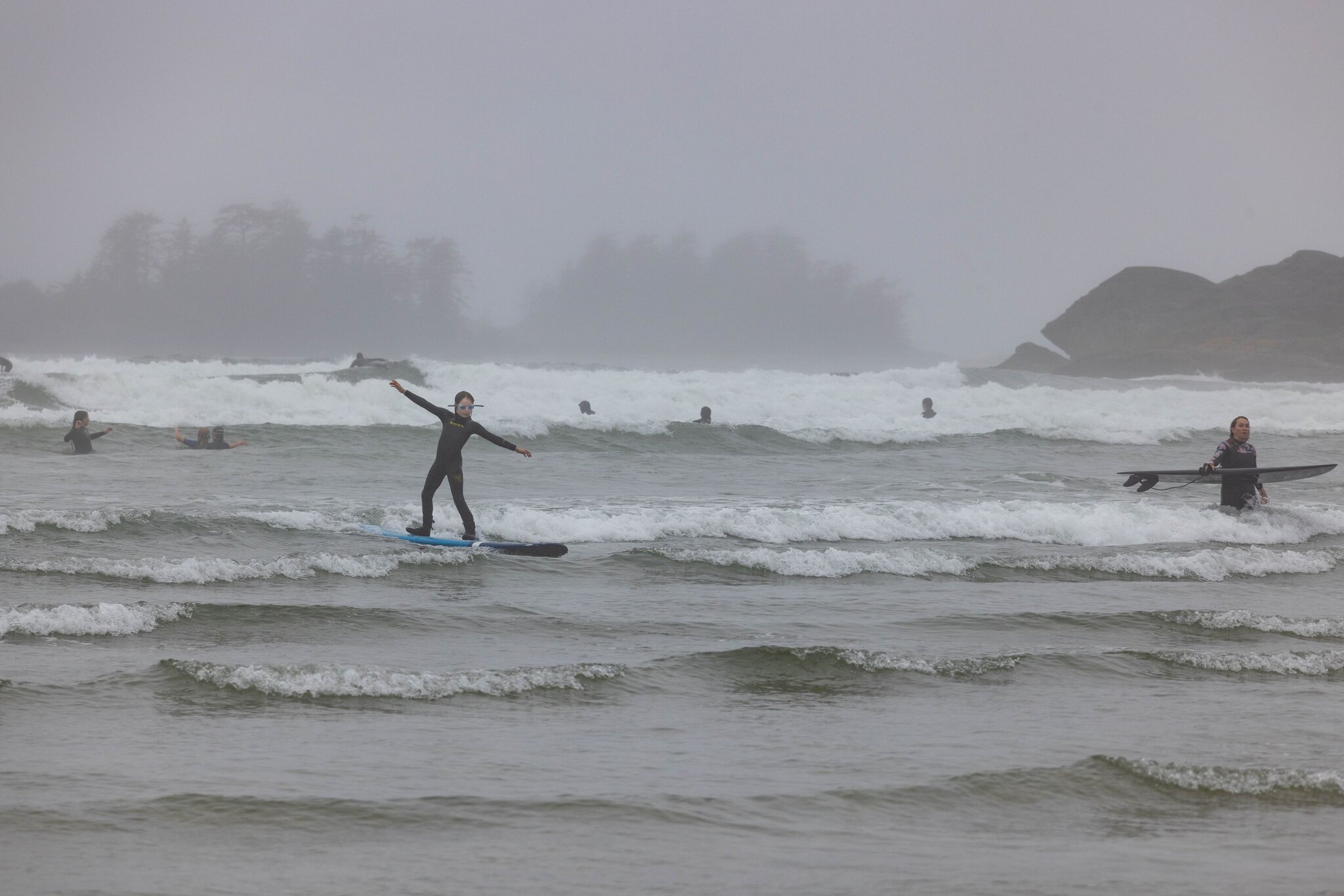
And the best part? Zero physical effort required. Pull on your cosiest jumper, brew a pot of tea or pour a glass of good wine, and settle in by the enormous picture window in your hotel. If you’re feeling a bit more adventurous and have proper waterproof gear, you can head straight to the beach or the viewing platform in the national park. Just be extremely careful of so-called “sneaker waves” — rogue waves that can surge far higher than the rest without warning and easily drag you into the sea. Never turn your back on the ocean.
4. Chesterman Beach: The Perfect Beach for Everyone
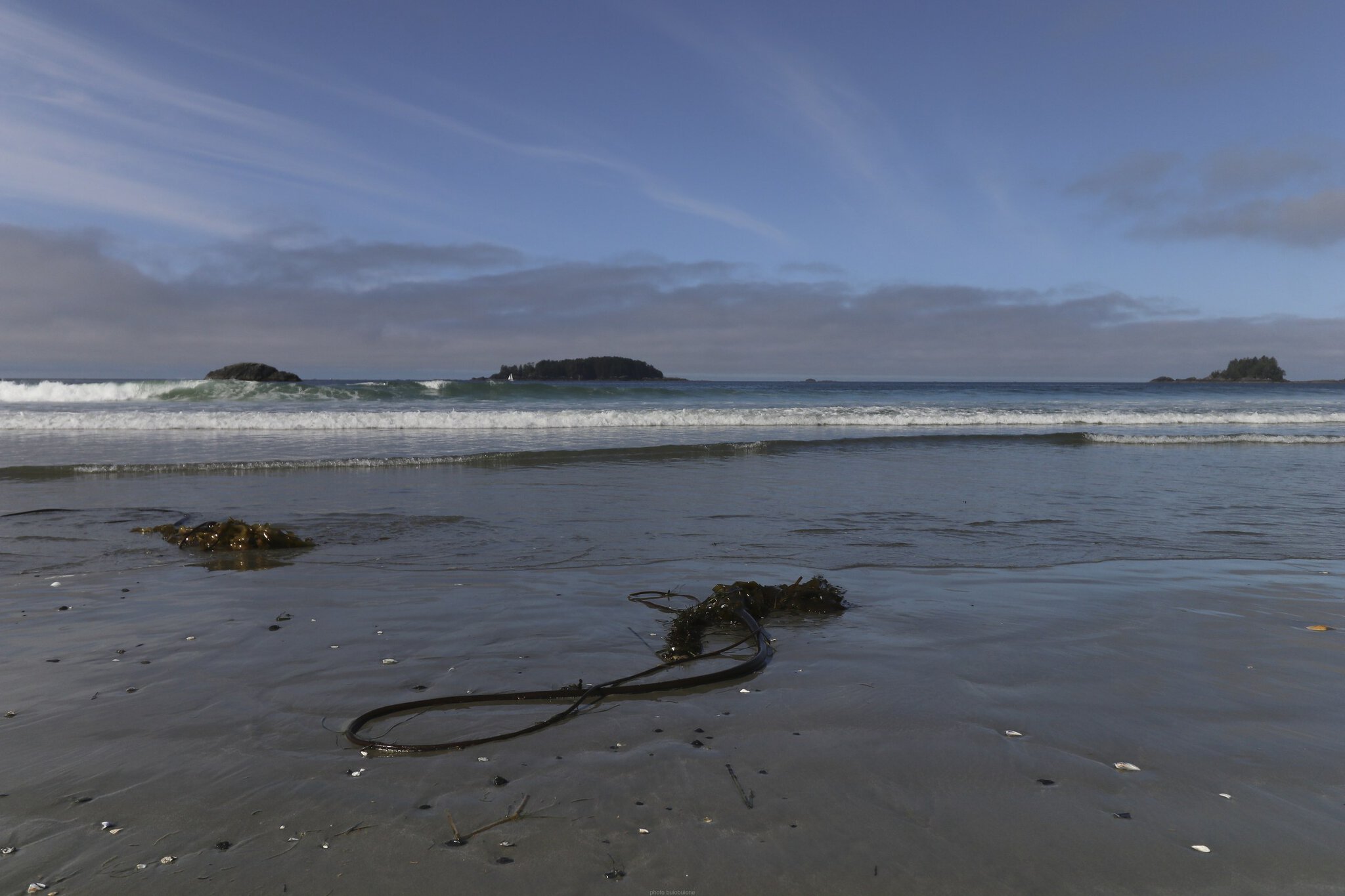
If I had to pick just one beach to return to every evening, it would be Chesterman Beach. Its huge advantage is that it sits right on the edge of Tofino itself, making it perfectly accessible on foot or by bike from many accommodation options. The beach is shaped like the letter W and is split into north and south sections, each with a slightly different atmosphere and different wave conditions.
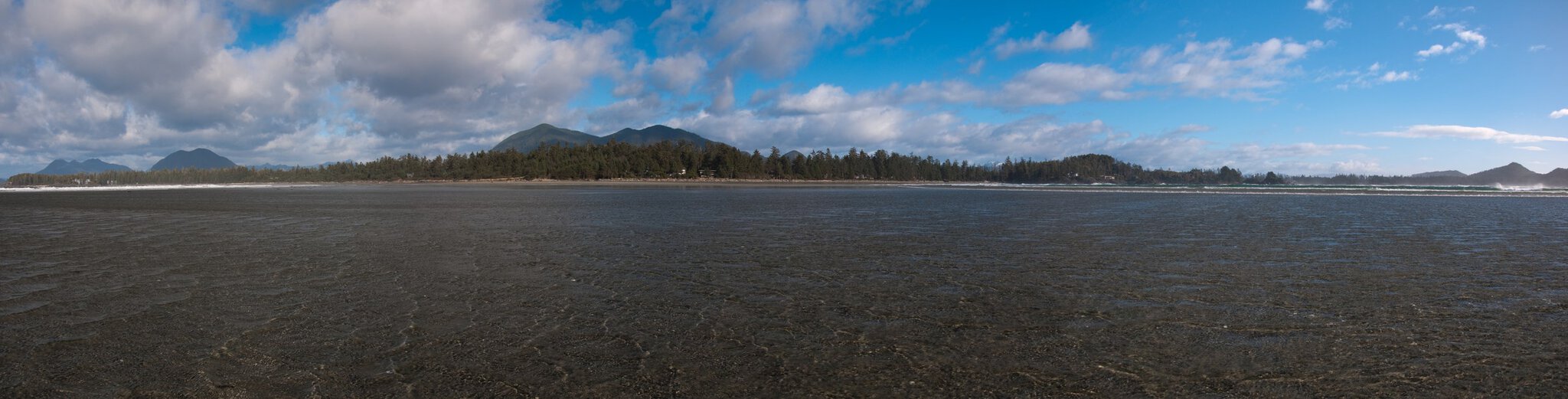
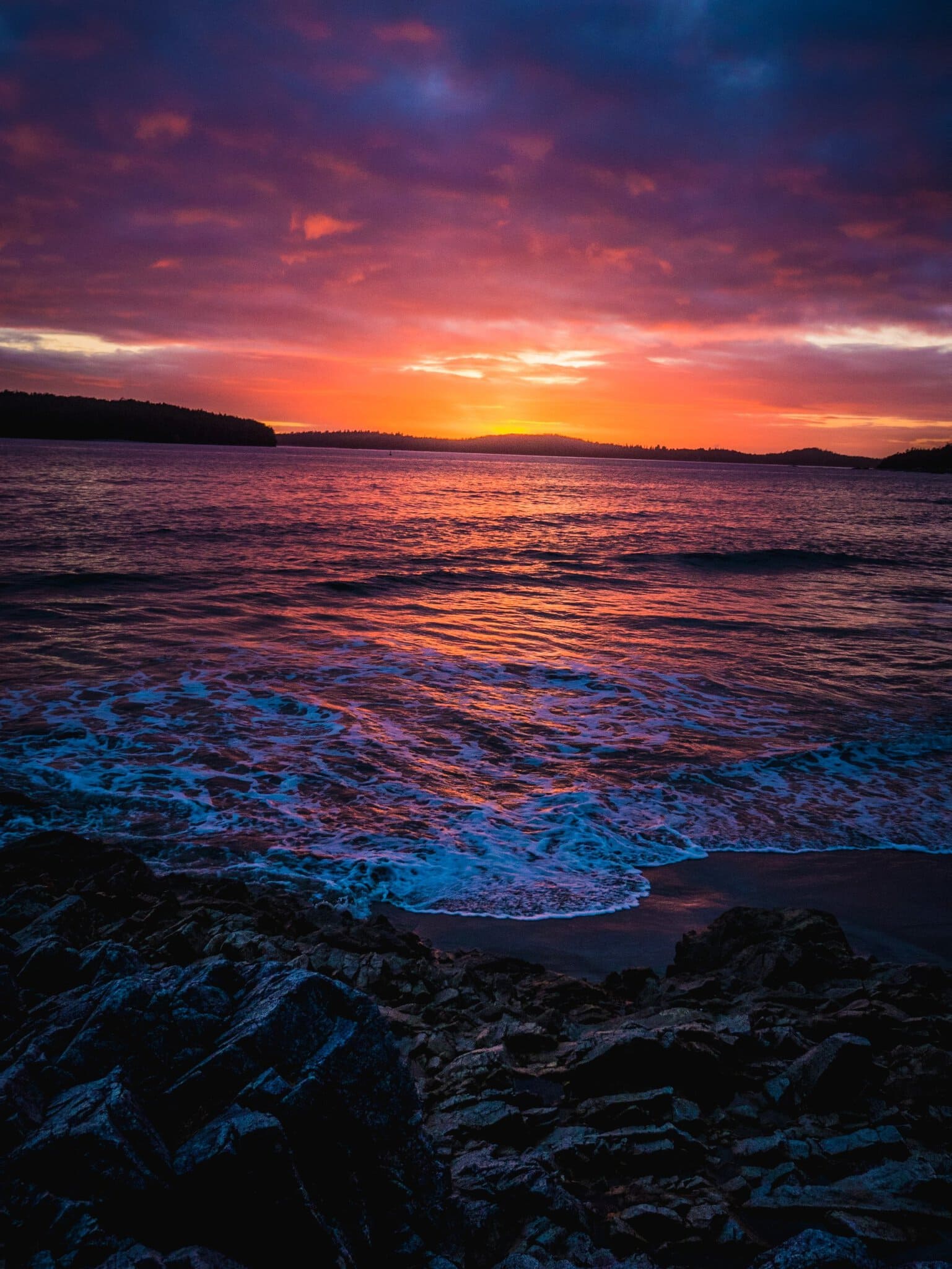
The real magic happens at low tide. The water retreats dramatically, revealing a sandy spit that lets you walk dry-footed all the way out to the romantic little Frank Island. Just keep a close eye on the tide times so you don’t get stranded — the water rises remarkably fast here. The tide pools along the beach are teeming with life; you can spot colourful sea stars, anemones, and tiny crabs. And when the sun starts dipping towards the horizon, you won’t find a more beautiful sunset spot anywhere in Tofino.
5. Boat Trip to Hot Springs Cove
This is exactly the kind of adventure you’ll be telling all your friends about when you get home. Hot Springs Cove isn’t just any old hot springs — they’re tucked deep inside Maquinna Provincial Park with no road access whatsoever. To get there, you need to take a roughly ninety-minute boat ride or fly by floatplane across the breathtaking inlets and islets of the Clayoquot Sound protected area. The journey alone is a highlight, and you’ll often spot whales, sea otters, or seals lounging on the rocks along the way.
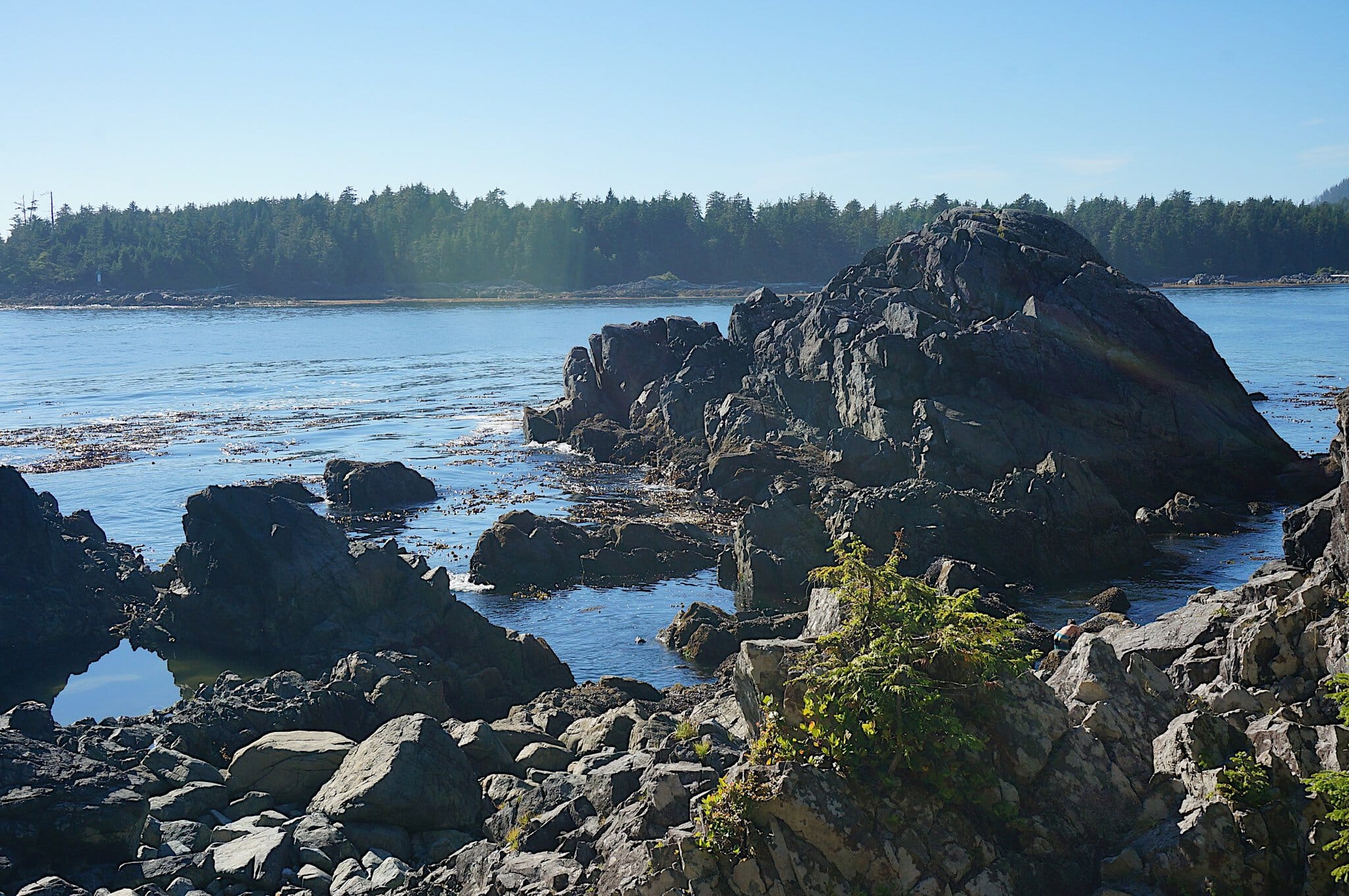
Once you arrive at the dock, there’s still a gorgeous two-kilometre boardwalk through ancient rainforest ahead of you. At the end of the trail, you’ll find natural hot springs bubbling out of the rocks directly into the ocean. The water at the source is nearly 50°C and gradually cools as it cascades through a series of natural rock pools towards the icy sea. The trick is to find a pool at just the right temperature, listen to the forest hum around you, and let the occasional ocean wave give you a refreshing splash. Definitely book your trip well in advance — boat capacity and pool space are both limited.
6. Whale Watching
This was hands down one of my biggest highlights of the entire trip — and I’ve seen whales several times before. Near Tofino, it’s just different. Every year from March to May, a massive grey whale migration passes through as the whales travel from the warm waters of Mexico up to the Arctic. Around twenty thousand whales swim through, and many of them linger in the bays around Tofino throughout the summer to feed in the nutrient-rich waters.
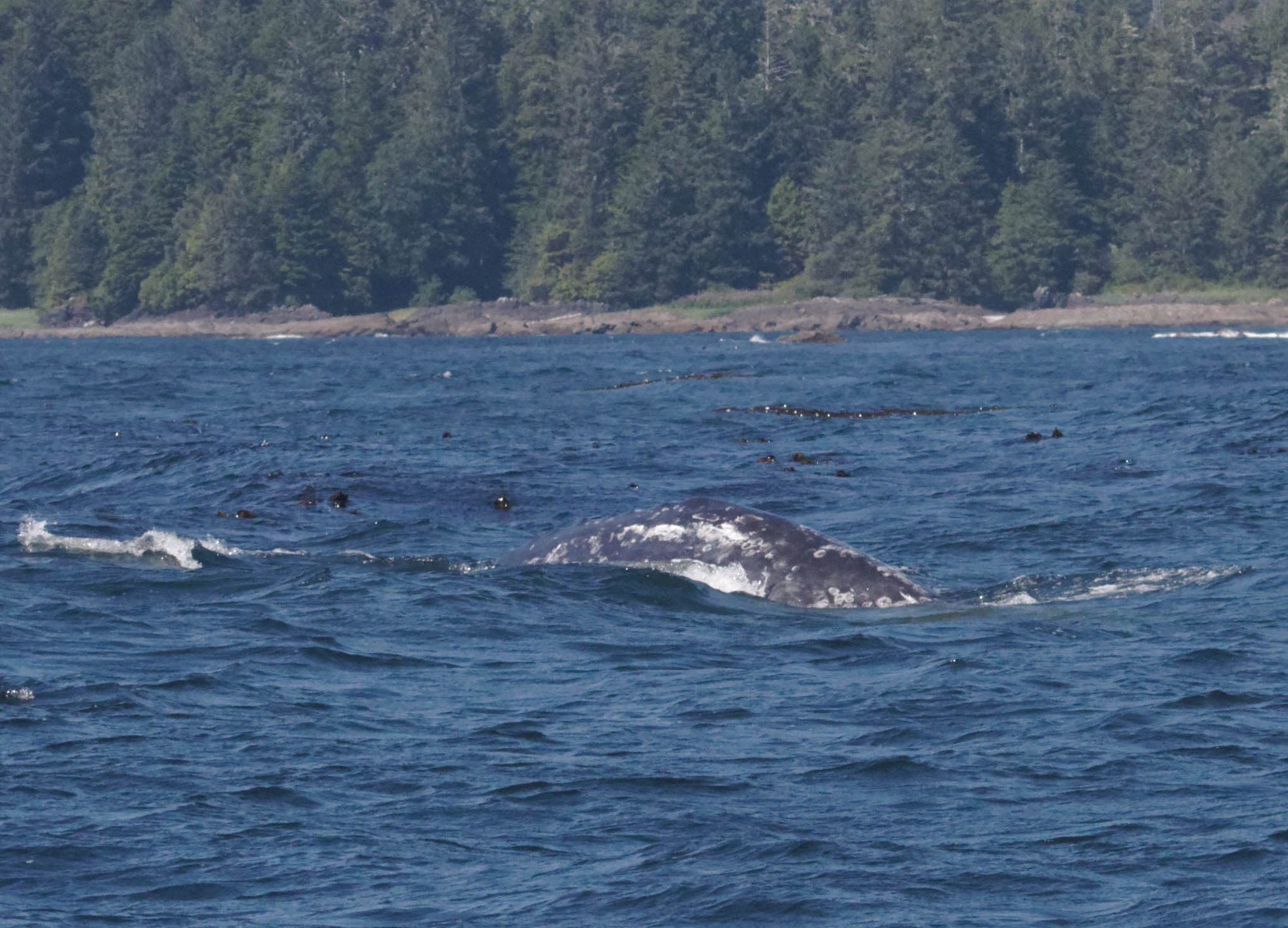
Local tour operators offer trips on larger, comfortable boats with covered cabins, or on fast inflatable zodiacs. We always prefer the zodiacs — you sit right above the waterline in a warm survival suit and the connection with nature is so much more intense. Besides grey whales, with a bit of luck you might also encounter iconic orcas or majestic humpbacks. The experienced guides approach the whales with maximum respect, maintaining strict distances to avoid stressing the animals.
7. Meares Island and the Giant Trees on Big Tree Trail
If you want to see what Canada looked like before European settlers arrived, simply hop on a water taxi at the harbour in Tofino and let it whisk you across to nearby Meares Island in about ten minutes. This island is home to some of the oldest and largest trees in all of British Columbia, and it’s also an important cultural site for the Tla-o-qui-aht First Nation, who successfully saved this place from mass logging years ago.
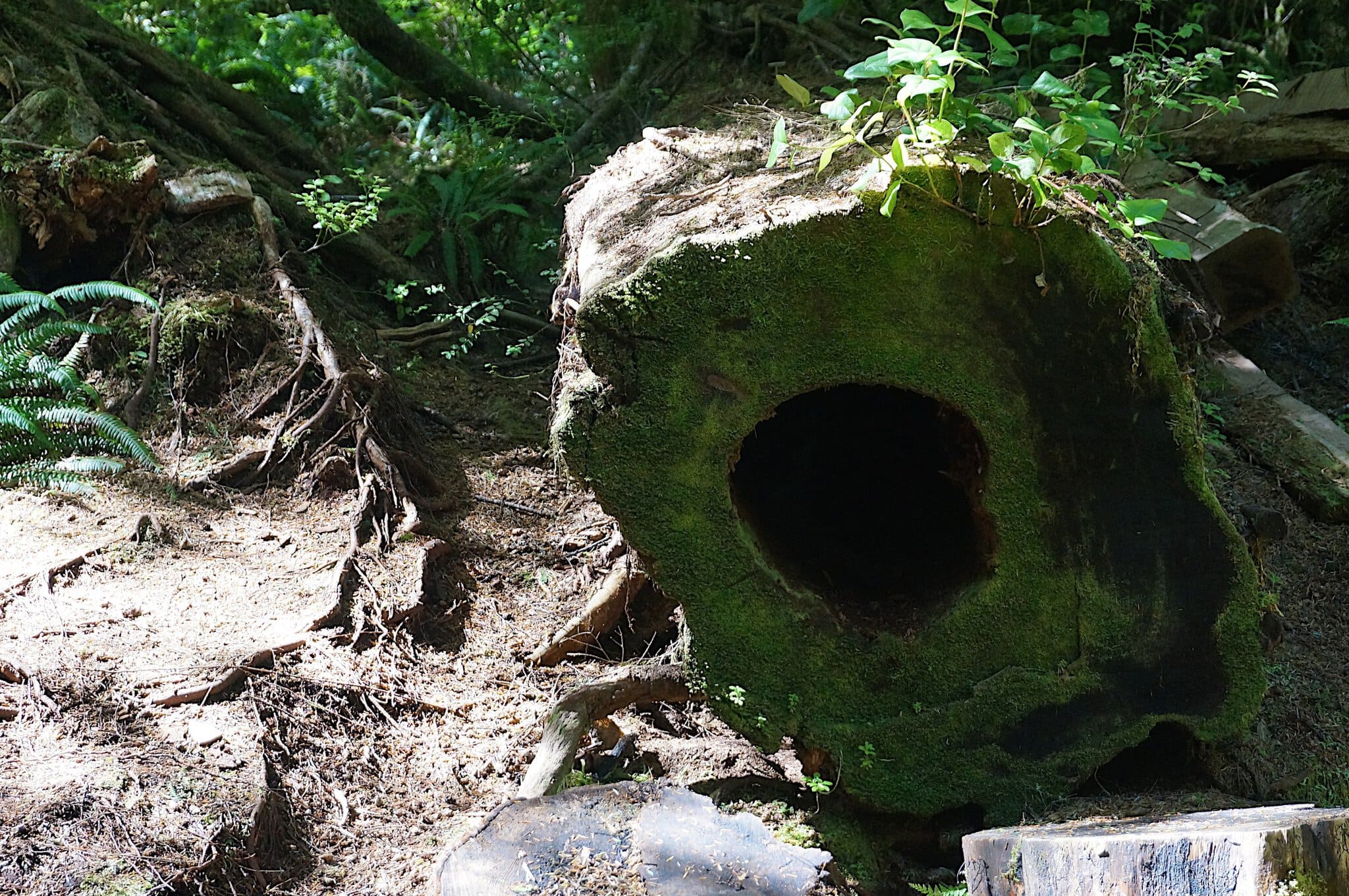
Right at the dock, you’ll find the start of the legendary Big Tree Trail — a short, roughly one-kilometre path along wooden boardwalks through an utterly magical old-growth forest. Here stands the famous Hanging Garden Tree, an incredible western red cedar estimated to be 1,500 to 2,000 years old. Standing beneath this colossus draped in moss and ferns is a genuinely humbling experience that stops you in your tracks for a moment. Just don’t forget your waterproofs — even on sunny days, water constantly drips from the branches above.
8. Black Bear Watching
While most visitors to Canada head inland to see bears, Vancouver Island’s west coast offers a completely unique way to observe these magnificent animals. Forget nervous encounters on hiking trails — here, you go to see them by boat. Tours are timed around the tides, because low tide is the key to a great sighting.
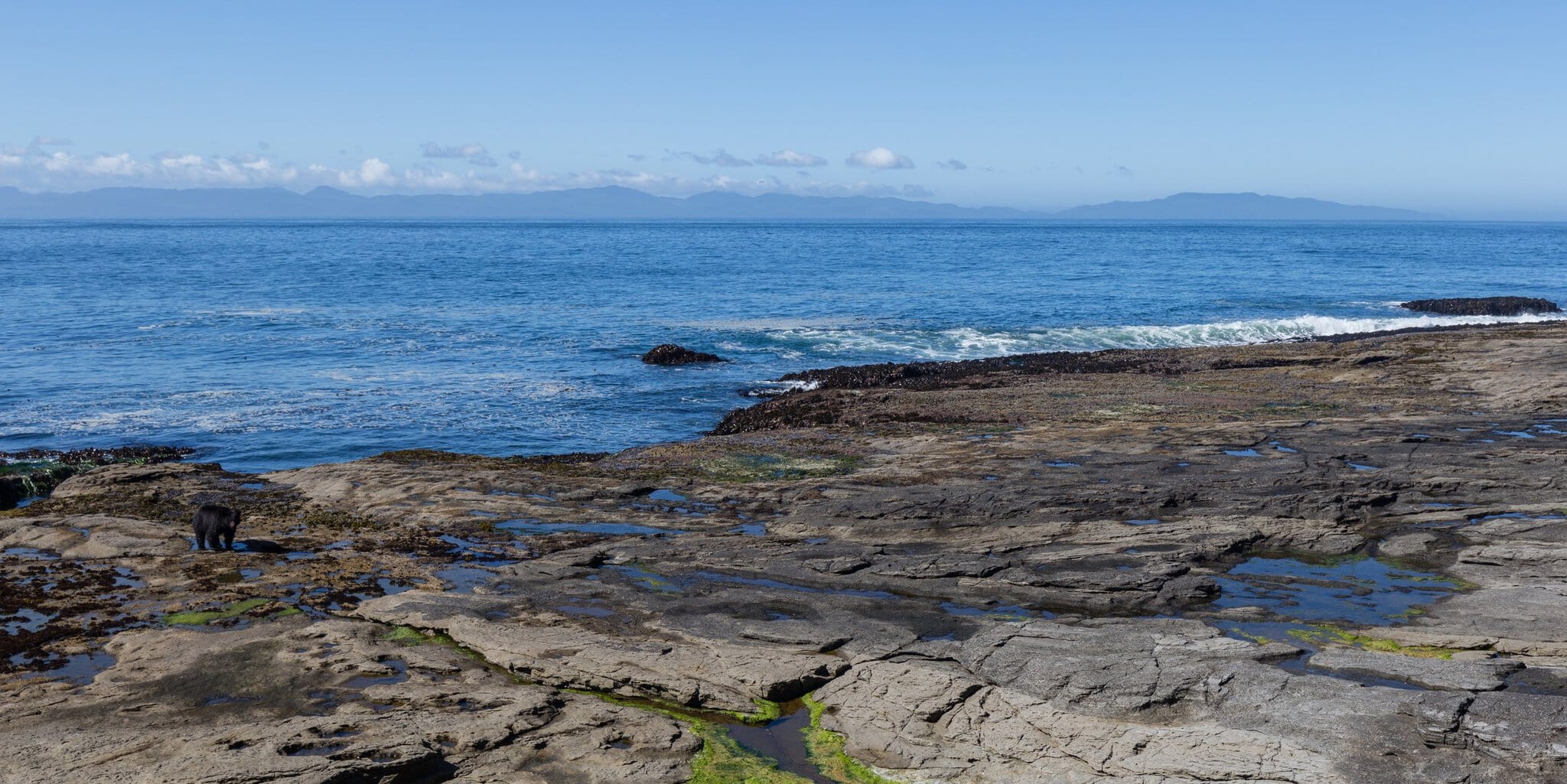
When the water retreats, it exposes the rocky shoreline of Clayoquot Sound. That’s when black bears emerge from the dense forest and lumber straight onto the beach, flipping over heavy rocks with their enormous paws to find their favourite treat — small shore crabs. The boat captain cuts the engine and you drift silently along the coast, watching bear families in their completely natural habitat. It’s safe for both you and the bears, and you’ll have an incredible chance to take some stunning photographs.
9. Hidden Gem: Tonquin Beach
While Long Beach and Chesterman Beach feature on the front page of every guidebook, Tonquin Beach is a quiet little secret that tends to be passed around by word of mouth among locals. It’s located just a short distance from the town centre, reached via a beautiful forest trail that eventually dissolves into what feels like an endless flight of wooden steps (which you’ll really feel on the way back 😅).
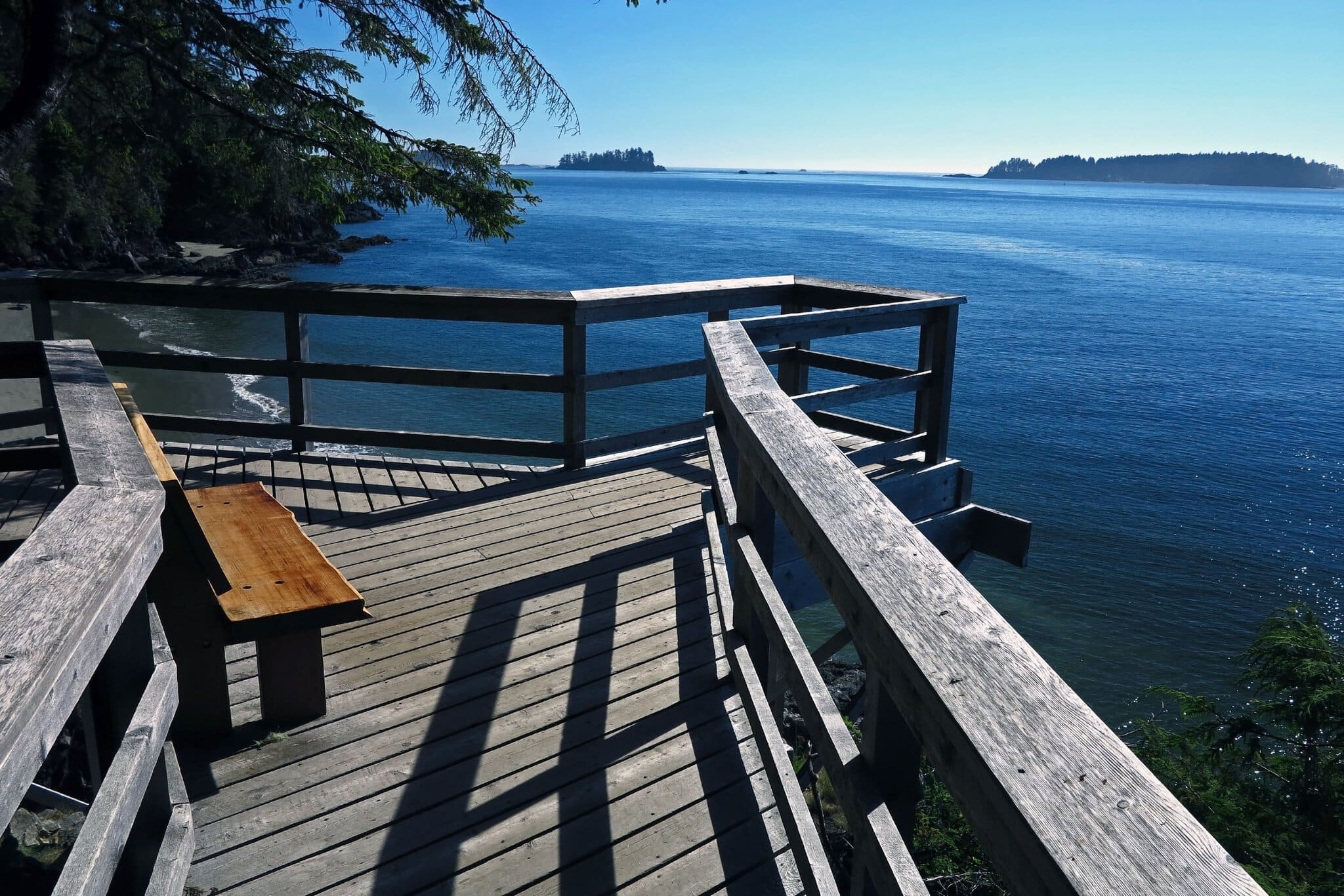
This beach is much smaller and more intimate than the others. Sheltered by rocks on both sides, it’s one of the few spots in Tofino where the wind doesn’t really reach, making it a lovely place to relax with a book or enjoy a peaceful picnic. Tonquin Beach also happens to face the perfect direction for watching sunsets. If you head here in the evening, pop a headtorch in your bag — the trail back through the dark forest to town isn’t lit.

10. Wander the Streets of Tofino Townsite
Although nature is the main reason people come here, the town centre itself (Tofino Townsite) is well worth a few hours of your time. It’s a small, colourful, and incredibly friendly little town scattered along the harbour, where surf culture mingles with an artistic community and Indigenous heritage. The air is filled with the scent of coffee, fresh fish, and pine.
Don’t miss the Roy Henry Vickers Gallery. Even if you’re not usually a gallery person, this traditional longhouse-style building packed with incredible vibrant prints and wood carvings by the celebrated Indigenous artist will win you over. The town centre is also a great spot for souvenir shopping, whether it’s locally made natural cosmetics crafted from kelp seaweed or beautiful hand-knitted wool jumpers.
11. Sea Kayaking in Sheltered Inlets
Surfing isn’t for everyone, and let’s be honest — not everyone fancies being pummelled by massive waves and freezing in the ocean. If you’re looking for a calmer but equally immersive way to explore the waters around Tofino, go sea kayaking. Unlike the exposed beaches, the intricate channels and inlets of Clayoquot Sound offer sheltered, calm waters that even complete beginners can handle.
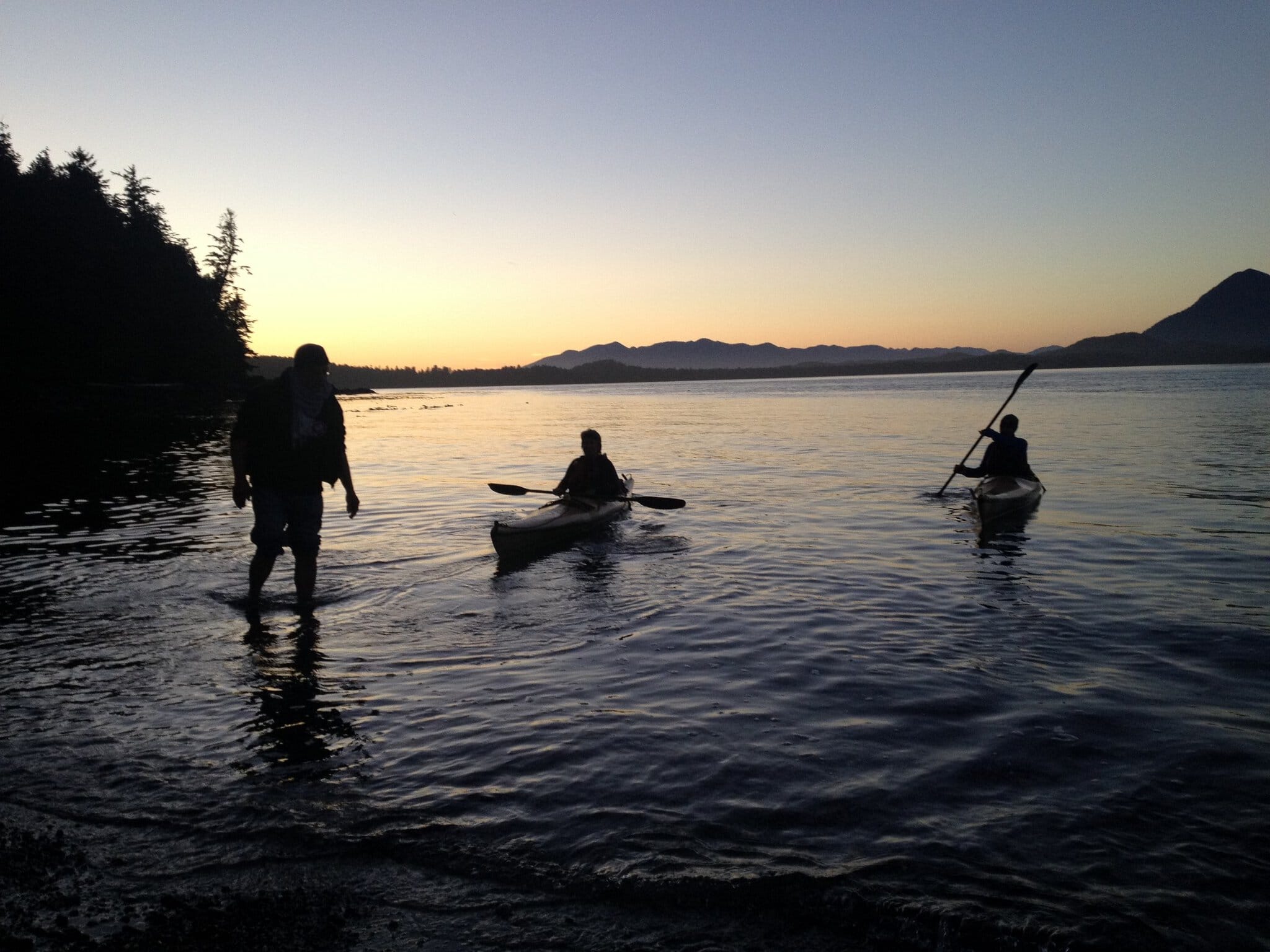
During a guided multi-hour excursion, you’ll glide silently across water that mirrors the surrounding mountains and dark forests. It’s not uncommon for a curious seal to pop up right beside your kayak, an eagle to circle overhead, or a whale to spout in the distance. The guides will also take you into coves that larger boats can’t reach, sharing stories along the way about how the Indigenous peoples who have lived here for thousands of years view this landscape.
12. Take a Detour to Ucluelet and the Wild Pacific Trail
Although this article revolves around Tofino, it would be a huge mistake not to mention its sister town Ucluelet (locals simply call it “Ukee”), which lies just about forty minutes’ drive to the south. While Tofino is known for its sandy beaches and surf culture, Ucluelet perches on dramatic rocky cliffs and has a much grittier, more fishing-village feel to it.
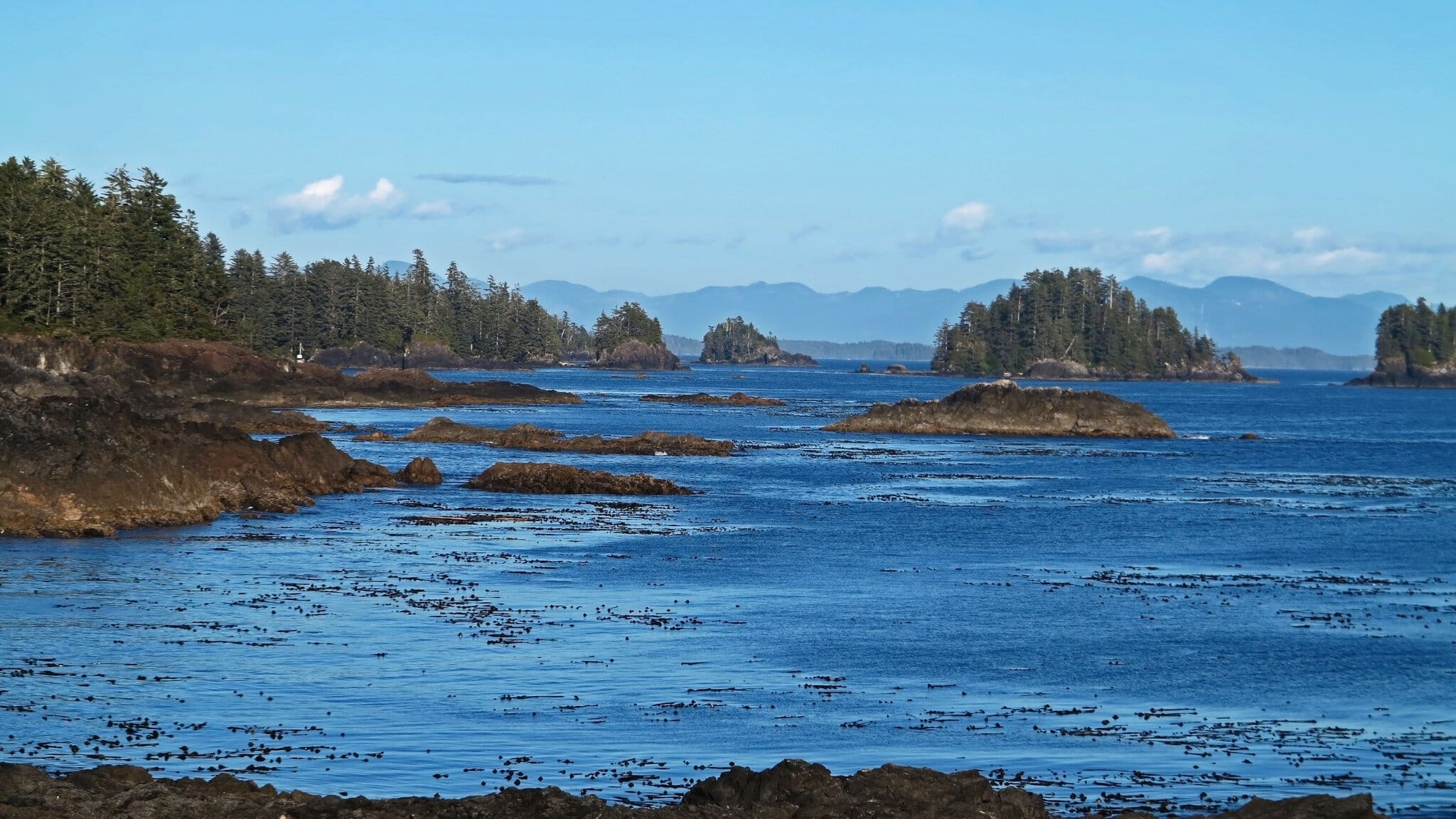
The main reason to make the trip is the phenomenal Wild Pacific Trail. We specifically recommend walking the Lighthouse Loop, which hugs the cliffs all the way to the picturesque Amphitrite Point Lighthouse. The views of crashing ocean and windswept trees shaped by years of relentless gales are absolutely breathtaking. It’s an easy, beautifully maintained walk and one of the very best things you can do along the entire Vancouver Island coast.
Map of points of interest for your phone
Where to Eat in Tofino
Honestly, the food in Tofino surprised me more than anywhere else in Canada. You wouldn’t expect this level of dining in a small town at the end of the world, but local chefs have access to incredibly fresh ingredients straight from the ocean — from salmon and halibut to crab — plus locally grown produce.
The absolute must-try is Tacofino. It’s now a famous chain across British Columbia, but it all started right here, in a single orange food truck parked behind a surf shop. Their fish tacos with crispy cod and spicy mango mayo are legendary. In summer, expect to queue for up to an hour — but it’s completely worth the wait.
If you want to experience the very best of local dining and don’t mind splashing out, book a table at Wolf in the Fog. It regularly wins awards for best restaurant in Canada, and their innovative menu focused on local ingredients — served in a casual, buzzy, and friendly atmosphere — is fantastic. For great coffee and breakfast, head to Tofino Coffee Roasting Company, and in the evening, wash away the dust of the day with a craft beer at Tofino Brewing Co, where they brew a unique Kelp Stout made with actual seaweed.
Tips and Tricks for a Smooth Trip
Before you set off to explore Canada’s west coast, here are a few of our tried-and-tested tips to help with planning. Tofino is a fairly remote destination, so a bit of preparation really goes a long way.
Finding Affordable Flights to Canada
From the UK, direct flights to Vancouver are available from London Heathrow with Air Canada and British Airways. If you’re flexible on dates, keep an eye out for deals — we always start tracking prices well in advance, ideally six months before departure.
Connecting flights via hubs like Dublin, Reykjavik, or Calgary can sometimes turn up surprisingly cheap fares. Once you’re in Vancouver, it’s a ferry and scenic drive to reach Tofino — and that journey is an adventure in itself.
Hiring a Car Is a Must
You can technically get to Tofino by bus from Victoria or Nanaimo, but I genuinely can’t imagine doing the island without a car — especially if you want to visit the national park or head down to Ucluelet. Summer prices climb quickly, so book as early as possible.
When we hired ours, we left it a bit late and nearly ended up stuck with a ridiculously overpriced pickup truck. It’s well worth sorting it out the moment you’ve booked your flights. The drive through the mountains is a brilliant experience in its own right — just watch out for wildlife that can suddenly dart onto the road.
Staying Connected
Outside of town, mobile signal on the island is often patchy or completely non-existent, but having data when you arrive in built-up areas and hotels is really handy. We’d recommend checking out an eSIM like Holafly — read our Holafly review to see how it works. You can have your internet sorted before you even board the plane.
Definitely download offline maps to your phone before you set off. When you drive into the forests around Kennedy Lake and the signal vanishes entirely, you’ll be very glad you know exactly where you’re going 😁.
 🚗 Car rental on the roadVerified rental cars in British Columbia
Search with the DiscoverCars comparison engine — it compares prices from dozens of local and international rental companies, and most bookings come with free cancellation.
Compare car prices in British Columbia →Don’t Forget Good Travel Insurance
Canadian healthcare is world-class, but astronomically expensive for foreign visitors. Any surfing injury or hiking mishap could end up costing a fortune. We often use nomad-friendly insurance — find out more in our SafetyWing review.
This is especially important if you’re planning to surf or hike along slippery rainforest trails. We take out insurance automatically with every trip, because as the saying goes — fortune favours the prepared, and you truly never know what might happen on the road.
Where to Go Next
Canada has an incredible number of places that deserve your attention. If Vancouver Island charmed you as much as it did us, or you’re planning to explore other corners of this enormous country, we’ve written plenty of other guides from our travels.
Whether you’re after big-city inspiration or want to keep exploring the wilderness, have a look at these articles:
- Read our detailed guide to Vancouver: What to See and Do in Canada’s Most Beautiful City.
- Want to keep exploring? Find out more about the whole of Vancouver Island: A Complete Guide.
- Curious about planning such a big trip? We’ve got plenty of personal insights on life and travel in Canada Without Rose-Tinted Glasses.
FAQ — Common Questions Before a Trip to Tofino
I’ve gathered the most frequently asked questions from readers about travelling to Tofino. If something’s missing, feel free to drop me a message.
What’s the deal with bears and safety in Tofino?
Black bears live in the forests all around the area and occasionally wander to the edges of beaches or into town. There are strict rules about not leaving food outside and keeping garbage bins locked. On hiking trails, make noise (talk or chat) so you don’t surprise a bear. If you do see one, back away slowly and calmly—don’t approach. Attacks are extremely rare.
Do I need a car to explore Tofino and the surrounding area?
It definitely makes things easier. Tofino itself is small and walkable, and you can rent an e-bike to get to nearby beaches. However, if you want to visit Pacific Rim National Park or the town of Ucluelet, a car is basically essential.
When’s the best time for whale watching?
The main season kicks off in March, when tens of thousands of gray whales migrate north past the coast—that’s the big draw. But the season runs all the way through October, since many whales stick around to feed in local waters over the summer. Summer also gives you a better chance of spotting orcas or humpback whales.
Is it worth visiting Tofino in winter?
Absolutely! Winter (November through February) is storm watching season, when massive storms hammer the coastline. It’s a completely different experience from summer—much moodier, more romantic, and quieter since there are far fewer tourists. Premium accommodation prices tend to be better too. Just don’t forget proper waterproof gear.
Should I stay in Tofino or Ucluelet?
Tofino has more acclaimed restaurants, direct access to long sandy surf beaches, and a slightly more laid-back, hipster vibe. Ucluelet is about 40 minutes south, noticeably cheaper, quieter, with rockier cliffs and fewer beaches. If you want to surf every day, go with Tofino. If you’re after peace and quiet and don’t mind driving around a bit, Ucluelet is a great (and cheaper) alternative.
Tips and Tricks for Your Vacation
Don’t Overpay for Flights
Search for flights on Kayak. It’s our favorite search engine because it scans the websites of all airlines and always finds the cheapest connection.
Book Your Accommodation Smartly
The best experiences we’ve had when looking for accommodation (from Alaska to Morocco) are with Booking.com, where hotels, apartments, and entire houses are usually the cheapest and most widely available.
Don’t Forget Travel Insurance
Good travel insurance will protect you against illness, accidents, theft, or flight cancellations. We’ve had a few hospital visits abroad, so we know how important it is to have proper insurance arranged.
Where we insure ourselves: SafetyWing (simple monthly subscription) and TrueTraveller (for extra-long trips).
Find the Best Experiences
Get Your Guide is a huge online marketplace where you can book guided walks, trips, skip-the-line tickets, tours, and much more. We always find some extra fun there!