When you’ve been spending several days in Rome, constantly weaving through crowds of tourists, fatigue inevitably creeps in. Especially during the summer months, the Italian capital turns into a scorching furnace where ancient stones radiate relentless heat and all you dream about is escaping somewhere calm and shady. If you desperately need to slow down after exploring the centre, there’s an absolute treasure that most visitors overlook. When it comes to things to do in Ostia Antica, this ancient port city lying just a short 30-minute suburban train ride from the very heart of Rome delivers in spades. While the famous Pompeii was destroyed and buried by volcanic ash, Ostia died slowly, eventually covered by the merciful layers of mud from the River Tiber.
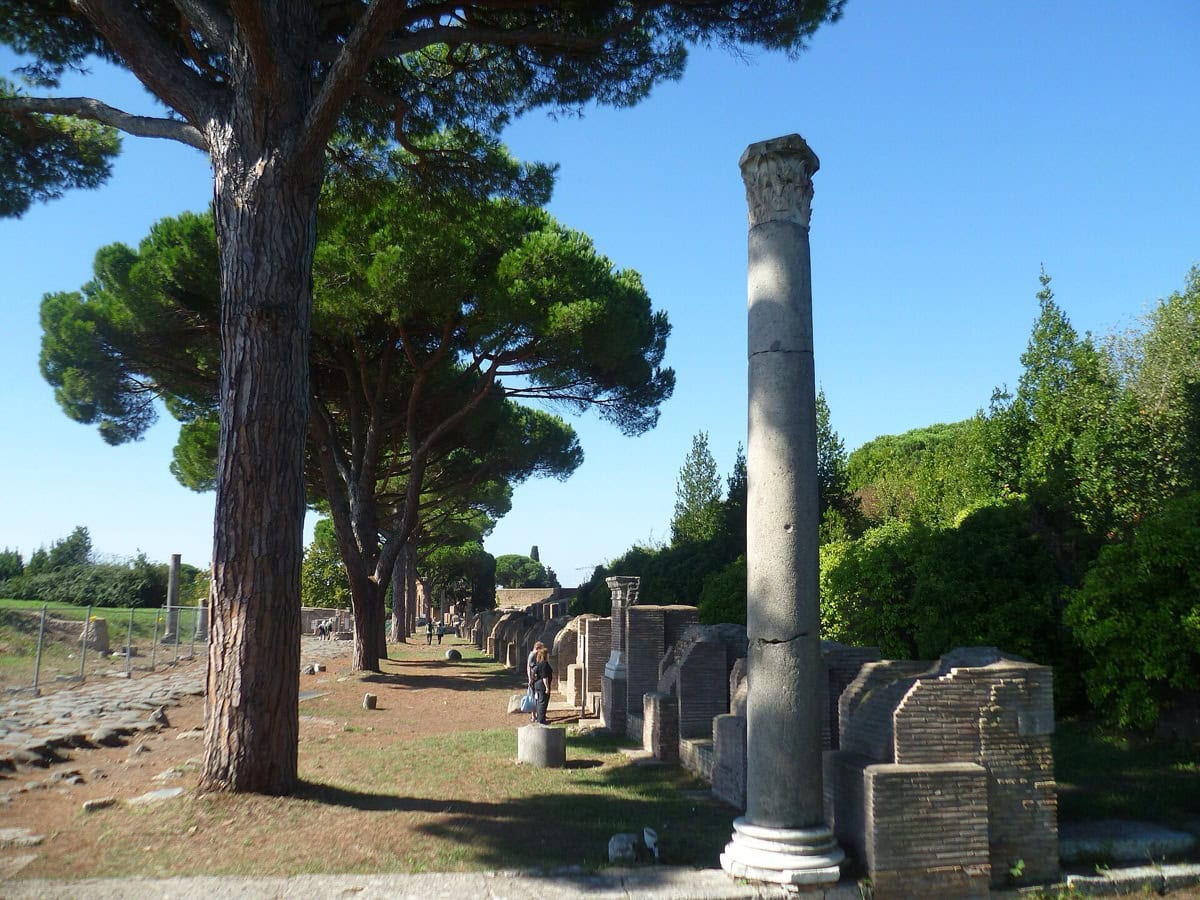
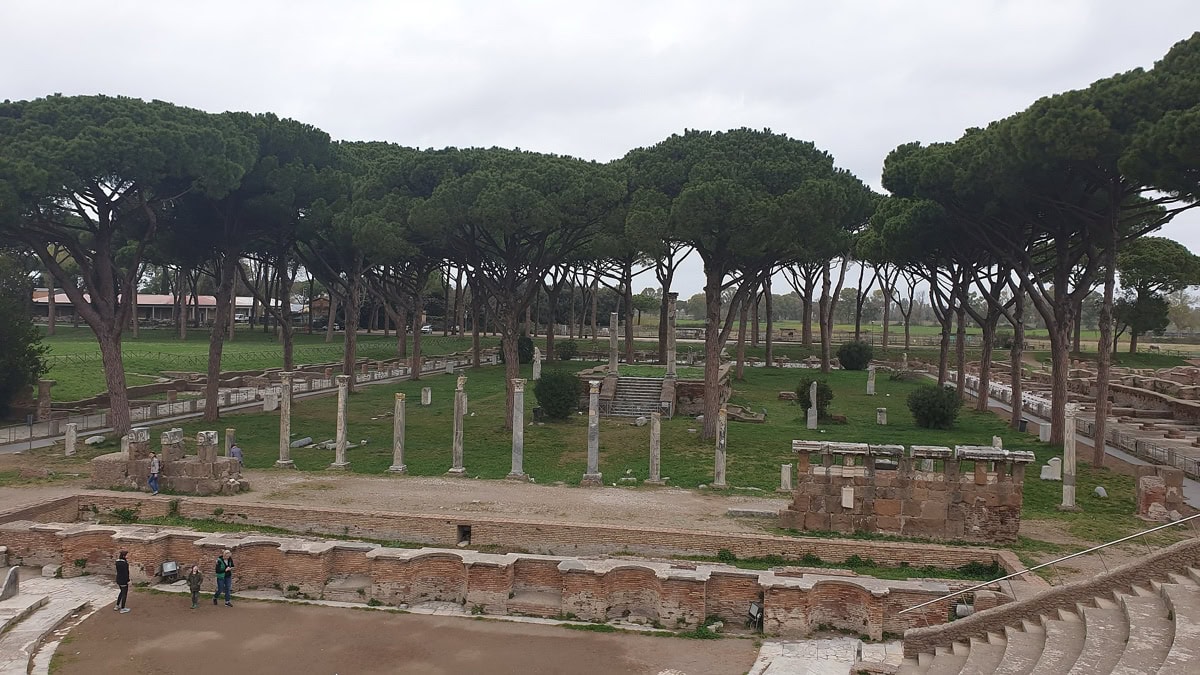
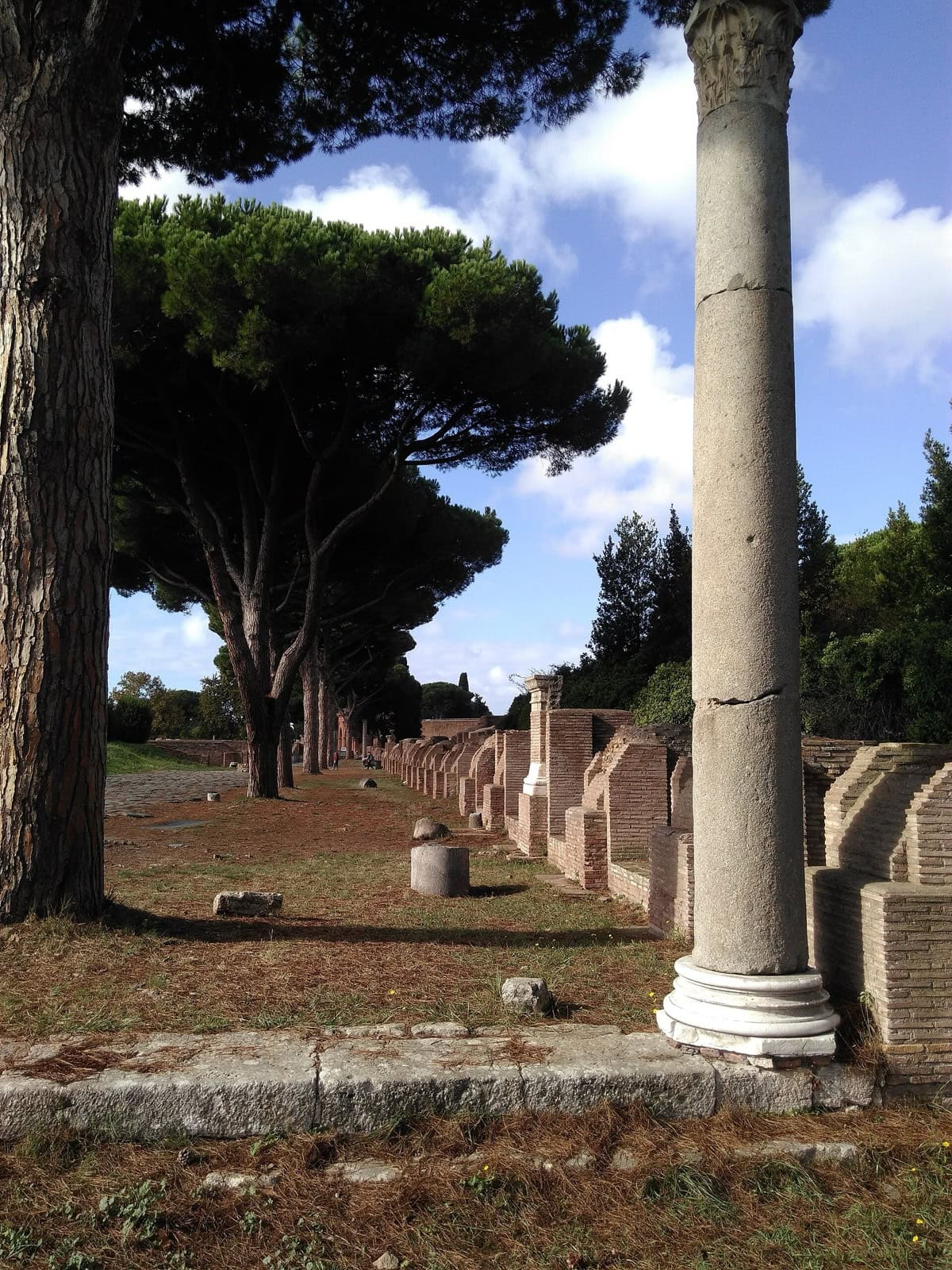
It was precisely this river mud that fantastically preserved the city for future generations, creating an archaeological site that is in many respects better preserved than Pompeii. The best part of it all is that you won’t be crammed in with thousands of other visitors, and the entire site is beautifully set within a vast park of towering umbrella pines. These gorgeous Mediterranean trees provide the much-needed shade, making a walk through the ruins feel more like a wonderfully pleasant nature outing. You can peer into ancient bars completely undisturbed, stroll along original paving stones, and admire stunning black-and-white mosaics. Let’s look at how to plan this perfect half-day trip without stress or unnecessary expense.
TL;DR
- Getting there from central Rome: You can easily reach the site in 30 to 40 minutes by combining Metro Line B with a suburban train from Piramide station.
- Ridiculously cheap transport: All you need is a standard Rome public transport ticket, currently costing €1.50, though a price increase to €2 has been announced from July 2026.
- Minimal crowds: Compared to Pompeii or the Colosseum, it’s blissfully quiet here and you’ll have huge spaces all to yourself.
- Shade and nature: The entire site is shaded by towering umbrella pines, making it perfectly manageable even during the fiercest summer heat.
- Authentic daily life: You’ll see real apartment blocks, bakeries, and an ancient bar with a marble counter — not just temples to the gods.
- Perfect for families: Wide paths without treacherous cobblestones are ideal for pushchairs, and children treat the place like one giant adventure playground.
- Combine with the beach: After exploring the ruins, hop just two train stops further and spend the afternoon swimming at the beach in modern Ostia.
The full destination guide: Rome — guide and what to see
When to Visit Ostia Antica
If you’re wondering when to plan this trip, the good news is that Ostia Antica is perfectly manageable even in the hot Italian summer thanks to the enormous amount of tree cover. While you’d practically melt under the direct sun at the Roman Forum in August, here you can gracefully move from one patch of shade to the next. I’d recommend arriving right at opening time at half past eight in the morning, when the early sun is still filtering through the pine branches and you’ll have the site practically to yourself.
The most beautiful time to visit, however, is in spring or autumn, when temperatures are ideal for long walks and you can enjoy the ruins at a leisurely pace all day. Opening hours vary by season, but the site generally opens at 8:30 and closes roughly an hour before sunset. Set aside at least half a day for your visit, as the site is truly enormous. The archaeological park is closed on Mondays, so plan your trip for any other day of the week. The Ostia Antica entrance fee is around €18, but if you have an active Roma Pass tourist card, you can use it here too, as Ostia falls within Rome’s fare zone.

Where to Stay in Rome for Your Ostia Antica Trip
For specific accommodation tips in Rome, tried-and-tested options include Hotel Artemide in the central Monti district, the boutique Condotti Boutique Hotel just a stone’s throw from the Spanish Steps, or the quieter Residenza Cavallini in the Prati neighbourhood near the Vatican. Booking well in advance will get you the best rates.
💡 Accommodation and experiences tip: For accommodation, it’s worth searching on Booking.com, which tends to offer the best cancellation policies. For tickets, tours, and activities, compare your options on GetYourGuide.
Since Ostia Antica is an ideal half-day trip, it doesn’t make sense to stay right by the ruins. A more strategic choice is to pick a good hotel in Rome with excellent public transport connections. For the easiest possible trip, I’d recommend looking for accommodation near Piramide metro station or in the Testaccio neighbourhood. The suburban train to the archaeological site departs directly from there, saving you a lengthy morning journey across the entire city. Testaccio is also a brilliant neighbourhood full of authentic restaurants without the tourist crowds.
Another excellent area is the Trastevere neighbourhood, from which you can reach Piramide station in just a few minutes by tram or a pleasant walk across the river. Trastevere has an unforgettable evening atmosphere, charming cobbled lanes, and some of the best dining options in the city. Have a look at the romantic Hotel San Francesco, which sits in a quieter section and boasts a lovely rooftop terrace. If you prefer a more modern style right by Piramide metro, the highly rated Gasometer Urban Suites puts you just a five-minute walk from the Rome to Ostia Antica train. Staying in these areas will make your logistics infinitely easier.
12 Things to Do in Ostia Antica
Let’s dive into the best that this ancient port city has to offer. Here are twelve specific places and experiences you absolutely shouldn’t miss on your visit to soak up the true atmosphere of ancient Roman life.
1. Walk Along the Decumanus Maximus
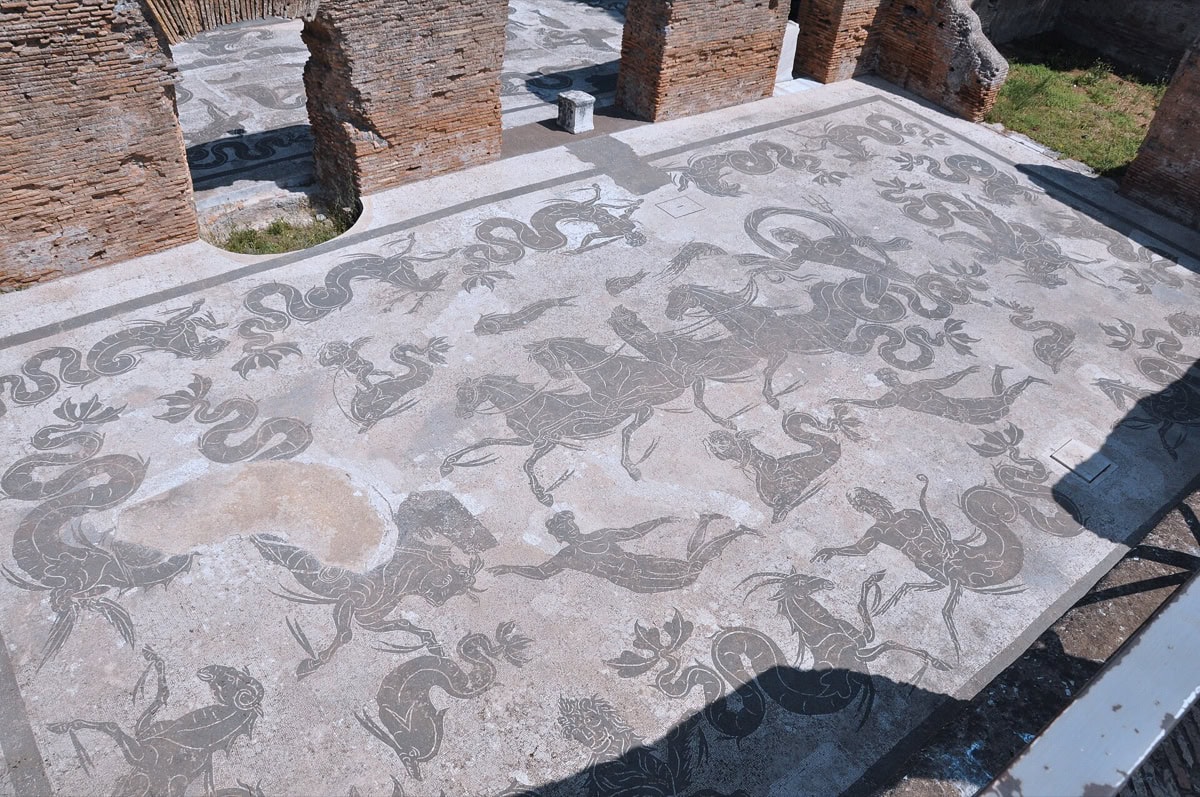
Just beyond the main entrance gate, the Decumanus Maximus stretches out before you — the principal artery of the entire ancient city. This street cuts through Ostia for nearly two kilometres and is paved with enormous basalt stones that still bear clearly visible ruts worn by heavy horse-drawn carts. It’s easy to imagine the incredible bustle during the Roman Empire’s heyday, when all manner of goods destined for the capital flowed along this very road.
The street is flanked by the remains of grand colonnades and entrances to long-vanished shops, taverns, and workshops. Unlike the narrow alleyways of Pompeii, here you get a genuine sense of a major city that must have accommodated tens of thousands of residents and a constant stream of sailors. Every now and then, stop, close your eyes, and listen to the wind rustling through the pines.
2. Marvel at the Mosaics in the Baths of Neptune
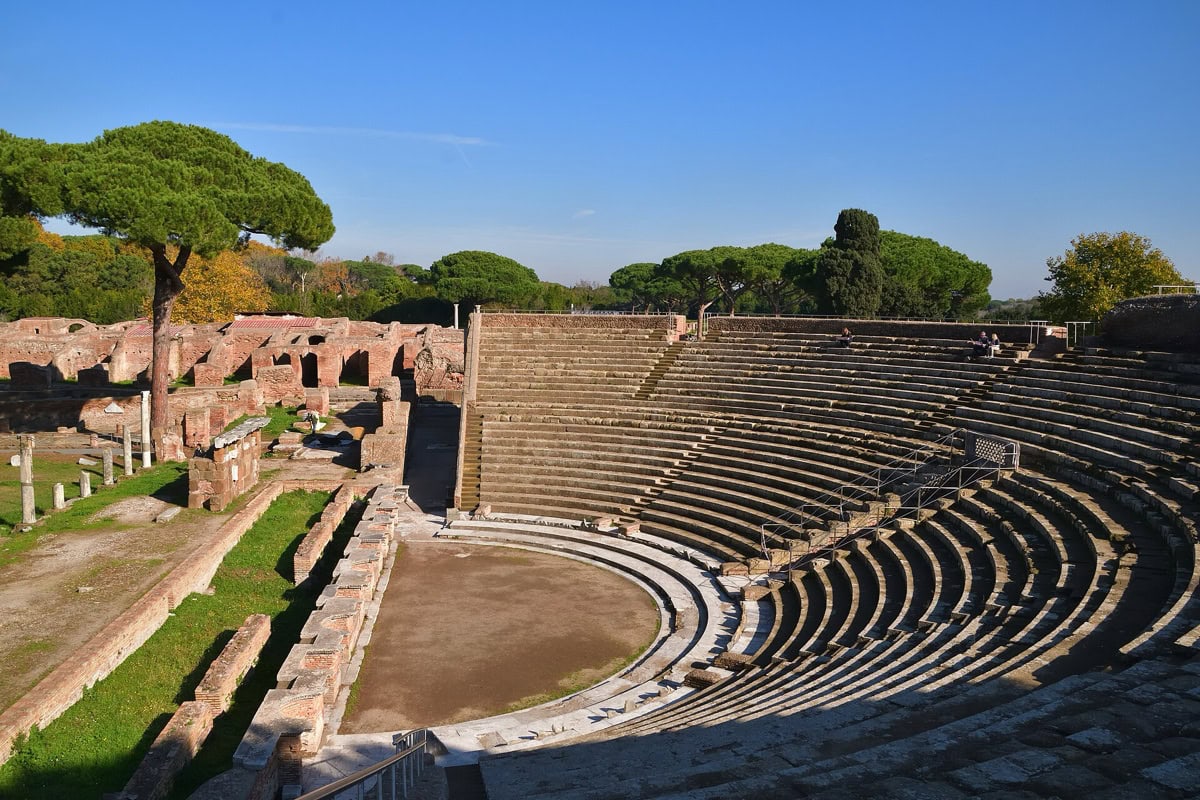
This masterpiece is one you simply cannot miss. The Terme di Nettuno, or Baths of Neptune, was a sprawling public bath complex where sailors would come to wash and rest after long voyages. The star attraction is the incredibly well-preserved black-and-white floor mosaics depicting the Roman god of the sea Neptune riding a chariot pulled by sea horses. The mosaics are enormous, teeming with mythical creatures, fish, and dolphins.
💡 Tip: To see the mosaics in all their glory, climb the stairs to the raised viewing platform right next to the baths. From above, the entire pattern becomes much more impressive, and you’ll truly appreciate the sheer scale of the rooms. The baths operated on an underfloor heating system, so while looking down you can also spot the brick pillars underground through which hot air once circulated from the furnaces.
3. Test the Acoustics at the Teatro Romano di Ostia Antica
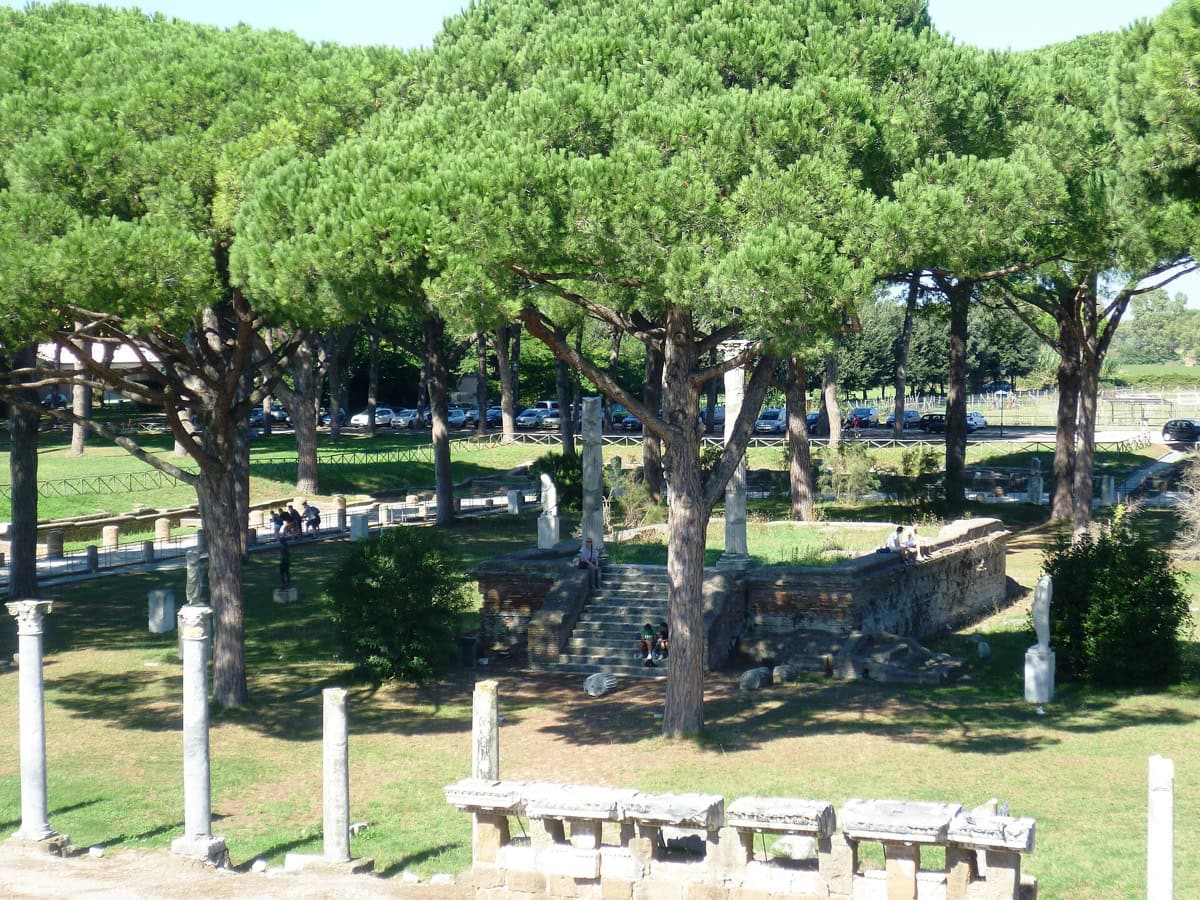
Right along the main street, you’ll stumble upon the enormous Roman theatre, which in its day could seat up to four thousand spectators. It was commissioned by Emperor Augustus and remains in such good condition that actual theatrical performances and concerts are occasionally held here during the summer months. The entire structure is built from brick and marble, and from the upper rows you’re treated to a magnificent view across the whole site and surrounding woodland.
Make sure you test the famous ancient acoustics. If you stand at the exact centre of the stage and speak at a normal volume, your voice carries perfectly all the way up to the very highest rows. It’s fascinating to sit on the stone tiers and realise that Roman citizens were being entertained in this very spot two thousand years ago. The theatre is also beautifully nestled among greenery, making it an ideal spot for a short rest.
4. Discover the Square of the Guilds (Piazzale delle Corporazioni)
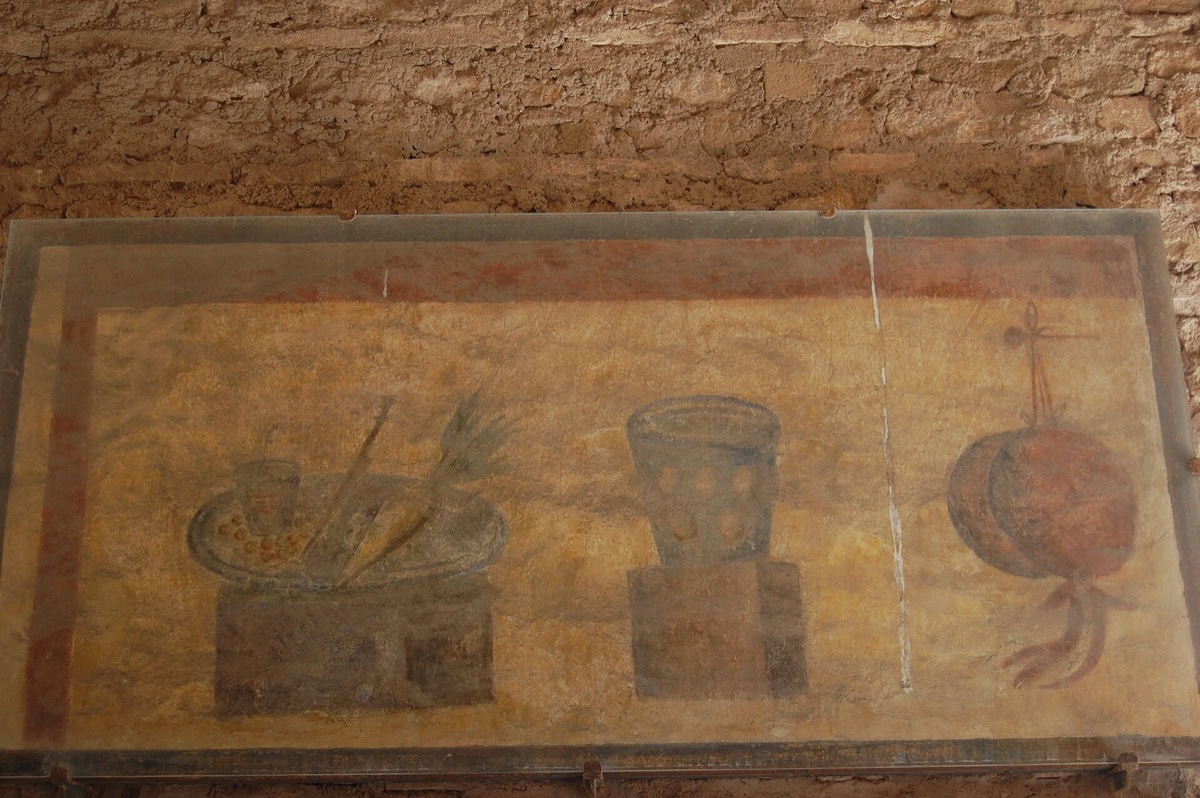
Just behind the theatre lies an enormous square lined with colonnades that served as the main commercial hub of the Roman Empire. The Piazzale delle Corporazioni was essentially an ancient ministry of trade and stock exchange rolled into one. Each small office along the square belonged to a different trading company or guild from various corners of the known world. You can tell who occupied which office by the mosaics in front of the entrance.
Set into the floor before each office is a black-and-white mosaic that functioned as an ancient company logo. You’ll find depictions of elephants marking traders from Africa, ships bringing grain from Egypt, lighthouses, and grain measurers. Deciphering these symbols is hugely entertaining and works brilliantly as an interactive game for children. It’s tangible proof of just how incredibly interconnected the ancient world was.
5. Pop Into the Ancient Tavern — the Thermopolium
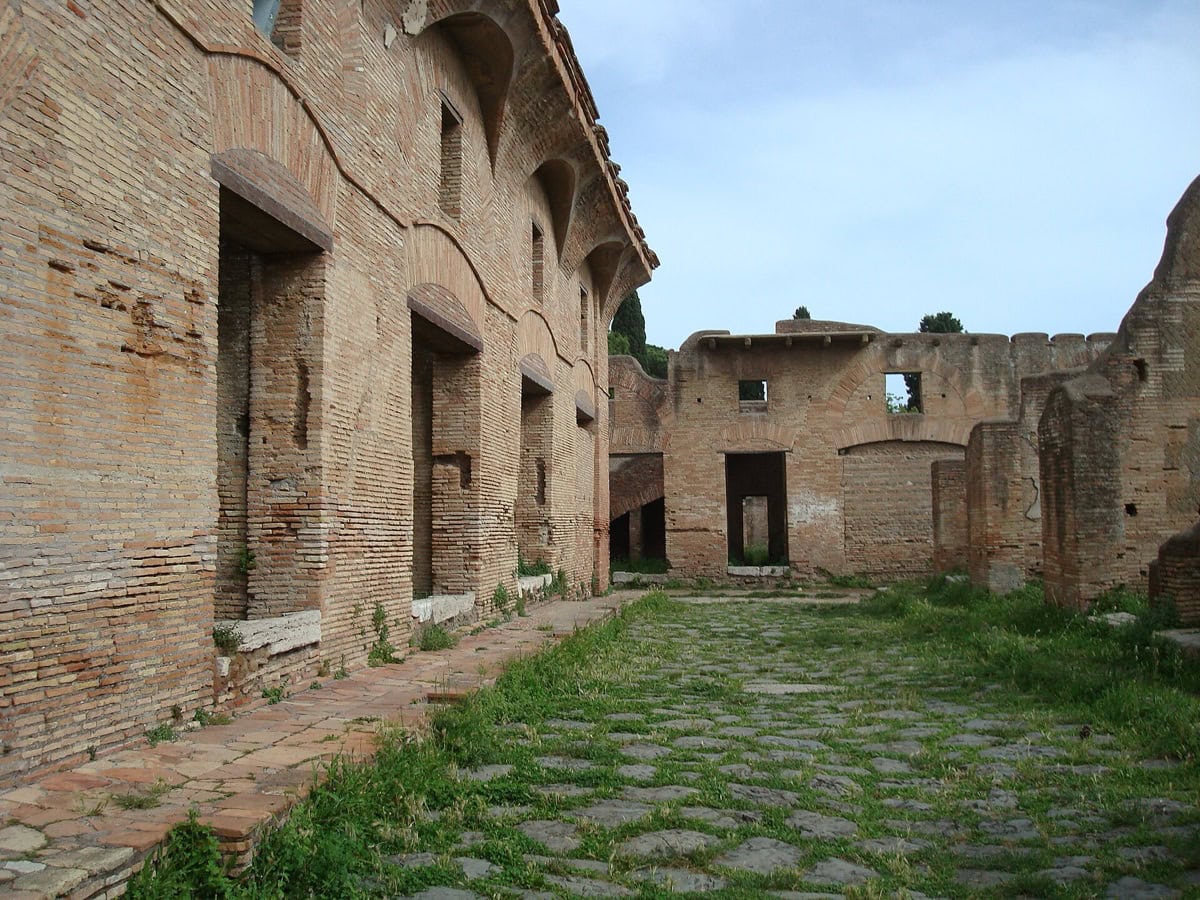
While we head to cafés and takeaways today, the ancient Romans had their Thermopolia. These were places serving hot food and drink to people who didn’t have their own kitchen. The Thermopolium in Ostia is beautifully preserved. You’ll see a gorgeous marble counter with holes where vessels of food were once placed.
Look above the counter and you’ll find a surviving fresco that functioned as a picture menu for customers who couldn’t read. It shows olives, radishes, and various drinks. Inside there’s a small courtyard with stone benches. The whole setup is remarkably reminiscent of modern Italian espresso bars, where people also just pop in and stand at the counter for a quick bite.

6. Explore the Ancient Apartment Blocks (Insulae)
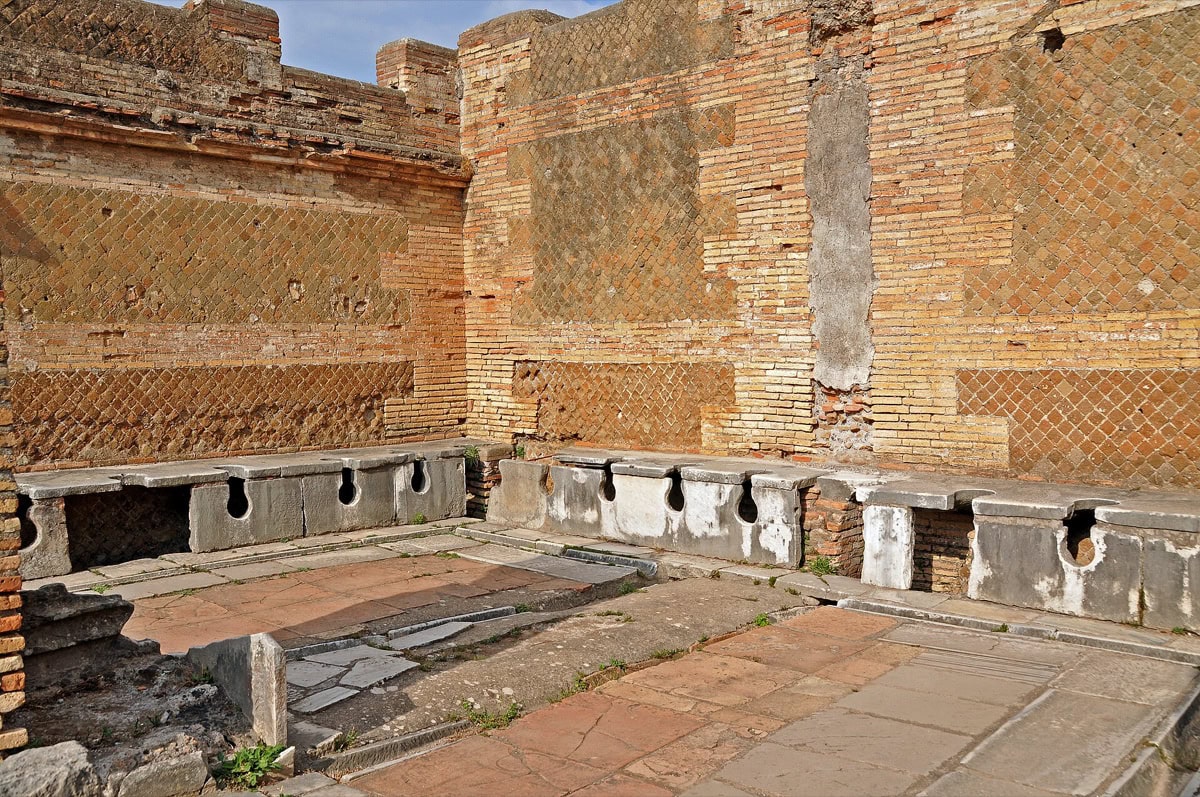
Ordinary Romans didn’t live in sprawling villas with swimming pools — they lived in multi-storey apartment blocks called insulae. Ostia is one of the few places in the world where you can actually see these ancient “tower blocks,” because the mud protected them from collapse. The brick buildings often had up to four storeys — shops on the ground floor, flats above.
The most famous example is the Casa di Diana (House of Diana), which you can step inside and explore the room layout. Staircases leading to the upper floors are still visible, hinting at what must have been a rather noisy and cramped existence. Small shrines were often found on the ground floor, and the House of Diana features a beautifully preserved little chapel.
7. Take a Seat on the Public Latrines
Public toilets, or forica, were a perfectly normal part of daily life in the ancient world and even served a social function. Ostia boasts some of the best-preserved latrines anywhere. Picture a long marble bench with regularly carved openings, beneath which water constantly flowed, carrying everything away into the sewers.
Privacy simply didn’t exist. People sat side by side, discussing politics and business deals. Instead of toilet paper, they used a sea sponge attached to a stick (tersorium), which they’d rinse in a channel of clean water running at their feet. It’s a fascinating glimpse into the hygiene standards and engineering prowess of the era.
8. Admire the Grand Forum and Capitolium
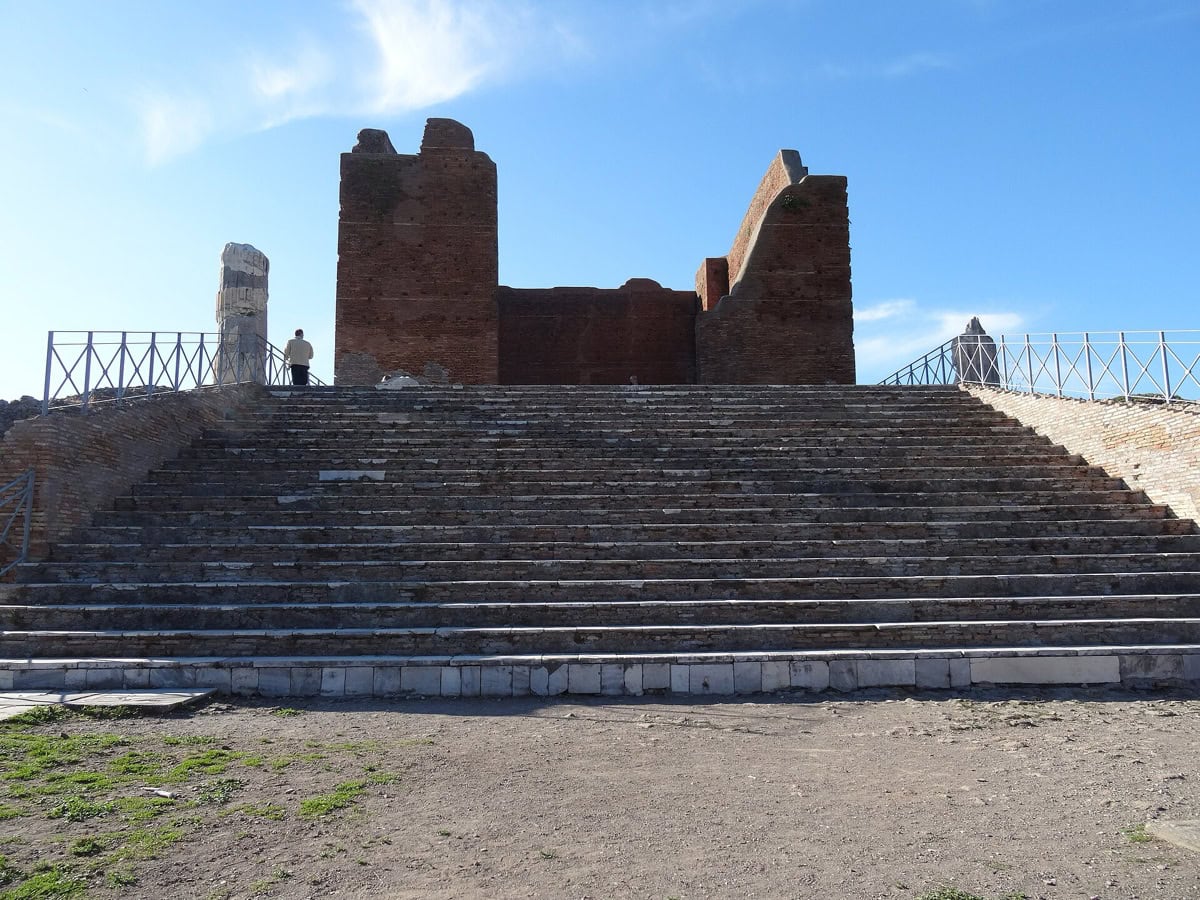
Every proper Roman city needed its Forum, the main square and centre of all public life. The one in Ostia is enormous, dominated by the imposing Capitolium. This massive brick temple was dedicated to the trio of Rome’s most important gods — Jupiter, Juno, and Minerva. A grand staircase leads up to the temple, and it looks majestic even today.
💡 Tip: Stand right in the middle of the Forum and look around. You’ll see the temple, the remains of the basilica (courthouse), and temples dedicated to the imperial cult. This was where the biggest political decisions were made and the running of the port was managed. Thanks to the absence of modern buildings in the background, the illusion of travelling back in time is absolutely perfect.
9. Peek Inside the Ancient Bakeries and Mills
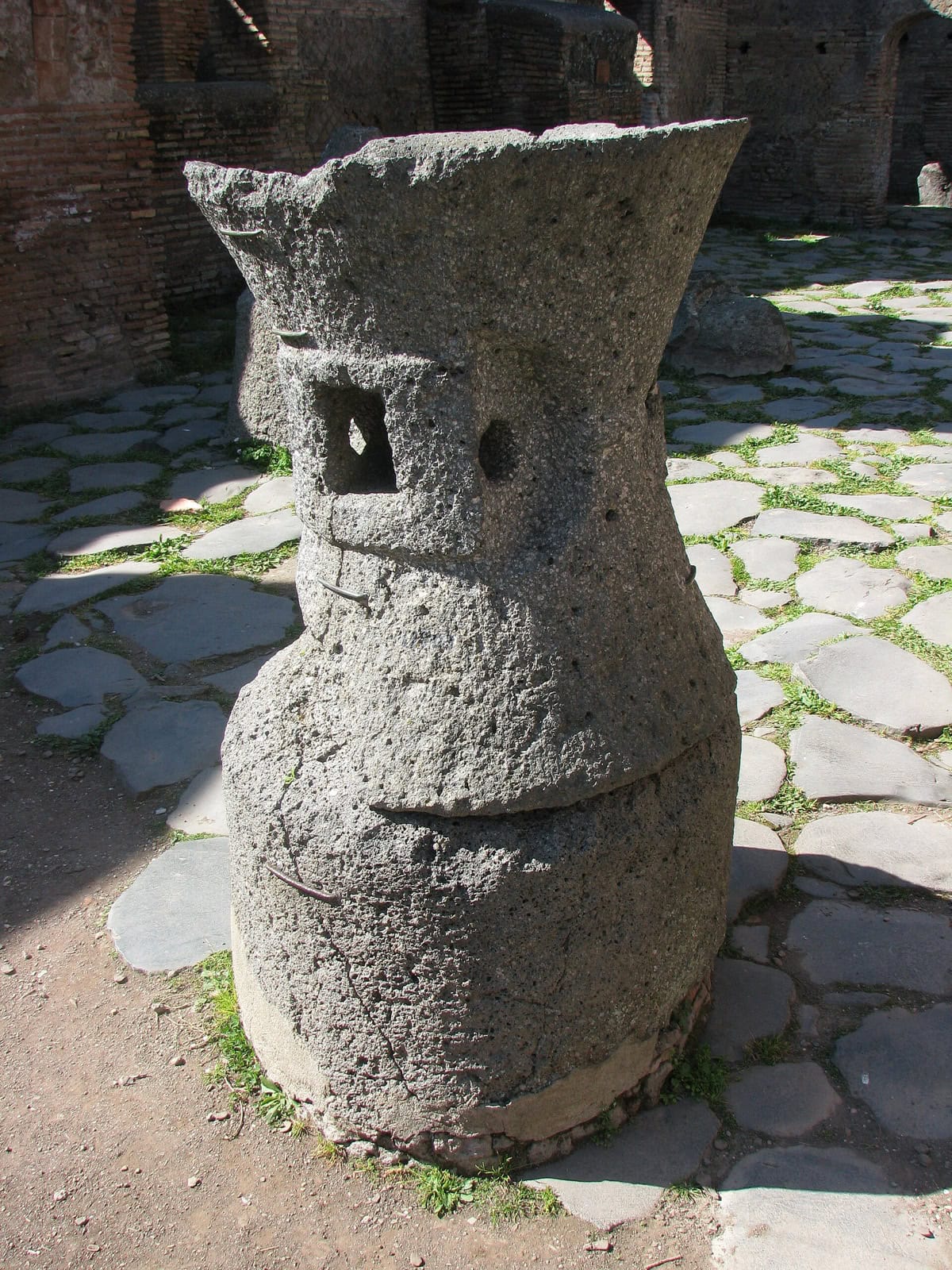
Feeding tens of thousands of sailors required an enormous amount of bread. Several bakeries that operated on an almost industrial scale have survived in Ostia. The most fascinating features are the huge millstones carved from volcanic rock in an hourglass shape. Grain was poured into the top, while donkeys or slaves harnessed to wooden frames walked in circles to grind it.
Right beside them, you’ll spot the remains of massive ovens and kneading machines. Romans baked a typical round loaf scored into eight sections for easy breaking. Standing here, you can vividly imagine the daily toil amid clouds of flour dust and oppressive heat.
10. Wander Through the Quiet Necropolis
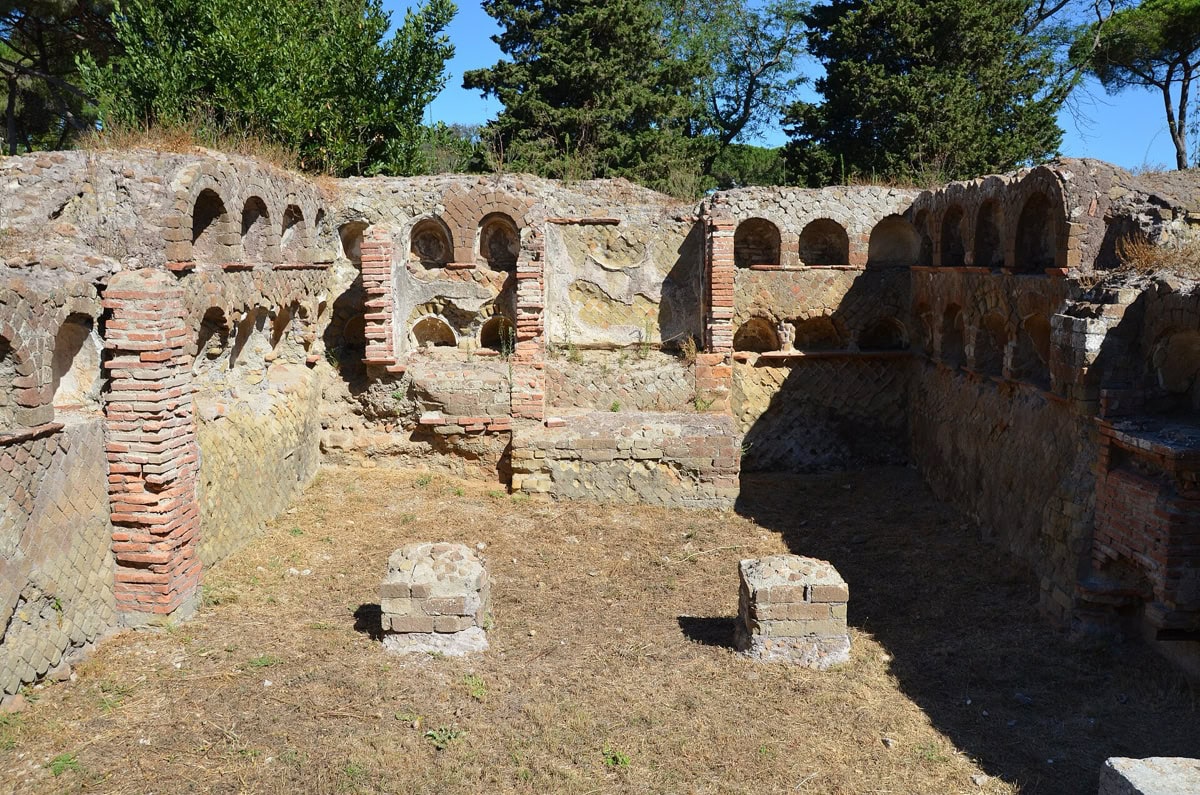
By law, the dead could not be buried within the city walls, so vast cemeteries known as necropolises sprang up along the approach roads. As you walk from the train station to the main entrance, you’ll pass through one of these. It’s an incredibly peaceful place, with dozens of brick tombs and small mausoleums scattered along the old paved road.
Many of the tombs still have marble inscriptions that tell the stories of individual families. This section of the site lies before the main ticket offices, so you can explore it completely free of charge.
11. Visit the Museo Ostiense
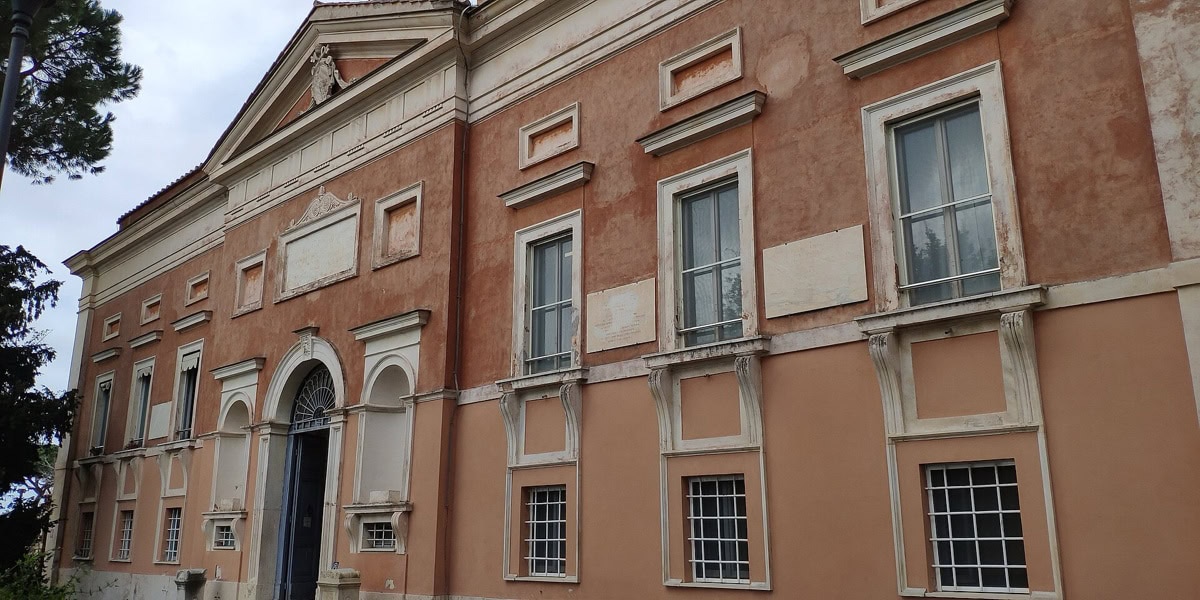
Right in the middle of the site sits a small but thoroughly fascinating museum. All the valuable statues, delicate mosaics, and artefacts that would deteriorate outdoors have been moved here. Admission is included in your standard ticket price, and there’s also welcome air conditioning inside.
You’ll find a collection of marble statues, imperial portraits, and everyday objects such as hair pins, coins, and children’s toys. In front of the museum there’s a small café and toilets, making it the ideal spot for a comfort break.

12. Combine History with an Afternoon at the Beach
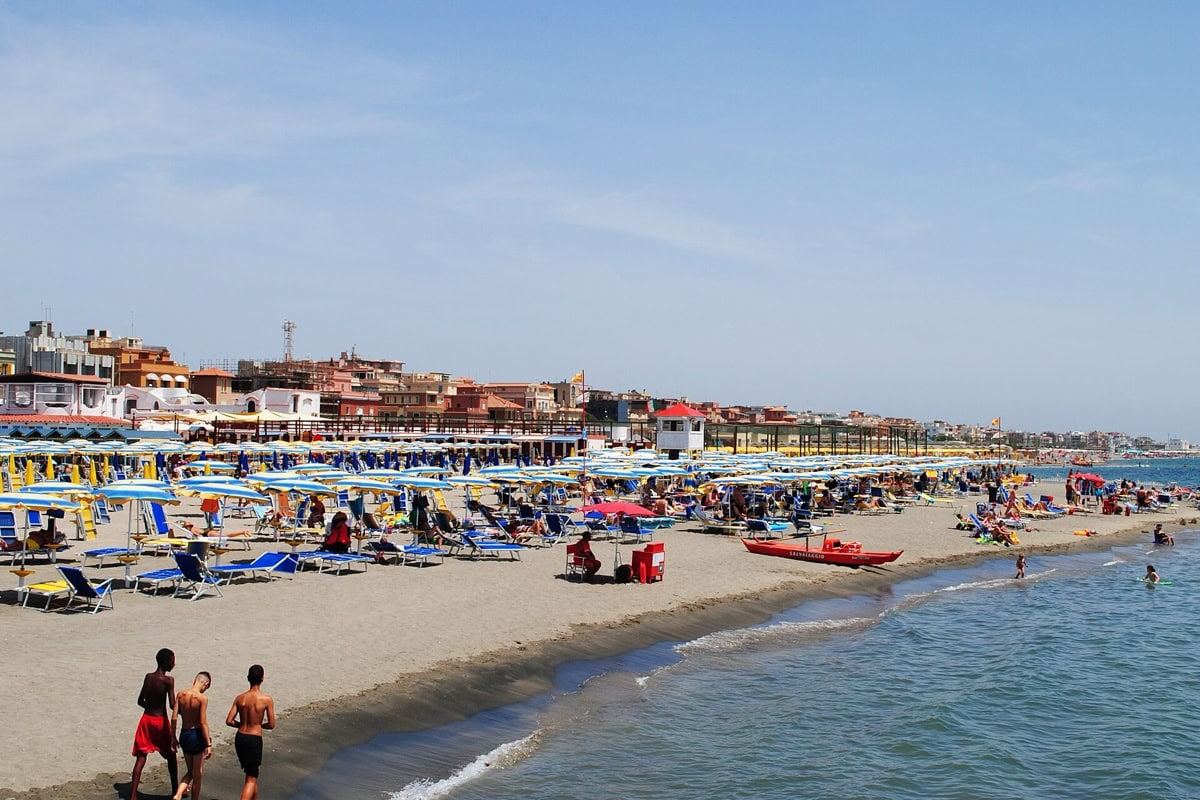
The best way to squeeze the most out of your day trip is to finish it by the sea. After all those kilometres on foot, simply head back to the train station and ride just two stops to the modern town of Lido di Ostia on the Tyrrhenian coast.
In Lido you’ll find a long sandy beach divided into paid sections and free public beaches. Along the promenade you can grab a pizza or some Italian gelato. Sitting on the beach after a morning exploring a two-thousand-year-old city is the perfect way to round off the trip. In the evening, simply hop on the train and you’ll be back in Rome within half an hour.
💡 Accommodation and experiences tip: We love searching for accommodation on Booking.com, which tends to offer the best cancellation policies. For tickets and tours, it’s worth comparing on GetYourGuide.
Map of points of interest for your phone
Where to Go Next from Ostia Antica
If your visit to Ostia has left you hungry for more ancient wonders, your next steps should logically lead back to central Rome. I’d recommend checking out our comprehensive tips on what to see in Rome, where you’ll find plenty of inspiration. For a fascinating contrast, head to the Colosseum and don’t miss the immaculate Pantheon, an architectural marvel of its age.
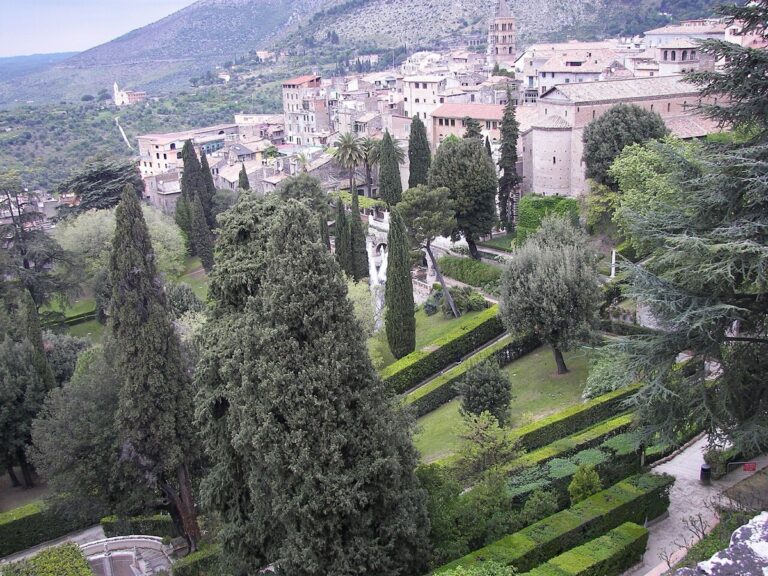
If you’re captivated by well-preserved ancient cities and don’t mind a longer train ride south, you simply must see the legendary Pompeii at some point. It’s far more crowded and sweltering, but the sight of a city beneath Mount Vesuvius is truly iconic. If you fancy swapping ancient history for Renaissance splendour, take a day trip from Rome to the town of Tivoli, where the magnificent Villa d’Este awaits. And after a long day of exploration, lose yourself in the narrow lanes of the Trastevere neighbourhood and reward yourself with a superb Italian meal.
Frequently Asked Questions
Is the Roma Pass valid for entry to Ostia?
Yes, it is! Ostia Antica falls administratively under the city of Rome, so if you have an active Roma Pass tourist card, you can choose this site as one of the monuments with free entry. The card also covers the suburban train ride from Piramide station.
How long does a tour of the entire site take?
The site is massive. If you just want to quickly walk along the main street and see the theatre, it’ll take you roughly two hours. But the ideal is to set aside at least 3 to 4 hours, so you can leisurely explore the more out-of-the-way lanes too, peek into the residential buildings, and sit in the shade of the pines.
Is Ostia Antica suitable for families with children and strollers?
Absolutely! Unlike the historic centre of Rome, where pushing a stroller over cobblestones is rather a punishment, in Ostia there are wide, sandy, and packed-earth paths that are very easy to roll along. For children, it’s a huge playground.
Can I bring my dog into the site?
Unfortunately no, bringing dogs (with the exception of guide and assistance dogs) into the archaeological site is strictly forbidden in order to protect the monuments and mosaics.
Is there a restaurant inside, or should I bring a snack?
Right in the middle of the site, by the museum, there’s a small café with seating where you can buy packaged sandwiches, coffee, and ice cream. The prices are a bit inflated, though, so it’s more practical to bring your own snack and plenty of water in your backpack. Around the site you’ll find benches perfect for a picnic in the shade.
What about the cost of transport from Rome?
The transport is absolutely fantastic. The train to Ostia runs under the standard Rome public transport fare. So all you need is an ordinary ticket (the BIT type), which currently costs 1.50 euros and is valid for 100 minutes. From July 2026, an across-the-board price increase, probably to 2 euros, has been announced. Even so, it’s by far the cheapest trip out there.
Which is better, Pompeii or Ostia Antica?
Pompeii is definitely more famous, larger, and has a more dramatic story, but you pay for it with enormous crowds of tourists and unbearable heat, because there’s no shade there. Ostia is peaceful, full of trees, closer to Rome, and here you have the feeling of discovering a hidden secret. If you don’t have time to travel all the way to Naples, Ostia definitely won’t disappoint you.
Tips and Tricks for Your Vacation
Don’t Overpay for Flights
Search for flights on Kayak. It’s our favorite search engine because it scans the websites of all airlines and always finds the cheapest connection.
Book Your Accommodation Smartly
The best experiences we’ve had when looking for accommodation (from Alaska to Morocco) are with Booking.com, where hotels, apartments, and entire houses are usually the cheapest and most widely available.
 🚗 Car rental on the roadVerified rental cars in Rome
Search with the DiscoverCars comparison engine — it compares prices from dozens of local and international rental companies, and most bookings come with free cancellation.
Compare car prices in Rome →Don’t Forget Travel Insurance
Good travel insurance will protect you against illness, accidents, theft, or flight cancellations. We’ve had a few hospital visits abroad, so we know how important it is to have proper insurance arranged.
Where we insure ourselves: SafetyWing (simple monthly subscription) and TrueTraveller (for extra-long trips).
Find the Best Experiences
Get Your Guide is a huge online marketplace where you can book guided walks, trips, skip-the-line tickets, tours, and much more. We always find some extra fun there!