If your image of Spain is all sun-scorched plains, endless fiestas along the sun-drenched coast, and heat shimmering off the tarmac, the northwestern region of Galicia will quickly set you straight. Instead of parched landscapes, you’ll find lush green scenery more reminiscent of Ireland, mysterious mist rising from eucalyptus forests, and cold Atlantic waves crashing relentlessly against jagged cliffs. It’s in this distinctive corner of the Iberian Peninsula — where the local language is closer to Portuguese than Castilian Spanish — that you’ll find Vigo Spain. This port city might underwhelm at first glance with its slightly industrial exterior, but give it a chance and it reveals a charming historic centre, fantastic viewpoints, and above all serves as the main gateway to the paradise-like Cíes Islands, whose beaches regularly rank among the most beautiful in the world.

TL;DR
- The Cíes Islands are a must: If you visit Vigo, a trip to this national park with the Caribbean-looking Rodas Beach is absolutely essential — but you’ll need a permit in advance.
- History in Casco Vello: The old town will charm you with its winding granite lanes, cosy taverns, and authentic Galician atmosphere.
- Views from Monte do Castro: A former fortress rising right above the city offers the best panoramic views of the entire bay and spectacular sunsets.
- A foodie paradise (not just) for seafood lovers: Rías Baixas is the epicentre of the finest seafood in Spain, but wine lovers will also be thrilled thanks to the superb Albariño grape.
- A brilliant base: Vigo works perfectly as a launchpad for day trips to nearby Santiago de Compostela or for exploring the wild coastline.
- Pack a rain jacket: Galicia is beautifully green for a reason — even in summer, it’s worth having a lightweight waterproof tucked into your bag.
The full destination guide: Northern Spain — guide and what to see
When to Visit Vigo Spain
The climate in northwestern Spain is dictated entirely by the Atlantic Ocean, which means the rules here are completely different from the south of Andalusia. Winters tend to be fairly mild — temperatures rarely drop to freezing — but they are extremely rainy and damp, making it far from ideal for long strolls around town. If you want to enjoy the city at its best rather than spending your days sheltering in cafés, choosing the right time of year is crucial.
The only reliably dry and warm window for visiting Galicia opens from May to the end of October, when the city comes alive and the sun finally gains the upper hand over the clouds. For swimming in the ocean and making the most of the coastline, June to September is best — though even in the height of summer, expect the Atlantic water to be bracing and nowhere near as warm as the Mediterranean. If you want to dodge the biggest crowds of domestic tourists who flock here in August to escape the inland heat, plan your trip for June or September, when the weather is still lovely but the beaches and streets are noticeably quieter.
Where to Stay in Vigo
💡 Accommodation & experiences tip: We usually search for places to stay on Booking.com, which tends to have the best cancellation policies. For tickets, tours, and activities, it’s worth comparing options on GetYourGuide.
Vigo is a fairly sprawling city set across hilly terrain, so picking the right neighbourhood can save you a lot of legwork and sweaty shirts. The best choice for a short stay is the historic centre of Casco Vello or the adjacent Centro district, putting you just a short walk from the main sights, the harbour, and the ferries heading to the islands. If you prefer a quieter vibe and don’t mind travelling into the centre, consider looking for accommodation near Samil Beach, where you can enjoy morning ocean views and long promenade walks.
There’s plenty of accommodation in the city, but the best options disappear incredibly fast during the summer months. A great starting point is NH Collection Vigo, which offers the perfect balance between modern comfort and immediate proximity to the old town and harbour. If you’re looking for something truly special with a touch of luxury and history, take a look at Hotel Pazo Los Escudos Spa & Resort — a beautifully restored traditional Galician manor house right by the sea. You can easily compare all available options and current prices on Booking.com, where you’ll also find plenty of cosy apartments with their own kitchenette.
14 Things to See and Do in Vigo Spain
1. The Cíes Islands and Rodas Beach
The Islas Cíes archipelago is without a doubt the biggest tourist draw of the entire region and the reason so many travellers make their way to Vigo. This protected national park — Parque Nacional Marítimo-Terrestre das Illas Atlánticas de Galicia — offers unspoilt nature with no cars or hotels, where pine forests, sheer cliffs, and incredibly white sand take centre stage. There are three islands in total, with the two main ones — Monteagudo and Faro — connected by an iconic beach.
That beach, Praia de Rodas, is the very spot that The Guardian once named the best beach in the world, and the moment you first lay eyes on its pristine white sand contrasting with turquoise water, you’ll understand why. The water is freezing — only the hardiest swimmers venture in — but simply walking along the shore or hiking up to the Faro de Cíes lighthouse for views of the open ocean is worth every minute of your time.
💡 Top tip: The islands have strict daily visitor limits, so you’ll need to secure a permit from the Galician government (an “autorización”) and then book your ferry tickets well in advance — in summer, sometimes a month or more ahead.
2. Casco Vello Historic Centre
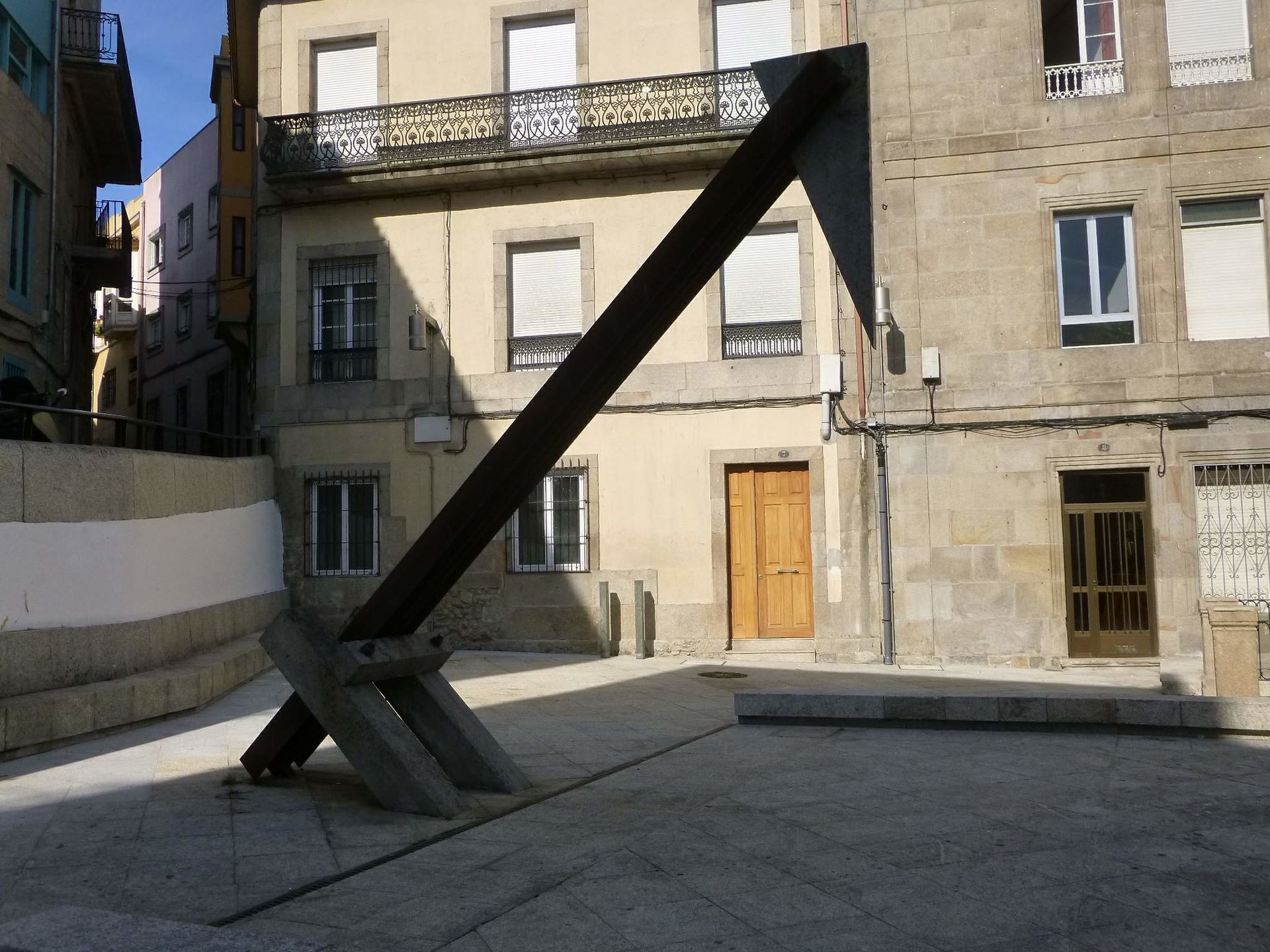
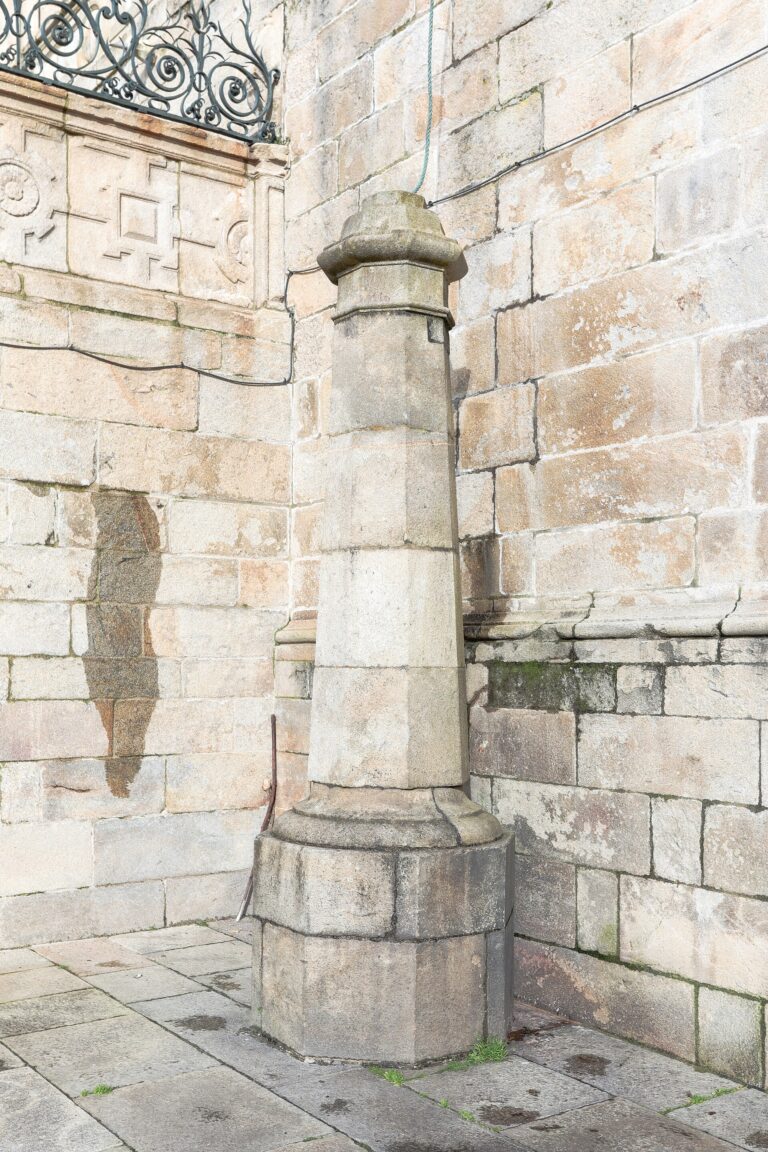
The heart of every Spanish city is its old quarter, and Vigo is no exception — even though its Casco Vello has undergone a massive revitalisation in recent years. Winding lanes paved with hefty granite slabs weave between old stone buildings, many of which are adorned with traditional enclosed glass balconies known as galerías, originally designed to shield residents from the frequent rain and wind. The whole neighbourhood buzzes with life today, and you’ll find dozens of independent boutiques and artisan workshops seamlessly interspersed with picturesque cafés and small tapas bars.
Lose yourself in the maze of alleyways and let your senses guide you — sooner or later, you’ll stumble upon the neighbourhood’s centrepiece, the neoclassical Co-Cathedral of Santa María de Vigo. This majestic building, which locals simply call La Colegiata, houses the famous Cristo de la Victoria (Christ of Victory), credited with saving the city from Napoleon’s troops. The atmosphere is at its best in the early evening, when the lanes fill with people and the scent of freshly prepared tapas drifts through the air.
3. Monte do Castro Fortress and Park
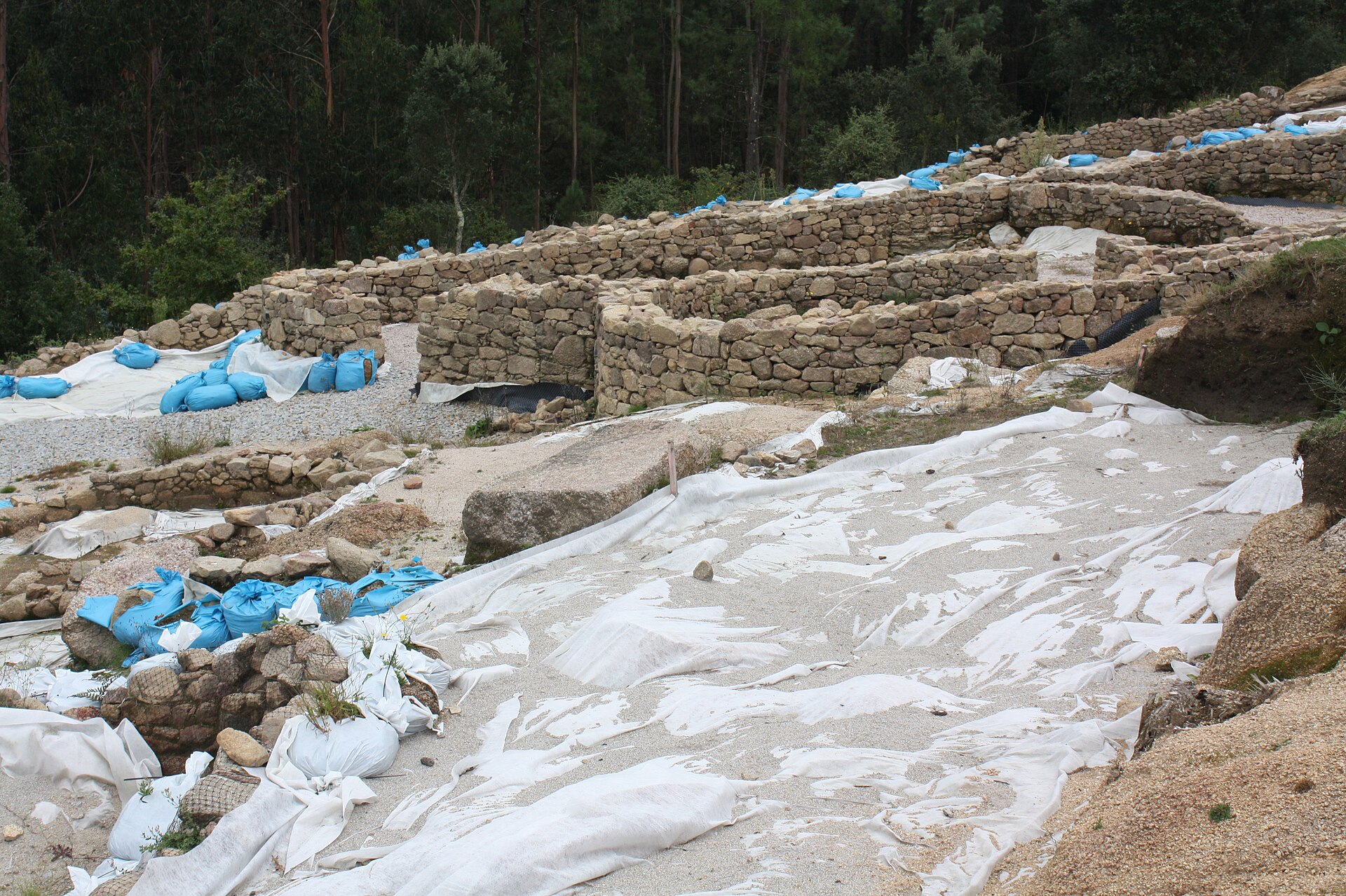
If you want to get the full picture of how Vigo sits within its landscape, you absolutely need to climb Monte do Castro, the hill rising right in the middle of the city. This green hilltop is essentially the birthplace of Vigo itself — the very first traces of settlement, dating back to hill-fort communities (known as castros) from the third century BC, were discovered here. The walk up requires a bit of fitness, as you’ll face a fairly steep climb, but the reward at the top is simply priceless.
At the summit, you’ll find the remains of the 17th-century Castillo del Castro fortress, which once served to defend the city against persistent attacks by the British Navy. Today it’s a beautifully maintained park full of exotic plants, benches, and shady corners, offering a spectacular panoramic view over the entire Ría de Vigo bay, the modern port, and the silhouette of the Cíes Islands in the distance. At sunset especially, when the sky turns orange and reflects off the water, this spot has an utterly magical atmosphere.
4. The Harbour and Fishing Heritage
Vigo wouldn’t be Vigo without its massive harbour, one of the most important and largest fishing ports in all of Europe. The docks and cargo terminals themselves have a distinctly industrial feel with lorries coming and going constantly, but along the waterfront you’ll find a well-maintained promenade that’s perfect for an afternoon stroll. The deep inlets of Rías Baixas, where salty Atlantic water mixes with fresh river water, create a perfect ecosystem for marine life.
Thanks to this unique environment, the region is quite literally the epicentre of the finest seafood in all of Spain. An absolute legend among locals is pulpo a la gallega — octopus traditionally boiled in a copper pot until perfectly tender, then served on a wooden board drizzled with olive oil. The Mercado da Pedra market is a showcase for other oceanic treasures, including the famous percebes (goose barnacles) — tiny crustaceans that grow on sharp, exposed rocks, and whose dangerous harvesting makes them a highly prized luxury delicacy.
5. Samil Beach
When locals think of a city beach in Vigo, Praia de Samil springs instantly to mind — it’s the main hub for summer recreation across the wider area. Stretching over a kilometre in length, this beach boasts incredibly fine, pale sand that contrasts sharply with the blue waters of the bay. Unlike the wild beaches on the islands, Samil is kitted out with superb infrastructure: public showers, well-maintained toilets, playgrounds, and even several free swimming pools for those who find the ocean a bit too chilly.
A wide paved promenade lined with trees runs the entire length of the beach, ideal for a morning jog, rollerblading, or just a lazy afternoon stroll with a coffee in hand. You’ll find dozens of restaurants, cafés, and ice cream stalls that are packed during the summer months, but the generous space means the crowds spread out reasonably well. A huge bonus of Samil Beach is the direct view of the Cíes Islands, behind which the sun sets dramatically every evening.
6. Rúa das Ostras (Oyster Street)
If you want to experience the true culinary pulse of the city, you simply must visit Rúa Pescadería — known to locals by no other name than Rúa das Ostras, or Oyster Street. This short lane on the very edge of the old town near the Mercado da Pedra is a world-famous hub for selling and eating fresh oysters, brought in from nearby farming beds in the bay.
It works like perfectly choreographed street theatre: skilled vendors known as ostreiras shuck oysters at astonishing speed on stone counters right before the eyes of hungry customers. Tourists and locals alike come from across Spain to buy a dozen freshly shucked oysters, squeeze on some lemon, and savour them right there on the street at small tables. Even if you’re a committed vegetarian, the atmosphere alone — the shouts of vendors and the buzz of the street — makes this a fascinating cultural experience that’s utterly inseparable from Vigo.
7. Pazo de Castrelos Gardens (Museo Quiñones de León)
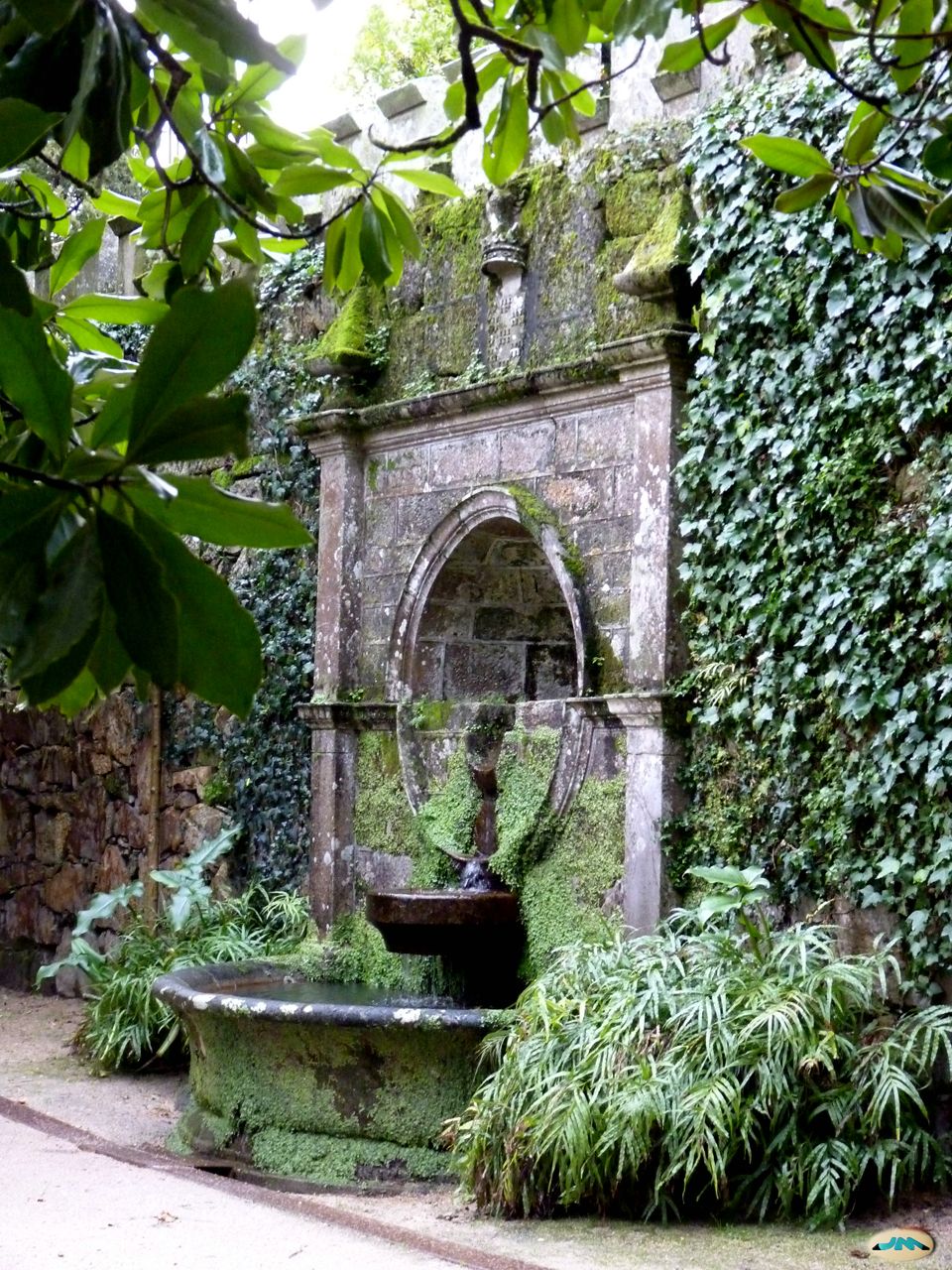
When you need a break from the bustling streets and ocean winds, head to the outskirts of the city and the sprawling Parque de Castrelos. Its crown jewel is the historic country estate Pazo de Quiñones de León, a stunning example of traditional 17th-century Galician architecture. Today the building houses a city museum with engaging exhibits on local history, archaeological finds, and an excellent collection of Galician painting — and entry to the museum is completely free.
What truly makes this place exceptional, though, are the expansive surrounding gardens — a masterpiece of landscape architecture. The gardens are divided into a French section with meticulously trimmed hedges and geometric patterns, and a wilder English-style park filled with ancient oaks, chestnut trees, and camellias that bloom beautifully in early spring. It’s the perfect oasis of calm, where you can have a picnic on the grass, read a book on a bench by the fountain, or simply wander and admire the historic statues dotted throughout the grounds.

8. Praza da Constitución
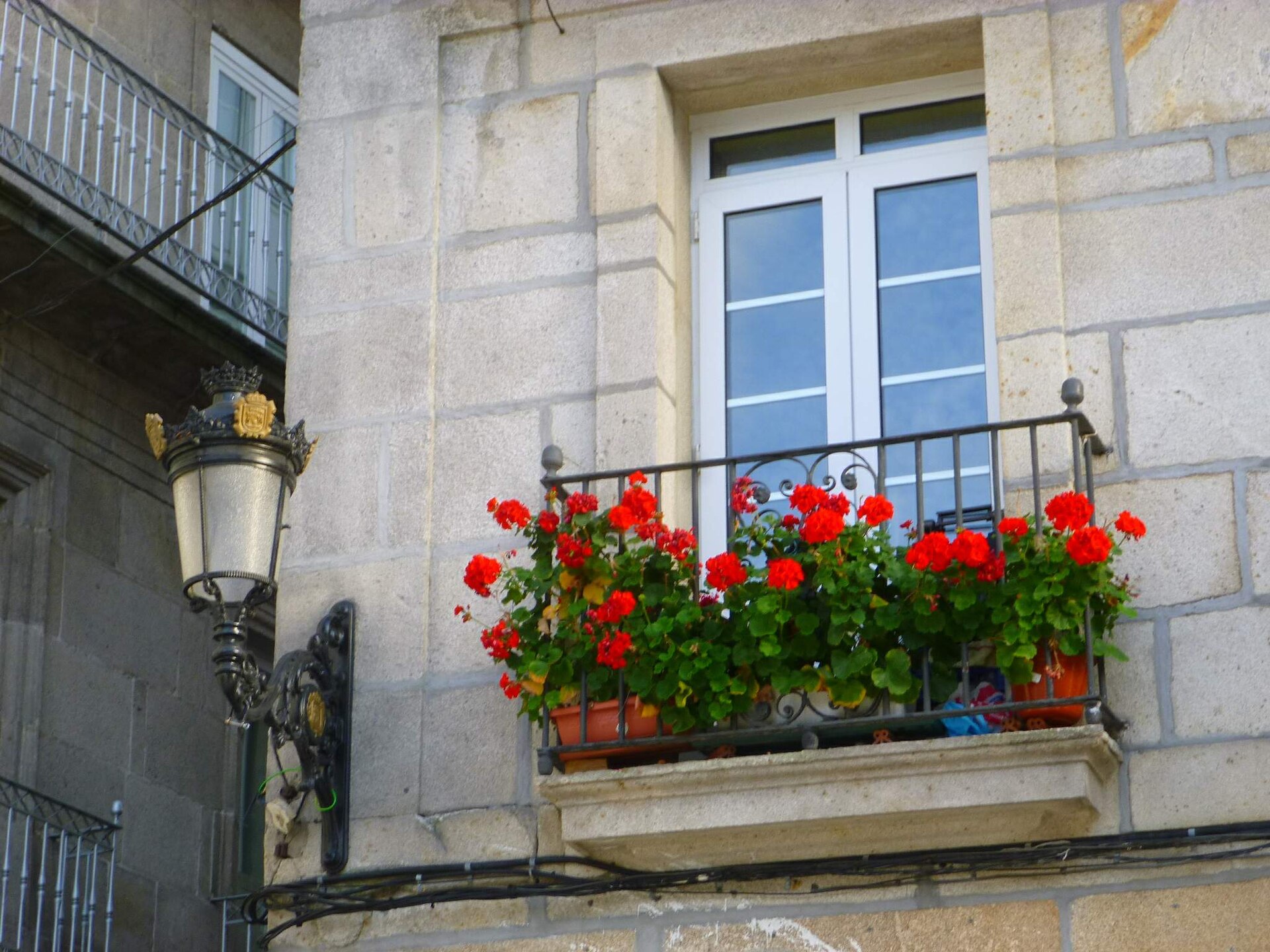
Every Spanish city has its main square, and in Vigo the beating heart of the old town is undoubtedly Praza da Constitución. This wonderfully photogenic little square is lined with historic stone buildings featuring the typical enclosed glass balconies and arcades that once sheltered market traders from the Galician rain. In the centre of the square — on the spot where the first town hall once stood — you’ll now find elegant street lamps and plenty of outdoor terraces.
The square comes alive especially in the late afternoon and evening, when it fills with locals heading out for an after-work drink and tourists admiring the historic architecture. It’s the perfect spot to settle into one of the many cafés, order a superb Spanish coffee or an evening drink, and watch the typically relaxed southern buzz unfold around you. Several of the most interesting lanes of the old town branch off from the square, making it a handy landmark to orient yourself.
9. Albariño Wine Trip to the Rías Baixas Region
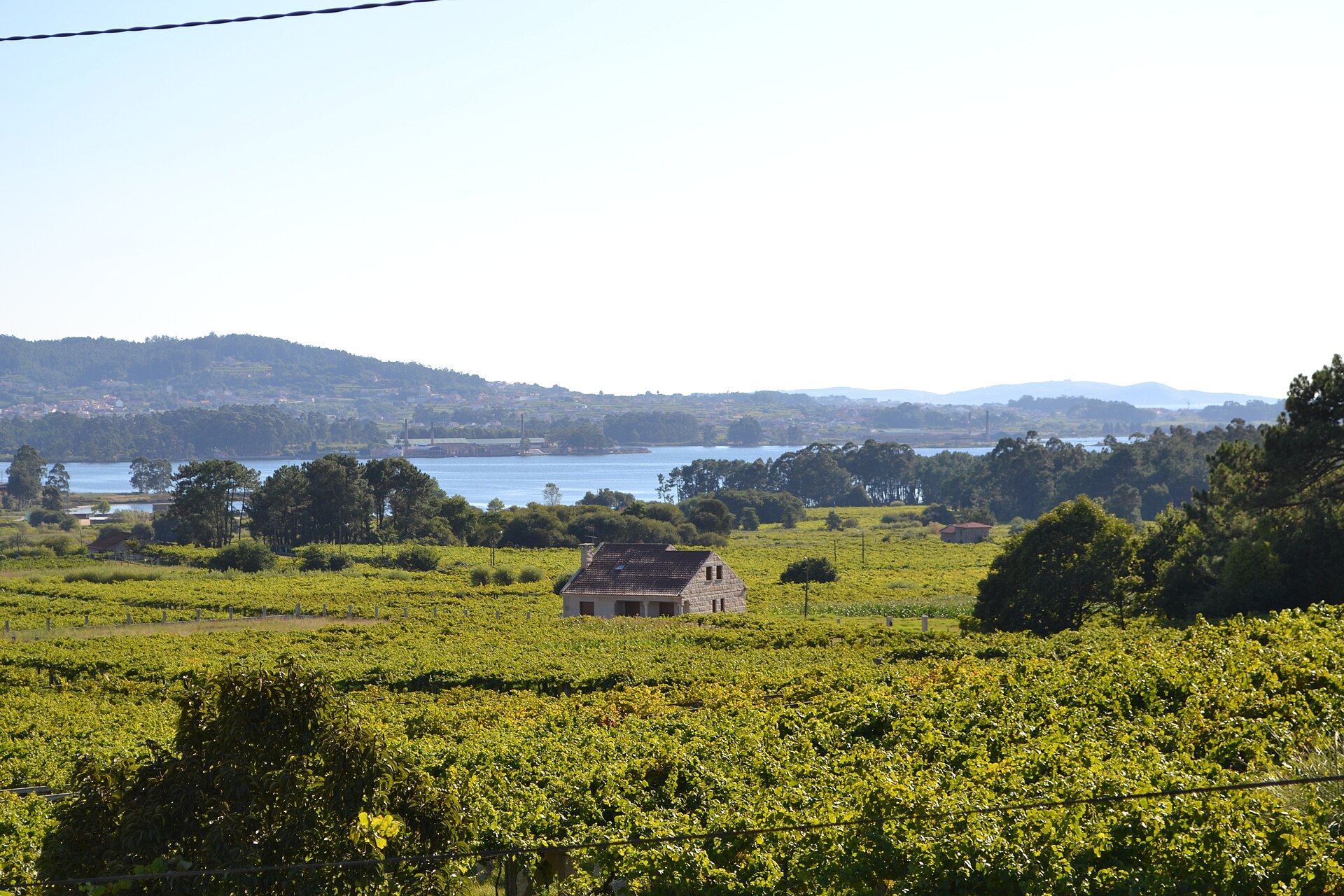
Galicia isn’t just about the ocean and history — it’s also home to outstanding wine that has been produced here since the days of the Roman Empire. Vigo is an excellent base for exploring the Rías Baixas wine region, which has gained worldwide fame for its superb white Albariño wines. This crisp, mineral white with delicate notes of peach and citrus pairs perfectly with local cuisine, and its heartland is the charming historic town of Cambados, less than an hour’s drive away.
As you drive through the Galician countryside towards the vineyards, you’ll inevitably notice strange stone structures raised on pillars that look strikingly like tiny narrow chapels. These are hórreos — traditional Galician granaries whose elevated design with flat stone slabs reliably protects the stored harvest from ground moisture and hungry rodents. A visit to one of the local wineries (bodegas) combined with a tasting is an experience you really shouldn’t miss in northwestern Spain.
10. Dinoseto and the Modern Side of Vigo
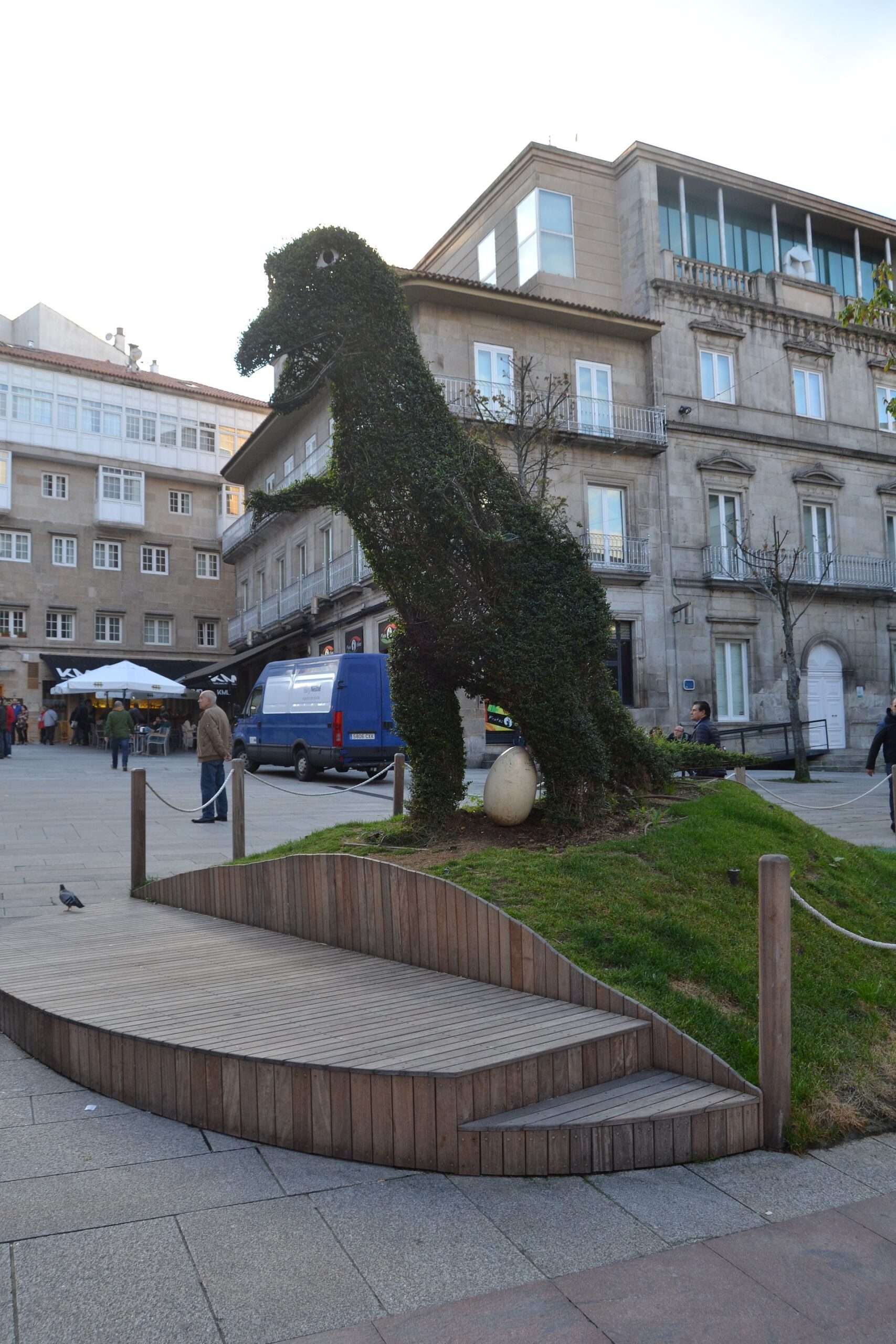
Vigo has a playful side and doesn’t always take itself too seriously, as proven by one of the city’s most bizarre symbols in recent years. In Praza da Princesa, you’ll come face to face with Dinoseto — a huge hedge sculpted into the shape of a Tyrannosaurus rex. It was originally meant to be a temporary installation, but locals fell in love with this green dinosaur so much that it became a permanent fixture. Today you’ll even spot a little dinosaur egg with a baby dino beside it. Getting a photo with Dinoseto has become almost as obligatory for visitors as seeing the cathedral.
Beyond green dinosaurs, the city also boasts a thriving contemporary art and architecture scene that contrasts sharply with the old granite buildings. If you’re into art, head to MARCO (Museo de Arte Contemporánea de Vigo), created through a brilliant conversion of a former city prison. This light-filled space now hosts top-notch exhibitions by Spanish and international contemporary artists, and since it sits right on the main shopping street, you can easily combine a visit with a stroll through the centre.
11. Rúa do Príncipe Shopping Street
When you’ve had your fill of historic sights and fancy treating yourself to a bit of retail therapy, make your way to Rúa do Príncipe. This wide, entirely pedestrianised avenue is the main shopping artery of Vigo, stretching from Porta do Sol square to the MARCO museum. The street was named in honour of the son of Queen Isabella II, and since the 19th century it has been the most prestigious address in town, where luxury meets everyday local life.
You’ll find branches of all the well-known Spanish and international fashion brands, elegant jewellers, and shops selling traditional local products and handcrafted goods. But Rúa do Príncipe isn’t just about shopping — it’s also the main promenade where locals head for an afternoon stroll, catch up with friends, and listen to street musicians. The street is particularly enchanting during the Christmas season, when it’s decked out with spectacular light installations that have made Vigo one of the most visited winter destinations in Spain in recent years.
12. Day Trip to Santiago de Compostela
Being in Galicia and not visiting Santiago de Compostela would be a real shame, especially when you can get there from Vigo by train or car in under an hour. All roads in this sacred city lead to the vast Praza do Obradoiro, where hundreds of exhausted but elated pilgrims arrive every day at the end of their journey. Many lean on their trekking poles, tears of emotion streaming down their faces, in front of the monumental baroque façade of the cathedral, which according to centuries-old tradition houses the remains of the Apostle St James the Great in the crypt beneath the high altar.
The entire historic centre of Santiago, a UNESCO World Heritage Site, is an incredible web of granite arcades, narrow lanes, and ancient monasteries. It’s worth noting that 2027 is a Holy Year (Ano Xacobeo), which occurs when the feast day of St James falls on a Sunday. During a Holy Year, visitor numbers surge by 50 to 80%, so 2026 is shaping up to be the ideal window for a visit — you’ll experience the authentic atmosphere just before the region is flooded by the extreme crowds that come with the jubilee and the opening of the Holy Door.
13. A Stop at Praia do Vao
If you find the main Samil Beach too crowded and hectic, just shift a little further along the coast and you’ll discover Praia do Vao. This beach is significantly quieter — it’s favoured mainly by local families and young people from Vigo who prefer a more laid-back vibe and more space on the sand. The beach offers the same gorgeous white sand and crystal-clear water as Samil, but without the massive commercial ring around it, giving it a much more natural feel.
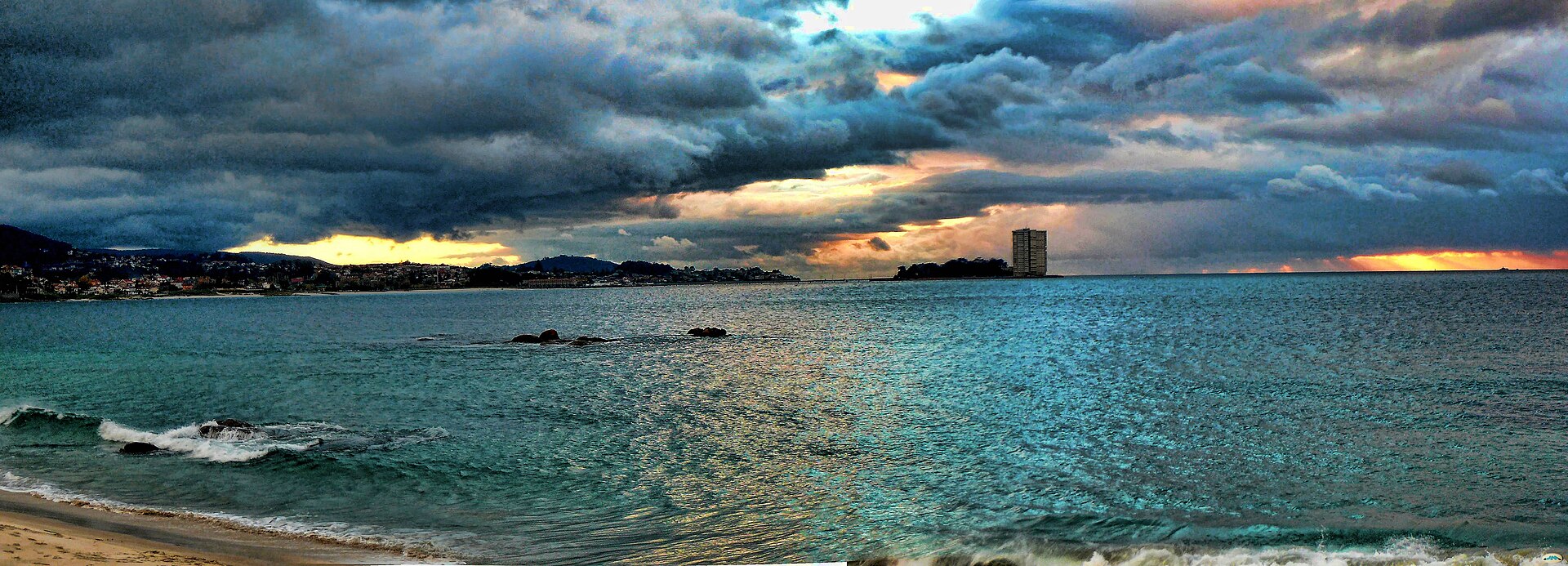
An interesting feature of this beach is that a bridge leads from it to the small private island of Toralla, dominated by a towering apartment block that remains a subject of architectural and political debate among locals to this day. Praia do Vao is an ideal spot for long walks at low tide, when a large stretch of seabed is exposed and you can watch tiny crabs and collect washed-up shells. Right next door, there’s also a small but fascinating archaeological site, Villa Romana de Toralla, offering a glimpse into how the ancient Romans lived here.
14. The Lighthouse and Museo del Mar de Galicia
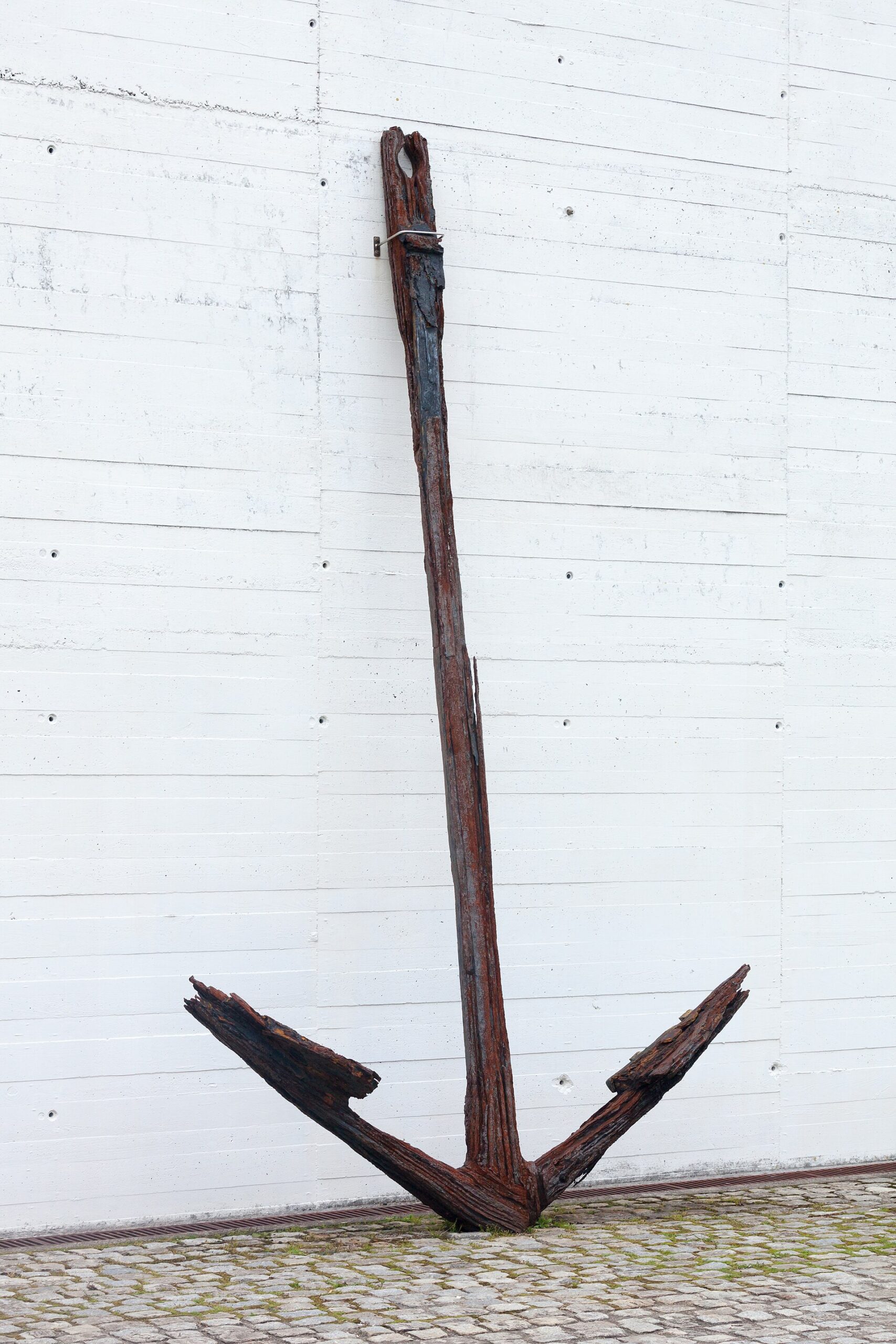
As you wander along the coastline on the edge of the city, don’t miss a visit to the Galician Maritime Museum (Museo del Mar de Galicia). The museum building itself, designed by the renowned architect Aldo Rossi and completed by César Portela, is a fascinating architectural gem built on the remains of an old fish processing factory. The exhibits inside are modern, interactive, and do a brilliant job of explaining Galicia’s deep connection with the ocean — from the history of fishing to naval battles and shipwrecks lying at the bottom of the bay.
The complex also includes a small aquarium showcasing local marine fauna and flora, but the most photogenic element is the exterior. A long pier stretching far out into the sea is topped with a modern lighthouse, and walking along this pier in a strong wind is an incredibly invigorating experience. From here, you get some of the best off-the-beaten-track views of Vigo itself, the surrounding cliffs, and — inevitably — the silhouette of the nearby Cíes Islands.
Map of points of interest for your phone
Where to Go from Vigo
Galicia is stunning but fairly remote. If you’re travelling around Spain for a longer period, Vigo offers great onward options for continuing your exploration of the Iberian Peninsula — whether by plane (Vigo has its own airport with connections to London) or by high-speed train.
- Santiago De Compostela – As mentioned above, this magical pilgrimage city with its breath-taking cathedral is less than an hour from Vigo and an absolute must-visit.
- Madrid – Thanks to the recently launched AVE high-speed train line, you can reach Spain’s buzzing capital from Vigo in just over 4 hours, making it a brilliant next stop on your itinerary.
- Barcelona – If you fancy swapping the chilly Atlantic for the warm Mediterranean, you can fly direct to the Catalan capital and soak up Gaudí’s architecture.
- Traditional Spanish Food – If you’re curious about what other delicacies you can sample on your travels across Spain — from vegetarian tapas and tortilla to cheeses — check out our food guide.
Frequently Asked Questions
How do I get to the Cíes Islands?
You can only reach the islands by ferry from the ports in Vigo, Cangas, or Baiona (the journey takes about 40 minutes). However, before buying your boat ticket, you’ll need to obtain a free official authorization from the Galician government (Xunta de Galicia) for a specific date, as daily visitor numbers are strictly limited to around 2,000 people.
Is the ocean water around Vigo really that cold?
Yes, even during the warmest summer months, the Atlantic water temperature around Vigo typically ranges between 15 and 18 degrees Celsius (59-64°F). Swimming is really more for the hardy types and a quick refreshing dip on hot days—it’s nothing like the warm waters of Andalusia.
How many days do I need to visit Vigo?
For the city of Vigo itself—including the historic center, Monte do Castro, and the waterfront promenades—one full day is plenty. However, you should definitely set aside another full day for a trip to the Cíes Islands, and ideally a third day to explore the surrounding villages in Rías Baixas or nearby Santiago.
Can I get by with English in Vigo?
In tourist areas, hotels, and larger restaurants, you’ll manage fine with English. However, Vigo isn’t as heavily affected by mass international tourism as Barcelona or southern Spain, so in smaller establishments and at markets, at least basic Spanish (or Galician) will be very helpful.
Is Vigo a safe city?
Vigo is among the safest Spanish cities with low crime rates. You can walk around without worry even after dark, though in busy tourist areas (like the market, Casco Vello, and the port), it’s wise to keep an eye on your belongings due to potential pickpockets—as is common in any larger city.
Where’s the best place to park if I’m driving?
Vigo is very hilly and street parking in the historic center is nearly impossible. Your best bet is to use the paid underground parking garages, of which there are plenty in the center (such as Parking Rosalía de Castro or under the A Laxe shopping center). Expect to pay around €15-20 per day.
When are the main city celebrations?
Vigo’s biggest festival is the Reconquista, celebrated annually around March 28th. The entire historic center transforms, with people dressed in period costumes from the 19th century, streets filled with markets, music, and food, and reenactments of the historic expulsion of French troops from the city.
How do I get around the city itself?
The city center and Casco Vello are easily walkable, though you’ll work up a sweat due to the steep hills (the city has been installing escalators on the steepest streets in recent years). For more distant beaches like Samil, you can easily take the reliable city buses (operated by Vitrasa)—tickets can be purchased directly from the driver.
Tips and Tricks for Your Vacation
Don’t Overpay for Flights
Search for flights on Kayak. It’s our favorite search engine because it scans the websites of all airlines and always finds the cheapest connection.
Book Your Accommodation Smartly
The best experiences we’ve had when looking for accommodation (from Alaska to Morocco) are with Booking.com, where hotels, apartments, and entire houses are usually the cheapest and most widely available.
 🚗 Car rental on the roadVerified rental cars in northern Spain
Search with the DiscoverCars comparison engine — it compares prices from dozens of local and international rental companies, and most bookings come with free cancellation.
Compare car prices in northern Spain →Don’t Forget Travel Insurance
Good travel insurance will protect you against illness, accidents, theft, or flight cancellations. We’ve had a few hospital visits abroad, so we know how important it is to have proper insurance arranged.
Where we insure ourselves: SafetyWing (simple monthly subscription) and TrueTraveller (for extra-long trips).
Find the Best Experiences
Get Your Guide is a huge online marketplace where you can book guided walks, trips, skip-the-line tickets, tours, and much more. We always find some extra fun there!