

Got your own blog, a strong Facebook following, a thriving Instagram, or loads of followers on Twitter? Then you’re probably curious about affiliate marketing — a method of earning money by promoting products and services. In the following 5 steps, I’ll show you exactly how to get started and make it work.
How Affiliate Marketing Works
You promote products and services that you didn’t create, and for every successful sale (or completed action, such as signing up for a free version) through your link, you earn a commission. The percentage varies from programme to programme, but generally it’s around 2–5% for physical products and 6–15% for digital and online products.
It all runs on cookies, because very few people buy something like a £500 TV on their first visit. So every time someone clicks your link, a cookie is stored in the potential customer’s browser — and it typically stays there for around 15 days. If they purchase something on that website within those 15 days, the commission goes to you.
1) How to Choose What to Promote
The most common things promoted through affiliate marketing are physical products (e.g. on Amazon), digital products (e-books, online courses, etc.), and online services (such as web tools or financial apps).
As a general rule, the best things to promote are those that personally helped you solve a problem.
For example, my first affiliate article was about Grammarly — simply because it’s an absolutely brilliant tool that I’ve been using for over a year, the full paid version. It solved my problem with written English by flagging my mistakes and helping me improve my style.
What Does Your Target Audience Care About?
Usually, people follow you online because you’re good at something. Whether it’s writing an online diary, running a blog about crypto investing, or publishing recipes, you always have a specific target audience with shared interests.
Choose carefully and only ever recommend things you’ve actually tried yourself. Think of it this way — with affiliate marketing, you’re genuinely helping your audience discover something valuable.
Make Sure It’s Actually Something Great
A good method is to ask 5 friends who also fall within your target audience what they think of the product you want to promote. If they say “wow, that’s amazing, I’m going to install it right now!” — you’ve hit the nail on the head.
Ideas for Affiliate Products in the UK
- Travel: Booking.com, GetYourGuide
- Productivity (books, tools, etc.): Amazon UK
- Finance: Many UK fintech apps like Revolut or Monzo offer referral programmes where you can earn around £5–£20 for each person you refer through your link.
Ideas for International Products
2) Signing Up for an Affiliate Programme
Once you’ve chosen what to promote, find their affiliate programme (if they have one). Simply Google something like “Grammarly affiliate” and you’ll usually land on the right page with the very first result. The registration process can take anywhere from a few minutes to several days.
Alternatively, you can sign up with an affiliate network to get access to a wide range of products to promote. In the UK, popular options include Awin, CJ Affiliate, or ShareASale.
3) Getting the Right Link
You won’t always want your reader to land on the homepage. If you’re promoting a specific product, you want the click to go straight to that product page, right? This is called DEEP LINKING, and it’s a feature that not all affiliate programmes support.
You’ll also often be targeting different segments of readers, and different LANDING PAGES may work better for each group.
To show you exactly what I mean, let’s take a look at Grammarly’s affiliate system. After logging in, you’ll see something like this. Most affiliate systems have the same layout and the same features, so this walkthrough applies to almost all of them.
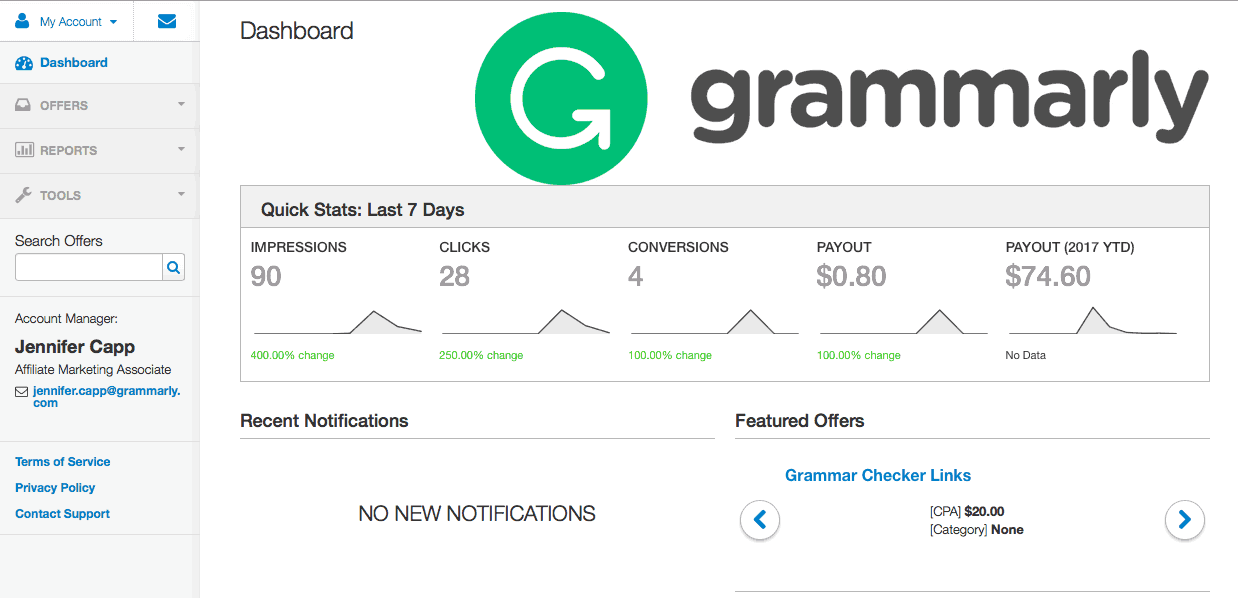
When you click on the OFFERS tab on the left, you’ll discover that there are 5 different Grammarly pages you can send your readers to.
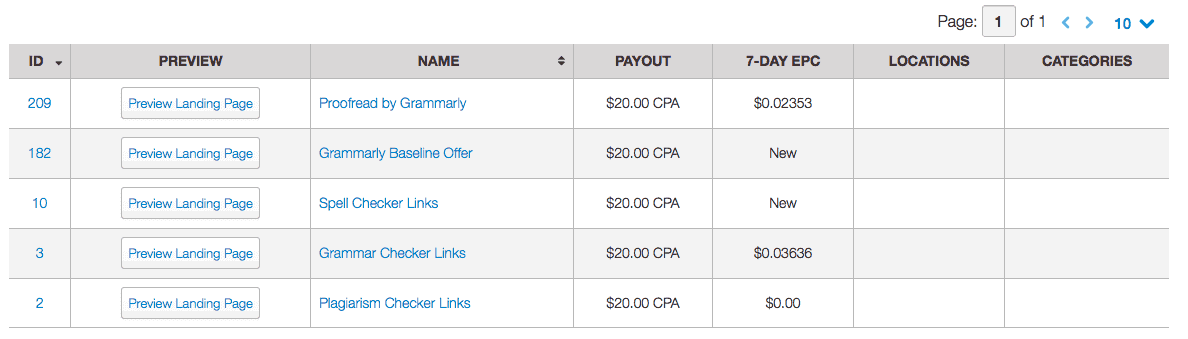
Why is that? The Grammarly team thought ahead and prepared 5 different landing page variations, each designed to appeal to a different type of user.
Think about it — would a student be more interested in Grammarly’s paid proofreading service, or would they be more drawn to the plagiarism checker that comes with a free 7-day trial? 😉 Once you select an option, you’ll see the actual link to use on your blog:
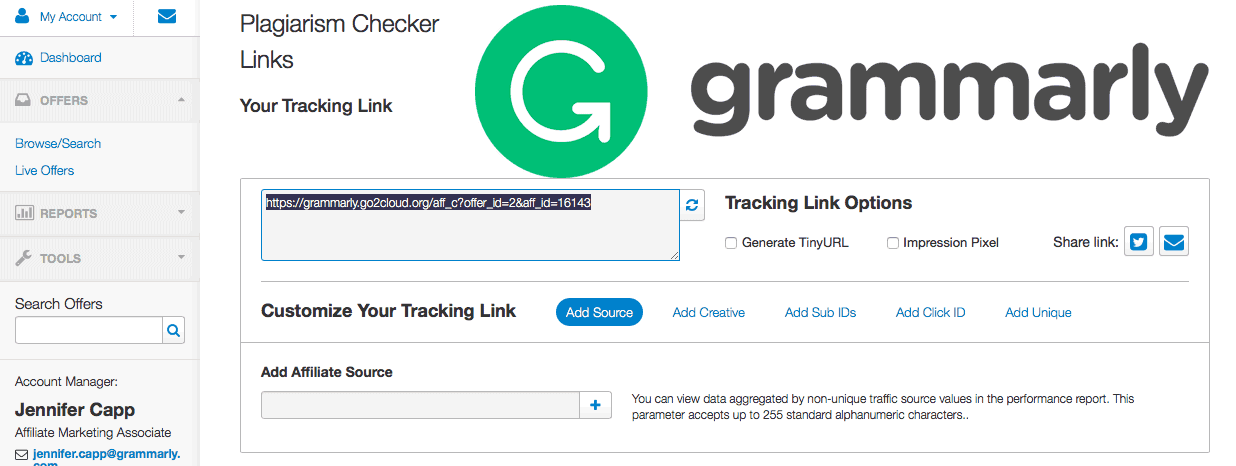
4) Writing the Article
Now we know what we want to promote and we have the link for readers to click through and buy. The next step is getting it in front of them! If you don’t have a blog and your strength lies with Instagram, Facebook, or Twitter, feel free to skip ahead to step 5.
1) A Blog Post
Review articles work brilliantly — the kind where you evaluate the product, describe it, and explain how it helped you. Don’t assume you can knock one out in half an hour, slap a banner across half the page, and watch the money roll in.
First and foremost, you’re providing your readers with useful information — a tip on something they’re interested in and that genuinely benefits them.
2) A Banner on Your Blog
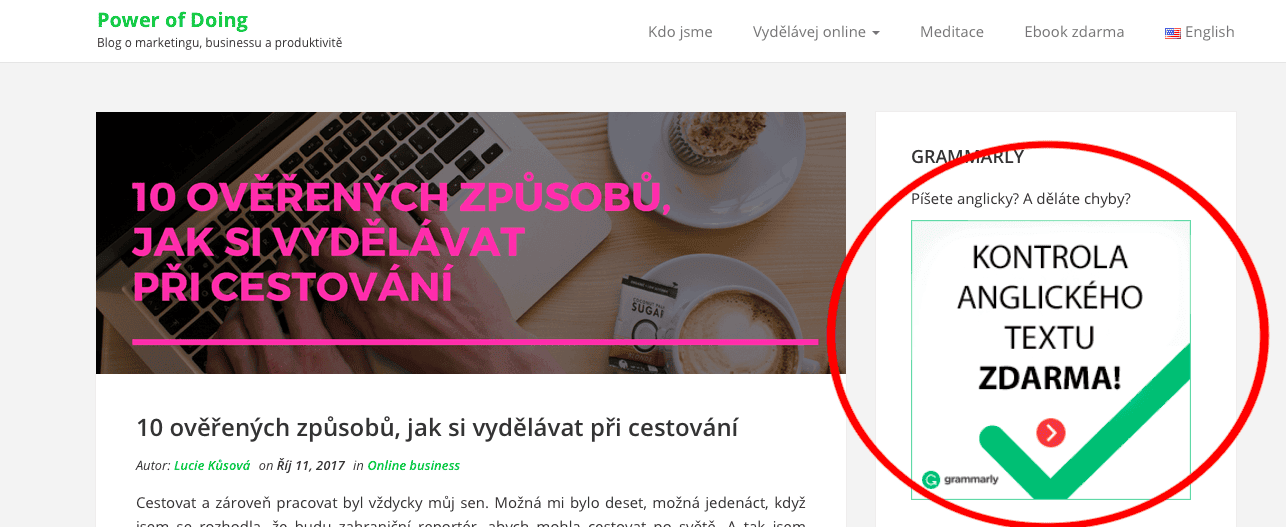
What you really want are clicks. And where can you get more clicks than on your own homepage? Temporarily place your affiliate link right in your sidebar or news column, ideally with some eye-catching graphic design.
5) Promoting Your Content and Tracking Conversions
Now all that’s left to do is:
1) Share on Your Channels
Facebook, Twitter, Instagram, LinkedIn — share across every social media platform you use.

2) Recommend It Personally
Know someone who would definitely be interested in what you’re offering? Drop them a message! A simple 3-line email with a link to your article takes just a few minutes but can seriously boost your sales.
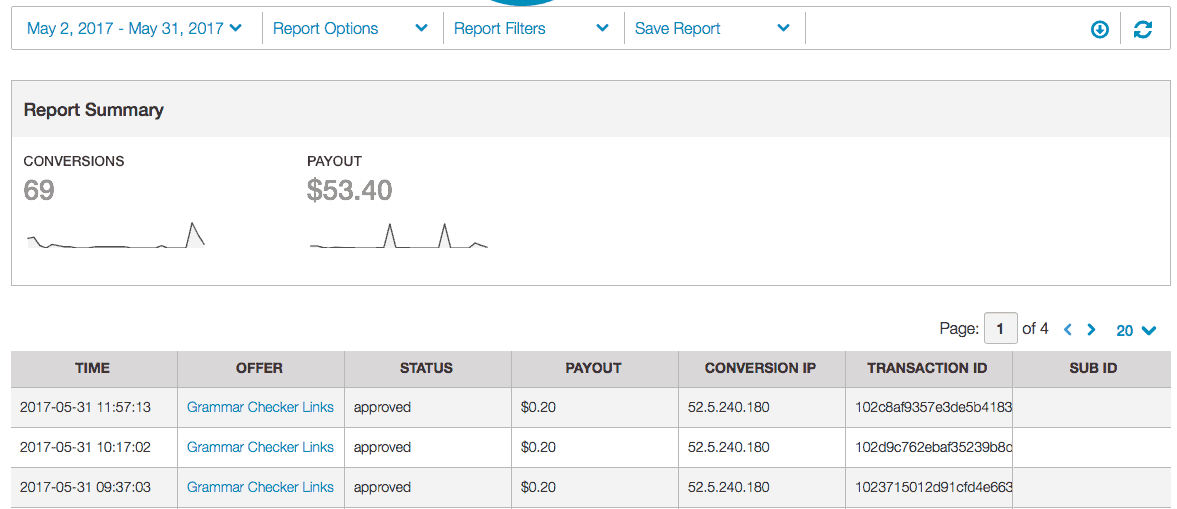
3) Track Your Conversions 😎
Tips and Tricks for Your Vacation
Don’t Overpay for Flights
Search for flights on Kayak. It’s our favorite search engine because it scans the websites of all airlines and always finds the cheapest connection.
Book Your Accommodation Smartly
The best experiences we’ve had when looking for accommodation (from Alaska to Morocco) are with Booking.com, where hotels, apartments, and entire houses are usually the cheapest and most widely available.
Don’t Forget Travel Insurance
Good travel insurance will protect you against illness, accidents, theft, or flight cancellations. We’ve had a few hospital visits abroad, so we know how important it is to have proper insurance arranged.
Where we insure ourselves: SafetyWing (simple monthly subscription) and TrueTraveller (for extra-long trips).
Find the Best Experiences
Get Your Guide is a huge online marketplace where you can book guided walks, trips, skip-the-line tickets, tours, and much more. We always find some extra fun there!


