

The Polish Baltic Coast is drawing more and more Czech travellers — and no wonder, because the sea is just a short hop away by car or train and costs a fraction of what you’d pay down south. But the dream of wide beaches and a plate of fried fish quickly gives way to practical questions: when should you actually go to avoid the crowds, how much money should you set aside, and is it better to book a package or set off on your own?
Here in one place you’ll find three things: current package and flight prices, which we refresh every morning, our own hands-on tips from travels and articles about the individual resorts, and a simple plan for when and what to book so you don’t end up overpaying.

What to see and do in Polish Baltic Coast
The Polish coast isn’t just one beach — it’s nearly 500 kilometres of varied resorts, nature and cities. Whatever you’re after, there’s something here for everyone.
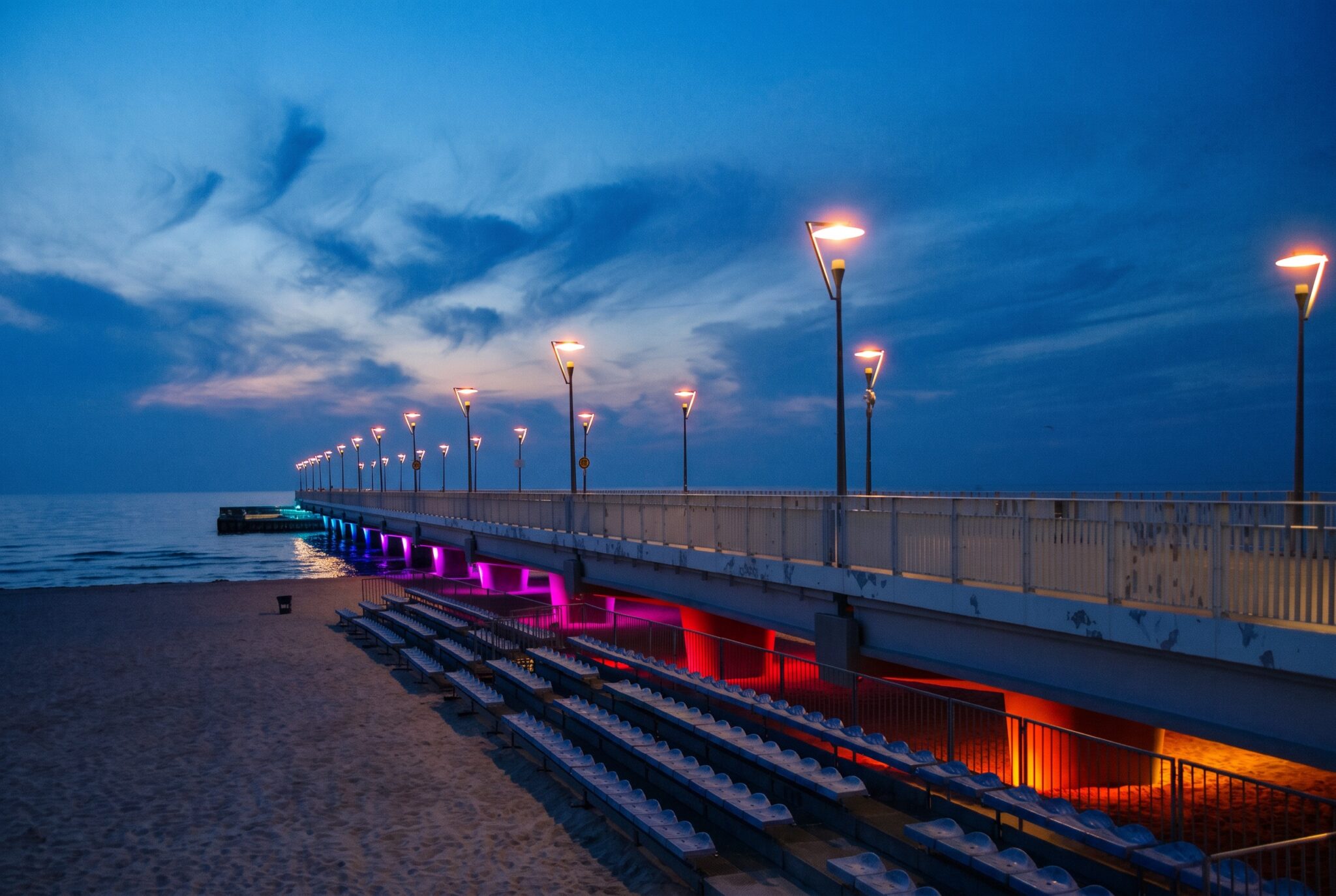
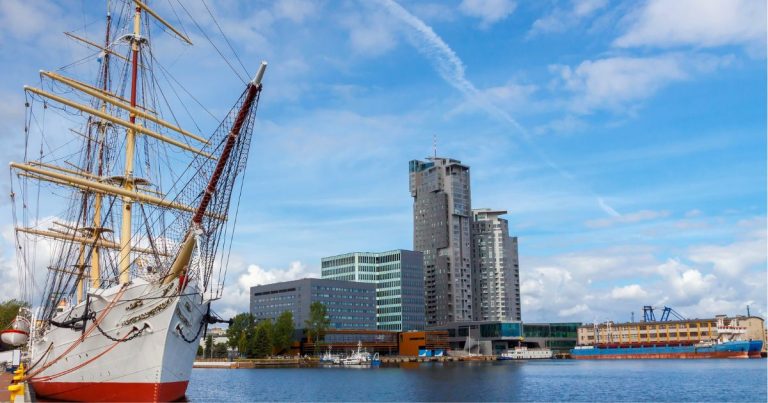
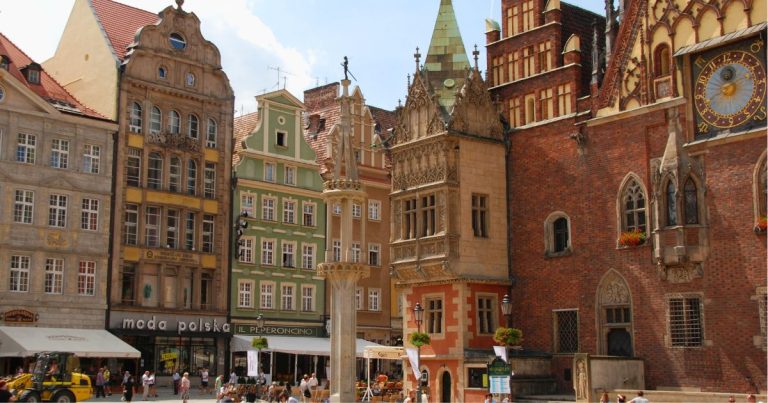
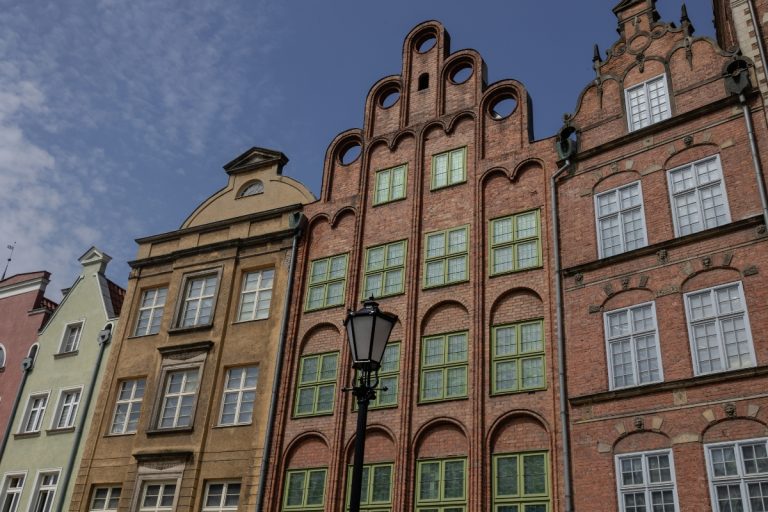
- The Tri-City — historic Gdańsk with its beautiful Old Town, elegant spa town Sopot with the longest wooden pier in Europe, and the port city of Gdynia with its aquarium and historic ships.
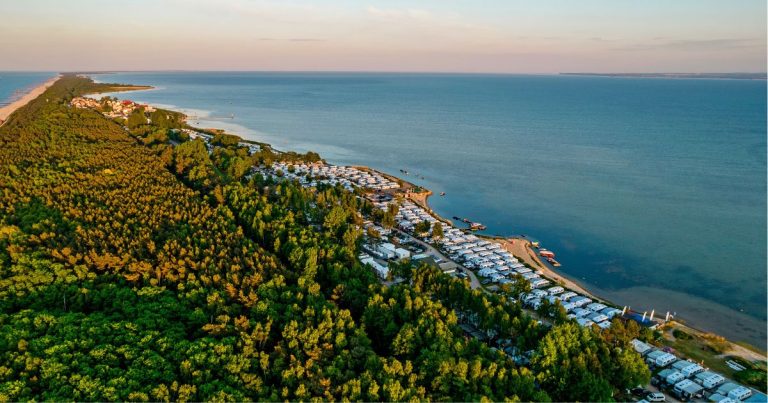
- The sandy Hel Peninsula — sea on both sides, a seal sanctuary and long beaches out on the tip of this narrow spit.
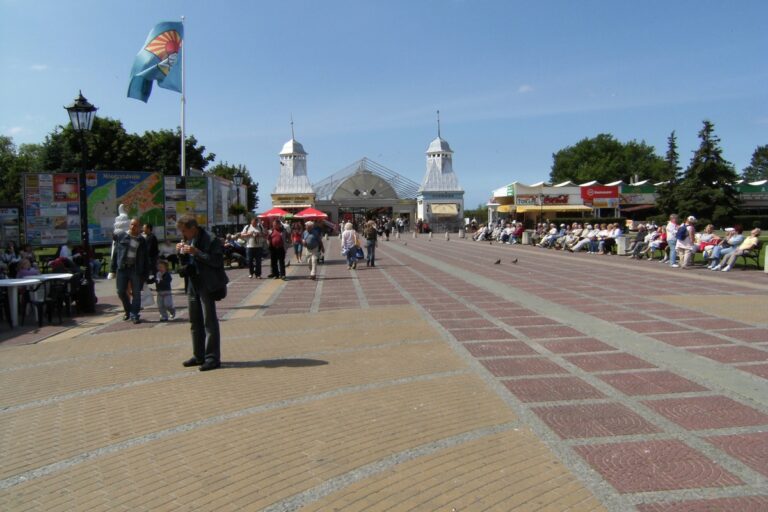
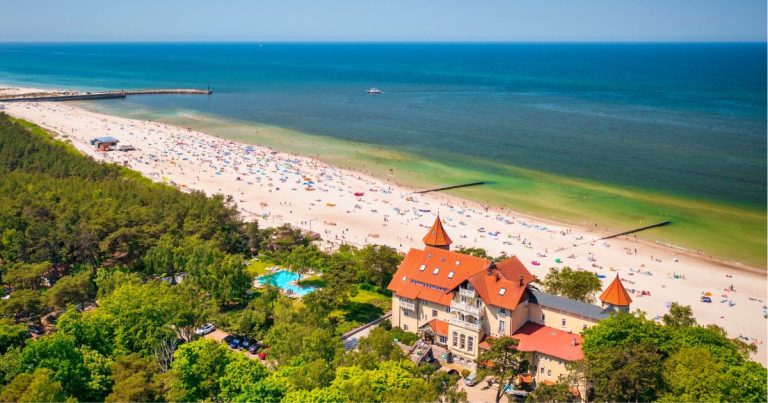
- Classic resorts — bustling Kołobrzeg with its spa tradition, family-friendly Ustka and quieter Łeba next to the shifting dunes of Słowiński National Park.
- Wolin Island and the “Polish Riviera” of Międzyzdroje, plus laid-back, family-friendly Międzywodzie in the west of the coast.
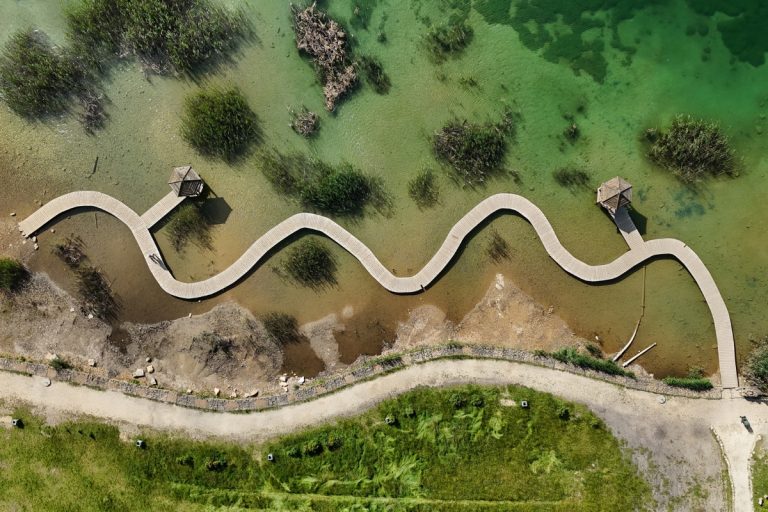
- The natural wonder of the Polish Maldives — a turquoise lake in a former mine that looks straight out of the tropics.
When to visit Polish Baltic Coast
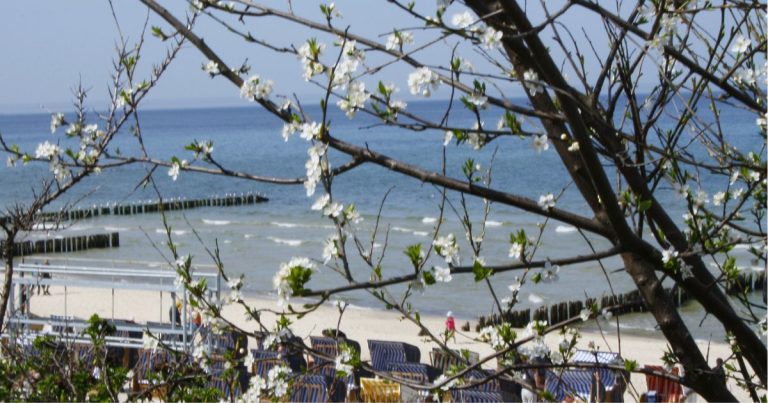
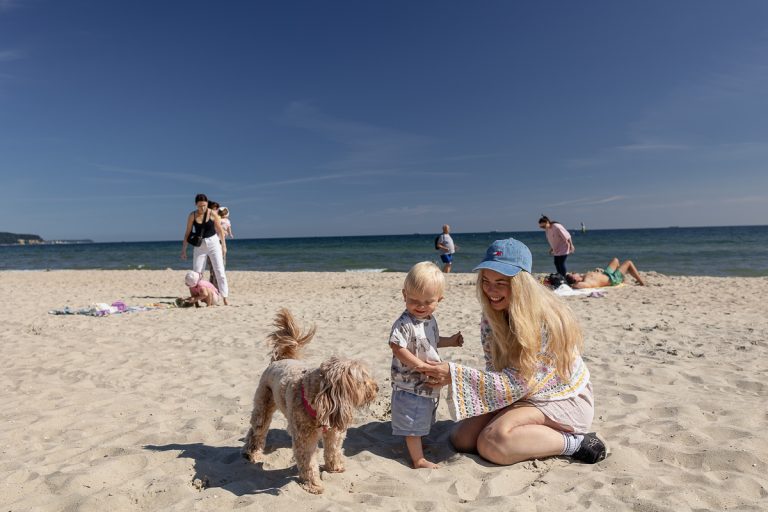
The main swimming season on the Baltic is short and sweet: July and August. That’s when the sea is at its warmest (around 18–21 °C), everything is open and the resorts are at their liveliest. The price you pay for it is packed beaches, higher accommodation prices and bookings you need to sort out well in advance.
Our pick for the best compromise is the second half of June and the first half of September — the weather is still lovely, the water is either already or still bearable, and prices and crowds are noticeably lower. For cities like Gdańsk, Sopot or Gdynia, May and the turn of September into October are ideal too, when you can stroll around and take in the sights without any queues.
Out of season (autumn to spring) the coast is raw and windy, but magical in its own way — some of the spa hotels and wellness centres run year-round, so a long weekend by the sea outside summer can be pleasantly cheap.
How to get to Polish Baltic Coast
A big plus of the Polish coast is how easy it is to reach from the Czech Republic. By car, the western coast (Świnoujście, Międzyzdroje, Kołobrzeg) is roughly 6–8 hours from Prague, while for the Tri-City (Gdańsk) you should reckon on more like 8–10 hours of driving. A car really comes into its own if you want to hop between several places during your holiday — the coast is long and the drives between resorts aren’t short.
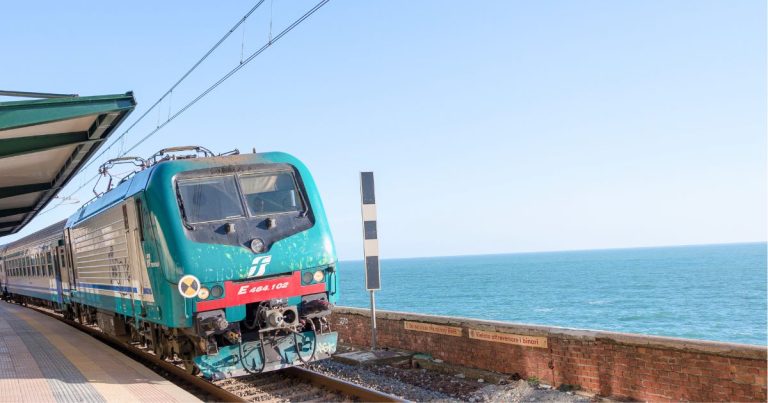
A great and comfortable alternative is the train — we’ve put together a separate guide on how to reach the sea by rail, By Train to the Polish Seaside. You can fly to Gdańsk, but from the Czech Republic it usually means a connection, so for most of us the car or train makes the most sense.
Renting a car
If you arrive from the Czech Republic in your own car, you usually won’t need a rental at all — you can comfortably get around a single resort on foot, and trains and buses run between places. Consider a car mainly if you fly into Gdańsk and want to tour several spots along the coast or head out to Hel and the national parks, where public transport runs less frequently.
- Book ahead through rental comparison sites — booking on the spot in season tends to cost more with less choice.
- Watch out for insurance and the refundable deposit blocked on your card — pay a little extra for a lower excess to give yourself peace of mind.
- Poland has toll sections of motorway — budget for tolls and, in season, for paid parking in the resorts.
Where to stay in Polish Baltic Coast
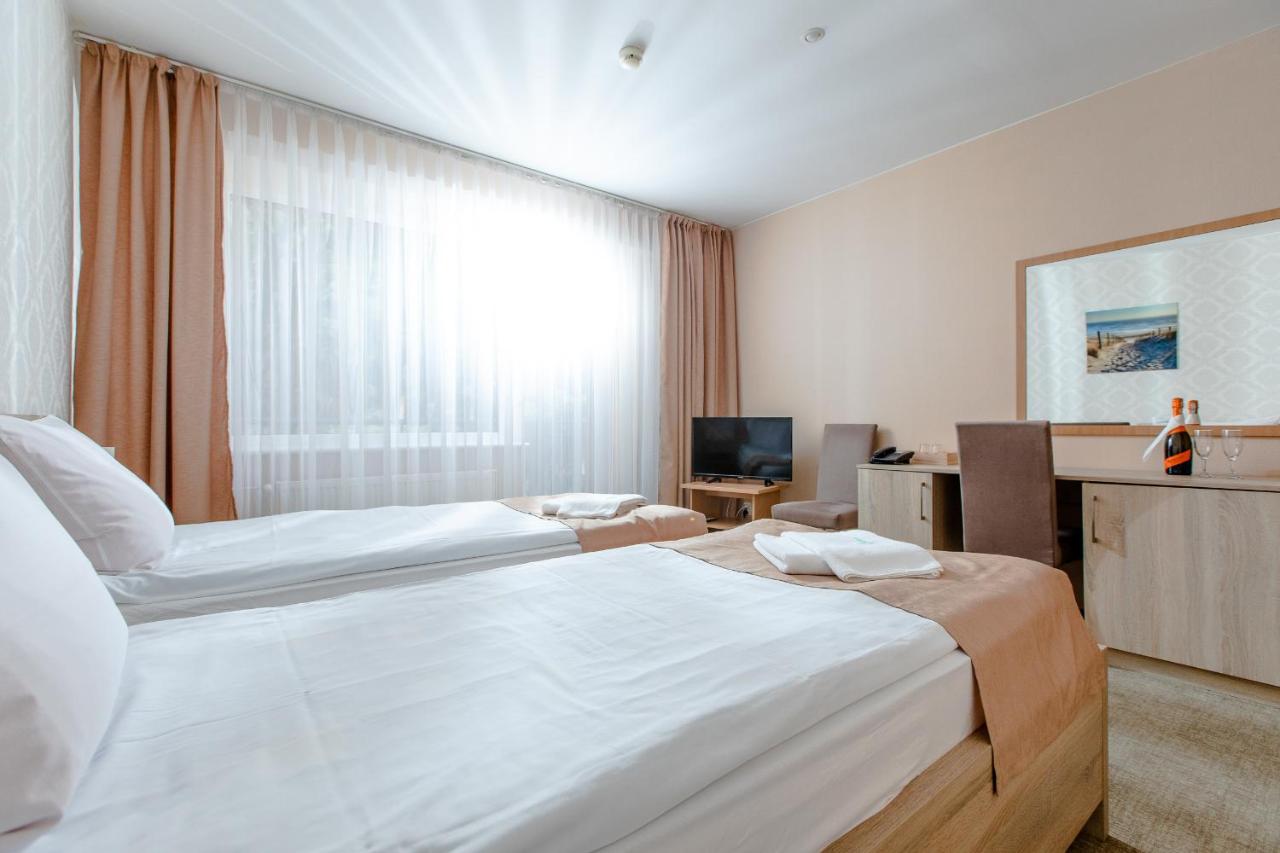
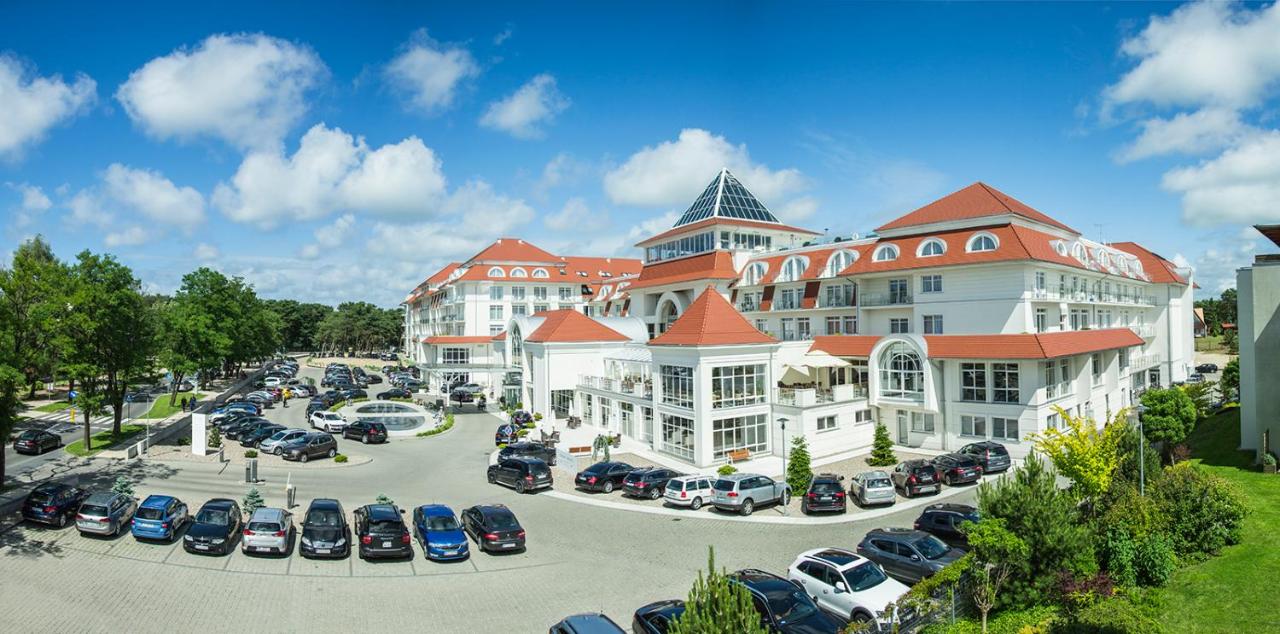
The choice is wide and pretty affordable. Most people stay in guesthouses and apartments right in the resorts, often just a few minutes from the beach. Families will appreciate apartments with a kitchenette, while couples and those craving peace and quiet tend to prefer smaller guesthouses away from the main promenade.
- The Tri-City (Gdańsk, Sopot, Gdynia) — the perfect mix of city and beach, best for sightseeing and a longer stay with day trips.
- Kołobrzeg and Ustka — classic resorts with spa facilities, wellness and a promenade, a good choice for families and older travellers alike.
- Łeba, Międzyzdroje, Międzywodzie — closer to nature (dunes, national parks), with a calmer pace and great for a relaxed seaside holiday.
In high season we recommend booking ahead — the best value-for-location spots go the fastest. You’ll find our specific tips on particular properties in the articles about the individual resorts.
Package tour or independent travel?
The Polish coast is a destination where both options work really well. It mostly comes down to how much you want to arrange yourself.
A package is worth it when…
- you want transport and accommodation in one bundle with nothing to worry about,
- you’re travelling with children or older parents and value the service and reassurance,
- you don’t want to spend your evenings hunting for the perfect apartment.
Go it alone when…
- you have a car and want to hop between several resorts and cities,
- you like choosing your own accommodation and setting your own pace,
- you want to travel outside high season, when going independently is cheaper and quieter.
For the two of us, Poland works best on our own — it’s close, affordable and easy to improvise here. But if you’re after a classic week by the sea with no worries, a package is a perfectly good choice.
Budget: daily costs in Polish Baltic Coast
| Level | Accommodation | Food | Transport & activities | Total/day |
|---|---|---|---|---|
| Backpacker | 70 zł–110 zł (hostel, budget guesthouse, off-season) | 35 zł–60 zł (bar mleczny, self-service) | 17 zł–40 zł (on foot, public transport, free beach) | approx. 120 zł–210 zł |
| Standard | 135 zł–240 zł (apartment, 3* guesthouse) | 70 zł–110 zł (restaurants, fish for lunch) | 40 zł–85 zł (entry fees, pier, day trips) | approx. 250 zł–430 zł |
| Comfort | 310 zł–590 zł (4* hotel, seaside wellness) | 135 zł–220 zł (quality restaurants) | 85 zł–170 zł (spa, boats, activities) | approx. 530 zł–980 zł |
Prices are rough estimates per person per day and assume high season. Outside July and August accommodation tends to be significantly cheaper, and overall Poland is a good deal more affordable than southern Europe.
How to save when planning
- Sort out high-season accommodation well ahead — the best-value apartments and guesthouses are snapped up as early as spring. You’ll find our specific accommodation tips under each resort.
- Buy flights (if you’re flying) around 2–4 months in advance and keep an eye on connections via Warsaw. Search for flights in our finder.
- Travel off-peak — the second half of June or September saves on both accommodation and parking without losing out on good weather.
- When it comes to packages, both first minute and last minute make sense — first minute locks in your dates and better hotels, while last minute can be cheaper but with limited choice; keep an eye on our section of current packages.
- You overpay most on food along the promenade and parking right by the beach — a few streets inland saves a fair bit. Book popular trips and activities in advance, see what to book early.
Practical information
- Currency and payments: you pay in Polish złoty (PLN), not euros. You can pay by card almost everywhere, but cash comes in handy at markets, beach stalls or for parking.
- Language: Polish is close to Czech, so you’ll manage the basics; younger people and those in tourist areas often speak English too.
- Connectivity: Poland is in the EU, so roaming works just like at home — a data eSIM is more useful for longer stays or as a backup.
- Safety: the coast is calm and safe; just keep an eye on your usual valuables in the crowds along the promenades. The Baltic Sea can be cold with strong waves — always respect the flags on the beaches.
- Tip: parking in the resorts during high season is often paid and packed — it’s worth choosing accommodation with its own parking or arriving early.


