If you’re looking for a destination that combines relaxation on sun-soaked beaches with a touch of North African exoticism, Agadir should definitely be on your radar. This coastal city is popular primarily as an accessible beach holiday destination, but beneath the surface it offers much more. Seasoned travelers praise it as an absolutely ideal base for exploring wild Moroccan hinterlands, Berber villages, and the surf coast at very affordable prices.
Right from the start, I need to be honest with you about something, because Agadir really doesn’t look like a typical old Moroccan city. In 1960, the area was hit by a devastating earthquake that leveled the original historic buildings, and so the city was rebuilt almost entirely from scratch. If you’re dreaming of romantic strolls through an ancient medina full of narrow winding alleyways, you’ll need to venture a bit further afield on a day trip, but with local prices that’s no problem at all.
In this article, we’ll explore 14 tips for things to see and do in Agadir and the surrounding area, so you can make the most of your holiday. You’ll discover that lounging by the sea can be perfectly combined with visits to traditional markets, mountain excursions or crocodile watching, and I’ll also tell you the best time to visit and what current prices are like.
TL;DR
- History and views: After the devastating 1960 earthquake, only the ruins of Kasbah Agadir Oufella fortress remain from the original city, offering today the most beautiful panoramic view of the entire coastline.
- Best shopping: Souk El Had, the third largest traditional market in the country, holds over 6,000 stalls with spices, ceramics and carpets, and haggling is absolutely essential here.
- Affordable excursions: Half-day trips to the nearby limestone Paradise Valley full of natural pools start from just $19.
- Surfer’s paradise: Just 30 minutes’ drive from the center lies the bohemian village of Taghazout, where wave lovers from around the world gather.
- Vegetarian delights: Moroccan cuisine offers fantastic meat-free options in the form of vegetable tagine, fluffy couscous or traditional harira soup without meat.
- Gateway to discovery: The city serves brilliantly as a base for full-day trips to magical Marrakech or the picturesque port of Essaouira.
The full destination guide: Morocco — guide and what to see
When to Visit Agadir
Agadir boasts an incredible three hundred sunny days per year, making it an absolutely perfect year-round destination for escaping miserable weather. While the rest of Morocco can experience unbearable heat in summer and freezing mountain temperatures in winter, the Atlantic coast maintains very pleasant and stable weather. Winters here are mild with temperatures around 20 degrees Celsius, which is absolutely ideal weather for sightseeing, mountain trips and active holidays without sweaty shirts.
If your main goal is swimming in the ocean and catching some rays on a sun lounger, the best time to visit is from May to October. During the summer months, temperatures climb to a pleasant 28 to 30 degrees, but thanks to the constant breeze from the Atlantic Ocean, the air doesn’t feel as oppressive as inland. Ocean water is warmest in late summer and early autumn, when it reaches around 21 to 23 degrees, which is refreshing but still very pleasant for swimming.
Travelers often recommend avoiding the month of Ramadan if you plan to travel independently and eat at local establishments. During this fasting month, many shops and restaurants may be closed during the day, and opening hours of some attractions may also vary. On the other hand, in large beach resort hotels you’ll hardly notice Ramadan, as tourism operates in standard mode and staff are ready to fulfill your wishes.
Where to Stay in Agadir
💡 Tip: Compare accommodation options in Agadir in one place — check availability and prices. Most hotels here offer all-inclusive, but excursions inland cost just a few dozen euros.
💡 Accommodation and activities tip: We compare local accommodation here to see what’s available and at what price. We prefer to search on Booking.com, which usually has the best cancellation terms. For tickets, tours and activities, it pays to compare and book through GetYourGuide.
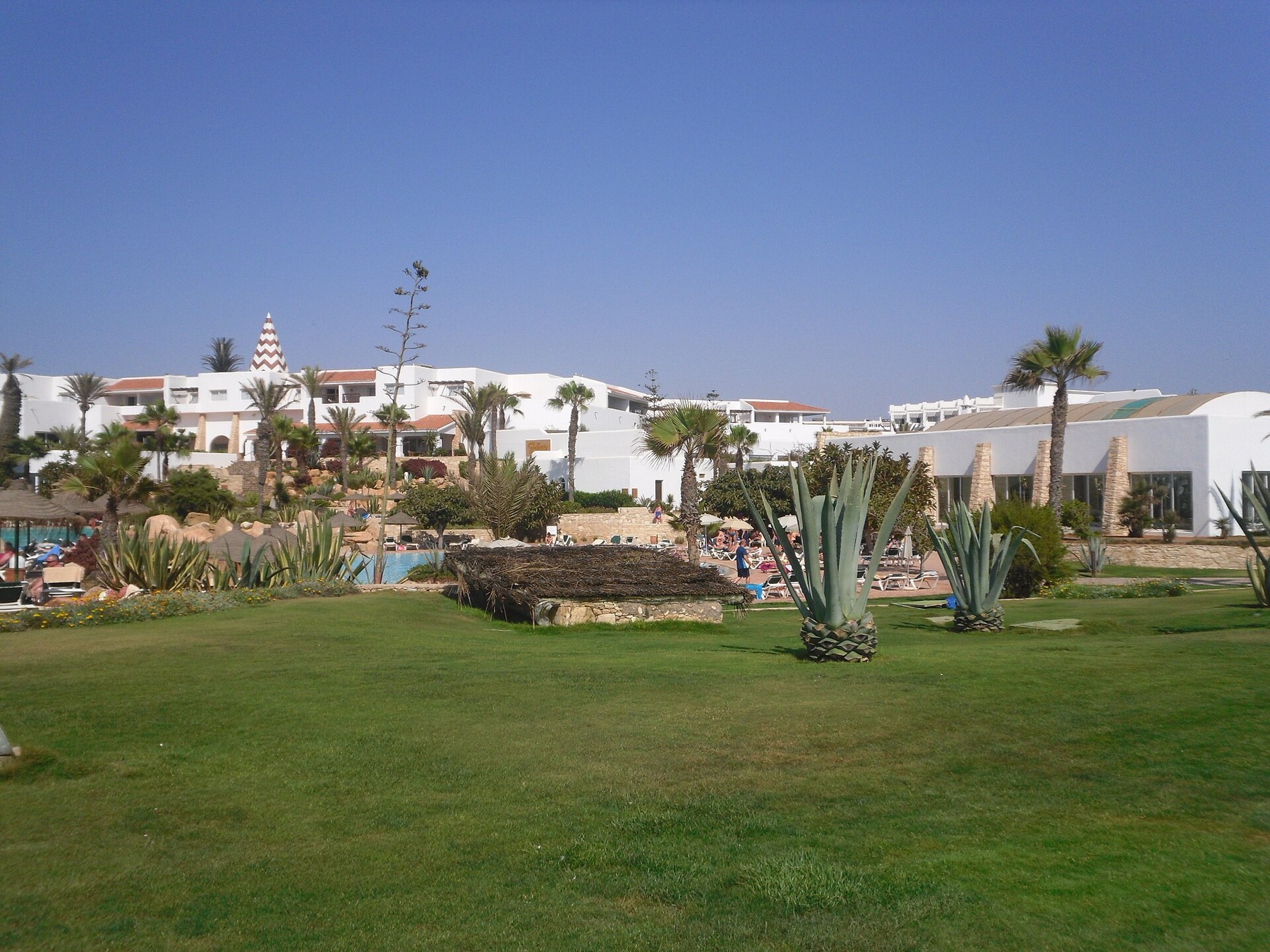
When choosing accommodation, it mainly depends on what you expect from your holiday, because Agadir offers a wide range of options from luxury resorts to smaller family-run hotels. Most tourists naturally choose the area along the main beach promenade in the bay, where you have the ocean literally at your fingertips and there’s an abundance of restaurants, cafés and souvenir shops all around. This part of the city is very lively, safe even after dark, and strategically convenient if you don’t want to rent a car and prefer to walk everywhere.
If you’re looking for proven quality right by the beach, a very popular choice is Iberostar Founty Beach, located just steps from the soft sand and offering excellent service and a huge pool. Guests at this four-star hotel particularly praise the fantastic location, room cleanliness and abundant breakfasts that will energize you for a full day of exploring. Another excellent option with ocean views and easy water access is the elegant Hotel Riu Palace Tikida Agadir, where you’ll find first-class service and beautiful gardens for evening relaxation.
For those of you who prefer a slightly quieter atmosphere and don’t need the beach right outside your window, there’s accommodation in the area called Founty or in the wider center near the royal palace. An excellent and very reasonably priced choice is Hotel Timoulay and Spa Agadir, which excels with its beautiful saltwater pool, friendly staff and traditional Moroccan hospitality. You can easily book all these hotels through Booking, where I recommend checking reviews and booking well in advance, because the best properties fill up really quickly.
14 Things to See and Do in Agadir
Let’s explore specific tips for what to do in the city and its immediate surroundings, because Agadir is definitely not just about lounging by the hotel pool. In the following list, you’ll find a mix of relaxing activities, cultural experiences and adventurous excursions that will show you the true face of southern Morocco. Get your comfortable shoes ready, plenty of sunscreen and an open mind, because we’re about to discover places that will captivate you for sure.
1. Beach and Promenade in Agadir Bay
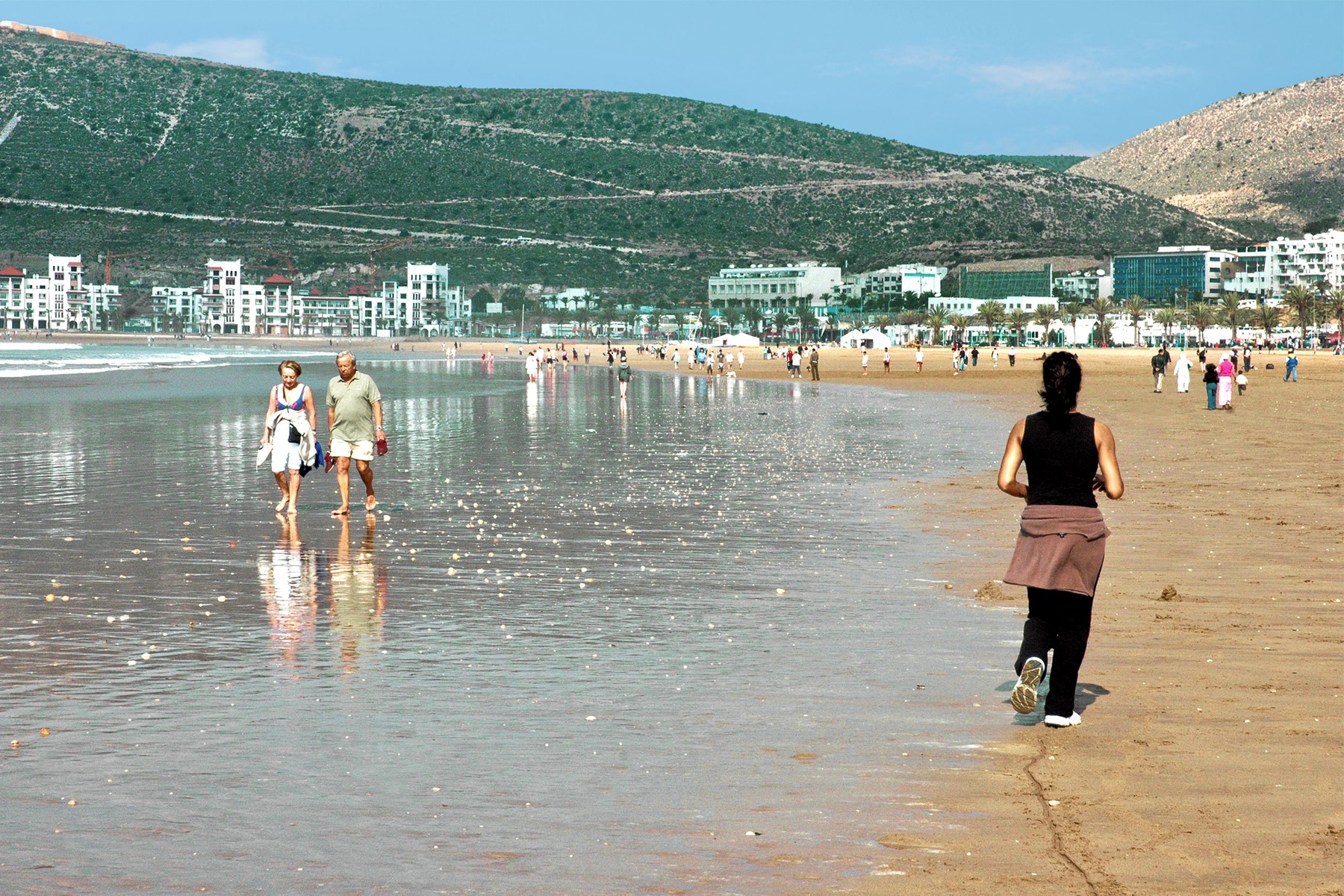
The main magnet that attracts hundreds of thousands of visitors to the city every year is undoubtedly the wide sandy beach stretching for several kilometers. The bay is crescent-shaped, which makes the ocean considerably calmer here than at other spots along the Moroccan coast, making swimming safer even for less confident swimmers or families with small children. The soft golden sand invites long barefoot walks and sandcastle building, while the gentle entry into the water is appreciated by absolutely everyone.
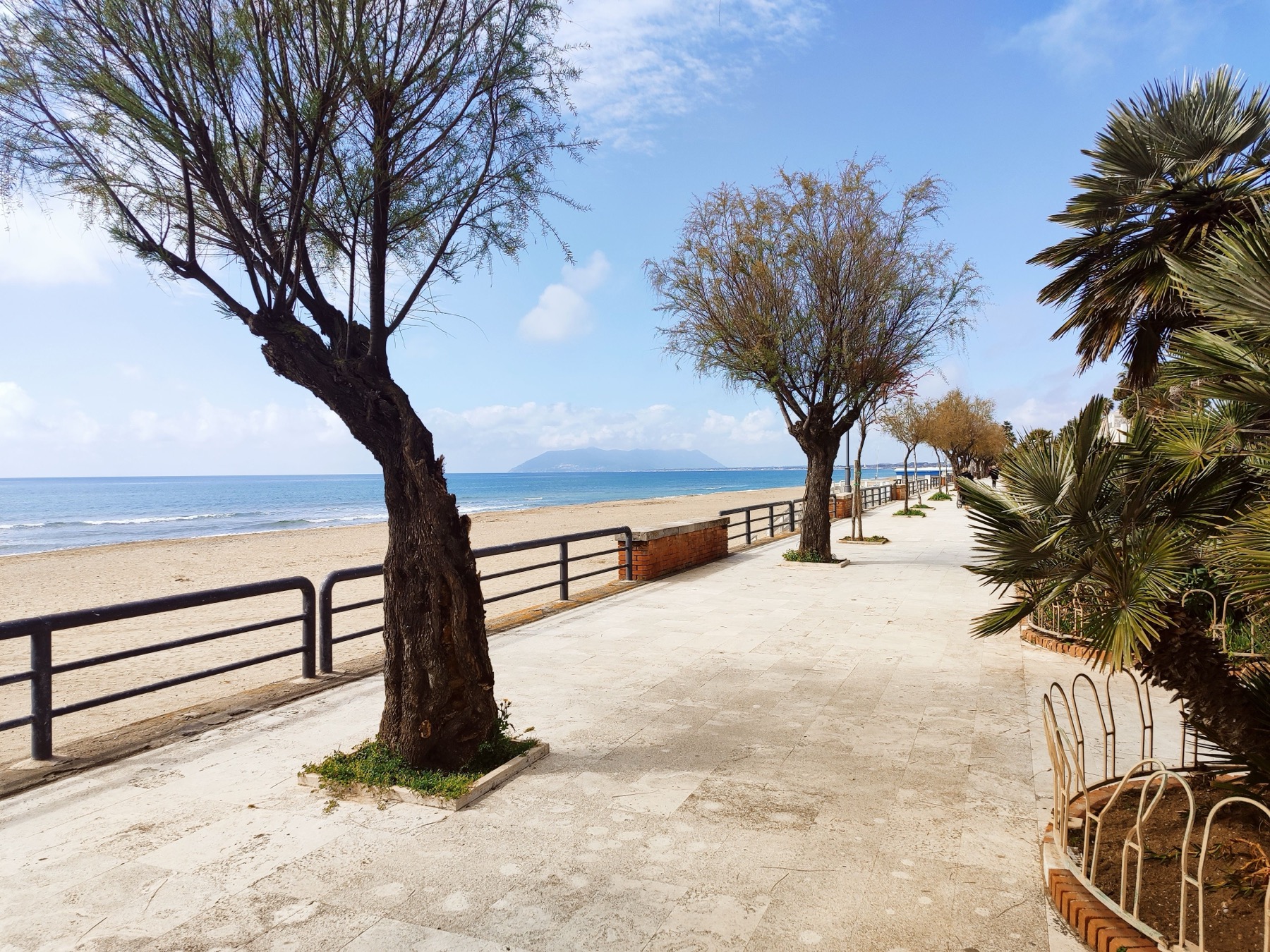
Along the entire beach runs a beautifully maintained and wide pedestrian promenade, which is the heart of social life in the city. During the day you’ll meet joggers, families out for a walk, and tourists heading to one of the many beach cafés for a glass of fresh orange juice. As evening falls, the whole area lights up with thousands of lights, locals come out for their evening stroll, and the air fills with the aroma of roasted chestnuts and traditional mint tea.
Most large hotels have their own designated section on the beach with loungers and umbrellas, but you’ll also find plenty of public stretches where you can just spread out a towel. If you get hungry, just take a few steps off the sand and choose one of the restaurants on the promenade, which offer everything from traditional Moroccan cuisine to Italian pizza. The beach also has plenty of vendors offering water scooter rentals or surfing lessons, so there’s definitely no shortage of entertainment.
💡 Tip: Head to the promenade at sunset, when the sky over the Atlantic turns incredible shades of orange and purple, supposedly the best time to capture unforgettable holiday photos.
2. Kasbah Agadir Oufella and Coastal Views
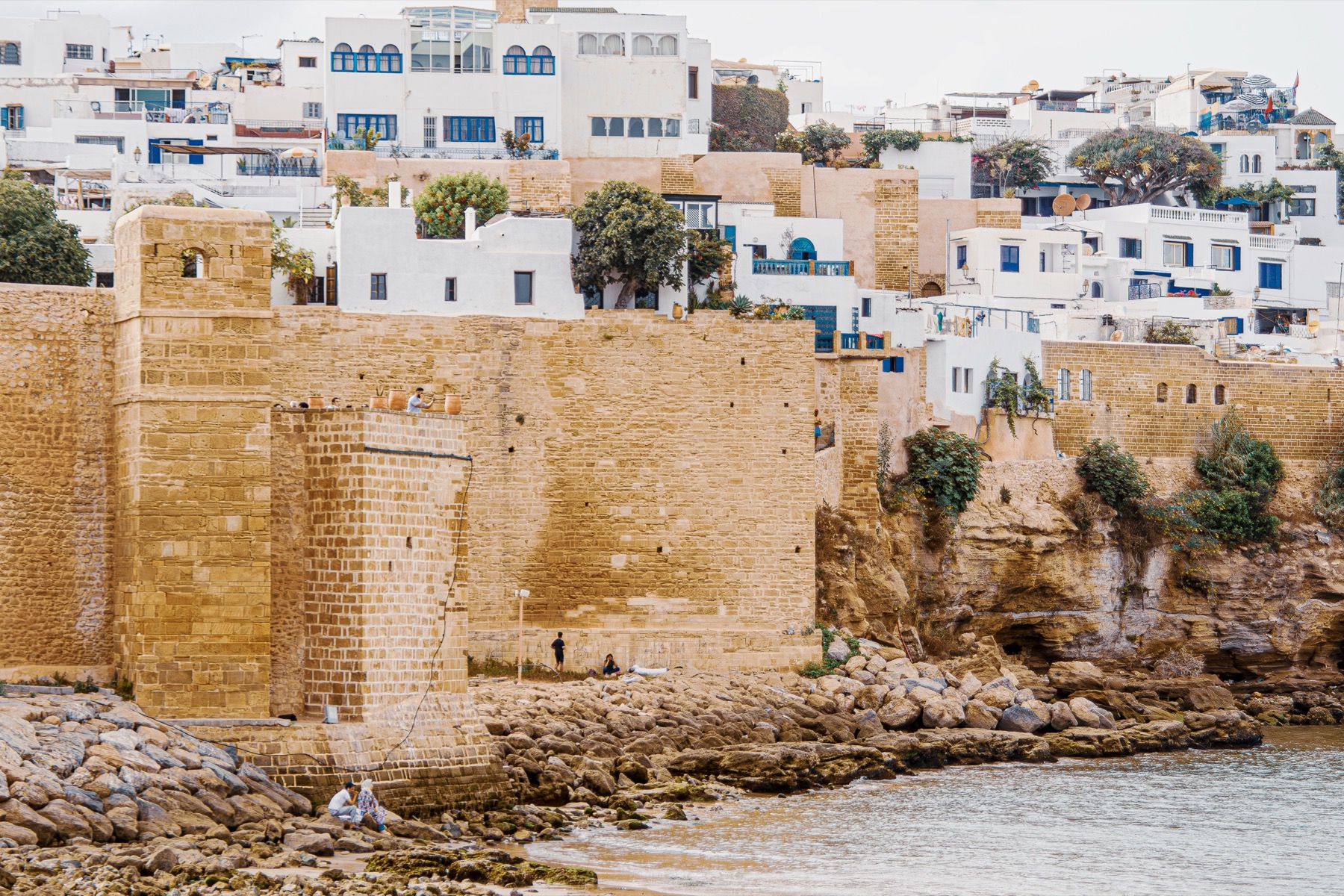
On a high hill rising north of the city center, you’ll find the remains of the old fortress Kasbah Agadir Oufella from the 16th century. This majestic structure was built during the reign of the Saadian dynasty to protect the city from potential attacks by Portuguese seafarers, and for centuries it served as a safe haven for local residents. Unfortunately, after the tragic earthquake in February 1960, all that remains of the original walls and winding alleys are the massive outer walls and entrance gate.
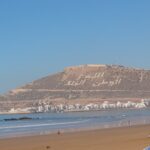
Even though you won’t find any buildings inside the walls anymore, the trip up is definitely worth it for the absolutely breathtaking panoramic views. From an altitude of over two hundred meters, you’ll have the entire city, the sprawling harbor, and the endless bay spread out before you. The view of the hill is particularly impressive at night, when the fortress is beautifully illuminated and an enormous Arabic inscription on the hillside proclaiming “God, country, king” shines bright, visible from dozens of kilometers away.
Getting to the top is relatively easy these days, and you can choose from several different modes of transport. For the more athletic types, there’s a winding footpath that takes about an hour of brisk walking, but in the summer months I recommend setting out early in the morning or toward evening because of the harsh sun. Another option is to take an inexpensive red taxi from the center, called a petit taxi, or use the modern cable car Telepherique d’Agadir, which was recently put into operation and is itself a great experience.
💡 Tip: If you don’t want to deal with transport on your own, an organized half-day city tour that includes a visit to the fortress and the local market is available from local agencies starting at $18 per adult.
3. Souk El Had — A Shopping Paradise
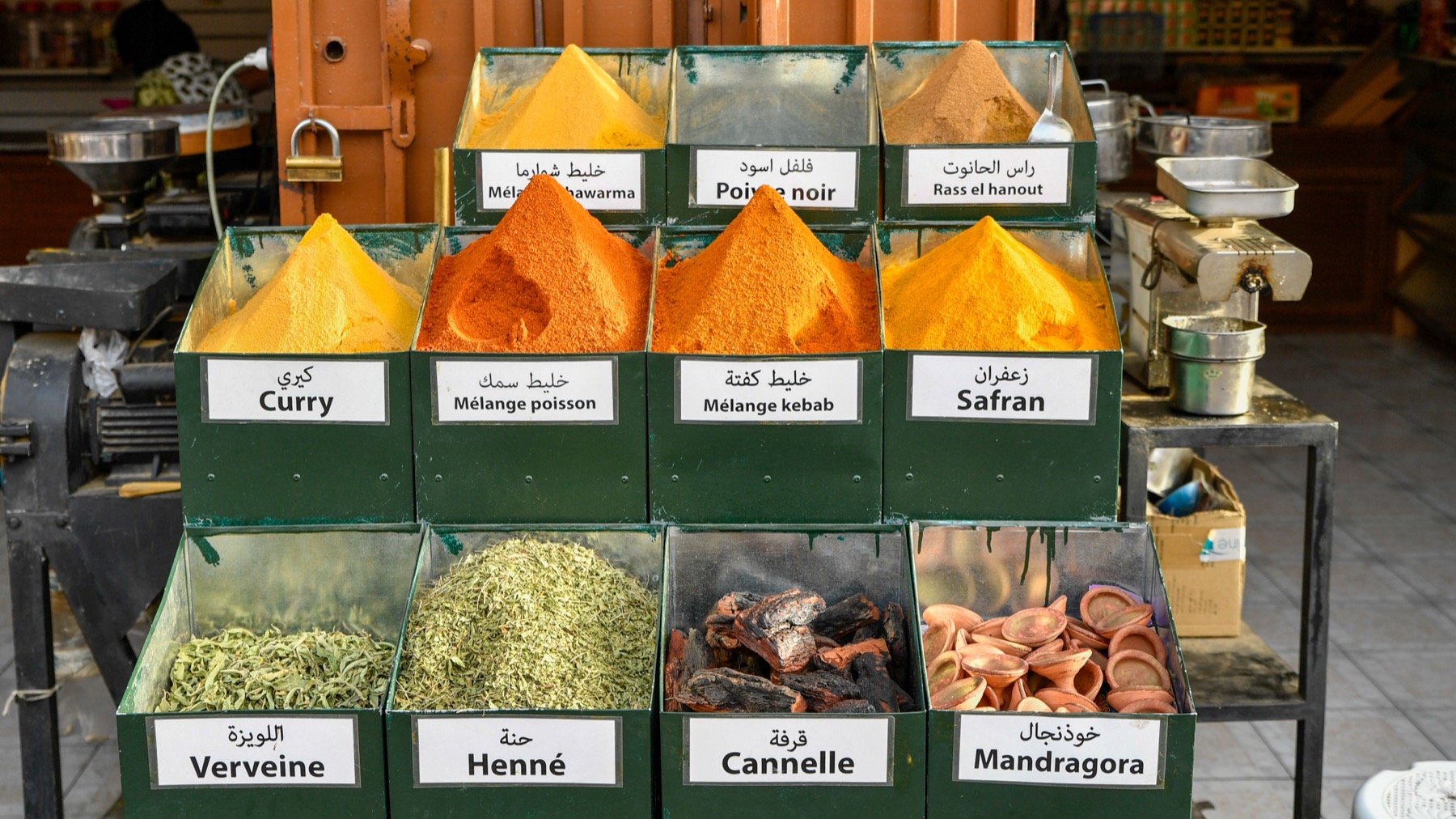
A visit to Morocco wouldn’t be complete without a proper shopping experience at a traditional Arab market, and Agadir can boast the Souk El Had market. This is the third-largest market in the entire country, sprawling over an enormous area and surrounded by a high wall with twelve entrance gates. Inside this fascinating labyrinth, there are an estimated 6,000 stalls and shops where you can find absolutely everything you can think of.
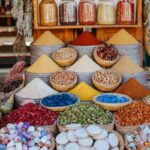
For easier navigation, the market is logically divided into several specific sectors according to the type of goods sold. In one section, you’ll find mountains of colorful fragrant spices, fresh dates, nuts, and vast expanses of fresh fruit and vegetables, where local families come to shop for ingredients. A bit further, you’ll come across streets filled with traditional leather goods, hand-woven Berber carpets, hammered lamps, painted ceramics, and beautiful silver jewelry that make excellent original souvenirs.
When shopping at the market, you need to expect that haggling over price is not just a custom, but an absolute social necessity and a game. Sellers will first offer you a price that can be three or even four times higher than the actual value of the goods, and they expect you to counter with a much lower amount with a smile. It’s important to remain polite, treat the whole process as fun, and not be afraid to walk away from the shop, because very often the seller will run after you and ultimately agree to your price.
💡 Tip: The market is open every day of the week except Monday, when a major cleaning of the entire premises takes place. According to travelers, you’ll experience the best atmosphere on weekends, when the market is full of locals and the energy is literally palpable.
4. Paradise Valley and Berber Villages
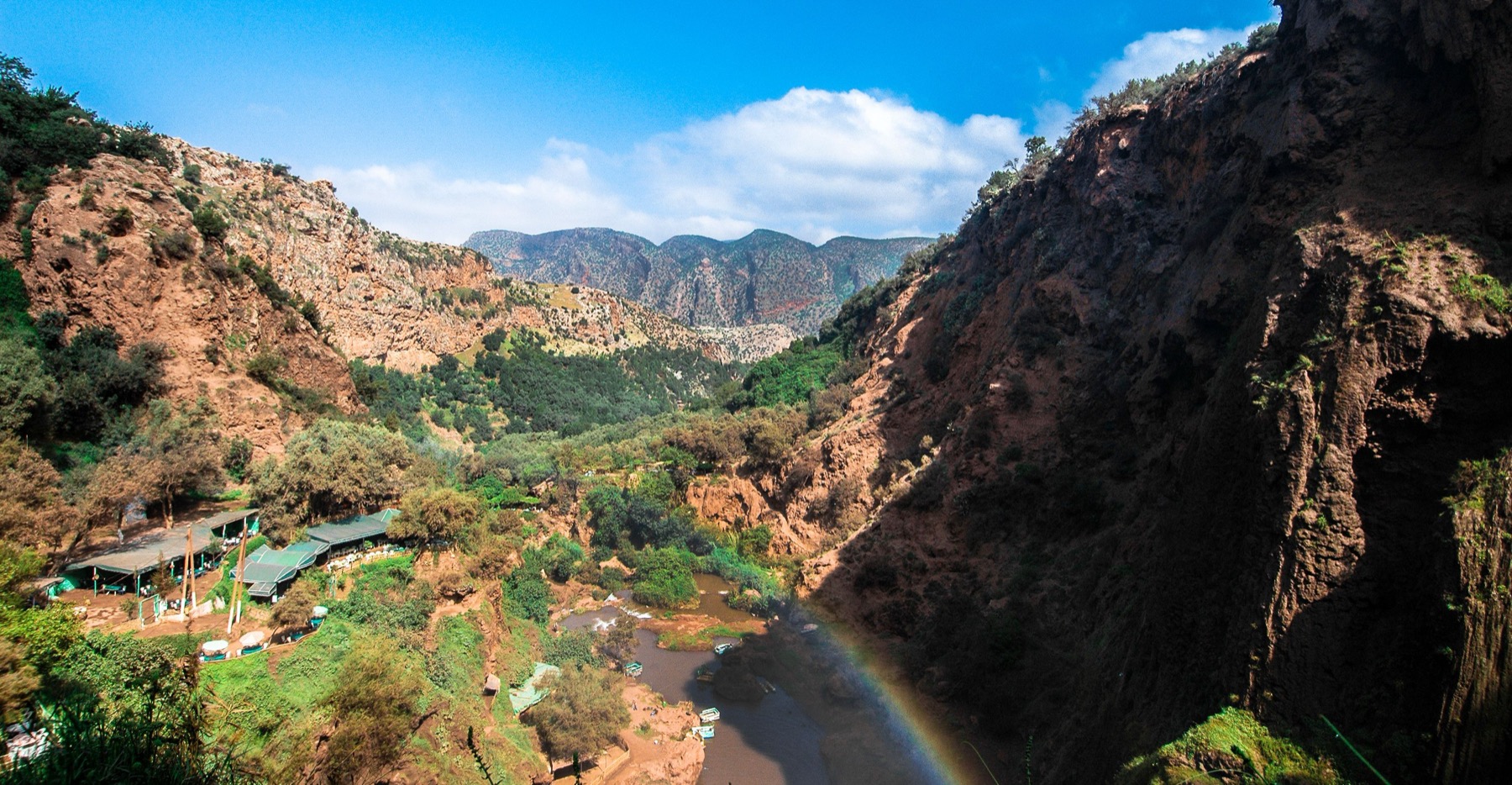
If you get tired of lying on the beach, I highly recommend taking a trip to the beautiful Paradise Valley, which lies in the foothills of the High Atlas. The drive from the city takes about an hour through picturesque countryside, during which you’ll pass extensive argan groves, deep gorges, and traditional clay Berber villages clinging to steep slopes. The journey itself is a visual treat and shows you a completely different face of Morocco than what you know from the modern streets of the resort.
Paradise Valley itself consists of a system of fascinating limestone canyons and natural rock pools filled with turquoise water. From the parking area, you’ll enjoy a pleasant, easy walk along a babbling stream and palm groves until you reach the most beautiful pools, into which the more adventurous dive headfirst from the surrounding rocks. The water in the pools comes from mountain springs, so it’s quite refreshing, but on hot summer days it provides absolutely perfect cooling.
You can visit this amazing piece of nature on your own if you rent a car, but it’s much more convenient to use an organized half-day trip, which you can get for a price from $19 to $22. Such trips often include a stop at a local women’s cooperative, where they’ll show you the lengthy and demanding process of manually producing precious argan oil. These cooperatives support the independence of local women, and by buying oil or cosmetics directly on site, you contribute to a good cause.
💡 Tip: Bring sturdy footwear, as the trails around the pools can be slippery, and don’t forget plenty of drinking water, even though you’ll come across several makeshift cafes with refreshments along the way.
5. Surf Town Taghazout 30 Minutes from the Center
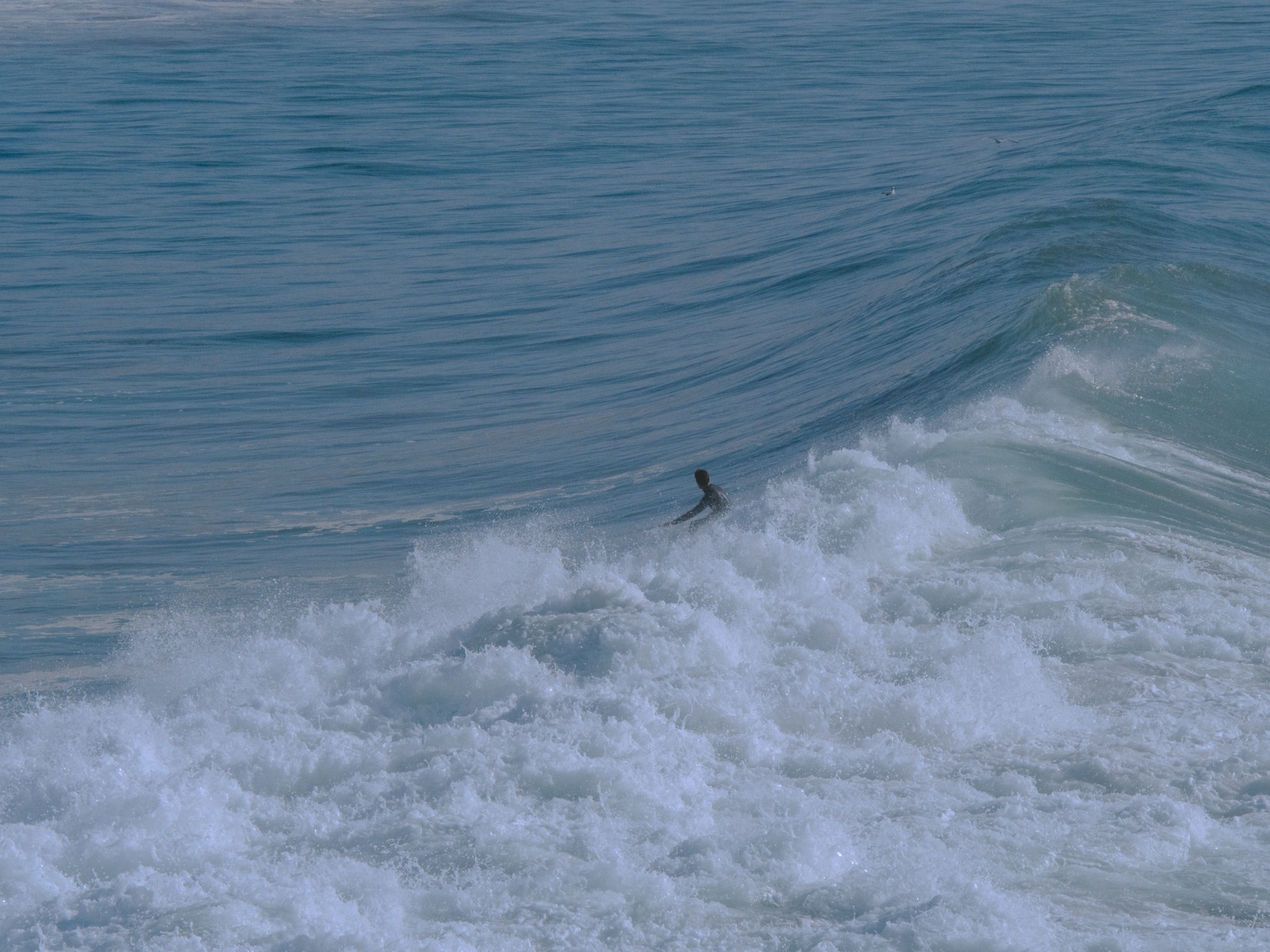
Water sports lovers and those seeking a laid-back atmosphere should definitely not miss a visit to the fishing and surfing village of Taghazout, which lies just half an hour’s drive north along the coast. From what was once a sleepy settlement, it has become a truly legendary place in recent decades, where surfers from all over the world flock during the European winter to ride some of the best waves in North Africa. The village has managed to maintain its authentic bohemian character, and the streets are full of colorful houses and murals.
The atmosphere in Taghazout is completely different from the bustle of the big city, and there’s an incredible sense of relaxation here. The main street is lined with dozens of surf schools, equipment shops, and stylish cafes overlooking the ocean, where you can enjoy excellent coffee and fresh avocado toast. On the beach, you’ll see groups of people practicing yoga at sunrise, and in the evening everyone gathers around fires, playing guitars and sharing stories from the whole day spent on the waves.
If you’ve never tried surfing, Taghazout is an absolutely ideal place to start with this beautiful sport. Most local schools offer affordable packages for complete beginners, which include wetsuit and board rental and a two-hour lesson with a certified instructor on gentler waves in the area. Even if you don’t get in the water, a walk along the coast and watching experienced riders taming huge waves at the famous Anchor Point spot is an experience in itself.
💡 Tip: You can easily get to the village by local bus number 32, which departs from the center fairly often and a ticket will only cost you a few coins.
6. Crocoparc for Families with Children
If you’re traveling with young children, or just love animals and unusual experiences, definitely set aside a few hours to visit the fantastic Crocoparc. This unique animal and botanical park is located on the outskirts of the city, and right at the entrance you’ll be amazed by the enormous crocodile jaws you have to walk through to get inside. The entire complex is designed with enormous respect for nature and animals and is a wonderful example of how education can be combined with entertainment in a beautiful setting.
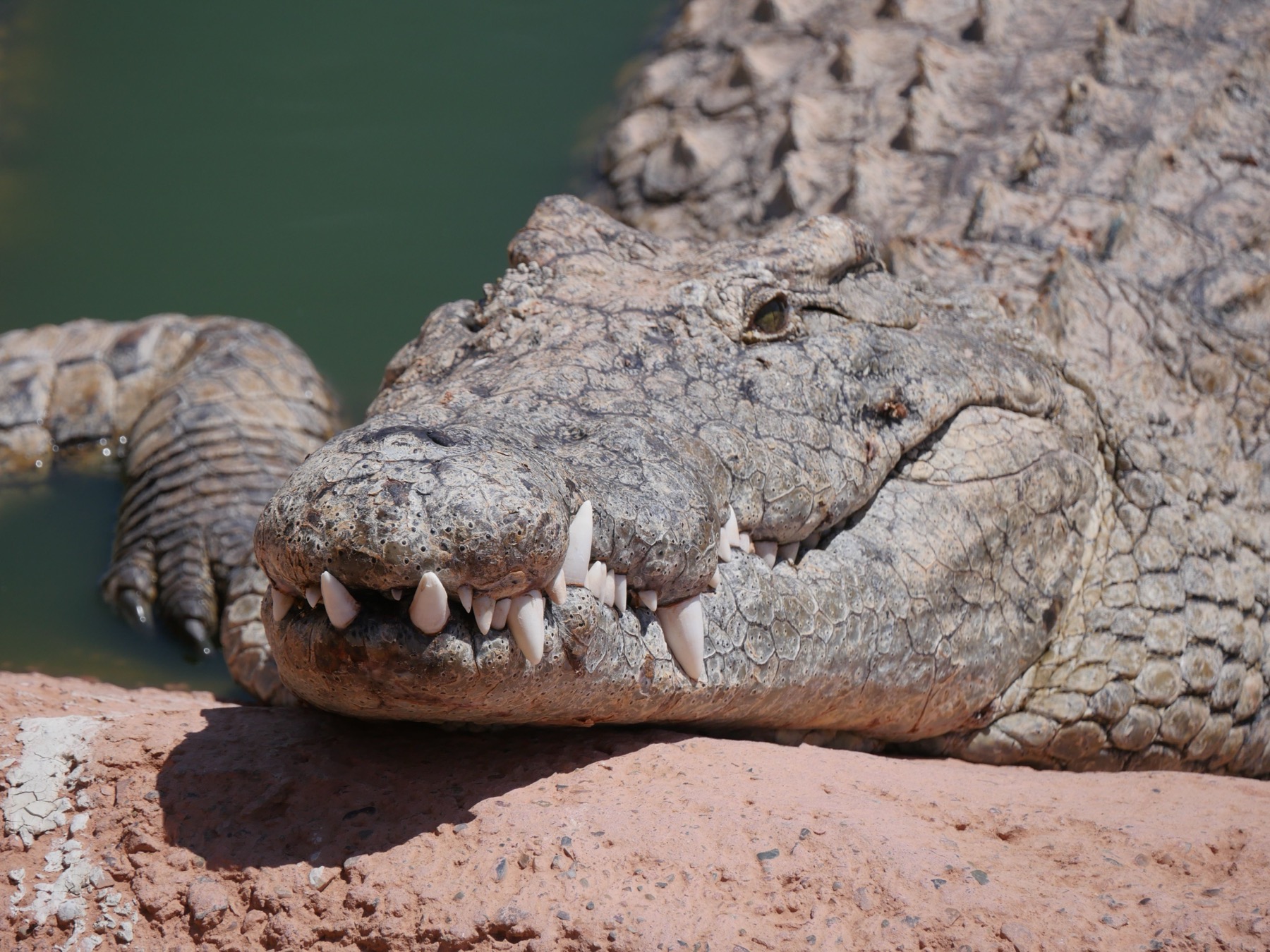
The park’s main attraction is, of course, hundreds of majestic Nile crocodiles basking on the banks of artificial ponds or lazily swimming through the water. Morocco was once the natural home of these reptiles, but in the wild they were unfortunately completely exterminated in the twentieth century, and the park is thus trying to achieve their symbolic return. The animals have enormous space here resembling their natural environment, and visitors can observe them in complete safety from elevated wooden walkways.
In addition to crocodiles, the park is renowned for its beautiful and carefully maintained botanical gardens, which are divided into several themed sections. During your walk, you’ll come across a garden of blue plants, an exotic aquatic world with water lilies, giant cacti, and rare trees from around the world that provide pleasant shade during hot afternoon hours. For children, there are several playgrounds, educational boards about nature conservation, and you can even watch public feeding of the animals.
💡 Tip: The park offers free shuttle service from the city center for anyone who purchases a ticket in advance, which saves you the hassle of finding a taxi and negotiating the price.
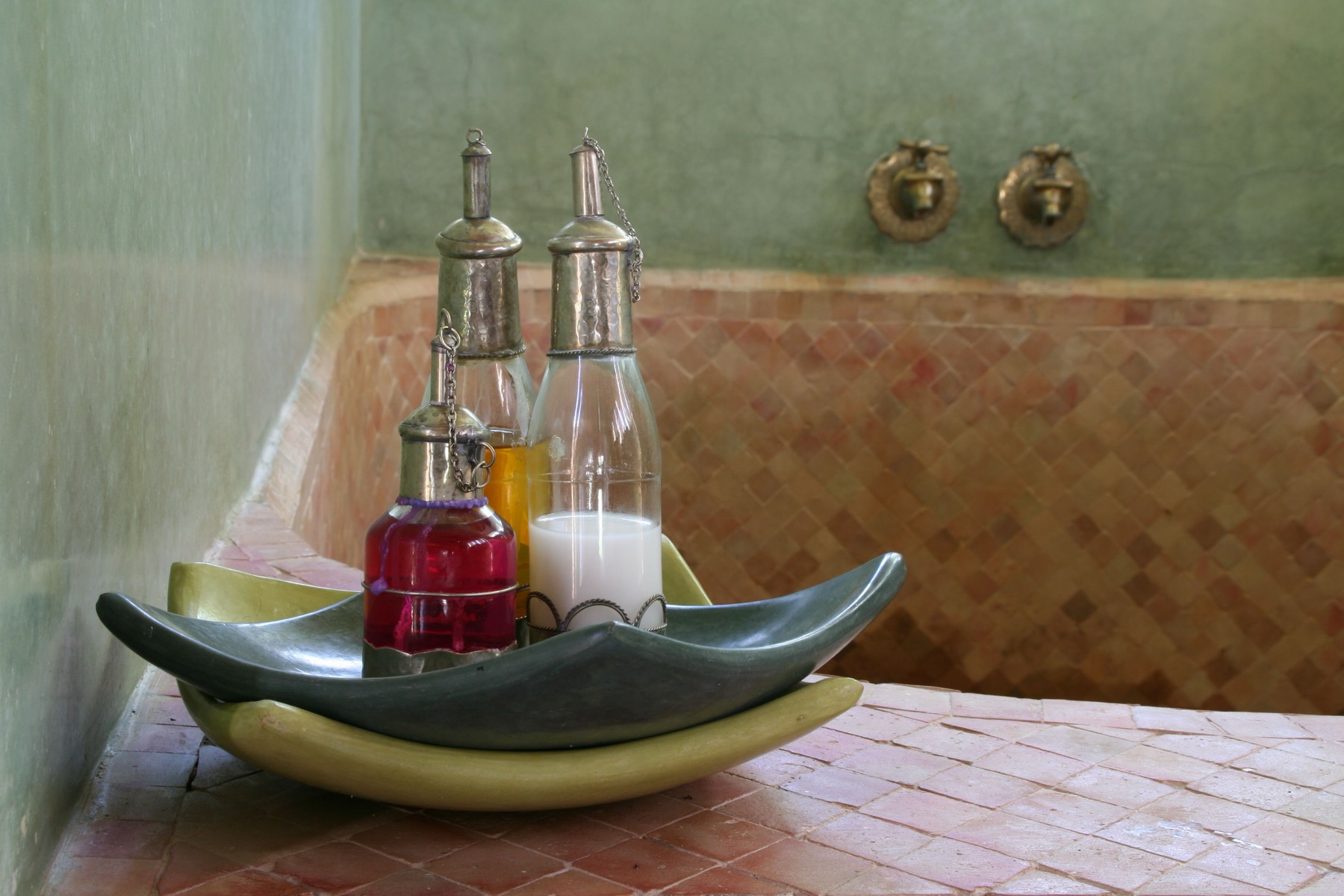

7. Traditional Moroccan Hammam and Body Purification
A holiday in North Africa wouldn’t be complete without experiencing the traditional Moroccan purification ritual in local baths called hammam firsthand. This deeply rooted cultural practice isn’t just about washing your body, but represents a centuries-old tradition, a place to meet friends, and perfect relaxation for both mind and muscles tired from a full day of traveling. In Agadir you’ll find countless options, from simple public baths frequented by locals to luxurious spa centers in five-star hotels.
The ritual itself begins with time spent in a hot steam room, where your pores open beautifully and your body starts to sweat. This is followed by a thorough application of special black soap called savon noir all over your body, which is made from olive oil and macerated black olives and has fantastic cleansing properties. Then comes the most important part, when the bath attendant literally scrubs you from head to toe using a rough mitt called a kessa and removes all dead skin.
After this intense exfoliation you’ll feel literally reborn and your skin will be incredibly soft and smooth. Most better baths finish the procedure with a gentle relaxing massage using precious argan oil, which hydrates the body and leaves it beautifully fragrant. The price for this fantastic experience at better tourist facilities typically ranges from 700 to 1,500 Moroccan dirhams (MAD) depending on the length of the procedure and luxury of the setting.
💡 Tip: Men and women have separate areas in traditional baths or designated different opening hours. If you’re traveling as a couple and want to share the experience together, you’ll need to book a private procedure at one of the modern hotel spas.
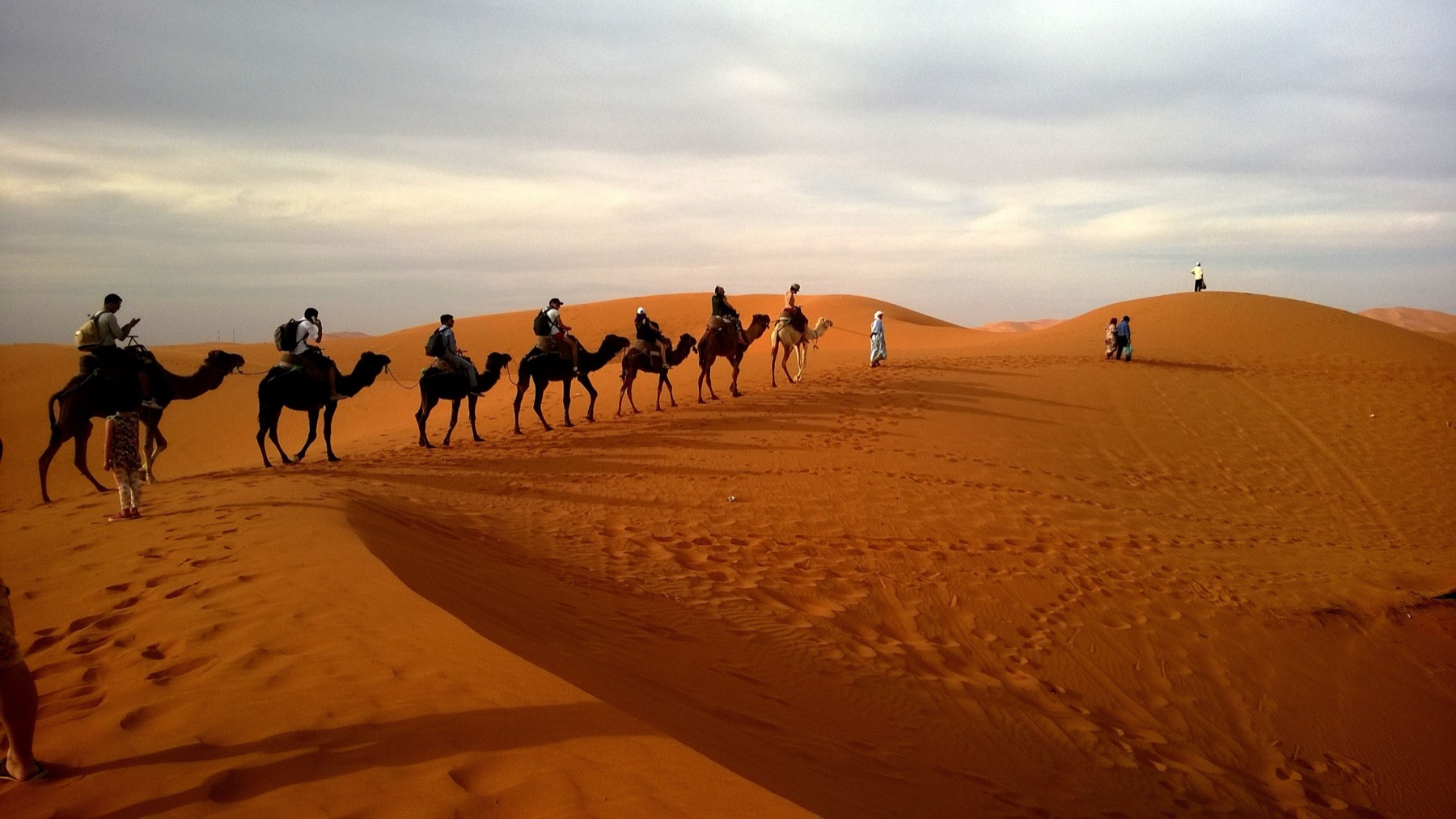
8. Camel Safari at Sunset
If you’re longing for a romantic experience and don’t want to spend long hours in a car traveling to the actual Sahara, a ride on camelback in the surroundings of the city is exactly what you need. These ships of the desert are an integral part of Morocco and local agencies offer very popular two-hour excursions that take you away from busy streets straight into peaceful nature outside the city. It’s a great activity for families with children, couples, and solo travelers who want to capture iconic photos.
The excursion route usually leads through fragrant eucalyptus forests and along the peaceful bed of the Souss River, which is home to many species of migratory birds. With a bit of luck, at certain times of the year you can spot flocks of elegant pink flamingos wading in the shallow waters. The camel ride itself is a bit swaying and takes a moment to get used to, but the animals are calm, well-trained, and the guides ensure the complete safety of all participants.
You’ll experience the most magical atmosphere if you plan this excursion for late afternoon at sunset. The landscape turns warm golden shades, shadows lengthen, and the air temperature drops pleasantly. After returning from the ride, traditional hospitality in the form of sweet mint tea and fresh homemade cookies usually awaits you at the base camp, where you can chat with local guides about their culture.
💡 Tip: Wear long and comfortable pants, because camel fur can be quite coarse and rubbing against bare legs wouldn’t be pleasant after a while.
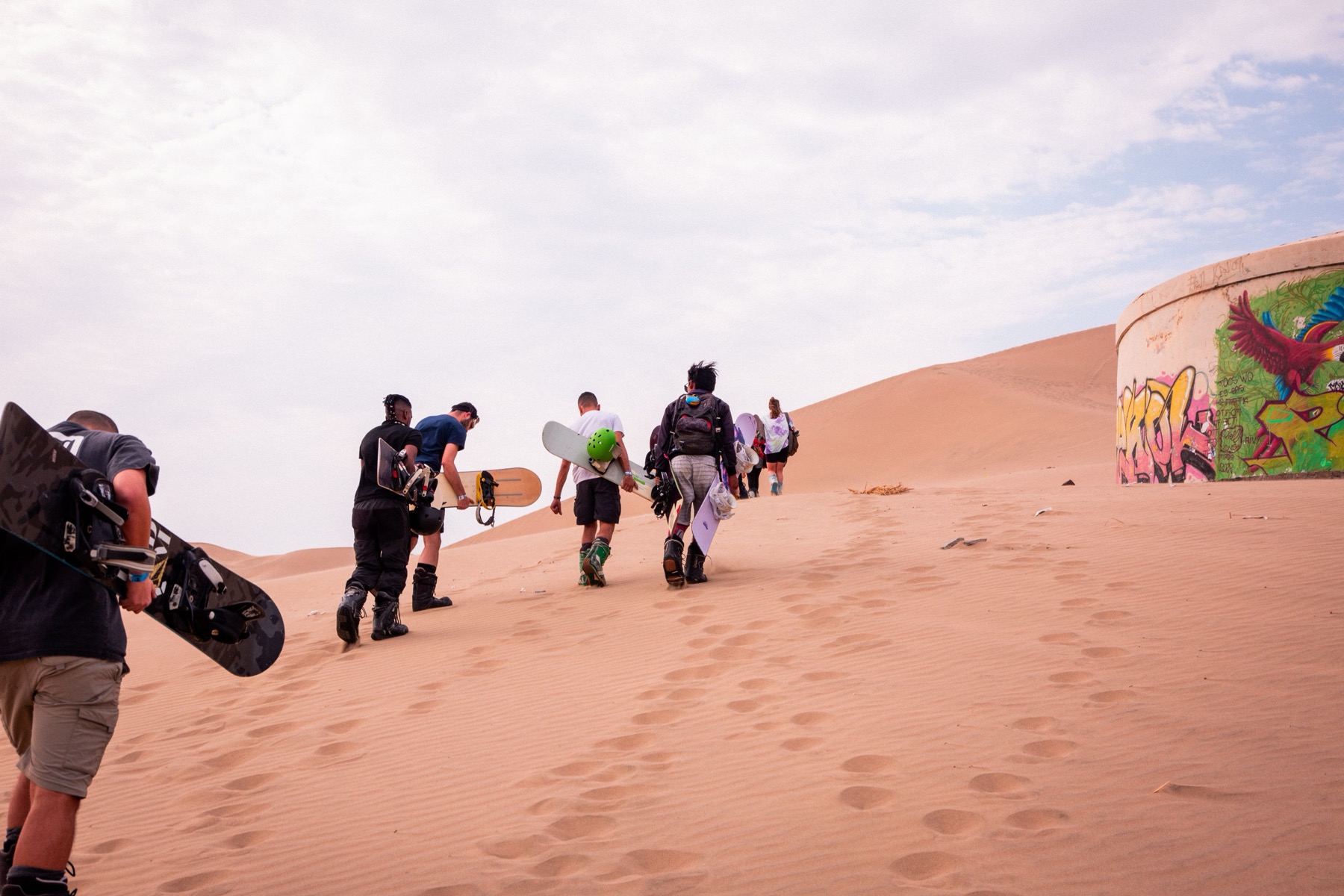
9. Sandboarding on Sand Dunes
Imagine snowboarding, but instead of cold snow you’re zooming down hot golden sand with a view of the wild ocean. This exact adrenaline experience, called sandboarding, can be enjoyed on the beautiful sand dunes of Timlalin, located about an hour’s drive north of the city in the Taboga area. This place, where huge sand masses meet directly with Atlantic waves, is one of the most photogenic natural phenomena in the entire region.
The trip usually works so that an off-road vehicle takes you right to the edge of the highest dunes, from where you have to climb up on your own. Hiking in deep sand with a board in hand is quite a decent cardio workout and you’ll break a sweat, but the subsequent ride down is definitely worth the effort. Instructors will show you the correct stance, advise you on how to shift your weight, and then it’s up to you whether you ride down the dune standing like a pro or sit safely on the board.
The Timlalin dunes are an amazing place not only for adrenaline lovers but also for those who enjoy admiring the beauty of nature. The contrast of huge yellow sand masses falling steeply down into the dark blue ocean waters is absolutely fascinating and the view from the top of the dune will literally take your breath away. During the trip you’ll often visit the nearby fishing village and taste a traditional Moroccan lunch cooked right in a local resident’s home.
💡 Tip: If you wear contact lenses, consider whether you should bring regular glasses instead for this trip, because fine sand blown by wind could cause quite a problem in your eyes.
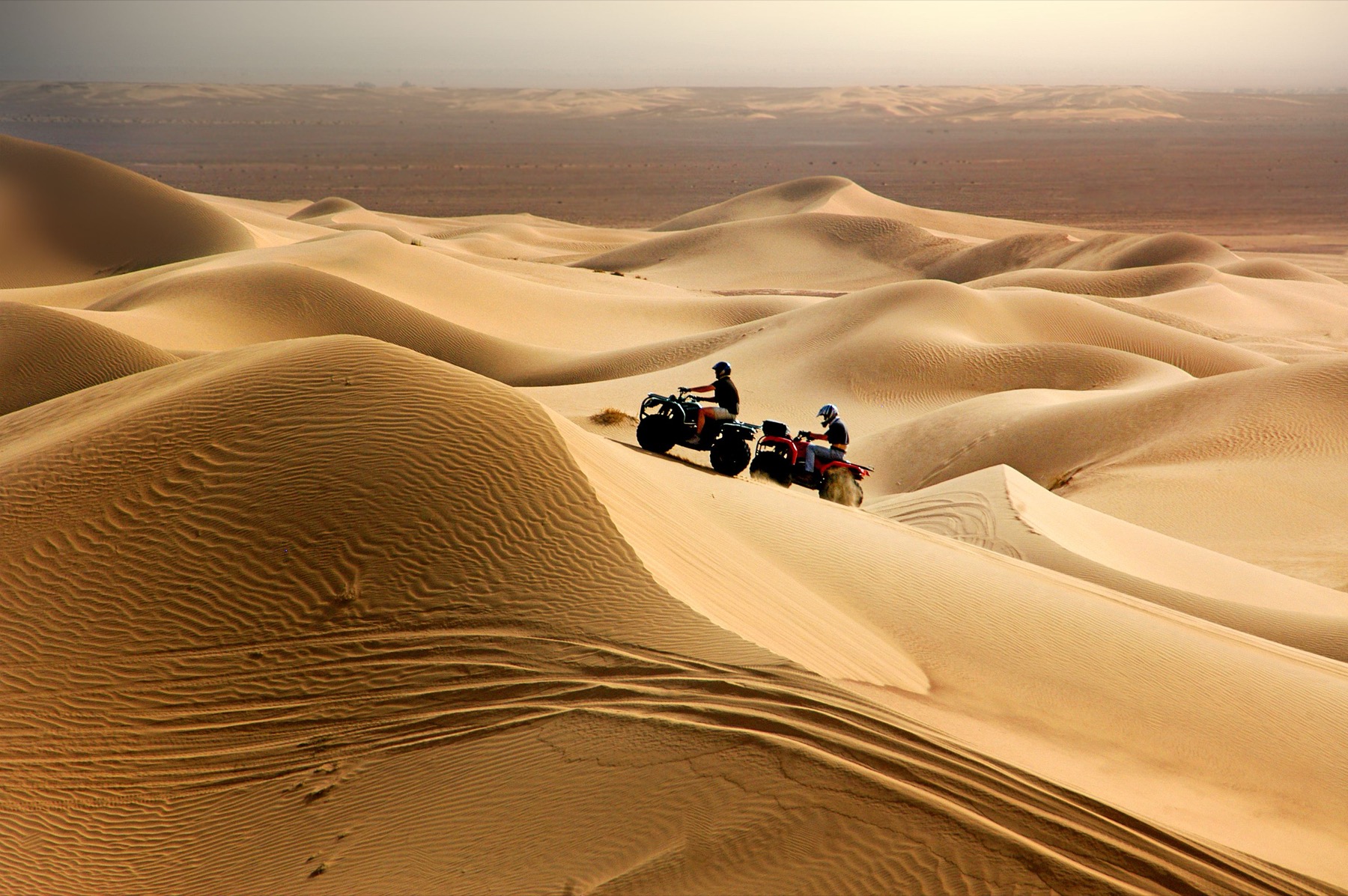
10. Quad Bike or Buggy Tour
For those of you who love speed, dust, and a bit of healthy excitement, riding quad bikes or open buggies is an absolute must. This very popular half-day trip takes you off paved roads deep into the rural areas of southern Morocco, where you’d have a hard time getting with a normal car. It’s the ideal way to clear your head, experience some adrenaline, and discover the rough but beautiful landscape around the city.
The routes usually lead through dusty roads, dried-up riverbeds, and tangled argan forests where you can spot grazing herds of goats. The guides, who always ride on the first quad bike and set the pace, know the surrounding terrain perfectly and adjust the speed to the skills of the whole group. You don’t need any previous experience driving similar machines, because the controls are very intuitive and before the actual start you’ll go through a short but thorough training on a practice track.
Halfway through the wild ride there’s usually a longer break in one of the traditional Berber villages, where locals will treat you to tea and fresh bread. This moment of calm beautifully contrasts with the noisy engines of the machines and gives you an opportunity to glimpse into the simple life of local residents. Prices for this experience are very favorable in Morocco compared to European destinations and it’s a great investment in fun that you’ll remember for a long time.
💡 Tip: Expect that you’ll get really dirty from ubiquitous dust during the ride, so definitely don’t wear your best holiday clothes and don’t forget sturdy closed shoes.
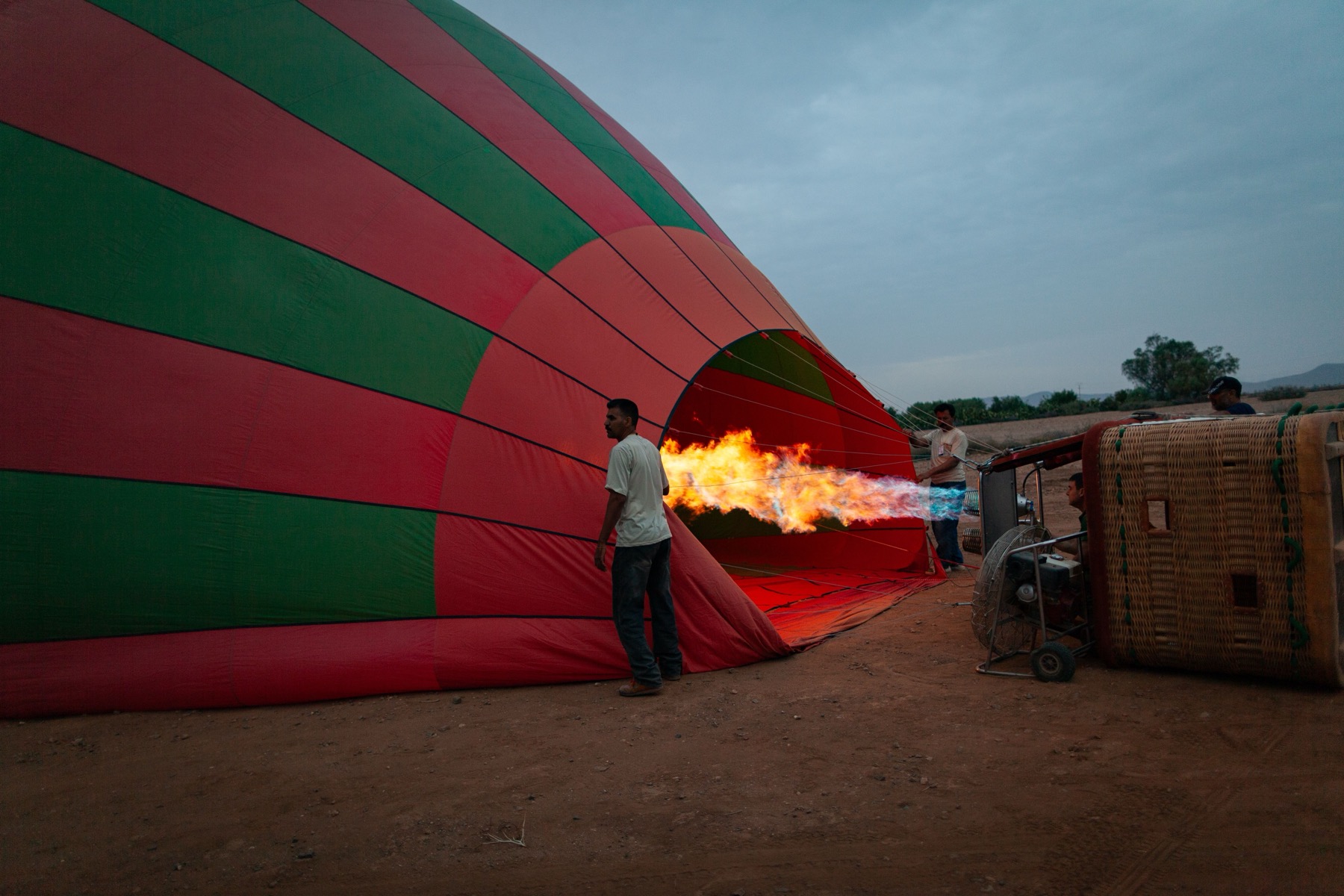
11. Hot Air Balloon Flight Over the Atlas Foothills
If you want to take home a truly exclusive experience you’ll never forget from your holiday, head out early in the morning for a hot air balloon flight over the Moroccan landscape. Although this activity is slightly more expensive than most other trips, travelers unanimously agree that the view of the awakening world from a bird’s eye perspective is definitely worth the money. You’ll have to set your alarm for a very early morning hour, because departure from the hotel is usually still in deep darkness, but the reward will be sweet.
The experience itself begins on the ground watching the fascinating process of inflating the huge colorful balloon in the middle of nowhere. Once the basket lifts off the ground, you’ll be surprised by the complete silence, which is interrupted only by the occasional roar of the gas burner. The balloon slowly and majestically floats over Berber villages, argan groves, and deep valleys, while in the distance the sharp peaks of the High Atlas Mountains are outlined, colored by the first rays of the rising sun.
After about an hour’s flight and smooth landing, another pleasant surprise usually awaits you in the form of a rich traditional Berber breakfast. In a huge Berber tent you’ll enjoy fresh flatbreads with amlou, homemade honey, olive oil, and of course liters of sweet mint tea. During breakfast you’ll receive a certificate of flight completion from the pilot, which will forever remind you of this magical start to a new day.
💡 Tip: It can be quite cold up in the basket early in the morning, so bring a warmer sweater or light jacket that you can easily take off after landing when the air warms up.
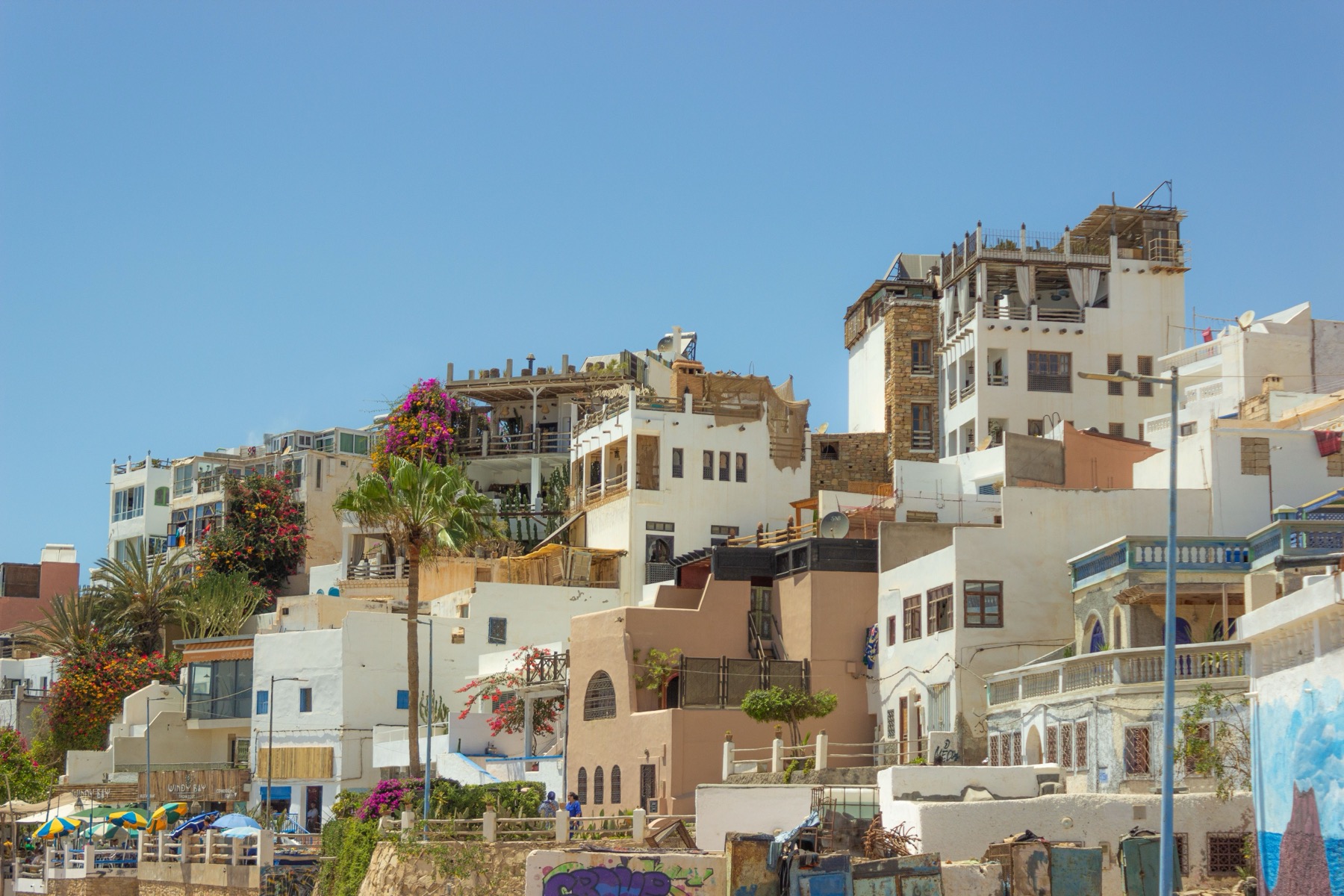
12. Medina d’Agadir (Polizzi’s New Medina)
As I mentioned in the introduction, the original old town was destroyed, but if you want to experience the atmosphere of traditional architecture, you must visit the fascinating Medina d’Agadir. This incredible architectural project, located about five kilometers from the city center, is the work of an Italian architect and artist named Coco Polizzi. In the 1990s, he decided to build a replica of a traditional Berber village using original building techniques and materials to restore a piece of the city’s lost soul.
The entire complex is conceived as a living open-air museum and functions as a celebration of traditional Moroccan crafts. As you stroll through the narrow shaded alleys, you’ll encounter masterful displays of stucco work, beautiful wood carvings, hammered iron gates, and intricate zellige mosaics that adorn the walls and fountains. The complex is surrounded by a eucalyptus forest, so there’s a beautiful sense of calm and the air is infused with the pleasant fragrance of trees and flowering shrubs.
Inside the New Medina, you’ll find dozens of small shops and artisan workshops where you can watch master craftsmen at work with your own eyes. Whether it’s making leather bags, painting ceramics, or weaving carpets, everything happens right in front of you using traditional methods without modern machinery. Although there’s a small entrance fee to the complex, it’s a wonderful place to buy quality and authentic souvenirs without the aggressive sales pressure you might occasionally encounter at large markets.
💡 Tip: The complex also has an excellent café where you can have coffee and traditional Moroccan sweets while soaking in the fairy-tale atmosphere of this unique place.
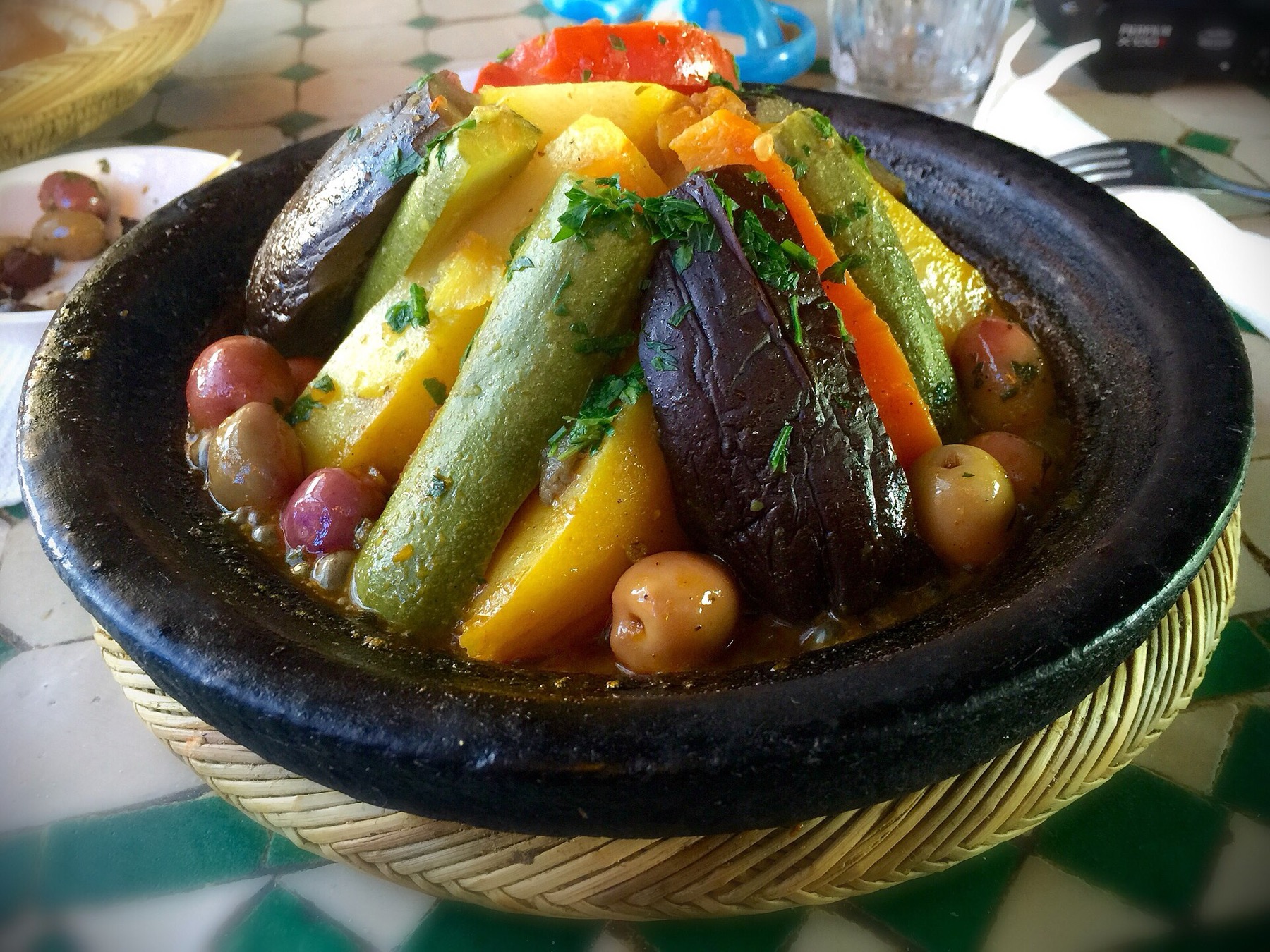
13. Vegetarian Food in Morocco
Many people think that North African cuisine is only about meat, but the truth is that Moroccan gastronomy offers fantastic and very rich options for vegetarians as well. Although locals are accustomed to consuming a lot of lamb and chicken, the foundation of many traditional dishes is an enormous amount of fresh, sun-ripened vegetables, legumes, and aromatic spices. If you avoid meat, you certainly won’t go hungry here, and discovering local flavors will be a huge culinary adventure for you.
An absolute classic that you can find in almost every restaurant, from luxury establishments to small street stalls, is traditional vegetable tagine. This is a dish that’s slowly braised in a clay pot with a conical lid, allowing the flavors of carrots, potatoes, zucchini, tomatoes, and olives to perfectly blend with ginger, turmeric, and cumin. Another excellent choice is a huge portion of fluffy couscous with seven types of vegetables and sweet raisins, which is traditionally served in Morocco mainly during Friday lunch.
When ordering soups, always make sure you request the meatless version of the famous harira soup, which is commonly made with a generous portion of chickpeas, lentils, tomatoes, and cilantro, but some establishments add pieces of meat for a stronger broth. An excellent quick street snack is fresh khobz bread accompanied by spicy olive tapenade, eggplant dip zaalouk, or delicious marinated peppers. All of this, of course, must be washed down with liters of the ubiquitous very sweet mint tea, which is jokingly nicknamed Berber whiskey here.
💡 Tip: If you’re unsure about a dish’s ingredients in a restaurant, learn the French phrase “Je suis végétarien” (I’m vegetarian) or “Sans viande” (Without meat), and the staff will very willingly offer you suitable alternatives.
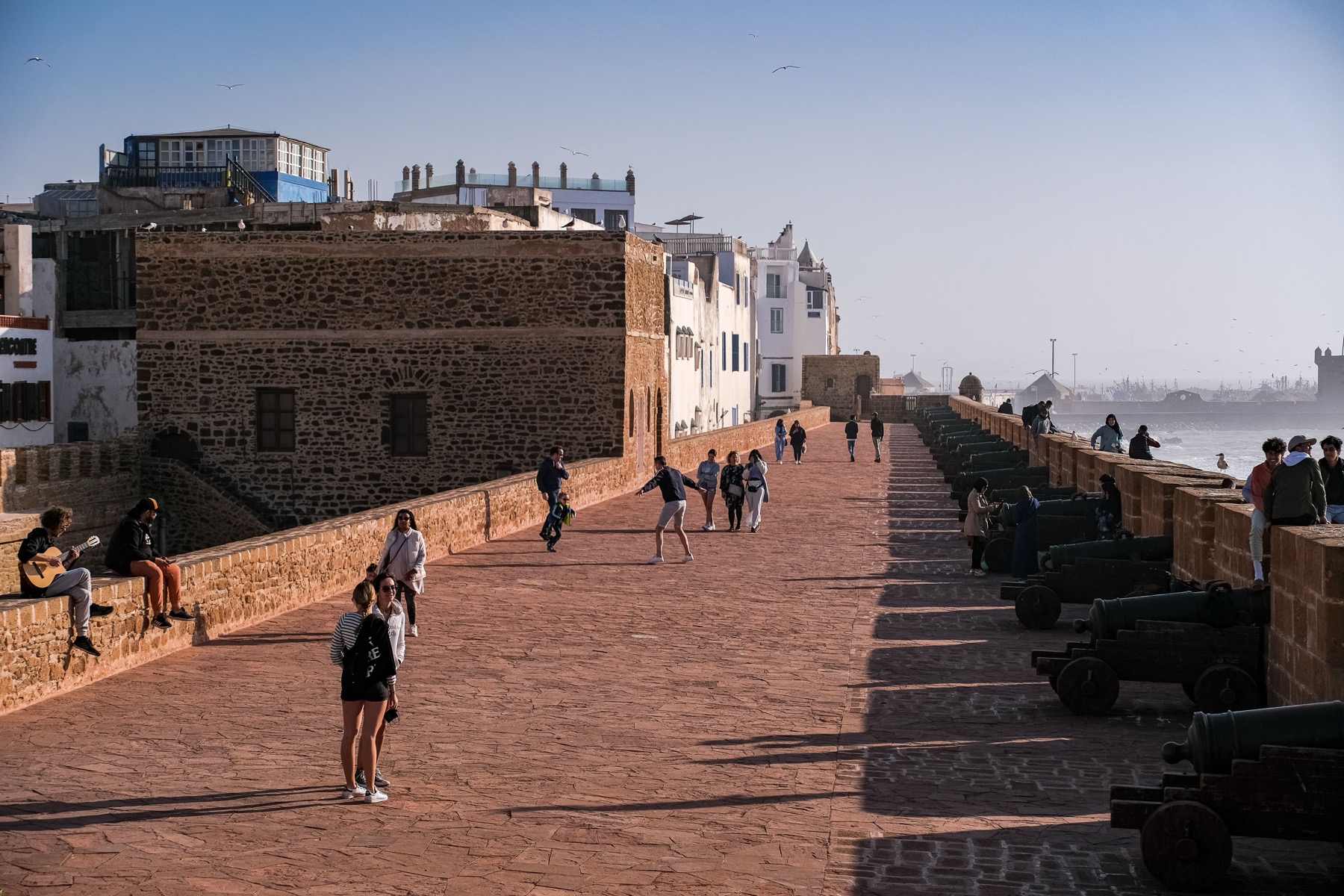
14. Day Trips to Marrakech and Essaouira
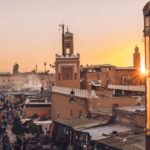
Although Agadir is a great place to relax, it would be a shame not to take advantage of its strategic location for full-day trips to two of the most beautiful cities in the country. The first is, of course, magical Marrakech, which lies about three hours’ drive along a modern highway heading inland. The contrast between the laid-back beach resort and the chaotic red city is absolutely enormous, and a visit to the famous Jemaa el-Fna square full of snake charmers, storytellers, and food stalls is an experience that will literally take your breath away.
The second popular destination is the picturesque port city of Essaouira, located about three hours’ journey along the coast heading north. This city, famous for its white houses with blue shutters, massive ramparts, and strong winds, has an incredibly relaxed and artistic atmosphere. Unlike hectic Marrakech, walking through the historic medina listed on the UNESCO World Heritage list is much calmer here, and the narrow streets are full of beautiful galleries, small cafés, and craft workshops specializing in products made from rare thuya wood.
Both of these cities can easily be visited as part of organized full-day tours that you can literally find on every corner in Agadir. Buses usually depart very early in the morning and return late in the evening, so expect it to be a demanding and long day. If you prefer independence, you can use the very reliable and comfortable buses operated by Supratours or CTM, which connect major Moroccan cities several times daily at very reasonable prices.
💡 Tip: If you have more time available and don’t want to spend six hours on a bus in a single day, I recommend booking at least one night in Marrakech or Essaouira in traditional accommodation called a riad, which will take your experience to a completely different level.
Where to Go Next from Agadir
If you’re tempted to explore more of this fascinating North African country, you have plenty of great options for where to continue from Agadir. I highly recommend reading our detailed article with tips on What to See in Marrakech, because this city is the true heart of traditional Morocco and should definitely not be missing from your itinerary. If you’re planning to spend several days there, our guide on Where to Stay in Marrakech will certainly help, where we discuss the best neighborhoods and the charm of traditional riads.
For more adventurous travelers who want to experience a real adventure, it’s absolutely ideal to rent a car and head out on a proper road trip. Our Morocco Road Trip: 7-9 Day Itinerary will guide you from the ocean through the High Atlas mountains to the endless sand dunes of the Sahara. And before you set off anywhere on your own, definitely study our article Morocco Safety: 18 Things to Watch Out For in advance so you can avoid unnecessary problems, annoying scammers, and know exactly how to negotiate and communicate with locals.
Frequently Asked Questions
Is Agadir safe for tourists?
Yes, Agadir is among the safest and most tourist-oriented cities in all of Morocco. Local authorities strictly ensure visitor safety, and special tourist police units patrol the beaches and city center. Just use common sense, watch your personal belongings in crowded markets, and ignore overly pushy vendors.
Do I need a visa for Morocco?
Visitors from many countries do not need a visa for tourist stays up to 90 days. The entry requirement is a passport that must be valid for at least six months beyond your planned departure from Morocco – an ID card alone is not sufficient.
Can I drink tap water in Morocco?
Although tap water in major cities is chemically treated and locals drink it regularly, it’s strongly not recommended for travelers due to different bacterial composition. To avoid digestive issues, it’s better to buy bottled water, which is cheap and available in every small shop, and also avoid drinks with ice.
What’s the currency and do they accept cards?
The official currency is the Moroccan dirham (MAD), and cash is absolutely king here. While you can pay by card without problems in large hotels, supermarkets, and better restaurants, you’ll always need cash in small bills for markets, taxis, small excursions, or street coffee.
How should I dress to avoid offending the local culture?
In the beach resort and on the promenade, the rules are very relaxed, and shorts or summer dresses won’t bother anyone. However, if you head to the market or on a trip inland, it’s courteous and respectful to cover your shoulders and knees, which applies to both women and men.
How much does a regular taxi cost and how do you use it?
The city has so-called petit taxis (small red cars), which are very cheap – an average ride around the center costs roughly 15 to 30 dirhams (€1.50–3). It’s important to always ask the driver to turn on the meter, and if they refuse with an excuse that it’s broken, better get out of the car and wait for another one.
Can you buy alcohol in Agadir?
Although Morocco is an Islamic country, in this resort there’s no major problem with alcohol availability for tourists. Beer, wine, and spirits are served without issues in most hotel bars, clubs, and licensed tourist restaurants, and alcohol can also be purchased in specialized sections of large supermarkets like Carrefour.
Tips and Tricks for Your Vacation
Don’t Overpay for Flights
Search for flights on Kayak. It’s our favorite search engine because it scans the websites of all airlines and always finds the cheapest connection.
Book Your Accommodation Smartly
The best experiences we’ve had when looking for accommodation (from Alaska to Morocco) are with Booking.com, where hotels, apartments, and entire houses are usually the cheapest and most widely available.
 🚗 Car rental on the roadVerified rental cars in Morocco
Search with the DiscoverCars comparison engine — it compares prices from dozens of local and international rental companies, and most bookings come with free cancellation.
Compare car prices in Morocco →Don’t Forget Travel Insurance
Good travel insurance will protect you against illness, accidents, theft, or flight cancellations. We’ve had a few hospital visits abroad, so we know how important it is to have proper insurance arranged.
Where we insure ourselves: SafetyWing (simple monthly subscription) and TrueTraveller (for extra-long trips).
Find the Best Experiences
Get Your Guide is a huge online marketplace where you can book guided walks, trips, skip-the-line tickets, tours, and much more. We always find some extra fun there!