If you’re heading to the Netherlands and looking for a city that will completely break your expectations of what to see in this country, Rotterdam is exactly that. Don’t expect a historic core with romantic alleyways here. At the beginning of World War II, massive bombing unfortunately leveled it to the ground.
But the locals didn’t give up. Instead of building replicas of old houses, they went for a bold move. Today, Rotterdam is the complete opposite of Amsterdam and boasts the most modern architecture in all of Europe. Anyone who has already seen the Dutch classics and craves something new simply has to come here.
In this article, we’ll explore 16 of the best things to see and experiences you shouldn’t miss in the city. We’ll cover the fascinating cube houses, the giant Markthal market hall, and historic Delfshaven, and I’ll also share practical tips on where to strategically stay and how much a trip like this actually costs.
TL;DR
- Architectural wonders: Cube houses and the horseshoe-shaped Markthal are absolute musts for your first day.
- Historic Delfshaven: The only charming 17th-century district that miraculously survived the wartime bombing.
- Euromast viewpoint: This 185-meter tower offers the best view of the city, but remember it’s closed on Mondays.
- Water taxi transport: An adrenaline-pumping and surprisingly practical way to quickly get around on the wide Maas River.
- Accommodation in Kop van Zuid: A district with the boldest modern architecture and perfect waterfront views.
- Best time to visit: Two days are plenty for the main attractions, and the best weather is from spring through fall.
The full destination guide: Netherlands — guide and what to see
When to Visit Rotterdam
If you’re wondering when the best time to visit is, spring or summer is undoubtedly the ideal choice. From April to June, temperatures climb to a pleasant 20°C and all of the Netherlands is beautifully in bloom. Spring is absolutely perfect if you want to combine a visit to a modern metropolis with nearby tulip fields, as the famous Keukenhof park is less than an hour away.
The summer months of July and August bring the warmest and sunniest weather, when you’ll enjoy the city the most. You can sit carefree on terraces by the old harbor, drink coffee with views of the skyscrapers, or zip around on fast boats on the wide Maas River. Keep in mind, though, that summer brings the most tourists and accommodation prices soar due to high demand.
Fall and winter in this coastal area are quite windy and often rainy, as the city lies very close to the North Sea. If you head here off-season, though, you can fully explore the amazing local museums, gallery collections, and fascinating indoor attractions where you can easily escape the bad weather. Winter also has its charm thanks to beautiful evening lighting on all the modern buildings.
For seeing the main city attractions, two full days will be more than enough, making it an absolutely ideal destination for a long weekend. If you’re planning to venture beyond the city limits and explore the surrounding historic windmills or famous cheese markets, definitely extend your stay by a day or two.
Where to Stay in Rotterdam
💡 Accommodation and activities tip: We compare accommodation here to see what’s available and at what price. We prefer to look for it on Booking.com, which usually has the best cancellation policies. For tickets, tours, and activities, it’s worth comparing and buying through GetYourGuide.
Choosing the right neighborhood will greatly affect your overall city experience, so I recommend selecting your location carefully. For your very first visit, the bustling Centrum district is the most practical choice (often called the Cool District). You’ll be close to the main attractions, find plenty of great independent cafés, and the connection to the central station is absolutely flawless.
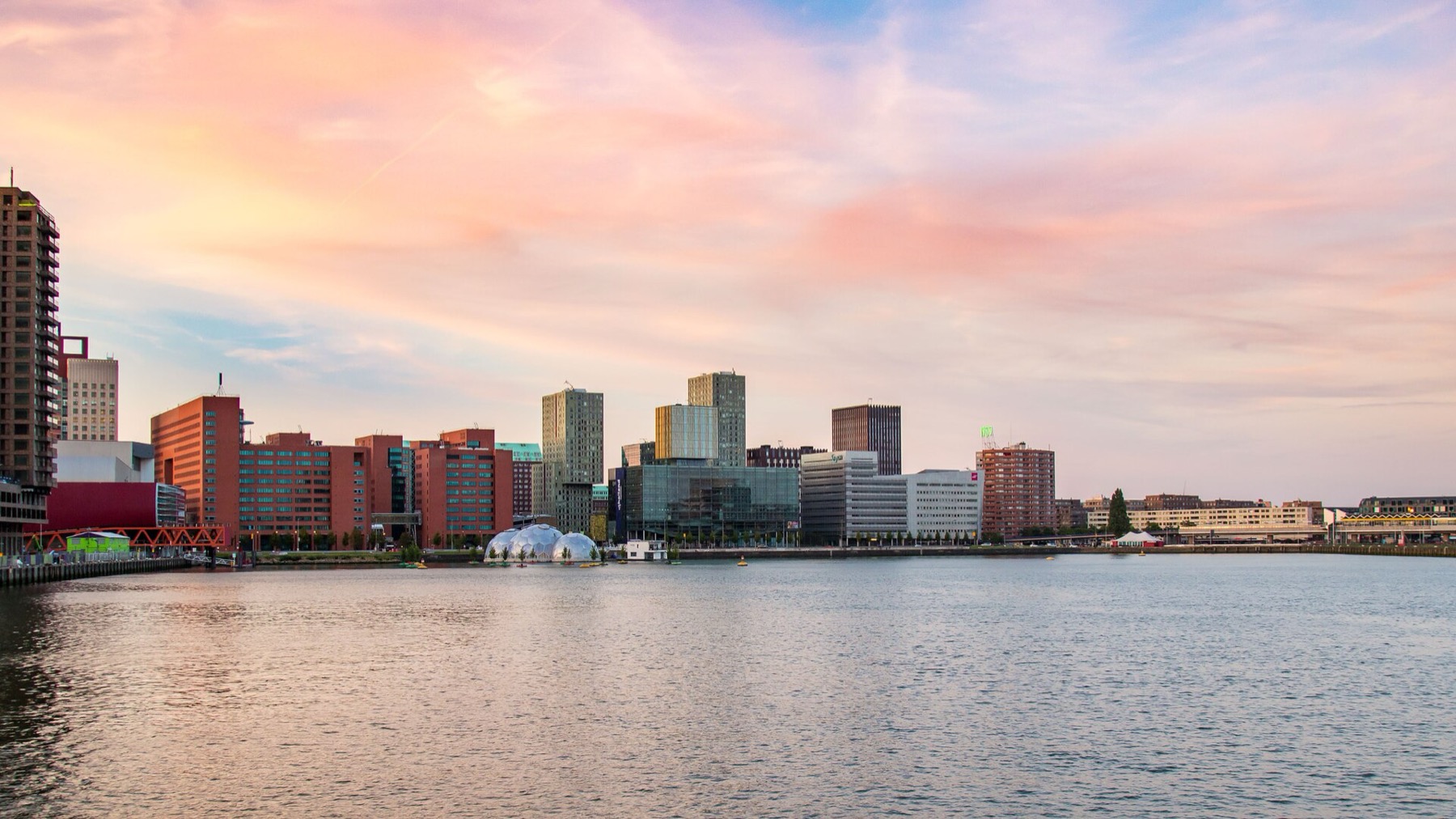
If you love modern design and want the best waterfront views, though, definitely stay in the Kop van Zuid district. This is where the stunning glass skyscrapers stand, and you can easily reach the center on foot via the iconic Erasmus Bridge or by quick metro. An excellent choice here is the amazing Room Mate Bruno hotel, a beautiful design complex with colorful interiors and a great rooftop terrace, created in a former tea warehouse building.
Another absolute gem in this area is Hotel New York by WestCord, housed in a fairytale historic building of the former Holland America Line shipping company. It offers an incredible nostalgic atmosphere, beautifully furnished rooms with nautical details, and stunning views right across the city panorama that constantly changes.
💡 Tip: Compare accommodation options in Rotterdam in one place — check availability and prices. For a detailed district comparison and 12 hotel recommendations, see our article Where to Stay in Rotterdam.
For those seeking a quieter and more romantic setting, consider the historic harbor district of Delfshaven. It’s full of old quiet waterways and charming brick houses, so you’ll feel like you’re in a completely different century. If you need to save money, the most affordable accommodation prices can be found in the Rotterdam West or Rotterdam Noord areas, which are packed with budget-friendly Asian bistros and small guesthouses.
Rotterdam: 16 Things to See and Do
Let’s look at the specific attractions and places that make this port city so incredibly unique. I’ve prepared a list of 16 experiences for you, from iconic architectural projects to quieter historic corners. I’ll tell you where to save on tickets and what to watch out for at each attraction so you can enjoy your trip to the fullest. Trust me, you’ll have a packed schedule from morning to night.
💡 It’s worth comparing tickets, tours, and trips in Rotterdam in advance on GetYourGuide — this way you’ll avoid queues and sold-out time slots at popular sites.
1. Cube Houses (Kubuswoningen)
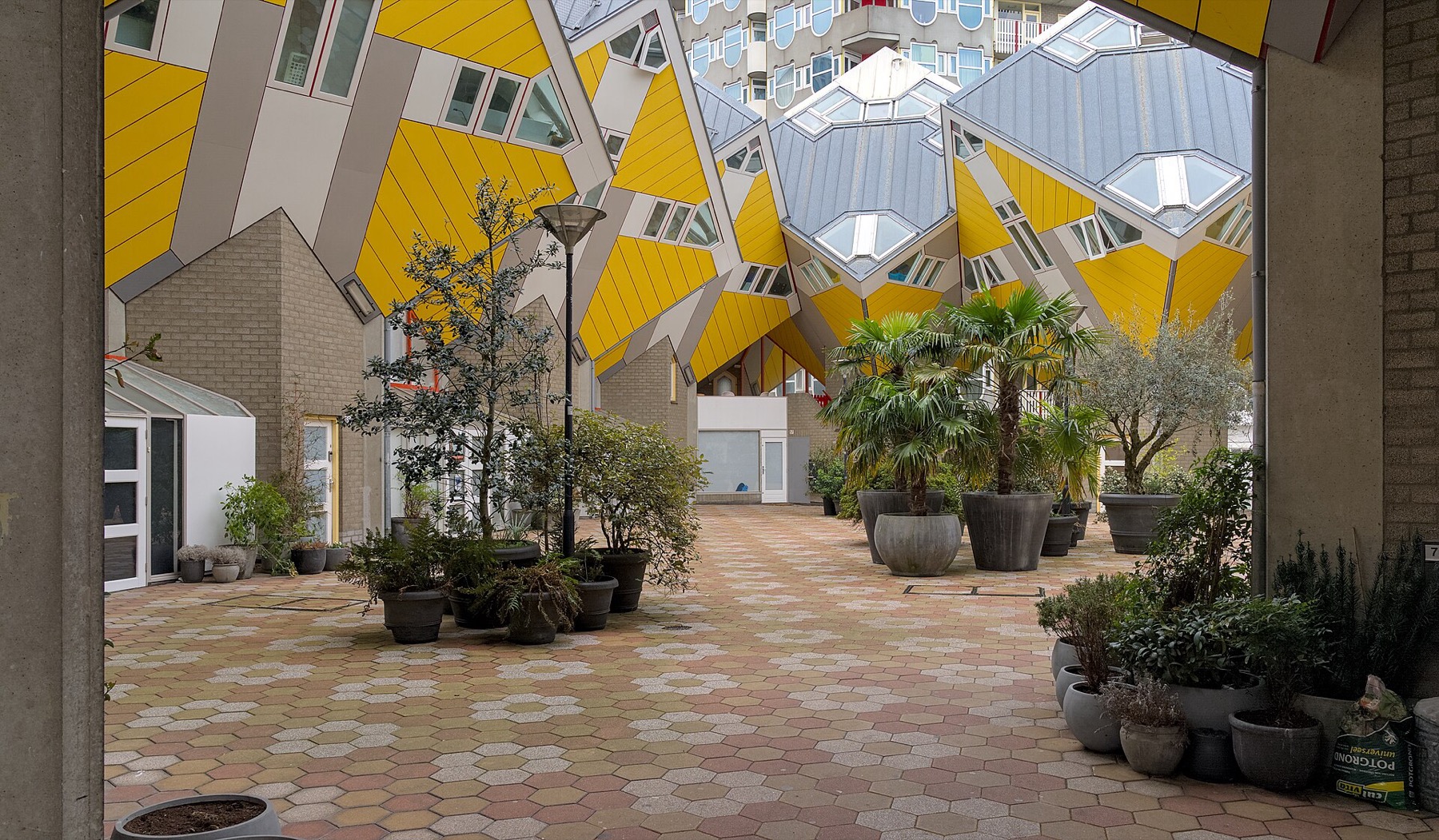
The cube houses are probably the most famous structure in the entire city and an architectural marvel you simply must see with your own eyes. The brilliant architect Piet Blom designed them in the 1980s as an abstract forest, where each yellow house represents one tree and the entire district functions as a cleverly connected canopy giving residents a sense of community.
All these incredible residential cubes are tilted at exactly 45 degrees and stand on solid hexagonal pillars right above a busy street. Looking from the outside, it’s hard to imagine how you could actually live, sleep, and function normally inside, since none of the walls is completely straight.
It’s an incredibly photogenic spot located right next to Blaak train station, so you can get here very easily. You can walk around the entire complex completely free, including the small interior courtyards that feel like something out of a sci-fi movie.
💡 Tip: If you’re curious about the interiors, visit the Kijk-Kubus museum house. Admission costs just €3 and gives you a perfect idea of how custom-made furniture fits into the slanted walls and that it’s actually quite comfortable to live here.
2. Markthal Market
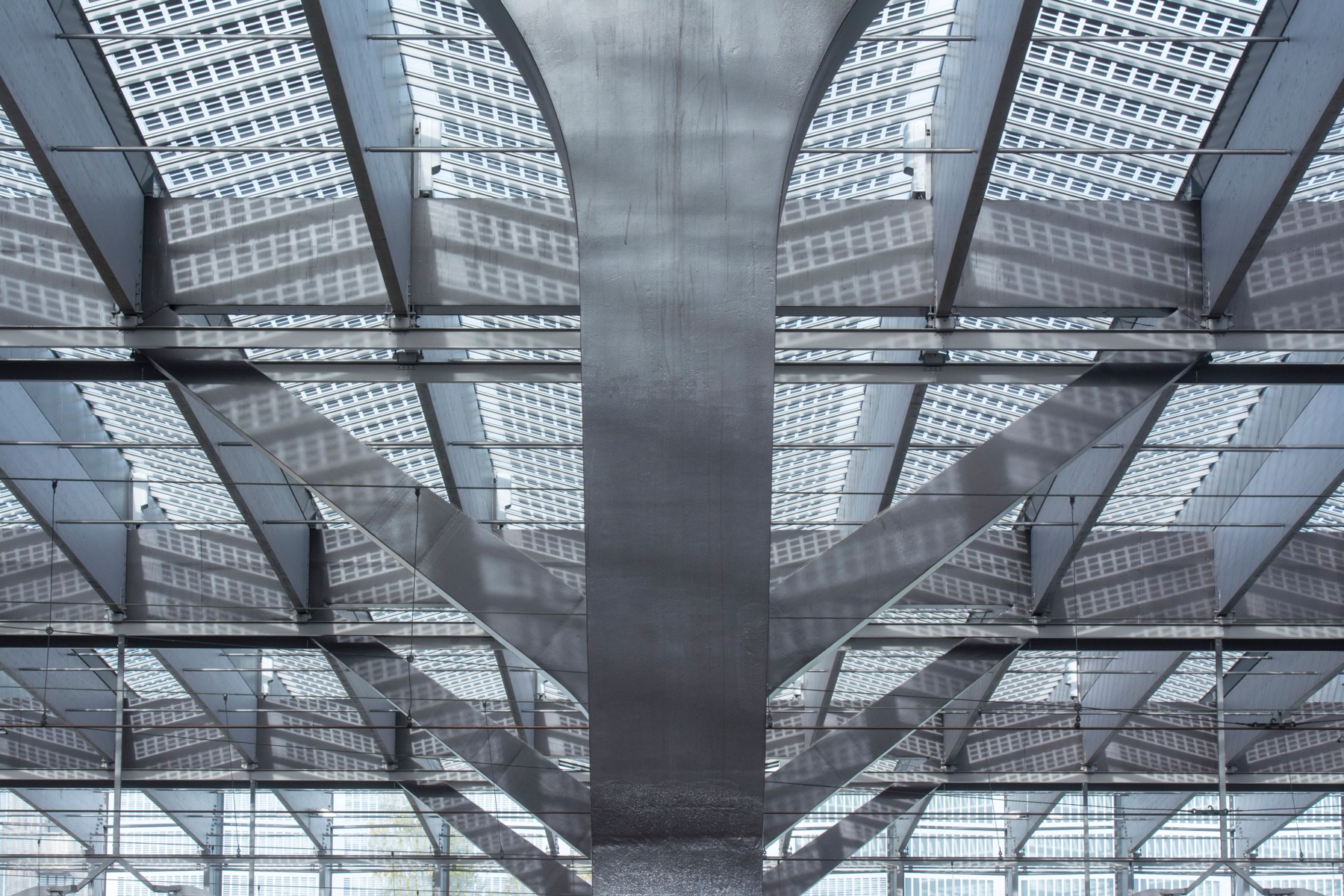
Right across from the cube houses stands another architectural marvel: the gigantic Markthal market in the shape of a horseshoe. This enormous building by the renowned architectural studio MVRDV brilliantly combines a covered marketplace, luxury apartments, and plenty of small shops tucked inside the massive arch.
When you step inside through the glass doors, you’ll immediately be stunned by the huge colorful mural on the interior ceiling, often and quite rightly nicknamed the horn of plenty. It depicts enormous pieces of fruit, vegetables, flowers, and insects, creating an absolutely breathtaking visual spectacle that’s said to be one of the largest artworks in the world.
For food lovers, this is absolute paradise, as you’ll find dozens of stalls with food from around the world. If you prefer plant-based cuisine, you’ll be delighted by the wide selection of excellent meat-free options, from fresh falafel and traditional Dutch cheeses to delicious vegetarian Asian specialties and hot stroopwafels.
💡 Tip: Head to the market ideally on an empty stomach right around lunchtime. You can sample small portions at different stalls, sit down on a bench in the middle of the hall, and just watch the incredible buzz around you.
3. Erasmus Bridge (Erasmusbrug)
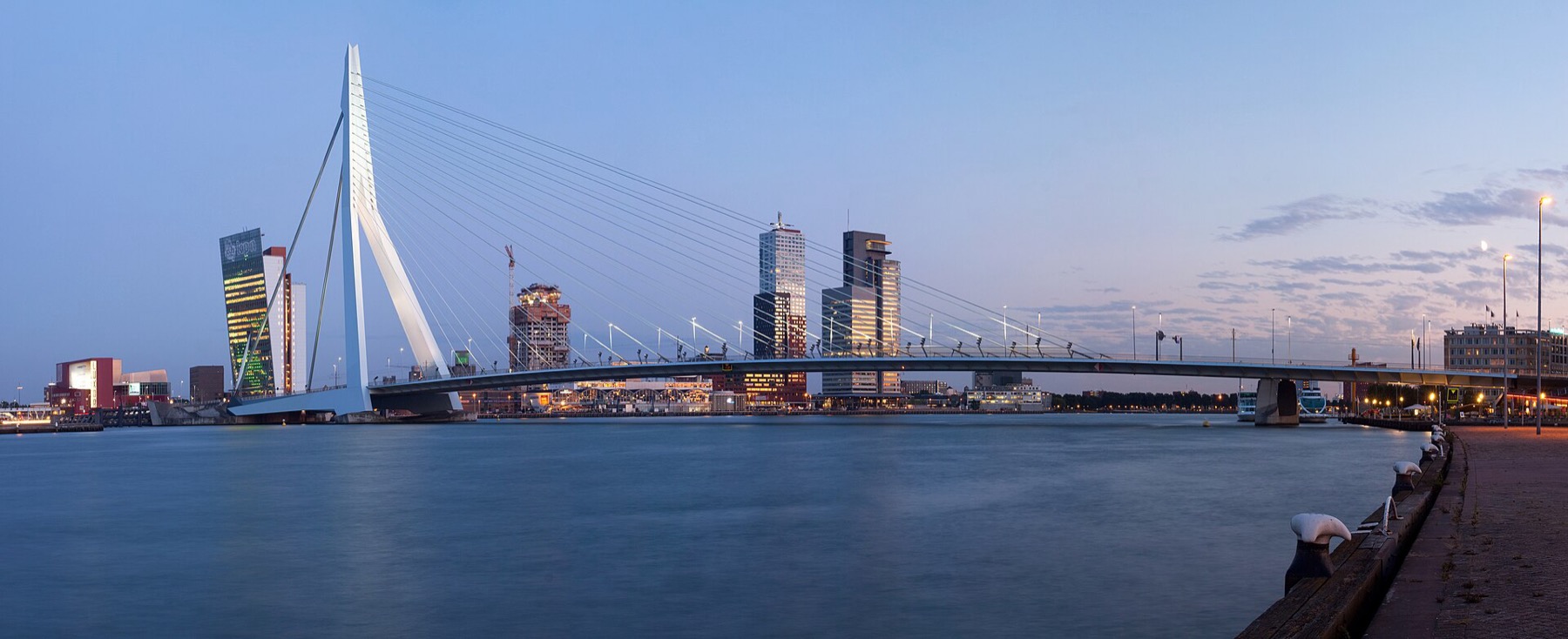
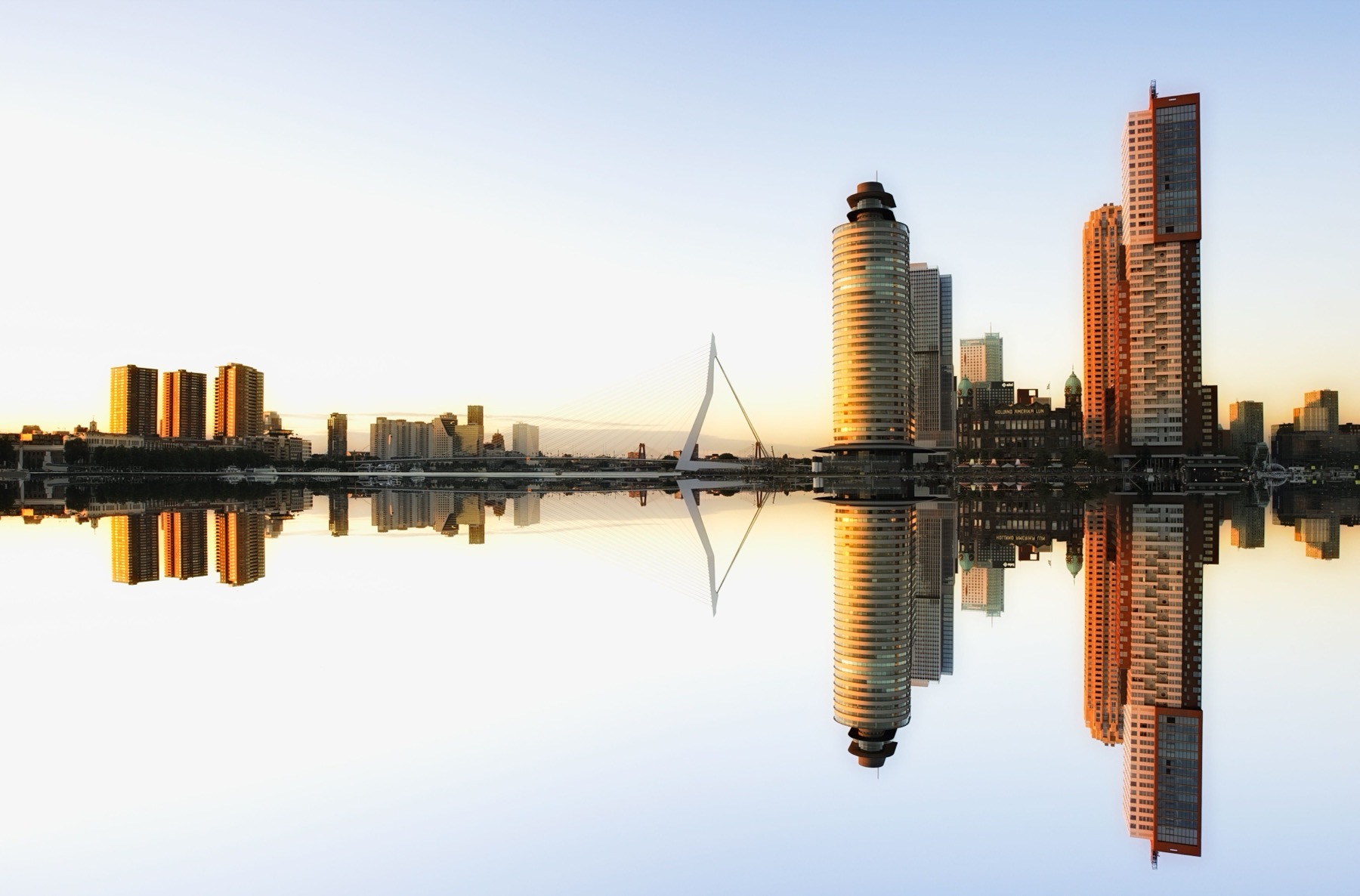
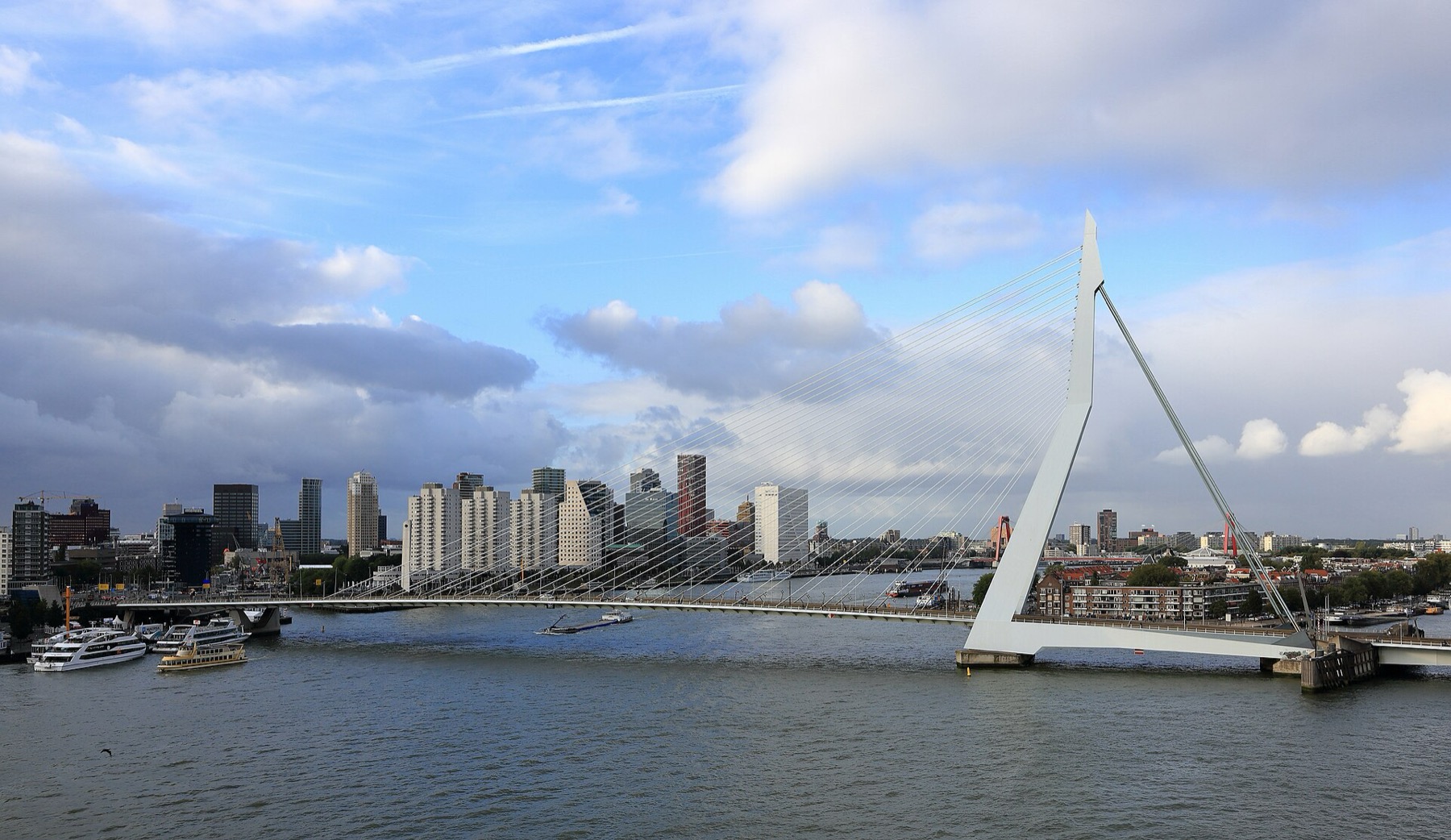
This elegant cable-stayed bridge over the wide Maas River is an absolute symbol of the city and a vital artery connecting the historic center with the modern Kop van Zuid district. Locals affectionately call it The Swan for its distinctive asymmetric shape, and you’ll definitely see it on virtually every postcard.
The bridge itself is a masterpiece of engineering, and its tall steel pylon measures over 139 meters. Walking across the bridge offers one of the very best views of the surrounding modern skyscrapers, old port docks, and the busy waterway full of boats.
Even when there’s a strong wind, which is quite common in Rotterdam, crossing the bridge on foot or by bike is a great experience. On the south side, you’re immediately greeted by the futuristic De Rotterdam building, whose massiveness provides an amazing contrast to the bridge.
💡 Tip: Try heading to the bridge after dark as well, when the entire structure is beautifully illuminated and creates a stunning evening backdrop for your photos. You’ll also get a great view of it from the deck of any water taxi.
4. Euromast Observation Tower
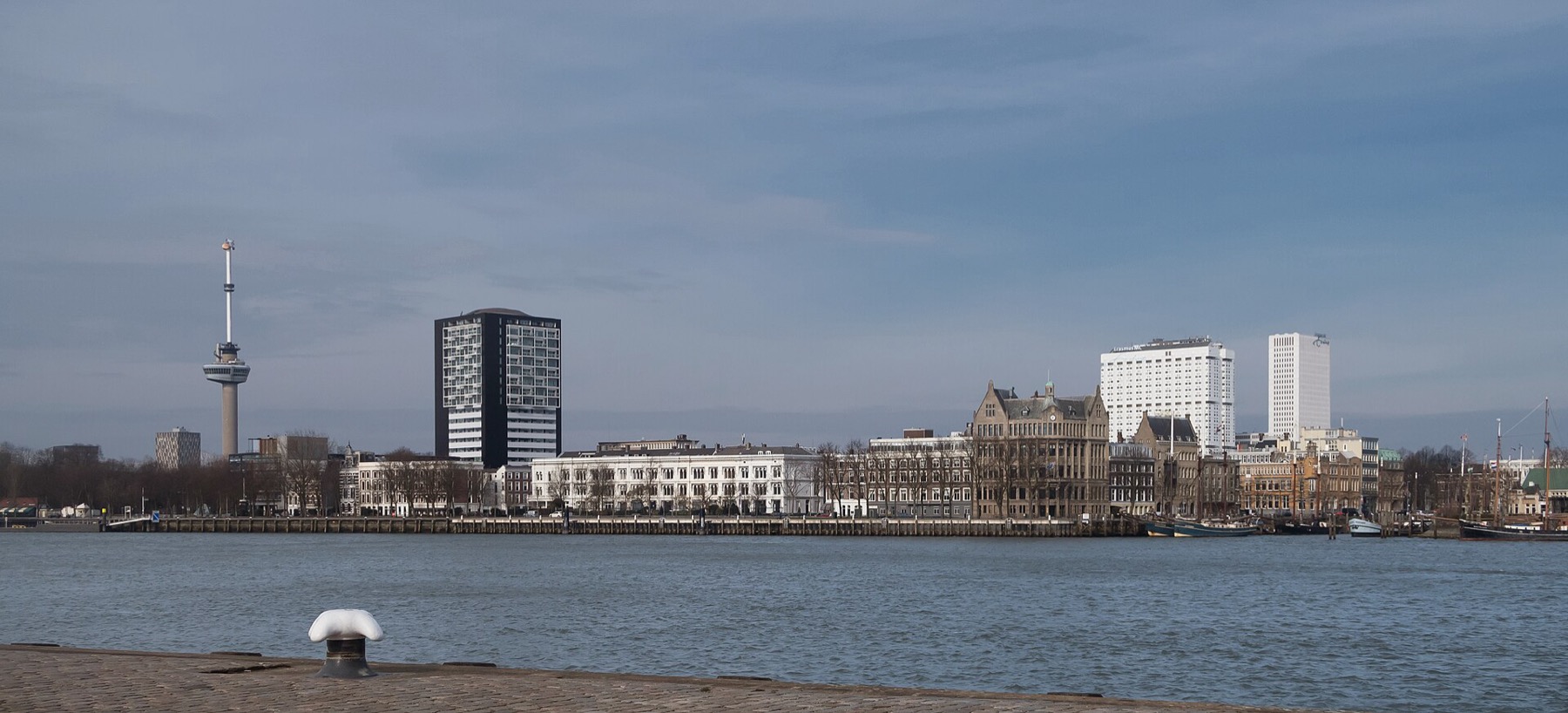
If you’re craving the best panoramic view of the entire city, you absolutely can’t miss the famous Euromast concrete observation tower. At an impressive height of 185 meters, it’s the tallest tower in the entire city, and on a clear sunny day you can see across the endless plains all the way to the sea itself.
Basic admission to the main observation deck starts at €12.50, but you can also get combination tickets from €18.50. These will also give you a ride in the special rotating glass cabin called Euroscoop, which slowly takes you all the way to the very top of the tall antenna.
The tower was originally built in 1960 for the major horticultural exhibition Floriade and has undergone several upgrades since then. If you want to experience something extra, there’s an excellent restaurant on one of the floors where you can have coffee or dinner with a view of the twinkling city lights.
💡 Tip: Pay very close attention to the opening hours, as the tower is open Tuesday to Sunday from 10:00 to 22:00, but completely closed to all visitors on Monday. Definitely buy your tickets online in advance so you don’t have to wait in line.
5. Historic Delfshaven District
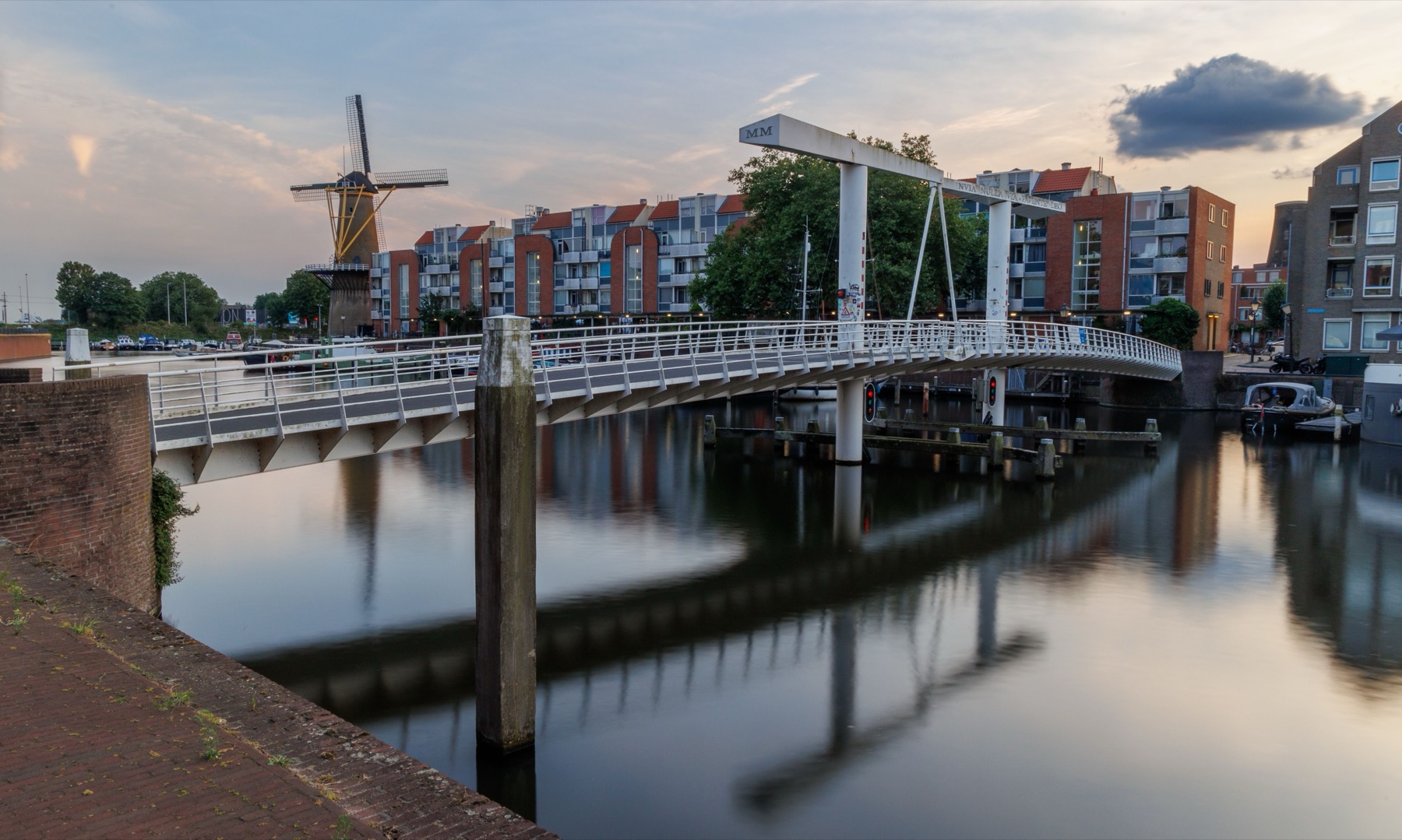
If you need a break from modern skyscrapers and concrete for a moment, definitely head to the historic port district of Delfshaven. It’s actually the only larger part of the old town that miraculously survived the devastating wartime bombing and has retained its original character.
Taking a leisurely walk along the canals lined with beautiful brick houses from the 17th century, you’ll feel like you’re in a completely different world that resembles old Amsterdam more. You’ll find a traditional windmill, historic sailing ships moored in the calm water, and charming little cafes.
This area also has enormous historical significance, as this is where the famous Pilgrim Fathers set sail on their legendary journey to America, which is still commemorated by the local old church that’s worth visiting.
💡 Tip: This area is perfect for relaxed evening walks, when the old yellow lanterns reflect on the canal surface and the district takes on an incredibly romantic atmosphere full of peace and tranquility.
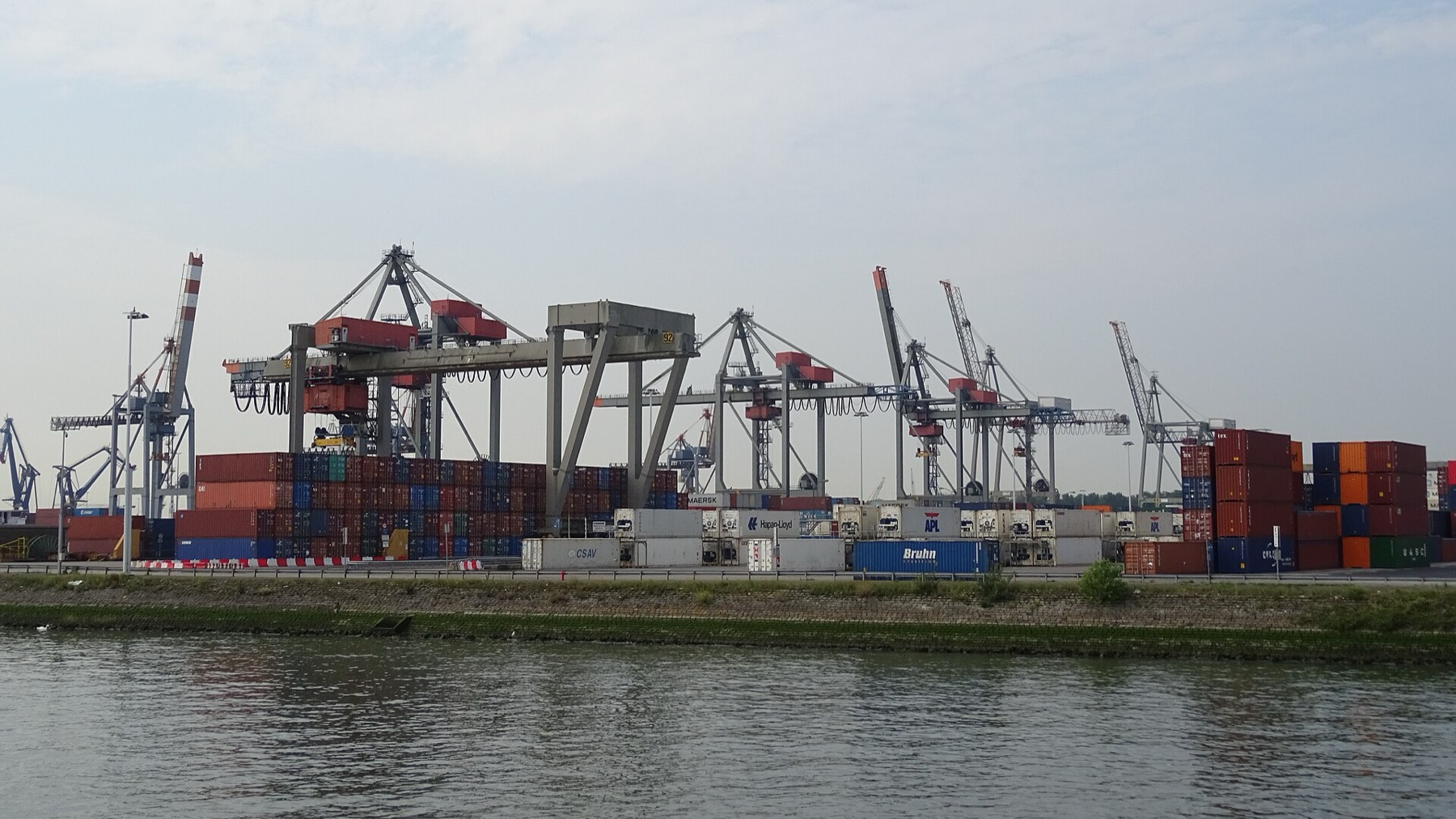
6. Europe’s Largest Port
The city wouldn’t be what it is without its iconic port, which is the largest in all of Europe. It’s a huge and fascinating industrial complex full of endless rows of containers, giant automated cranes, and constant work activity that never sleeps.
The best way to appreciate its enormous size is to take an organized sightseeing cruise, most often with Spido company. During the cruise you’ll see the world’s largest ocean-going ships up close and understand what an enormously important role this place plays in international trade.
If you’re fascinated by modern technology, you’ll definitely love visiting the FutureLand visitor center, located on the newest artificially created islands of Maasvlakte 2. There you’ll see up close how the port operates almost without human intervention, using only computers.
💡 Tip: Classic tours of the sprawling port most often depart from Erasmus Bridge and last about an hour and a half, which is an ideal and easy duration even for families with younger children. 😅
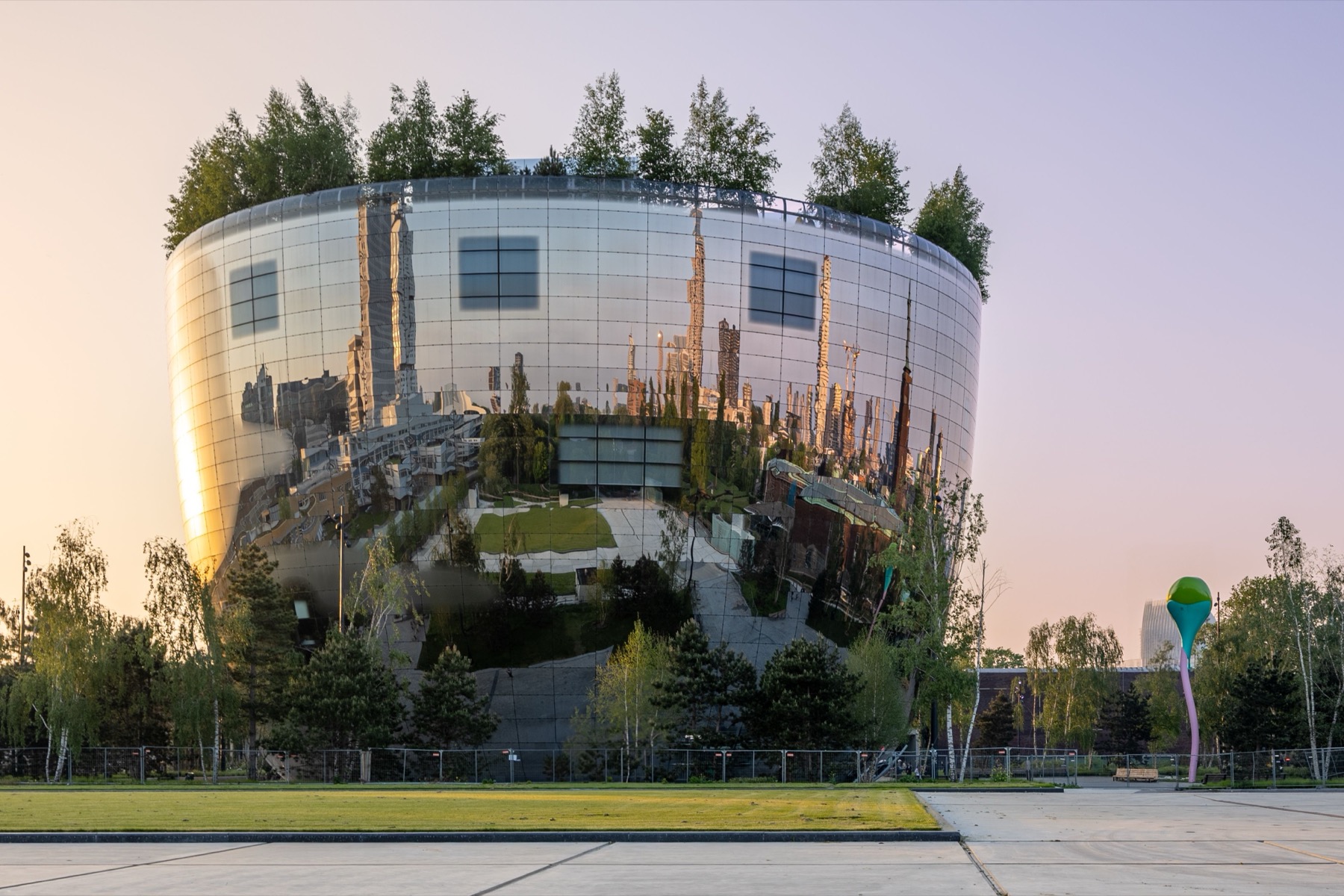
7. Depot Boijmans Van Beuningen
Lovers of modern art and bold architecture absolutely cannot miss visiting Depot Boijmans Van Beuningen, which is the first publicly accessible art depot in the world. The building itself is an absolute masterpiece of modern design.
The structure has the shape of a huge mirrored bowl, in which the surrounding city is reflected in a fascinating way, along with the park and drifting clouds. On the roof of this unique building there’s even a real birch grove that was lifted to the height by special cranes, and a beautiful observation terrace.
Inside, don’t expect a classic museum, but a huge glass space where you’ll see over 151,000 artworks arranged on shelves and in display cases exactly as they’re actually stored. You can even watch conservators at their meticulous work.
💡 Tip: Even if you decide not to go inside, definitely stop by the building and take a photo, because the curved mirrored facade creates absolutely incredible optical illusions, especially at sunset.
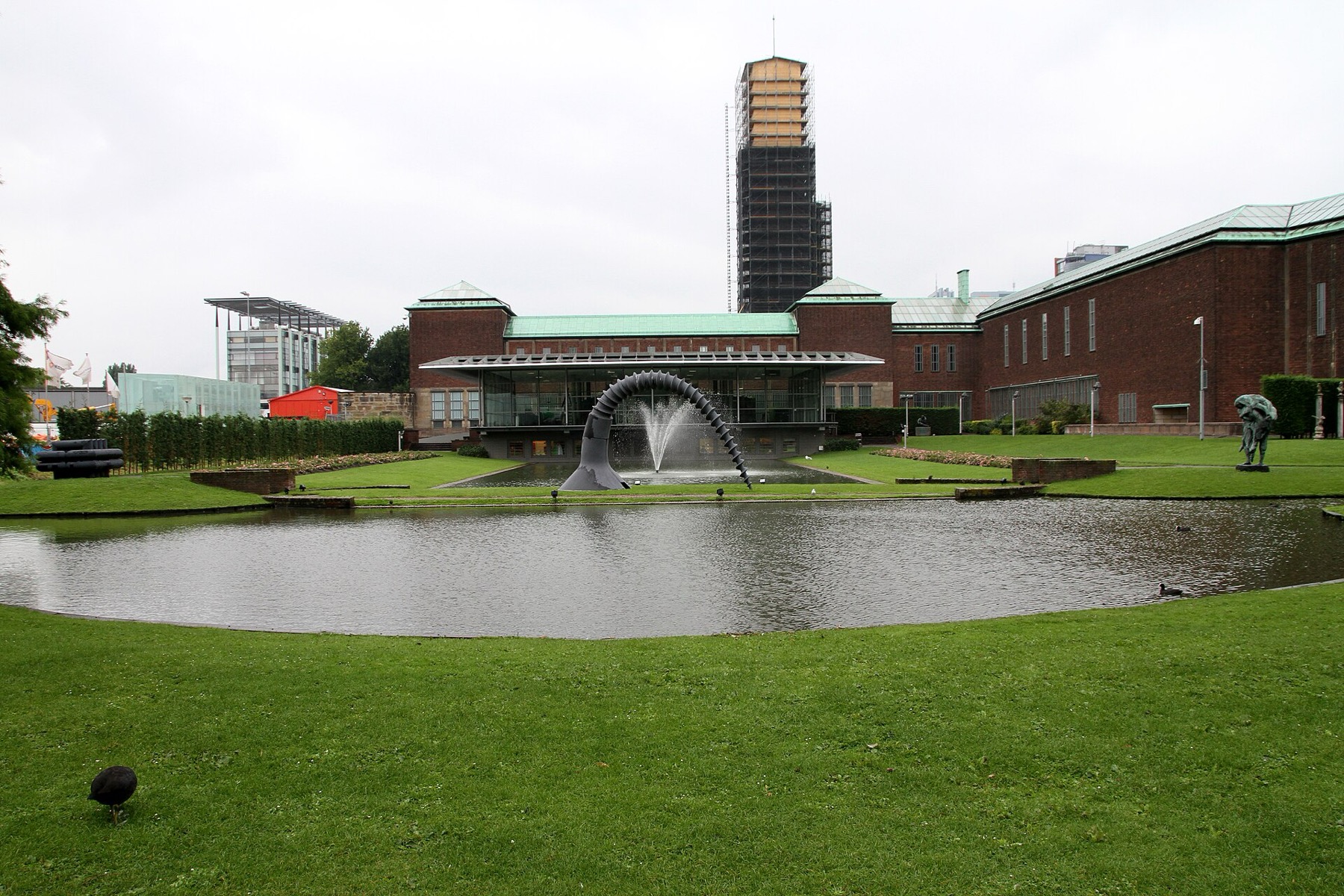

8. Boijmans Van Beuningen Museum
Right next to the amazing mirrored depot stands the Boijmans Van Beuningen Museum itself in the park, which ranks among the most important art institutions in all of the Netherlands. You’ll find an incredible collection of art from the early Middle Ages right up to the present day.
You can admire up close works by old masters like Rembrandt and Hieronymus Bosch, but you’ll also encounter famous surrealist paintings by Salvador Dalí. The collections are so amazingly extensive that art lovers will easily and happily spend half a day here.
Besides paintings, the museum also houses a huge modern design section where you can admire famous Dutch furniture, ceramics, and industrial designs that shaped world taste in the last century.
💡 Tip: Before your planned visit, always check the current opening hours on the official website, as the museum is currently undergoing quite extensive renovation and some of its main buildings may be temporarily closed to the public.
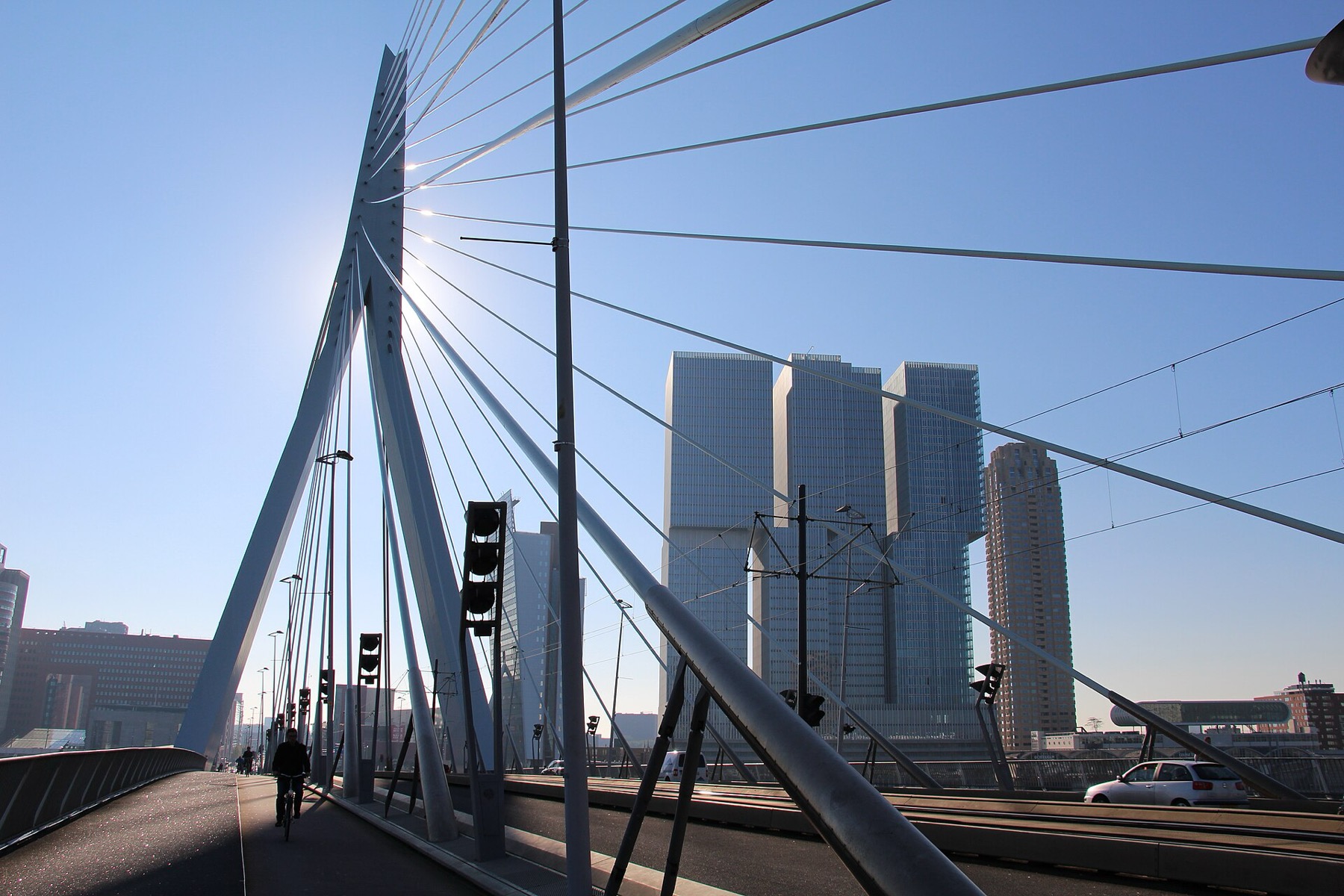
9. Kop van Zuid Modern District
If you want to see the most fascinating and modern face of the city, you need to head straight to the Kop van Zuid district. This dynamic area on the southern bank of the river is often and quite rightly nicknamed Manhattan on the Maas, because it’s packed with stunning modern skyscrapers.
Stroll along the famous Wilhelminapier waterfront, where the boldest architectural pieces stand by world-renowned architects like Rem Koolhaas and Norman Foster. A huge draw is the massive glass building De Rotterdam, which looks like randomly stacked glass boxes.
This district beautifully shows how old brick harbor warehouses can be sensitively combined with the boldest glass architecture of today. The contrast of tall buildings with the restless water surface is simply and utterly perfect.
💡 Tip: You’ll get the best and most beautiful view of this entire dazzling district right from Erasmus Bridge or from the deck of a boat, when you’re returning from the harbor cruise back to the busy city center along the river.
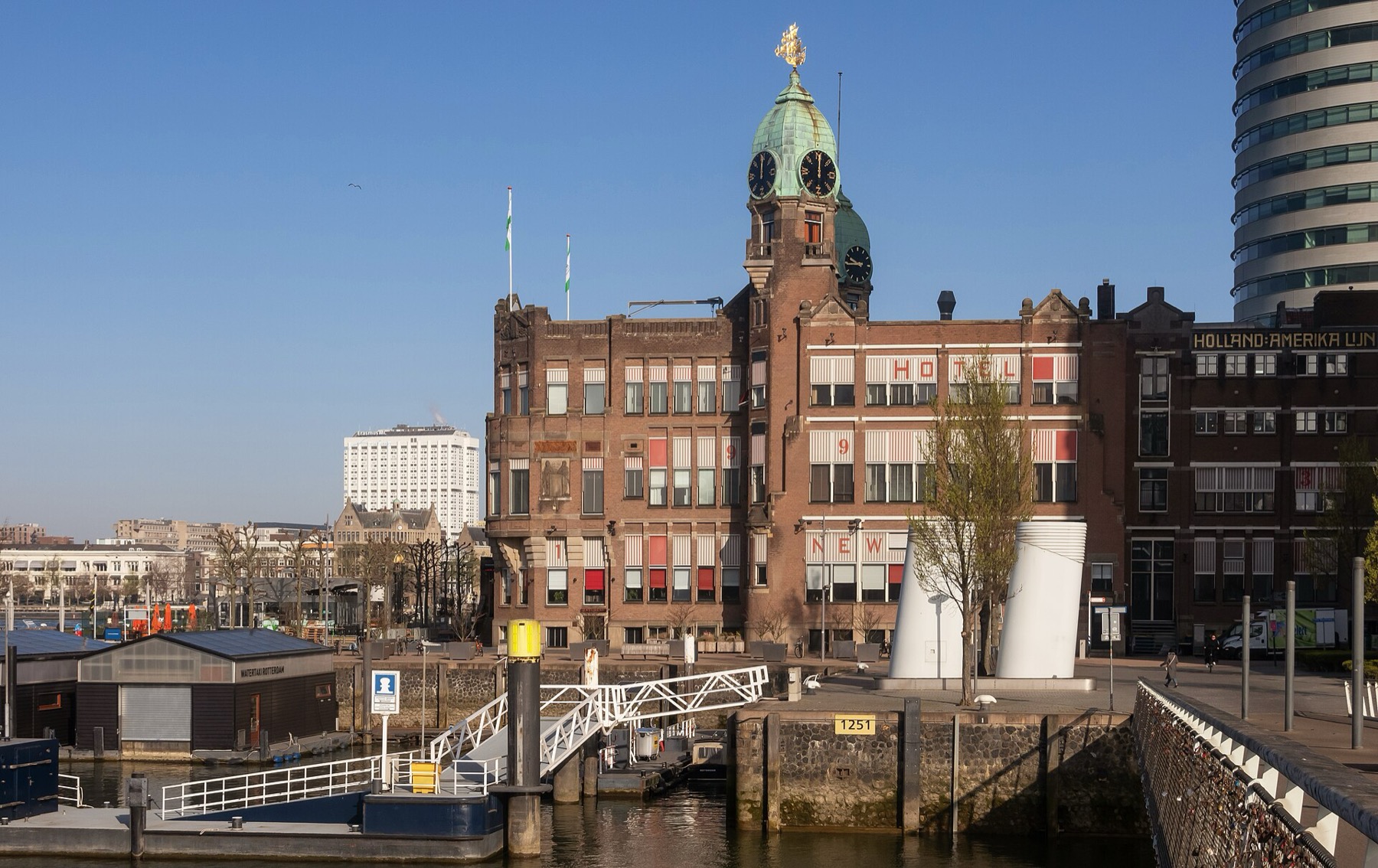
10. Iconic Hotel New York
Even if you’re not looking for a luxurious place to stay, the famous Hotel New York deserves your full attention as an absolutely independent and important landmark. It’s housed in a beautiful historic building at the very tip of the Kop van Zuid peninsula, which previously served as the main headquarters of the Holland America Line.
This is where in days gone by hundreds of thousands of European emigrants set sail for a new better life in the United States of America. Today the building functions as a hotel and renowned restaurant with the irreplaceable nostalgia of the good old days and gorgeous cast-iron staircases.
The whole place feels incredibly charming and has preserved plenty of original maritime details, from old travel trunks to historic photographs on the walls that tell stories of hope and distant journeys.
💡 Tip: I recommend stopping by at least for an afternoon coffee or excellent vegetarian lunch and enjoying the beautiful and undisturbed view of the Maas River from their spacious and very popular outdoor terrace.
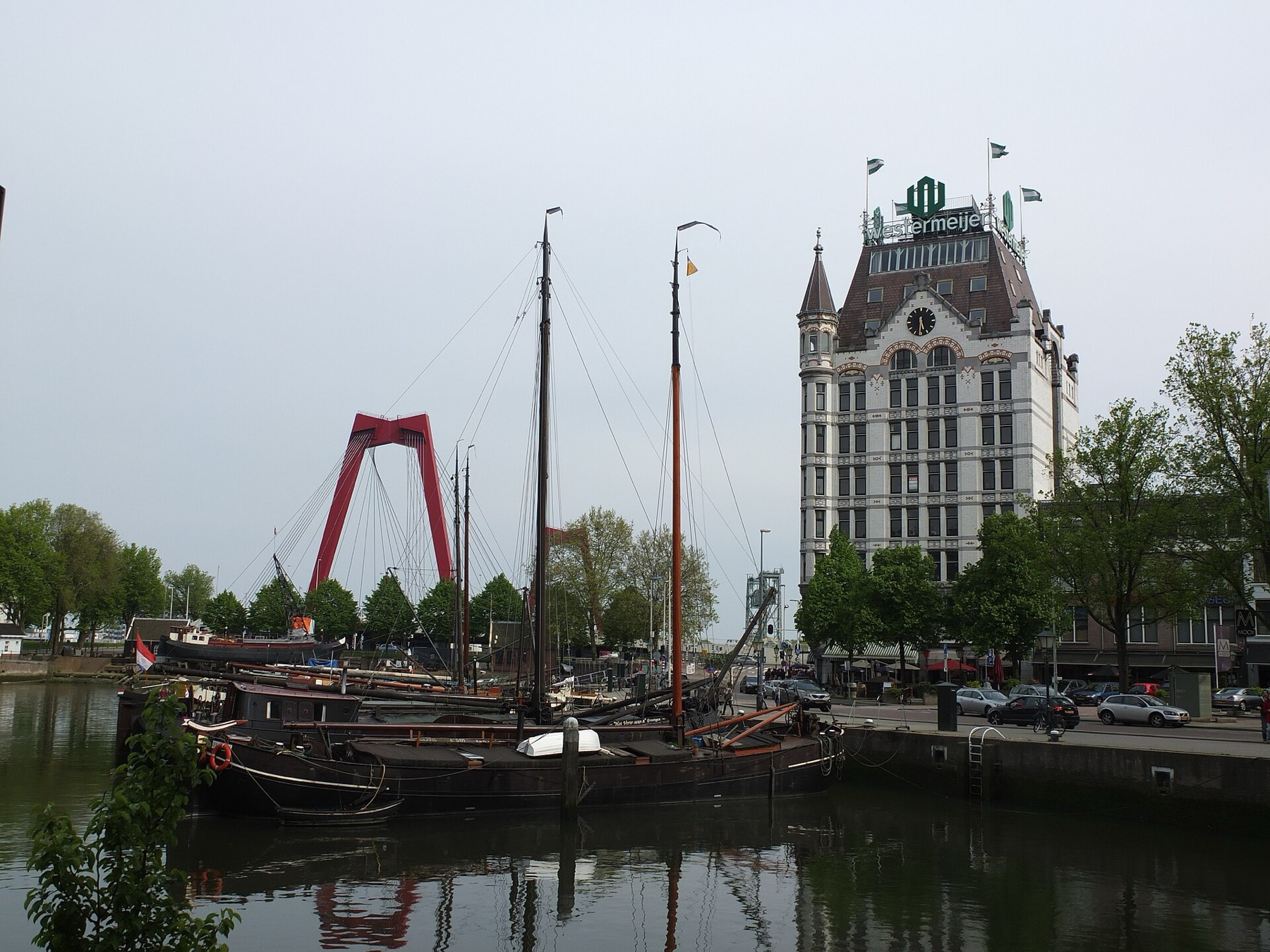
11. Historic Witte Huis Skyscraper
Walking around the old harbor, you’ll definitely come across the beautiful white building Witte Huis (White House), which holds an absolutely exceptional position in the city’s history. When it was built at the end of the nineteenth century, it was the very first high-rise building in all of Europe.
This gorgeous and elegant Art Nouveau building soars to a height of 43 meters, which made it an absolute giant in its time, though today it would almost get lost next to the glass skyscrapers. It’s richly decorated with small sculptures and floral ornaments that form a sharp contrast to the surrounding concrete.
It’s also one of the few original buildings in the center that miraculously withstood the devastating wartime bombing. Today it looks incredibly romantic and fragile among the modern glass giants, so you definitely mustn’t miss it during your walk.
💡 Tip: On the ground floor of this historic building you’ll find several very pleasant small cafes where you can sit down and enjoy your morning coffee with a view of the historic ships moored slowly right in front of you.
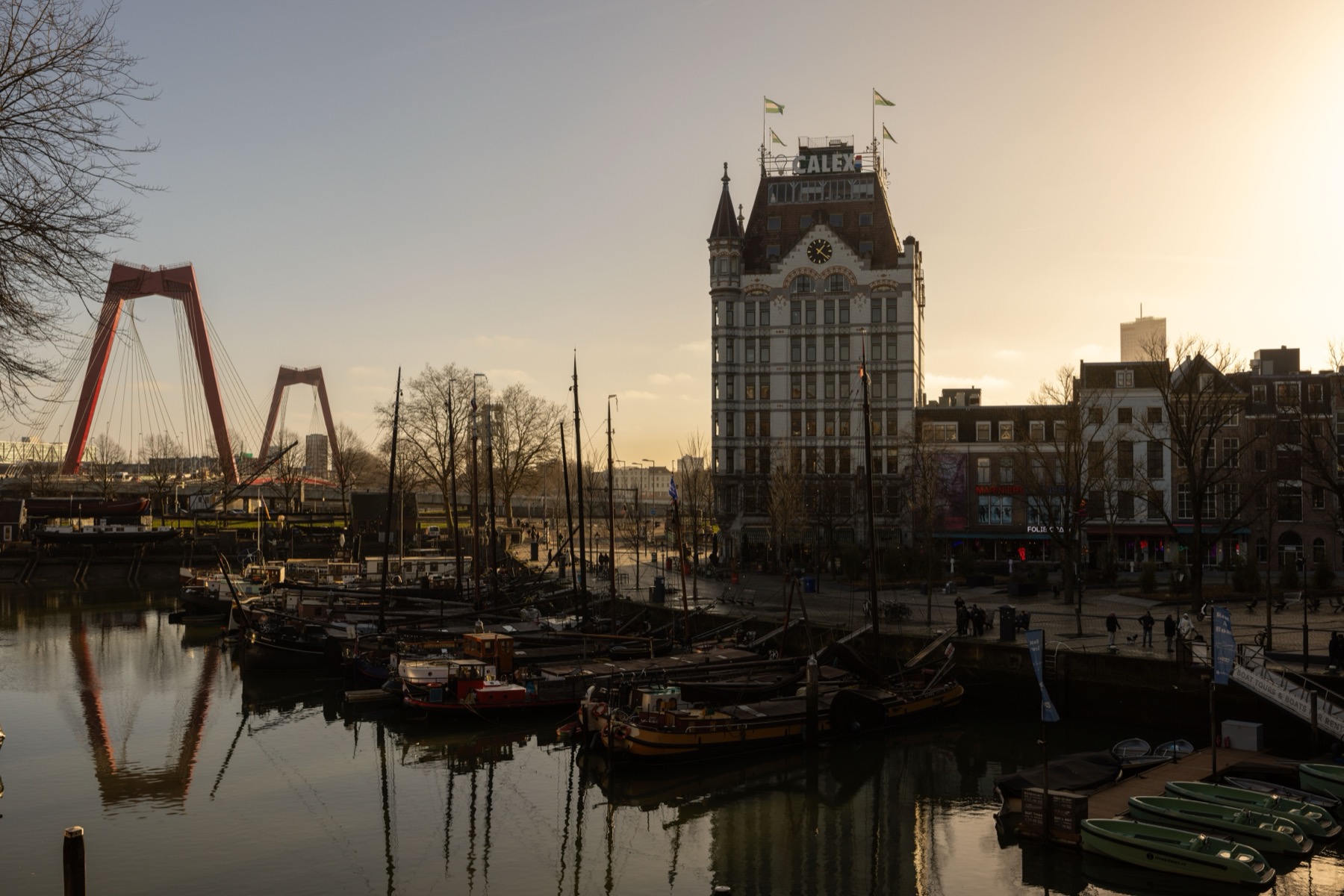
12. Oude Haven Old Port
Right next to the white skyscraper Witte Huis sits Oude Haven or the Old Port, which is one of the liveliest and most pleasant places in the entire city. This is where ancient maritime history meets contemporary bustling nightlife in absolutely perfect harmony.
A small fleet of beautiful carefully restored historic ships and sailing boats is moored here, which you can examine up close and at your leisure, so the whole thing feels like a beautiful open-air museum. A long row of popular restaurants and bars also stretches around the water.
This location bursts at the seams especially during warm summer evenings, when local residents and tourists fill the huge outdoor terraces, order drinks, and enjoy relaxed music and a friendly atmosphere late into the night.
💡 Tip: Head here ideally in the early evening for a glass of good wine, because the atmosphere by the water at sunset is absolutely unforgettable and very relaxed here. You’ll blend in with the locals like nothing. ☺️
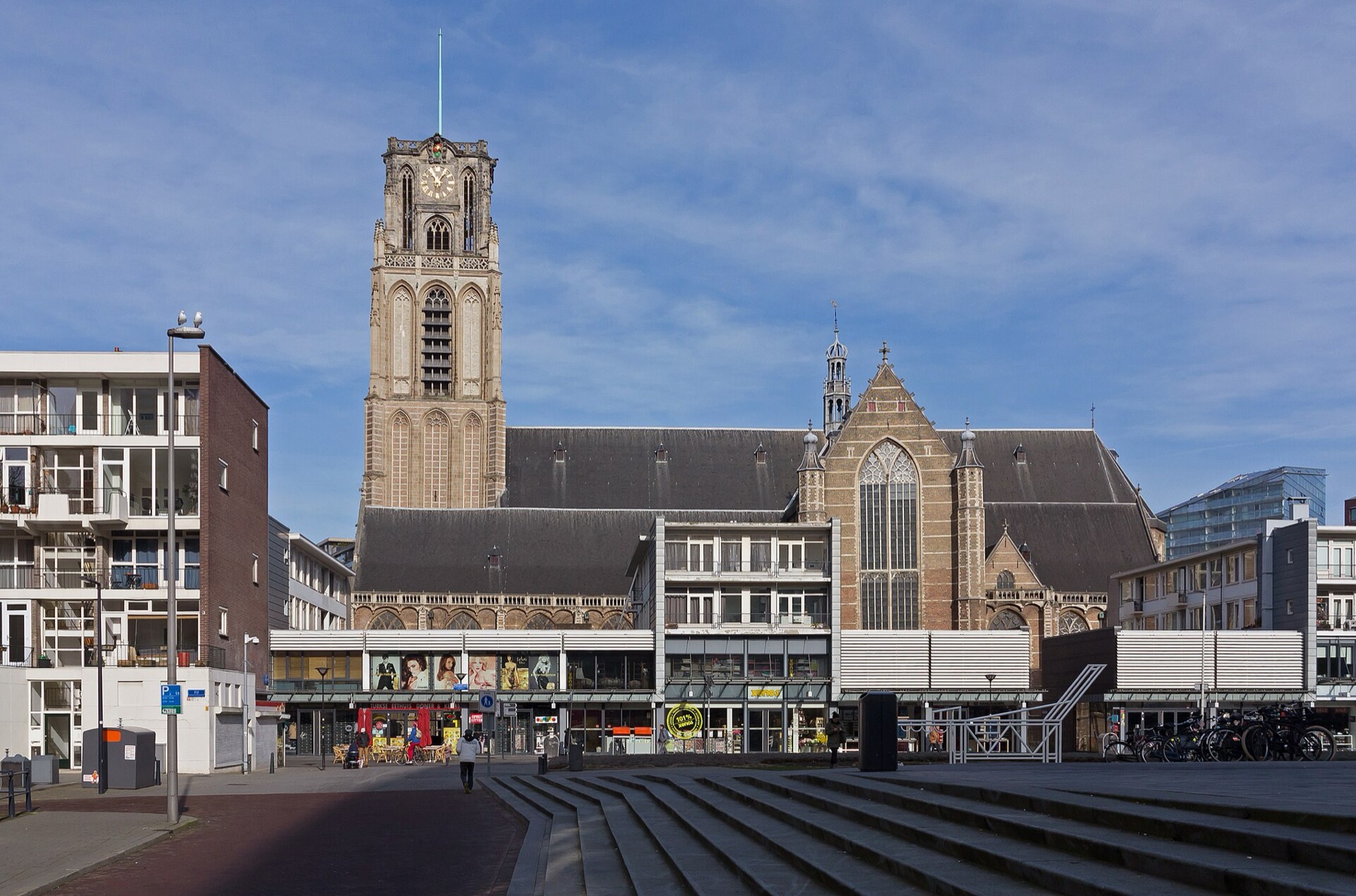
13. Laurenskerk Church
In the middle of the modern and bustling center, just a short walk from the Markthal market, stands the majestic Laurenskerk church. It’s the only preserved medieval monument in the very heart of the city, which remembers times deep before the war.
It too was very severely damaged during the massive bombing and essentially only the perimeter walls remained, but local residents decided to save it and carefully reconstruct it as a symbol of hope and the resilience of the entire city.
Today this enormous Gothic cathedral with its massive tower forms an incredible contrast to the surrounding modern buildings and glass office structures. Inside you can calmly examine the beautiful massive organ, bronze doors, and high vaulted ceilings.
💡 Tip: In the summer months you can take a guided tour of the church tower, from which after climbing hundreds of stairs you’ll get a beautiful view of the entire newly built city center and its constant transformations.
14. Water Taxi on the Maas River
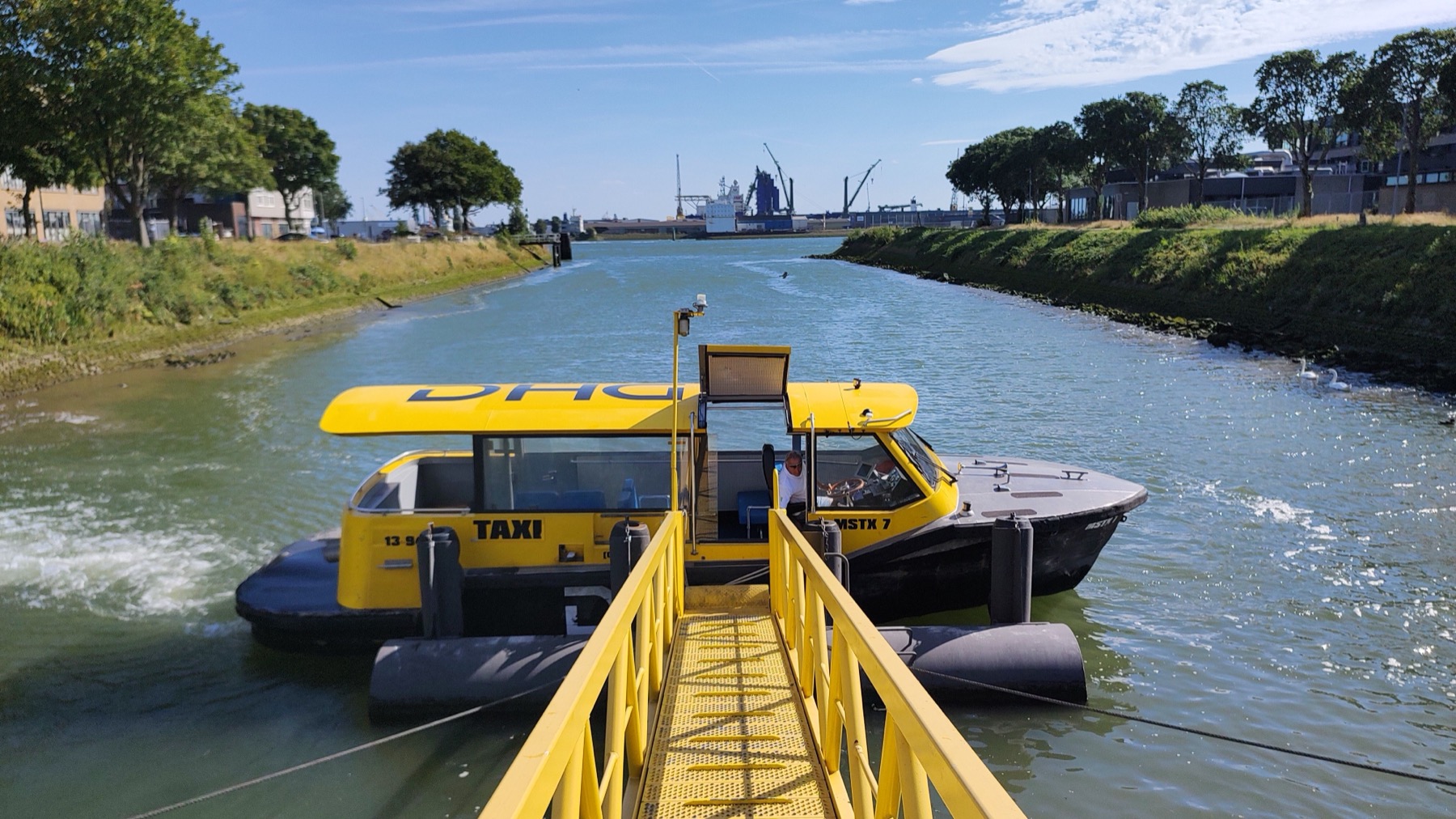
If you’re looking for the best and fastest way to get around the city, you definitely need to try the local yellow-and-black water taxis at least once. These fast and agile motor boats function as an absolutely normal part of the city’s public transport and quickly ferry passengers from one bank of the river to the other.
But it’s not just ordinary boring transport, it’s a great and quite adrenaline-filled experience in itself. The boats race across the wide river at a surprisingly high speed, which can reach up to 50 km/h, and the captains skillfully weave between huge cargo ships.
From the deck of the small boat you’ll have the best view of the panorama of skyscrapers and sailing under the iconic Erasmus Bridge at full speed is something you won’t forget anytime soon. It’s entertainment that’s guaranteed to wake up any tired tourist. 😁
💡 Tip: You can easily book a water taxi ride through a mobile app or by phone, and the price is calculated very fairly according to zones and distance between specific harbor piers, of which there are several dozen around the city.
15. Lijnbaan Shopping Street
If you enjoy discovering local shops on your travels and experiencing bustling city life, you definitely mustn’t miss the famous Lijnbaan street. This wide shopping avenue is historically interesting mainly because it was the very first purpose-built pedestrian shopping zone in Europe.
It was opened as early as 1953 in the years right after the war and became a model for hundreds of other cities around the world. The architecture of these practical post-war department stores is very specific, emphasizing functionality, plenty of natural light, and to this day arouses enormous interest from experts.
Today this long street is full of well-known international fashion brands, giant shoe stores, and bustling cafes where it really comes alive from early morning to late evening, especially on weekends.
💡 Tip: If you’re looking for something more local and original, turn into the smaller side streets where you’ll discover plenty of independent design shops, small galleries, and absolutely excellent specialty coffee shops where you can rest from the crowds.
16. Diergaarde Blijdorp Zoo
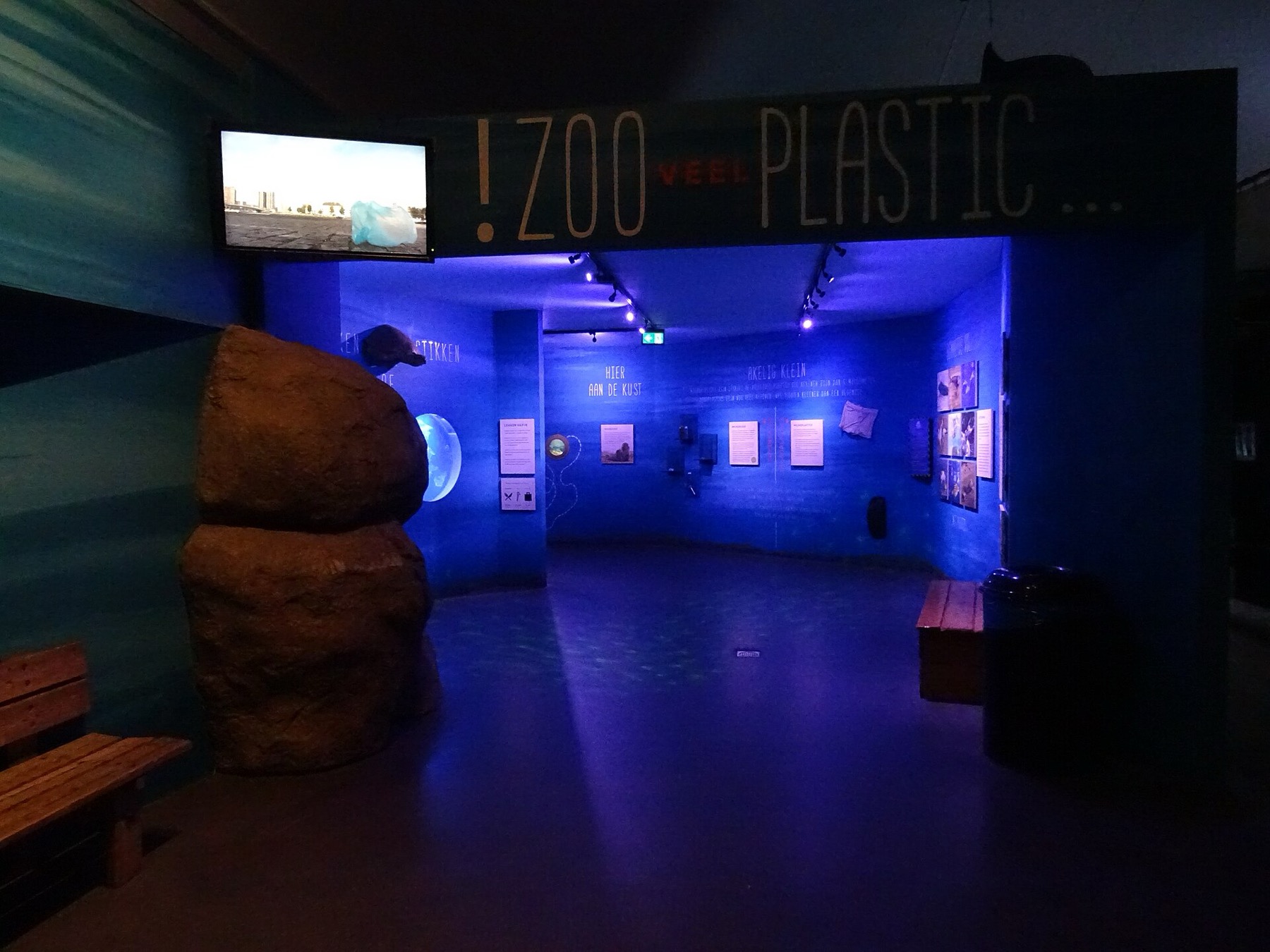
Traveling with family and wondering how to best keep younger and older travelers entertained in the city for a whole afternoon? Definitely head to Diergaarde Blijdorp Zoo, which ranks among the most beautiful and modern zoos in all of Europe, as confirmed by enthusiastic visitor reviews.
The entire zoo is cleverly and logically divided by continent, and the animals live in very spacious enclosures that faithfully recreate their natural habitats. The grounds are also interwoven with botanical garden elements, making it a beautiful walk filled with greenery and rare plants.
The absolute biggest draw for all age groups is the enormous underwater aquarium called Oceanium, where you walk through a long glass tunnel directly beneath swimming sharks, rays, and playful sea turtles.
💡 Tip: Set aside at least half a day for a thorough visit to this zoo, because the grounds are truly enormous and you’ll find plenty of great spots for children to rest. Buy your tickets online to be safe and avoid queues at the ticket office.
Where to Go from Rotterdam
If you have more time in the city, definitely venture beyond the modern metropolis and discover more of the Netherlands’ treasures. Thanks to incredibly reliable and fast train connections, you can reach everywhere in just a few dozen minutes, and it would be a huge shame not to take advantage of it.
You absolutely must stop in the nearby village of Kinderdijk, where you’ll find the most famous system of historic windmills, rightfully inscribed on the UNESCO World Heritage list. It’s an absolutely iconic and photogenic sight that you can’t miss.
Another fantastic excursion is the historic town of Delft, which became world-famous for its delicate blue-and-white porcelain and the celebrated painter Johannes Vermeer. The train journey here takes just a short while, and you’ll suddenly find yourself in a world of picturesque canals and old churches.
Nearby The Hague is also worth seeing, where the entire Dutch government and royal family reside. You’ll find the famous Mauritshuis art gallery and beautiful long sandy beaches at the Scheveningen resort, where you can even swim in the sea during the hot summer.
If you’re planning a longer holiday and want to see the traditional Dutch classics as well, check out our detailed article with tips on what to see in Amsterdam. And if you’re heading here during the spring months, definitely don’t miss Keukenhof: where to see tulips in Holland, which is the absolutely most beautiful flower park in the world.
Frequently Asked Questions
How much does a trip to Rotterdam cost?
The Netherlands is not among the cheapest destinations and accommodation and service prices are slightly above the European average. For a night in a nice hotel you’ll pay around €100-160 for two people. A regular meal in a classic restaurant will cost €15-25, but if you use Asian bistros or the great stalls with international cuisine in the Markthal market hall, you can save a lot and eat more cheaply.
When is the best time to visit?
The absolutely best weather awaits you from late spring to early autumn, that is from May to September. In summer the city is full of life and outdoor music festivals, but you have to expect slightly higher accommodation prices and more tourists. However, if you go in spring, you’ll also beautifully catch the famous blooming tulip season at nearby Keukenhof.
What’s the best way to get around the city?
The center with the main sights can be easily managed on foot, but for longer distances heading south the local metro and tram network works great. If you want to experience something unconventional, definitely try the fast water taxi, which operates directly on the Maas River and functions as a very adrenaline-filled part of the regular city public transport.
Is Rotterdam suitable for a visit with children?
Definitely yes, for families with children it’s an absolutely fantastic and very friendly destination. Besides the amazing Diergaarde Blijdorp zoo full of animals and an underwater aquarium, you can go on a stunning boat cruise through Europe’s largest port, which will reliably delight both young and old travelers.
Will I find good vegetarian restaurants in the city?
The local gastro scene is hugely diverse and plant-based food has a very strong presence here, so you won’t lack great food. A great starting point is the horseshoe-shaped Markthal market hall with dozens of stalls offering falafel or cheeses, but excellent meatless dishes and great Asian specialties can be easily found in every outlying neighborhood of the city.
How long should you ideally stay in the city?
For comfortable exploration of the biggest architectural highlights and museums, two full days will be more than enough. So it’s an absolutely ideal destination for an extended weekend stay, but if you also want to take train trips to the surrounding area (for example to the windmills at Kinderdijk), feel free to extend your stay by a day or two.
Why are there almost no historical monuments here?
During World War II, the old city center suffered an absolutely massive and devastating bombardment, which razed it almost entirely to the ground. The only surviving exception is the picturesque Delfshaven district, because after the war a bold decision was made not to build replicas of old houses, but to construct an entirely new, innovative and modern city.
What’s the best way to get there?
The fastest and most comfortable option is to take a direct flight to nearby Amsterdam, where many airlines fly at very reasonable prices throughout the year. From Schiphol Airport, you just need to board a comfortable direct fast train (Intercity Direct), which will take you to the center of the modern metropolis in less than half an hour.
Tips and Tricks for Your Vacation
Don’t Overpay for Flights
Search for flights on Kayak. It’s our favorite search engine because it scans the websites of all airlines and always finds the cheapest connection.
Book Your Accommodation Smartly
The best experiences we’ve had when looking for accommodation (from Alaska to Morocco) are with Booking.com, where hotels, apartments, and entire houses are usually the cheapest and most widely available.
 🚗 Car rental on the roadVerified car rentals in the Netherlands
Search with the DiscoverCars comparison engine — it compares prices from dozens of local and international rental companies, and most bookings come with free cancellation.
Compare car prices in the Netherlands →Don’t Forget Travel Insurance
Good travel insurance will protect you against illness, accidents, theft, or flight cancellations. We’ve had a few hospital visits abroad, so we know how important it is to have proper insurance arranged.
Where we insure ourselves: SafetyWing (simple monthly subscription) and TrueTraveller (for extra-long trips).
Find the Best Experiences
Get Your Guide is a huge online marketplace where you can book guided walks, trips, skip-the-line tickets, tours, and much more. We always find some extra fun there!