

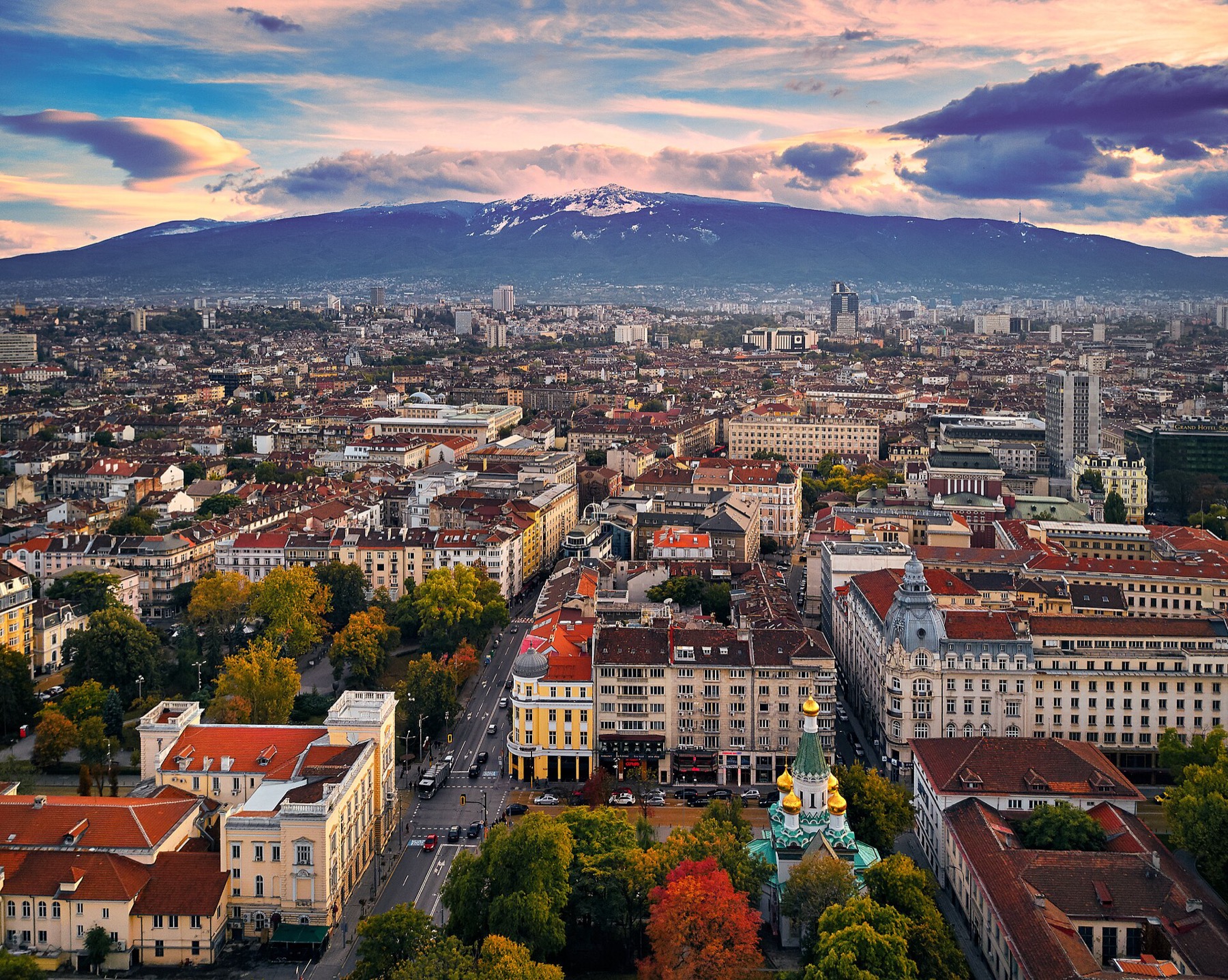
Many people search for “Sofia Bulgaria sea,” but the truth is that the Bulgarian capital sits in a mountain basin at around 550 metres above sea level, roughly 380 km by road from the Black Sea coast. Instead of endless sandy beaches, the city has the majestic 2,000-metre Vitosha massif as its backdrop. The mountain begins practically at the edge of the built-up area and makes a spectacular natural setting. Sofia is much more than a stopover on the way to the coast—it’s a fascinating destination in its own right, and well worth giving yourself enough time to explore.
The city will surprise you with its remarkable layers of history, where different eras and religions blend naturally. On a single walk through the centre, you can admire ancient Roman streets brought to light, step inside an old mosque, visit a monumental synagogue and then gaze up at the golden domes of Orthodox cathedrals. Sofia is also often described as Europe’s third-highest capital, giving it a distinctive mountain climate that brings welcome relief in summer.
Sofia has stayed off the main tourist trail, and the prices show it: a metro or tram ticket costs €0.80, and you can get from the airport to the centre in under half an hour. Look forward to delicious food packed with fresh vegetables, strolls through sprawling parks, mineral water straight from public fountains and historic sights dating back to the dawn of European civilisation.
TL;DR
- Sofia isn’t by the sea—it lies in a mountain basin beneath the Vitosha massif, around 380 km from the coast.
- Bulgaria adopted the euro on 1 January 2026, so there’s no need to exchange lev, and dual price displays in shops have ended.
- The M4 metro takes you straight from the airport to the centre for just €0.80, in about 25 minutes.
- Neither Vitosha cable car is running. Both lines have been out of service for a long time; the only way up by public transport is city bus 66.
- You can easily book a ride with the Bolt app in Sofia—a big advantage, as the service isn’t available on the Bulgarian coast.
- September is a great time to visit, with pleasant temperatures of around 22 °C and little rain.
| # | Place | Type | Entrance fee 2026 |
|---|---|---|---|
| 1. | Alexander Nevsky Cathedral | Cathedral | Free (crypt has a fee) |
| 2. | Church of St George Rotunda | Ancient monument | Free |
| 3. | Ancient Serdica and the Largo | Archaeological site | Free |
| 4. | Square of Tolerance | Religious buildings | Free |
| 5. | Church of St Sophia | Historic church | Free |
| 6. | Central Mineral Baths | City history museum | Paid (check locally) |
| 7. | Mineral water taps | Springs | Free |
| 8. | Vitosha Boulevard | Pedestrian street | Free |
| 9. | Women’s Market | Market | Free |
| 10. | National Museum of History | Museum | 15 lev (€7.67) |
| 11. | Boyana Church | UNESCO site | 12 lev (€6.14) |
| 12. | National Archaeological Museum | Museum | Paid (family tickets 12/16 lev) |
| 13. | Museum of Socialist Art | Museum | Paid |
| 14. | Vitosha and Cherni Vrah | Mountains and nature | Free |
| 15. | Borisova Gradina | City park | Free |
| 16. | Dragalevtsi Monastery | Monastery | Free |
| 17. | Rila Monastery | UNESCO day trip | Transport from €15 |
| 18. | Plovdiv | City day trip | Train/bus ticket |
How Much Does Sofia Cost? Paying in Euros
Bulgaria joined the eurozone on 1 January 2026, and the euro became the official currency, replacing the long-used Bulgarian lev. The fixed conversion rate was set at €1 = 1.95583 lev, and dual price displays in shops ended on 8 August 2026, so price tags now show euros only. The change has made things much easier for travellers: you no longer need to hunt for exchange offices with poor rates or work out what things really cost.
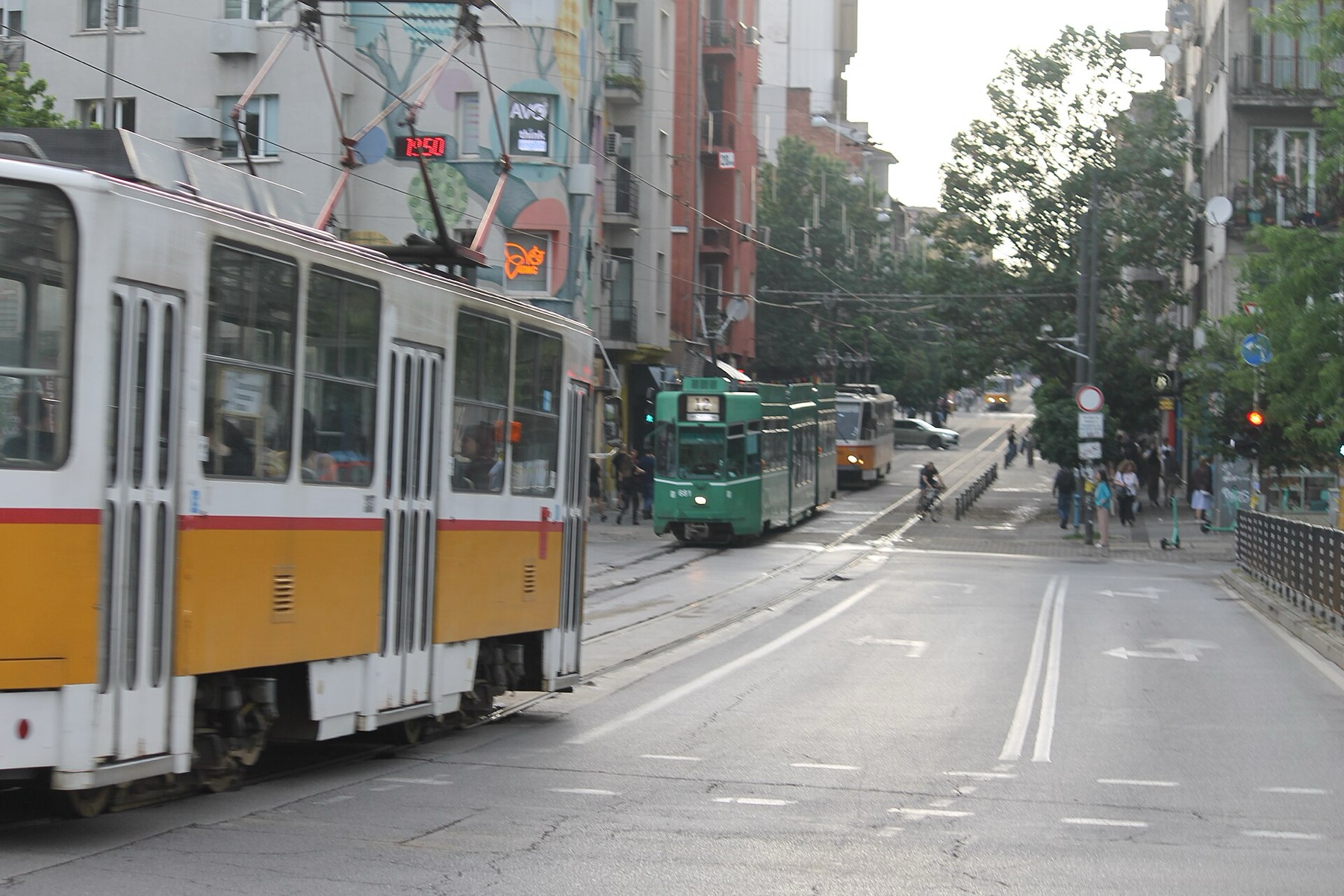
One interesting effect of the change is that public transport fares were rounded down after conversion, making getting around the city slightly cheaper. The old ticket cost 1.60 lev, equivalent to €0.82 at the exact rate, while the new fare was set at a neat €0.80. On the other hand, VAT in restaurants and cafés rose from 9% to 20%, pushing up the final price of food and drinks and making eating out a little more expensive.
Some state museums and official institutions have been slow to update their websites, so you’ll still often find price lists in the old lev currency online. Don’t worry: at the ticket desk, you can pay the equivalent amount in euros, either in cash or by card.
| Ticket type | 2026 price | Previous price in BGN | Exact conversion |
|---|---|---|---|
| Single “30+” ticket (30 min including transfers) | €0.80 | 1.60 lev | €0.82 |
| Day pass | €2.00 | 4.00 lev | €2.05 |
| Monthly pass | €25.50 | 50.00 lev | €25.56 |
| Annual pass | €185.00 | 365.00 lev | €186.62 |
How to Get to Sofia and Get Around
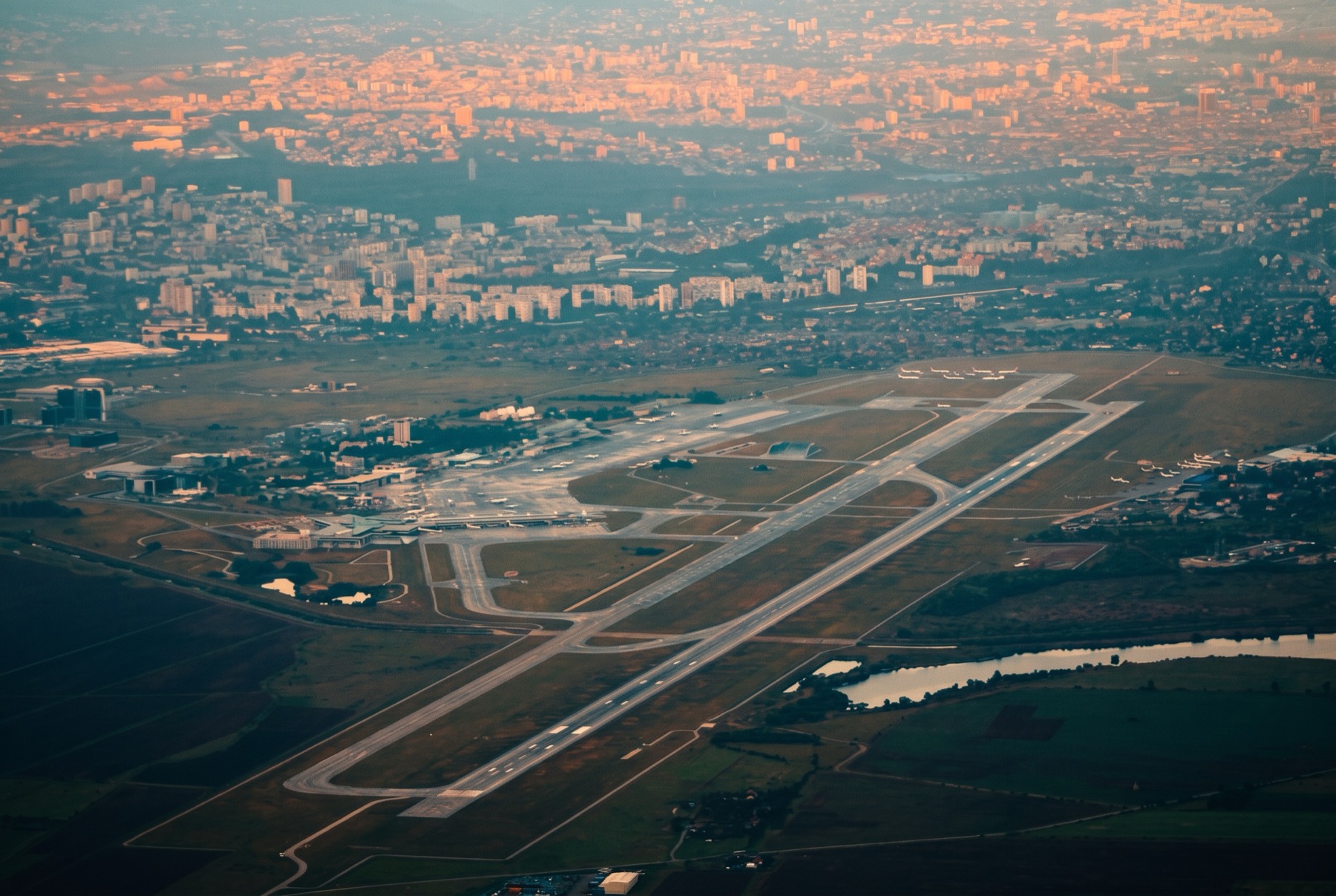
The airport is close to the centre, and getting there is easier than in many European capitals. The best option is to take the yellow M4 metro line, which starts right at Terminal 2 and reaches Serdika or Sofia University station in about 25 minutes. A ticket costs just €0.80 and lets you transfer to other metro lines. Trains run every 10 to 15 minutes.
If you’d rather take a taxi, watch out for scams targeting unsuspecting visitors. OK Supertrans is the only officially authorised taxi company at the airport, but lookalikes such as OK SuperChance, OK SofiaTrans and CK SuperTrans often operate outside the terminal, charging much higher rates per kilometre. A legitimate ride to the centre should cost around €5–8, so ignore touts inside the terminal offering flat fares of €20–40 and head straight to the official taxi rank outside.
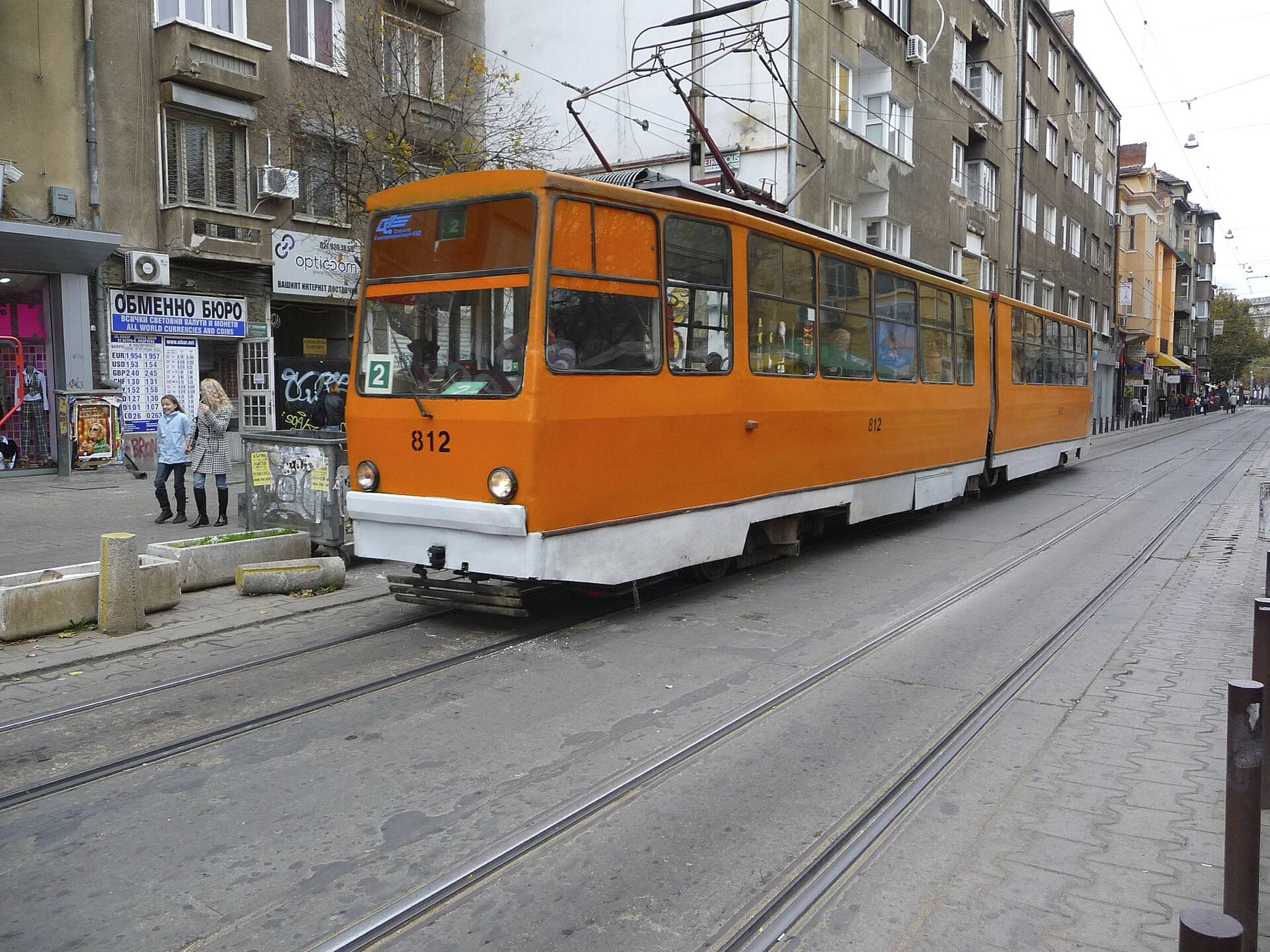
For a safe ride around town, download the popular TaxiMe app, which lets you pay by card. Good news for travellers: Bolt works reliably in Sofia, a real exception, as the service doesn’t operate on the Bulgarian coast. Public transport consists of four metro lines and an extensive network of trams and trolleybuses, all covered by the same tickets, available from vending machines.
Ancient Serdica and the Square of Tolerance
Sofia’s historic centre is wonderfully compact, so you can easily explore the most important sights on foot. Here are five places at the heart of the Bulgarian capital, where the history of the entire Balkans unfolded.
1. Alexander Nevsky Memorial Cathedral
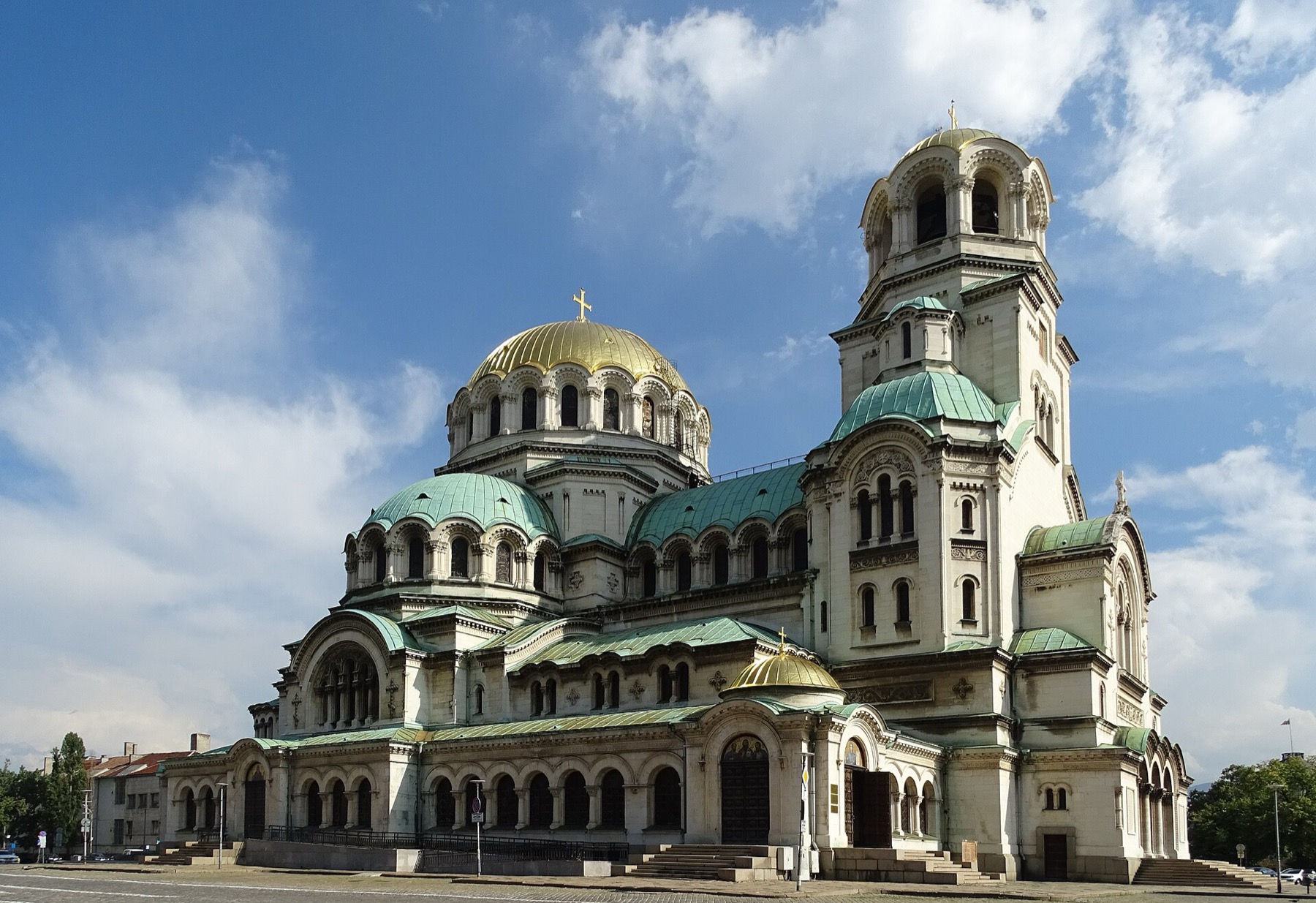
This enormous Orthodox cathedral, crowned with unmistakable golden domes, is the city’s symbol and most striking landmark. It was built in honour of the Russian soldiers who died liberating Bulgaria from Ottoman rule in the 19th century. Its Neo-Byzantine architecture can be seen from across much of the city. Inside, you’ll find beautiful marble details, mosaics and huge chandeliers; the cathedral can hold an incredible 10,000 worshippers at once. Entry to the main church is free, but you’ll need to pay to visit the crypt and its impressive icon collection. 💡 Tip: This is a sacred place, so dress respectfully, with shoulders and knees covered. Otherwise, you may not be allowed inside.
2. St George Rotunda
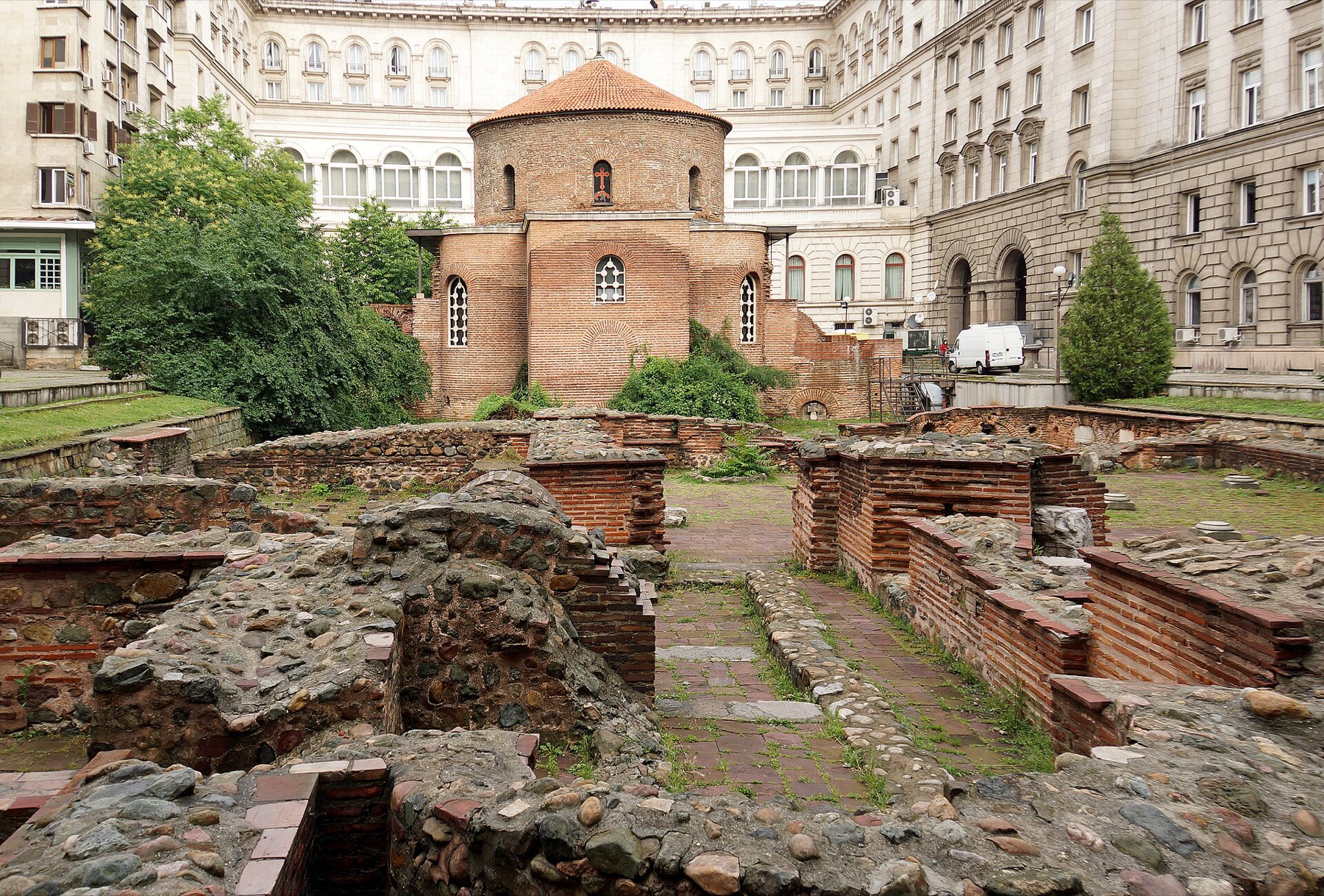
This modest red-brick building from the 4th century is the oldest surviving architectural monument in the city. Somewhat unexpectedly, it’s tucked away in the inner courtyard of the modern presidential complex and Ministry of Education, accessed through a passage from the main street. The rotunda is still an active church; entry is free, and inside you can admire beautiful medieval frescoes that were hidden beneath plaster for centuries. This ancient structure wedged among grey Stalinist-era buildings is one of the strangest contrasts you’ll see in Sofia. 💡 Tip: Come just before sunset, when the brick walls take on a warm glow and organised tour groups have left the courtyard.
3. Ancient Serdica and the Largo
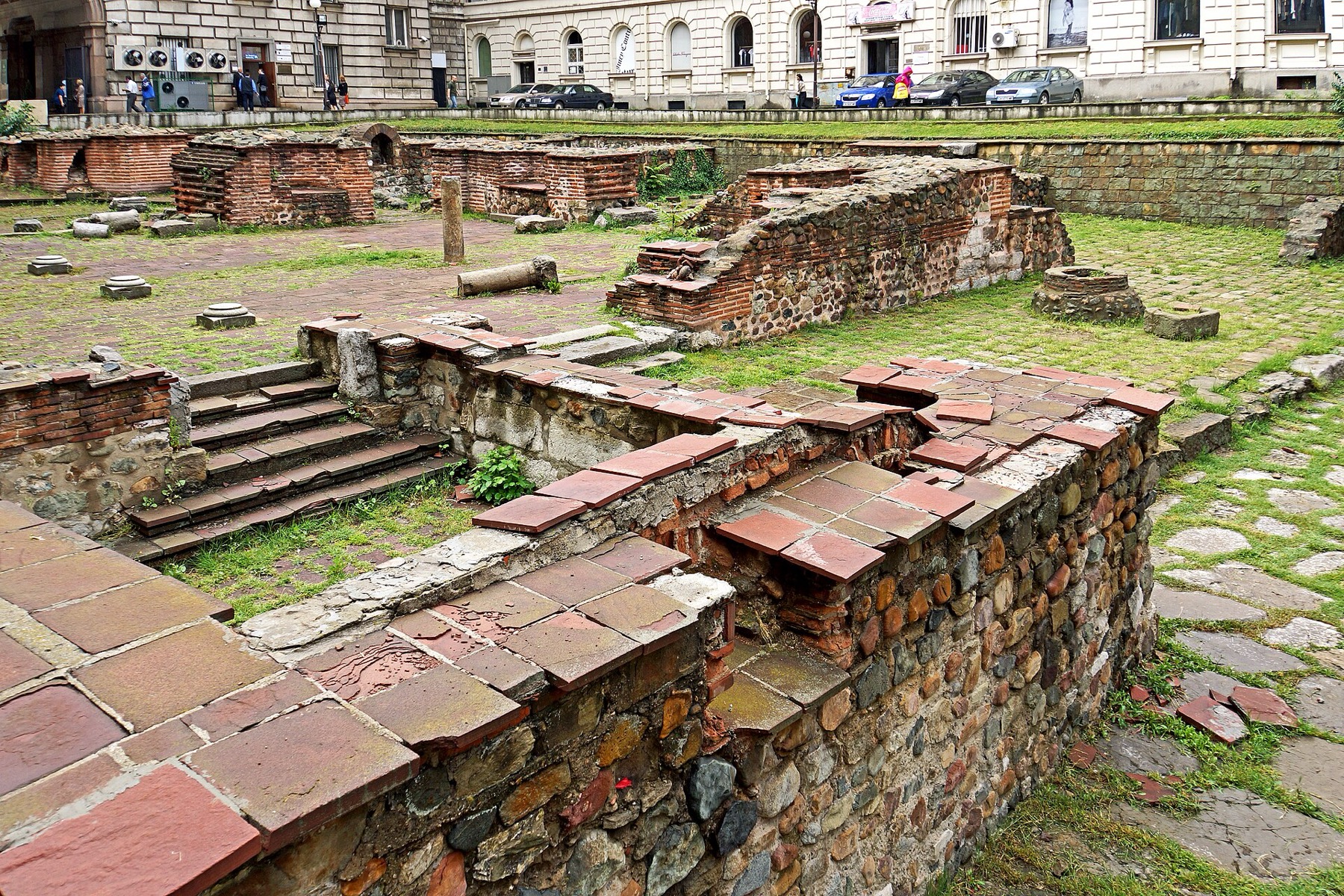
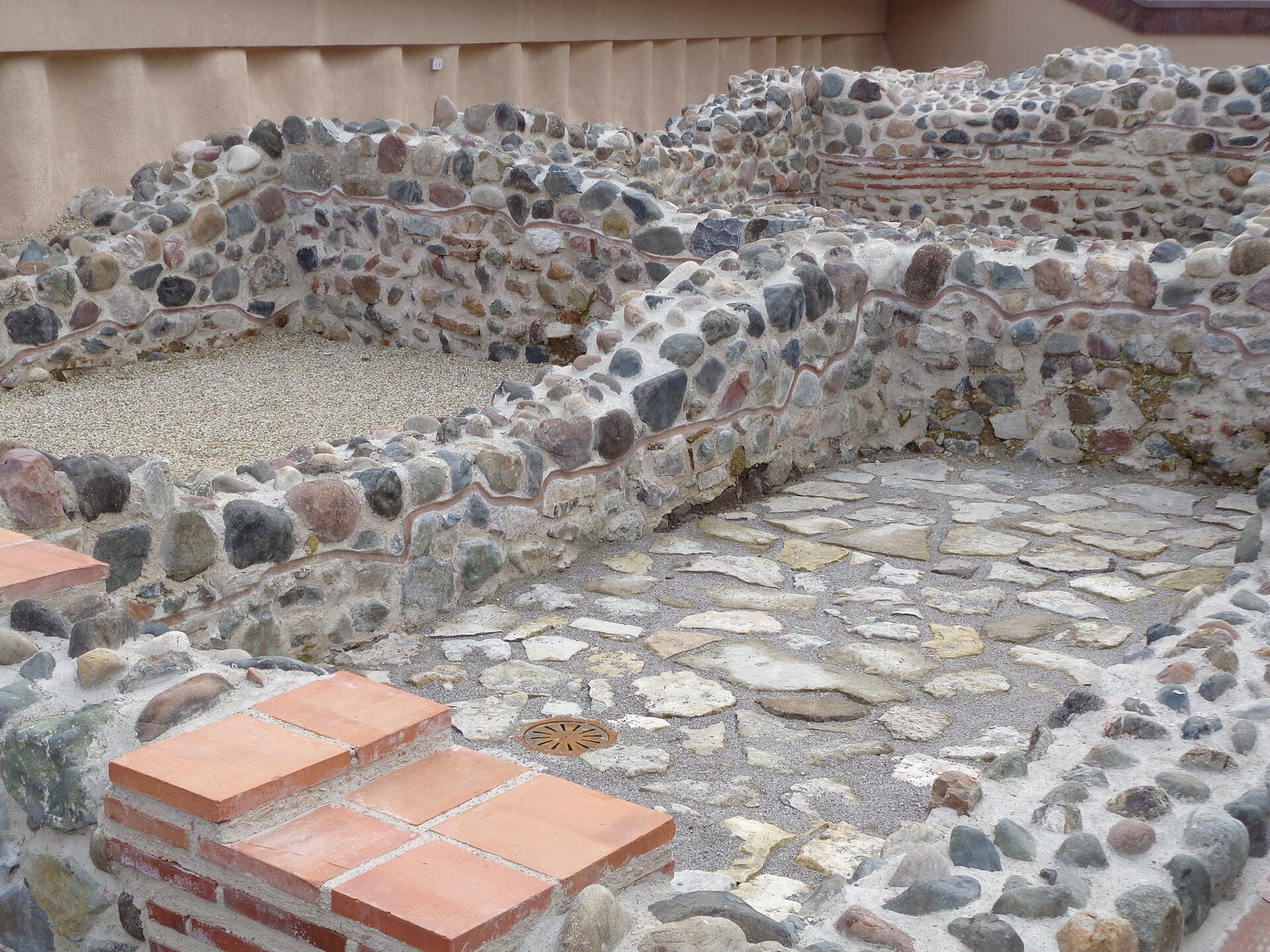
When workers were building new metro stations, they uncovered extensive remains of the ancient city of Serdica. Today, they form a fascinating archaeological complex beneath the modern streets. From the passage at Serdika metro station, you can step straight onto the original Roman paving where patricians walked almost 2,000 years ago. You’ll spot remains of houses, baths and early Christian basilicas, all free to visit throughout the day. Legend has it that Emperor Constantine the Great loved the place so much that he declared, “Serdica is my Rome,” before eventually moving the empire’s capital to Constantinople. 💡 Tip: The complex is beautifully lit, making an evening stroll among the ancient columns feel especially magical.
4. Square of Tolerance
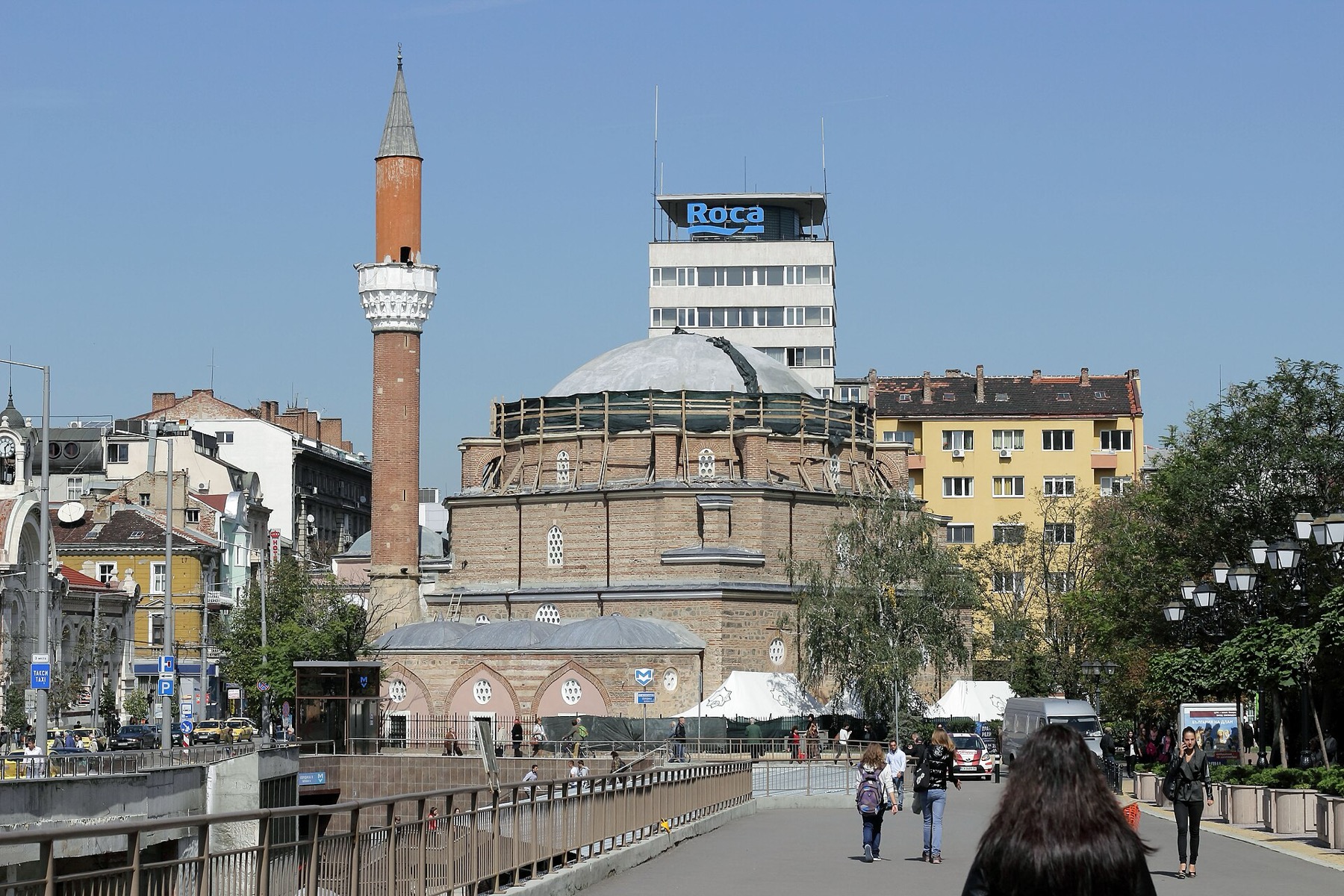
This area is a living example of different religions peacefully coexisting in an incredibly small space. Within just a few hundred metres, you’ll find the imposing Orthodox Church of St Nedelya, the Catholic Cathedral of St Joseph, completed in 1885, the beautiful Banya Bashi Mosque from 1566 by renowned architect Mimar Sinan, and the impressive Sofia Synagogue. The synagogue is often described as the largest Jewish place of worship in the Balkans and the third largest in Europe. Walking through this neighbourhood, where church bells mingle with the call to prayer, is a powerful experience. 💡 Tip: Be sure to visit the synagogue’s interior, too. Its enormous brass chandelier, weighing more than two tonnes, is a masterpiece of design.
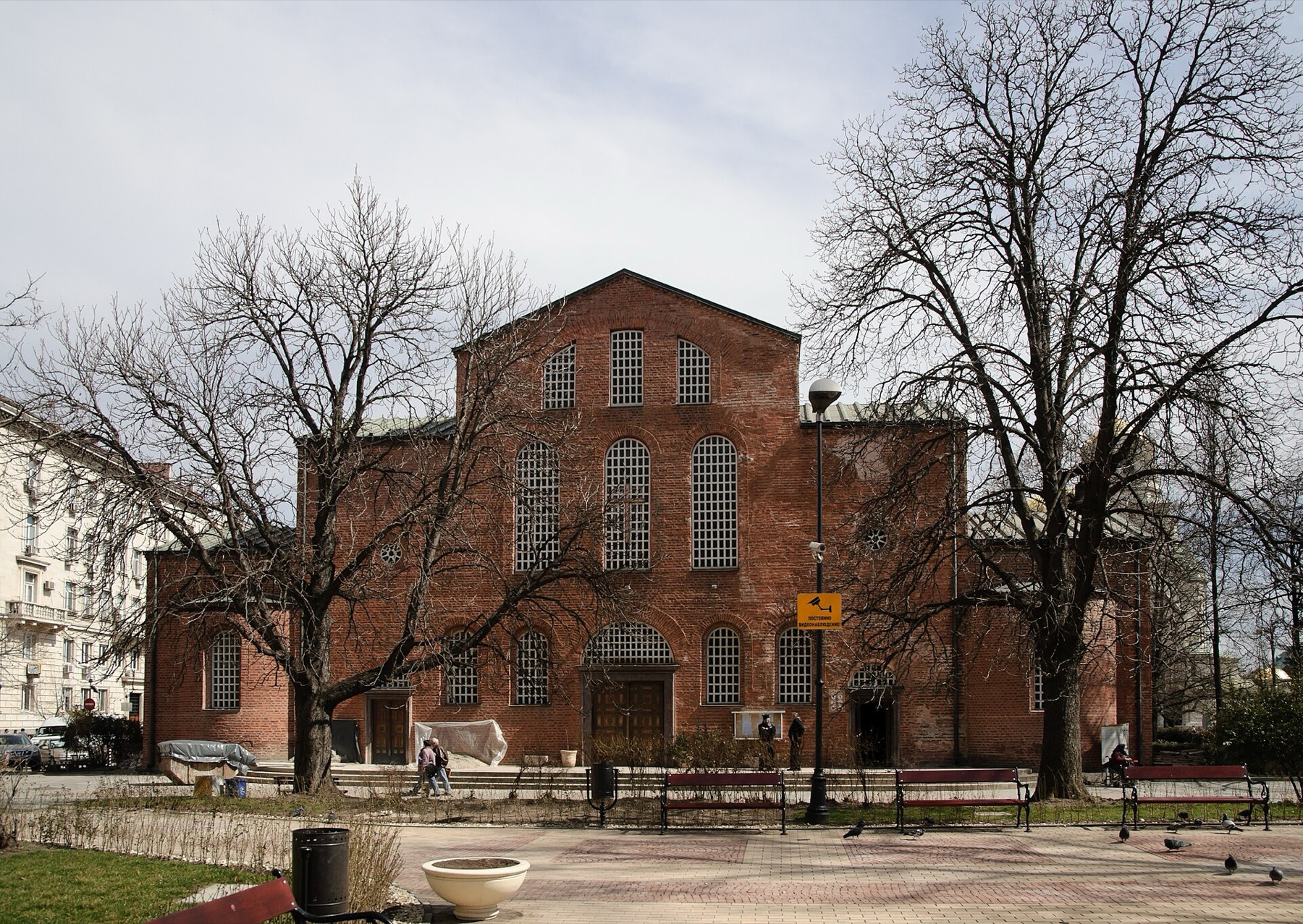
5. Church of St Sophia
This simple 6th-century brick basilica may not dazzle you with gold at first glance, but it has played a defining role in the capital’s history. This imposing church, built on high ground outside the city walls, gave the city its present name in the 14th century. Entry to the main church is free, but the most intriguing sights lie underground: an extensive ancient necropolis with dozens of excavated tombs and remarkable floor mosaics. The church has survived devastating earthquakes and even a conversion into a mosque, yet it still feels wonderfully peaceful. 💡 Tip: Right beside the church is the Tomb of the Unknown Soldier, with its eternal flame, where official state ceremonies are often held.
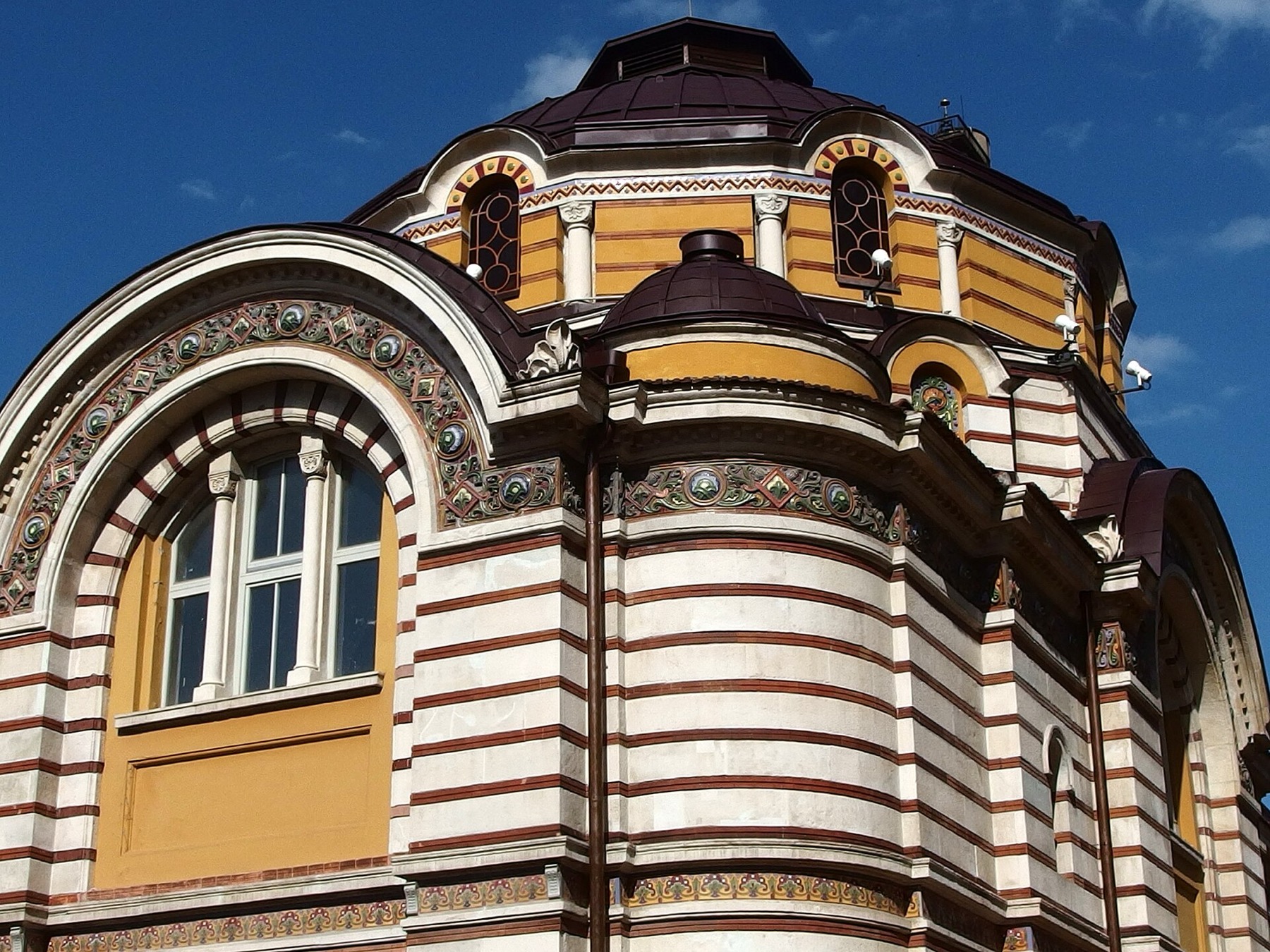
Mineral Springs and Central Sofia
Sofia’s foundations aren’t just layered with history—the city literally sits on hot springs, which are the reason a settlement grew here in the first place. These four suggestions will take you to the places where you can feel the city’s pulse and experience some of its natural riches.
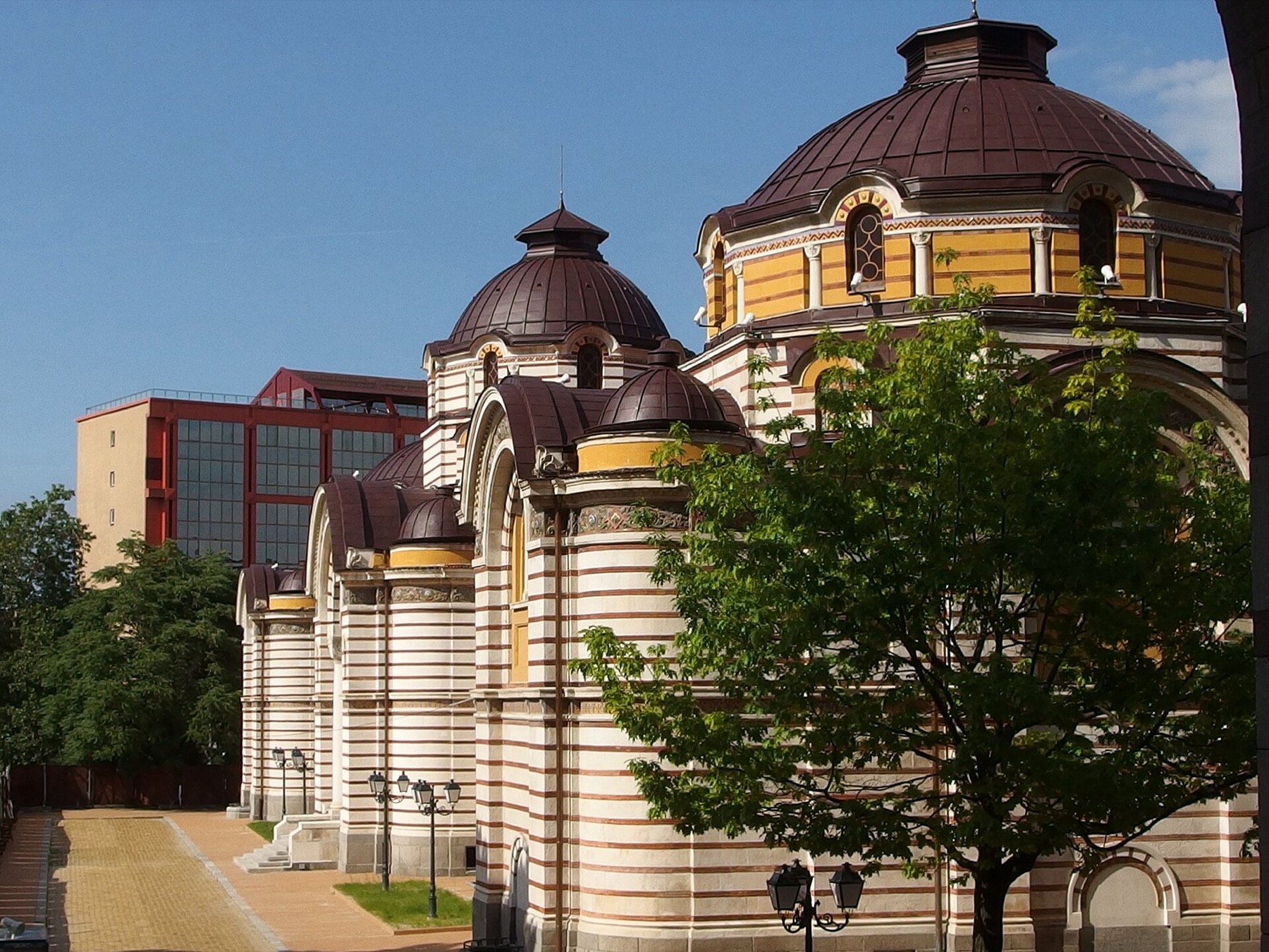
6. Central Mineral Baths and Sofia History Museum
With its distinctive yellow stripes and richly decorated Neo-Byzantine façade, this beautiful building is one of the city’s finest. Until 1986, this architectural gem served as public baths for Sofia’s residents. After extensive renovation, it became home to the modern Sofia History Museum. The collection traces the city’s story from its earliest days through to the dynamic 20th century, and includes a golden carriage used by Bulgarian monarchs. Check the entrance fee and opening hours locally, as the exhibitions are continually expanding and changing. 💡 Tip: Don’t miss the park in front of the building, with its lovely fountain and plenty of benches—an ideal place to rest after a day on your feet.
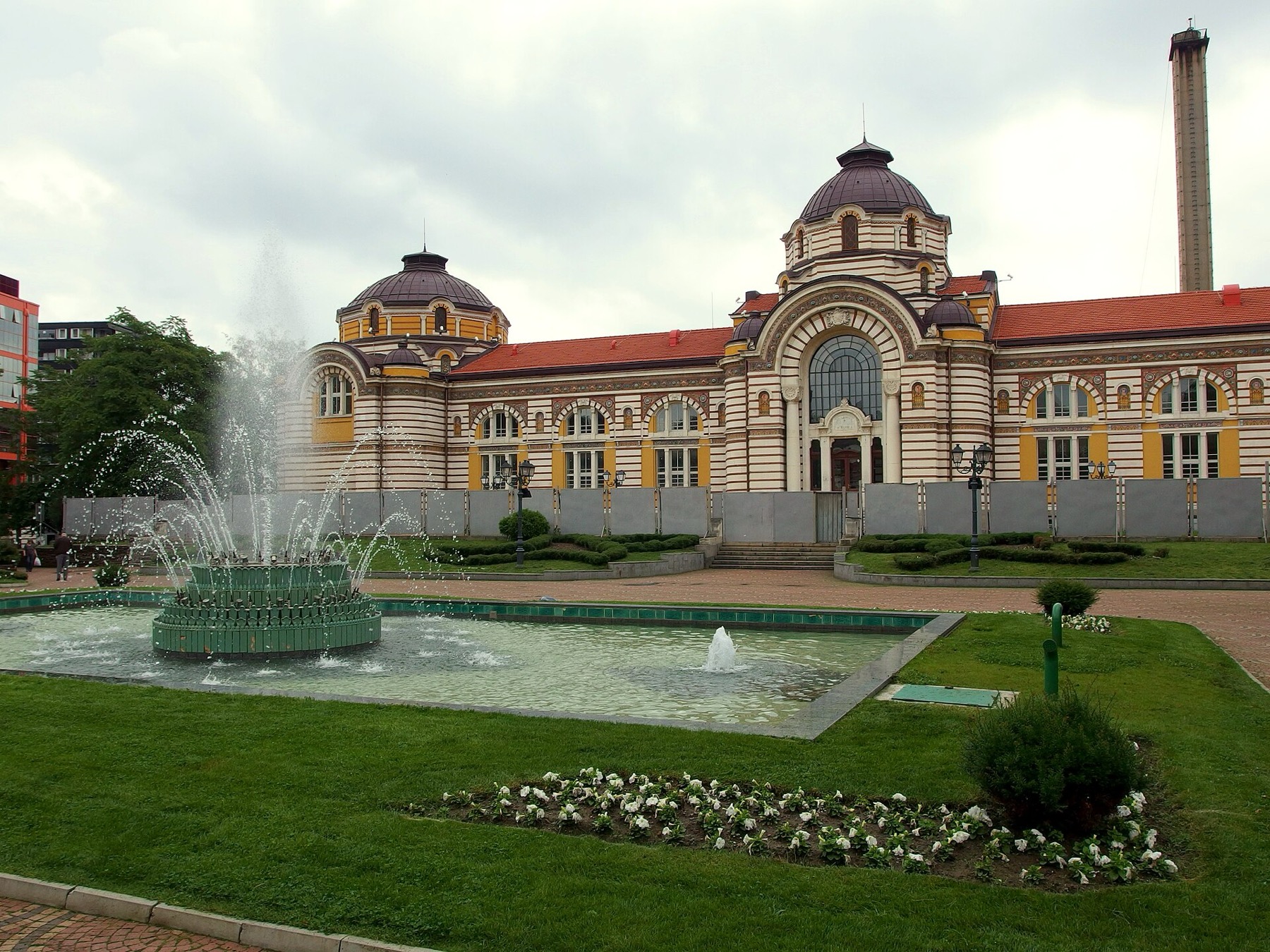
7. Free Mineral Water Taps
Just behind the former baths is a spot that reveals the true essence of Sofia: the city grew here because of its thermal springs. Dozens of public taps run continuously, offering hot mineral water completely free of charge. Locals often arrive with huge plastic containers to stock up on healing water for the week. Banya Bashi Mosque stands just across the road, built right above the springs; on cold mornings, you can see steam rising from its stone walls. 💡 Tip: The water is hotter than 45 °C and has a slight sulphurous smell, but tastes great once it cools. Bring your own bottle.
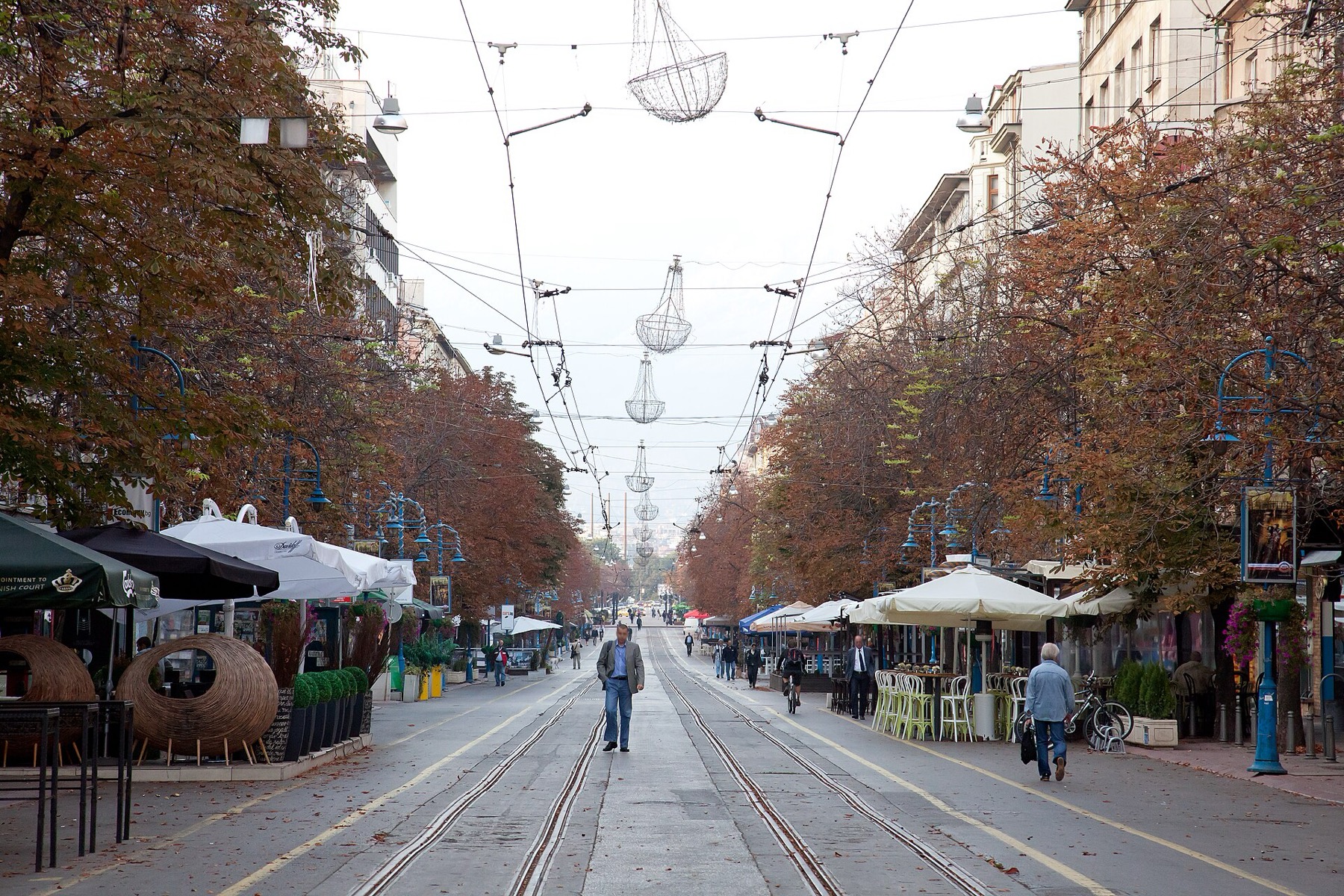
8. Vitosha Boulevard (Vitoshka)
This is the main artery of Sofia’s social life and the city’s best-known pedestrian street—a favourite place for locals to have an afternoon coffee and catch up. The boulevard is lined with designer boutiques, restaurant terraces and stylish cafés, buzzing from early morning until late at night. As the name suggests, the street is aligned so that you get a beautiful view of the Vitosha massif at the far end, creating an unforgettable panorama. It’s a great place to soak up the city atmosphere, watch street performers and sample local and international dishes. 💡 Tip: Restaurants right on the boulevard are naturally among the city’s priciest. For cheaper, more authentic food, duck down one of the side streets.
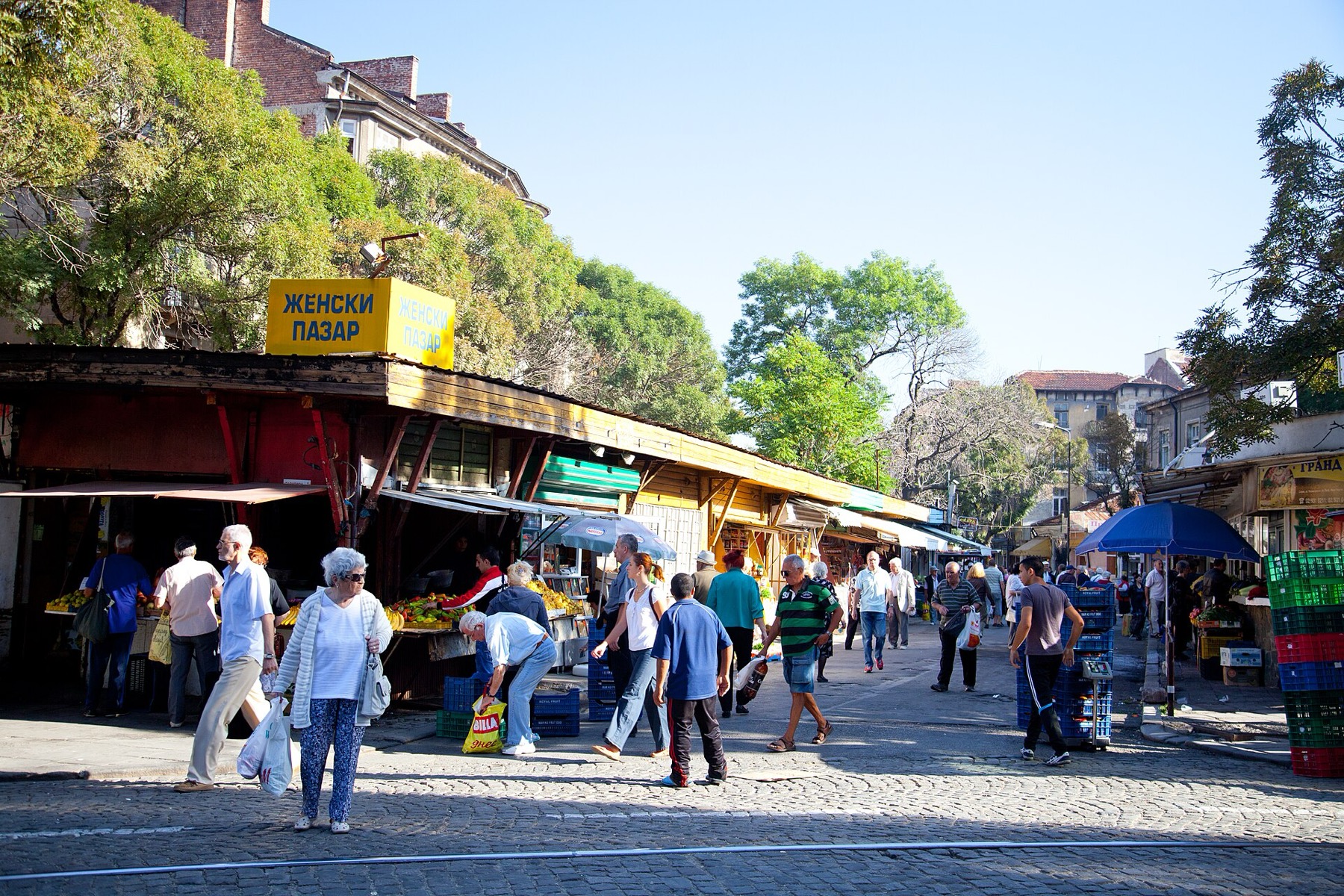
9. Women’s Market (Женски пазар)
If you want to escape the polished tourist areas for a taste of lively market chaos, head to Women’s Market. Sofia’s oldest open-air market was established shortly after Bulgaria’s liberation in 1878, and it’s where locals shop for everyday essentials, fresh fruit and vegetables, and fragrant spices. The market has recently been extensively renovated but retains its rugged Balkan character: people come to shop, not to take photos. You’ll find delicious homemade cheese, olives, nuts and traditional pottery at a fraction of the prices at central souvenir shops. 💡 Tip: There’s no need to haggle over fruit and vegetables—the prices are already very low. Do keep an eye on your belongings, though, as pickpockets can operate here.
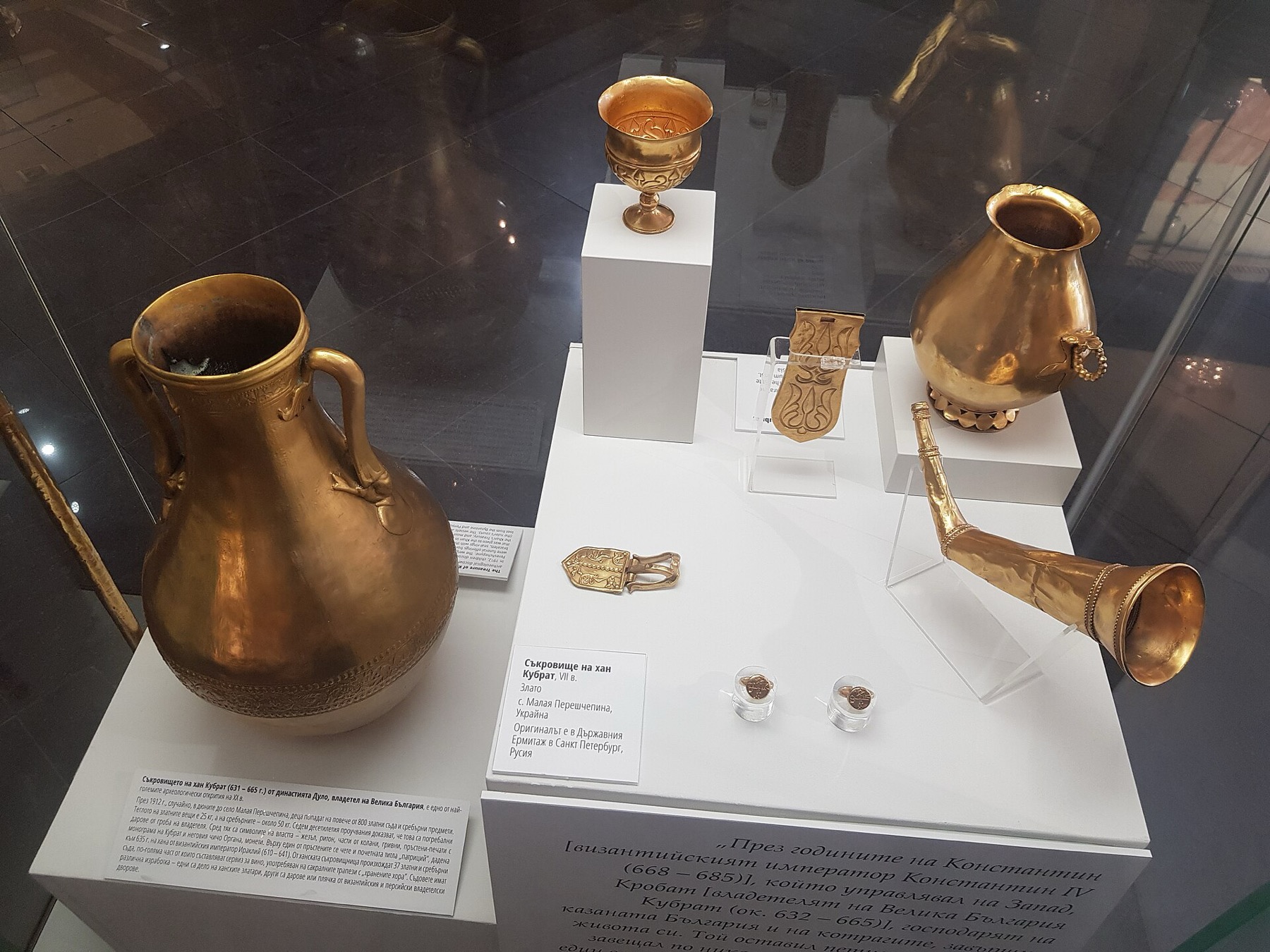
Museums Worth Paying For
Most central sights are free to visit, but you’ll need to pay to see some of the city’s most remarkable collections. Look forward to Thracian gold treasures, frescoes from 1259 and a garden full of Lenin statues.
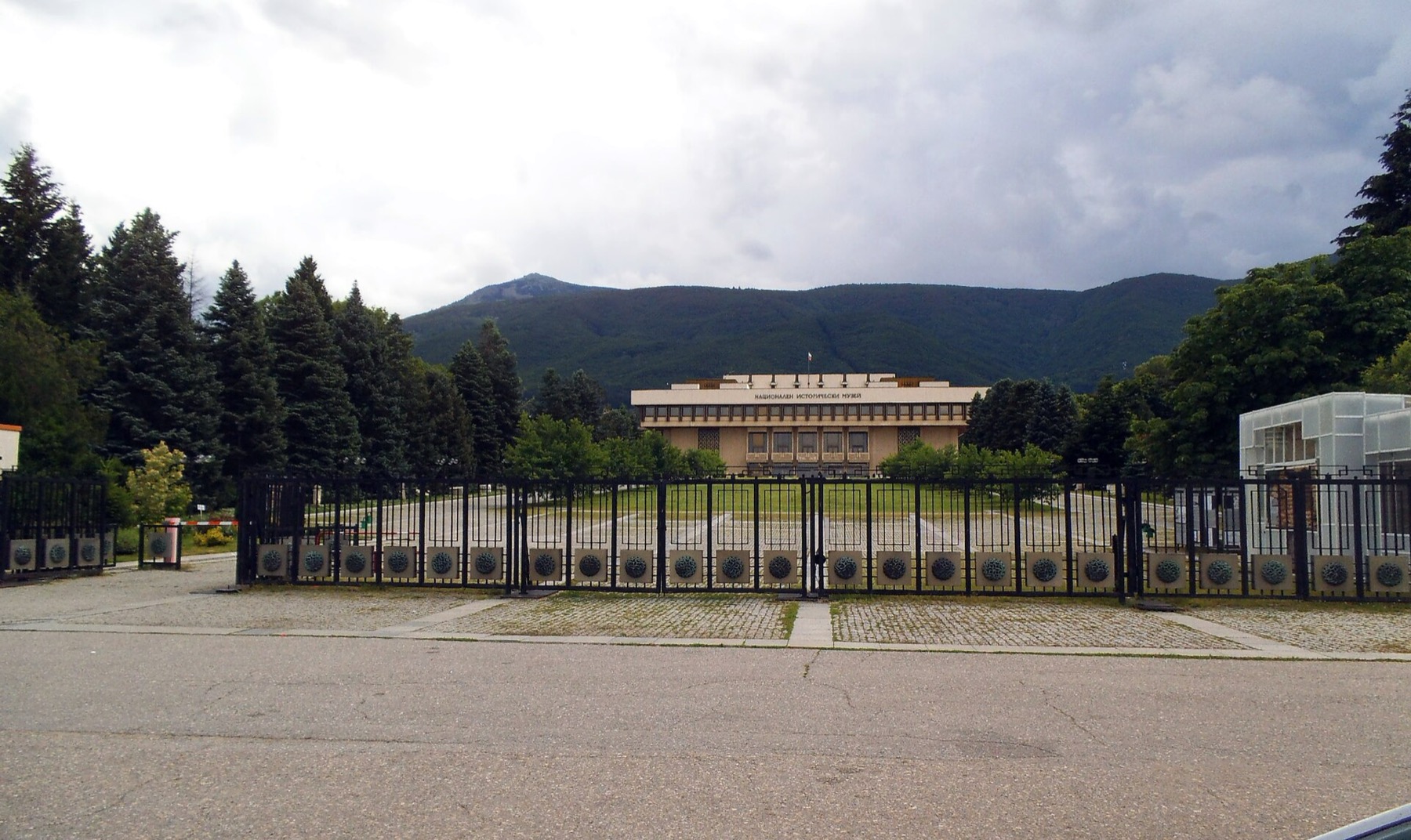
10. National Museum of History
This impressive museum is located outside the centre in the Boyana district, in the monumental former residence of communist leader Todor Zhivkov. The building alone is worth seeing. Inside, the collections are extraordinary, with the main highlight being beautiful Thracian gold treasures, among Bulgaria’s most valuable archaeological finds. Admission for adults is 15 lev (€7.67), students pay 3 lev (€1.53), and visitors over 65 pay 5 lev (€2.56). The museum is open every day. In winter, opening hours are 9:30 am–6 pm, extending to 7 pm in summer; the ticket office closes 45 minutes before closing time. 💡 Tip: Pair your visit with nearby Boyana Church for a perfect half-day history trip.
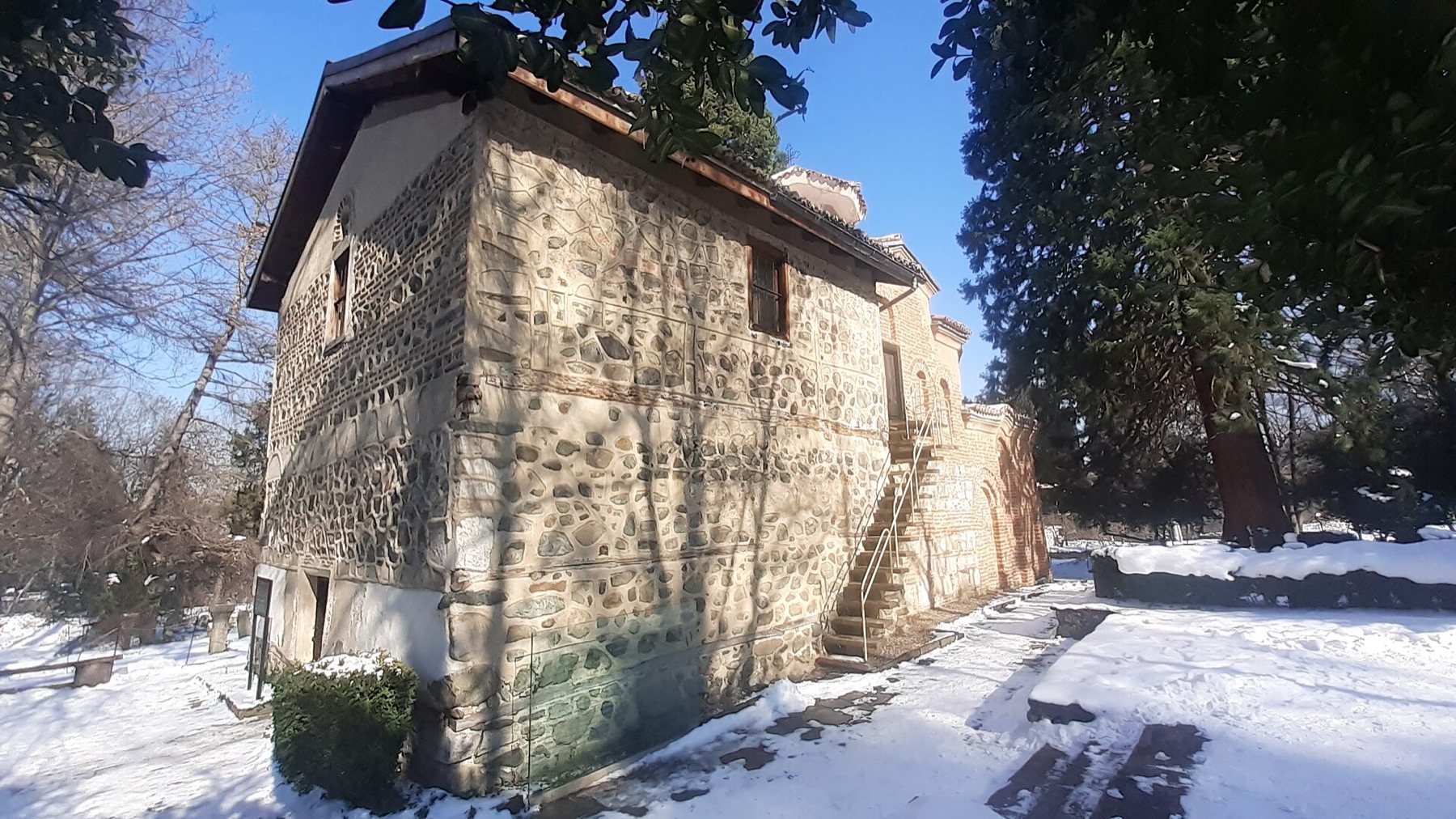
11. Boyana Church (UNESCO)
This medieval church, dedicated to St Nicholas and St Panteleimon, preserves some of the finest 1259 frescoes in Eastern Europe. It was added to the UNESCO World Heritage List in 1979. Strict rules help protect the fragile microclimate: no more than nine people may enter at once, and visits are limited to 10 minutes. Admission is 12 lev (€6.14) for adults and 3 lev (€1.53) for students. Opening hours are 9 am–5:30 pm in winter and 9:30 am–6 pm in summer. Entry is free after 3 pm on the last Monday of each month, but advance booking is recommended because capacity is limited. 💡 Tip: The official website and ticket desks may still list prices mainly in old lev, with approximate euro conversions.
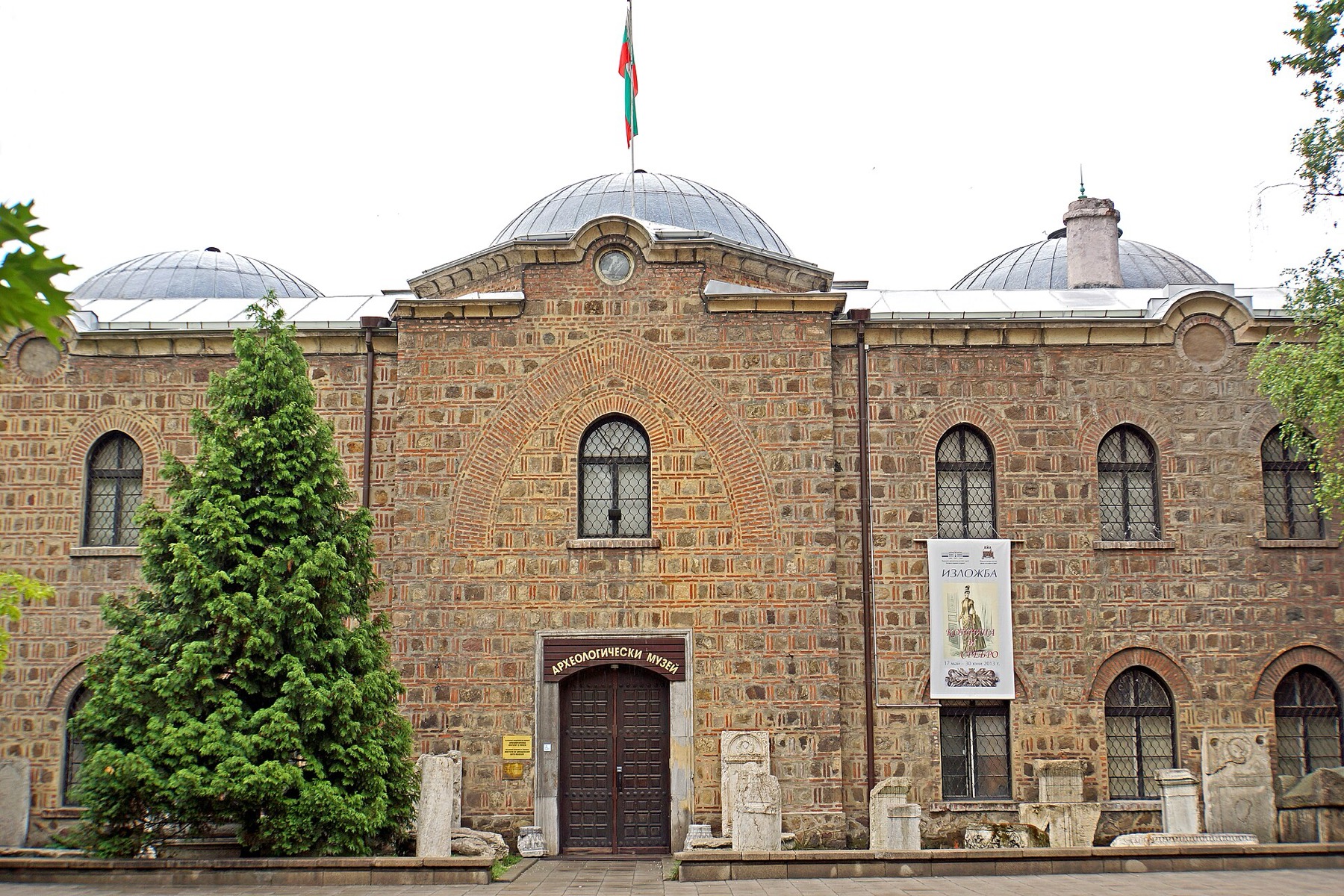

12. National Archaeological Museum
One of the most interesting things about this museum is its location in the former Great Mosque (Buyuk Mosque), built in the 15th century. Its massive walls make a dramatic backdrop for the exhibits. The collection traces human settlement in Bulgaria from prehistoric times through the Bronze Age, antiquity and the Middle Ages. You can admire beautiful mosaics, ancient weapons and everyday objects used by Roman legionaries. The museum is open Tuesday to Sunday from 10 am to 6 pm. Families can save with a family ticket: 12 lev for one parent with children, or 16 lev for two parents. Best of all, entry is free for everyone on the last Sunday of each month. 💡 Tip: Don’t miss the impressive replica of the Madara Rider, a monumental 8th-century rock relief displayed in the main hall.
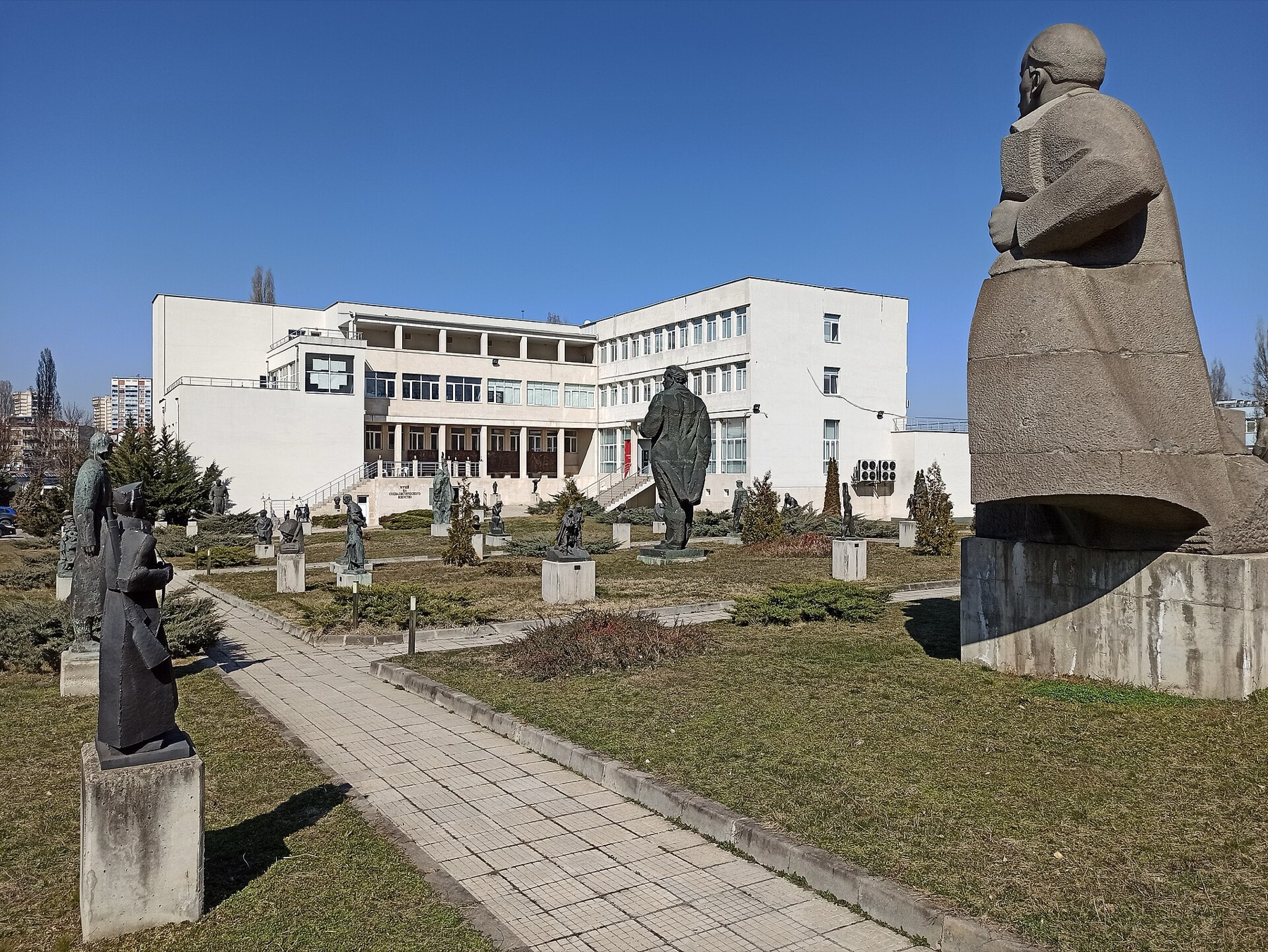
13. Museum of Socialist Art
This distinctive museum is a hidden gem for anyone interested in recent history and Cold War propaganda. Its spacious outdoor garden is filled with oversized statues of Lenin, communist partisans and workers. The centrepiece is the original giant red star that once looked down on the city from the Communist Party headquarters. Inside, you’ll find propaganda posters and screenings of newsreels from the period, bringing the atmosphere of the regime to life. The museum is closed every Monday, and children under 12 get in free. 💡 Tip: It’s a little off the main tourist route in a modern part of town, but easy to reach by metro. Joliot-Curie station is only a few minutes’ walk away.
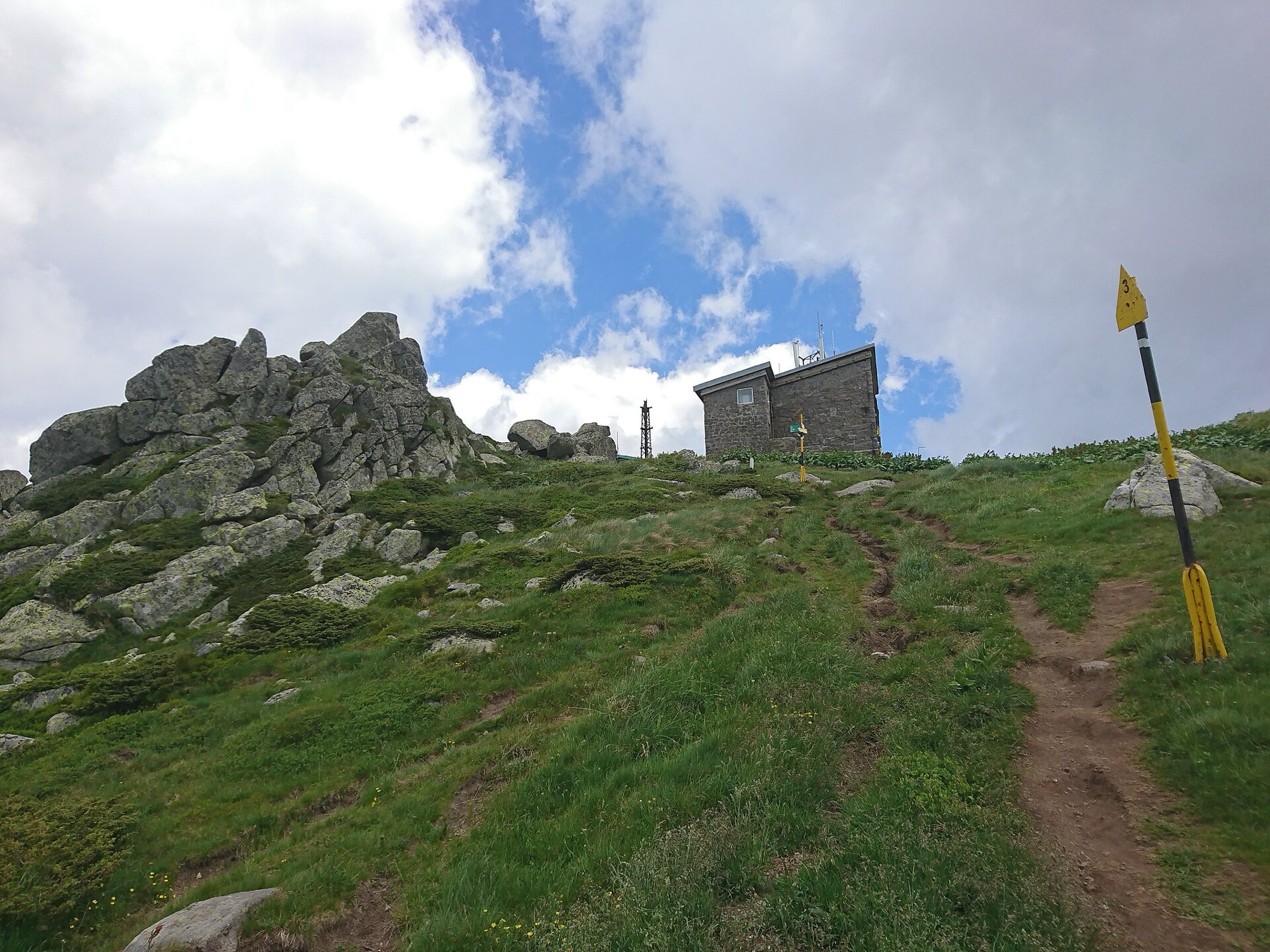
Parks, Vitosha and Day Trips
In Sofia, nature is just a short trip from the city. Vitosha starts beyond the last buildings, a medieval monastery sits among its forests, and Rila Monastery is about two and a half hours away.
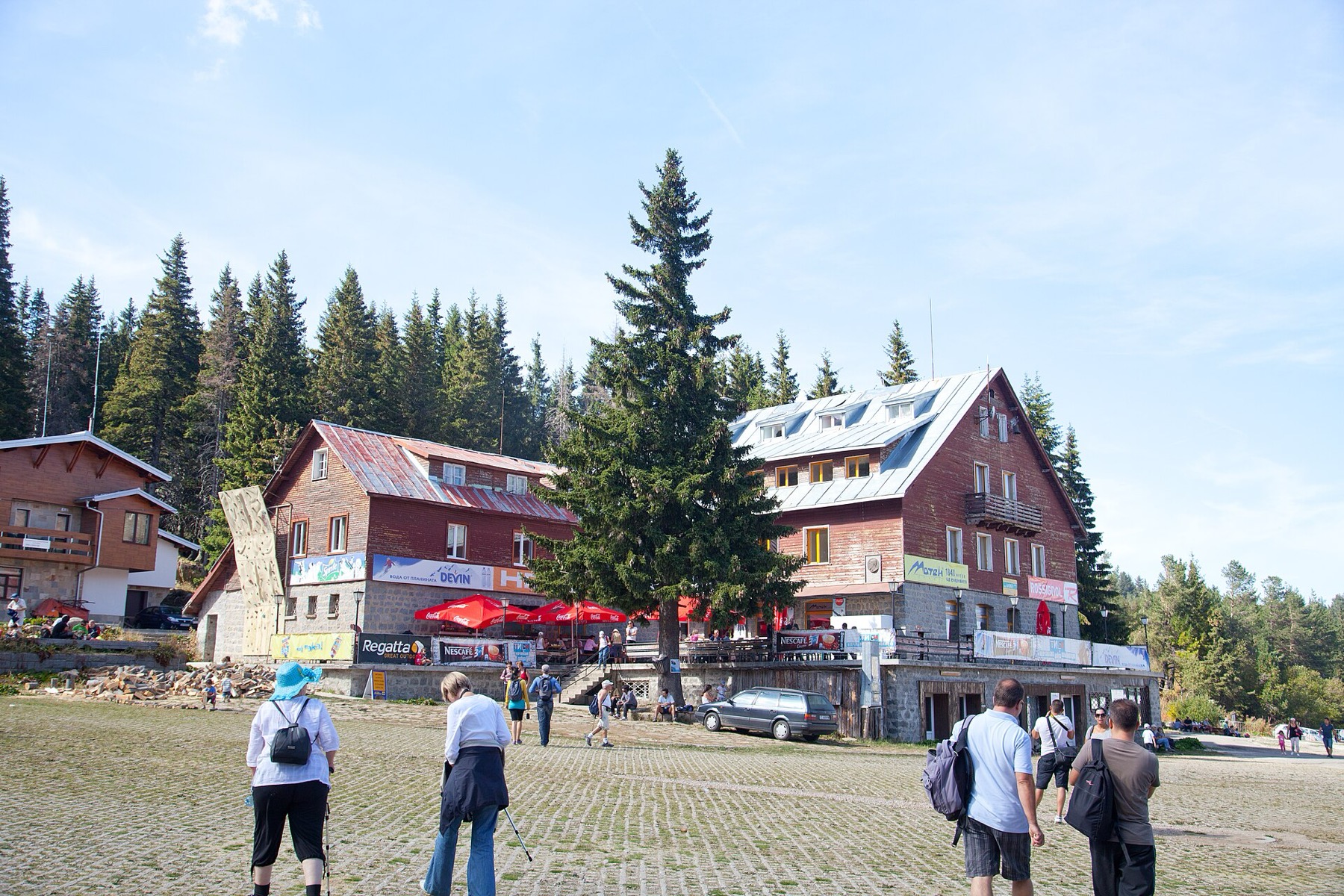
14. Vitosha and Cherni Vrah
Vitosha is more than just a hill—it’s a nature park, crowned by 2,290-metre Cherni Vrah, where it feels as if half of Sofia escapes on weekends. Many older guides suggest taking a cable car, but be warned: neither Vitosha cable car is currently running. Both lines (Simeonovo and Dragalevtsi) have been out of service for a long time, and repairs aren’t expected before 2027. Instead, take city bus 66, which departs from Zoo station and now goes all the way to Aleko Hut, where you can set off on ridge hikes. To see the famous Zlatni Mostove stone rivers, you’ll need to go at the weekend, when special buses run from 9 am to 5 pm. 💡 Tip: Temperatures up here are around 10 degrees cooler than in the sweltering city centre, so bring a windproof jacket and sturdy shoes—even in midsummer.
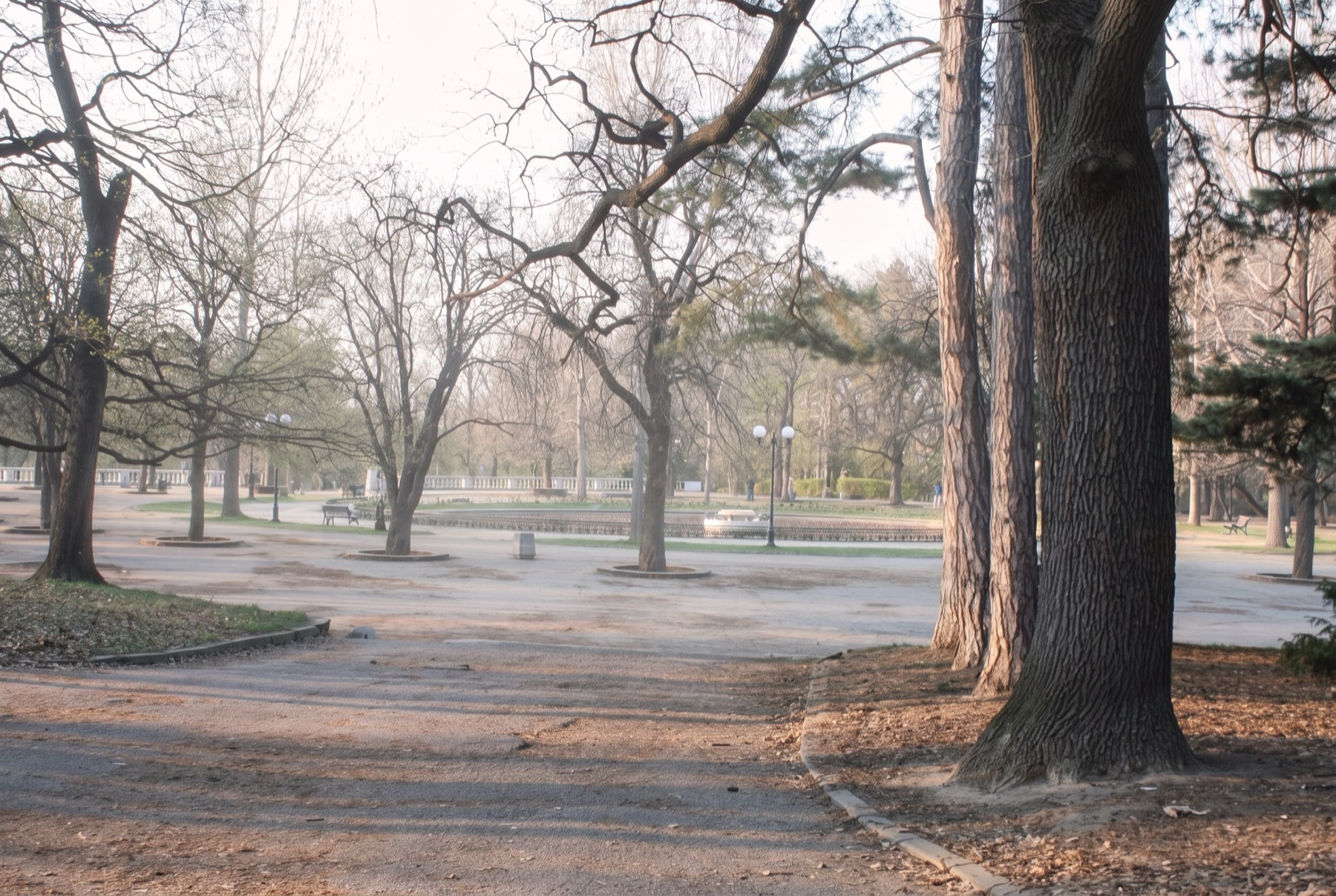
15. Borisova Gradina
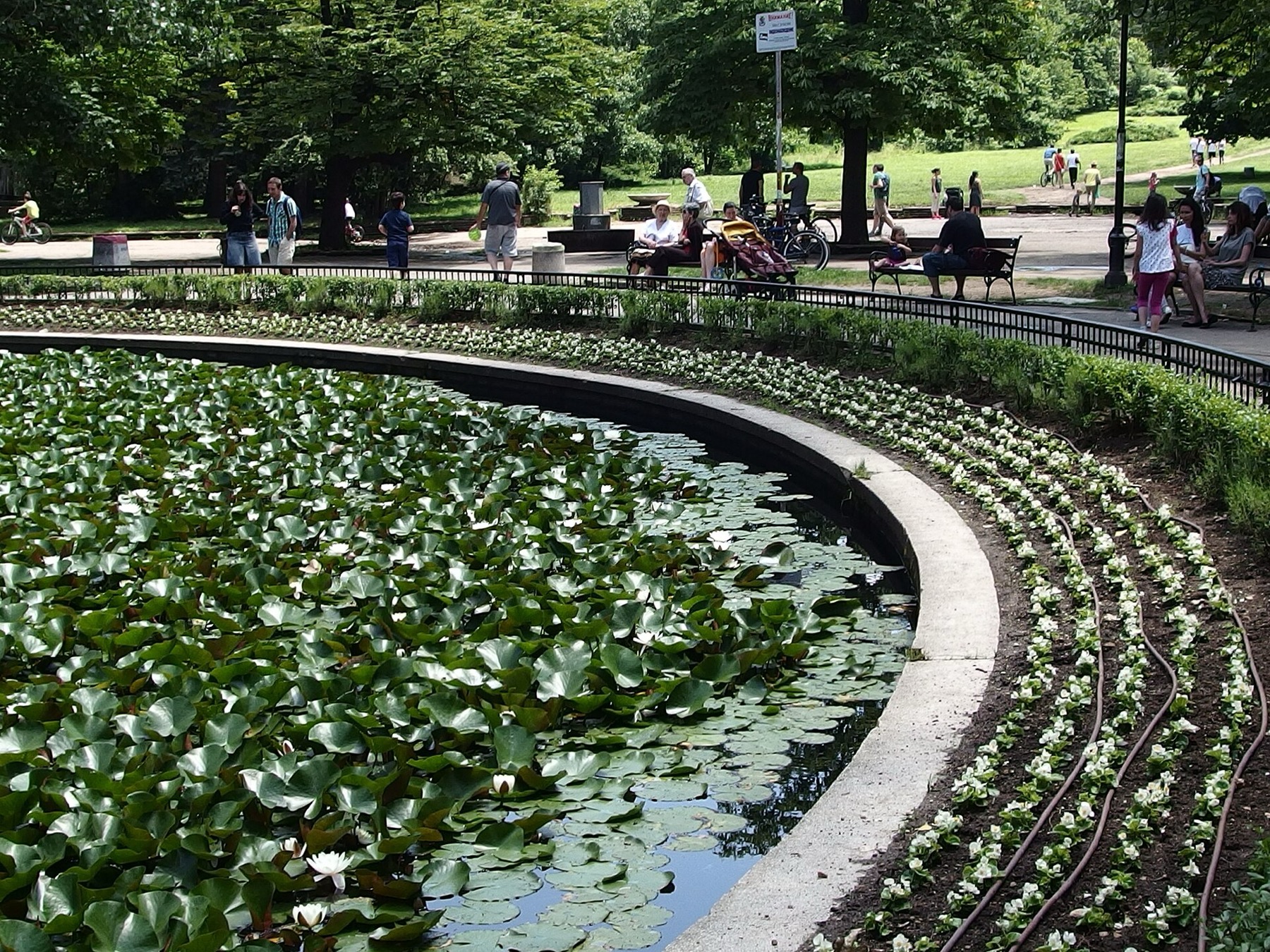
Established from 1884 onwards, Sofia’s oldest park is the city’s green lung and a wonderful place to escape the summer heat. There are kilometres of well-kept paths, large ponds, sports facilities and deep woodland that makes you feel as if you’re miles outside the city, even though the centre is nearby. You’ll also find the monumental Bratska Mogila, or Brotherhood Mound, with its huge obelisk and statues of partisans, a striking example of Socialist Realism that still commands attention. Locals come to skate, run or relax on the grass beneath the trees. 💡 Tip: Look out for the park’s tucked-away outdoor cafés and ice-cream stalls—a perfect place to cool off after a long walk.
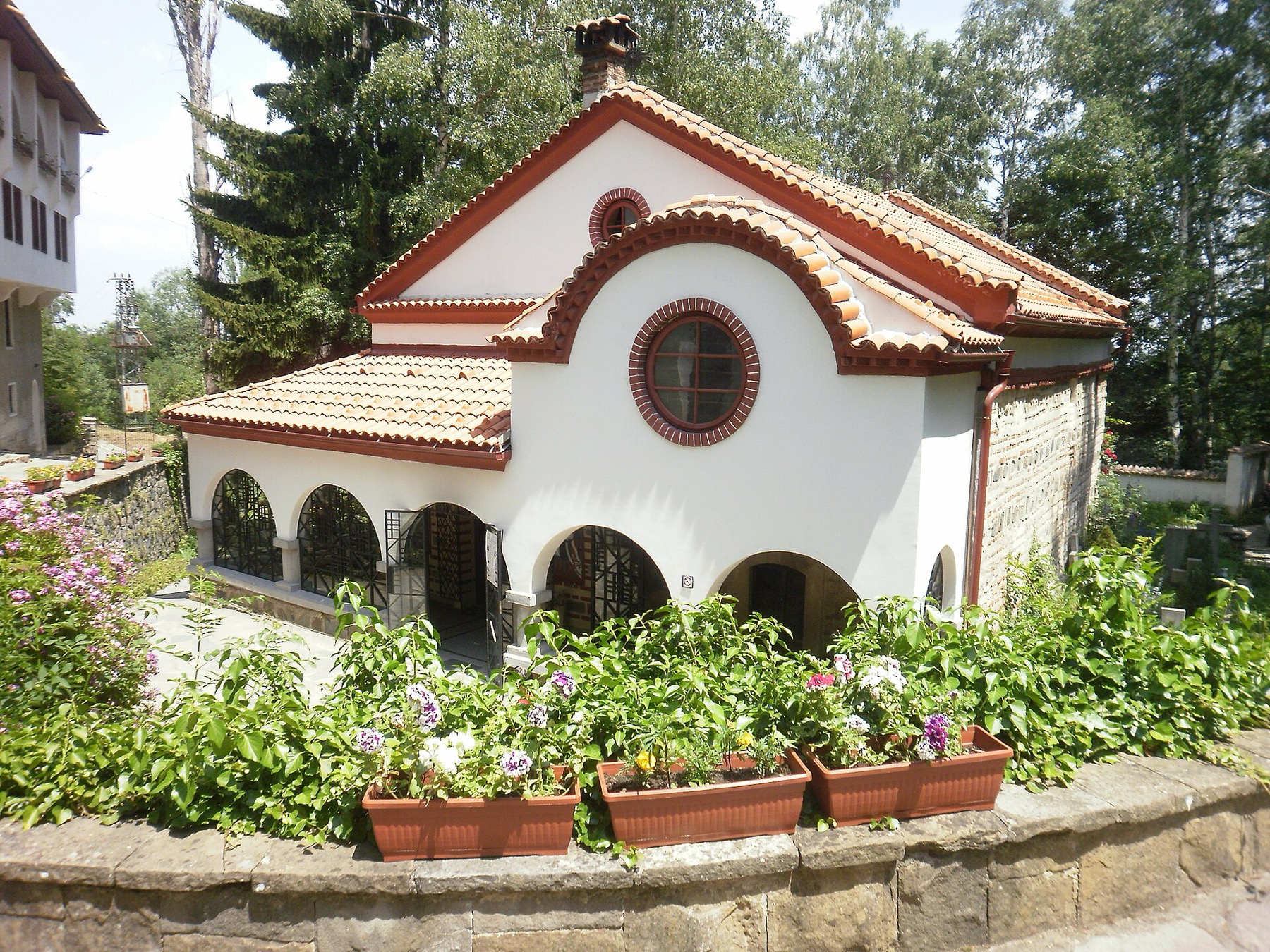
16. Dragalevtsi Monastery
On the way up Vitosha, above the district of Dragalevtsi, this beautiful 14th-century Orthodox monastery nestles among dense woodland. It has great historical significance: Bulgarian national hero Vasil Levski once found refuge here during his efforts to liberate Bulgaria. The complex includes several historic buildings and a small medieval church with valuable frescoes. Entry to the grounds is free. It’s a wonderfully peaceful spot, far removed from the city bustle, and close to the road used by bus 66. 💡 Tip: Several easy hiking trails lead from the monastery into the Vitosha forests, making it a lovely starting point for a half-day walk.
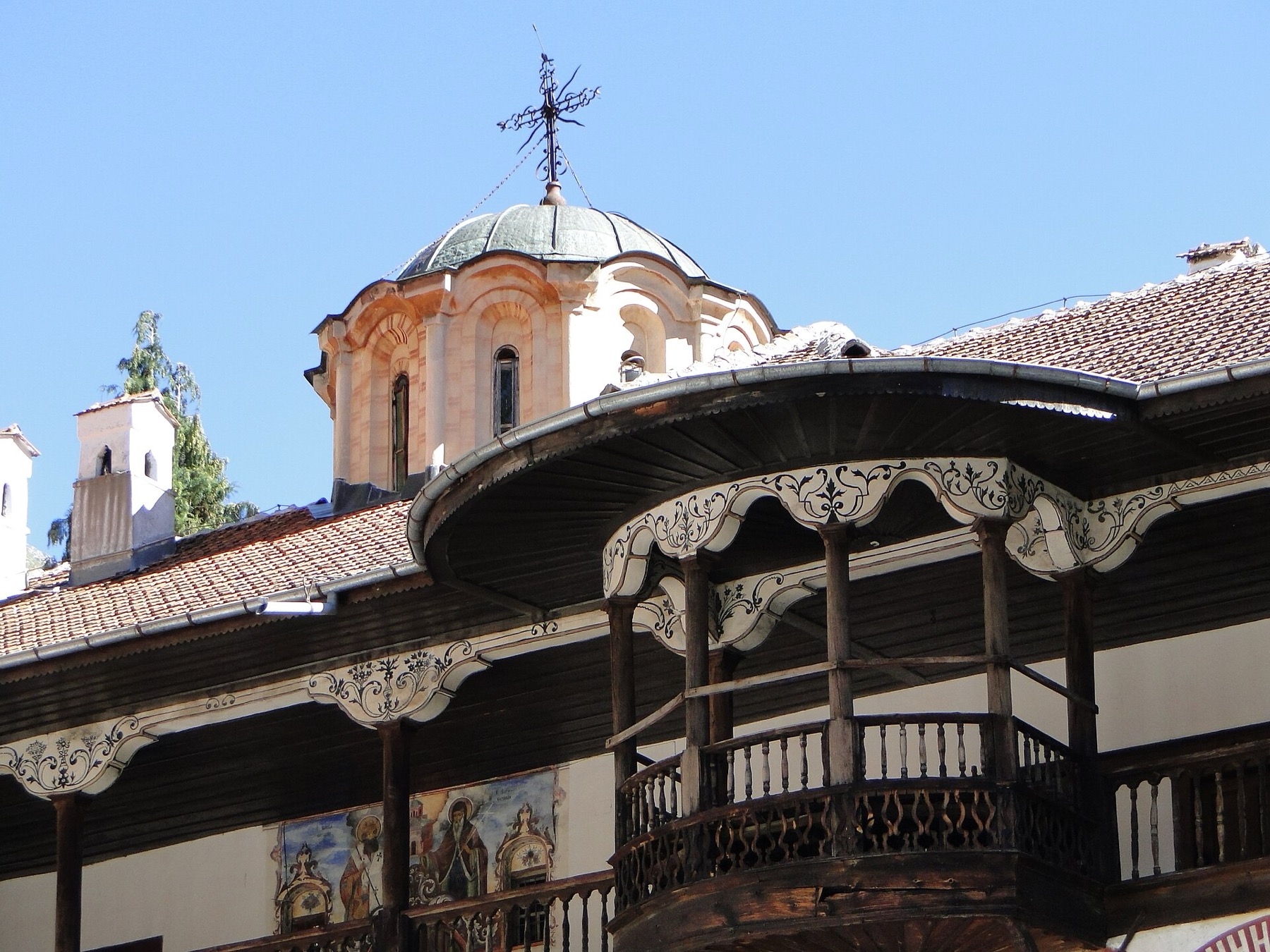
17. Rila Monastery (UNESCO)
Bulgaria’s most famous landmark is a fairytale-like monastery in the mountains, about 120 km from Sofia and a popular full-day trip. Getting there independently can be tricky, and many outdated online guides mention a direct bus that doesn’t actually run. The most reliable option is a shared tourist shuttle, which leaves from the Vasil Levski Monument every day at 9 am. The journey takes about 2.5 hours each way, with tickets from €15. Alternatively, take a public bus to Blagoevgrad, change for the town of Rila, then arrange a local taxi for the last 15 km. 💡 Tip: With a 9 am departure and a 2.5-hour journey each way, Rila Monastery takes the whole day. Set aside a separate day and don’t plan anything else.
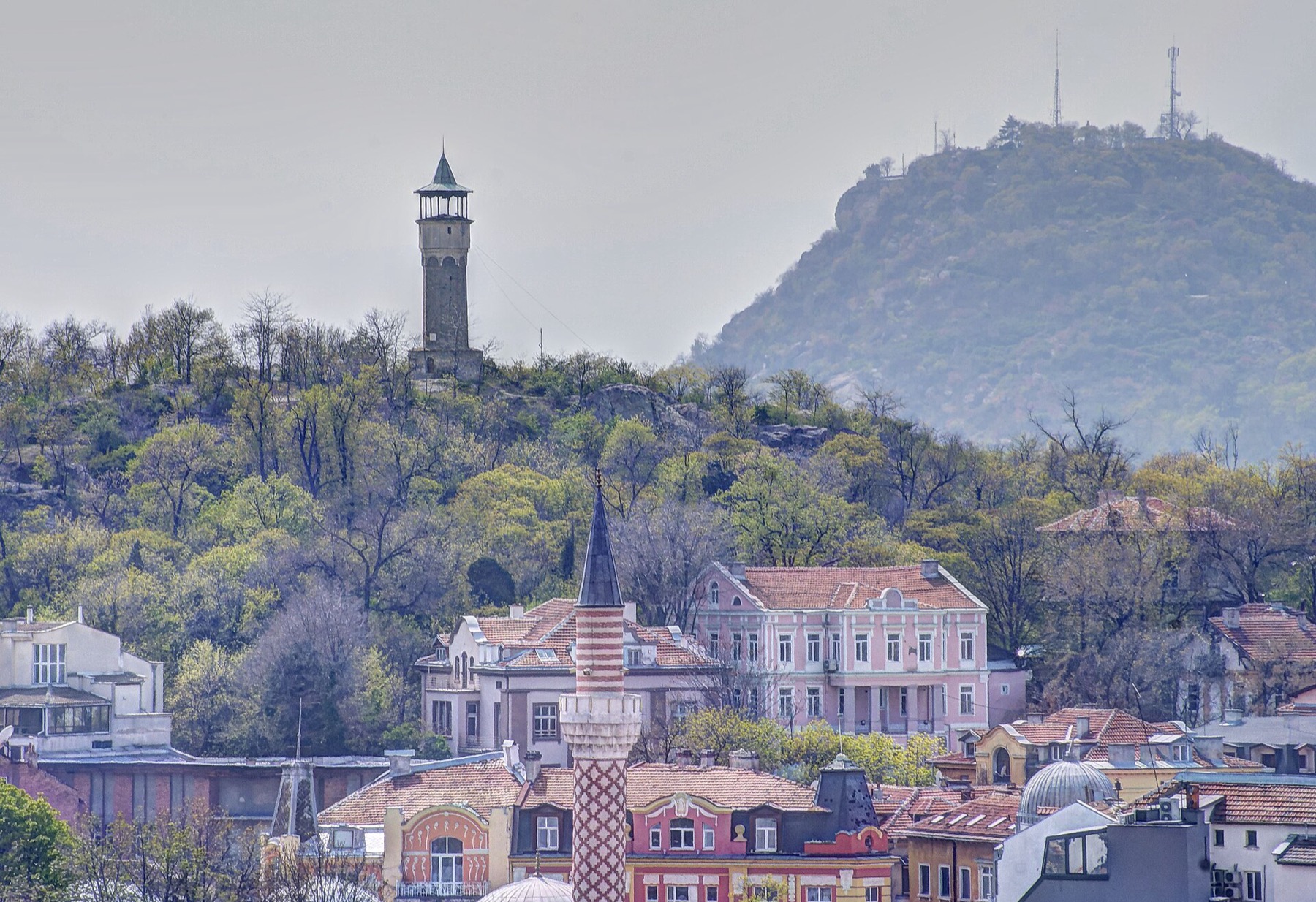
18. Plovdiv
If you have an extra day in Sofia, take a trip to Plovdiv, one of Europe’s oldest continuously inhabited cities, with an extraordinary historic heritage. It’s less than two hours by train or bus from the main station, with frequent and affordable services. In Plovdiv, you’ll find a beautiful Roman theatre built into a hillside, a remarkably well-preserved ancient stadium beneath the pedestrian street and a maze of cobbled lanes lined with colourful National Revival-era houses. The atmosphere is more laid-back and creative than in the busy capital. 💡 Tip: Explore Kapana, a former artisans’ quarter that’s now the city’s hip heart, packed with craft breweries and stylish cafés.
Where to Eat
Sofia has a fantastic mix of modern dining and traditional Balkan flavours, and surprisingly, vegetarians and vegans will find plenty to enjoy. For modern plant-based food, head to Edgy Veggy, rated 4.8 stars, for excellent vegan burgers and burrito bowls. You can take your food away and enjoy it in the nearby archaeological park. Another great choice is the much-loved Sun Moon restaurant and bakery near Small 5 Corners, which serves vegetarian dishes and bakes exceptional homemade bread. For a more special dinner with refined raw and vegan dishes, try stylish Soul Kitchen near Eagle Bridge.
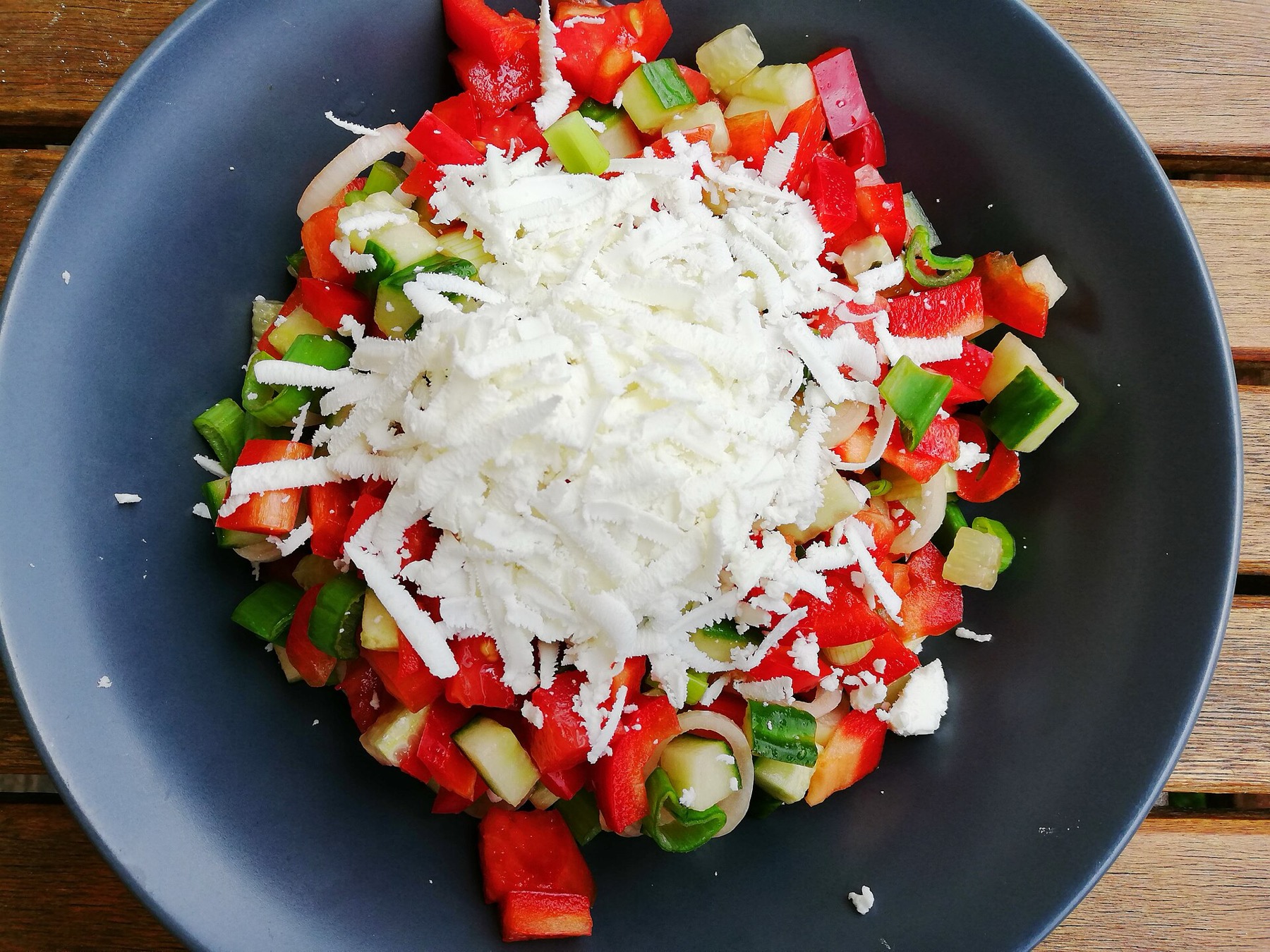
Bulgaria’s long tradition of fasting cuisine means that even a typical mehana offers plenty of delicious meat-free dishes. You can safely order a classic Shopska salad topped with plenty of Balkan cheese, mish-mash of vegetables and eggs, stuffed peppers known as chushki burek, hearty bob chorba bean soup, refreshing cold tarator or savoury banitsa pastry. Be careful with dishes that may look meat-free but aren’t, such as traditional moussaka, toasted bread known as princesi, drob sarma made with offal, or kavarma meat stew. Ovcharska salad, unlike Shopska salad, contains ham or bacon, while the popular tarama spread is made with fish roe.
Where to Stay in Sofia
💡 Accommodation and activities tip: Compare accommodation options here to see what’s available and at what price. We prefer to look for places on Booking.com, where cancellation policies are often best. For tickets, trips and activities, compare options and book through GetYourGuide.
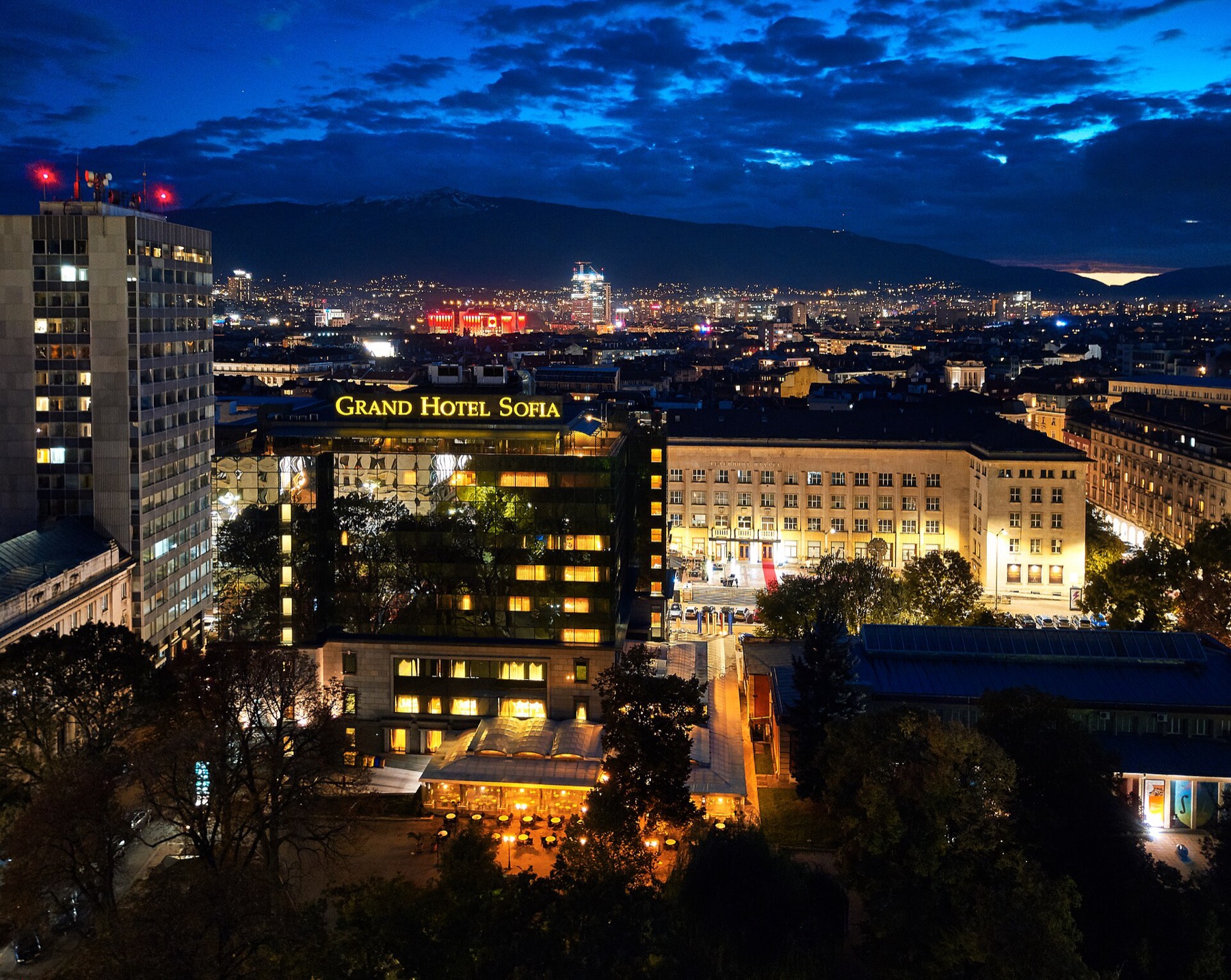
Look for accommodation in a convenient location so you don’t waste time travelling across town. The area around Serdika station and Vitoshka Boulevard is ideal, putting all the main sights within walking distance. Oborishte has a quieter residential feel and plenty of embassies, while leafy Lozenets is easy to reach by tram and has some of the city’s best modern restaurants.
| Hotel | District | Rating | Note |
|---|---|---|---|
| Sentro Boutique Hotel | Centre | 9.6 | Highest-rated boutique hotel |
| LOCATION | Centre | 9.4 | Best value for money in this selection |
| Blue Star Luxury Hotel | Lozenets | 9.3 | Private garden, terrace and parking |
| Aurora Sofia Hotel | Centre | 9.3 | Comfortable hotel with a bar and garden |
| Hotel House K21 | Oborishte | 9.1 | Lovely location, just a 13-minute walk from the cathedral |
| AMAR Design Hotel by HMG | Oborishte | 9.1 | Conveniently located, a 6-minute walk from the mosque |
👉 Compare current accommodation prices in Sofia
When to Visit Sofia
Sofia’s climate is very different from the rest of Bulgaria, so don’t expect the same conditions as a holiday on Sunny Beach. The city lies in a basin, which means hot summers and surprisingly cold winters, with freezing nights.
| Month | High °C | Low °C | Rainfall mm | Sun hours/day |
|---|---|---|---|---|
| January | 4.0 | −4.0 | 49 | 6.6 |
| February | 6.7 | −2.5 | 38 | 7.7 |
| March | 10.4 | 0.7 | 57 | 8.7 |
| April | 15.6 | 5.3 | 59 | 10.3 |
| May | 20.3 | 10.5 | 71 | 11.2 |
| June | 24.2 | 14.5 | 64 | 13.0 |
| July | 26.7 | 16.6 | 46 | 13.4 |
| August | 27.0 | 16.7 | 38 | 12.2 |
| September | 22.2 | 12.3 | 38 | 10.0 |
| October | 16.9 | 7.3 | 52 | 8.3 |
| November | 10.9 | 2.5 | 43 | 6.9 |
| December | 5.4 | −1.9 | 53 | 6.1 |
The climate data point to three things worth keeping in mind when planning your trip. First, August is the hottest month, with average highs of 27 °C, and one of the driest (38 mm, the same as September)—an unusual combination for an inland city. Second, September is undoubtedly the best all-round month for sightseeing: temperatures fall to a pleasant 22 °C, there are 10 hours of sunshine a day and rainfall is at its lowest. Third, Sofia’s rainfall pattern is the opposite of Bulgaria’s coast: the city gets most of its rain in May and June, while the southern coast is wettest in autumn and winter.
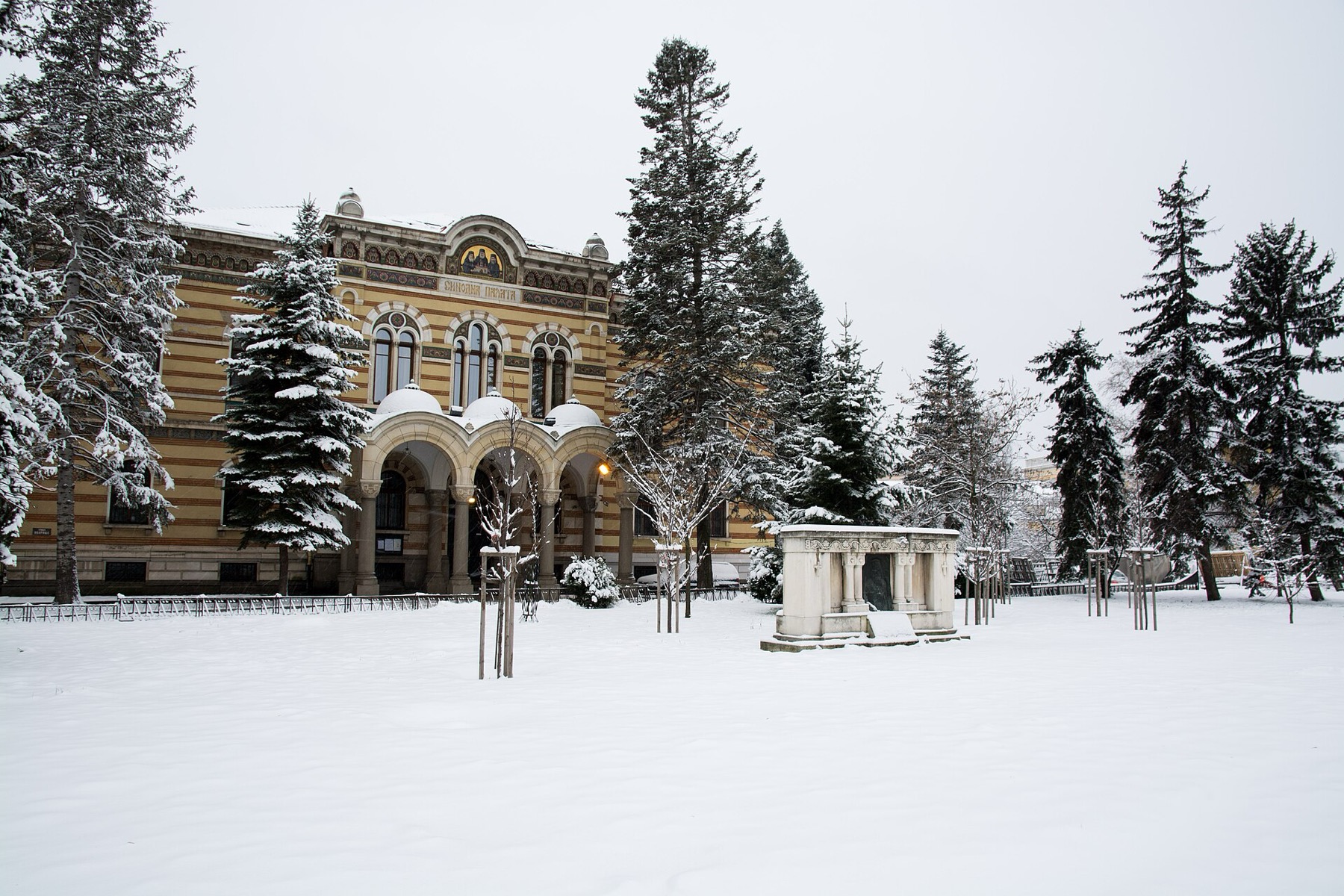
Sofia in Winter
If you’re planning a winter break, don’t expect mild Mediterranean coastal weather. January nights regularly drop to −4 °C, and you’ll get just over six hours of sunshine a day. Most importantly, you can’t head to Vitosha for skiing because the cable cars aren’t running, so save your skiing plans for resorts such as Bansko or Borovets.
What to Watch Out For
Sofia is a very safe city, but it has a few quirks and tourist traps to look out for. The biggest risk is fake taxis at the airport and around the city, which closely imitate the yellow cars and logos of official company OK Supertrans but charge extremely high fares. Be careful when withdrawing cash, too: avoid the blue-and-yellow Euronet ATMs, which offer dynamic currency conversion with a hefty markup, and use machines operated by established banks instead.
Many older guidebooks and blogs still give incorrect advice about trips up Vitosha, so remember that the cable cars are closed and shouldn’t be part of your hiking plans. You may also find confusion on the official websites of museums and historic sites, which haven’t all adapted to the new currency and stubbornly list prices in lev with approximate euro conversions.
Where to Go Next
If you’re planning to explore more of Bulgaria, take a look at our other guides for travel tips and practical information:
- Bulgaria Holiday: 30 Most Beautiful Places
- Prices in Bulgaria After the Switch to the Euro
- Bulgaria Weather: Sea Temperatures by Month and When to Go
- Golden Sands: Things to Do, Beaches and Costs
- Bulgaria All-Inclusive: 22 Best Resorts
Frequently Asked Questions
When is the best time to visit Sofia?
The best time to visit is September, when pleasant temperatures around 22 °C prevail and rainfall is minimal. In contrast, May and June are warm but see the most rain of any month throughout the year.
What should I watch out for in Bulgaria?
In Sofia, watch out most for fake taxis masquerading as the official OK Supertrans operator, and for unfavorable Euronet ATMs. Also keep an eye on your belongings in busy places like the Women’s Market or around the train station.
How do I get from the airport to the center?
The fastest and cheapest way is the yellow metro line M4, which departs directly from Terminal 2. The journey to Serdika station takes about 25 minutes and a ticket, which you can buy at a machine or via the app, costs just €0.80.
Does the cable car to Vitosha run?
No, currently no cable car runs to Vitosha; both former lines (Simeonovo and Dragalevtsi) are out of service long-term. You can only get up there by city bus number 66, which departs from the Zoo station and goes all the way to the Aleko chalet.
Is Sofia worth more than one day?
Absolutely, the city offers so many monuments, parks and great restaurants that one day will barely be enough for a quick rush through the center. For a relaxed visit to historical sites, museums and a possible trip to Vitosha, allow ideally three days.
What currency is used in Sofia?
As of January 1, 2026, Bulgaria adopted the euro, so everywhere in Sofia you pay with the European currency and no longer need the old Bulgarian lev. Moreover, at most places including public transport, restaurants and museums, you can easily pay by card.
Is water from public fountains drinkable?
Yes, the mineral water that flows from the taps at the Central Mineral Baths is not only drinkable but, according to locals, very healing. The water is quite hot and smells slightly of sulfur, but many people fill bottles with it and drink it regularly after it cools down.
Do ride-hailing apps work in Sofia?
Yes, unlike the Bulgarian coast, the popular Bolt app works without problems in Sofia, so you can easily order a ride and pay for it in advance by card. In addition, the local TaxiMe app is very popular and protects you from dishonest street taxi drivers.
Tips and Tricks for Your Vacation
Don’t Overpay for Flights
Search for flights on Kayak. It’s our favorite search engine because it scans the websites of all airlines and always finds the cheapest connection.
Book Your Accommodation Smartly
The best experiences we’ve had when looking for accommodation (from Alaska to Morocco) are with Booking.com, where hotels, apartments, and entire houses are usually the cheapest and most widely available.
Don’t Forget Travel Insurance
Good travel insurance will protect you against illness, accidents, theft, or flight cancellations. We’ve had a few hospital visits abroad, so we know how important it is to have proper insurance arranged.
Where we insure ourselves: SafetyWing (best for everyone) and TrueTraveller (for extra-long trips).
Why don’t we recommend any Czech insurance company? Because they have too many restrictions. They set limits on the number of days abroad, travel insurance via a credit card often requires you to pay medical expenses only with that card, and they frequently limit the number of returns to the Czech Republic.
Find the Best Experiences
Get Your Guide is a huge online marketplace where you can book guided walks, trips, skip-the-line tickets, tours, and much more. We always find some extra fun there!


