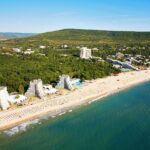
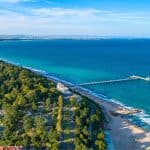
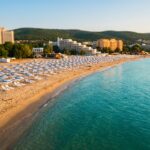
Many international travellers still picture Bulgaria as a retro catalogue classic, a place of giant resorts along the Sunny Beach coast. But this Balkan country offers so much more than a holiday in Bulgaria spent in a mega-resort: from wild coastline in the south, through gorgeous mountains dotted with glacial lakes, all the way to ancient cities older than Rome itself. If you love discovering places where time seems to stand still, and you don’t mind occasionally trading a bit of Western luxury for authenticity, you’re in for a huge surprise.
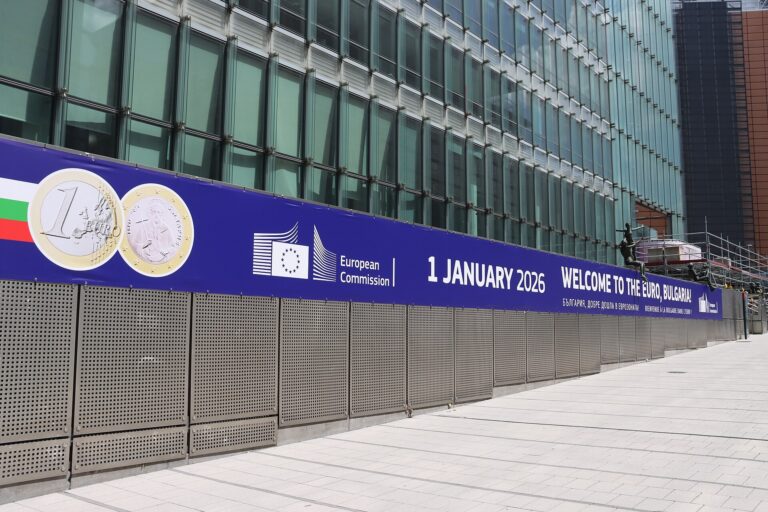
Another big piece of news for travellers is that Bulgaria has used the euro since 1 January 2026. Gone is the endless converting of leva and hunting for honest exchange offices. Even though prices in restaurants rose a little because of higher VAT, this is still the most affordable seaside holiday in the whole European Union. A sunbed here costs a fraction of what you’d pay in Greece, and a meal in a local tavern is genuinely cheap.
Why go in early September, where to head with kids, and where to find absolute peace far from the package-tour hotels? You’ll find it all below, along with plenty of practical tips for travellers.
TL;DR
If you don’t have time to read the whole guide, I’ve put together a quick overview of the most important information. It’ll give you a basic idea of how to plan your holiday best.
Here’s everything you need to know before your trip in a nutshell. You can even save it as a quick cheat sheet on your phone.
- When to go: July and August are best for swimming, but the ultimate insider tip is early September, with warm sea and half the prices.
- What to pay with: Since 2026 the euro is the only official currency; cards are accepted in larger towns and hotels, cash comes in handy in the countryside.
- Budget: Bulgaria stays cheap; a week by the sea in an apartment runs roughly €300 to €500 per person.
- How to get there: Fly to Burgas, Varna or Sofia (carriers like Ryanair, easyJet, Wizz Air and Lufthansa serve the country), or drive without delays thanks to Schengen membership.
- Top icons to see: Rila Monastery, ancient Plovdiv, the Seven Rila Lakes and the old town of Nesebar.
- North vs. south: The northern coast around Varna offers great family resorts, while the south beyond Burgas draws you in with wild nature and a more authentic atmosphere.
| Place | Best for | When to go |
|---|---|---|
| :— | :— | :— |
| 1. Varna | City strolls, parks, history and museums | May to September |
| 2. Golden Sands | Family holiday amid greenery near the airport | June to September |
| 3. Albena | Wide beaches, water parks and safety for kids | June to September |
| 4. Balchik | Romance, a palace and a huge botanical garden | May to October |
| 5. Cape Kaliakra | Dramatic cliffs, views and history | Year-round |
| 6. Sunny Beach | Nightlife, parties and big hotel resorts | July and August |
| 7. Nesebar | UNESCO history and monuments | May, June, September |
| 8. Sveti Vlas | A quieter holiday and a modern marina promenade | June to September |
| 9. Pomorie | Spa relaxation, healing mud and calm | June to September |
| 10. Burgas | Transport hub with pretty parks and salt lakes | Year-round |
| 11. Sozopol | Authentic old town and wooden architecture | June to September |
| 12. Ropotamo and Arkutino | Nature watching, boat trips and sand dunes | May to September |
| 13. Primorsko and Kiten | Affordable holiday in pine groves | June and September |
| 14. Sinemorets and Veleka | Swimming at the iconic wild beach at a river mouth | July and August |
| 15. Silistar | Escaping civilisation, nature near the Turkish border | July and August |
| 16. Sofia | A cheap city break, monuments and mountain views | Year-round |
| 17. Vitosha | Mountain hiking with views right over the capital | Year-round |
| 18. Rila Monastery | Soaking up the spiritual atmosphere and admiring frescoes | May to October |
| 19. Seven Rila Lakes | Unforgettable high-mountain hiking and nature | July to September |
| 20. Borovets and Musala | Climbing the highest peak in the whole Balkans | July to September |
| 21. Plovdiv | Roman monuments, the creative Kapana quarter and cafés | Year-round |
| 22. Koprivshtitsa | Discovering national history in colourful timber houses | May to October |
| 23. Kazanlak and the Valley of Roses | The scent of rose oil and traditional flower festivals | May and June |
| 24. Buzludzha and Shipka | Mysterious architecture and mountain monuments | May to October |
| 25. Veliko Tarnovo | The medieval Tsarevets fortress and photogenic lanes | May to October |
| 26. Etar and Bozhentsi | A trip back in time to a museum of traditional crafts | May to October |
| 27. Bansko and Pirin NP | Summer mountain hikes and comfort at great prices | July to September |
| 28. Melnik | Wine tasting among sandstone pyramids | April to October |
| 29. Trigrad and Yagodina Cave | Dramatic gorges and mysterious cave systems | May to October |
| 30. Belogradchik Rocks | Admiring red rock towers and an old fortress | May to October |
The full destination guide: Bulgaria Travel Guide — guide and what to see
Before you go: euro, transport and entry
The biggest change for tourists is without doubt the adoption of the euro on 1 January 2026. The official conversion rate was set at 1.95583 leva to one euro, and the Bulgarian currency could last be used at the end of January. If you have any old banknotes left over, you can exchange them for free with no time limit at the Bulgarian National Bank, but for a regular holiday you’ll get by perfectly with euros alone.
The new currency naturally brought some price adjustments too. Restaurants and hotels rose by roughly ten percent year on year (and, according to statisticians, by 20 to 30 percent over the past two years), but that isn’t primarily the euro’s fault. The main reason is a sharp increase in VAT on hospitality from 9 to 20 percent, in force since January 2025, plus Europe-wide inflation. Even so, Bulgaria holds on to its position as the cheapest summer destination in the EU. Those extreme coffee bills you sometimes see in the media come almost entirely from luxury beach clubs.
As for getting there, you can be at the sea in under two hours by plane. Major carriers such as Ryanair, easyJet, Wizz Air and Lufthansa serve Burgas, Varna and Sofia from many European hubs. If you prefer driving, the route through Romania or Serbia is far smoother than it used to be. Both Bulgaria and Romania are now full members of the Schengen area, so you won’t face any lengthy checks at their shared borders. A valid ID card is all you need to enter, the European Health Insurance Card (EHIC) works here, and you pay no roaming charges for mobile data.
When to visit Bulgaria: weather through the seasons
The ideal time to visit depends mostly on what you want to do on holiday. For classic swimming and sunbathing, the most popular months are of course July and August. The water is a lovely 24 to 26 degrees then, but you’ll have to reckon with the highest accommodation prices and huge crowds in the resorts.
If you love peace and quiet and want to save money, September is the ultimate insider tip. Locals agree that three nights in September cost the same as two in August. The sea is still beautifully warm at 20 to 22 degrees, outdoor temperatures hover around a pleasant 25 degrees, and the beach crowds vanish for good. June, meanwhile, is a favourite among Bulgarians themselves, because the days are long and the air is already hot, even if the sea is still slowly warming up.
For mountain hiking in the Rila or Pirin ranges I’d recommend planning your trip for the period from July to September. Snow can linger at the highest elevations right up until June. City sightseeing in Sofia or Plovdiv is best enjoyed in spring and autumn. A special case is the Valley of Roses, which is worth visiting from mid-May to mid-June, when the traditional festivals and flower harvests take place.
| Type of holiday | Best months | What to avoid |
|---|---|---|
| :— | :— | :— |
| Sea swimming | July, August and especially September | Winter months and early spring |
| Mountain hiking | July to September (after the snow melts) | May and June because of leftover snow |
| Cities and monuments | May, June, September and October | August heat inland |
| Winter skiing | December to March | April, when snow melts fast |
| Blooming roses | Mid-May to mid-June | The rest of the year, no roses in bloom |
Where to stay in Bulgaria
💡 Accommodation and experience tip: We prefer to look for accommodation on Booking.com, which usually has the best cancellation terms. Tickets, tours and activities are then worth comparing and buying through GetYourGuide.
The choice of accommodation is huge and comes down to your budget and travel style. It’s definitely worth looking for trusted places on Booking.com, where you’ll find honest reviews. Families with children most often head to organised resorts on the northern coast, which have perfect facilities, water parks and a gentle slope into the sea.
Golden Sands offers a nice compromise between nature and fun, since the hotels here sit right in the forest rather than on a bare plain. Families have had good experiences with, for example, the HVD Viva Club Ultra All Inclusive with its own private beach, or the more affordable Hotel Continental if you don’t want to overpay for all inclusive. For a more luxurious family stay with perfect service, you can choose the Flamingo Grand Hotel & Spa in the calm Albena resort. If you’re after premium services and endless fun by the water, check out the Wave Resort with a giant water park and infinity pools, lying between Burgas and Sunny Beach.
For those seeking peace and romance in old lanes, Nesebar or Sozopol in the south is ideal. In Nesebar you’ll be charmed by the boutique Castro Mesembria Boutique Hotel right in the historic centre, or the cheaper Family Hotel Saint Nikola. In Sozopol, travellers rave about Art Complex Anel for its top-notch standard.
When exploring cities, I recommend staying right in the centre. In Sofia, the design-led Sentro Boutique Hotel is a huge hit, as is the more affordable Aurora Sofia Hotel. In ancient Plovdiv you’ll be thrilled by the gorgeous Villa Flavia Heritage Boutique Hotel. If you’re heading to the mountains, the absolute pick in Bansko is the Kempinski Hotel Grand Arena Bansko, right by the cable car, or the popular family-friendly Lucky Bansko Aparthotel SPA & Relax.
The northern coast: Varna and surroundings
The northern coast has a reputation as the more touristy part, with big resorts, water parks and an airport just round the corner. And yet you’ll find here, for example, the oldest worked gold in the world, or a stone forest. Quite a surprise, right?
This stretch of coast is also ideal for anyone looking for perfect tourist facilities combined with immersive history and easy transport around the area.
1. Varna
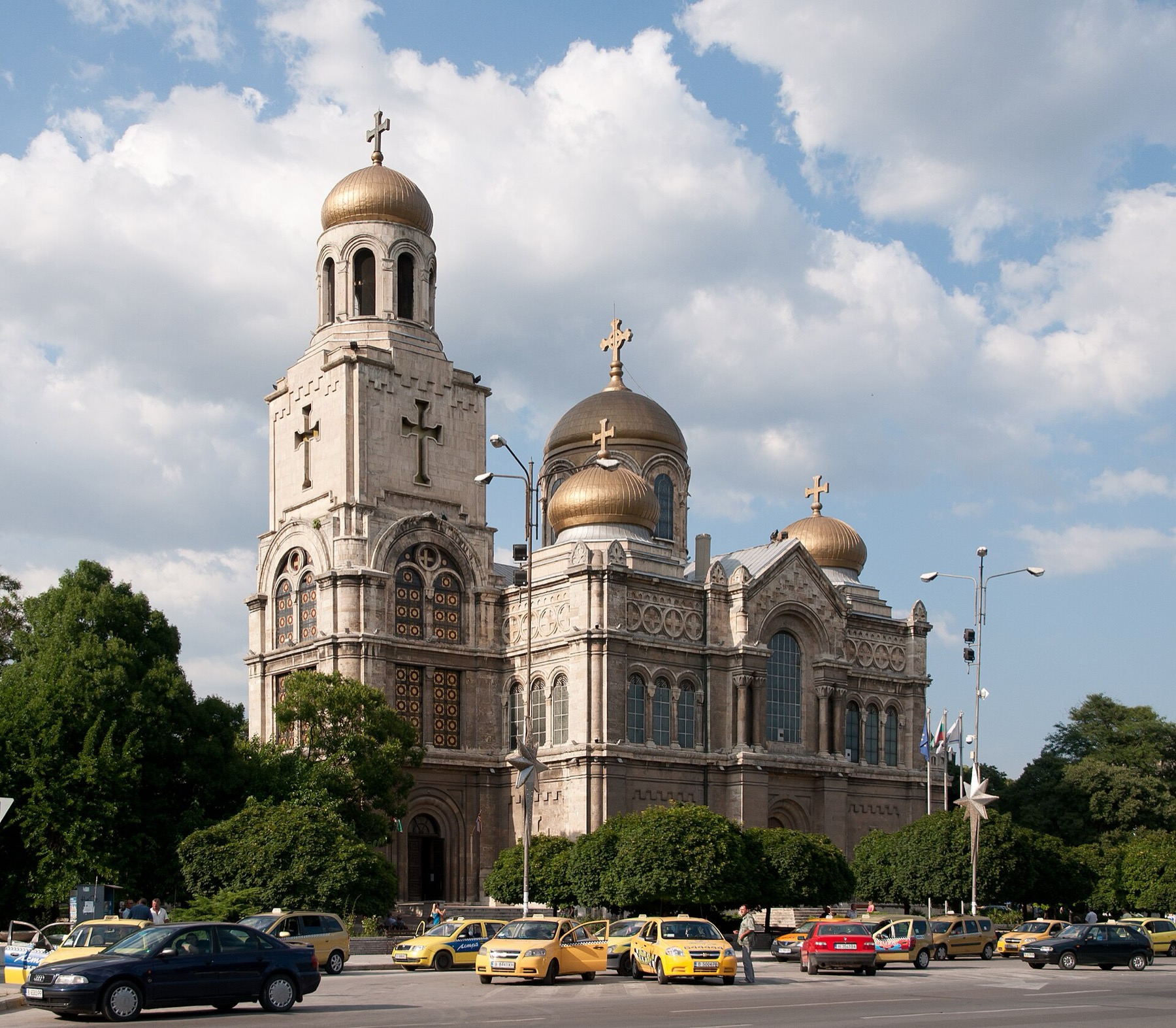
With more than seventy thousand inhabitants, Varna is a genuine seaside metropolis. People love the huge Sea Garden (Morska gradina), where you can rest in the shade of the trees even in the fiercest heat. In the city itself you’ll find the beautiful Cathedral of the Assumption with its unmissable golden domes and a long sandy beach lining the centre.
The local Archaeological Museum is a real one-off. Did you know it holds the oldest worked gold in the world? The Varna Chalcolithic treasure dates from roughly 4,600 to 4,200 BC, and history lovers consider it an absolute must-see. Just outside the city you can also admire the natural phenomenon of Pobiti Kamani, a fascinating stone forest.
💡 Tip: If you’re not staying in Varna itself, definitely come here for at least a day. The bus ride from Golden Sands takes just twenty minutes and the ticket costs only small change.
2. Golden Sands
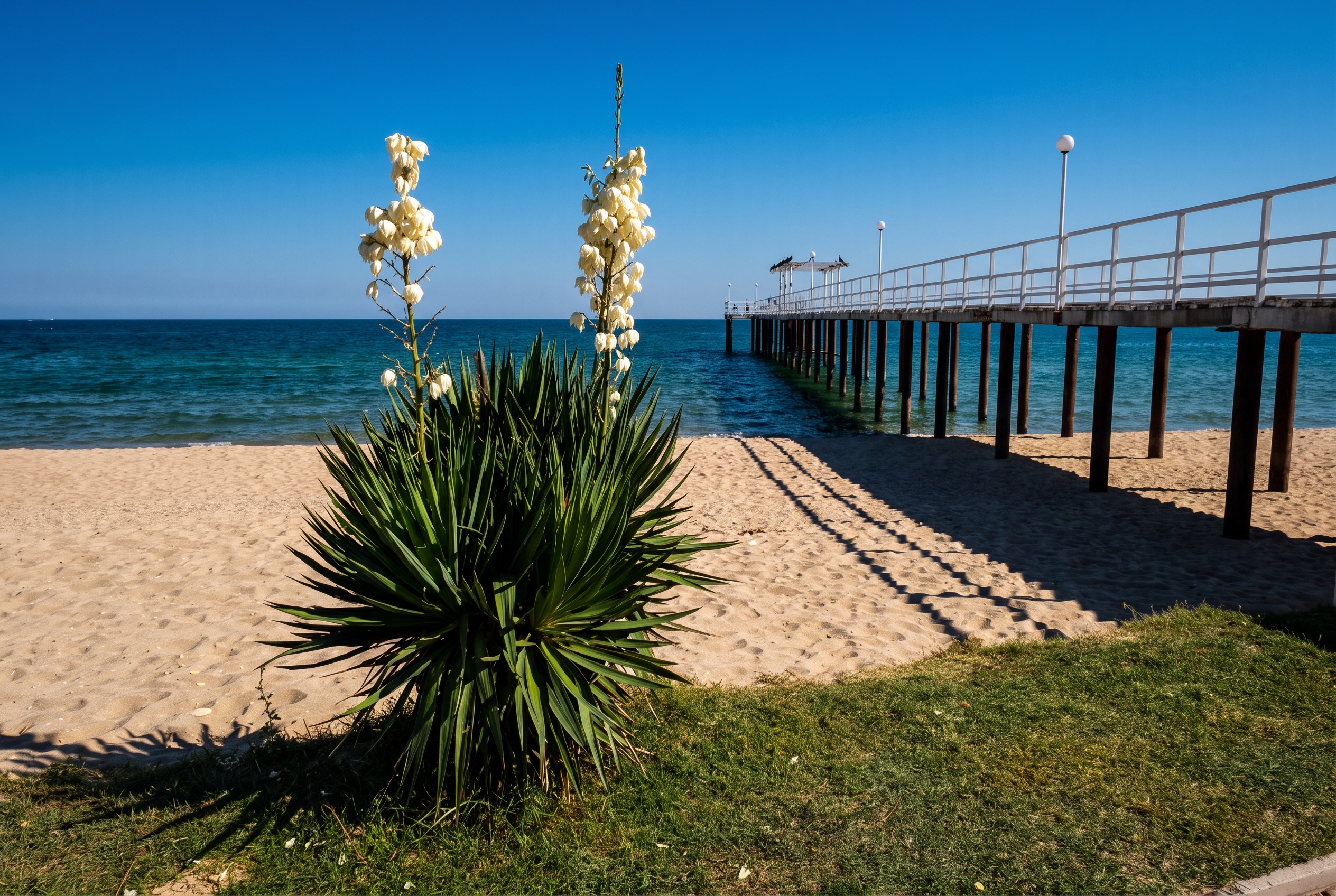
This resort is often called the green heart of the coast. The hotels here don’t stand on a bare plain but right inside the forest of a protected nature park. The beach is over three kilometres long and offers great swimming conditions. It’s often compared to Sunny Beach, but Golden Sands is far calmer and more popular with families.
Renting a sunbed with a parasol will cost you around five to six euros a day in the 2026 season. What’s more, Bulgarian law guarantees that at least half of the active beach area must be left as a free zone. So you can happily bring your own blanket and parasol without paying pricey fees to beach clubs.
3. Albena
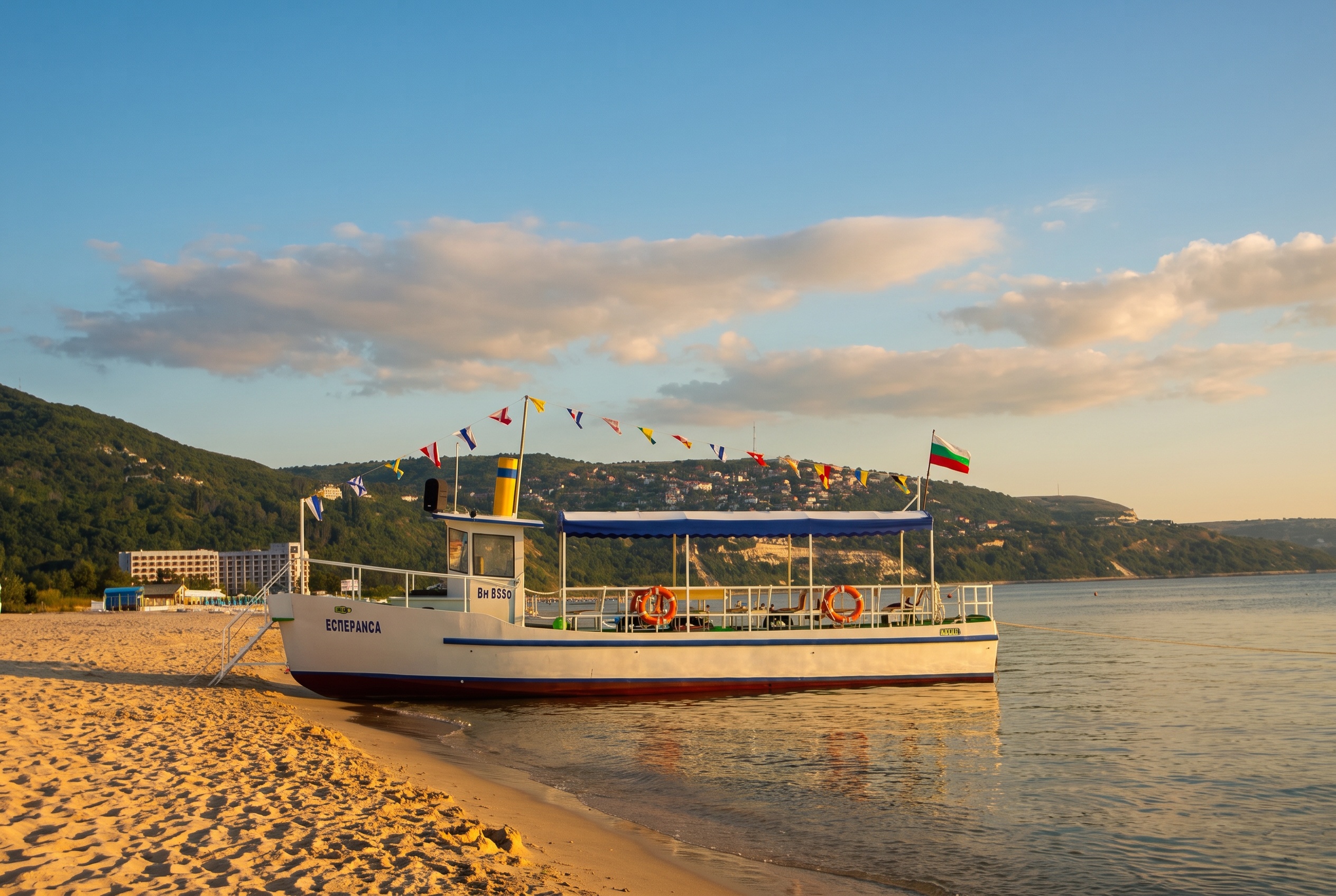
Albena is a self-contained, carefully maintained family resort that works like a small town of its own. The main draw is an incredible seven-kilometre beach that’s up to a hundred metres wide in places. The slope into the sea is very gentle, which is absolutely ideal for families with small children. In high season a large part of the resort is closed to cars, too, so you can stroll around safely.
For fans of active relaxation there are more than fifty different sports facilities, and the big hit is the local Aquamania water park. A full-day ticket costs an adult around €25, but according to parents this investment is definitely worth it, since the kids stay entertained all day long.
4. Balchik
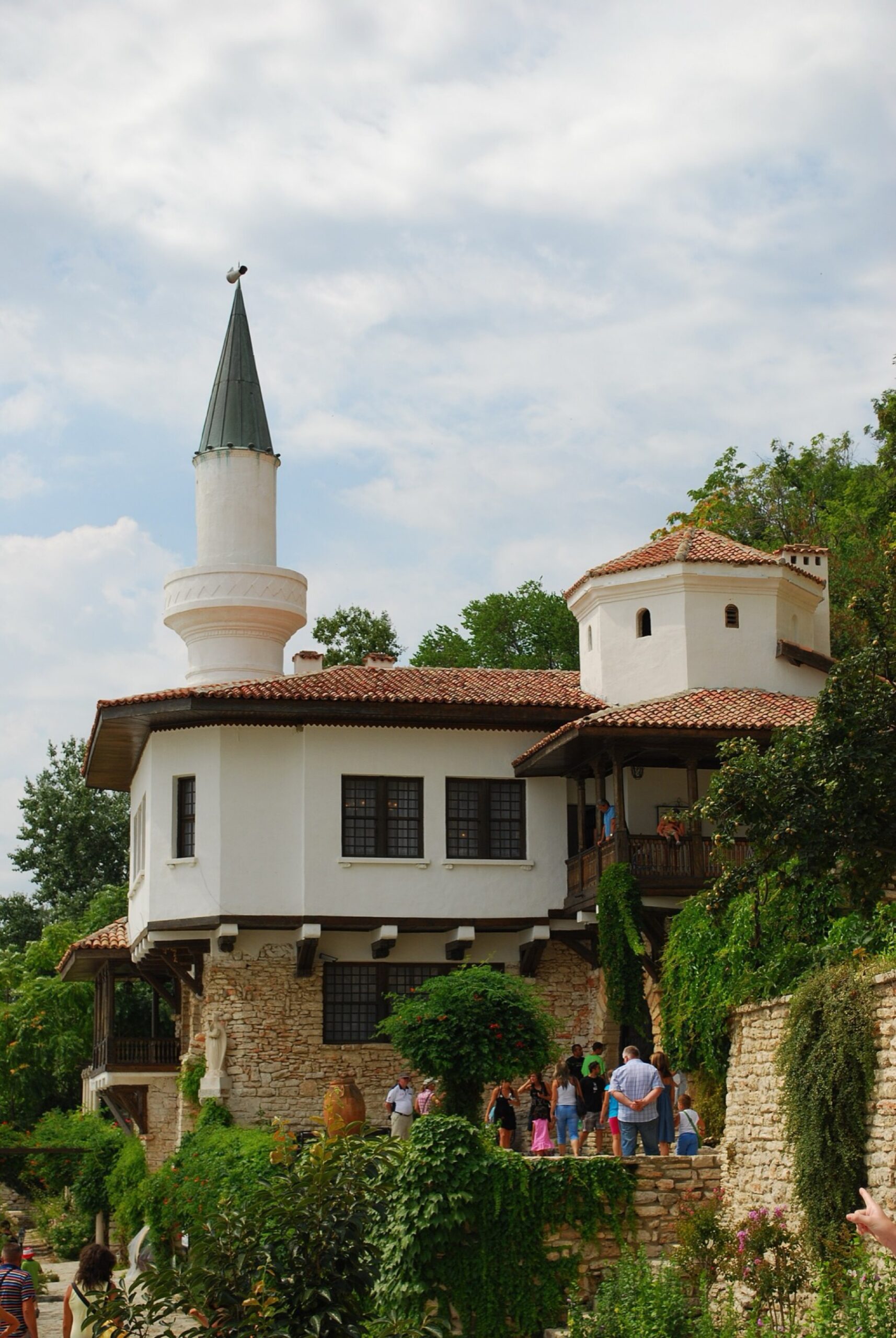
The town of Balchik lures you in with a rather different atmosphere. In the early twentieth century, Romanian Queen Marie fell in love with this spot and had a summer residence called the Quiet Nest built here. The palace is a beautiful example of oriental and Balkan architecture blended together, and it still feels immensely romantic today.
Around the palace spreads a stunning botanical garden that boasts the second-largest cactus collection in Europe, right after Monaco. The garden is huge and offers lovely sea views. Tickets are bought separately for the palace and the garden, so budget around €20 in total. Balchik is also connected to nearby Albena by a wonderful eight-kilometre promenade, ideal for cycling.
5. Cape Kaliakra
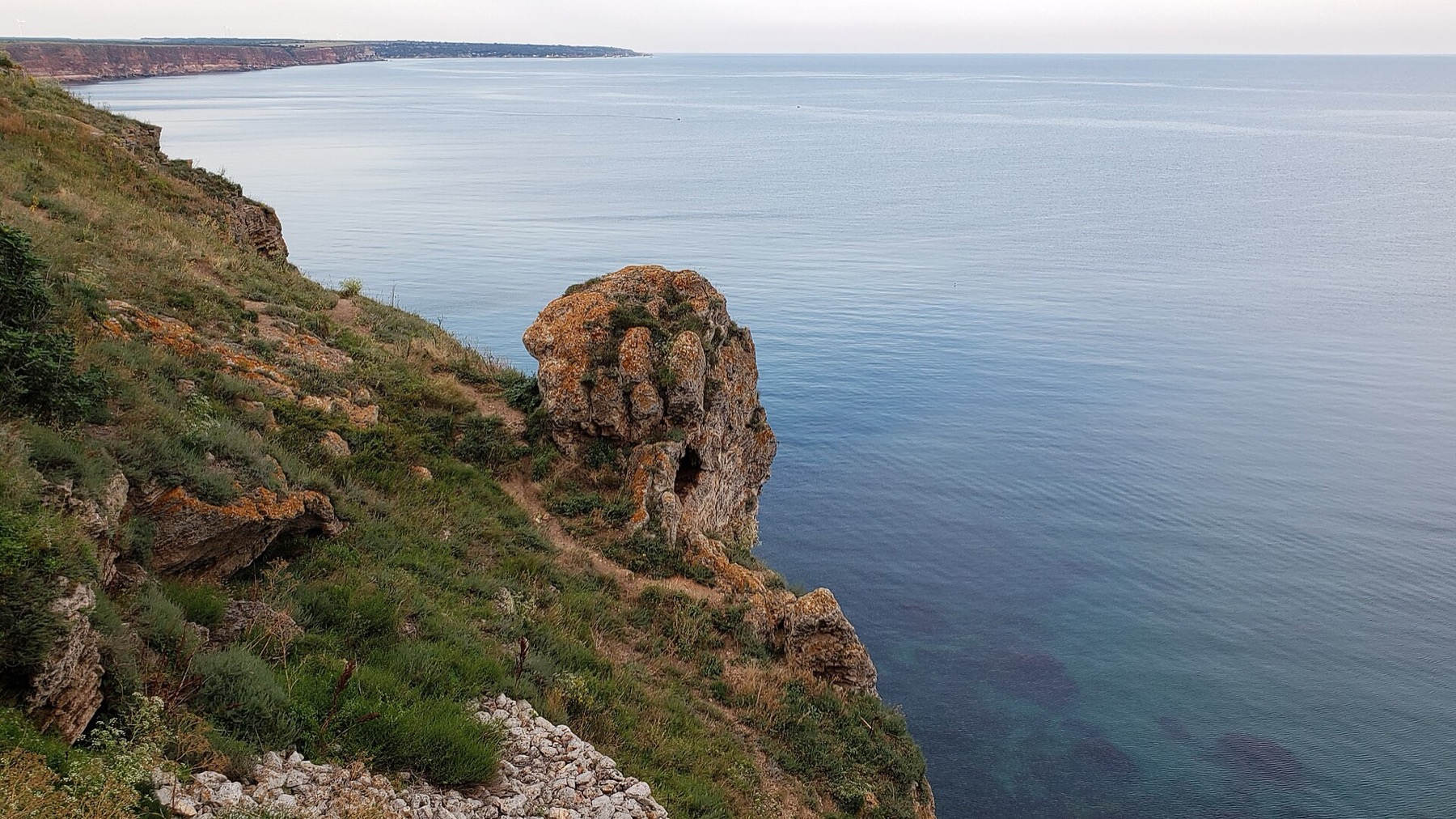
If you love dramatic scenery, Cape Kaliakra will definitely get you. This two-kilometre spit of land jutting into the sea is lined with cliffs up to seventy metres high. You’ll see the remains of an old Thracian fortress and learn the famous legend of forty maidens who leapt into the sea rather than fall into the hands of the Ottoman army.
Admission to the site costs a symbolic €2.50, and family tickets run around €3.50. The cliffs are also a great spot for watching dolphins, which often dart around here in small pods. Near the cape you’ll find renowned golf resorts too, so the surroundings feel very well kept and upmarket.
Sunny Beach in Bulgaria and around
This area is probably the best-known corner of the whole of Bulgaria. It’s a place of extremes: on one hand you’ll find the largest summer party zone in Europe, and on the other, breathtaking historic monuments on the UNESCO list.
6. Sunny Beach
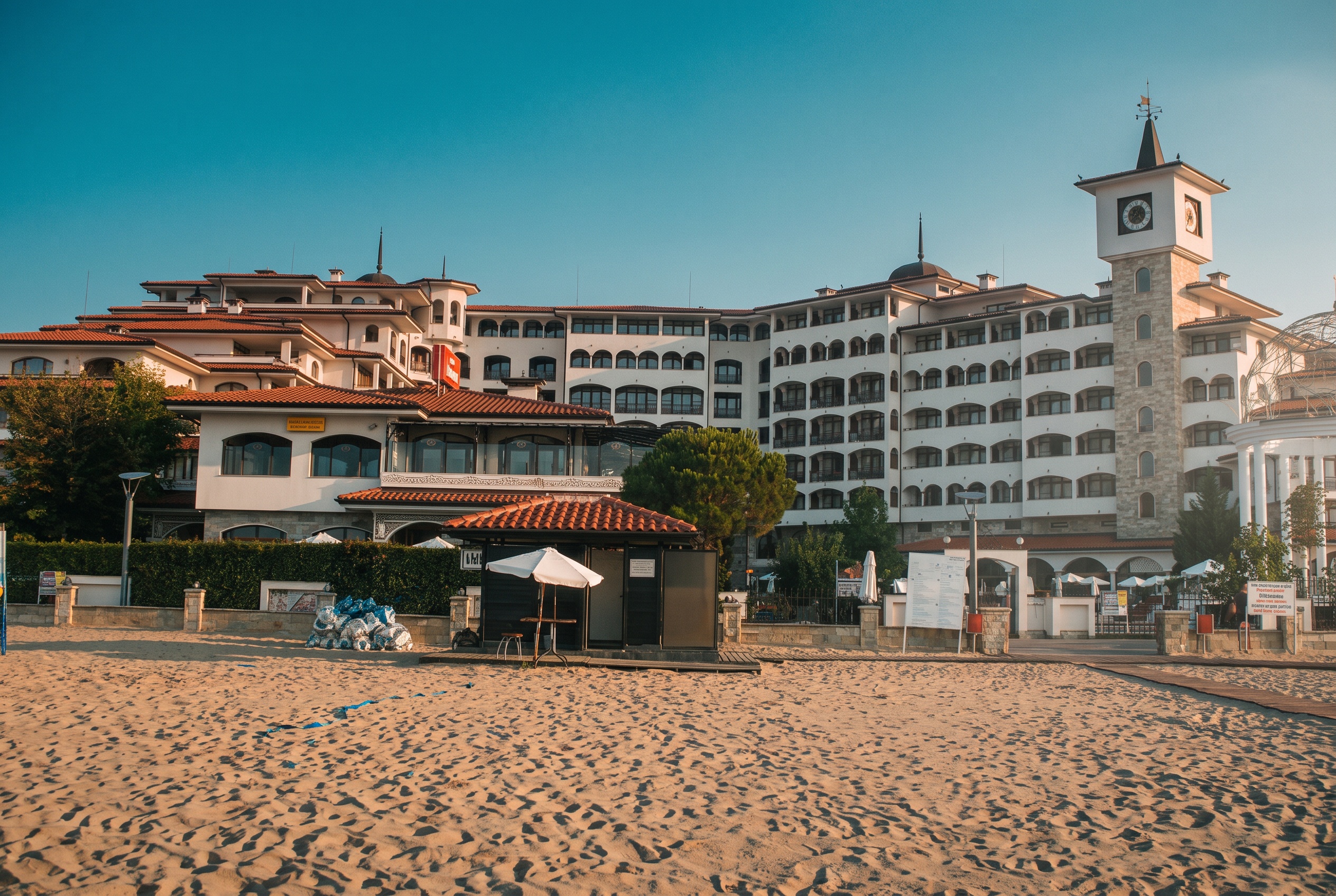
Bulgaria’s largest resort offers eight kilometres of sandy beaches and two utterly different worlds. While the fringes towards Nesebar and Sveti Vlas are full of quiet family hotels with entertainment programmes, the centre itself is one of the most famous party zones in Europe. The renowned clubs run at full tilt until morning, and you’ll meet crowds of young people on stag and hen dos or graduation trips.
You’ll find a detailed guide to the resort, including prices, zones and traps, in the article Sunny Beach: 15 tips and what to watch out for.
When visiting the centre, though, watch out for the classic tourist traps. A typical problem is restaurants without clearly displayed price lists, where the bill can then unpleasantly surprise you, or dodgy jet-ski rentals. Never, and I mean never, leave your passport as a deposit for hiring anything. And during a night out in the clubs, keep a close eye on your drink.
💡 Tip: The food right on Sunny Beach is rather average and aimed at quickly filling up package guests. If you want to taste something good, pop into a local bakery in the morning for a traditional banitsa with cheese.
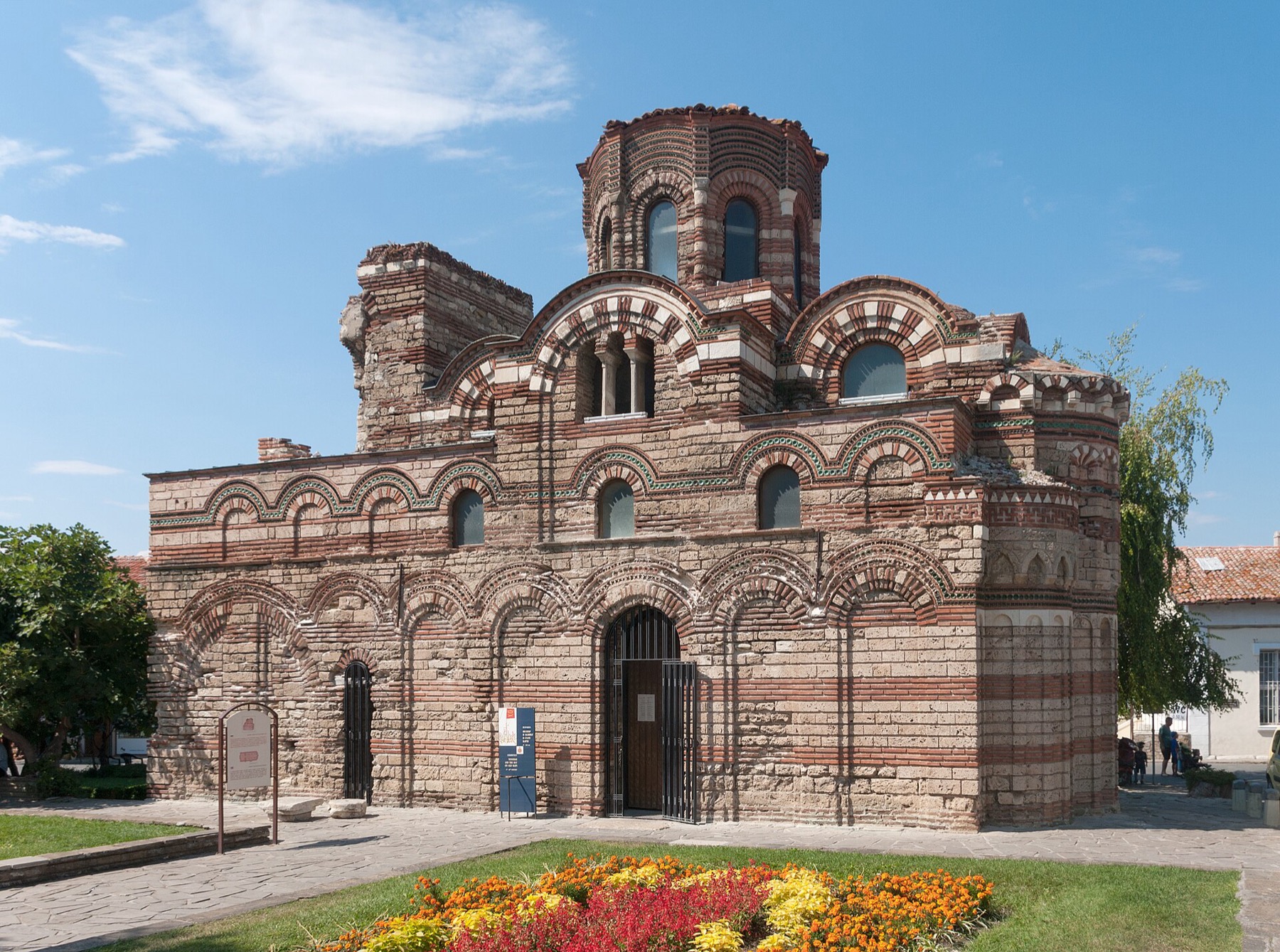
7. Nesebar
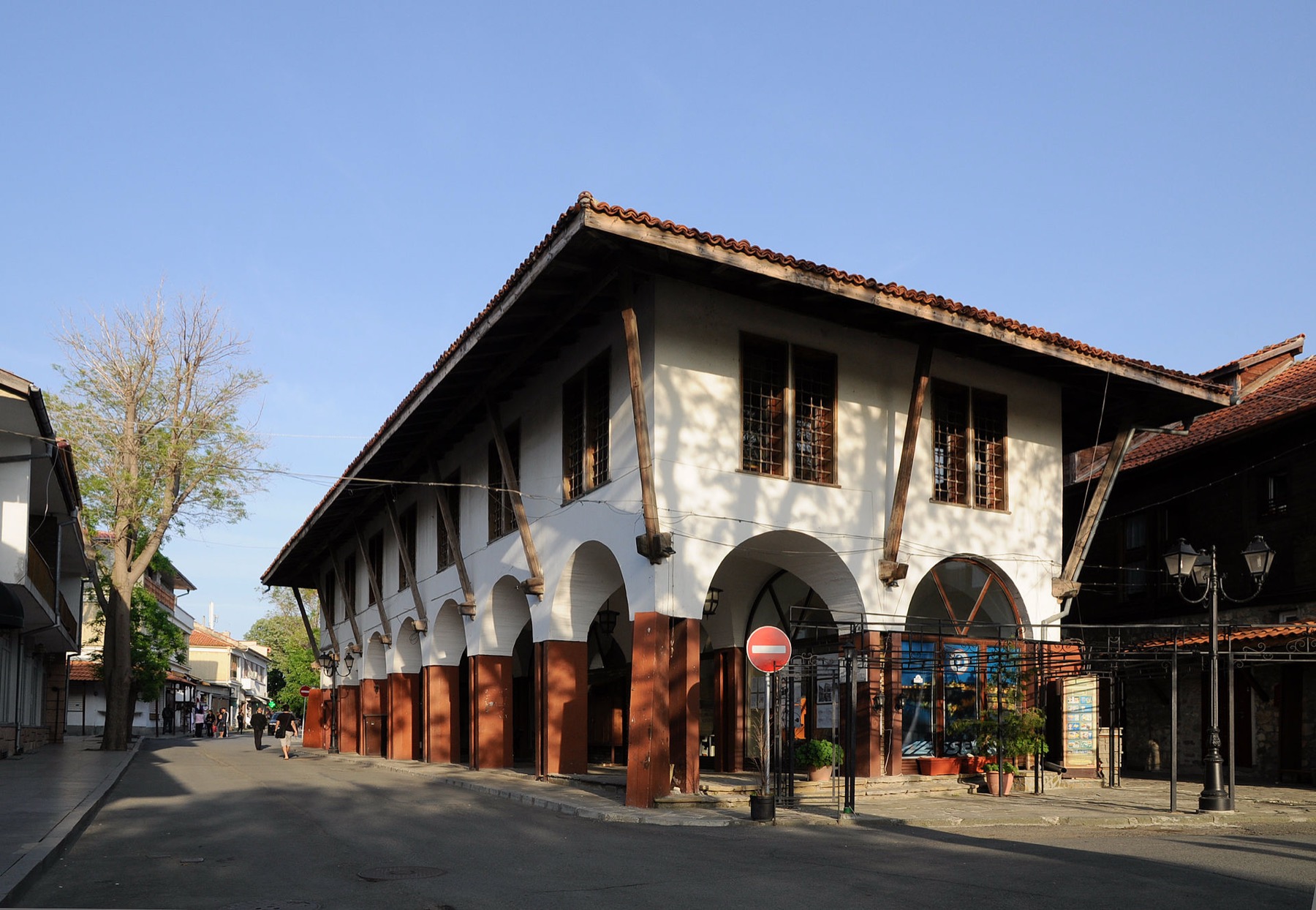
The old town of Nesebar sits on a small rocky peninsula joined to the mainland by a narrow isthmus, where an iconic wooden windmill greets you. This place has been on the UNESCO list since 1983 and travellers consider it an absolute gem. You’ll wander winding lanes between traditional wooden houses and see the remains of more than forty medieval churches.
Because Nesebar is so beautiful, it’s besieged by coach tours from neighbouring Sunny Beach during the day. If you want to enjoy its magical atmosphere in peace, come here either early in the morning or towards evening, once most tourists have left. Admission to the main archaeological museum costs just under five euros, and a combined ticket to all the sights runs to almost eighteen euros.
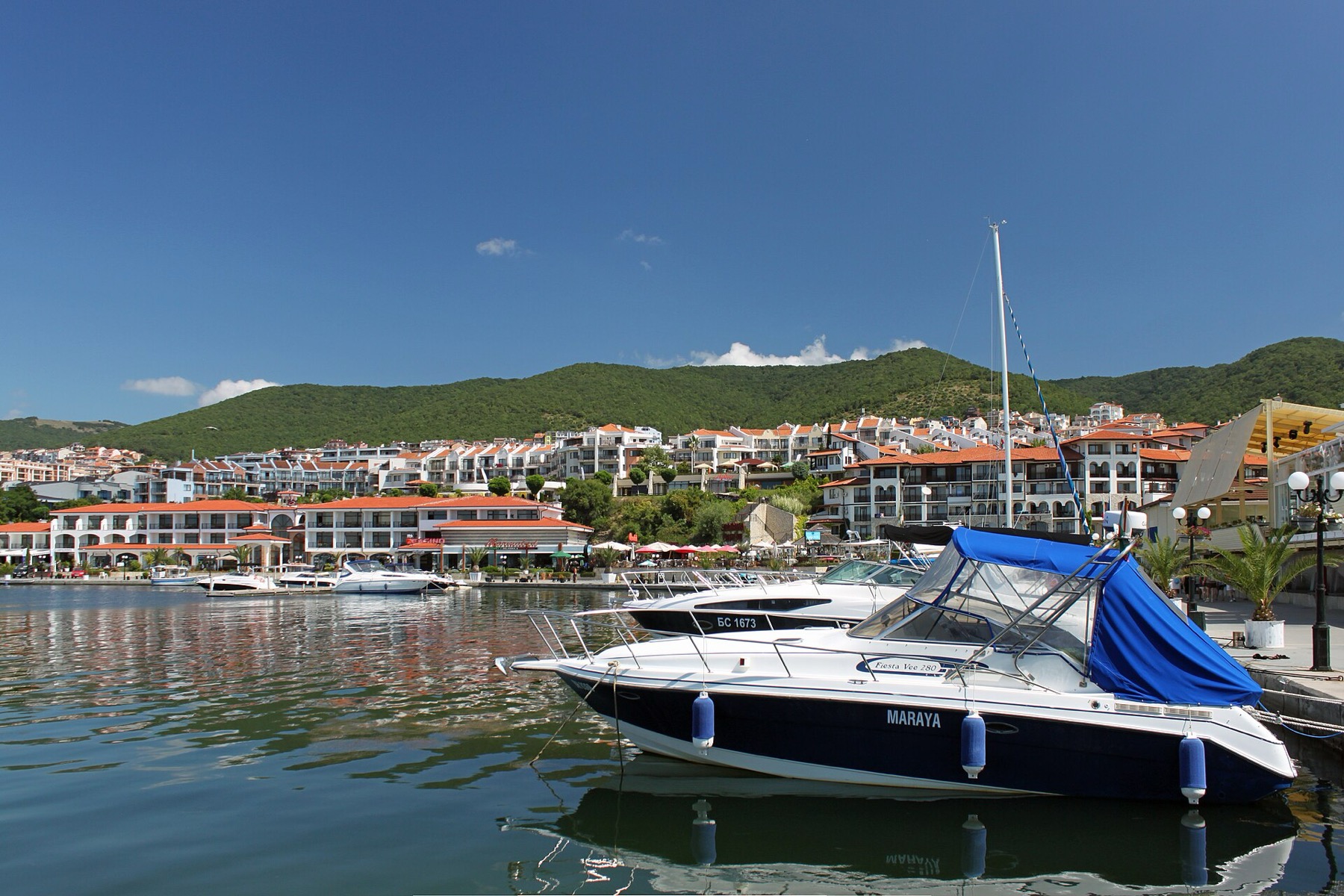
8. Sveti Vlas
Just north of Sunny Beach you’ll find the resort of Sveti Vlas. It’s much newer, cleaner and altogether gives off a noticeably calmer and more upmarket vibe. This place is a favourite with travellers who want to be close to all the fun and services of a big resort, yet prefer quieter evenings without thumping music.
The main hub of activity is the modern Dinevi marina, around which you’ll find a pleasant promenade full of cafés and restaurants. It’s an ideal spot for an early-evening stroll and watching the sun set over the sea.
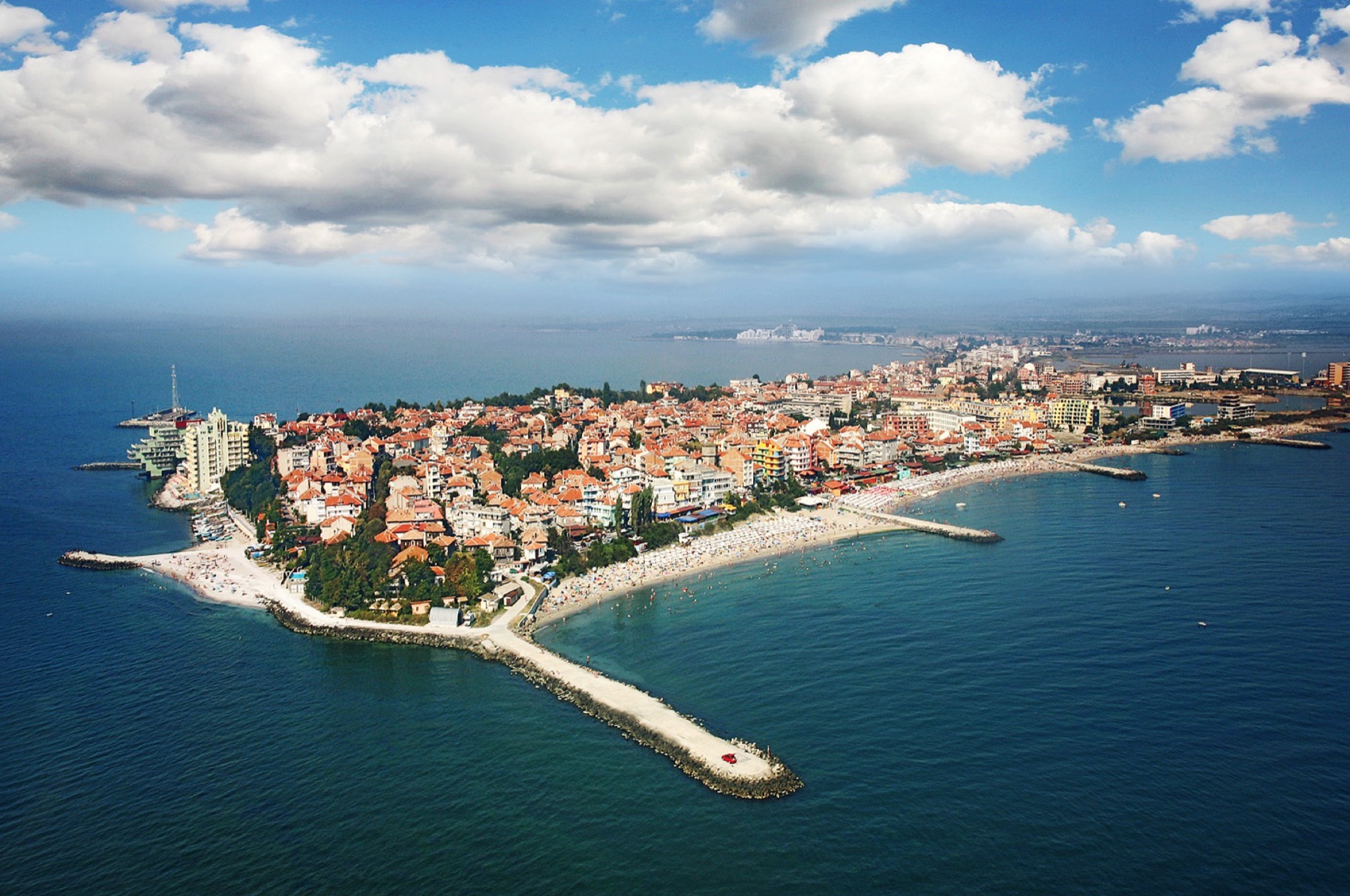
9. Pomorie
Pomorie is known above all for its long spa tradition. There’s a shallow salt lake here from which they extract healing mud with benefits for the skin and joints. Many tourists come precisely for the treatments, or smear the mud on themselves right on the designated beaches by the lake.
Pomorie is especially popular with older couples and families seeking relaxation without much fuss, and since the local lake is a protected area full of rare birds, don’t hesitate to toss a pair of binoculars into your backpack.
The wild south: the coast beyond Burgas
While the north is full of large hotel complexes, the south beyond Burgas is simply a different world: wilder, calmer, and nature plays the leading role here. In short, it’s like Croatia looked twenty years ago.
You’ll find the most beautiful beaches here, along with stunning historic towns lined by a clear turquoise sea.
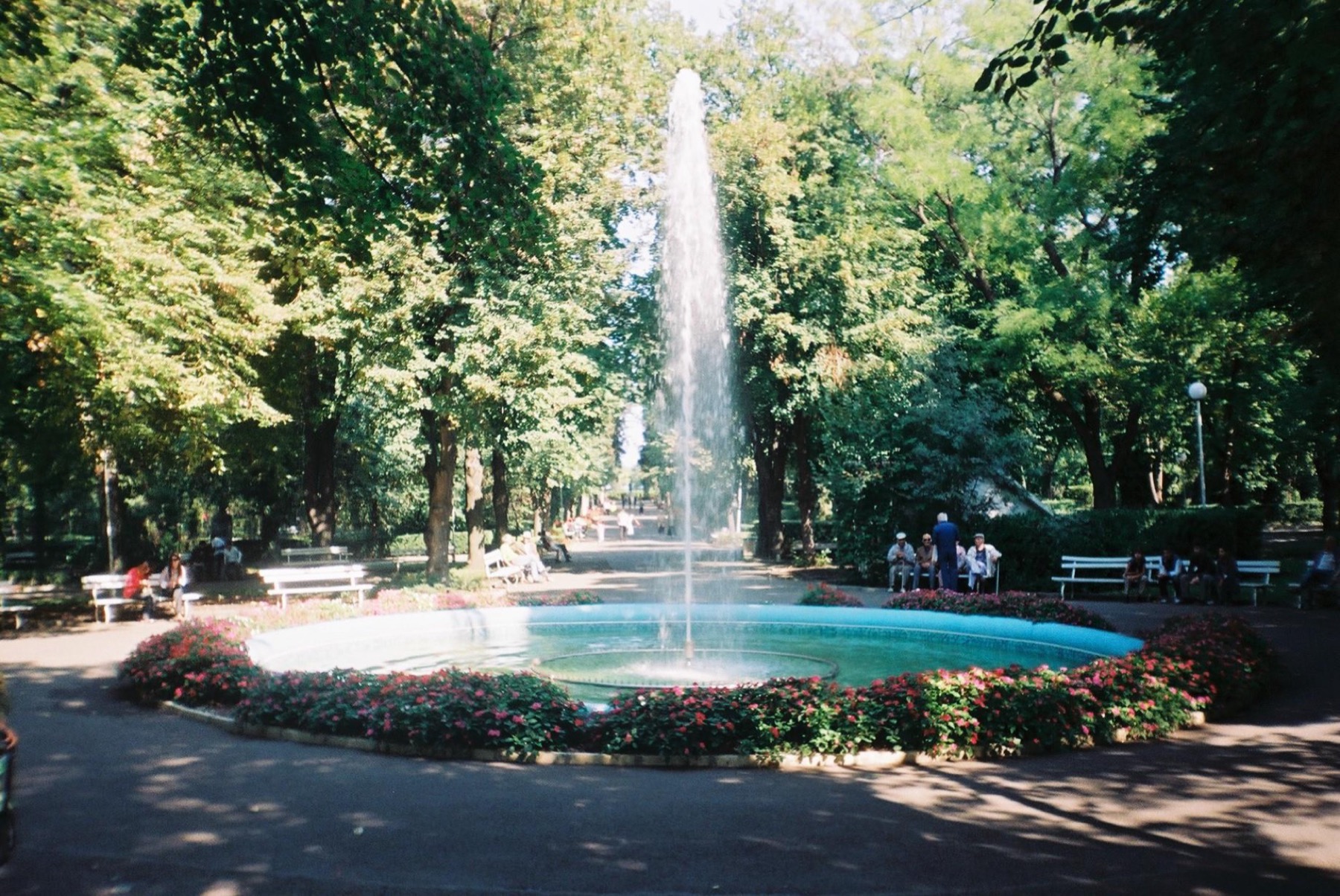
10. Burgas
Burgas works mainly as the main transport hub for the whole southern coast, since most charter flights land here. But the city has something to offer in its own right too. You’ll find a beautiful, sprawling Sea Garden, and the nearby pink salt lakes (Atanasovsko Lake) are another highlight that look utterly unreal in photos.
What’s more, Burgas is preparing for a historic moment: in May 2027 it will host the Eurovision final for the first time in Bulgarian history, so if you’re planning a spring trip, you’d better book accommodation well in advance.
11. Sozopol
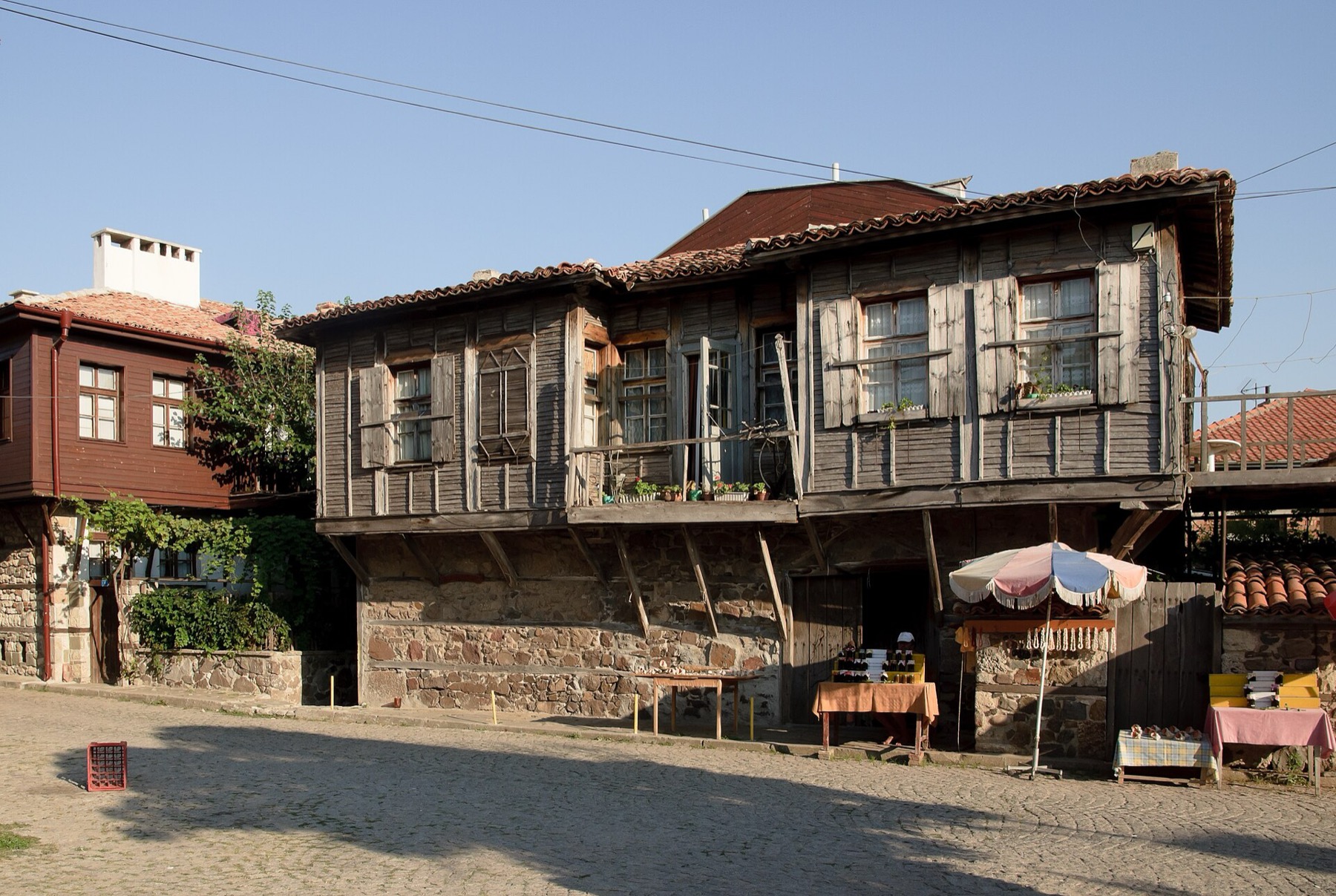
Sozopol is the oldest town on the coast, its history reaching back to the ancient Greek settlement of Apollonia. Like Nesebar, old Sozopol sits on a small peninsula and boasts gorgeous winding lanes with typical wooden houses hanging over the sea. But it’s far more refined and less crowded than Nesebar.
Around the town you’ll find lovely beaches such as Harmani or the central town beach, where a sunbed costs a very friendly four euros. Just to the south are the renowned Smokinya and Gradina beaches, hugely popular with young travellers and offering a relaxed camping vibe.
💡 Tip: If you head to Sozopol in early September, you’ll experience the wonderful Apollonia arts festival. The whole town comes alive with concerts, theatre and exhibitions.
12. Ropotamo and Arkutino
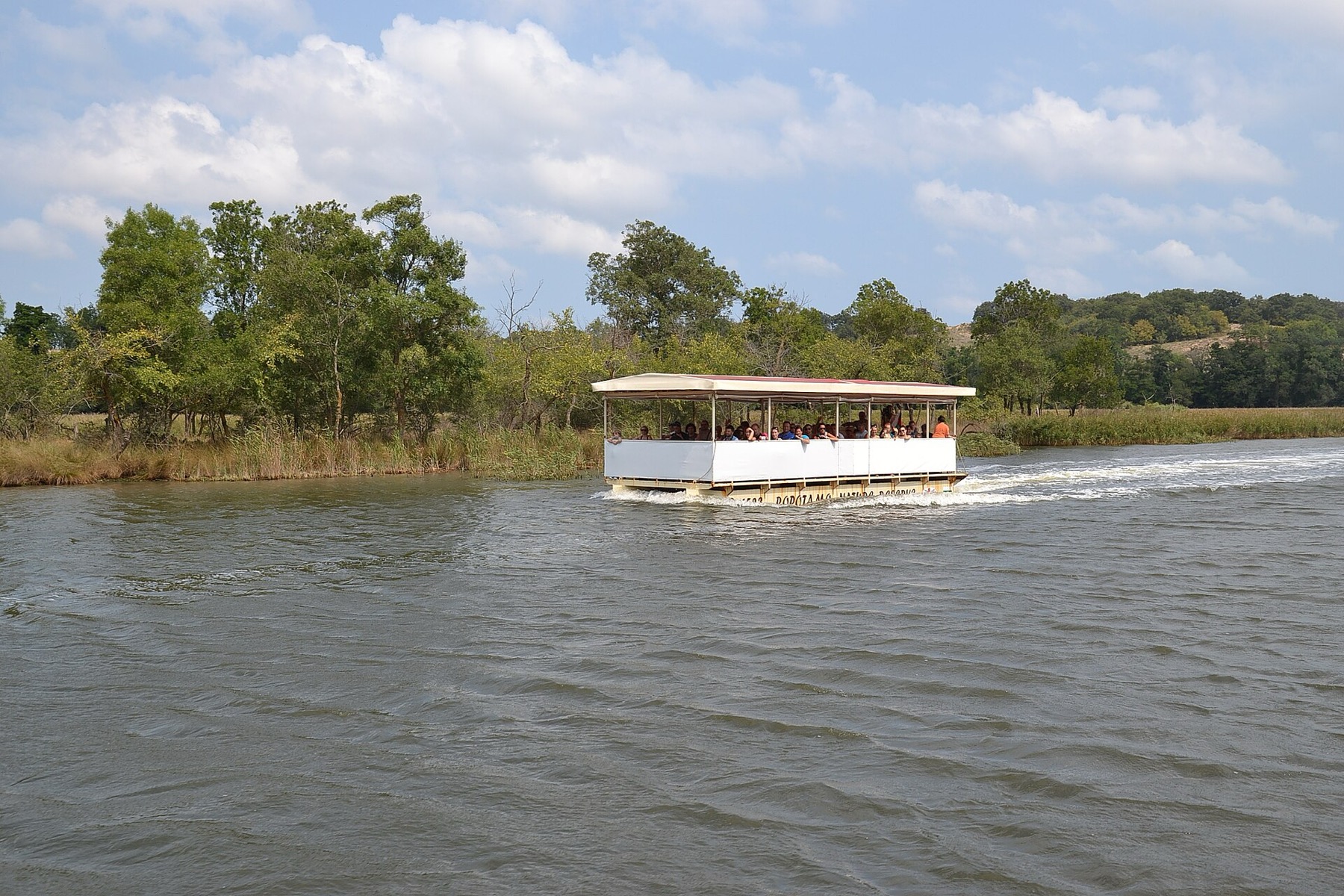
Just below Sozopol, the Ropotamo River flows into the sea and creates a beautiful nature reserve. Very popular here are slow river cruises among huge fields of water lilies and dense forests that resemble a jungle. It’s a great break from sunbathing on the beach.
Right next door you’ll find Arkutino beach, famous for its tall sand dunes. A protected and very rare sand lily grows here, blooming until the end of August. This spot is an oasis of calm and any lover of untouched nature will appreciate it.
13. Primorsko and Kiten
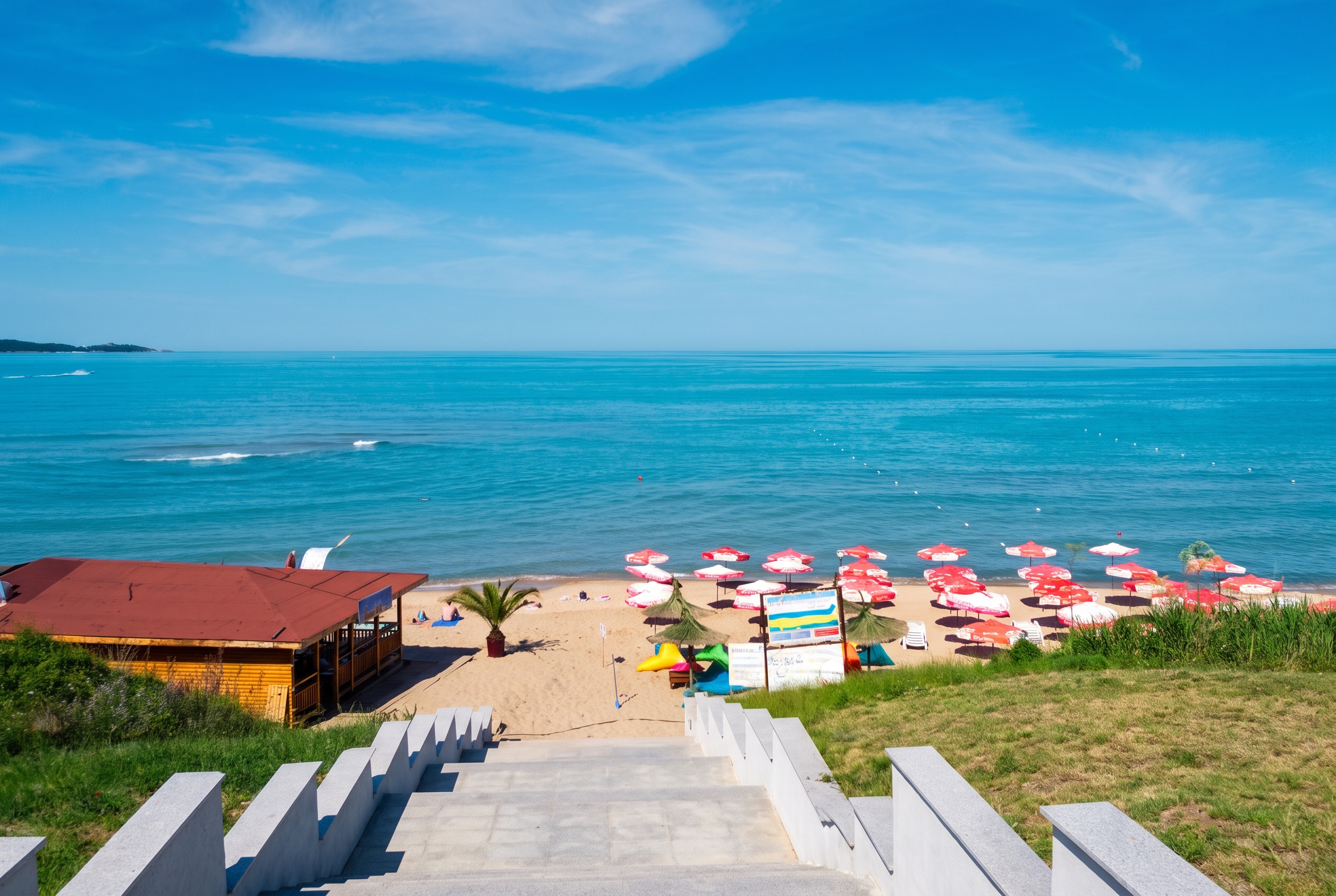
These two resorts are a total classic for many travellers, places people have been coming to for decades. They’re known for lovely pine groves that reach right down to the sea and for shallow water that’s ideal for families with younger children. The atmosphere is very homely, and you’ll mostly meet Bulgarian and Central European families.
Eating in the local taverns (mehanas) is incredibly cheap and simple. Primorsko and Kiten are ideal destinations if you’re after the most affordable seaside holiday without needless luxury. The best time to visit is late June or early September, when it’s no longer so hot and the beaches aren’t packed.

14. Sinemorets and Veleka beach
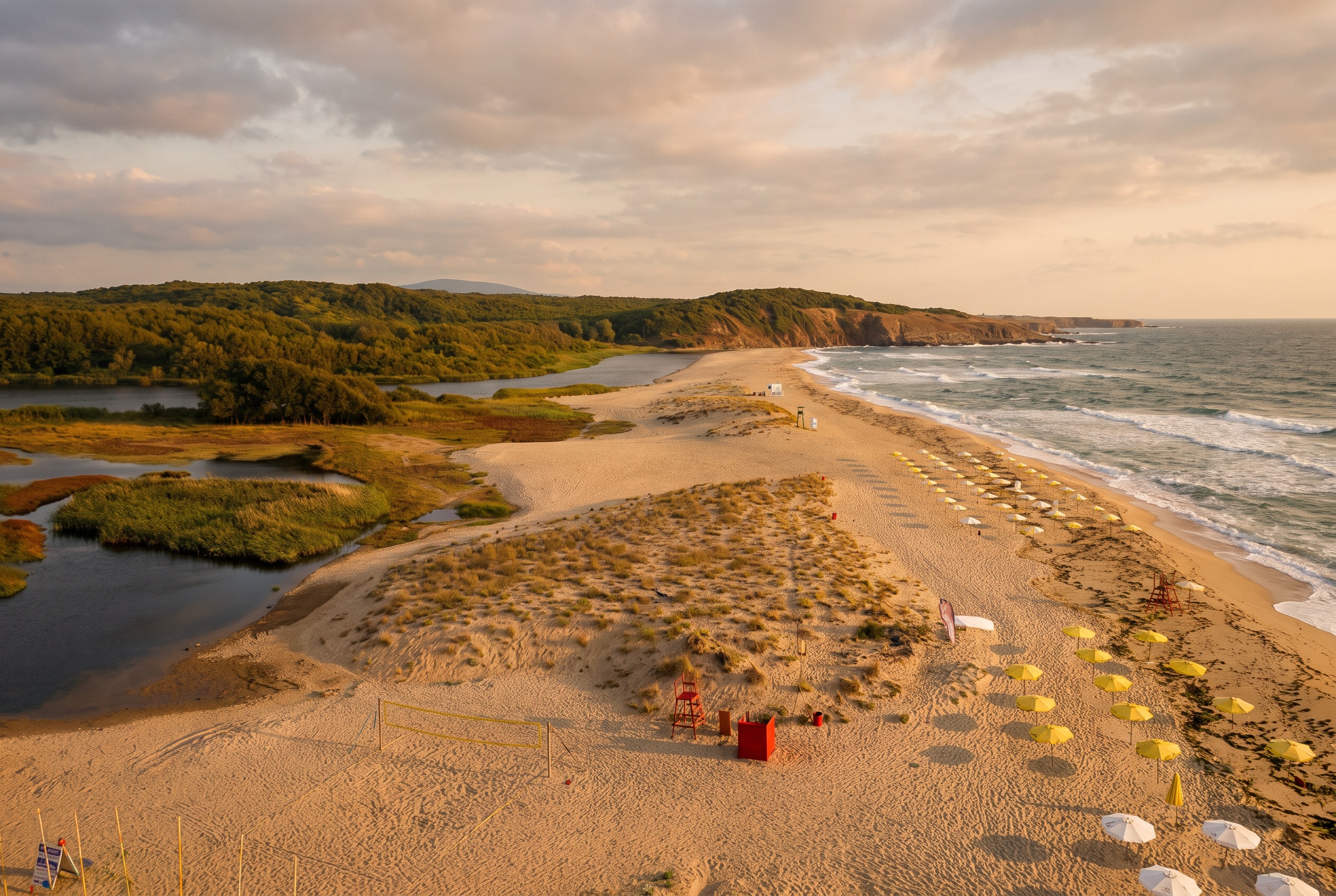
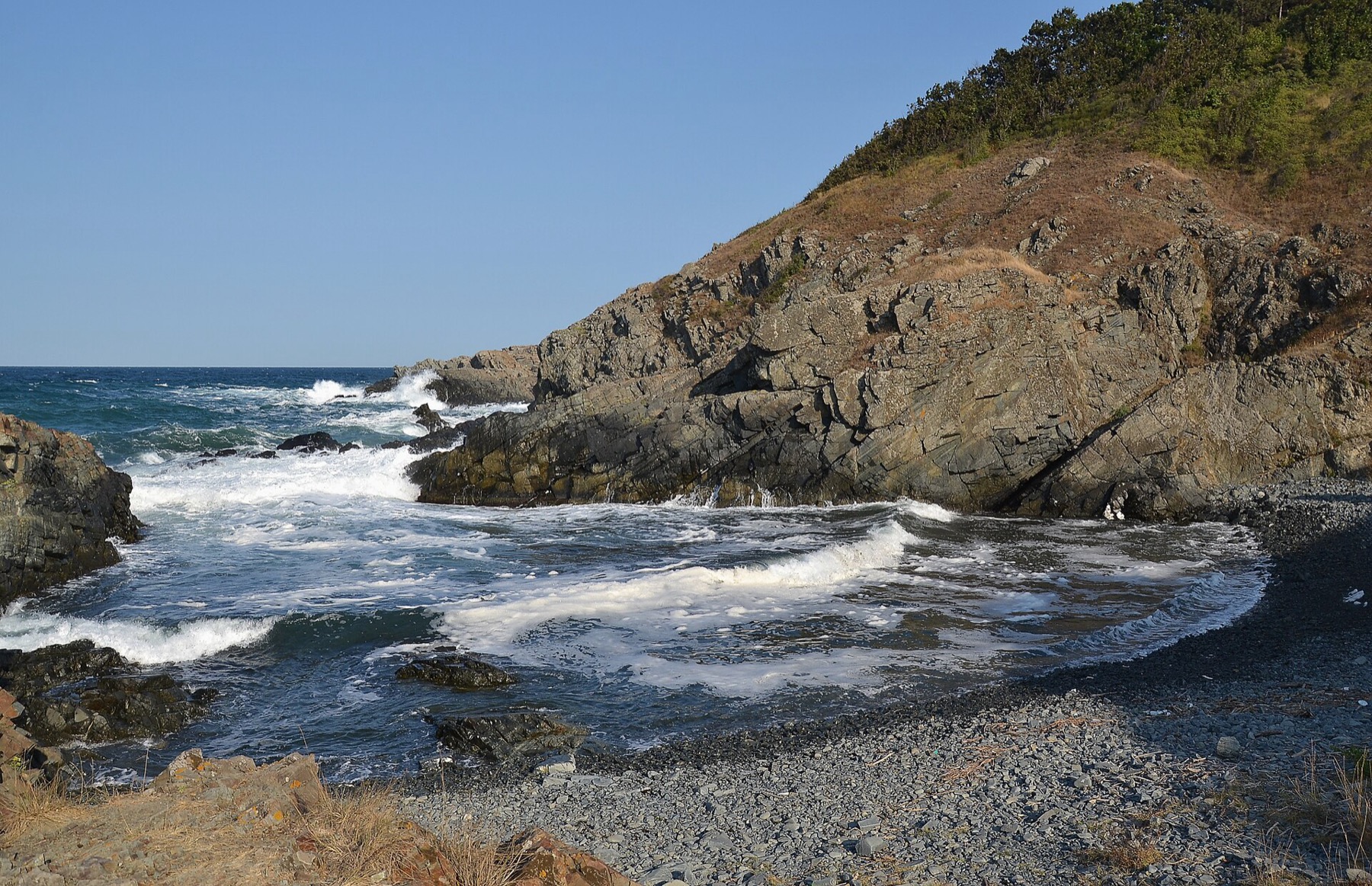
Until 1989, Sinemorets was a closed border zone, which saved it from massive hotel development. Today it’s a hidden gem of the southern coast. The biggest draw is the iconic Veleka beach, where the river of the same name flows into the sea across a narrow sandbar. You’ll find this photogenic view on just about every Bulgarian postcard.
If you’re not afraid of a roughly forty-minute walk through the forest, head to Listi beach. It’s a real one-off with no infrastructure whatsoever, where you’ll have gorgeous sand and turquoise water almost to yourself. When swimming at these wild beaches, though, take great care of the rip currents that form here in season. Always swim only where a lifeguard is watching over you, and don’t overestimate your strength.
15. Silistar
The very last bay before the Turkish border is Silistar. According to Bulgarians themselves, it’s by far the most beautiful bay on the whole coast. It’s a protected area where you’ll find no giant hotels, just a roughly kilometre-long strip of golden sand hemmed in by rocks and forests.
The water here is beautifully clear and, thanks to the shape of the bay, very calm too. The road here is a little rough, but the result is worth it. If you want to escape civilisation and experience a feeling of complete freedom, Silistar is the right place.
Sofia and the Rila Mountains
Bulgaria isn’t just beaches. The capital, Sofia, and the nearby majestic Rila Mountains offer a fascinating mix of Byzantine monuments, modern urban life and the best high-mountain hiking in the Balkans.
16. Sofia
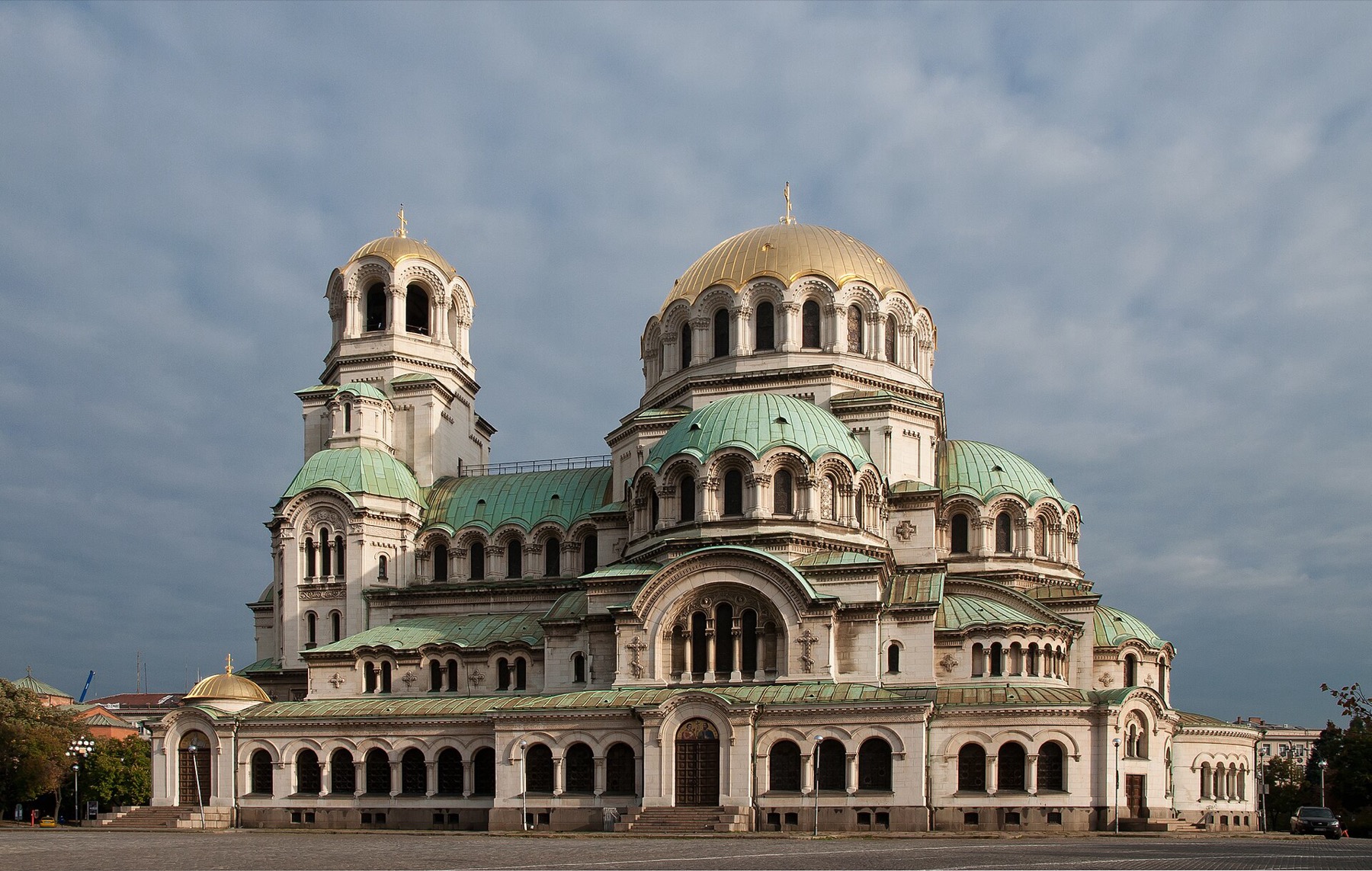
Sofia is a great and very cheap choice for a city break. The city’s landmark is the enormous Alexander Nevsky Cathedral with its typical golden domes, where entry is completely free (you only pay to enter the crypt). Another curiosity is the 4th-century Rotunda of St. George, which, paradoxically, is tucked away in the inner courtyard of the modern presidential palace.
The city is lively and full of great cafés, especially around Vitosha Boulevard, from where there’s a gorgeous view of the nearby mountains. Just watch out for the taxi drivers at the airport. It’s strongly recommended to use only the TaxiMe app, which you should download in advance, or the official airport counters. Various fake taxi drivers may happily charge you twenty times the normal fare. Apps like Uber or Bolt don’t work here at all.
17. Vitosha
Just twenty minutes’ drive from the centre of Sofia rises the Vitosha massif, reaching 2,290 metres. It’s an utterly unique blend of big city and wild nature. In summer it’s a paradise for hikers and runners, and in winter you can ski right above the city.
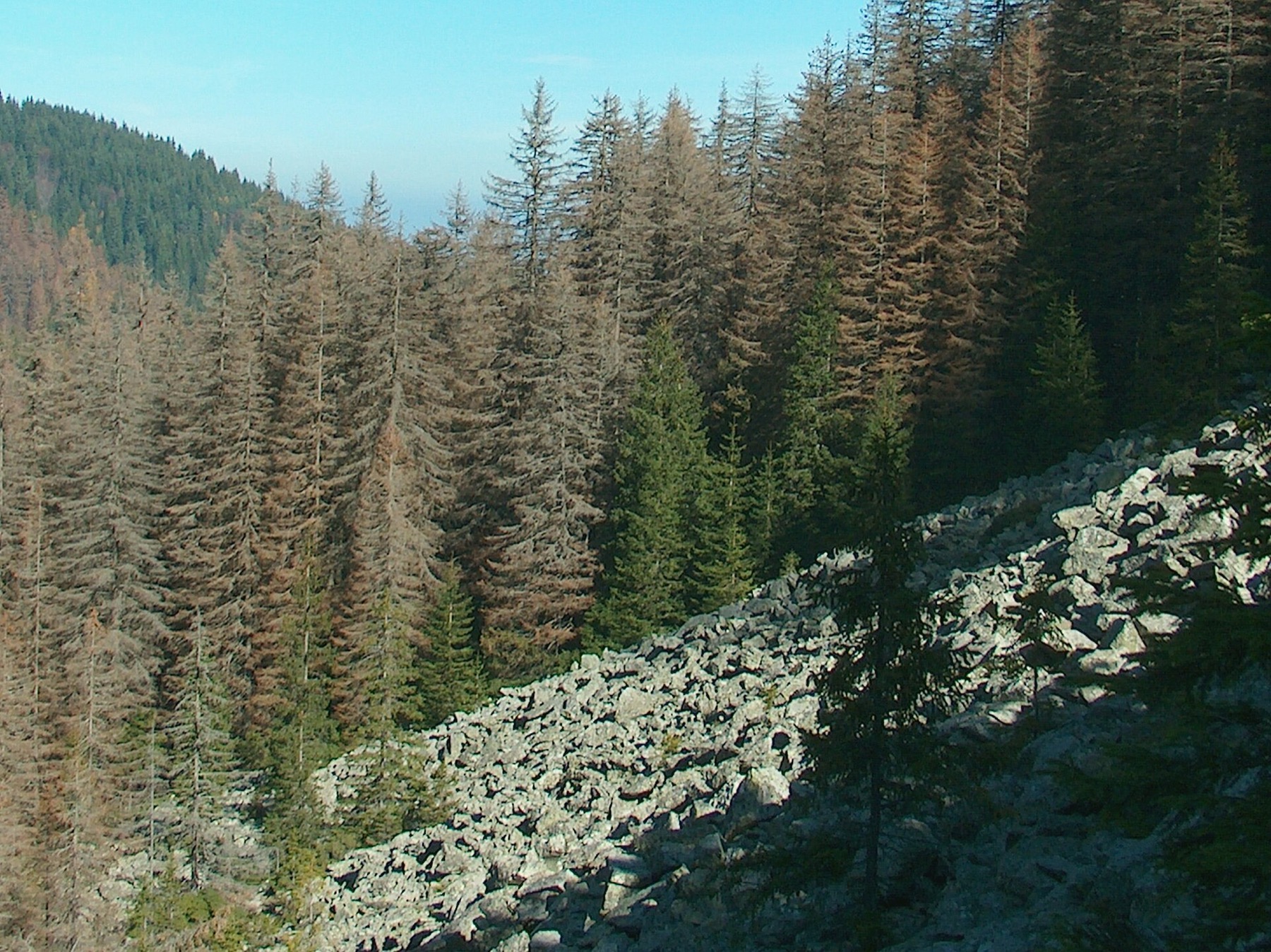
On the slopes of Vitosha you can admire the so-called stone rivers (moraines), giant boulders arranged in the valleys that look otherworldly. A trip here is a perfect escape from the summer heat that occasionally grips a sun-baked Sofia.
18. Rila Monastery
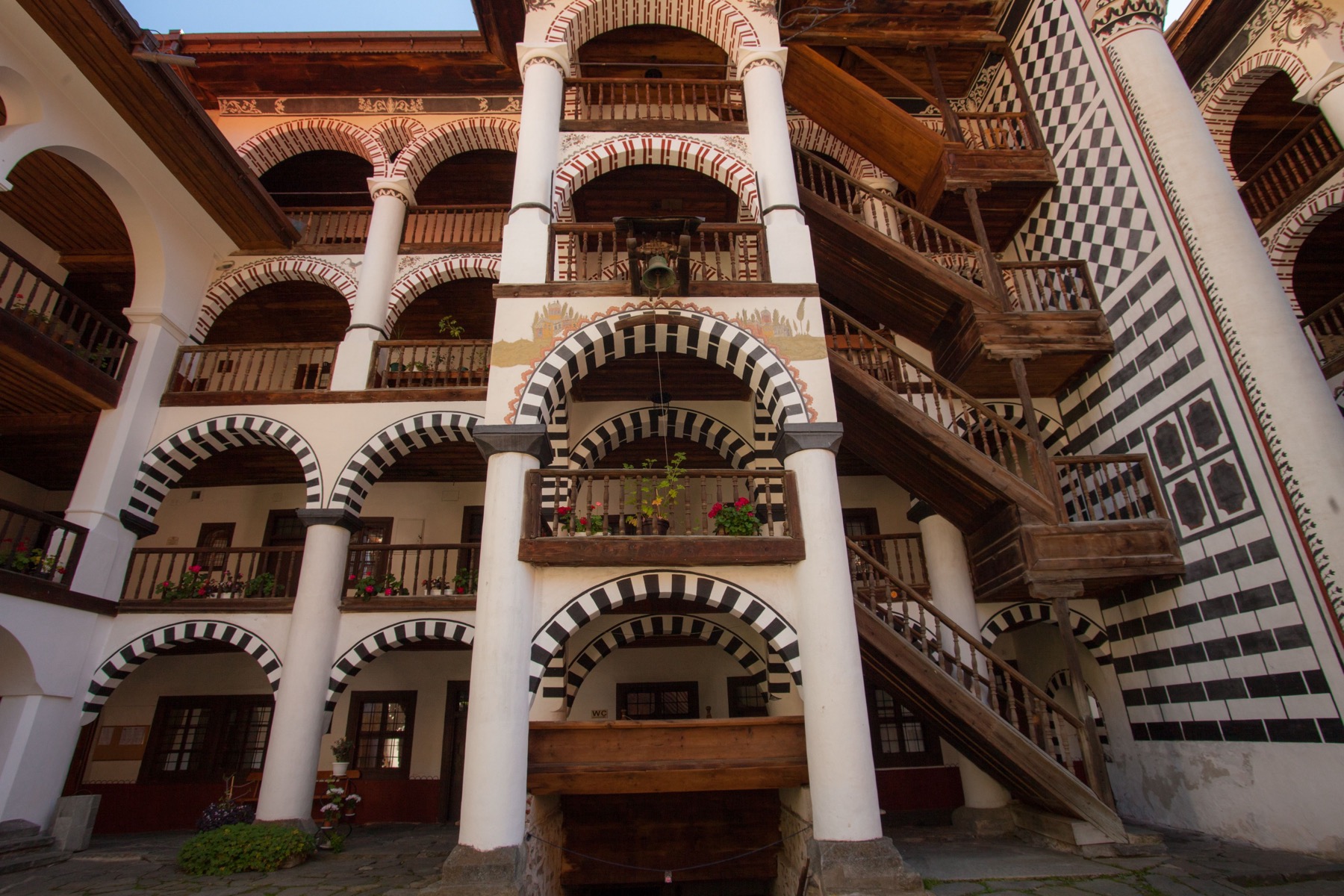
Rila Monastery is the spiritual heart of the whole of Bulgaria and a UNESCO site you mustn’t miss. It lies roughly 120 kilometres south of Sofia, deep in a mountain valley, and its striped arcades and colourful frescoes feel utterly monumental. Entry to the sprawling complex and the main church is free; only the museum charges (€5).
Between eleven and one o’clock, dozens of tour buses arrive from Sofia, so try to get here before ten. The ultimate insider tip is the chance to sleep right in the monks’ cells for around €15 per person. But you have to book solely by phone directly with the brotherhood, within precisely set afternoon hours. Once the tourists have left, you’ll have the quiet courtyard almost to yourself.
💡 Tip: Don’t rely on public transport. A direct bus from Sofia often doesn’t run, even though older websites mention it. Your best bet is to rent a car, use shared shuttles or an organised tour.
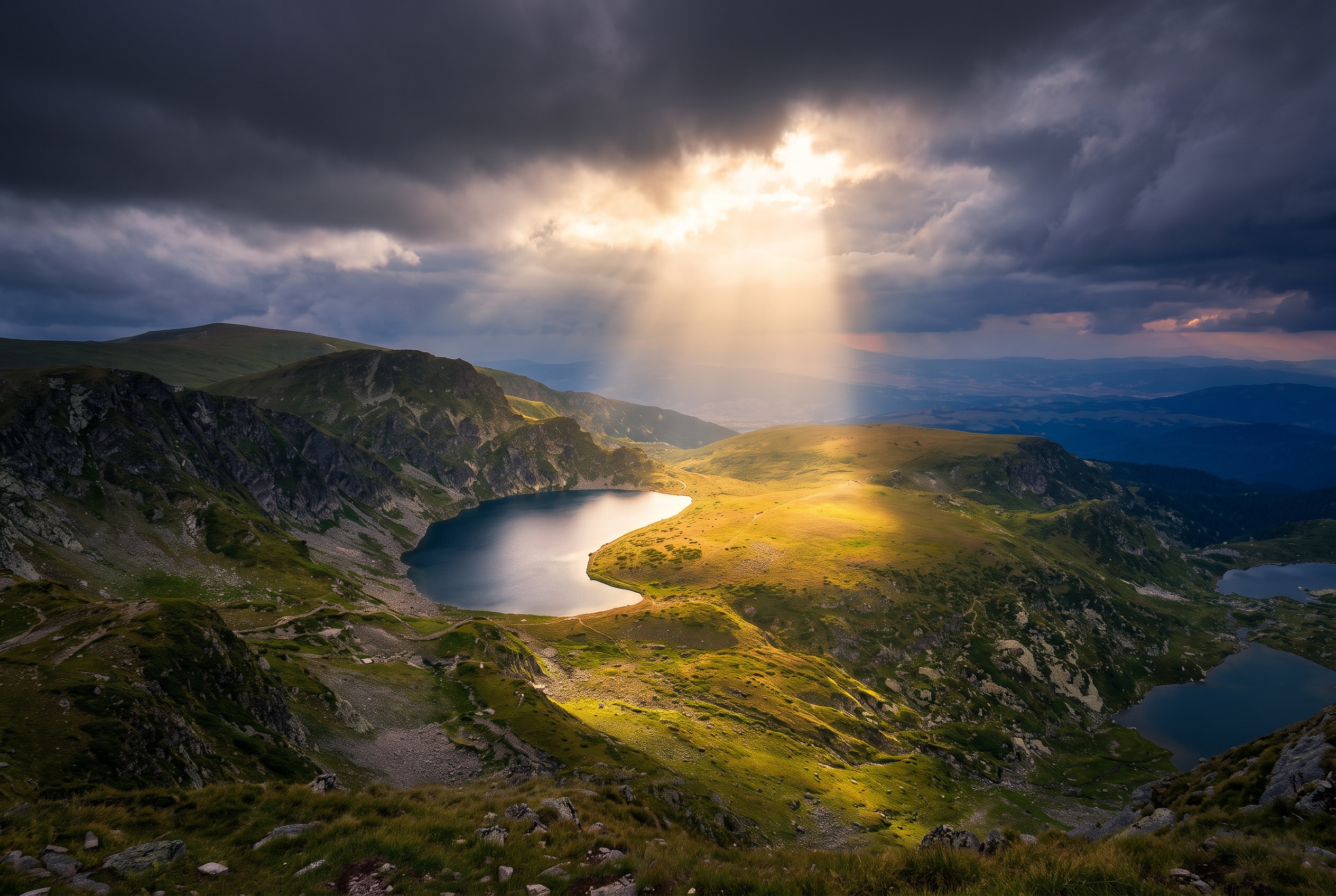
19. Seven Rila Lakes
This is, without debate, the most iconic natural destination in the whole country. The cascade of seven glacial lakes lies at an altitude of over two thousand metres and offers breathtaking views. The clearest lake is called the Tear, and the deepest is the Eye. A chairlift takes you to the start of the hiking trail for €16 return (don’t forget to bring cash, as the terminals up top often have no signal).
The route around all the lakes takes roughly four to five hours. It’s recommended to go against the flow of the crowd, clockwise, and above all to be at the chairlift right at half past eight in the morning. Especially on weekends in August, huge queues form here, and in the afternoon there’s a risk of summer storms in the mountains.
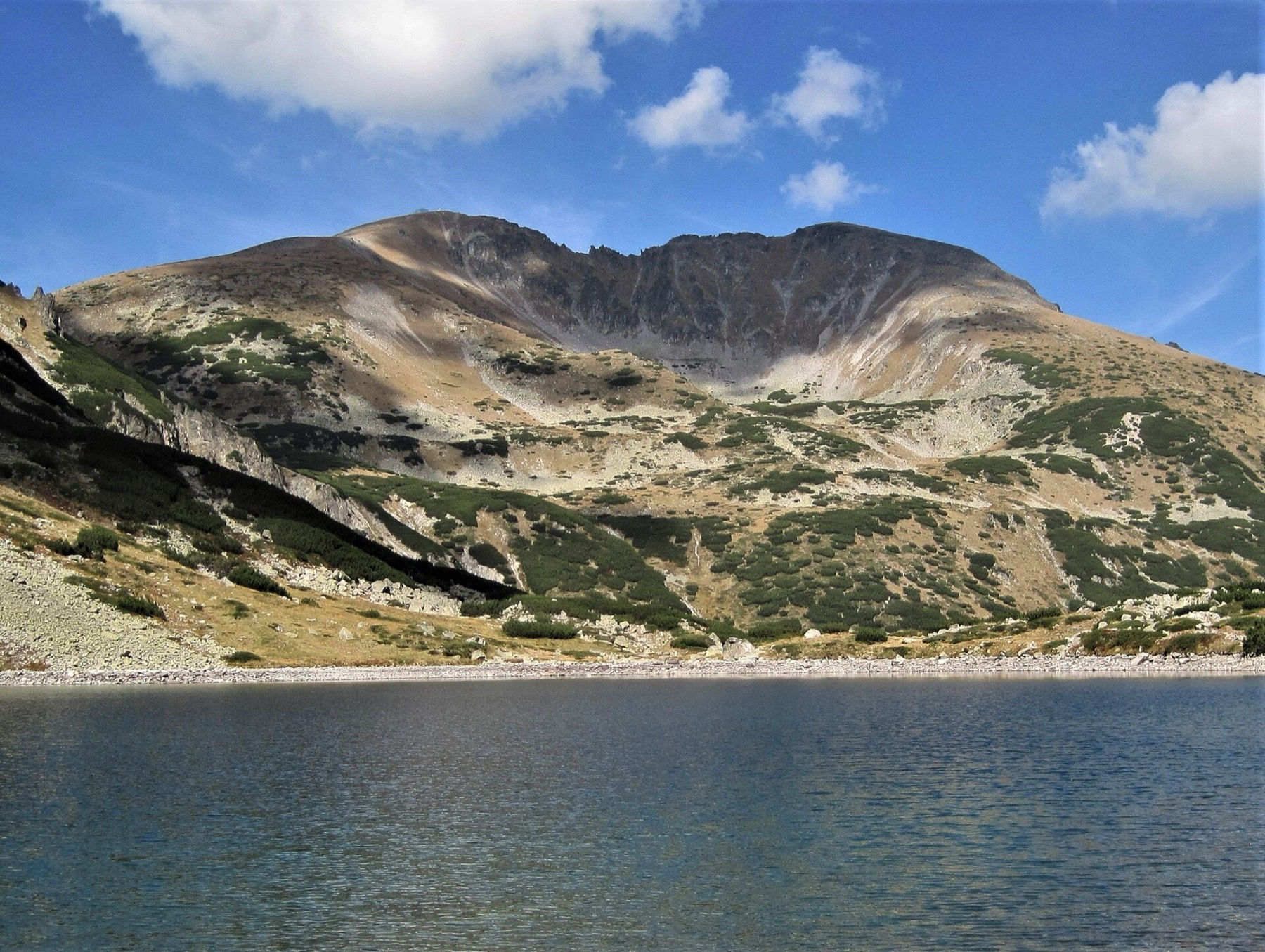
20. Borovets and Musala
Borovets is the oldest mountain resort in Bulgaria, operating since the late nineteenth century. While skiers come here in winter, in summer it’s the main starting point for the climb up Musala, which at 2,925 metres is the highest peak in the whole Balkans.
To save time and energy, you can take the Yastrebets cable car, from where it’s a pleasant full-day hike to the summit, with an elevation gain of just under six hundred metres. From the top, a view opens up over the entire Rila massif, and on a clear day you can see all the way to the Aegean Sea.
Plovdiv and central Bulgaria
The central part of the country is the heart of Bulgarian history. You’ll find ancient theatres, monuments recalling the struggles for independence, and valleys scented with roses from which the most precious oil in the world is made.
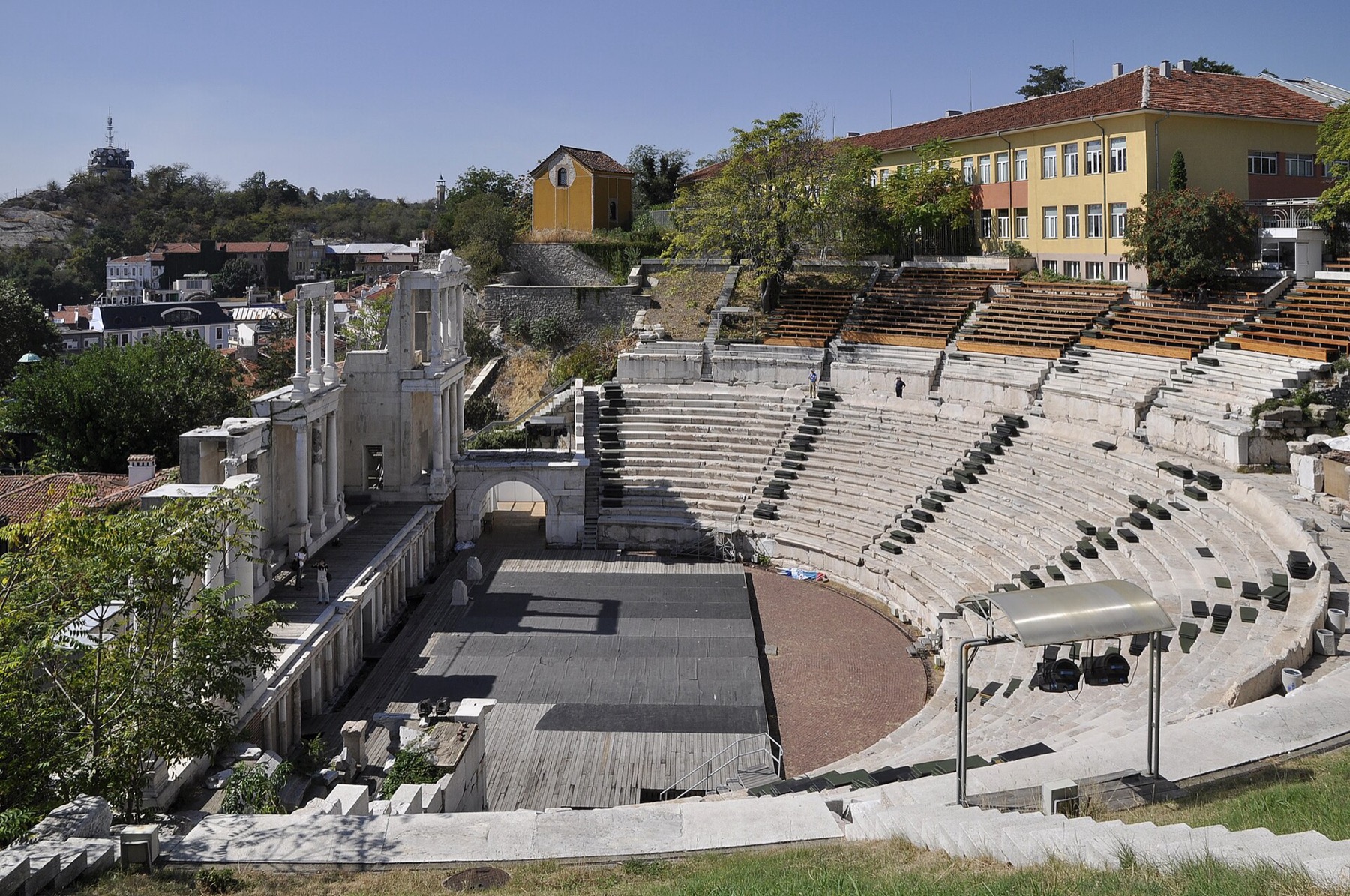
21. Plovdiv
Plovdiv is one of the oldest continuously inhabited cities in Europe, with a history stretching back an incredible eight thousand years. The biggest draw is the well-preserved ancient Roman theatre, which towers over the city and still hosts performances today. Admission costs around five euros and the view over the valley is fantastic. Beneath the pedestrian zone in the centre you’ll also discover a giant Roman stadium.
Alongside its ancient monuments, Plovdiv has a very modern face too. The creative Kapana quarter (meaning “the trap”) is a maze of narrow lanes full of great cafés, galleries and bistros. The city was the European Capital of Culture in 2019, and its relaxed artistic atmosphere has stayed with it to this day.
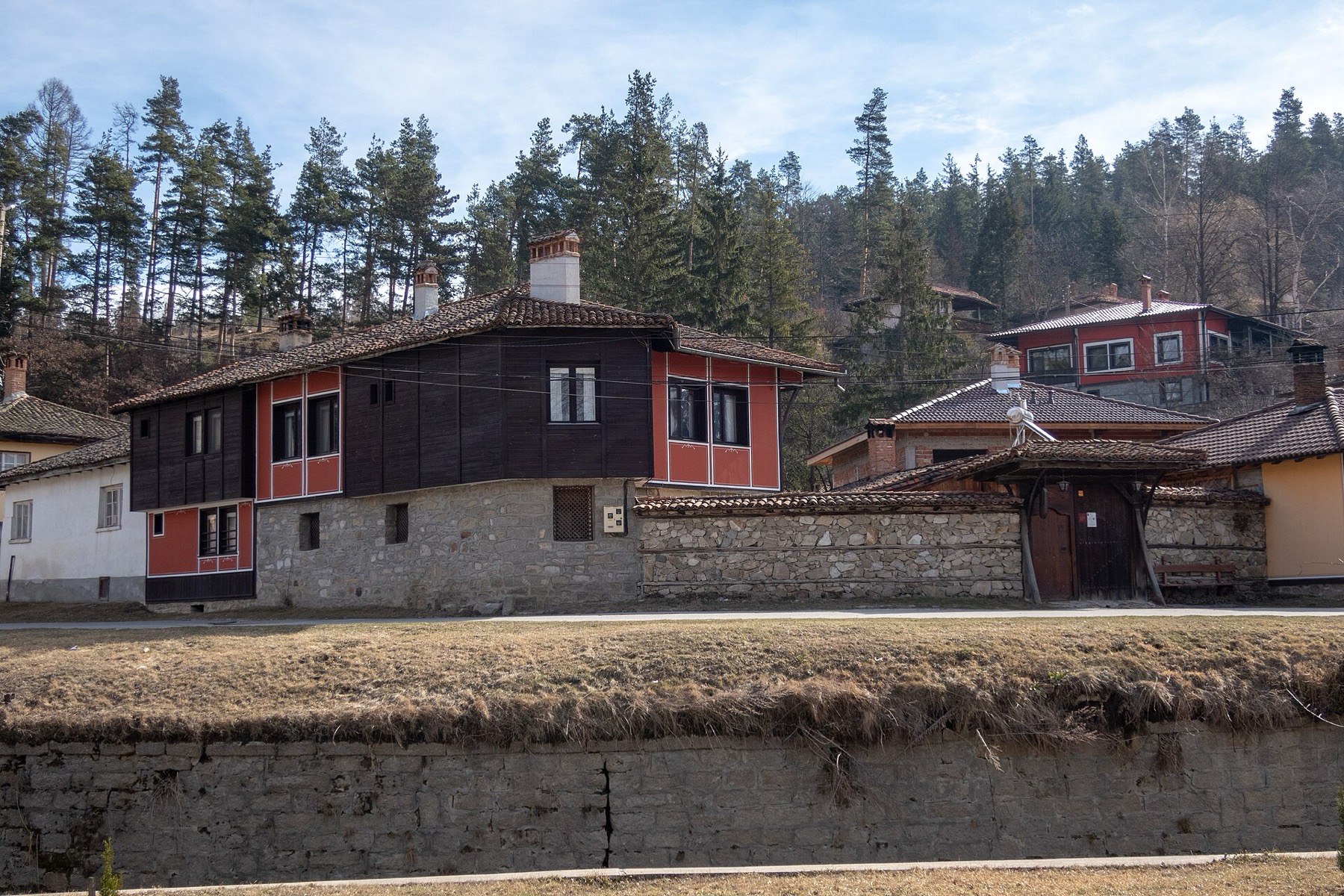
22. Koprivshtitsa
This mountain village is immensely important to Bulgarians. It was here, in 1876, that the first shot of the so-called April Uprising against Ottoman rule was fired. Today it’s a renowned architectural reserve where you can wander among beautiful colourful timber houses with massive stone walls.
Some of the houses (such as the Oslekov or Kableshkov houses) serve as superbly preserved museums and show how wealthy merchants lived in the nineteenth century. The place has a wonderfully peaceful atmosphere and lies a little off the main routes, so you won’t run into crowds of tourists.
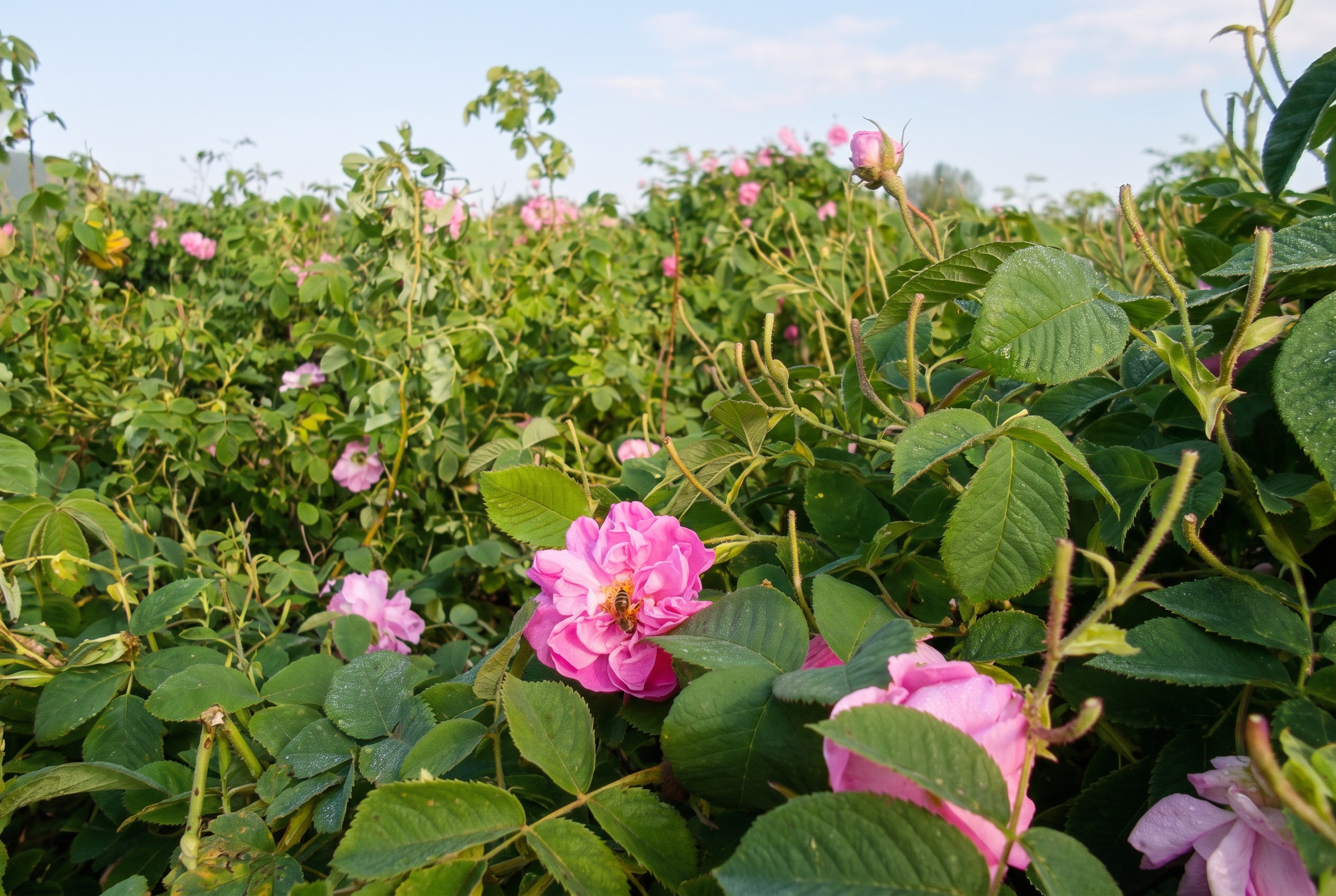
23. Kazanlak and the Valley of Roses
Bulgaria is one of the world’s largest producers of rose oil, and the town of Kazanlak is the centre of this industry. If you come here from mid-May to mid-June, you’ll experience the famous Rose Festival. In the morning you can watch the traditional harvest of petals in the fields, then join the grand parades where the Queen of Roses is crowned.
Outside the festival season you can drop by the rose oil museum or visit a working distillery. Right in Kazanlak you’ll also find the famous Thracian tomb listed by UNESCO. The original is closed to protect the frescoes, but right next to it stands a perfect replica you can walk through.
24. Buzludzha and Shipka
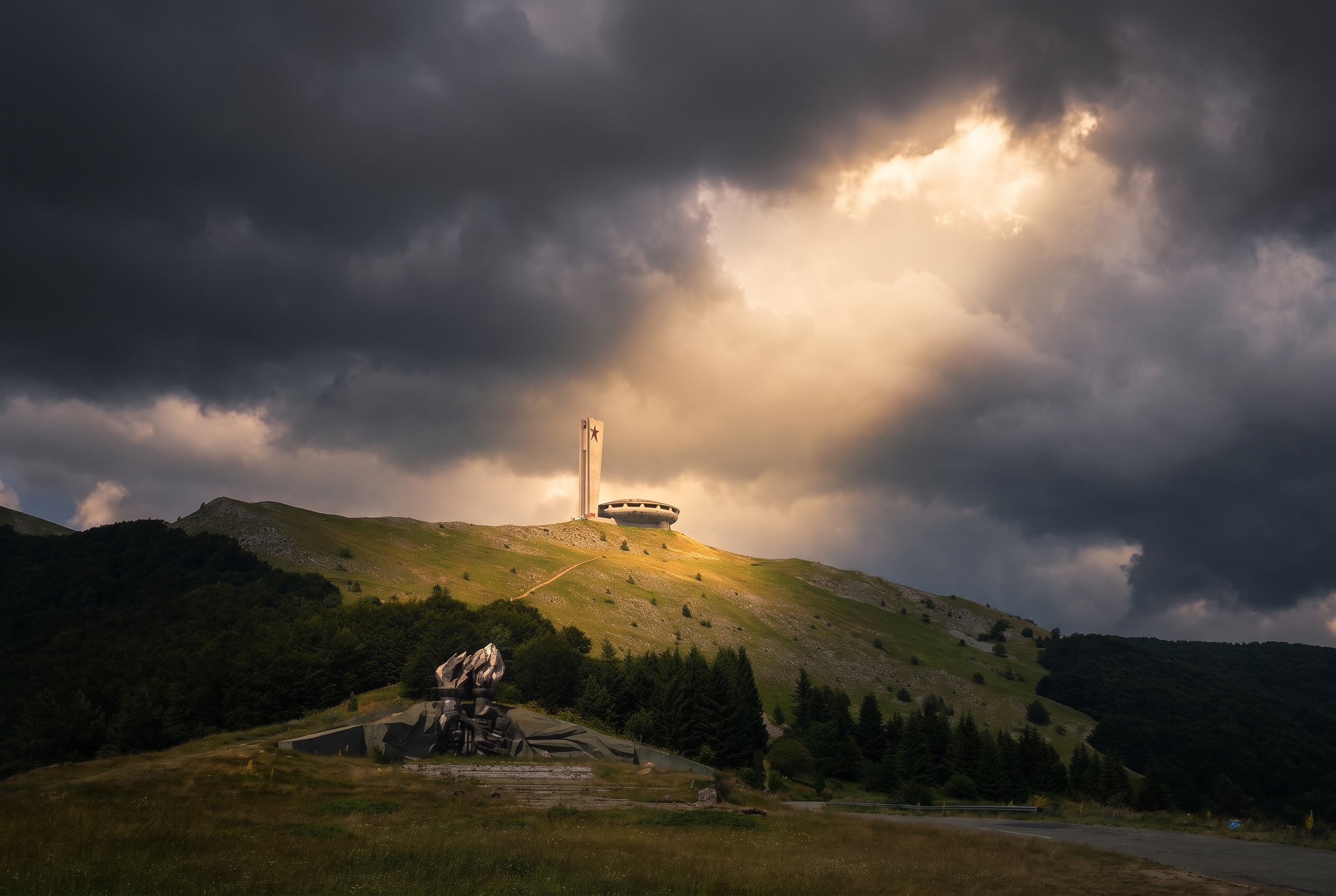
Buzludzha is probably the strangest structure in the whole Balkans. This giant concrete monument shaped like a UFO was built by the communist regime in 1981 on a mountaintop at over fourteen hundred metres. Although old guides circulate online on how to sneak inside through some hole, the interior is currently strictly closed and guarded by security. A complex rescue of the valuable mosaics with the help of international funds is underway.
Despite the ban on going inside, though, it’s worth it to drive right up to the monument. The exterior of this gigantic structure alone, standing amid barren mountains, and the views over the surroundings are a huge experience. Not far from here is the Shipka Pass, with a monument to the Russo-Turkish War and a gorgeous church with golden domes.
25. Veliko Tarnovo and Arbanasi
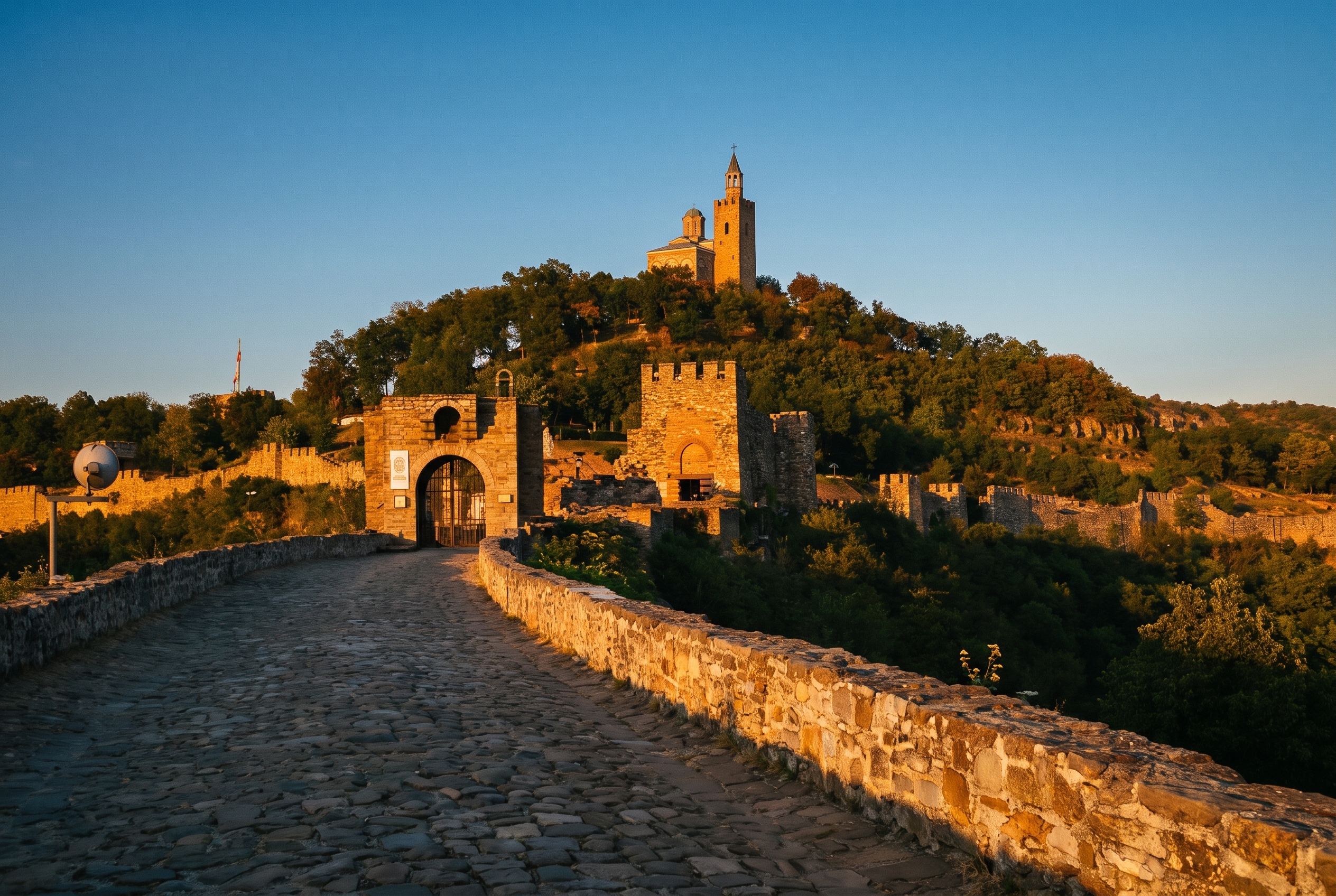
Veliko Tarnovo was once the medieval capital of the Bulgarian tsardom. The houses here cling photogenically to steep cliffs above a huge river meander. The main sight is the sprawling Tsarevets fortress, where admission is just under eight euros. Don’t miss the Samovodska Charshiya crafts lane, where you can buy hand-beaten copper or traditional pottery.
Just outside the town lies the village of Arbanasi, another renowned architectural reserve. The unassuming Church of the Nativity hides an incredible 3,500 preserved frescoes that will absolutely take your breath away.
26. Etar and Bozhentsi
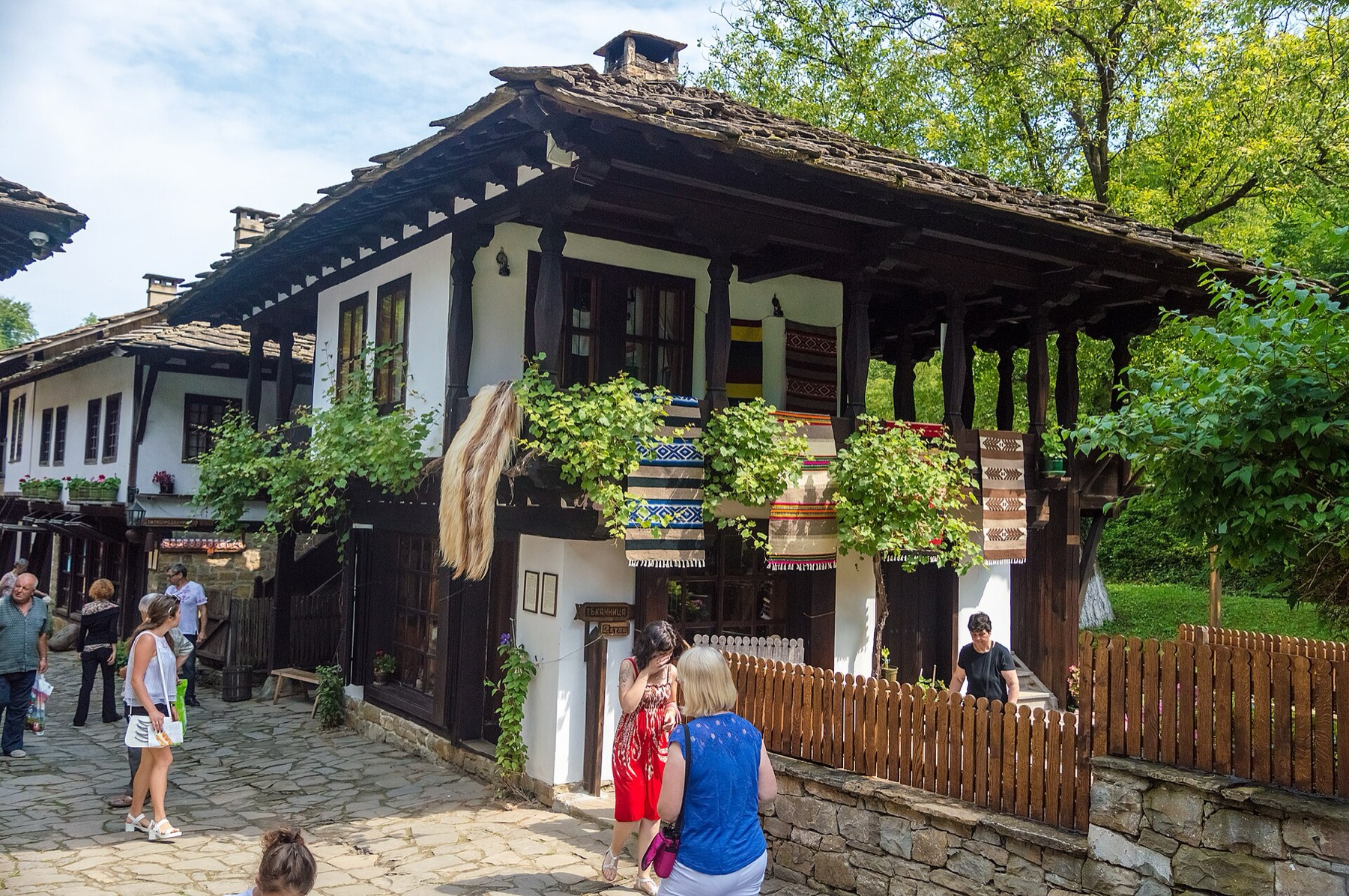
If you’re curious how people lived and worked in Bulgaria two hundred years ago, head near the town of Gabrovo to the Etar open-air museum. It’s not just a collection of empty houses but a living museum full of working water-powered mechanisms. You’ll see with your own eyes how saws, mills and fulling machines used to be driven by the power of a mountain stream. Admission costs a pleasant seven euros, and a family ticket runs to sixteen.
I’d recommend combining the trip with the nearby village of Bozhentsi, famous for its preserved houses with massive stone roofs. The entire village is a protected monument and breathes a perfect medieval calm.
The southwest and the Rhodopes
This region near the Greek border boasts not only the best ski resort but also stunning canyons, enormous caves and remarkable rock formations, where the best Bulgarian wine ripens.
27. Bansko and Pirin NP
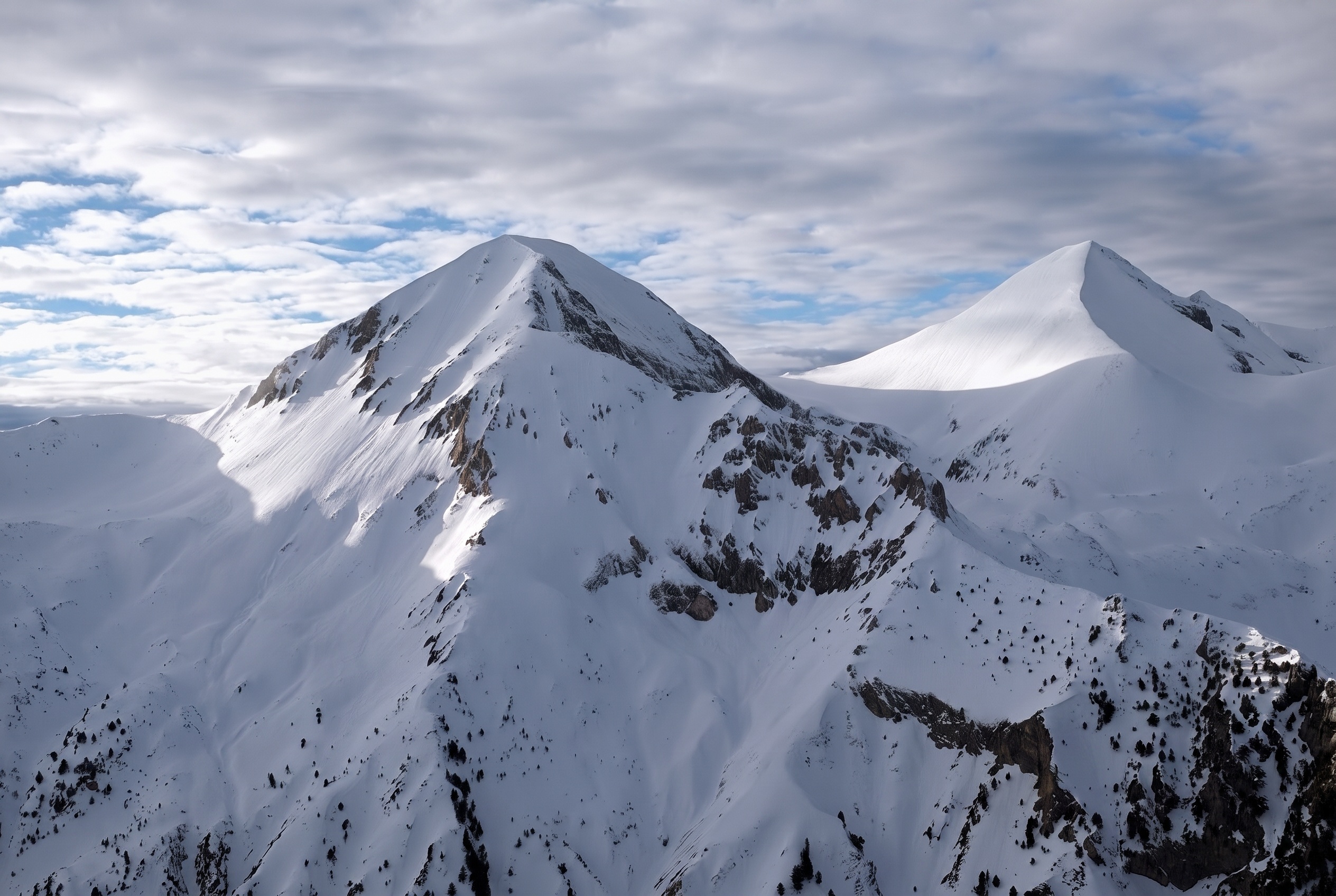
In winter Bansko is by far the largest and most modern ski resort in the country, where a daily ski pass in high season costs a reasonable €59 (don’t be fooled by old tales of extremely cheap skiing at €30, prices have gone up, but it’s still a huge saving compared to the Alps). In summer, though, the town turns into a popular hub for digital nomads and a base for hikes in Pirin National Park.
In summer (from late June to early September) a cable car runs here that takes you closer to the peaks for €27. The old centre of Bansko itself is full of traditional stone houses and cosy mehanas, where you can eat well and cheaply.
28. Melnik
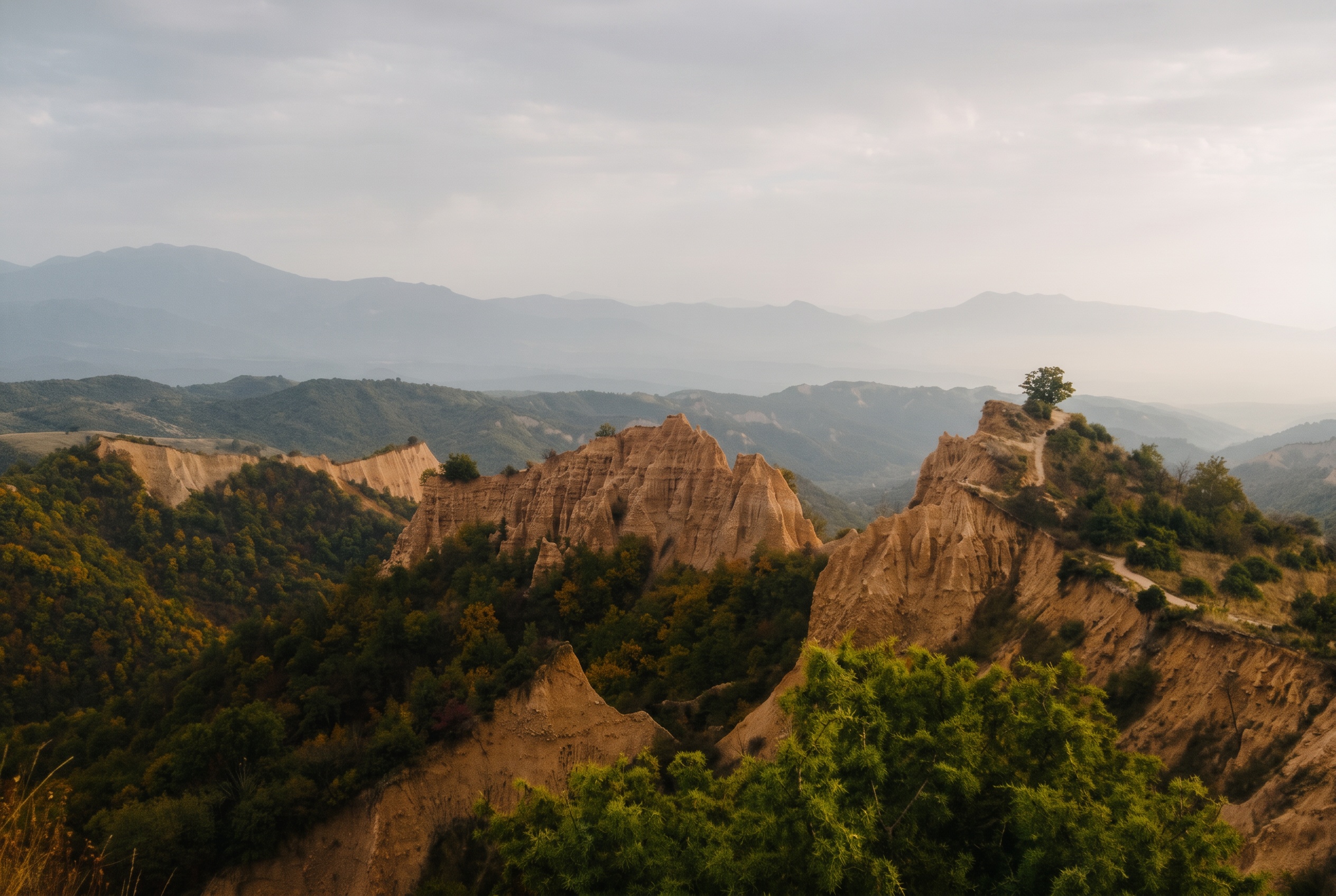
Melnik officially has only around two hundred inhabitants, making it the smallest town in the country. It’s set among fascinating earth pyramids, sandstone formations that surround the entire valley. The town lies close to the Greek border and boasts the highest number of sunny days a year.
The region is famous for its winemaking tradition, growing a special local variety, Shiroka Melnishka Loza. I definitely recommend peeking into the old wine cellars, which are carved directly into the soft sandstone rock. Just ten minutes’ drive away lies the gorgeous Rozhen Monastery, which is well worth a short stop.
💡 Tip: Melnik is an ideal stop if you’re driving on from Bulgaria to a holiday in Greece.
29. Trigrad Gorge and Yagodina Cave
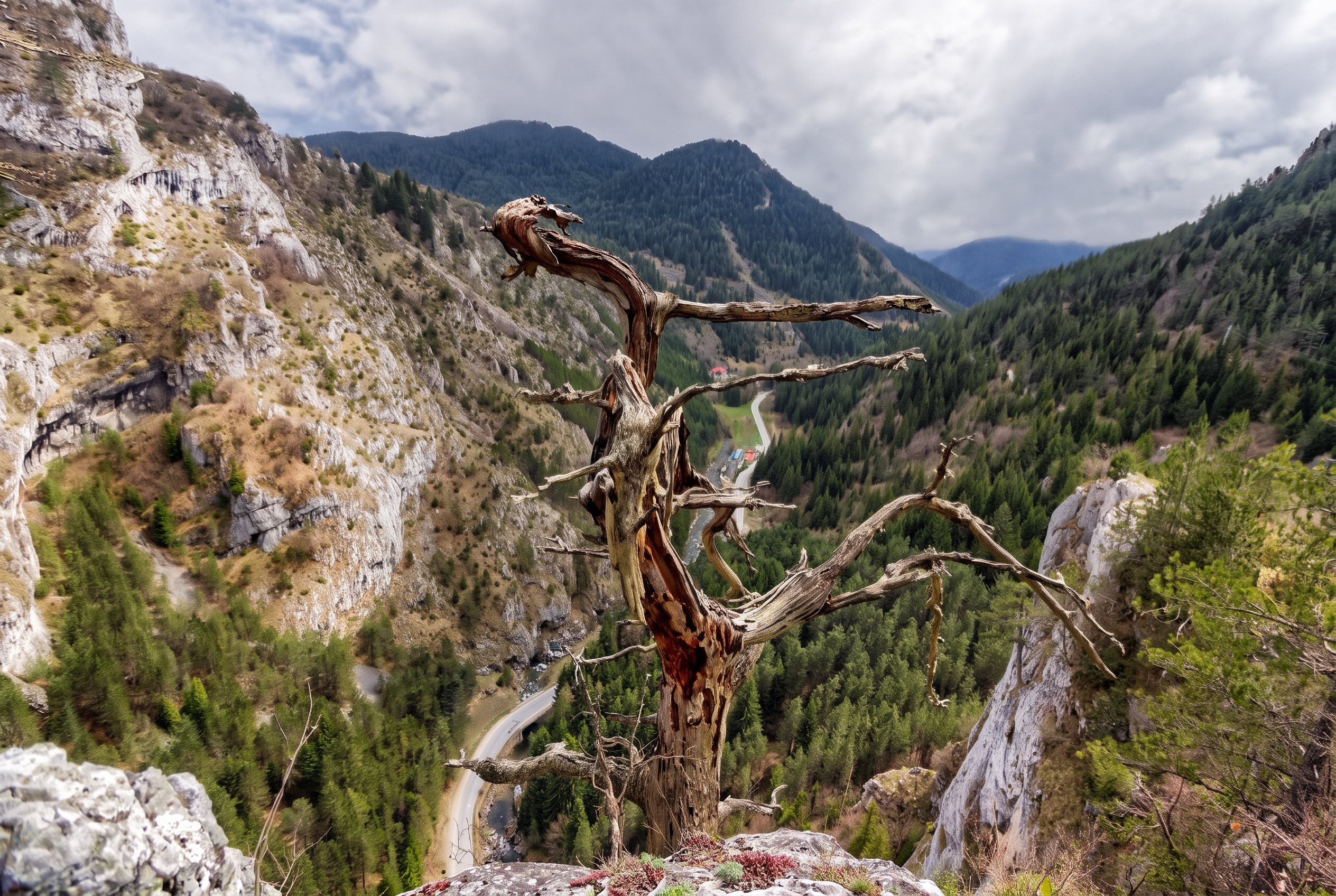
Bulgarians absolutely adore the Rhodope Mountains. One of the biggest draws is the stunning Trigrad Gorge, where the road weaves between rocks over three hundred metres high. Hidden in the gorge is the Devil’s Throat cave, where an underground river plunges into a huge abyss. According to old legends, this is where the mythical Orpheus descended into the underworld.
Nearby you’ll also find the Yagodina Cave, one of the longest in all of Bulgaria and remarkable for its beautiful stalactite decoration. Cave admissions cost around five to six euros, and in the hot summer it’s an absolutely fantastic way to cool off.
30. Belogradchik Rocks and Magura Cave
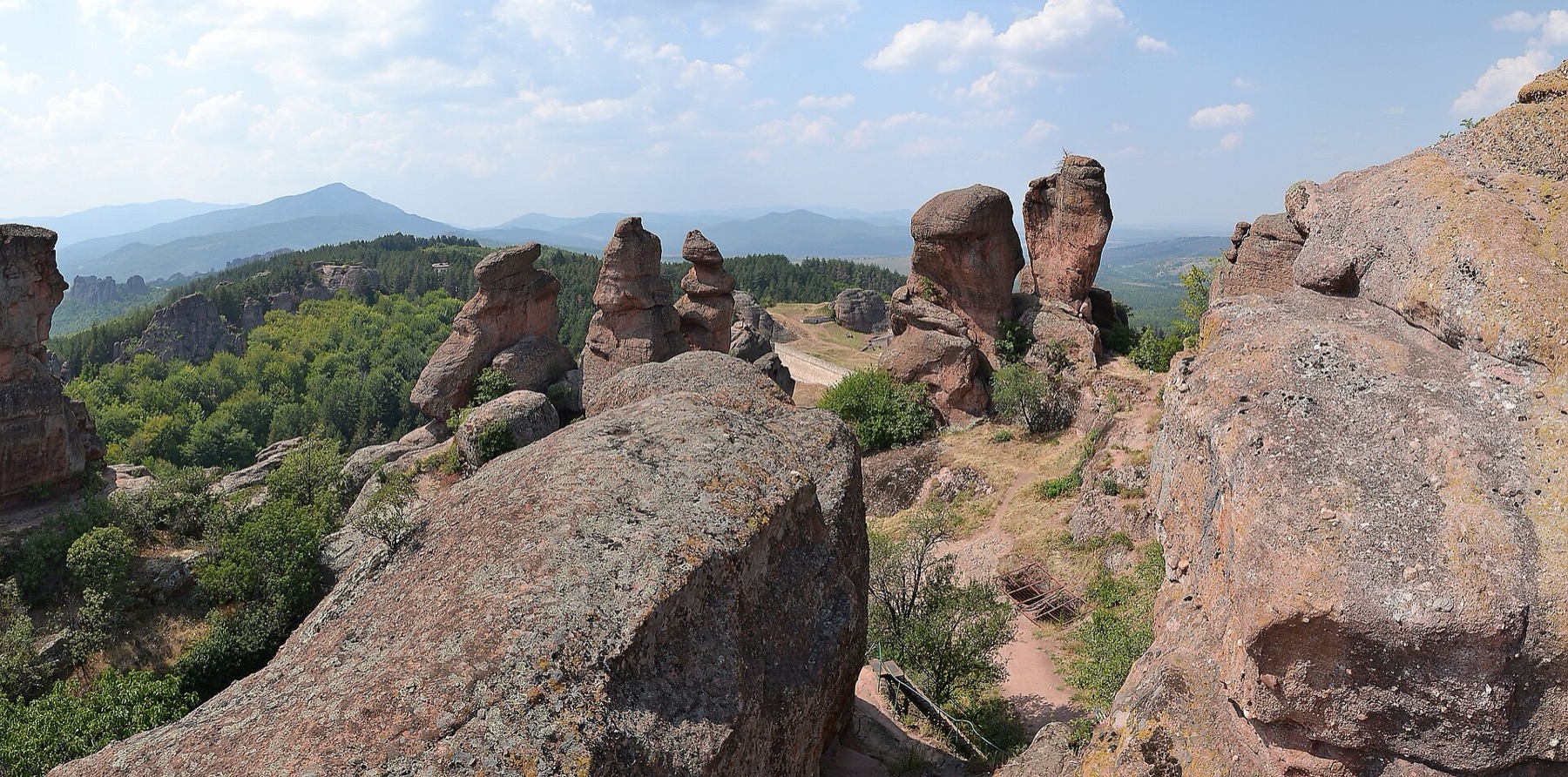
Right in the far northwest of the country, far from all the main tourist routes, rise the Belogradchik Rocks. These are enormous red sandstone towers into which the old Kaleto fortress is incredibly ingeniously built. Because it’s a long way from everywhere, even in high season it tends to be half empty. You’ll take the nicest photos late in the afternoon, when the setting sun turns the rocks fiery hues.
A combined ticket (around €12) with the nearby Magura Cave is a natural fit for the trip. The cave is famous for its prehistoric paintings, but beware: the hall with the original paintings is currently closed for conservation reasons, and visitors can only see a digital projection of them. The cave is visited only with a guide, on the hour.
How much does a holiday in Bulgaria cost
Despite the switch to the euro and price rises due to higher restaurant VAT, Bulgaria remains a very budget-friendly destination. If you go independently and stay in an apartment by the sea, a week-long trip for two, including meals in local taverns, can cost you roughly €700 to €900 for both of you. Week-long all-inclusive stays in better hotels (in Golden Sands, for example) range from €600 to €1,100 per person. Compared with resorts in Greece or Croatia, it’s still noticeably cheaper.
We break down specific prices for food, sunbeds, transport and sample weekly budgets in a separate article, Prices in Bulgaria after the switch to the euro.
| Item (indicative prices, summer 2026) | Price in euros |
|---|---|
| :— | :— |
| Sunbed with parasol (1 day) | €4 to €6 (depending on the beach) |
| Lunch in a traditional mehana | €8 to €12 |
| Beer in a restaurant | €2 to €3 |
| Coffee in a café | €2 to €4 |
| Public transport ticket | approx. €1 |
| Admission to major sights | €5 to €10 |
How to save? The basics are to avoid August and go in September. It also holds that, by law, every beach must have 50% of a so-called free zone, so feel free to bring your own parasol. Shop at bakeries (a great breakfast for two euros) and steer clear of the overpriced beach clubs on Sunny Beach.
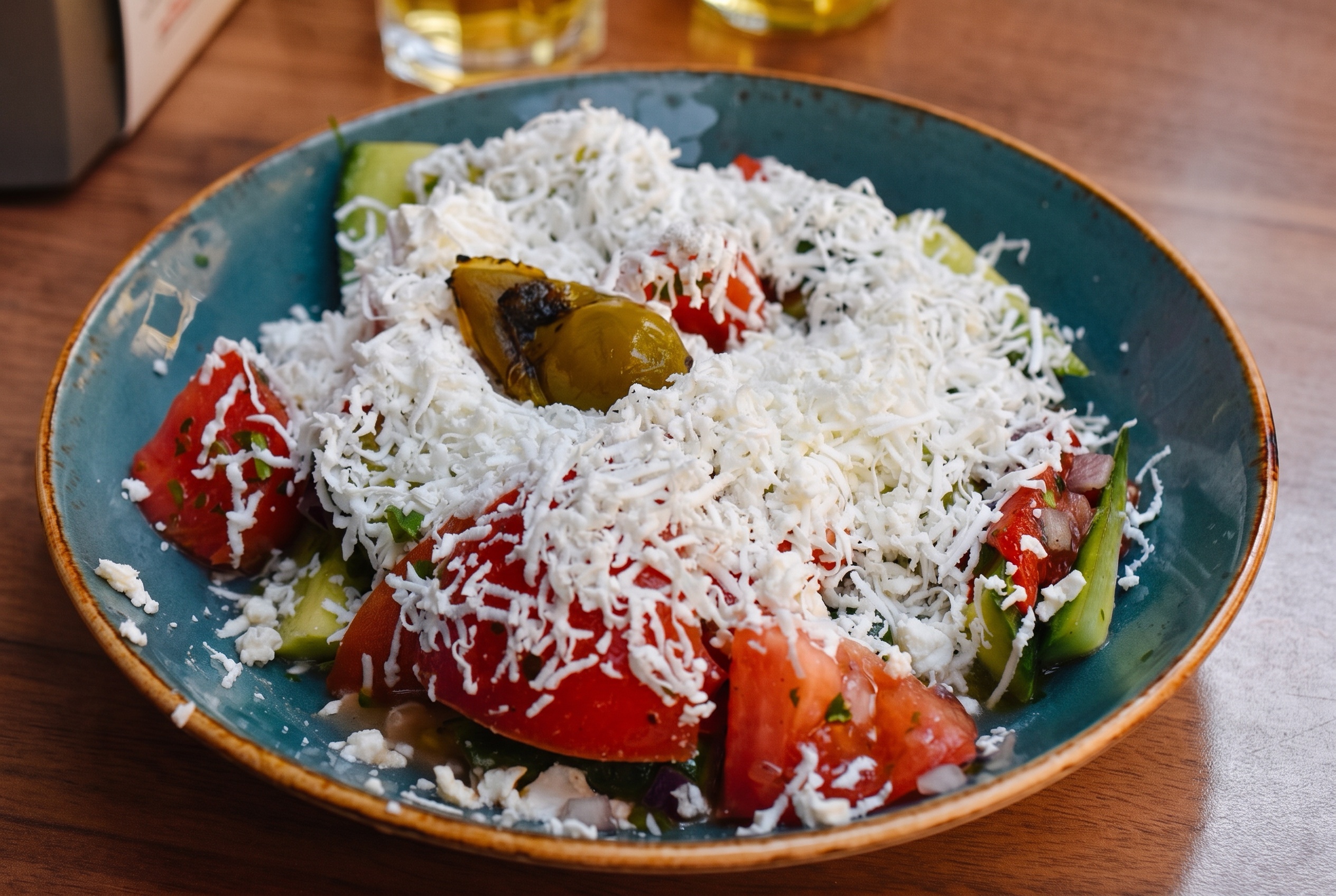
Vegetarians save on food quite naturally here, because Bulgarian cuisine is a real paradise for meat-free eating thanks to the Orthodox fasting tradition. I warmly recommend trying the legendary Shopska salad with grated sirene cheese, the cold yoghurt soup tarator, the baked pepper dish chushki byurek, or the excellent bean soup bob chorba. You’ll see traditional meat dishes like kebapche or kyufte at every turn, but there are so many great vegetarian alternatives here that you definitely won’t miss the meat.
Bulgaria with kids
Why is Bulgaria so popular with families? The main reason is the very shallow, warm water on most beaches and the wide range of resorts with excellent entertainment programmes. The local water parks are among the best in the Balkans. The northern coast (Albena, Golden Sands) is safer for small children thanks to the enclosed complexes, while the south (Primorsko, Kiten) offers a more laid-back atmosphere among pine groves.
What you do have to reckon with when travelling with kids, though, is the August heat, which can be quite exhausting inland and at monuments. At the sea on the southern coast, also watch out for rip currents, which can surprise even strong swimmers. So with children, only ever swim on supervised beaches, right in front of the lifeguards.
How to plan your route: a week, 10 days or 2 weeks
Bulgaria is huge and there’s no point trying to see everything at once. It depends on how much time you have:
- A week by the sea: If you’re flying out for just a week, pick one base (Sozopol or Golden Sands, for example). Spend two days relaxing on the beach and take at most two day trips to the surroundings (say, to Nesebar or the Kaliakra cliffs).
- 10-day combination: Fly into Sofia, explore the city and take a trip to the Seven Rila Lakes. Then move on by fast train or car to Plovdiv for the ancient monuments, and spend the rest of your holiday relaxing on the southern coast near Burgas.
- 2-week grand tour: This is ideal for a road trip. Start in Sofia, drive down to Rila Monastery, continue through Bansko to Plovdiv. Stop in the Valley of Roses, explore Veliko Tarnovo and, finally, treat yourself to a few well-earned days of rest on the wild beaches around Sinemorets.
Where to next
- Want to pack efficiently? Read our article What to pack for a holiday in Bulgaria.
- Interested in the capital, actively? Try our tip on Running on Vitosha: a 1-day trip to Sofia.
- Deciding on when to go? Check out our guides Where to go on holiday in August or Where to go on holiday in September.
- Fancy Greece more? Take a look at our overview Where to go on holiday in Greece: 32 tips.
- Looking for a short trip in Europe? Explore the article City break: 21 best cities.
- Sorting out your budget? Click through to Prices in Bulgaria after the switch to the euro, with tables of prices for food, sunbeds and hotels.
- Heading to the biggest resort? Read Sunny Beach: 15 tips and what to watch out for.
Frequently asked questions
Still have some doubts before your trip to Bulgaria? I’ve put together answers to the most common questions you send me.
From practical matters around money and safety to what to actually expect from your stay, you’ll find everything nicely in one place here.
Is the euro used in Bulgaria?
Yes, since January 1, 2026, the euro is the only official currency. Old leva are no longer accepted in shops; you can only exchange them free of charge at the national bank.
Is Bulgaria safe?
Bulgaria is a very safe destination with minimal violent crime. Just watch out for common pickpockets in tourist crowds and dishonest taxi drivers in Sofia, which is why it’s best to use a recommended app.
How much does a holiday cost?
A week by the sea in an apartment costs from €300 to €500 per person. A sun lounger costs around €5 per day and food in tavernas is cheaper than in most other European countries. Compared to Greece or Croatia, you really do save significantly on the ground.
When is the best time to visit?
For classic beach holidays, July and August are best, but our top tip is early September, when the water is still warm above 20 degrees and prices drop significantly. For the mountains, the ideal period is from July to September.
How long is the flight to Bulgaria?
A direct flight from major European hubs to Burgas or Varna takes around two hours. Moreover, the airports are located fairly close to the resorts, so the transfer to the sea takes only another half hour.
Is the north or south coast better?
The north (around Varna) is full of large, well-equipped resorts with water parks, which suits families with children. The south (beyond Burgas) is much wilder, overall quieter, and you’ll find the most natural beaches there.
Should I choose Sunny Beach or Sozopol?
If you love bustling nightlife, parties until dawn, and don’t mind summer crowds, choose Sunny Beach. If, on the other hand, you’re looking for peaceful strolls through the old town, romance, and authenticity, Sozopol is the clear choice.
What about stories of stray dogs?
It’s a rather overrated concern. Stray dogs do live in towns, but they mostly ignore people completely and go about their own business. It’s enough to simply ignore them, not feed them, and at night it’s better to deliberately avoid freely roaming packs in poorer suburbs.
Can I get by with English in Bulgaria?
In tourist resorts, large hotels, and among the younger generation in big cities, you’ll get by with English without any problems. In the countryside and mountains, on the other hand, knowledge of Russian or at least very good sign language sometimes comes in handy.
Is tap water drinkable?
In big cities and major tourist resorts, tap water is normally drinkable and completely safe. In the mountains, you’ll also come across plenty of clean springs with the best natural ice-cold water.
Tips and Tricks for Your Vacation
Don’t Overpay for Flights
Search for flights on Kayak. It’s our favorite search engine because it scans the websites of all airlines and always finds the cheapest connection.
Book Your Accommodation Smartly
The best experiences we’ve had when looking for accommodation (from Alaska to Morocco) are with Booking.com, where hotels, apartments, and entire houses are usually the cheapest and most widely available.
Don’t Forget Travel Insurance
Good travel insurance will protect you against illness, accidents, theft, or flight cancellations. We’ve had a few hospital visits abroad, so we know how important it is to have proper insurance arranged.
Where we insure ourselves: SafetyWing (simple monthly subscription) and TrueTraveller (for extra-long trips).
Find the Best Experiences
Get Your Guide is a huge online marketplace where you can book guided walks, trips, skip-the-line tickets, tours, and much more. We always find some extra fun there!