

If you’re sitting over your calendar right now trying to work out exactly when to visit the Maldives, I’ve got one absolutely crucial piece of news for you right off the bat. Put the thermometer away, because you’re guaranteed not to feel cold here. Lots of people obsess over average temperatures when planning a tropical holiday, but for this island paradise it really makes no sense, since both the water and the air are incredibly warm all year round. The things that will actually shape your experience and overall satisfaction are rainfall, wind strength and the underwater visibility that comes with it. When someone says the weather in the Maldives is “bad”, it doesn’t mean you’ll need a jumper — it just means you probably won’t burn your nose through the grey clouds and the sea will be a touch choppier than usual.
Planning a Maldives trip is a little strategic game: you want a flawless blue sky, but you also don’t want to blow half a year’s savings. Every season has something going for it, and even the so-called worse months can hand you truly unforgettable experiences you can only dream about in peak season. In the lines that follow we’ll go through exactly how the local monsoons work, when you have the best chance of swimming alongside giant manta rays, and which dates you should steer well clear of if you’re on a tight budget.
The full destination guide: Asia — guide and what to see
TL;DR
- Don’t worry about temperatures: The air stays at 29–32 °C all year and the sea feels like a warm bath at 27–30 °C.
- Two monsoons: The weather is dictated by the dry winter monsoon (December to April) and the wet summer monsoon (May to November).
- Best weather: From February to April you’ll get the most sunshine and the calmest ocean — but also the absolute highest prices.
- Best value for money: March, and then April right after Easter, offer lovely weather and slightly friendlier price tags.
- Cheapest months: September and November knock accommodation prices down by up to fifty percent, but you’ll have to factor in more frequent showers.
- Mantas and whale sharks: It pays to head out after the megafauna during the summer monsoon (June to October), when monsoon currents bring enormous amounts of plankton.
- When to think twice: Mid-December to early January is extremely overpriced, while September and October are statistically the rainiest months of the year.
- Ramadan: This movable Islamic holy month affects life on the local islands (resorts are unaffected); in 2026 it falls roughly on 18 February to 19 March.
When to Visit the Maldives: 8 Things You Need to Know Before Picking Your Dates
Below you’ll find eight absolutely essential points that will help you understand how weather and seasons actually work across the atolls.
1. Rain, wind and underwater visibility are what matter
As I hinted at in the intro, temperature is the very last thing you should factor in when choosing a month. Whether you land in January, in the sweltering heat of August or in rainy October, the air will always sit at a very pleasant 29 to 32 °C. On top of that it barely cools down at night, so light summer clothing is all you need and you can leave the jumpers at home with a clear conscience. Even better is the temperature of the Indian Ocean, which holds steady at 27 to 30 °C — meaning you can happily snorkel for hours without ever feeling the chill.
What sets a great holiday apart from an average one is the amount of rainfall and the wind strength, which directly affects how calm the sea surface is. In windier periods bigger waves naturally form, which can make swimming harder and, above all, worsen underwater visibility. Stirred-up sand and large amounts of plankton can cut visibility from a luxurious thirty metres down to just five, which can be a huge disappointment for keen divers.
💡 Tip: If you feel the cold and like your water as warm as your morning coffee, you’ll get the warmest ocean during April and May, when the surface heats up to its absolute peak just before the summer rains arrive.
2. Two monsoons set the rhythm of life
The whole archipelago runs on the alternation of two main monsoons, which locals call Iruvai and Hulhangu. The dry north-east monsoon Iruvai reigns roughly from December to April and brings exactly the weather you know from holiday brochures. The sky is reliably blue, the ocean is as calm as a mirror, humidity drops to a bearable level and underwater visibility is absolutely fantastic. No wonder this is the most popular time to visit, when crowds of Europeans flee here to escape the winter gloom.
The wet south-west monsoon Hulhangu, on the other hand, holds sway from May to November and often strikes unwarranted terror into travellers. The word “wet” in the tropics certainly doesn’t mean it’ll rain from dawn till dusk for a fortnight straight. Typically you get short but very intense afternoon or overnight showers lasting thirty to sixty minutes, and you can sunbathe happily for the rest of the day. The downside of this period is stronger wind, more waves on the windward side of the islands, and the occasional washing-up of seagrass onto otherwise perfect beaches.
💡 Tip: Geography plays a huge role, because the southern atolls closer to the equator are a little wetter year-round, while the northern ones show much sharper differences between the dry and wet seasons. So in the rainy months you might have slightly better luck with sunshine up north.
3. The best weather runs from February to April
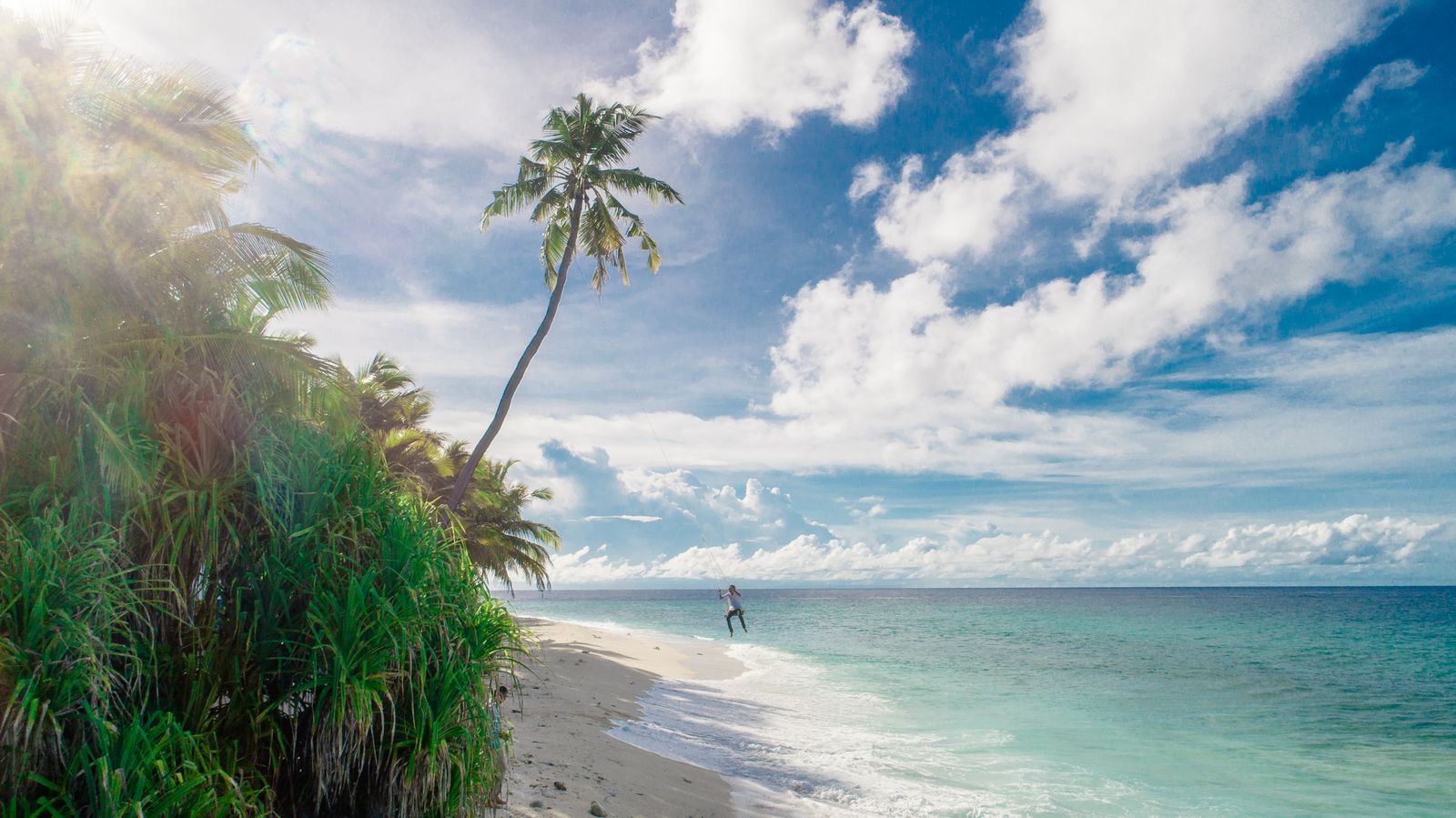
If you don’t want to leave anything to chance and insist on perfect conditions, you should be aiming for February, March and the first half of April. February is statistically the driest month of the year, with minimal rainfall and the longest hours of sunshine. That perfection comes at a price, though — astronomical accommodation costs and the need to book popular resorts several months ahead, since demand far outstrips supply at this time.
More seasoned travellers therefore often target March, the golden middle of the whole high season. The weather is still incredibly stable, the sea is calm, but the biggest rush of winter holidaymakers is slowly easing and prices are starting to creep down very gradually. April is the transition month, when temperatures climb to their annual peak and the ocean is at its warmest — but you’ll need to keep an eye on the calendar for Easter, which sends prices shooting sky-high for a few days once again.
💡 Tip: If you want the best possible weather while saving a decent chunk of cash, plan your trip for the second half of April, right after the Easter holidays end, when hoteliers cut prices across the board.
4. May to November will please your wallet
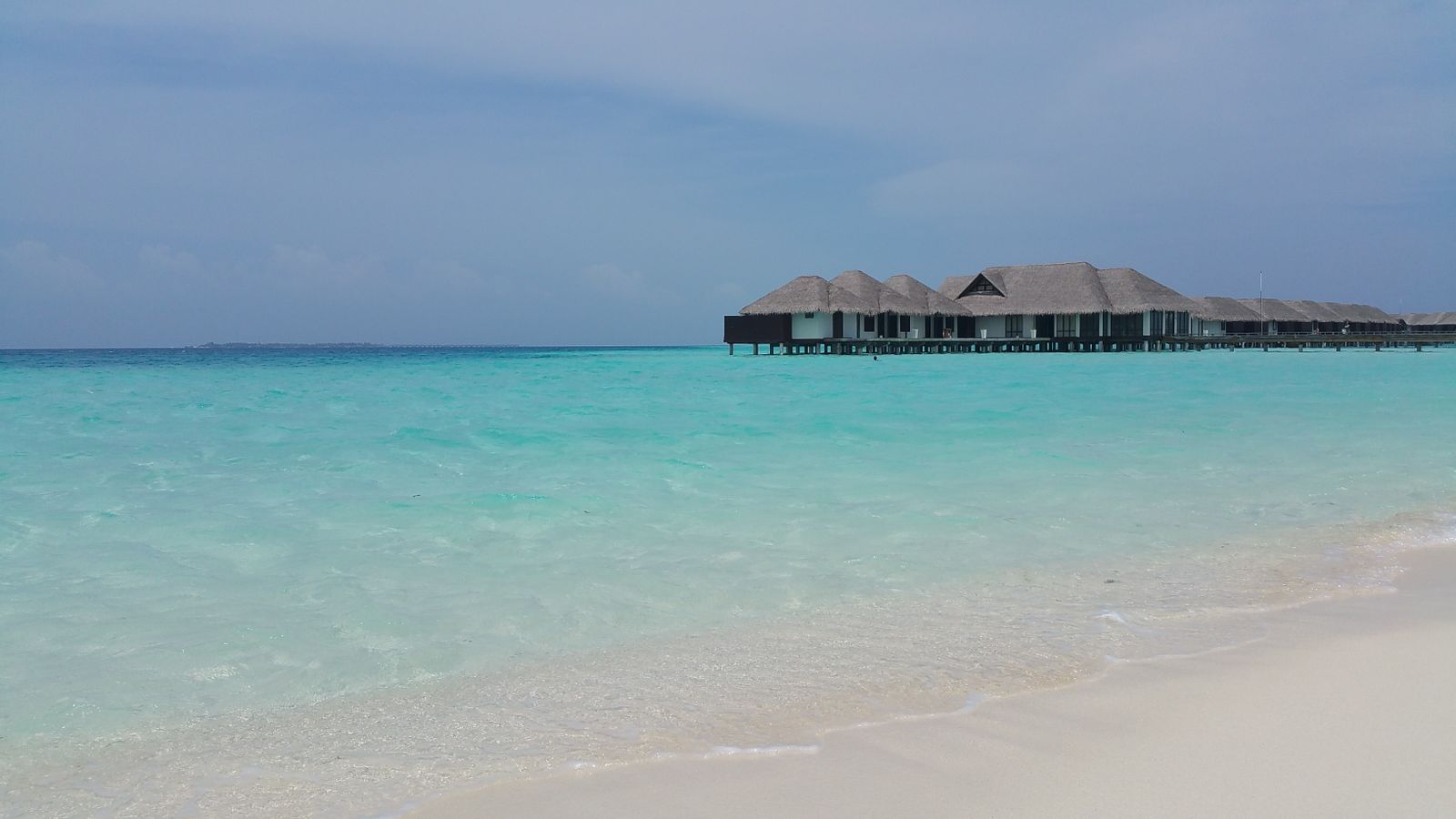
Travelling during the summer monsoon calls for a slightly different approach and, above all, the right expectations. From May to November, accommodation prices often drop by an incredible thirty to fifty percent, which suddenly turns previously out-of-reach luxury resorts into a realistic option. The exception, of course, is the European summer holidays in July and August, when prices rise a little because of families with children — but even then they’re nowhere near the winter peaks. September and November then represent the absolute bottom of the price scale.
In exchange for the money you save, you’ll have to accept that the sky occasionally takes on a dramatic grey hue and it’ll rain on you. On the flip side, you get the huge advantage of half-empty beaches, a more intimate atmosphere in the restaurants and far more peace and quiet across the islands. What’s more, the summer monsoon kick-starts a fascinating natural cycle in which the currents bring vast amounts of plankton to the atolls, drawing in schools of endangered marine creatures.
💡 Tip: When travelling in low season, think carefully about paying extra for All Inclusive. If it rains for two days straight, expensive packages full of outdoor activities and poolside drinks may not be worth it at all — half board could be the better option.
5. A clear month-by-month weather overview
To help you get your bearings on what to expect and when, I’ve put together a handy table of average weather figures. Please bear in mind that these are long-term averages measured on the central atolls around the capital, Malé. If you want to dig deeper, you can also check the official meteorological data straight from the local authorities.
Unfortunately, climate change means the boundaries between individual months are blurring more and more, and the weather is generally getting more unpredictable year on year. Nature simply does what it wants, and no table can guarantee you a hundred percent certainty. But notice one crucial thing: even in the very rainiest September you’ll still get an average of almost seven hours of sunshine a day, so you really needn’t worry about spending your whole holiday cooped up in your room.
| Month | Air °C | Sea °C | Rainfall mm | Rainy days | Sun h/day | Price / crowds |
|---|---|---|---|---|---|---|
| January | 30–31 | 28 | ~90–115 | 5–6 | 8–9 | peak |
| February | 31 | 28 | ~40–68 (driest) | 3–5 (fewest) | 9–10 (most) | peak |
| March | 31–32 | 29 | ~75–81 | 5–7 | 9 | high |
| April | 32 (warmest) | 30 | ~125–129 | 9–10 | 8–9 | high (Easter) |
| May | 31 | 30 | ~210–229 | 15 | 7–8 | low |
| June | 30–31 | 29 | ~165–183 | 13–14 | 6.5–7 | low |
| July | 30–31 | 29 | ~138–161 | 12–13 | 7–7.5 | low–medium |
| August | 30–31 | 29 | ~175–183 | 13–14 | 7 | medium |
| September | 30 | 28–29 | ~200–243 (most) | 15–16 (most) | 6.5–7 (fewest) | lowest |
| October | 30 | 28 | ~195–229 | 15–16 | 7.5–8 | low |
| November | 30 | 28 | ~190–230 | 13–14 | 6–7.5 | low |
| December | 30 | 28 | ~198–215 | 12–13 | 7 | low → peak (from Christmas) |
💡 Tip: Even though the statistics say February only sees three to five rainy days a month, it still means you personally could be unlucky and get a cloudy week. Equally, a rainy day in October usually just means one good hour-long downpour, after which the sky clears beautifully once more.
6. Manta and shark season flips with the monsoon
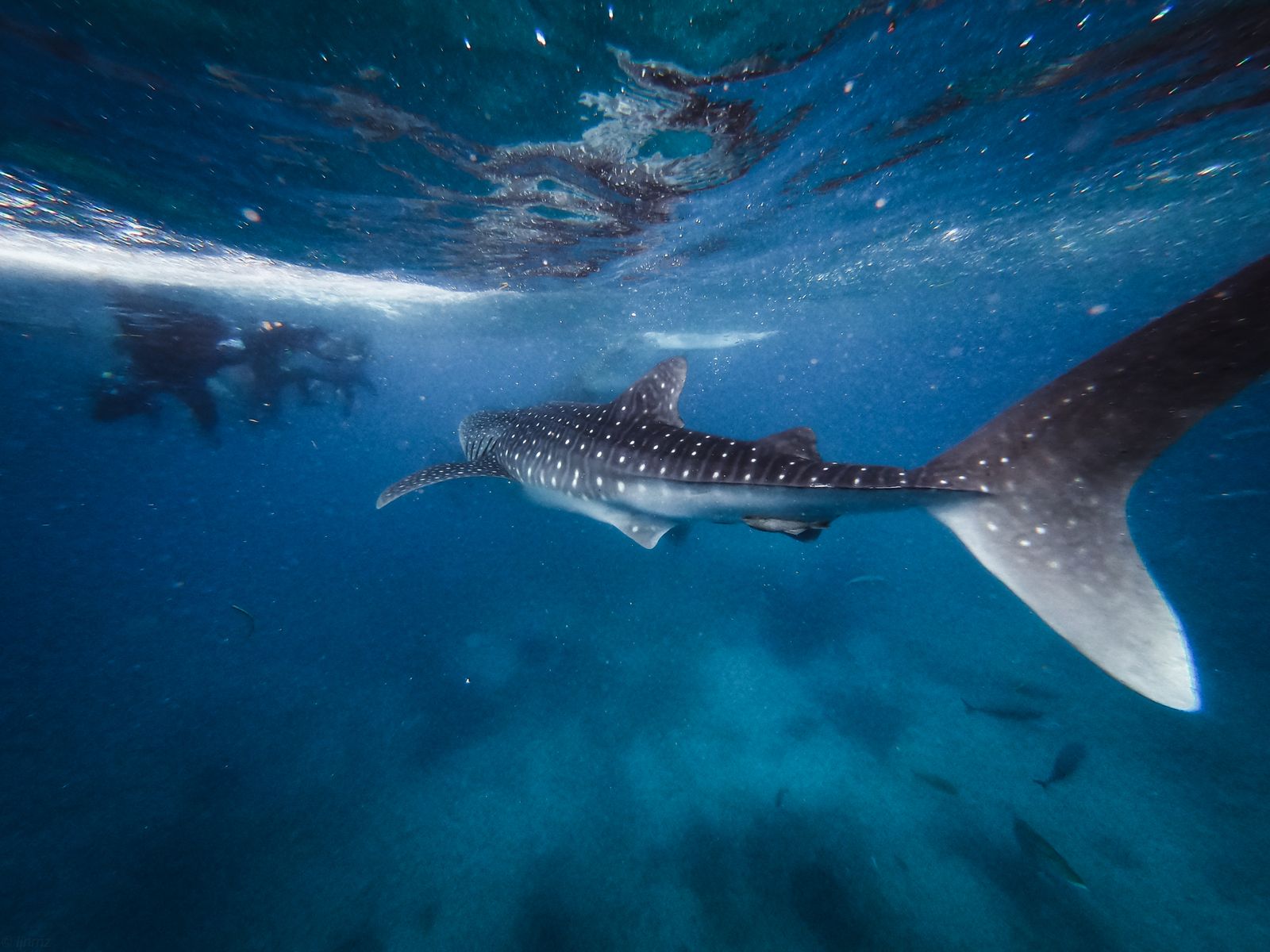
If your main dream is swimming with these ocean giants, you’ll need to keep a close eye not just on the calendar but on the map too. The presence of manta rays flips precisely according to which monsoon is blowing, because these majestic creatures constantly follow massive clouds of plankton. During the wet summer monsoon from May to November the plankton gathers on the eastern sides of the atolls, and the absolute highlight is the famous Hanifaru Bay in Baa Atoll, where dozens or even hundreds of mantas congregate at once from June to October.
In the winter period from December to April the situation completely reverses and the mantas move to the western sides of the atolls, with great viewing conditions in places like Rasdhoo or the western edges of Ari Atoll. When it comes to whale sharks, things are a little simpler. The South Ari area is a global rarity where these gentle giants hang around all year long. In winter you’ll find them more towards the western edge of the atoll, while in summer they drift towards the eastern one, with peak overall activity from August to November.
💡 Tip: The protected Hanifaru Bay reserve, listed by UNESCO, bans access with scuba gear, so you can only observe the mantas with a snorkel. A visit requires a special permit costing around £25 and the company of a certified guide.

7. Ideal conditions for diving, surfing and the glowing sea
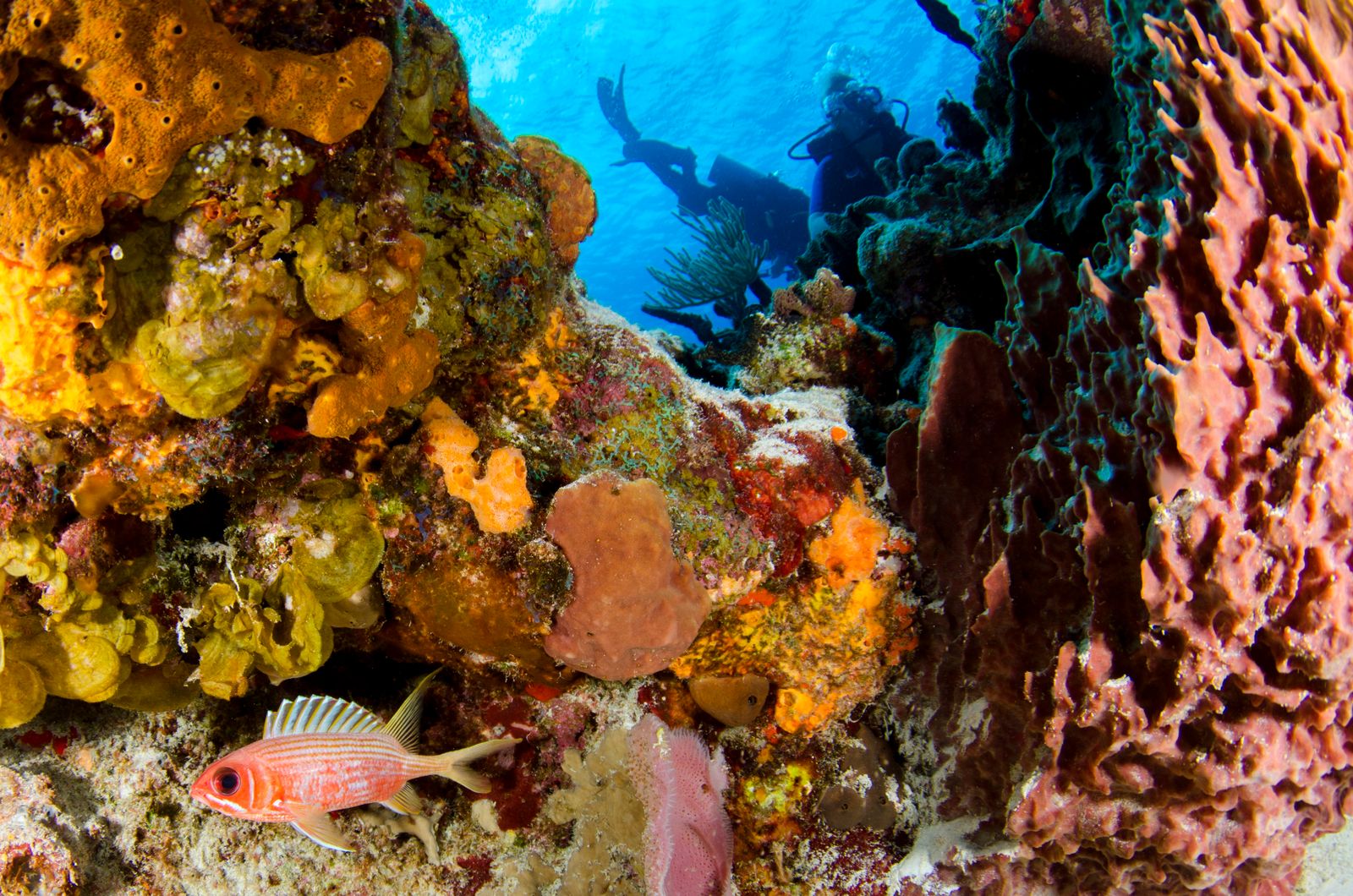
Different water activities call for completely different conditions, so there’s no single universally perfect month for everyone. You’ll get the most beautiful diving with crystal-clear water and visibility exceeding thirty metres from January to April, when the ocean is calm and lets you explore even the deeper coral reefs. In the summer months, by contrast, the water clouds up because of the plankton, which does worsen visibility for photographing corals — but it draws in that much-loved megafauna.
Surfers run on an entirely different calendar: their main season runs from April to October, and the best waves arrive in July and August, when renowned spots like Cokes and Chickens in North Malé Atoll are literally bursting at the seams. A chapter of its own is the famous bioluminescence, known as the sea of stars. This natural phenomenon, where the waves glow blue in the dark, is best seen from June to October during the new moon. It’s important to know, though, that it’s a highly unpredictable event no one can guarantee in advance — not even on the celebrated island of Vaadhoo.
💡 Tip: If you want to surf quality waves while avoiding the biggest crowds in the line-up and saving on accommodation, plan your surf trip for the shoulder months of April, May or the turn of September and October.
8. When you’re better off staying home
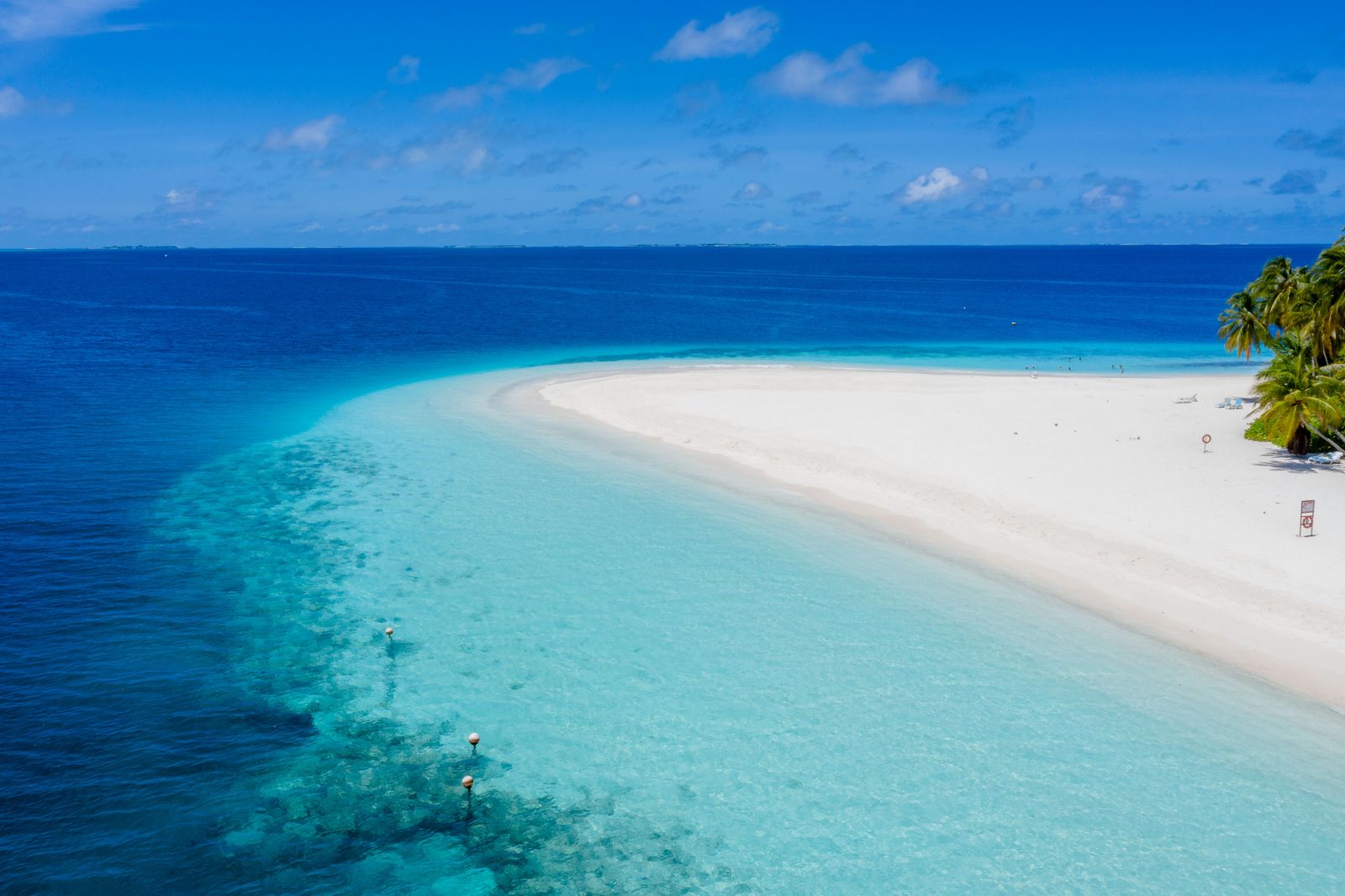
Although every season has its charm, there are dates that require either nerves of steel or an unlimited budget. The absolute worst time for your wallet is the period from mid-December to the tenth of January, when Christmas and New Year celebrations peak. Prices routinely jump by fifty to one hundred percent above the already high winter standards, resorts demand a minimum stay of five to seven nights, and on top of that they’ll gladly charge you for compulsory gala dinners that can cost as much as £630 per person.
Another risky time is the months of September and October, which have long counted as the rainiest period of the year, when over 200 millimetres of rain falls and the sun shines the least. Special attention is also due to the Islamic fasting month of Ramadan, which shifts forward by roughly eleven days each year. If you’re heading to a luxury resort, Ramadan needn’t concern you at all, as everything runs as normal there — but on the local inhabited islands it’s a different story: restaurants are closed during the day, locals don’t keep their usual working rhythm and food in guesthouses is served very discreetly.
💡 Tip: To save you fiddly calculations, just for reference, in 2026 Ramadan falls roughly from 18 February to 19 March, and in 2027 it’ll be roughly from 8 February to 9 March.
A Practical Summary and Rough Prices
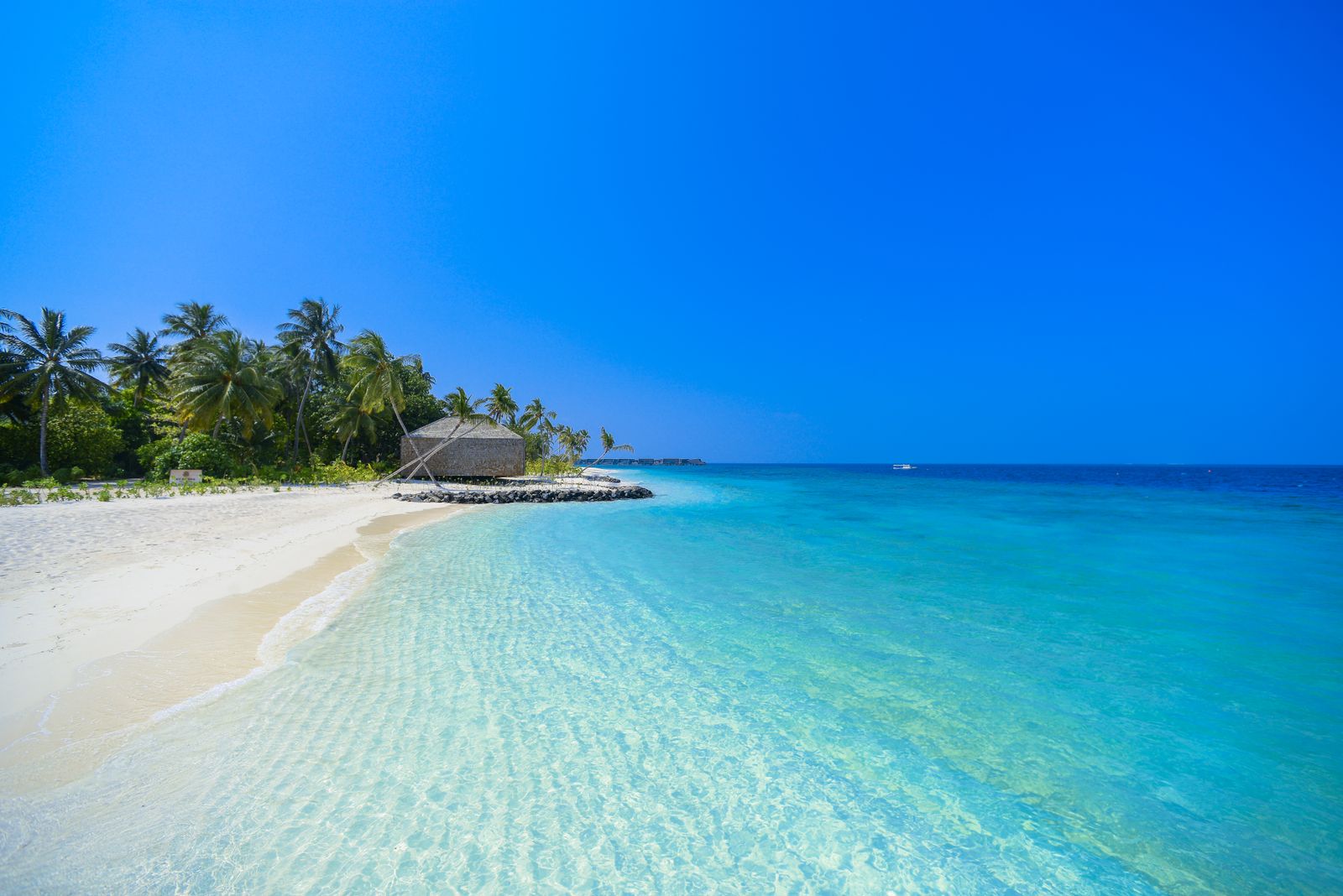
Let’s pull it all together into clear recommendations, so you can make your final decision based on exactly what you want from your trip.
The best time depending on what you’re after:
- Honeymoon and romance for two: February and March guarantee flawless cloudless photos and total peace and quiet.
- Travelling on a tight budget: September and November are the bottom of the price charts — you’ll save enormous sums.
- Diving and snorkelling with clear water: January to April, with the absolute peak being calm February and March.
- Swimming with giant mantas: July and August in Hanifaru Bay, or December to April around Rasdhoo.
- Whale sharks: Year-round in South Ari Atoll; the best visibility is January to April, and you’ll meet the most animals from August to November.
- Surfing proper waves: June to September guarantee the best, most consistent swells.
- Families with children: December, January and February offer calm, safe shallow lagoons, while July and August are a cheaper compromise for the summer holidays.
- Peace and quiet without the crowds: May, June, September and November are the months when you’ll often have the beaches to yourself.
When should you book? The basic rule is to start planning well in advance. I recommend booking regular dates three to six months ahead, so you’ve got plenty of choice and can land reasonable flight prices. If you’re targeting Christmas, New Year, the Chinese New Year period, or you want to stay at a renowned top resort, you’ll need to sort your accommodation via Booking or directly a good six to nine months ahead — otherwise you’ll be left with only the priciest and least appealing villas.
What about flights from the UK? There are no direct flights to Malé from most of the UK, so you’ll typically fly with major carriers such as British Airways, Emirates, Qatar Airways or Etihad, with one stop in the Gulf (Dubai, Doha or Abu Dhabi). Total journey time from London usually comes to around eleven to thirteen hours including the layover. Some seasonal charter and package options crop up around the winter months, but for individual trips the one-stop route via the Middle East is your bread and butter — and it’s often the most competitively priced too.
💡 Accommodation and experiences tip: We love hunting for places to stay on Booking.com, which tends to have the best cancellation terms. For tickets, tours and activities it’s worth comparing and buying through GetYourGuide.
Where to Next
If you’re now clear on which month is right for your trip, it’s time to start sorting out the specific details of your dream holiday. These articles might come in handy too, guiding you through the planning:
- You’ll find a basic overview of everything that matters in my complete guide to the Maldives, packed with practical pre-trip tips.
- If you’re torn over which atoll and type of accommodation to choose, definitely read the article on where to stay in the Maldives.
- More interested in the local vibe and want to save money? Then our guide to Maafushi island, the hub of independent travel, is made for you.
- And if you’re still not one hundred percent sold on the destination and are looking for an alternative in the same ocean, take a look at what a holiday in Mauritius looks like.
Frequently Asked Questions
Feeling like all those monsoons, atolls and dates are making your head spin a little? Don’t worry — just to be safe, I’ve rounded up answers to the most common questions I get about the Maldives and its weather.
You’ll find everything neatly in one place. I hope it helps you crack the last few details, so you can book your flights and dream hotel with a clear conscience.
What month is absolutely the best for a visit?
From a purely meteorological perspective, February is the best month, bringing the least rain, the most hours of sunshine, and extremely calm seas. March is then an excellent compromise between perfect weather and somewhat lower prices.
When is a vacation in the islands cheapest?
“`html
You’ll experience the biggest price drops during the wet summer monsoon, particularly in September and November, when luxury resort prices can plummet by as much as fifty percent compared to the winter peak season.
“`
Does it really rain a lot during the wet monsoon?
Even during the rainiest months, like September and October, it’s not the European kind of all-day drizzle. What’s typical for the tropics are rather very heavy but short showers in the afternoon or nighttime hours, after which the sun comes out again.
What is the water temperature in the Maldives?
“`html
The temperature of the Indian Ocean is absolutely fantastic and stays consistently between 27 and 30 °C throughout the year. Swimming is very pleasant and you definitely don’t have to worry about getting cold during longer snorkeling sessions.
“`
Which months give me the best chance to see manta rays?
“`html
It depends on the specific atoll. In Hanifaru Bay, you’ll have the best chance from June to October, while on the western side of the atolls, for example in the Rasdhoo area, you’ll encounter them most frequently from December to April.
“`
When is the best time for whale shark watching?
In the protected area of South Ari, whale sharks occur year-round, with the best underwater visibility from January to April. Scientists record the absolutely highest activity of these animals from August to November.
Can you fly to the atolls in summer during the holidays too?
Definitely yes. July and August fall into the wet monsoon season, but the weather is surprisingly bearable and statistically it rains less here than in marginal months like September. It’s a great time to save money if you’re traveling with family and are tied to school holidays.
How do I know when exactly Ramadan takes place?
Ramadan follows the Islamic lunar calendar, which means it shifts forward by about eleven days each year. In 2026, it falls approximately from mid-February to mid-March, but you won’t notice it at all in the resorts.
How many days should I ideally set aside for the trip?
To make the long journey worthwhile and give yourself enough time to properly rest and acclimatize, I recommend planning a stay of seven to ten full days on location.
Tips and Tricks for Your Vacation
Don’t Overpay for Flights
Search for flights on Kayak. It’s our favorite search engine because it scans the websites of all airlines and always finds the cheapest connection.
Book Your Accommodation Smartly
The best experiences we’ve had when looking for accommodation (from Alaska to Morocco) are with Booking.com, where hotels, apartments, and entire houses are usually the cheapest and most widely available.
Don’t Forget Travel Insurance
Good travel insurance will protect you against illness, accidents, theft, or flight cancellations. We’ve had a few hospital visits abroad, so we know how important it is to have proper insurance arranged.
Where we insure ourselves: SafetyWing (best for everyone) and TrueTraveller (for extra-long trips).
Why don’t we recommend any Czech insurance company? Because they have too many restrictions. They set limits on the number of days abroad, travel insurance via a credit card often requires you to pay medical expenses only with that card, and they frequently limit the number of returns to the Czech Republic.
Find the Best Experiences
Get Your Guide is a huge online marketplace where you can book guided walks, trips, skip-the-line tickets, tours, and much more. We always find some extra fun there!


