

If you think a holiday in paradise with dazzling white sand and turquoise water is only for the chosen few, let me happily prove you wrong. A Maldives budget holiday is no longer a contradiction in terms, and how much such a trip actually costs might pleasantly surprise you. I’ve done the research, and I can tell you the Maldives are absolutely not just for millionaires — you can pull it off comfortably on a completely ordinary budget. The trick is to skip the overpriced private resorts and head instead to the so-called local islands, where you’ll find a lovely guesthouse and the whole holiday ends up costing an unbelievable fraction of the price. A week-long stay, including flights from the UK, can realistically be arranged from around £950 to £1,100 per person — a sum that wouldn’t even buy you two nights in one of those catalogue luxury water villas.
TL;DR
- The big difference is accommodation: Local islands with guesthouses can easily be five times cheaper than private resorts — you’ll find bed and breakfast from just $40 (roughly £32).
- Cheapest time to go: If you travel in the low season from May to November, you’ll save 25 to 50% on both accommodation and flights compared with the winter months.
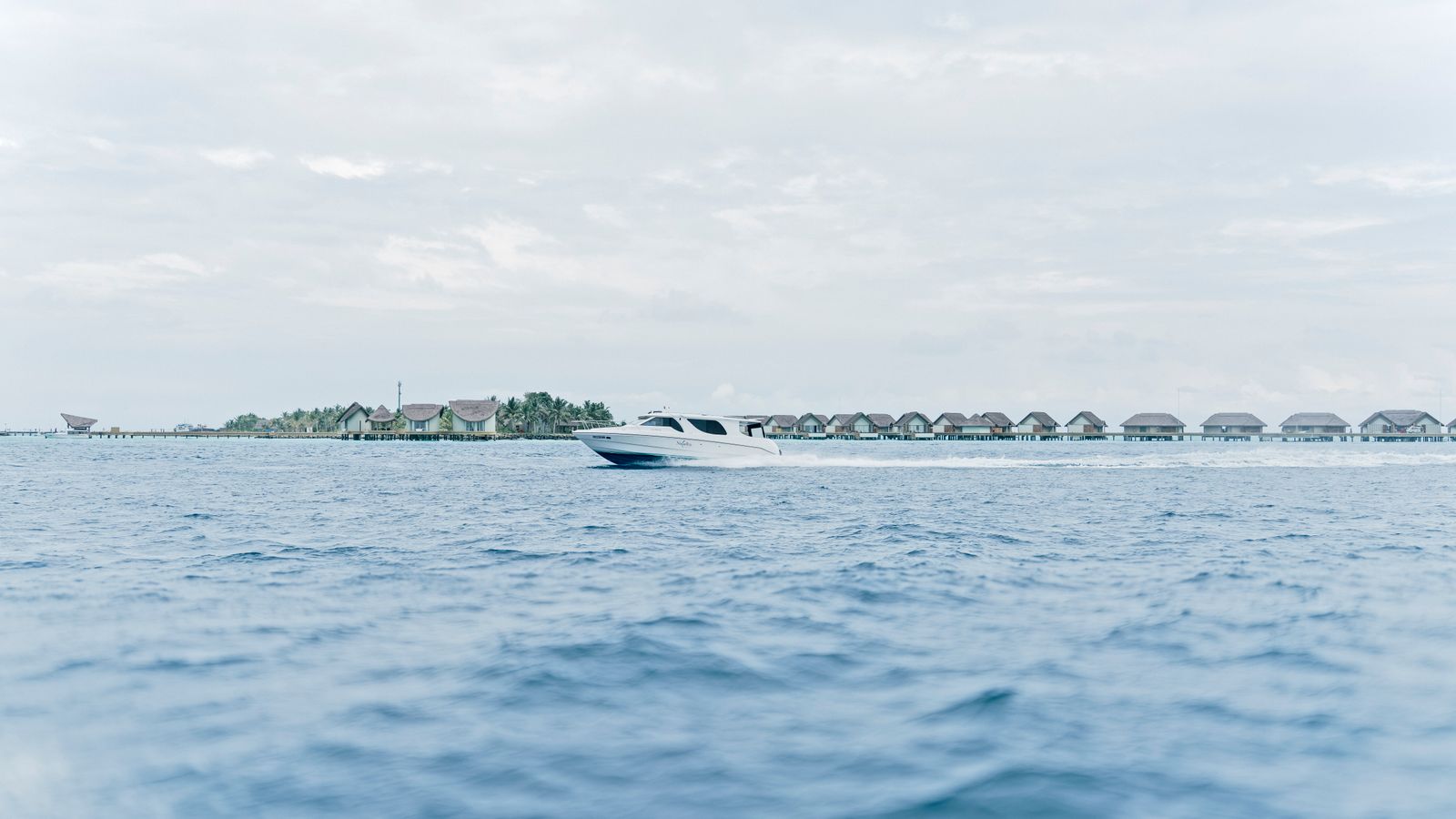
- Getting around the islands: The public ferry costs a mere $2, whereas a shared speedboat will set you back $25 to $35 per one-way trip.
- Eating for pennies: Meals at local eateries (known as hotaa) cost a fraction of hotel prices — a hearty vegetarian curry with rice will only run you around $5 to $10.
- Trips and haggling: Buy activities like snorkelling or dolphin watching strictly on the spot at reception, where you can negotiate the price far lower than online.
- Alcohol and luxury: Strict prohibition applies on local islands, but the solution is buying a one-day pass to a luxury resort for $120 to $150.
- Hidden fees: To every restaurant or accommodation price you must add hidden taxes of roughly 28%, plus a mandatory Green Tax.
- What you won’t get for the minimum: The budget option means simpler accommodation, swimming only on designated beaches, and no catalogue water villa perched over the ocean.
The full destination guide: Asia — guide and what to see
Maldives on a Budget: 9 Things You Need to Know
Planning your dream holiday without pouring five years of savings into it might sound like science fiction at first, but it genuinely works. All you need to do is adjust your expectations a little, steer well clear of the priciest catalogue temptations, and know exactly where to look.
Here are the nine most essential tricks and rules for slashing your costs to the bare minimum and enjoying the Maldives without any needless worry lines on your forehead.
1. A local island instead of a resort
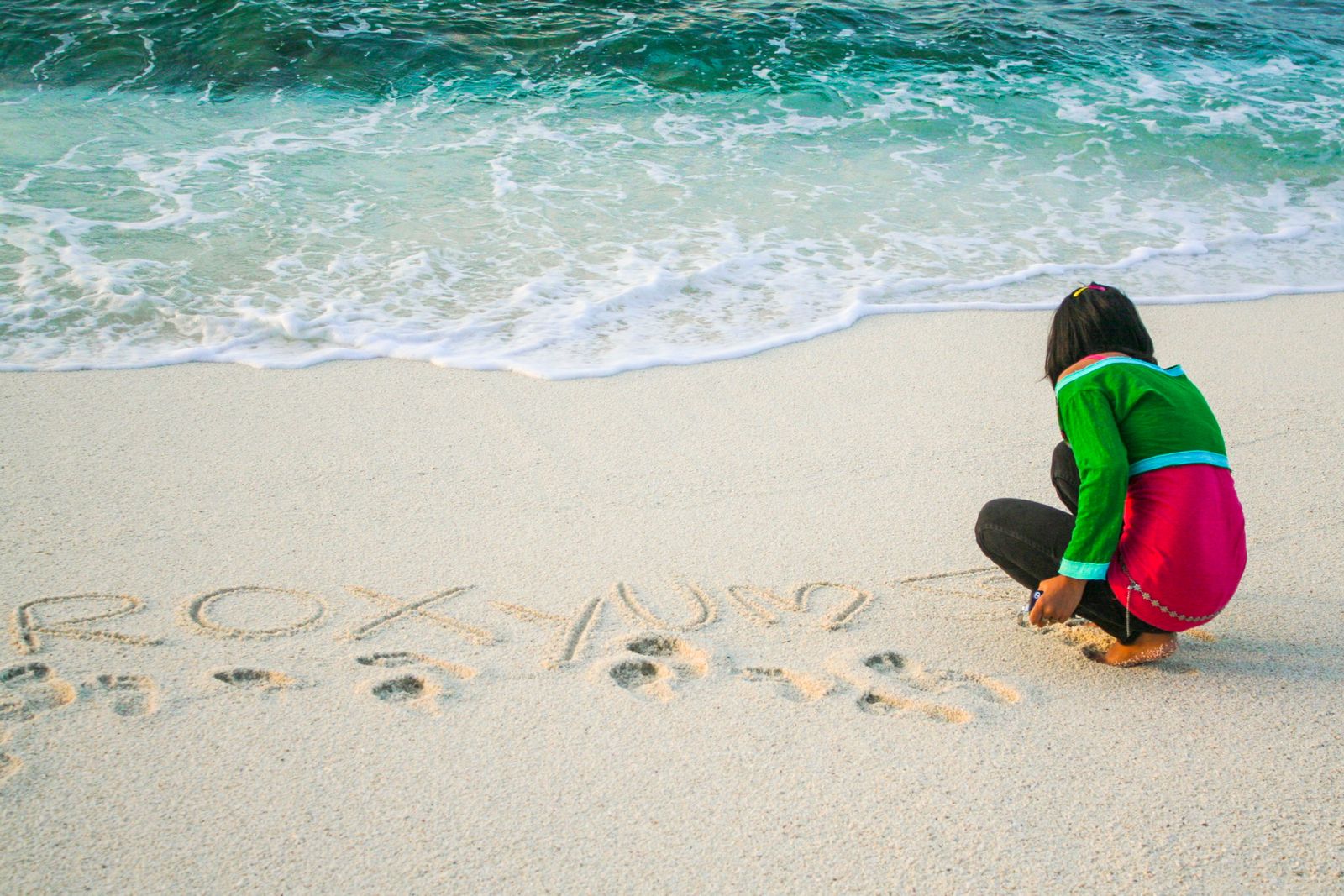
If you want to cut costs to the absolute minimum, you have to cross private resorts off your list and head to islands where local people actually live. This is where the one saving that truly transforms the whole trip is hiding. While a night at the cheapest resort starts at $250 and can easily climb to $800 per person, a decent guesthouse on a local island will cost you $40 to $130, even with a generous breakfast. One traveller, for instance, paid a total of $271 for five nights in guesthouses, but left an unbelievable $2,040 behind for just two nights in a resort.
Your choice of island then shapes both your overall budget and the memories you’ll take home, so it pays to do a bit of digging. I’ve put together specific tips on which islands and guesthouses to head for in a separate section below. There are many local islands, and each one offers a slightly different atmosphere, from a busier tourist hub to an utterly peaceful agricultural paradise.
💡 Tip: When choosing a guesthouse on Booking, always check the distance to the so-called Bikini Beach carefully. On local islands you aren’t allowed to swim in a swimsuit anywhere else other than these strictly designated tourist beaches.
2. Low season from May to November
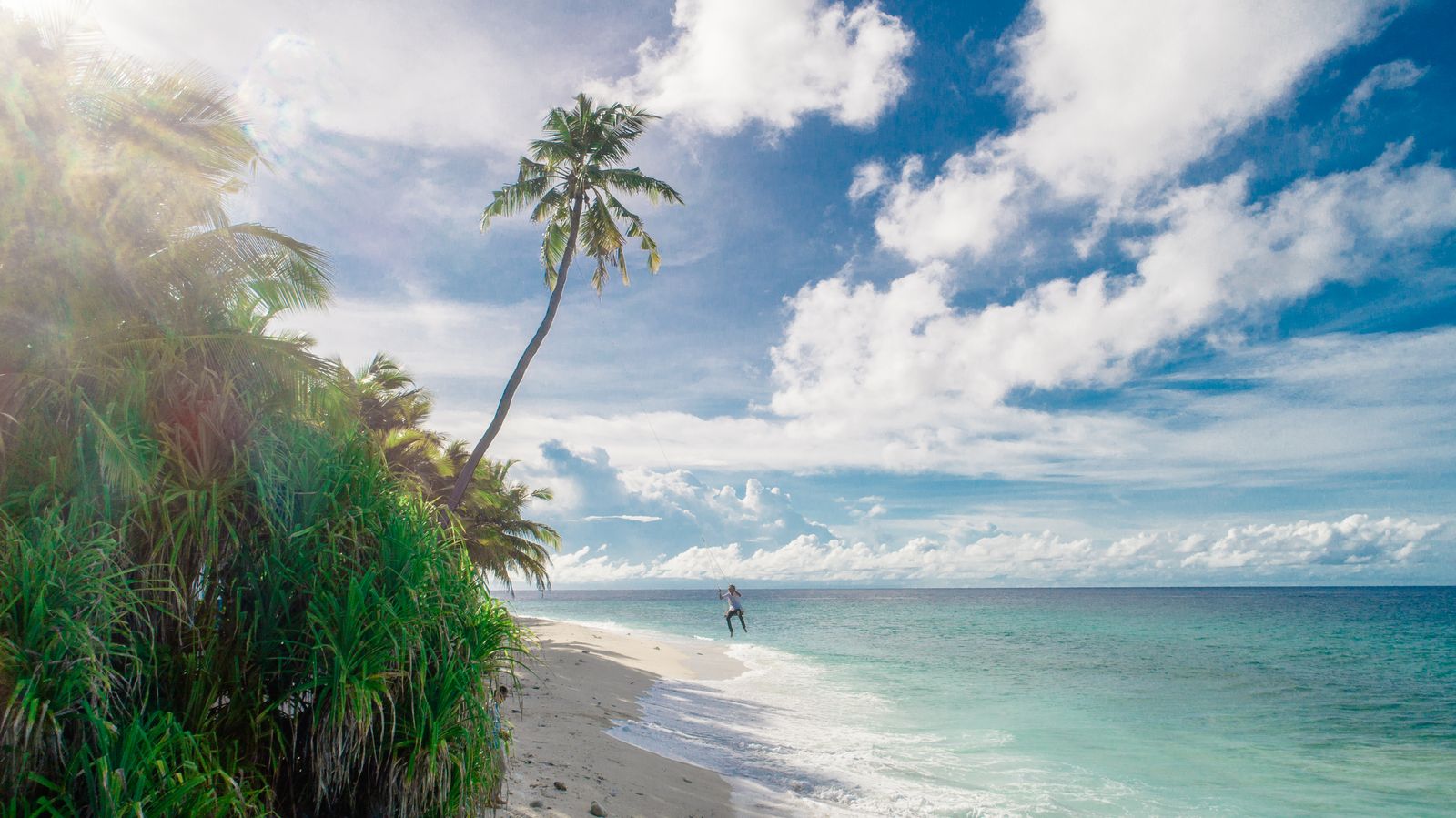
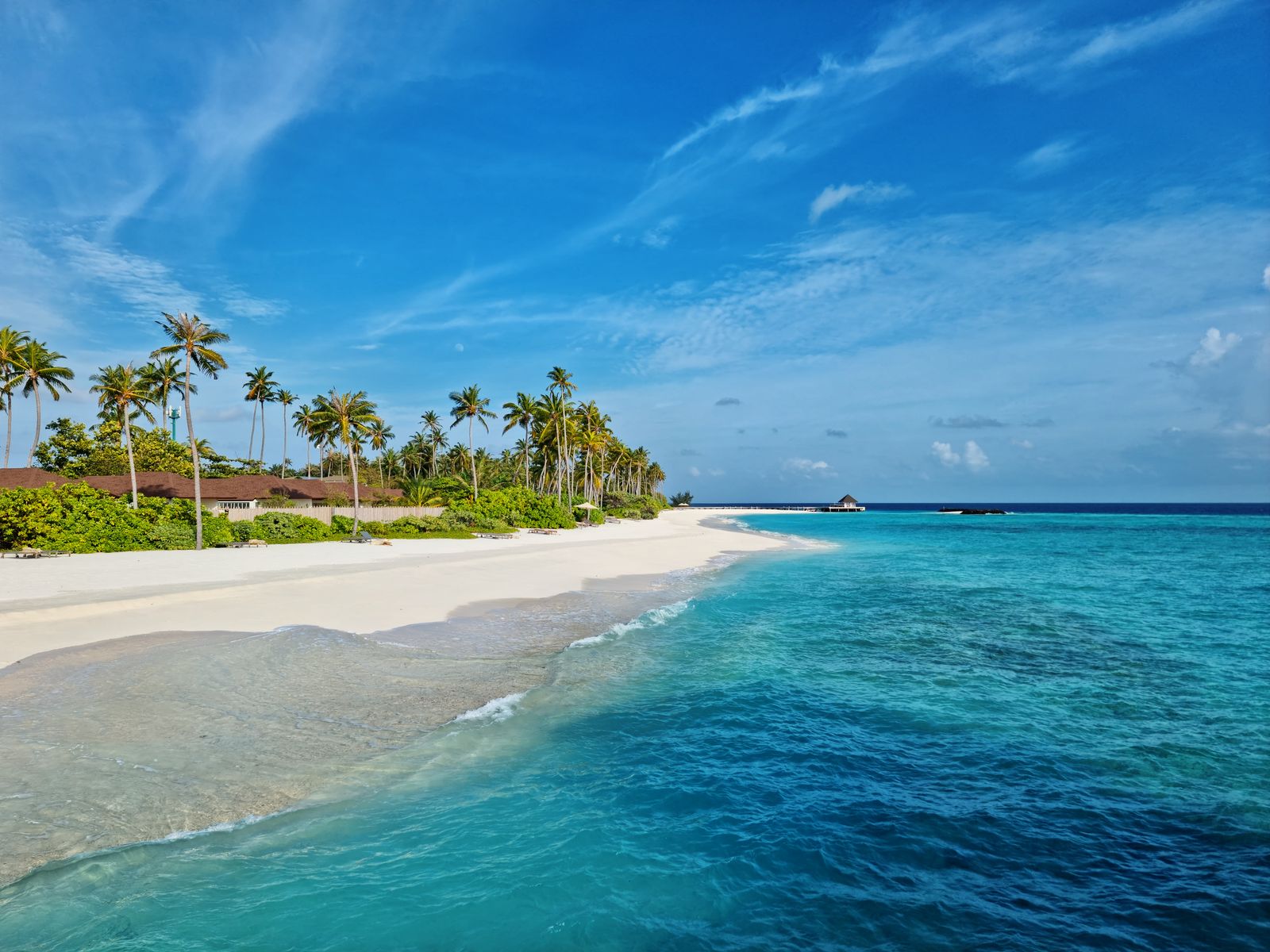
The timing of your trip determines the final price more than you might think, so it pays to skip the winter dates. The Maldives sees the main tourist rush from December to April, when the price of everything shoots up. But if you travel in the low season, from May to November, accommodation and flight prices drop by 25 to 50%. Historically, the cheapest month to visit tends to be November, when you can bag the very best deals.
Of course, there’s a catch in the form of the weather, since this period carries a higher risk of rain and overcast skies. The Maldives lie in the tropical belt, and rain here usually means a short but very intense afternoon shower, after which the sun comes back out and everything dries quickly. Air and ocean temperatures stay constant at around 30°C all year round, so you certainly won’t be cold even during the monsoon season.
💡 Tip: If you’re worried about your whole holiday being rained out, try aiming for the turn of October and November. The sea is full of plankton at that time, which attracts huge schools of giant manta rays and whale sharks, so despite the odd cloud you’ll experience the very best diving.
3. Public ferry instead of a speedboat
Transport from the airport in Malé to your island is one place where a lot of money can be needlessly burned, yet all you need is to know one thing. By far the cheapest option is the public ferry (known as a dhoni), which costs a laughable $2 for a one-way trip. The journey to popular Maafushi, for example, takes about an hour and a half by ferry and saves you a fortune. For comparison, a trip by shared speedboat to the same island costs $25 to $35 per person, so for a return journey for a couple, the difference can easily reach $100.
Public ferries have some very strict quirks that you must factor into your planning, though. The most important rule is that ferries don’t run at all on Fridays (the Muslim holy day). What’s more, they have fixed departure times, usually only once or twice a day, so if you land in the afternoon you’ll probably miss the ferry and have to spend a night in Malé. Always check the timetables in advance on the official website of the carrier, MTCC.
💡 Tip: If you’re flying in for a shorter stay and don’t want to lose time on complicated logistics, a shared speedboat is the ideal happy medium. It runs several times a day, cuts the journey to a third of the time, and compared with a private transfer or seaplane it’s still a very cheap affair.
4. Where to eat: guesthouse with breakfast and meals at a local hotaa
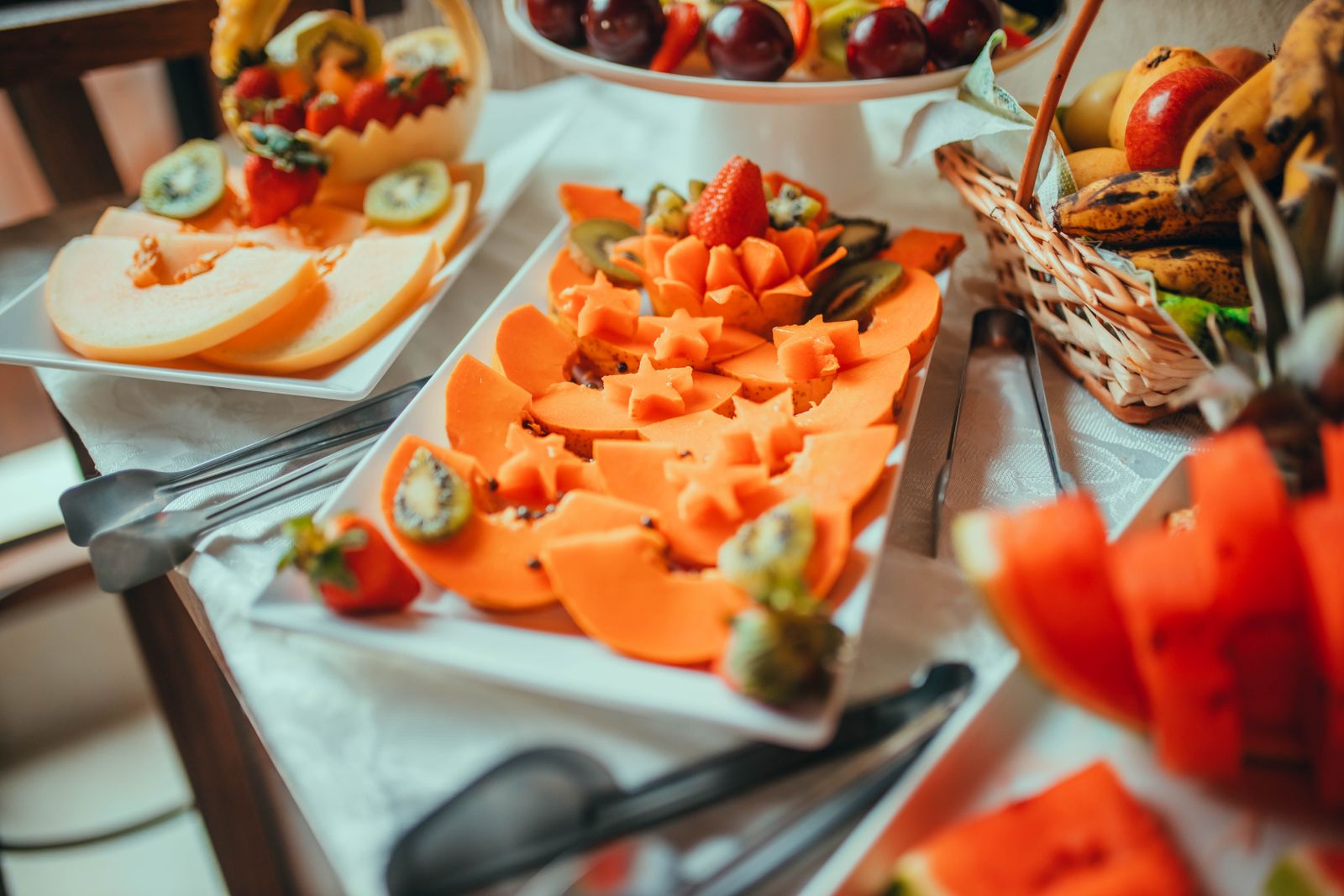
When booking accommodation on a local island, don’t be lured by offers of half board or even all-inclusive packages. It’s perfectly enough to take a guesthouse with breakfast only, which is usually already included in the base price and consists of eggs, toast, sausages and fresh fruit. If you spot the traditional Maldivian breakfast called Mashuni on the menu, definitely try it — it’s a refreshing mix of tuna, coconut, onion and chilli served with flatbreads. Sort out lunches and dinners on your own, because hotel food is needlessly overpriced and a tourist menu will cost you $8 to $15 per person.
A far bigger experience — and above all a saving — is eating at the so-called hotaa, which are small local eateries aimed primarily at local residents. Here you’ll eat for an incredible $2 to $9 and taste authentic cuisine that’s heavily influenced by Indian and Sri Lankan traditions. On the popular island of Maafushi, be sure to pop into the well-known restaurant Hot Bite or the eatery Mr. Octopus, where they prepare excellent fresh fish at very reasonable prices. For vegetarians it’s an absolute paradise, because everywhere you’ll come across delicious lentil dhal, spicy vegetable curry with coconut milk, or traditional roshi flatbreads. So food will cost you at most around £10 to £20 per day.
💡 Tip: Local restaurants automatically charge extra fees on every meal, usually 10% for service and 16 to 18% state tax. So always check the menu to see whether prices are listed with tax included, or you’ll face an unpleasant bump of more than a quarter when you come to pay.
5. Buy trips on the spot and haggle
You can save a surprising amount on trips, but only if you resist the temptation to book everything in advance from the comfort of home. Online prices tend to be inflated and offer no room for negotiation. A far better strategy is to wait until you arrive, walk around a few guesthouses in your area and see what prices they’re offering at reception.
On local islands the accommodation owners compete fiercely, which is why they’re very willing to knock the price down. A half-day of snorkelling typically costs $25 to $50, a trip to a deserted sandbank runs around $25 to $40, and a dolphin-watching cruise comes to $25 to $35. If you’re heading out to see giant whale sharks, the price depends on your starting location. From the nearby island of Dhigurah you’ll pay $50 to $70, but from popular Maafushi the same trip costs $90 to $120 due to the longer boat journey. Just remember that the underwater world here is breathtaking, but the corals are sadly losing their colour due to ocean warming, so expect huge schools of fish and turtles rather than vividly coloured gardens.
💡 Tip: Haggling is completely normal, especially if you buy several trips at once or travel in a larger group. Children usually get a 50% discount on most boat trips too, so don’t forget to actively ask about it.
6. A resort day-pass instead of an expensive night
Staying on a local island has one big drawback, and that’s total prohibition. Strict Islamic law rules in the Maldives, so you won’t buy a beer at your guesthouse or the local restaurant, let alone a mixed cocktail. But there’s a completely legal and very clever workaround for enjoying luxury and legal alcohol without having to pay thousands of dollars for accommodation. That workaround is the so-called day-pass, or one-day entry to a nearby luxury resort.
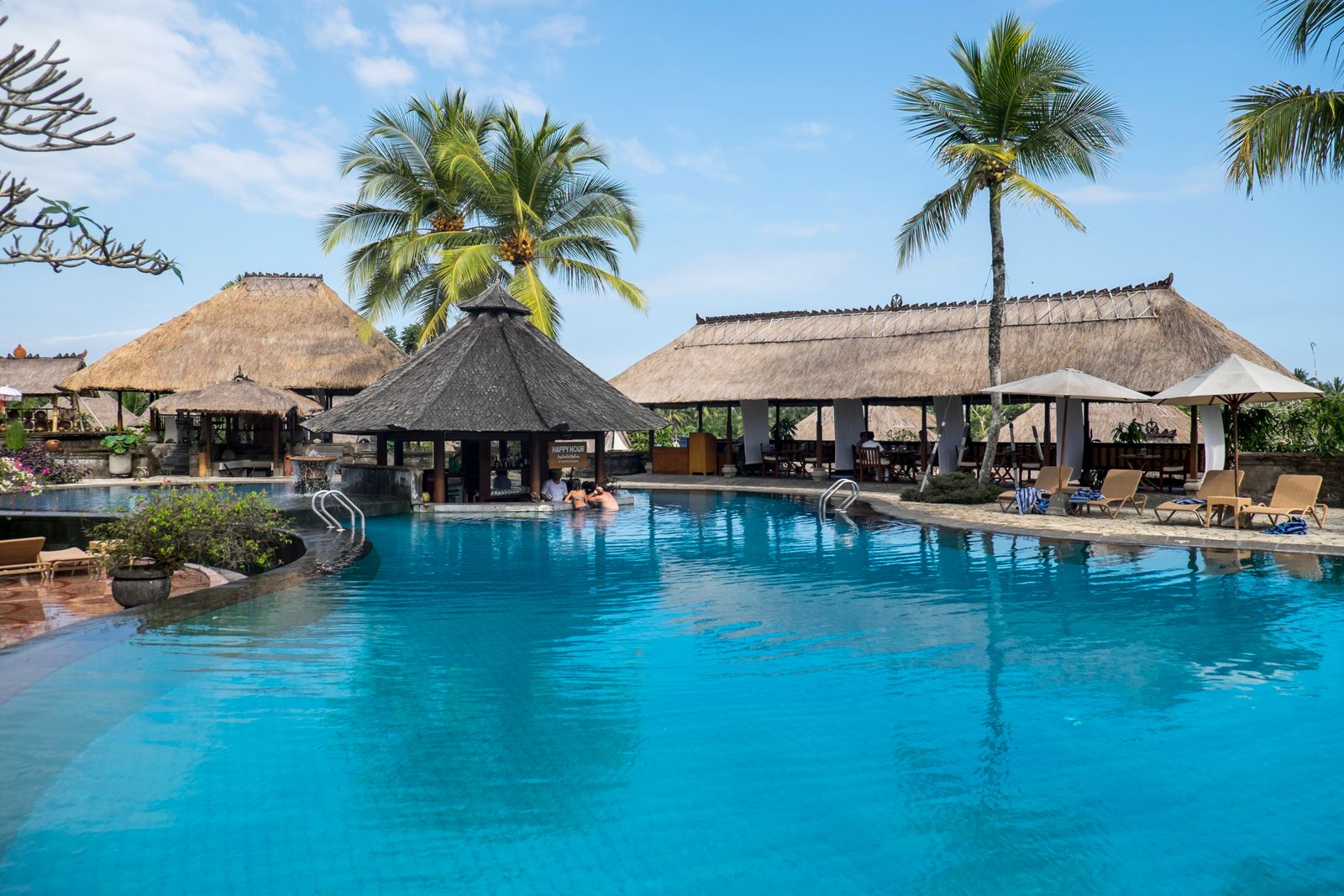
Most resorts offer tourists from local islands the chance to spend a whole day with them. The price of such a pass ranges from $35 to $180, but you’ll typically pay around $120 to $150 per person. This price usually includes a return boat transfer, unlimited food, full access to the luxury beaches, pools, a fantastic house reef and, above all, unlimited drinks including alcohol. In the evening the boat takes you back to your cheap guesthouse.
💡 Tip: Trips to resorts run every day from the island of Maafushi and the choice is enormous. Before you buy a day-pass, check how much time you’ll actually spend at the resort and whether the price really includes everything, alcoholic drinks included.
7. Combine islands and avoid Christmas
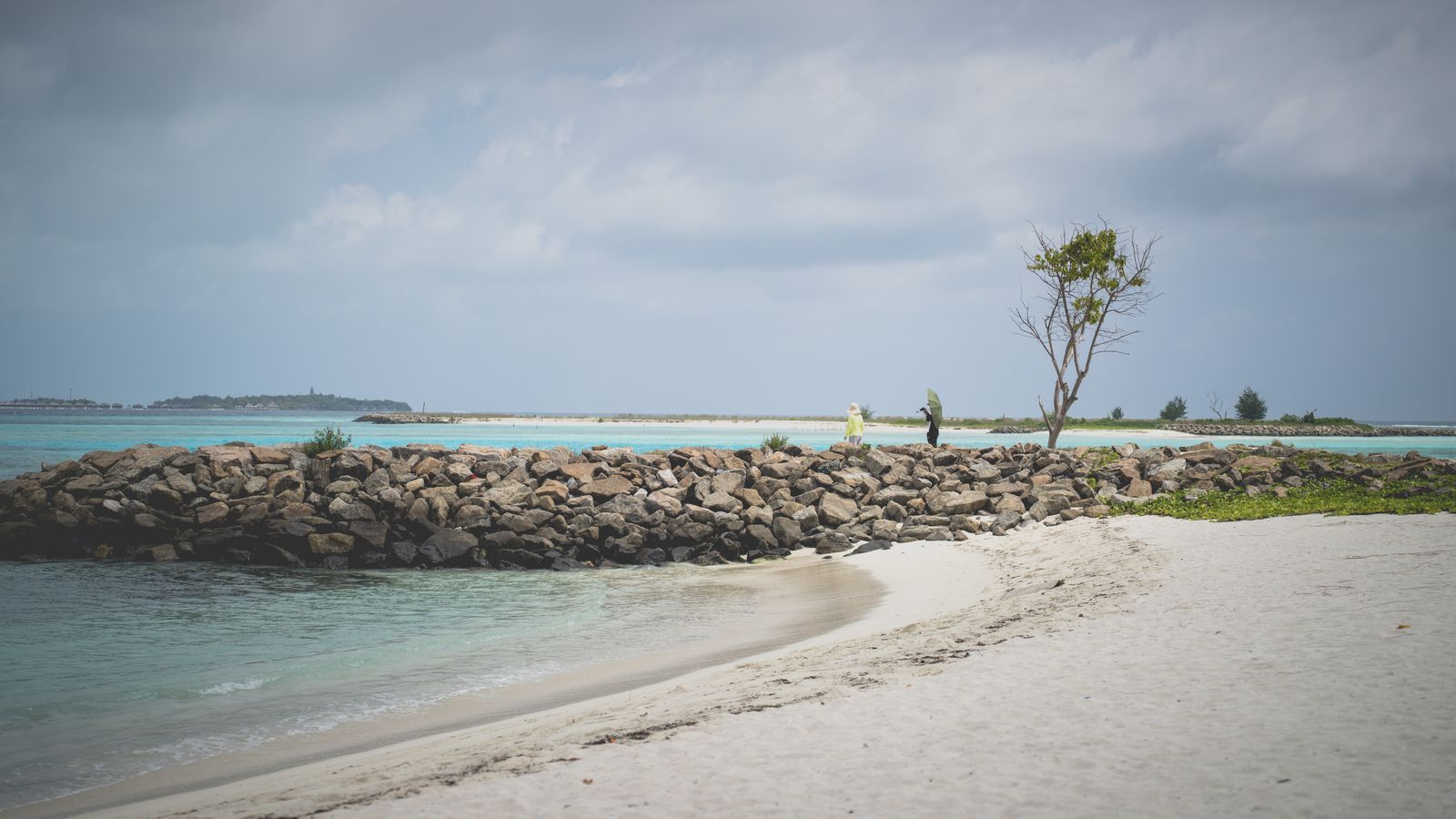
Spending a full ten days on one tiny island you can walk across in twenty minutes might sound romantic, but the reality is often different. After three or four days, most travellers are struck by the so-called “island fever” — cabin fever from being in a small space. That’s why I recommend combining at least two different islands during a single holiday. The ideal approach is to start on busier Maafushi, full of trips and restaurants, and then move to quieter Dhigurah or agricultural Thoddoo for the perfect wind-down.
When planning your dates, give the Christmas and New Year holidays a wide berth — specifically the period from 15 December to 15 January. During this time there are absolutely no discounts whatsoever and the price of everything hits its annual peak. Guesthouses and resorts also often require a minimum length of stay and force guests to pay for compulsory gala dinners, after which there’ll be nothing left in your wallet at all.
💡 Tip: Transfers between local islands don’t necessarily have to go via the capital, Malé. Ask your guesthouse about the options for local atoll ferry lines, which connect neighbouring islands for a couple of dollars and save you a lot of time.
8. Save on flights by comparing London airports
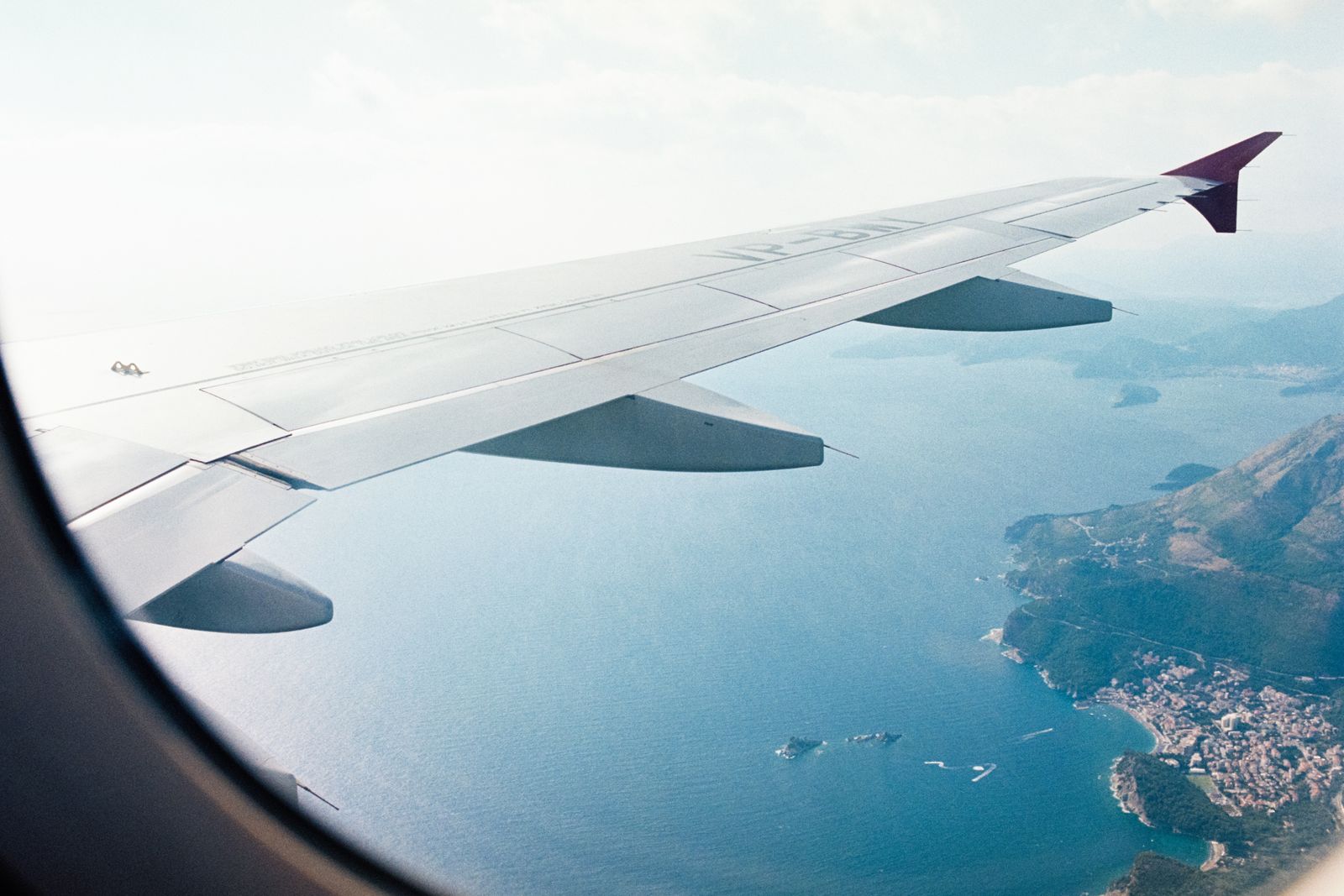
The biggest line item in the budget of any trip to the Maldives is usually transport. A standard return flight from London to Malé with one stopover typically ranges between £550 and £850 if you fly with a quality airline. But if you want to push the price as low as possible, it pays to compare departures across London’s airports and nearby hubs — flying from Manchester or Gatwick rather than Heathrow, for example, can save you £30 to £100 on a single ticket, which is already a very noticeable amount for a couple. It’s also worth regularly monitoring deals on portals like Google Flights, or keeping an eye on the newsletters of your favourite carriers, such as Qatar Airways or Emirates.
Direct flights from the UK to Malé, which take roughly 10 hours with carriers like British Airways, do exist, but they book up fast and prices climb in peak season. If you’re flying independently, come to terms with the fact that you’ll usually have a stopover in Doha, Istanbul or Dubai. Most layovers are fortunately fairly quick and comfortable.
💡 Tip: Buy your Maldives flights well in advance, ideally three to five months ahead. You’ll find the cheapest fares in the months outside peak season, that is from May to October, when airlines cut prices across the board.

9. Gear from home and hidden taxes
The Maldives have a very specific taxation system that many tourists end up paying for unpleasantly. For every price, whether for accommodation, food or trips, you must factor in hidden fees of roughly 28%. This charge is made up of a 17% goods and services tax (TGST) and a 10% service fee. On top of that comes the mandatory environmental tax, the so-called Green Tax, which amounts to $6 per person per night in a guesthouse — nearly £35 for a week-long stay.
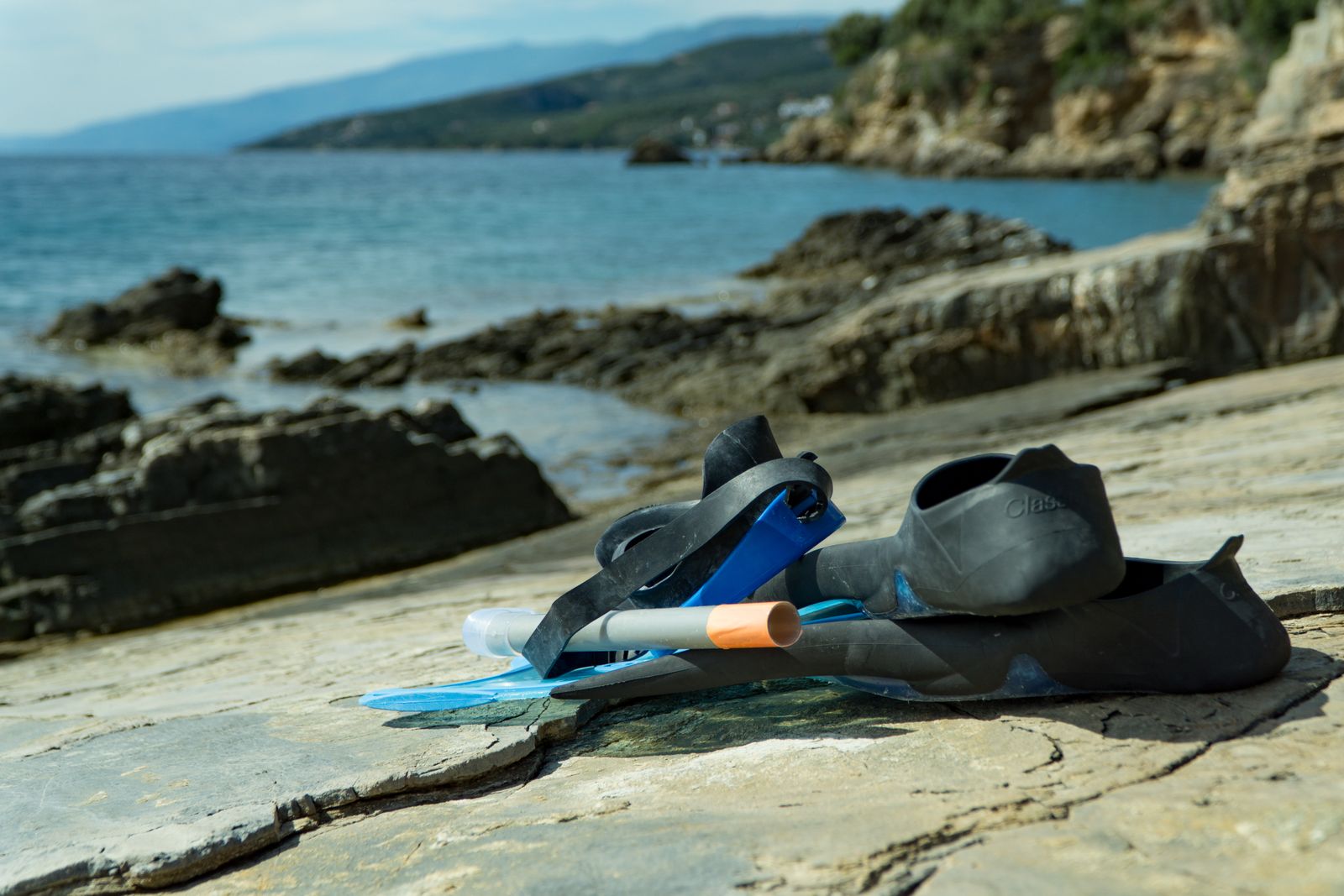
You’ll also save a fortune by bringing plenty of things from home. Definitely pack quality reef-safe sunscreen (reef-safe SPF 50) and a long swim top (a rash guard) for snorkelling. The prices of these items on the islands are many times higher than back home. It also pays to bring some basic medicines, because pharmacies on local islands have a very limited range.
💡 Tip: Even plain bottled water can push up your budget. On local islands a bottle costs about $1, but luxury resorts charge as much as $8 to $12. So bring an empty filter bottle from home for the start of your trip.
Where to Stay
💡 Tip for accommodation and experiences: We prefer to look for accommodation on Booking.com, which tends to have the best cancellation terms. Tickets, trips and activities are then worth comparing and booking through GetYourGuide.
Now that we’ve established local islands are the right route to a cheap holiday, let’s look at specific places. Your choice of island fundamentally determines what your holiday will ultimately be like. You can have hustle and bustle with plenty of trips, or total peace and quiet with agricultural bliss.
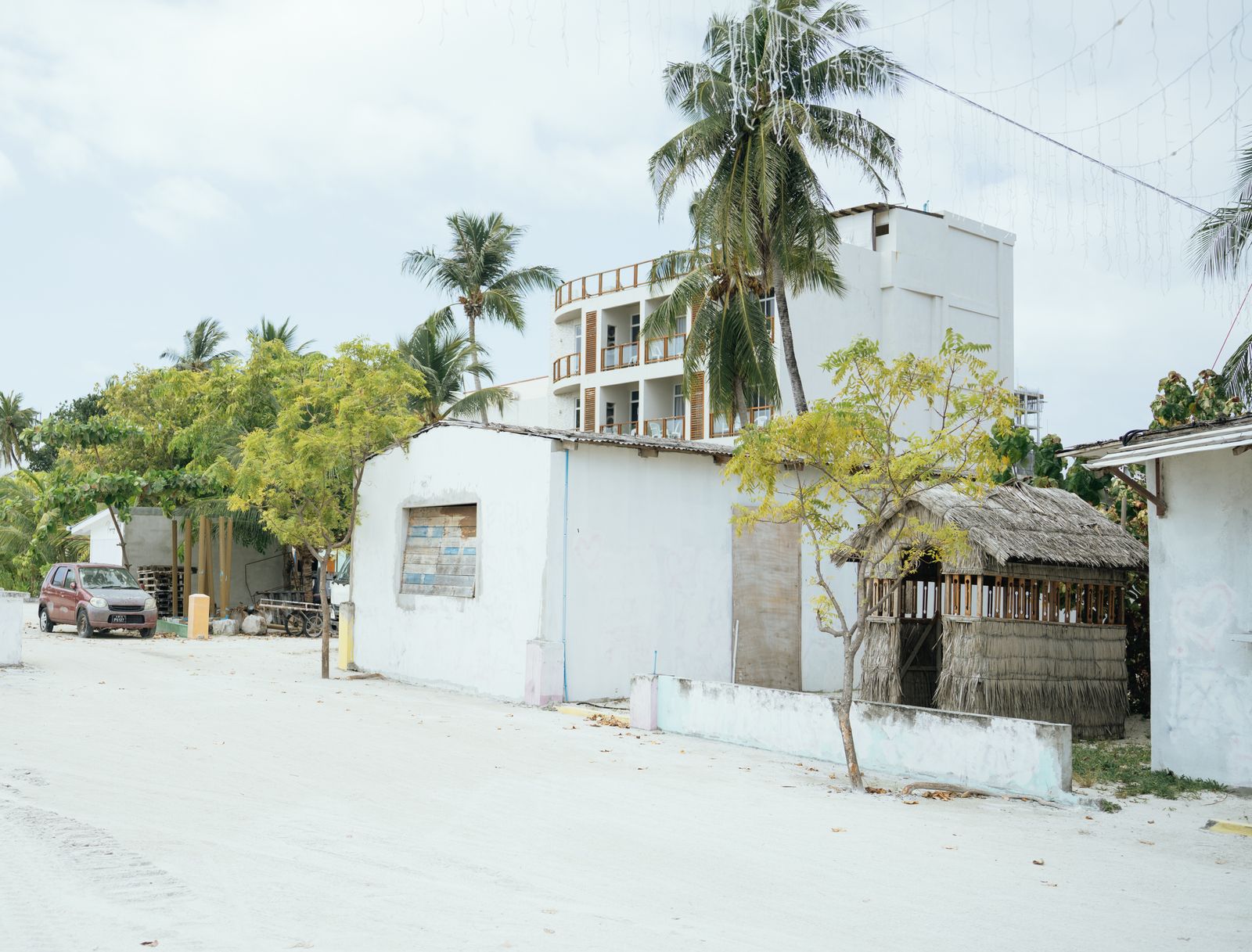
Popular Maafushi and Gulhi
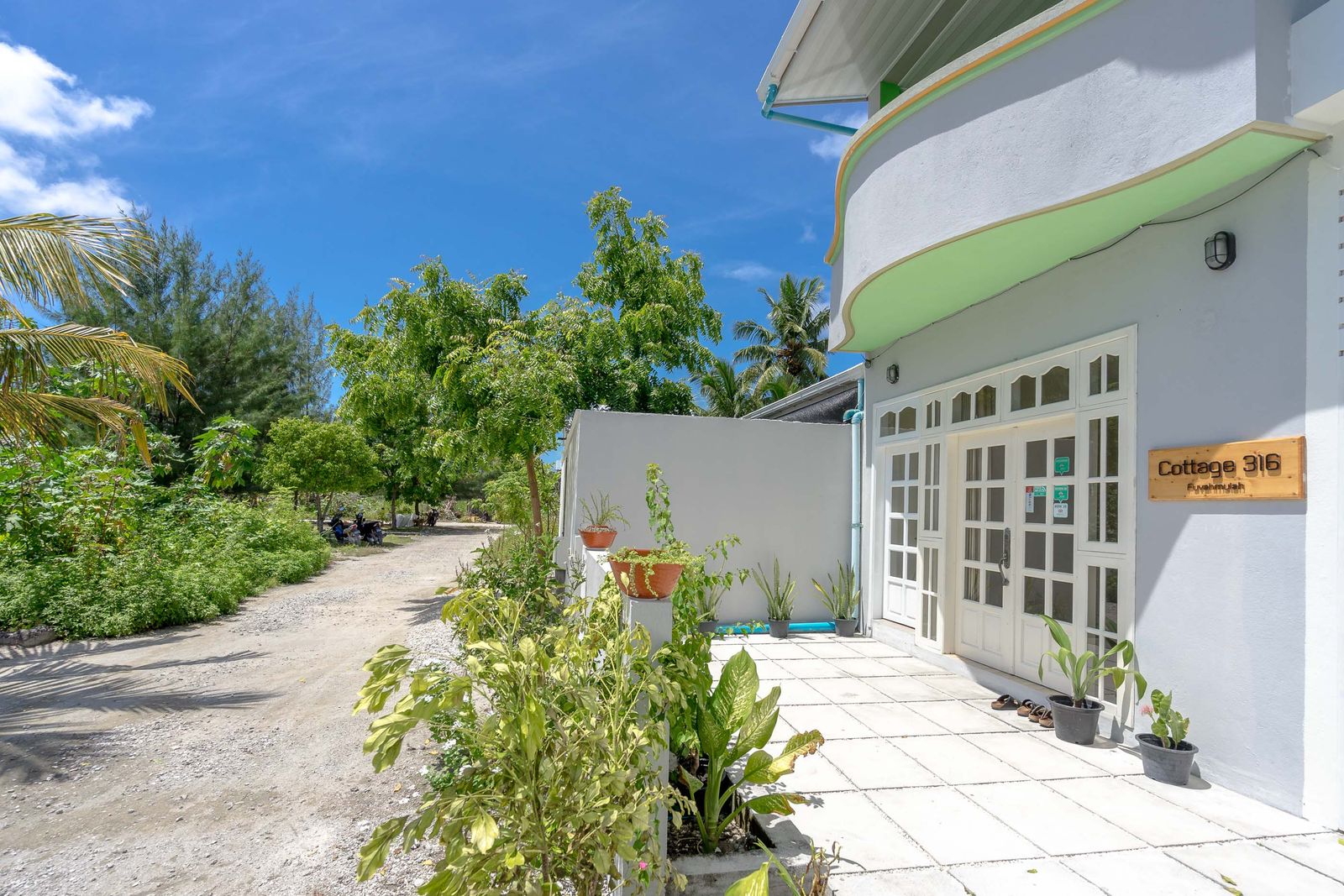
The cheapest and most tourist-developed spots are Maafushi or neighbouring Gulhi, where you’ll find accommodation without any trouble at all and at the very lowest prices. Rooms start at around $38 to $45 per night. If you’re looking for tried-and-tested accommodation, a great choice is the guesthouse Palmcasa, priced from $50 per night. From there it’s a short walk to the beach and to all the trip stalls. There are more tourists on these islands, but on the flip side you’ll find the greatest competition here, and therefore the best prices for boat trips and services.
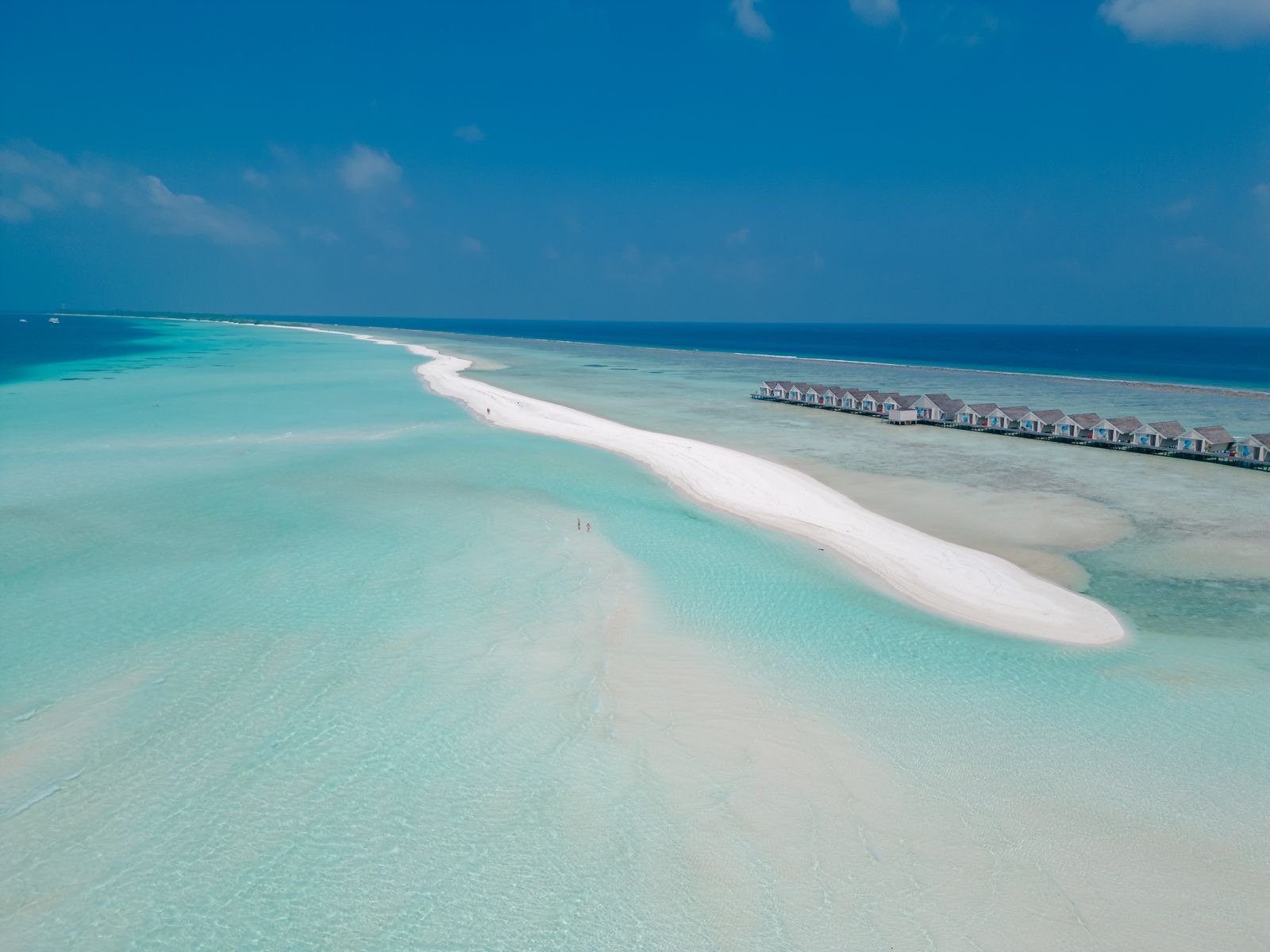
Agricultural Thoddoo and peaceful Dhigurah
The island of Thoddoo, on the other hand, is known for its sprawling agricultural plantations, an abundance of fresh papaya and an utterly gorgeous beach. The highly rated guesthouse Holiday Cottage offers lovely rooms here from just $60 per night. Fans of whale sharks and beautiful untouched nature, meanwhile, very often head to the more remote and noticeably quieter Dhigurah. Here you can stay at the pleasant Whaleshark Beach from roughly $100 per night. Any of these islands will offer you a slightly different but guaranteed amazing experience — you just need to pick the one closest to your heart.
Practical Summary and Guide Prices
To give you a better idea of how much the whole thing will cost, I’ve prepared model budgets for a week-long stay (7 nights) for one person. These calculations assume a departure from London with one stopover, outside the main tourist peak. I’m using an approximate rate of £0.79 to one US dollar.
| Holiday level | Accommodation | Island transport | Food per week | Trips | TOTAL incl. flight |
|---|---|---|---|---|---|
| :— | :— | :— | :— | :— | :— |
| Ultra-budget (Maafushi/Gulhi, public ferry, 1–2 basic trips) | ~$40/night | ferry ~$30 | ~£90 | 1–2 (~£50) | ~£1,000 (compressible to £950) |
| Mid-range (better, quieter guesthouse, shared speedboat, 3–4 trips) | ~$70/night | speedboat ~$60 | ~£125 | 3–4 (~£160) | ~£1,480 |
| Comfort (5 nights local island + 2 nights beach resort with half board, speedboat) | guesthouse and resort mix | speedboat (no seaplane) | local hotaa and resort mix | 3× | ~£1,720 |
For comparison, if you chose a classic catalogue resort with a water villa on stilts over the ocean, you’d pay roughly £3,000 to £8,500 per person for a week. That it can be done cheaply is proven by real traveller reports from forums: one couple, for example, spent two weeks travelling around six local islands and spent a combined total of just $1,818 for both of them (excluding flights). A week on popular Maafushi averages $640 to $930 without counting the flight.
What you won’t get for the budget price
A holiday for £1,000 won’t look like something out of a Bounty advert — and that needs to be said straight away. For this price you won’t get any romantic water villa, but you’ll stay in a simpler, albeit clean, air-conditioned room. You’ll also have to accept that there’s no alcohol on local islands, and you can only swim in a swimsuit on the designated Bikini Beach — elsewhere you must keep your shoulders and knees covered. If you pick the cheapest Maafushi, expect a busier, densely built-up island whose small beach tends to be packed with tourists; you’ll occasionally come across litter at the ends of the island, and crucially it has no house reef of its own, so every bit of snorkelling requires a paid boat trip. During Ramadan, also bear in mind that all local restaurants will be closed during the day.
Watch out for money traps
The Maldives hide several pitfalls that can turn a cheap holiday into a financial nightmare. A major trap is the forced seaplane transfer to remote resorts, which will cost you $300 to $600 per person, and easily over a thousand dollars in the luxury version. So always opt for islands reachable by speedboat. Watch out too for half-board accommodation where no drinks are included in the price — a couple can spend hundreds of dollars just on drinks with dinner. Another popular trap is “guaranteed” shark trips. No fair operator will guarantee you a wild animal, so it’s better to pay for ethical guides. Finally, I want to warn you about scam websites for filling in the IMUGA arrival declaration. Completing it on the official portal is always entirely free (at most 96 hours before arrival).
Package deal or going it alone?
If you’re after the absolute cheapest option and don’t mind sorting out transfer logistics and keeping an eye on Friday ferry cancellations, definitely go it alone. You buy your flight, a guesthouse via Booking, arrange trips on the spot, and you’ll come in at £850 to £1,350. A package holiday, on the other hand, makes a lot of sense if you’re craving carefree luxury, want a direct winter flight with no stopovers, and require an all-inclusive resort. Packages from tour operators with a direct flight and all-inclusive start at roughly £1,700. A simple rule applies: the more luxurious the resort and the more remote the atoll you choose, the more a package with a negotiated transfer pays off; the more you want flexibility and local experiences, the more you should travel independently.
Where to Next
- Complete guide to the Maldives
- Where to stay in the Maldives
- Guide to Maafushi island
- When to visit the Maldives
Frequently Asked Questions
How much does a week in the Maldives cost?
The price depends on your travel style. A week on a local island including flights, accommodation, food and basic excursions will cost you roughly €1,200 to €1,800 per person. A week in a luxury resort with full board starts at €3,600 and can climb up to around €10,000.
Can you go to the Maldives for under 30 thousand?
Yes, it can be done, but it requires discipline. You need to get an off-peak flight (for example from Vienna around €640), stay in a budget guesthouse on Maafushi or Gulhi island (from 38 USD per night), use only public ferries at 2 USD and eat at local hotaa restaurants.
When is the cheapest time to go?
“`html
The cheapest period is the so-called low season, which runs from May to November. During these months, prices for flights and accommodation drop by up to half compared to the winter peak. However, you must expect a higher risk of short intense downpours, as this is the monsoon season.
“`
Is it better to stay at a resort or a local island?
It depends on your budget and expectations. The resort offers absolute privacy, luxury water villas, unlimited alcohol, and its own coral reef, but it’s extremely expensive. A local island is five times cheaper, you’ll experience the local culture, but you’ll need to follow Muslim rules, there’s no alcohol, and beaches tend to be more crowded.
How to get from the airport to the island on the cheap?
The absolutely cheapest option are the public ferries, so-called dhoni, which cost around 2 USD. However, they only run at certain times and on Fridays they’re completely shut down due to prayers. The happy medium are shared speedboats, which cost from 25 to 35 USD per one-way trip.
How to eat cheaply in the Maldives?
The best and cheapest option are local eateries called hotaa, which are primarily intended for locals. Excellent vegetarian curry, lentil dhal with rice or roshi flatbreads can be had here for just 5 to 10 USD, while in tourist restaurants you’ll pay at least double for a regular meal.
Is all inclusive worth it in the Maldives?
“`html
On local islands, all-inclusive isn’t offered at all – breakfast will be enough. In resorts, it only pays off for those planning to drink a lot of alcohol. The break-even point is usually around three to four alcoholic cocktails per day – if you drink less, you’ll likely lose money on the all-inclusive package.
“`
Should I choose a package tour or travel on my own?
“`html
Going independently is significantly cheaper and more flexible, ideal for staying on local islands. Choose a package tour through a travel agency when you want to fly with a comfortable direct charter from Prague and are planning a stay at an expensive resort where you already have the complex seaplane transfer sorted out in the package.
“`
What doesn’t the budget accommodation option offer?
When traveling on a budget, you’ll have to forgo the typical wooden villa on stilts over the water and romantic dinners with a glass of wine, as prohibition is enforced on local islands. You’ll be sharing a designated beach with other tourists, accommodation will be rather basic, and you’ll need to dress modestly when off the beach.
Tips and Tricks for Your Vacation
Don’t Overpay for Flights
Search for flights on Kayak. It’s our favorite search engine because it scans the websites of all airlines and always finds the cheapest connection.
Book Your Accommodation Smartly
The best experiences we’ve had when looking for accommodation (from Alaska to Morocco) are with Booking.com, where hotels, apartments, and entire houses are usually the cheapest and most widely available.
Don’t Forget Travel Insurance
Good travel insurance will protect you against illness, accidents, theft, or flight cancellations. We’ve had a few hospital visits abroad, so we know how important it is to have proper insurance arranged.
Where we insure ourselves: SafetyWing (best for everyone) and TrueTraveller (for extra-long trips).
Why don’t we recommend any Czech insurance company? Because they have too many restrictions. They set limits on the number of days abroad, travel insurance via a credit card often requires you to pay medical expenses only with that card, and they frequently limit the number of returns to the Czech Republic.
Find the Best Experiences
Get Your Guide is a huge online marketplace where you can book guided walks, trips, skip-the-line tickets, tours, and much more. We always find some extra fun there!


