

Italian cuisine is famous all over the world, but I have to flag one absolutely crucial thing right from the start. Sardinia, in Italy, spent centuries cut off from the mainland, and because of that isolation it kept a set of completely unique traditions you won’t taste anywhere else. Don’t expect to find classic pizza or spaghetti bolognese in the traditional spots here. In fact, people say Sardinian food is one of the main reasons the islanders live such incredibly long and healthy lives.
The foundation of everything is simplicity and a deep respect for the ingredients offered by the rugged inland countryside and the rich sea. Whether you’re drawn to remote mountain villages or turquoise beaches, you should do your homework on what to eat in Sardinia before you fly out, because it would be a real shame to end up stuck with generic tourist menus. The local food is a huge experience in itself.
I’ll walk you through 12 specialities you absolutely have to try on the island. I’ll help you decide what to order, where to look for the most authentic restaurants, and what to watch out for if — like us — you happen to avoid meat.
TL;DR
- Sardinian food is shepherd’s cuisine: Don’t expect only fish. Historically the Sardinians retreated inland, so the backbone is superb sheep’s cheese, herbs and homemade pasta.
- The best food is in agriturismi: Farms serve a fixed tasting menu made from their own produce, but dinner doesn’t start until around 8:30 pm.
- Vegetarians will feast: The biggest stars include culurgiones pasta stuffed with potato and cheese, and the sweet-savoury seadas dessert.
- Meat and seafood: Carnivores go for slow-roasted suckling pig (porceddu), and fish lovers should try dried fish roe (bottarga).
- The free staple: Every restaurant puts crispy pane carasau bread on your table, nicknamed “music paper”.
- What to drink: Definitely try the local red wine Cannonau, said to be the elixir of longevity, and finish your meal with mirto, a myrtle liqueur.
What makes Sardinian food so special
You might expect that on an island surrounded by the Mediterranean everything would revolve exclusively around fish and octopus. But history gave Sardinia a completely different face. For centuries the coast was a target for pirates and raiders, which pushed the locals to retreat to the safety of the interior. That’s exactly why the region’s cuisine is rooted more in shepherd and farmer culture.
Simple but high-quality ingredients from the harsh mountains take centre stage: excellent sheep’s cheeses, potatoes, wild herbs, honey and homemade pasta. Only later, once the coast became safer, did seafood and fish specialities return to menus in a big way, and today they dominate the port towns.
The magic of it all lies in the wonderful simplicity and the fact that islanders are devoted to seasonality. Order some vegetables and you can trust they were growing in a nearby field just yesterday, while the bold flavours of herbs like myrtle, saffron or wild fennel give even the most ordinary dishes a completely unmistakable character.
Where to taste real Sardinian food
If you want to taste the real Sardinia, forget about hotel restaurants for at least one evening and head out into the countryside. Reportedly the best gastronomic experience of all is the so-called agriturismo — traditional family farms scattered all over the island that cook exclusively from what they grow or make themselves. You can search and book them on portals like Agriturismo.it.
At these places there’s usually no classic menu to choose from. The hosts simply serve you a generous fixed menu made up of several starters, two kinds of pasta, a main course, cheeses and dessert, with the price typically landing at a very reasonable €35 to €45 per person, including wine and water.
Unlike the coast, inland Sardinia doesn’t charge you for a sea view but for peace, authenticity and mountain scenery. You’ll find famous art hotels here as well as family-run agriturismi that serve you what they grew just outside the door. Most of the loveliest addresses hide around Oliena and Nuoro, an easy base for exploring the nuraghi and the Barbagia region. Pick according to your holiday style:
✨ For a unique artistic experience: Su Gologone Experience Hotel (Oliena) — a famous art hotel beneath the Supramonte mountains, brimming with Sardinian craft; authentic Sardinia straight from a postcard.
🏡 For an authentic agriturismo: Agriturismo Guthiddai (Oliena) — a family estate among vineyards and olive groves near the Su Gologone spring, where you eat what they grow themselves.
⛰️ For quiet in the forest below Supramonte: Hotel Monte Maccione (Oliena) — a little mountain hotel tucked in the woods above Oliena, a paradise for hikers and the starting point for treks across the Supramonte.
🏙️ For a practical base in town: Euro Hotel (Nuoro) — comfortable digs right in Nuoro, ideal for trips to the nuraghi and the mountain villages of the Barbagia.
💡 A little parting tip: you can book most hotels through Booking.com with free cancellation, so you can reserve your favourite spot now and make up your mind later. Just don’t wait too long — the most sought-after seaside addresses sell out for July and August up to six months in advance, and high-season prices climb by tens of percent.
It’s a wonderful social ritual that usually stretches over several hours and takes place at big tables under the open sky. But you won’t get to dinner before around 8:30 pm, because the locals simply don’t eat earlier, and you always have to book your table in advance by phone or over WhatsApp.
💡 Tip: Tickets, boat trips and organised tours fill up fast in season, so it pays to book them ahead online on GetYourGuide.
Savoury Sardinian specialities
As we’ve said, the heart of the local cuisine beats in the mountain regions and traditional pasta. Be ready — the local kinds of pasta differ quite a bit from the mainland ones in shape and texture, and the skill of making them by hand is passed down through families over generations as their most precious treasure.
1. Culurgiones: the jewel among pastas
If I had to pick just one single dish that — according to travellers’ tales — perfectly captures Sardinian hospitality, it would be culurgiones, hands down. These plump, hand-pleated parcels come from the mountain region of Ogliastra and look a little like a stuffed dumpling, but the flavour is utterly disarming.
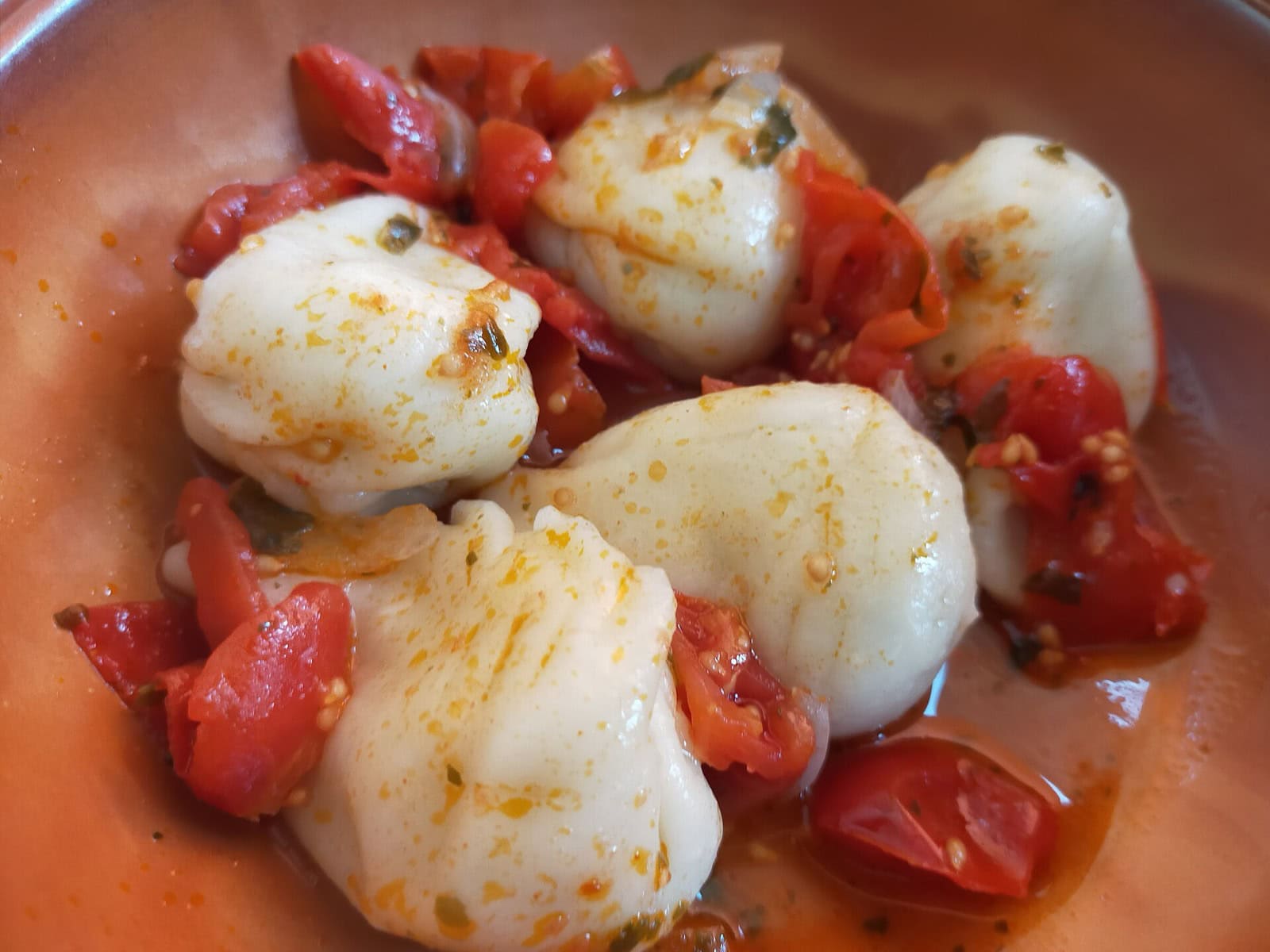
They’re filled with a silky-smooth mix of mashed potato, sharp pecorino sheep’s cheese and fresh mint, which lends the whole dish an incredibly fresh, surprising note. The intricate pleated pattern on the surface is meant to resemble an ear of wheat, and skilled home cooks can craft it in the blink of an eye. They’re most often served in a simple, sweet tomato sauce with a sprinkling of extra cheese — an absolute dream come true for us vegetarians.
2. Malloreddus (gnocchetti sardi)
On the menu of every tucked-away trattoria you’re guaranteed to find malloreddus, often nicknamed Sardinian gnocchi. They’re small, ridged little shells made from semolina flour, traditionally coloured a beautiful golden hue by a pinch of real saffron.
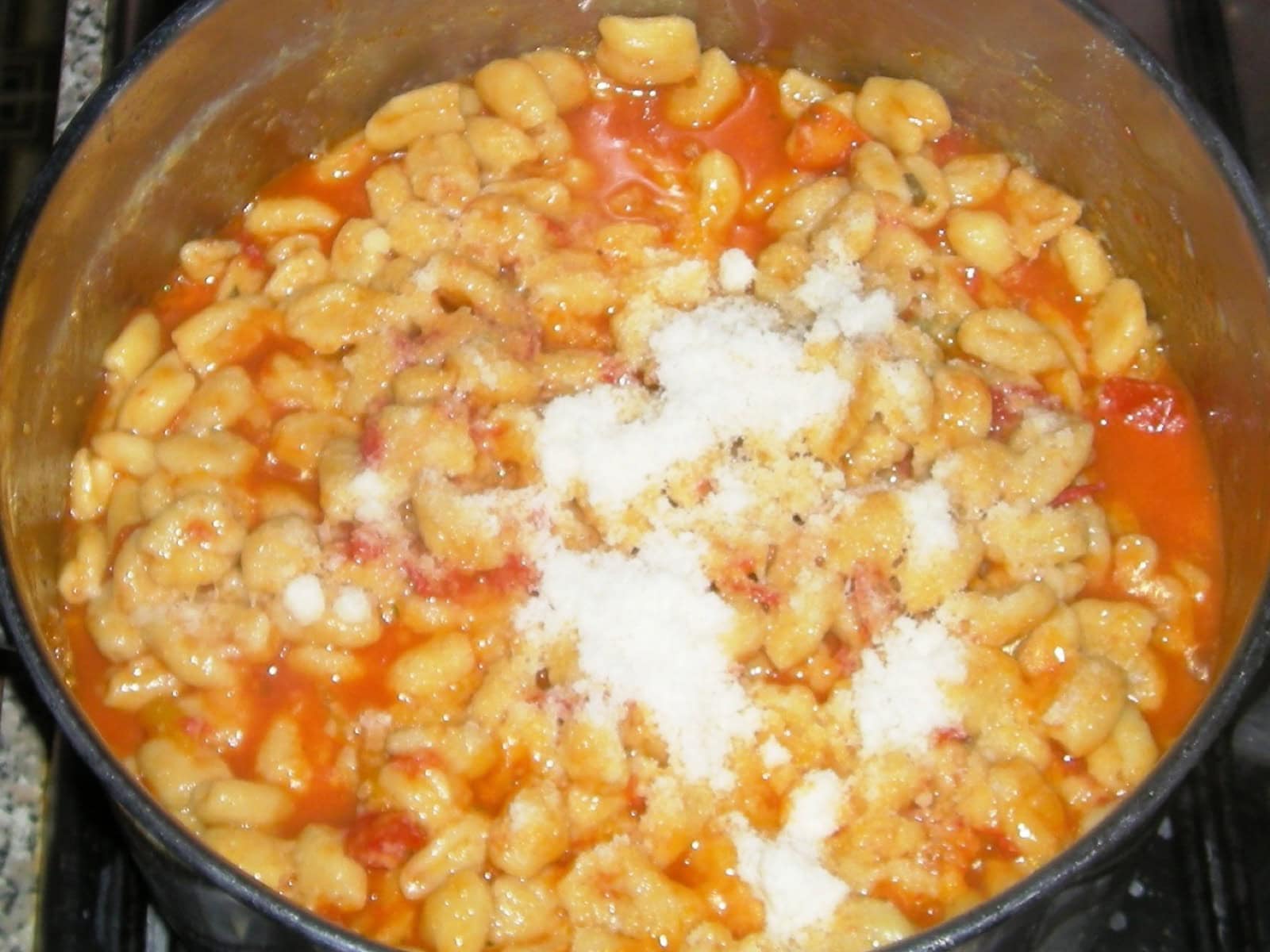
Thanks to their ridged shape, they hold onto sauce perfectly. The version you’ll come across most often is called malloreddus alla campidanese — a hearty ragù of local sausage, tomato and fennel that carnivores adore. But if you don’t eat meat, the staff will in most cases happily fix them for you with just a plain tomato sauce and cheese, no fuss at all.
3. Fregola: the Sardinian couscous
Another fascinating dish, one that clearly points to the island’s historical links with North Africa, is a pasta called fregola. It looks like small, irregular balls of durum wheat that are hand-rolled and then toasted in the oven, which gives them a fantastic slightly nutty flavour and a lovely rustic look.
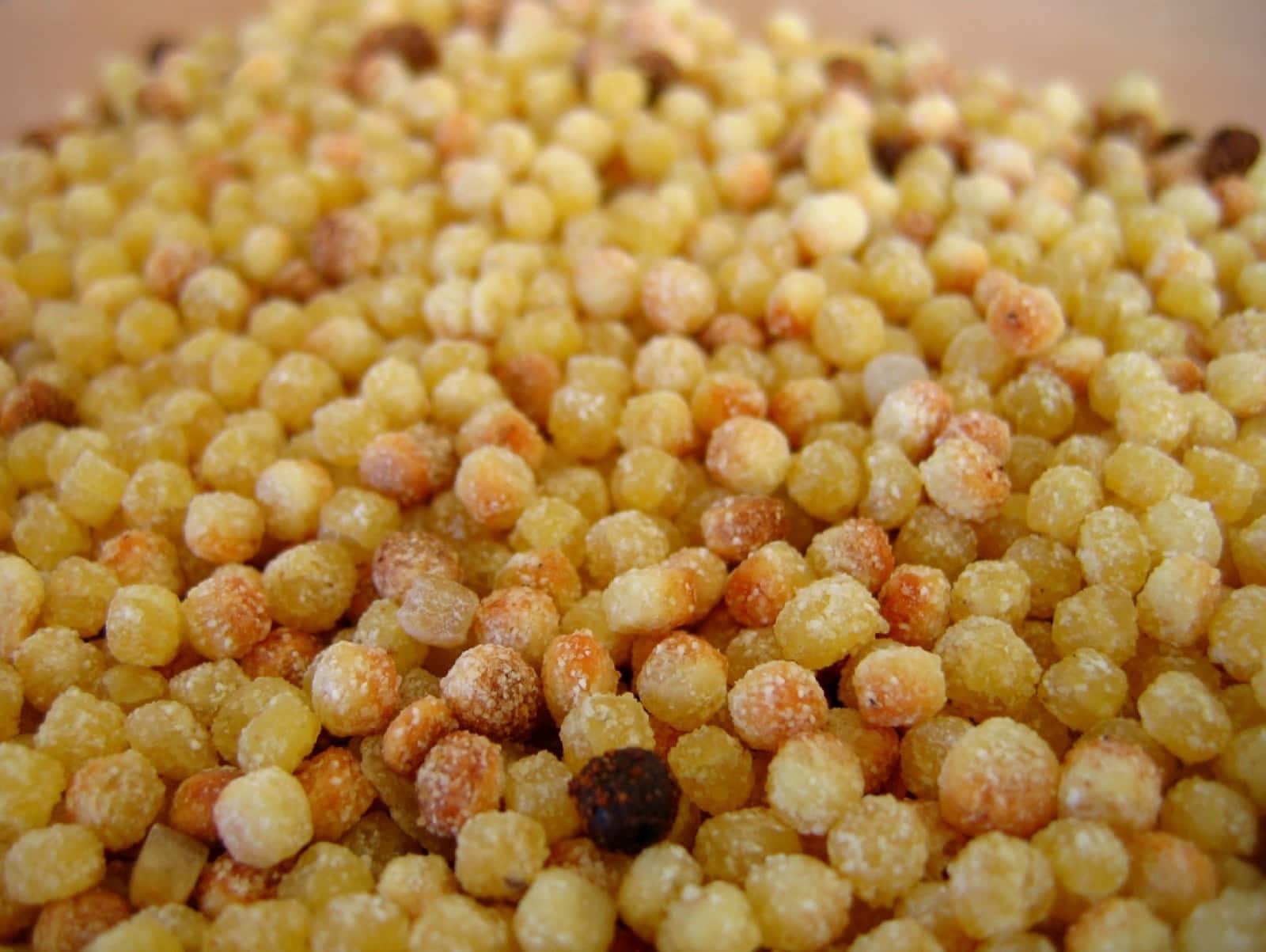
Fregola is often used in thick soups or cooked risotto-style, slowly soaking up stock and the flavours of the other ingredients. The traditional and supposedly most famous preparation is fregola con arselle, where the beads meet fresh clams and a delicate garlic base. Here too, though, a meat-free version with vegetables is completely common and well worth a try.
4. Pane carasau: bread as thin as paper
This isn’t really a dish so much as a culinary symbol of the island, and you’ll get it on your table for free in just about every restaurant. Pane carasau is an extremely thin, perfectly crisp bread that Italians love to call carta da musica, or “music paper”, because it crunches beautifully and loudly with every bite.
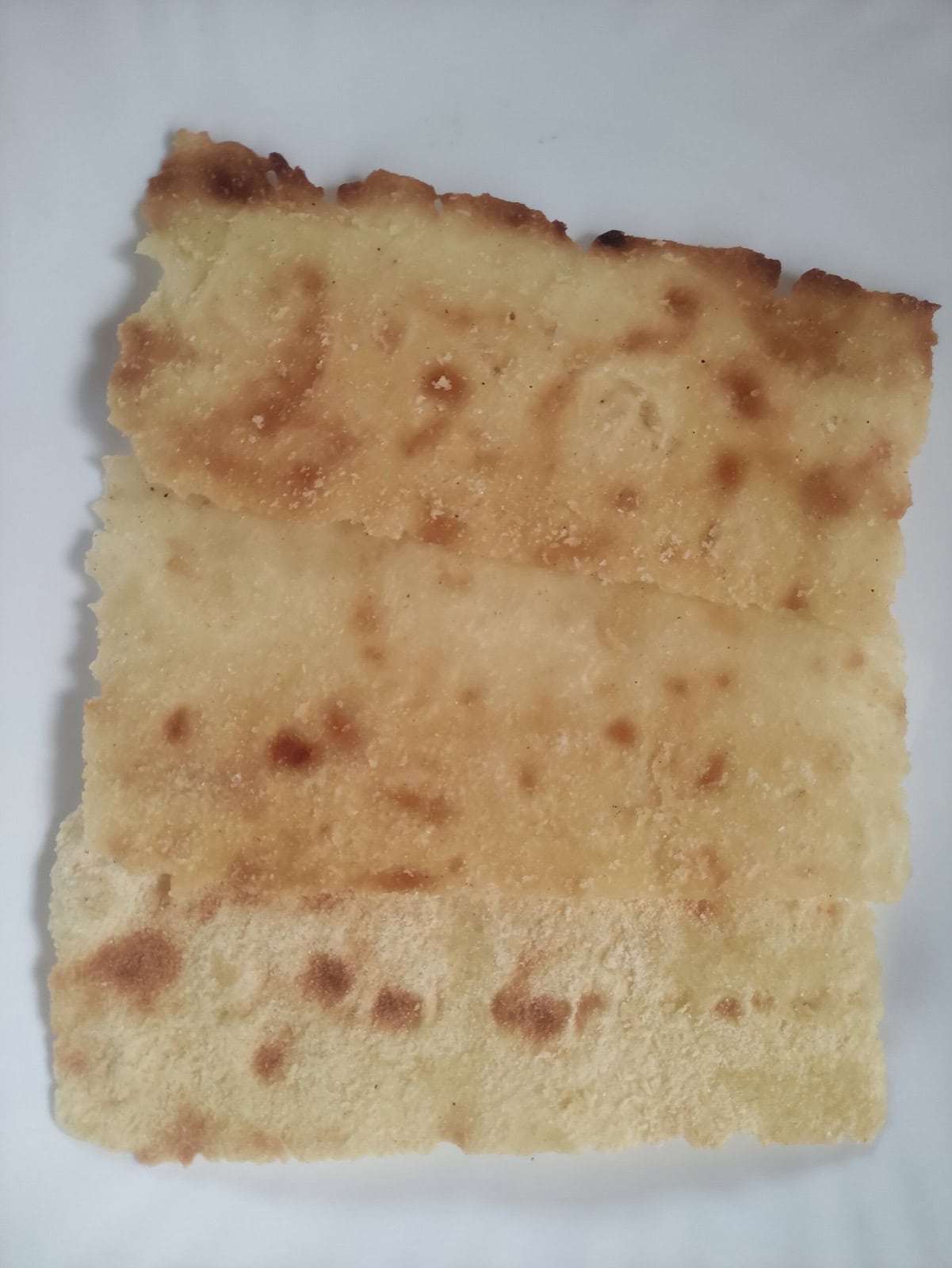
Its origins are purely practical: shepherds who left for long months in the mountains with their flocks needed bread that wouldn’t go mouldy after a few days. These twice-baked flatbreads stay fresh for an incredibly long time and can be eaten on their own, or often drizzled with quality olive oil and a sprinkle of salt, which turns them into the so-called pane guttiau.
5. Pane frattau: a hearty layered treat
When there are leftover shards of pane carasau, the locals certainly don’t throw them away — they turn them into this wonderful rustic delight. Pane frattau could be described as a kind of Sardinian lasagne for the poor, where sheets of dry bread are briefly dipped in hot stock to soften.
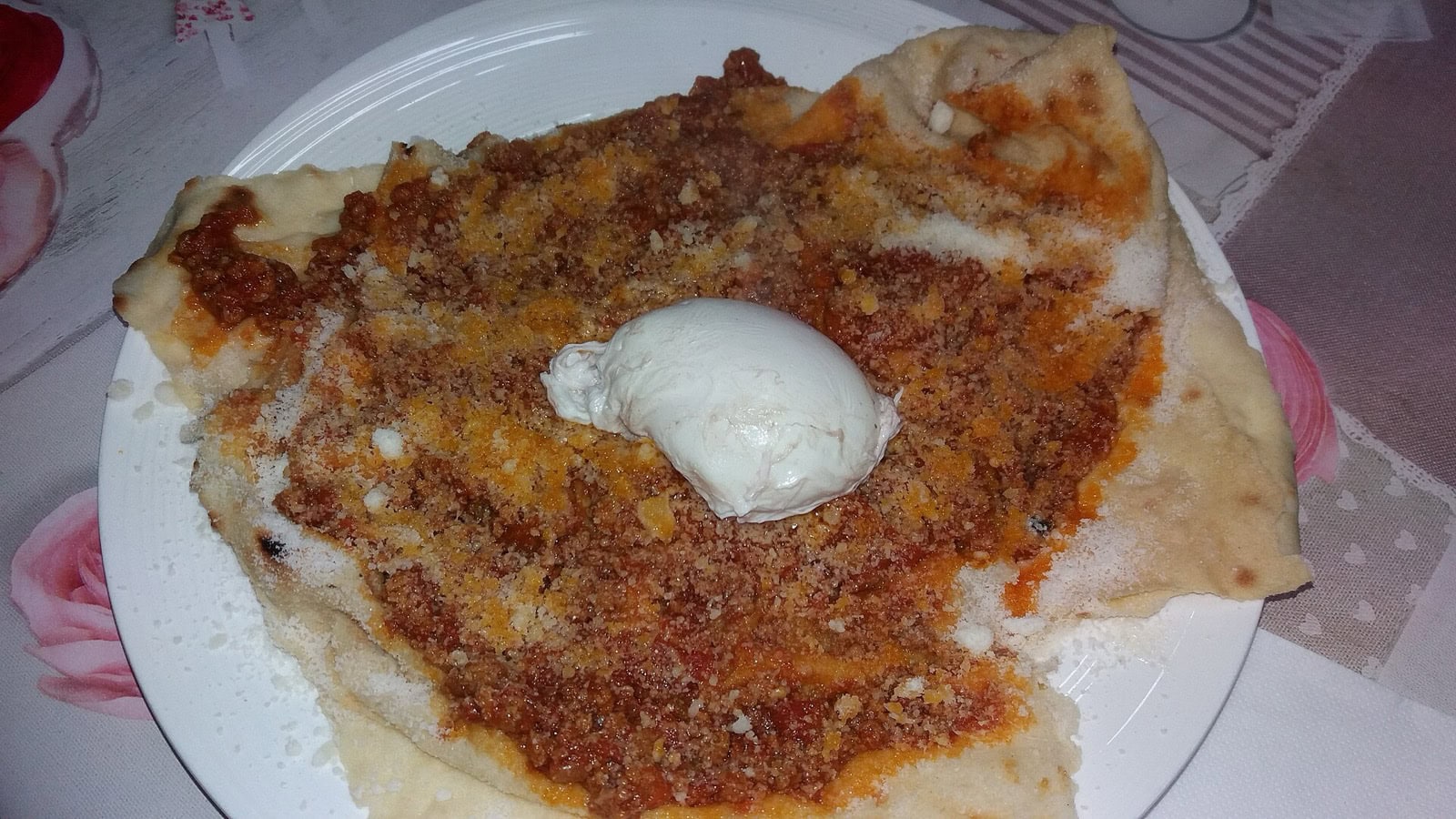
The plate then alternates layers of softened bread with rich tomato sauce and a generous handful of grated pecorino. The whole beauty is crowned with a poached egg, whose yolk oozes gorgeously across all the layers once you cut into it. A word of warning for strict vegetarians, though: I’d always ask the staff whether the bread was soaked in meat stock, which is unfortunately fairly common practice.
6. Pecorino sardo and Fiore Sardo
Sardinia is an island of sheep — reportedly more of them live here than there are people — so it won’t surprise anyone that the local cheeses are absolutely phenomenal. The most famous is undoubtedly Pecorino Sardo, which carries a protected designation of origin and is made in several stages of ageing.
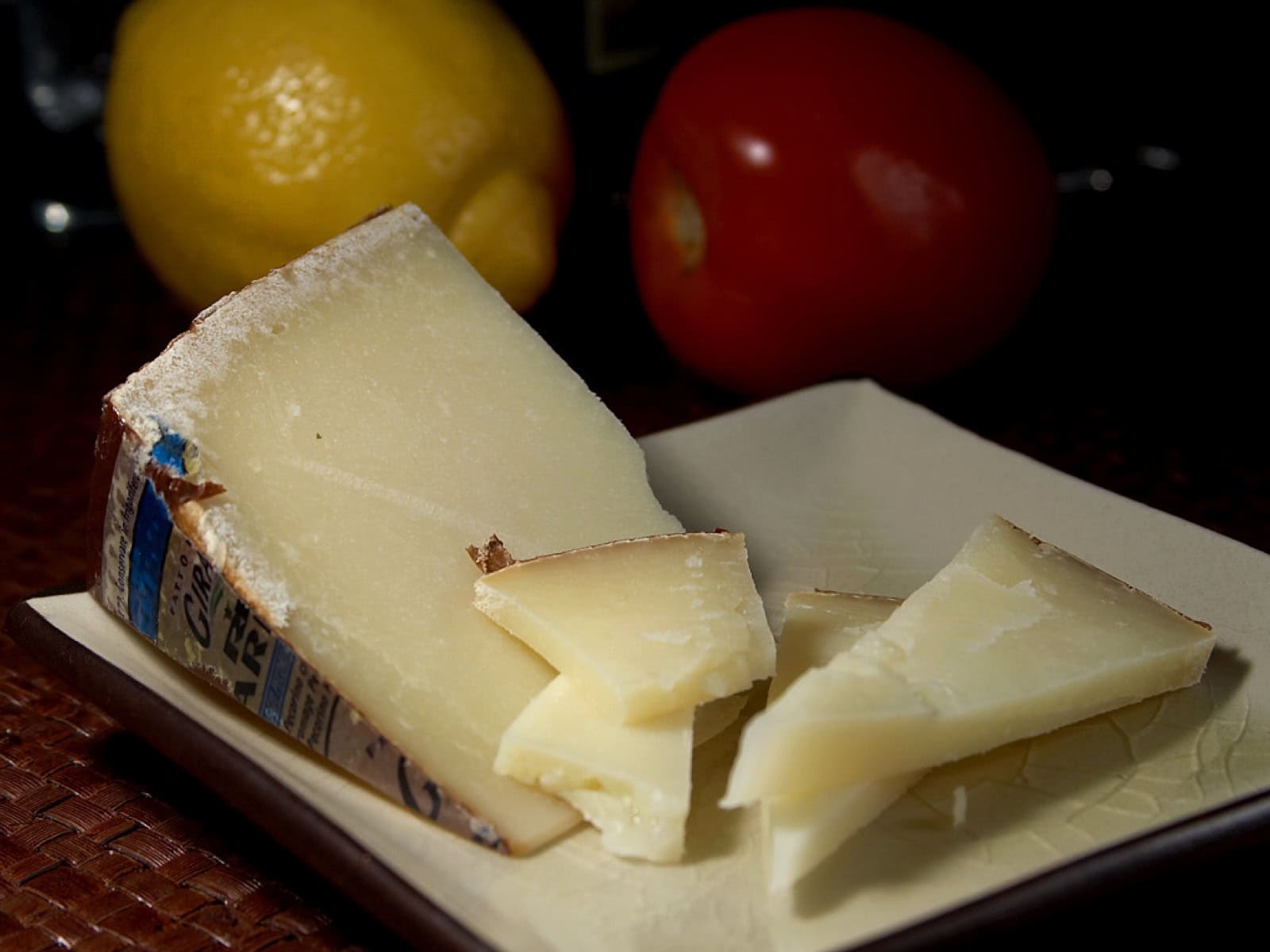
The young cheese is beautifully soft and sweet, while the aged one, which has rested in cellars for over a year, is gorgeously sharp, hard and crumbly. Another great cheese icon is Fiore Sardo, which is lightly smoked over wood, giving it an earthy and unmistakable flavour that’s perfect for an evening spent with a glass of wine. You can read more about how these treasures are made and certified on the official website of the Consorzio Pecorino Sardo.
7. Bottarga: gold from the sea
If you’re after a genuine delicacy that the locals treasure enormously, it’s bottarga. Nicknamed Sardinian caviar, it’s actually carefully salted and sun-dried roe from grey mullet, processed mostly around the Sinis peninsula and the town of Cabras on the west coast.
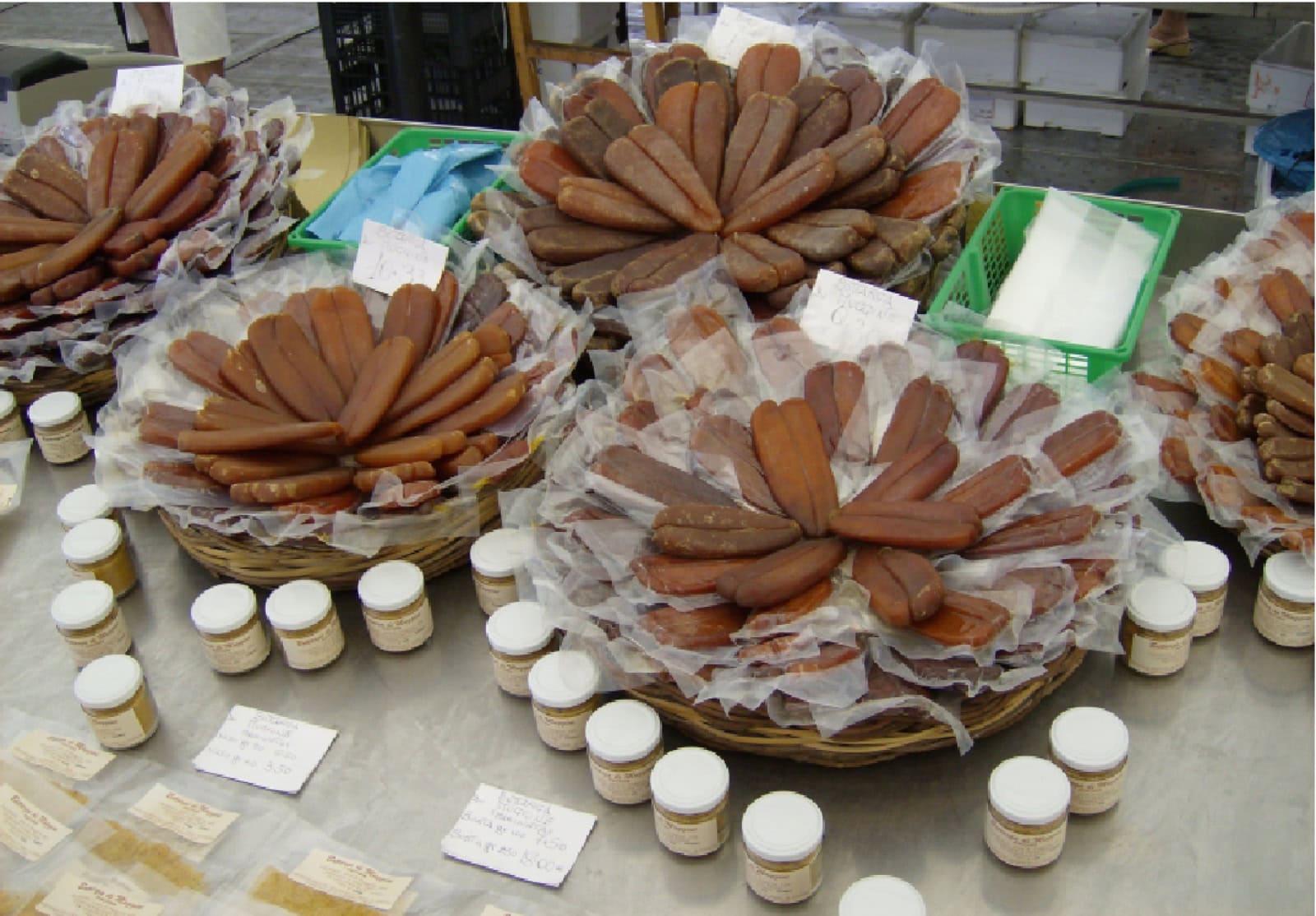
This golden, intensely salty delicacy is sold either in whole pieces, which you then slice paper-thin at home, or already grated into a powder. Chefs love to grate bottarga over simple spaghetti with garlic and olive oil, creating an incredibly luxurious dish with a wonderfully concentrated flavour.

Meat and fish from the Sardinian table
If you or your travel companions are meat lovers, this destination certainly won’t disappoint. Just as with the vegetarian dishes, meat here follows the rule that a quality ingredient doesn’t need to be masked with heavy sauces — all it takes is herbs, salt and the right cooking method.
8. Porceddu: the symbol of every big celebration
According to the locals, essentially no major festival, family celebration or traditional dinner at an agriturismo is complete without this iconic dish. Porceddu is slow-roasted suckling pig, which mustn’t weigh more than a few kilograms and is roasted over an open fire for several long hours.
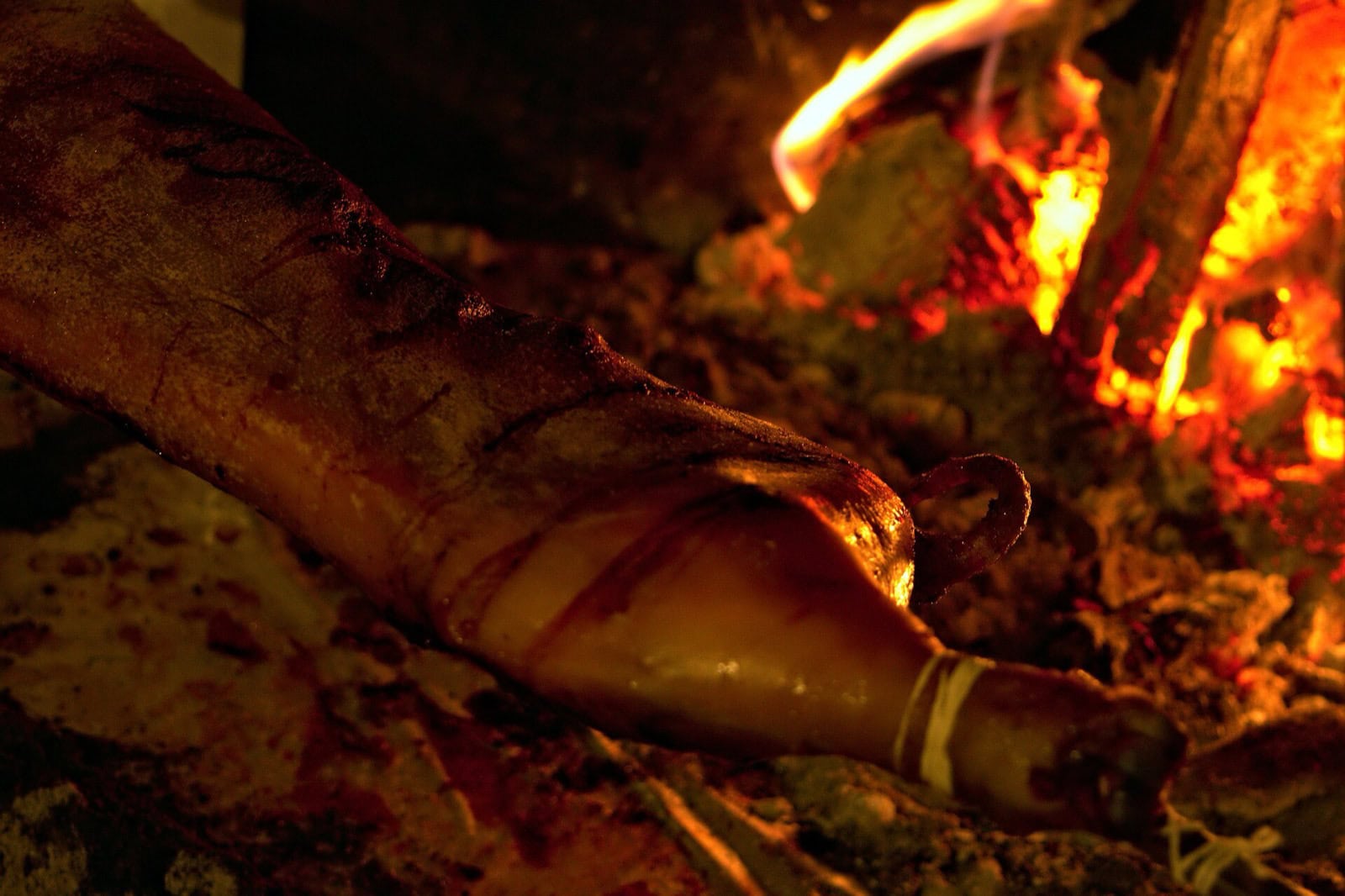
The secret to its success apparently lies in the way the meat is brushed with lard and generously layered with sprigs of fresh myrtle, which lends it a wonderfully aromatic, sweetish scent. The result is said to be meat so tender it falls apart on your tongue, contrasted with an extremely crispy crackling. Travellers agree it’s the absolute culinary high point of the local meat menu.
9. Seafood, burrida and aragosta
The seaside towns naturally live off fishing, so the offer of fresh fish here is absolutely phenomenal. In the streets of the port city of Cagliari you’ll find little eateries serving a traditional starter called burrida — pieces of dogfish or ray marinated in a delicate sauce of walnuts, garlic and vinegar.
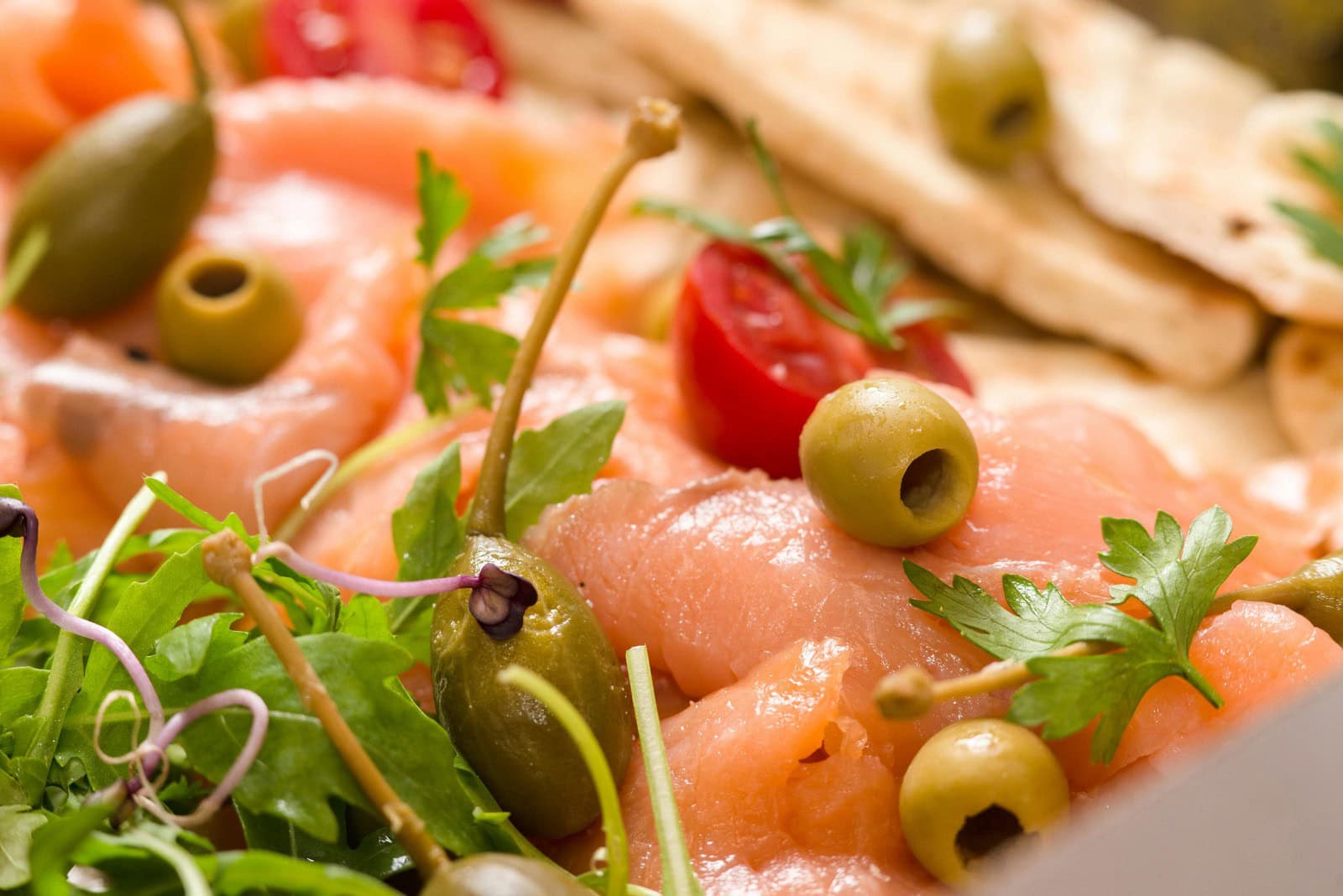
But if you head northwest to the beautiful Catalan town of Alghero, the queen of every menu will unquestionably be aragosta alla catalana. It’s a local lobster, cooked only very briefly and served on a bed of fresh tomatoes and sweet red onion, lightly dressed with lemon and the finest olive oil from the nearby groves.
Sweet finishes and drinks of Sardinia
After a hearty meal you always fancy something sweet, and the island’s desserts may just surprise you. As with the main courses, sweet baking here makes heavy use of sheep’s cheese, honey and herbs, so the pastries are never overly sugary — they tend to balance on the line between salty and sweet.
10. Seadas (sebadas): a brilliant contrast of flavours
This dessert is an absolute sensation and probably the best thing you can pair with your coffee. Seadas are large fried parcels of thin dough, generously filled inside with melted, fresh and slightly tangy pecorino, often mixed with a little grated lemon zest.
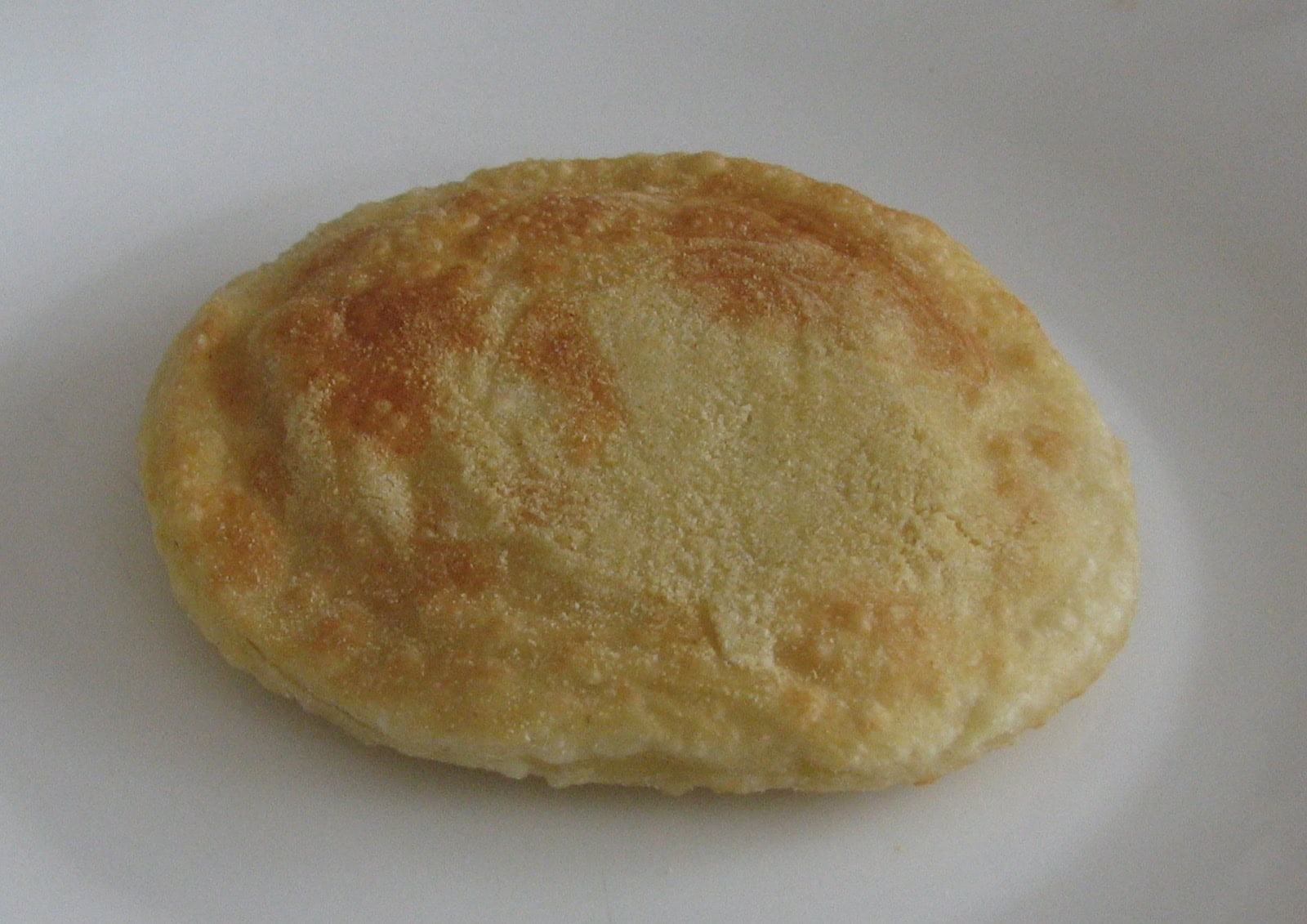
But the best part comes at the end, because just before serving the hot, beautifully puffed parcel is generously drizzled with bitter-sweet arbutus honey (from the strawberry tree). The combination of crispy hot dough, stringy melting cheese and the distinctive taste of wild honey creates something you’ll definitely want to eat again and again, day after day.
11. Pardulas and amaretti
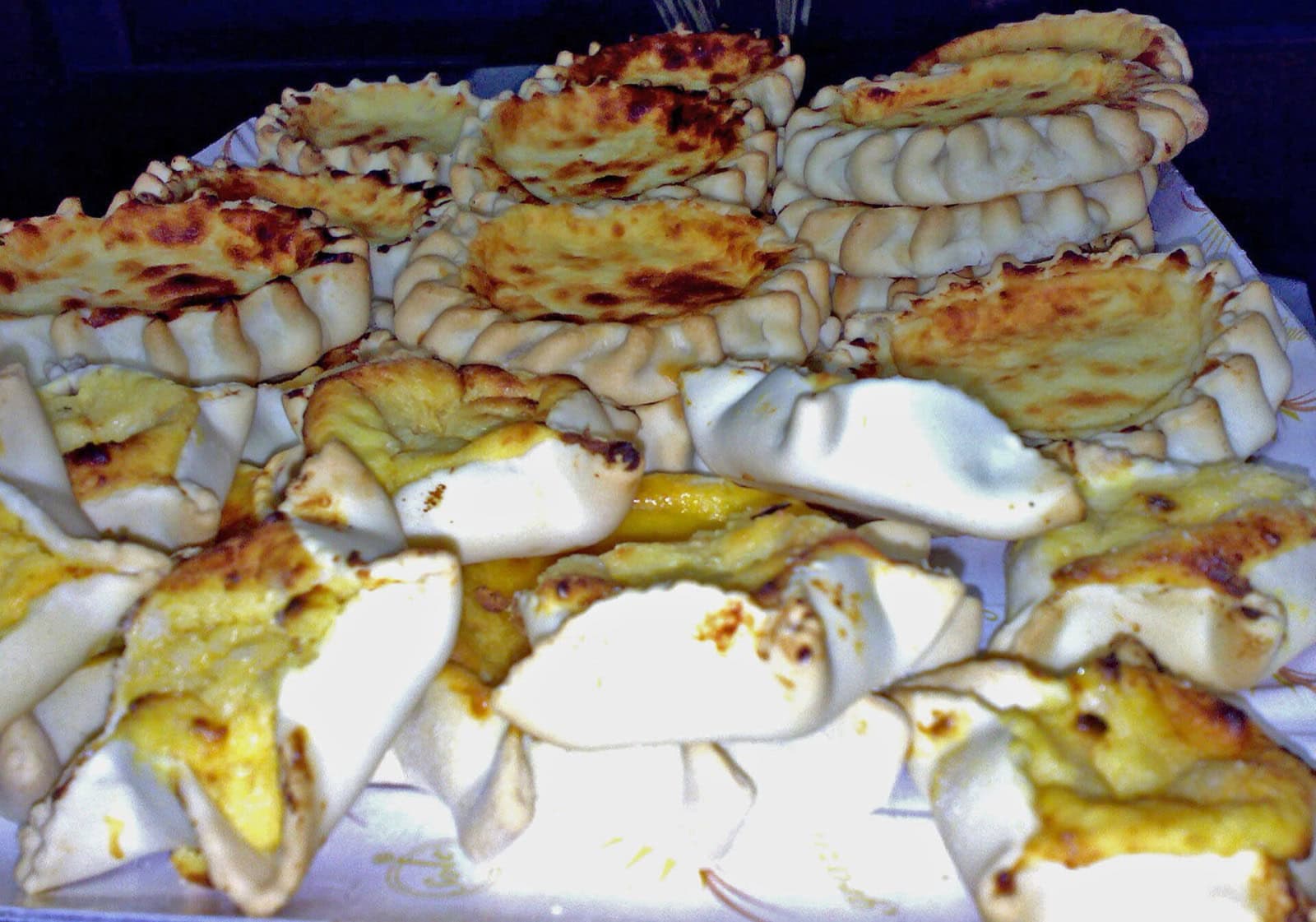
If you drop into a local bakery, a so-called pasticceria, the display cases will be full of tiny works of art. Among the most popular are pardulas — little sun-shaped baskets filled with very fine sweet ricotta blended with saffron and orange zest. They’re baked mostly in spring, around Easter.
A great choice with your morning espresso is also the traditional almond biscuits amaretti, which are lightly cracked on the surface and beautifully soft and chewy inside. Their secret lies in a small amount of bitter almonds, which balance the sweetness of the sugar and give them that proper Italian flair.
12. Cannonau and Vermentino wines and mirto liqueur
The island climate creates absolutely ideal conditions for growing vines, and the local wineries are well worth exploring. The red king is the robust, full-bodied Cannonau, which is said to be behind the longevity of the old inland-mountain Sardinians thanks to its high antioxidant content. If you prefer white, definitely reach for the fresh, mineral Vermentino, whose finest, DOCG-labelled expression comes from the northern Gallura region. One of the best-known producers of both varieties is the historic Sella & Mosca winery near Alghero, which you can even visit for a tour.
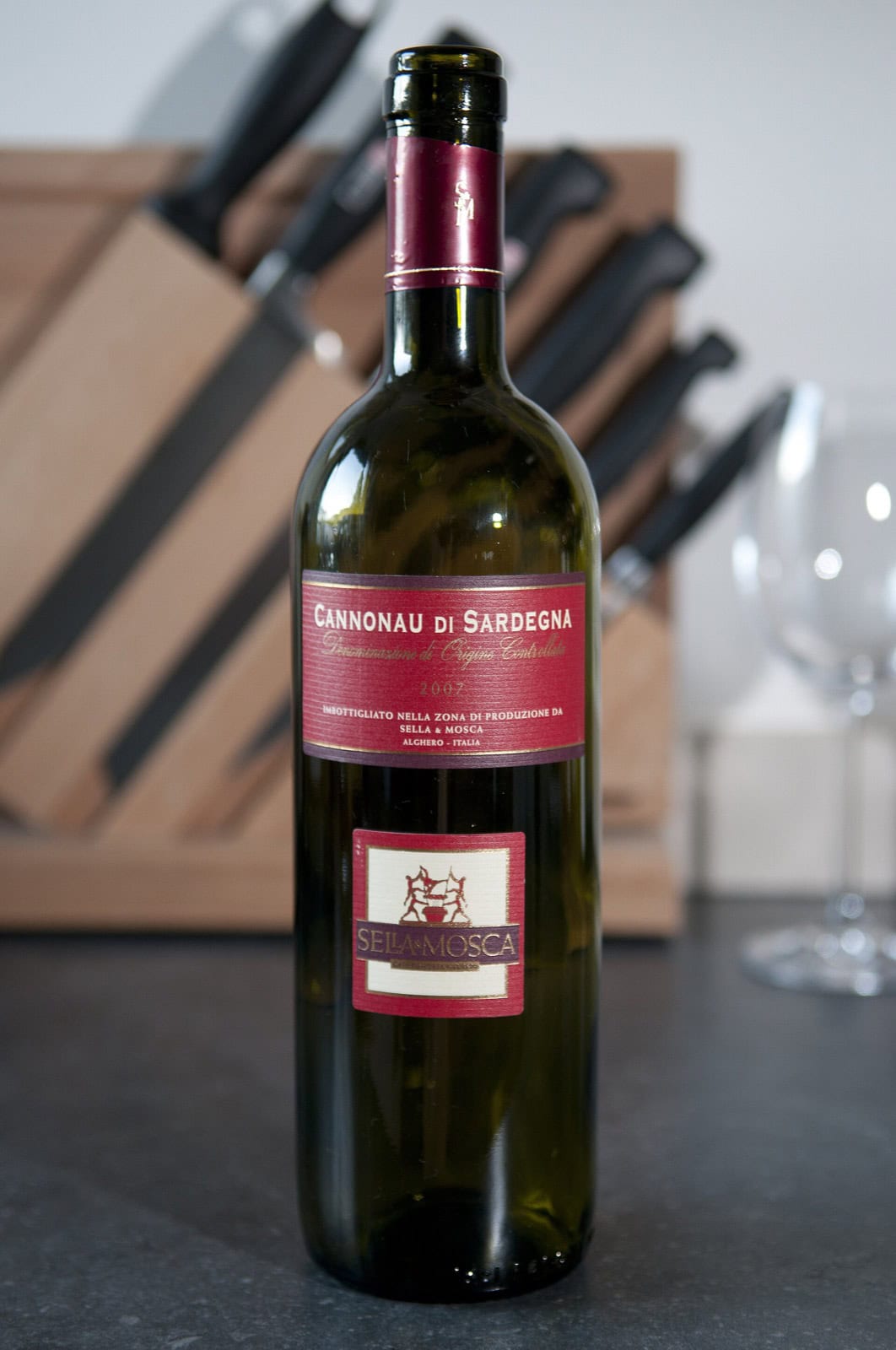
You’ll also find a lovely overview of regional products and food events on the official tourism portal Sardegna Turismo. Whatever you have for dinner, the bill will always arrive with a small frosted glass. Inside will be mirto, a strong, sweet liqueur made from the dark purple berries of wild myrtle, which works as the best digestif to settle your stomach. Some call it medicine, some call it love at first taste — either way, you simply have to try it.
How and where to eat like a local
If you want to soak up the real atmosphere and avoid being squeezed into overpriced tourist traps by the beach, you’ll need to adapt a little to the southern rhythm of life. Italians don’t eat just to stave off hunger — for them a meal is a social event where people chat loudly, gesture and relax. Here are the basic tips for making the most of it:
- Plan your timing: Remember that between 2:30 pm and roughly 7:30 pm most ordinary restaurants are closed for siesta. Dinners start very late, often around 8 or 8:30 pm, and restaurants only fill up as nine o’clock strikes.
- A cheap lunch: Around midday, when it’s usually blazing hot, it pays to pop into a local bakery or a pizza al taglio spot. For a few euros you’ll grab a great fresh focaccia or a slice of pizza to go that you can eat somewhere in the shade.
- Seek out trattorie: Besides agriturismi, try smaller family trattorie, which you’ll often recognise by their checked tablecloths and older gents sitting out on the terrace. Don’t be put off by a place that looks a bit plain from the outside — that’s often where they cook the very best food.
- Where to buy souvenirs: Don’t buy the best culinary souvenirs like pecorino cheese, pasta or a bottle of mirto liqueur in the little shops by the beach. Instead head to a normal larger supermarket in town where the locals shop — the quality will be great and the prices half as much.
- Check the opening hours: If you travel outside the main summer season, keep in mind that many remote spots and farms may run reduced hours. It always pays to book ahead, and for the current season it’s best to verify the opening days directly on the official or Facebook page of the particular place.
Where to go next
I hope your mouth is watering as you read, because Sardinian food really is worth the trip. If you’re planning your dream journey right now, our other handy articles from this gorgeous island are sure to come in useful, packed with practical tips on what to see, where to stay and what to watch out for:
- For a basic overview of the best of the whole island, check out our main article Sardinia holiday: what to see and do.
- If you’re interested in the northern part, luxury beaches and the stunning archipelago, we’ve put together a detailed guide to the Costa Smeralda and northern Sardinia.
- If you’re travelling in your own car or planning to rent one, our Sardinia by car itinerary will come in handy.
- And if you happen to be considering a visit to the neighbouring French island, be sure to read our big guide to Corsica too.
💡 Explore Sardinia further: the main Sardinia guide, nuraghi and the interior, Cagliari, Alghero.
Frequently asked questions
What to taste in Sardinia?
You definitely shouldn’t miss the traditional stuffed pasta culurgiones, the crispy bread pane carasau, and the typical sheep cheeses led by pecorino. For meat lovers, the iconic roast suckling pig porceddu is a must, while on the coast, seafood and dried roe bottarga dominate.
What are culurgiones?
This is about traditional hand-pinched pasta pockets that come from the mountainous Ogliastra region. They’re filled with a delicious mixture of potatoes, pecorino sheep’s cheese, and fresh mint, and are most often served with a simple tomato sauce, making them ideal for vegetarians too.
What is traditional Sardinian food?
The basis of traditional cuisine consists of shepherd dishes from the interior, not fish. Typical dishes include pane frattau (a layered dish of bread and sauce), malloreddus pasta or the small ball-shaped fregola pasta. When it comes to meat, it’s clearly the slowly roasted suckling pig porceddu.
What is seadas dessert?
Seadas (or also sebadas) is an absolutely amazing traditional dessert that balances on the edge of savory and sweet flavors. It’s a large fried pastry pocket made of crispy dough filled with fresh cheese, which is generously drizzled with typical bittersweet arbutus honey while hot.
What wine do they drink in Sardinia?
The most famous and widespread local wine is the robust red Cannonau, which is grown mainly in the interior and is said to contribute to longevity. Among white wines, the absolute top is the mineral and fresh Vermentino, originating primarily from the northern Gallura region.
Will vegetarians find something to eat in Sardinia?
Yes, and very well at that! Sardinian cuisine offers plenty of meat-free dishes based on quality cheeses, vegetables and pasta. Excellent choices include culurgiones, pasta with tomato sauce, pizza or fresh focaccia. Just watch out with some sauces and the dish pane frattau to make sure they don’t contain meat broth.
Where to taste authentic Sardinian cuisine?
The most authentic food you won’t find in coastal restaurants, but in the so-called agriturismos. These are traditional family farms in the interior, where you get a fixed tasting menu in the evening prepared exclusively from local homegrown ingredients, and where a wonderfully family atmosphere reigns. However, you must book your spot in advance.
Tips and Tricks for Your Vacation
Don’t Overpay for Flights
Search for flights on Kayak. It’s our favorite search engine because it scans the websites of all airlines and always finds the cheapest connection.
Book Your Accommodation Smartly
The best experiences we’ve had when looking for accommodation (from Alaska to Morocco) are with Booking.com, where hotels, apartments, and entire houses are usually the cheapest and most widely available.
 🚗 Car rental on the roadVerified rental cars in Italy
Search with the DiscoverCars comparison engine — it compares prices from dozens of local and international rental companies, and most bookings come with free cancellation.
Compare car prices in Italy →Don’t Forget Travel Insurance
Good travel insurance will protect you against illness, accidents, theft, or flight cancellations. We’ve had a few hospital visits abroad, so we know how important it is to have proper insurance arranged.
Where we insure ourselves: SafetyWing (best for everyone) and TrueTraveller (for extra-long trips).
Why don’t we recommend any Czech insurance company? Because they have too many restrictions. They set limits on the number of days abroad, travel insurance via a credit card often requires you to pay medical expenses only with that card, and they frequently limit the number of returns to the Czech Republic.
Find the Best Experiences
Get Your Guide is a huge online marketplace where you can book guided walks, trips, skip-the-line tickets, tours, and much more. We always find some extra fun there!


