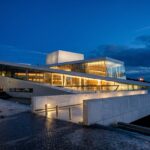
Northern Norway is one of those places on earth that will completely sweep you away with its raw beauty and untamed nature. The landscape beyond the Arctic Circle offers dramatic fjords, sharp mountain peaks plunging straight into an icy sea, and natural wonders that will simply take your breath away. Whether you crave the silence of absolute wilderness or the lively atmosphere of Arctic towns, this region has a little bit of everything.
If you’re planning a trip to these latitudes, be prepared for the fact that distances here are enormous and the weather is utterly unpredictable. While in winter people come for the magical northern lights and snow-covered plains, summer lures visitors with endless days when the sun never dips below the horizon. Northern Norway simply lives at its own pace and demands a little more planning.
In this guide we’ll take a look together at the most fascinating areas and phenomena you shouldn’t miss on a trip to the far north. You’ll find out how best to get around between the various islands and towns, where to find the cosiest fishing cabins, and what to prepare for so you bring home only the very best memories from the Arctic.
TL;DR
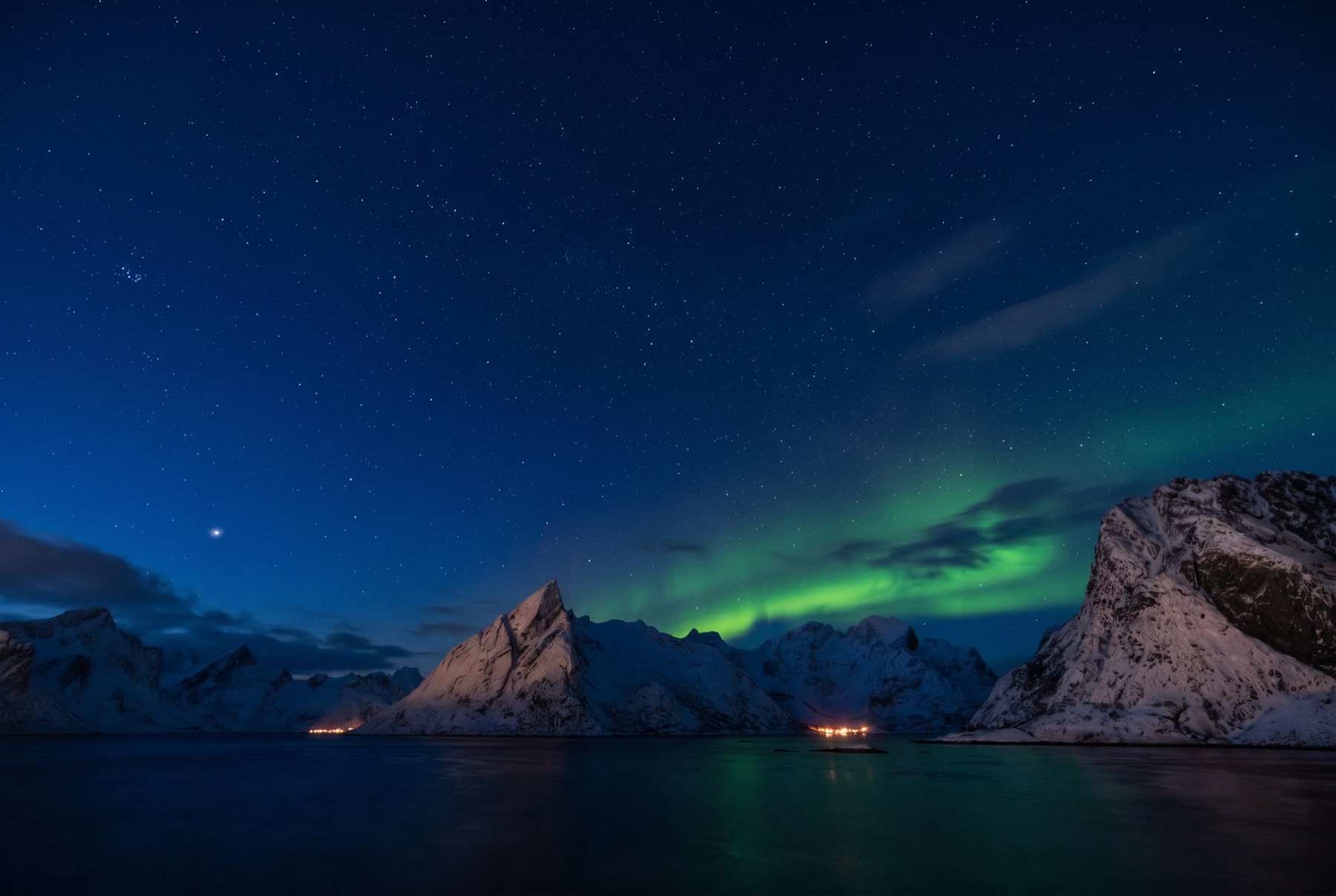
- Main attractions: Watching the northern lights in winter, the midnight sun in summer, whale safaris and dramatic fjord scenery.
- Best-known areas: Lively Tromsø, photogenic Lofoten, wilder Senja and legendary Nordkapp.
- Getting around: You’ll get the most flexibility with a rental car, but sailing along the coast with the Hurtigruten ships or taking Widerøe’s domestic flights is a fantastic experience too.
- Prices: Northern Norway is a very expensive destination, where accommodation commonly costs upwards of €80 per night.
- Accommodation: Try traditional fishing cabins called rorbu, or glass igloos designed for stargazing the night sky.
- When to go: From late May to mid-July for the midnight sun, from November to February for the best northern lights.
The full destination guide: Norway — guide and what to see
When to Go and How to Travel Northern Norway
Planning a trip to the north of Norway depends above all on exactly what you want to experience. The winter season from November to March is ideal for chasing the northern lights, dog sledding and whale watching, as the whales swim into the Arctic fjords to feed during this period. Bear in mind, though, that the days are very short and temperatures plunge well below freezing.
The summer months from late May to mid-July, on the other hand, offer the phenomenon of the midnight sun, when there’s daylight a full 24 hours a day. This is an absolutely perfect time for hiking, camping and exploring mountain trails, because you’re not tied to the time of day at all and can happily set off on a hike even at midnight.
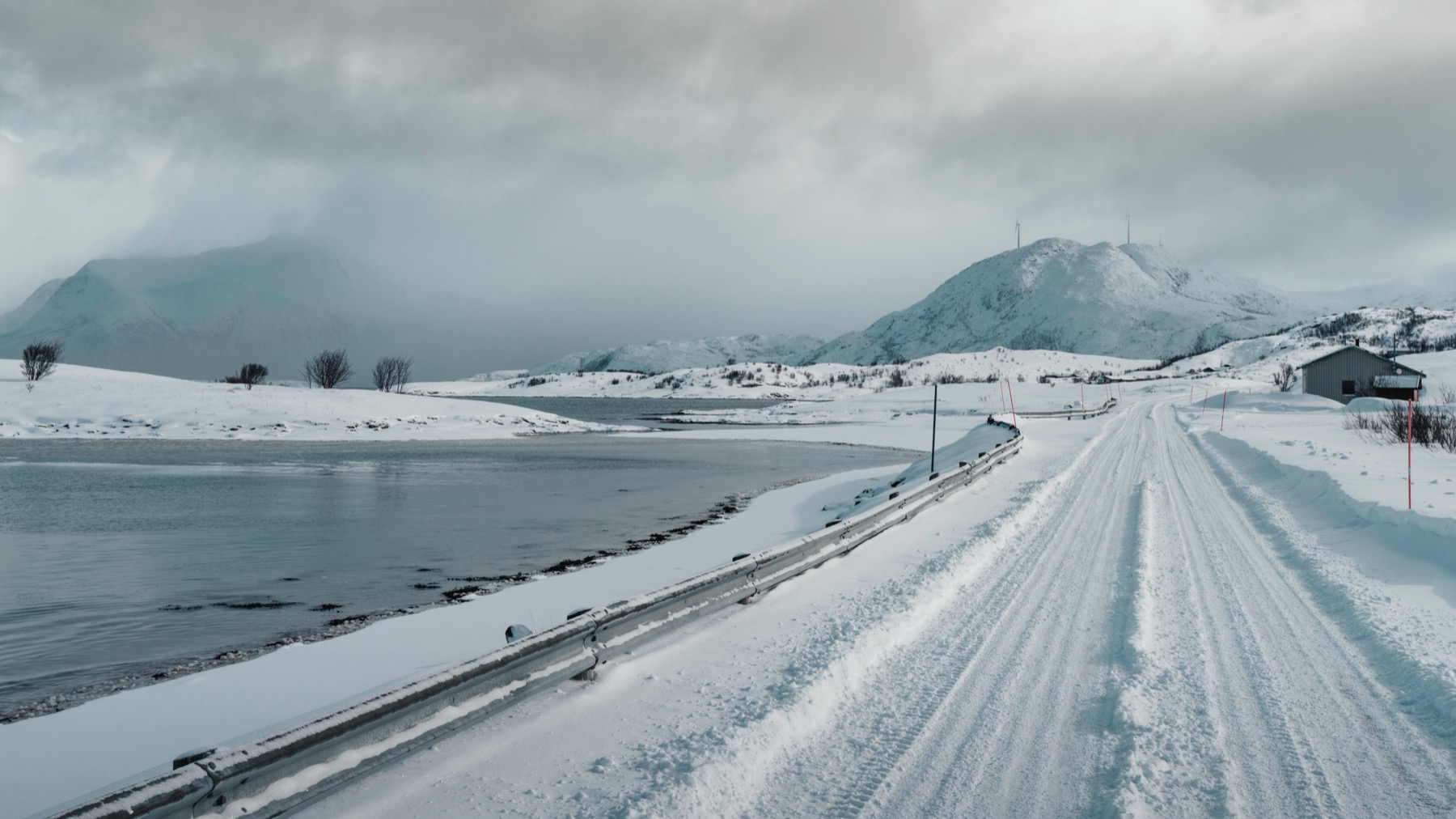
As for getting around, the greatest freedom naturally comes with your own or a rental car. The region’s main artery is the E6 road, but you have to be ready for genuinely vast distances and frequent use of ferries between the various islands. If you’d rather not drive, the legendary Hurtigruten coastal route is a fantastic alternative — it works as both a ferry and a scenic cruise in one and connects most of the important ports. For faster hops across enormous distances, it’s worth using Widerøe’s network of domestic flights.
Where to Stay in Northern Norway
💡 Tip for accommodation and experiences: We love searching for places to stay on Booking.com, which tends to have the best cancellation conditions. For tickets, tours and activities, it pays to compare and book through GetYourGuide.
Accommodation in Norway’s Arctic regions is an experience in itself, but it requires a fairly generous budget. Prices per night, even in fairly ordinary hotels or cabins, commonly range between 1,200 and 3,000 NOK (roughly €105 to €265). In the peak summer season and during the height of winter, it’s absolutely crucial to book your accommodation through Booking several months in advance, because capacity in the smaller villages tends to sell out very quickly.
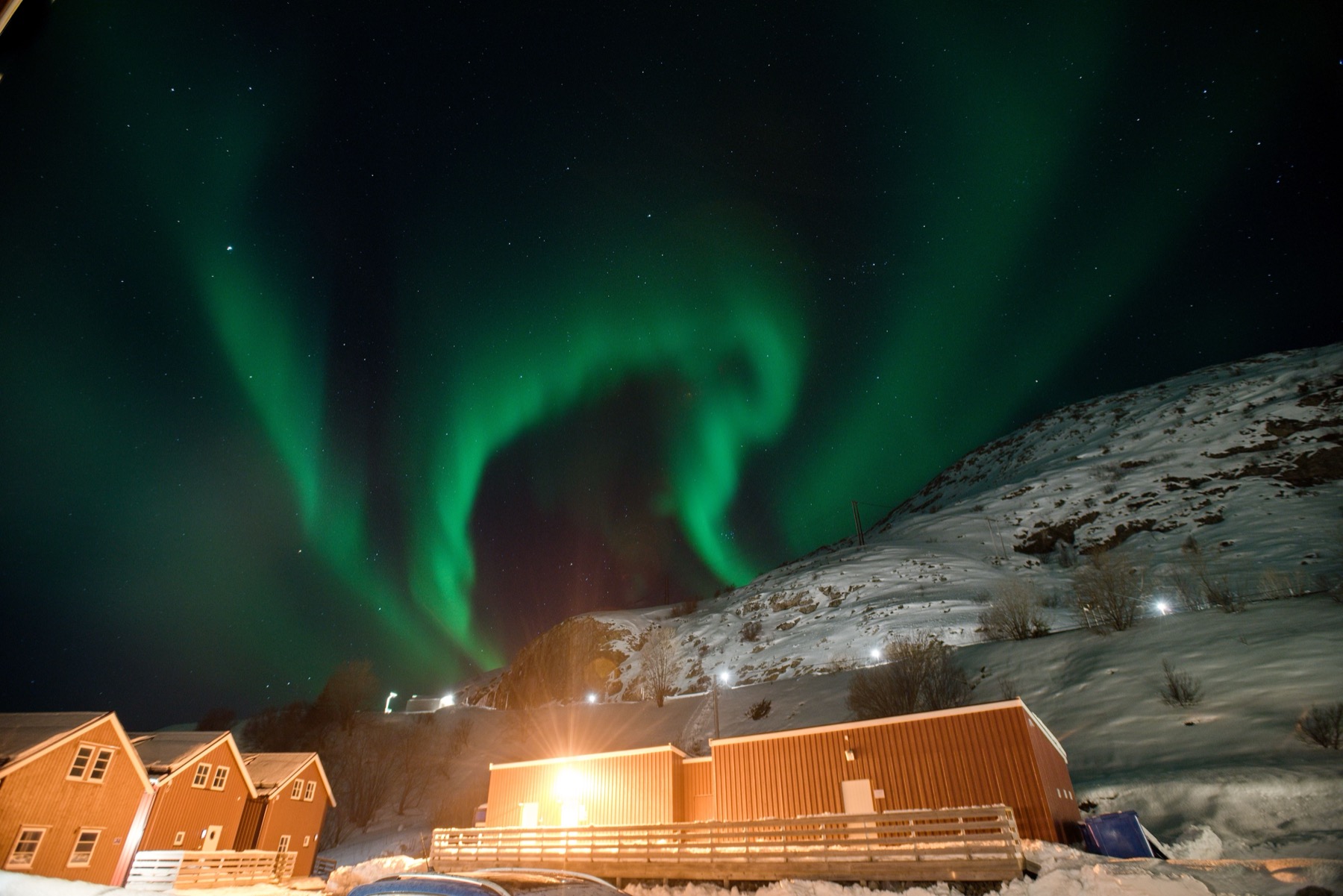
The absolute classics on the islands are the so-called rorbu — traditional red fishing cabins built on stilts right above the sea. From the outside they look charmingly historic, but inside you’ll usually find modern, very cosy furnishings. In the winter months, aurora accommodation is a huge hit, such as glass igloos or traditional Sámi lavvu tents, from which you can watch the northern lights right from a warm bed.
If you’re after specific tips, in bustling Tromsø the designer Clarion Hotel The Edge is an excellent choice, sitting right by the harbour with a wonderful view of both the water and the mountains. In Lofoten it’s definitely worth considering the iconic Eliassen Rorbuer cabins in the little village of Hamnøy, which rank among the most photographed spots in all of Norway. And for a truly unconventional winter experience, you can head to Alta, where the Sorrisniva Igloo Hotel is built every winter — unique accommodation carved entirely from ice and snow.
Arctic Cities and Islands
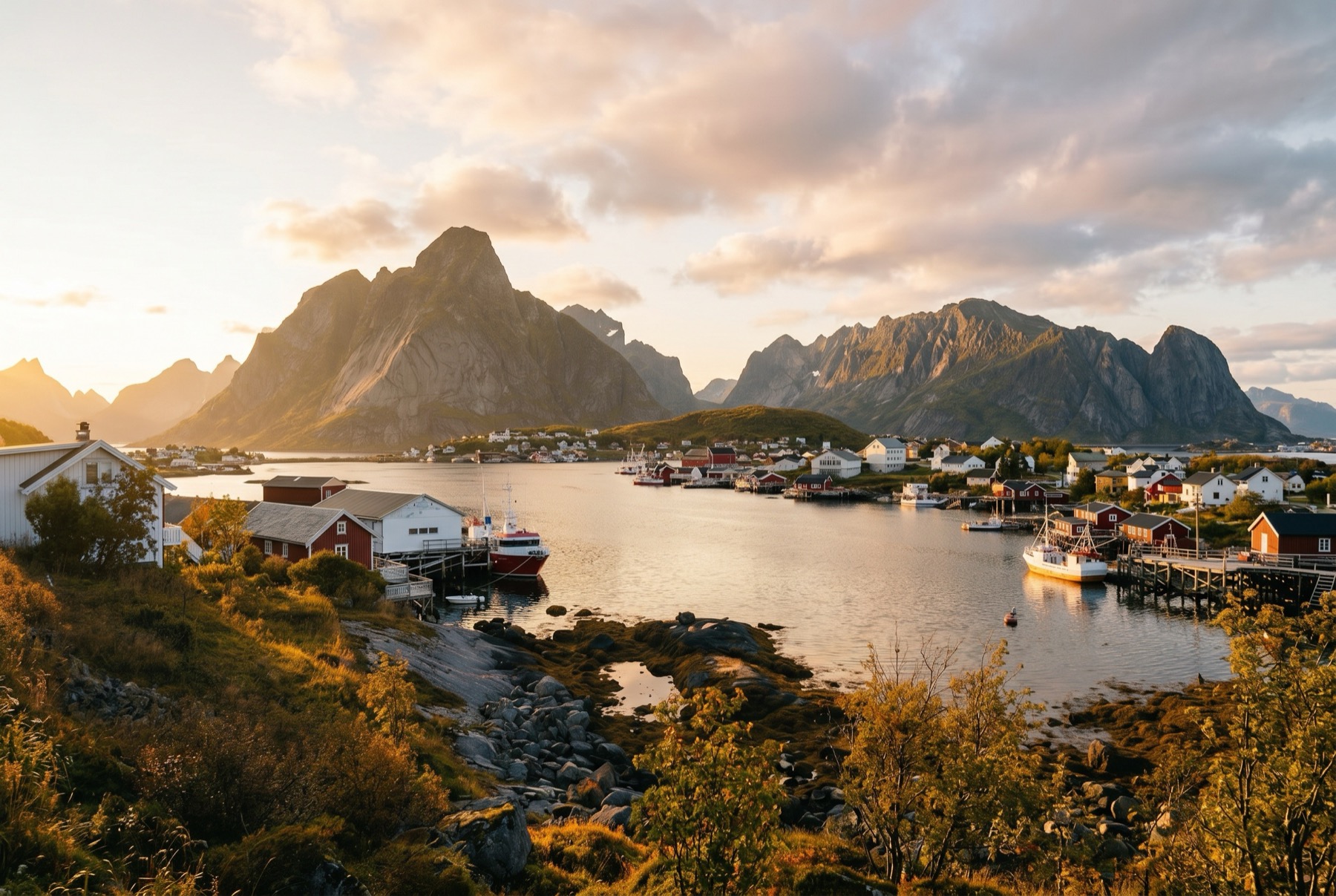
Northern Norway is a fascinating mosaic of sprawling islands, deep fjords and towns that have managed to grow up in inhospitable conditions far beyond the Arctic Circle. Each area has its own utterly unique character, whether it’s a pulsing cultural hub or an abandoned fishing settlement at the end of the world.
When planning your itinerary, it’s a good idea to pick just one or two main areas unless you have several weeks at your disposal. Trying to drive through all of these places during one short holiday would mean spending most of your time behind the wheel.
1. Tromsø
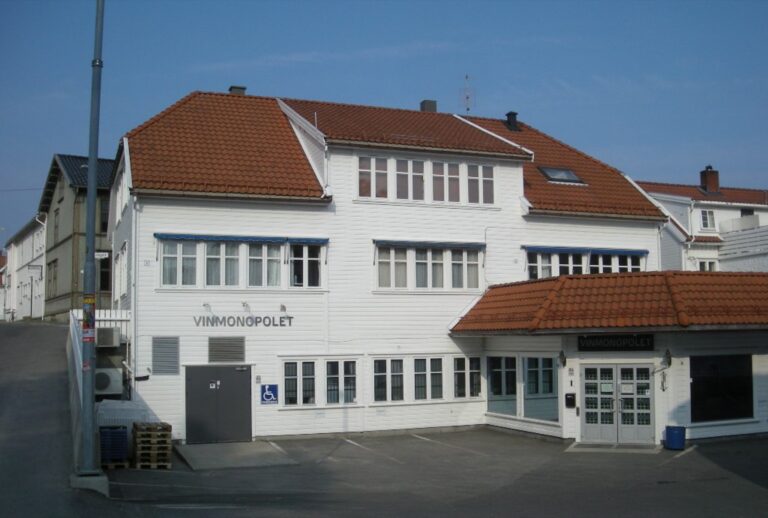
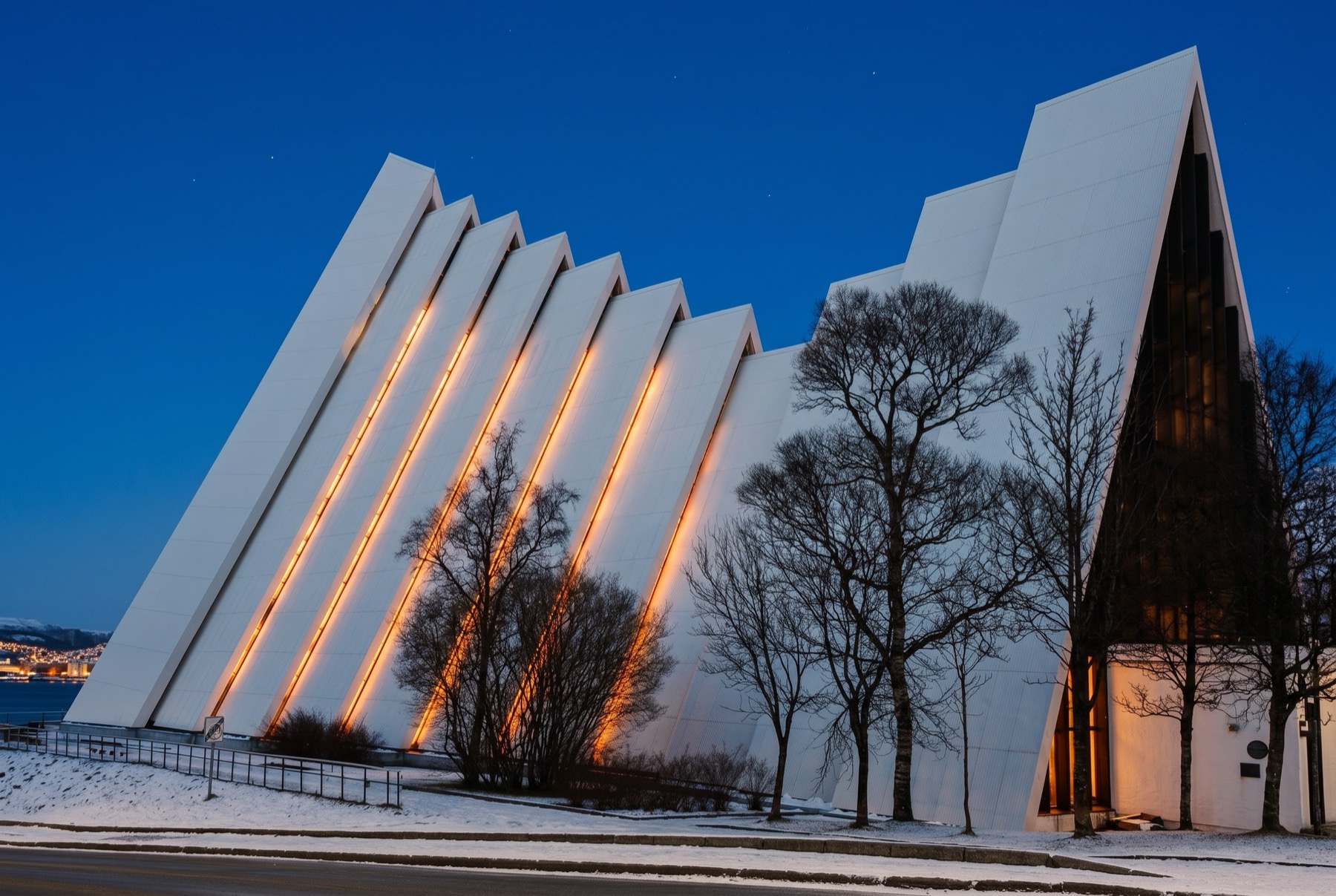
Tromsø is by far the largest and liveliest Arctic city, quite rightly nicknamed the Gateway to the Arctic. Here you’ll find the famous Arctic Cathedral, excellent museums dedicated to polar expeditions, and the Fjellheisen cable car, which offers the best view over the entire city. In winter it serves as the main and most popular base for chasing the northern lights and for all sorts of whale safaris.
💡 Tip: If you want to explore this city in more detail, read our separate article Tromsø — Gateway to the Northern Lights.
2. Lofoten
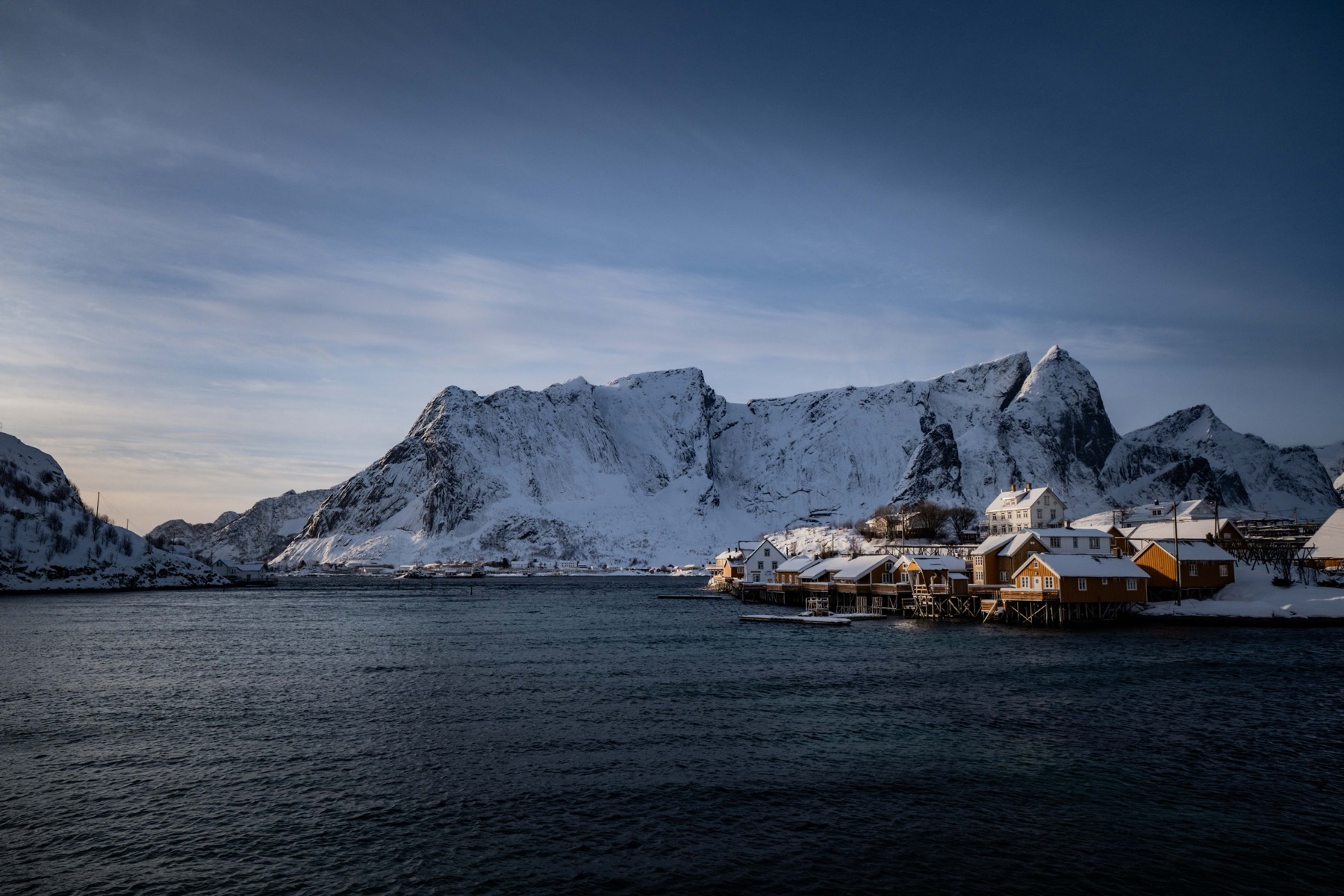
Lofoten is without doubt the most iconic archipelago in all of Norway, known for its sharp mountain peaks, picturesque fishing villages like Reine and Henningsvær, and snow-white Arctic beaches. It’s the most photogenic region in the whole north, drawing tourists and artists from all over the world.
💡 Tip: For a detailed itinerary and tips on specific trips, check out our guide What to See in Lofoten (the big guide).
3. Vesterålen
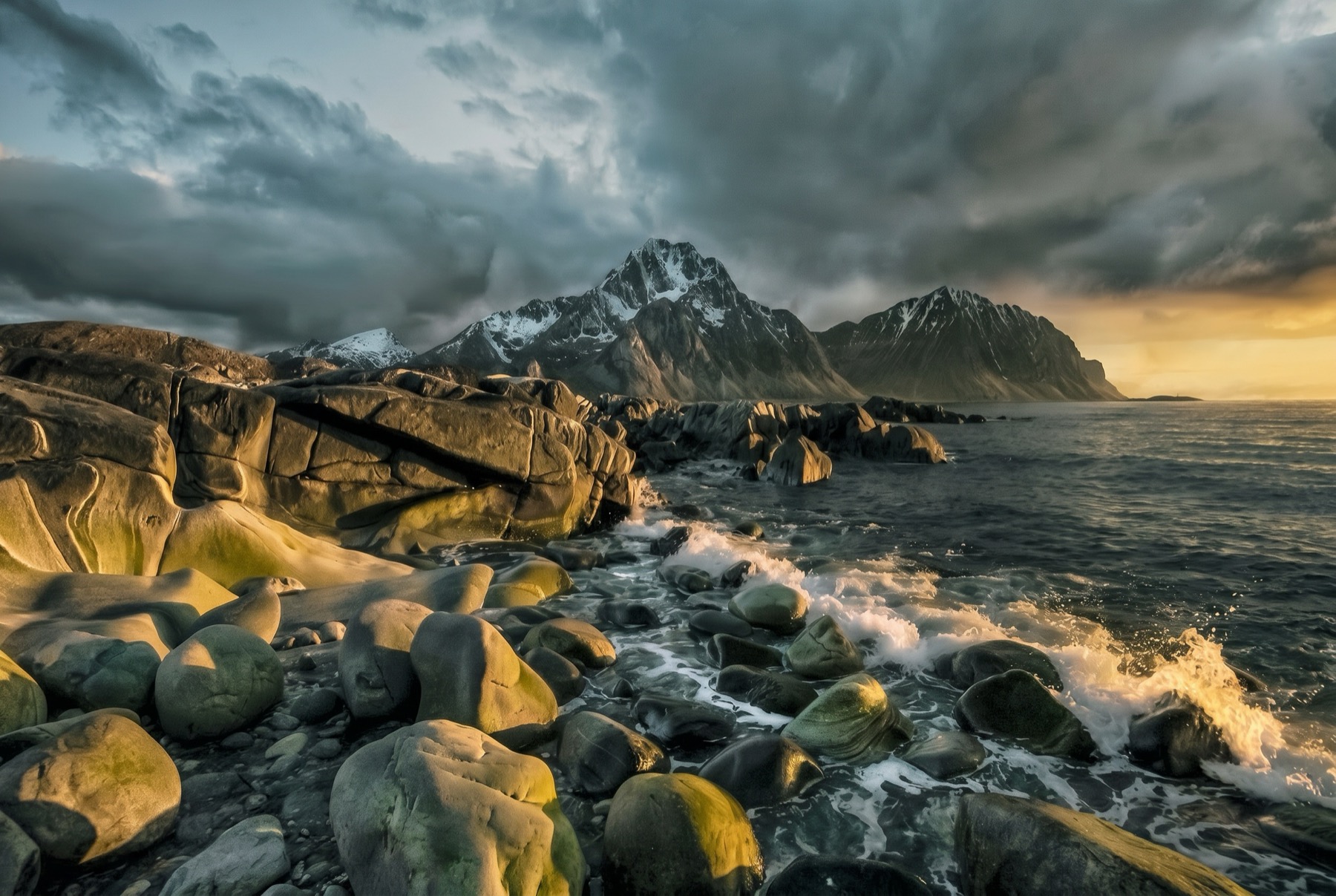
Just north of the famous Lofoten lies the calmer and somewhat less visited Vesterålen, which offers equally breathtaking scenery without the huge crowds of tourists. This area is world-famous above all for its year-round whale safaris, which set sail from the town of Andenes, as well as for fantastic opportunities to watch the adorable puffins on the island of Bleik. You can easily book various boat trips to spot marine life in advance through platforms like GetYourGuide, which is definitely worth doing in the summer season.
4. Senja
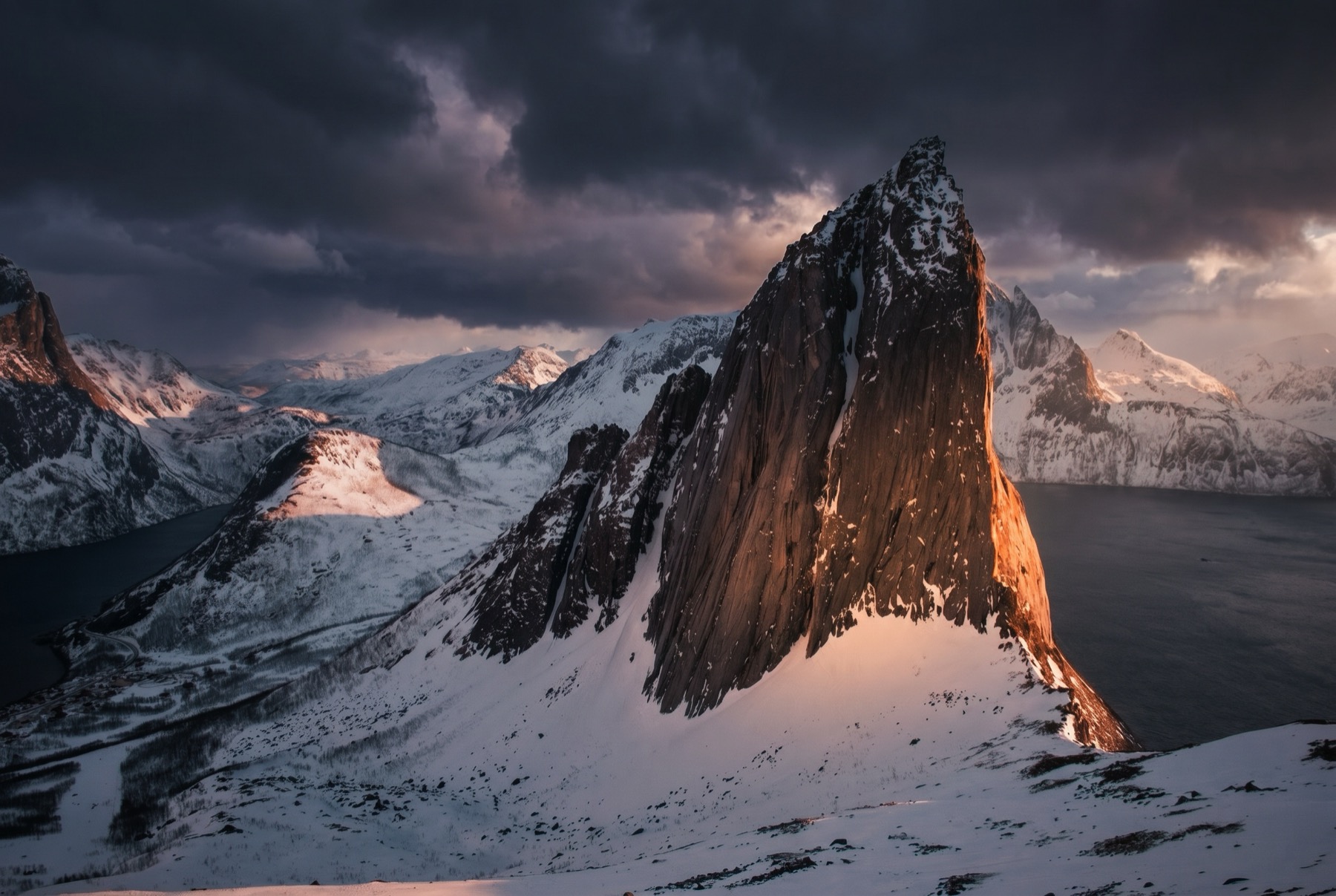
Norway’s second-largest island, Senja, is often described as Norway in miniature or a wilder Lofoten without the crowds. Here you’ll find dramatic viewpoints like Tungeneset and the absolutely iconic Mount Segla, whose sheer cliff plunging into the sea ranks among the most striking natural sights in the north.
💡 Tip: You’ll find more information about this gorgeous island in the article Senja — Lofoten’s Wilder Neighbour.

5. Bodø and Saltstraumen
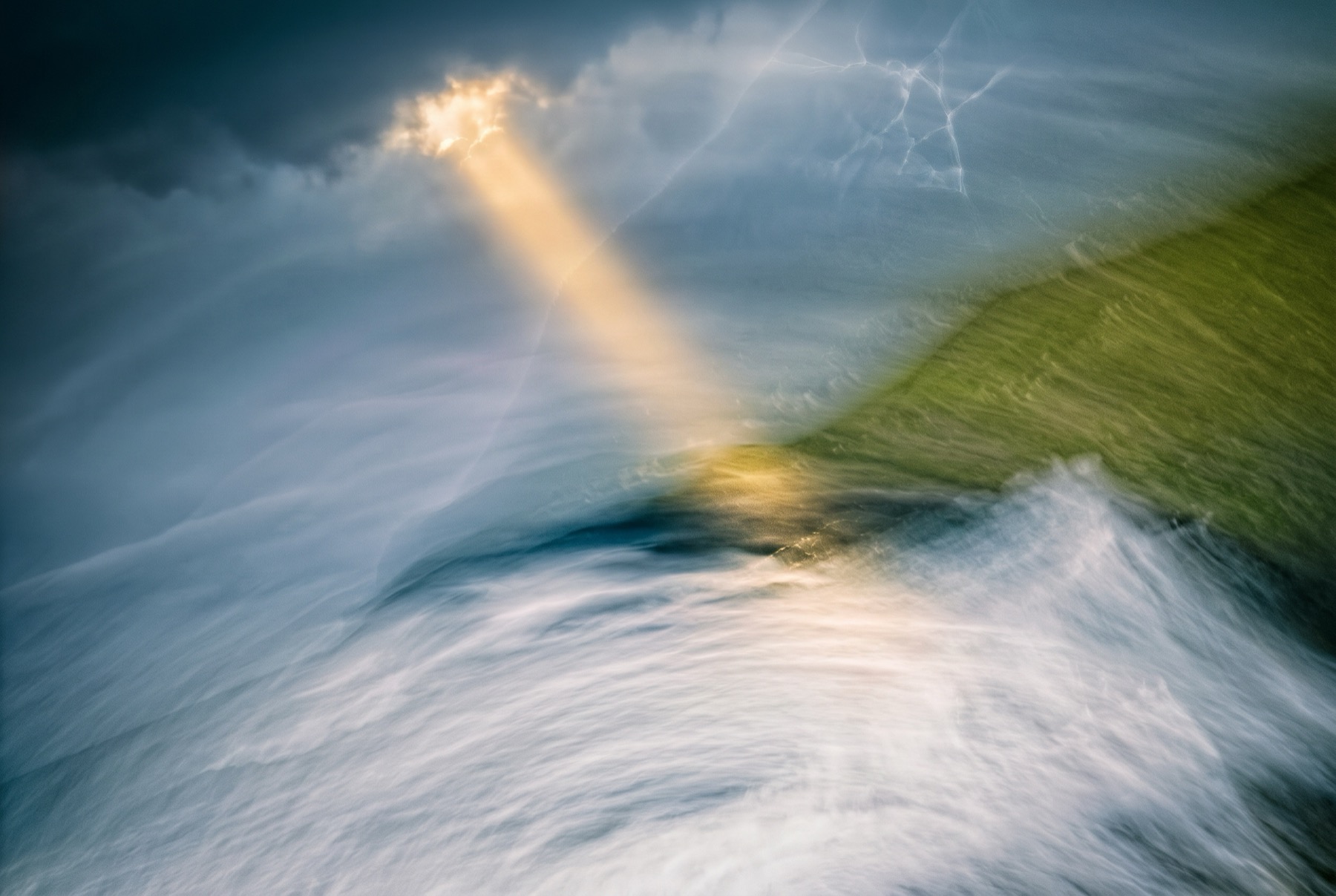
The city of Bodø serves as the main gateway to Lofoten for many travellers, but it has plenty to offer in its own right — as proven by its title of European Capital of Culture for 2024. Just outside the city, what’s more, the strongest tidal current in the world, known as Saltstraumen, roars away. Every six hours, enormous masses of water surge through a narrow strait and create fascinating whirlpools, which can be safely observed from the shore or from the bridge.
6. Alta
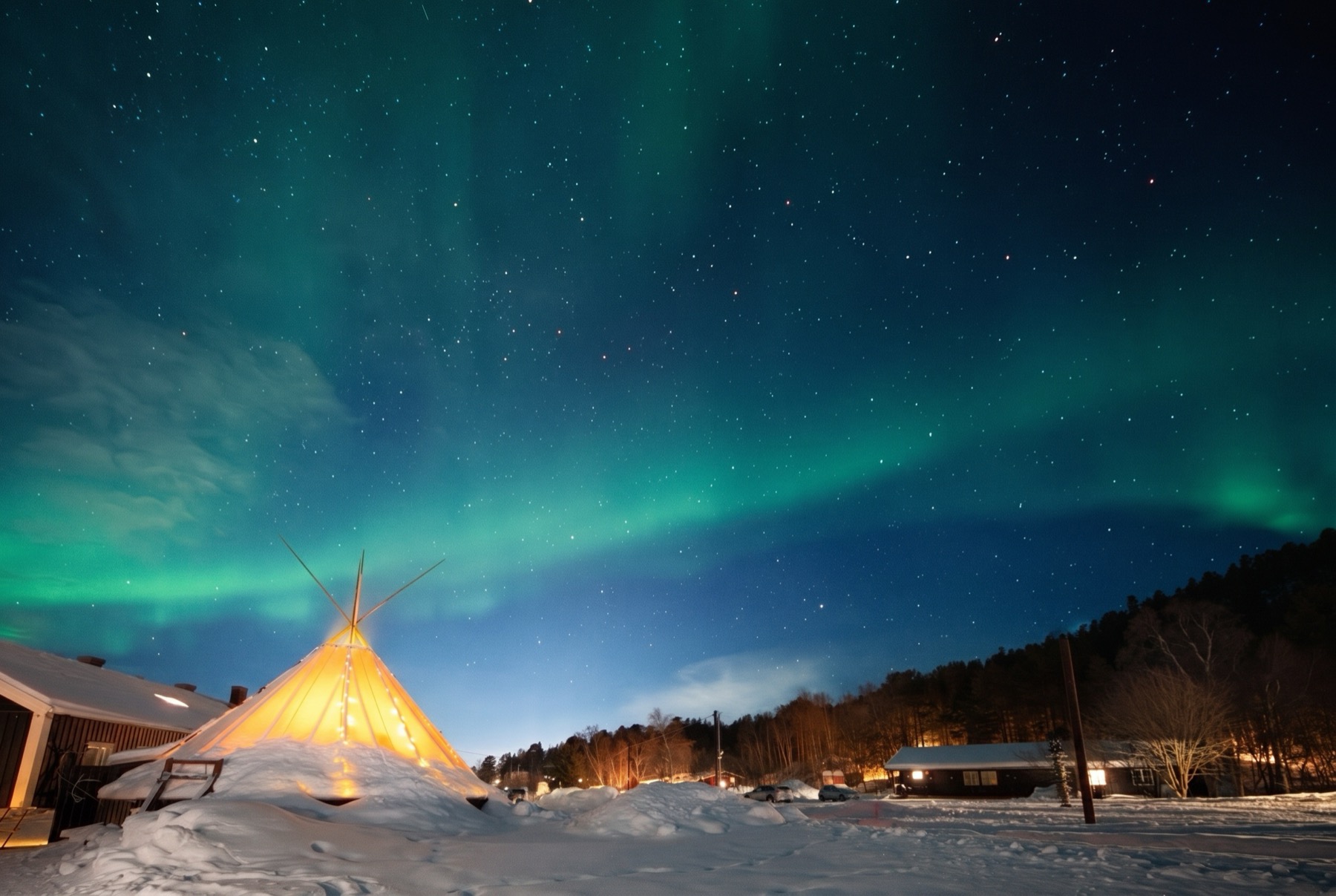
The town of Alta, lying deep in Finnmark, is known above all for its fantastic conditions for stargazing the night sky and for its unique ice hotel. The real one-of-a-kind attraction, though, is the local prehistoric rock carvings, which are even inscribed on the UNESCO World Heritage list and depict the lives of hunters and gatherers thousands of years into the past.
7. Svalbard
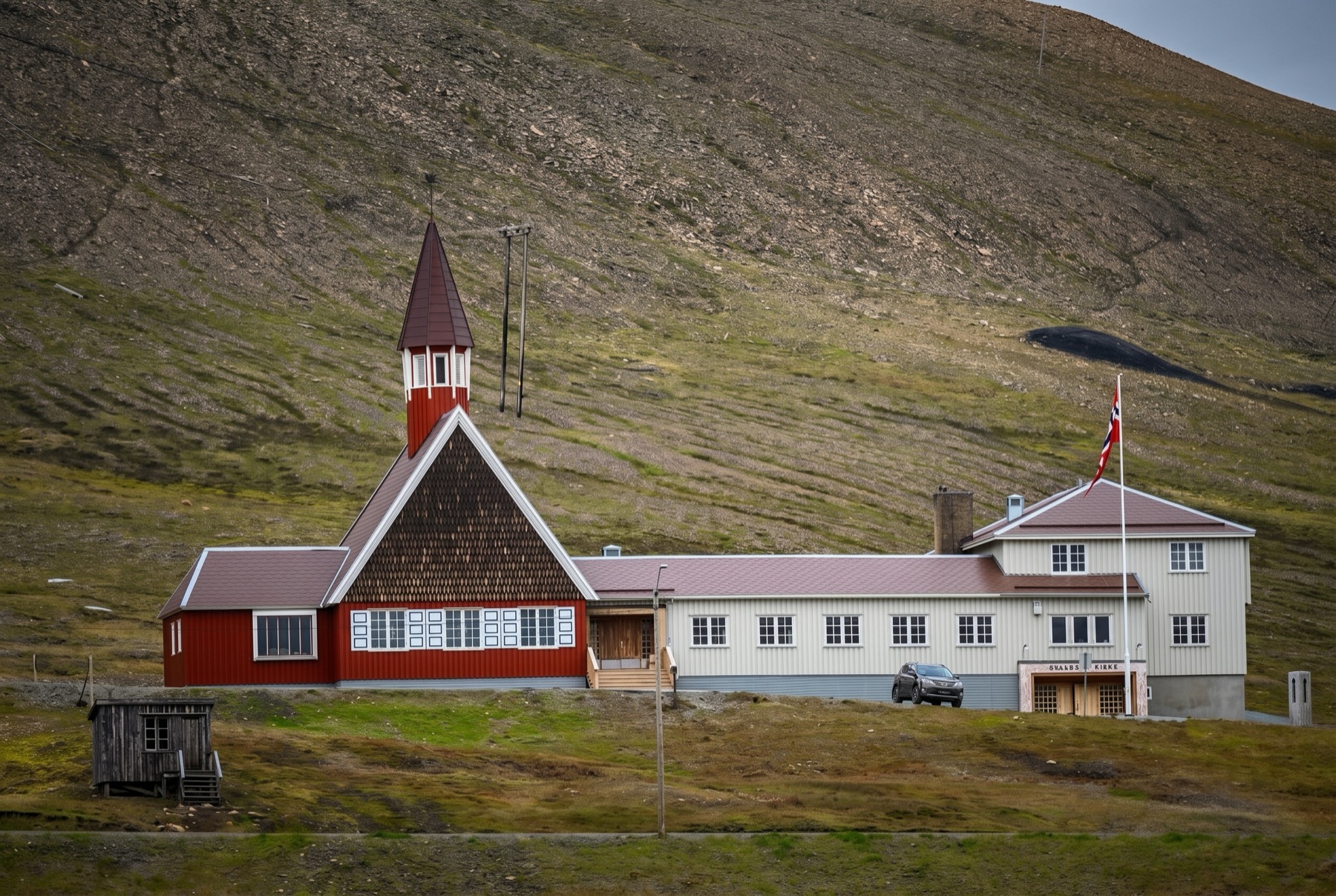
If you want to experience the true High Arctic, you’ll have to fly even further north to the rugged Svalbard archipelago (Spitsbergen). The main settlement, Longyearbyen, is a place where you’ll meet more snowmobiles than cars in the streets and where the polar bear reigns supreme. Here you can admire huge glaciers, abandoned mining towns, and experience the extremes of the polar night, when there’s continuous darkness for several months on end.
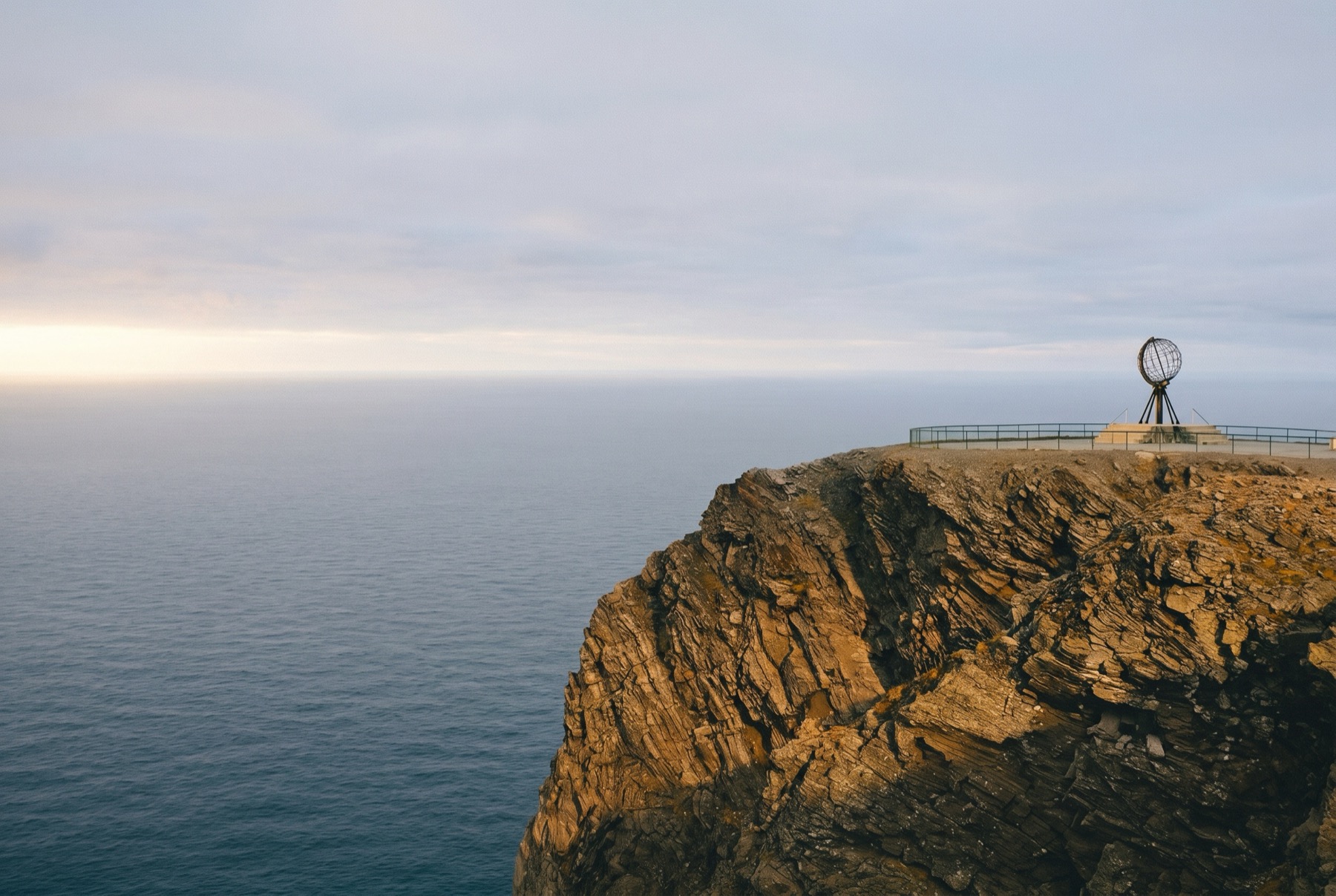
8. Nordkapp
This tall cliff with its iconic globe monument, lying at the 71st parallel north, is often described as the northernmost point of mainland Europe. It’s a magical place that travellers head to mainly in summer, to watch the midnight sun hanging low over the surface of the Arctic Ocean from the edge of the cliff.
💡 Tip: We’ve gathered all the practical information about the journey to this end of the world in the article Nordkapp — the Northernmost Point of Europe.
Natural Phenomena and Culture of the North
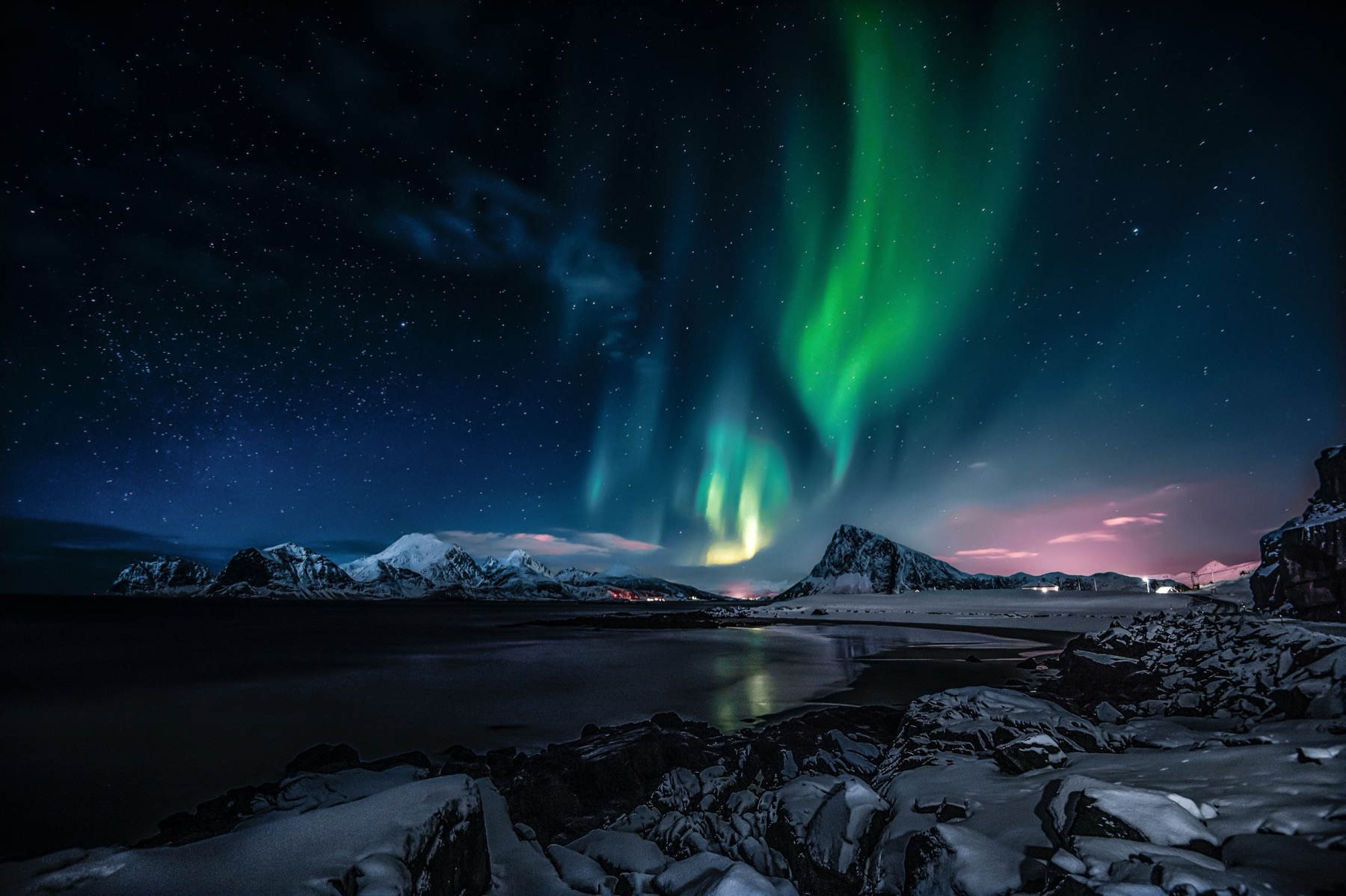
Northern Norway isn’t just about specific towns and fjords — it’s above all about phenomena you won’t experience anywhere else in Europe. The interplay of light and darkness dictates the rhythm of life for people and animals alike, and creates the conditions for utterly singular cultural traditions.
It’s precisely these experiences that make a trip beyond the Arctic Circle something exceptional. Whether you’re standing beneath a sky glowing green or wandering through the mountains at midnight in full daylight, nature here puts on a show you’ll never forget.
9. The Northern Lights
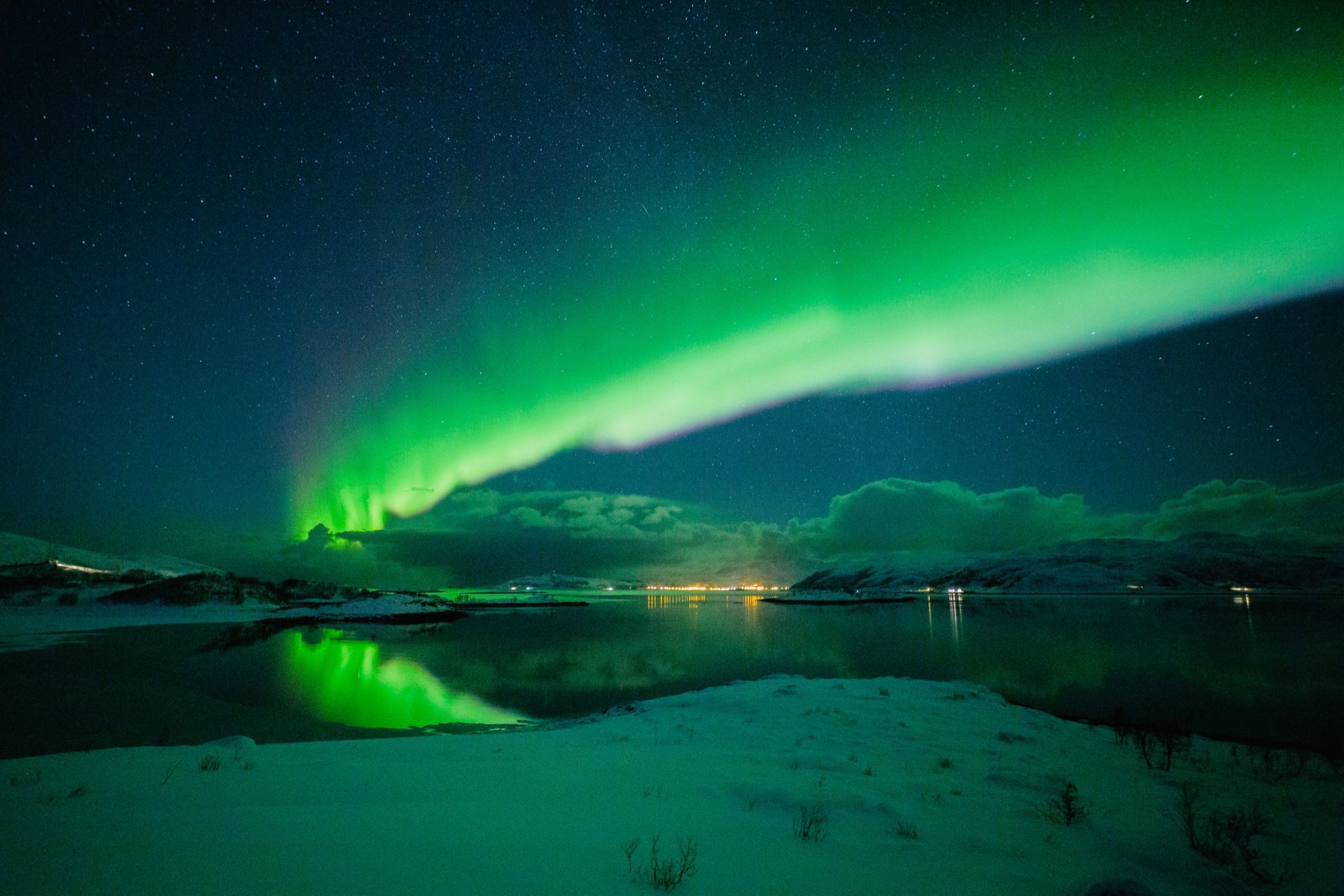
The aurora borealis, or northern lights, is the main reason people travel to the far north in the freezing winter months. The official season runs from September to March, with the best viewing conditions usually during the dark months from November to February. Geographically, the most recommended areas are around Tromsø, Lofoten, Senja and Alta, as they lie directly beneath the so-called auroral oval. To catch this magical green dance across the sky, you need above all an absolutely clear sky, as little light pollution from towns as possible, and of course a little bit of traveller’s luck.
10. The Midnight Sun
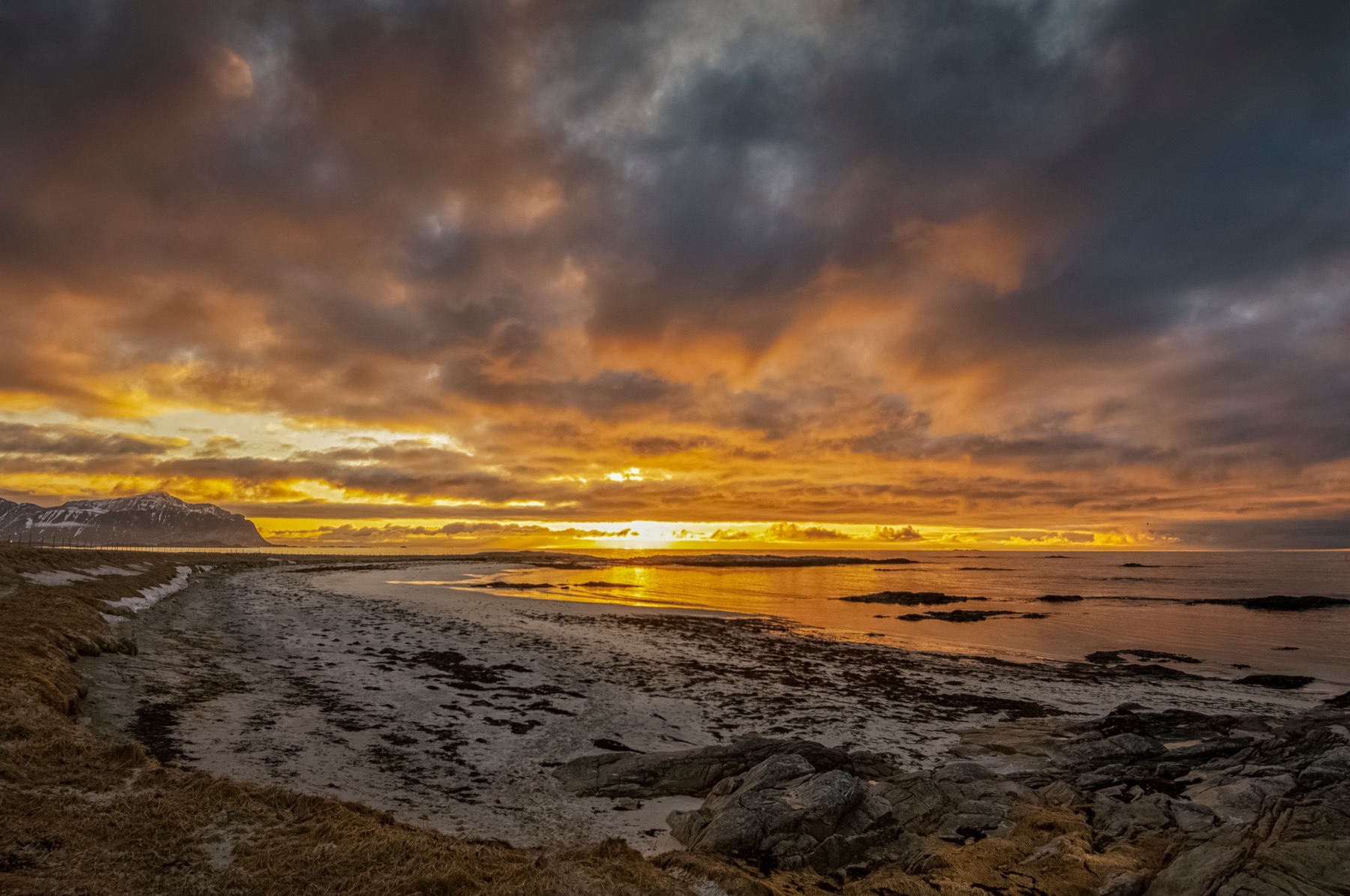
While winter belongs to the darkness, summer is the season when the sun simply refuses to set. You can experience the midnight sun phenomenon beyond the Arctic Circle roughly from late May to mid-July. In practice this means you have endless time for exploring — you can head out on a mountain hike at eleven at night and enjoy the beautiful golden light that lends the landscape an incredibly romantic atmosphere. It’s also the ideal time for evening boat trips or wild camping out in the open.
11. Sámi Culture and Reindeer
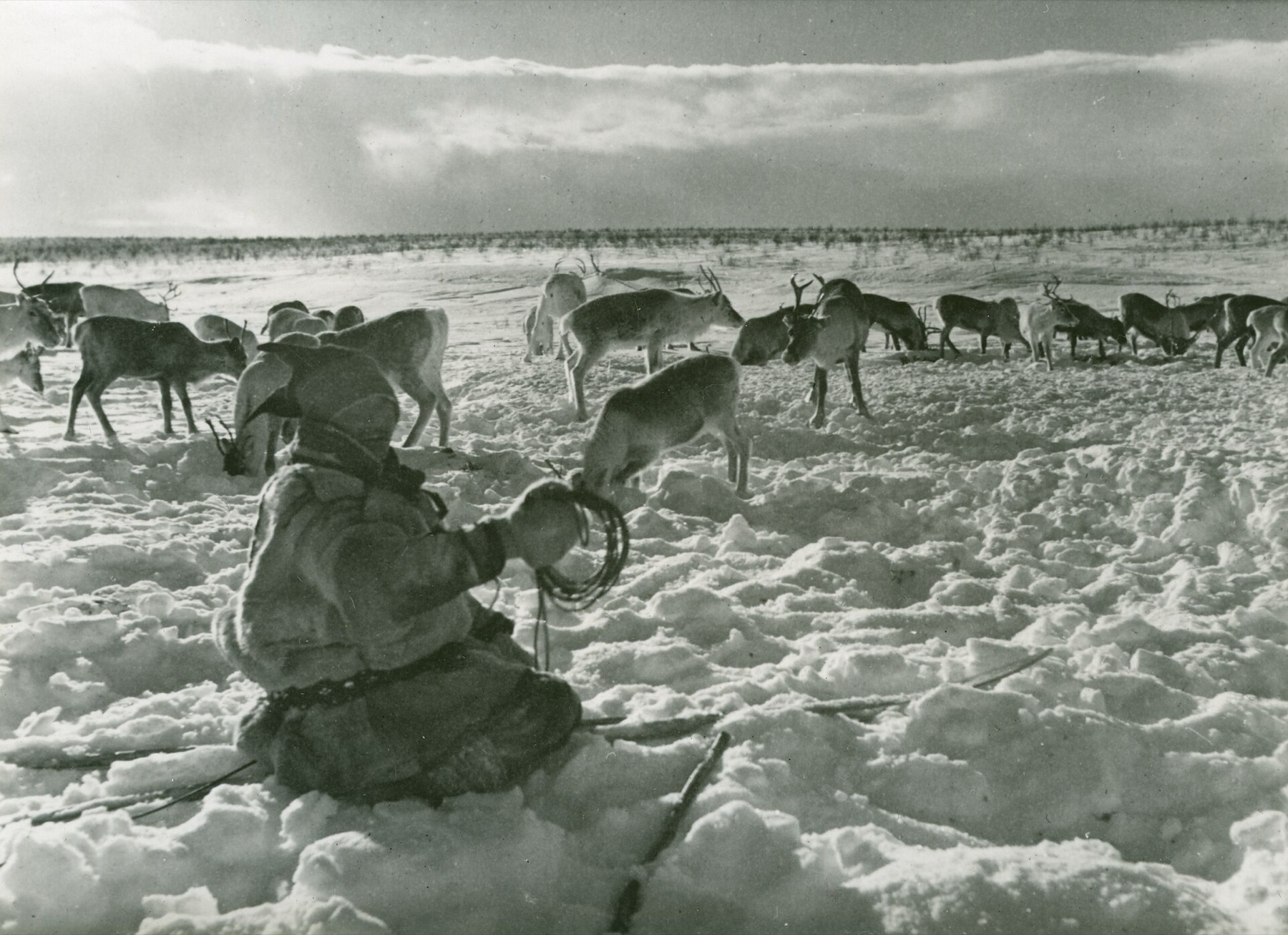
The indigenous inhabitants of Scandinavia’s Arctic regions are the Sámi, whose culture is inextricably bound up with the harsh northern landscape. The traditional way of life, which includes reindeer herding and sleeping in lavvu tents, is passed down here from generation to generation. As you travel along the northern roads, free-roaming reindeer will be your most frequent companions, so you need to drive really carefully. The centres of Sámi culture are mainly the towns of Kautokeino and Karasjok, where traditional festivals are held and where you can also sample local specialities (mostly heavier meaty dishes to warm you up, while vegetarians will appreciate the excellent potato flatbreads or hearty vegetable soups made from root vegetables).
Where to Go Next from Northern Norway
If you have more time to explore Scandinavia, the northern regions are a great springboard for further adventures. You can carry on smoothly along the coast heading south and discover yet more breathtaking fjords and national parks.
- For an overall overview of what else not to miss in the country, definitely read our big article Norway: 50 Things to See.
- If the idea of comfortable travel by water caught your eye, take a look at our guide Hurtigruten — Sailing Along the Coast, which explains how these legendary ships work.
Frequently Asked Questions
When is the best time to go to northern Norway?
It depends on your priorities. From late May to mid-July, head here for the midnight sun and endless possibilities for mountain treks. Winter from November to March, on the other hand, is ideal for observing the Northern Lights and whale safaris in snow-covered fjords.
Where and when can I best see the northern lights?
The most reliable areas are Tromsø, Lofoten, Senja and Alta, which lie directly under the auroral oval. The season runs from September to March, but the absolute peak with the longest dark nights occurs from November to February.
How to best travel around northern Norway?
The greatest freedom comes from renting a car to travel along the main E6 route. If you don’t fancy driving for long hours, take advantage of the scenic Hurtigruten coastal cruises along the entire coastline or Widerøe airline’s domestic flight network.
How many days do I need to visit the Arctic?
For a taste of one specific area, such as Tromsø and its surroundings, 5 to 7 days will be enough. If you want to combine multiple regions, such as Lofoten, Senja and Vesterålen, definitely set aside 10 to 14 days for the trip.
Is traveling in northern Norway expensive?
Yes, northern Norway is one of the most expensive destinations in Europe. The biggest expenses will be accommodation and transport. You can save money mainly by staying at campsites and cooking your own food with ingredients bought at supermarkets.
What’s best for a very first visit?
For a first introduction to the north, the most popular combination is the vibrant city of Tromsø followed by a transfer to the photogenic Lofoten Islands. This route offers you a perfect mix of culture, all amenities, and the most dramatic Norwegian nature.
Where exactly will I see the midnight sun?
The midnight sun is visible everywhere above the Arctic Circle from roughly the end of May to mid-July. Stunning views of the sun low above the horizon are offered by the northern beaches in Lofoten or the famous Nordkapp cliff.
Tips and Tricks for Your Vacation
Don’t Overpay for Flights
Search for flights on Kayak. It’s our favorite search engine because it scans the websites of all airlines and always finds the cheapest connection.
Book Your Accommodation Smartly
The best experiences we’ve had when looking for accommodation (from Alaska to Morocco) are with Booking.com, where hotels, apartments, and entire houses are usually the cheapest and most widely available.
 🚗 Car rental on the roadVerified rental cars in Norway
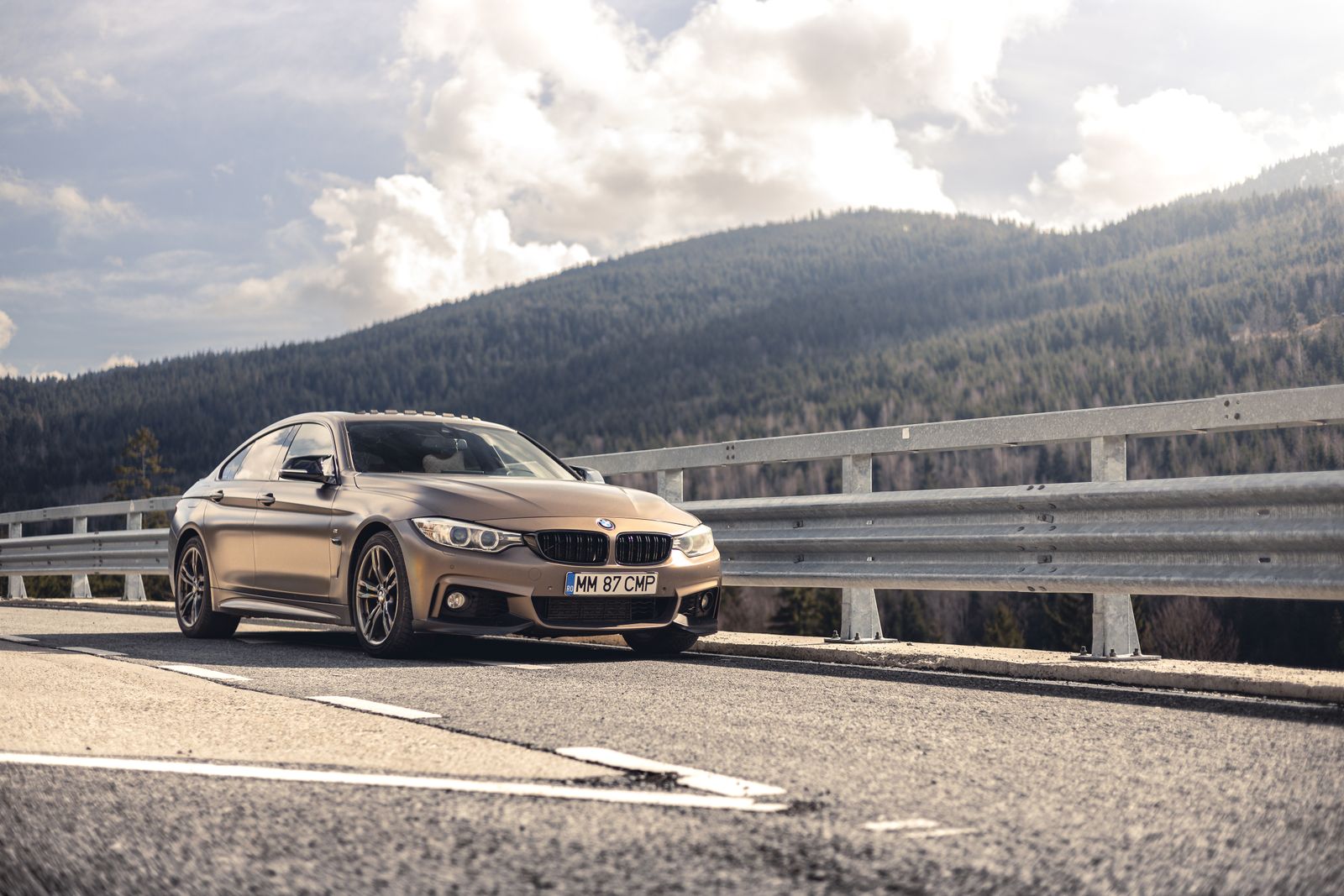
Search with the DiscoverCars comparison engine — it compares prices from dozens of local and international rental companies, and most bookings come with free cancellation.
Compare car prices in Norway →Don’t Forget Travel Insurance
Good travel insurance will protect you against illness, accidents, theft, or flight cancellations. We’ve had a few hospital visits abroad, so we know how important it is to have proper insurance arranged.
Where we insure ourselves: SafetyWing (simple monthly subscription) and TrueTraveller (for extra-long trips).
Find the Best Experiences
Get Your Guide is a huge online marketplace where you can book guided walks, trips, skip-the-line tickets, tours, and much more. We always find some extra fun there!