The south of France has more than the single glossy face you know from lifestyle magazines. While the neighbouring regions dazzle with endless lavender fields and superyachts, a completely different world begins just across the River Rhône – one that puts on no airs at all. Historic Occitania is a corner of the country that feels rawer, far more authentic, and literally woven through with stories from antiquity. If you love deep history, don’t mind summer temperatures that test your physical stamina, and you’re hunting for places where the stone speaks with a thousand-year-old voice, then a trip to Nîmes, France is exactly right for you.
In this article you’ll find 12 tips on what to see and do in Nîmes and at the nearby Pont du Gard, from the best-preserved Roman arena on earth to a canoe trip beneath a monumental aqueduct. I’ll also tell you which part of the city is the smartest place to stay, how to sort out transport efficiently, and when to come so you can save yourself standing in endless queues. Nîmes and its surroundings hide engineering and architectural marvels that leave even today’s experts scratching their heads.
TL;DR
- The Nîmes arena is a working wonder: The best-preserved Roman amphitheatre in the world still hosts huge summer concerts and historical festivals.
- The UNESCO-listed Maison Carrée: This first-century ancient temple is in such pristine condition it looks as if it was built only a few years ago.
- The Pont du Gard aqueduct: You can admire this three-tiered Roman bridge over the River Gardon from viewpoints, or right from the water in a rented canoe.
- Brutal summer heat: In July and August temperatures routinely hit 40 °C, so it’s ideal to plan your visit for the spring or autumn months.
- Combination tickets save money: For entry to the main monuments it’s definitely worth picking up the so-called Pass Nîmes.
- Transport needs planning: Getting to the Pont du Gard by bus is very tricky, so renting a car is an absolute must for flexible travel.
- Combine it with other southern gems: The location is perfect for day trips to nearby Avignon or to the giant medieval fortress of Carcassonne.
The full destination guide: Occitania — guide and what to see
When to Visit Nîmes and the Pont du Gard
Getting the timing right is absolutely key in the south of France, because the summer weather here can be genuinely merciless. In July and August the whole of Occitania literally bakes, and the Nîmes, France weather routinely pushes to an extreme 40 to 43 °C, which turns a stroll around the sun-scorched Roman monuments into an exhausting ordeal. Reports from recent heatwaves make it clear that staying outdoors over midday borders on physical exhaustion, with an increased risk of summer wildfires too. If you do come during the main summer holidays, you’ll have to shift all your outdoor activities to early morning or late evening, otherwise you risk serious heatstroke. The baking stones in the streets multiply the heat even further, so after lunch the city practically empties out and only comes back to life at sunset.
The region shows its loveliest face during the spring months from April to June, when everything is in bloom, the air is pleasantly fresh, and the tourist crowds haven’t yet peaked. During these months temperatures hover around an ideal 25 °C, which is absolutely perfect for exploring ancient monuments. September and October are also an excellent choice – the sun no longer scorches quite so fiercely, but the sea on the nearby coast is still beautifully warm and you can look forward to very pleasant days. The autumn months also bring gorgeous colours to the surrounding vineyards, and the overall atmosphere in the towns settles back into its calm, lazy rhythm, with the crowds noticeably thinning out after the first of September.
If you love lively festivals and want to experience the city at its most exuberant, pencil June into your calendar. Specifically, from 12 to 14 June 2026 the city is swept up by the famous Feria de Nîmes, a huge street festival full of music, wine and traditional culture. It’s followed by the spectacular Festival de Nîmes, which in 2026 runs from 11 June to 26 July and brings the world’s biggest music stars into the ancient arena. It’s an enormous experience, but it requires booking accommodation as much as six months ahead, because the city simply doesn’t have enough capacity.
Where to Stay in Nîmes and Around
💡 Tip for accommodation and experiences: We like to look for places to stay on Booking.com, where the cancellation conditions tend to be the best. For tickets, tours and activities it’s worth comparing and booking through GetYourGuide.
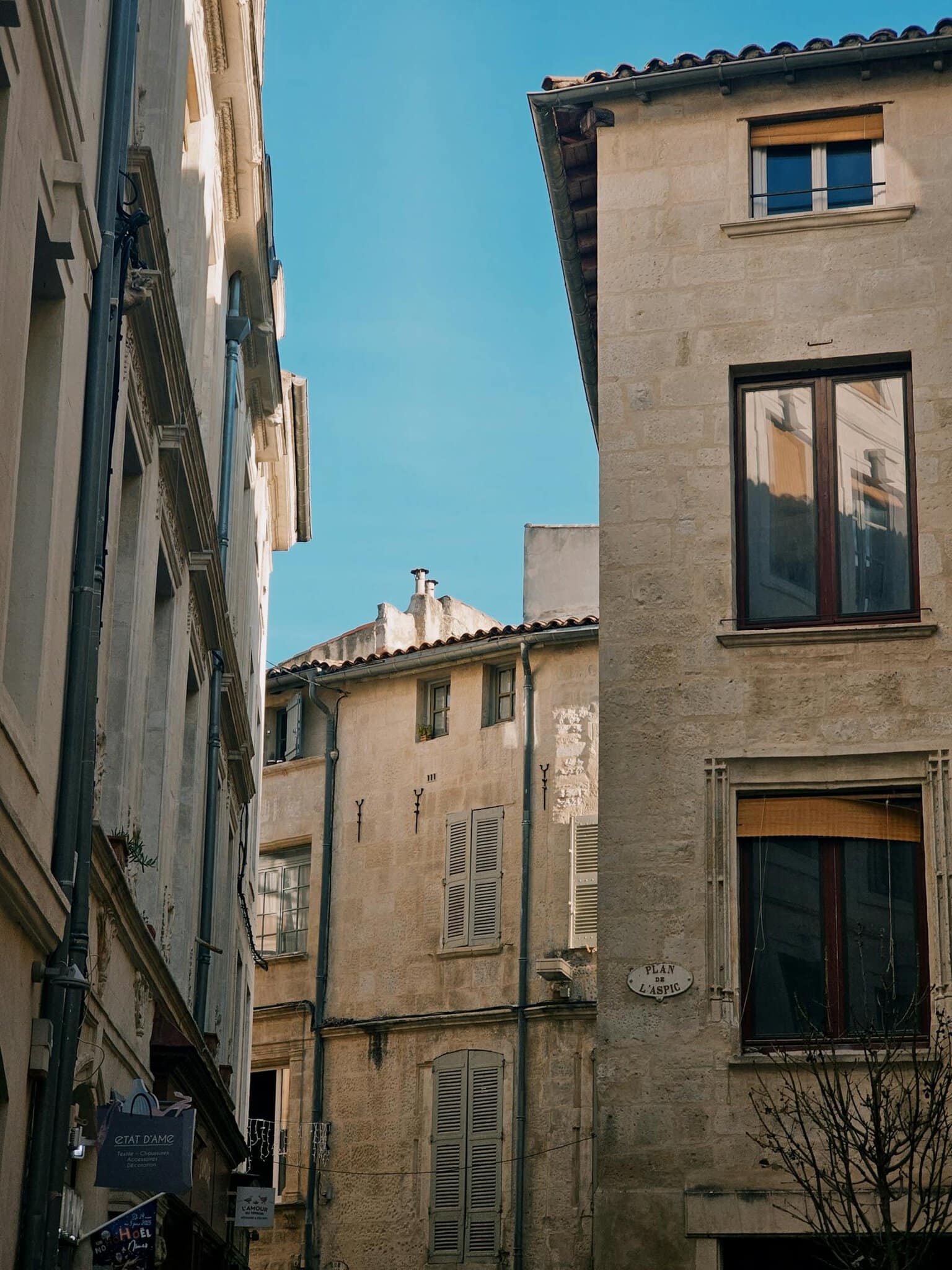
When choosing where to stay in Nîmes, it makes the most sense to look for a room right in the historic centre known as L’Écusson, because from there you can walk comfortably to all the main Roman monuments. This district, whose shape resembles a shield, is laced with charming narrow lanes and packed with excellent bistros and artisan bakeries. If you’re travelling by car, always check in advance whether the hotel offers its own parking, because parking in the narrow one-way streets of the old core is almost impossible, and public garages can get fairly pricey for a longer stay. Travellers have had excellent experiences with the boutique Hôtel Marquis de la Baume, set in a beautifully restored seventeenth-century palace whose inner courtyard offers a perfect oasis of calm in the heart of a buzzing city. If you’re after something a touch more luxurious, you could try the iconic Margaret Hôtel Chouleur, complete with a lovely outdoor pool.

An interesting alternative might be staying outside the city itself, if you prefer the calm of the French countryside and have a rental car at your disposal. In the villages near the Pont du Gard you’ll find dozens of gorgeous stone farmhouses converted into cosy guesthouses, known in France as chambres d’hôtes. This option gives you the perfect rest by the pool after a full day of pounding around the monuments, while keeping you close to the rivers and nature reserves.
If, on the other hand, you’re after a bigger and livelier base for exploring all of eastern Occitania, the nearby student city of Montpellier serves brilliantly, and you can reach Nîmes from there by train in under half an hour. Montpellier is a city with an enormous student population that stays up late into the night. You can stay near the vast Place de la Comédie or in the monumental neoclassical Antigone district designed by Ricardo Bofill. The city also has a great network of designer trams, and the long sandy beaches are just ten kilometres away.
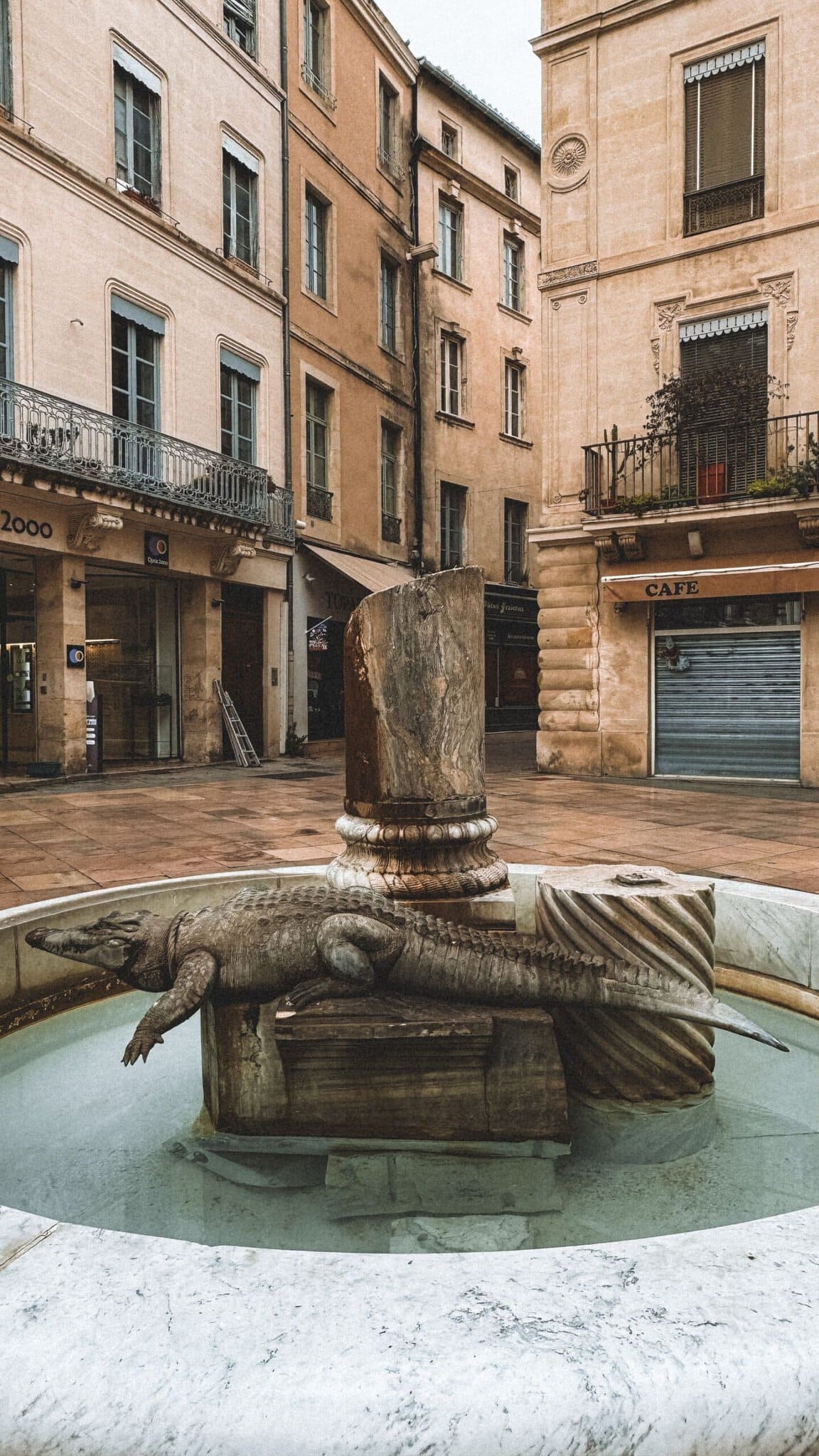
12 Tips on What to See and Do in Nîmes and at the Pont du Gard
Let’s take a look together at the specific places and experiences that make this corner of Occitania an absolute one-of-a-kind on the map of Europe. From the monumental engineering works of antiquity to modern museums and the winding lanes of the old town, Nîmes and the Pont du Gard offer an incredibly varied mix of history and southern French ease. Get your comfy shoes ready and leave plenty of space on your phone for photos, because here you’ll want to capture literally every sun-drenched corner.
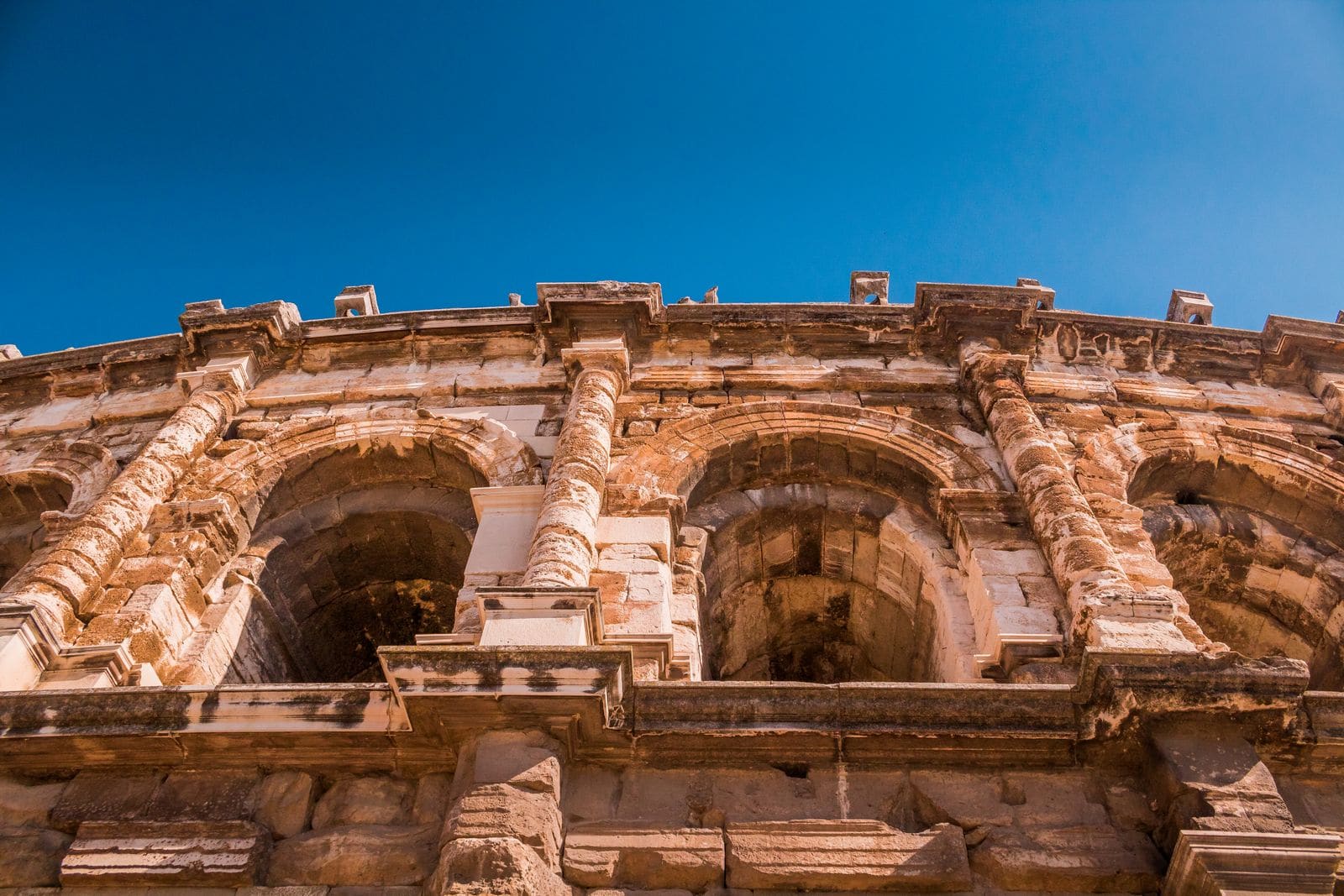
1. Arènes de Nîmes: The Amphitheatre That’s Still Alive
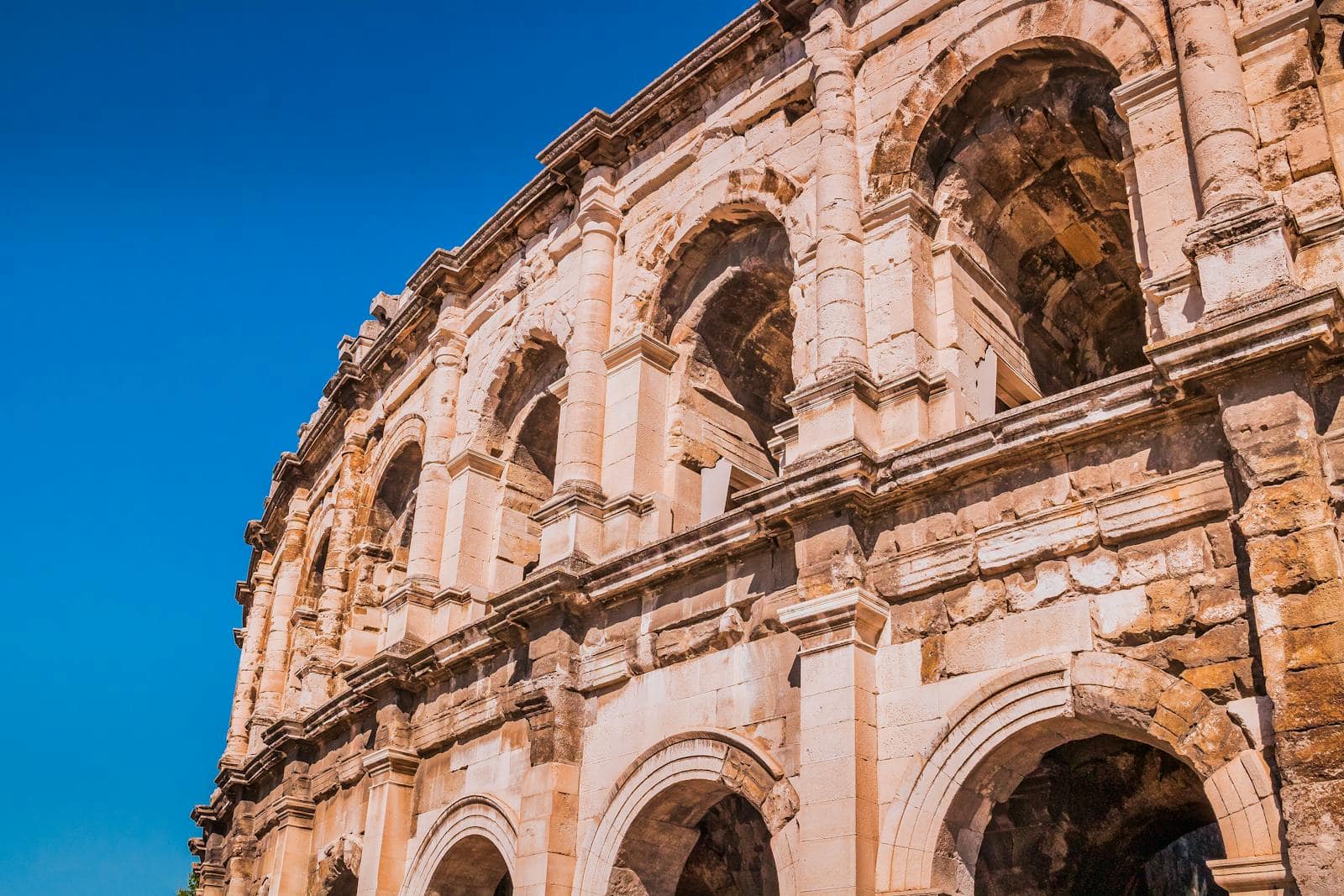
When the massive stone façade of the Nîmes arena first looms up in front of you, its absolutely pristine condition will probably take you by surprise. This is the best-preserved Roman amphitheatre in the entire world, and in terms of completeness it easily outshines even the famous Roman Colosseum. While that Italian monument is missing a substantial chunk of its walls and original flooring, the Nîmes arena stands practically in its original form. It was built at the end of the first century AD and boasts an incredible capacity of 24,000 spectators. Its complex internal network of corridors and galleries is so ingenious that the entire huge stands could be evacuated within just a few minutes.
The most amazing thing about this ancient monument, though, is the fact that it doesn’t just serve as some quiet museum for tourists with cameras. The amphitheatre is still a fully functioning cultural venue, where the biggest social events in the whole region take place. Spectacular historical reconstructions of Roman games are held here, and during the summer the entire arena transforms into a breathtaking open-air concert hall. The acoustics among the ancient stones are simply indescribable and lend every performance an utterly magical atmosphere.
💡 Tip: If you’re heading to Nîmes in summer, check the programme of the famous Festival de Nîmes, which in 2026 runs from 11 June to 26 July. Tickets for evening concerts by world-famous stars in the arena disappear up to six months ahead, so don’t put off buying them.
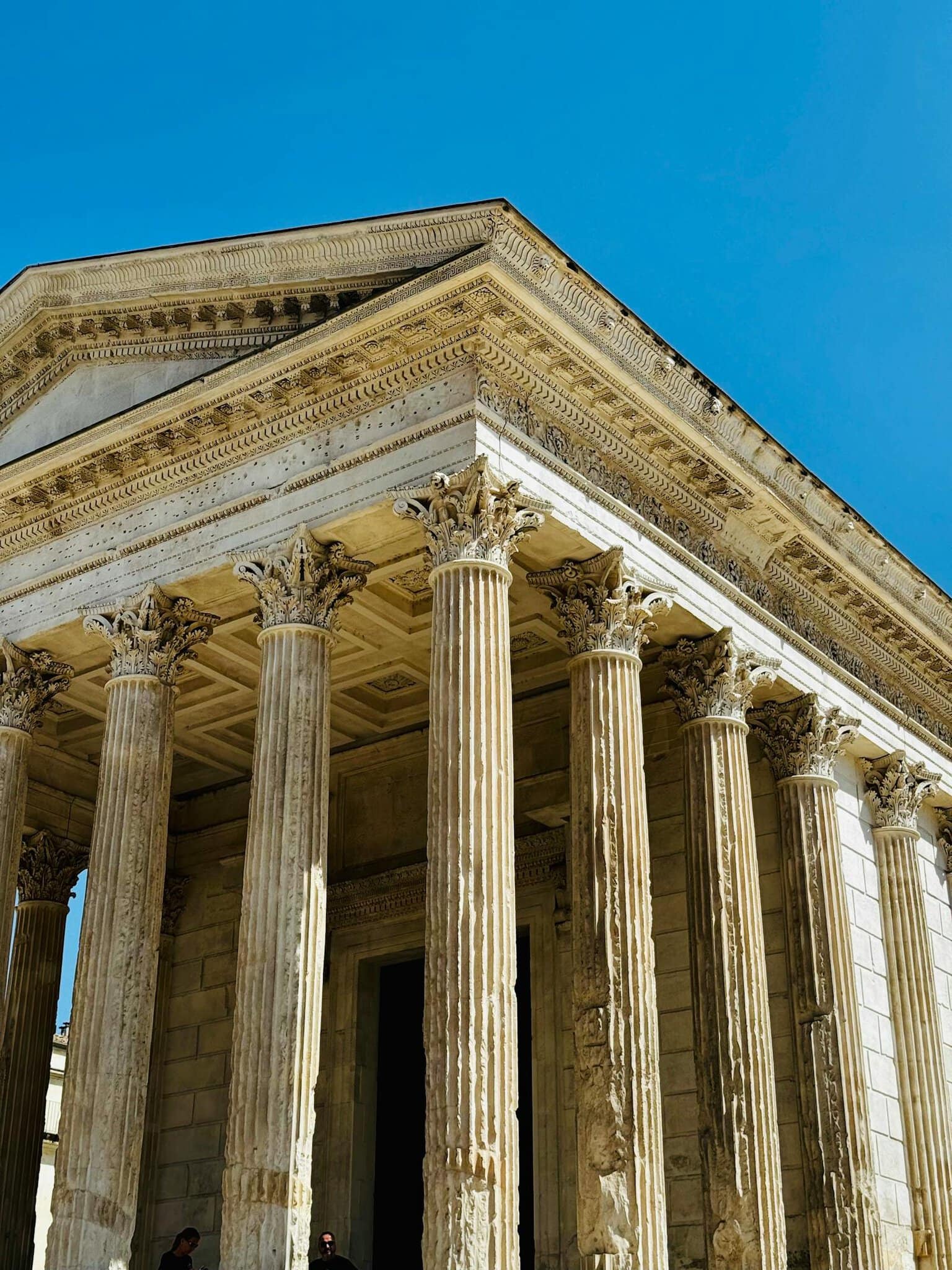
2. Maison Carrée: The Perfection of a UNESCO-Listed Temple
Just a few streets away you’ll come across a building that will give you the nagging feeling someone has set up a perfect film set just for you. The Maison Carrée in Nîmes, France is the only completely preserved ancient temple in the world to have survived two full millennia entirely unscathed. Its gleaming white Corinthian columns and symmetrical proportions have astonished visitors for centuries, so it’s no wonder it was finally officially added to the prestigious UNESCO World Heritage list in 2023. The temple was originally dedicated to the prematurely deceased grandsons of Emperor Augustus, and its miraculous survival was secured by the fact that the building never stood empty and always found some practical use.
Over the turbulent centuries the temple served in turn as an early Christian church, a town hall, a private house, a horse stable, and eventually even the city archive. Today you can admire not only its breathtaking exterior from the adjacent café-lined square but, after paying admission, you can also step inside the sacred heart of the building itself. Inside there’s a newly produced modern exhibition devoted to the history of the temple and Roman architecture. The greatest value of all, though, is undoubtedly the very feeling of standing inside a building constructed more than two thousand years ago.
💡 Tip: You’ll get the most beautiful photos of the temple early in the morning, when the first rays of sun catch the snow-white columns and the café terraces aren’t yet set out across the square.
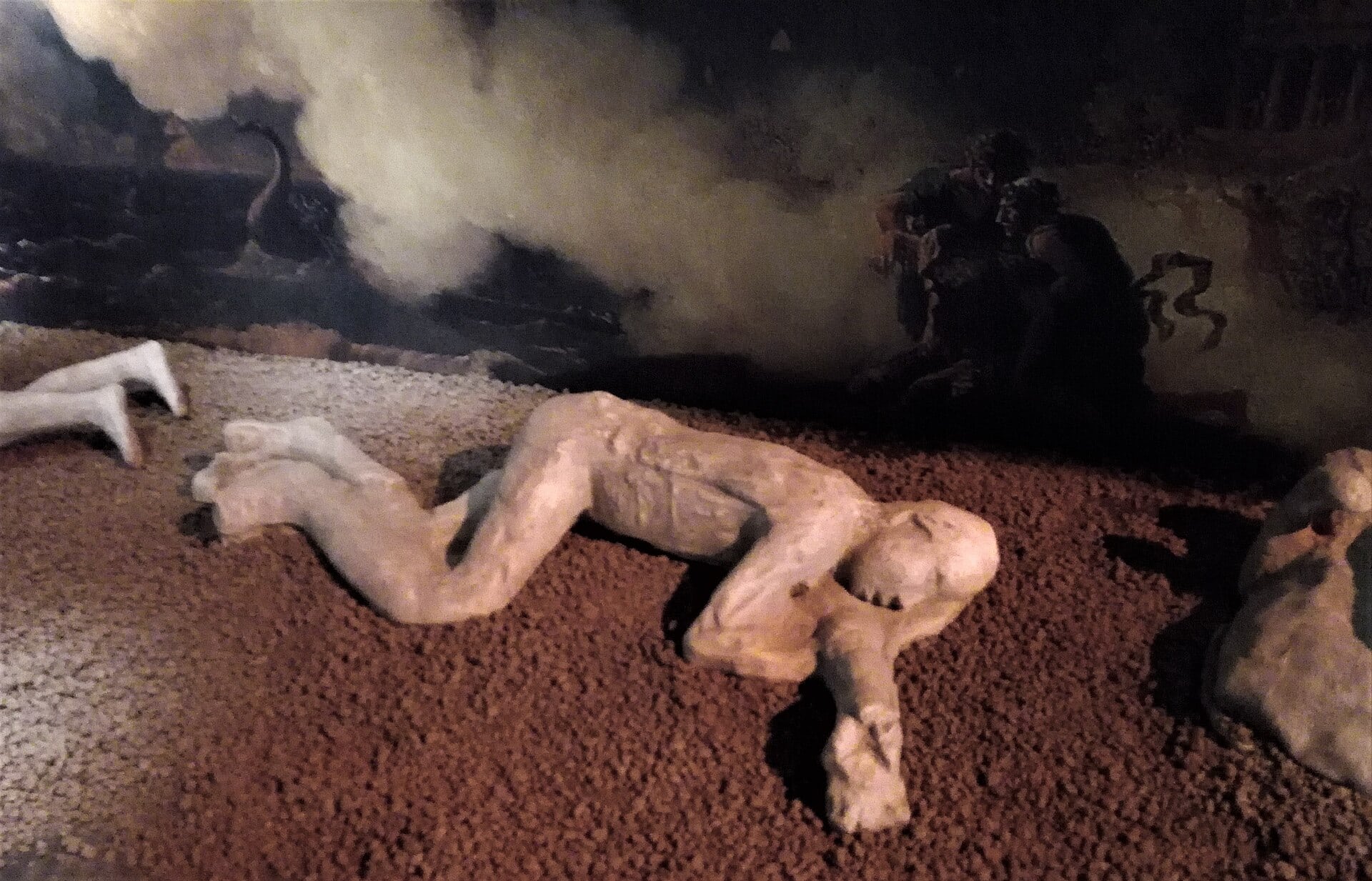
3. Musée de la Romanité: The Modern Face of Antiquity
Directly opposite the ancient arena stands a building that at first glance forms an utterly radical contrast with the antique amphitheatre. The Musée de la Romanité is a hypermodern piece of architecture wrapped in a rippling façade of roughly seven thousand glass tiles, very cleverly designed to evoke a light, elegantly pleated Roman toga. This bold work, which opened to the public only a few years ago, is an absolute must for anyone who wants to grasp the deep historical context of the whole region and see the most precious surviving artefacts from local archaeological digs.
The exhibition inside the enormous building is incredibly interactive, makes use of plenty of modern technology, and reliably entertains even visitors who wouldn’t normally seek out classic museums. You’ll find huge wall mosaics assembled from thousands of tiny stones, stunning statues, and hundreds of everyday objects that bring life in a wealthy Roman province vividly to life. The whole visit flows smoothly, and thanks to the modern presentation the history literally pulls you into the story.
💡 Tip: Don’t miss a visit to the museum’s generous rooftop garden, which is also entirely free to enter for everyone. From up there you’ll get an absolutely fabulous, completely unobstructed panoramic view of the whole arena and the historic centre of Nîmes.
4. Jardins de la Fontaine: Where the City Was Born
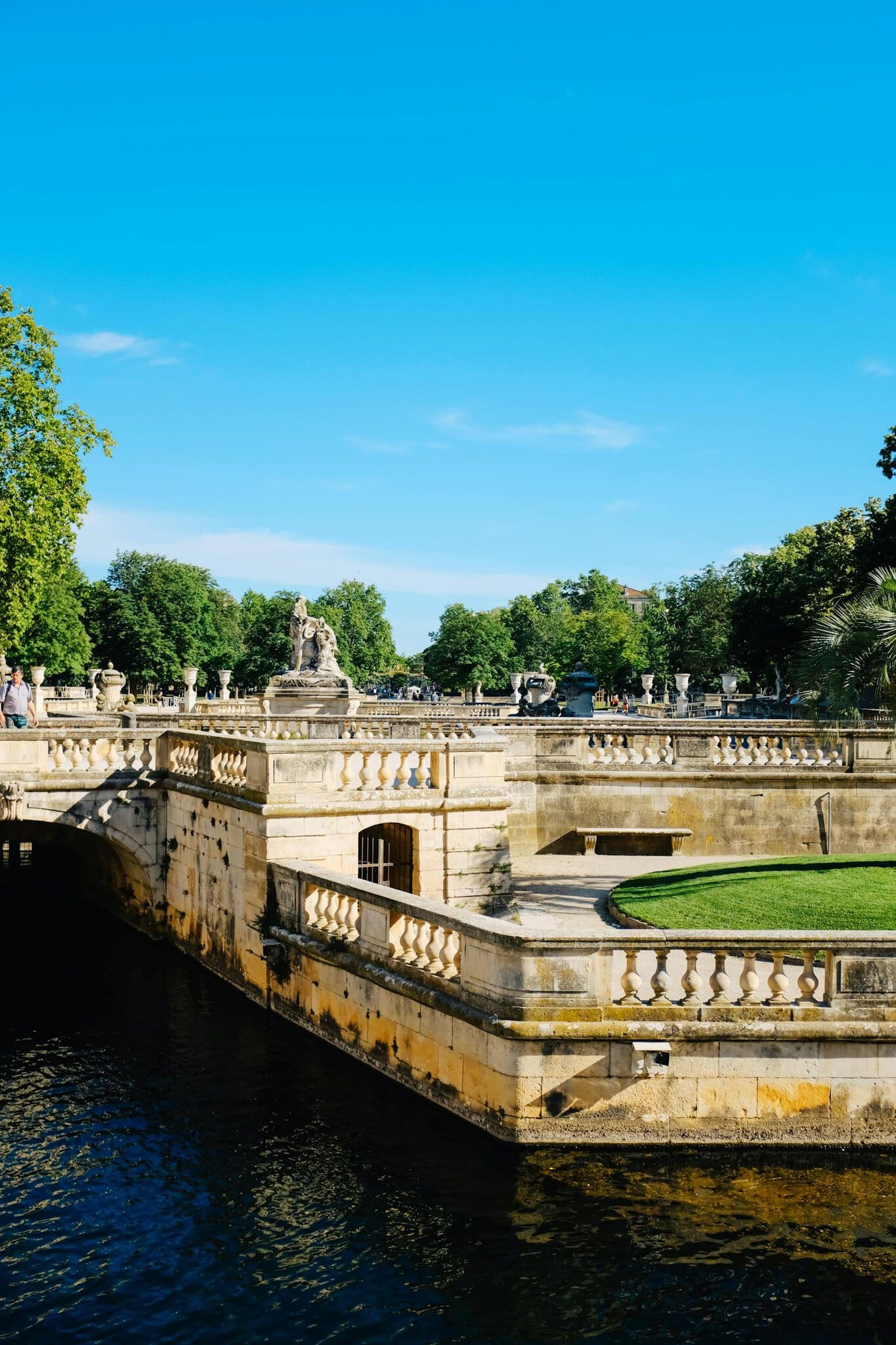
Every great French city has its green lungs, and in the case of Nîmes it’s a magical spot closely tied to the very birth of the ancient settlement. In the eighteenth century the Jardins de la Fontaine were one of the very first public gardens in all of Europe, and to this day they’re without doubt among the most beautiful you can visit in the south. This sprawling park was cleverly built around the ancient sacred spring of the god Nemausus, where the very first Celtic inhabitants once settled. Later the skilled Romans built a monumental complex of baths and sanctuaries around it, whose remains you can still admire today.
Today it’s an absolutely ideal refuge to escape the scorching summer heat of the sun-baked stone streets. You can wander endlessly along the wide terraces, admire elegant classical statues, listen to the soothing rush of water in the great stone basins, and watch the locals spend their lazy Sunday afternoons. In the lower part of the shady gardens, be sure to notice the mysterious ruins of the so-called Temple of Diana, whose original purpose remains the subject of much speculation and passionate archaeological debate to this day.
💡 Tip: Pack a fresh crusty baguette and a chunk of mature cheese into your backpack and lay on a perfect French picnic in the upper part of the gardens under the pines. It’s guaranteed to be the best lunch you can treat yourself to in the city.
5. Tour Magne: The View from a Celtic Tower
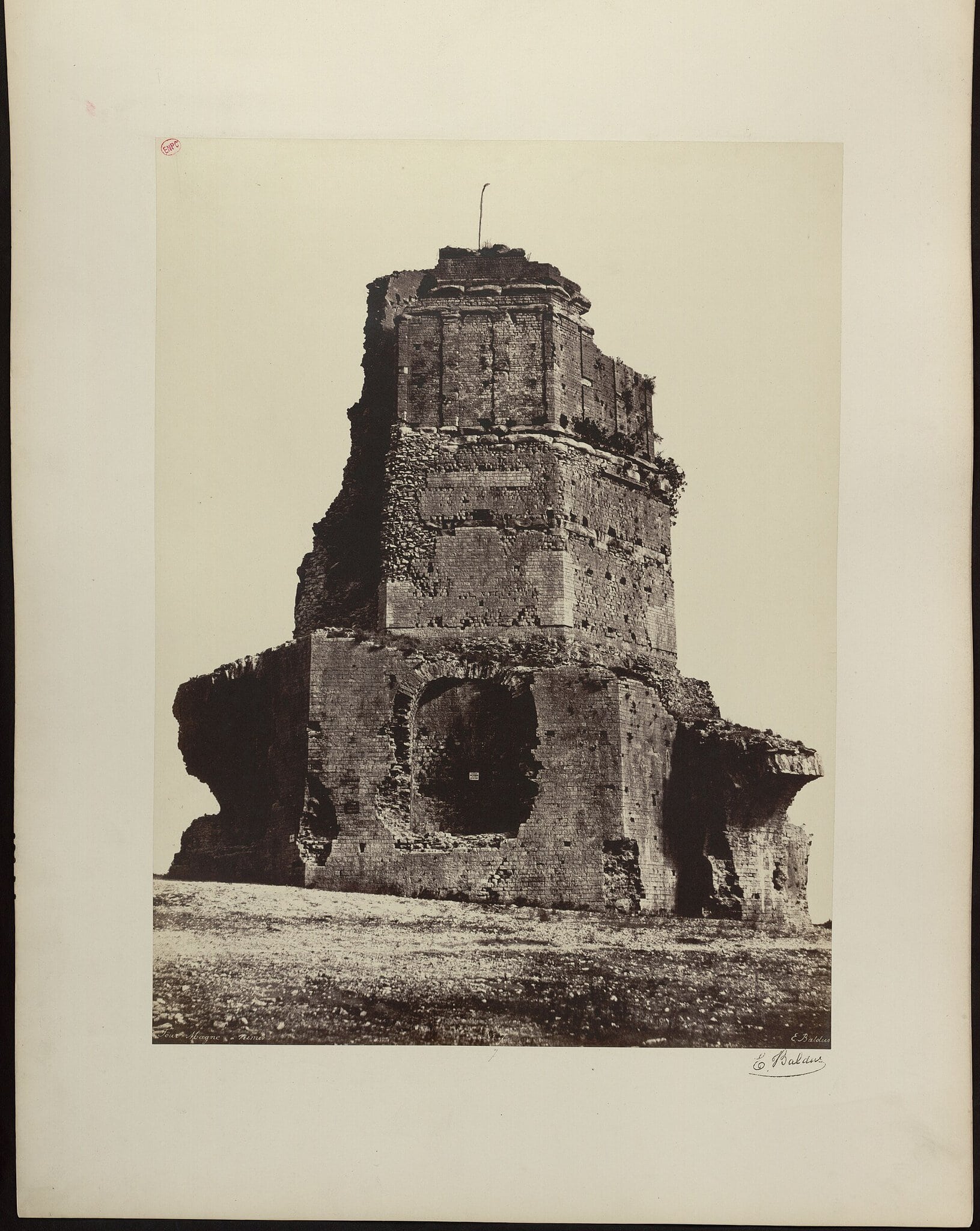
Once you’re happily strolling through the green Jardins de la Fontaine, set off along the winding paths lined with Mediterranean vegetation and pines all the way to the very top of Mont Cavalier hill. Here the Tour Magne rises majestically into the sky, a massive stone tower that is the only surviving remnant of the original Celtic fortifications. Later the great Emperor Augustus himself incorporated it into the enormous, lengthy Roman ramparts that encircled the whole city in antiquity. Up close the structure makes a truly monumental impression and clearly hints at the enormous strategic importance Nîmes once held.
Be prepared, though, that inside the historic tower a physically demanding climb up a fairly steep spiral staircase awaits, but the effort pays off a hundredfold at the end. From the narrow viewing platform at the top there opens up an unbeatable, completely unobstructed view over all of Nîmes and the endless plains of the hot Languedoc. On a clear summer’s day you can easily see all the way to the peaks of the nearby Alpilles range, and you can even make out the distinctive silhouette of the legendary Mont Ventoux.
💡 Tip: Ideally plan your climb up the tower for early morning, when the air isn’t yet so hot and the distant views aren’t shrouded in the summer haze that commonly forms after midday.
6. Feria de Nîmes and the Traditional Bull Culture
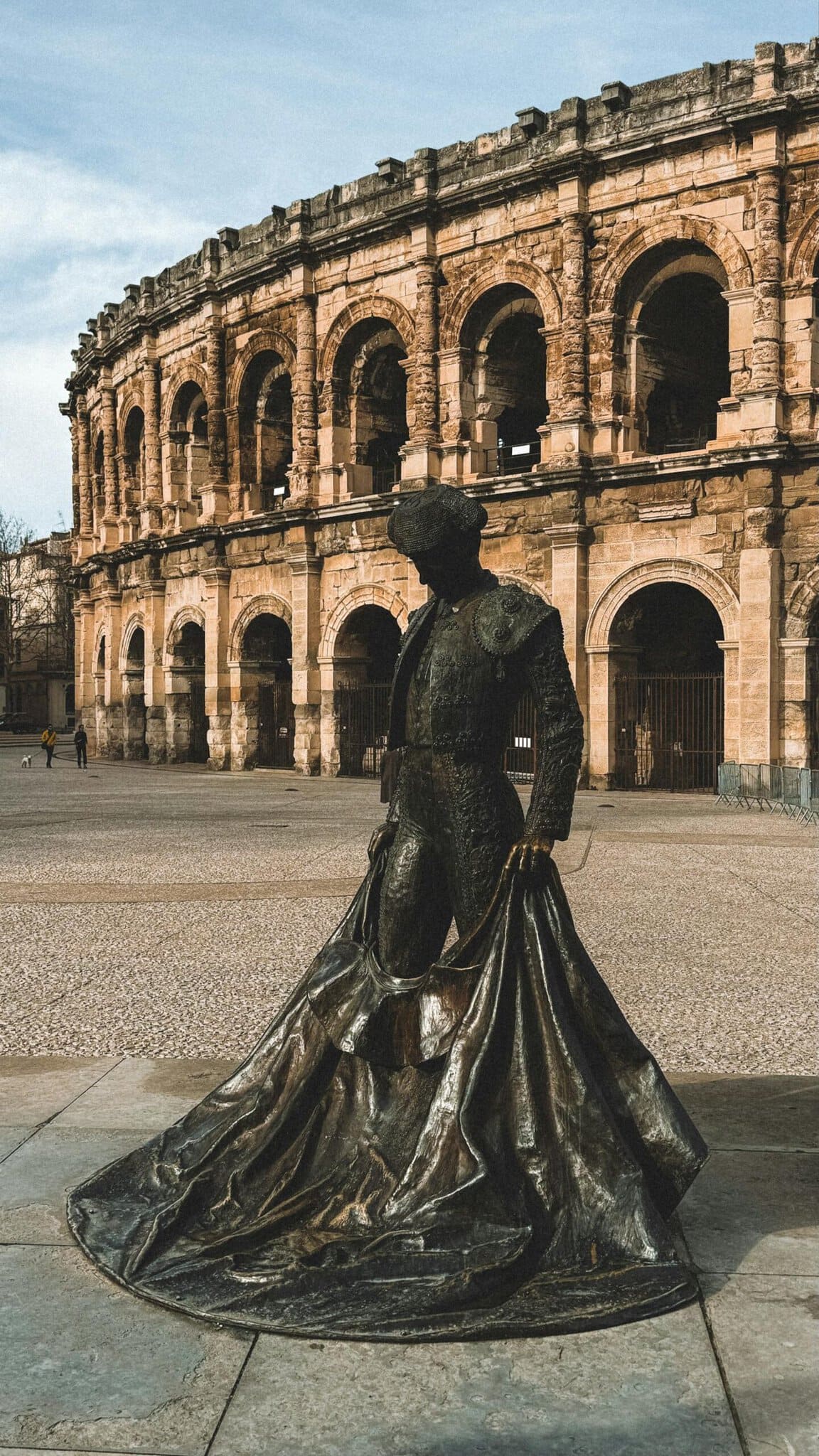
The whole of Occitania is geographically and culturally very close to the nearby Spanish border, and this strong influence is deeply rooted in the local character. Across France, Nîmes is famous for its huge festival known as the Feria, held regularly in June and then on a smaller scale again in September. During the June dates, the entire city transforms for several days into one enormous street party – live bands play everywhere, people dance spontaneously in the streets, and the makeshift local bars known as bodegas burst at the seams under the huge influx of visitors clutching glasses of wine. It’s an experience that shows you France from a completely different, wilder side.
Inseparably tied to this boisterous celebration, however, is the rather controversial bull culture that sharply divides today’s society. Traditional corridas are held in the ancient arena, but alongside them the historic streets host the so-called abrivados. In these, experienced riders on horseback try to drive a herd of bulls through the city, while daredevils among the spectators attempt to stop them with enormous shouting. It’s a spectacle full of huge adrenaline that shows you the true, untamed southern blood in full.
💡 Tip: If you want to experience the famous Feria for yourself (the next big one runs from 12 to 14 June 2026), you’ll need to book your accommodation in the city as much as eight months in advance. Any later and you won’t even find a free chair.

7. The Birth of Famous Denim: The Fabric That Conquered the World
On a leisurely wander through the historic centre you’ll come across one utterly unexpected detail that directly connects ancient Nîmes with modern pop culture and the global fashion industry. Back in the seventeenth century, the skilled weavers here developed an incredibly strong, mechanically durable cotton fabric that was originally used for purely practical reasons by local shepherds and hard-working labourers. Over time this popular Nîmes, France denim came to be exported around the world in large quantities, and on the trading ships it always carried the proud label “serge de Nîmes” – literally, fabric from the city of Nîmes.
If you try saying this French name quickly and with a strong English accent, you’ll immediately realise where today’s hugely popular word “denim” came from. This honest, sturdy fabric from the south of France was later discovered by a certain Levi Strauss, who in faraway America began sewing it into hard-wearing work trousers for gold prospectors – and forever changed the world of fashion. References to this famous fabric crop up at every turn in the city.
💡 Tip: Today you can buy luxurious, locally tailored denim pieces in the winding lanes of the city centre from local designers who are working to revive this old textile tradition and restore denim’s original French elegance and charm.
8. The Pont du Gard Up Close: Engineering You Won’t Comprehend
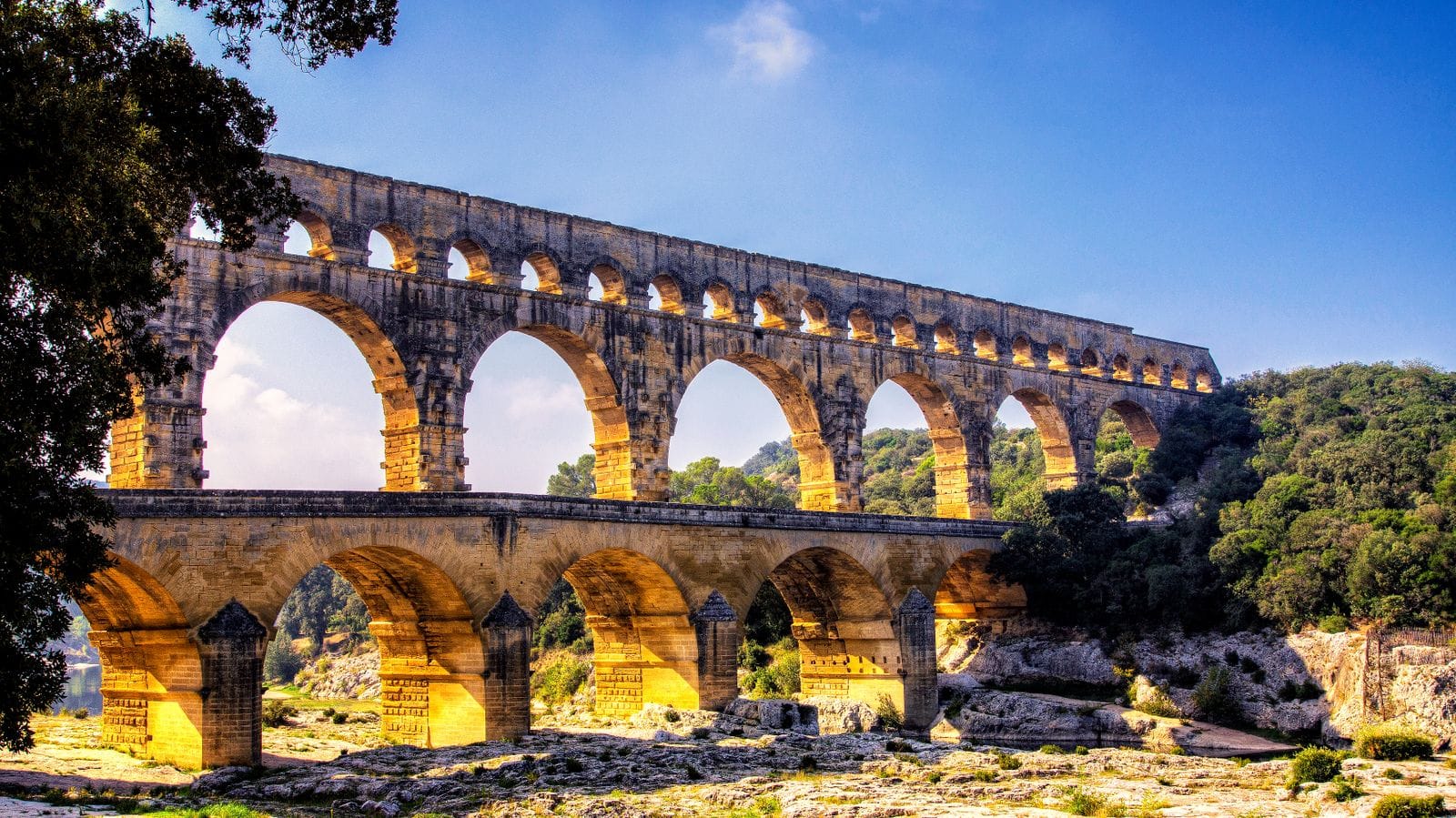
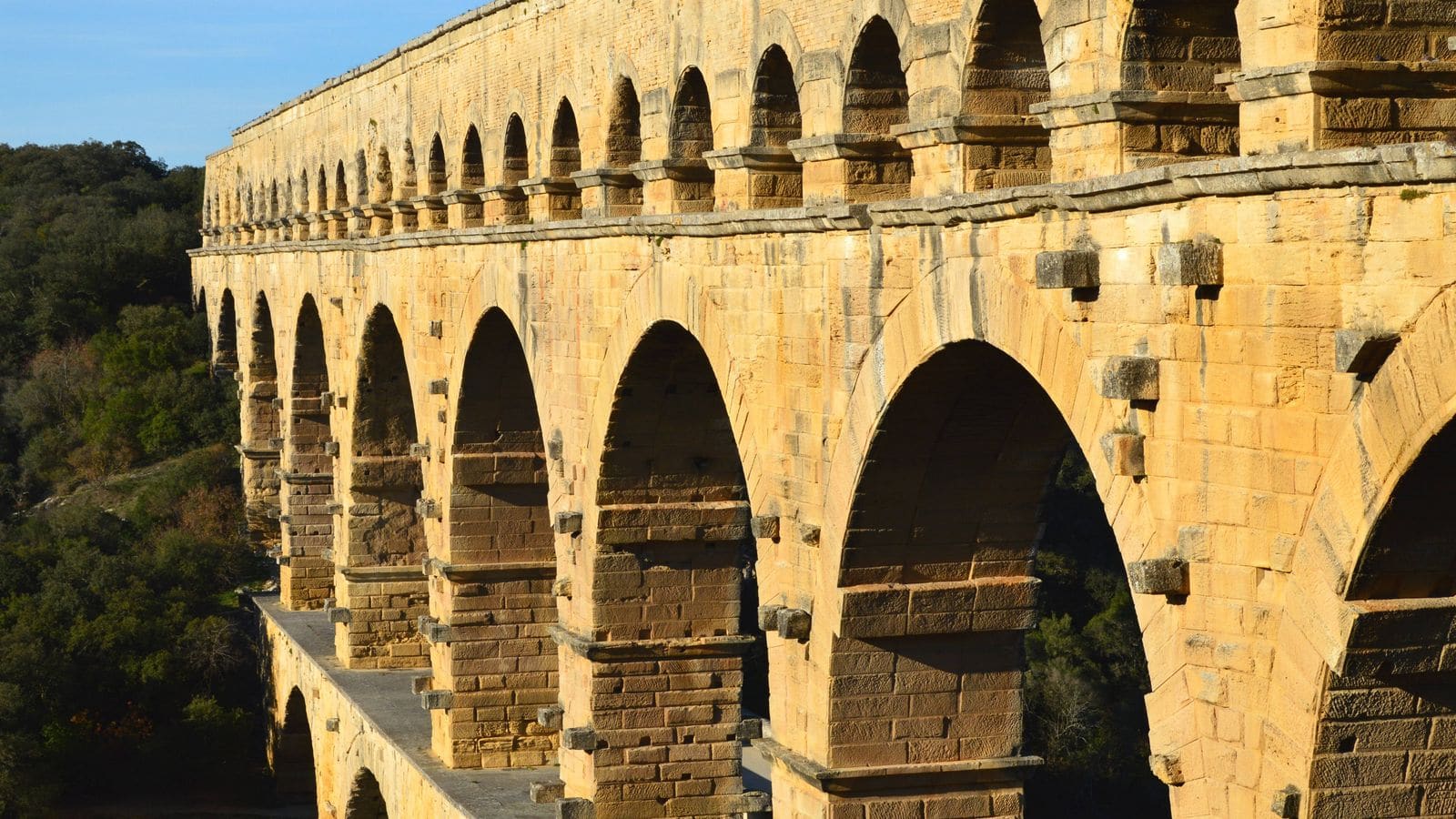
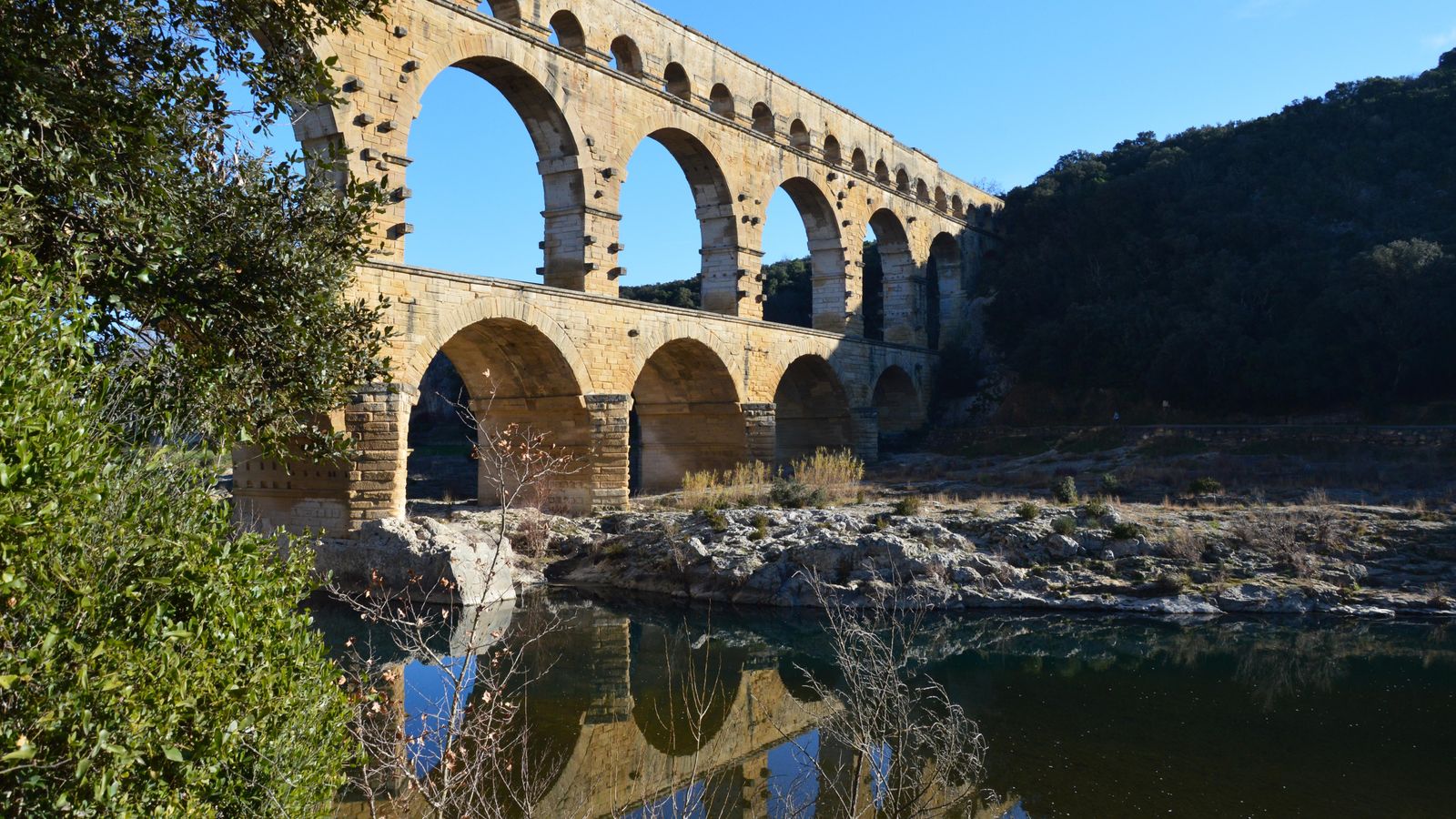
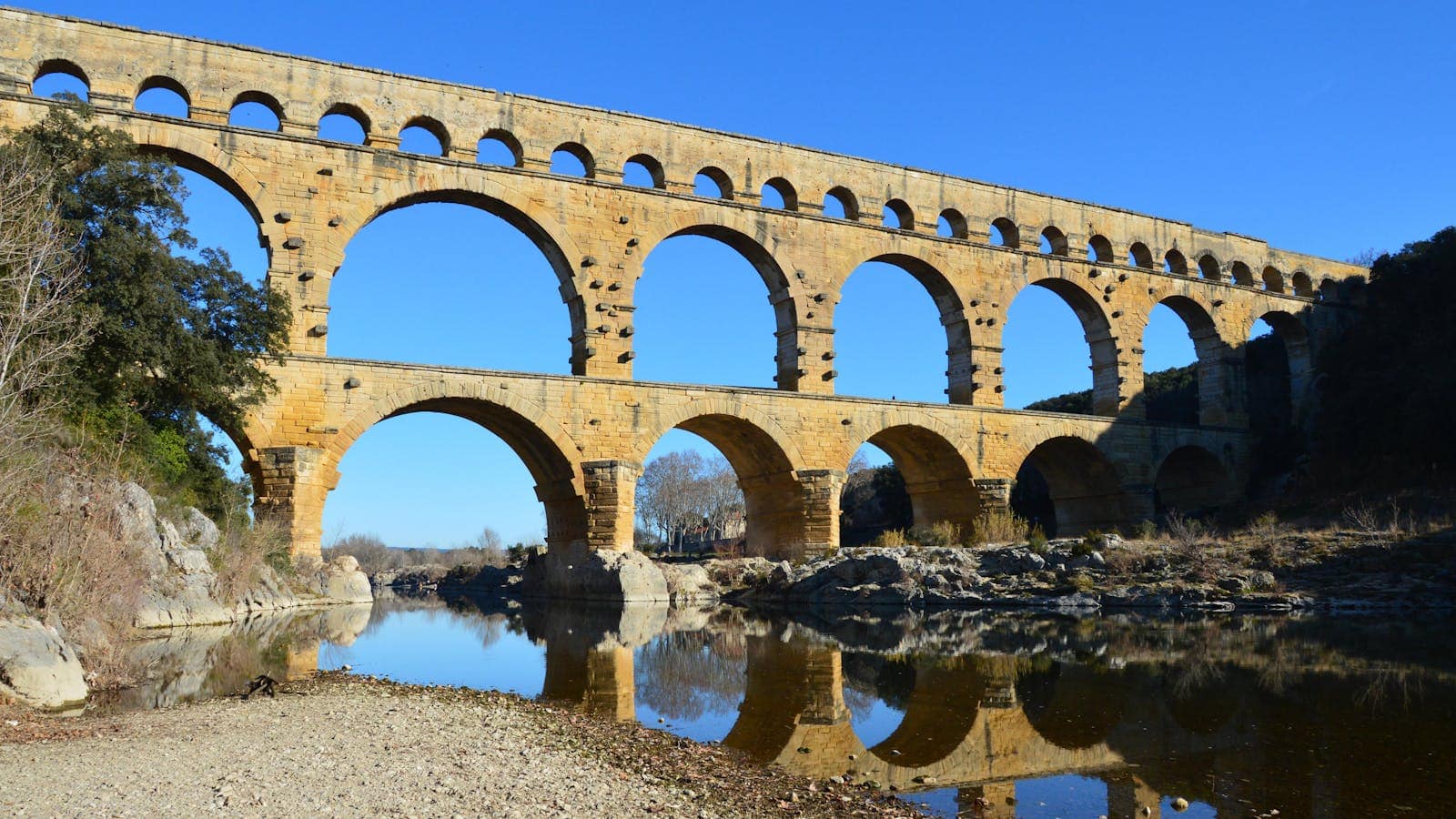
Less than half an hour’s drive by rental car from Nîmes, an iconic monument awaits that will literally knock you to your knees with its unbelievable scale. The Pont du Gard is without question the tallest surviving Roman aqueduct in the entire world, and its ingenious construction utterly defies all our modern notions of what was technologically possible in antiquity. This imposing three-tiered bridge, a respectable 50 metres high, was a crucial part of an almost thirty-kilometre water channel that brought precious fresh spring water straight to the popular public baths and ornamental fountains of Nîmes.
What’s most fascinating about the whole structure is above all the incredible millimetre precision with which the ancient Romans worked. The entire long aqueduct drops by just 12 metres over its enormous length, which required absolutely perfect surveying calculations – the kind that leave even today’s engineers, armed with modern lasers and satellites, scratching their heads. The monument is set into gorgeous countryside full of limestone cliffs and Mediterranean shrubs, so you’ll feel like you’ve stepped into a documentary about antiquity.
💡 Tip: For the 2026 summer season, beautiful night-time illumination of the monument runs from 15 May to 20 September, and from 4 July to 30 August there’s also a spectacular audiovisual show in which the ancient stones come alive in the vivid colours of the night sky.
9. Swimming and Canoeing: The Aqueduct Straight from the Water
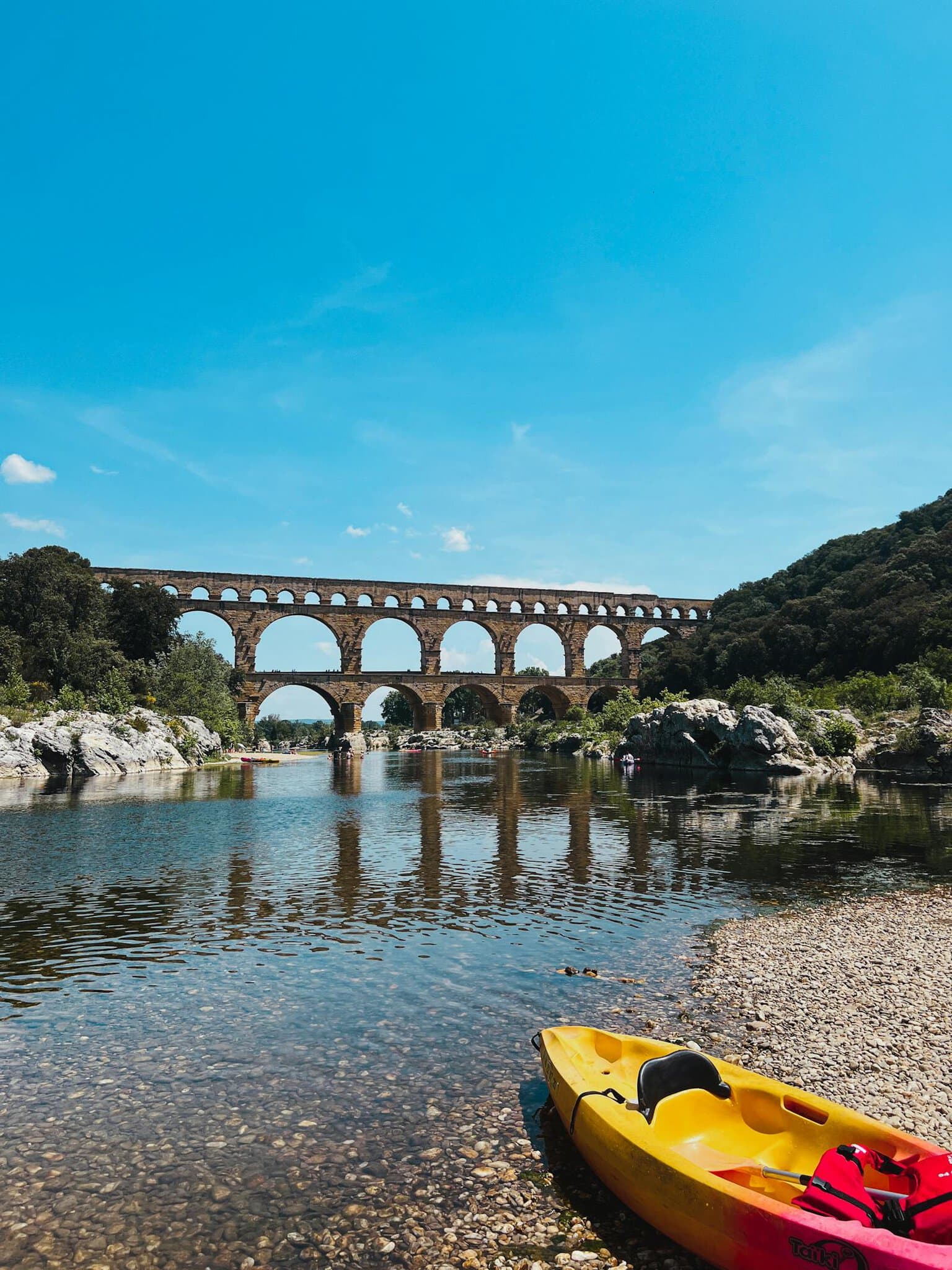
While the overwhelming majority of regular tourists are content with a quick walk along the bank and a photo of the ancient bridge from the official viewpoints, you can have something far more authentic and far better here. The River Gardon, which flows lazily right beneath the giant arches of the aqueduct, is in the hot summer months an absolutely ideal spot for a refreshing swim. Local French families regularly bring along big picnic blankets and colourful parasols and spend whole afternoons on the natural pebble beaches beneath the arches. The water here is beautifully clear, pleasantly cool, and the sight of the ancient piers straight from the cold water surface simply can’t be beaten.
The very best way to study the famous bridge in detail from an unusual perspective, away from the crowds on the bank, is to rent a canoe in the nearby picturesque village of Collias and paddle down the river right up to the monument itself. The easy-going trip takes roughly two hours, the river here is very calm and safe, and even complete beginners on the water can manage the whole route without any trouble at all. Gliding beneath giant stone arches over two thousand years old in a little plastic boat is an incredible experience.
💡 Tip: If you’re planning to canoe in July or August, get out on the water early in the morning. That way you’ll avoid the biggest rush of other paddlers, and the sun won’t yet be beating down with such brutal force.
10. How to Handle Transport and Parking at the Pont du Gard
The logistics and planning around visiting the aqueduct can give unprepared travellers a real headache. If you rely solely on public transport, bear in mind that bus connections from towns like Nîmes or Avignon are very limited, and on Sundays or public holidays the services often don’t run at all. Line 115 does run here from Avignon and number 121 from Nîmes, but the intervals are long. Far more comfortable and sensible is to come by rental car, which gives you complete freedom over your time and a great chance to combine the trip with a visit to the surrounding ancient wine-growing villages, which you otherwise can’t reach.
Pedestrian access to the aqueduct and its immediate surroundings is entirely free for all visitors; you pay only for the necessary parking in the huge car parks built on both the left and right banks of the river. The whole clever system is set up so that you pay a single flat fee per vehicle regardless of the number of passengers, which is hugely advantageous especially for larger families and bigger groups of friends. The price of this all-day parking also fully includes entry to the excellent modern museum.
💡 Tip: If you enjoy an active holiday, you can hire e-bikes in the nearby town of Uzès and ride to the aqueduct along a safe, flat cycle path. In that case you don’t pay any admission or fees at all.
11. Admission and Combination Tickets for 2026
Admission to the individual historic monuments in Nîmes can drain your wallet fairly quickly if you buy separately at each ticket office. If you’re planning to genuinely visit several places during your stay and explore the ancient history, the best investment by far is the so-called Pass Nîmes, which will save you a fair amount of money and plenty of time. This handy combination ticket easily gets you access to the great arena, the Maison Carrée temple, and the Tour Magne viewing tower. What’s more, it’s valid for three whole days from first use, so you don’t have to stress at all and can work your way around all the mentioned monuments nicely and slowly at your own pace, even with long coffee breaks.
There’s also a slightly pricier extended version of this pass, which additionally fully includes entry to the hypermodern Musée de la Romanité – a variant I’d definitely recommend in terms of value for money. The museum itself offers so many interesting exhibits that it would be an enormous shame to skip it. For the Pont du Gard aqueduct, tickets are handled entirely separately, right on site as part of the parking system mentioned above.
💡 Tip: Ideally buy all your tickets well in advance online on the official websites. That way you’ll avoid needlessly waiting in long queues at the ticket offices, which in summer in direct sun can be genuinely exhausting and even dangerous.
12. Wandering the Old Town and Local Food
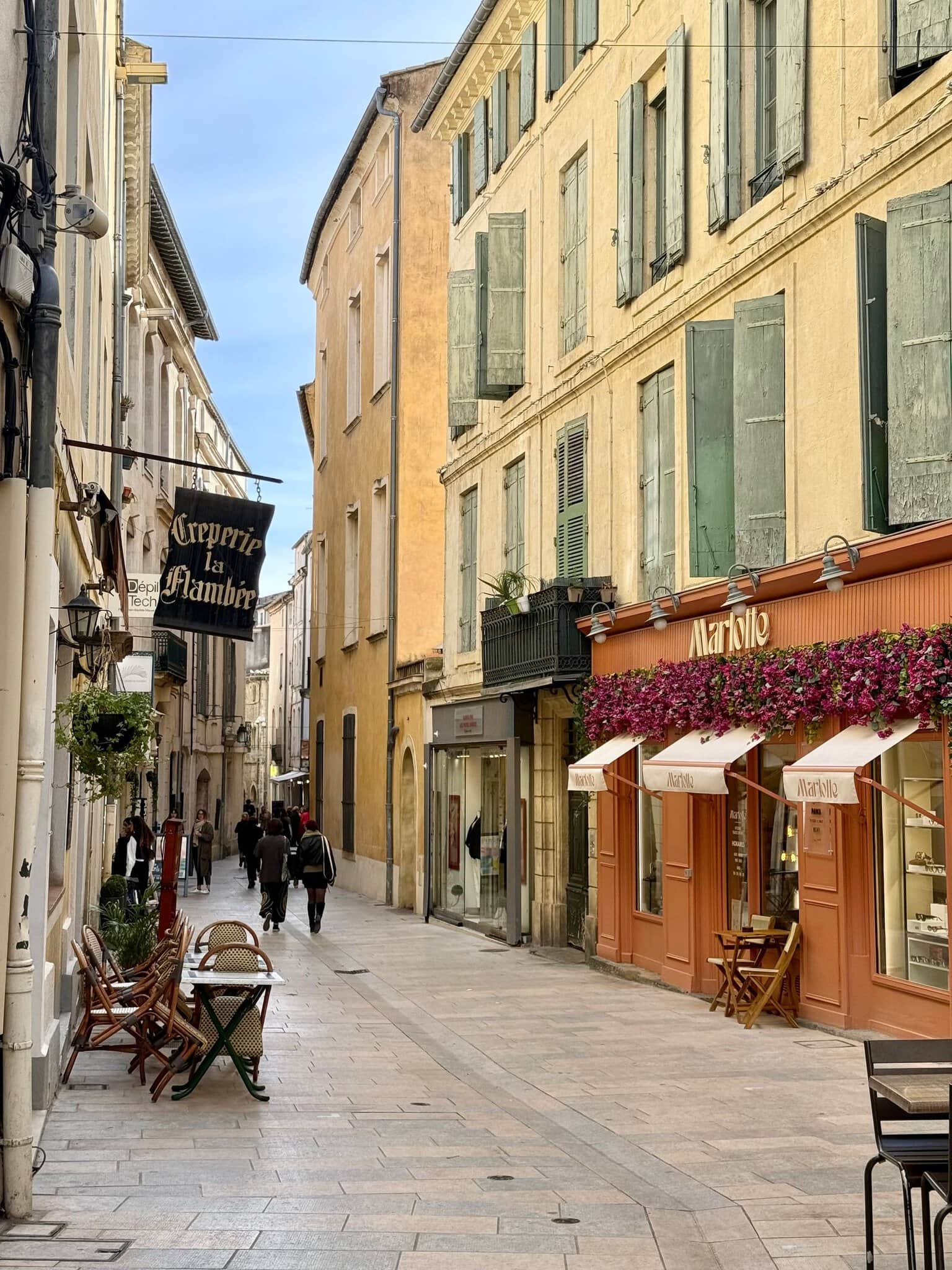
Once you’ve conscientiously ticked off all the famous, monumental sights from your itinerary, the very best time arrives to simply wander, unhurried and without a map, through the shady lanes of the old town known as L’Écusson. Nîmes is literally dotted with little romantic squares and bubbling stone fountains, where you can happily settle into the shade of mighty plane trees and order an excellent coffee. The overall atmosphere here is wonderfully relaxed, very slow, typically southern, and the rich café culture works at full tilt from the early morning hours until deep into the warm night, when the streets fill with locals.
As for the gastronomy itself, sprawling Occitania is a vast and varied paradise for all lovers of local, fresh ingredients. The number-one local speciality may be brandade de morue (a traditional purée of salt cod), but if you’re after more plant-based treats, be sure to try the excellent local black olive tapenades, perfectly matured goat’s cheeses from small surrounding farms, or a proper, rich vegetable ratatouille bursting with fresh tomatoes and fragrant herbs. To round it off, just add a crusty fresh baguette from the local bakery and wash it all down with a glass of chilled wine from the sun-drenched vineyards of Corbières.
💡 Tip: If you want to shop for the very best local ingredients like a true French local, head to the covered market hall Les Halles first thing in the morning. There you’ll find the freshest cheeses, olives, and crusty bread for a full day’s outing.
Where to Go Next from Nîmes
Thanks to its absolutely ideal strategic location, Nîmes is the perfect starting point for exploring all of southern France. With a short train or car journey you can find yourself in completely different historical eras and landscapes.
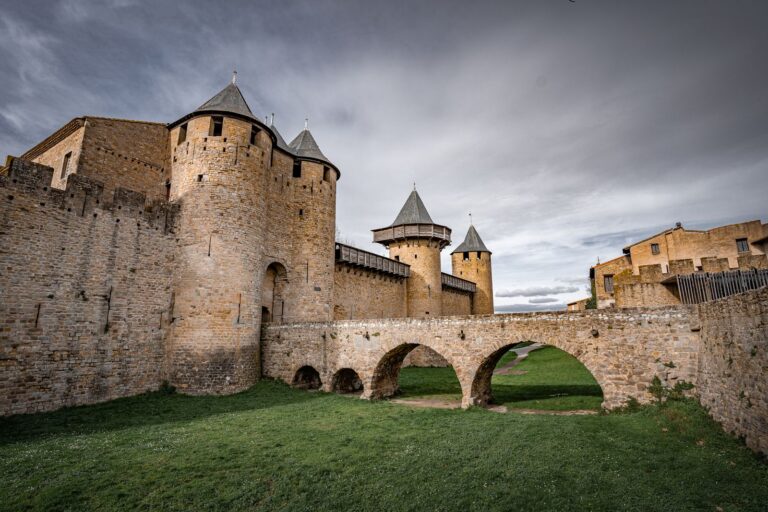
Try heading east and exploring papal Avignon, which will amaze you with its massive palace and famous bridge that ends halfway across the river. If you’re drawn to purple fields and picturesque villages perched on hilltops, the whole of Provence begins just across the River Rhône and offers endless possibilities for lovers of wine and romance. And if you set off in the opposite direction, towards the Spanish border, you’ll come across the medieval city of Carcassonne, the largest preserved medieval fortress in all of Europe, which with its fifty-two towers looks exactly like a perfect illustration from a historical novel and will astound you with its sheer monumentality.
Frequently Asked Questions
How many days do I need to visit Nîmes and Pont du Gard?
For a comfortable exploration of the city of Nîmes itself, all its main ancient monuments, the modern museum and the winding streets of the historic center, one really packed day will be enough. For a leisurely visit to the Pont du Gard aqueduct, definitely set aside at least half a day, ideally with the amazing option of swimming in the river or canoeing. If you want to combine both places into one trip completely stress-free and avoid rushing around in the summer heat, I recommend setting aside two full days for this entire area.
Is access to Pont du Gard really free?
Yes, foot access to the ancient bridge itself and a pleasant walk along both banks of the Gardon River are completely free for all visitors. Only vehicle parking at the adjacent official car parks is charged, though this single flat fee per car fortunately automatically includes family admission to the excellent visitor museum and children’s area. If you arrive at the monument by bike on the cycle path or walk from the nearby picturesque villages, you pay nothing at all and can enjoy the monument for as long as you like.
Can you get to Pont du Gard by public transport?
While it’s theoretically possible, it requires really careful planning on your part and a great deal of patience. Although local regional buses do run to the aqueduct from Nîmes and Avignon, such as line 115 from Avignon or route number 121 directly from Nîmes, services don’t run very frequently during the day and their operation is significantly limited on weekends. A rental car is a much more reliable and flexible option in this specific case, which will save you a lot of unnecessary waiting at sun-baked bus stops.
When is the best time to visit Nîmes?
The ideal time to explore the south is definitely spring in the months from April to June and then the quieter autumn in September and October. During these months, the weather is very pleasant for long city walks, everything is beautifully in bloom, and the tourist crowds are absolutely bearable. Definitely avoid July and August if possible, when the sun beats down mercilessly, temperatures regularly exceed a grueling forty degrees, there’s a risk of fires, and being at the scorching hot stone monuments is downright dangerous.
What exactly does the Nîmes Pass include?
The basic combined Pass Nîmes ticket gives you seamless entry to the massive Roman Arena, the well-preserved ancient temple Maison Carrée, and the panoramic Celtic tower Tour Magne. It’s conveniently valid for a full three days from first use and will cost you noticeably less than if you were to buy expensive tickets for each monument separately on-site at the ticket office. You can also upgrade to the premium version with entry to the modern Musée de la Romanité, which is an investment that’s definitely worth it.
Is Nîmes a safe city for tourists?
The beautiful historic center called L’Écusson and the immediate surroundings of all major monuments are very safe for visitors during the day and regularly patrolled by police. However, as in any larger southern French city, it’s important to constantly watch out for organized pickpockets, especially in dense crowds during summer markets and massive celebrations like the Feria. After dark, I recommend avoiding more remote peripheral neighborhoods and not wandering unnecessarily around the deserted area near the train station.
Is the Arena in Nîmes Better Than the Roman Colosseum?
Both ancient monuments are of course absolutely amazing and majestic, but the Arena in Nîmes stands out primarily for its incredibly well-preserved and intact condition. Unlike the famous Roman Colosseum, which is missing a substantial part of its outer walls and original floor due to earthquakes and looting, the Nîmes arena looks almost exactly as the ancient Romans originally built it. Moreover, you can still experience a real evening music concert under the summer sky there to this day, which simply isn’t possible in Rome.
Tips and Tricks for Your Vacation
Don’t Overpay for Flights
Search for flights on Kayak. It’s our favorite search engine because it scans the websites of all airlines and always finds the cheapest connection.
Book Your Accommodation Smartly
The best experiences we’ve had when looking for accommodation (from Alaska to Morocco) are with Booking.com, where hotels, apartments, and entire houses are usually the cheapest and most widely available.
 🚗 Car rental on the roadVerified rental cars in Occitanie
Search with the DiscoverCars comparison engine — it compares prices from dozens of local and international rental companies, and most bookings come with free cancellation.
Compare car prices in Occitanie →Don’t Forget Travel Insurance
Good travel insurance will protect you against illness, accidents, theft, or flight cancellations. We’ve had a few hospital visits abroad, so we know how important it is to have proper insurance arranged.
Where we insure ourselves: SafetyWing (simple monthly subscription) and TrueTraveller (for extra-long trips).
Find the Best Experiences
Get Your Guide is a huge online marketplace where you can book guided walks, trips, skip-the-line tickets, tours, and much more. We always find some extra fun there!