If you’re planning a summer holiday and weighing up whether to load the car and head south, the northern coast of Adriatic Italy is simply a classic European getaway. For many families, driving to Italy is the ultimate safe bet. It’s only a few hours’ drive from the heart of Europe, you don’t have to fuss with pricey flights, and you can easily pack inflatable loungers, supplies, and the kids’ favourite toys into the boot.
Northern Italy’s shoreline is famous for its endlessly long beaches and fine sand. The sea here is extremely shallow, which means the water warms up quickly and you can let the little ones splash about near the shore without a worry. Parents rave about these resorts on travel forums, mainly thanks to the excellent facilities, entertainment programmes, and the wonderfully warm attitude of the locals towards children.
Whether you’re after quieter camping in a pine grove or craving a buzzing promenade with giant water parks, the Italian Riviera has something for everyone. I’ve put together a detailed guide where we’ll explore the most popular resorts. On top of that, I’m throwing in plenty of practical advice about tolls, tricky parking zones, and the journey itself, so you can enjoy your holiday in peace and without any unnecessary fines.
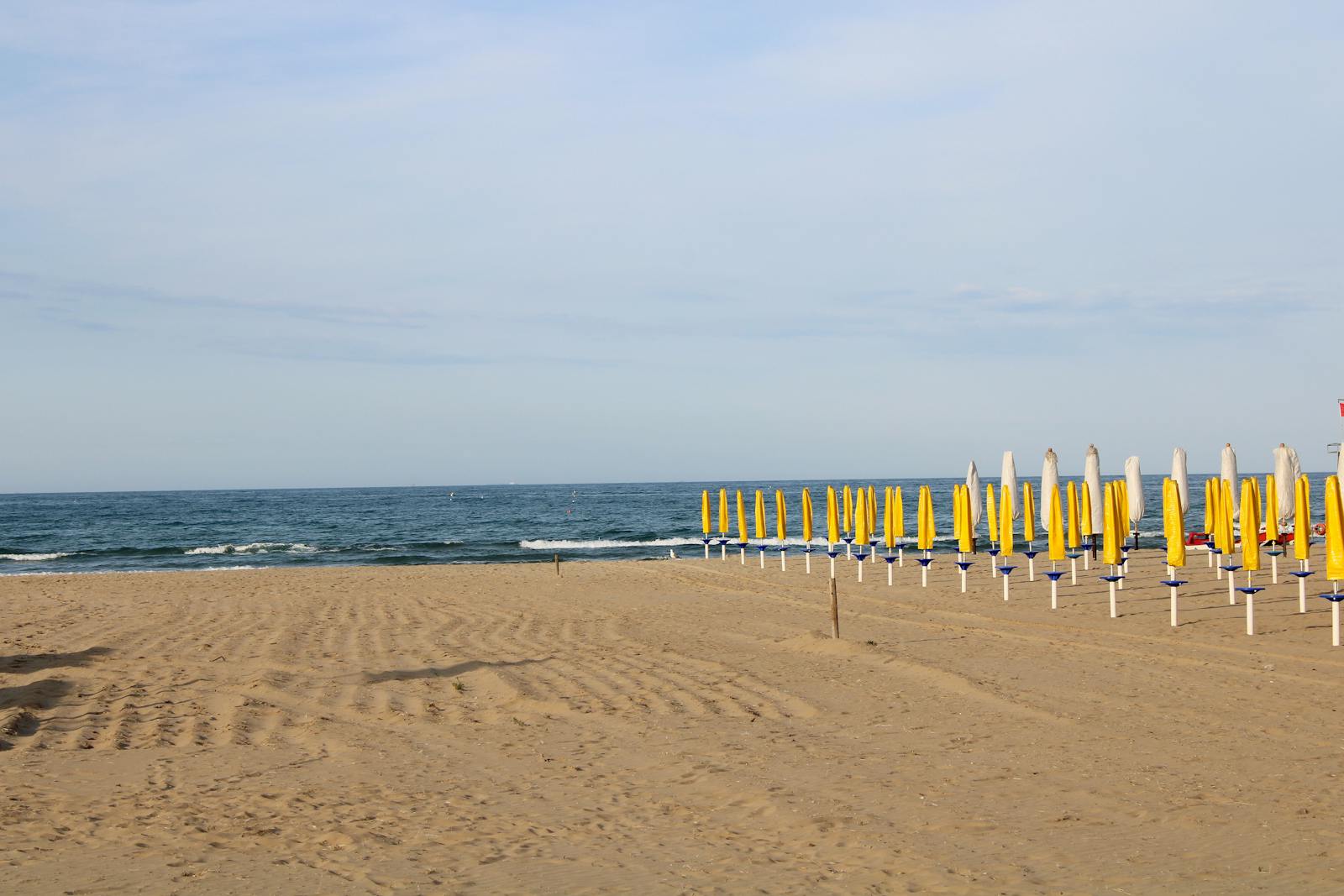
TL;DR
- Best for small children: Bibione and Lignano offer the shallowest beaches and the biggest facilities for families.
- Fun and attractions: Lido di Jesolo is home to the giant Caribe Bay water park, while in Lignano you’ll find Aquasplash and Gulliverlandia.
- Romance and history: Caorle will charm you with its old fishing quarter and colourful little houses.
- Watch out for the Austrian vignette: When buying the digital sticker online, there’s an 18-day cooling-off period. For a last-minute trip, buy the paper sticker at a petrol station instead.
- Italian tolls: Never drive into the yellow lane marked Telepass at a toll station unless you have the special electronic device.
- Tricky ZTL zones: Cars are banned from the historic centres of cities (like Verona or Venice). Camera systems hand out hefty fines.
- Healthcare: An EHIC card alone isn’t enough in Italy. Always take out commercial travel insurance and decent breakdown cover for your car.
The full destination guide: Italy — guide and what to see
When to Visit the Adriatic Coast of Italy
The beach season on Italy’s northern coast kicks off in earnest in mid-May and runs until the end of September. If you’re travelling with pre-school children and aren’t tied to school holidays, the absolute best time is June or early September. Temperatures are already lovely, the sea has had time to warm up, but the beaches aren’t bursting at the seams yet and accommodation prices tend to be noticeably lower.
July and August are the peak and busiest season. Expect fuller motorways and apartment prices climbing to their highest. Pay particular attention to 15 August, when Italians celebrate the national holiday of Ferragosto. On this day and the week around it, what feels like the whole of Italy heads to the coast. If you’re looking for calm, give this period a wide berth, or book your accommodation even six months in advance.
The spring months and late autumn aren’t really for sea swimming. But this time is absolutely ideal for sightseeing trips to Venice, Bologna, or Verona. You can enjoy the historic cities without the scorching heat and with far fewer tourists.
Where to Stay on the Northern Adriatic
💡 Tip for accommodation and experiences: We love to find our places to stay on Booking.com, which usually has the best cancellation terms. Tickets, tours and activities are then worth comparing and booking through GetYourGuide.
The northern coast offers a huge range of accommodation, from simple apartments to enormous holiday villages. If you’re looking for a place to stay in Bibione, the very popular Camping Village Capalonga sits in a beautiful setting between the sea and the lagoon. Another great choice for families is Villaggio Turistico Internazionale, which boasts lovely pools with slides.
Specific tips for tried-and-tested accommodation across all categories (compare prices and availability with one click via Stay22, which searches for the best deal across Booking.com, Airbnb and more):
- Camping Village Capalonga – Campsite between the sea and the lagoon in Bibione Pineda, ideal for families with younger children.
- Villaggio Turistico Internazionale – A large holiday village with shaded pitches and pools with slides.
- Almar Jesolo Resort & Spa – A luxury five-star resort with a wellness centre right on the beach in lively Jesolo.
- Union Lido – The flagship campsite and resort near Venice with its own beach, water park and glamping.
- Hotel Alibi – A three-star hotel in the quiet part of Marina Centro, between the beach and the town.
For lovers of camping and mobile homes, the resort of Cavallino-Treporti is absolutely top-tier. It’s home to the famous Union Lido campsite, which feels more like a small town. Inside you’ll find its own water park, luxury glamping tents and classic hotel rooms. It usually opens at the end of April and runs until the end of September.
If you prefer a classic hotel and are heading further south to the Emilia-Romagna region, I can recommend Hotel Alibi in Rimini. It’s located in the popular Marina Centro district, offers great service and makes an ideal base for exploring the area. Do note that almost everywhere in Italy you’ll pay a tourist tax, ranging from 1 to 2 euros per person per night depending on the accommodation category.
6 Best Beach Spots on the Northern Adriatic
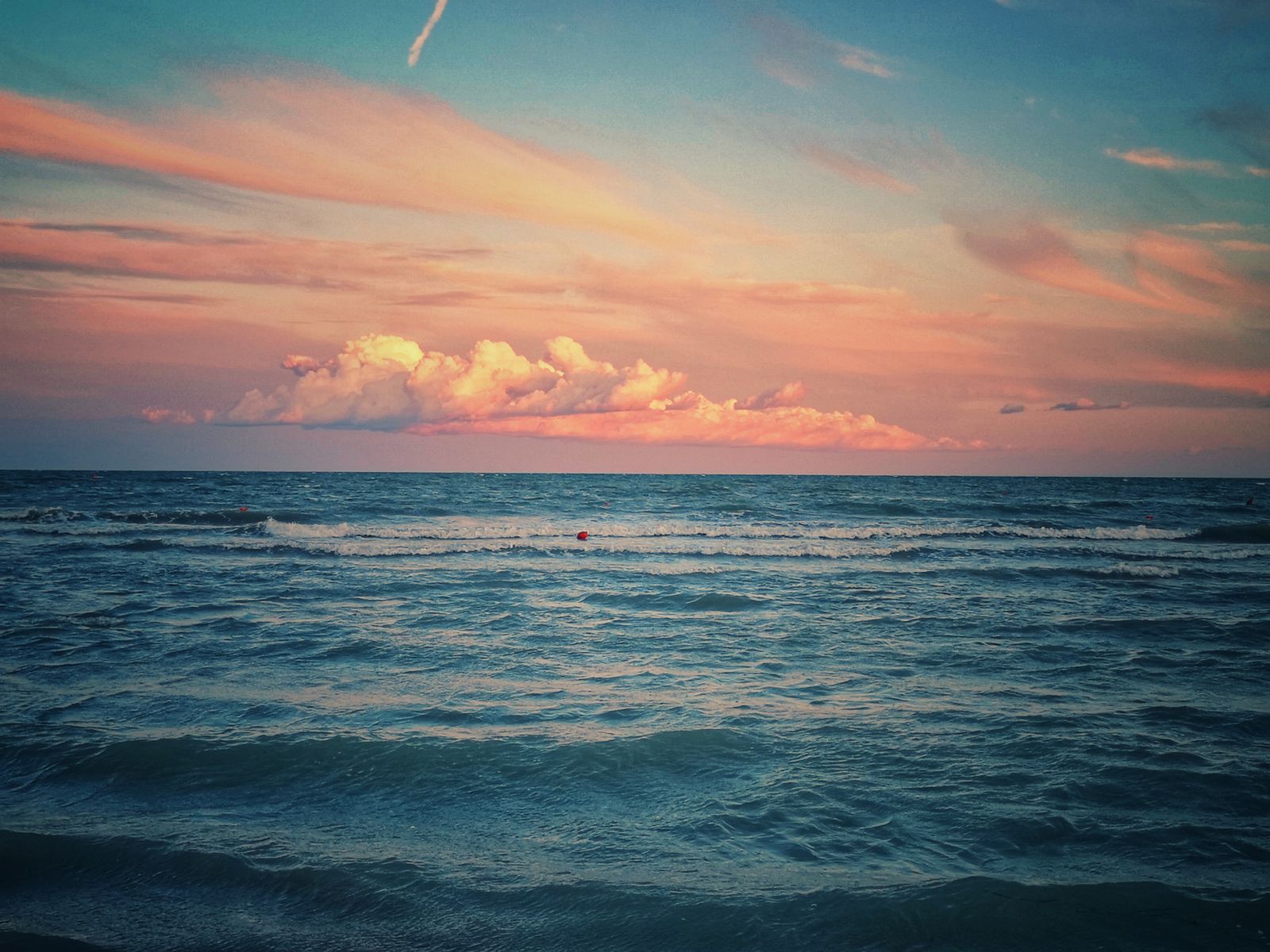
1. Bibione — a classic resort with thermal spas
Bibione is hands down one of the most popular resorts with families, and for many it’s synonymous with the summer holiday. The reason is simple. The beaches here are incredibly wide, the sand is fine, and the entry into the sea is so gradual that you needn’t worry even about the smallest non-swimmers. Local restaurants and shops are well set up for international visitors, and you’ll very often find menus in several languages.
If you want a break from the sun, Bibione also offers the excellent Bibione Thermae thermal baths. Pools with healing water at 33 to 34 degrees Celsius are the perfect refuge even on the rare rainy day (just remember it’s usually closed on Tuesdays). The beach service is perfectly organised here, and renting an umbrella and two loungers (the so-called ombrellone) costs around 25 to 30 euros a day.
For families who want a little more peace and quiet, the outlying Lido del Sole district is ideal. It’s noticeably quieter than the central part of the resort, but still offers all the comforts. On the beaches you’ll find plenty of climbing frames, playgrounds and entertainment programmes, so your little ones definitely won’t get bored.
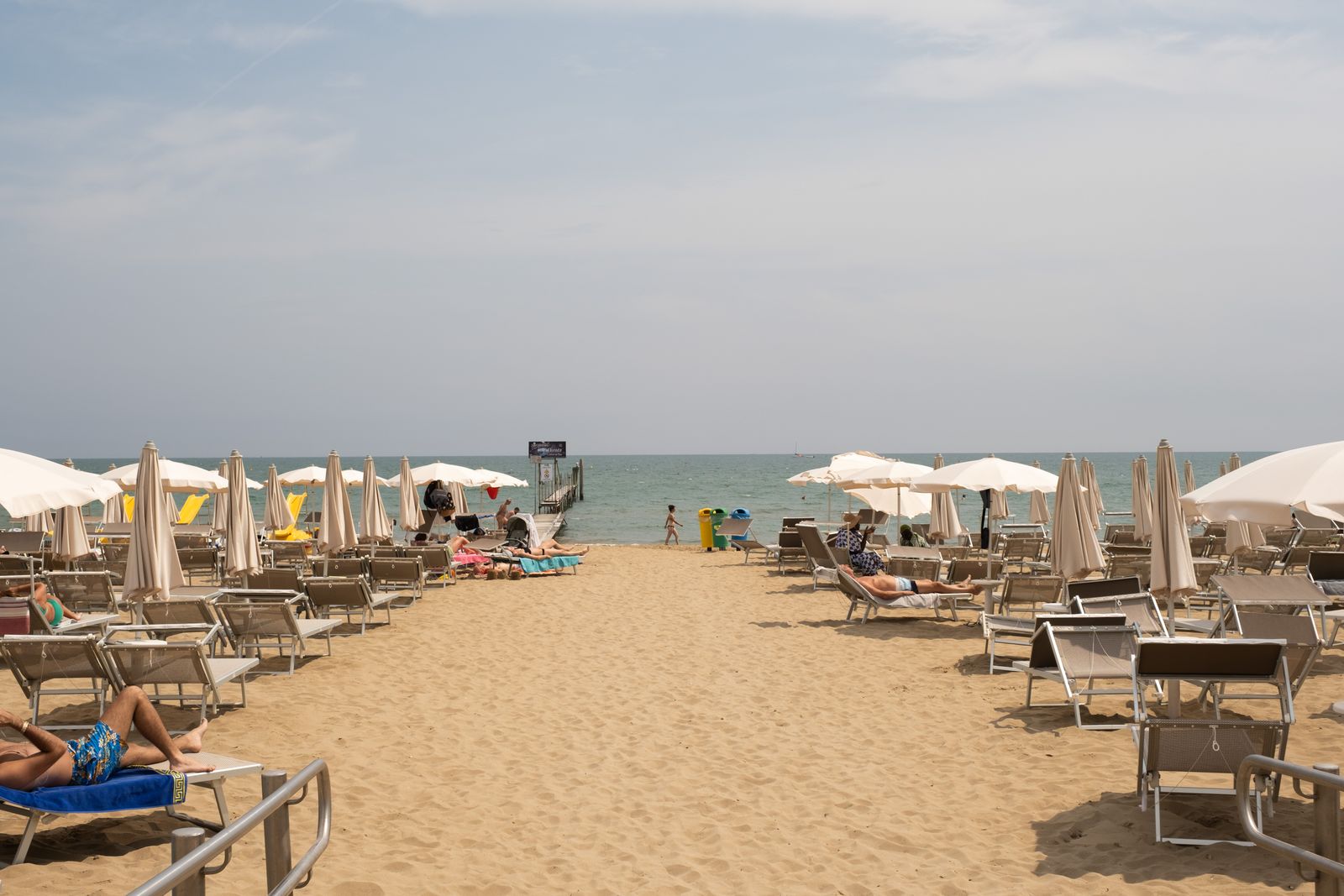
2. Lido di Jesolo — endless promenade and Caribe Bay
While Bibione is on the calmer side, Lido di Jesolo is a pulsating, lively resort. It boasts an incredible 15 kilometres of beach and, above all, a huge pedestrian promenade. In the evening, the town’s main artery closes to cars and transforms into an endless strip of shops, cafés, restaurants and gelaterias. It’s an ideal choice for families with older children or for couples who enjoy a busier nightlife.
The biggest draw of the entire resort is without doubt the giant Caribe Bay water park. It was formerly known as Aqualandia, and it’s worth knowing it’s one and the same park. You’ll find the tallest slides here, wave pools and gorgeous Caribbean scenery. Admission for an adult on the spot is around 39 euros, but by buying online in advance you can save and get the price from 29 euros.
Thanks to its location, Jesolo is also a great springboard for a trip to Venice. You don’t have to deal with complicated parking in the city at all. Just drive to the nearby peninsula and hop on a boat that takes you straight to St Mark’s Square.
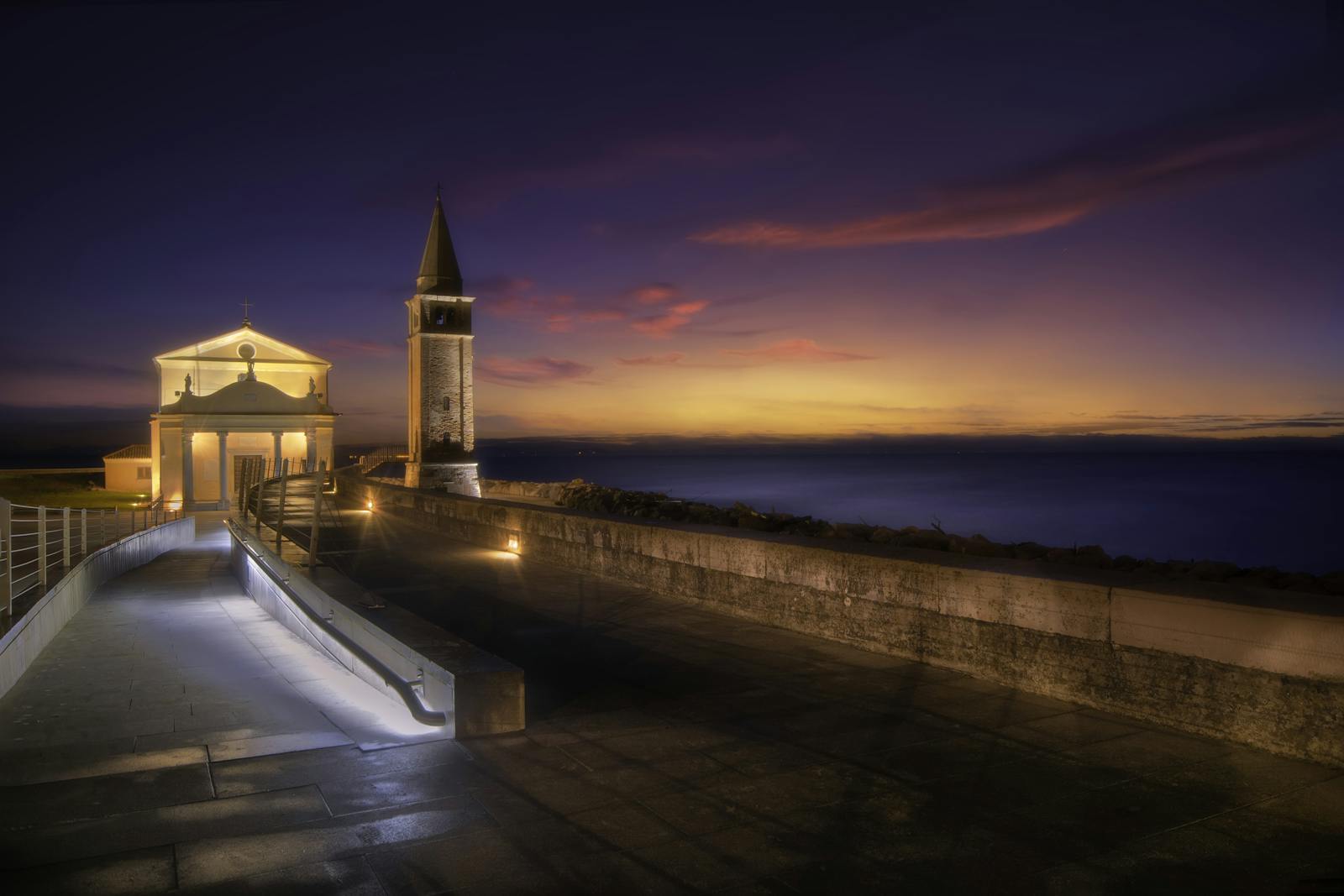
3. Caorle — historic centre and romance
Caorle stands out noticeably from the other northern resorts. That’s because it has something modern resorts often lack: a genuine historic heart. The old fishing quarter, full of narrow lanes and small colourful houses, resembles a miniature Venice. Its best-known landmark is the beautiful Madonna dell’Angelo church, which stands right on a rock above the sea and creates an incredibly romantic backdrop.
The town is divided into two main beaches, the eastern Levante and the western Ponente. Both offer excellent beach service and fine sand. The atmosphere in Caorle is altogether calmer and more intimate than in neighbouring Jesolo, which couples and families seeking relaxation will appreciate.
If you fancy a nice half-day trip, just outside the town you’ll find the popular Parco Zoo Punta Verde. It’s beautifully kept, full of greenery and shade. Admission in 2026 costs 13 euros for adults and 10 euros for children. It’s a great change of pace when you’ve had your fill of lounging on the beach.
4. Lignano — pine groves and amusement parks
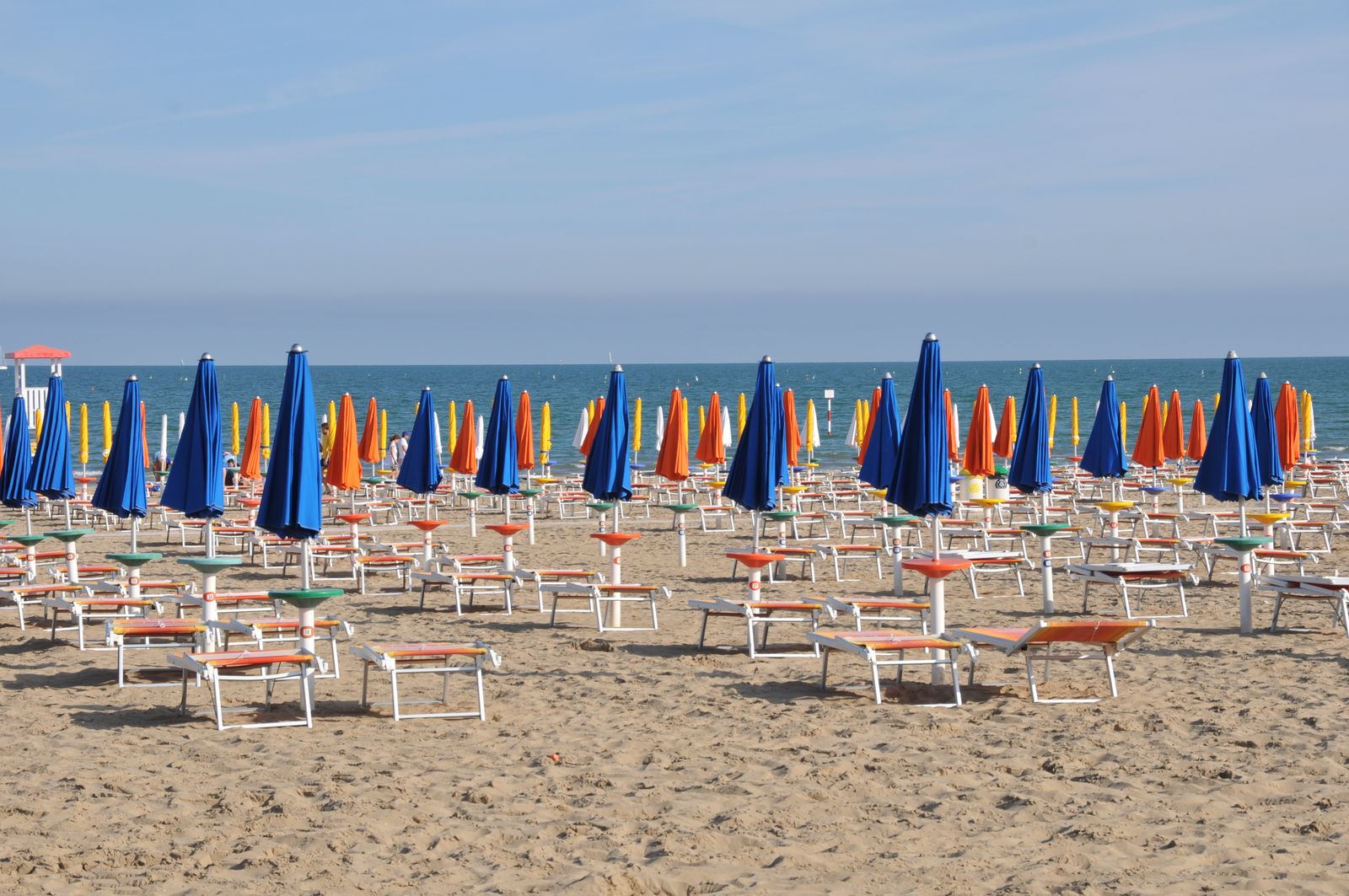
Lignano is another big favourite among families. The little town sits on a peninsula and is unique in that it’s split into three completely different parts. Lignano Sabbiadoro is the busy centre with a long promenade and a wide beach. Lignano Riviera is the quietest part, at the mouth of the Tagliamento river. And finally Lignano Pineta is tucked away in the shade of fragrant pine groves, offering pleasant coolness even in the height of the summer heat.
The resort is renowned for its many attractions for families with children. You’ll find the excellent Aquasplash water park, where adults pay 30 euros for admission and children 24 euros. Right next door is the Gulliverlandia amusement park, with roller coaster rides, a dinosaur park and an underwater tunnel.
The beaches in Lignano are very well organised, but bear in mind there are relatively few free stretches without paid umbrellas (the so-called spiaggia libera). Most of the shoreline is taken up by private sectors, where you have to rent a spot. You can often sort this out when booking your apartment, though, since many places include beach service in the price.

5. Cavallino-Treporti — a paradise for campers
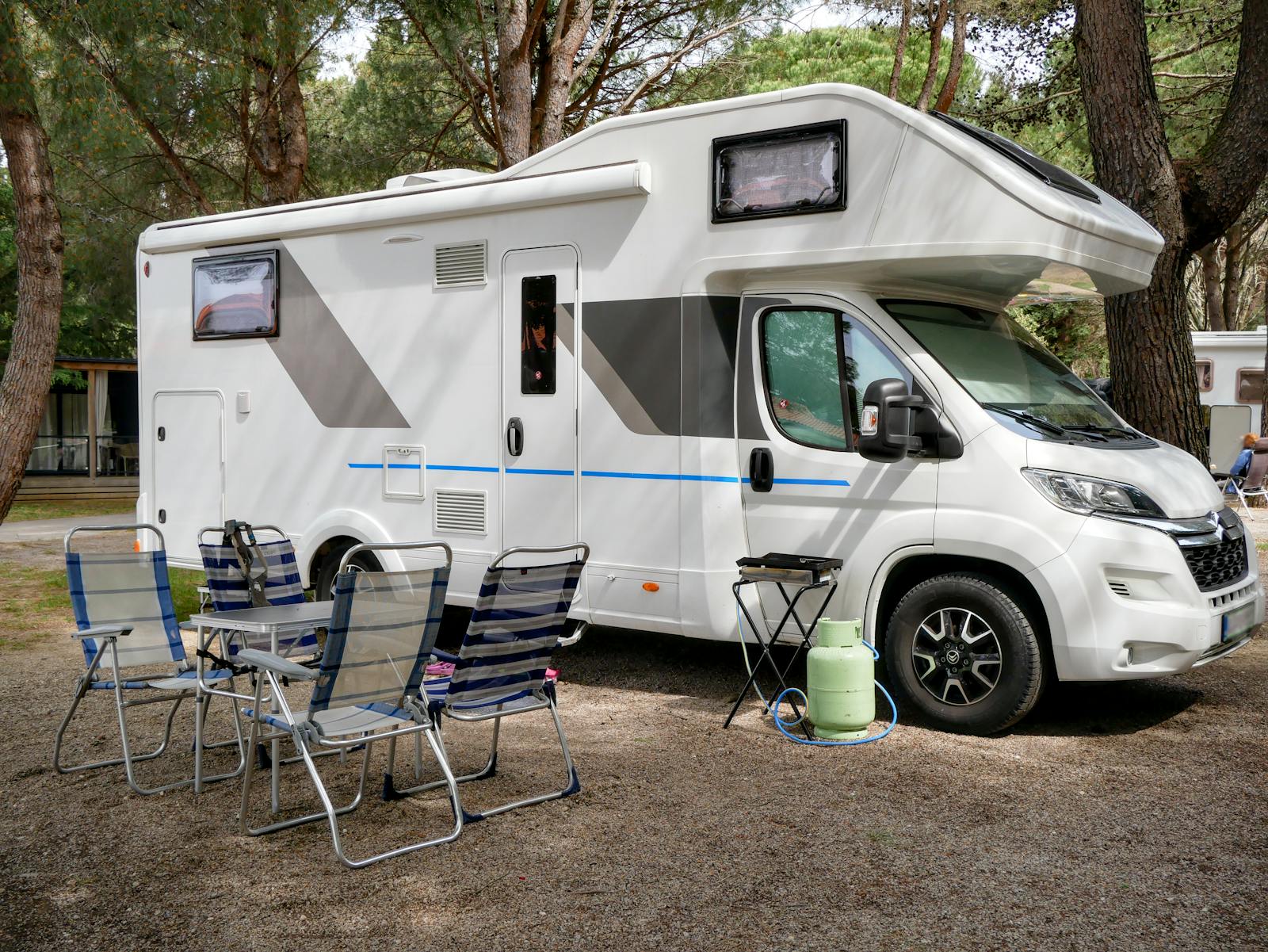
The Cavallino-Treporti area forms a long peninsula that separates the Venetian lagoon from the Adriatic Sea. It’s an absolute mecca for all lovers of camping. Along the kilometres-long beach, one enormous campsite stretches after another. And this is no ordinary tent camping. These holiday villages offer luxury air-conditioned mobile homes, their own supermarkets and huge pool complexes.
The flagship of the area is the aforementioned five-star Union Lido campsite. It offers absolutely everything you can imagine, and you essentially never have to set foot outside the grounds for the whole holiday. The beaches in this area are a touch more natural and wild than in Bibione, lined with beautiful sand dunes.
A huge advantage of Cavallino is its strategic location relative to Venice. At the very tip of the peninsula is the port of Punta Sabbioni. From here, ferries and vaporetti depart regularly, taking you comfortably and cheaply straight into the centre of Venice or to the nearby islands of Murano and Burano.
6. Rimini — cheaper coast and trips around the area
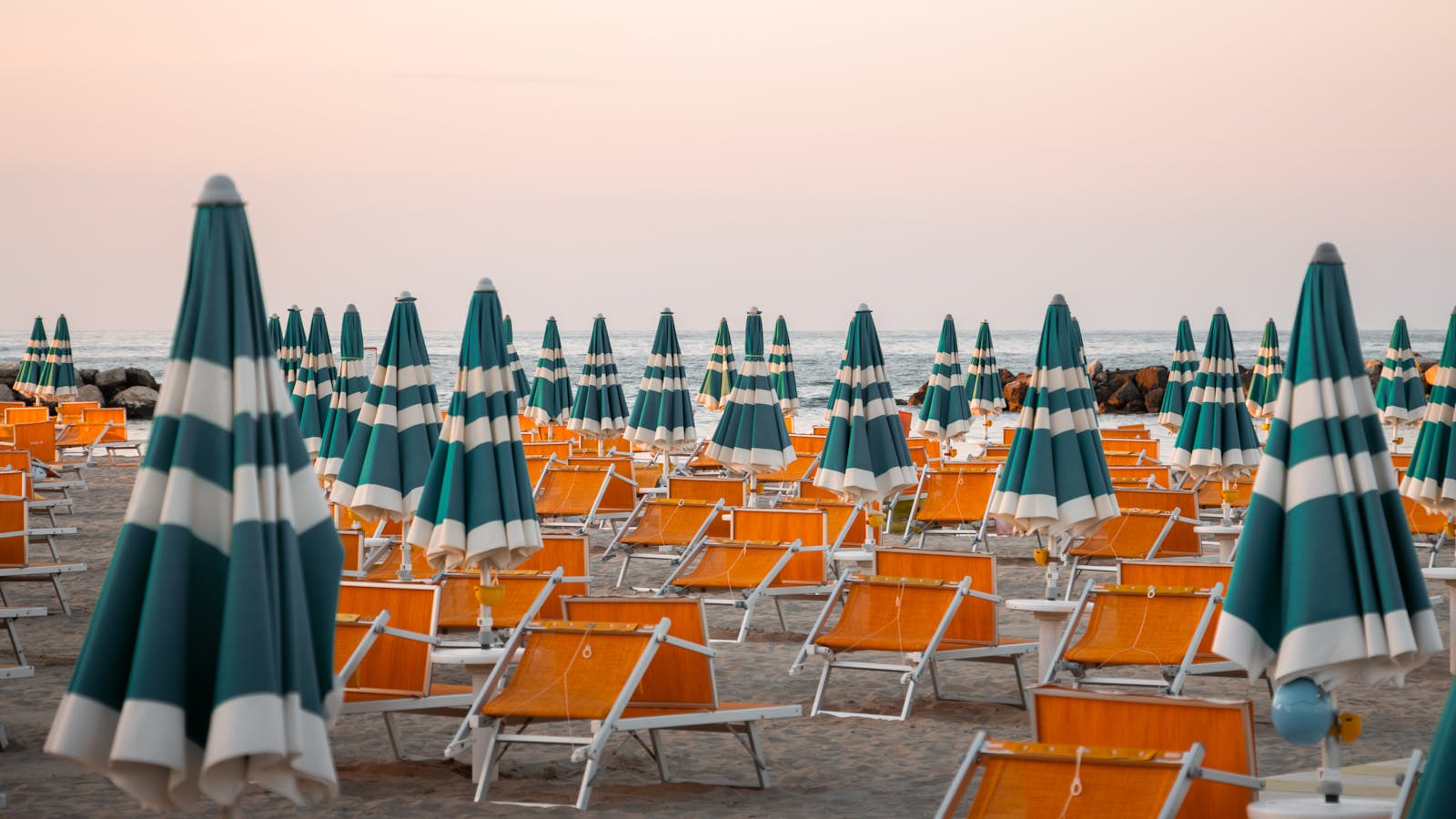
Rimini isn’t on the very north of the coast, but a bit further down in the Emilia-Romagna region. It’s a few hours’ more driving away, but the trip is definitely worth it. Rimini tends to be more affordable than the northern resorts and offers an incredibly long beach divided into dozens of sectors. The heart of the resort is the popular Marina Centro district, full of great restaurants and bars.
This region is absolutely fantastic for lovers of day trips. Just a short way from the coast rises the independent republic of San Marino, which offers stunning views from its historic ramparts. History buffs will appreciate nearby Ravenna, famous for its breathtaking Byzantine mosaics.
For families with children, a visit to the Italia in Miniatura park is an absolute must, where for an admission of 25 euros you can see all of Italy’s landmarks in miniature. If you’re craving adrenaline, just outside Ravenna you’ll find the huge Mirabilandia amusement park (tickets from 29.90 euros). Rimini simply combines cheaper swimming with rich sightseeing brilliantly.
How to Get There by Car: Routes, Vignettes and Tolls
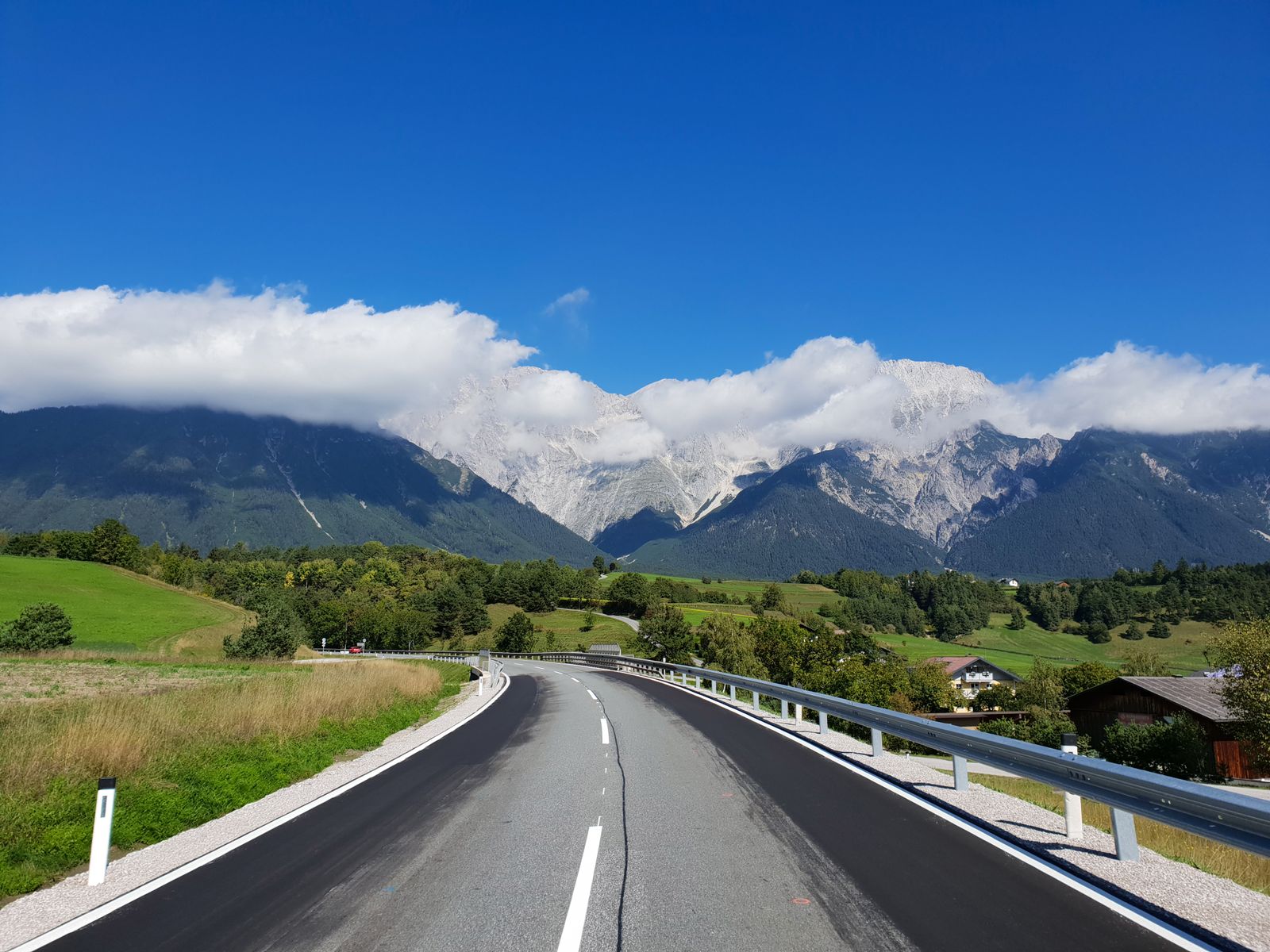
If you’re driving down from the UK, the journey to the Adriatic is fairly straightforward but long, so plan an overnight stop. From the Channel crossing or Eurotunnel, the most common route heads through Belgium and Germany down towards Austria, then over the Alps into Italy. Many drivers split the journey with a stopover around Munich or Innsbruck before tackling the mountain passes. From the Austrian side, you cross the Italian border near Tarvisio and take the A23 and then the A4 motorway straight to the sea.
When driving through Austria, you can’t do without a motorway vignette. For vehicles up to 3.5 tonnes, the 10-day vignette costs 12.80 euros in 2026, while a 2-month one will set you back 32 euros. Austria offers both classic stick-on stickers and a digital version. But pay attention here. If you buy the digital vignette online as a private individual, an 18-day cooling-off period applies, during which you can withdraw from the purchase. The vignette therefore only becomes valid after this period has elapsed. If you’re heading off on a last-minute holiday, it’s better to buy the paper sticker at a petrol station, or purchase the digital version well in advance.
Don’t forget to factor section tolls for the Austrian tunnels into your budget, as these aren’t included in the standard vignette price. Driving the Tauern motorway (the Tauern and Katschberg tunnels) costs 13.50 euros one way. If you were heading further west via the Brenner Pass, set aside 12.50 euros per trip.
There are no classic motorway vignettes in Italy. Instead, there’s a toll system where, on entering the motorway, you take a ticket (biglietto) from the machine and pay on exit according to the kilometres driven. The average price is around 0.07 euros per kilometre. Take great care of your ticket, as if you lose it you’ll be charged for the longest possible stretch of motorway.
When paying the toll, you need to watch the coloured lanes above the gates. The white lane is the safest choice, as the machines here take both cash and cards. The blue lane is reserved for card payments only. A crucial warning applies to the yellow lane marked with the word Telepass. Never drive into this lane unless you have the special electronic device stuck to your windscreen. The barrier won’t let you through, a queue will form behind you, and reversing at a toll station is strictly forbidden and heavily fined.
Driving in Italy and Practical Tips
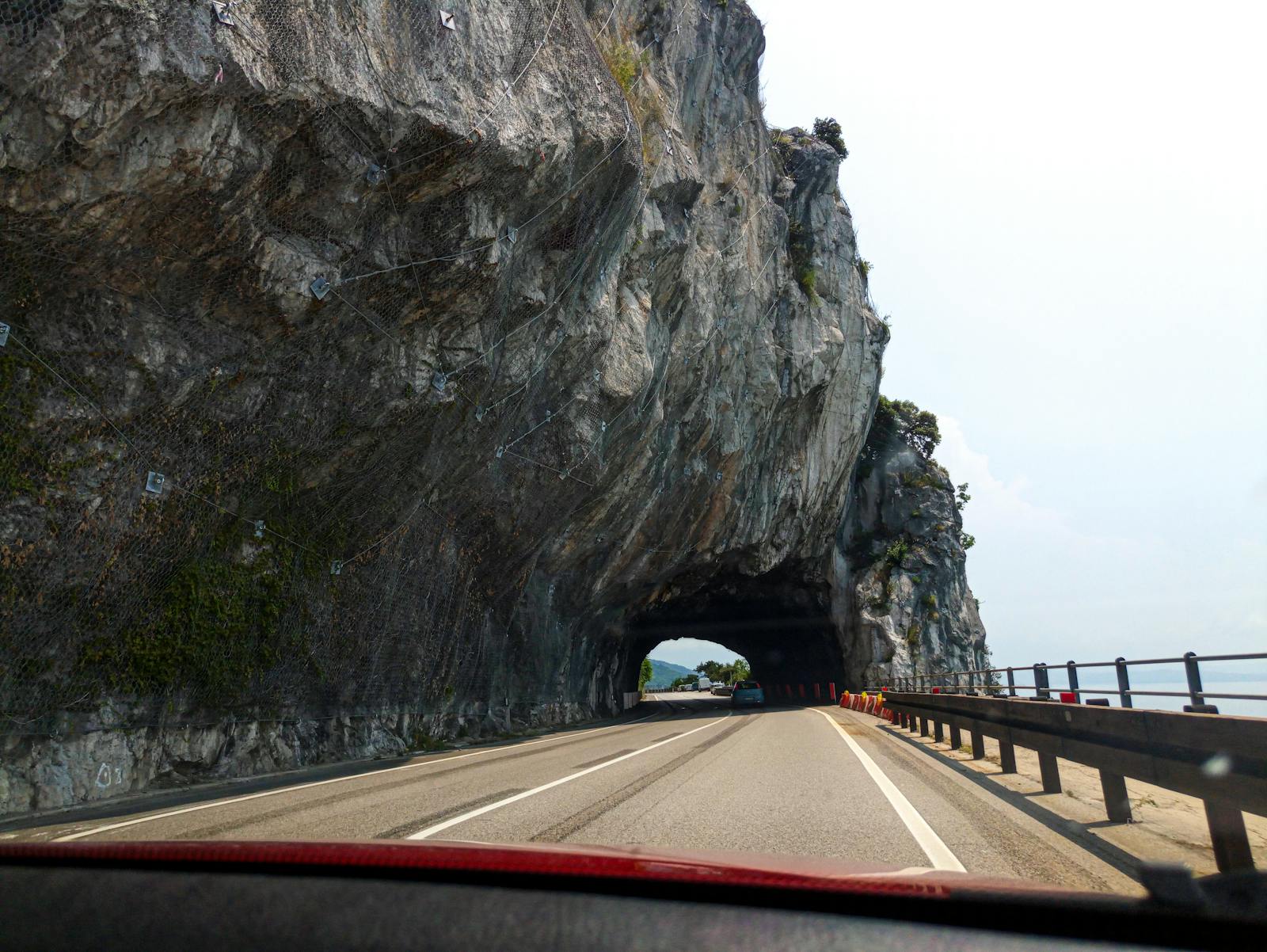
Driving on Italian roads calls for a bit of caution, and remember you’ll be driving on the right. Local drivers are more spirited and sometimes treat the traffic rules as mere suggestions. Your biggest enemy, though, won’t be the Italians behind the wheel, but the automatic camera systems.
The very biggest risk is the so-called ZTL zones (Zona a Traffico Limitato). They protect the historic centres of most Italian cities, including day-trip destinations like Verona. Entry is strictly forbidden for non-residents. You usually won’t find physical barriers here, just an inconspicuous sign with a camera above it. Your sat nav may happily guide you straight into one of these zones, so always watch the road signs carefully. If your hotel is right inside a ZTL, you must give reception your number plate straight away so they can temporarily register you in the system.
If you’re planning a day trip to Venice by car, remember you can’t get into the historic centre by car at all. The car parks at Piazzale Roma or on the island of Tronchetto are extremely expensive. It’s far cheaper to park on the mainland in the Mestre district or at the ports of Fusina or Punta Sabbioni, and then take the vaporetto into the centre.
When parking in towns, watch for the coloured lines on the road. Blue lines mean paid parking, white lines are free (though there are very few of these), and yellow lines are reserved exclusively for residents or deliveries.
Don’t forget the mandatory equipment. In Italy, a warning triangle is compulsory and so is a reflective vest for every passenger who steps out of the vehicle onto the road in the event of a breakdown. So keep the vests within reach in the cabin, not buried at the bottom of the boot. When driving through Austria, a first-aid kit is also strictly required.
As for healthcare, relying solely on the EHIC card doesn’t pay off in Italy. While it guarantees you treatment at state facilities, in the resorts you’re more likely to come across private clinics. It also doesn’t cover any repatriation back home. So always take out good commercial travel insurance, and for a trip in your own car definitely pay extra for special breakdown cover that also covers the costly tow from abroad.
When it comes to food, Italy is an absolute paradise for vegetarians. In almost every restaurant you’ll find a great pizza margherita, delicious gnocchi or pasta pomodoro and pesto. In the Rimini area, I recommend trying the local speciality, the piadina. The classic version is made with prosciutto, but be sure to ask for the vegetarian variant with fresh vegetables and soft squacquerone cheese — it’s an absolute treat. Local seaside restaurants often tempt you with fish specialities and seafood (such as fried frittura di pesce or the thick brodetto soup), which are a typical part of Adriatic cuisine, but even without them you can savour Italian gastronomy to the full, perhaps with a refreshing spritz in hand.
Where to Go Next from the Adriatic
If you tire of lounging on the beach after a few days, northern Italy offers plenty to explore. I definitely recommend reading our detailed article Where to Go on Holiday in Italy, where you’ll find lots more inspiration.
From the resorts around Jesolo and Cavallino, it’s only a short hop to those romantic canals, which you can read more about in our guide to Venice. If you’re spending your holiday a little further south in Rimini, it would be a great shame not to visit the historic centre described in detail in our article on Bologna.
For travellers who want to make a stop on the way to the sea, the city of Romeo and Juliet is a great choice. Tips on what to see there can be found in our article on Verona. And if you’re thinking of leaving the car at home next time and trying a different way to travel, take a look at our article By Train to the Sea in Italy. And if you’re still undecided on when to go, useful info awaits in When to Visit Italy.
Frequently Asked Questions
How much does a beach umbrella cost in Italy?
On the northern Adriatic, expect to pay around 25 to 30 euros per day for renting beach service (so-called ombrellone) in the 2026 season, which includes one umbrella and two sunbeds. When renting for a whole week, the price is usually more favorable and ranges from about 120 to 170 euros.
Do I need an international driver’s license for Italy?
No, if you hold a valid driver’s license issued in the Czech Republic or another European Union country, you don’t need an international driving permit in Italy. Your regular Czech license, ID card (or passport), and the vehicle’s green card are sufficient.
Is gas and diesel expensive in Italy?
Yes, fuel in Italy is consistently among the most expensive in Europe. It’s much more advantageous to fill up your tank in Austria just before the border. If you must refuel in Italy, avoid gas stations directly on the highways, where prices are highest.
How is it with drinking water in the apartments?
Water from the tap in northern Italy and in all major resorts is generally safe to drink and poses no health risks. However, its taste may differ from what you’re used to at home due to treatment processes. Most tourists therefore prefer to buy bottled water at supermarkets for everyday drinking.
What is coperto in an Italian restaurant?
Coperto is a completely legal and standard charge for table setting and service. It typically ranges between 1.50 and 3 euros per person and is automatically added to your bill as soon as you sit down at a restaurant. This is not a tip (gratuity) – you can leave that separately if you were satisfied.
Can I swim in Italy outside of paid beaches?
Yes, the coast also offers so-called free beaches (spiaggia libera), where you can spread out your own towel and set up your parasol for free. However, in popular resorts like Bibione or Lignano, these free sections are quite small and tend to fill up very quickly during peak season.
Can you pay tolls in Italy with a regular payment card?
Yes, Italian toll booths accept standard Czech debit and credit cards (Visa, Mastercard) without any issues. For card payment, join the lane marked in blue or the white lane with the card symbol. Payment is contactless and doesn’t require entering a PIN code.
Tips and Tricks for Your Vacation
Don’t Overpay for Flights
Search for flights on Kayak. It’s our favorite search engine because it scans the websites of all airlines and always finds the cheapest connection.
Book Your Accommodation Smartly
The best experiences we’ve had when looking for accommodation (from Alaska to Morocco) are with Booking.com, where hotels, apartments, and entire houses are usually the cheapest and most widely available.
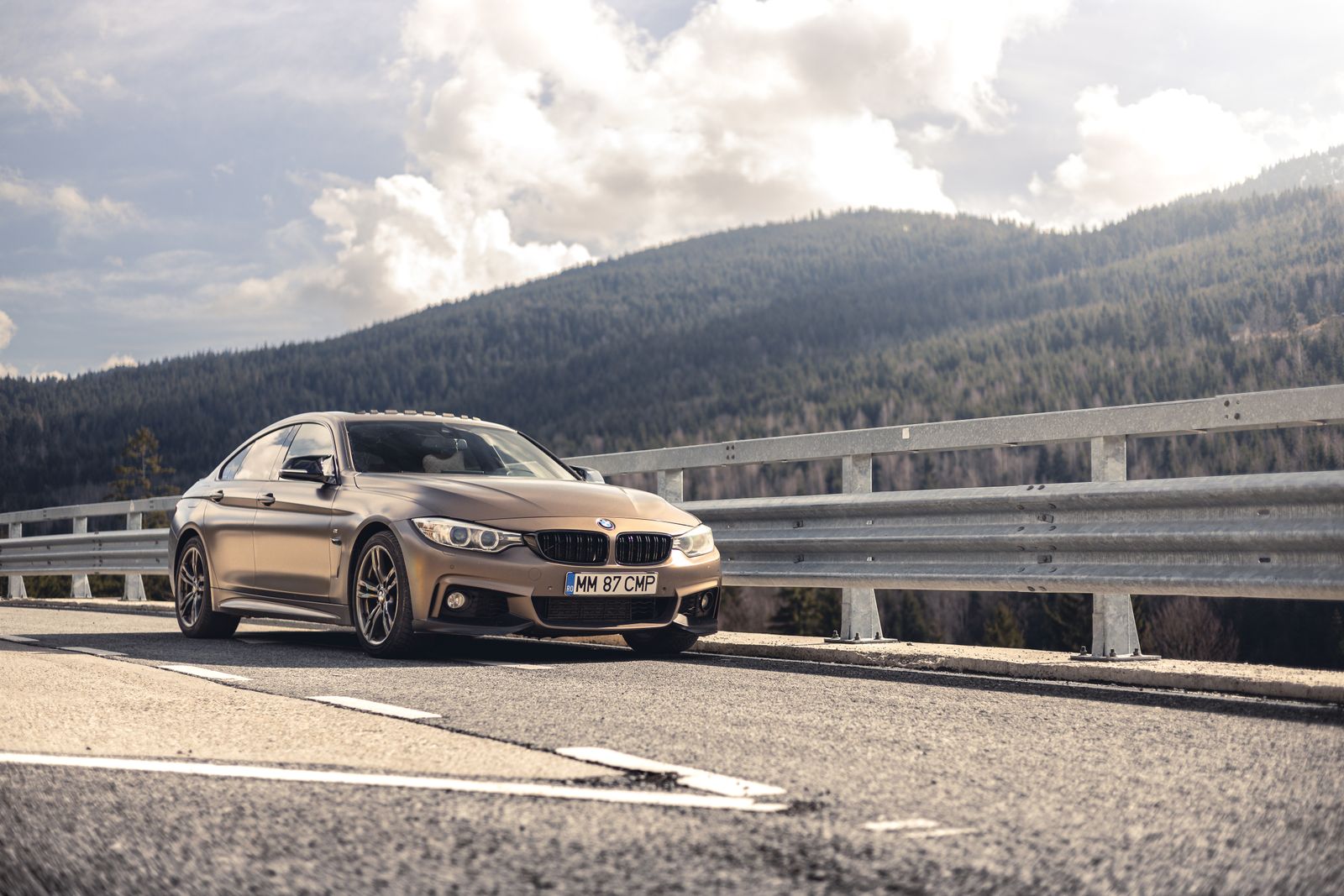 🚗 Car rental on the roadVerified rental cars in Italy
Search with the DiscoverCars comparison engine — it compares prices from dozens of local and international rental companies, and most bookings come with free cancellation.
Compare car prices in Italy →Don’t Forget Travel Insurance
Good travel insurance will protect you against illness, accidents, theft, or flight cancellations. We’ve had a few hospital visits abroad, so we know how important it is to have proper insurance arranged.
Where we insure ourselves: SafetyWing (simple monthly subscription) and TrueTraveller (for extra-long trips).
Find the Best Experiences
Get Your Guide is a huge online marketplace where you can book guided walks, trips, skip-the-line tickets, tours, and much more. We always find some extra fun there!