The moment you step off the plane or ferry and take your first deep breath, you’ll feel it instantly. Corsicans call it the maquis, and it’s a truly distinctive blend of wild thyme, rosemary, myrtle and sun-baked earth. The famous military commander Napoleon Bonaparte himself once reportedly declared that he could recognise his home island blindfolded, purely by this unique scent. And today we’re heading together to the very city in Ajaccio, Corsica, where this French emperor was born.
Ajaccio is the capital of Corsica and offers an utterly fascinating combination of an elegant French atmosphere and rugged island pride. Don’t expect a polished Riviera with promenades for ladies walking their poodles, though, because Corsica is far wilder and more untamed. In this article I bring you 11 tips on what to see and do in Ajaccio and its immediate surroundings. You’ll discover where to find the most beautiful works of art, where to head for sunset, and how to plan your trip so you avoid the biggest tourist crowds.
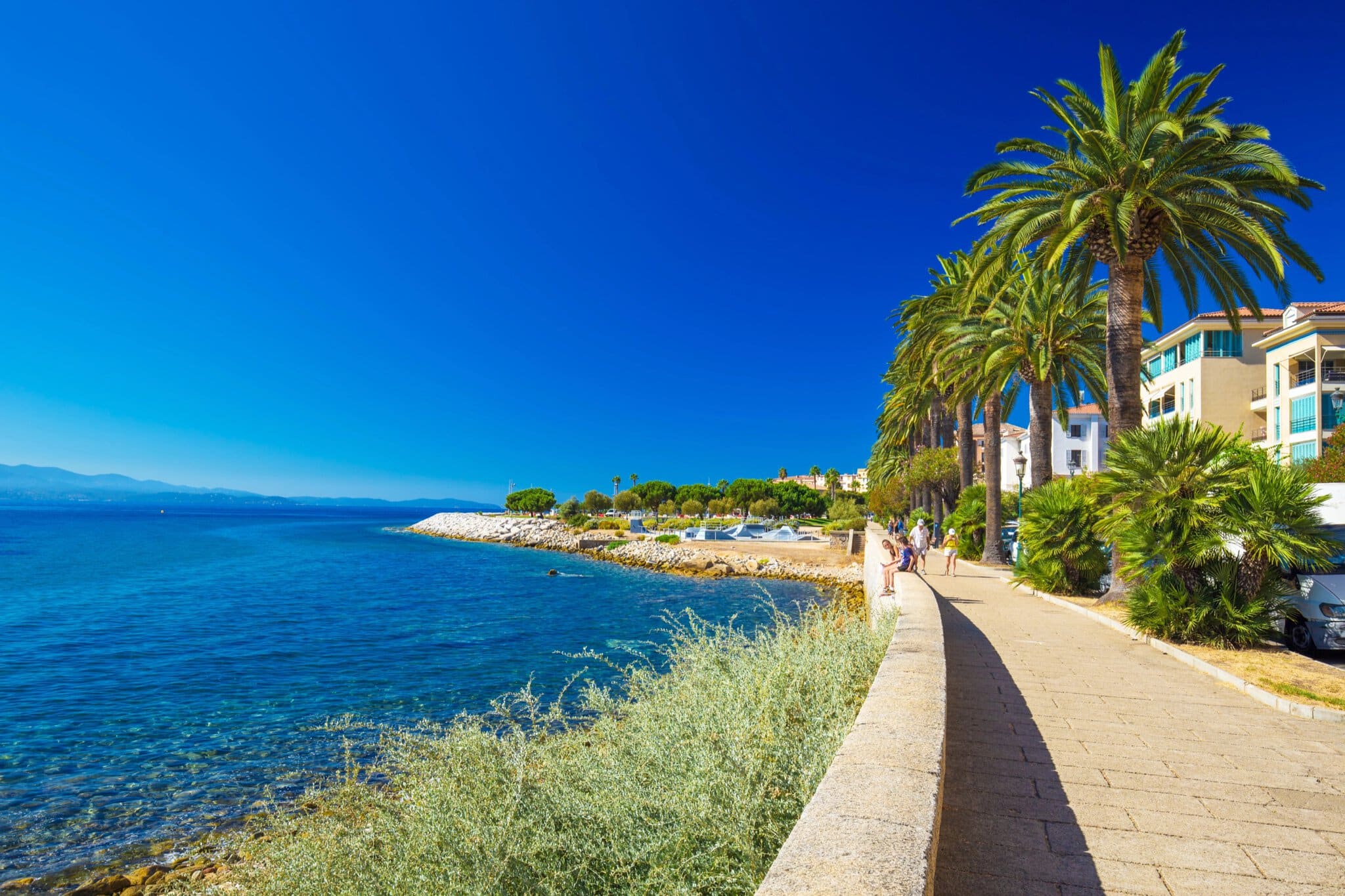
TL;DR
- Napoleon at every turn: Definitely don’t miss his birthplace, Maison Bonaparte, and the majestic monument on Place d’Austerlitz.
- World-class art: The Musée Fesch holds the second-largest collection of Italian painting in France, after the Louvre in Paris.
- Natural scenery: Head to the Pointe de la Parata and take a boat out to the Sanguinaires Islands (Îles Sanguinaires), where you’ll witness an unforgettable sunset.
- When to go: Absolutely avoid August, when the island is bursting at the seams. The ideal months for a relaxed holiday are May, June and September.
- Transport and logistics: Without a car you’re lost on Corsica, so make sure to rent one right after arriving by ferry or landing at the local airport.
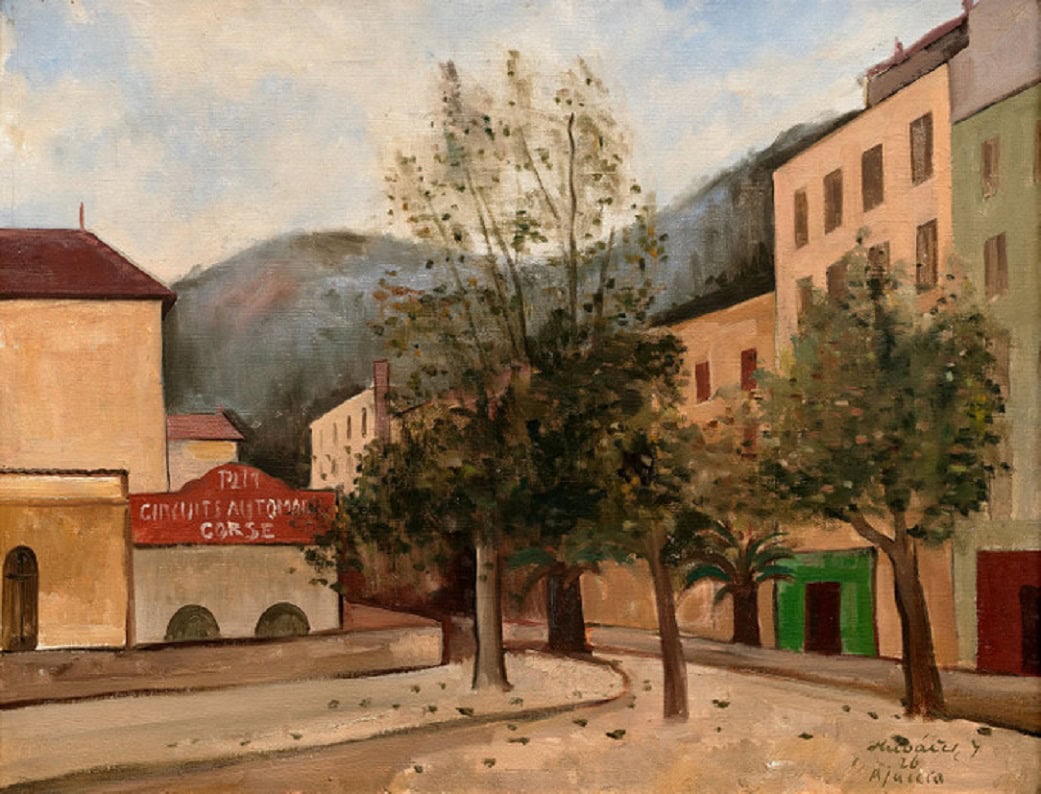
The full destination guide: Corsica — guide and what to see
Ajaccio, Corsica Weather and How to Get There
Corsica has four airports in total, and the largest international one is right in Ajaccio, where you can fly very conveniently during the summer season with a connection in Paris or Nice. For travellers from the UK, the simplest options are direct seasonal flights to Ajaccio Corsica airport from London, or a quick hop via Paris with Air France. A large number of travellers, however, logically choose to go by ferry, because it makes huge sense in terms of getting around the island itself. I recommend looking for tickets with Corsica Ferries, which sails regularly from several French and Italian ports. The fastest connection is from the French port of Nice, from where you can reach Bastia in Corsica in 6 to 7 hours. The crossing from Toulon takes roughly 8 to 10 hours, and from Marseille you’ll be aboard the boat for a good 11 to 14 hours, so don’t forget to pack a good book.
If you’re weighing up dates, there’s one absolutely crucial rule here. Skip August entirely if you can, because that’s the month when the French and Italians descend on the island in force, with two to three times as many people as in July. The roads quickly turn into endless car parks, ferry and accommodation prices for 2026 shoot to absurd heights during this period, and the best beaches around the city are hopelessly packed. The ideal months to visit Ajaccio are June and especially September, when the sea is still beautifully warm from summer and you can finally breathe freely in the old town’s narrow streets. May, meanwhile, is fantastic for hiking, because the whole island is incredibly fragrant and in full bloom. As for the Ajaccio Corsica weather, expect hot, dry summers and mild winters, with the swimming season comfortably stretching from late May to October.
Bear in mind that without a car you’re stuck on Corsica. Public transport does technically exist here, but relying on it means spending your holiday pointlessly waiting for buses that may not even turn up. A car gives you the real freedom to discover empty coves and breathtaking mountain passes inland. A single ferry ticket for one passenger costs between €40 and €100. A return ticket for two people with a car will then set you back roughly €250 to €1,000. It depends mainly on how far in advance you book your trip and exactly which port you sail from, with routes from Italy historically working out a touch cheaper.
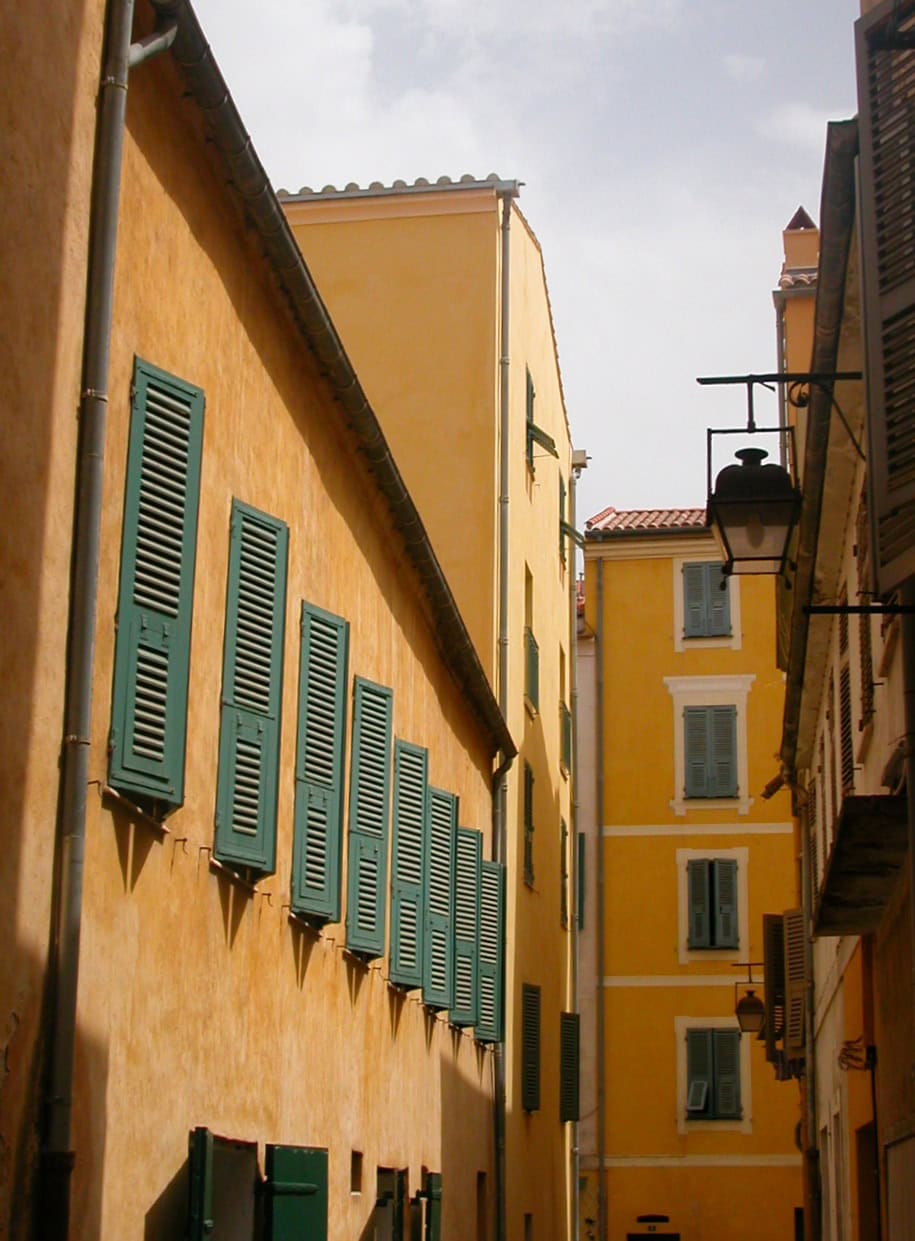
Where to Stay in Ajaccio
💡 Tip for accommodation and experiences: We like to look for accommodation on Booking.com, which usually has the best cancellation terms. It then pays to compare and book tickets, tours and activities through GetYourGuide.
Ajaccio offers two main strategic areas where it makes complete sense to look for accommodation. Your choice depends mainly on whether you prefer lively city bustle or perfect peace and quiet by the beach. If you want all the historic sights and renowned cafés within arm’s reach, stay right in the historic centre near the harbour and Place Foch. Accommodation here tends to be a bit pricier, and be aware that parking in the narrow one-way streets can be quite a headache for less experienced drivers. That romantic evening atmosphere of an illuminated town full of excellent restaurants is well worth it, though.
The second and very popular option is to look for hotels along the Route des Sanguinaires. This is a stunning coastal road that stretches west out of the city towards the Sanguinaires Islands and offers absolutely fantastic views. Here you’ll find plenty of lovely resorts with direct sea views, just a few steps from the best sandy beaches. On top of that, parking is far easier here, which you’ll really appreciate when travelling with a rental car on Corsica. I recommend sorting your accommodation well in advance via Booking, because the best places at reasonable prices vanish as early as spring.
For lovers of urban elegance, the historic Hotel Fesch & Spa is a great choice. It sits right in the city centre just a short walk from the famous museum and boasts a beautiful rooftop pool with breathtaking panoramic views over the whole bay. If, on the other hand, you long for romance by the murmuring sea, take a closer look at Hotel Les Mouettes. It’s a gorgeous 19th-century villa with its own private beach and a heated pool, where you’ll feel like you’re in a genuine Mediterranean paradise. Prices per night in a double room at these better hotels run around €180 to €250 during the peak summer season.
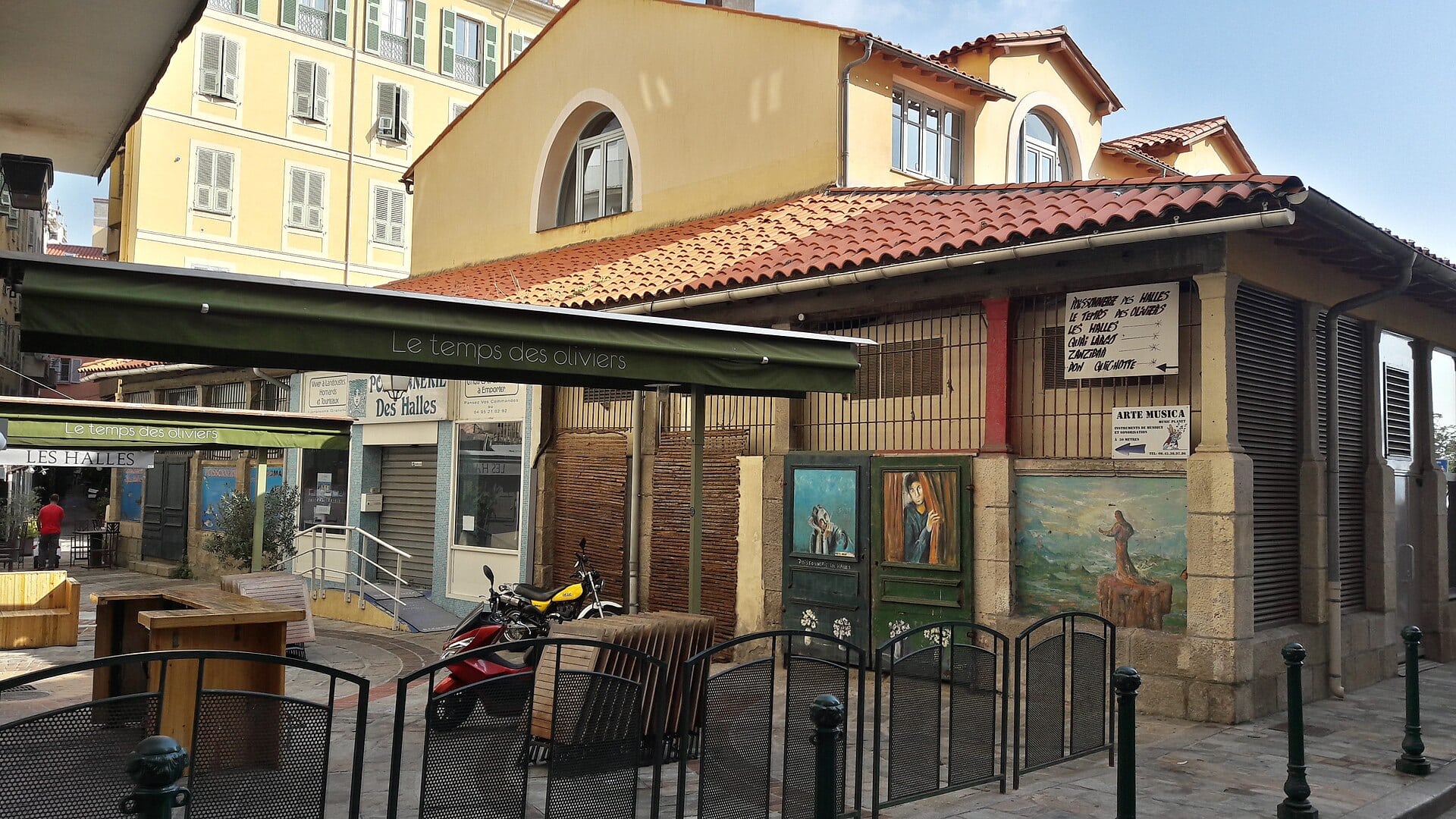
11 Things to Do in Ajaccio, Corsica
Let’s now take a look together at the specific places you definitely shouldn’t miss when visiting the Corsican capital. Ajaccio is wonderful to explore on foot, the historic centre is fairly compact, and you can comfortably tackle the biggest draws over one or two days. Prepare yourself for the fact that the name Napoleon will pop up absolutely everywhere, from street names to statues to souvenir shops.
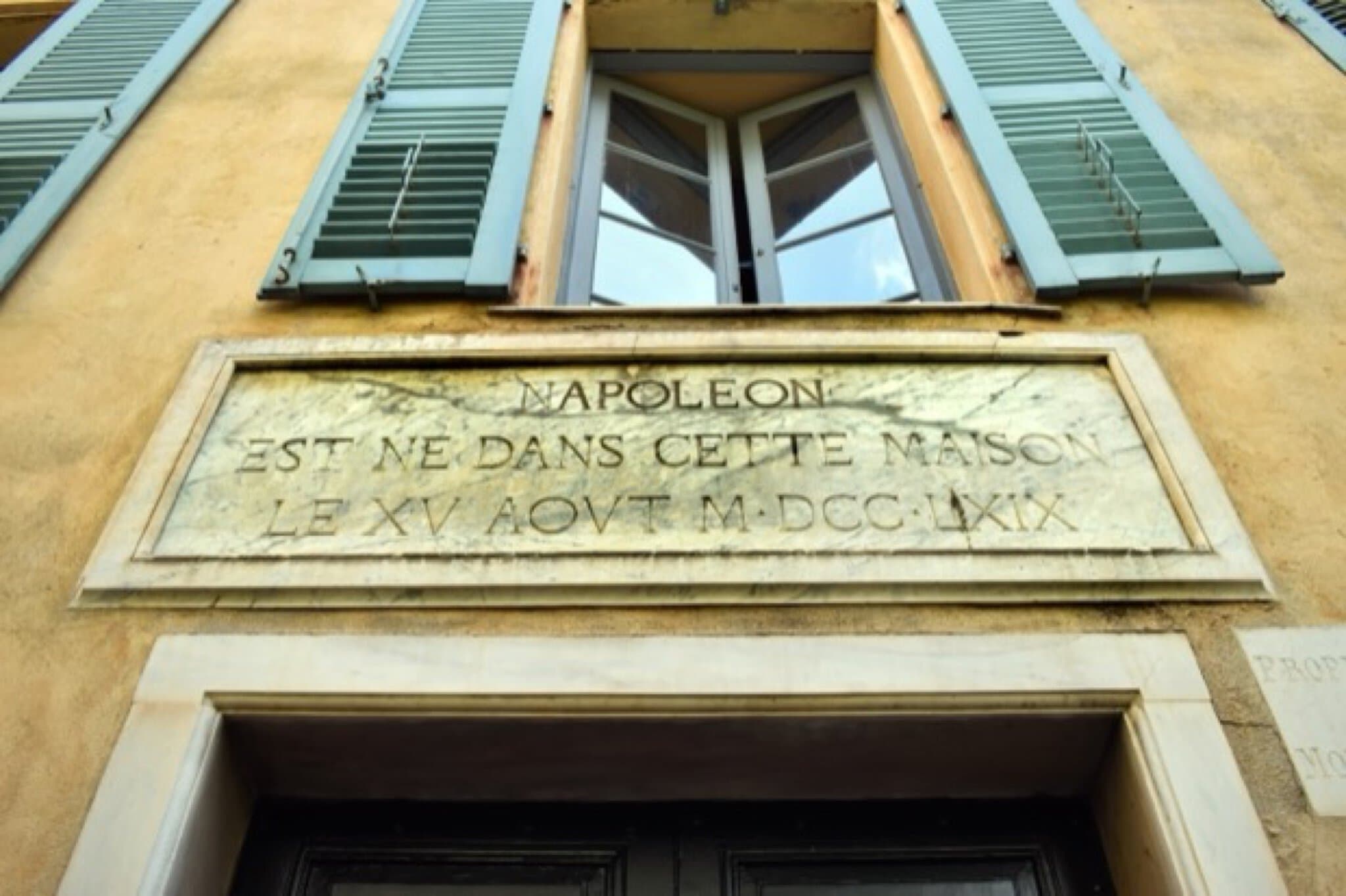
1. Napoleon Bonaparte’s Birthplace (Maison Bonaparte)
This is an absolute must for every visitor to the city and the place where the future French emperor was actually born in 1769. The house sits on the inconspicuous and very narrow Rue Saint-Charles, which may even surprise you with its unexpected modesty. The Bonaparte family owned this sprawling property from the late 15th century and lived here on and off until 1923, when the historic building was ceremonially handed over to the state. From the outside the house looks very unassuming, but inside a fascinating excursion into rich European history awaits you.
During the tour you’ll pass through beautifully furnished rooms where you’ll see original 18th-century period furniture, historic weapons and all sorts of family portraits. There’s even a small, plain little room where the young Napoleon reportedly spent much of his Corsican childhood. The exhibition is brilliantly put together and brings to life not only the life of the commander himself but also the incredible fates of his many siblings, who later became kings and princes across Europe. You’ll get a wonderful, detailed glimpse into the everyday life of the island nobility of the time.
💡 TIP: In the summer months, definitely buy your tickets online in advance. The historic house’s capacity is strictly limited to protect the monument, and the queues in the narrow street can be truly exhausting in the afternoon heat. Basic admission costs around €7 and the whole tour takes roughly an hour of very pleasant time.
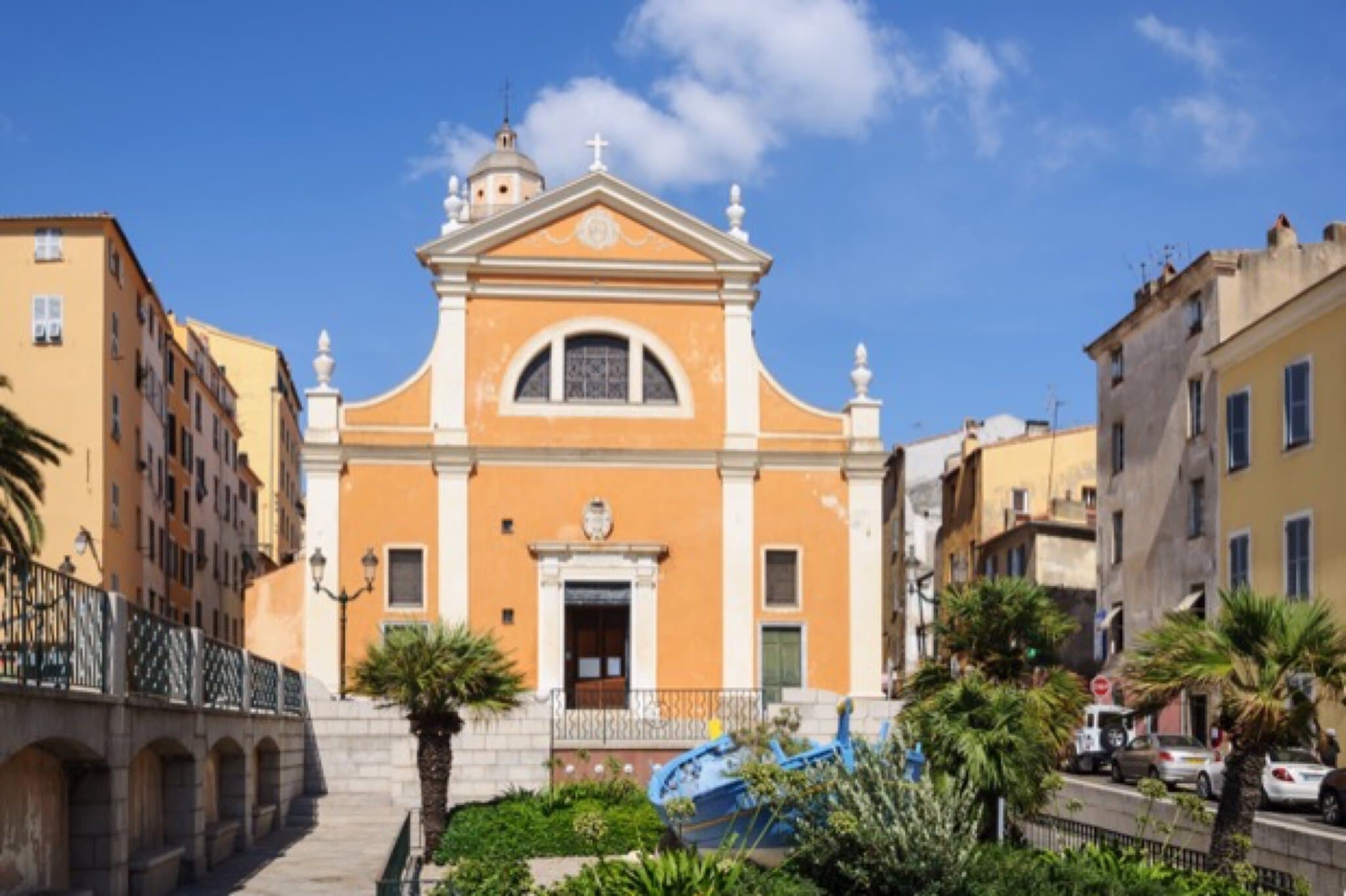
2. Cathedral of Our Lady of the Assumption (Cathédrale d’Ajaccio)
Just a few steps from the Bonaparte family home you’ll come across the city’s main cathedral, which is absolutely impossible to miss on its small square. That’s down to its bright ochre façade, which contrasts beautifully with the deep blue Mediterranean sky on sunny days. This Renaissance building from the late 16th century is the place where the infant Napoleon was baptised. Right by the main entrance you’ll still find the original marble font where this historic moment, so important for France, took place.
The interior of the church isn’t as overwhelming and vast as the famous French cathedrals on the mainland, but it has its own beautiful and very intimate atmosphere. This is enhanced by striking wall frescoes, massive columns and richly decorated side chapels. The cathedral is dedicated to the city’s patron, Our Lady of Mercy, to whom the local residents still pray with great reverence for protection. Note also the beautiful historic organ and the majestic altar of pure white marble, which was once laboriously brought here from Lucca in Italy.
💡 TIP: Entry to the cathedral is completely free, and it’s also an ideal spot for a short rest while exploring the city. The rough stone walls provide wonderful, much-sought-after shade where you can duck out of the sharp Corsican sun for a while.
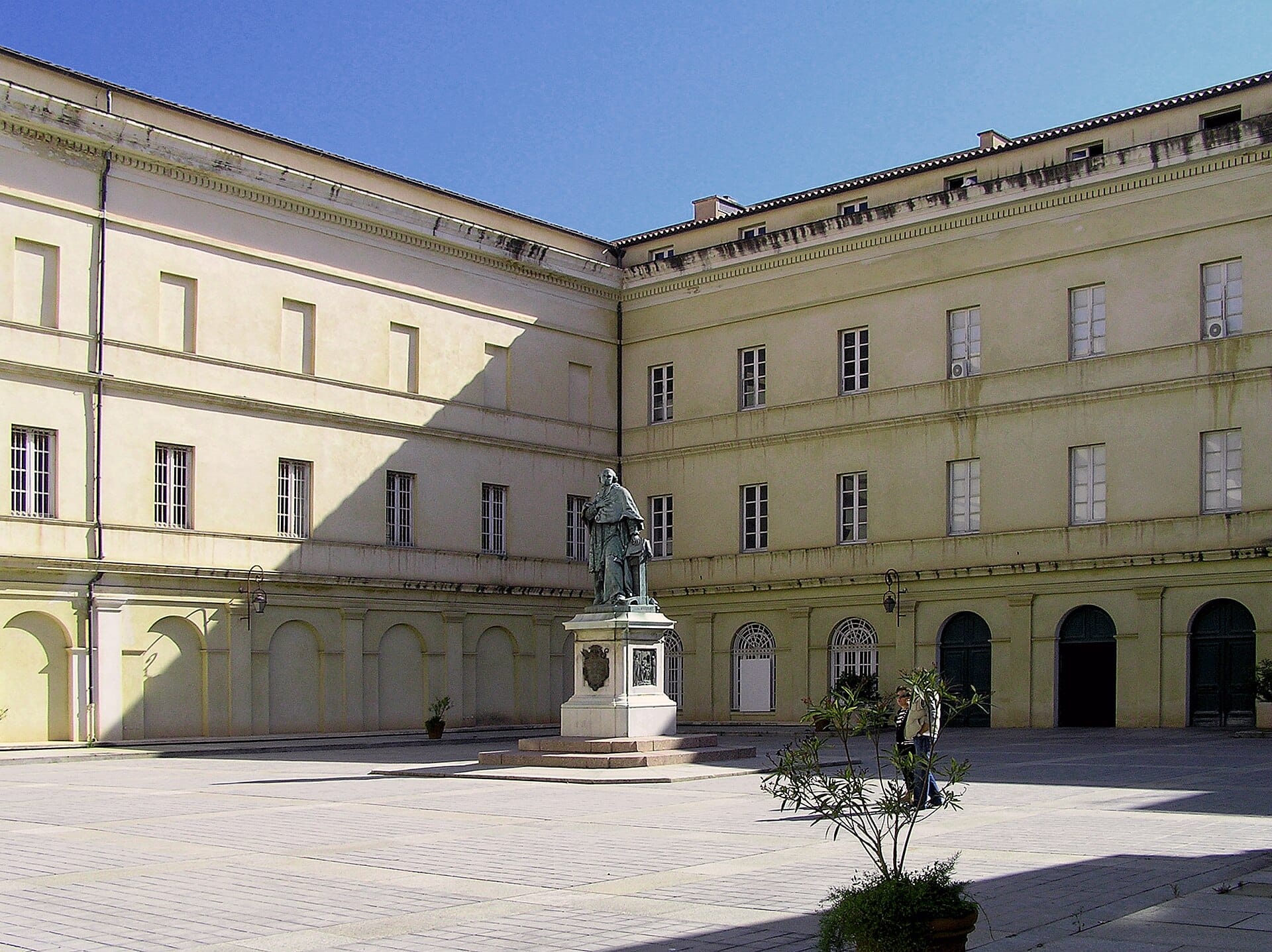
3. Musée Fesch and Stunning Italian Painting
If you love classical art and history, this museum will absolutely knock your socks off and is one you definitely mustn’t skip when visiting the Corsican capital. It was founded by Cardinal Joseph Fesch, Napoleon’s uncle on his mother’s side and an utterly passionate collector of works of art. Over his busy and influential life he amassed an incredible 16,000 paintings and valuable historic artefacts. Today the museum holds the second most significant and largest collection of Italian masters in all of France, after the famous Louvre in Paris.
As you wander the air-conditioned and very spacious halls, you’ll come across original canvases by Botticelli, Titian and Bellini. Seeing works by such Renaissance masters on a relatively small island in the Mediterranean is an enormous and very unexpected cultural experience. Besides the rare Italian works, you’ll also find a large collection of local Corsican art and a vast historic library with tens of thousands of rare volumes. The museum’s main courtyard, meanwhile, is presided over by a large bronze statue of the proud founder himself.
💡 TIP: In the right wing of the building is the Chapelle Impériale (Imperial Chapel), which still serves as the main family crypt of the Bonaparte dynasty. The museum ticket, which costs around €8, also covers entry to this gorgeous neo-Renaissance chapel, where Cardinal Fesch himself is buried.
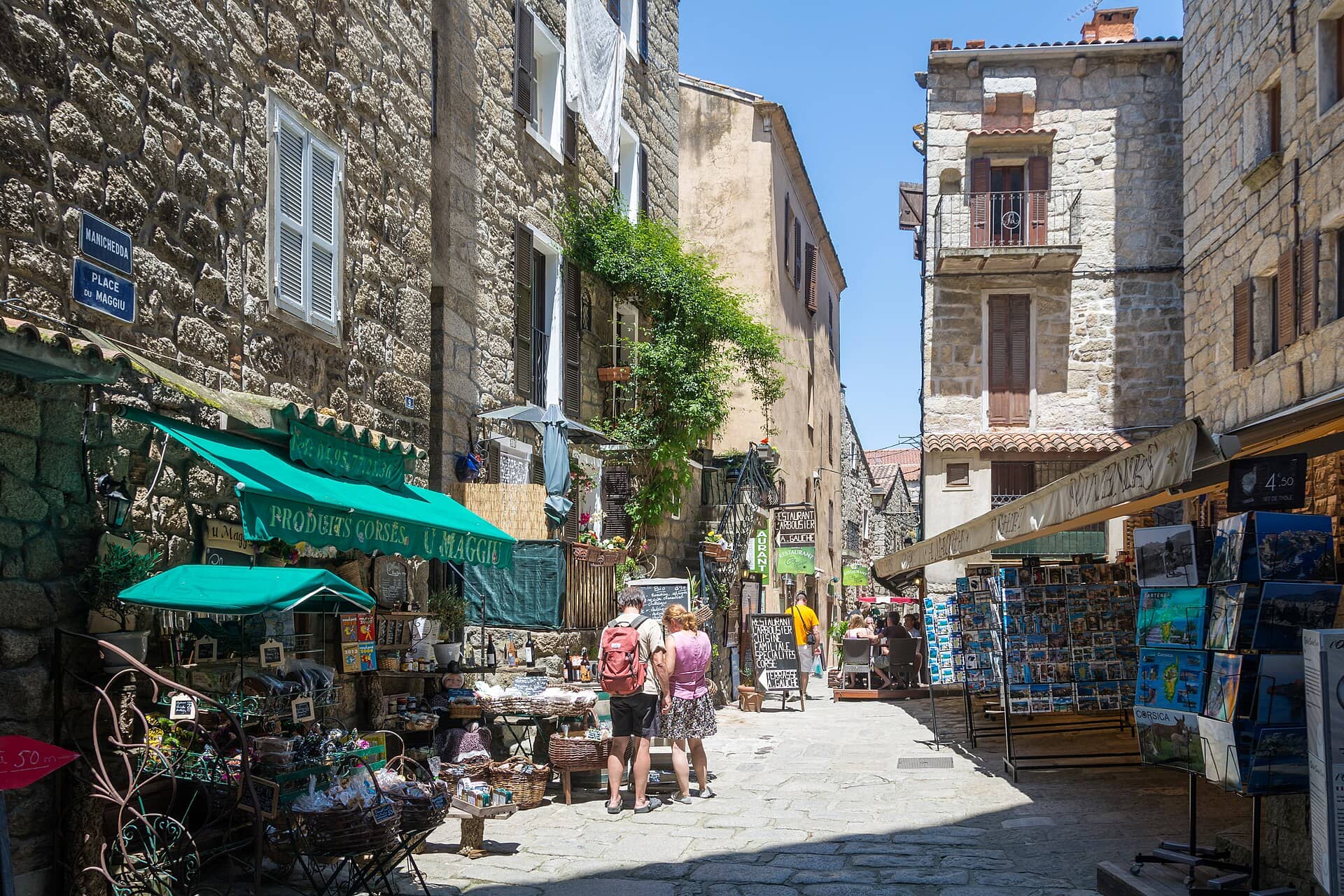
4. The Old Town and Life on Place Foch
The heart of historic Ajaccio is the picturesque Place Foch, which locals often affectionately call simply the Square of Palms (Place des Palmiers). The square is lined on all sides with tall, shady palm trees and plenty of cosy cafés with sprawling outdoor terraces. Its main landmark is a huge marble statue of Napoleon clad in an ancient Roman toga, proudly surrounded by four lions. It’s an absolutely ideal spot to sit down with an iced coffee and simply watch the city’s lively buzz for hours.
Straight from the square spreads a dense network of the old town’s narrow streets, full of tall pastel-coloured houses with traditional shutters. Here you’ll find dozens of small boutiques, family bakeries and intriguing craft workshops. Lose yourself for a while in favourite lanes like Rue du Roi de Rome and admire the typical Mediterranean architecture, which clearly betrays a strong Italian and Genoese influence from past centuries. In the evening these charming streets fill with locals and tourists alike, and the atmosphere is incredibly relaxed.
💡 TIP: Pop into one of the tucked-away little cafés and order something sweet with your afternoon coffee. The local café owners are very friendly and will happily give you tips on where to head for a good vegetarian dinner, whether you fancy proper Italian pizza or excellent pasta.
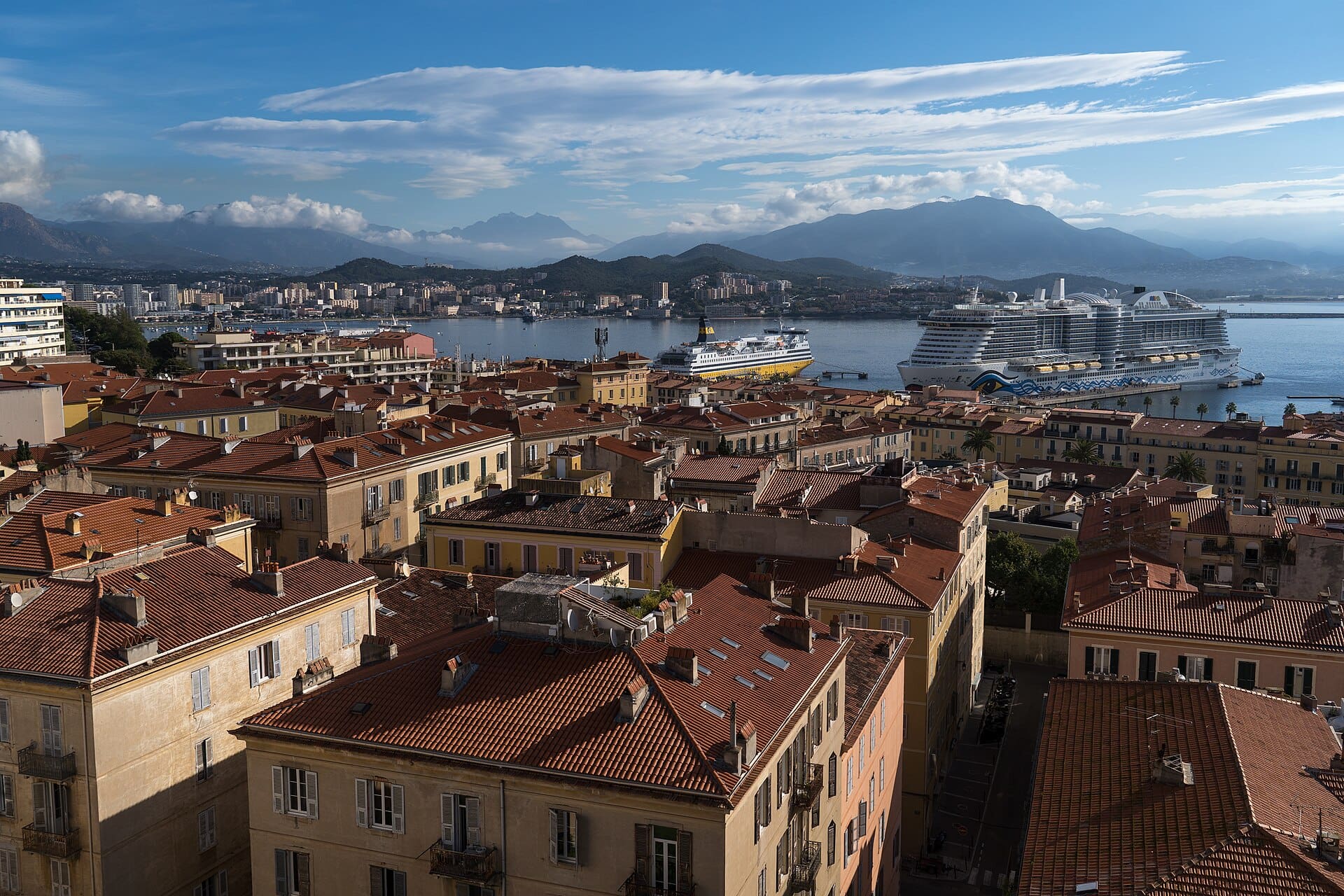
5. The Local Market and Old Harbour (Marché d’Ajaccio)
Right next to Place Foch, a renowned local market takes place every morning (except Mondays) and is an absolute paradise for all lovers of good, quality food. You’ll find dozens of small stalls that literally overflow with fresh local produce, and the whole space smells incredible with maquis herbs, ripe cheeses and freshly baked crusty bread. It’s exactly the kind of authentic place where local grandmothers and the chefs from the best Corsican restaurants buy their ingredients, and where you’ll experience that genuine island atmosphere.
I definitely recommend trying the local Brocciu cheese, an incredibly delicate sheep’s or goat’s cheese with a texture very similar to Italian ricotta. This excellent cheese forms the absolute foundation of many Corsican vegetarian specialities. Also delicious are the traditional beignets (hot fried doughnuts) filled with this very cheese, which fill you up perfectly. Don’t forget to sample the various cakes and biscuits made from chestnut flour (farine de châtaigne), which is utterly typical of this rugged island. At the back of the market you’ll then find stalls where local fishermen sell their morning catch from the surrounding bays.
💡 TIP: Get up early and head to the market ideally around eight in the morning, when the selection of fresh cheeses and fragrant bread is at its absolute best. You’ll also very elegantly dodge the biggest tourist crowds, who usually pour in around ten o’clock.
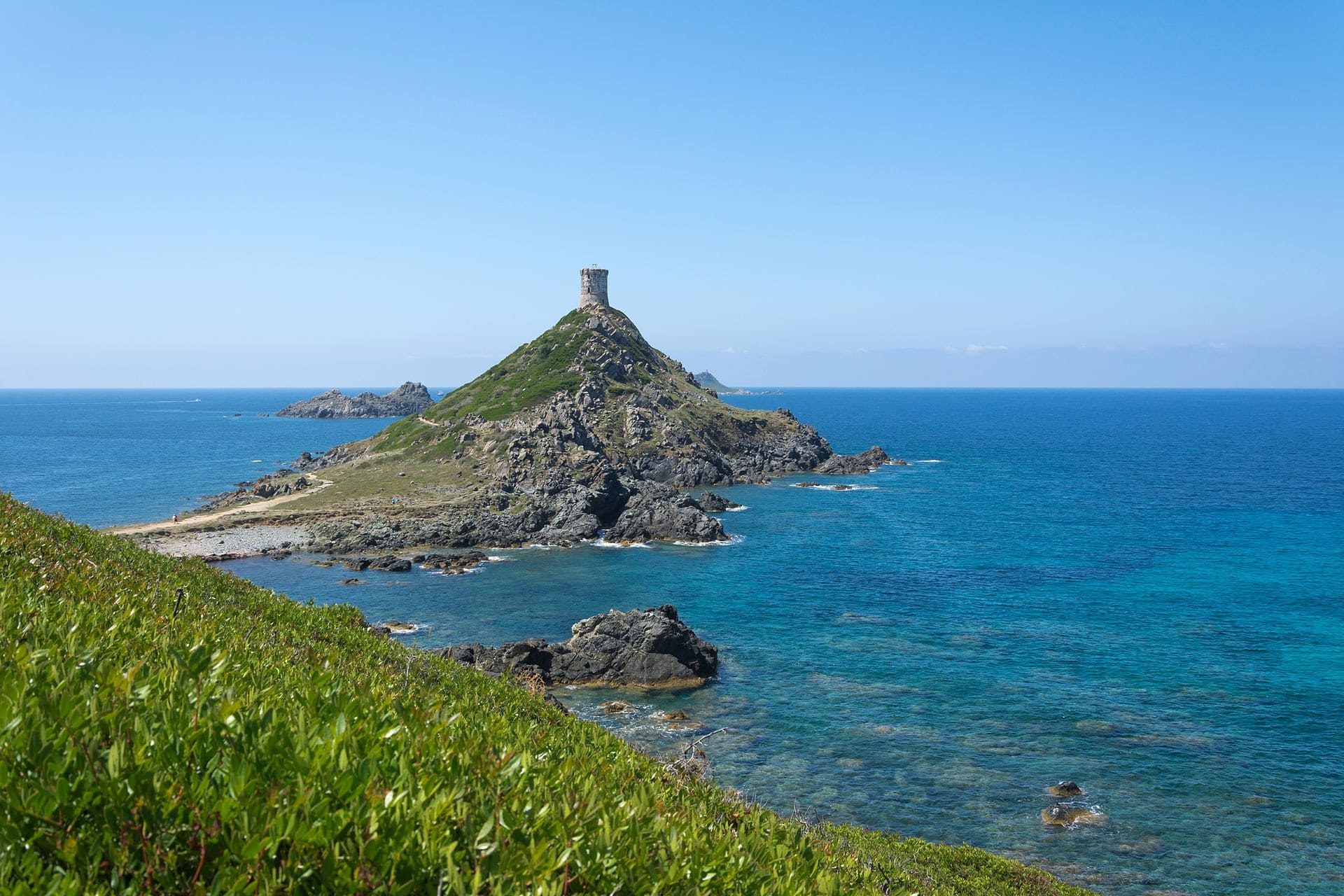

6. Pointe de la Parata and the Majestic Tower
About 12 kilometres west of central Ajaccio lies the dramatic rocky headland of Pointe de la Parata, which is most certainly one of the most photographed spots in the wider area. At the very top of this steep granite cliff stands an old Genoese watchtower from the 16th century, proudly withstanding the strong winds. In the past it served as an important strategic point for defending the Corsican coast against unexpected pirate raids. The path to the tower is very well maintained these days and offers absolutely breathtaking views over the churning deep blue sea.
The whole area around this majestic cape is a strictly protected nature reserve, where you can fully enjoy the genuine scent of the wild island. You’ll find several short walking trails here that safely guide you through the typical Corsican maquis scrubland, which constantly smells of wild thyme, myrtle and rosemary. You can set out on a very pleasant loop walk around the entire peninsula, which takes roughly an hour of relaxed walking and is absolutely suitable even for families with small children, since the elevation gain here is truly minimal.
💡 TIP: There’s a large, spacious paid car park on site, where you’ll usually park without any trouble. Right next to it you’ll also find a modern visitor centre with a small, cosy café, where you can buy chilled drinks before the climb up to the historic tower.
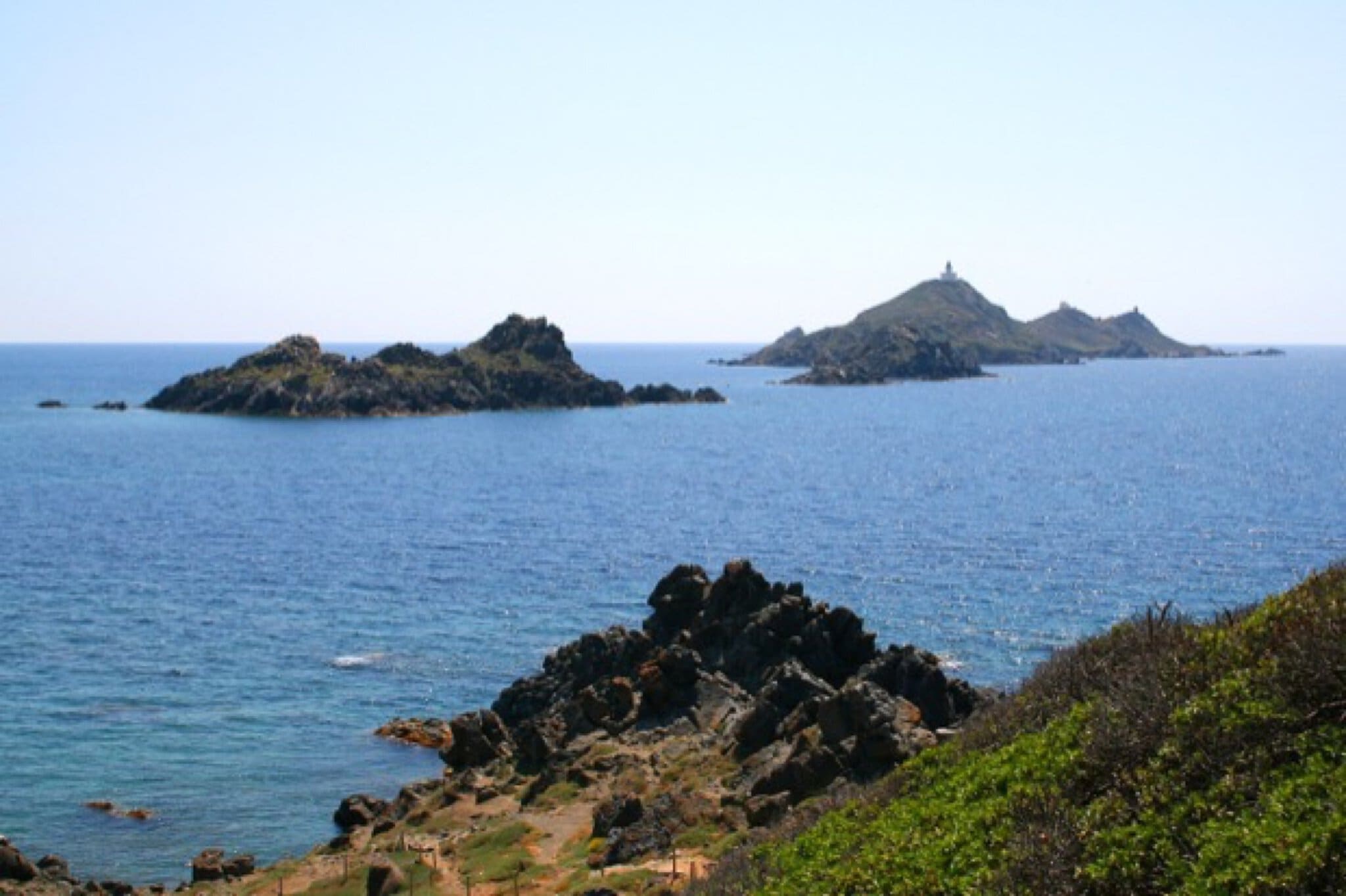
7. The Sanguinaires Islands (Îles Sanguinaires) and a Magical Sunset
Directly opposite the Parata cape lies the legendary archipelago of four small rocky islets that rise straight out of the sea. They’re called the Sanguinaires Islands (Îles Sanguinaires) and to this day they remain one of Corsica’s main tourist symbols. Their eerie name fortunately doesn’t come from any bloody historical battle, but refers solely to the deep red colour of the porphyry rocks. These light up magically every evening when the last fading rays of the setting sun fall upon them, creating a natural spectacle you’ll remember for a very long time.
The best way to explore these deserted islands up close is to take an organised boat trip directly from the main harbour in Ajaccio. I recommend easily booking these popular cruises online via GetYourGuide, which saves you from needless haggling with vendors on the spot. The trips often include a short walking stop on the largest island, Mezzu Mare, where you can stroll at leisure to the ruins of an old lazaret and the tall lighthouse, from which there’s a wonderful 360-degree view over the open sea.
💡 TIP: The most popular trips of all are naturally the evening cruises paired with a little tasting. To go with the fantastic sunset over the sea, you’ll usually get a tasting of good Corsican wine or the locally beloved Pietra beer, which is traditionally brewed on the island with a touch of local chestnuts.
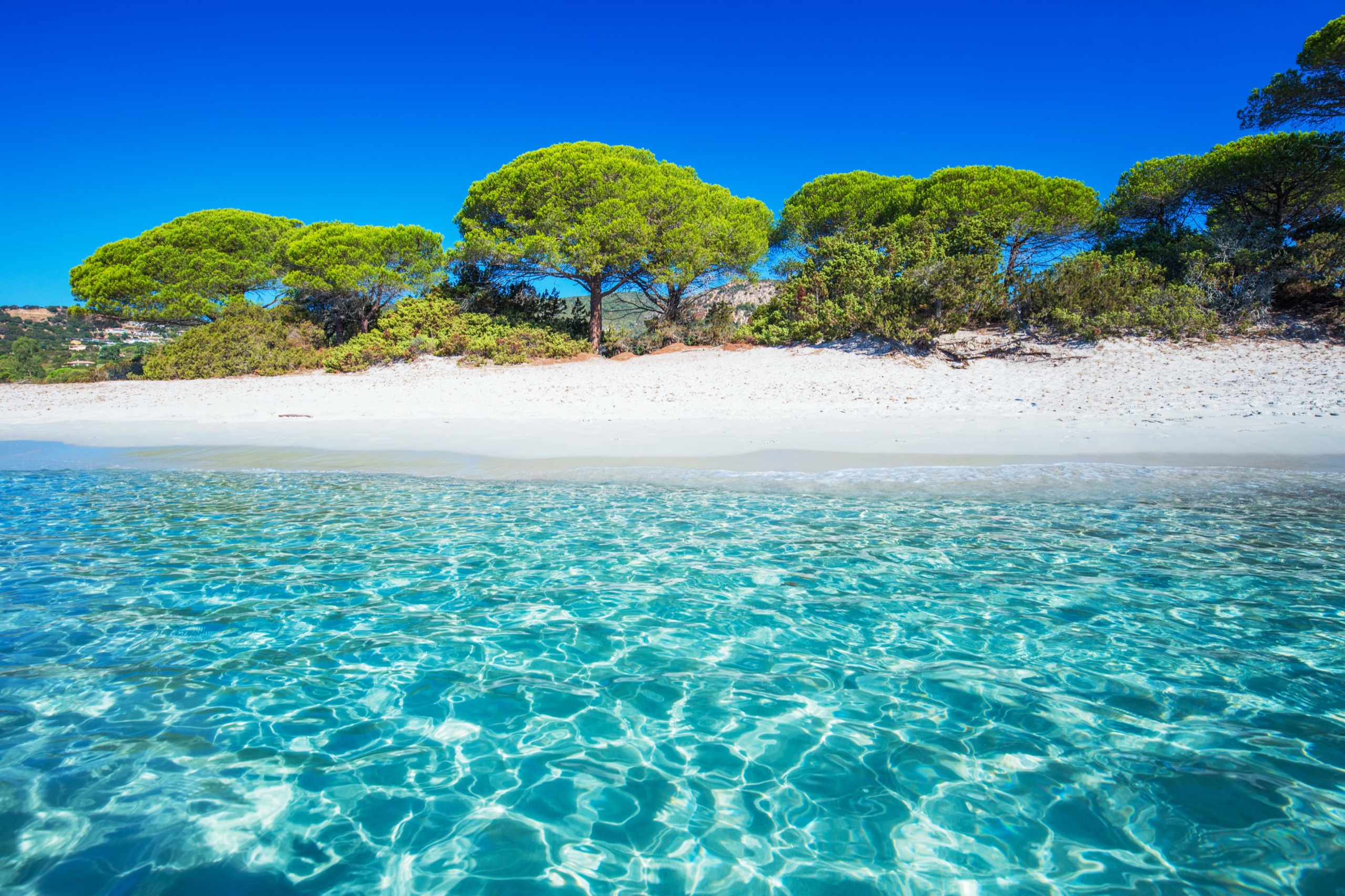
8. Relaxing on the Beaches Along the Route des Sanguinaires
If you want a bit of a rest after a demanding round of sights and air-conditioned museums, all you need to do is head out of the city centre along the coastal Route des Sanguinaires. This scenic route is literally lined with a string of beautiful, easily accessible beaches that beckon you in for an immediate swim. One of the absolute most popular is Plage de Marinella, which boasts very fine white sand and wonderfully clear turquoise water. The entry into the sea here is very shallow and the surface exceptionally calm, making it an ideal and safe spot. Just above the beach even stands the famous villa of the well-known French singer Tino Rossi.
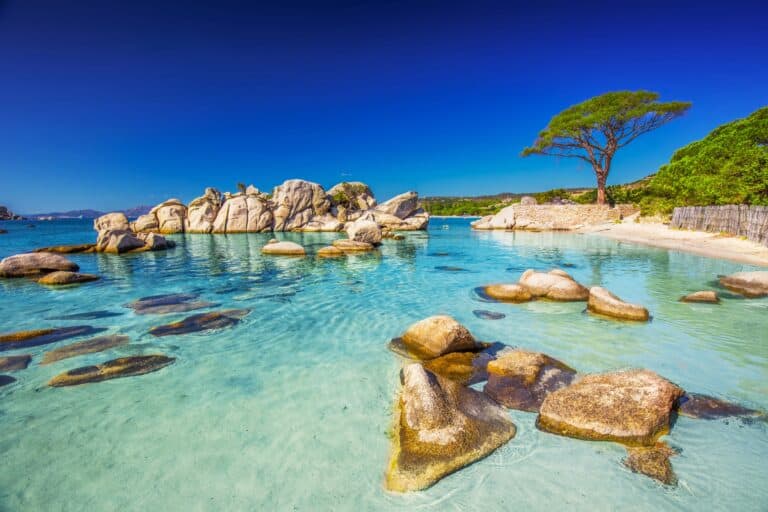
A bit further along the same winding road you’ll come across Plage de Terre Sacrée, a very picturesque and photogenic cove dotted with enormous rounded granite boulders. They give it a far wilder and more exotic look that you’ll fall in love with instantly. The beach takes its noble name from a large stone monument dedicated to the fallen Corsican soldiers of the First World War. Most of these beaches offer modern beach clubs where you can rent comfortable loungers, but you’ll always find plenty of free space to spread out your own towel.
💡 TIP: In the summer months, a special bus line number 5 runs from central Ajaccio along the entire coast. It stops at all the main beaches and is an absolutely brilliant alternative if you’d rather not battle for an expensive free spot in the packed car parks during peak season.
9. Place d’Austerlitz and the Casone Grotto
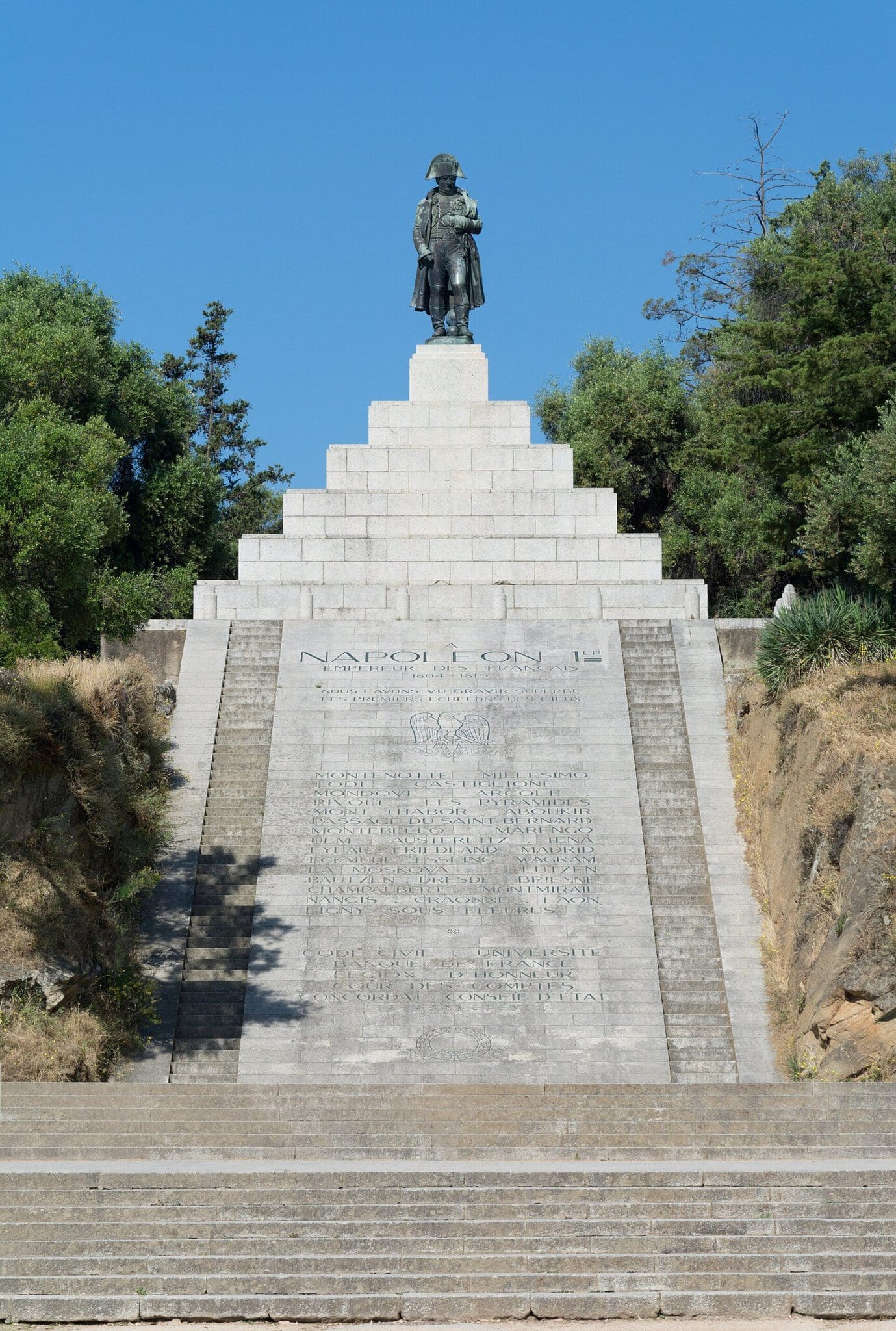
A little away from the busy main historic centre you’ll find the huge and very spacious Place d’Austerlitz, reachable on a pleasant walk. This place is dominated by an absolutely monumental monument to Napoleon Bonaparte, which is visible from afar thanks to its sheer size. At the very top of a tall stone pyramid stands a majestic bronze statue of the emperor in his typical proud stance, hand firmly tucked into his coat. On the enormous sloping stone slabs beneath him are carved in detail the names of his most famous and greatest military victories, which reshaped the map of Europe at the time.
Right behind this imposing historic monument lies a mysterious spot called the Grotte du Casone, surrounded by lush greenery. It’s not actually a classic deep cave, but rather an enormous granite boulder forming a kind of small, shady rocky hideaway. According to a very popular local legend, the young Napoleon would come here to play in secret and, even in early childhood, would quietly spin his grand military plans for the future conquest of the entire world.
💡 TIP: Although this favourite tale of the playing commander may well be just a romantic story for tourists, the place has its own peculiar and very powerful historic charm. A walk to the monument along the shady, mature avenue is a very pleasant afternoon addition to your visit, where you can elegantly escape the worst of the traffic for a while.
10. A Scenic Ride on the Tourist Train
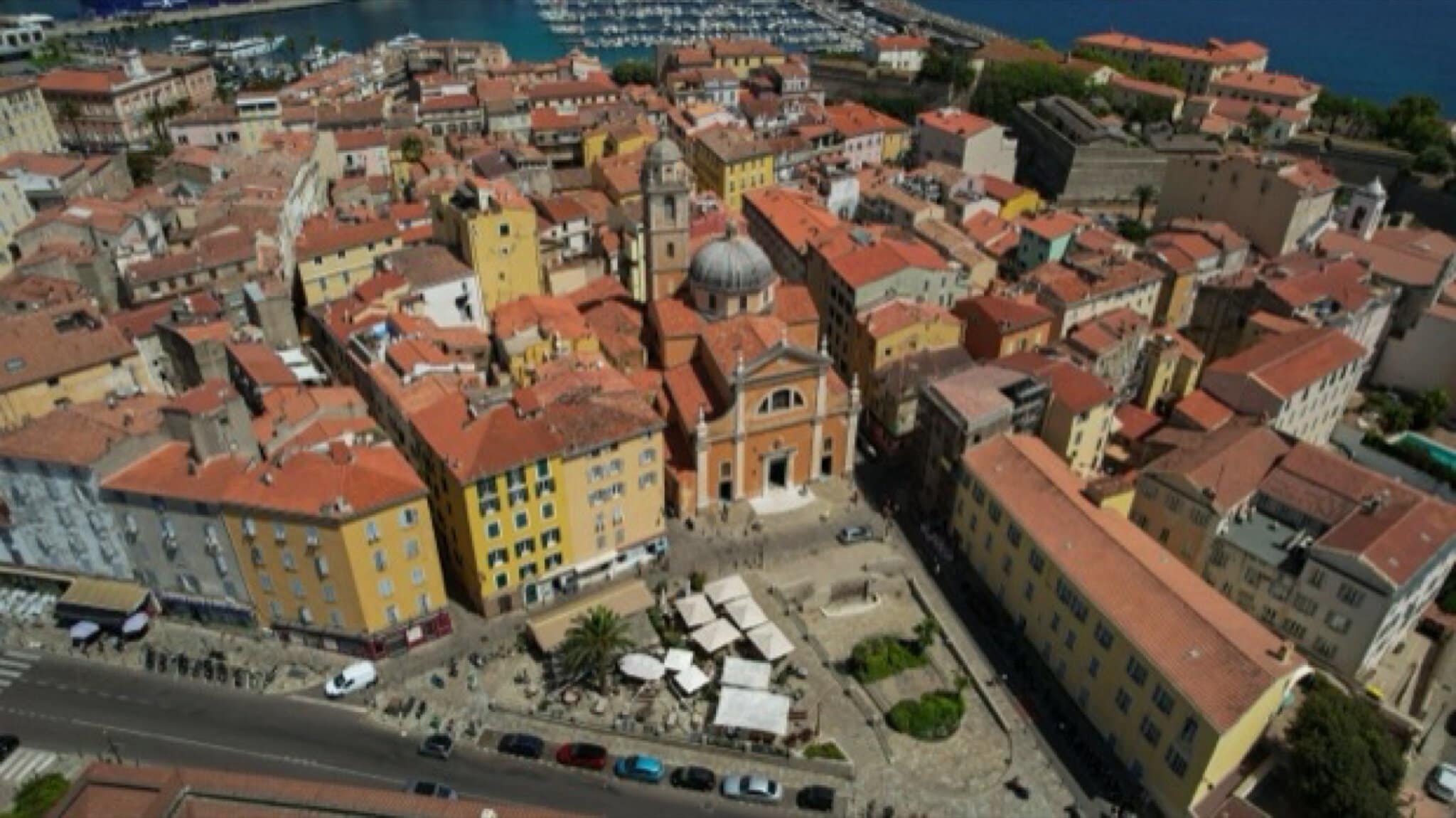
If your feet are properly aching after a full day of exploring, or you’re travelling with small children who simply don’t fancy walking in the heat, I have a great tip to save the day. A brilliant and very popular option for a quick, comfortable introduction to the city is a ride on the local tourist train (Petit Train d’Ajaccio). These charming little trains depart very regularly from the main square, Place Foch, and offer tourists two different interesting scenic routes. The first is a bit shorter, takes you through the old town’s narrow streets and shows you all the main historic sights connected to Napoleon.
The second, noticeably longer and far more scenic route, takes you out of the city along the entire coast as far as the Parata cape and the famous Sanguinaires Islands, so you’ll see the best of the surrounding nature. Throughout the journey you can comfortably enjoy the sea views and listen through headphones to an engaging audio guide packed with facts about the history, culture and Corsican nature. It’s a very pleasant and effortless way to get a basic overview of where everything is located in the city.
💡 TIP: A ticket for the longer loop to the cliffs costs an adult visitor roughly €12. The trains are very popular among tourists in the summer months, so I recommend arriving at the square a little early so you can comfortably grab the best seats by the edge with a good view.
11. Trips Inland (Corte and the Mountains)
Although Ajaccio’s sun-drenched coast with its sandy beaches is gorgeous, Corsica’s true rugged soul lies hidden deep inland, which you definitely shouldn’t skip. Roughly an hour and a half of winding driving from the capital brings you to the historic mountain town of Corte. It’s perfectly surrounded by sharp granite peaks and in the 18th century served, under the leadership of Pasquale Paoli, as the capital of the independent Corsican government. The town is crowned by an old stone citadel majestically perched on a steep rock, from where there’s an absolutely fantastic view into the surrounding deep green valleys full of chestnut forests. The island’s only university still operates here too.
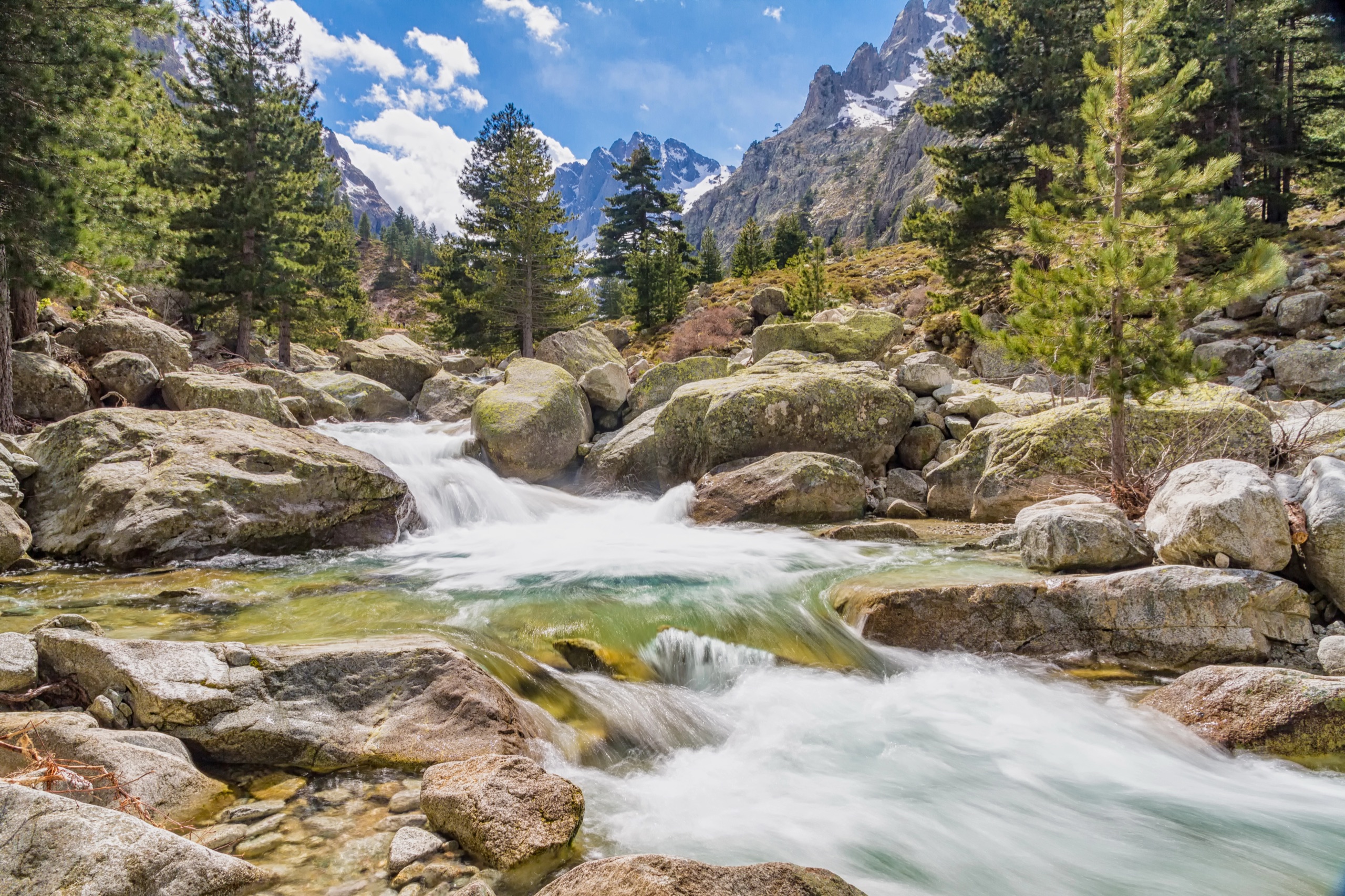
From Corte you can then head into the stunning Restonica valley, through which a crystal-clear and very icy mountain river wildly flows. Along its course it forms gorgeous natural stone pools that are absolutely ideal for a quick summer dip. The narrow mountain road takes you all the way to a remote car park, from where you can set out on a more physically demanding trek to the mountain lakes of Melo and Capitello. It’s high in these mountains that you’ll fully grasp the incredible contrast between the elegant French coast and the utterly wild, untamed nature that rules Corsica.
💡 TIP: If you’re experienced mountaineers, you may be interested to know that the legendary GR20 trek runs not far from here. It crosses the island, measures 180 kilometres and involves an enormous 12,000 metres of elevation gain. Wild camping along it is strictly forbidden under heavy fines, and places in the mountain refuges must be booked well in advance.
Map of points of interest for your phone
Where to Go Next from Ajaccio
Corsica may be a fairly small island in terms of size, but because of its incredibly winding mountain roads, journeys here take far longer than you’d expect. If you have a car at your disposal, I recommend heading south to the town of Bonifacio, whose old quarter balances on huge white limestone cliffs dropping vertically into the sea. It’s a visually utterly stunning experience that seems to defy the laws of gravity. Beneath the mighty citadel you’ll also find the famous Aragonese Steps carved straight into the steep rock face, leading you all the way down to the sea.
The trip to the northwest coast is also beautiful, and you can read more about it in our article on the Calvi and Balagne region. There you’ll find a huge citadel towering over the sea, narrow cobbled streets and plenty of small mountain villages tucked away in the hills. If you’re planning to explore the whole island and are after comprehensive information about the GR20 trek, campsites or other hidden white-sand coves, definitely don’t miss our extensive guide to all of Corsica.
Frequently Asked Questions
How many days do I need to explore Ajaccio?
For the city itself and its main sights, including Napoleon’s birthplace and the extensive Fesch museum, one full day is more than enough. However, if you want to leisurely enjoy the surrounding beaches along the Route des Sanguinaires, take an evening boat trip to the Sanguinaires Islands, and do a shorter trek near Cape Parata, I definitely recommend setting aside 2 to 3 days for this area.
Do I need a car when staying in Ajaccio?
If you’re planning to stay just in the city center and occasionally hop on bus line 5 to the nearest beach, you don’t necessarily need a car. However, as soon as you want to head out on trips to the interior, explore the mountains around the town of Corte, or travel to the beautiful south to Bonifacio, a car is an absolute necessity. Public transport on the island is very sparse, buses run irregularly, and without your own vehicle you’ll miss out on real freedom.
When is the best time to visit the city?
The best conditions are in June and September, when the sea is beautifully warm, the narrow roads aren’t so crowded, and you can find reasonable accommodation prices. May is absolutely perfect for hiking, as the island blooms beautifully and is fragrant with typical maquis, though the water might still be a bit cold. Definitely give August a wide berth – the island is extremely overcrowded and prices for everything are at their absolute peak.
Where can I find the best beaches in the area?
The most beautiful and accessible sandy beaches lie along the coastal road Route des Sanguinaires directly west of the city. Among the most popular are Plage de Marinella and Plage de Terre Sacrée, which have wonderfully fine sand and a very gentle entry into the water. The bays are also sheltered and calm, making them an ideal and safe place for swimming, even for families with small children.
Is a vacation in Ajaccio expensive?
Corsica generally belongs to the noticeably more expensive French destinations. In 2026, expect that better accommodation during the season can easily cost around 180 to 250 euros per night. A main course in a restaurant will cost approximately 20 to 30 euros, and the fixed prices for ferries from the mainland or local car rentals are also quite high. If you want to save money, travel strictly outside the main summer season.
How do I best get to the Bloody Islands?
You can reach the Bloody Islands (Îles Sanguinaires) exclusively by boat. Several organized excursion boats depart daily from the main port in Ajaccio. The most popular by far are the evening cruises combined with wine or local beer tasting. From the deck, you can then peacefully observe the breathtaking sunset, when the local porphyry rocks take on their typical reddish color and create an unforgettable spectacle.
What should I try from the local gastronomy?
Make sure not to miss the fresh sheep or goat cheese Brocciu, which is added to many excellent vegetarian dishes including hot fried doughnuts (beignets). For dessert, try fiadone, a fabulous lemon cake made with this very cheese, or any sweet pastry baked with traditional Corsican chestnut flour. You can then wash it all down in style with local Pietra beer, which is brewed with the addition of chestnuts.
How long does the ferry ride from the mainland take?
The fastest ferry connection is offered from the French city of Nice, where the crossing takes approximately 6 to 7 hours. If you’re sailing to the island from Toulon, expect 8 to 10 hours at sea. The longest journey awaits you from Marseille, where you’ll spend 11 to 14 hours on board. On the other hand, ferries from Italian ports have historically been the most budget-friendly option.
Tips and Tricks for Your Vacation
Don’t Overpay for Flights
Search for flights on Kayak. It’s our favorite search engine because it scans the websites of all airlines and always finds the cheapest connection.
Book Your Accommodation Smartly
The best experiences we’ve had when looking for accommodation (from Alaska to Morocco) are with Booking.com, where hotels, apartments, and entire houses are usually the cheapest and most widely available.
 🚗 Car rental on the roadVerified rental cars in Corsica
Search with the DiscoverCars comparison engine — it compares prices from dozens of local and international rental companies, and most bookings come with free cancellation.
Compare car prices in Corsica →Don’t Forget Travel Insurance
Good travel insurance will protect you against illness, accidents, theft, or flight cancellations. We’ve had a few hospital visits abroad, so we know how important it is to have proper insurance arranged.
Where we insure ourselves: SafetyWing (simple monthly subscription) and TrueTraveller (for extra-long trips).
Find the Best Experiences
Get Your Guide is a huge online marketplace where you can book guided walks, trips, skip-the-line tickets, tours, and much more. We always find some extra fun there!