Finding your way through the cultural riches of the American metropolis takes a clear plan. The best museums in New York form a dense network of more than eighty institutions scattered across all five boroughs. You’ll find everything here, from enormous collections of ancient art to tiny galleries devoted to modern design.
Exploring them all in a single holiday simply isn’t physically possible. That’s why we’ve picked out fifteen of the most interesting places to help you make sense of history, art and technological progress. Each one offers a completely different experience.
When you’re planning your days, think first and foremost about your own energy levels. Choose no more than one big institution per day. Spend the rest of the afternoon wandering the city or sampling the local vegetarian scene.
TL;DR
- The Met: Admission $30 (seniors $22, students $17, children under 12 free). Ticket is valid for 3 days and includes the Cloisters branch.
- MoMA: $30 on site, $28 online. Free Friday applies ONLY to NY/NJ/CT residents.
- AMNH: The natural history museum costs $37. A great choice for kids, with giant dinosaurs and a planetarium.
- Pay-what-you-wish: The voluntary admission system is EXCLUSIVELY for NY/NJ/CT residents. Tourists pay the full price.
- Free for everyone: New York Public Library (Rose Main Reading Room). From 1 January 2026, also MoMA PS1 in Queens.
- Tourist passes: CityPASS at $154 (5 attractions) or Go City Explorer from $89 will save you money.
- Summer 2026: Expect record crowds thanks to the FIFA World Cup and the 250th anniversary of the USA. Buy tickets online well in advance.
- Quieter alternatives: Lesser-known museums like the Frick, Morgan or Neue Galerie offer an equally rewarding experience without the huge queues.
The full destination guide: New York — guide and what to see
The Big Three: museums you can’t miss
The Metropolitan Museum of Art (The Met)
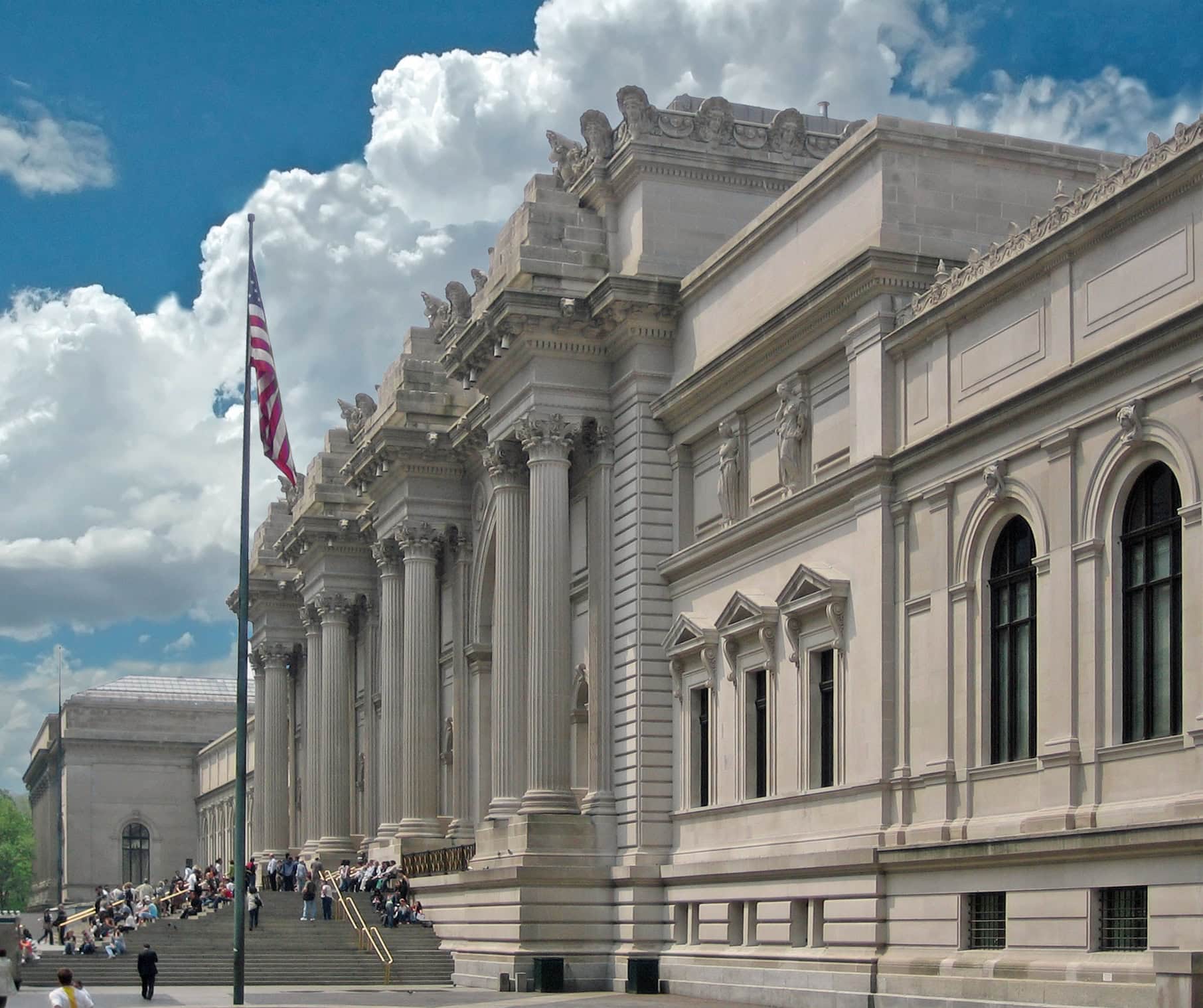
You enter America’s largest art museum up a sweeping staircase on Fifth Avenue. The Metropolitan Museum of Art holds two million works spanning five thousand years of human history. You can walk around a complete Egyptian temple from Dendur, bathed in natural light from the surrounding windows. A floor higher up, the famous canvases of the European masters await.
A standard ticket costs $30 for adults (seniors pay $22, students $17, and children under 12 get in free). The ticket is valid for three full days and also covers entry to the medieval Cloisters branch. During the summer months, take the lift up to the rooftop terrace. It offers a lovely view over the treetops of Central Park.
⚠️ The well-known pay-what-you-wish system applies ONLY to residents of New York, New Jersey and Connecticut. Visitors from the UK pay full admission. You’ll find official information at metmuseum.org.
MoMA (the Museum of Modern Art)
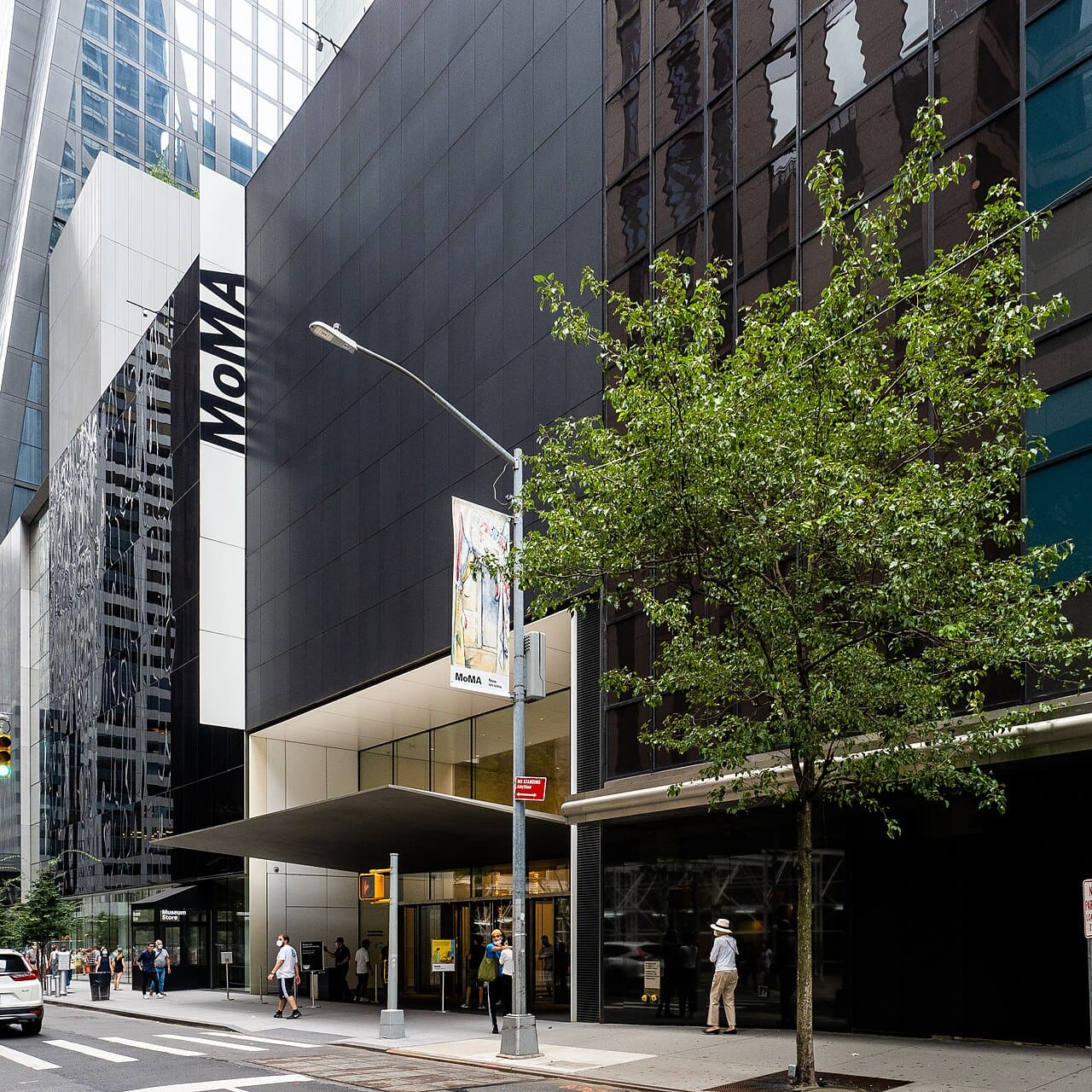
Vincent van Gogh’s famous The Starry Night hangs on the fifth floor of this minimalist building. The Museum of Modern Art brings together the finest works by twentieth-century artists. You’ll see Picasso’s Les Demoiselles d’Avignon and Andy Warhol’s pop-art Campbell’s Soup Cans. On the ground floor, you can rest in the peaceful sculpture garden.
Buy a ticket at the box office and you’ll pay $30, while booking online costs $28. Seniors pay $22/$20, students $17/$15, and young people under 16 get in free. ⚠️ The often-mentioned Free Friday (5:30 to 8:30 pm) once again applies ONLY to local residents, not to tourists. You can get tickets at moma.org.
American Museum of Natural History (AMNH)
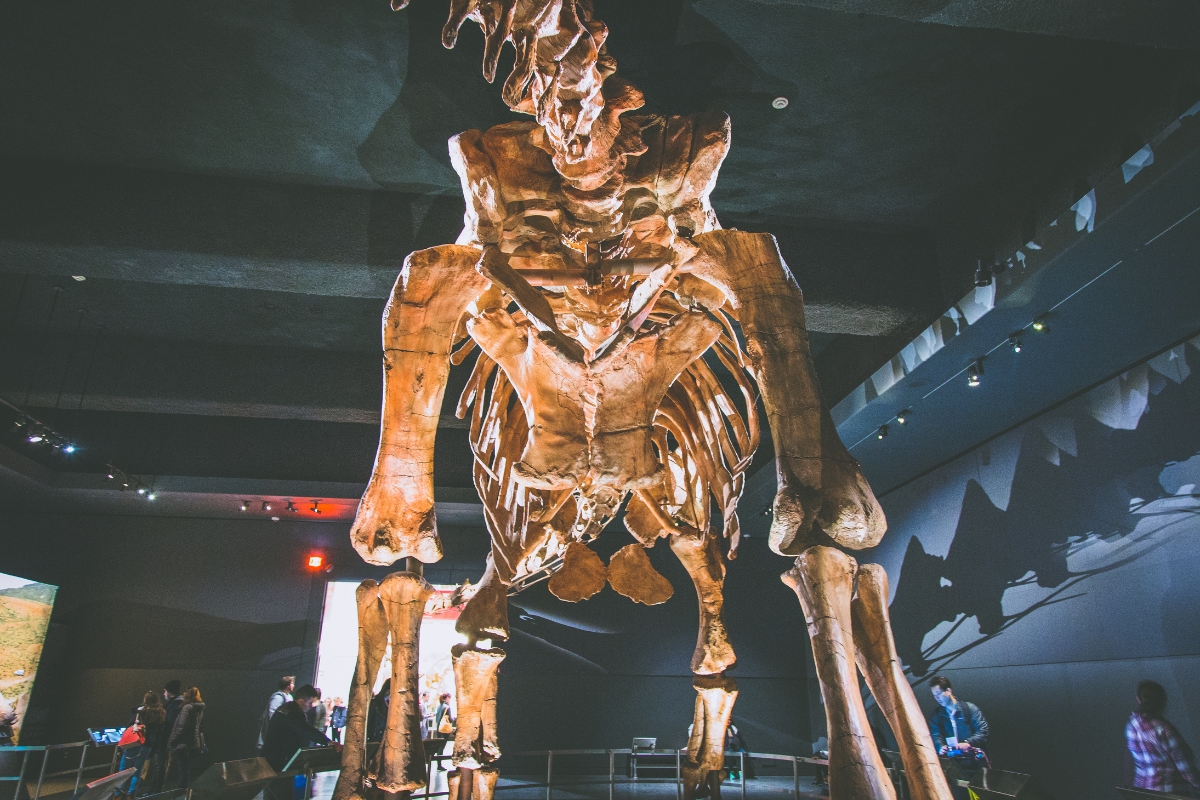
The skeleton of a giant Tyrannosaurus greets you on the fourth floor, which is dedicated to prehistory. The American Museum of Natural History is an ideal choice for families with children. In the dimly lit ocean hall, a 25-metre model of a blue whale hangs from the ceiling. The modern Rose Center for Earth and Space, linked to the Hayden Planetarium, is also well worth exploring.
You’ll pay $37 for the standard tour plus one special exhibition. This price gives you access to all the main exhibits, including the popular animal dioramas. ⚠️ Pay-what-you-wish admission is reserved exclusively for local residents with valid ID. Book your tickets via amnh.org.
Art from modernism to the present day
The Guggenheim Museum
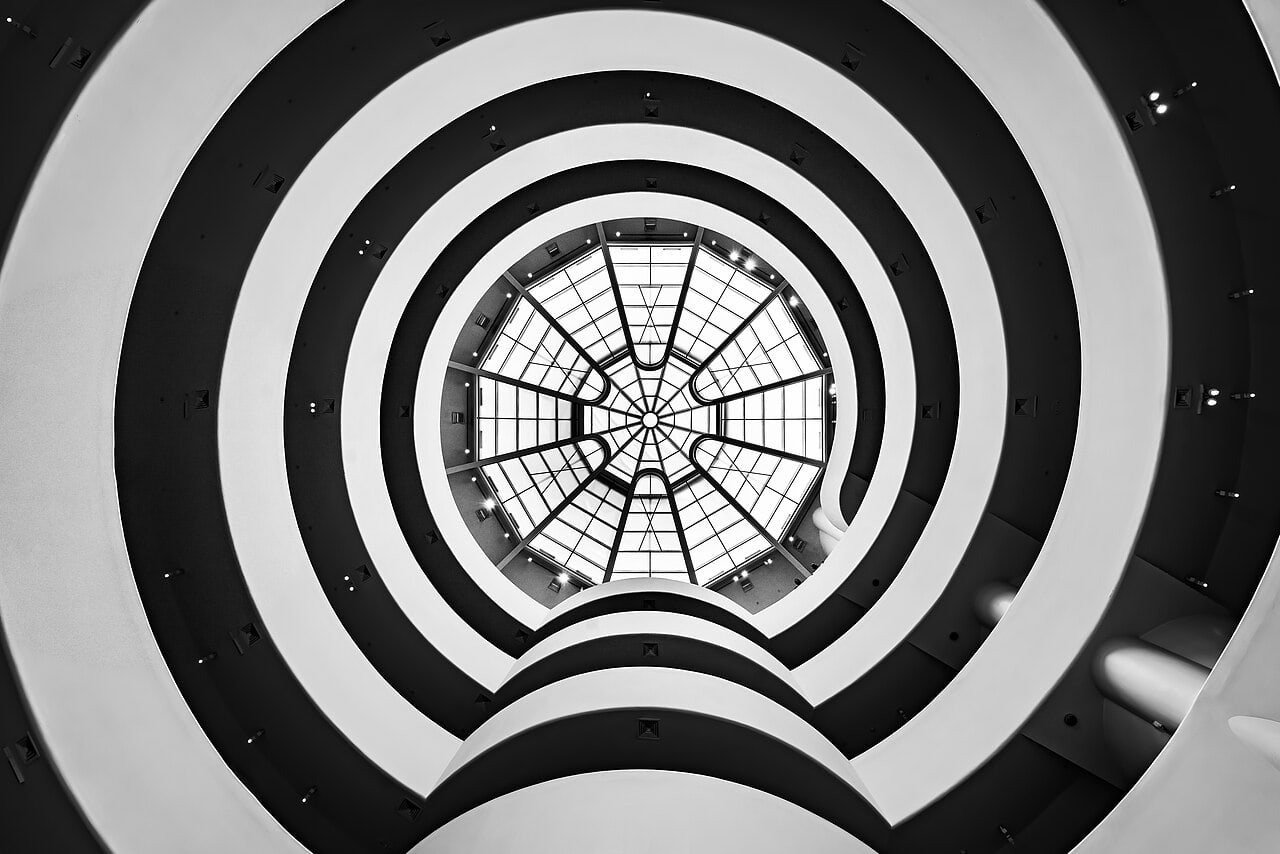
Behind the iconic white facade designed by architect Frank Lloyd Wright lies a truly unique exhibition space. The Guggenheim Museum isn’t made up of conventional galleries but of one long spiralling ramp. You take the lift up to the very top floor beneath the glass skylight and slowly make your way down, passing major works of modern and contemporary art along the way.
The building itself is considered an architectural masterpiece admired by people the world over. Admission runs to roughly $30; check the exact price and opening hours on guggenheim.org.
Whitney Museum of American Art
This glass building designed by architect Renzo Piano rises right at the southern end of the popular High Line park. The Whitney Museum focuses exclusively on American art of the twentieth and twenty-first centuries. From its outdoor steel terraces, you get a fantastic view over the Hudson River and the skyline of Lower Manhattan.
Adults pay $22 for entry. A big plus is free admission for all visitors under 18, which makes the gallery a more accessible destination for families with teenagers. You’ll find the details at whitney.org.
New Museum (Bowery)
A stack of asymmetrically arranged white boxes forms an unmistakable landmark in the Bowery neighbourhood on the Lower East Side. The New Museum shows nothing but contemporary and experimental art. Don’t expect permanent displays of old masters here; the programme changes constantly and gives space to new artists from around the world.
At weekends, you can head up to the rooftop terrace for a fresh view over Lower Manhattan. A ticket costs roughly $22. Take a look at the current exhibitions at newmuseum.org.
Frick Collection
Masterpieces of European painting hang in the luxurious rooms of the former mansion of steel magnate Henry Frick. The Frick Collection offers a more intimate alternative to the giant institutions. Here you can study rare canvases by Vermeer, Rembrandt and El Greco up close, surrounded by antique furniture.
After an extensive renovation, the museum reopened its doors in 2025. Admission sits at roughly $30. Keep an eye on news about the reopening at frick.org.
Neue Galerie (UES)
Gustav Klimt’s portrait of Adele Bloch-Bauer, known as the Woman in Gold, is the star attraction of this elegant collection. The Neue Galerie on the Upper East Side specialises in Austrian and German art. After viewing the paintings, stop by the ground-floor Café Sabarsky for excellent Viennese pastries and coffee.
Entry to the gallery costs roughly $28. ⚠️ The management considers the space unsuitable for small children and therefore doesn’t admit anyone under 12. You’ll find more information at neuegalerie.org.
History, design and special museums
9/11 Memorial Museum
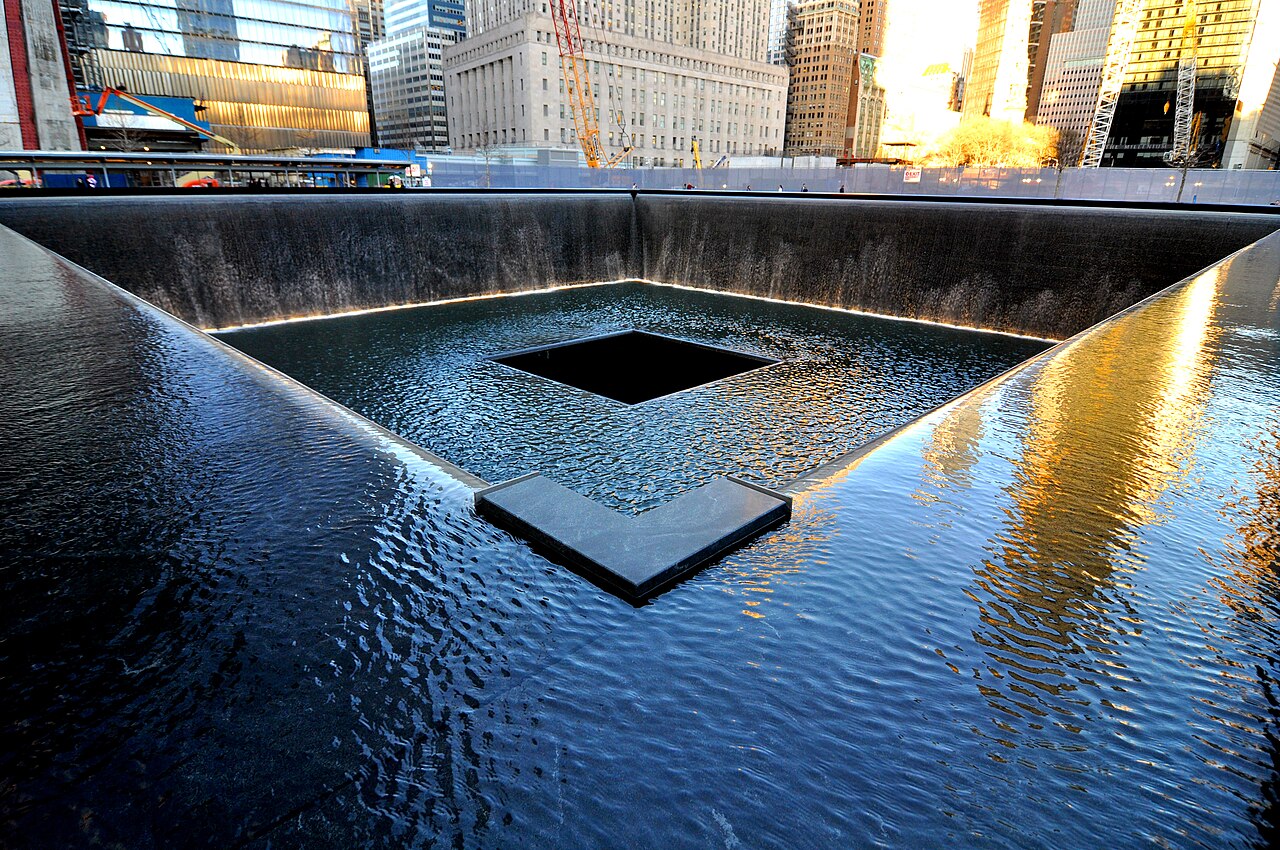
This underground exhibition lies right in the foundations of the former World Trade Center towers. The 9/11 Memorial Museum delivers a powerful and deeply moving experience. You’ll see authentic artefacts from the rubble, destroyed fire trucks, and hear chilling voice recordings from that fateful day.
A ticket to the underground spaces costs roughly $30 to $33. The outdoor memorial pools with their cascading water can be viewed completely free of charge. You can book tickets at 911memorial.org.
Ellis Island (National Immigration Museum)
Halls full of hope and fear once welcomed tens of millions of immigrants. The National Immigration Museum sits on Ellis Island, right next to the Statue of Liberty. You can walk through the registration rooms and medical offices where decisions were made about whether people would be let into the new world.
Entry to the building is included in the ticket for the official Statue City Cruises ferry. ⚠️ During 2025 and 2026, the island is undergoing an extensive renovation. Check current operating restrictions at statueofliberty.org.
Tenement Museum
Narrow corridors and tiny rooms on the Lower East Side reveal the harsh reality of working-class life. The Tenement Museum has preserved authentic immigrant apartments from the nineteenth and twentieth centuries. The guides tell the specific stories of the families who lived in these cramped conditions.
You can only see the spaces with a guide; there’s no self-guided entry. A ticket costs $30, and booking ahead is essential given the small group capacity. Look for available dates at tenement.org.

Morgan Library & Museum
A three-storey library lined with dark wood feels like a set from a period film. The Morgan Library & Museum houses a collection of medieval illuminated manuscripts and original drawings. A rare Gutenberg Bible rests in the vaults. You can also walk through the original study of the influential banker J. P. Morgan.
A striking contrast to the historic wing comes from the modern glass pavilion that connects the individual buildings. Admission costs roughly $25. You’ll find the details at themorgan.org.
Cooper Hewitt (Smithsonian Design Museum)
The historic residence of industrialist Andrew Carnegie on the Upper East Side hosts exhibitions brimming with creativity. Cooper Hewitt charts the evolution of design from antiquity to the cutting edge of today. On arrival, you’re given an interactive stylus. With this digital pen, you can save exhibits that catch your eye into a virtual collection or draw your own patterns on the interactive tables.
The garden behind the mansion is a great spot to rest after a stroll down Fifth Avenue. A ticket costs roughly $22. The current programme is posted at cooperhewitt.org.
Intrepid (Sea, Air & Space Museum)
The real aircraft carrier USS Intrepid is permanently moored at Pier 86 on the Hudson River. This military and naval museum will thrill anyone who loves technology. On the flight deck, you can get up close to dozens of historic fighter jets, while a separate pavilion is home to the original Space Shuttle Enterprise.
The tour also includes a descent into the cramped quarters of the submarine Growler. Tickets start from $13.20 depending on the attractions package you choose. You’ll find the opening hours at intrepidmuseum.org.
The Cloisters (medieval art)
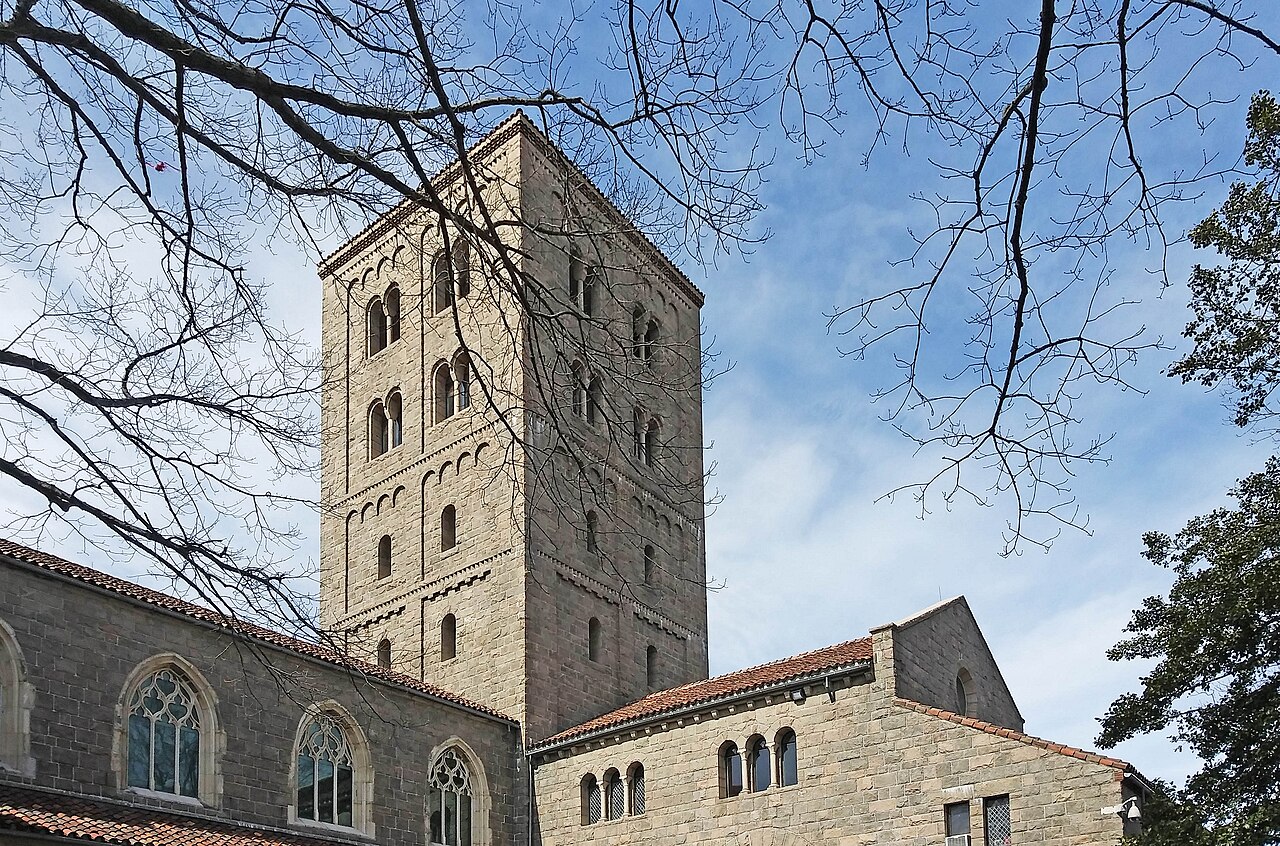
Stones from several ruined French monasteries were shipped across the ocean and reassembled into a new building. The Cloisters sits in the north of Manhattan in the peaceful Fort Tryon Park. This branch of The Met focuses exclusively on the art and architecture of the European Middle Ages. You’ll see the rare Unicorn Tapestries and tranquil inner gardens planted with herbs.
A visit here transports you from the noisy metropolis into the silence of a European monastery. Entry to the site is included in your main Met ticket. Look for transport information at metmuseum.org/cloisters.
Free museums and how to save on admission
Cultural institutions can swallow a big chunk of your travel budget. ⚠️ We strongly want to flag the rules of the pay-what-you-wish system at The Met and AMNH. This option applies ONLY to residents of NY, NJ and CT. Tourists pay full admission. The same rule limits the popular Free Friday at MoMA, too. Locals get in free, but as a tourist you’ll have to buy a ticket.
Some places, though, open their doors free of charge to ALL visitors without exception. You don’t need a ticket for the magnificent New York Public Library. Its famous Rose Main Reading Room and the lion statues named Patience and Fortitude can be seen at no cost. From 1 January 2026, the contemporary art centre MoMA PS1 in Queens will join the list of free institutions.
If you’re planning to visit three or more paid attractions, consider buying a tourist pass. The CityPASS at $154 covers five major attractions, while the flexible Go City Explorer starts from $89. You can pick up standard tickets and special passes through GetYourGuide, where you can easily check availability.
💡 Always buy tickets to your chosen galleries online. You’ll save precious time in the queues and, in MoMA’s case, a few dollars too. ⚠️ For summer 2026, we expect a huge surge of tourists. The city is hosting the FIFA World Cup and celebrating 250 years of American independence, so book your tickets well in advance.
Practical tips for visiting the museums
- Book online: Buying over the internet will save you tens of minutes of waiting at the box office. At MoMA, you’ll also pay two dollars less.
- Plan ahead at The Met: The building is enormous. Pick two or three specific wings in advance. Don’t try to race through everything in one day.
- Watch out for the cloakrooms: Large backpacks and rucksacks are a problem. Security won’t let you in with them, and the cloakrooms are often full. Bring a small bag.
- Make the most of bad weather: A rainy day is the perfect time to explore the exhibitions. Just be prepared for more people with the same idea.
- Get an early start: First thing in the morning after opening, or during a weekday, you’ll find far fewer visitors in the halls.
- Download the apps: Official audio guides are usually free and run right on your phone. They’ll deepen your understanding of the works on display.
American institutions tend to be heavily air-conditioned in summer. Pack a light jumper or hoodie in your bag, otherwise you’ll be shivering after an hour of admiring paintings. Wear your most comfortable trainers, too. Marble and concrete floors really take a toll on your feet after a few kilometres of walking.
Tips and experiences from visitors
Experienced travellers tend to agree on a few essential rules. Before your trip, give these practical insights some thought.
- Pay-what-you-wish warning: Visitors from the UK pay full price at the AMNH and The Met. Don’t try to haggle at the box office; the rules are crystal clear.
- You can’t do The Met in a day: Just pick your favourite sections. Speed-walking through the whole building only leads to total exhaustion.
- A refuge from the extremes: Museums make a perfect shelter from summer heat or unexpected rain.
- Good timing: Early hours on weekdays mean shorter queues at the box office and the toilets.
- Lesser-known museums: The Frick Collection, Morgan Library and Neue Galerie tend to be quieter. They often deliver a stronger experience than the overcrowded headline attractions.
Every institution occasionally changes its opening days or closes certain wings while new exhibitions are being installed. Check current opening hours on The Met’s official website and those of the other galleries mentioned.
Where to stay near the museums
Looking for a hotel within walking distance of the main cultural hubs? Focus on the famous Museum Mile along the eastern side of Central Park. The Upper East Side neighbourhood offers a calmer atmosphere and quick access to The Met, the Guggenheim and the Neue Galerie. Accommodation here is on the pricier side, but you’ll save time on morning subway trips.
A second great option is the Upper West Side neighbourhood on the opposite side of the park. From here, you can walk to the AMNH natural history museum. The streets are lined with beautiful historic townhouses, and you’ll find plenty of small cafés serving vegetarian dishes. Both neighbourhoods stand out for being safe even after dark.
If you want the museums on your doorstep, take a look at accommodation near Museum Mile on the Upper East Side or in the quieter Upper West Side, or compare all accommodation in New York.
Where to next
Already picked your galleries and looking for inspiration for the rest of your trip? Take a look at our other guides.
Frequently asked questions
Which museums in New York are the best?
The Met (world art, 2 million pieces), MoMA (modern art, Van Gogh), AMNH (natural history, dinosaurs), Guggenheim (architecture + art). Depends on your interests.
How much does museum admission cost in New York?
The Met and MoMA $30, AMNH $37, Whitney $22, Intrepid from $13.20. Guggenheim, Frick, Neue Galerie roughly around $28-30. CityPASS passes $154.
Is entry to the Metropolitan Museum free?
Not for tourists. Pay-what-you-wish ONLY for NY/NJ/CT residents with proof of residency. Tourists pay €27. However, the ticket is valid for 3 days and includes The Cloisters as well.
Which museum is best for kids?
AMNH (37 USD) – dinosaurs, Hayden Planetarium, interactive exhibits. Whitney Museum has free admission under 18. Intrepid (aircraft carrier, space shuttle) is great for older kids.
How Much Time to Allow for The Met?
The Met has 2 million works across hundreds of galleries. You won’t see the entire museum in one day. Choose 2-3 sections in advance (e.g. Egyptian art, European masters, rooftop terrace) and plan for 3-4 hours.
Which museums in New York are free?
Free for everyone: New York Public Library (Rose Main Reading Room) and MoMA PS1 in Queens (from 1.1.2026). Pay-what-you-wish at Met and AMNH applies ONLY to NY/NJ/CT residents, not for tourists.
Tips and Tricks for Your Vacation
Don’t Overpay for Flights
Search for flights on Kayak. It’s our favorite search engine because it scans the websites of all airlines and always finds the cheapest connection.
Book Your Accommodation Smartly
The best experiences we’ve had when looking for accommodation (from Alaska to Morocco) are with Booking.com, where hotels, apartments, and entire houses are usually the cheapest and most widely available.
 🚗 Car rental on the roadVerified car rentals in New York
Search with the DiscoverCars comparison engine — it compares prices from dozens of local and international rental companies, and most bookings come with free cancellation.
Compare car prices in New York →Don’t Forget Travel Insurance
Good travel insurance will protect you against illness, accidents, theft, or flight cancellations. We’ve had a few hospital visits abroad, so we know how important it is to have proper insurance arranged.
Where we insure ourselves: SafetyWing (simple monthly subscription) and TrueTraveller (for extra-long trips).
Find the Best Experiences
Get Your Guide is a huge online marketplace where you can book guided walks, trips, skip-the-line tickets, tours, and much more. We always find some extra fun there!