

There’s no single right answer to the question “when is the best time to visit Lapland?” It really depends on what you want to bring home with you. The Northern Lights and Santa? A proper Arctic winter? Or green hills and a sun that never sets at midnight? Every season has its own magic and its own drawbacks, and the prices and crowds shift accordingly. ☺️
In this guide we’ll walk through the weather in Lapland month by month, from temperatures and snow to day length, your chances of catching the aurora, prices and crowds. I’ll tell you which month is best for the Northern Lights, skiing and the midnight sun, and what to pack for each season.
If you’re still gathering ideas on what to actually do there, take a look at my big guide on what to see in Lapland and my article about the Northern Lights.
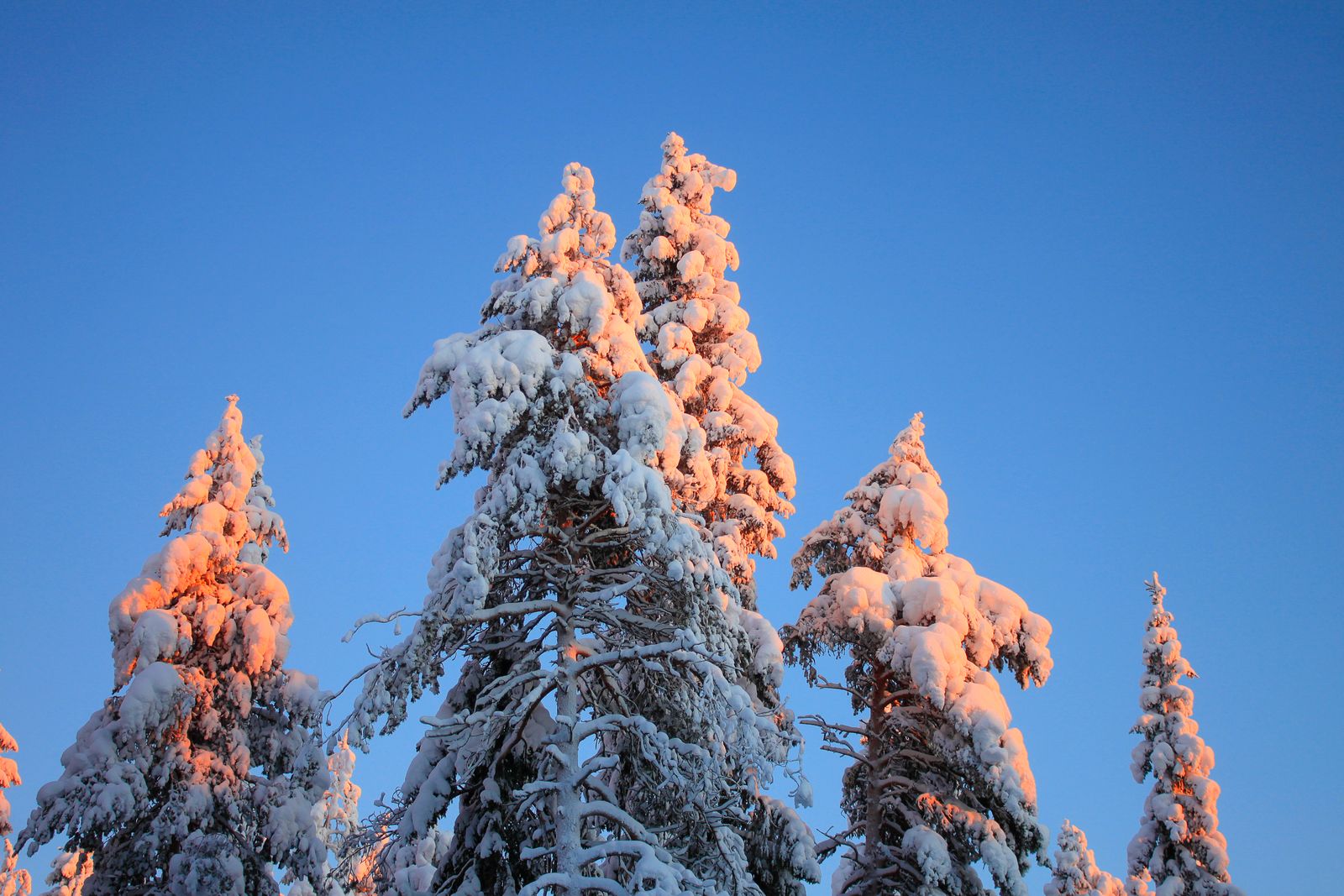
TL;DR
- For Christmas atmosphere and Santa: December, but expect the highest prices and shortest days.
- Best value for money: January, when prices drop after the Christmas peak and snow is guaranteed.
- The best overall compromise: February and March, with plenty of light, clearer skies, the most snow and a good chance of the Northern Lights.
- For the midnight sun and hiking: June and July, cheap and crowd-free, but with no snow and no aurora (and plenty of mosquitoes).
- For autumn “ruska” colours and the first aurora: September, quiet, no mosquitoes and the returning Northern Lights.
The full destination guide: Finland — guide and what to see
The two faces of Lapland: winter and summer
Before we dive into the individual months, it’s worth knowing that Lapland has two completely different sides. Most people come for the winter one: snow, the Northern Lights, huskies, reindeer and the festive atmosphere of Santa Claus Village. The winter season runs roughly from December to April, and it’s the time that made Lapland famous.
Summer is a completely different story. The landscape turns green, the sun doesn’t set at midnight, and instead of snow you go hiking and canoeing. It’s noticeably cheaper and free of crowds — the only catch is that the constant daylight means you won’t catch the aurora. Let’s take a look at the individual months now.
Lapland month by month
The temperatures refer to Rovaniemi on the Arctic Circle; in the far north (Saariselkä, Inari) it tends to be colder and darker. Here’s what to expect from each season.
December: a Christmas fairy tale and the polar night
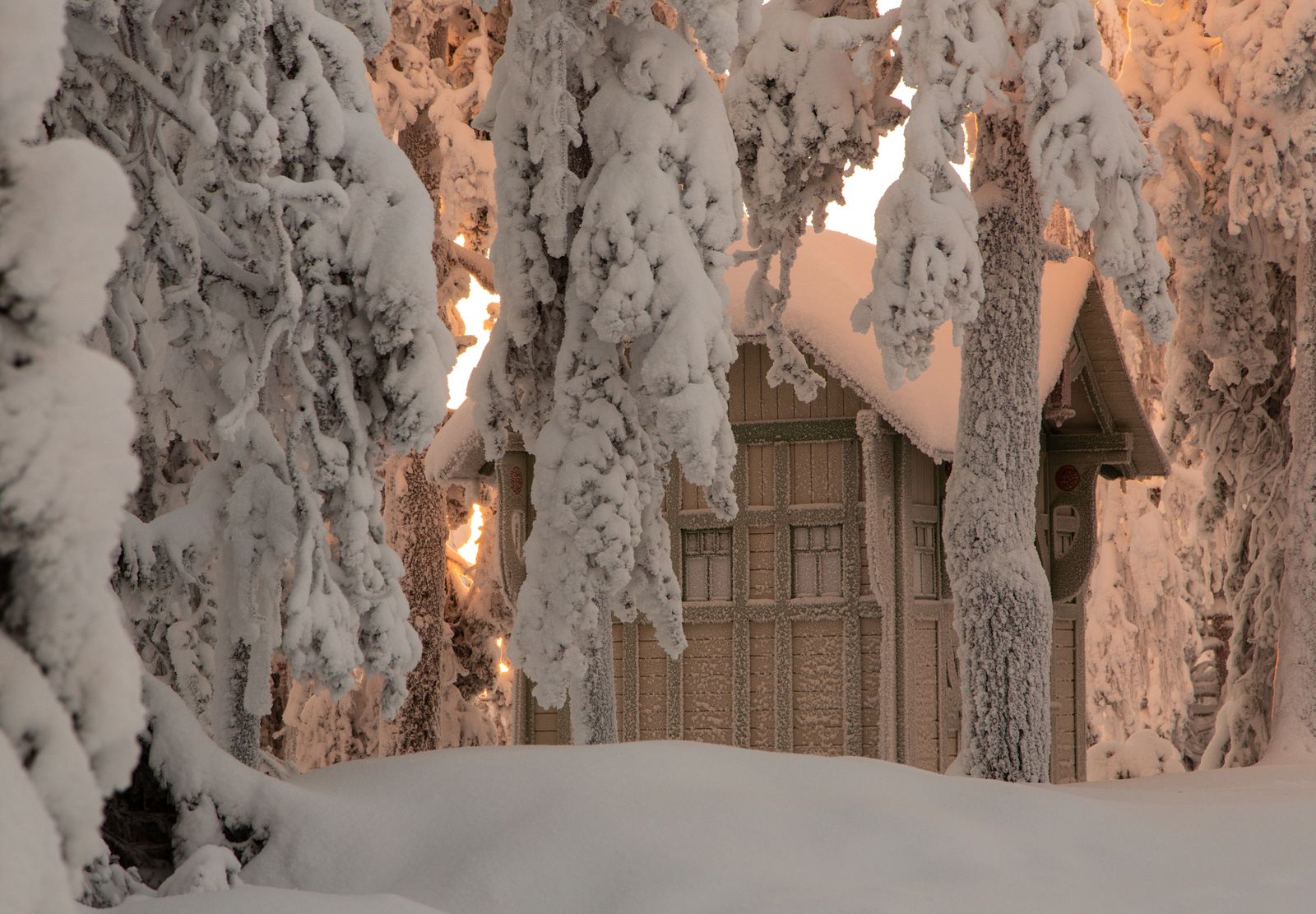
December is the most festive and at the same time the most expensive season. Temperatures hover roughly between 0 and −15 °C, occasionally dropping lower. Around the winter solstice comes the polar night, when the sun barely rises in Rovaniemi and you get just three to four hours of bluish twilight.
Santa Claus Village is in its full glory, but it’s bursting at the seams and accommodation prices shoot up, especially around Christmas. On top of that, there may not be enough snow yet in early December. 💡 Tip: if you want the Christmas atmosphere without the crazy prices, consider early December instead of the holidays themselves.
January: the coldest, but the best value for money
Along with February, January is the coldest month, typically −10 to −25 °C and occasionally even below −30 °C. It’s also very dark, but it has one big advantage: prices fall after the Christmas peak and snow is absolutely guaranteed. If you want a proper Arctic winter with all the trimmings and want to save money, January is ideal.
The dry Arctic cold is also easier to handle than you might expect, which pleasantly surprises a lot of first-time visitors. You just need to dress properly, which we’ll get to in a moment.
February and March: the best compromise
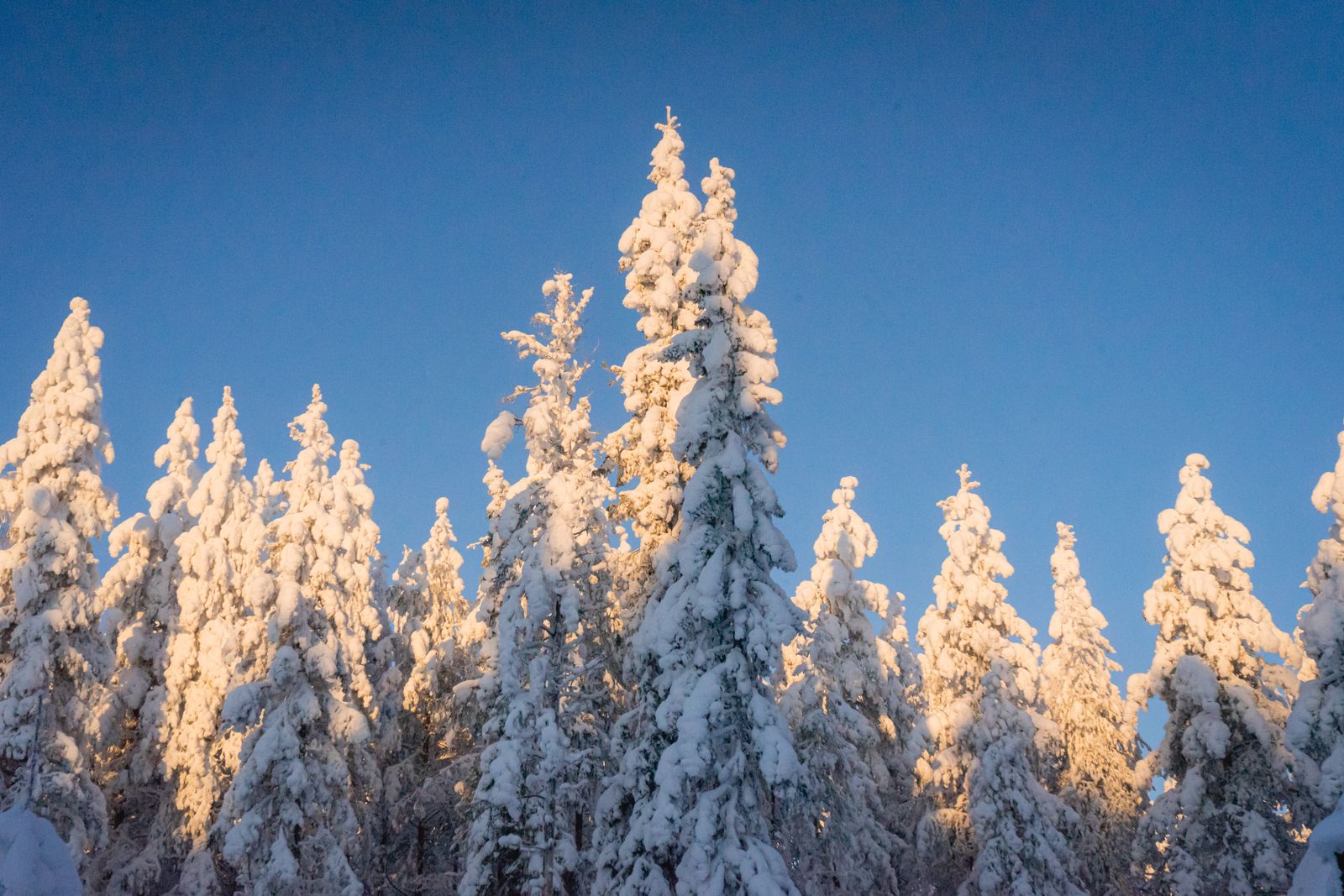
This, in my opinion, is the best time to visit Lapland. In February and especially in March the daylight returns fast, the skies are clearer (and so your chances of the Northern Lights improve), there’s the most snow (easily over 70 cm in March) and the cold is milder than in January.
March also brings long sunny days and the start of the popular spring skiing season at resorts like Levi or Ylläs. You get the ideal combination: winter experiences, plenty of daylight for trips and a good chance of the aurora. For most people, it’s the most balanced choice.
April: spring sunshine and the end of the winter season
In April there’s still plenty of snow, but it’s noticeably warmer and sunnier. It’s a great time for spring skiing and snowmobiling in more pleasant conditions. At the same time, though, the Northern Lights and glass igloo season comes to an end (the igloos usually only run until the end of April), so if you’re coming mainly for the aurora, don’t leave it too long.
Summer (June to August): the midnight sun and hiking
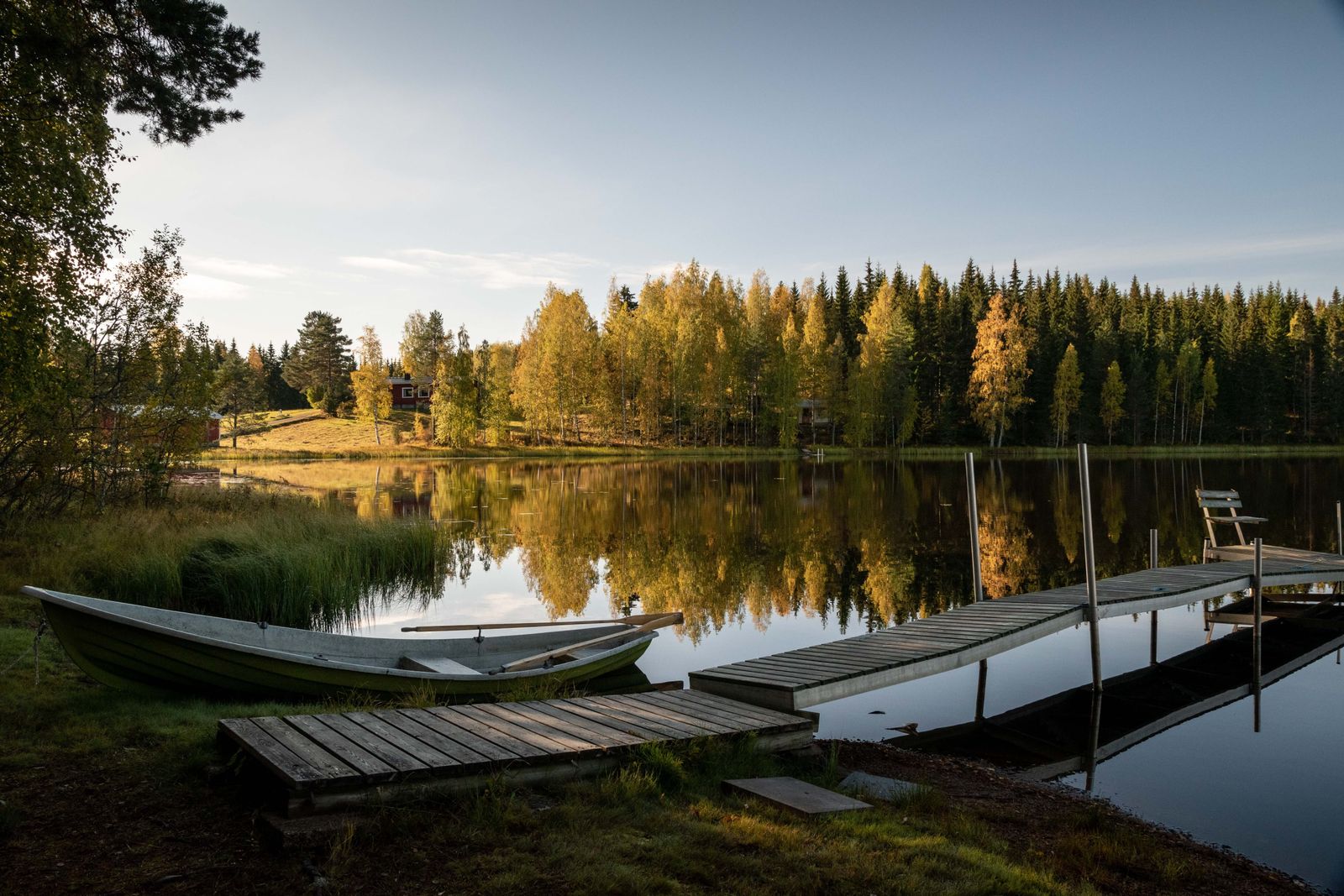
Summer in Lapland is a completely different world. Temperatures are mild (often around 15 to 20 °C) and the midnight sun takes centre stage, when the sun never sets and the night never fully darkens. You can set off on a hike or paddle a canoe even at midnight in full daylight.
It’s significantly cheaper, with fewer tourists and a green landscape instead of snow. Two downsides: the non-stop light means you won’t see the aurora, and in June and July especially the mosquitoes are out in force, so don’t forget the repellent.
Autumn and “ruska” (September to October): colours and the return of the aurora
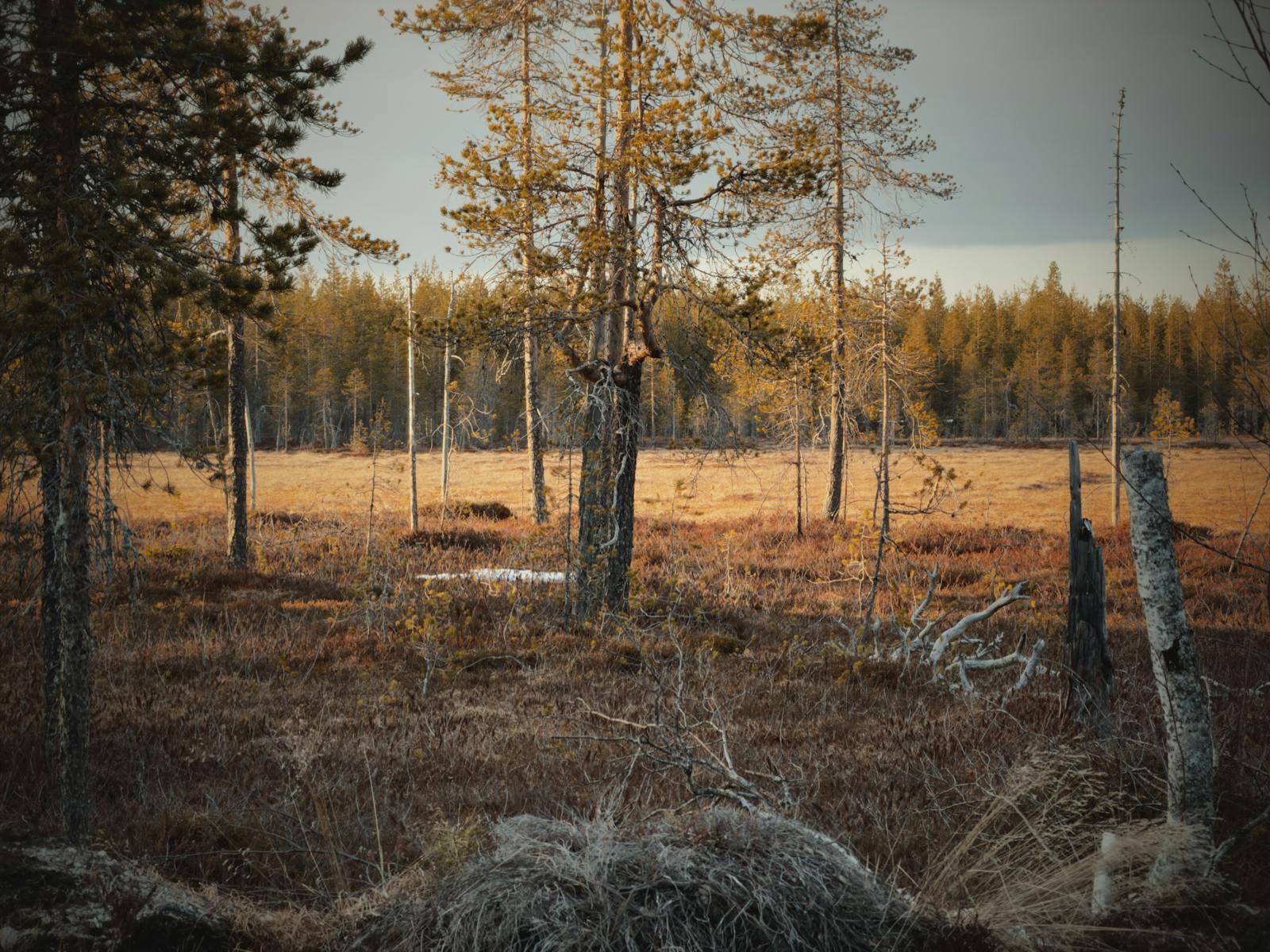
My secret favourite is September and the so-called ruska, a short window when the forests and tundra turn fiery orange and red. The mosquitoes are gone, the temperatures are crisp, and the first Northern Lights return to the darkening sky. For photographers and hiking lovers it’s one of the most beautiful times of all.
It’s the perfect time if you want to combine hiking with a chance of the aurora while avoiding the crowds and high winter-peak prices. Just bear in mind that the weather can already be changeable.

The polar night and the midnight sun: Lapland’s two extremes
Because Lapland lies beyond the Arctic Circle, you’ll experience two phenomena you won’t see anywhere else. Both are worth planning around if they appeal to you.
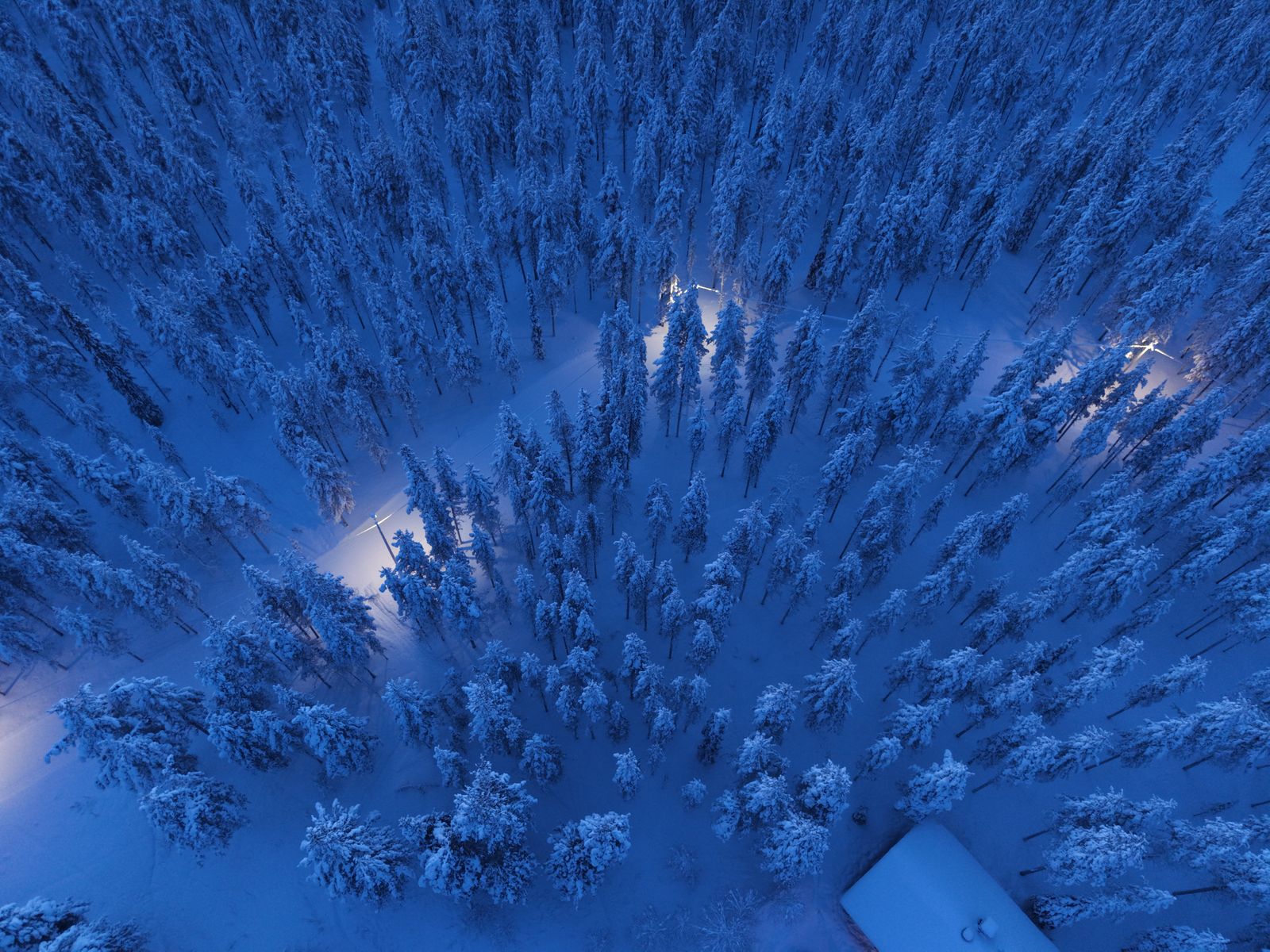
The polar night, or kaamos in Finnish, falls around the winter solstice. In Rovaniemi the sun barely rises during this period and you get just a few hours of bluish twilight; in northern Lapland the sun stays below the horizon for several weeks on end. It isn’t complete darkness, though — more of a magical blue and purple light that photographers adore.
The opposite is the midnight sun, when from roughly early June to early July the sun doesn’t set at all. The white nights are a surreal experience, but a word of warning: if you struggle to sleep in the light, pack a good eye mask, because even at two in the morning it’s as bright as day outside.
What to pack by season
Whether you go in winter or summer, what you wear in Lapland matters. In winter it’s all about staying warm; in summer it’s mainly about protection from mosquitoes and the changeable weather.
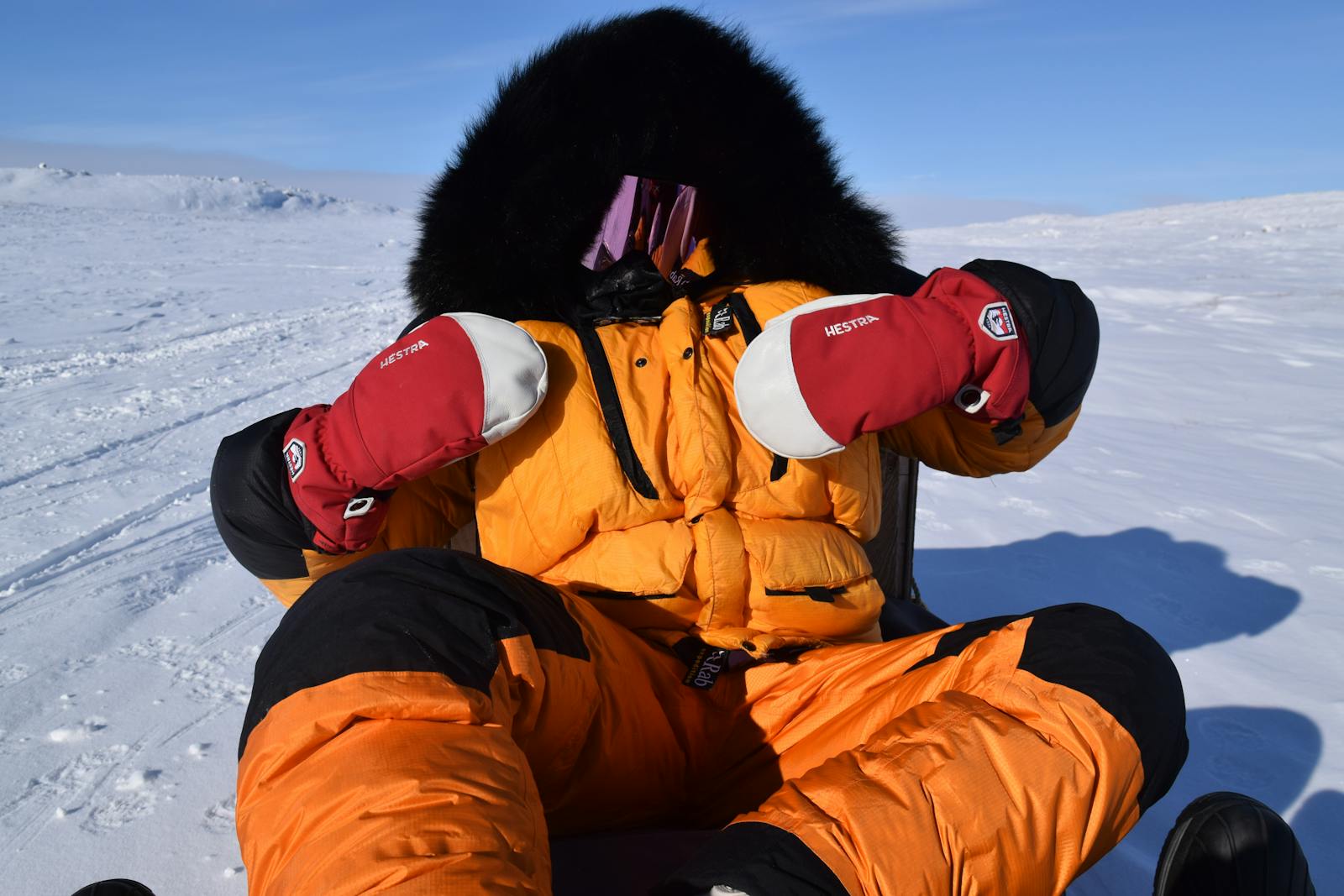
For winter, the rule is layering: quality thermal base layers, a fleece or wool mid-layer, and a waterproof insulated outer layer. Don’t forget a warm hat that covers your ears, mittens and sturdy winter boots with thick socks. The good news: on safaris (huskies, reindeer, snowmobiles) they usually lend you a warm Arctic overall and boots on site, so you don’t need to cram your full polar kit into your suitcase.
For summer, pack layers, a light waterproof jacket, sturdy hiking boots and above all mosquito repellent, as the bugs can really make life miserable in June and July.
Where to stay in Lapland
Whichever season you choose, the most sought-after places to stay sell out months in advance, so don’t put off booking. In Rovaniemi a reliable choice is Santa’s Hotel Santa Claus, while for something more memorable you can head to the experiential Arctic SnowHotel & Glass Igloos with its ice bar, or the legendary Kakslauttanen Arctic Resort near Saariselkä with its glass igloos. You’ll find more specific hotel tips in my guide on what to see in Rovaniemi.
Where next: ideas for more Nordic adventures
If Lapland has caught your imagination, here are a few ideas for further reading:
- Lapland: 20 things to see and do (a big guide to the whole region)
- The Northern Lights in Lapland: when, where and how to see them
- Rovaniemi: 15 things to see and do
Frequently asked questions: when to visit Lapland
When is the best time to go to Lapland?
It depends on what you want to experience. For Christmas atmosphere go in December (most expensive and darkest), for the best price/experience ratio in January, and for the best compromise of light, snow and chance of northern lights in February and March. Summer attracts with midnight sun and treks, September with autumn colors and first aurora.
Which month is best for northern lights in Lapland?
The Northern Lights can be seen from the end of August to the beginning of April. Statistically, they are most active around the equinoxes, meaning in September and March, when clear skies are also more frequent. However, the key is a dark and clear sky, not a specific month.
What is winter like in Lapland and how cold is it there?
Winter season lasts roughly from December to April. In Rovaniemi, temperatures typically range between −10 and −25 °C, occasionally dropping below −30 °C in January and February. However, the dry Arctic cold is easier to bear than damp winter weather, you just need to dress in layers.
Is it dark all day in Lapland in December?
Almost. Around the winter solstice, polar night (kaamos) occurs, when in Rovaniemi the sun practically doesn’t rise and you only have 3 to 4 hours of bluish twilight. In northern Lapland, the sun stays below the horizon for several weeks. It’s not complete darkness, rather a magical blue light.
When is the midnight sun in Lapland?
You’ll experience the midnight sun, when the sun never sets at all, in Rovaniemi roughly from the beginning of June to the beginning of July. In the north of Lapland it lasts even longer. It’s the ideal time for treks and canoeing, just be prepared for mosquitoes and bring a sleep mask.
Is it worth going to Lapland in summer?
If you’re not primarily going for snow and the Northern Lights, absolutely. Summer offers the midnight sun, treks, canoeing and green landscapes, it’s significantly cheaper and without the crowds. The downside is mosquitoes in June and July and the fact that you won’t see the Northern Lights due to the daylight.
Will there definitely be snow in Lapland?
Guaranteed snow is roughly from January to April, when the snow cover is at its highest (in March even over 70 cm). At the beginning of December there might not be enough snow yet, so if you want a guaranteed white Lapland, head out rather in January to March.
Tips and Tricks for Your Vacation
Don’t Overpay for Flights
Search for flights on Kayak. It’s our favorite search engine because it scans the websites of all airlines and always finds the cheapest connection.
Book Your Accommodation Smartly
The best experiences we’ve had when looking for accommodation (from Alaska to Morocco) are with Booking.com, where hotels, apartments, and entire houses are usually the cheapest and most widely available.
 🚗 Car rental on the roadVerified rental cars in Finland
Search with the DiscoverCars comparison engine — it compares prices from dozens of local and international rental companies, and most bookings come with free cancellation.
Compare car prices in Finland →Don’t Forget Travel Insurance
Good travel insurance will protect you against illness, accidents, theft, or flight cancellations. We’ve had a few hospital visits abroad, so we know how important it is to have proper insurance arranged.
Where we insure ourselves: SafetyWing (simple monthly subscription) and TrueTraveller (for extra-long trips).
Find the Best Experiences
Get Your Guide is a huge online marketplace where you can book guided walks, trips, skip-the-line tickets, tours, and much more. We always find some extra fun there!
More from Finland
Full guide →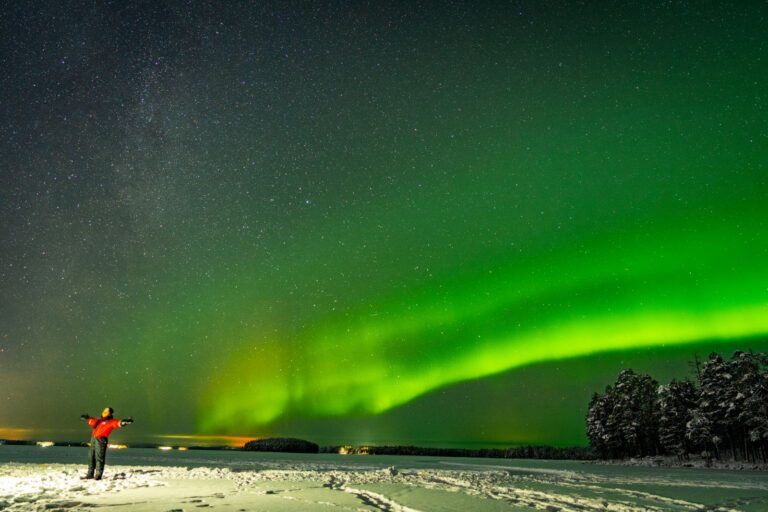 What to see · most readRovaniemi, Finland: 15 Best Things to See and Do in the Home of Santa Claus
 What to seeSanta Claus Village in Rovaniemi, Finland: 6 Things to See in 2026
 When to goNorthern Lights in Lapland: When, Where and How to See Them in 2026
 What to seeFinnish Lapland: 20 Things to See and Do in the Land of the Northern Lights 2026
 What to seeHelsinki, Finland: 15 Best Things to See and Do


