

Castile and central Spain is the part of the country you dream about when you want the real Spain without the beach crowds – medieval towns perched on cliffs, soaring cathedrals, hearty stews and a landscape where time seems to stand still. But then reality kicks in: how much does it all cost, when’s the best time to go and – above all – can we pull it off on our own, or is a package tour worth it? These are exactly the questions we asked ourselves before we travelled the region time and again.
This hub gives you three things: up-to-date tour and flight prices that we refresh every morning, our tried-and-tested tips from our own trips and articles, and a simple plan of when and what to book so you don’t overpay for nothing.

What to see and do in Castile and central Spain
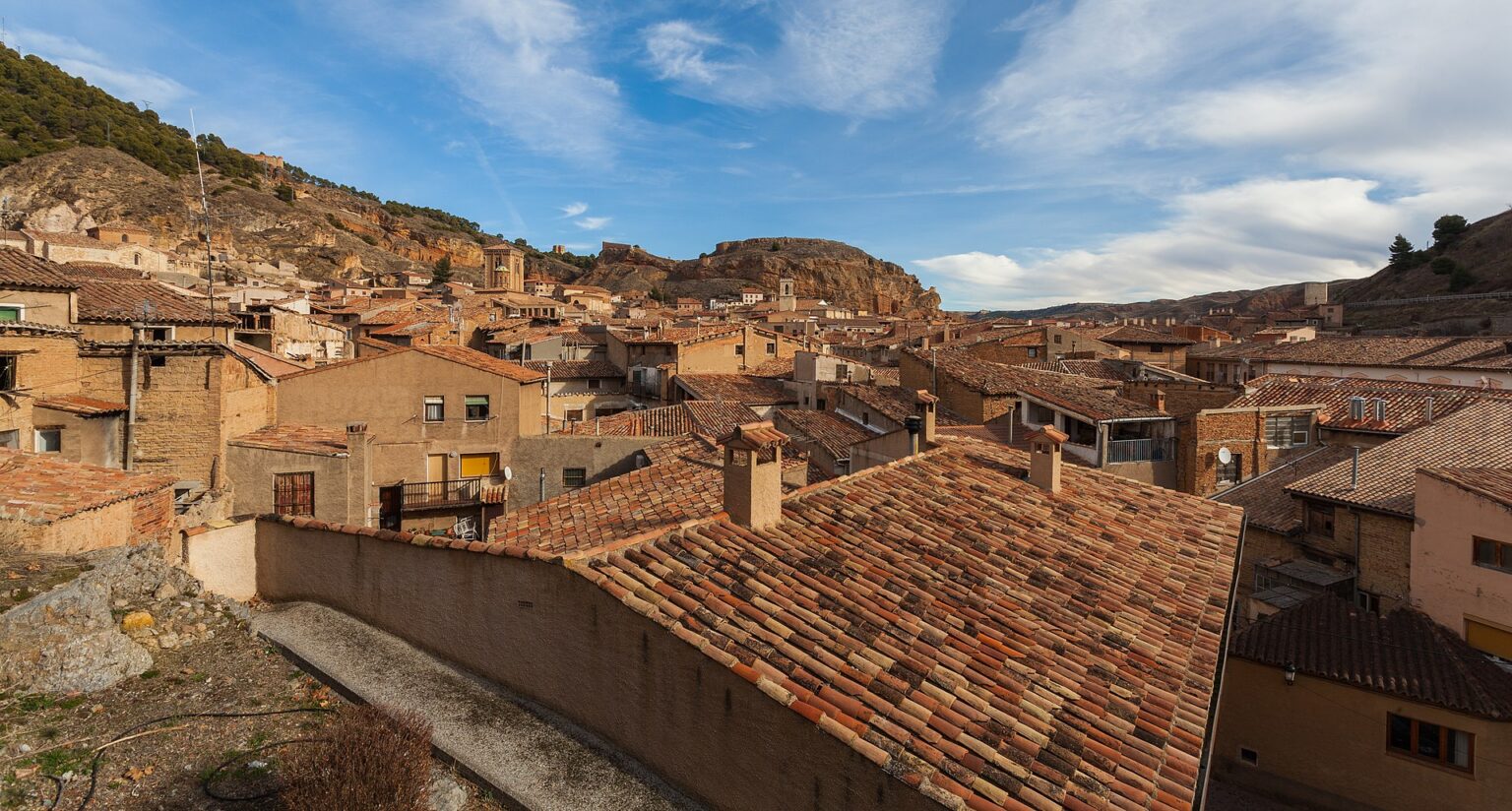
Central Spain is a dense web of historic towns you can hop between with ease – you can do most as day trips from Madrid or string them into a loop. Here are the places that keep even seasoned travellers coming back:
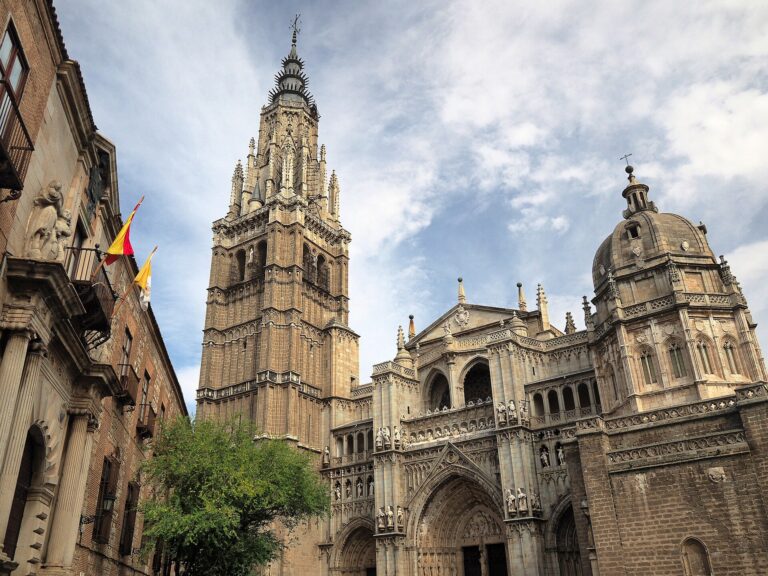
- Toledo – the former capital and “city of three cultures”, where Christianity, Judaism and Islam meet on a crag above the River Tagus. An absolute classic and the first stop for everyone.
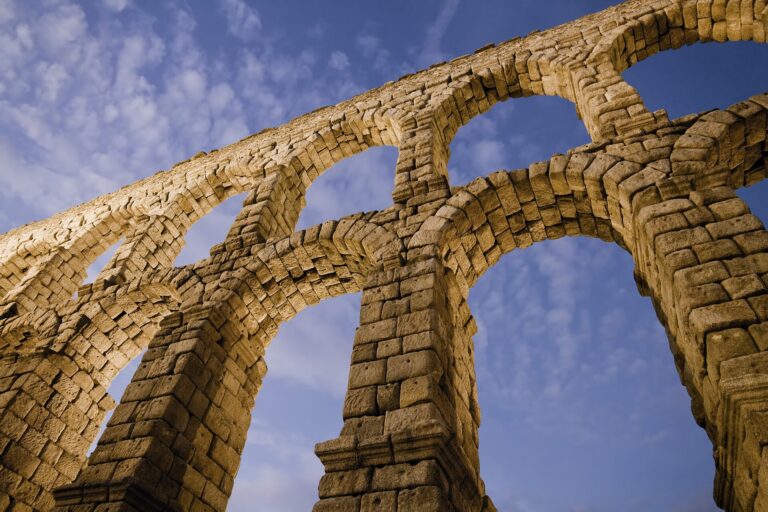
- Segovia – a two-thousand-year-old Roman aqueduct and the fairytale Alcázar castle that supposedly inspired Disney.
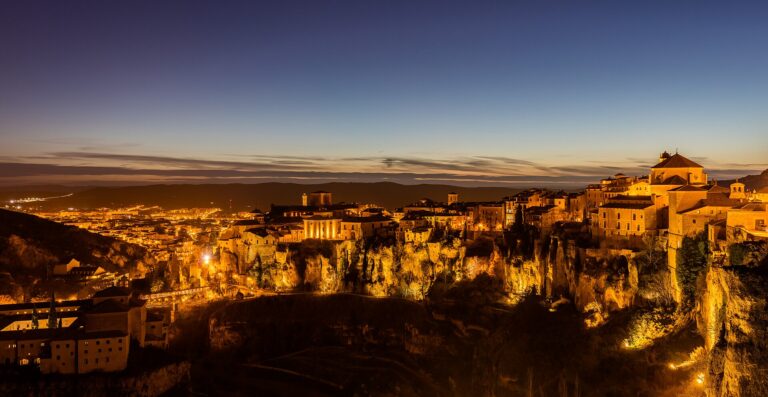
- Cuenca – the famous hanging houses clinging to the edge of a gorge, one of the most photogenic scenes in Spain.
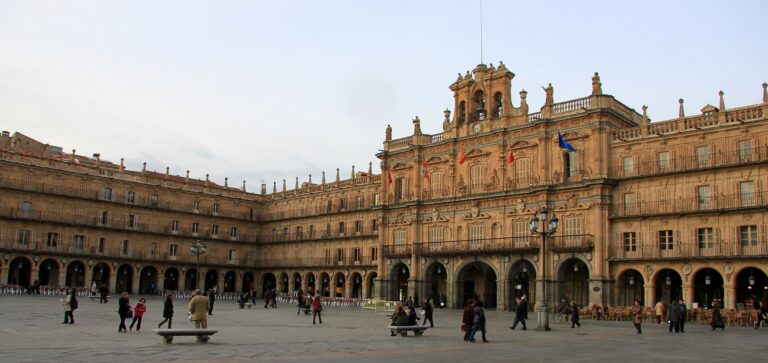
- Salamanca – the “golden city” of sandstone, home to Spain’s oldest university and a breathtaking Plaza Mayor.
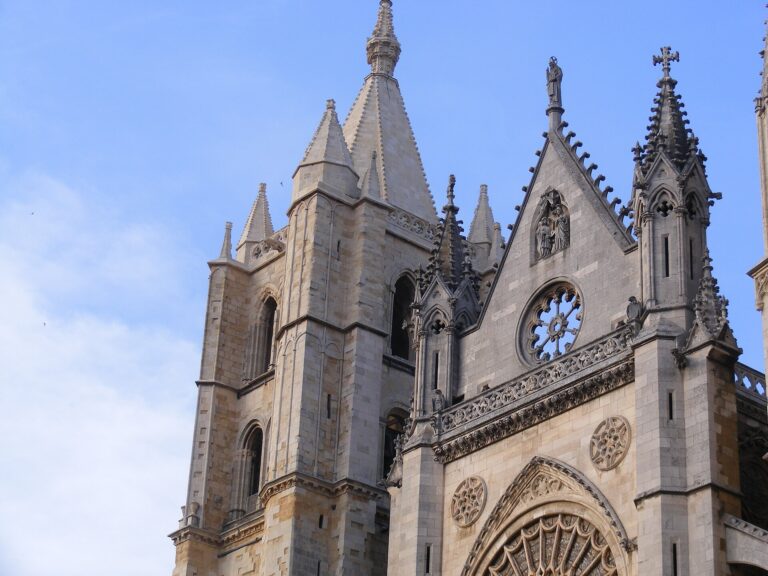
- León – a Gothic cathedral with legendary stained glass and an important stop on the Camino de Santiago.
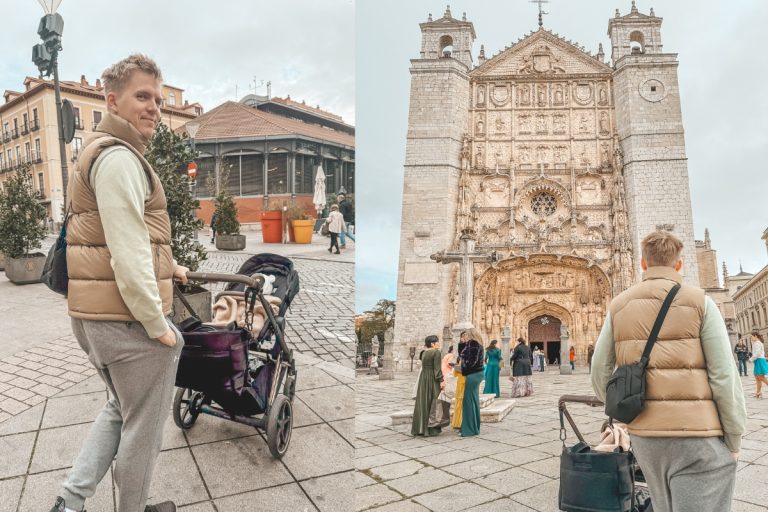
- Valladolid – an overlooked university city full of Renaissance palaces and superb food without the tourist prices.
- Zaragoza – halfway between Madrid and Barcelona, with the monumental Basilica del Pilar rising above the River Ebro.
Beyond the towns, it’s worth slowing down – lingering over a coffee on the square, tucking into cochinillo (roast suckling pig) in Segovia or sampling local wine from the Ribera del Duero region around Valladolid. That unhurried pace is the very best thing about central Spain.
When to visit Castile and central Spain
The best times are clearly spring (April–June) and autumn (September–October). The weather is pleasant for full days of walking around the towns, there’s plenty of daylight and accommodation prices haven’t yet climbed to summer highs. This is our clear choice.
Summer in central Castile can be brutal – the interior bakes and in July and August temperatures regularly hit 35–40 °C. If you go in summer, plan your sightseeing for the morning and early evening, as even the locals vanish into the shade at midday. The upside of summer is long evenings and lively fiestas.
Winter is cold (on the high plateau temperatures can drop below freezing) and the days are short, but the towns are empty and accommodation is at its cheapest. For calm, crowd-free sightseeing it can be a smart choice – just wrap up warm and bear in mind that some sights have shorter opening hours.
How to get to Castile and central Spain
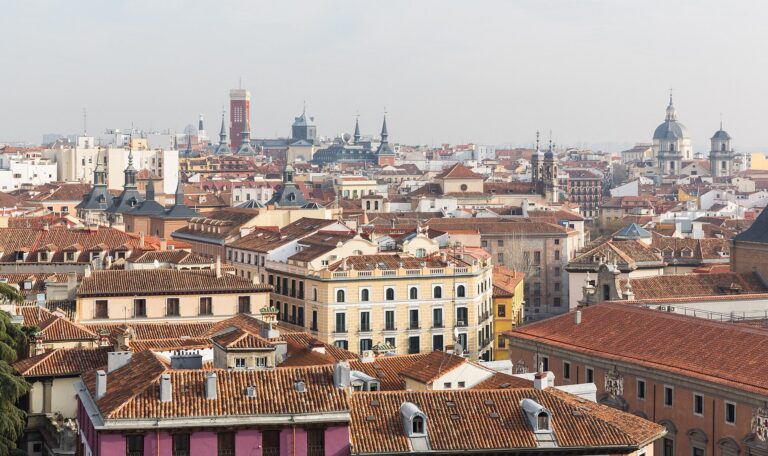
The gateway is Madrid – there are several connections a day from Prague, with the direct flight often taking around 3 hours. Madrid is the ideal base: it sits right in the heart of the region, and from here you can comfortably reach all the Castilian towns by train, bus or car. Alternatively, you can fly into Barcelona and take a high-speed train into the region (to Zaragoza, for example).
Driving from the Czech Republic is a long haul – via France, reckon on roughly 2,200 km and two days behind the wheel, so it only makes sense as part of a bigger road trip. For most people it makes sense to fly and rent a car locally if needed. Rail connections within the region are excellent: AVE high-speed trains cover Madrid–Segovia in half an hour, and Madrid–Valladolid or Madrid–León in just a few hours.
Renting a car
A car in central Spain isn’t a must – trains and buses between the major cities run often and fast, and parking in the historic centres is more of a headache than a help. If you’re only travelling between cities (Toledo, Segovia, Salamanca, León…), you’ll manage fine without a car and save money.
A car does pay off, on the other hand, when you want to explore the countryside, the wine regions or smaller villages off the rail network, or to put together a more flexible loop. Book through comparison sites in advance (it’s usually pricier on the spot), watch out for the excess and the deposit hold on your card, and always photograph the car’s condition thoroughly when you collect it. Paying extra for full insurance cover is usually worth it.
Where to stay in Castile and central Spain
The most practical base is Madrid – from here you can do most towns as day trips and return to a lively capital in the evening. If you want to see more, we’d recommend a loop with overnight stays in the individual towns instead: a night in Toledo or Cuenca after the day trippers have left has a completely different atmosphere.
- Historic centres – the best location within reach of the sights, but expect narrow lanes, steps and tricky parking.
- Parador – a chain of state-run hotels in historic buildings (castles, monasteries); pricier, but an experience in itself. The parador in Toledo has a legendary view over the city.
- Guesthouses and hostales – in Spain a “hostal” means a cheaper family-run hotel, not a dorm. Great value for money.
- Apartments – ideal if you want to cook and stay put in one place longer; there are plenty in the larger cities.
Package tour or independent travel?
A package tour pays off when:
- you want to see more towns in a short time without sorting out transport and accommodation;
- you don’t want to plan and you appreciate a guide who gives you context for the sights;
- it’s your first time and Spanish plus independent transfers stress you out.
Go it alone when:
- you want your own pace, a stay in the centre and evenings without the crowds;
- you enjoy snagging cheap flights and building your own route;
- the region really is comfortable for independent travel – the trains do the hard work for you.
Honestly? Central Spain is one of those destinations where going it alone makes sense for most people – the trains are excellent and you can put it all together from Madrid. We’d recommend a tour mainly for those who want everything arranged and are heading to Spain on their own for the first time.
Budget: daily costs in Castile and central Spain
| Level | Accommodation | Food | Transport & activities | Total/day |
|---|---|---|---|---|
| Backpacker | 30 €–45 € (hostal, shared room) | 14 €–20 € (menu del día, tapas) | 10 €–18 € (2nd-class train, cheap entries) | 50 €–80 € |
| Standard | 55 €–85 € (3* hotel, apartment) | 30 €–40 € (restaurant + wine) | 20 €–35 € (AVE, entries, tours) | 105 €–160 € |
| Comfort | 120 €–200 € (4*, parador) | 45 €–70 € (better restaurants) | 40 €–70 € (car, private tours) | 210 €–340 € |
Prices are a rough guide per person per day, excluding flights. Compared with the coast and Madrid, central Spain is noticeably cheaper — the biggest trump card is the menu del día (set lunch) for roughly 12 €–16 €, three courses including a drink. That’s where you’ll save the most.
How to save when planning
- Book flights around 2–4 months ahead. There are plenty of connections to Madrid, so it pays to track the price and avoid the holiday peaks. Search for flights in our search engine.
- Book accommodation in the centres 1–2 months ahead, especially in spring and autumn when demand is highest. Off season, last minute is fine. Our accommodation tips.
- AVE high-speed trains are cheapest in advance – tickets open up to a few months ahead and the early prices are far lower than at the station the day before.
- Don’t overpay for food on the main squares. Just walk two streets further and you’ll get the same lunch for half the price. Go for the menu del día.
- Buy tickets to the best-known sights online in advance and you’ll save time and queueing. What to book in good time.
- If an organised loop comes up, compare it with the cost of going it alone. You’ll find current tours on this page.
Practical information
- Language: Spanish; you’ll get by in English in touristy spots, but a few basic phrases and a “por favor” open doors and earn smiles.
- Payments: you can pay by card almost everywhere, but it’s handy to carry a few euros in cash for small tapas bars and markets. We’re in the eurozone.
- Connectivity: coverage is excellent. Instead of roaming we recommend an eSIM – activate it in advance and you’re online the moment you land (maps, tickets, bookings).
- Safety: the region is calm; the only real risk is pickpockets at stations and in tourist centres. Keep an eye on your bag.
- Siesta: smaller shops and some sights are usually closed roughly 2–5 p.m. Schedule lunch or a transfer for that window.
- Spanish-style dinner: restaurants don’t come alive until after 9 p.m. – if you’re hungry earlier, head for the tapas bars.


