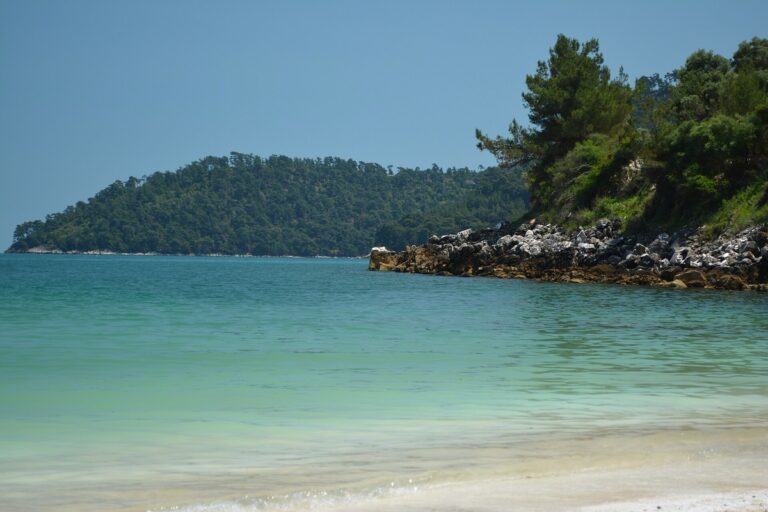
Planning a trip to Greece always comes back to one fundamental question: when should you actually go? You’re certainly not alone in asking — search terms about Greek weather and specific months are typed into Google nearly six million times a month. October is a particular obsession, because everyone secretly hopes to squeeze out one more month of summer without freezing or blowing the holiday budget. Finding the best time to visit Greece really does depend on what kind of trip you’re after.
The truth is, there’s no single universally perfect time to visit Greece. It all depends on whether you’re after swimming, empty ancient ruins, or a buzzing nightlife scene. The country also spans three distinct climate zones, so while it’s already raining in the north come October, you can still be sunbathing in the south.
In this guide, we’ll walk you through Greek weather month by month, demystify the infamous meltemi wind, lay out air and sea temperatures in a handy table, and finish with advice on when to go for your specific goals. Let’s find your perfect travel window. ☺️
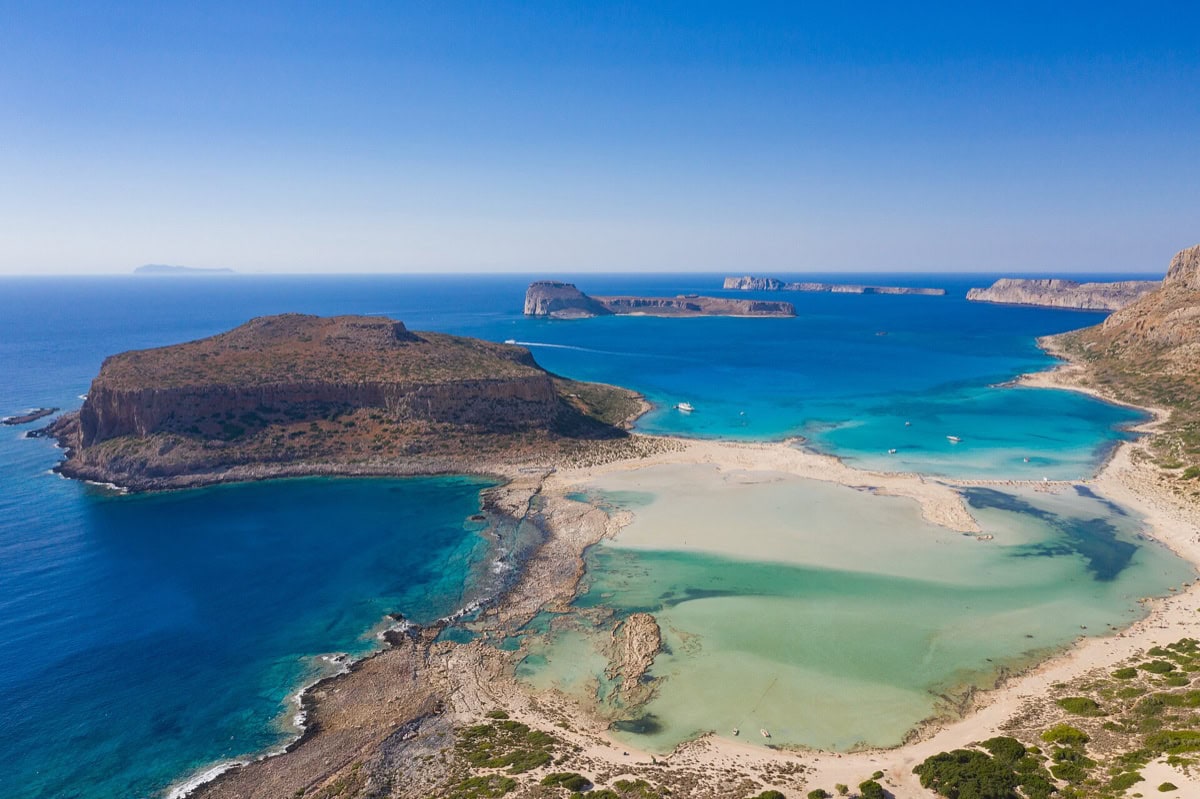
The full destination guide: Greece — guide and what to see
TL;DR
- The two best months are May and September — the so-called sweet spots. Warm weather, reasonable prices, quieter beaches, and in September the sea is like a warm bath.
- September is king for swimming (water 24–26 °C), followed closely by July and August. In October, stick to the south.
- July and August are extreme: temperatures above 40 °C, massive crowds, peak prices, and wildfire risk. Perfect only if you love the party scene.
- The meltemi is a strong northerly wind (May–September) that cools the air but whips up waves and disrupts ferries. Choose coves facing south or south-west.
- The south has the longest season (Crete, Rhodes), where you can swim well into autumn.
- Off-season (November–March) the islands go to sleep, but Athens and Thessaloniki make excellent budget city breaks.
Three Climate Zones in Greece
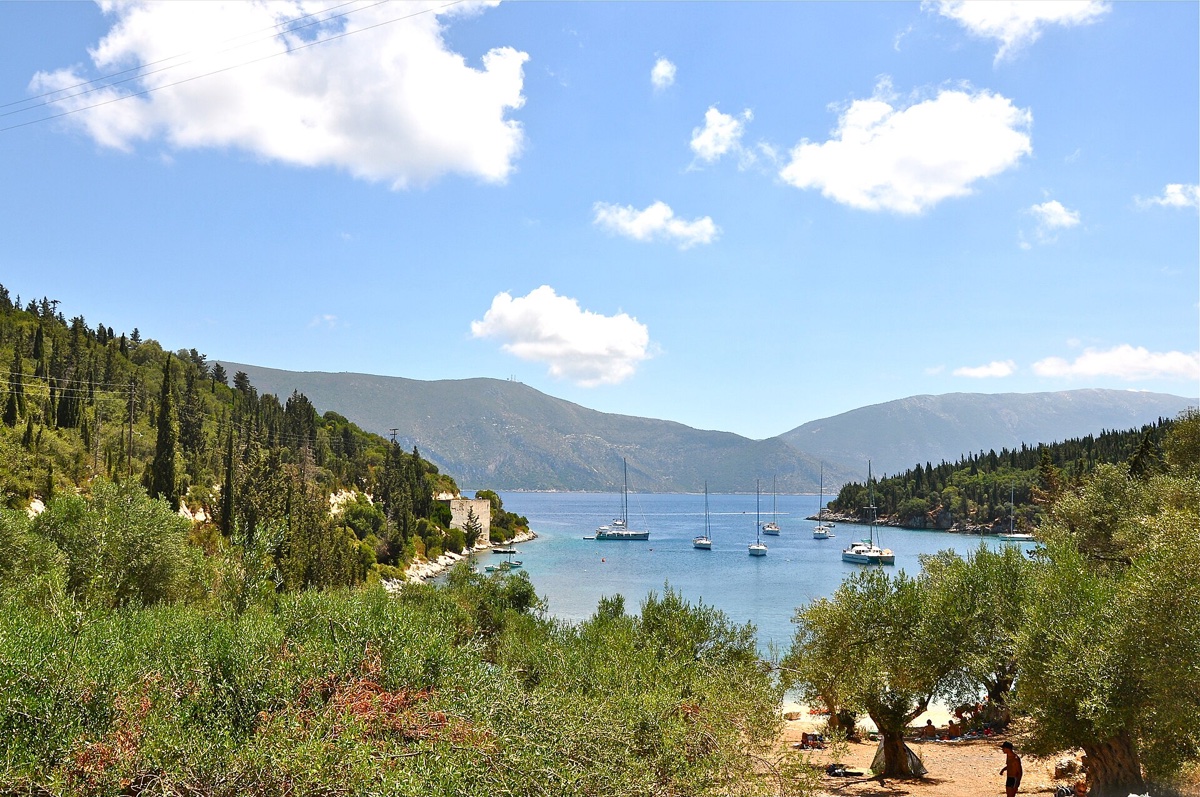
Before picking a month, it’s worth knowing that Greece is far from climatically uniform — each region behaves quite differently. This matters most in autumn, when the gap between north and south becomes most pronounced.
The Ionian Islands in the west (Corfu, Zakynthos, Kefalonia) are lush, wetter, and spared from summer gales. The Cyclades in the middle of the Aegean (Santorini, Mykonos, Naxos) are dry, rocky, and battered by wind in summer. Then there’s the south — Crete and Rhodes — which enjoys the longest season in the entire Mediterranean and where you can swim comfortably well into autumn.
The Meltemi Wind Explained
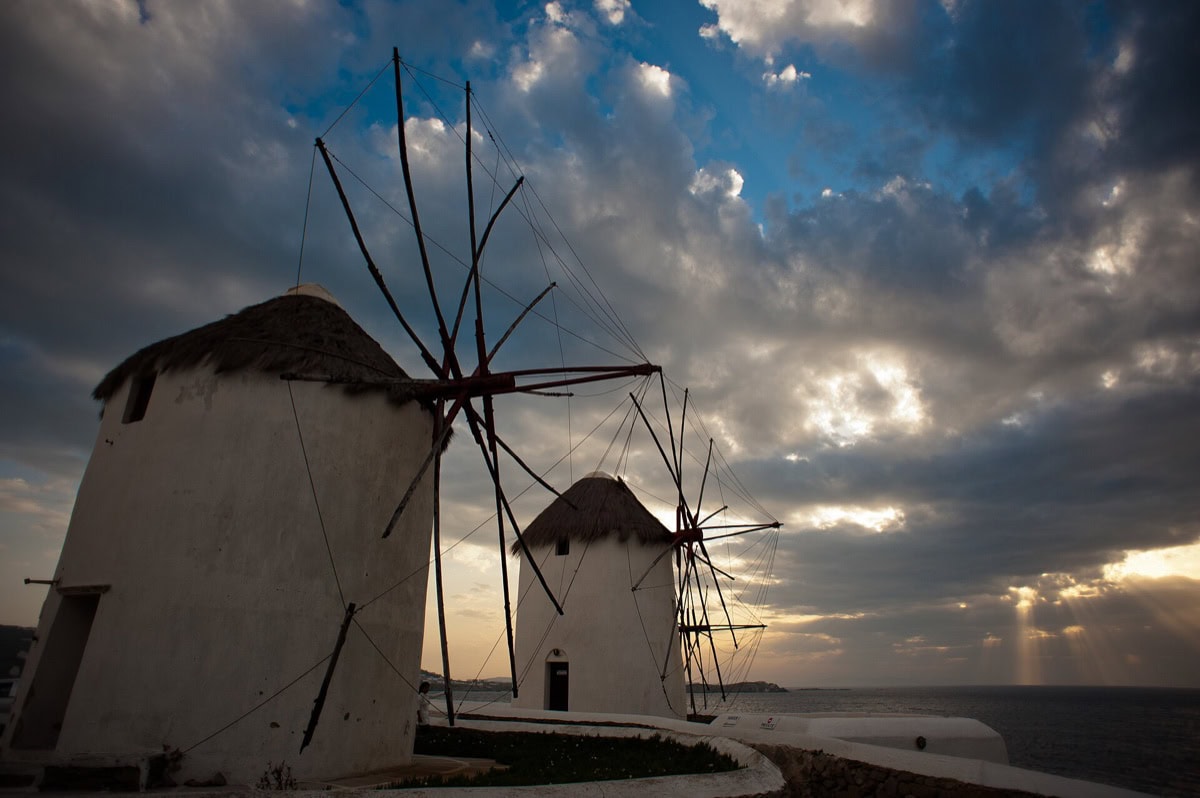
From mid-May to mid-September, the Aegean is ruled by the meltemi — a strong, dry northerly wind that hits the Cyclades, Crete, and the Dodecanese hardest. It’s a force that can either save your holiday or seriously complicate it.
The good news: the meltemi is your best defence against brutal summer heat. While Athens shimmers at 40 °C in July, a steady breeze on Naxos can make it feel a full ten degrees cooler.
The catch is that the wind kicks up waves, and the Aegean can get seriously choppy. Even seasoned travellers can be caught out by seasickness on ferry crossings, and strong meltemi regularly causes delays or outright cancellations of sailings. If you’re planning island hopping, build in buffer days in case a ferry can’t sail. And at the beach, check the map — bays facing south or south-west are sheltered from the northerly wind and far more comfortable.
Greece Month by Month
Now for the main event. Let’s run through the whole year and set realistic expectations for each month — from the wildflower-filled days of April to the quiet winter sleep of the islands.
April: Blooms, Traditions and Cold Water

April in Greece is all about nature waking up. Everything is extraordinarily green, meadows are in full bloom, the air smells of wild herbs, and temperatures climb to a pleasant 20 °C. These are ideal conditions for hiking and sightseeing — no sweltering heat, no crowds.
If you want to explore the ruins at Delphi, climb up to the monasteries of Meteora, or walk the Samaria Gorge in Crete, April is your month. Swimming is firmly off the agenda though — the sea barely reaches 16–17 °C. The key event of spring is Greek Orthodox Easter, the most important holiday in the Greek calendar, when villages come alive with candlelit processions and whole lambs are roasted on the spit. Bear in mind that many shops and services will have reduced hours over the holiday period.
May: The First Sweet Spot of the Season
Among experienced travellers, May is widely regarded as one of the two best months to visit Greece. The sun already has real warmth, the days are long, but the tourist machine is only just getting started. Beaches are blissfully quiet and accommodation prices are noticeably friendlier than in high summer.
The sea warms to 19–20 °C, so a swim is perfectly doable — it’s refreshing rather than warm, but still. May is brilliant above all for road trips on the mainland, such as a two-week loop around the Peloponnese (Athens, Corinth, Olympia, Kalamata, Nafplio). You’ll also save on Greece’s relatively new cruise passenger levy: in high summer, disembarking from a cruise ship on Santorini or Mykonos costs 20 euros, but in May it’s just 12 euros.
June: The Perfect Compromise
If you want the reassurance of warm weather, a properly warm sea (around 22–23 °C), but still don’t want to fight your way through the crowds, June is the answer. Every taverna and beach bar is open and running at full capacity, ferries are on their summer schedules, but the islands haven’t yet hit breaking point.
This month works especially well for families with younger children who aren’t tied to school holidays. The shallow beaches of Naxos or Corfu offer ideal conditions for little ones, evenings are warm enough for dinner outside in a t-shirt, and the meltemi is still just warming up — so the sea tends to stay calm.
July and August: Peak Season, Crowds and Extremes
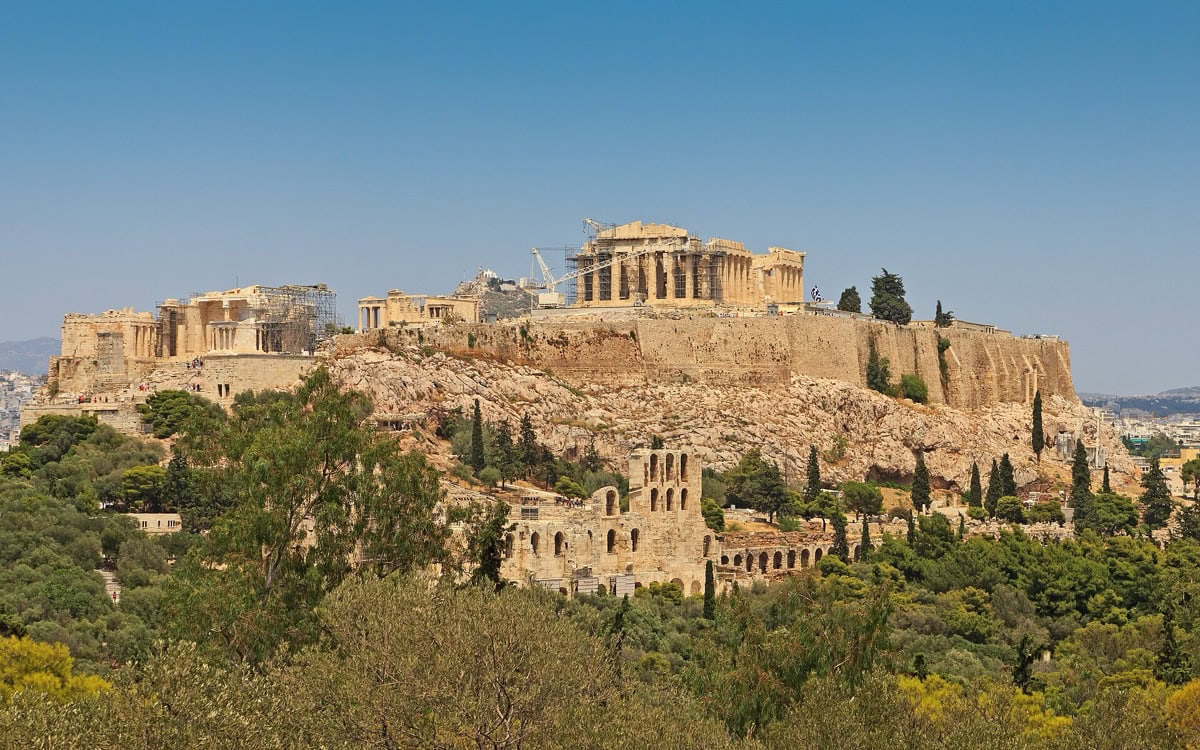
This is where the gloves come off. July and August represent the undisputed peak of the season — with everything that entails. Greece welcomed a record-breaking nearly 38 million visitors in 2025, and the overwhelming majority came in these two months.
Expect extreme heat. Temperatures routinely push 35 °C and top 40 °C during heatwaves. In July 2025, a 42 °C heatwave forced the closure of the Athens Acropolis mid-day for safety reasons — a site that now operates with timed entry slots and a daily cap of 20,000 visitors anyway. Extreme heat also brings the very real risk of wildfires; firefighters dealt with up to fifty separate blazes per day last summer.
Prices skyrocket — sunbeds on Mykonos can run into the hundreds of euros and the cruise levy is at its maximum rate. If you’re after parties, nightlife, and packed beach clubs, this is your scene. But if peace and quiet is more your style, escape to lesser-known islands like Skopelos, Symi or Ikaria.
September: The Second Sweet Spot — Sea Like a Warm Bath
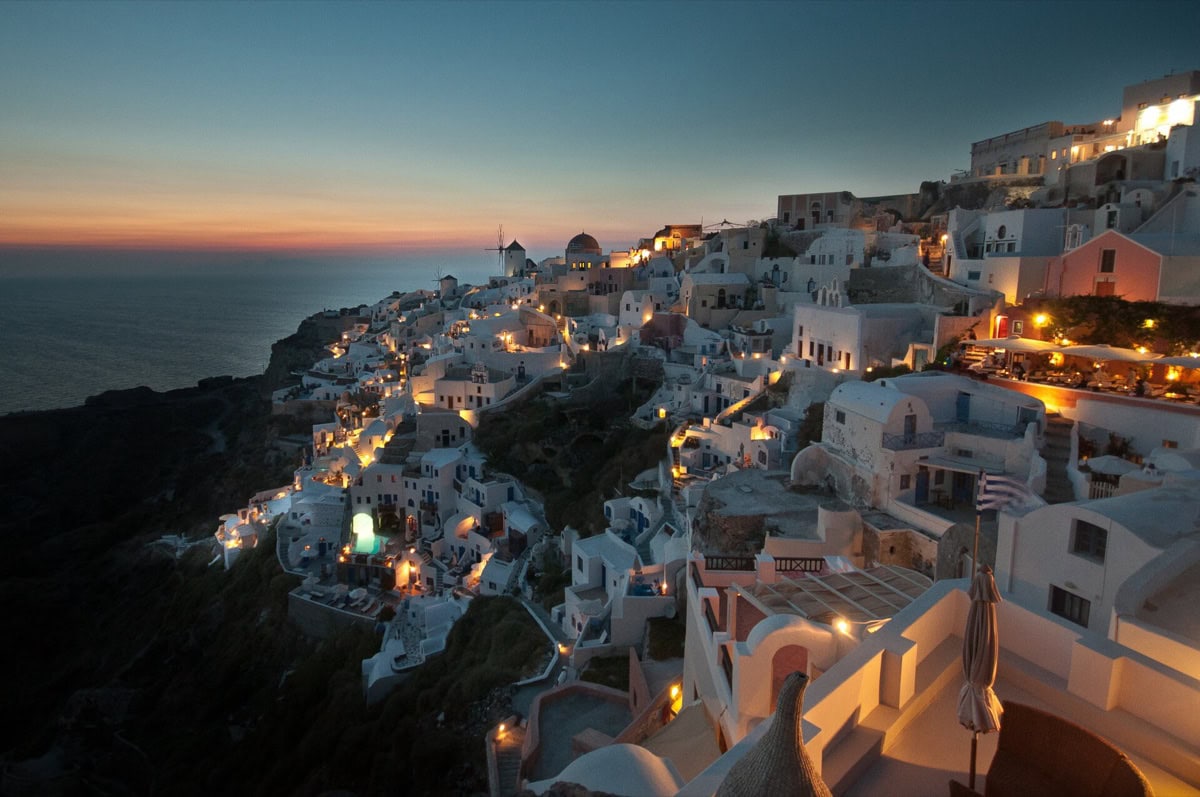
Once that first week of September passes and the kids are back at school, Greece lets out a long, collective sigh of relief. September is, for many seasoned travellers, simply the best month to visit Greece.
The sea has been soaking up heat all summer and acts like an enormous radiator, holding at a gorgeous 24–26 °C. The air, meanwhile, cools to a very manageable 28 °C and the meltemi gradually fades, calming the waves along with it. It’s the ultimate month for couples and honeymoons — the romance of Santorini or the winding lanes of Milos takes on a whole new dimension without cruise-ship crowds bearing down on you. And accommodation prices are already starting to fall.
October: The Secret Extended Summer
We arrive at the month that breaks search engine records. October in Greece is a genuine phenomenon, and the answer to whether it’s worth the gamble is: yes — but you need to know where to go.
While the north (Halkidiki, Thassos) can already bring rain and a chilly wind, the south remains firmly in summer mode. Crete and Rhodes are a safe bet in October — thanks to the sea’s enormous thermal mass, the water still hovers around 22–24 °C. You can still catch a real tan on the beach during the day, though evenings will call for a light jacket. Autumn is also a fantastic time to explore Athens, when the atmosphere is more relaxed and the tourist traps are fewer.

November to March: Greece in Winter Hibernation

Come November, most of the islands effectively shut down for winter. Charter flights stop, hotels close their doors, and even magnets like Santorini and Mykonos return to life at a local pace. A winter island visit is strictly for true adventurers — ferry services on some routes drop to just once a week.
If you want to travel off-season, focus on the mainland. Athens is brilliant for a winter city break — no heat, empty monuments, and often discounted entry fees. Thessaloniki is another superb option, and recently opened a brand-new automated metro line that makes getting around a breeze.
Quick Reference: Greece Weather Month by Month
If you want everything in one place, here’s the full year at a glance — air and sea temperatures, crowd levels, prices, and who each month suits best.
| Month | Air Temp | Sea Temp | Crowds | Prices | Best for |
|---|---|---|---|---|---|
| April | 18–20 °C | 16–17 °C | Low | Low | Sightseeing, hiking, nature |
| May | 22–25 °C | 19–20 °C | Low/medium | Favourable | Road trips, active couples |
| June | 28–30 °C | 22–23 °C | Medium | Medium | Families with young children, first swims |
| July | 32–40+ °C | 24–25 °C | Extreme | Highest | Sun-seekers, party lovers |
| August | 32–40+ °C | 25–26 °C | Extreme | Highest | Classic beach holiday (book early) |
| September | 26–29 °C | 24–26 °C | Medium | Falling | Honeymoons, couples, perfect swimming |
| October | 22–25 °C | 22–24 °C | Low | Low | Extended summer in the south, sightseeing |
| Nov–Mar | 10–15 °C | 15–18 °C | Minimal | Lowest | City breaks (Athens, Thessaloniki), slow travel |
When to Go for Your Specific Goals
If you already know what you want from your holiday, the choice becomes easy. Here’s a quick cheat sheet based on your priorities.
- For the best swimming (June to October): July and August are reliable, but September is the undisputed champion — the water is at its warmest and the beaches aren’t as heaving. In October, stay as far south as possible (Crete, Karpathos, Rhodes).
- For sightseeing and hiking (April, May, October): climbing the Acropolis in 40 °C heat is genuinely punishing. Spring and autumn offer comfortable temperatures around 20 °C for exploring ruins and national parks.
- For parties and nightlife (July and August): Mykonos, Ios and Zakynthos never sleep in these months — top DJs are in residence and beach clubs are packed to capacity. Just make sure your wallet is ready for it.
- For a romantic break without the crowds (September): want that iconic Santorini photo without fifty strangers in the background? Fly in September, when the sea is warm, the evenings are dreamy, and the island atmosphere returns to something approaching normal.
When to Book and Where to Stay
Your timing is closely tied to how far in advance you need to book. For July and August — especially on Santorini and Mykonos — book several months ahead. The best hotels and apartments go first, and prices in the final weeks are eye-watering. For May, June and September, a few weeks’ notice is usually sufficient and you can save tens of per cent.
💡 Accommodation tip: We always start our search on Booking.com, which tends to offer the most flexible cancellation policies. That’s particularly handy outside peak season, when the weather and ferry timetables are unpredictable — a free-cancellation booking can save a lot of stress.
If you want to chase warm weather as late into autumn as possible, head south — the season stretches to October on Crete, Karpathos and Rhodes. If spring or autumn sightseeing is more your thing, base yourself in Athens or on the mainland, from where you can easily reach Delphi, Meteora and the Peloponnese as day trips.
Further Reading
Before you book those flights, have a look at our other Greece guides:
- Where to Go in Greece: Islands, Mainland and Tips
- Best Beaches in Greece: TOP 20 + Practical Tips
- Crete Holiday Guide: 34 Things to See and Do
- What to Pack for Greece
Frequently Asked Questions
When is the best time to fly to Greece?
The most versatile months are May and September, the so-called sweet spots. They offer warm weather, reasonable prices, and quieter beaches, plus the sea is at its warmest in September. June is a great compromise for families, while July and August are only worth it if you’re after the party scene or don’t mind scorching temperatures over 40°C and crowds.
When can you swim in Greece?
Swimming season runs roughly from June to October. You’ll enjoy pleasantly warm water (over 24°C) in July, August, and especially September, when temperatures reach 24 to 26°C. In May, it’s around 19 to 20°C, so more refreshing than warm. In October, stick to the south—Crete and Rhodes—where the water stays above 22°C.
What’s the weather like in Greece in October?
October brings a noticeable difference between north and south. While the north (Chalkidiki, Thassos) may see rain and cold winds, the south stays in summer mode. Crete and Rhodes enjoy daytime temperatures of 22 to 25°C with sea temperatures around 22 to 24°C, so you can still swim comfortably. Evenings do call for a light sweater though.
Which Greek island is warmest and has the longest season?
The longest and warmest season belongs to the southern islands, particularly Crete, Rhodes, and Karpathos. Thanks to their location closest to Africa, you can swim here well into October and the season starts earlier than elsewhere. Northern destinations (Thassos, Chalkidiki), on the other hand, cool down the fastest.
What is meltemi and when does it blow the most?
Meltemi is a strong, dry northerly wind that blows across the Aegean Sea roughly from mid-May to mid-September, peaking in July and August. It affects the Cyclades, Crete, and Dodecanese the most. While it cools the air and provides relief from the heat, it whips up waves and can disrupt ferries, so leave some buffer time when island hopping.
When should you go to Greece with kids?
For families with children, June and September are ideal. The weather is warm, the sea is nicely heated, and you’ll avoid the extreme heat and crowds of July and August. Shallow sandy beaches on Naxos, Kos, or Corfu are perfect. If you’re not tied to school holidays, June is the clear winner.
When is Greece cheapest?
The lowest prices are from November to March, though most islands are closed and only the mainland (Athens, Thessaloniki) makes sense. During the main season, May, June, and October offer the best value—the weather is still excellent, but accommodation and flights cost significantly less than in July and August. Avoid peak summer holidays when prices are at their highest.
Tips and Tricks for Your Vacation
Don’t Overpay for Flights
Search for flights on Kayak. It’s our favorite search engine because it scans the websites of all airlines and always finds the cheapest connection.
Book Your Accommodation Smartly
The best experiences we’ve had when looking for accommodation (from Alaska to Morocco) are with Booking.com, where hotels, apartments, and entire houses are usually the cheapest and most widely available.
 🚗 Car rental on the roadVerified rental cars in Greece
Search with the DiscoverCars comparison engine — it compares prices from dozens of local and international rental companies, and most bookings come with free cancellation.
Compare car prices in Greece →Don’t Forget Travel Insurance
Good travel insurance will protect you against illness, accidents, theft, or flight cancellations. We’ve had a few hospital visits abroad, so we know how important it is to have proper insurance arranged.
Where we insure ourselves: SafetyWing (simple monthly subscription) and TrueTraveller (for extra-long trips).
Find the Best Experiences
Get Your Guide is a huge online marketplace where you can book guided walks, trips, skip-the-line tickets, tours, and much more. We always find some extra fun there!