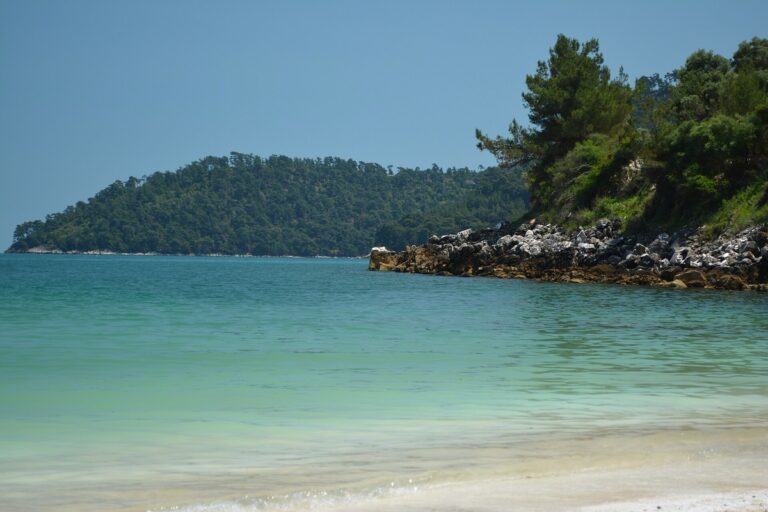
When you start piecing together your Greece itinerary, two things will catch up with you sooner or later: logistics and budget. Greece is not a compact destination you can zip across by train in an afternoon. It’s made up of a mountainous mainland and thousands of islands scattered across two seas — and in recent years, the country has introduced a string of new fees and taxes that can push up the final bill considerably. This Greece travel guide has everything you need to plan a smooth, surprise-free trip.
The good news is that Greece ranks among the safest countries in the world, and with a little preparation you can enjoy your holiday without any nasty surprises. You just need to know how to get around, how much money to bring, what to watch out for, and how to react if nature — or a city scammer — decides to test you.
In this practical guide you’ll find everything you need for a trip to Greece: transport options, money and ATMs, a realistic 2026 budget, new taxes and fees, safety (earthquakes, wildfires, the sea) and the most common tourist scams. Let’s get into it. ☺️
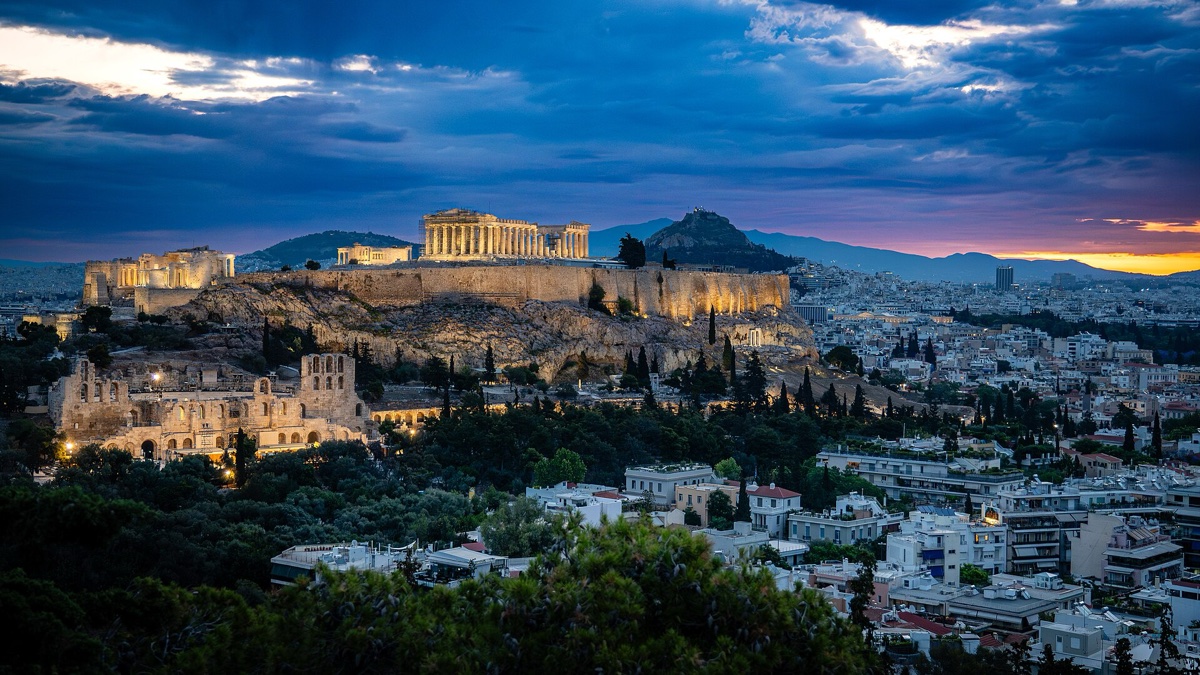
The full destination guide: Greece — guide and what to see
TL;DR
- Getting around Greece means flying, taking ferries, or hiring a car. Domestic flights (Aegean, Sky Express) often save you hours compared to ferries.
- Watch out with scooters and quad bikes. Anything over 50cc requires a category A licence — without it, you pay for everything out of pocket if there’s an accident.
- Cash is still king. Carry 100–200 € in cash and only use ATMs from Greek banks, not Euronet.
- 2026 budget: backpacker 50–80 € per day, mid-range around 265–455 €, luxury from 490 €.
- New fees: the climate resilience tax is 1.50–10 € per night (paid at the hotel) plus a cruise passenger tax.
- Safety: Greece is very safe overall. Watch out for heatwaves, wildfires (SMS alert from 112) and pickpockets or restaurant traps in Athens.
- Travel insurance with repatriation cover is essential — your EHIC card alone won’t cut it.
Getting Around Greece: Flights, Ferries or Car?
Greece has solid and improving infrastructure, but you need to know when to fly, when to take a ferry, and when to just hire a car.
By Plane
The main hub is Athens’ Eleftherios Venizelos Airport, which handles over 34 million passengers a year, followed by Heraklion (Crete), Thessaloniki, Rhodes and Corfu. From the UK, there are frequent direct flights to Athens and Thessaloniki year-round, with seasonal charter and scheduled services to the islands running from May to October. Airlines including British Airways, easyJet, Jet2 and Ryanair all operate routes from major UK airports. Outside peak season, return flights to Athens can be found for as little as 80–150 €, while direct island routes in summer typically cost 200–400 €.
For inter-island hops, you’ll be choosing between Aegean Airlines, Olympic Air and Sky Express. Short island flights last under an hour and cost 50–120 €, which often makes far more sense than a long, gruelling ferry crossing.
By Ferry
Island hopping is a Greek classic. The main port for the Cyclades is Piraeus in Athens, but if you’re heading to Andros, Tinos or Mykonos straight from the airport, use the closer port of Rafina instead — it’ll save you an hour. For a detailed how-to, check out our guide to island hopping in Greece.
That said, people frequently underestimate ferry logistics. From mid-May to mid-September, the strong meltemi wind regularly causes delays and outright cancellations of high-speed services. If you have a connecting flight home, never leave your ferry transfer from an island to Athens for the very last day.
By Car or Scooter
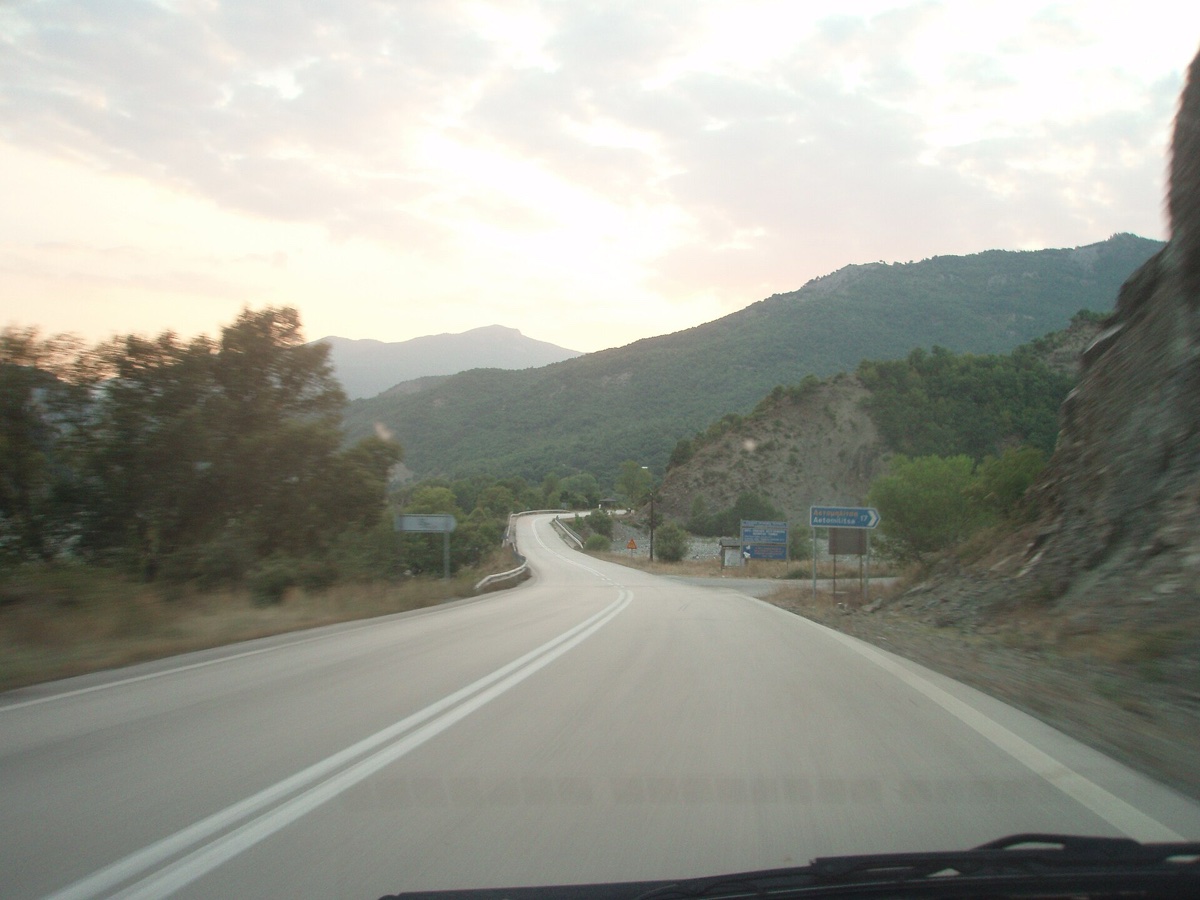
Hiring a car gives you complete freedom to explore hidden villages and deserted beaches. Outside peak season you can pick up a small car for 25–40 € a day; in summer prices jump to 50–80 €. As a UK citizen, your standard driving licence is valid in Greece. Always insist on zero-excess insurance, though — island roads can be extremely narrow and scrapes from roadside bushes are an everyday occurrence.
⚠️ A word of serious warning. Riding a scooter over 50cc or a quad bike requires a category A motorcycle licence. Many rental shops ignore this and will happily hand over a more powerful machine on a standard car licence. But if there’s an accident, the insurer will check your licence — and if you’re not properly qualified for that vehicle, you’ll be liable for all medical costs and damages yourself, potentially running into tens of thousands of pounds.
Money: Cash, Cards and ATMs in Greece
Greece uses the euro, and these days you can tap your card in supermarkets, petrol stations and hotels without a second thought. In family-run tavernas, market stalls and kiosks, however, you’ll sometimes be met with an apologetic smile and the line “the terminal is broken.” This is often a routine form of tax avoidance, so always carry a cash reserve of 100–200 €.
When you do need an ATM, steer well clear of the blue-and-yellow Euronet machines — their exchange rates and fees are frankly exploitative. Stick to ATMs from official Greek banks (Alpha Bank, Piraeus Bank, Eurobank, National Bank of Greece) and always select “without conversion” when asked about dynamic currency conversion. Tips are usually 5–10% and it’s better to leave them in cash on the table rather than adding them via the card terminal, where the money may not reach your waiter.
💡 If you want to avoid foreign transaction fees altogether, a travel-friendly card like Revolut or Wise can save you a surprising amount over a two-week holiday. Alternatively, consider a Holafly eSIM so you’re always connected and can check your account on the go.
How Much Does a Holiday in Greece Cost in 2026?
Greece is currently around 15–25% cheaper than neighbouring Italy, but it has caught up with Spain and Croatia in terms of pricing. Budgets broadly fall into three tiers.
| Travel style | Budget per person per day | One week for two (total) |
|---|---|---|
| Backpacker / budget | 50–80 € | 700–1,120 € |
| Mid-range (couples) | 265–455 € | 2,420–5,885 € |
| Luxury | from 490 € | from 6,860 € |
A dorm bed in a hostel costs 15–25 €, a decent mid-range hotel runs 80–150 € per night, and a room with a caldera view on Santorini can easily top 300 €. Food will set you back around 30–50 € a day if you mix a quick lunch (a gyros pita costs 3.50–5 €) with a sit-down taverna dinner in the evening.
The golden rule: your budget isn’t determined by how you travel — it’s determined by where you go. Mykonos and Santorini are 40–60% more expensive than comparably good experiences on Naxos, Paros or the mainland, where you can often “earn” your sunbed simply by ordering a frappé. The cheapest islands tend to be those without airports and with fewer tourist crowds, like Thassos. Timing matters enormously too — accommodation prices drop by around 40% in October compared to August.
New 2026 Taxes and Fees to Know About
The Greek government is responding to climate change and overtourism with a wave of new charges that can push up your final bill in ways you might not expect.
The Climate Crisis Resilience Fee replaced the old city tax and is always paid in cash at the hotel on arrival — not online in advance. The rate depends on the accommodation category and season: apartments pay 1.50 € per night, three-star hotels 3 €, four-star 7 €, and five-star hotels 10 € per night.
The Cruise Passenger Tax applies to anyone arriving by large cruise ship. During peak season, each passenger pays 20 € to disembark at Santorini or Mykonos, and 5 € at other ports; rates drop in the shoulder season. Don’t forget entry fees for major sights either: the Acropolis and the Palace of Knossos both cost 20 € and operate mandatory timed-entry slots, so your ticket is only valid for a specific time window — book in advance.
Safety in Greece: Earthquakes, Wildfires and the Sea
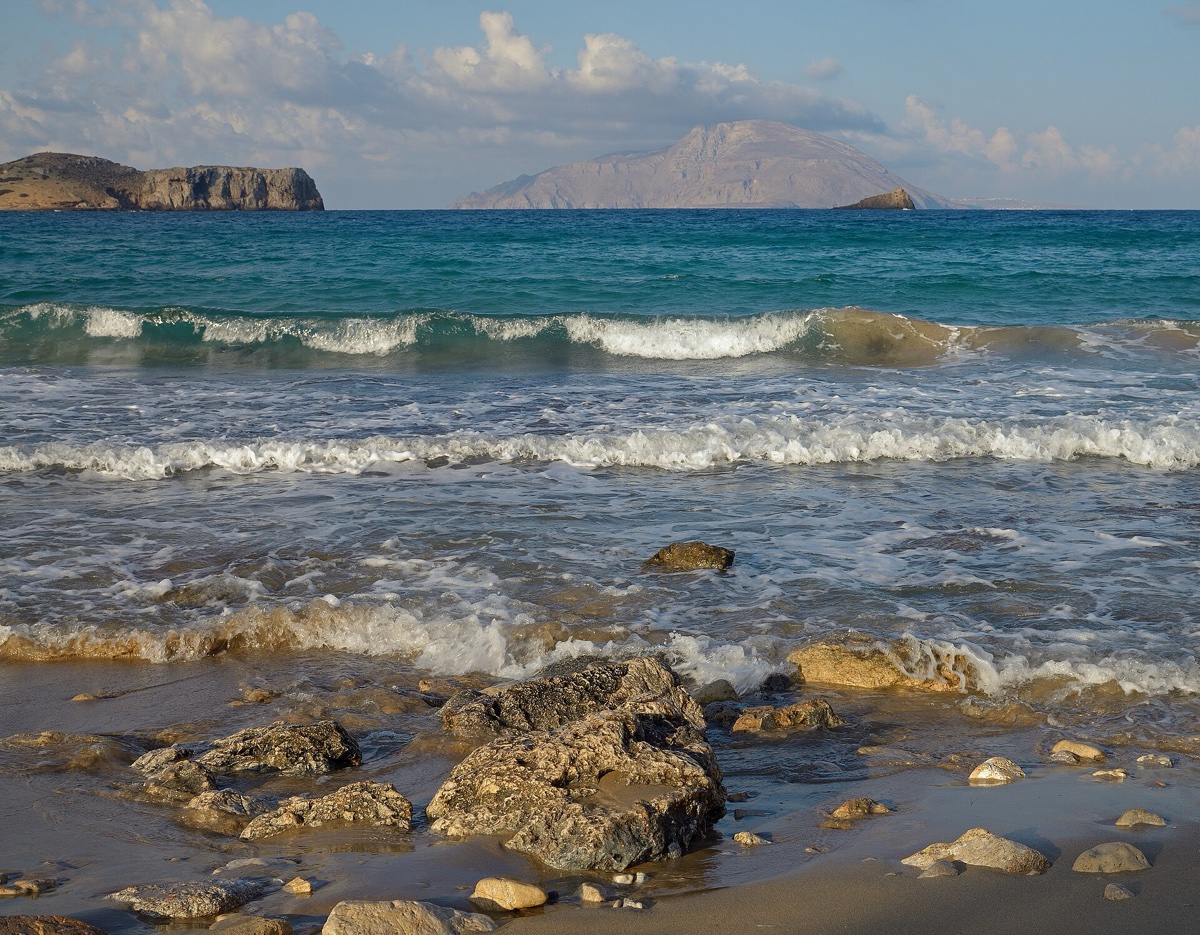
Search “is Greece safe” and you’ll be met with dramatic headlines. Don’t be put off — Greece consistently ranks among the safest countries in the world and violent crime is rare, especially on the islands. Nature does occasionally flex its muscles, though.
Earthquakes
Greece sits in the most seismically active zone in Europe, so the ground does tremble from time to time. Most of these are micro-tremors you won’t even notice. A classic case of media scaremongering was the Santorini situation in early 2025, when instruments recorded tens of thousands of tremors — yet there were no casualties and no damage to infrastructure. Greek building codes have been among the strictest in Europe since 1995, and modern hotels are built to withstand significant quakes, so cancelling your flights over this really isn’t necessary.
If an earthquake does catch you indoors, follow the Drop, Cover, Hold On rule: get under a sturdy table or press yourself against a load-bearing wall, and don’t run outside where falling debris is a real danger. If strong tremors hit while you’re at the beach, head uphill immediately and move away from the shoreline.
Summer Heat and Wildfires
Summer in Greece no longer means a pleasant 30°C — heatwaves now regularly push 42°C. Air conditioning is standard these days; skip any accommodation that doesn’t have it. Drink water before you feel thirsty, wear a hat, and follow the local lead by taking a siesta in the shade between noon and four.
With heat and drought comes the threat of wildfires. Greece has an excellent early-warning system: when danger is detected, a loud emergency SMS is sent to your mobile from number 112 in both Greek and English, with clear instructions on where to evacuate. During red-alert days, stay out of pine forests, never light fires, and call 199 or 112 if you spot smoke.

Sea Hazards
The Aegean and Ionian seas look like a calm swimming pool in photos, but looks can be deceiving. The silent danger is rip currents. If one catches you, don’t panic and don’t try to swim straight back to shore against it — swim parallel to the beach until you’re out of the current. Also watch out for the meltemi wind, which can blow a paddleboard or inflatable flamingo kilometres from shore before you know it. Water shoes are a smart choice on rocky beaches, where sea urchins lurk just beneath the surface.
Scams to Watch Out For, Especially in Athens
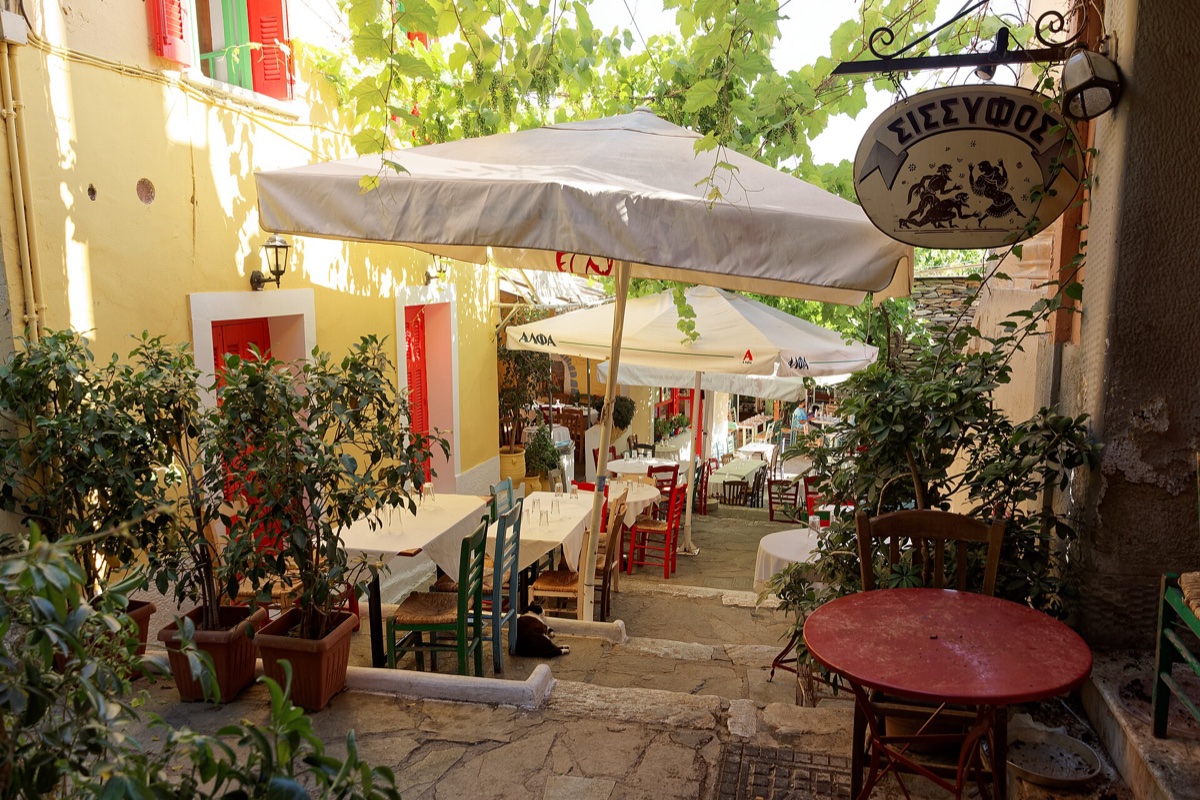
While crime on the smaller islands is practically non-existent, Athens is a big city with all that entails — and around the Acropolis you need to keep your wits about you.
- Taxis: flagging down a yellow cab on the street is a sport for the brave (rigged meters, long detours). Download FREE NOW or Uber instead — you’ll see the price upfront.
- Restaurant traps: in the tourist district of Plaka, touts lure you into restaurants with no prices displayed and the bill for two can easily hit 400 €. Never sit down anywhere without a menu showing prices, and refuse any unsolicited “gifts.”
- Bar scam: a friendly local or a charming stranger invites you for a drink, disappears after a few rounds, and you’re left with a bill for hundreds of euros and a bouncer at the door. Don’t follow strangers to bars of their choosing.
- Pickpockets: their hunting ground is the blue Metro line from the airport and the Monastiraki and Syntagma stations. Wear your backpack on your front and keep your wallet in a zipped front pocket.
Health, Pharmacies and Insurance
As a UK citizen travelling post-Brexit, your Global Health Insurance Card (GHIC) entitles you to necessary treatment at state-run facilities — but these are often underfunded, and on many islands you’ll find only a basic health centre. If you break a leg on Naxos, you’ll likely need a helicopter transfer to Athens. That’s why comprehensive travel insurance with a high medical limit and — crucially — repatriation cover is an absolute must for Greece. It costs relatively little and could save you an enormous sum.
Greek pharmacies are marked by a green cross and are genuinely excellent. Pharmacists speak English and often act as a first point of medical contact, sometimes dispensing medicines that would require a prescription elsewhere. Malaria and tropical diseases are not a concern here. The biggest nuisance is mosquitoes — buy your repellent locally, as Greek brands tend to work better on local mosquitoes.
Practical Tips and Emergency Numbers
A few final things to make sure nothing catches you off guard. Tap water is safe to drink in Athens and on the mainland, but on many islands it’s desalinated and not really suited for drinking — buy bottled water there. Plug sockets are the standard European type (Type C and F, 230V), so you’ll need a UK travel adaptor. Greece is two hours ahead of the UK (UTC+3 in summer). As a member of the EU, Greece falls under roaming rules — however, post-Brexit UK travellers are no longer automatically covered by EU roaming, so check with your mobile provider before you go or pick up a local SIM or eSIM. A Holafly eSIM is a convenient option that works from the moment you land.
Most importantly, save these emergency numbers to your phone — they’re all free to call, even without credit:
- 112: pan-European emergency line (English-speaking operators)
- 100: police
- 166: ambulance (EKAB)
- 199: fire brigade
Where to Stay in Greece
Whether you’re heading to the islands or the mainland, it pays to compare options carefully — and to prioritise accommodation with air conditioning and strong independent reviews, not just pretty photos from a brochure.
💡 Accommodation tip: We usually search on Booking.com, which tends to offer the most flexible cancellation policies. That’s especially valuable for island bookings, where the meltemi can disrupt your ferry plans — a free cancellation reservation gives you the freedom to adapt.
Remember to factor the Climate Crisis Resilience Fee into your accommodation budget for longer stays — it’s always paid on-site and isn’t included in the room rate.
Read More About Greece
Before you head off, check out our other articles about Greece:
- Where to Holiday in Greece: Islands, Mainland & Tips
- Best Time to Visit Greece: Month-by-Month Weather Guide
- Island Hopping in Greece: A Practical Ferry Guide
- What to Pack for a Holiday in Greece
Frequently Asked Questions
How much does a holiday in Greece cost?
It depends on your travel style. Backpackers can get by on 50 to 80 euros per day, mid-range travelers should budget around 265 to 455 euros per person per day, and luxury starts at 490 euros. A week for a couple will run from about 2,400 euros upward. Your destination makes the biggest difference though – Mykonos and Santorini are 40 to 60% more expensive than Naxos, Paros, or the mainland.
How much cash should I bring to Greece?
While cards are widely accepted in Greece, you’ll often run into ‘broken terminals’ at family-run tavernas, markets, and kiosks. Always keep an emergency stash of 100 to 200 euros in cash on you. Only withdraw from ATMs belonging to Greek banks (Alpha Bank, Piraeus, Eurobank) – never use the blue-and-yellow Euronet machines, which have terrible exchange rates.
What payment methods work in Greece?
Greece uses the euro, and you can pay by card or cash. Cards are accepted at supermarkets, gas stations, hotels, and larger restaurants, but expect to need cash at small tavernas and kiosks. Leave tips (5 to 10%) in cash on the table. When using ATMs or paying in shops, if asked about currency conversion, always choose to pay in euros – that means ‘without conversion.’
Is Greece safe regarding earthquakes and fires?
Yes, Greece is one of the safest countries in the world. Earthquakes are usually minor, and modern hotels easily withstand them thanks to strict building codes – serious damage is rare. Wildfires are a risk in summer, but Greece has an excellent SMS warning system from the number 112. There’s no reason to cancel your trip over these concerns – you just need to know the basic safety protocols.
What should I watch out for in Greece?
On the islands, practically nothing – crime is minimal. In Athens, watch out for pickpockets (especially on the metro from the airport), dodgy taxis (use the FREE NOW or Uber apps instead), and tourist traps in the Plaka district, where restaurants without posted prices can charge you hundreds of euros. Also be careful of summer heat, riding scooters without a proper license, and the meltemi winds near the water.
 🚗 Car rental on the roadVerified rental cars in Greece
Search with the DiscoverCars comparison engine — it compares prices from dozens of local and international rental companies, and most bookings come with free cancellation.
Compare car prices in Greece →Do I need travel insurance for Greece if I have an EHIC card?
Absolutely yes. While your EHIC card covers essential treatment at public hospitals, these are often overcrowded and islands usually only have basic medical centers. If you have a serious injury, you’ll need helicopter or ferry transport to the mainland. Commercial insurance with high medical coverage limits and especially repatriation coverage is essential – it costs a few hundred euros and could save you hundreds of thousands.
Tips and Tricks for Your Vacation
Don’t Overpay for Flights
Search for flights on Kayak. It’s our favorite search engine because it scans the websites of all airlines and always finds the cheapest connection.
Book Your Accommodation Smartly
The best experiences we’ve had when looking for accommodation (from Alaska to Morocco) are with Booking.com, where hotels, apartments, and entire houses are usually the cheapest and most widely available.
Don’t Forget Travel Insurance
Good travel insurance will protect you against illness, accidents, theft, or flight cancellations. We’ve had a few hospital visits abroad, so we know how important it is to have proper insurance arranged.
Where we insure ourselves: SafetyWing (simple monthly subscription) and TrueTraveller (for extra-long trips).
Find the Best Experiences
Get Your Guide is a huge online marketplace where you can book guided walks, trips, skip-the-line tickets, tours, and much more. We always find some extra fun there!