

Heading into the mountains is always an experience that offers freedom, tranquillity, and a touch of adventure. But to make your trip not just enjoyable but truly safe, choosing the right hiking footwear is absolutely essential. Your boots are what determine how stable, protected, and comfortable your feet will be — even after many kilometres of demanding terrain. Below, we take a closer look at the world of hiking footwear. Get inspired!
What Type of Trekking Boot Is Best for Mountain Trails?
Mountain trails can be rocky, wet, steep, or slippery — and each type of surface demands different things from your footwear. If you’re planning lighter to moderate hikes, low-cut women’s hiking footwear is a great choice, offering freedom of movement, lower weight, and good breathability.
If you’re tackling steeper climbs, rocky sections, exposed roots, or loose scree, ankle-height boots are often the better option. They provide firm ankle support, significantly reduce the risk of sprains, and keep your foot stable under load.
You can browse a great range of hiking boots suitable for both mountains and foothills right here: https://eobuv.cz/c/sport/damske/turistika-a-treking/trekingove-a-turisticke-boty. You’ll find various categories of trekking footwear neatly organised by intended use — so there’s something for everyone.
How to Tell If Hiking Boots Actually Fit
Getting the right size and shape is the key to both comfort and safety on the trail. Ill-fitting footwear can lead to blisters, sore soles, a sliding foot inside the boot, or painful pressure on your toes. Ideally, your hiking boots should be a half to a full size larger than your everyday shoes. This is because your feet swell slightly with exertion, and on descents, you need a bit of extra room at the toe box to avoid bruised nails.
A firm heel counter, a stable sole, and a well-shaped arch support are equally important. Modern hiking footwear often incorporates technologies that absorb impact, stabilise your stride, or improve grip on unpredictable terrain. If you’re not sure how to properly try on and assess a boot, this beginner’s guide is well worth reading: https://blog.eobuv.cz/jak-vybrat-trekove-boty-pruvodce-pro-zacatecniky/. It’s packed with practical advice — and when shopping online, always select footwear based on your actual insole length.
Don’t overlook the role of quality hiking socks either. Designed to wick moisture, prevent hot spots, and work in harmony with your boots, the right socks can make a surprising difference to your overall comfort on the trail.
Outsole, Materials and Durability – What to Look For
In the mountains, the technical specs of your footwear matter most — though of course, style always plays a role too. Outsole grip is one of the most critical factors to consider. Boots with deeper lug patterns offer better traction on loose or muddy ground, while harder rubber compounds are better suited to rocky sections. If you frequently walk on wet trails, look for outsoles specifically engineered not to slip on wet roots or damp stone.
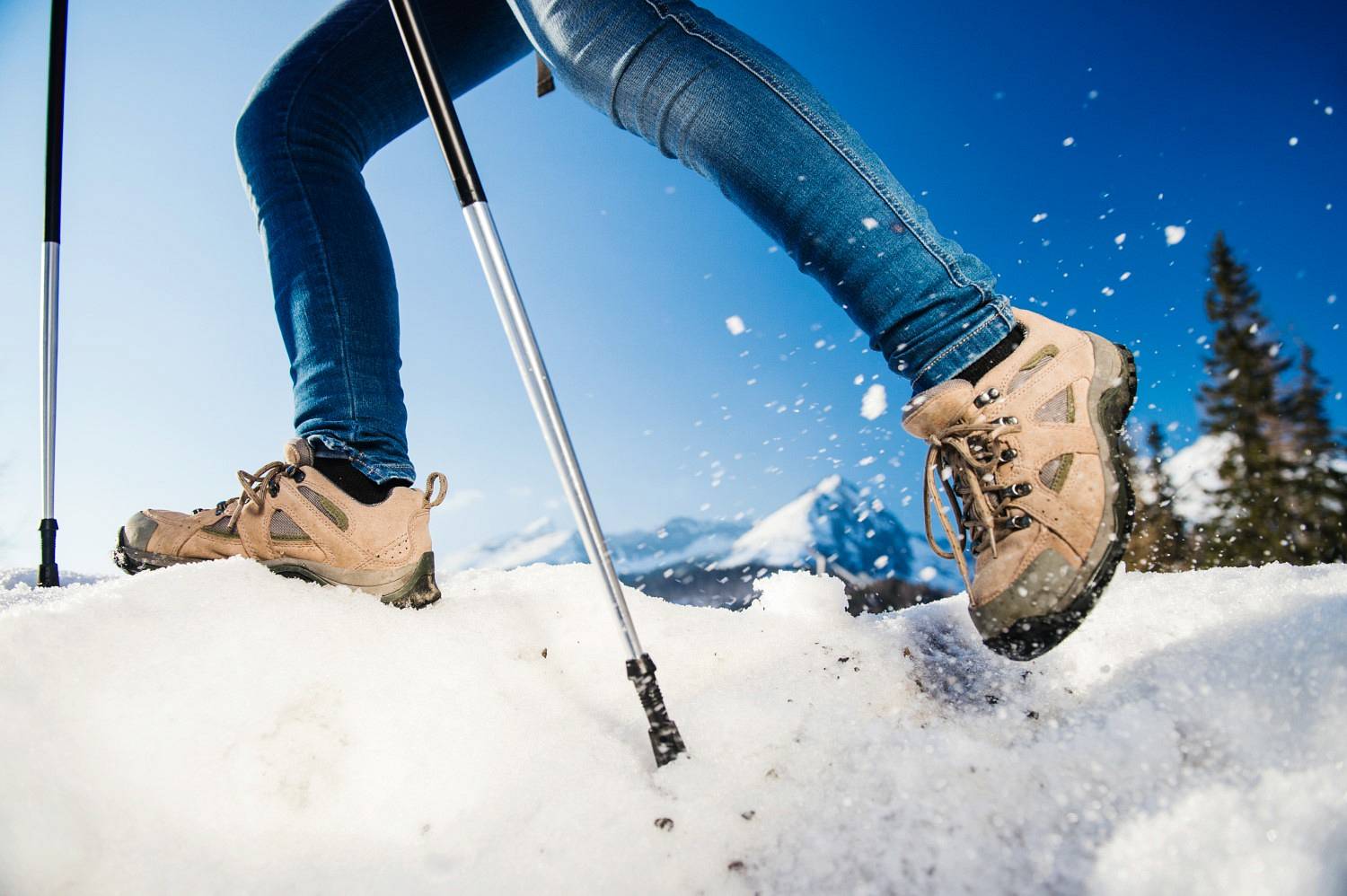
Waterproof membranes deserve a section of their own. Technologies like Gore-Tex and similar innovations keep your feet dry in the rain while still allowing sweat to escape. That said, if maximum breathability is your priority, non-membrane boots are lighter and far more pleasant in warm weather.
Other details worth paying attention to include the quality of the stitching, toe cap protection, lace durability, and overall structural integrity of the boot. On the way down, you want a boot that holds your foot firmly in place; on the way up, a stiffer sole helps maintain a confident, stable stride.
The right hiking footwear is, quite simply, the foundation of safety in the mountains — whether you’re heading out on your very first hike or venturing into more challenging alpine terrain. It’s an investment that always pays off: in confidence underfoot, comfort on long days out, and pure joy of movement. With the right gear on your feet, you can set off on your next adventure at whatever pace suits you best.
Tips and Tricks for Your Vacation
Don’t Overpay for Flights
Search for flights on Kayak. It’s our favorite search engine because it scans the websites of all airlines and always finds the cheapest connection.
Book Your Accommodation Smartly
The best experiences we’ve had when looking for accommodation (from Alaska to Morocco) are with Booking.com, where hotels, apartments, and entire houses are usually the cheapest and most widely available.
Don’t Forget Travel Insurance
Good travel insurance will protect you against illness, accidents, theft, or flight cancellations. We’ve had a few hospital visits abroad, so we know how important it is to have proper insurance arranged.
Where we insure ourselves: SafetyWing (simple monthly subscription) and TrueTraveller (for extra-long trips).
Find the Best Experiences
Get Your Guide is a huge online marketplace where you can book guided walks, trips, skip-the-line tickets, tours, and much more. We always find some extra fun there!


