

Poznań Poland has an energy that pulls you in the moment you arrive. You’ll be surprised at how modern, clean, and enjoyable this city is to explore. While most visitors head to Kraków or Warsaw, Poznań absolutely deserves your attention. It’s the fifth largest city in Poland and the capital of the Greater Poland (Wielkopolska) region, rightly nicknamed the cradle of Polish statehood. During our short visit, we discovered that every stroll through its streets leads to some intriguing new café or hidden alleyway.
If you’re thinking about a long weekend getaway in Poland, Poznań should be right at the top of your list. It ticks every box you’d want from an ideal destination. There’s a stunning historic centre lined with colourful townhouses, a brilliant food scene packed with trendy cafés and traditional restaurants, and — compared to Western Europe — you can still find excellent accommodation and meals at a fraction of the price.
The full destination guide: Poland — guide and what to see
TL;DR
Here’s a quick cheat sheet so you know what to look forward to when visiting Poznań:
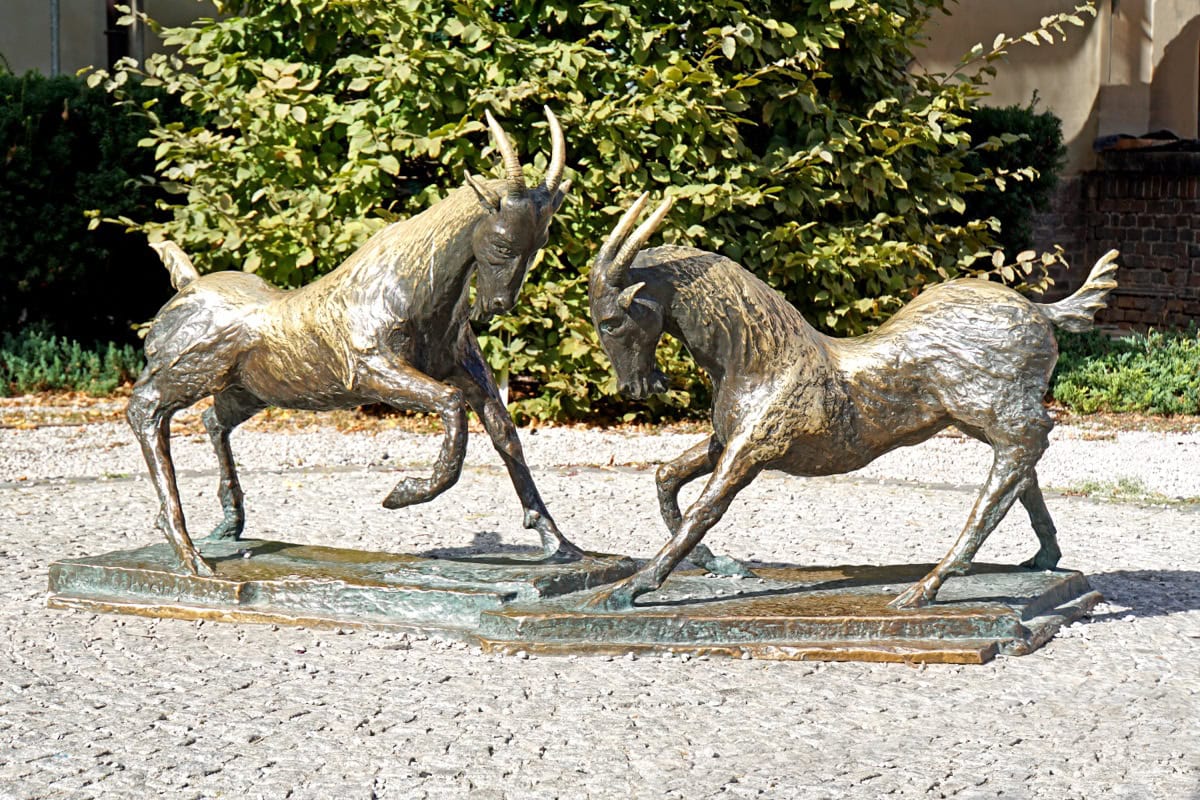
- Main highlight: The Old Market Square (Stary Rynek) and the Old Town Hall, where two mechanical goats butt heads on the clock tower every day at noon sharp.
- History: Ostrów Tumski is an island on the River Warta where it all began — where Duke Mieszko I laid the foundations of the Polish state.
- What to try: Traditional St. Martin’s croissants (Świętomarcińskie rogale) filled with white poppy seeds and marzipan, plus local potato specialities (pyry).
- Where to stay: Ideally right in the centre or in the Jeżyce district, famous for its cafés and restaurants.
- Ideal length of stay: Two to three days is plenty for Poznań, making it a perfect weekend destination.
Poznań: What’s It All About and Why Should You Visit?
When people hear “Poznań,” many think of it as just a transit stop on the way to the Baltic Sea — and that’s a real shame. Poznań is a historical gem and the true cradle of Polish statehood. It was here, on the tiny island of Ostrów Tumski, that Duke Mieszko I is said to have adopted Christianity in the 10th century and unified the first Polish state. The River Warta, which flows through the city, divides Poznań into its historic island quarter and the newer, buzzing side. Head straight for this meeting point of old and new worlds.
Today, Poznań (historically known as Posen in German) is a wonderfully vibrant university city where rich history blends with modern architecture and fantastic food. By day you can wander ancient lanes and admire brick churches; by evening, I’d recommend diving into one of dozens of craft breweries. It’s the perfect combination. Best of all, unlike other European capitals, you won’t encounter hordes of tourists here, so you can enjoy the city in total peace and authenticity.
When to Visit Poznań and What the Weather Is Like
Planning a trip to Poznań is fairly straightforward because the city has its charm in every season. If you’ve been searching for “weather Poznań Poland,” know that the climate is continental — similar to many Central European cities. Expect warm summers, cold winters, and pleasant spring and autumn months. Pack layers and you’ll be fine.
Poznań is at its most beautiful from May to September. Spring and autumn are absolutely ideal for long city walks and café-hopping, with temperatures hovering at comfortable levels. If you visit in July, you might catch the popular St. John’s Festival, which fills the centre with markets and concerts. Winter can be biting, but in December you’ll find gorgeous Christmas markets that regularly rank among the best in Europe.
One practical thing to watch out for: Mondays. As in many European cities, a lot of museums are closed. The exception is the famous goat clock, which performs every single day at 12:00 noon regardless of the day of the week.
How to Get to Poznań
Getting to Poznań from the UK is surprisingly easy. The city sits in western Poland, roughly halfway between Warsaw and Berlin, which makes it a very accessible destination.
The quickest option for many travellers is to fly. Poznań’s international airport Poznań-Ławica (code POZ) is just a short ride from the centre. Airlines such as Ryanair and Wizz Air operate direct flights from London (Stansted and Luton), with flight times of around 2.5 hours. From the airport, you can reach the city centre comfortably by city bus in about 20 minutes.
If you prefer overland travel, trains are a scenic option. You could take the Eurostar to Brussels or Amsterdam and then connect via Berlin, arriving in Poznań by rail. Another budget-friendly choice is FlixBus, which runs direct routes to Poznań’s main station — a huge complex where you’ll find everything you need including a shopping centre right on arrival.
For those who enjoy a road trip, driving from Berlin takes roughly 3 hours on well-maintained Polish motorways (some sections have tolls). It’s a great way to combine Poznań with other Polish cities like Wrocław or Gdańsk.
Where to Stay in Poznań and How Much It Costs
The choice of accommodation in Poznań is vast, and prices will pleasantly surprise you. I’d recommend finding a place as close to the centre as possible — you’ll save time and your legs, as all the main sights are within walking distance.
The golden rule is to look around Stary Rynek and its immediate surroundings. This is where you’ll find the highest concentration of landmarks, though be aware that the many bars can make weekends a bit noisy. If you prefer something quieter, check out the area known as Centrum, where you’ll find modern and business hotels at excellent prices.
For lovers of alternative culture and great food, I’d recommend the Wilda or Jeżyce districts. They’re full of Art Nouveau buildings, speciality coffee shops, and you can reach the centre by tram in just a few minutes. Jeżyce in particular stands out with its hidden garden courtyards and shops selling local design.
A specific recommendation is Vis-a-vis Old Town, which offers lovely rooms near the main square. You can book this and other great options through Booking.com. For a weekend stay for two in a quality hotel with breakfast, you’ll pay on average around €100 to €165, which is fantastic value by European standards.
15 Best Things to See and Do in Poznań Poland
Poznań is incredibly diverse. Whether you love history, modern art, or relaxing by the water, boredom simply isn’t an option here. What’s more, the city is perfectly manageable at a relaxed pace.
1. Stary Rynek and the Historic Town Hall with Its Famous Goat Clock
The beating heart of the city is the Old Market Square (Stary Rynek), one of the most beautiful in all of Europe. It’s lined with colourful Renaissance townhouses with arcades that now house the finest cafés and restaurants. Standing proudly in the centre is the Renaissance Old Town Hall. Before your trip, it’s worth checking the official tourist portal for the latest events.
The key is to be here just before 12:00 noon. Doors open on the tower and, to the sound of a bugle, two mechanical goats emerge and butt their horns together twelve times. It’s Poznań’s answer to Prague’s astronomical clock, and it never fails to draw a crowd of delighted spectators.
2. Ostrów Tumski and the Cathedral of Saints Peter and Paul
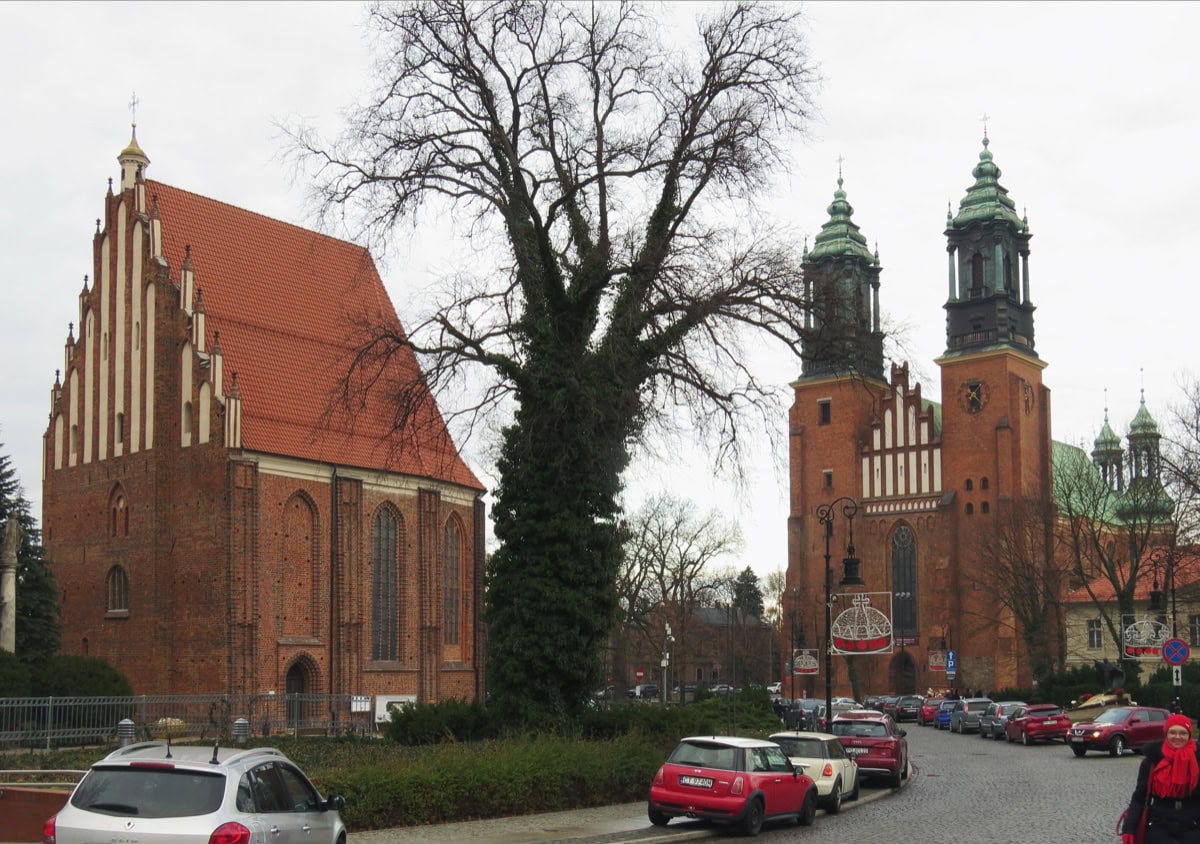
This is where the story of Polish statehood begins. Ostrów Tumski (Cathedral Island) is a tranquil spot surrounded by the River Warta, with a history stretching back over a thousand years. This is where the first Polish duke, Mieszko I, held court and where the first Polish bishopric was established.
The island is dominated by the Basilica of Saints Peter and Paul, the oldest cathedral in Poland. Inside, the Golden Chapel is truly breathtaking — it houses the tombs of the first Polish rulers. A walk around the island at dusk, when the old gas lamps are lit, creates an atmosphere you won’t forget.

3. Cytadela Park and the Military History Museum
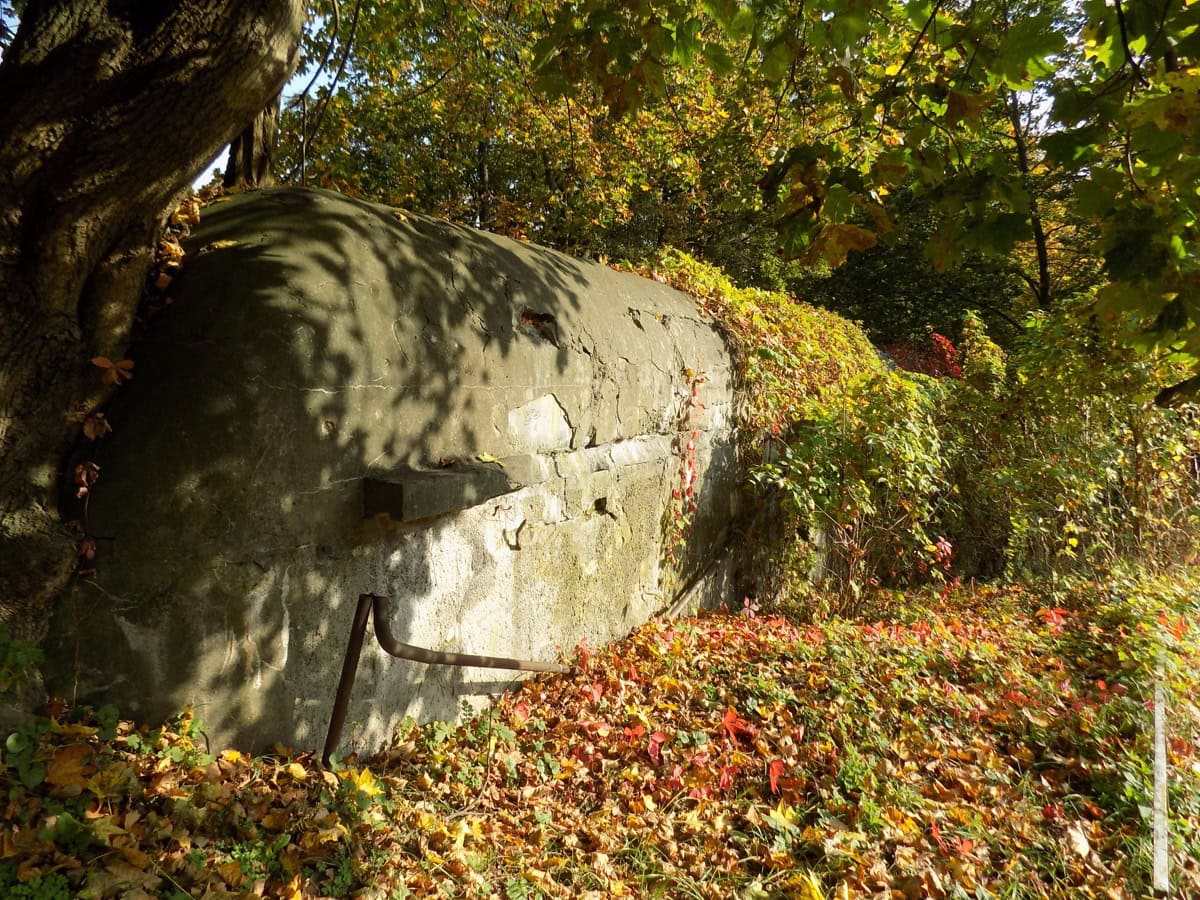
For a break from the urban bustle, head to Cytadela Park, the largest park in Poznań. It spreads across roughly 100 hectares on the site of a former Prussian fortress, with remnants of walls and moats still visible.
Here you’ll find the imposing Bell of Peace and Friendship statue, and right next door is the Museum of Military History. Old tanks, aircraft, and artillery are displayed in the open air — a fascinating sight not just for history buffs.
4. Stary Browar: Where Shopping Meets Art
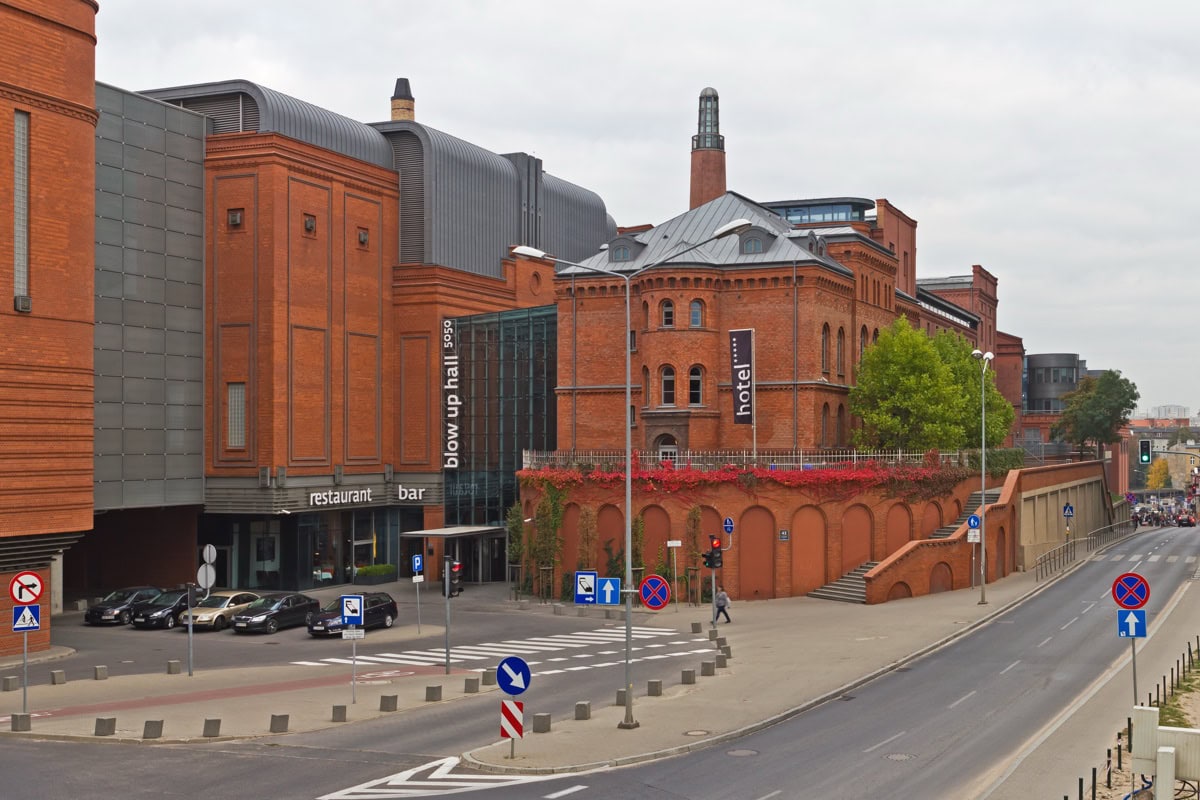
Stary Browar is a truly unique shopping centre. Originally a huge 19th-century brick brewery, it was sensitively converted into a centre for shopping and art. Check their official website for current opening hours.
The architecture — combining red brick, glass, and steel elements — is absolutely stunning. Art installations are dotted throughout the building, making it feel more like a modern gallery than a shopping mall.
5. The Imperial Castle (Zamek Cesarski)
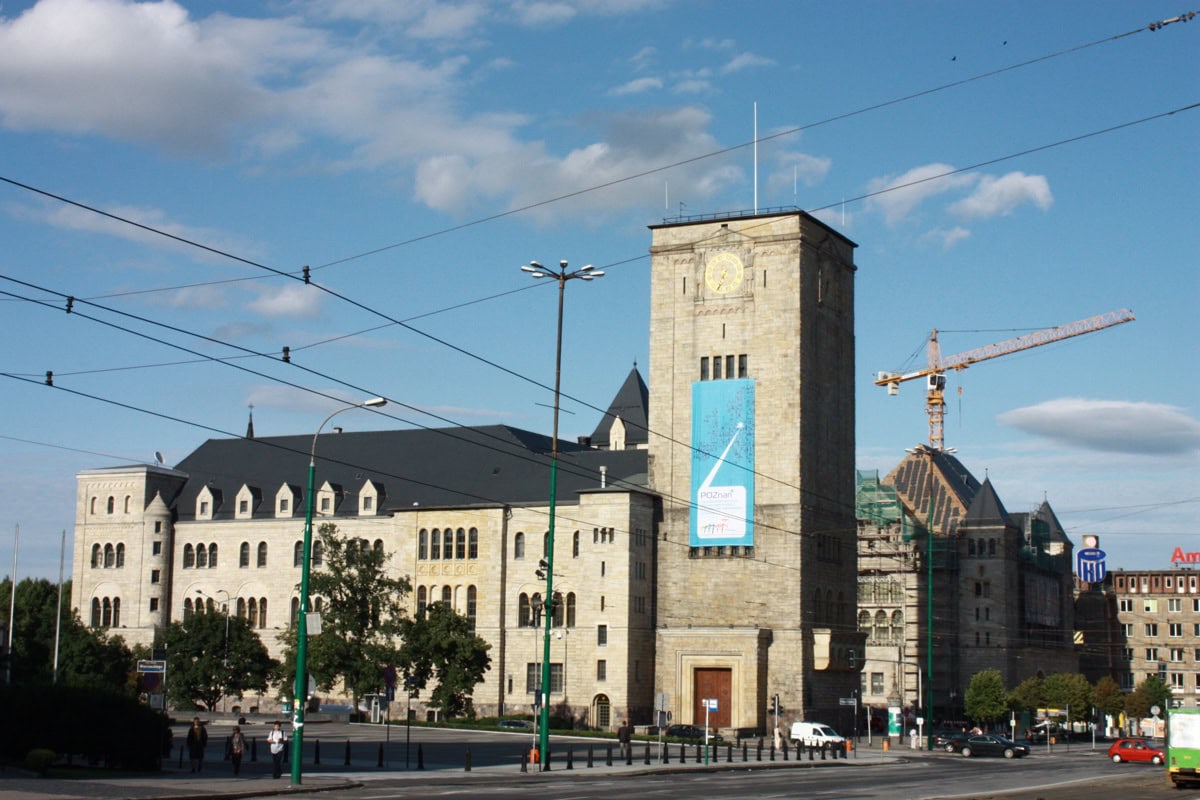
Despite its medieval appearance, this castle was only built at the start of the 20th century. The Imperial Castle was constructed by German Emperor Wilhelm II and is one of the youngest buildings of its type in Europe.
The castle has a dark history — during World War II, the Nazis renovated it for Adolf Hitler (who ultimately never visited). His balcony overlooking St. Martin’s Street remains. Today the building houses a cultural centre and the Museum of the Poznań Uprising.
6. Lake Malta (Jezioro Maltańskie)
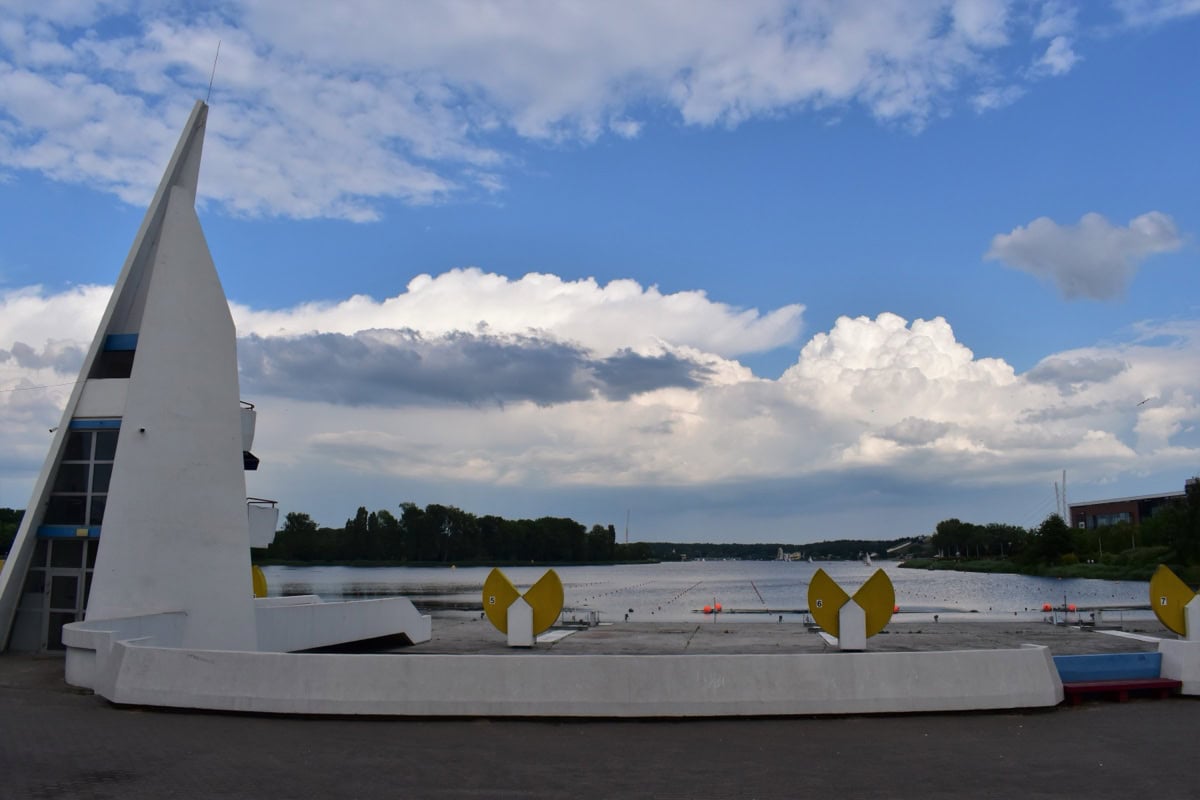
The artificially created Lake Malta is the hub of recreation in Poznań. A paved path runs around it, ideal for cycling or rollerblading.
In summer, rowing regattas are held here and there’s a year-round artificial ski slope. A narrow-gauge railway called Maltanka also runs around the lake — a delight for visitors of all ages.
7. The Multimedia Fountain and Evening Show
Right by Lake Malta, don’t miss the multimedia fountain. During summer, spectacular light and water shows set to music take place after dark. Admission is completely free — just grab a spot on the grass and enjoy the spectacle.
8. Termy Maltańskie for Water Lovers
Right next to the lake you’ll find the Termy Maltańskie water park. It boasts huge pools, thermal springs, a wave pool, and water slides.
The highlight is the separate sauna zone with dozens of saunas and regular Aufguss ceremonies. A full-day ticket costs 100 to 140 PLN (around €23 to €33), which is outstanding value for such a well-equipped facility. Check their website for full details.
9. St. Martin’s Street and the Croissant Museum
The traditional St. Martin’s croissants (Świętomarcińskie rogale) hold EU-protected status. They’re dense, filled with white poppy seeds, nuts, and marzipan, and a single one can weigh up to a quarter of a kilo. On St. Martin’s Day (11 November), the people of Poznań devour an astonishing 700 tonnes of them.
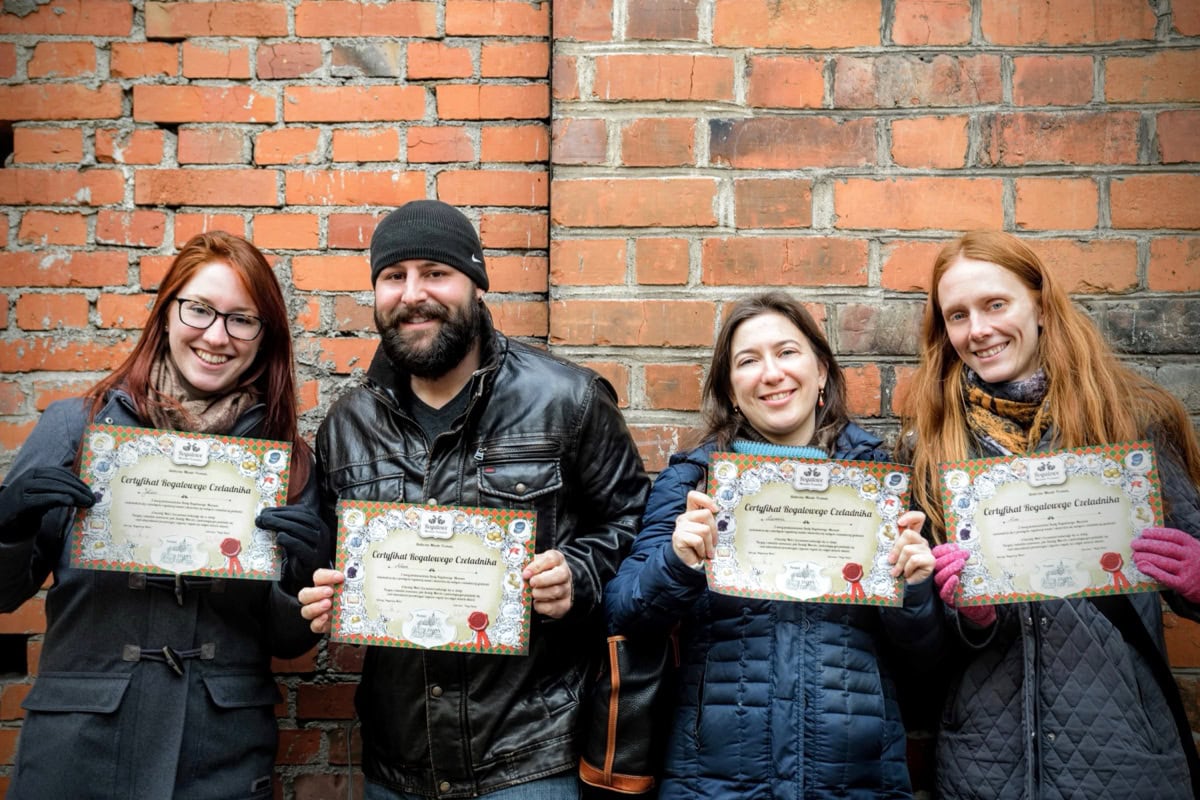
The interactive Rogalowe Muzeum Poznania on the Old Market Square offers entertaining tours where you get to try baking them yourself. Book your tickets in advance online.
10. A Stroll Through the Jeżyce District
For a dose of local hipster flavour, make your way to Jeżyce. Ornate Art Nouveau façades blend with a gritty, lived-in atmosphere. It’s a foodie paradise brimming with speciality coffee shops, vegan restaurants, and traditional bistros frequented by locals.
11. Romance in Sołacki Park (Park Sołacki)
Not far from Jeżyce lies Park Sołacki, designed in the early 20th century in the English landscape style. It’s an oasis of calm with weeping willows and interconnected ponds. You’ll also find a charming wooden restaurant with a terrace here.
12. Biskupin Archaeological Park
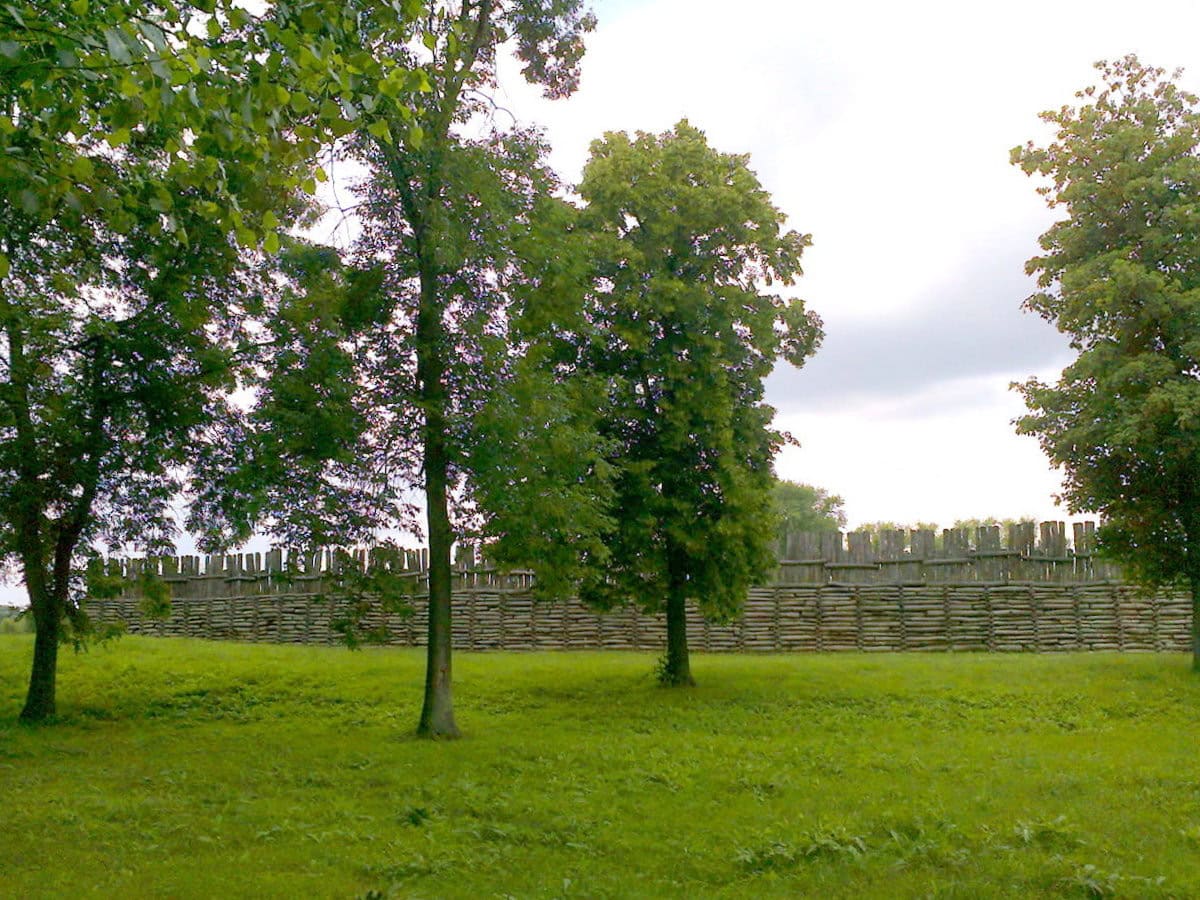
Just outside the city lies Biskupin, one of the most significant archaeological sites in Europe, often called the Polish Pompeii. It’s a reconstructed Iron Age settlement and makes an ideal half-day trip by car.
13. Head to Lake Strzeszyńskie in Summer
For a summer swim, Lake Strzeszyńskie on the northwestern edge of the city is perfect. Surrounded by pine forests, the water is clean and there are sandy beaches with lifeguards, pedalo hire, and stalls selling Polish waffles (gofry). You can easily get here from the centre by public transport.
14. A Football Match at KKS Lech Poznań
Poznań is a football city. KKS Lech Poznań is one of the best clubs in the country. Catching a match at the INEA Stadium (built for Euro 2012) offers an incredible atmosphere. The passionate ultras create a wall of sound, and football fans from across Europe will feel right at home.
15. The Bamber Museum and Traditional Pyry
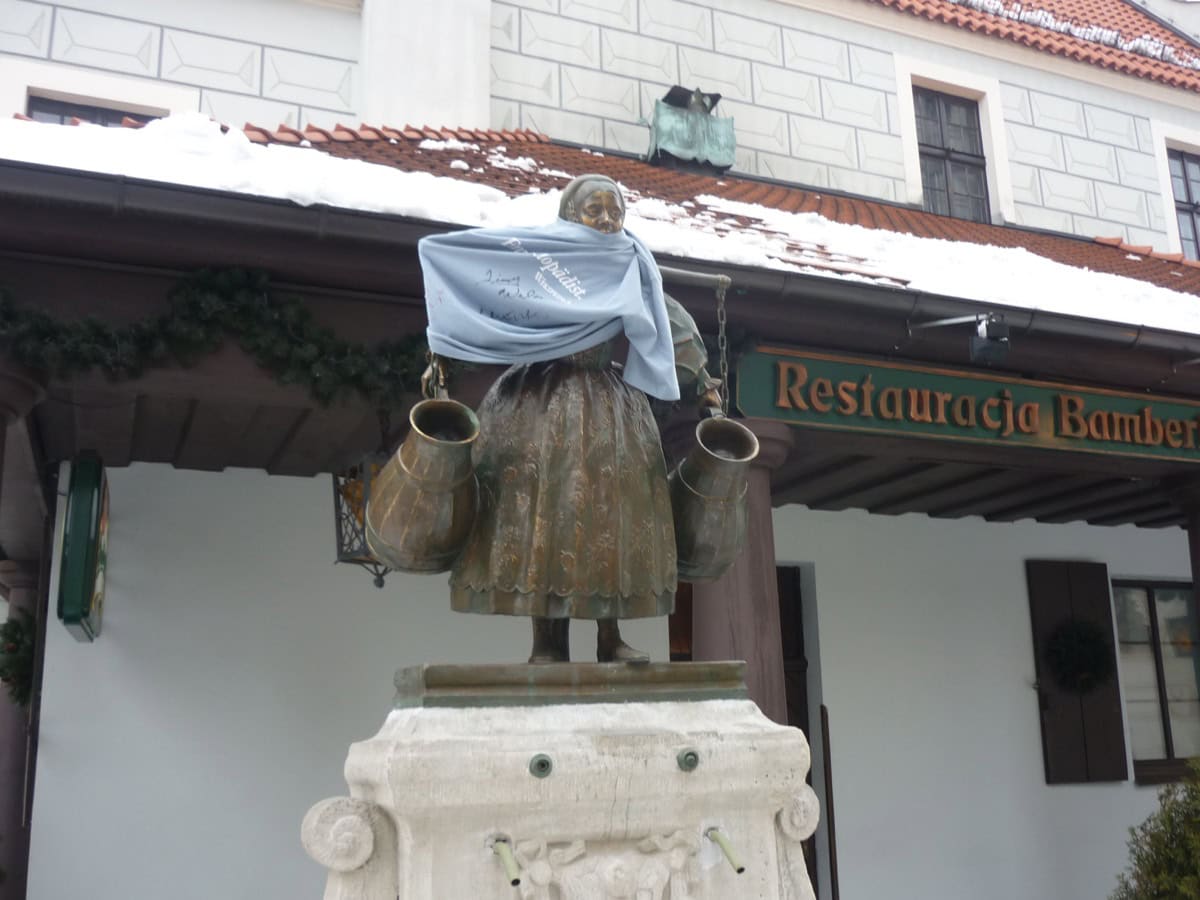
In the 18th century, Catholic settlers from Bamberg, Germany (known as Bambrzy) moved to Poznań. They brought their customs and, above all, a love of potatoes. That’s why the people of Poznań are nicknamed “pyry” (a local word for potatoes). The Muzeum Bambrów Poznańskich tells their story, while you can sample potato dishes prepared in dozens of ways at brilliant prices at the Pyra Bar.
Map of points of interest for your phone
Poznań with Kids: Where to Go with Little Ones
The city is brilliantly set up for families with children. The absolute must-do is waiting for noon at the Old Market Square to watch the goats emerge from the tower.
Another big draw is the Lake Malta area. Kids can ride the Maltanka miniature train, which runs all the way to Poznań’s zoo (Nowe Zoo) — the second largest in Poland, set within a forest. On a rainy day, the Termy Maltańskie water park with its pirate zone and water slides comes to the rescue.
Where to Eat in Poznań: Polish Food and Drink
Typical Poznań cuisine is heavily influenced by the Bamberg settlers — expect meat, cabbage, and potatoes. Look for the words “pyry” or “pyzy” (yeast-based potato dumplings) on menus. And for dessert, you simply must try the St. Martin’s croissants.
When it comes to drinks, Poznań lives and breathes craft beer. The centre is packed with dozens of craft breweries and multi-tap bars with a wide selection on draught (try Browar Trzech Koron, for example). For discerning foodies, Poznań also boasts Michelin-recognised restaurants (such as Muga).
Safety and Common Scams to Watch Out For
Poland is a very safe country, but it’s still wise to be aware of the usual tourist traps in any big city:
- Euronet ATMs and DCC: Euronet cashpoints offer Dynamic Currency Conversion (DCC), showing the amount in pounds. Never accept this. Always choose to withdraw or pay in the local currency (PLN). Otherwise, you could lose 10 to 15% on the exchange rate.
- Taxis in the Old Town: Avoid unofficial taxis lurking outside clubs. Always use apps like Uber, Bolt, or FreeNow, where you can see the price upfront.
- Exchange offices (kantory): Those in the centre often have hidden fees or poor rates for small amounts. The easiest and cheapest option is to simply pay by card everywhere.
Practical Travel Information
- Currency: Poland uses the Polish zloty (PLN). The exchange rate is approximately 5 PLN to £1. The vast majority of places accept card payments.
- Public transport: Poznań has an excellent network of green trams and buses. You can buy tickets on board using a contactless card terminal or through a mobile app. Good-value day and weekend tickets are also available.
- Internet: With a UK mobile plan, be aware that since Brexit, roaming charges may apply in Poland. Consider picking up a local SIM or using an eSIM from providers like Holafly or Yesim for hassle-free data abroad.
- Travel insurance: I’d recommend never travelling without proper cover — it’s always worth having peace of mind, especially for unexpected medical costs abroad.
Where to Go Next from Poznań
If you have more time to explore Poland, there are some brilliant destinations within easy reach:
- Kraków: Wawel Castle, the fire-breathing dragon, and the historic Kazimierz quarter. Check out our full guide here.
- Wrocław: The city of dwarfs and stunning historic squares.
- Warsaw: Perfect for lovers of modern architecture and the inspiring story of post-war reconstruction.
- For a deeper exploration, we recommend our complete Itinerary: 7-Day Road Trip Through Poland.
 🚗 Car rental on the roadVerified rental cars in Poland
Search with the DiscoverCars comparison engine — it compares prices from dozens of local and international rental companies, and most bookings come with free cancellation.
Compare car prices in Poland →Frequently Asked Questions (FAQ)
What to do in Poznań?
The main attraction is the Old Market Square with its clock tower featuring mechanical goats (daily at noon). Don’t miss Ostrów Tumski, Cytadela Park, Lake Malta, or trying the traditional St. Martin’s croissants.
What’s the population of Poznań?
It’s Poland’s fifth-largest city with approximately 530,000 to 540,000 inhabitants. Students make up a large portion of the population thanks to the universities.
What is Posen?
Posen is the historic German name for Poznań from the times of Prussian and German Empire rule. The Imperial Castle dates back to this period.
Where is Poznań located?
In west-central Poland on the Warta River, roughly halfway between Berlin and Warsaw. It’s the capital of the Greater Poland Voivodeship.
What currency is used in Poznań?
The Polish złoty (PLN). Most services conveniently accept credit and debit cards.
How many days do I need to see Poznań?
Two full days are plenty to see the main highlights and enjoy the restaurant scene at a relaxed pace (perfect for a weekend trip).
Is Poznań expensive?
Not at all. Accommodation and food prices are typically lower than in Prague or other Western European capitals. You can enjoy a fantastic weekend here without breaking the bank.
Tips and Tricks for Your Vacation
Don’t Overpay for Flights
Search for flights on Kayak. It’s our favorite search engine because it scans the websites of all airlines and always finds the cheapest connection.
Book Your Accommodation Smartly
The best experiences we’ve had when looking for accommodation (from Alaska to Morocco) are with Booking.com, where hotels, apartments, and entire houses are usually the cheapest and most widely available.
Don’t Forget Travel Insurance
Good travel insurance will protect you against illness, accidents, theft, or flight cancellations. We’ve had a few hospital visits abroad, so we know how important it is to have proper insurance arranged.
Where we insure ourselves: SafetyWing (simple monthly subscription) and TrueTraveller (for extra-long trips).
Find the Best Experiences
Get Your Guide is a huge online marketplace where you can book guided walks, trips, skip-the-line tickets, tours, and much more. We always find some extra fun there!
More from Poland
Full guide → With kids · most readPoland: 11 Best Places for Your Holiday
 When to goKrakow Christmas Markets 2026 – Dates, Opening Hours & Programme
 Where to stayPoland: 15 Best Places for Your Holiday
 FoodPolish Food: 15 Tips on Pierogi, Bar Mleczny, Vodka & Everything You Must Try
 PricesPoland: Your Complete Guide to Driving – Tolls, Prices, Routes, Speed Limits, and Insurance


