Picture a city surrounded by the wild ocean on three sides, with a history so ancient that it holds the title of the oldest continuously inhabited city in all of Europe. That’s exactly what Cádiz Spain is — an Andalusian gem that, according to historical records, was founded by the Phoenicians around 1100 BC. While the nearby Costa del Sol coastline bursts at the seams with tourists hunting for perfect resorts, this city on the Costa de la Luz offers an entirely different and far more authentic atmosphere.
Here you’ll find a captivating weathered charm, narrow winding alleyways where you’re guaranteed to get lost, and a magnificent cathedral with a golden dome that gleams in the afternoon sun from miles away. The Mediterranean gives way to the Atlantic here, which means the air is fresher, the wind stronger, and the beaches are incredibly wide with the finest sand imaginable. If you’re considering a trip to southern Spain, you absolutely shouldn’t skip this enchanting place perched on a narrow peninsula.
In this guide, we’ll walk you through fifteen specific tips on what to see and do in Cádiz so you can make the absolute most of your visit. I’ll point you to the best neighbourhoods for soaking up the atmosphere, tell you where to find the famous camera obscura, and explain why people from all over Spain flock here at the end of winter. You’ll also find practical information on hotels in Cádiz Spain and how to get there, so you can plan your trip completely stress-free.
TL;DR
- A historical marvel: Founded by the Phoenicians over three thousand years ago, the city proudly holds the title of Europe’s oldest city, brimming with archaeological treasures.
- Ocean-side cathedral: The iconic golden-domed cathedral is an absolute must-see, and climbing its tower rewards you with phenomenal views over the entire old town.
- Torre Tavira: The tallest historic watchtower houses a unique mirror system called a camera obscura, projecting a live image of the city in real time.
- Atlantic beaches: Unlike the calm Mediterranean, the Atlantic reigns here — beaches like La Caleta and La Victoria are perfect for swimming and water sports alike.
- The wild carnival: In February, the city comes alive with one of the world’s most famous carnivals, built around sharp wit and satirical songs from local groups.
- Easy access from Seville: It’s an ideal destination for a day trip or overnight stay from the Andalusian interior — the train journey is comfortable and quick.
- When to visit: The best weather without extreme summer heat is in spring and autumn, when the ocean breeze keeps things perfectly pleasant.
The full destination guide: Andalusia — guide and what to see
Best Time to Visit Cádiz Spain
Choosing the right time to visit southern Andalusia is absolutely crucial, as summer temperatures can be genuinely exhausting. If you’re not a fan of extremes, avoid August, when inland areas regularly hit over 40°C and coastal resorts are packed to the rafters with domestic and international tourists. Although the Atlantic Ocean always provides a refreshing breeze here, making it somewhat more bearable than, say, Seville, the humidity takes its toll, and exploring sights at midday can be pretty gruelling.
The ideal time for exploring the city is May and June, followed by September and October. During these months, temperatures hover around a very pleasant 25–28°C, the sea is still warm enough for swimming, and the streets aren’t hopelessly clogged with crowds. In autumn, the ocean water has warmed up after a long summer, making a dip at the wide local beaches a genuine treat even for those who usually shy away from cold water.
A completely unique time to visit is late winter — specifically February — when crowds descend for the famous Cádiz Carnival. In 2026, the main celebrations are scheduled for 13–22 February, and the city transforms into one enormous street party. Winter in general is hugely popular with digital nomads and travellers from northern Europe, as daytime temperatures often sit between 15–18°C, which is absolutely perfect for wandering the winding alleyways.
Hotels in Cádiz Spain: Where to Stay
💡 Tip for accommodation and experiences: We love browsing for stays on Booking.com, which tends to offer the best cancellation policies. For tickets, tours, and activities, it’s worth comparing options on GetYourGuide.
The historic centre (Casco Antiguo) sits on the northern tip of the peninsula and is fairly compact, so you can easily get everywhere on foot. If you want to soak up the authentic historical atmosphere and stay close to all the main sights, look for accommodation in the Barrio del Pópulo or La Viña neighbourhoods. This area is packed with narrow cobbled lanes, tapas bars, and small boutique hotels — though bear in mind that parking is virtually impossible and the nightlife can be rather loud.
For those after more of a beach holiday, a much better option is the newer part of the city around Playa de la Victoria. You’ll find wide boulevards, modern high-rises, and a huge selection of hotels with direct ocean views. The historic centre is just a fifteen-minute local bus ride away, so you won’t miss out on the sights while enjoying quieter nights and simpler logistics if you’ve got a rental car.
When searching for accommodation, head to Booking.com for the best deals in both areas. One of the most popular central hotels is Hotel Las Cortes de Cádiz, housed in a beautiful historic building that oozes nineteenth-century charm. If you’re after absolute luxury and modern architecture, the Parador de Cádiz is hard to beat — it sits just a stone’s throw from Playa de La Caleta and boasts fantastic pools overlooking the endless Atlantic.
15 Best Things to See and Do in Cádiz Spain
The historic centre is positively laced with monuments, charming squares, and traces of ancient civilisations. Let’s take a detailed look at fifteen places and experiences that form the very soul of this extraordinary Andalusian city.
1. Santa Cruz Cathedral and Its Tower
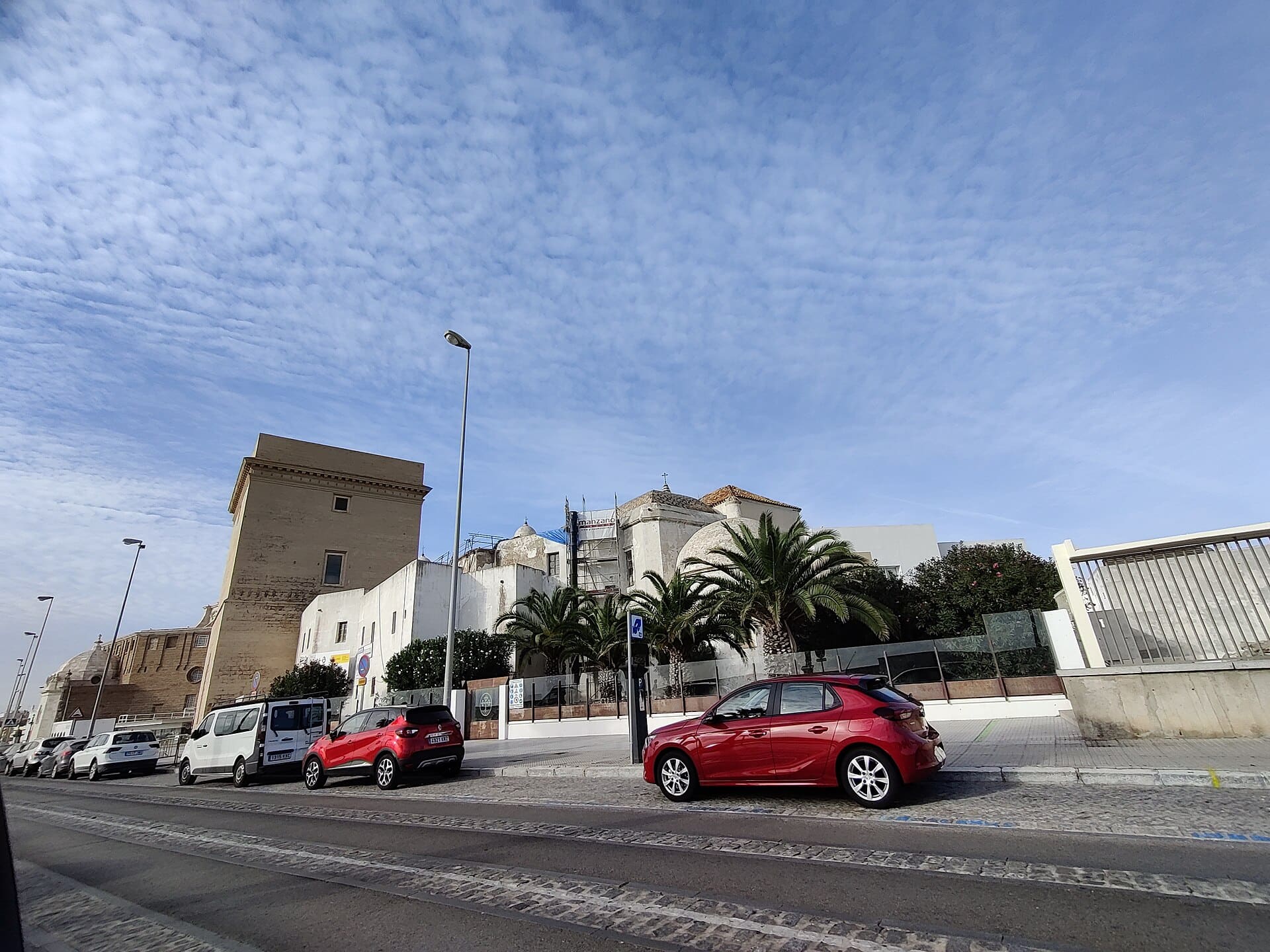
This imposing structure is the undisputed centrepiece of the entire city, and its golden dome of glazed tiles is visible from afar the moment you approach the peninsula. Locals often call it the “Cathedral of the Americas,” because it was financed by the enormous wealth that flowed into the city through trade with the New World during the eighteenth century. Its construction took an incredible 116 years, resulting in a fascinating blend of Baroque, Rococo, and Neoclassical architectural elements.
Inside, you’ll be struck by the vast interior and beautifully decorated vaults, but the real highlight awaits once you tackle one of the towers. The Torre del Reloj (Clock Tower) doesn’t have conventional stairs — instead, you ascend via a spiral ramp originally used by animals carrying building materials. From the top, you’re rewarded with a breathtaking panorama of the entire historic centre with its typical white rooftops and the endless blue ocean stretching beyond.
Plaza de la Catedral, the square that spreads directly in front of the main entrance, is also one of the liveliest spots in the city. It’s lined with cafés and restaurants where you can sit down with a good coffee and simply watch the world go by. The cathedral’s façade glows with gorgeous warm tones in the afternoon sun, making this spot an absolute dream for any photography enthusiast.
2. Torre Tavira and the Fascinating Camera Obscura
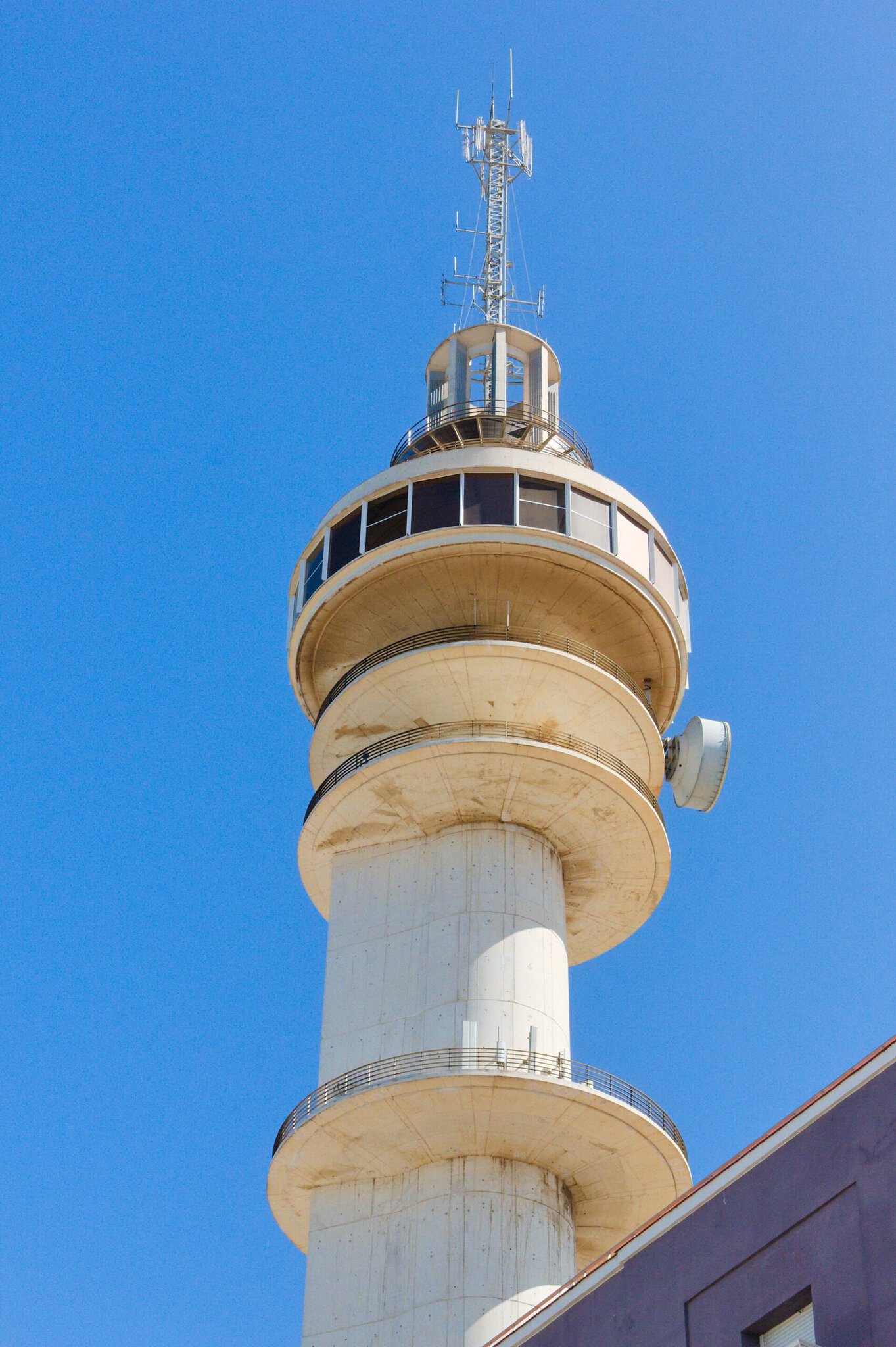
In the eighteenth century, when Cádiz was at the peak of its trading power, wealthy merchants built tall watchtowers on the roofs of their houses to spot ships returning from the Americas. Over 120 of these towers survive in the city today, but Torre Tavira is by far the tallest and most important. It was from this very tower that the official lookout informed the port authorities about every sail that appeared on the horizon.
Today the tower draws visitors not only for the stunning panoramic views from its rooftop terrace, but above all for a unique optical device called a camera obscura. It’s a system of mirrors and lenses installed in a darkened room that projects a live, moving image of the entire city onto a white horizontal screen. During a guided presentation, the operator uses this device to zoom in on the most interesting details — from people strolling across squares to birds circling above the cathedral.
💡 Insider tip: As the capacity of the darkened projection room is very limited, I’d strongly recommend booking your tickets online a few days in advance. During peak season, English-language tours can sell out a week ahead, and it would be a real shame to miss this magical experience.
3. The Oldest Quarter: Barrio del Pópulo
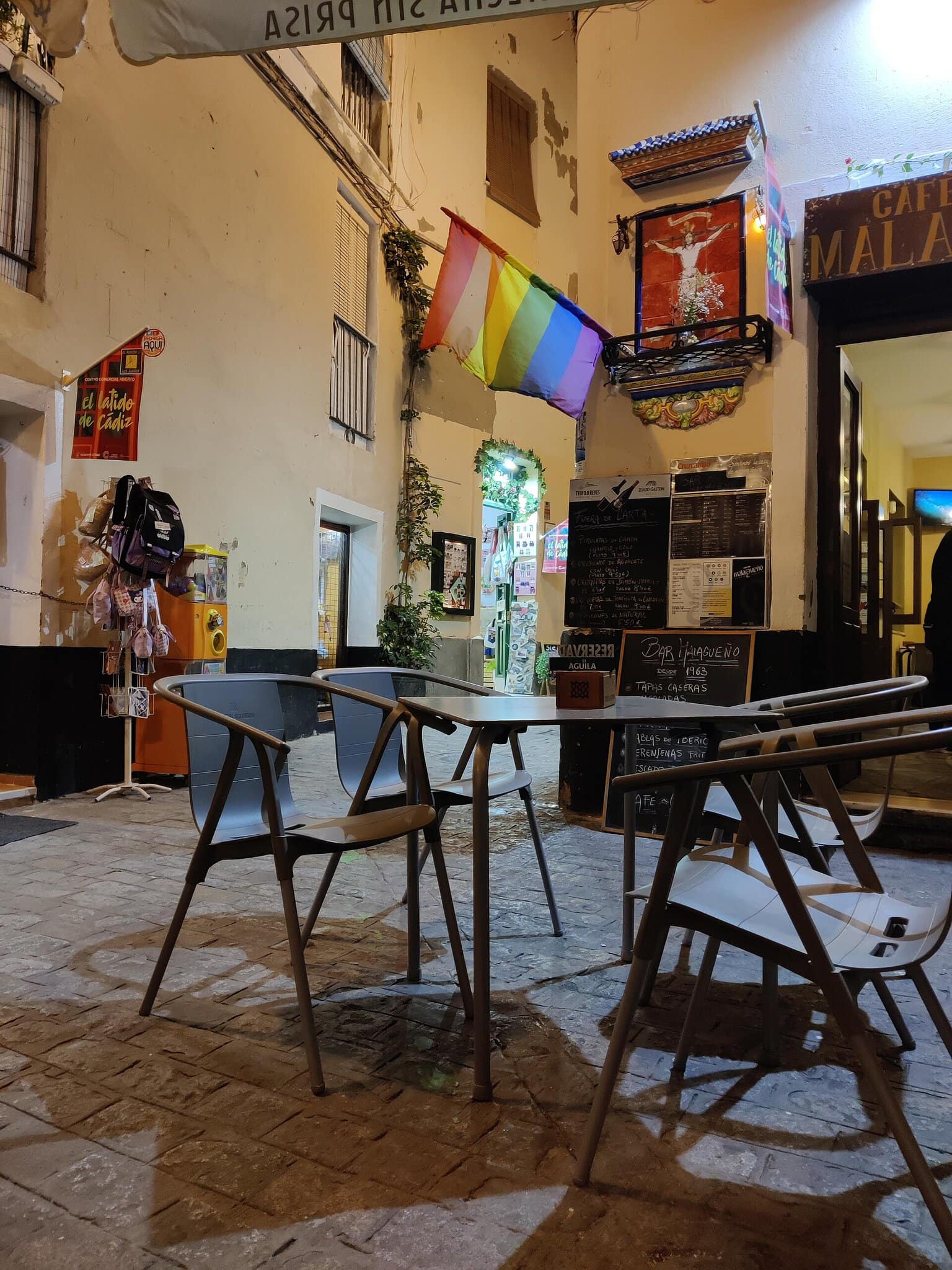
If you want to breathe in the most authentic historical atmosphere, you need to get lost in the narrow lanes of Barrio del Pópulo. This is the very oldest part of the city, with roots stretching back to the thirteenth century, and it still preserves its original medieval street layout. You enter through three massive stone archways that once formed part of the old city walls — they remain strikingly majestic to this day.
Wandering through this quarter, you’ll stumble upon picturesque little squares, tucked-away churches, and houses with gorgeous wrought-iron balconies. The atmosphere is quiet and mysterious during the day, but once evening rolls around, the alleyways come alive with countless tapas bars and small taverns. It’s the perfect place to spend long hours uncovering hidden architectural details and soaking up the quintessential Andalusian pace of life.
The quarter has undergone extensive revitalisation over the past two decades, transforming from a somewhat neglected area into a very safe and sought-after neighbourhood. You’ll come across plenty of artisan shops where local artists sell handmade ceramics and jewellery — a brilliant opportunity to pick up genuinely original souvenirs.
4. City Beach: Playa de La Caleta
When you think of a city beach, few people imagine somewhere as gorgeous and photogenic as La Caleta. This sandy cove sits right on the edge of the historic centre and is flanked by two ancient fortresses on either side. Its beauty and unique atmosphere even caught the eye of Hollywood — it was used as a filming location for the famous Halle Berry scene in the James Bond film Die Another Day, where the cove surprisingly stood in for Havana, Cuba.
Thanks to its sheltered position, the water here is calmer than on the long ocean beaches to the south, which you’ll appreciate when swimming. On summer weekends, entire local families descend on the beach, bringing folding chairs, parasols, and cool boxes packed with food, creating an incredibly vibrant and authentic scene. The beach’s centrepiece is the beautiful white former bathhouse Balneario de Nuestra Señora de la Palma, whose elegant pavilions stretch right out over the sand.
Sunset at Playa de La Caleta is considered one of the most beautiful in all of Andalusia. As the sun dips towards the horizon, painting the sky in deep oranges and purples, the silhouettes of small fishing boats anchored in the bay create an utterly magical scene — one that’ll have you coming back every single evening.
5. Castillo de Santa Catalina Fortress
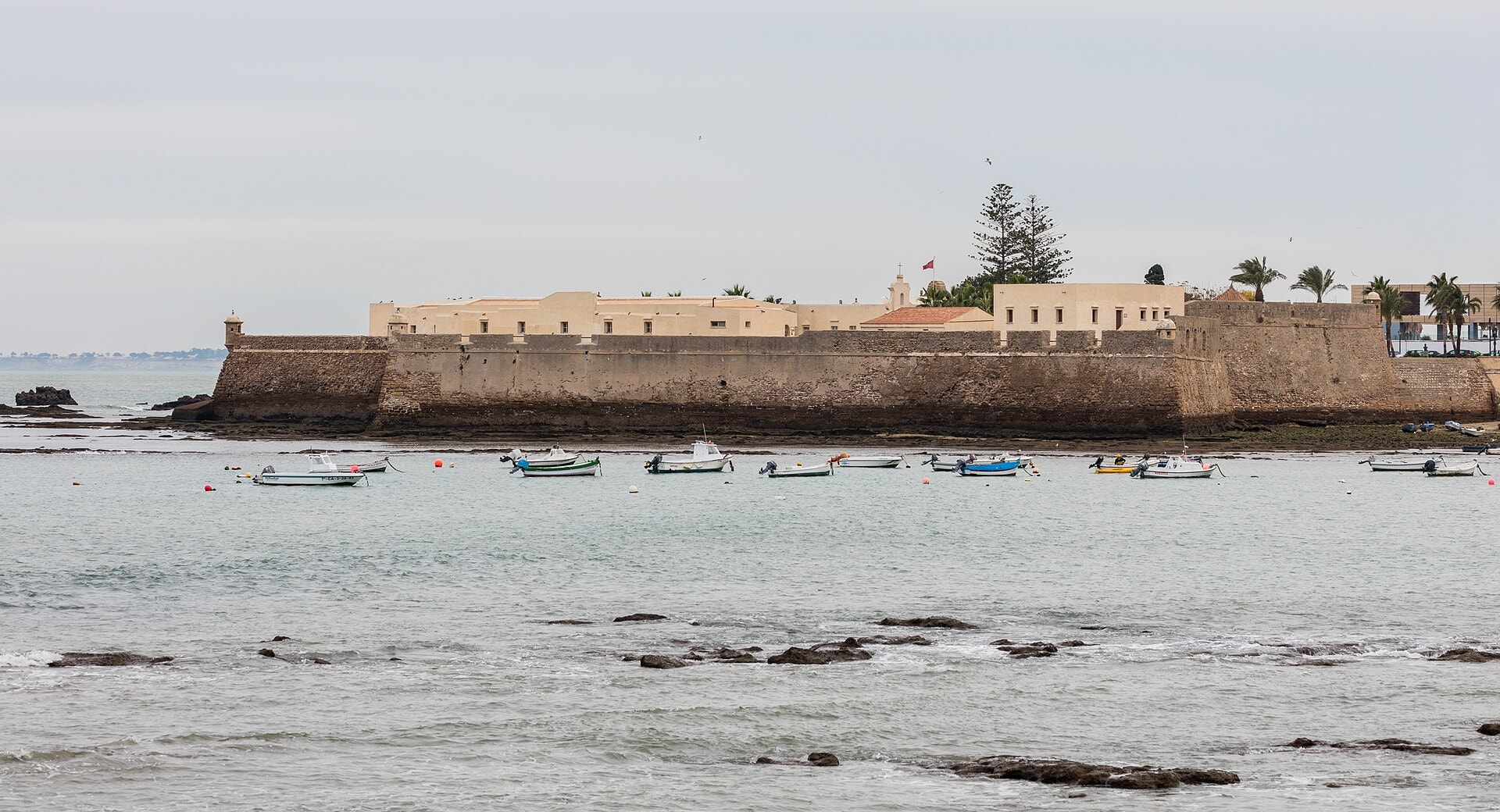
On the northern tip of Playa de La Caleta, the fascinating Castillo de Santa Catalina juts out into the ocean. It was built at the end of the sixteenth century, commissioned by Spanish King Philip II after a devastating raid by the English fleet under Sir Francis Drake, who caught the city off guard and sacked it in 1587. The fortress features a classic star-shaped floor plan that was a masterpiece of military architecture at the time, designed to withstand modern artillery.
Today this mighty stone structure is open to the public, and entry is completely free. Once you cross the drawbridge, you’ll find yourself in a spacious central courtyard surrounded by former military barracks and gunpowder stores. These spaces now serve as a cultural centre hosting regular art exhibitions and craft workshops.
The biggest draw, however, is a stroll along the fortress’s massive ramparts. From here you get a fantastic view of the endless Atlantic, the opposing San Sebastián fortress, and Playa de La Caleta itself. It’s a wonderful spot to simply sit on the stone, listen to the roar of the ocean waves, and let centuries of history wash over you at this strategic port.
6. Castillo de San Sebastián Fortress
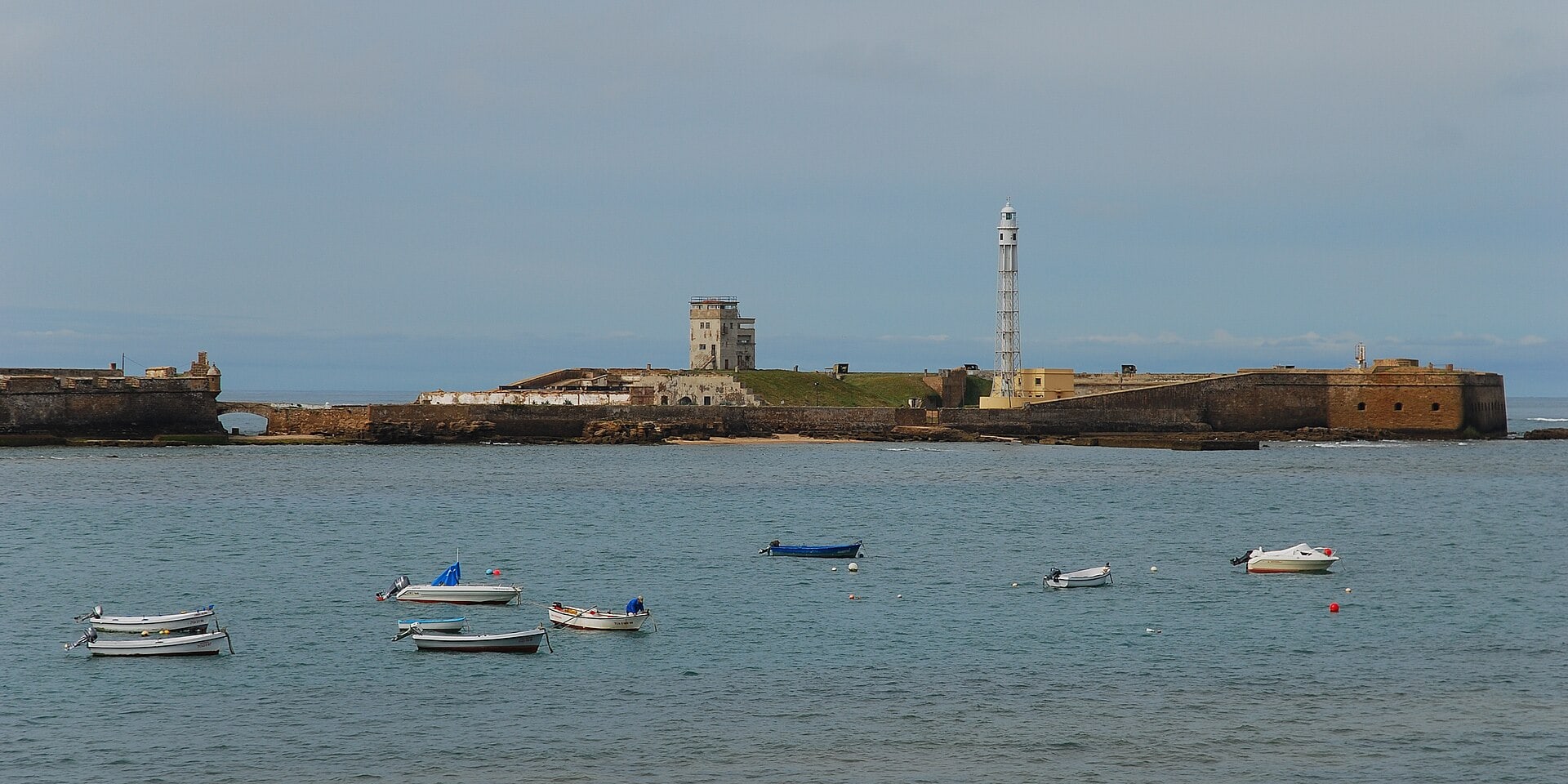
On the opposite side of the La Caleta bay, on a small islet connected to the mainland by a long stone causeway, lies the Castillo de San Sebastián. The walk along the narrow causeway (Paseo Fernando Quiñones) alone is an incredible experience — waves crash against the stonework from both sides and the air is thick with salty spray. According to ancient Phoenician legends, a temple dedicated to the god Kronos once stood on this very islet.
The fortress’s current form dates from the early eighteenth century, and its standout feature is a 41-metre-tall lighthouse — uniquely, it’s the only one in Spain built with an iron framework designed by the famous Gustave Eiffel. For many years the fortress served as a military prison and strategic defensive point, forming a deadly crossfire with Santa Catalina to protect the entrance to the city.
Although the interior undergoes frequent renovations and may occasionally be closed to visitors, the walk out to its gates is absolutely worth it. It’s an ideal spot for a morning jog or an evening wander — from the end of the causeway you can admire the old town from a completely unique perspective while soaking up the powerful ocean wind that’s so characteristic of this area.
7. Mercado Central de Abastos Market
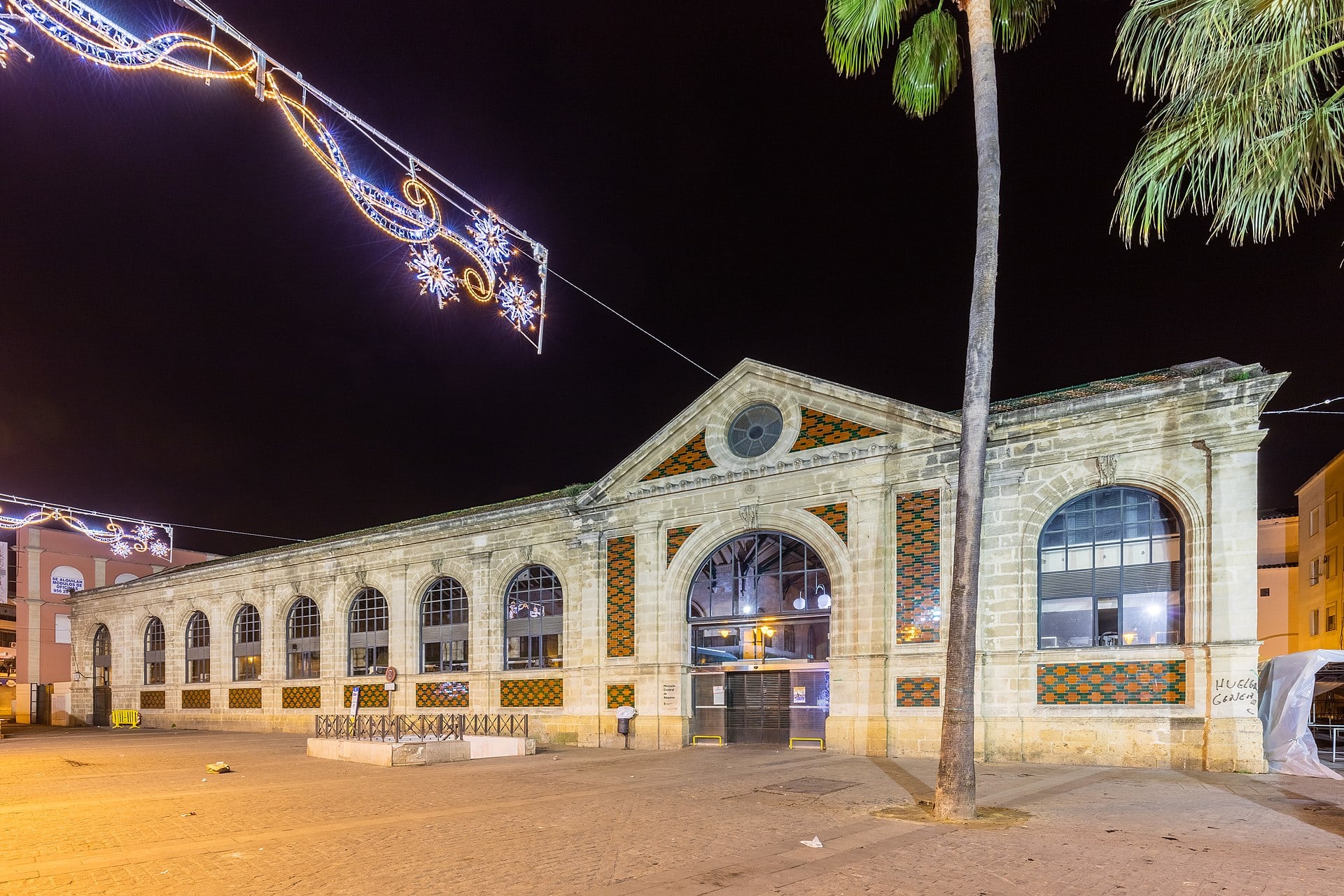
If you want to experience the real daily life of the locals, there’s no better place than the Mercado Central. Situated on Plaza de la Libertad, it’s housed in a gorgeous Neoclassical building surrounded by Doric columns. The market is divided into several sections and offers an absolutely incredible showcase of the freshest local produce, brought in by farmers and fishermen from the entire surrounding region.
In the central area you’ll find the fish market, where locals love to pick up ingredients for the famous pescaíto frito. While it makes for a visually fascinating spectacle, vegetarians will be more drawn to the outer sections. Here you’ll find beautiful stalls bursting with fresh fruit, vegetables, superb Andalusian cheeses, olives, and crusty bread. I’d definitely recommend grabbing some fresh figs or enormous tomatoes and putting together a picnic.
The market isn’t just a shopping destination — it’s a social hub too. Along its outer arcade you’ll find a host of small food stalls and tapas bars that open around lunchtime. You can tuck into excellent vegetarian empanadas, fried padrón peppers, or traditional churros with thick hot chocolate, all washed down with a chilled beer right among the chattering locals.

8. Plaza de las Flores — The Flower Square
Right next to the central market lies the charming triangular Plaza Topete — though nobody calls it anything other than Plaza de las Flores. As the name suggests, the entire space is lined with colourful flower stalls that fill the square with gorgeous fragrance and a stunning visual contrast against the historic stone buildings. It’s one of the most delightful spots in the entire old town and an ideal place for a quick breather.
In the centre of the square stands a statue of Roman senator Cornelius Balbus, who was born in the city and played a key role in its development during antiquity. Around the edges you’ll find several famous traditional freidurías (shops specialising in fried delicacies) where locals buy traditional Andalusian treats served in paper cones. The architecture of the surrounding buildings is quintessentially Cádiz, featuring glazed wooden enclosed balconies called cierros that protrude into the open space.
In the nearby cafés you can treat yourself to a wonderful Andalusian breakfast of toasted bread topped with freshly grated tomatoes and quality olive oil (tostada con tomate). It’s beautifully simple but utterly delicious — the perfect fuel for further exploring, enjoyed to the soundtrack of a bubbling fountain and the bustle of the surrounding flower vendors.
9. Roman Theatre (Teatro Romano)
Archaeological discoveries in this city often happen by pure chance, and the Roman theatre is a perfect example. It wasn’t discovered until 1980, when construction workers stumbled upon its enormous ruins while digging foundations for a new building in the Pópulo quarter. Dating from the end of the first century BC, with a capacity of over 20,000 spectators, it was one of the largest in the entire Roman Empire.
What makes this site so fascinating is that a large portion of the theatre still lies buried beneath the foundations of medieval and modern houses. During the visit — which, by the way, is completely free for EU citizens — you’ll pass through a modern visitor centre with excellent information panels before entering the ancient underground galleries that spectators once used to reach their seats.
Standing in the reconstructed section of the auditorium and imagining the masses who came here for entertainment two thousand years ago is an incredibly powerful historical experience. What’s more, the theatre doesn’t feel artificially cleaned up — it naturally merges with the surrounding urban fabric, perfectly illustrating how layers of history constantly overlap in this ancient city.
10. Parque Genovés — A Botanical Wonder
When you’re tired of sightseeing under the blazing sun, you won’t find a better refuge in the city than the stunning Parque Genovés. This expansive park on the northwestern edge of the peninsula, right by the ocean, is the largest green oasis in the historic centre and boasts an incredible collection of exotic plants. Many of the trees here were brought directly from the Americas during the famous exploratory and trading expeditions.
The park is particularly famous for its precise and rather distinctive topiary work — the canopies of many trees are trimmed into perfect geometric shapes, creating a slightly surreal, fairy-tale atmosphere. Wide sandy paths lead you past beautiful fountains, aviaries, and small ponds where you can sit on a bench and take shelter in the cool shade of the palms.
The park’s most popular feature is an artificial waterfall and grotto (La Gruta) that you can actually walk through — and from the top, there’s a lovely view out to the ocean. The gardens seamlessly transition into a seafront promenade, so after a refreshing rest among the trees, you can carry on with a pleasant stroll alongside the endless Atlantic waves.
11. La Viña Quarter — The Heart of Carnival
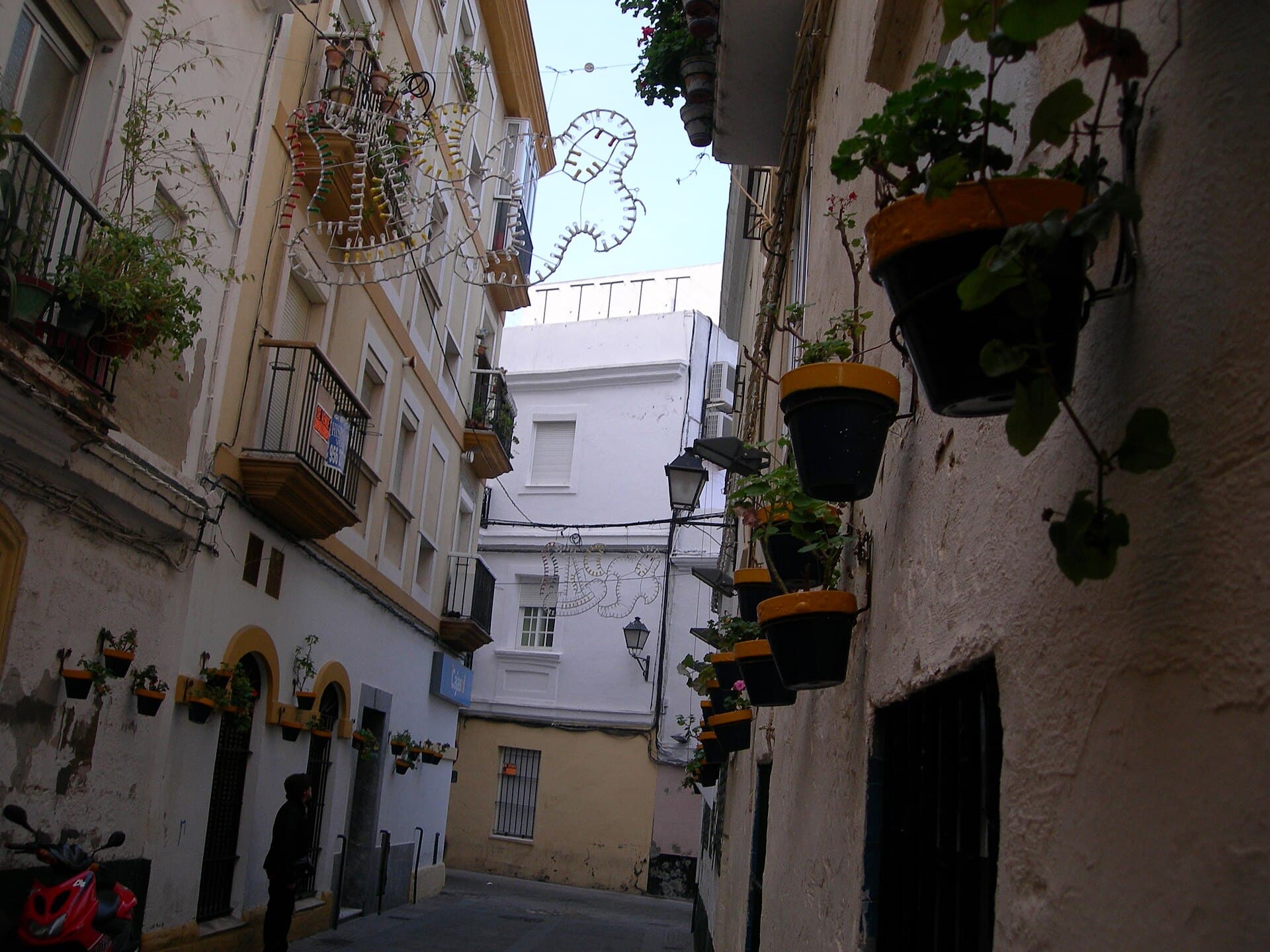
While Barrio del Pópulo is the city’s historic core, La Viña is without question its most vibrant, beating heart. This former fishing quarter, named after the vineyards (viñas) that once grew here, is famous for its incredibly warm and boisterous atmosphere. It’s where the best ideas and songs for the famous local carnival are born, and the neighbourhood is considered the very soul of that spectacular February event.
The lanes of La Viña are narrow, the houses painted in bright colours, and come evening there’s someone playing guitar on every corner. It’s absolutely the ideal spot for an evening tapas crawl — the streets here, especially the main artery Calle Virgen de la Palma, are literally packed with small family-run restaurants and bars. Cooks whip up superb vegetarian tortillas, fried aubergine drizzled with cane honey (berenjenas con miel), and excellent patatas bravas at lightning speed.
Walking through this quarter means constantly dodging tables dragged out onto the pavement and clusters of chatty locals debating life over a glass of sherry. The atmosphere here isn’t contrived for tourists — it reflects the real, raw, and incredibly friendly face of the Andalusian spirit.
12. Playa de la Victoria — The Endless Beach
If you’re craving a proper beach day and little La Caleta feels too cramped, head to the newer part of the city and the spectacular Playa de la Victoria. This beach stretches for several kilometres along the Costa de la Luz coastline and ranks among the very best city beaches in all of Spain. A wide strip of the finest golden sand offers plenty of space even at the height of summer.
Unlike beaches on Spain’s eastern coast, the Atlantic rules here, bringing wonderfully refreshing air along with ideal conditions for water sports enthusiasts. The waves tend to be bigger, and you can often spot surfers and kiteboarders taming the ocean. The beach is superbly equipped with sun lounger hire, showers, sports courts, and wheelchair-accessible paths right down to the water.
Running the full length of the beach is a wide modern promenade (Paseo Marítimo) that’s absolutely perfect for evening walks, rollerblading, or jogging. It’s flanked by dozens of modern restaurants, ice cream parlours, and cocktail bars where you can sit on an outdoor terrace watching the sunset while the ocean breeze ruffles your hair.
13. Experience the Wild Cádiz Carnival
If you manage to time your visit for February, you’re in for an absolutely spectacular experience you’ll never forget. The local carnival is one of the biggest in Spain (in 2026 it runs from 13–22 February) and has a completely unique character. Don’t expect scantily clad dancers and samba rhythms like Rio’s carnival — this celebration is built primarily on razor-sharp humour, satire, and incredible wordplay.
The carnival’s main stars are the so-called chirigotas — musical groups in outrageous costumes who parade through the streets singing witty songs that skewer current politics, social issues, and celebrity gossip. While you probably won’t catch every punchline without fluent Spanish, the infectious energy, the performers’ incredible commitment, and the constant roars of laughter from the crowd are guaranteed to sweep you up.
The carnival festivities involve literally the entire city, from toddlers to pensioners. Everyone wears a costume, and the evening streets — especially in La Viña — transform into one enormous, unorganised, yet wonderfully friendly party of dancing, singing, and good drinking. It’s the ultimate expression of Andalusian joie de vivre.
14. Museo de Cádiz and Its Archaeological Treasures
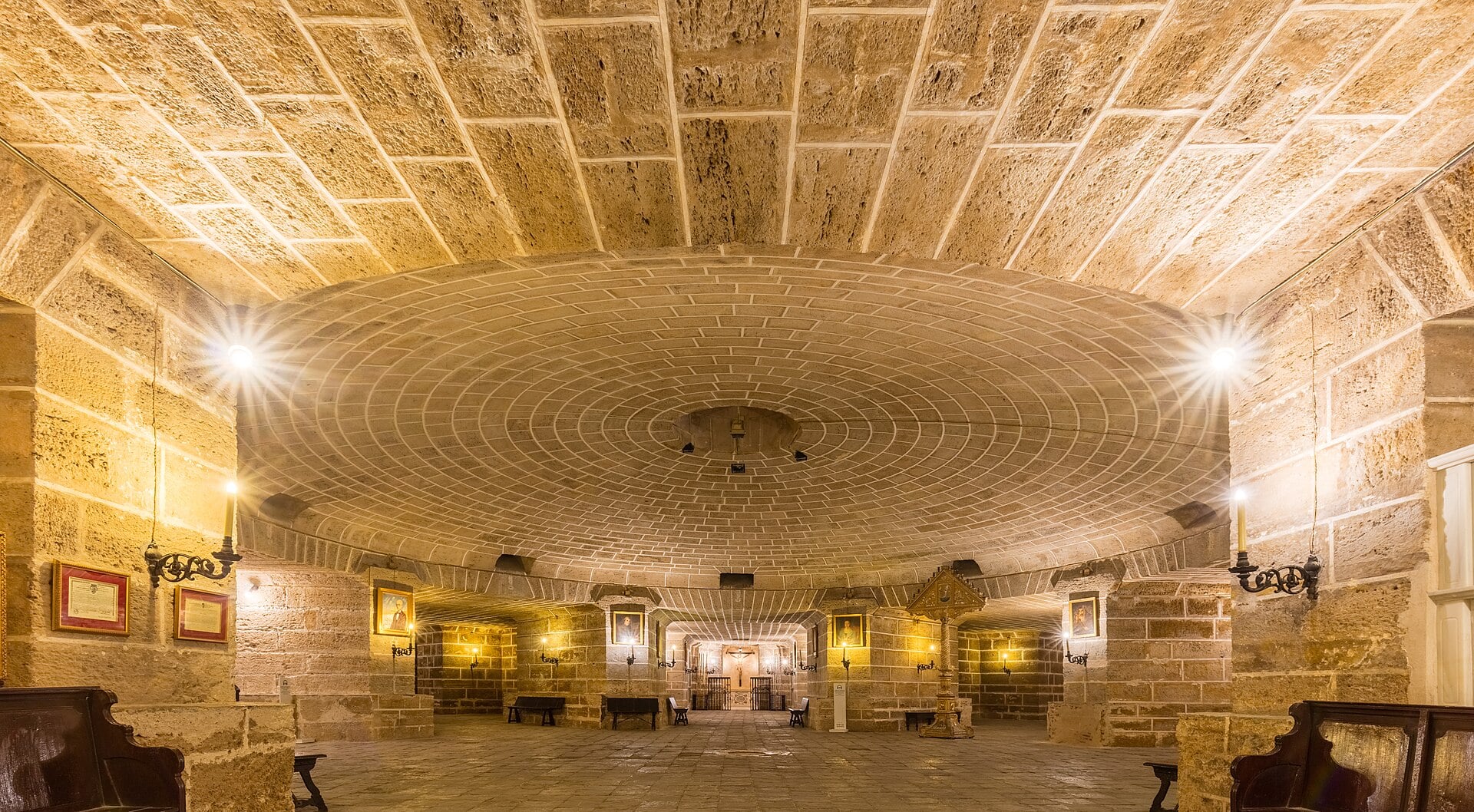
For all history lovers, a visit to the Museo de Cádiz is absolutely essential. This institution, housed on the beautiful Plaza de Mina, was formed by merging an archaeological museum with a fine arts museum, and the quality will genuinely surprise you. Entry is free for EU citizens — which, given the calibre of the exhibits, feels almost unbelievable. The museum spans three floors, each covering a completely different epoch.
The crown jewels of the ground-floor archaeological collection are undoubtedly the two Phoenician anthropoid sarcophagi from the fifth century BC, which rank among the most important Phoenician finds anywhere in the world. The discovery of the male sarcophagus at the end of the nineteenth century caused a massive sensation, while the female one wasn’t found until a full century later — beneath the foundations of a local cinema. The detailed stonework on these tombs is absolutely breathtaking.
The upper floors house an excellent fine art collection where you can admire works by masters such as Zurbarán, Murillo, and Rubens. If you want a comprehensive understanding of how Europe’s oldest city evolved — from the ancient port of Gadir through Roman Gades to the wealthy trading metropolis of the eighteenth century — a few hours spent in these air-conditioned galleries is the best possible choice.
15. Puerta de Tierra — The Defensive City Gates
The last tip on our list — but by no means one to overlook — is the imposing Puerta de Tierra complex. This massive stone barrier represents the original seventeenth-century city walls that physically separate the historic centre with its narrow lanes from the modern part of the city with its wide boulevards. The walls were built to defend the strategic peninsula from landward attacks, and their robust architecture commands enormous respect even today.
The complex’s standout feature is a tall clock tower with a marble portico that was added somewhat later. In the mid-twentieth century, as car traffic grew and the old town risked being cut off, the city council considered demolishing the walls entirely. Instead, they came up with the brilliant solution of cutting two large arches through the massive masonry for vehicles to pass through — preserving the monument while adapting it for the modern age.
You’ll also find a fascinating Lithographic Museum and renovated underground vaults that you can walk through. Around the gates, well-maintained gardens with fountains spread out, and as you pass through one of the arches from the modern city into the old, you truly feel as though you’ve crossed an invisible boundary in time, stepping several centuries into the past.
Map of points of interest for your phone
Day Trips from Cádiz
If you have more time in southern Spain, Cádiz makes an absolutely fantastic base for exploring other Andalusian gems. The most logical and popular excursion is undoubtedly a trip to the Andalusian capital — you can read all about it in our detailed Seville guide. The train takes just over an hour and a half, whisking you to a city bursting with fiery flamenco and jaw-dropping Moorish architecture.
If you’ve got a rental car, I’d highly recommend heading inland to explore the famous Andalusian white villages (Pueblos Blancos). The most photogenic of all is a town perched on the edge of a dramatic gorge, whose magic we describe in our article on Ronda. For a comprehensive itinerary, take a look at our 20 Most Beautiful Places in Andalusia article, where you’ll find a detailed plan for travelling through the entire region.
If you’re drawn to other great Spanish historical centres with a rich Moorish heritage, don’t miss our articles on 15 things to see in Córdoba and the fascinating Granada guide. And if you’d like to compare Atlantic beaches with their Mediterranean counterparts on the Costa del Sol, check out our Málaga guide, from where you can set off on the famous and adrenaline-pumping Caminito del Rey trail.
Frequently Asked Questions
How many days do I need to see Cádiz?
To explore the main sights in the historic centre, one full, packed day will comfortably do. But if you also want to relax on the gorgeous local Atlantic beaches, sit around in tapas bars and soak up the slow Andalusian pace without any rush, I’d recommend setting aside two to three days for the city.
Is the ocean in Cádiz cold?
Given that the city doesn’t sit on the Mediterranean but right on the Atlantic Ocean, the water here tends to be noticeably cooler. While in spring swimming is really only for the very hardy, during the main summer holidays and in autumn the water temperature climbs to a very pleasant twenty to twenty-two degrees, which combined with the hot air makes for a great refreshment.
What’s the best way to get here from Seville?
The connection between these two cities is absolutely excellent. The best option is the high-speed trains run by the national operator Renfe, which run several times a day and take roughly an hour and forty minutes. The station is right next to the historic centre, so once you step off the train you can walk straight to the sights.
Do I need a rental car in the city?
If you’re planning to stay just in the city and not take trips to the more remote nature reserves, a car will be more of a burden here. The historic lanes are extremely narrow, often one-way, and parking in the centre is expensive and complicated. The city is wonderfully walkable, and for longer distances there’s a reliable network of city buses.
What are the local gastronomic specialities?
Although what made the locals most famous is the traditional pescaíto frito (crispy fried little fish) and espeto (sardines grilled over a fire), vegetarians definitely won’t go hungry here. You can taste excellent tapas such as cheeses from the Sierra de Cádiz mountains, traditional potato tortilla, the refreshing cold soup salmorejo or fried aubergine drizzled with dark cane honey called miel de caña.
Does Cádiz have its own airport?
There’s no airport right in the city, but the logistics are still very simple. The nearest small airport is in the town of Jerez de la Frontera, about a forty-minute train ride away. Most international travellers, however, fly into the large airports in Seville or Málaga, from where you can easily reach Cádiz by direct train or bus connections.
Is it a good destination for families with children?
Absolutely. The city offers a great combination of wide sandy beaches with a gentle slope into the sea and interesting, easily accessible historic fortresses where children can run around freely. On top of that there are plenty of green parks, and the overall atmosphere is very safe even in the evening and centred on family life, as is the custom in Spain.
Tips and Tricks for Your Vacation
Don’t Overpay for Flights
Search for flights on Kayak. It’s our favorite search engine because it scans the websites of all airlines and always finds the cheapest connection.
Book Your Accommodation Smartly
The best experiences we’ve had when looking for accommodation (from Alaska to Morocco) are with Booking.com, where hotels, apartments, and entire houses are usually the cheapest and most widely available.
 🚗 Car rental on the roadVerified rental cars in Andalusia
Search with the DiscoverCars comparison engine — it compares prices from dozens of local and international rental companies, and most bookings come with free cancellation.
Compare car prices in Andalusia →Don’t Forget Travel Insurance
Good travel insurance will protect you against illness, accidents, theft, or flight cancellations. We’ve had a few hospital visits abroad, so we know how important it is to have proper insurance arranged.
Where we insure ourselves: SafetyWing (simple monthly subscription) and TrueTraveller (for extra-long trips).
Find the Best Experiences
Get Your Guide is a huge online marketplace where you can book guided walks, trips, skip-the-line tickets, tours, and much more. We always find some extra fun there!