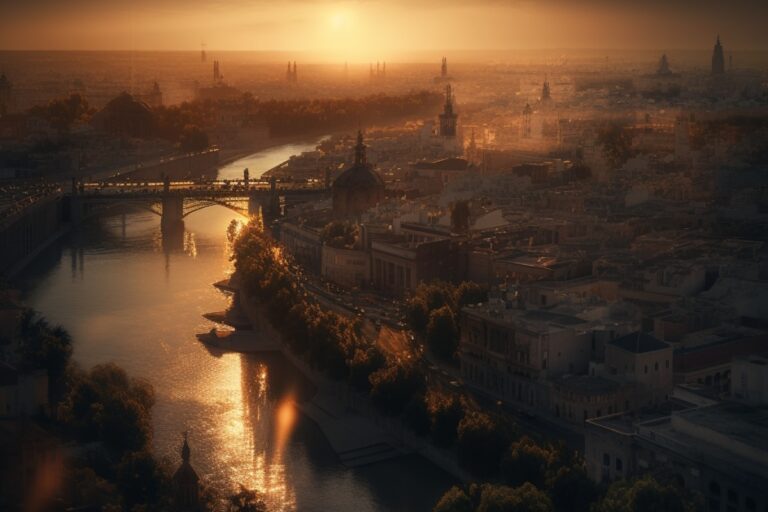
You know that feeling when you arrive in a city and instantly sense a truly authentic atmosphere that hasn’t yet succumbed to mass tourism? That’s exactly what Jerez de la Frontera is like — the uncrowned capital of Andalusian culture and one of the most rewarding destinations in Jerez Spain, where the scent of ageing wine mingles with the rhythmic clatter of horse hooves in narrow cobbled streets.
In this article, you’ll find 14 detailed tips on what to see and do in Jerez de la Frontera, and I’ll show you why you absolutely shouldn’t skip this city on your travels through southern Spain. I’ll point you to the famous bodegas for an unforgettable tasting, tell you where to experience the most passionate flamenco, and share practical advice on where to stay and the best time to visit.
Jerez is a place that has held on to its true Spanish soul without pandering to the crowds, so you’ll experience Andalusia in its purest form. Whether you’re planning a quick day trip from Seville or spending a long weekend in the area, you’re in for a real treat.
TL;DR
- Main highlights: Jerez is world-famous for three things — fortified sherry wine, dancing Andalusian horses and authentic flamenco.
- Top landmarks: Don’t miss the Moorish fortress Alcázar and the monumental San Salvador Cathedral, which stand just steps apart from each other.
- When to go: May is the most spectacular month thanks to the famous Feria del Caballo, but March, April and October also offer ideal weather for sightseeing.
- Wine tasting: Visiting at least one traditional bodega (such as Tío Pepe or Fundador) is an absolute must, even if you’re not normally a wine enthusiast.
- Where to eat: Seek out the so-called tabancos — traditional local taverns where wine is poured straight from the barrel and served alongside superb cheeses and olives.
- Getting there: Jerez is easy to reach by direct train from Seville or nearby Cádiz, with the journey taking roughly an hour and services running frequently. From the UK, you can fly into Jerez Airport (XRY) with carriers like Ryanair and British Airways from London.
The full destination guide: Andalusia — guide and what to see
When to Visit Jerez de la Frontera
Choosing the right time is absolutely crucial when visiting inland Andalusia, as the climate extremes here can be truly unforgiving. The best time to visit is spring, specifically April and May, when temperatures hover around a very pleasant 25°C and the city buzzes with incredible energy.
The absolute peak of the season is the Feria del Caballo in May, when the streets fill with horse-drawn carriages, women in traditional flamenco dresses, and music everywhere you turn. If you want to experience this spectacular celebration, you’ll need to book accommodation up to nine months in advance, as capacity vanishes at an astonishing pace.
On the other hand, you’d be wise to steer well clear of the summer months, as July and August bring scorching heat to Jerez, with the mercury regularly exceeding 40°C in the shade. In that kind of weather, the streets empty out completely during the day, life grinds to a halt, and sightseeing becomes more of an ordeal than a pleasure.
A fantastic alternative to spring is the autumn period from September to November, when the grape harvest takes place and the city is filled with the scent of fermenting grapes. October temperatures are still beautifully warm, but without the suffocating humidity, so you can comfortably spend entire days strolling between landmarks and lingering on outdoor terraces.
Where to Stay in Jerez de la Frontera
💡 Tip for accommodation and experiences: We love searching for stays on Booking.com, which usually offers the best cancellation policies. For tickets, tours and activities, it’s worth comparing options on GetYourGuide.
For the perfect experience, I’d recommend looking for accommodation right in the historic centre (Centro Histórico), from where all the main landmarks, wine cellars and restaurants are within easy walking distance. There’s no point wasting time commuting from the suburbs, as the real magic of the city lies in evening wanders through the narrow cobblestoned lanes.
Another excellent neighbourhood is the traditional Barrio de Santiago, widely regarded as the historic cradle of flamenco, offering a genuine local atmosphere packed with small bars. Accommodation in Jerez tends to be a little more affordable than in nearby Seville, so you can treat yourself to more luxurious hotels housed in converted aristocratic palaces without breaking the bank.
Here are three specific hotel recommendations that you can easily book through Booking — just make sure to act well in advance:
- Hotel Bodega Tío Pepe: A truly unique experience — this elegant hotel sits right within the grounds of the most famous wine cellar and features a stunning rooftop pool with cathedral views.
- Casa Palacio María Luisa: Five-star luxury in a beautifully restored historic palace, where classic Andalusian architecture meets impeccable service.
- Hotel YIT Casa Grande: An affordable yet stylish choice on a quiet street just minutes from Plaza del Arenal, complete with a charming flower-filled interior patio.
14 Things to See and Do in Jerez de la Frontera
Let’s dive into the best that this fascinating Andalusian city has to offer — from world-renowned wine cellars and architectural gems to places where you can experience true artistry.
1. Bodegas Tío Pepe and a World-Class Sherry Tasting

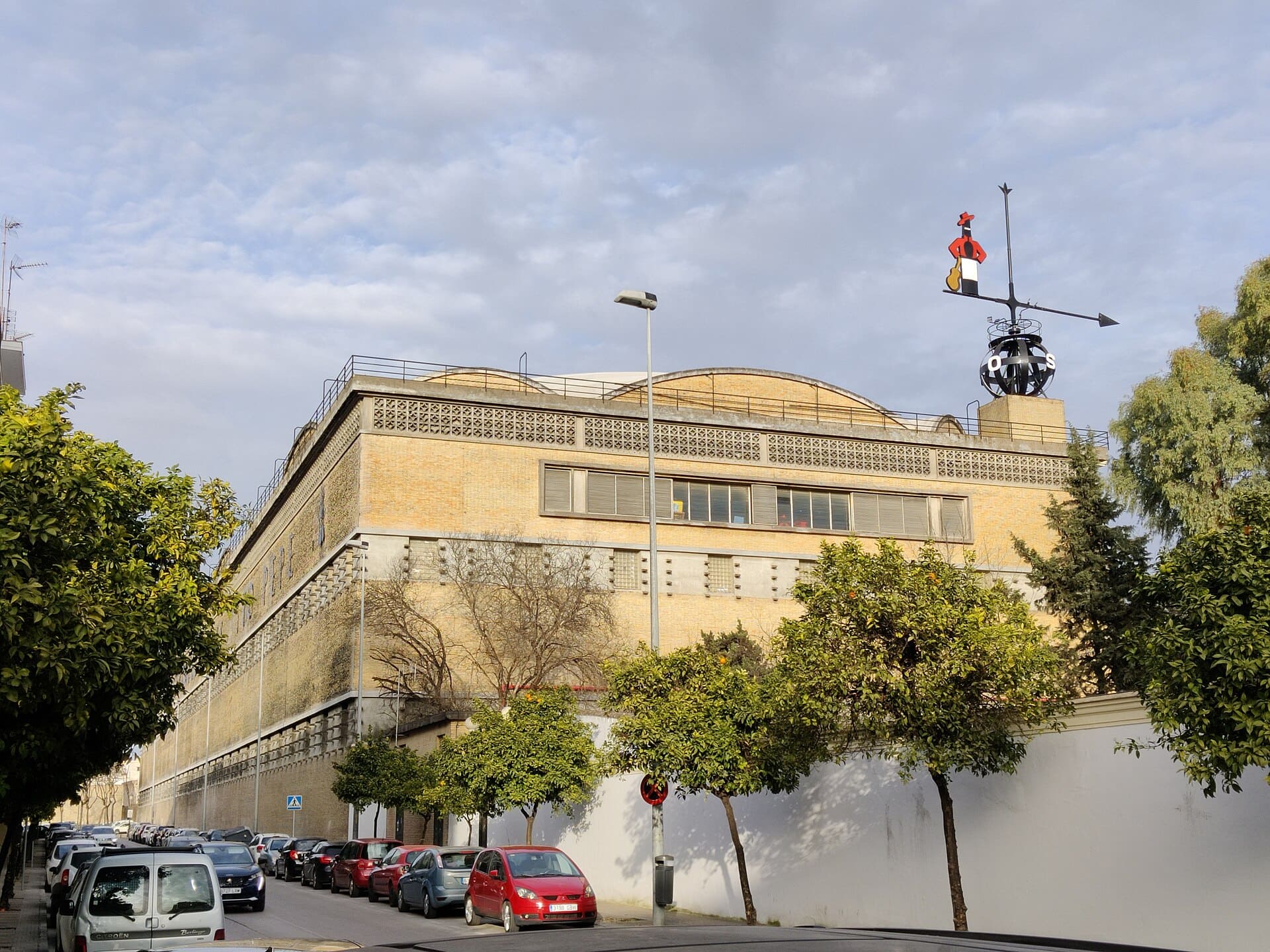
A visit to Jerez wouldn’t be complete without touring one of the many enormous wine cellars known locally as bodegas. The González Byass complex (better known as Tío Pepe) is the most famous of them all, and you’ll spot its iconic logo — a guitar-playing figure in a hat — all over Spain.
This vast bodega essentially functions as a city within a city, with its own little streets, shady courtyards draped in grapevines, and seemingly endless rows of oak barrels. During the guided tour — which is well worth booking ahead on platforms like GetYourGuide — you’ll learn all about the unique solera ageing system that gives the local fortified wine its distinctive character.
The tour is brilliantly engaging and even includes a ride on a little tourist train, which you’ll particularly appreciate in the summer months. It all culminates, of course, in a generous tasting of different styles of sherry, from the driest and palest Fino to the sweet, inky-dark Pedro Ximénez.
💡 Insider tip: Don’t be put off if your first sip of dry sherry tastes unusual — this wine has a very distinctive flavour reminiscent of nuts and yeast. It’s best enjoyed well chilled and paired with quality green olives or mature manchego cheese.
2. The Royal Andalusian School of Equestrian Art
Right after wine, horses are the city’s second great symbol, and the Royal Andalusian School of Equestrian Art (Fundación Real Escuela Andaluza del Arte Ecuestre) is an institution of world-class calibre. This is where the finest Andalusian horses and riders train to perform breathtaking dressage feats.
The star attraction is a show called “How the Andalusian Horses Dance”, a mesmerising spectacle combining classical dressage with traditional Spanish music and eighteenth-century costumes. Watching these majestic creatures move with effortless grace to the rhythm of flamenco is a profoundly moving experience, even if you have zero interest in equestrianism.
If you can’t make it on a show day, I’d recommend attending at least one of the morning training sessions, which are open to the public at a reduced admission price. You’ll get a behind-the-scenes peek, explore the beautiful stables, visit the carriage museum and watch the masters at their daily work.
Tickets for the main show sell out weeks in advance, so don’t leave your online purchase to the last minute. The entire complex is also set within a gorgeous park surrounding the Recreo de las Cadenas palace, which is worth a long stroll with camera in hand.
3. The Moorish Alcázar and Its Enchanting Gardens
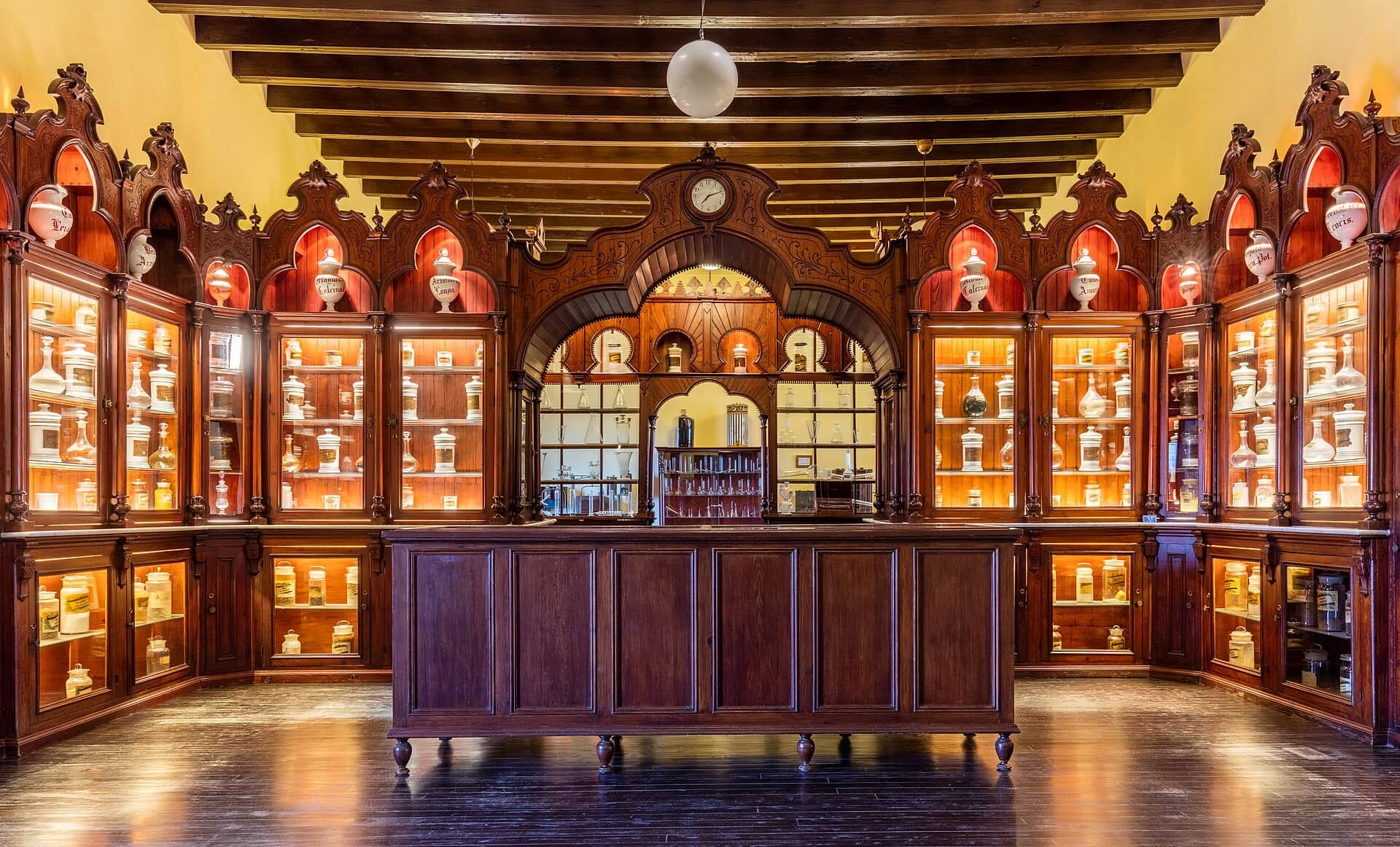
While Seville and Granada have their famous palaces, Jerez boasts a beautifully preserved Alcázar dating from the 11th and 12th centuries, making it one of the oldest Moorish monuments on the Iberian Peninsula. This massive defensive fortress instantly transports you back to the era when the Almohads ruled the entire region.
Inside the thick walls, you’ll discover a fascinating complex whose crowning glory is the ancient Arab Baths (Baños Árabes), with their characteristic star-shaped skylights in the ceiling. Wander through gorgeous geometric gardens, explore the remains of an old mosque later converted into a Christian chapel, and admire the ingenious system of ancient cisterns.
One of the Alcázar’s greatest surprises is the Camera Obscura housed in the main tower (Torre de Villavicencio), which offers an unusual perspective over the entire city. Using a simple optical system of mirrors and lenses, a live 360-degree image of Jerez’s streets is projected onto a white screen.
Allow roughly two hours for the full complex, as the site is surprisingly extensive and the views from the ramparts towards the neighbouring cathedral are absolutely breathtaking. Admission is very reasonable, and unlike the more famous Alhambra, you won’t have to fight your way through endless crowds of tourists.
4. San Salvador Cathedral and Its Mix of Styles
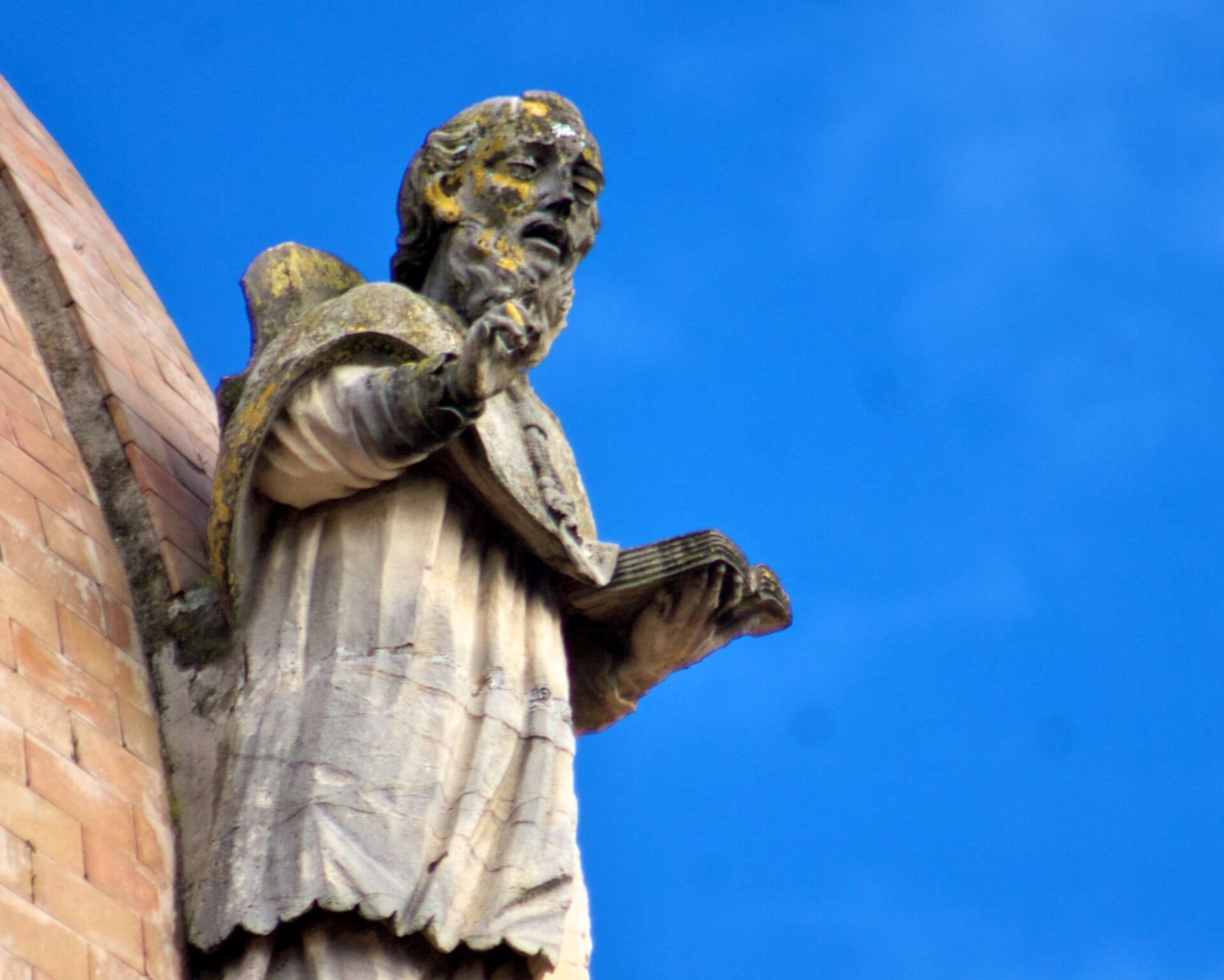
Directly opposite the Alcázar stands the monumental San Salvador Cathedral, which dominates the city’s skyline and immediately impresses with its architectural complexity. Construction began in the 17th century and continued for decades, which left a clear mark on its appearance.
Look closely and you’ll spot a fascinating blend of Gothic, Baroque and Neoclassical elements that somehow come together in a strikingly harmonious whole. The freestanding bell tower is particularly noteworthy — its lower section actually dates back to the original Arab mosque that once stood on this site.
There’s a small entrance fee that includes an audio guide, and it’s well worth paying. Inside, you’ll find soaring vaulted ceilings, beautifully carved wooden choir stalls, and a small museum housing a rare painting by the great artist Zurbarán, entitled La Virgen Niña.
💡 Insider tip: For the best photographs of the cathedral, head there just before sunset. The warm Andalusian light sets the sandstone façade ablaze in rich golden tones, creating an absolutely magical atmosphere.
5. Barrio de Santiago and Authentic Flamenco
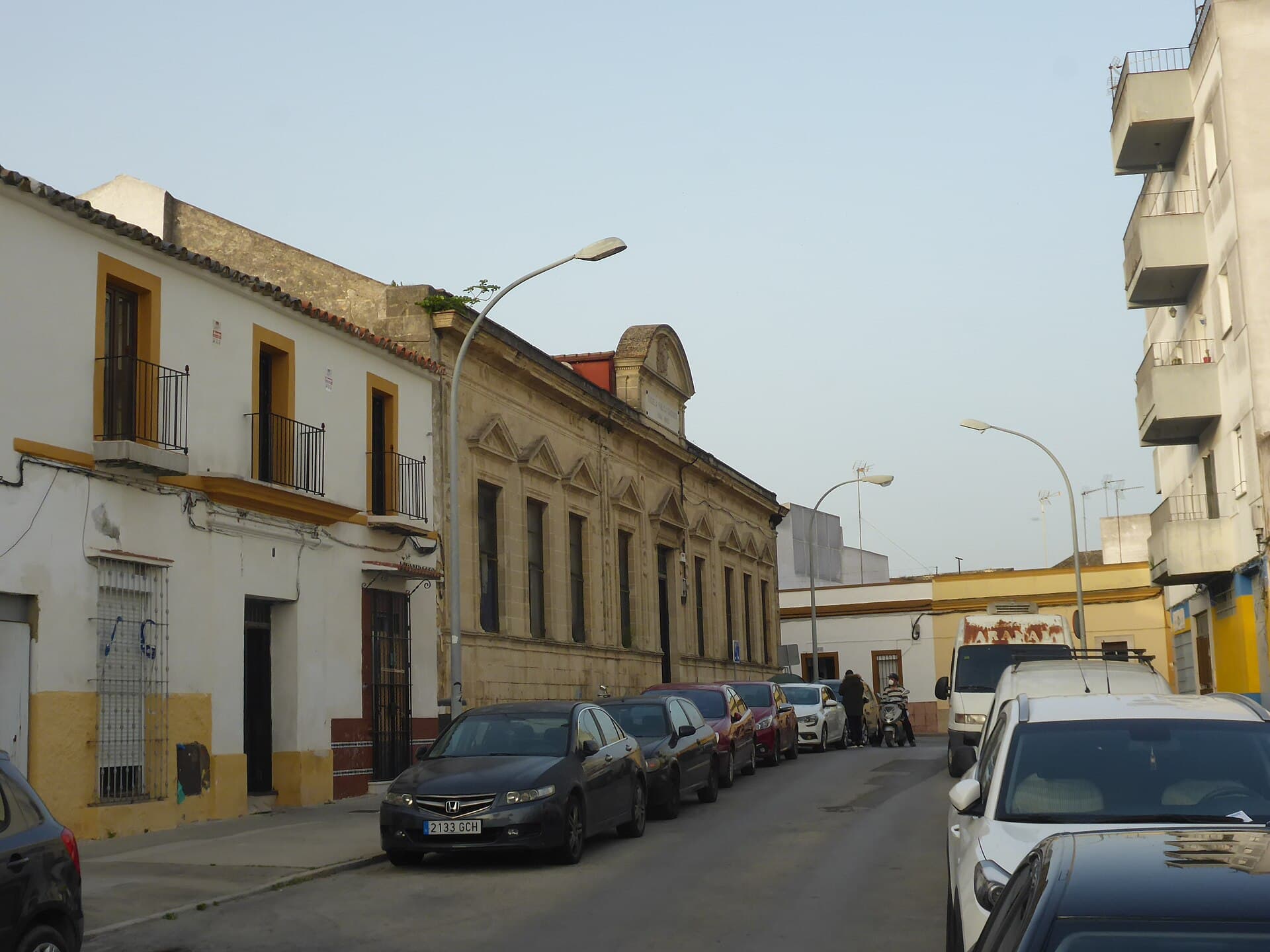
Jerez has long been locked in a friendly rivalry with Seville and Cádiz over the title of the true birthplace of flamenco, but the locals here have no doubt that the most authentic art comes from their very own streets. The heart of this passionate phenomenon is the historic Barrio de Santiago, home to many celebrated Romani musicians and dancers.
A walk through these narrow, slightly weathered lanes offers a grittier, more unpolished side of the city. Around Plaza de Santiago, you’ll find several traditional peñas flamencas — community clubs dedicated to flamenco — where locals gather for informal performances and to share their culture.
If you’d like to experience flamenco as a visitor, the city has several so-called tablaos that host professional shows of a very high standard. The experience in a smaller, intimate venue with just one guitarist, a singer and a dancer is often far more powerful than a grand production for hundreds of people.
Remember that flamenco isn’t just about the dance — it’s above all a deeply emotional form of singing (cante jondo) that expresses grief, love and joy. Even if you don’t understand the Spanish lyrics, the sheer intensity and pain in the performers’ voices will leave a lasting impression.
6. The Feria del Caballo in May
If you have any flexibility in planning your trip, definitely consider visiting Jerez during the first half of May, when the famous Feria del Caballo (Horse Fair) takes place. It’s one of the most important and most beautiful festivals in all of Andalusia, with a tradition stretching back over five hundred years.
Unlike the famous Seville Feria, where most of the tents (casetas) are strictly private, the Jerez celebration is completely open to the public and everyone is warmly welcomed inside. Parque González Hontoria transforms into a vast fairground city of colourful tents, hundreds of thousands of light bulbs illuminate the streets, and the wine flows quite literally like water.
During the day, the horses take centre stage as hundreds of beautifully decorated carriages and riders in traditional outfits parade through the park. Women don vibrant flamenco dresses (trajes de flamenca), men wear elegant suits with wide-brimmed hats, and the whole affair feels like a painting from the nineteenth century come to life.
As evening falls, attention shifts to music, food and dancing, with celebrations routinely continuing into the early hours. Be sure to try rebujito, a refreshing cocktail of dry sherry and lemon-lime soda that will keep you going through the warm spring night.
7. Traditional Tabancos and Local Gastronomy
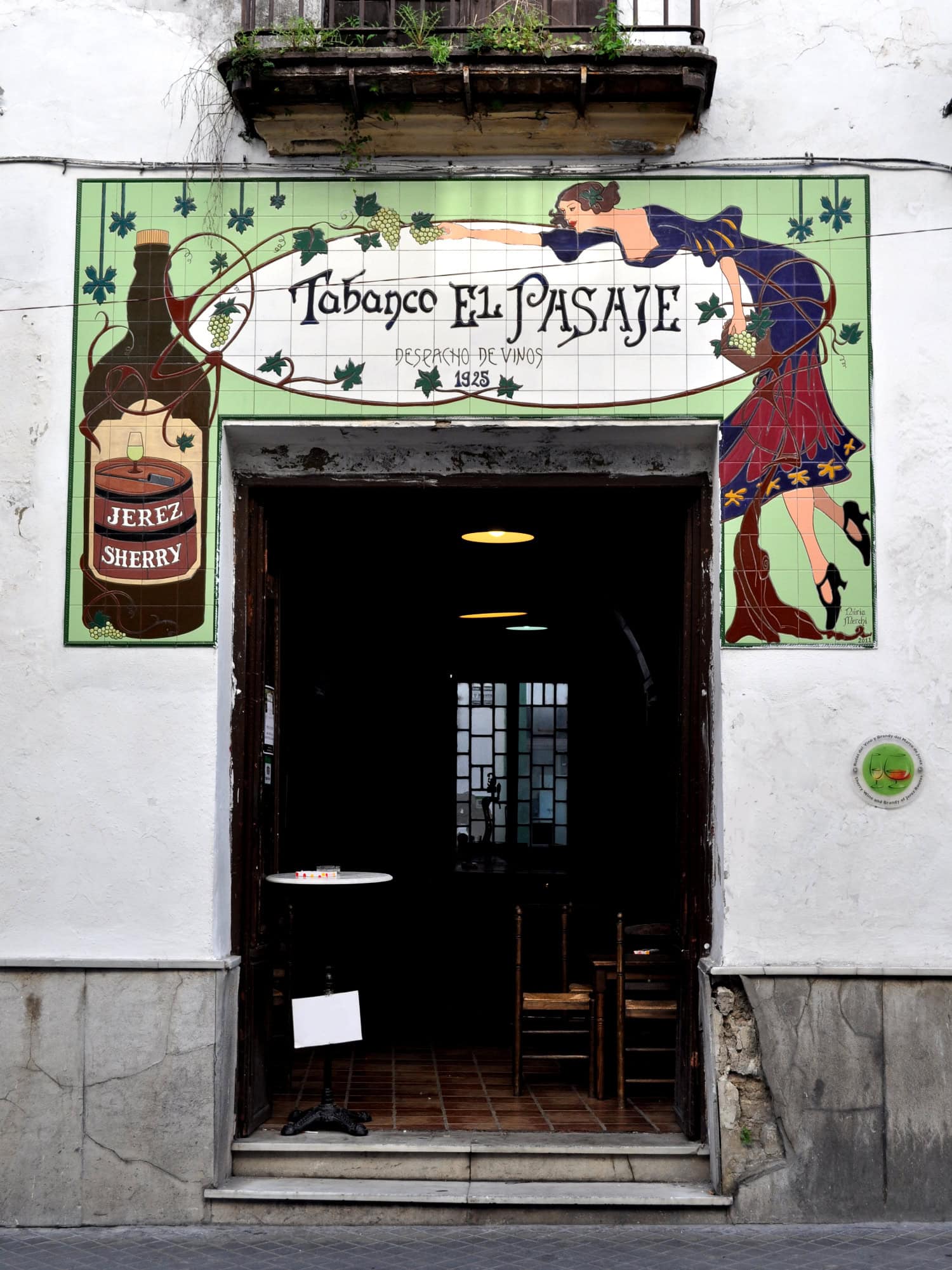
To truly understand the soul of this city, you need to spend an evening in the so-called tabancos. These are traditional Jerez taverns that originally served as wine dispensaries and have preserved their unmistakable rustic charm to this day, complete with wooden barrels and faded bullfighting posters on the walls.
Don’t expect fancy menus at a tabanco — the wine is often ladled straight from huge barrels with a small dipper, and the waiter chalks your bill directly onto the wooden bar. I’d highly recommend visiting the famous Tabanco El Pasaje, which has been going since 1925 and hosts spontaneous flamenco performances almost every evening.
When it comes to food, Jerez revolves around a culture of small tapas shared among friends. While most classic Andalusian specialities are heavily meat-based (the locals adore chicharrones and Ibérico ham), vegetarians will appreciate the excellent selection of premium cheeses, huge olives, traditional potato tortilla and refreshing salmorejo (a thicker cousin of gazpacho).
💡 Insider tip: Don’t arrive for dinner before half past eight in the evening. Spaniards eat very late, and if you turn up at a tabanco at seven o’clock, you’ll be sitting there completely alone and missing out on the best part — the loud, friendly atmosphere of a packed house.

8. The Historic Bodegas Fundador
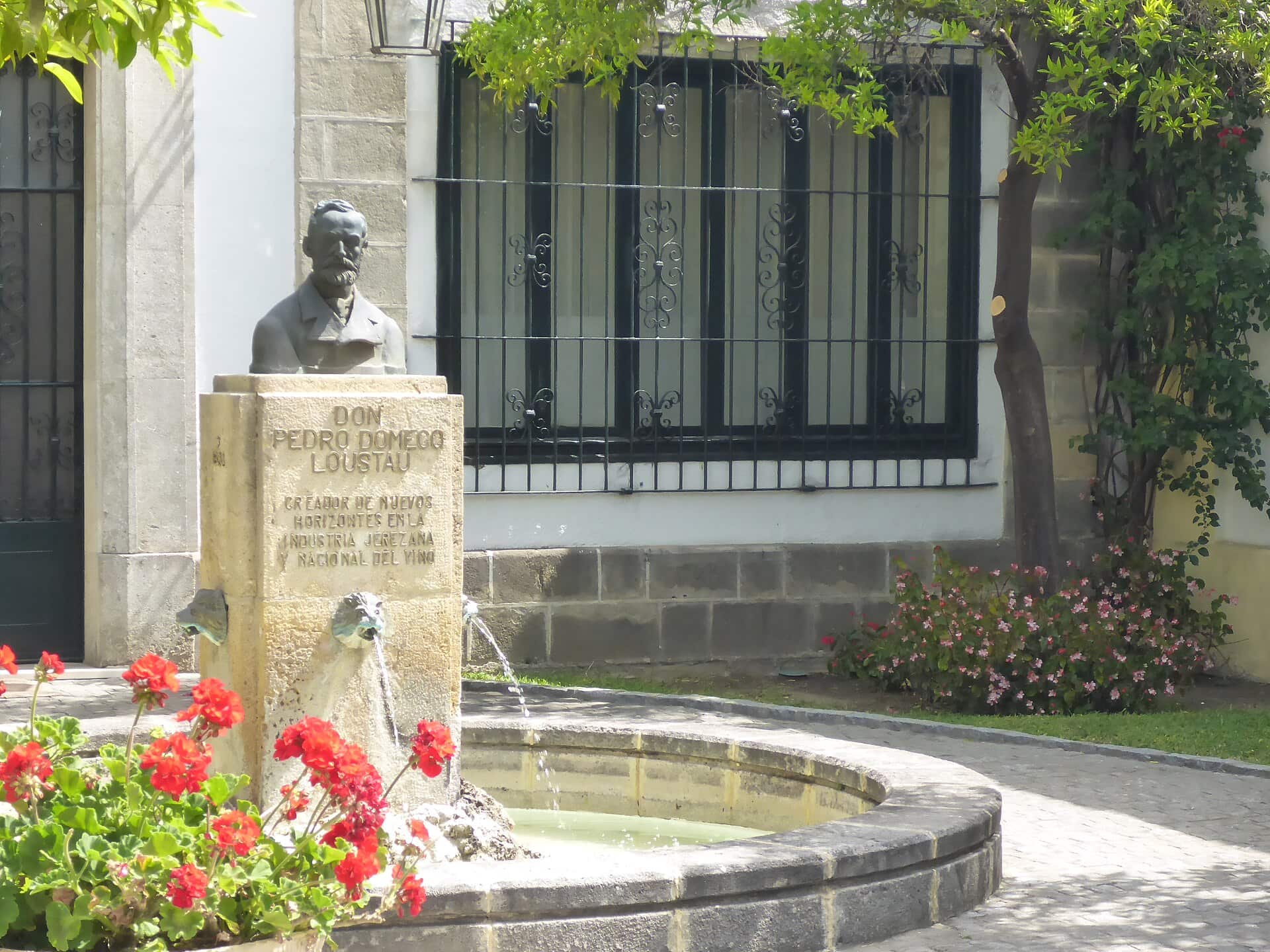
While Tío Pepe is the most famous, Bodegas Fundador holds the title of the oldest wine cellar in Jerez, having been founded all the way back in 1730. If you prefer a slightly calmer, more historically immersive atmosphere away from the bigger tourist crowds, this is the perfect choice.
This complex is renowned not only for its superb sherry but above all for producing the legendary Spanish brandy Fundador. During the tour, you’ll walk through the awe-inspiring bodega La Mezquita, whose arrangement of hundreds of columns and arches genuinely echoes the famous mosque in Córdoba.
Beyond the barrels of wine, you’ll also see a fascinating collection of signatures from famous figures who have visited over the years. Alexander Fleming, Orson Welles and members of the Spanish royal family have all left their names chalked on barrels here.
Tours are often conducted in smaller groups, which leaves plenty of room for questions and a more personal experience with the guide. Naturally, everything wraps up with a tasting in a beautiful patio, where you can compare the differences between various types of aged brandy and classic sherry.
9. Mercado Central de Abastos
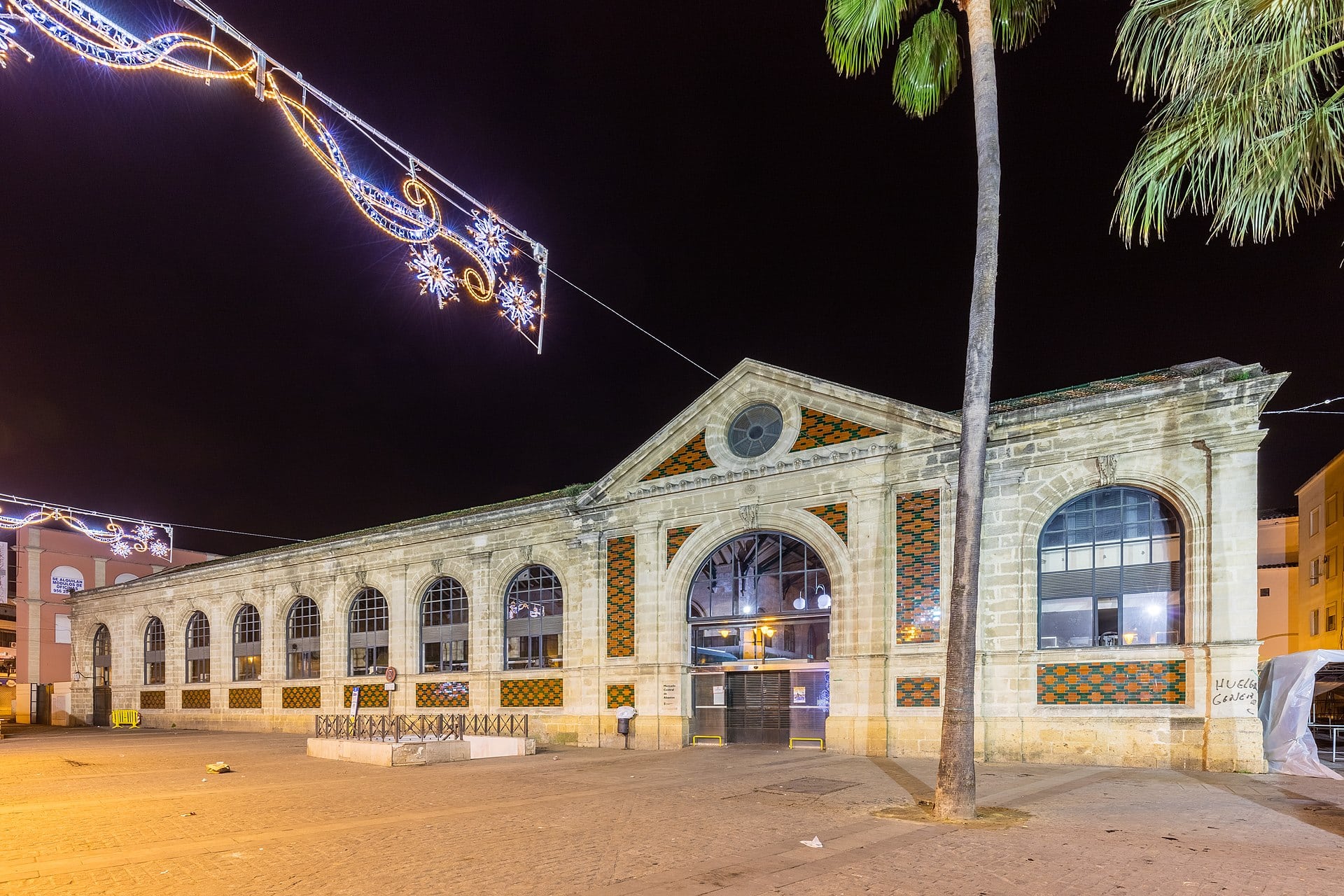
If you want to see everyday local life in action, head to the main city market, Mercado Central de Abastos, first thing in the morning. This stunning Neoclassical building from the 19th century, built on the site of a former convent, is brimming with colour, aromas and incredible energy.
As with any proper Spanish market, the star of the show here is incredibly fresh produce from the surrounding region. You’ll pass stalls overflowing with seasonal fruit, huge bundles of herbs, dozens of types of olives and superb local cheeses made from goat’s and sheep’s milk.
Local chefs and home cooks come here daily to shop and haggle over prices, and the noise and energy of the place are thoroughly infectious. A local speciality is the enormous fresh fish section stocked from nearby Cádiz — while we vegetarians may not appreciate it gastronomically, it’s a visually fascinating spectacle.
Make sure to visit the market during the morning, as most stalls close around two in the afternoon. I’d recommend picking up some fresh cheese, bread, olives and fruit, then heading off for a brilliant picnic in one of the city’s parks.
10. Palacio del Virrey Laserna
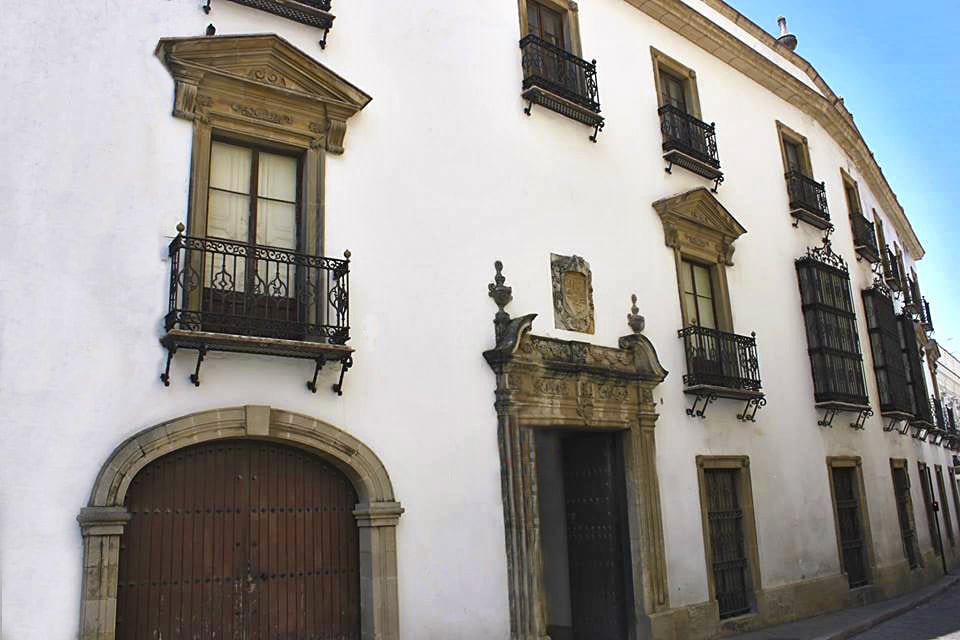
The historic centre of Jerez hides dozens of old noble residences, but few are as accessible and authentic as Palacio del Virrey Laserna. This magnificent Neoclassical palace has been owned by one and the same aristocratic family continuously since the 13th century.
What makes a visit here so special is the fact that tours are often led by the current owner and count himself, Mr Asís Moreno. This means you won’t get a dry textbook lecture, but rather a lively narrative packed with personal anecdotes, family secrets and fascinating details about the life of the Spanish aristocracy.
During the roughly one-hour tour, you’ll walk through grand reception rooms, a gorgeous library and private quarters filled with original antique furniture, rare paintings and tapestries. The palace doesn’t pretend to be something it’s not — it still radiates the feeling of a lived-in home rather than a sterile museum.
Don’t forget to admire the stunning interior patio with marble columns and a fountain, which once served as a cool summer retreat. Admission is around €8, and I’d recommend checking the opening hours beforehand, as the palace may be closed to the public on certain days outside peak season.
11. The Sherry Triangle (Sanlúcar and El Puerto)
Although Jerez is the capital of sherry production, it forms just one of the three points of the so-called Sherry Triangle (Marco de Jerez). Under strict regulations, authentic sherry may only be produced within the area bounded by Jerez, Sanlúcar de Barrameda and El Puerto de Santa María.
If you have a car or fancy a short bus ride, take a half-day trip to the coastal town of Sanlúcar de Barrameda. It’s here, thanks to a specific microclimate and ocean breeze, that a unique type of sherry called Manzanilla is produced — distinctively light with a characteristically salty edge.
Sanlúcar is a charming fishing town with a large historic centre and beautiful views across the Guadalquivir river towards Doñana National Park. The main square, Plaza del Cabildo, is lined with traditional cafés where you can enjoy superb coffee and tapas while watching the unhurried pace of Andalusian life.
The third point of the triangle, El Puerto de Santa María, also sits on the coast and offers gorgeous beaches as well as more famous wine cellars, including Osborne — whose iconic silhouettes of giant black bulls line motorways across Spain. Both towns make an excellent escape if the summer heat in Jerez becomes too intense.
12. Cartuja de Jerez Monastery
Roughly five kilometres beyond the city limits lies an architectural jewel that many tourists unfairly overlook. Cartuja de Santa María de la Defensión is an imposing Carthusian monastery from the 15th century and is considered one of the most significant religious monuments in the entire province of Cádiz.
The moment you arrive, you’ll be struck by its monumental Renaissance portal and richly decorated façade, a masterpiece of Andalusian Baroque. The monastery is still home to nuns, and a beautifully quiet, contemplative atmosphere prevails — a stark contrast to the bustling city streets.
This place holds great significance for another reason too — it was the monks here who, in the 15th century, laid the foundations for breeding the famous Carthusian horses (Caballo Cartujano). This is one of the purest and rarest lines of the Andalusian horse, renowned for its extraordinary elegance and trainability.
💡 Insider tip: The breeding facility for these rare horses (Yeguada de la Cartuja) is right next to the monastery and offers fascinating tours and demonstrations every Saturday morning, covering the history of this unique breed. Definitely don’t miss it if you’re more interested in animals than architecture.
13. Museo Arqueológico in the Historic Heart
If you’re a lover of ancient history, don’t miss the Archaeological Museum (Museo Arqueológico de Jerez), housed in a beautiful 18th-century palace right on Plaza del Mercado. This square sits at the heart of one of the city’s oldest neighbourhoods and exudes a distinctly medieval atmosphere.
The museum holds an extensive collection of artefacts spanning from prehistory through the Roman era to the Islamic Middle Ages. The single most prized relic is the so-called Casco de Guadalete, an incredibly well-preserved Greek bronze helmet from the 7th century BC, which was discovered by chance in the nearby river.
The exhibitions are very clearly laid out and help you understand the extraordinarily complex history of a region through which Phoenicians, Romans, Visigoths and Moors all passed before Christian kings reconquered the area. Labels are partially available in English, so you’ll be able to enjoy the visit fully.
A visit takes roughly an hour and a half, and admission is very cheap (often entirely free for EU citizens). Afterwards, I’d suggest sitting down on the adjoining little square, grabbing a coffee and simply soaking up the peaceful atmosphere of this historic neighbourhood where the typical tourist crowds rarely venture.
14. Day Trip from Seville or Cádiz
Many travellers don’t base themselves in Jerez but instead make it a day trip from the larger neighbouring cities. From a logistical standpoint, this is a very smart and easy option, as the transport infrastructure in this part of Andalusia works brilliantly.
If you’re spending your holiday in Seville, simply head to the main Santa Justa or San Bernardo station. Direct Renfe trains run to Jerez roughly every hour, the journey takes just 50 minutes to an hour, and a one-way ticket costs around €11 to €15 depending on the type of train.
It’s even closer from seaside Cádiz, where the commuter train (Cercanías) takes a comfortable 35 minutes. Jerez’s railway station is a handsome historic building decorated with ceramic azulejo tiles and sits just about 15 minutes’ walk from the very heart of the city and the main bodegas. If you’re flying in from the UK, Jerez Airport (XRY) is served by Ryanair and British Airways from London, making it remarkably easy to reach directly.
💡 Insider tip: If you’re visiting Jerez on a one-day trip, book your bodega tour and horse show tickets well in advance. These two top attractions have fixed time slots, and without a prior reservation you could easily miss out on the best experiences.
Map of points of interest for your phone
Where to Go Next from Jerez de la Frontera
Andalusia is a region that offers endless possibilities for exploration. From Jerez, you can head in practically any direction and stumble upon world-class landmarks or stunning natural scenery. If you’re planning a broader road trip, here are links to more articles full of inspiration:
- North to Seville: Read our detailed Seville guide to Andalusia, with tips on the breathtaking Plaza de España and the Royal Alcázar.
- East into history: Find out what to see in Córdoba with our 15 tips, and lose yourself in the legendary Mezquita.
- Moorish palaces: Don’t miss our guide to Granada, the city crowned by the majestic Alhambra.
- To the coast: If you’re craving beaches and art, check out our article on holidays in Málaga.
- For romance: Head to the stunning gorge-top town of Ronda.
- The full plan: Not sure how to tie it all together? Get inspired by our itinerary and map of the 20 most beautiful places in Andalusia.
- And before you go, brush up on typical Spanish food so you know exactly what to order at the restaurant.
Frequently Asked Questions
How many days do I need to visit Jerez?
For a basic introduction to the city, visiting one bodega, touring the Alcázar, and watching the Andalusian horse show, one full day is plenty. However, if you want to soak up the authentic atmosphere of the evening tabancos, catch a flamenco performance, and explore the surrounding wine region, I’d recommend spending two to three nights there.
Do I need to book bodega tours in advance?
During high season (spring and fall) and on weekends, reservations are absolutely essential, as famous cellars like Tío Pepe or Fundador sell out quickly. Tours also run at specific times according to language (Spanish, English, German), so buying tickets online through official websites or GetYourGuide will save you a lot of hassle.
Is the city safe for tourists?
Jerez de la Frontera is a very safe city, even for solo female travelers. As with any larger city, watch out for pickpockets in crowded areas and busy markets. After dark, you can move around the historic center without worry—it’s full of locals sitting in restaurants and bars.
Should I choose Seville or Jerez for my holiday?
Seville is magnificent, full of grand monuments and stunning architecture, but it’s also much more affected by mass tourism. Jerez, on the other hand, is smaller, more intimate, and maintains a more authentic Andalusian character with a local atmosphere. The ideal scenario is to stay in Seville and take a day trip to Jerez by train, or vice versa.
What’s the dress code for the horse show and bodegas?
Andalusia has a fairly relaxed atmosphere, so don’t worry about showing up in smart casual clothing. For the horse show and bodegas, nice shorts and a shirt are perfectly fine, but avoid beachwear or flip-flops, as Spaniards do appreciate a certain level of elegance and neatness even in everyday life.
Where can I park if I’m driving?
The historic center of Jerez is full of narrow one-way streets, and driving into it can be a nightmare for unfamiliar drivers. I recommend using the large underground car parks on the edge of the center, such as Parking Arenal or Parking Alameda Vieja, which are just a few minutes’ walk from all the main sights.
Is vegetarian food available in Jerez?
Although Andalusian cuisine is heavily meat-based, we vegetarians definitely won’t go hungry here. In traditional establishments, go for manchego cheese, cold salmorejo soup, spinach with chickpeas (espinacas con garbanzos), patatas bravas, or the excellent Spanish tortilla de patatas, which you’ll find on menus almost everywhere.
Tips and Tricks for Your Vacation
Don’t Overpay for Flights
Search for flights on Kayak. It’s our favorite search engine because it scans the websites of all airlines and always finds the cheapest connection.
Book Your Accommodation Smartly
The best experiences we’ve had when looking for accommodation (from Alaska to Morocco) are with Booking.com, where hotels, apartments, and entire houses are usually the cheapest and most widely available.
 🚗 Car rental on the roadVerified rental cars in Andalusia
Search with the DiscoverCars comparison engine — it compares prices from dozens of local and international rental companies, and most bookings come with free cancellation.
Compare car prices in Andalusia →Don’t Forget Travel Insurance
Good travel insurance will protect you against illness, accidents, theft, or flight cancellations. We’ve had a few hospital visits abroad, so we know how important it is to have proper insurance arranged.
Where we insure ourselves: SafetyWing (simple monthly subscription) and TrueTraveller (for extra-long trips).
Find the Best Experiences
Get Your Guide is a huge online marketplace where you can book guided walks, trips, skip-the-line tickets, tours, and much more. We always find some extra fun there!