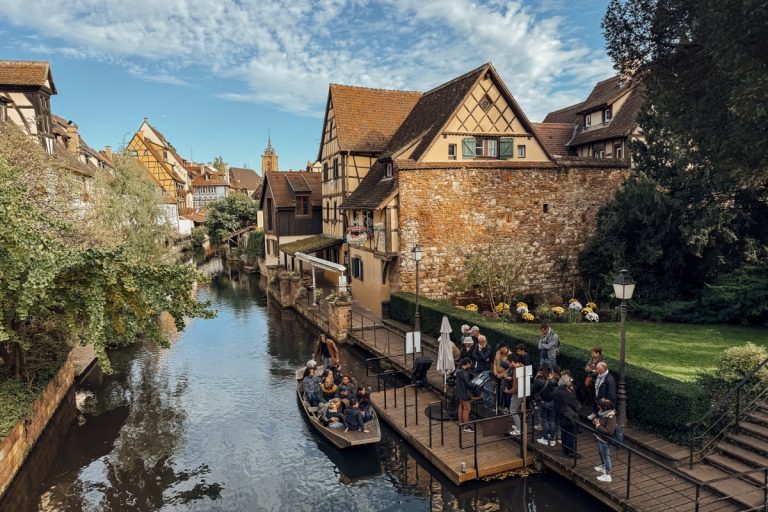
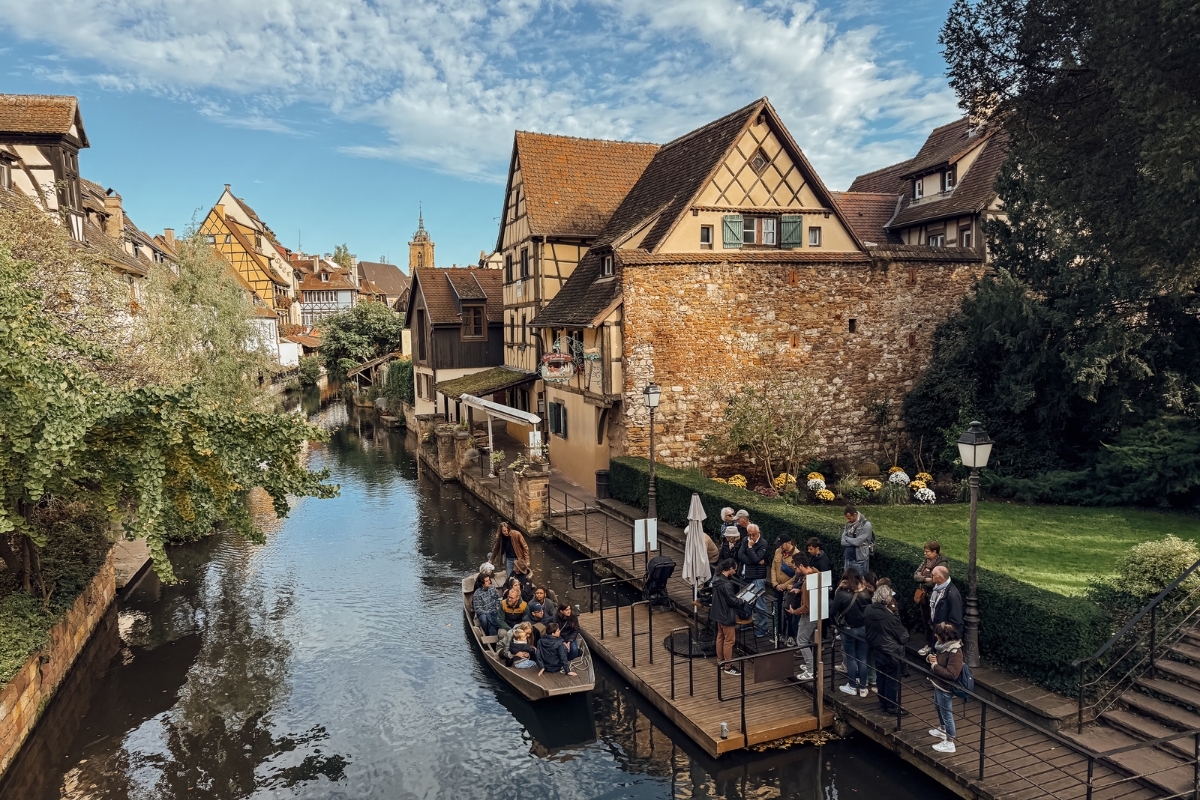
TL;DRColmar in France’s Alsace is famous for its Petite Venise district, where the Lauch river’s canals and colourful timber-framed houses echo Venice itself. Highlights include Maison des Têtes, its facade studded with 106 carved heads, the Renaissance Maison Pfister from 1537, the Unterlinden Museum with its Isenheim Altarpiece, and the Gothic Church of St Martin. Colmar is at its best in summer and during Advent, when Christmas markets fill six spots across the old town from late November to 29 December. You can explore Petite Venise by boat or hop on the Petit Train Blanc (a 7km route, 35–45 minutes, €8 for adults), then round it off with a taste of Alsace wines like Riesling or Gewurztraminer.
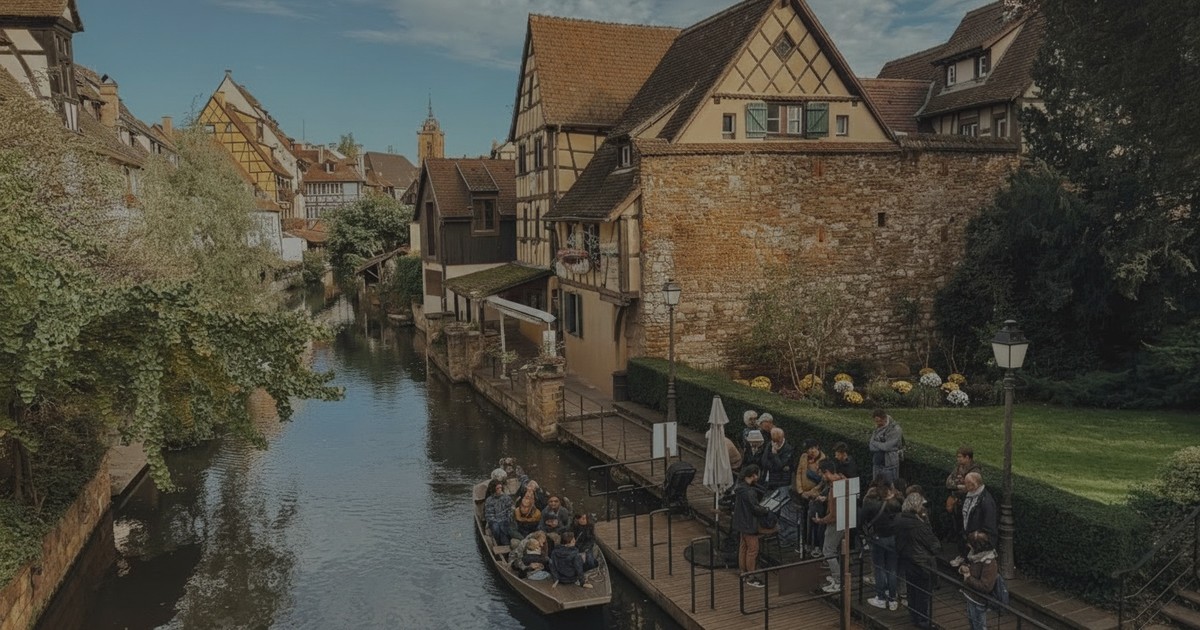
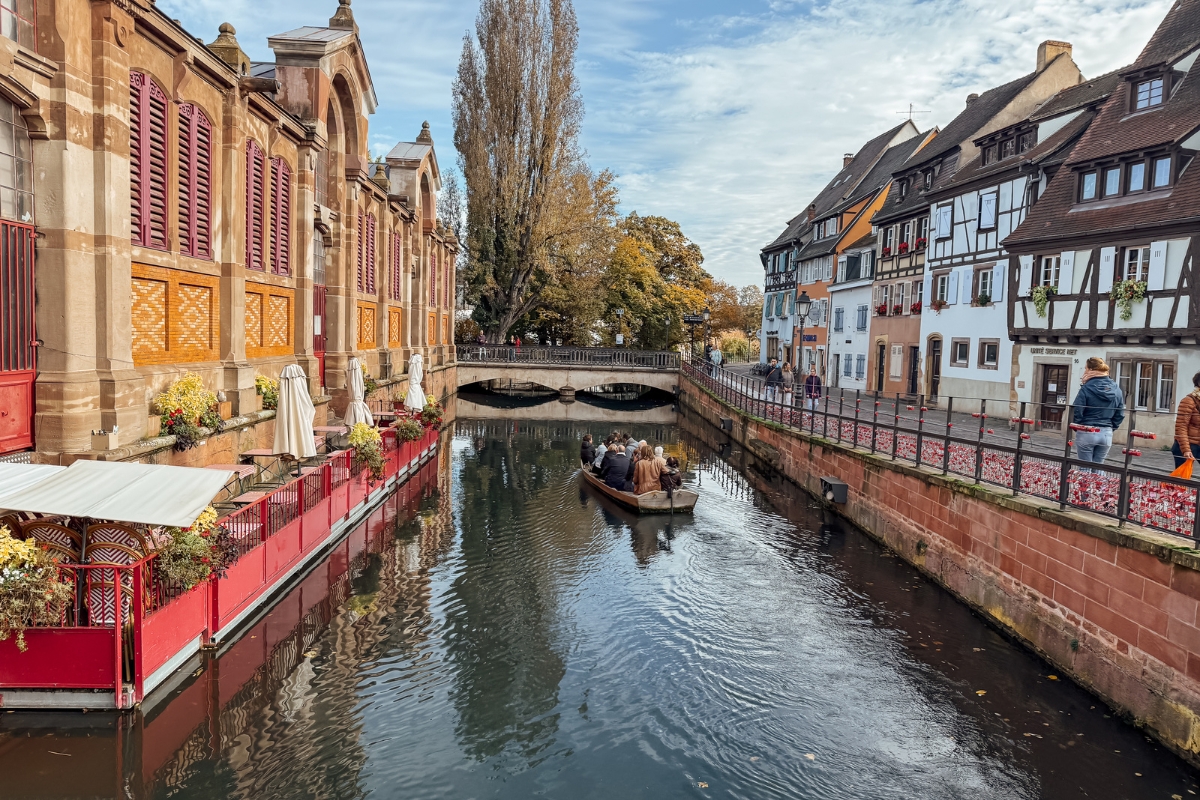
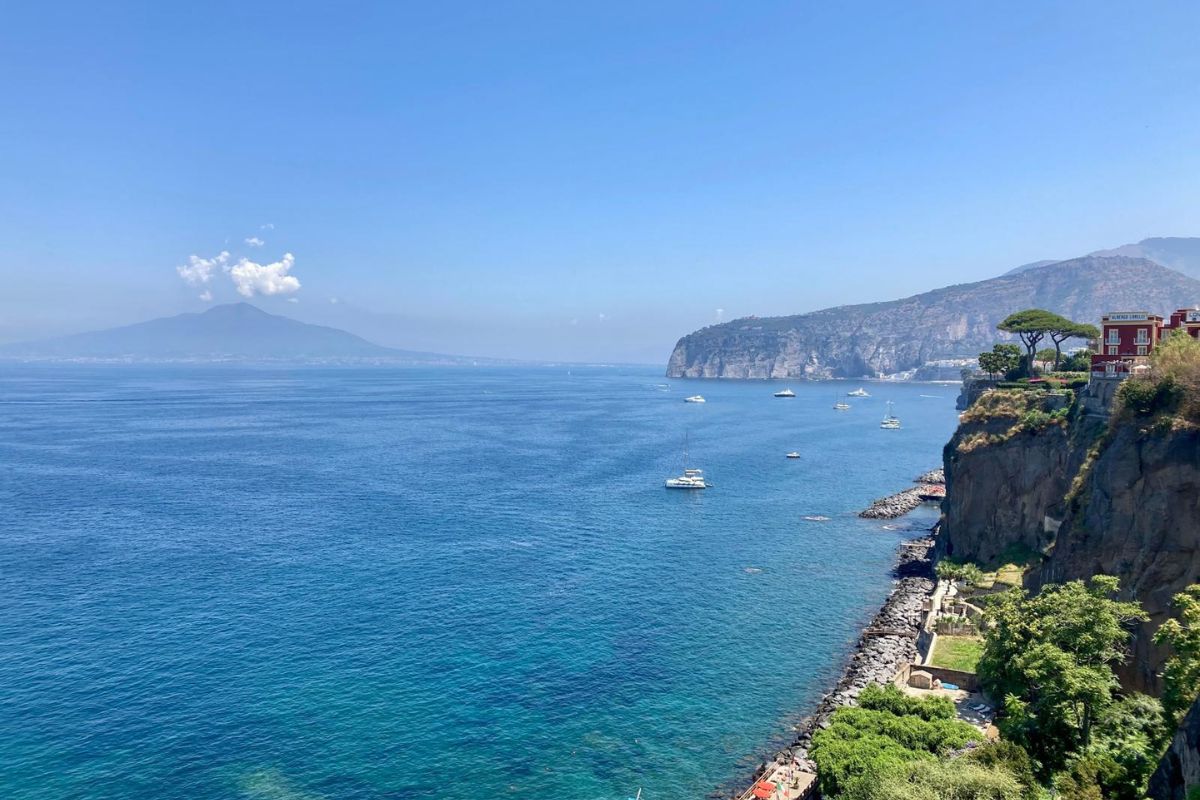
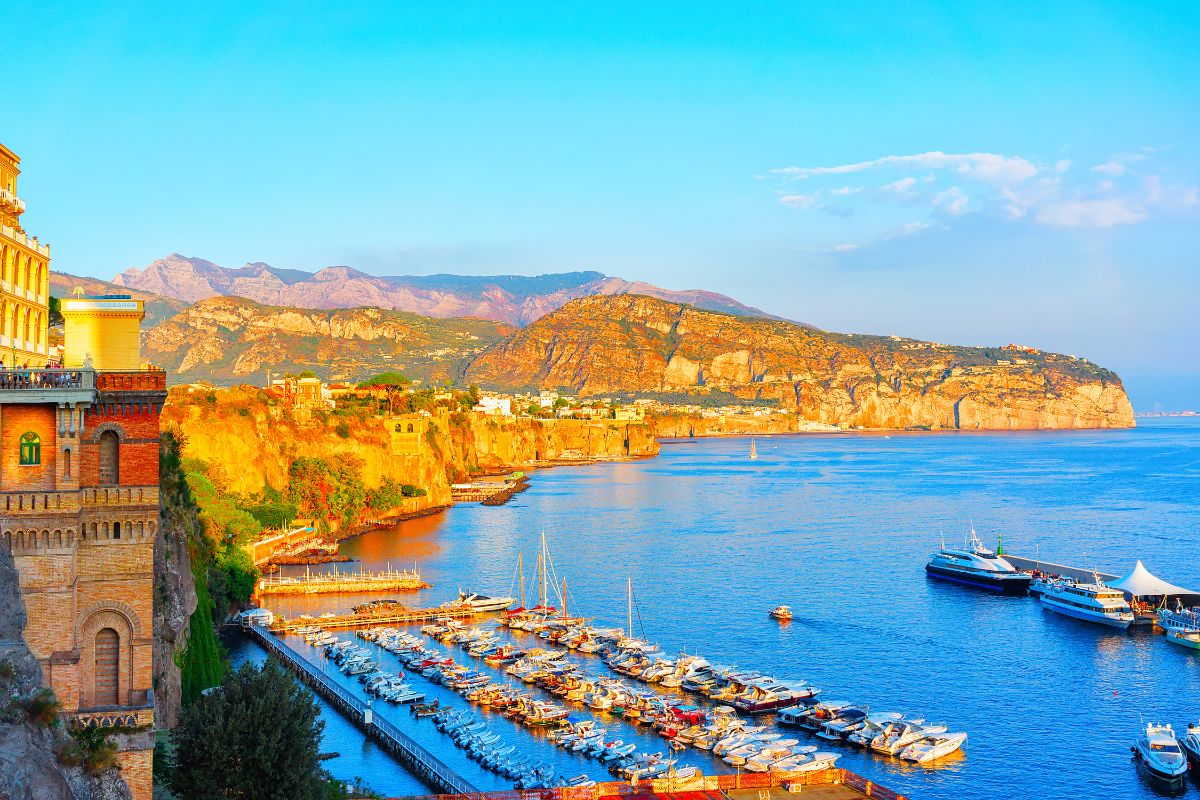
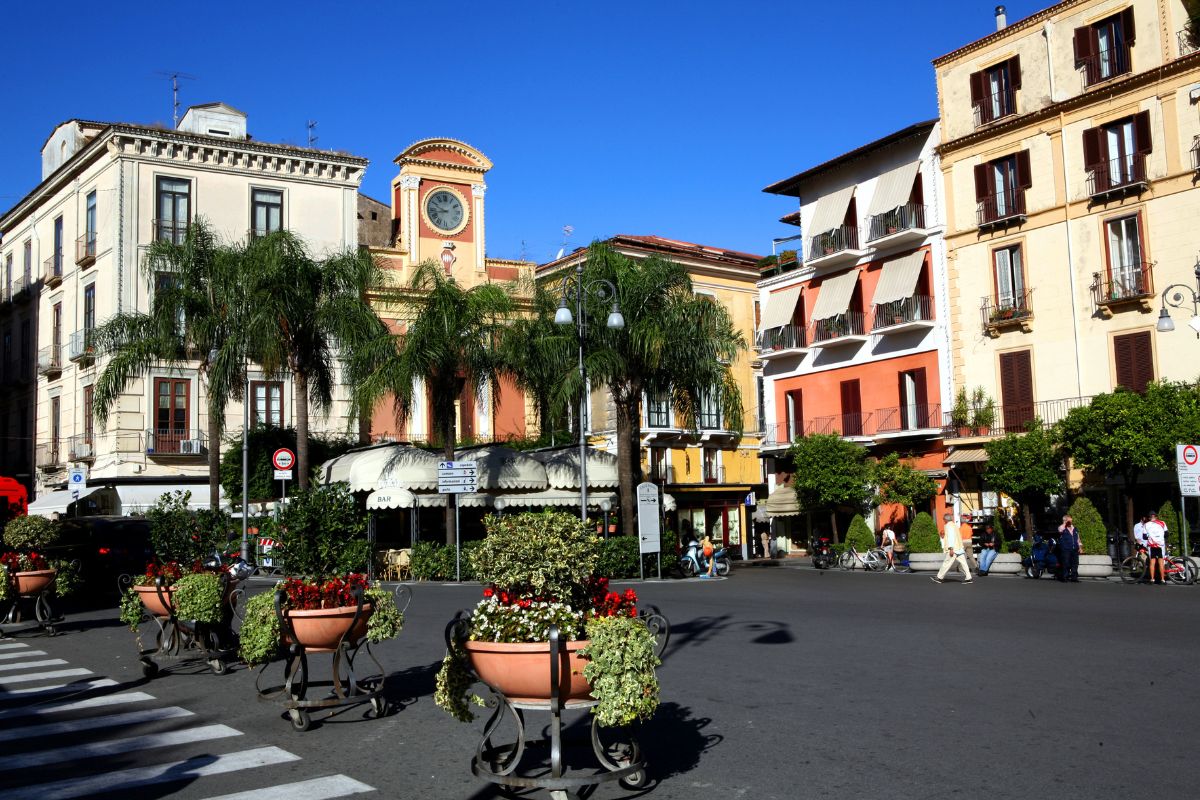
Did you know, that France has its own Venice? The French Venice you’ll find in the city of Colmar in the Petite Venise district. In this guide, Colmar, France: Best Things to Do and See, I’ll share the highlights and what to see and do. This charming historic district got its name from the romantic canals of the Lauch River, which resemble the Italian Venice. In the Middle Ages, winemakers resided here, using the canals to transport wine into the city.
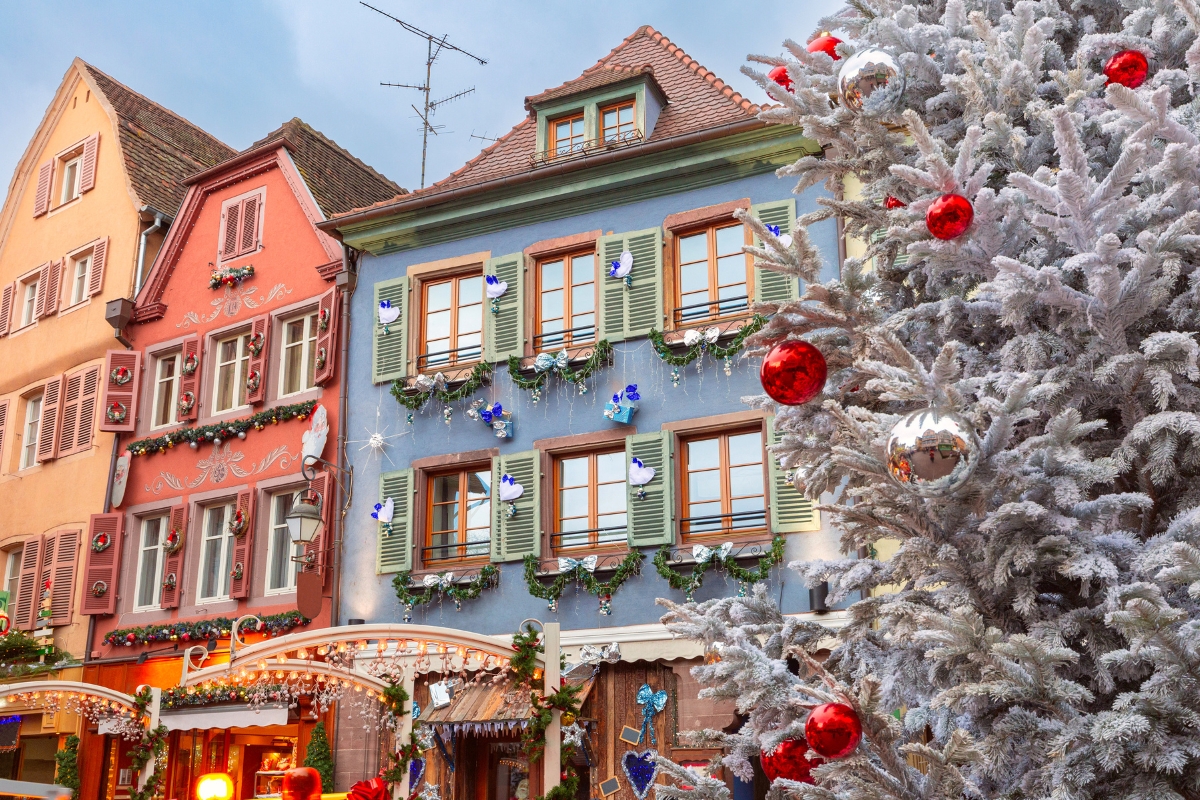
Today, the city of Colmar is most popular in summer and then during Advent, as it hosts arguably the most beautiful Christmas markets in all of France (and perhaps even Europe).
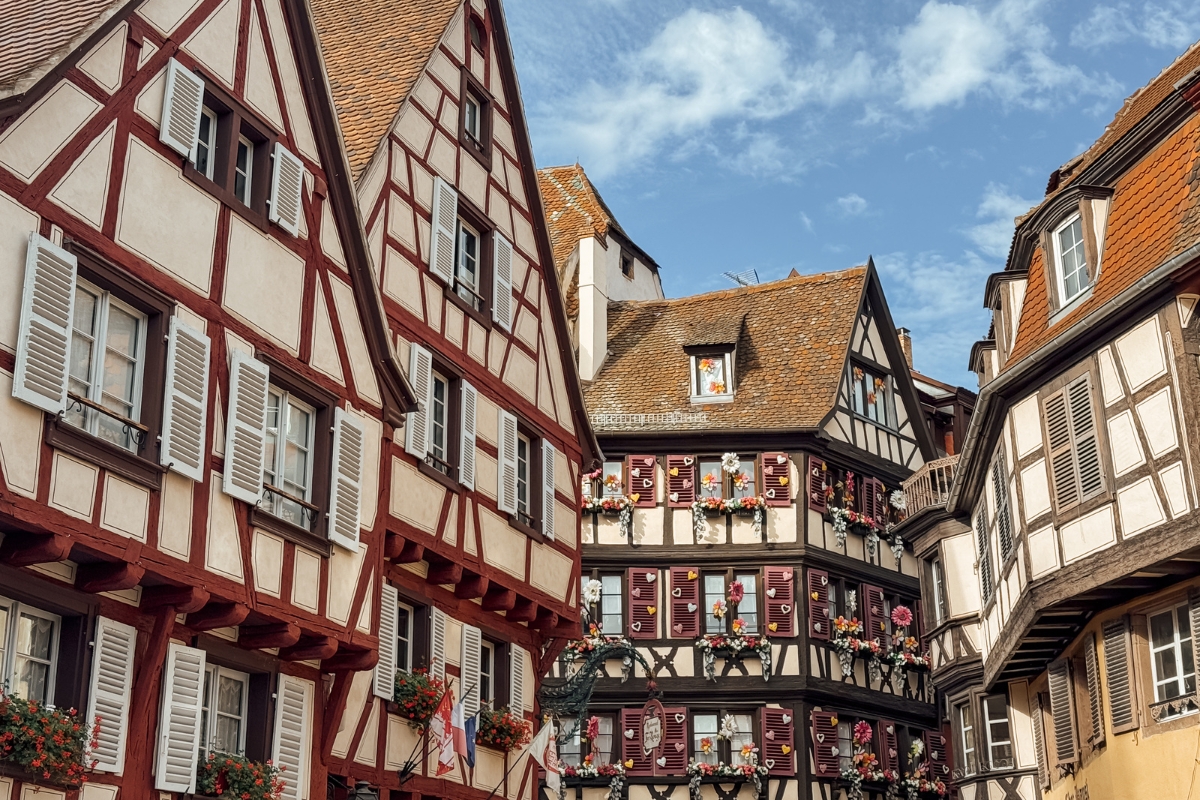
We were absolutely enchanted by Colmar. Besides the romantic canal, which you can explore by boat, you’ll also find many charming streets lined with colorful half-timbered houses and, of course, a number of great establishments where you can enjoy excellent food and coffee.
Colmar
Christmas Markets in Colmar
The Christmas markets in Colmar begin at the end of November and usually conclude around December 29th. The city comes alive with an indescribable atmosphere, featuring a total of six different markets spread throughout the historic center.
At the markets, in addition to traditional Alsatian products, you’ll find handicrafts, regional foods, and Christmas decorations. The markets are open from Monday to Thursday from 11:00 AM to 7:00 PM, and from Friday to Sunday from 10:00 AM to 8:00 PM.
A special gourmet market and a large Ferris wheel are usually open until January 5th. The most popular markets are directly in Petite Venise, where you’ll also find a mechanical nativity scene and a mailbox for letters to Santa Claus (or rather, Père Noël, which is the French version of Santa Claus).
The most beautiful Christmas markets in France? Definitely in Colmar.
Colmar, France: Best Things to Do and See
The apartment Les Gites Du Retable is absolutely perfect and located right in the center. Plus, you get free parking if you’re driving to Colmar. It’s clean, cozy, and close to both attractions and a supermarket.
Looking for a hotel with breakfast? If they have availability, I would definitely recommend Villa Élyane, a small hotel in a 1920s villa. But don’t worry about outdated facilities; today it’s a modernly equipped hotel, conveniently located near everything.
The French Venice – Colmar
Lukáš and Lucie recommend
Where to stay in Colmar
3 accommodations — hotels and other lodging options
Curious about what you shouldn’t miss in Colmar? Let’s take a look at the most interesting sights, attractions, and other activities you should experience in the French Venice.
Colmar, France
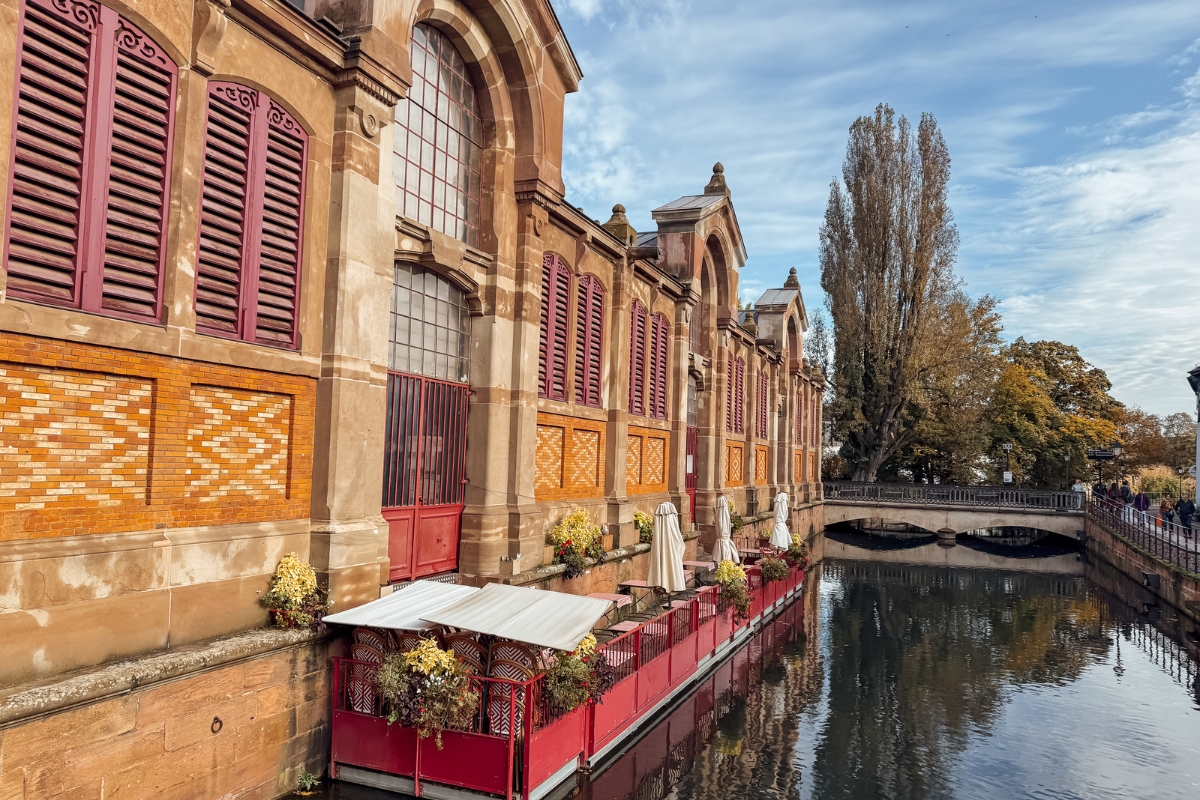
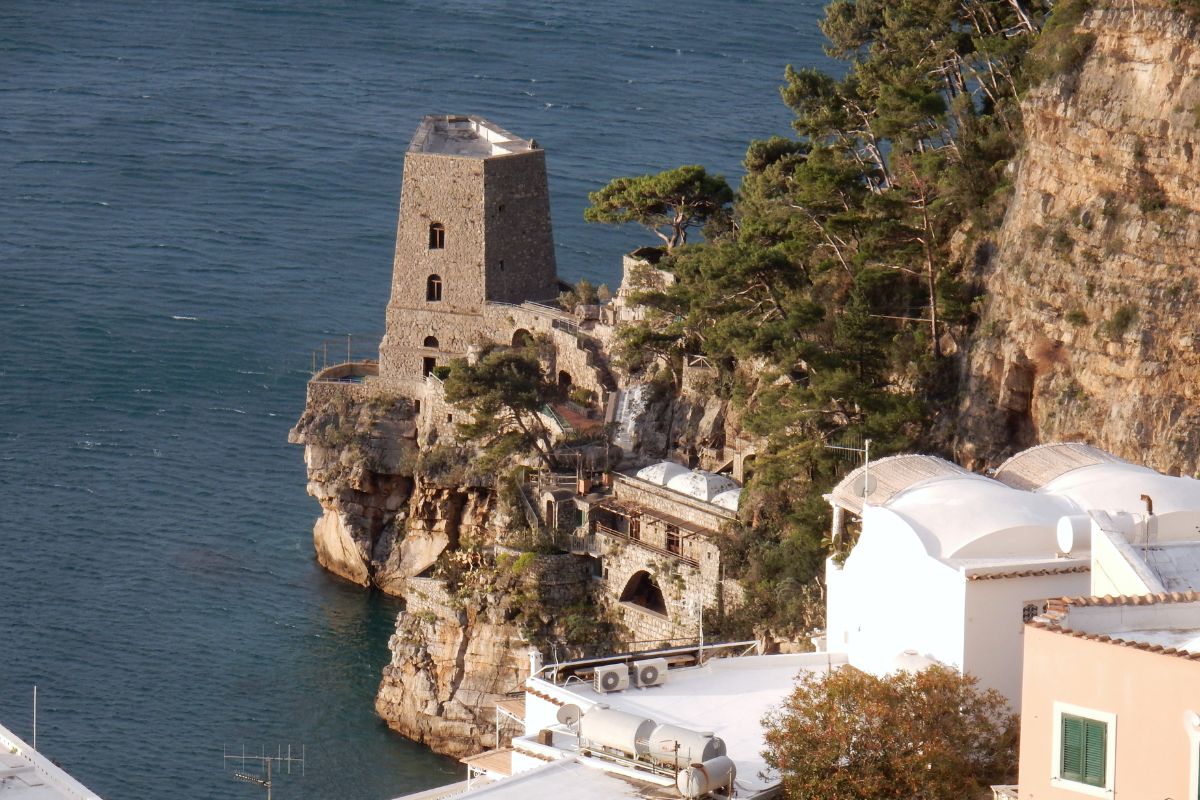
Petite Venise – Little Venice
The city’s most popular attraction is the Little Venice district, Petite Venise, where we stroll among picturesque canals and colorful half-timbered houses, the only thing we didn’t like there were the Foie Gras shops.
In the past, the Krutenau district, as it was historically called, was home to winemakers, gardeners, and merchants who used the Lauch River to transport their products.
The district stretches between quai de la Poissonnerie and rue de Turenne. Its half-timbered houses, built between the 14th and 18th centuries, are one of the typical features of Alsatian architecture.
Today, Petite Venise is one of Colmar’s most visited areas, known for its colorful houses, flower-adorned bridges, and peaceful riverside strolls.
The French Venice – Colmar, France
Maison Des Têtes – House of Heads
The House of Heads. Yes, you read that right. The facade of this historic building features 106 heads (some look more like spooky masks). Built in 1609, it’s now a hotel. Check out an interesting video.
Maison Pfister
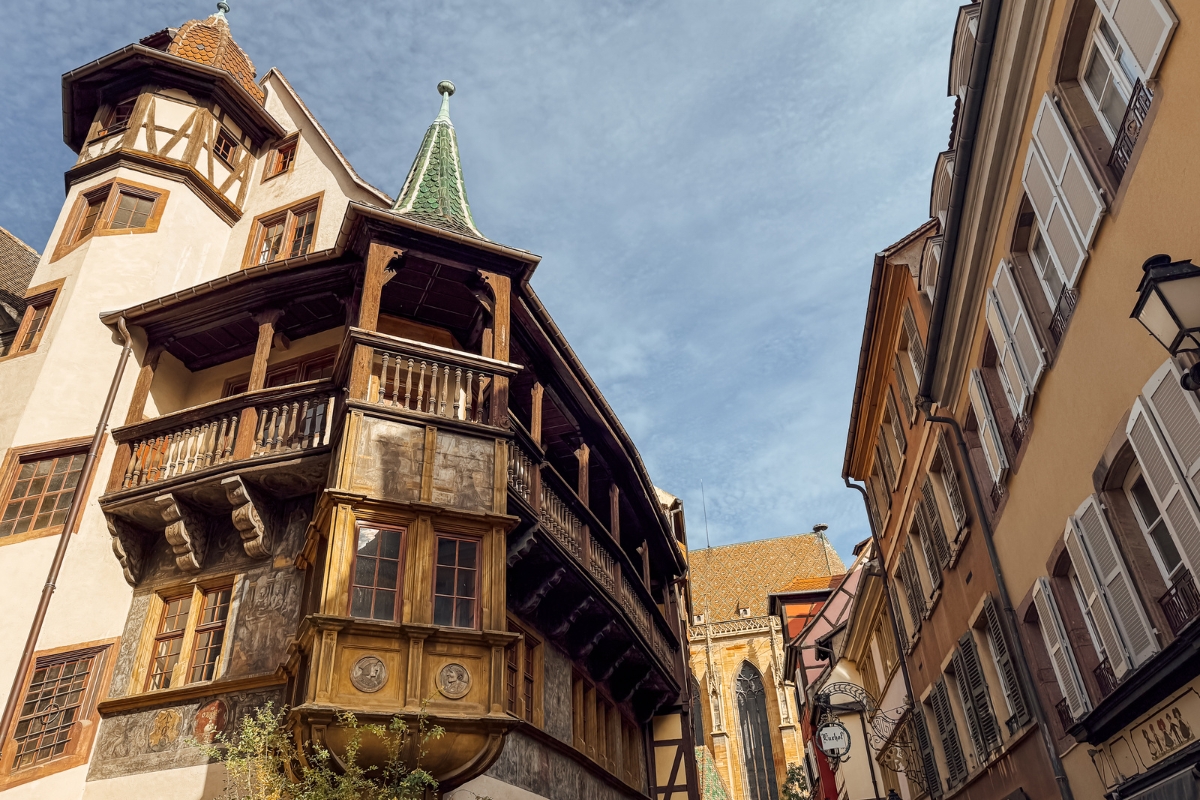
One of the oldest houses in the city is Maison Pfister, which was built in 1537. With its wooden arcades, painted frescoes, and turrets, this place is a magnificent example of Renaissance architecture. Today, you’ll find shops with excellent French wine here, so it’s really advisable to stay in the center…
Maison Pfister
Unterlinden Museum
If you’re interested in art, you must see the Isenheim Altarpiece at the Unterlinden Museum. It’s a Renaissance masterpiece. Not too keen on historical art? No problem, the museum also has modern art collections, so there’s something for everyone.
Place De L’Ancienne Douane Square
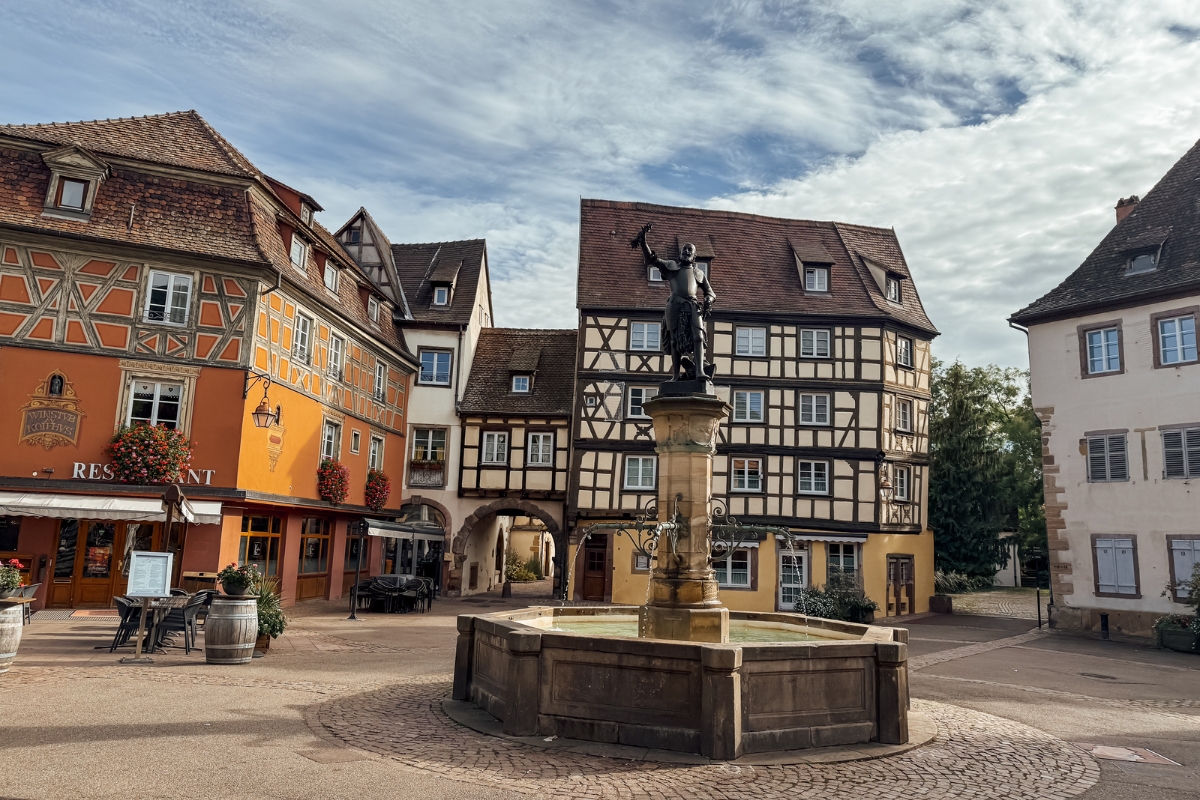
The city’s historic square has a great atmosphere. This square is named after the Ancienne Douane (Old Customs House) building. Here, customs officers once inspected goods flowing through. Today, you can grab a coffee, sit by the fountain, and watch the world go by.
The customs house building (Koïfhus) dates back to the 15th century and served as a warehouse and a place for collecting customs duties on goods flowing into the city.
Place de l’Ancienne Douane Square
Saint Martin’s Church
This colossal Gothic cathedral will draw you in with its architecture and inner tranquility. It’s one of the most important religious monuments in Alsace and definitely worth a visit.
Local Wine Tasting
Colmar is the heart of the Alsatian wine region, so it would be a shame not to taste the local wines.
Among the most significant wines you definitely shouldn’t miss are Riesling, Gewurztraminer, and Pinot Gris. Riesling is a dry white wine with subtle mineral notes and fruity aromas. Gewurztraminer, on the other hand, captivates with rich aromas of exotic fruit and spices, making it ideal for spicy dishes. Pinot Gris is full-bodied and opulent, with notes of ripe fruit, honey, and nuts.
Besides traditional white wines, also try the local Pinot Noir and the refreshing Crémant d’Alsace, an excellent sparkling wine. And where to go for a tasting? For example, La Maison des Vins d’Alsace or Cave des Vignerons de Colmar, where you can also buy wines to take home.
🔗 These are affiliate links — they don't change your price and help us create content. · All experiences →
Toy Museum
If you’re traveling with kids (or you’re a big kid yourself – who isn’t?), this museum full of old toys and games will entertain you. From old mechanical toys to modern collections – everyone will find something here,
Marché Couvert Market
Marché Couvert Market
A covered market where you’ll find everything from fresh pastries to wine and cheese. It’s a paradise for gourmets and the best place to buy souvenirs that won’t just sit on a shelf at home.
You’ll find Marché Couvert in the historic Petite Venise district, specifically at 13 rue des Écoles. Built in 1865, it now houses approximately 20 stalls offering everything from fresh fruits and vegetables, to cheeses, meats, pastries, as well as local Alsatian specialties and seafood. The market is open from Tuesday to Sunday.
The Little Train in Colmar
Tourist Train
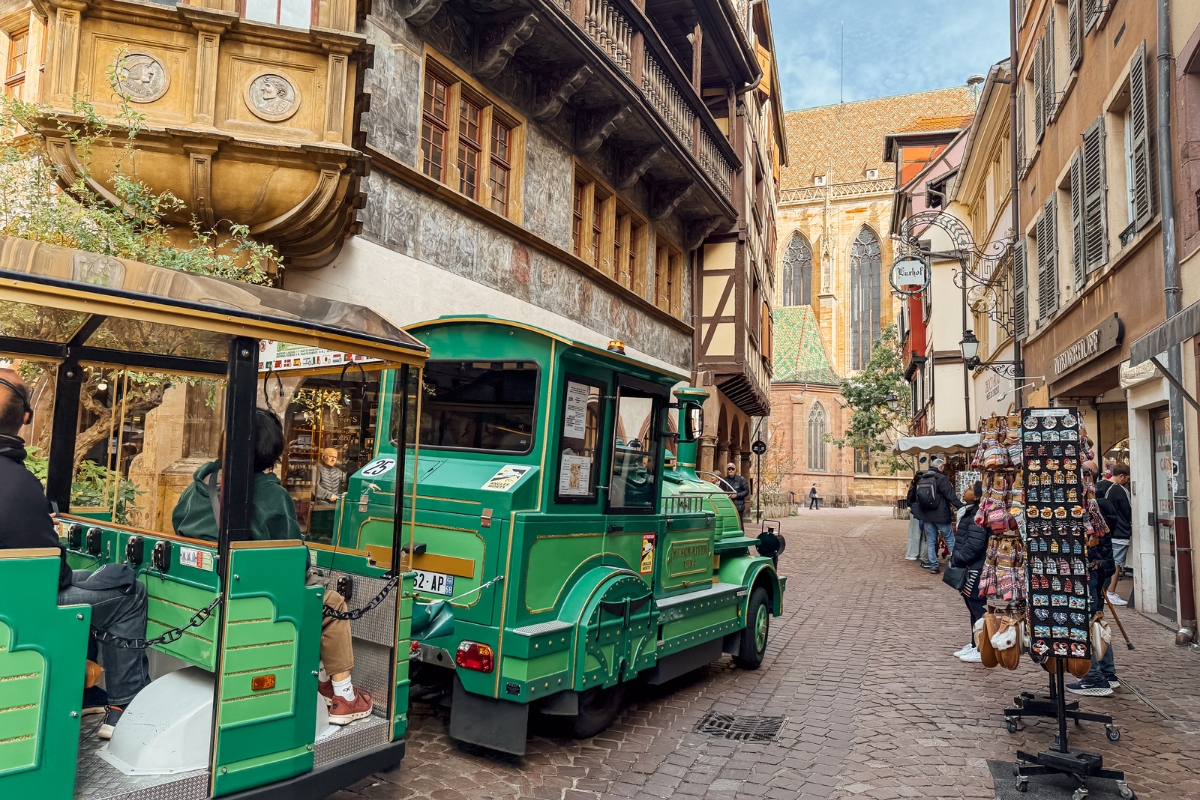
If you’re tired of walking or have kids, hop on the tourist train, the Petit Train Blanc. It’s a bit kitschy, but let’s face it – such a ride is part of visiting a historic city.
This small tourist train will take you on a circular tour of the old town, where you’ll see all the significant landmarks, including Koïfhus, Place Rapp, and the picturesque Petite Venise district. The route is approximately 7 km long and takes about 35 to 45 minutes.
During the ride, you’ll have access to audio guide commentary available in 16 different languages, including Czech.
The train departs every 30 minutes from Place des Martyrs de la Résistance near the Unterlinden Museum, daily from April to October. Tickets can be purchased directly from the driver or at the information center. The price for adults is €8, children (6–14 years old) pay €6.
Tip for Advent Season
If you want to experience true romance (even if a bit kitschy, but that’s part of Christmas), during the Christmas season, you can enjoy a horse-drawn carriage ride through the historic city center!
Tips and Tricks for Your Vacation
Don’t Overpay for Flights
Search for flights on Kayak. It’s our favorite search engine because it scans the websites of all airlines and always finds the cheapest connection.
Book Your Accommodation Smartly
The best experiences we’ve had when looking for accommodation (from Alaska to Morocco) are with Booking.com, where hotels, apartments, and entire houses are usually the cheapest and most widely available.
Don’t Forget Travel Insurance
Good travel insurance will protect you against illness, accidents, theft, or flight cancellations. We’ve had a few hospital visits abroad, so we know how important it is to have proper insurance arranged.
Where we insure ourselves: SafetyWing (best for everyone) and TrueTraveller (for extra-long trips).
Why don’t we recommend any Czech insurance company? Because they have too many restrictions. They set limits on the number of days abroad, travel insurance via a credit card often requires you to pay medical expenses only with that card, and they frequently limit the number of returns to the Czech Republic.
Find the Best Experiences
Get Your Guide is a huge online marketplace where you can book guided walks, trips, skip-the-line tickets, tours, and much more. We always find some extra fun there!
TL;DRSchwäbisch Hall, often called “Germany’s smallest metropolis”, packs a lot into a single day trip. Highlights include the Marktplatz square with its 54-step staircase, the Gothic St Michael’s Church with a 46.5-metre tower, the half-timbered Altstadt, and the Hällisch-Fränkisches Museum. Don’t miss the Kunsthalle Würth gallery, the Johanniterkirche with its old masters, and the view from the Sudhaus restaurant. Round things off with the Einkornturm tower at 510 metres above sea level, the Freilandmuseum Wackershofen open-air museum with 70 historic buildings across 40 hectares, and Kloster Großcomburg, a monastery dating back to 1079 with a 420-metre walkway. The town sits in Baden-Württemberg, close to Stuttgart, and works well as a day out from there.
Schwäbisch Hall, or simply Hall, as locals call it, is also often referred to as Germany’s smallest metropolis. You’ll find it in the German federal state of Baden-Württemberg, just a short distance from Stuttgart. In this guide I will share with you Schwäbisch Hall, Germany: 11 Best Things to Do and See.
Historically, the city was known as a center of the salt industry, which brought it wealth and influence. Even today, you can feel the atmosphere of the “salt city” on every corner – the Salzsiederfest is even held here annually to celebrate this tradition.
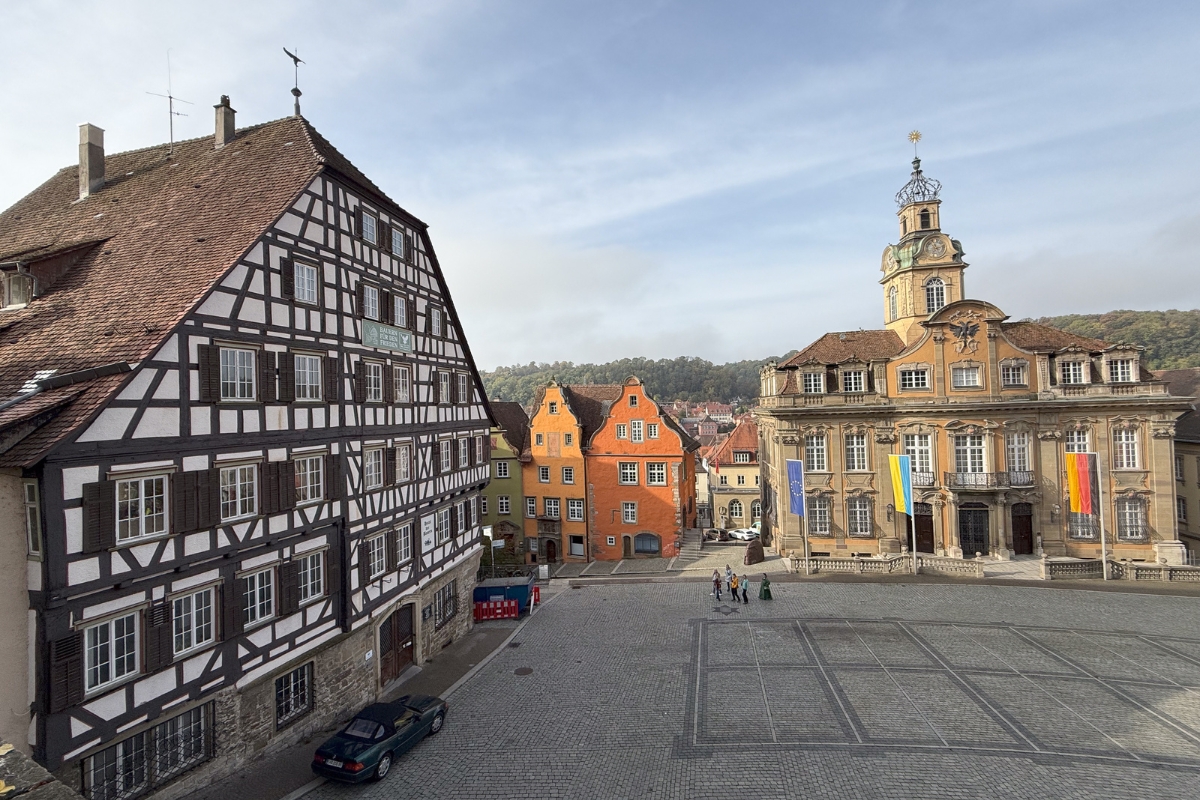
The Marktplatz square is its heart, boasting the title of the most beautiful square in all of Germany – at least according to proud local residents. The dominant feature of the square is the Evangelical Church of St. Michael, whose history dates back more than 800 years.
Schwäbisch Hall
Schwäbisch Hall is vibrant year-round, whether during traditional markets, running races, theater festivals, or celebrations, offering unforgettable experiences to everyone who visits.
Where to Stay in Schwäbisch Hall
We can recommend the accommodation Karl V – Geschichte leben im Herzen der Altstadt. You’ll be right in the center, the price is fine, but most importantly, the staff! You won’t find better! Unfortunately, this accommodation is very often fully booked!
Lukáš and Lucie recommend
Where to stay in Schwäbisch Hall
2 accommodations — hotels and other lodging options
Schwäbisch Hall, Germany: 11 Best Things to Do and See
Even though the city is small, you definitely won’t be bored. Let’s take a look at what to see in Schwäbisch Hall.
Marktplatz – the Market Square
The most beautiful place in the entire city is the square, where you’ll also find a grand 54-step staircase leading to the church. Annually, from June to August, this staircase hosts the Freilichtspiele Schwäbisch Hall open-air theater festival.
The city has been organizing this theater festival for almost a hundred years. Famous German actors gather here, and locals often participate as extras. So, when did it all begin? It all began in 1925 with a play by Hugo von Hofmannsthal.
Schwäbisch Hall
St. Michael’s Church
This beautiful medieval square, with the impressive St. Michael’s Church and its 54-step staircase, is the heart of the city, located on the Marktplatz.
This Gothic church, built on the site of an older Romanesque basilica, has witnessed many transformations and events, including a devastating fire in 1728. Its 46.5-meter-high tower offers a magnificent view of the city and was for centuries home to the tower guardians, whose families lived here until 1929.
Inside the church, you can admire rich sacred decorations, including an impressive 15th-century main altar, where medieval art intertwines with Gothic and Renaissance aesthetics.
Concerts are often held in the church; its organs are considered among the most significant in the region.
Hällisch-Fränkisches Museum
Whether you love history or are looking for something to do when it rains, the Hällisch-Fränkisches Museum in Schwäbisch Hall is worth a visit.
You’ll learn all about the city’s fascinating history, from its beginnings to the present day. You’ll discover how a small town transformed into a center of both business and culture. You’ll gain a better understanding of the city’s role in Germany’s history and learn more about the culture of the Hohenlohe region.
Schwäbisch Hall Old Town
A Walk through the Historic Altstadt (Old Town)
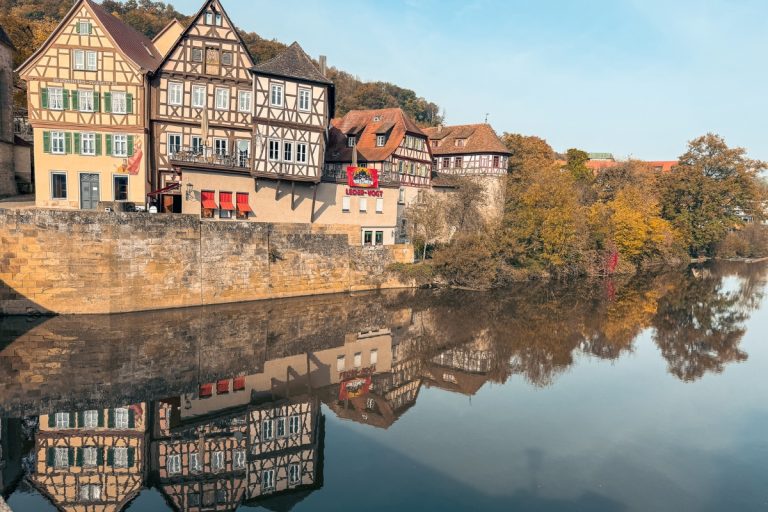
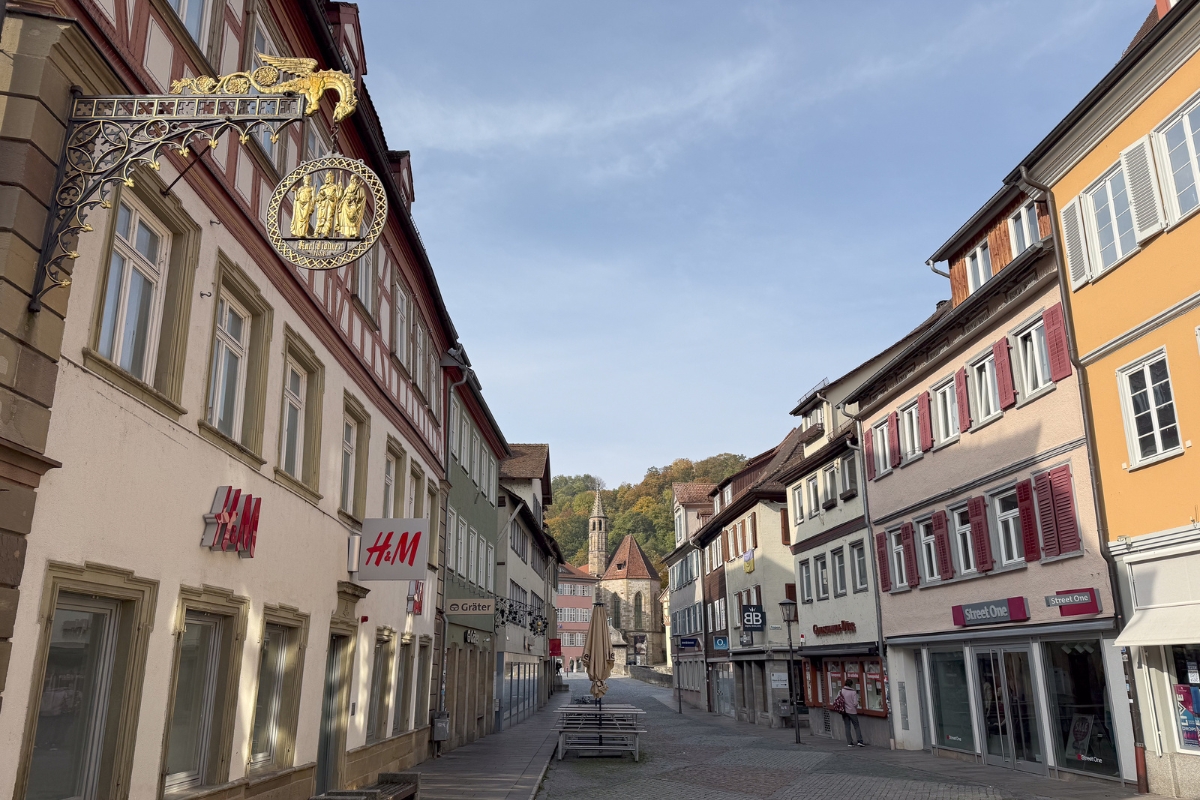
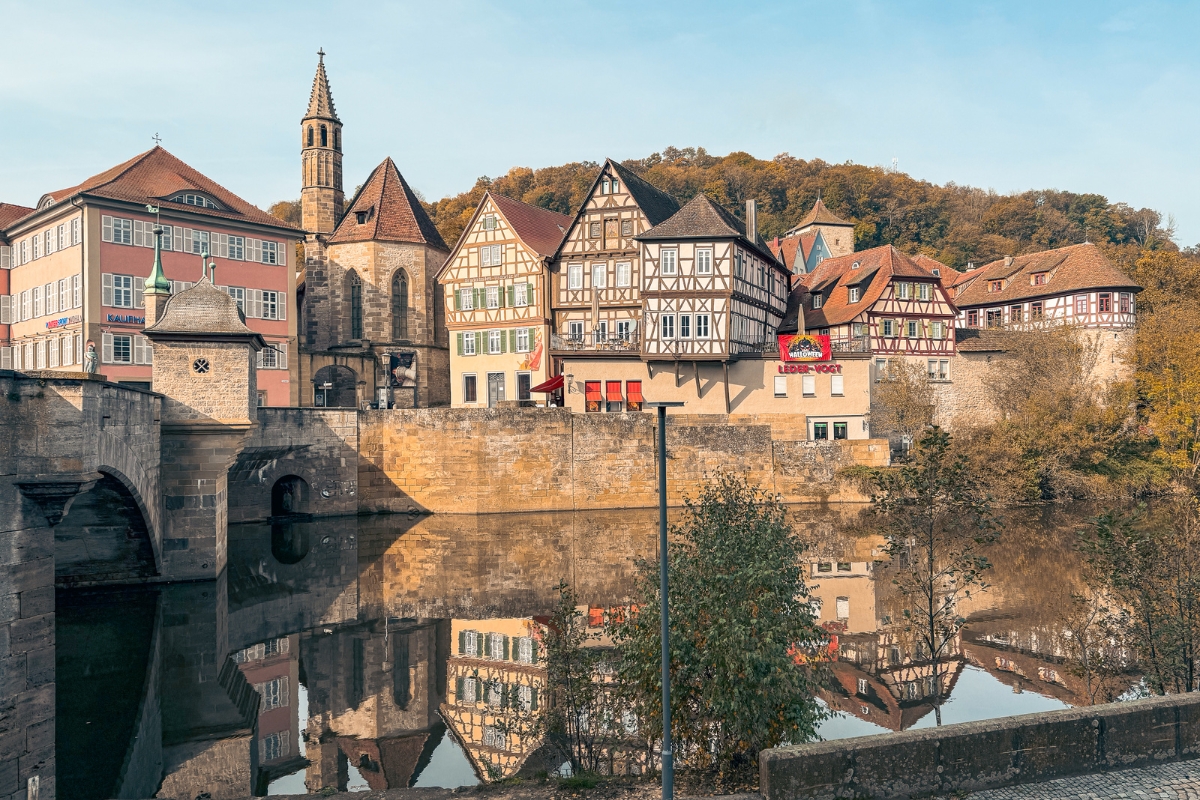
As in other German cities, here too you can see beautiful half-timbered houses, known as Fachwerkhäuser, which are an iconic part of German architecture.
These houses feature a characteristic wooden frame construction, with walls filled with various materials – clay, stones, or bricks. This style was particularly popular between the 13th and 19th centuries, predominantly used in cities like Quedlinburg, Goslar, or Rothenburg ob der Tauber.
What makes half-timbered houses so special is their versatility and durability. The timber frame construction not only contributes to the building’s stability but also provides flexibility in case of ground movement.
Also typical for them is rich decorative ornamentation – on many houses you’ll find decorative elements carved into wood, paintings, and ornaments that reflect the cultural and social status of the inhabitants of that time.
Festivals
Schwäbisch Hall boasts a rich festival tradition, reflecting the city’s diversity. One of the most prominent celebrations is the Kuchen- und Brunnenfest festival, which commemorates the history of salt mining that brought wealth to the city.
Hall, however, can surprise in other ways – for example, during the February carnival Hallia Venezia, when the medieval streets fill with characters in charming costumes and masks, and the city briefly transforms into a German version of Venice.
Musicians at the JazzArtFestival in March bring modern tunes to the former hospital church, while in autumn, shots ring out outside the city gates during an international muzzle-loading shooting event, evoking the atmosphere of the aforementioned Theater Festival.
One of Germany’s Most Beautiful Cities
Art Museum Kunsthalle Würth
The Kunsthalle Würth art museum, founded thanks to the generous support of screw manufacturer and patron Reinhold Würth, is a cultural treasure of Schwäbisch Hall. This art lover, known not only in the world of industry but also among collectors, commissioned Danish architect Henning Larsen to design the gallery to naturally blend with the city’s charming historic core. Kunsthalle Würth offers seasonal exhibitions that include not only works from its own extensive collection but also exceptional pieces borrowed from major world museums.
In the nearby former Johanniterkirche (Church of the Knights Hospitaller), there is a branch of the museum where you can admire medieval art, including the masterpiece Madonna of Mercy by Hans Holbein the Younger.
View from Sudhaus Restaurant
If you want to enjoy an unforgettable view of the meandering Kocher River and the city panorama, head to the roof of the Sudhaus restaurant, which offers the most beautiful view of Schwäbisch Hall.
Johanniterkirche
This former 12th-century church, consecrated in the 19th century and later secularized, underwent extensive reconstruction and since 2008 has served as an impressive exhibition space for the collection of Old Masters from the Würth collection.
Among the most significant works are masterpieces by German and Swiss painters from the period from the late Middle Ages to the early modern period, including sculptures by the famous Tilman Riemenschneider and paintings by Hans Holbein the Younger, such as his famous Madonna of Mercy.
Einkornturm
Hike to the nearby Einkorn hill, where an old watchtower awaits you at 510 meters above sea level, offering a breathtaking view of Schwäbisch Hall and the surrounding landscape.
Pilgrims have been coming to the mountain since time immemorial, as a chapel was built there in the 15th century. Unfortunately, it’s no longer there today, having been destroyed by lightning.
Freilandmuseum Wackershofen
What to do in Schwäbisch Hall with kids? Just outside the city, you’ll find an open-air museum – a living outdoor museum that transports you back in time and shows what rural life was like in different periods.
On more than 40 hectares, you’ll find approximately 70 historic buildings, including mills, churches, old farmhouses, and even a train station.
Kids love it here because they’ll see many farm animals, and older children will certainly be interested in how people once cultivated the land and managed their farms.
The museum organizes various events, so check their website to see what’s currently happening there. Typically, you’ll find demonstrations of old crafts, historical festivals, and various themed days. There are also restaurants, so you don’t have to worry about going hungry!
Kloster Großcomburg
Großcomburg Monastery, dating back to 1079, can be found high above the Kocher River valley near Schwäbisch Hall. It was originally a Benedictine monastery, later converted into a collegiate chapter.
To this day, it has retained its fortress character thanks to massive walls and towers that protect the entire area. A major draw for visitors are two unique artistic gems – a large Romanesque chandelier, representing the heavenly Jerusalem, and a gilded altar antependium, a masterpiece of medieval goldsmith work.
In addition, you can enjoy a magnificent view from the 420-meter-long fortified walkway that surrounds the monastery and provides views of Schwäbisch Hall and the surrounding landscape
Tips and Tricks for Your Vacation
Don’t Overpay for Flights
Search for flights on Kayak. It’s our favorite search engine because it scans the websites of all airlines and always finds the cheapest connection.
Book Your Accommodation Smartly
The best experiences we’ve had when looking for accommodation (from Alaska to Morocco) are with Booking.com, where hotels, apartments, and entire houses are usually the cheapest and most widely available.
Don’t Forget Travel Insurance
Good travel insurance will protect you against illness, accidents, theft, or flight cancellations. We’ve had a few hospital visits abroad, so we know how important it is to have proper insurance arranged.
Where we insure ourselves: SafetyWing (best for everyone) and TrueTraveller (for extra-long trips).
Why don’t we recommend any Czech insurance company? Because they have too many restrictions. They set limits on the number of days abroad, travel insurance via a credit card often requires you to pay medical expenses only with that card, and they frequently limit the number of returns to the Czech Republic.
Find the Best Experiences
Get Your Guide is a huge online marketplace where you can book guided walks, trips, skip-the-line tickets, tours, and much more. We always find some extra fun there!
TL;DRPoland’s Baltic coast has wide sandy beaches, historic seaside towns and a pleasant summer climate with temperatures around 20–25°C. The best time to visit is June to August, when the sea’s at its warmest (though still a bracing 17–19°C). Highlights include Gdańsk, Sopot, Świnoujście and Słowiński National Park, with its shifting sand dunes. Prices are lower than in Western Europe, and you won’t run into any language problems.
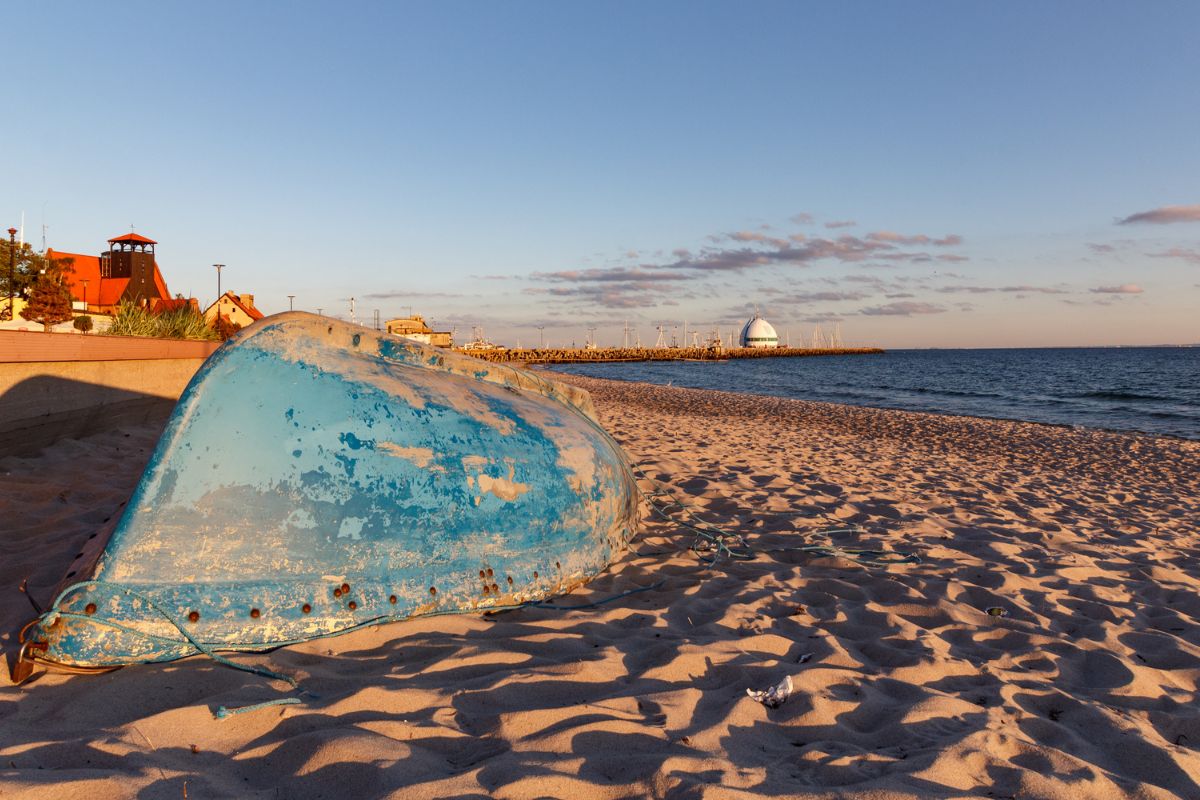
Are you planning a holiday and thinking about an interesting destination where you can enjoy beaches and the sea? You might not expect that Polandoffers beautiful seaside places that can rival many a tropical destination. The Polish Baltic coast is full of charming towns, long beaches, and a pleasant climate, ideal for a summer holiday.
If you’re planning a trip by car, don’t forget to compare online car insurance offers in advance – it can save you not only money but also hassle on the road.
In this guide, I’ll share with you the Poland: 12 Best Places for Your Holiday that are definitely worth visiting.
Holiday in Poland: why Go to Poland for a Seaside Holiday?
Perhaps Poland and a seaside holiday don’t quite go hand in hand for you, but I’ll tell you why you should go to the sea in Poland!
It’s worth going to Poland for a seaside holiday especially for these reasons:
Climate: If you enjoy swimming in the sea but aren’t a fan of extreme heat, then Poland could be the ideal choice for you.
Accessibility: Whether you decide to travel by car, campervan, train, or plane, the Polish coast is easily accessible from the Czech Republic.
History and Charm of the Polish Coast: The Polish Baltic coast, as well as coastal cities like Gdańsk or Kołobrzeg, boasts a rich history and many sights worth visiting.
Prices: Prices for accommodation, food, and services are often more favorable than in Western countries.
Language: Even if you don’t speak Polish, believe me, you’ll always manage to communicate in Poland, and the language barrier shouldn’t be an issue.
The best time for a holiday by the Polish sea is during the summer months, i.e., from June to August. During this period, temperatures are pleasant, around 20–25 °C, and the sea is warmest, though still refreshing.
If you prefer fewer tourists and a quieter atmosphere, try going in May or September.
Where to Stay in Poland
If you’re looking for a luxurious holiday with a sea view, choose one of the modern hotels in Gdańsk, Sopot, or Kołobrzeg, which offer top-notch service and wellness facilities.
For families with children, apartments or family guesthouses are an excellent choice, for example in Władysławowo or Ustka.
For outdoor enthusiasts, I recommend campsites near national parks, such as Słowiński National Park, where you can enjoy a peaceful stay in nature.
Tips for specific accommodation in individual areas can be found below.
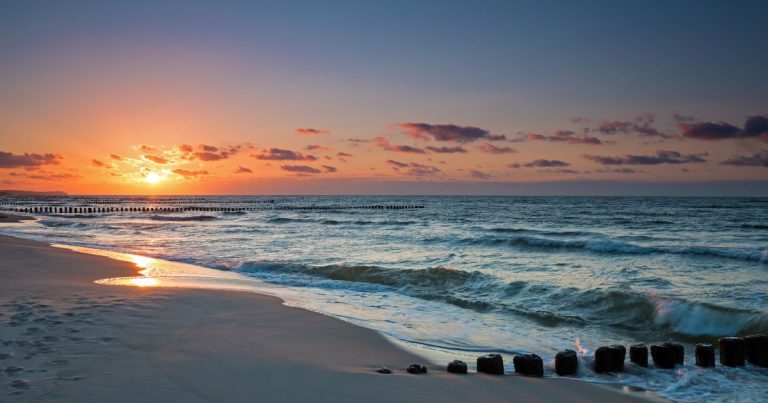
Holiday by the Baltic Sea
Poland: 12 Best Places for Your Holiday
So, where to go to the sea in Poland? I have compiled 12 best places for your holiday in Poland where you can enjoy a wonderful stay.
1) Świnoujście
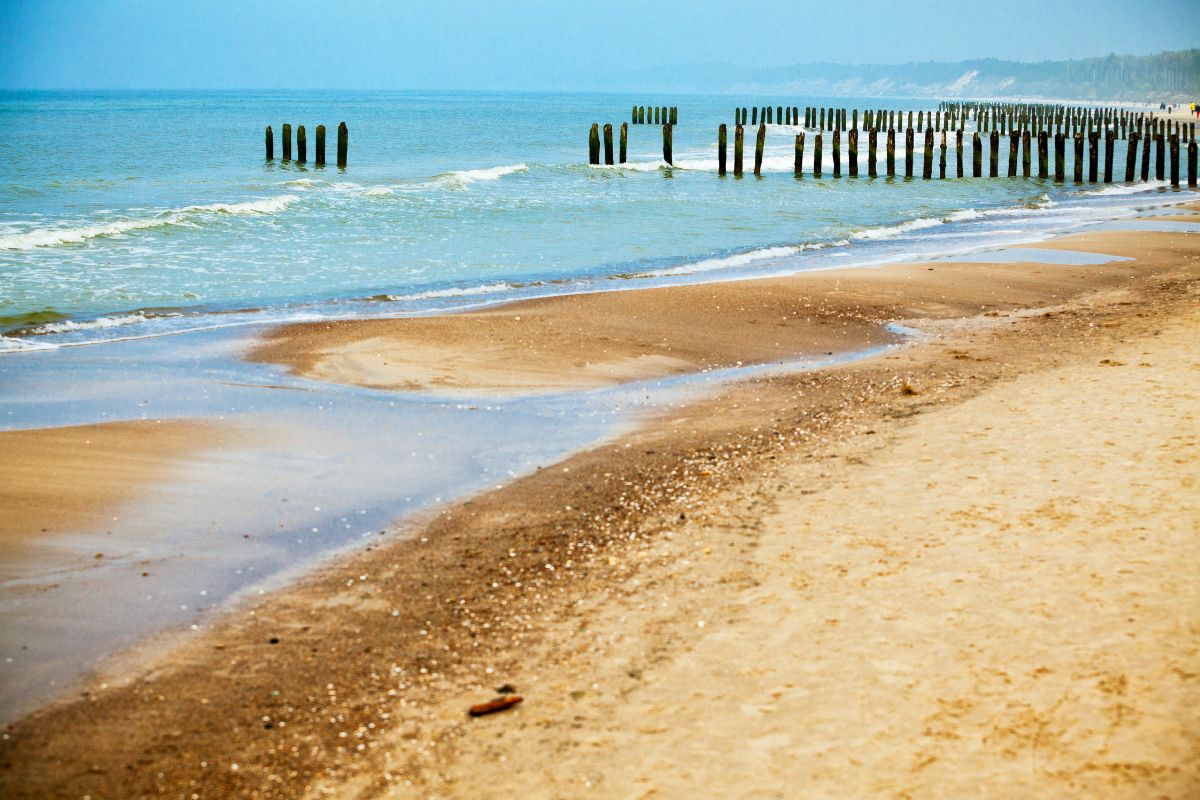
On the border with Germany, you’ll find the spa town of Świnoujście with arguably the most beautiful beaches in all of Poland. Świnoujście attracts holidaymakers with its wide, sandy beaches featuring fine sand and a gentle entry into the water.
Visit the famous Świnoujście Lighthouse, which is one of the tallest in Europe. From its top, you’ll enjoy panoramic views of the city, coast, and sea. Or take a stroll along the long promenade with numerous cafes and restaurants. Don’t forget to also visit the historic Fort Gerharda or Aniola Fortress.
If you’re traveling with children, you can visit Baltic Park Molo Aquapark, which is one of the largest aquaparks in Poland.
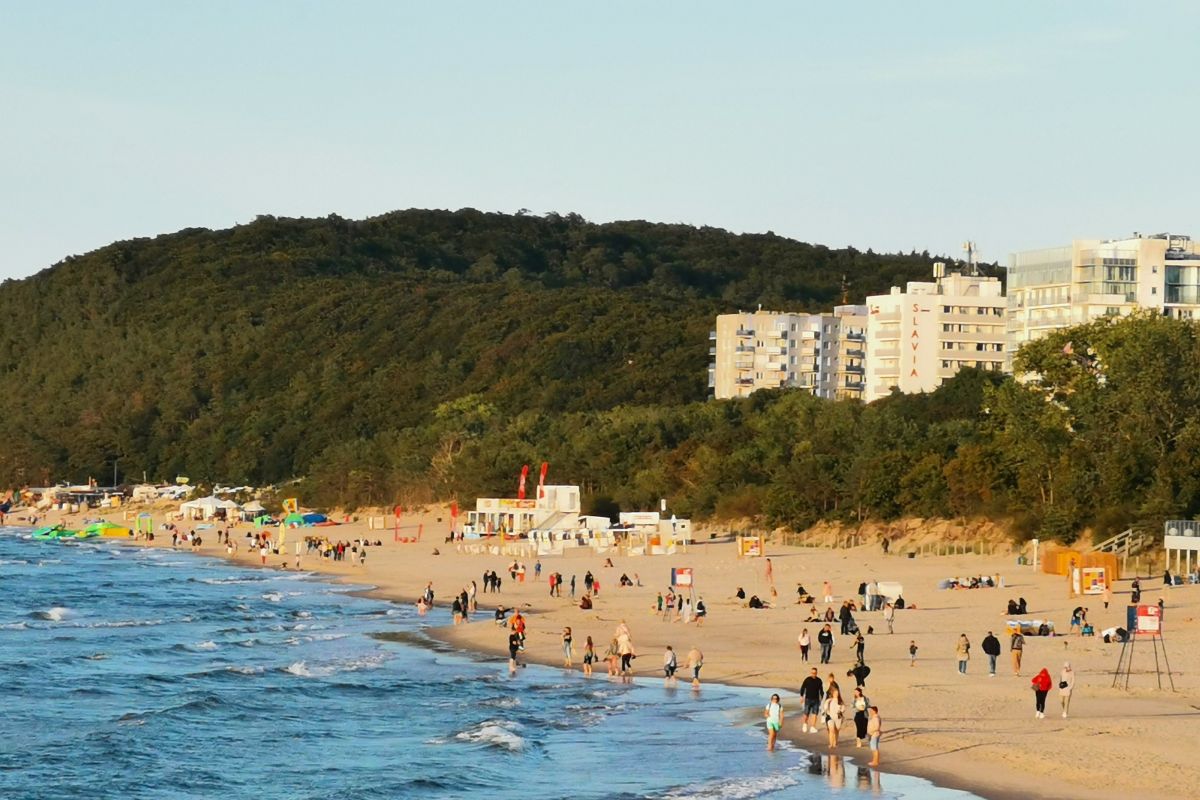
The Polish resort of Międzyzdroje is another great place for a holiday in Poland. Międzyzdroje boasts beautiful sandy beaches and clear sea, ideal for swimming and sunbathing. The water is refreshing, and the beaches are often surrounded by pine forests, so you can find shade here too.
Take a stroll along the Long Pier, which is one of the town’s main attractions. Visit the Promenade of Stars, where you’ll find handprints of famous Polish celebrities. In Międzyzdroje, you can also visit the Woliński National Park and the amazing Kawcza Góra viewpoint.
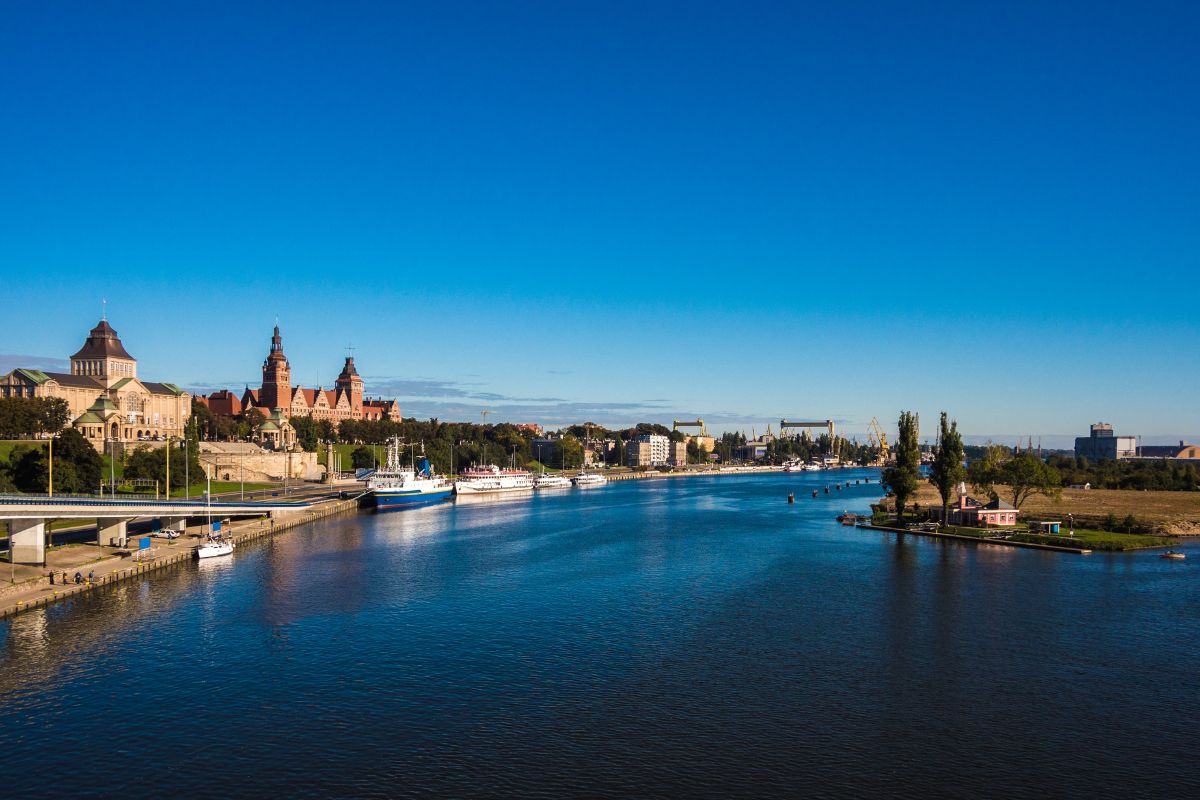
In the northwestern part of Poland lies the city of Szczecin. It’s more of an inland city, but it’s located close to the coast, and from there you can easily visit nearby beaches, such as those in Świnoujście.
The historic center offers the magnificent Pomeranian Dukes’ Castle, a planetarium, and walks along the Oder River. You can also take a boat trip on the Szczecin Lagoon.
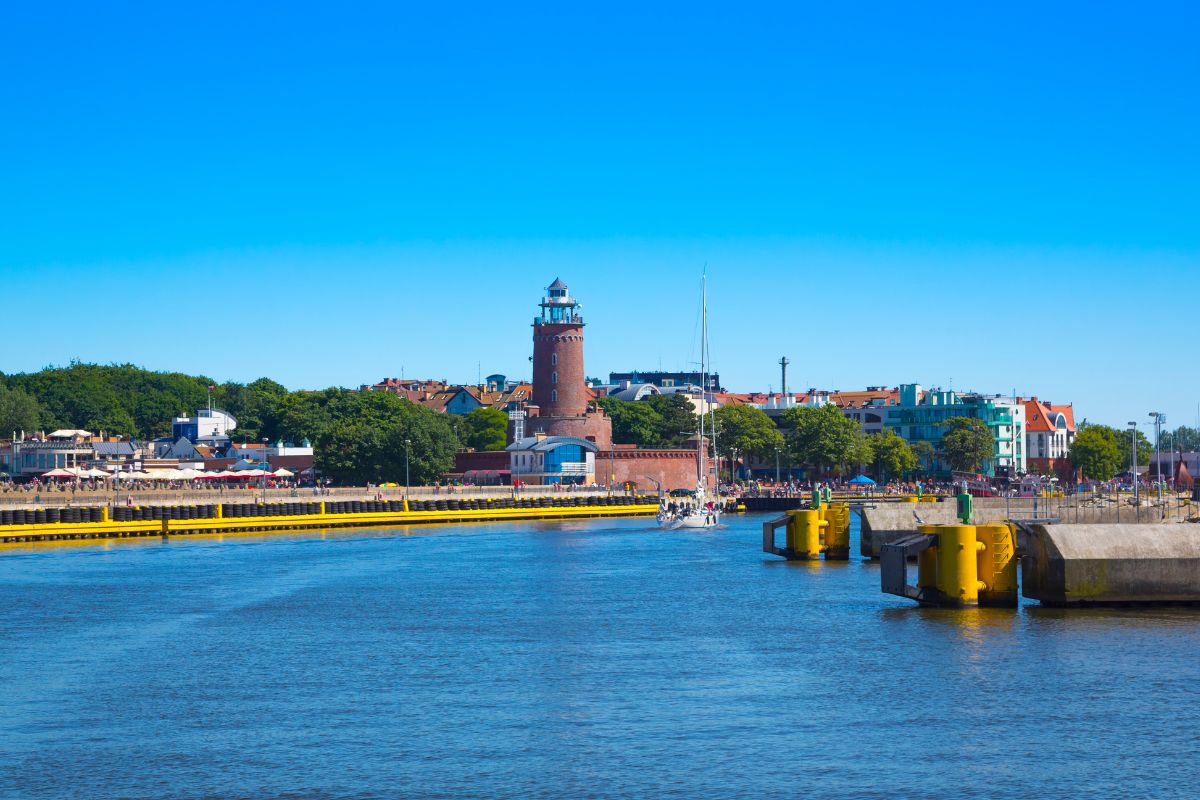
Another tip for a holiday in Poland is the seaside town of Kołobrzeg. The beaches in Kołobrzeg are wide, clean, and sandy, with fine sand and a gentle entry into the Baltic Sea. This place is popular for spa stays, thanks to the fresh sea air and mineral springs.
Don’t forget to visit the Kołobrzeg Lighthouse or the Museum of the Polish Army. As mentioned, Kołobrzeg is known for its spa treatments, so you can indulge in a relaxing cure at local sanatoriums.
Another Polish town on the Baltic Sea coast is Ustka. Ustka offers long and wide beaches that are ideal for families with children and active travelers. The sea is clean and pleasantly refreshing in the summer months.
In Ustka, you can enjoy romantic walks along the harbor or go on a boat trip. Visiting the lighthouse and the Ustka Promenade, where you can enjoy beautiful sea views, is also popular.
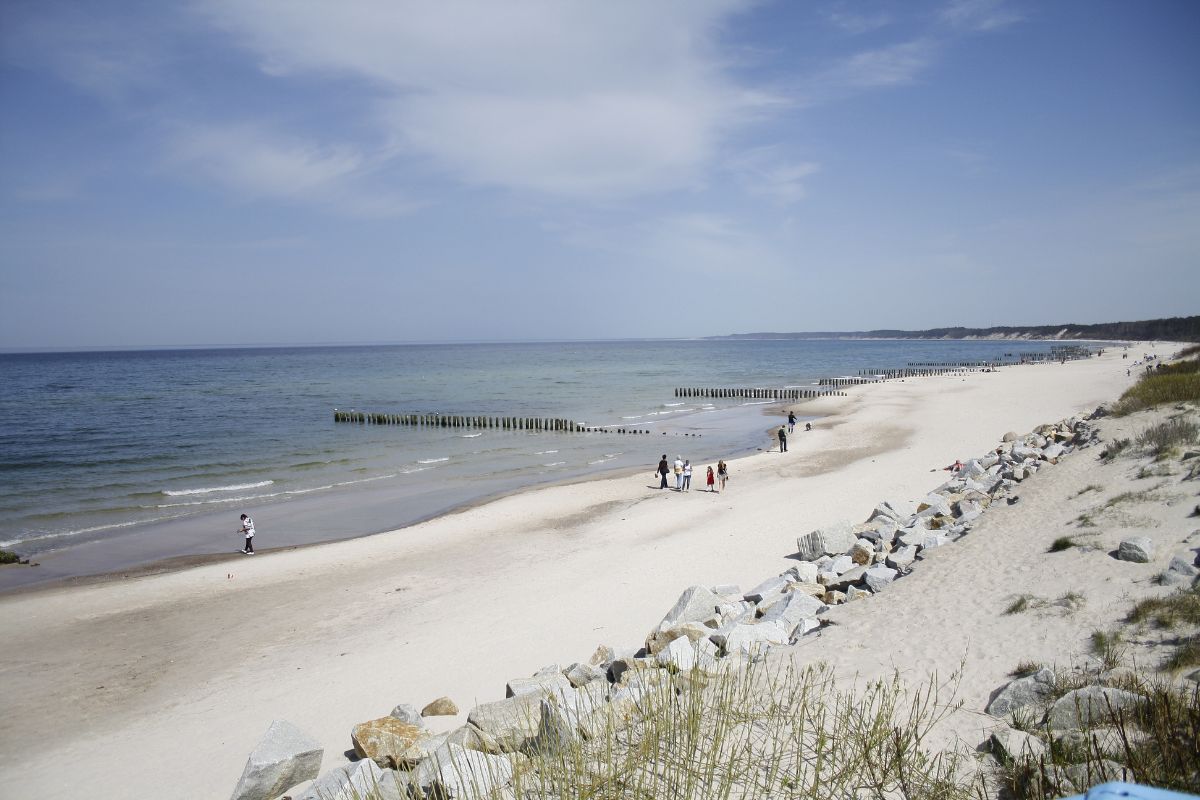
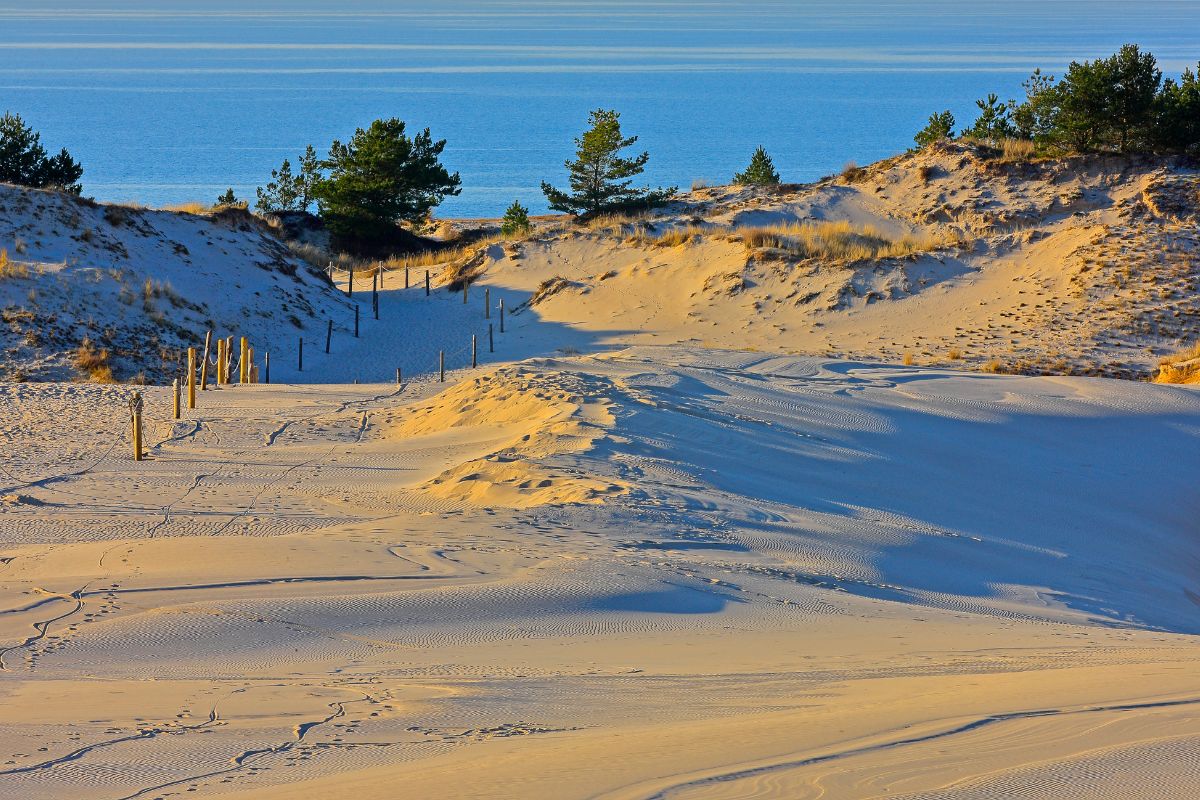
Łeba is a small port town, whose biggest attraction is probably the nearby Słowiński National Park. The beaches in Łeba are beautiful and wide, with fine white sand. The sea is colder, but thanks to the wind, it’s ideal for kitesurfing and windsurfing.
Słowiński National Park is popular primarily for its moving sand dunes, which are constantly shifting due to wind and water. You can take hiking tours or cycle along the paths around the park. Don’t forget to also visit Lake Łebsko.
In northern Poland, at the tip of the Hel Spit, you’ll find the Hel Peninsula. Hel has a unique geographical location – its beaches are on both sides of the peninsula. On one side, you’ll find calm sea, on the other, waves, which is ideal for water sports.
Thanks to the waves, Hel is a paradise for windsurfing and kitesurfing. You can visit the fishing museum or explore the military fortresses from World War II. If you love nature, take a walk through the grey seal reserve.
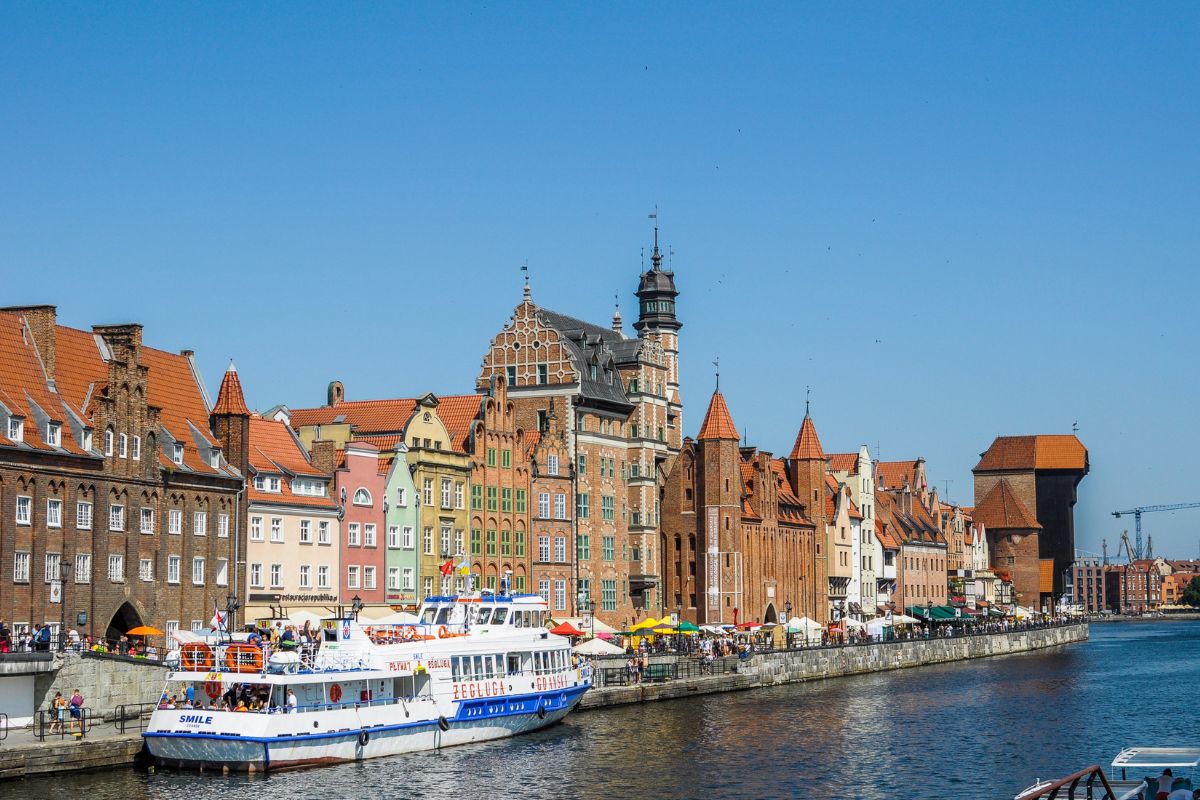
The oldest and largest Polish city is Gdańsk. Gdańsk has access to several beaches, such as Stogi Beach, which is long, sandy, and ideal for swimming. The sea here is calm and the water is relatively warm. From Gdańsk, you can also visit the beautiful Brzeźno Beach or nearby Sopot.
Gdańsk is a historically rich city where you can admire famous landmarks such as Neptune’s Fountain, St. Mary’s Church, or Gdańsk Shipyard. Don’t forget to also take a stroll along the Long Market.
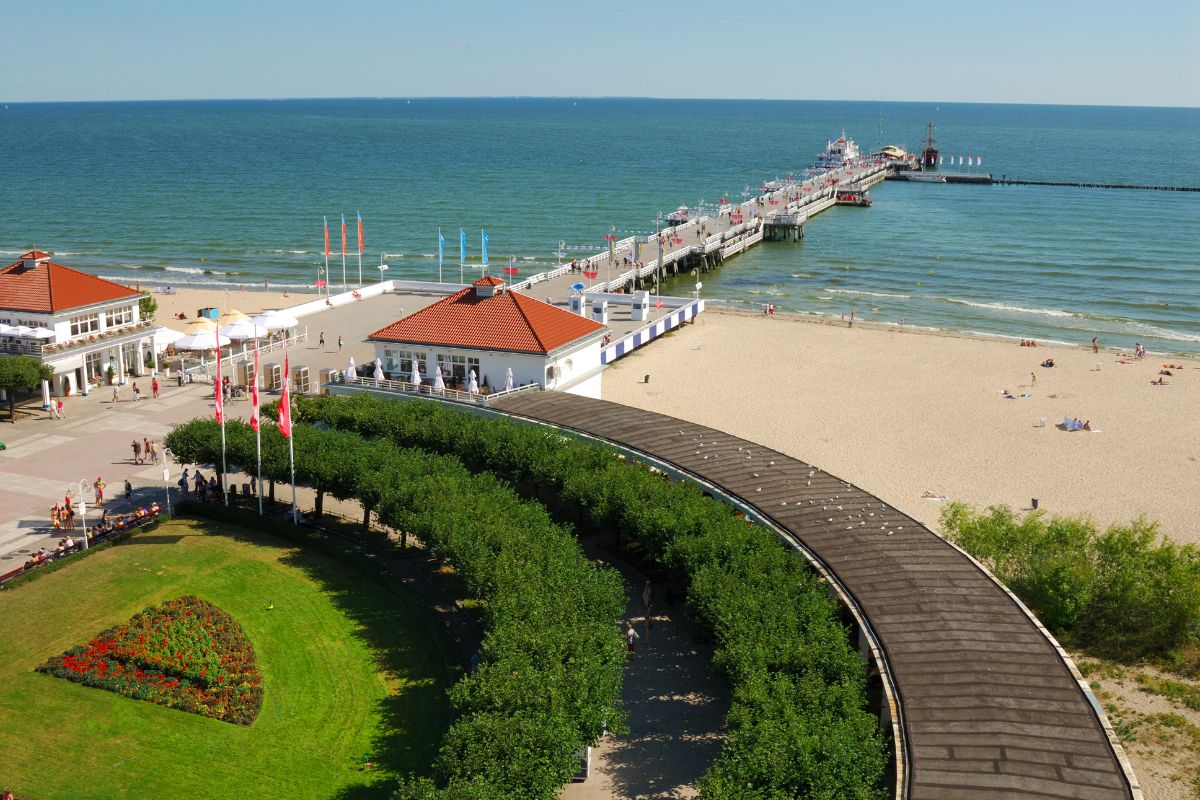
How about combining a holiday in Poland and swimming in the sea with spa treatments? For that, the spa town called Sopot is ideal. Sopot is home to one of the most beautiful and popular beaches in Poland. The beach is long and clean, with shallow sea. So, it’s ideal.
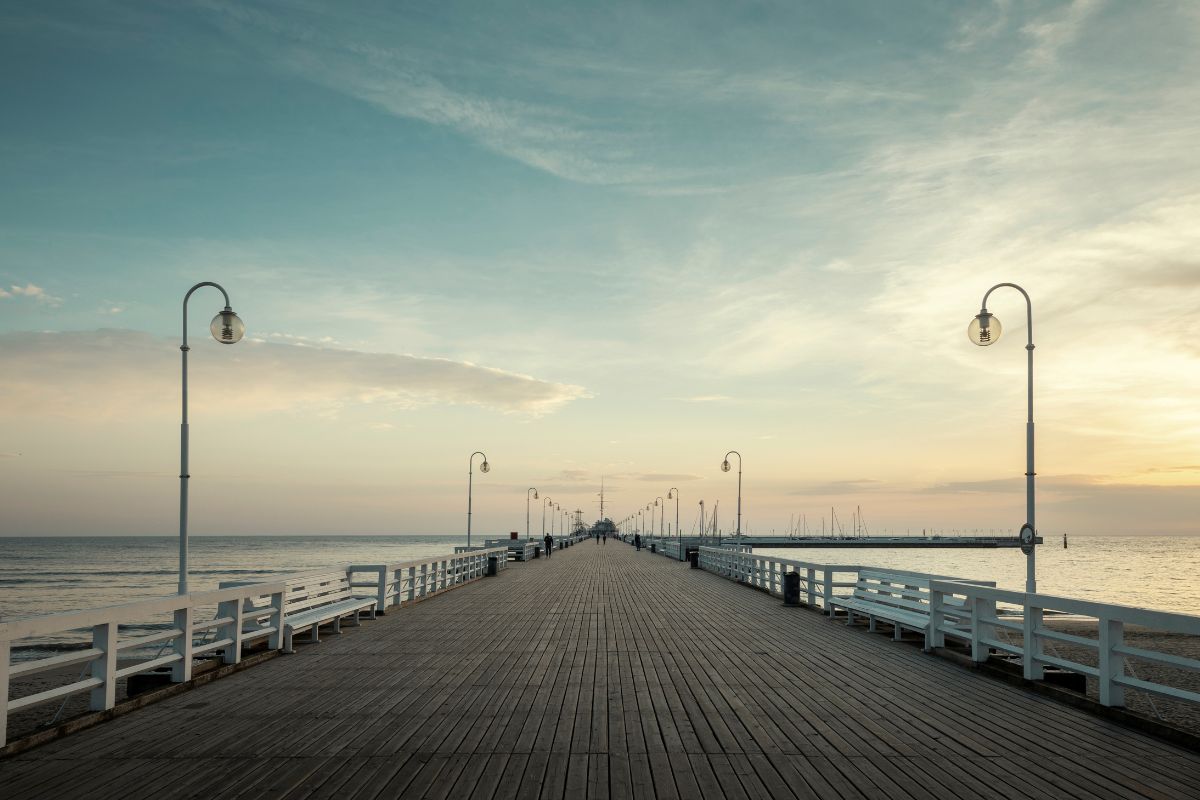
Sopot is known for its long pier, the longest wooden pier in Europe. In addition, you can enjoy wellness treatments or the nightlife on the local promenade full of restaurants and bars.
Gdynia is a city in northern Poland in the Pomeranian Voivodeship on the Baltic Sea coast. It has smaller, but very clean beaches with shallow entry into the water, which is ideal for families with children.
In Gdynia, you can walk along the harbor, visit the ship museum, or go shopping. For nature lovers, there’s Kościuszko Square with a magnificent sea view. And for a trip with children, I can recommend the local aquarium, where you’ll see exhibits of marine life from all over the world.
The fishing town of Władysławowo can be found on the southern coast of the Baltic Sea. The beaches here are long and wide, with fine sand and waves that are ideal for surfing. The sea here is warmer than in other parts of the Polish coast.
Besides surfing, bungee jumping, or paragliding, you can visit the oceanarium or take a walk along the viewpoints in the area. If you are passionate about fishing, you can go on a trout fishing trip.
Just 650 km from Prague lies the Polish town of Dziwnów, which is an ideal destination for families with small children. The beaches in Dziwnów are clean and sandy, with a gentle entry into the sea. You’ll find plenty of attractions here, such as an inflatable town, various climbing frames, and nice playgrounds.
In Dziwnów, you can experience many attractions, from boat trips to water sports. You can also visit the nearby bridge that rotates to allow ships into the inland harbor. Don’t miss the miniature park, where you can see models of Polish lighthouses from the coast at a 1:10 scale, and the train museum.
🔗 These are affiliate links — they don't change your price and help us create content. · All experiences →
Tips and Tricks for Your Vacation
Don’t Overpay for Flights
Search for flights on Kayak. It’s our favorite search engine because it scans the websites of all airlines and always finds the cheapest connection.
Book Your Accommodation Smartly
The best experiences we’ve had when looking for accommodation (from Alaska to Morocco) are with Booking.com, where hotels, apartments, and entire houses are usually the cheapest and most widely available.
Don’t Forget Travel Insurance
Good travel insurance will protect you against illness, accidents, theft, or flight cancellations. We’ve had a few hospital visits abroad, so we know how important it is to have proper insurance arranged.
Where we insure ourselves: SafetyWing (best for everyone) and TrueTraveller (for extra-long trips).
Why don’t we recommend any Czech insurance company? Because they have too many restrictions. They set limits on the number of days abroad, travel insurance via a credit card often requires you to pay medical expenses only with that card, and they frequently limit the number of returns to the Czech Republic.
Find the Best Experiences
Get Your Guide is a huge online marketplace where you can book guided walks, trips, skip-the-line tickets, tours, and much more. We always find some extra fun there!
TL;DRBased on what other travellers say, the best liquid tent proofer is Horewell Nano Fabric and Upholstery Protection, a Czech nanotech spray that works on the lotus-leaf effect. It leaves an invisible, breathable film on the fabric that repels water, mud, grease and even red wine or blood stains, while also shielding the material from UV rays. The manufacturer claims that thanks to the nanoparticles, Horewell products are up to 80% more effective than standard cleaners, and they’re biodegradable with no toxins, parabens, phosphates or silicones. You can use it on tents and roof tents, but also on outdoor furniture, car upholstery or boots.
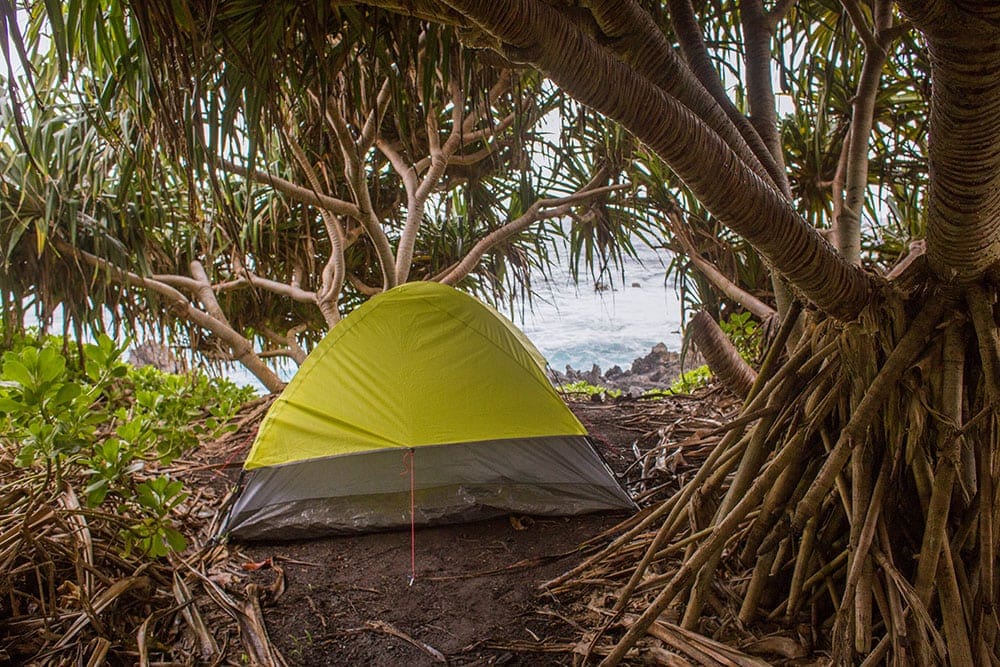
If you’ve been following us for a while, you know that camping is a way of life for us. We’ve slept under the stars in Uganda, watched sunrises from our campsites in Hawaii, and ridden across all of Europe on e-bikes with our trusty tent.
If you travel even a little, you’ll know that tents don’t last very long when you use them often. And yet a tent is a fairly pricey thing to buy – at least if you want one that actually lasts. Well, if you’re here, then you already know that, and you’re after the best tent waterproofing.
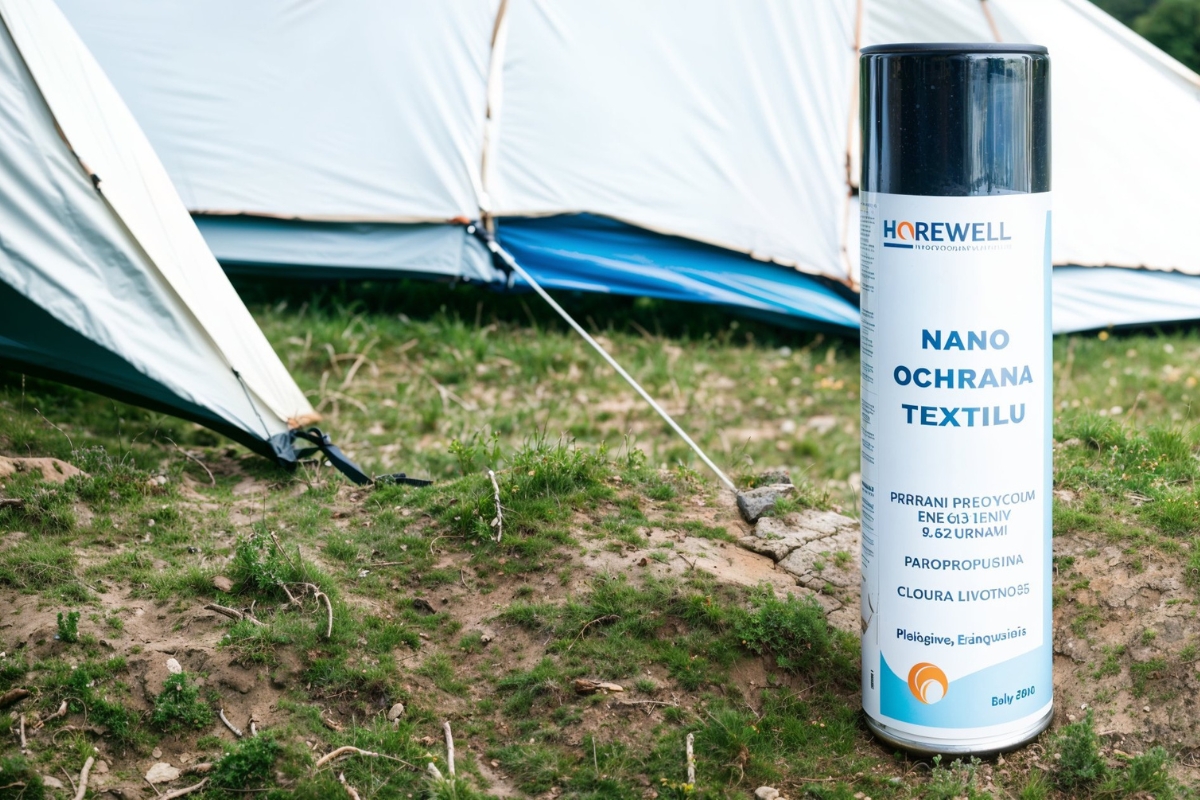
Lucky for you, we were also on the hunt for a treatment that would extend our tent’s lifespan. We were looking for the best waterproofing that would give us effective protection against moisture and dirt. And we found it – Horewell Nano fabric and upholstery protection.
Why waterproof your tent?
Every time we camp, we face unpredictable weather. Rain, dew, mud – any of them can become our companion through the night. Waterproofing isn’t just about keeping your tent looking clean; it’s mainly about protecting the material from moisture, which can lead to mould and damage. Every type of tent should be waterproofed, whether it’s a camping tent, a work tent, or a party tent.
A tent that keeps its properties lets us head off on the next adventure without a worry.
The best tent waterproofing
What tent waterproofing is for
Protection against bad weather (rain, dew, mud)
Preventing mould and material damage
Extending the tent’s lifespan
Ensuring comfort while camping
What should you use to waterproof a tent?
There are loads of waterproofing products on the market, but I’ll be straight with you – Horewell Nano fabric and upholstery protection is in a completely different league. It’s an innovative liquid waterproofing that uses the lotus-leaf effect, which means water, mud and other dirt stay on the surface and simply wipe away.
This waterproofing protects not only against water, but also against aggressive stains like red wine or blood. We use it not just on our tent, but also on our outdoor seating, the upholstery at home and in the car, on our shoes, and once we move into a house I’ll be using it on the parasol too.
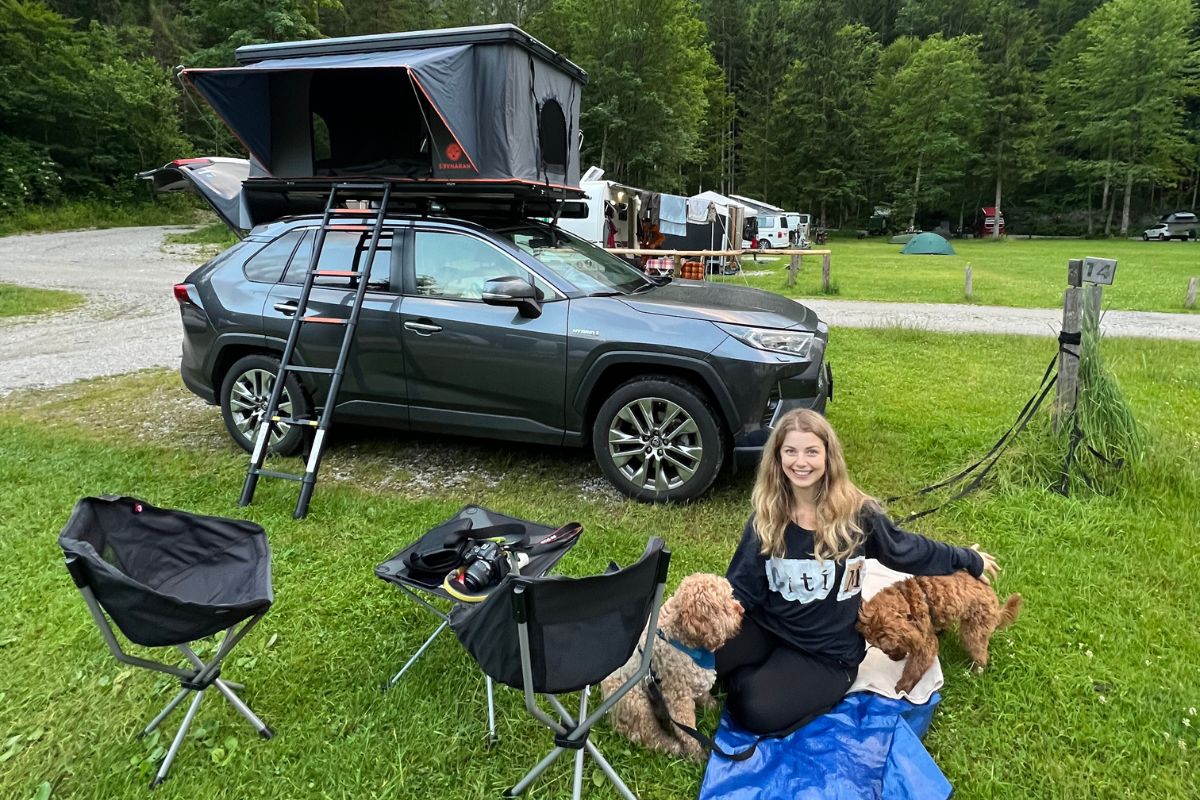
Last year we travelled with a rooftop tent – we recommend waterproofing that one too
How does nano liquid tent waterproofing work?
Horewell nano waterproofing uses advanced nanoparticle-based technology that creates an invisible protective film on the surface of the fabric. This film works on the principle of the lotus-leaf effect – droplets of water simply roll off the surface without soaking into the material.
The nanoparticles bond to the fibres of the fabric and create a hydrophobic (water-repellent) coating that repels not only water, but also dirt and grease. Thanks to this technology, dirt and moisture can’t cling to the surface, which makes cleaning easier and provides long-lasting protection.
You can use the waterproofing on other gear too!
Another advantage of this nano waterproofing is that it’s breathable – the material still “breathes”, meaning it lets air through and doesn’t trap moisture inside.
That’s especially crucial for tents, where you don’t want condensation ruining your comfort while camping. On top of that, Horewell nano waterproofing provides protection against UV radiation, which is one of the main factors causing material degradation. As a result, your tent stays not only dry and clean, but also keeps its flexibility and colour for a long time.
Horewell review of the best tent waterproofing
Why I think Horewell is the best liquid tent waterproofing
I could just write that Horewell works.. 😁 Which is often the problem with ordinary waterproofing products – they don’t work! But want me to go into a bit more detail?
This product offers something that ordinary waterproofing products can’t – it creates an invisible protective film that stays breathable and lets vapour through.
That means the material still “breathes”, which is key for a tent. On top of that, this waterproofing protects the material from UV radiation, which causes yellowing and loss of flexibility.
A treated tent is resistant to grease and even to extreme stains. Thanks to that, we can camp with complete peace of mind even in the toughest conditions, knowing our tent won’t let us down.
About the Horewell brand
Horewell is a Czech brand created by scientists and chemistry enthusiasts. Their products contain no corrosive, carcinogenic or toxic substances, and they’re free of alcohol, parabens, phosphates and silicones.
The use of nanoparticles ensures that their products are up to 80% more effective than ordinary cleaners. And the best part? They’re biodegradable and don’t damage the surfaces they treat.
The Horewell brand keeps surprising us – right now in our campervan we’re using their Odour Eliminator for the toilet, and at home we’re thrilled with their cleaning products. It’s almost a miracle – and we don’t say that often.
If you’re looking for waterproofing that genuinely has your back and is easy to apply, Horewell Nano fabric and upholstery protection is the obvious choice. We absolutely recommend it to all travellers who want to keep their gear in the best possible condition.
Tips and Tricks for Your Vacation
Don’t Overpay for Flights
Search for flights on Kayak. It’s our favorite search engine because it scans the websites of all airlines and always finds the cheapest connection.
Book Your Accommodation Smartly
The best experiences we’ve had when looking for accommodation (from Alaska to Morocco) are with Booking.com, where hotels, apartments, and entire houses are usually the cheapest and most widely available.
Don’t Forget Travel Insurance
Good travel insurance will protect you against illness, accidents, theft, or flight cancellations. We’ve had a few hospital visits abroad, so we know how important it is to have proper insurance arranged.
Where we insure ourselves: SafetyWing (best for everyone) and TrueTraveller (for extra-long trips).
Why don’t we recommend any Czech insurance company? Because they have too many restrictions. They set limits on the number of days abroad, travel insurance via a credit card often requires you to pay medical expenses only with that card, and they frequently limit the number of returns to the Czech Republic.
Find the Best Experiences
Get Your Guide is a huge online marketplace where you can book guided walks, trips, skip-the-line tickets, tours, and much more. We always find some extra fun there!
TL;DRManavgat on Turkey’s southern coast mixes nature, history and local culture in equal measure. Highlights include the Manavgat Şelalesi waterfall, a boat trip along the Manavgat River, the Külliye mosque, Altınbeşik cave, the ancient theatre at Aspendos, and the Köprülü and Tazı canyons. Titreyengöl and Sorgun are the beaches worth heading to. The best time to visit is April to October, and 4–5 days is enough to see it all. Alanya, Antalya and Antalya Airport are all about an hour away by car or bus. Side, with its Temple of Apollo, makes a great day trip or an alternative base to stay.
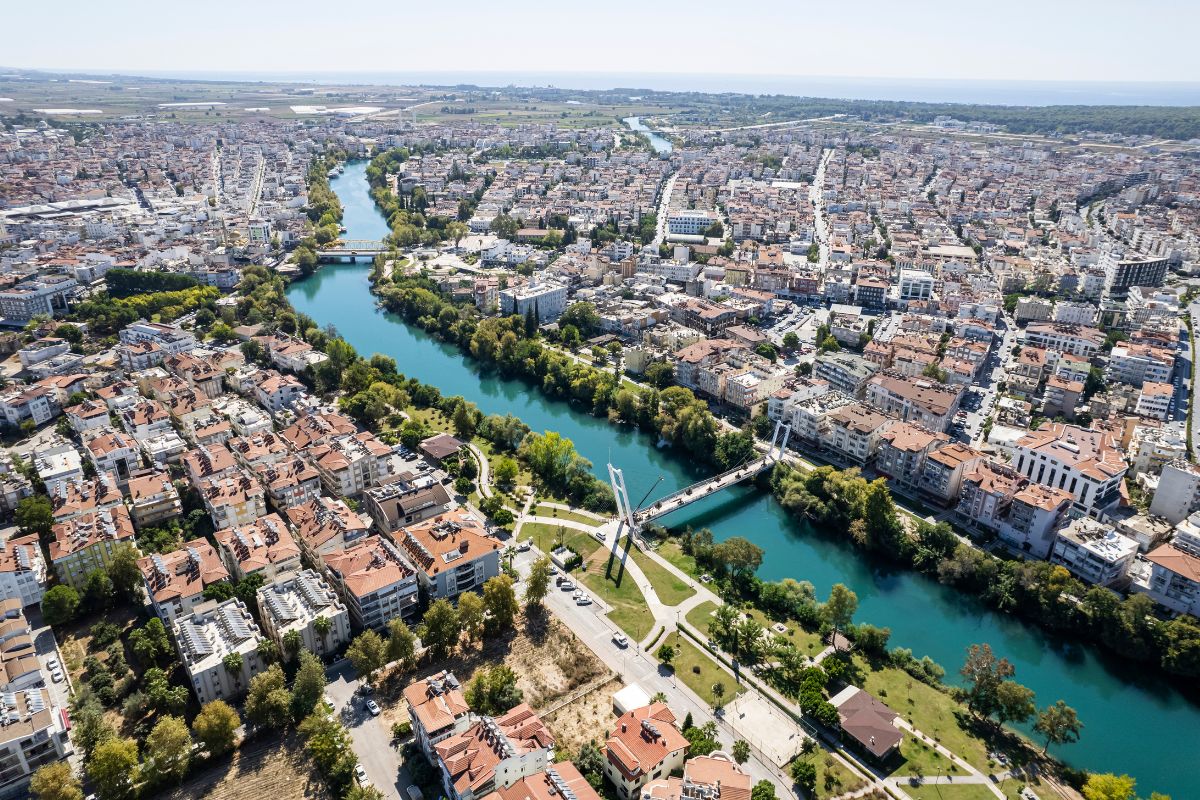
Manavgat, located on the southern coast of Turkey, is a town that combines natural beauty, historical sites, and authentic Turkish culture. Do you want to enjoy hiking, waterfalls, and impressive canyons? Or are you more drawn to historical monuments, shopping at a vibrant market, and relaxing on the beach? In this guide I will share with you Manavgat, Turkey: 15 Best Things to Do and See.
Then I’ll tell you that in Manavgat, you’ll find all of the above. Let’s take a look at what you definitely shouldn’t miss here.
The best time to visit Manavgat is between April and October, when temperatures are pleasant and suitable for exploring the city. During the summer season, temperatures can be high, but ideal for a seaside holiday.
Spring and autumn can be a great choice for those who prefer milder temperatures and want to explore natural beauties without tourist crowds.
Manavgat: where to Stay + Tips for the Best Hotels
In Manavgat and its surroundings, you’ll find various accommodation options, from luxury resorts to family hotels and apartments. I recommend staying either directly in the city center or perhaps in nearby Side if you want to be closer to the sea.
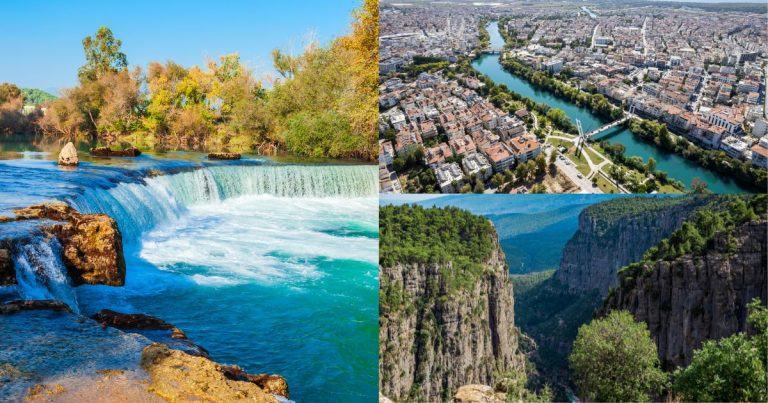
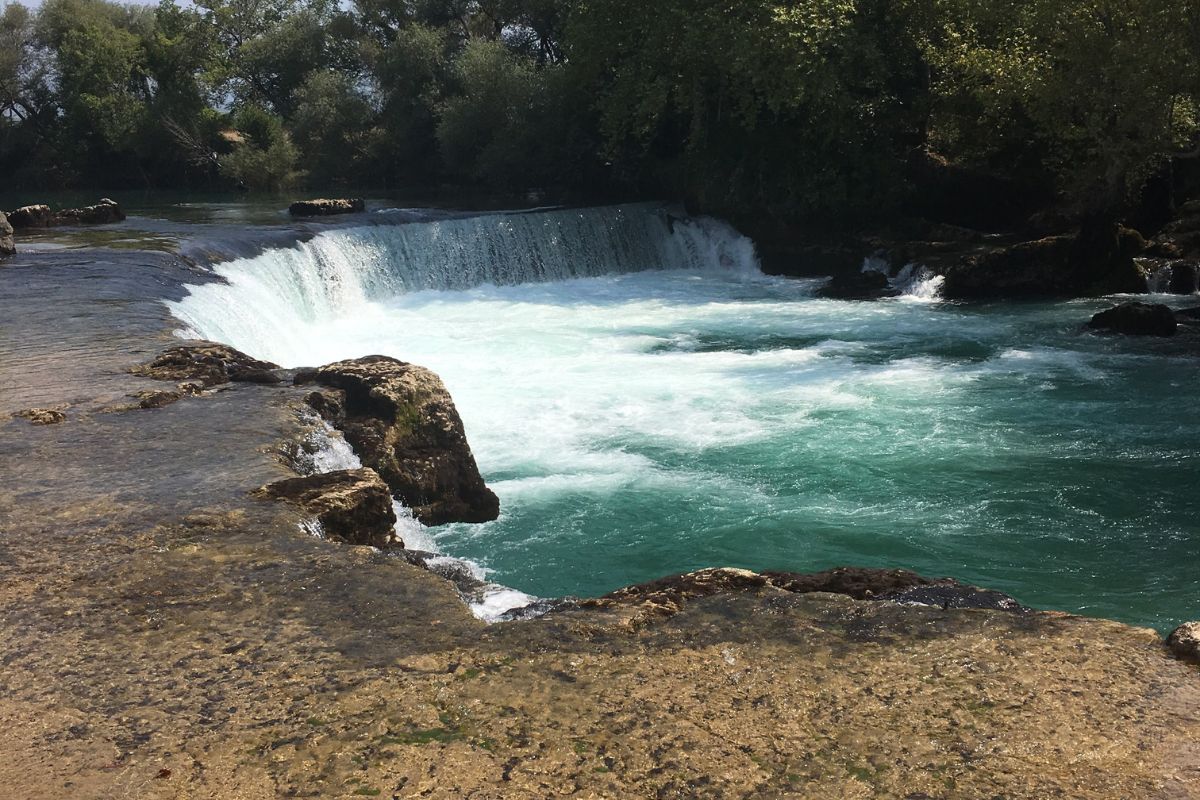
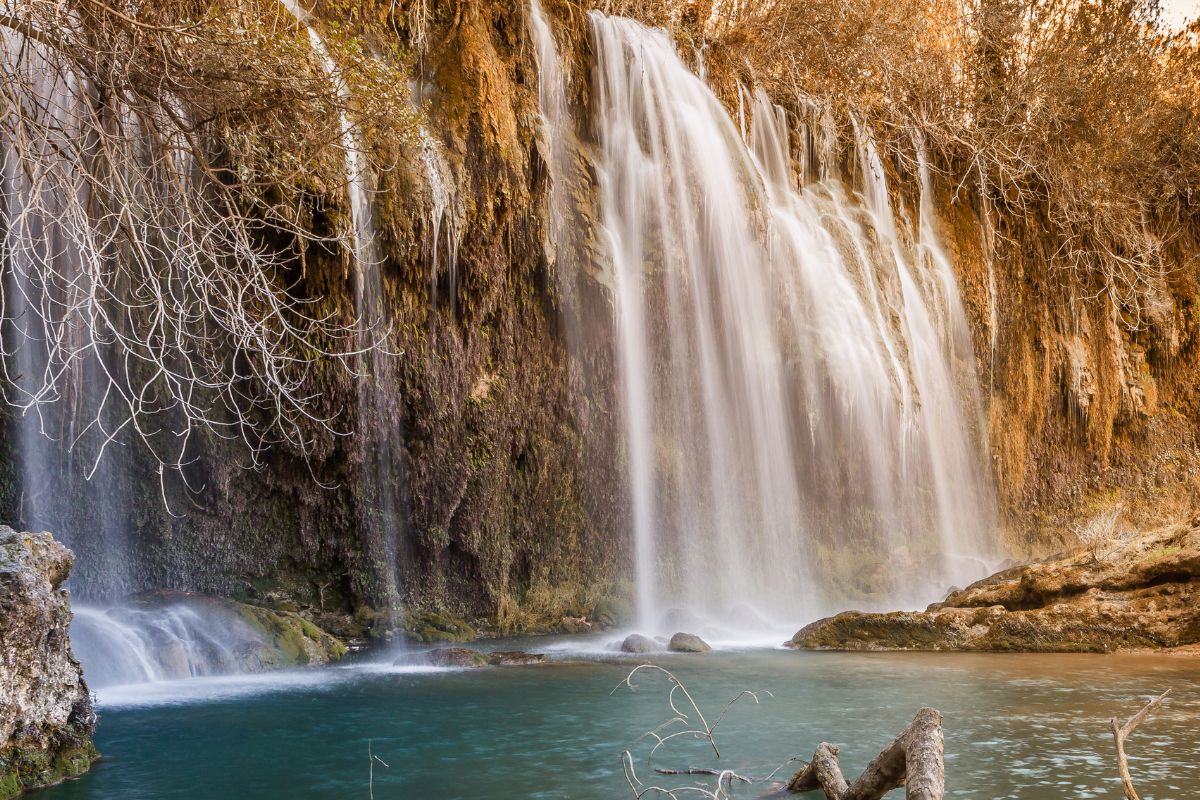
One of Manavgat’s most famous attractions is the Manavgat Waterfall (Manavgat Şelalesi). It’s not very high, but it’s a nice trip. Around the waterfall, there are several restaurants and cafes where you can enjoy something good while taking in the view of the water.
Manavgat Waterfalls
Local Bazaar
If you want to experience an authentic Turkish market, visit the local bazaar. You’ll find everything from fresh fruit, vegetables, and spices to handmade carpets and souvenirs. Don’t forget to bargain – it’s part of Turkish culture.
Shopping
If bargaining and the hustle of the market get tiresome, then I recommend shopping in the city center at classic shops and boutiques. Prices here are very favorable, and the clothing material is high quality and very pleasant (I still have some pieces in my wardrobe to this day, and it’s been a few years🤗).
Manavgat River Cruise
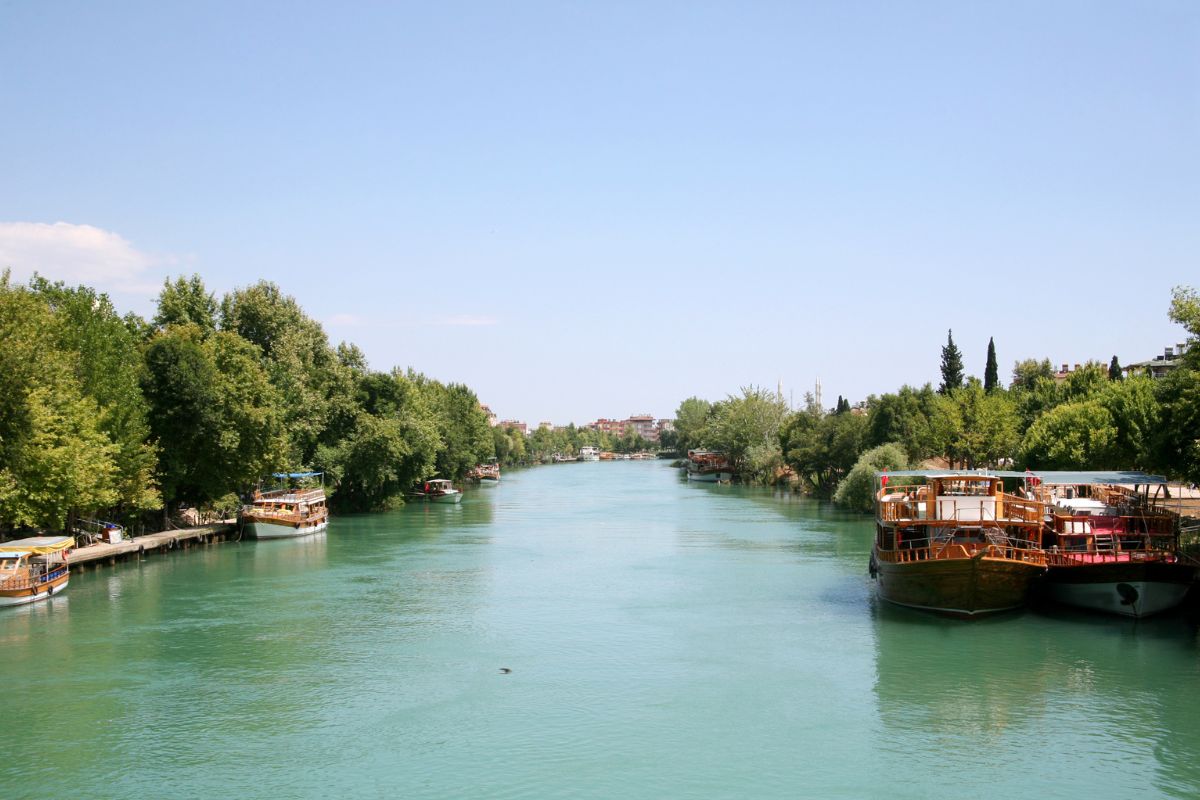
For nature lovers, I recommend a cruise on the Manavgat River. On the boat, you can admire the beautiful surroundings, see local wildlife, and stop at beaches along the river.
Manavgat River
Oymapınar National Park
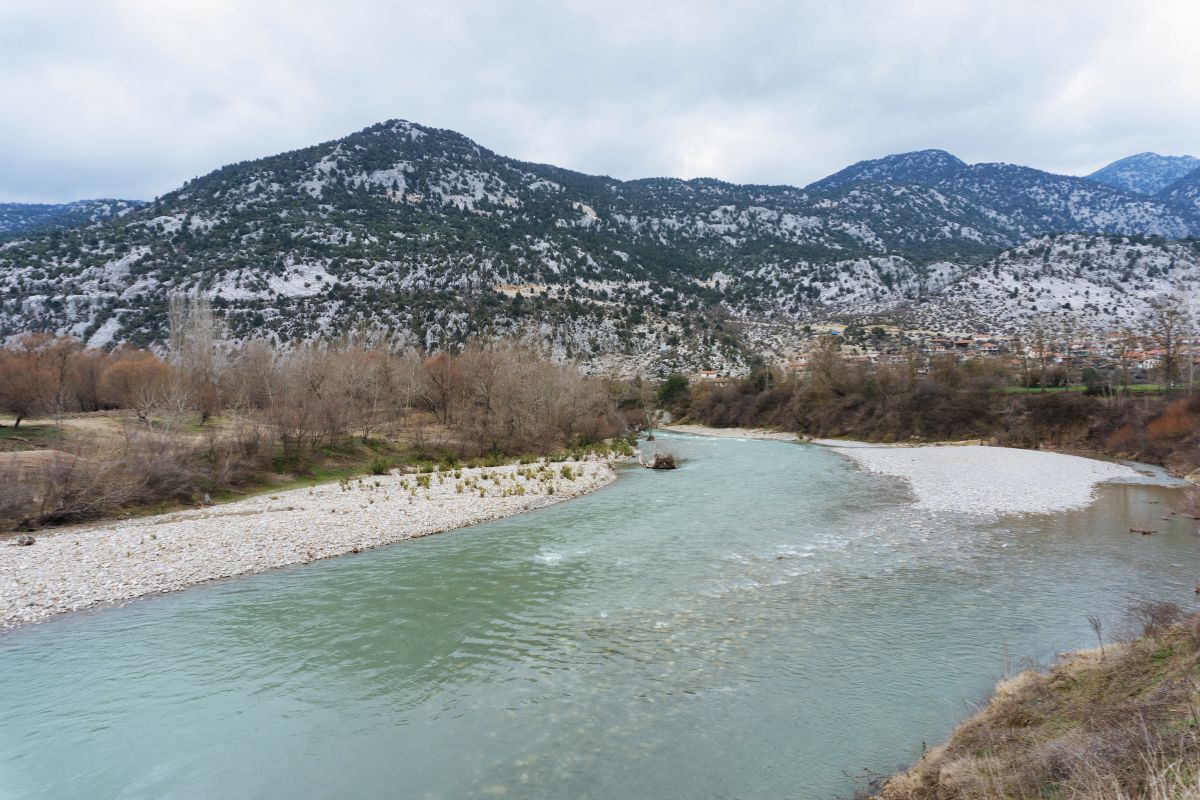
Just a short distance from Manavgat, you’ll find Oymapınar National Park, where breathtaking views of the lake and surrounding mountains await you. The park is ideal for hiking, picnics, or simply relaxing amidst nature.
Oymapınar
Külliye Mosque
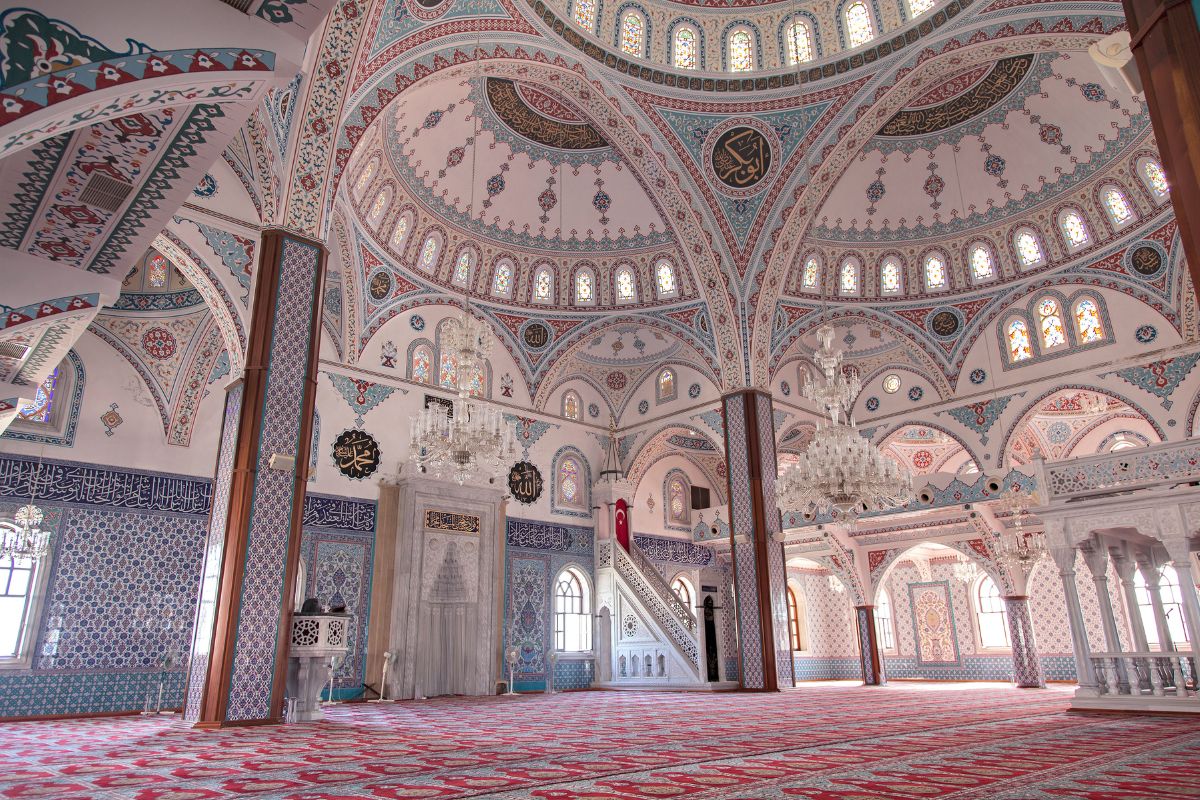
The Külliye is one of the largest and most impressive mosques in the region. If you’re interested in Turkish architecture, culture, and religion, be sure to visit it. Entry is permitted for tourists, but it’s important to observe the dress code. Women may only enter completely covered, including their hair.
Külliye Mosque
Head to the most Beautiful Beaches
Around Manavgat, you’ll find several beautiful beaches with lovely white sand and clear sea. For example, Titreyengöl Beach or Sorgun Beach are ideal for swimming, sunbathing, and water sports.
Altinbesik Cave
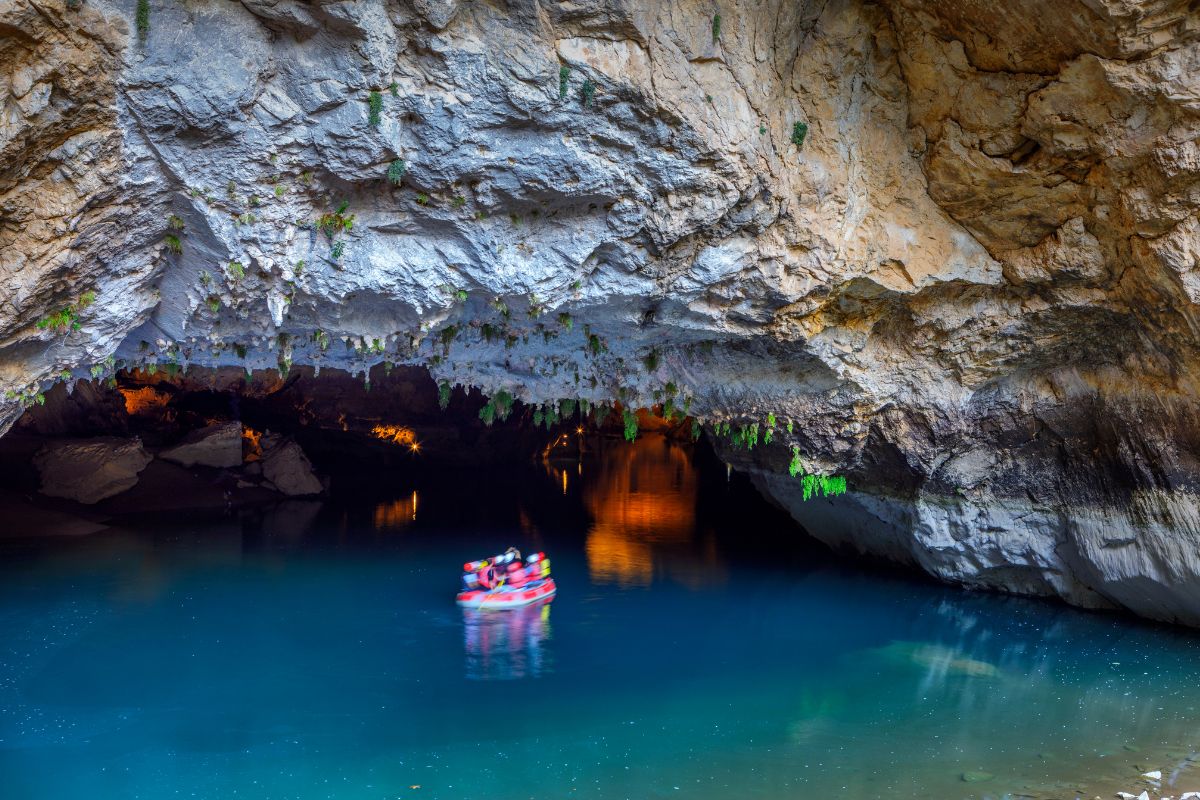
Altinbesik Cave, located about an hour’s drive from Manavgat, is one of the largest underground lakes in Turkey. I recommend this trip to all adventurers. You’ll travel through the cave by boat and be able to admire magnificent rock formations.
Altinbesik
Aspendos
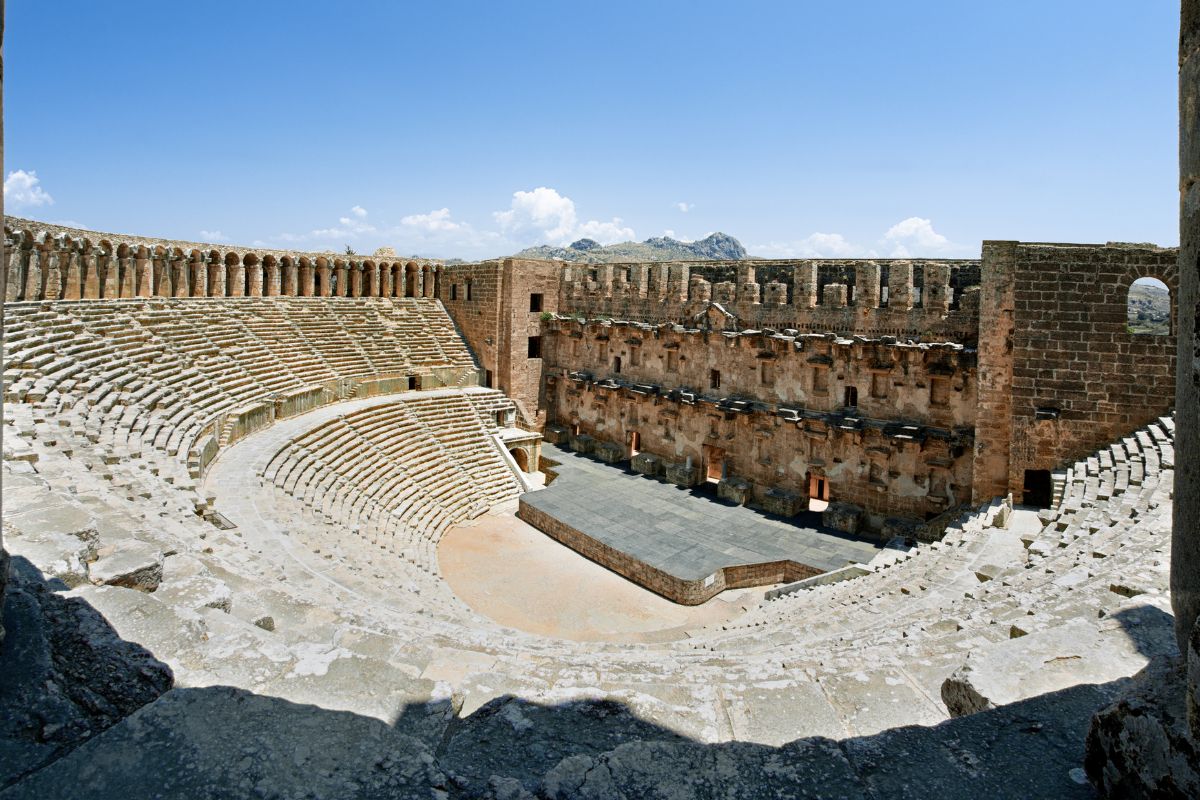
Aspendos is an ancient theater considered one of the best-preserved Roman theaters in the world. It’s located near Manavgat and is worth visiting not only for its history but also for its magnificent views.
Aspendos
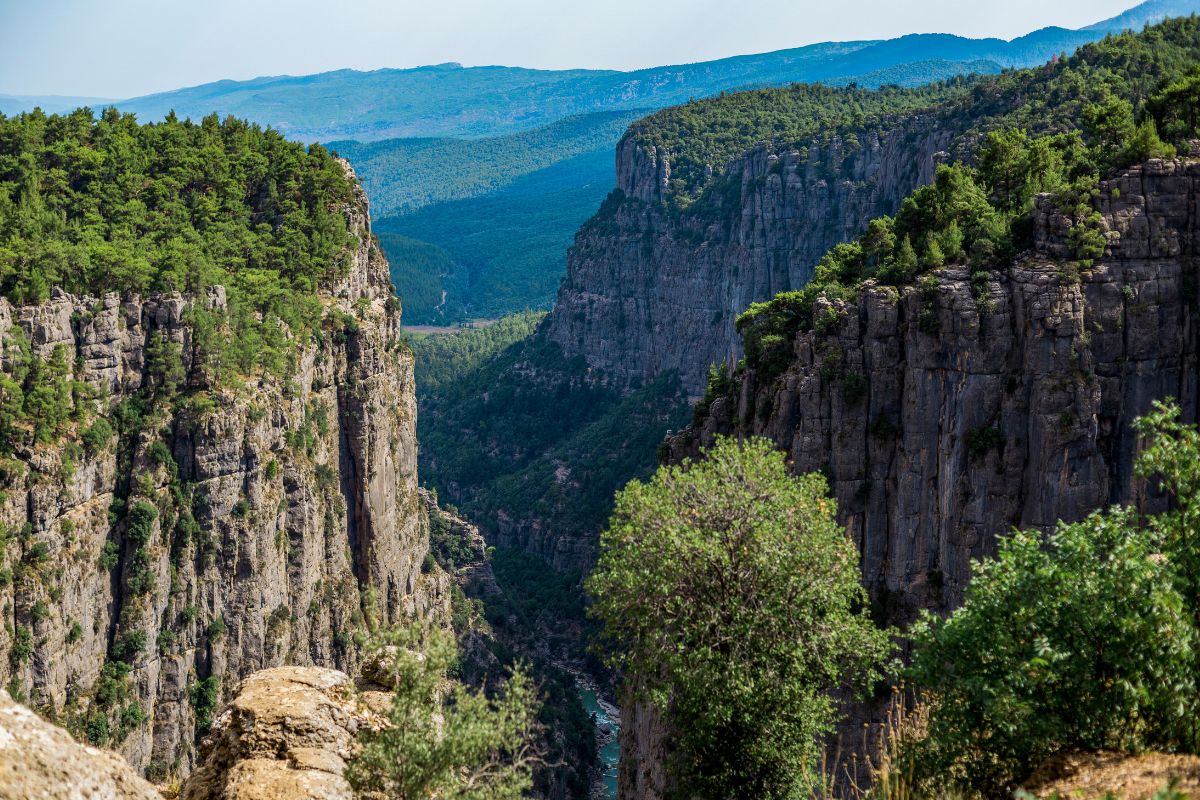
Tazi Selge Canyon
If you love adventure and enjoy discovering lesser-known places, head to Tazi Selge Canyon. This natural formation will absolutely captivate you, and you can also take some great photos here.
Tazi Selge
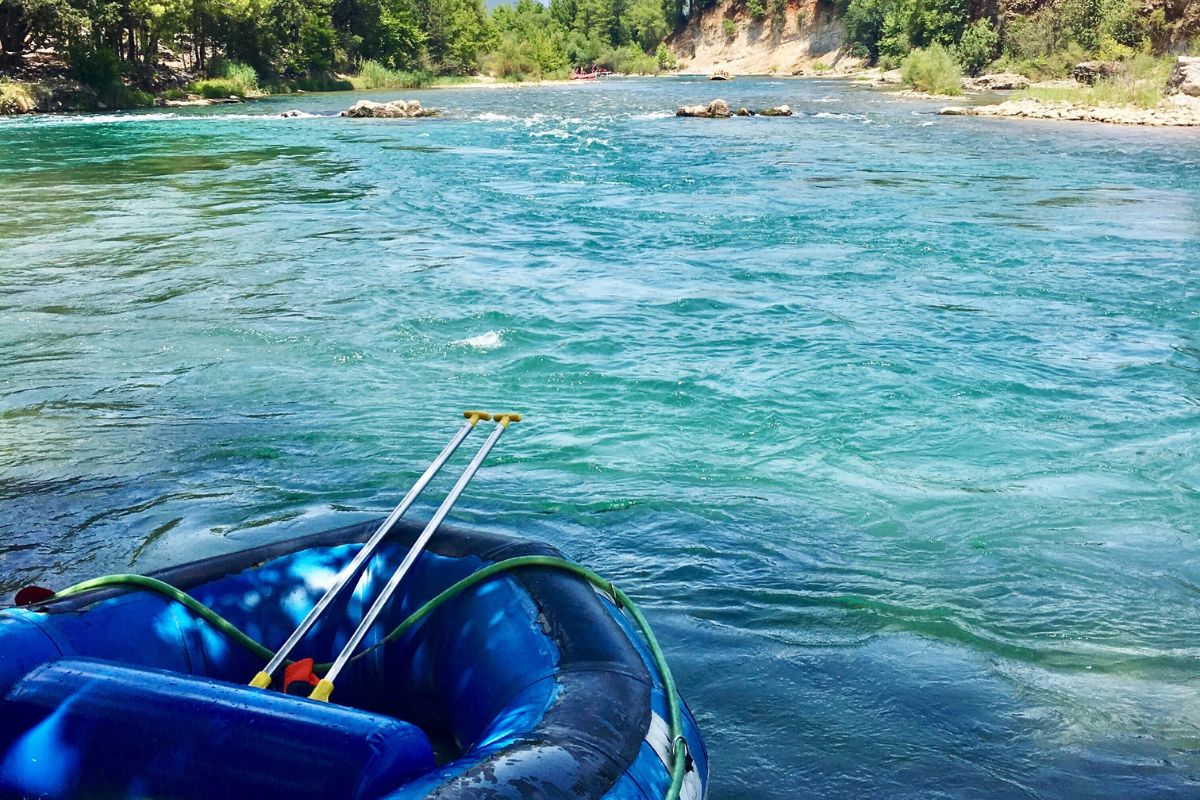
Köprülü Canyon
Köprülü Canyon is another amazing natural phenomenon just a short distance from Manavgat. It’s popular not only for its beautiful views but also for white-water rafting. If you enjoy adrenaline sports, this place will thrill you.
Koprulu National Park
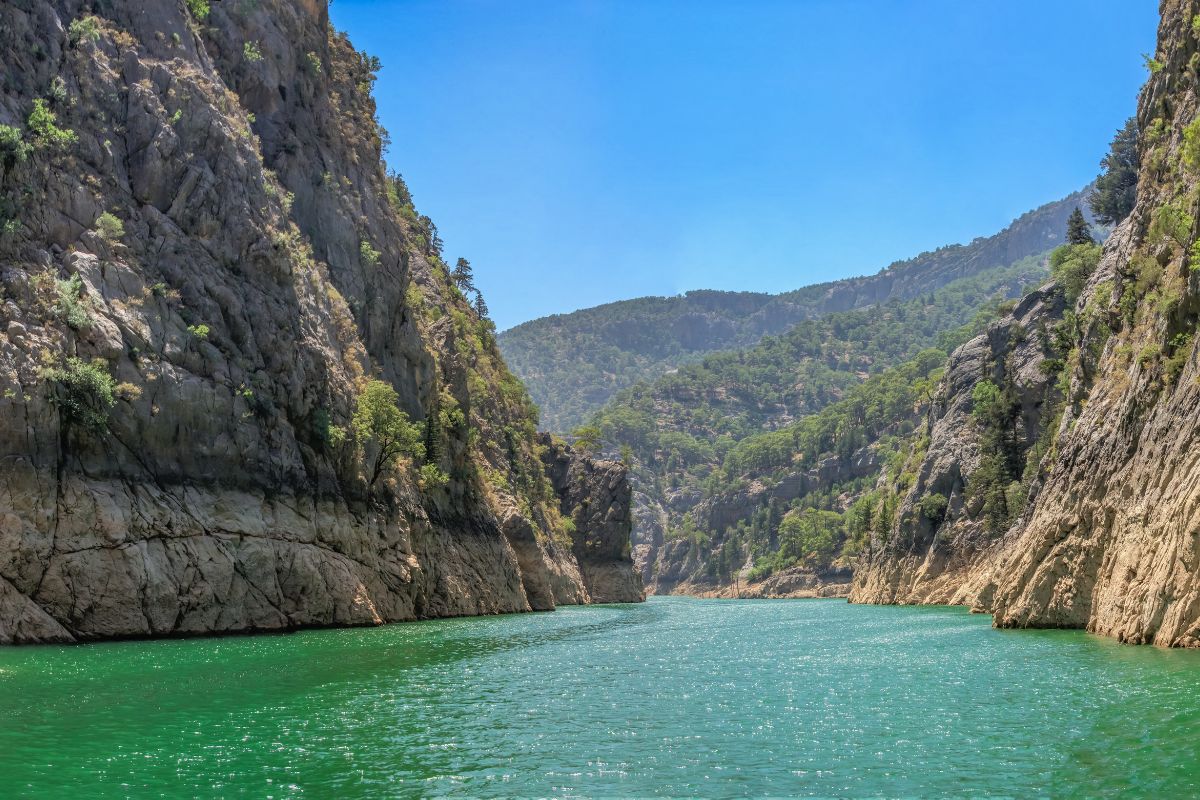
Green Canyon
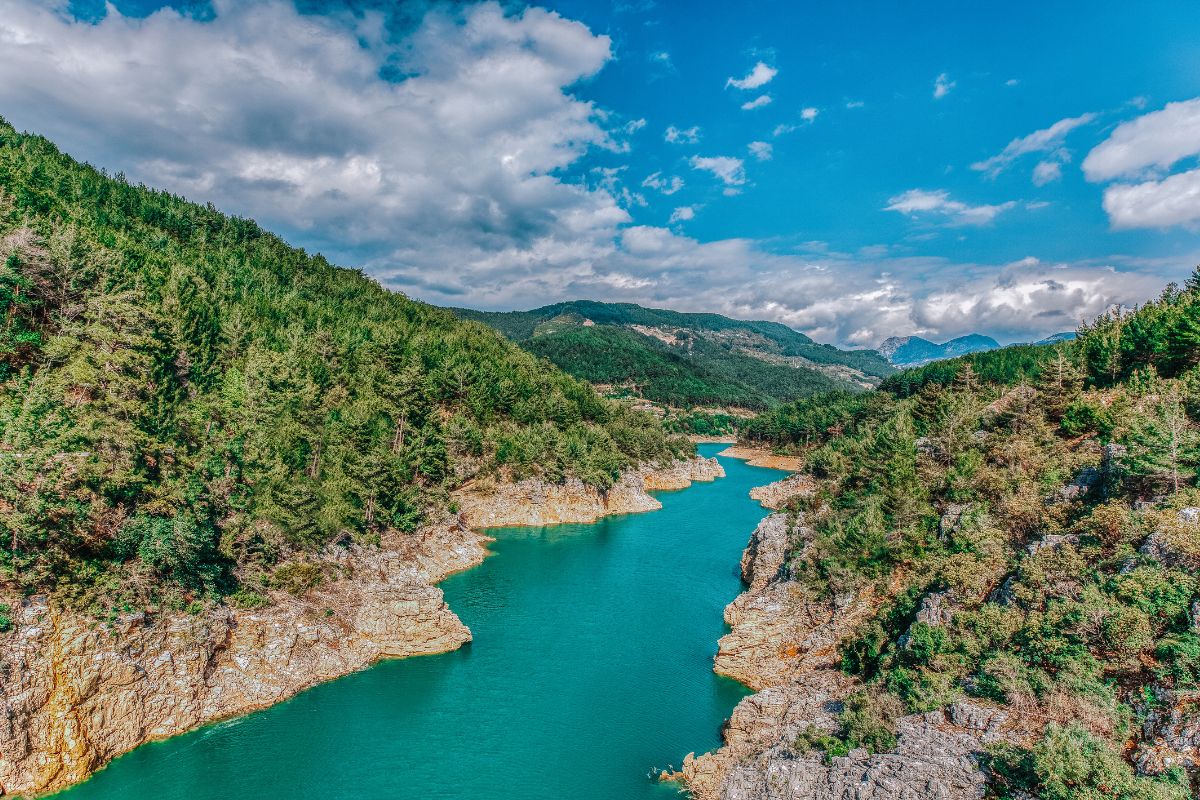
Another tip for a trip is the Green Canyon, which is surrounded by emerald green water. It’s an ideal place for a boat trip or a nature walk.
Green Canyon
Excursions in the Surroundings
From Manavgat, you can easily take various trips around the area. You can choose from the offerings of the GetYourGuide portalor get inspired by my tips. But I also recommend visiting traditional Turkish villages, where you can taste Turkish specialties and get to know the local way of life.
🔗 These are affiliate links — they don't change your price and help us create content. · All experiences →
Side
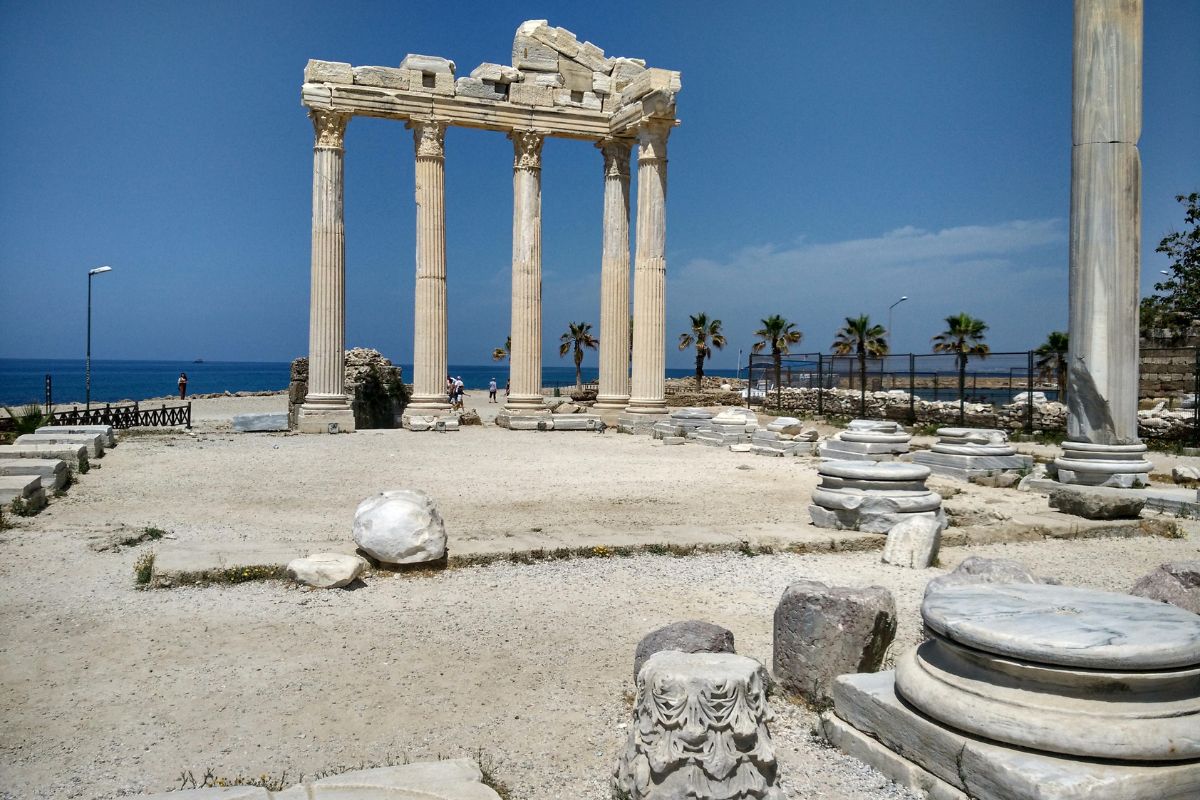
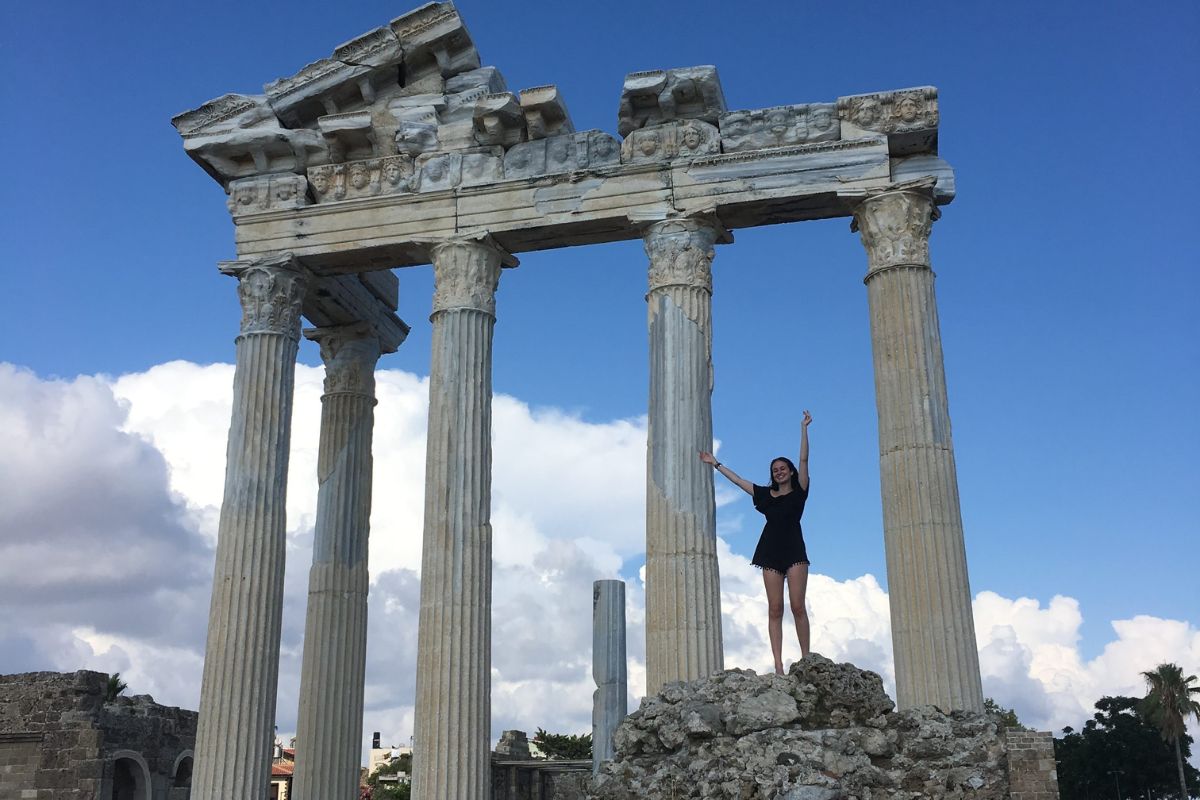
The ancient city of Side is literally a living open-air museum. Visit its ancient ruins, the famous Temple of Apollo, or stroll through picturesque streets full of restaurants and cafes.
Temple of Apollo
Alanya
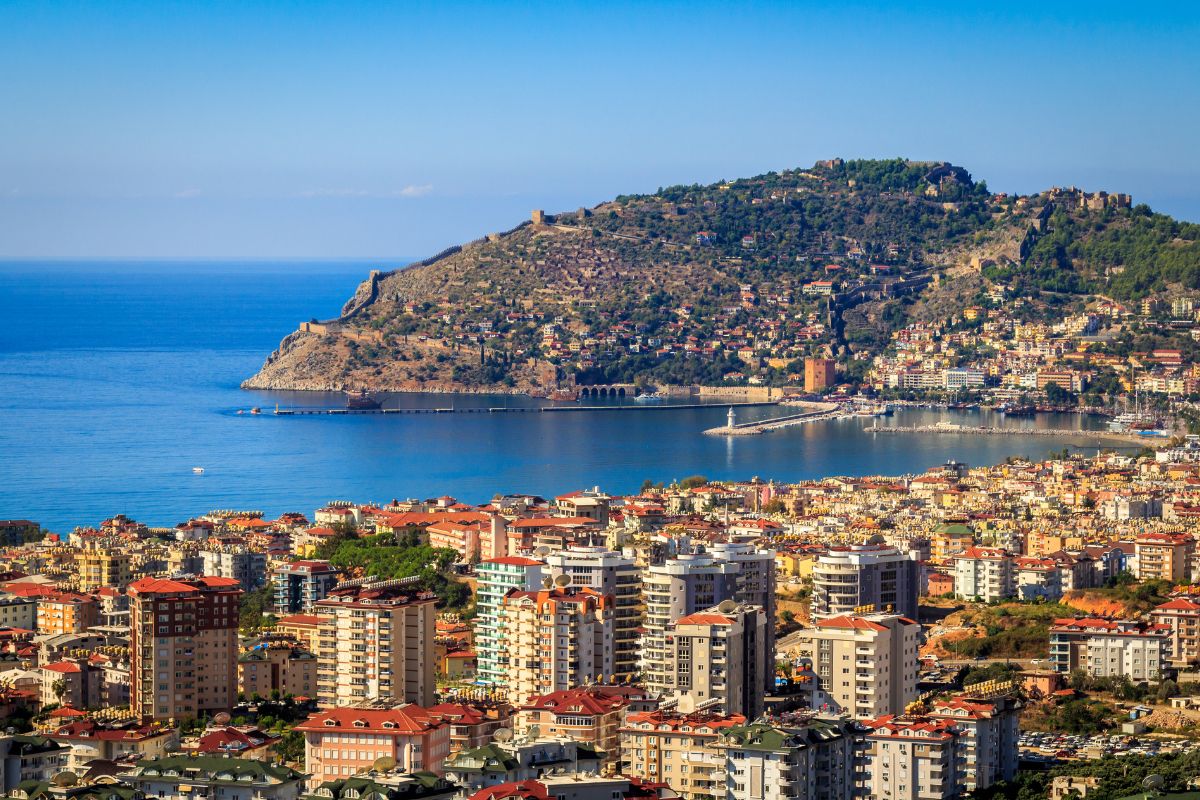
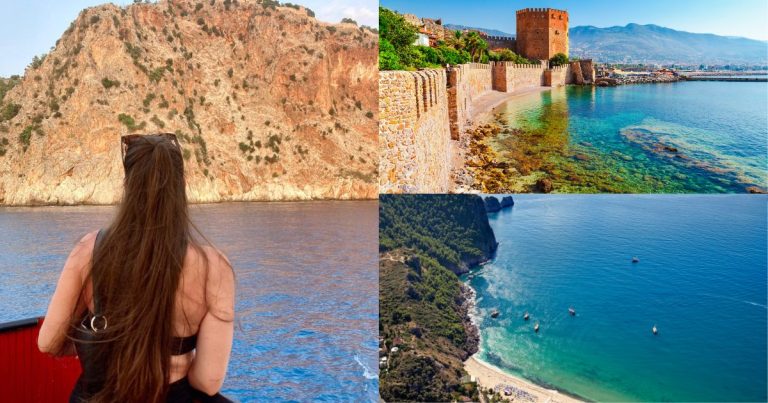
Alanya, about an hour away from Manavgat, is primarily known for its hilltop castle, accessible by cable car, and beautiful beaches. It’s a perfect destination for a day trip.
Alanya
Antalya
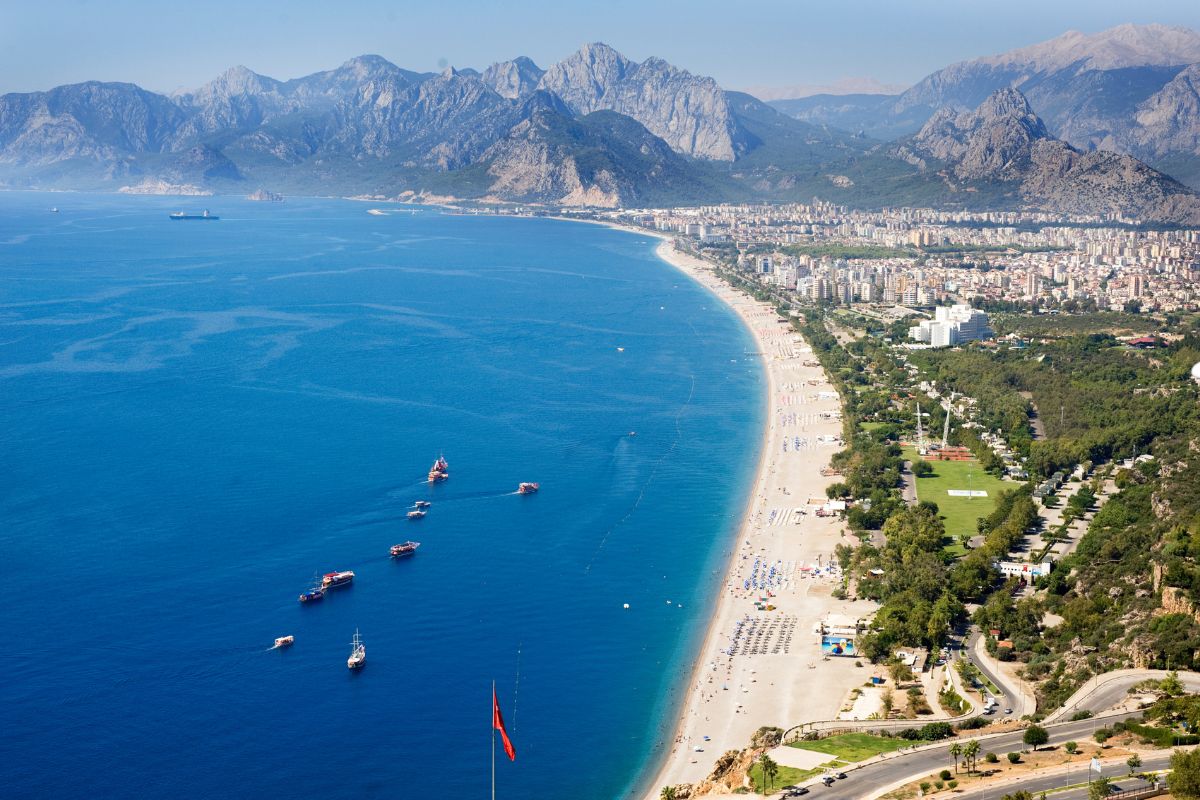
Antalya, often called the pearl of the Turkish Riviera, is one of the most significant tourist cities in the country. It’s located only about an hour’s drive from Manavgat and offers beautiful beaches, historical sites, and rich culture.
Antalya
Lukáš and Lucie recommend
Where to stay in Manavgat
4 accommodations — wellness hotels, hotels and other accommodation options
I recommend at least 4-5 days to see all the main sights and enjoy the beaches and nature.
What are the costs of a holiday in Manavgat?
Prices in Manavgat are generally lower than in more touristy areas like Antalya or Side, but it depends on your choice of accommodation and activities.
How to get to Manavgat?
The nearest airport is in Antalya, from where you can reach Manavgat by car or bus in about an hour.
Tips and Tricks for Your Vacation
Don’t Overpay for Flights
Search for flights on Kayak. It’s our favorite search engine because it scans the websites of all airlines and always finds the cheapest connection.
Book Your Accommodation Smartly
The best experiences we’ve had when looking for accommodation (from Alaska to Morocco) are with Booking.com, where hotels, apartments, and entire houses are usually the cheapest and most widely available.
Don’t Forget Travel Insurance
Good travel insurance will protect you against illness, accidents, theft, or flight cancellations. We’ve had a few hospital visits abroad, so we know how important it is to have proper insurance arranged.
Where we insure ourselves: SafetyWing (best for everyone) and TrueTraveller (for extra-long trips).
Why don’t we recommend any Czech insurance company? Because they have too many restrictions. They set limits on the number of days abroad, travel insurance via a credit card often requires you to pay medical expenses only with that card, and they frequently limit the number of returns to the Czech Republic.
Find the Best Experiences
Get Your Guide is a huge online marketplace where you can book guided walks, trips, skip-the-line tickets, tours, and much more. We always find some extra fun there!
TL;DRAlanya on the Turkish Riviera offers 24 tips for attractions, from Cleopatra Beach and a 13th-century medieval castle to the Red Tower, the Damlataş and Dim caves, Sepadere Canyon and the ancient city of Syedra. The best time to visit is from May to October, with May, June and September ideal for avoiding extreme heat. From Alanya you can take day trips to Side, Antalya, Manavgat or the more distant Pamukkale, which is roughly a 6-hour bus ride each way. Recommended activities also include swimming with dolphins at the Sealanya sea park, paragliding and nightlife in clubs like Summer Garden and Havana Club Alanya.
Alanya, Turkey is one of the most popular cities in Turkey, and rightly so. This city on the Turkish Riviera offers not only gorgeous beaches, but also a rich history, stunning nature, and — if you’re not travelling with the family — a lively local nightlife you’ll appreciate. If you’re heading off on holiday to Alanya, I’ve put together 24 tips for things you definitely shouldn’t miss.
Alanya
When to visit Alanya
The best time to visit Alanya is from May to October, when the weather is ideal for swimming in the sea and exploring the sights. If you don’t like extreme heat, though, consider visiting in May, June or September. Off-season, hotels are cheaper and the town is quieter.
Alanya offers a wide range of accommodation, from luxury resorts to more affordable apartments and smaller hotels.
If you’re after a luxury experience, I recommend staying in the area around Cleopatra Beach, where you’ll find five-star hotels with all-inclusive packages. If you’d rather be closer to the historic centre, choose accommodation near Alanya Castle.
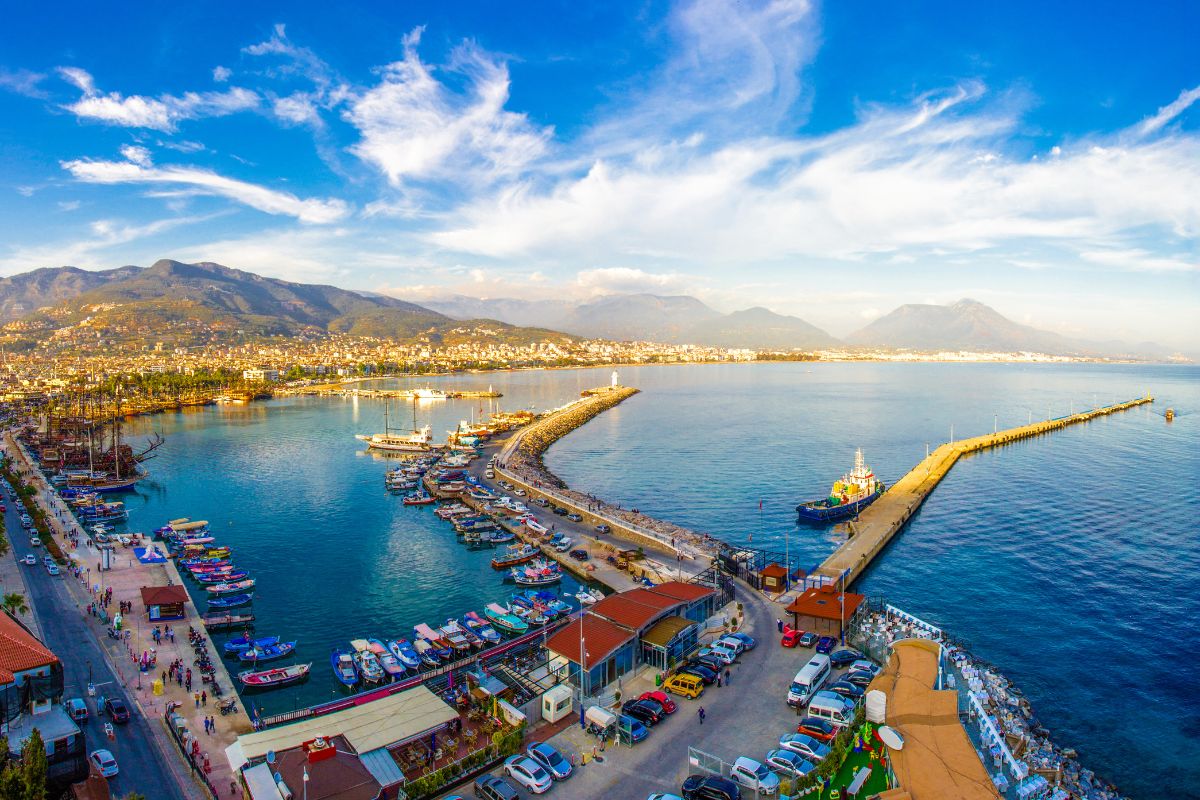
Alanya is rich in history, and its old town will take you back in time. Wander the narrow lanes and discover traditional shops, restaurants and old houses. Don’t miss a visit to the old harbour, which has a special charm, especially at sunset.
Cleopatra Beach
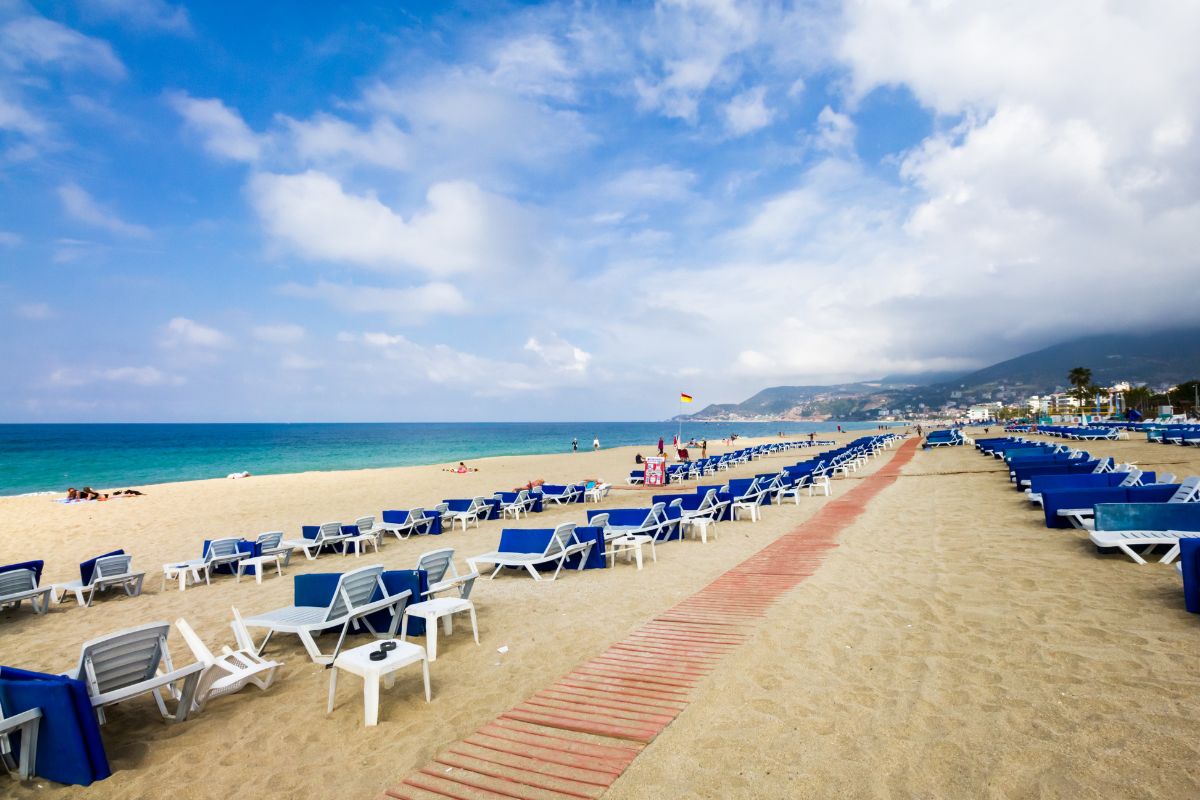
This famous beach ranks among the most beautiful in the world. The sand is fine, the water crystal clear, and the whole beach stretches for kilometres. According to legend, Cleopatra spent her days of rest here, which is why the beach bears her name.
Cleopatra Beach
Medieval castle
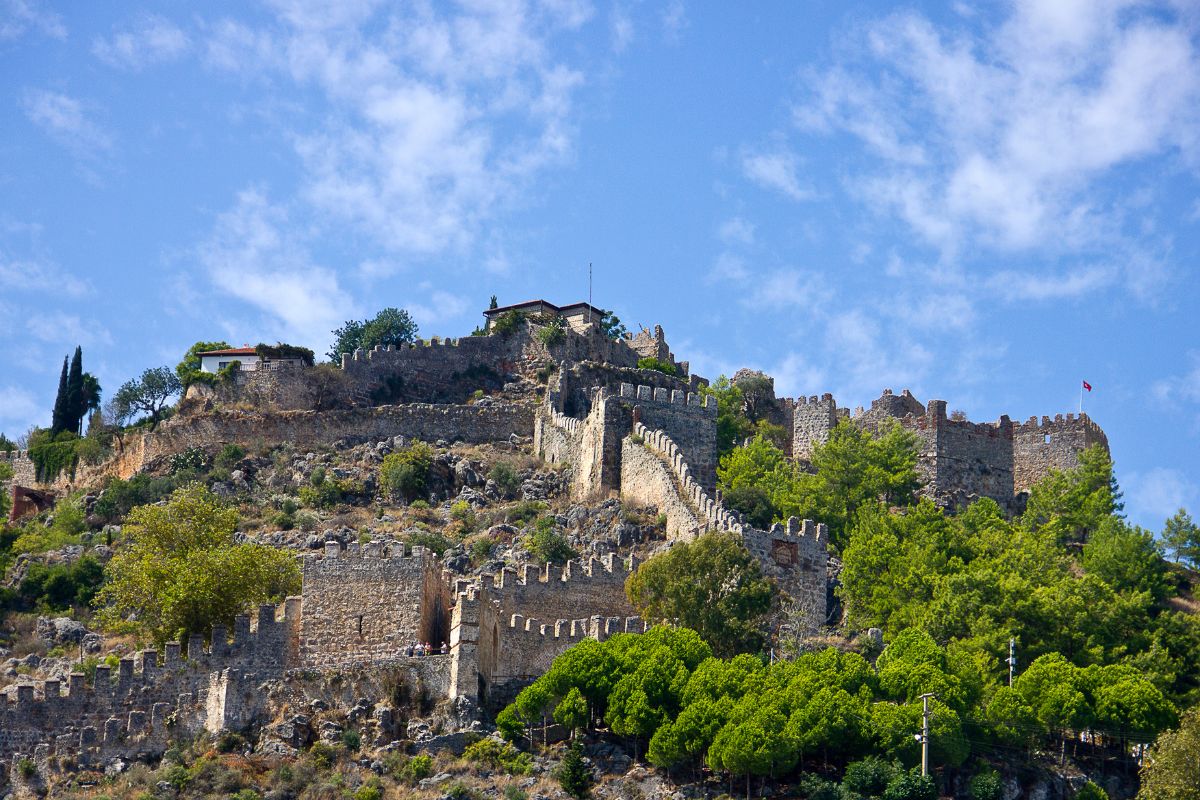
The iconic symbol of the city is its medieval castle. From the top, you’ll get an amazing view over the whole city and the sea. The castle was built in the 13th century and today serves as an open-air museum.
Walking up to the top is fairly demanding, but there’s also a cable car to the castle with beautiful views along the way. I recommend visiting the castle in the morning, or in the evening at sunset.
Castle
Red Tower
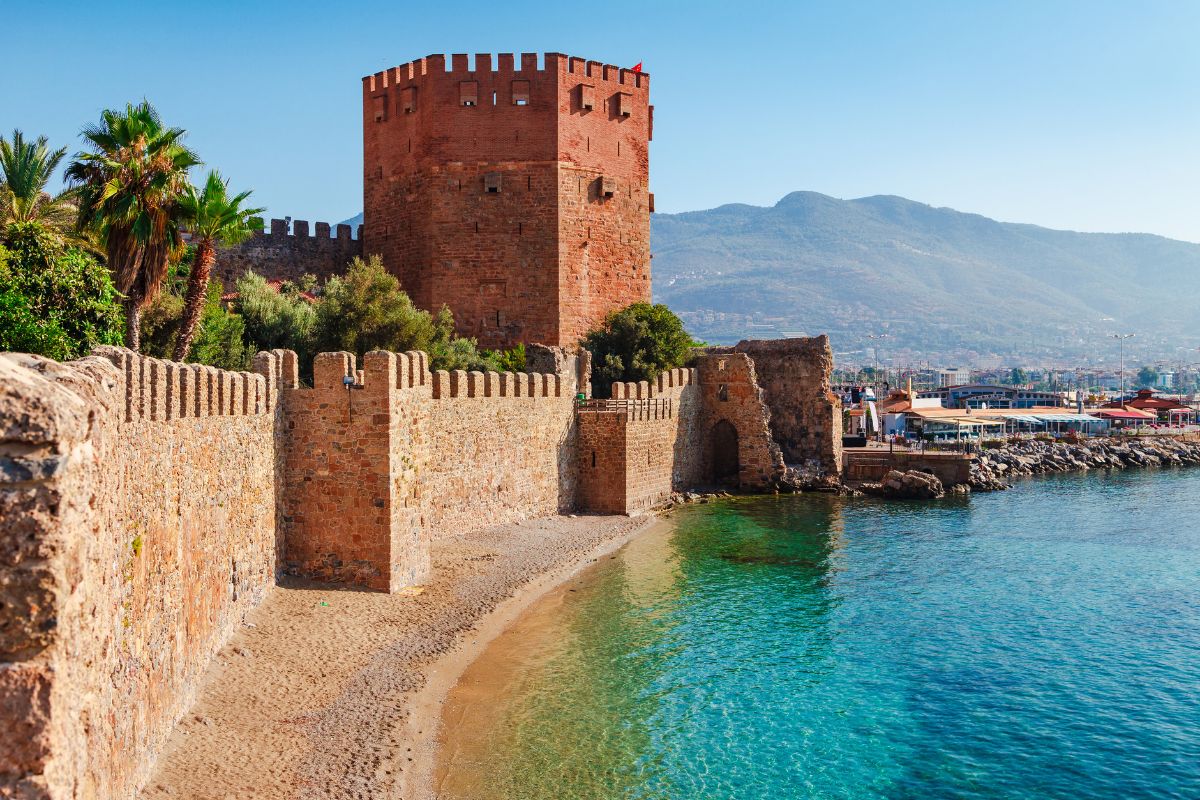
The Red Tower is one of the most famous structures in Alanya. This 13th-century defensive tower was built to protect the harbour and is considered an architectural gem. Today there’s a small museum inside, which is also worth a visit.
Red Tower
Swim with dolphins
In Alanya you’ll find the Sealanya sea park, where you can swim with dolphins and other sea creatures. Pretty amazing, right? You can also catch a fun show with trained dolphins and seals.
Damlataş dripstone caves
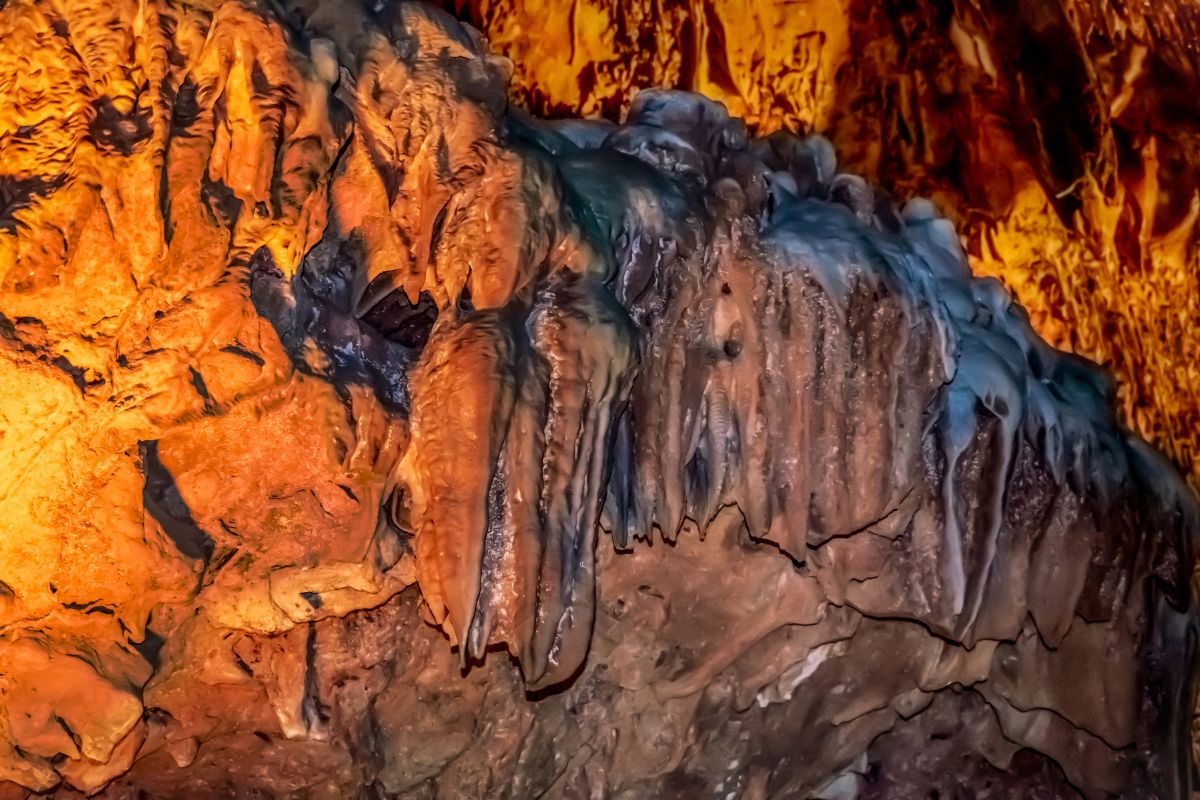
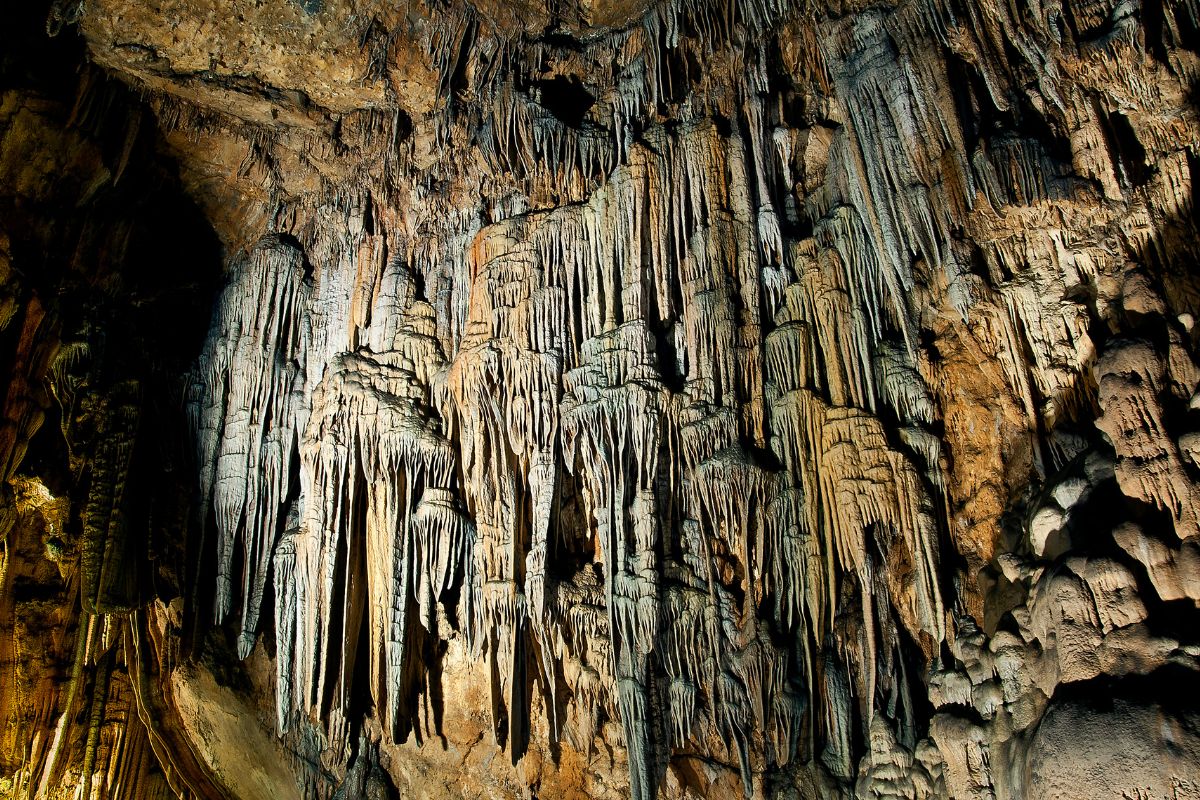
Visit the Damlataş dripstone cave. It’s famous for its stunning stalagmites and stalactites. It also has healing properties thanks to its high humidity and stable temperature, which benefits people with respiratory problems.
Damlataş
Dim Cave
Dim Cave is another beautiful cave worth visiting. It’s located near the Dim River, and its interior is full of dripstones and fascinating formations. The cave is lit up, and you can take some lovely photos here.
Dim Cave
Dim River
If you want to escape the heat, I recommend a trip to the Dim River. The area around the river offers shady spots and swimming in genuinely cool water. You can also rent a small boat and take a ride along the river.
Dim River
Phosphorus Cave
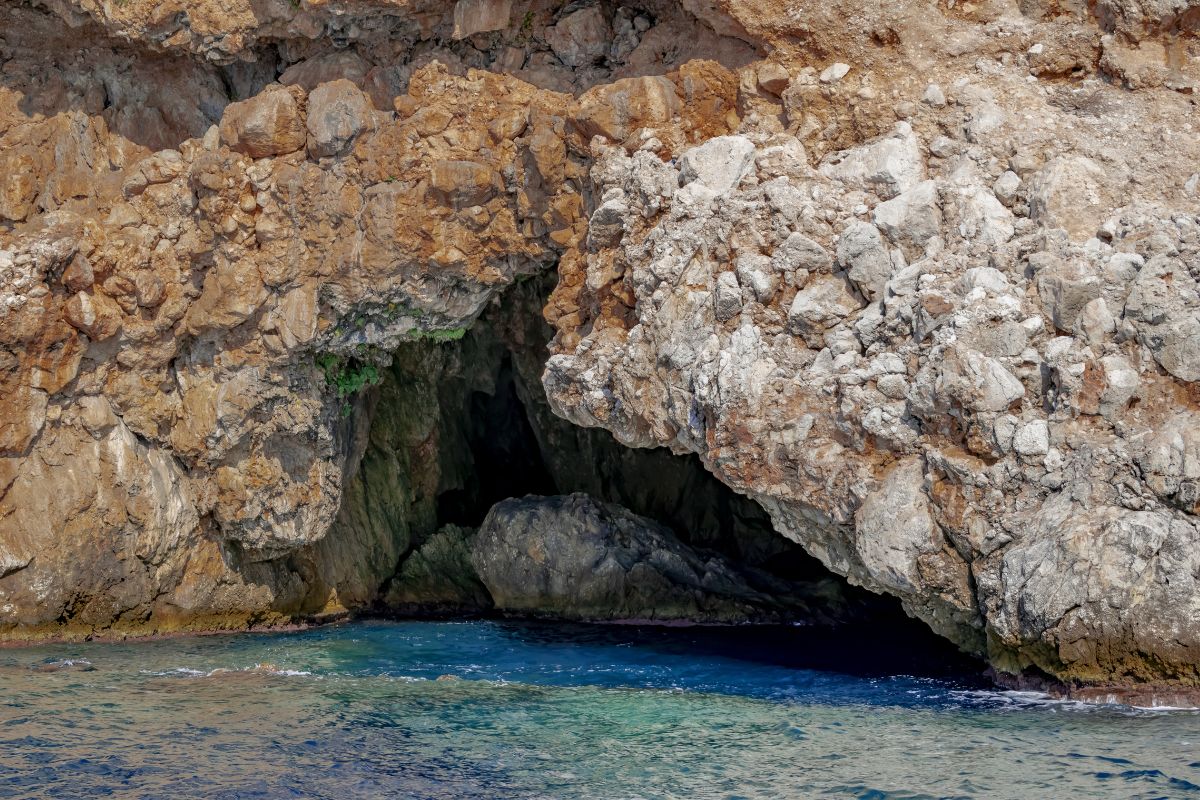
This cave got its name from the phosphorescent reflections on the water. In sunlight or moonlight, the water takes on a glowing blue-green colour. It’s an amazing place to visit if you want to experience something truly unique. The only catch is that you can only reach the cave by boat.
Phosphorus Cave
Sepadere Canyon
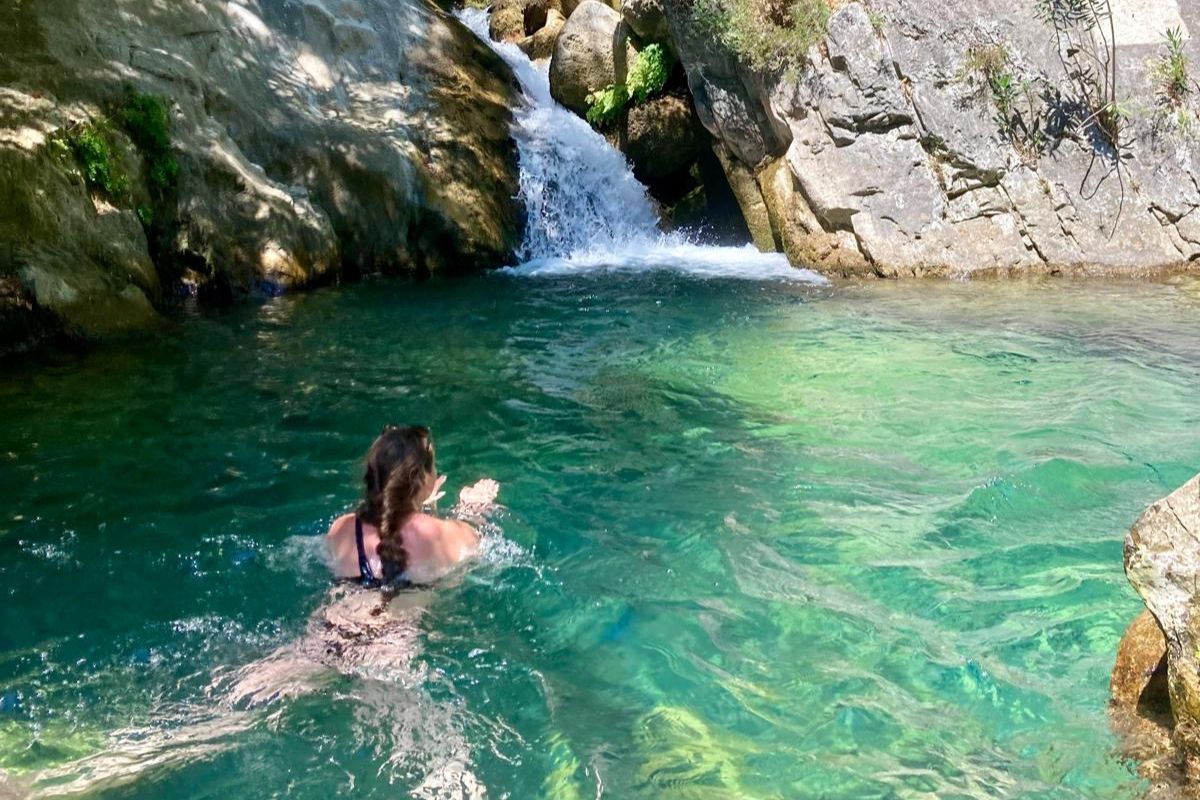
For nature lovers, a visit to Sepadere Canyon is a must. The canyon is surrounded by mountains and offers gorgeous views and waterfalls. Walk along the canyon’s wooden boardwalks and take a dip in the icy water (careful — it really is icy. You’ll feel like your heart might stop 🥶).
Sepadere
Bazaar in the old town
If you love shopping, then Alanya’s old bazaar is a place you have to visit. You’ll find everything from spices and textiles to handmade souvenirs. And don’t forget to haggle — it’s common practice here.
The harbour
Alanya’s harbour is not only picturesque but also the hub of many activities. You can rent a boat, take a boat trip, or simply enjoy a coffee in one of the local cafés and watch the boats sailing into port.
Harbour
Kurşunlu Waterfall
Just a short drive from Alanya lies the beautiful Kurşunlu Waterfall. It’s an ideal spot for a walk in nature and a break from the bustle of the city.
Kurşunlu
Termessos National Park
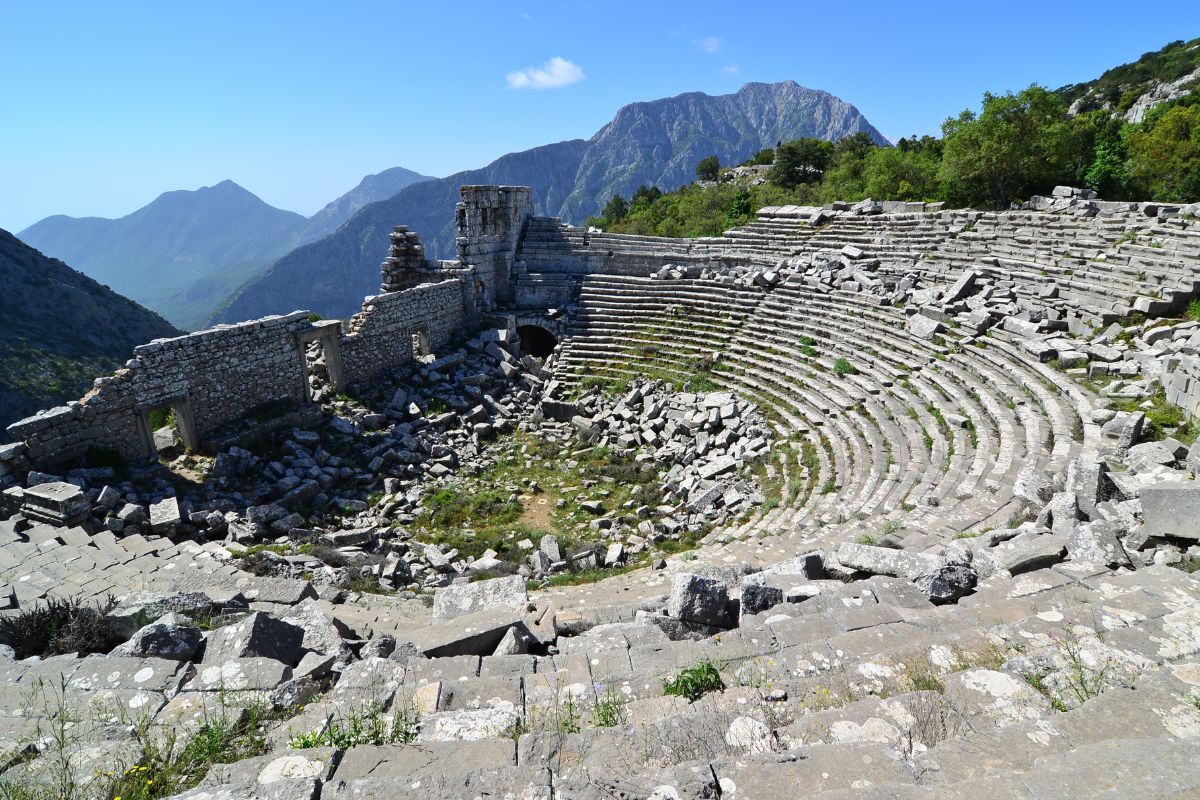
If you enjoy hiking and history, visit Termessos National Park. An ancient town once stood here, and today you can explore its remains.
Termessos
Tersane
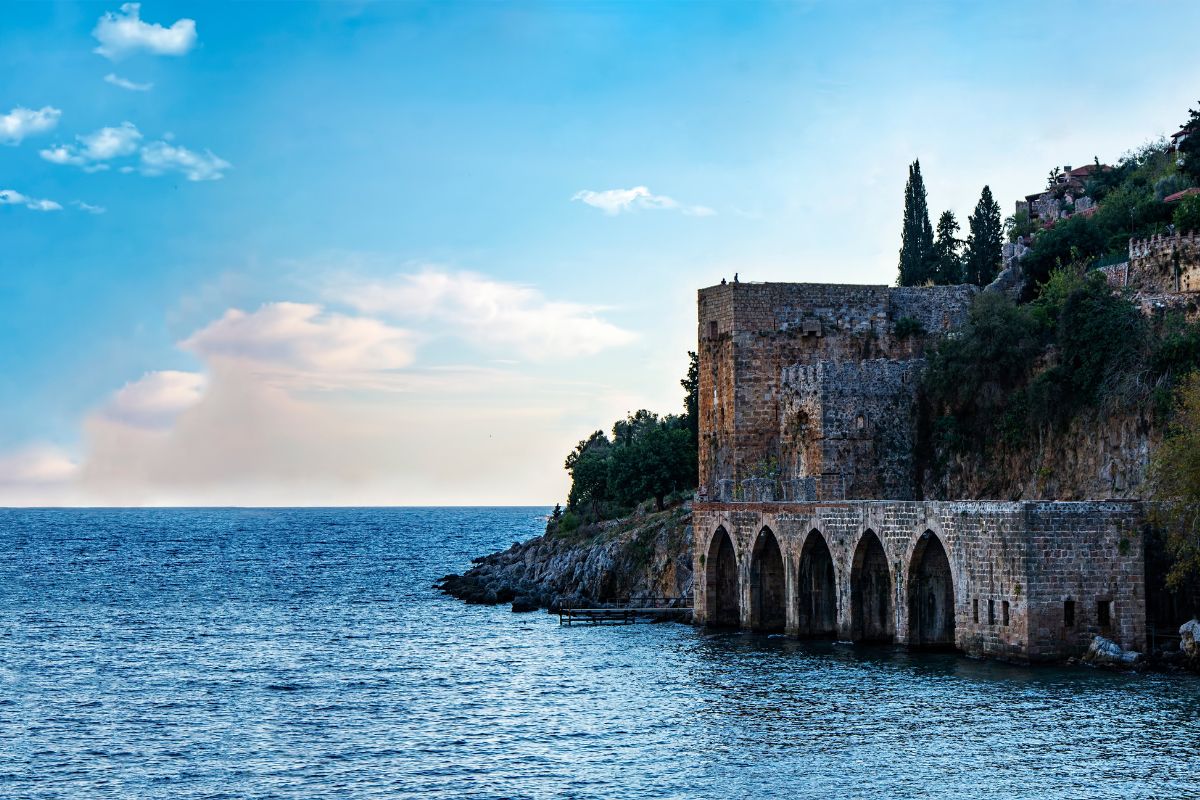
This ancient shipyard in Alanya was built in the 13th century and today is one of the best-preserved examples of medieval shipbuilding.
Shipyard
Atatürk House and Museum
The house where Atatürk, the founder of modern Turkey, stayed during his visit to Alanya has now been turned into a museum. Inside you’ll find many exhibits related to his life and the history of Turkey. If that interests you, it’s well worth a stop.
The ancient city of Syedra
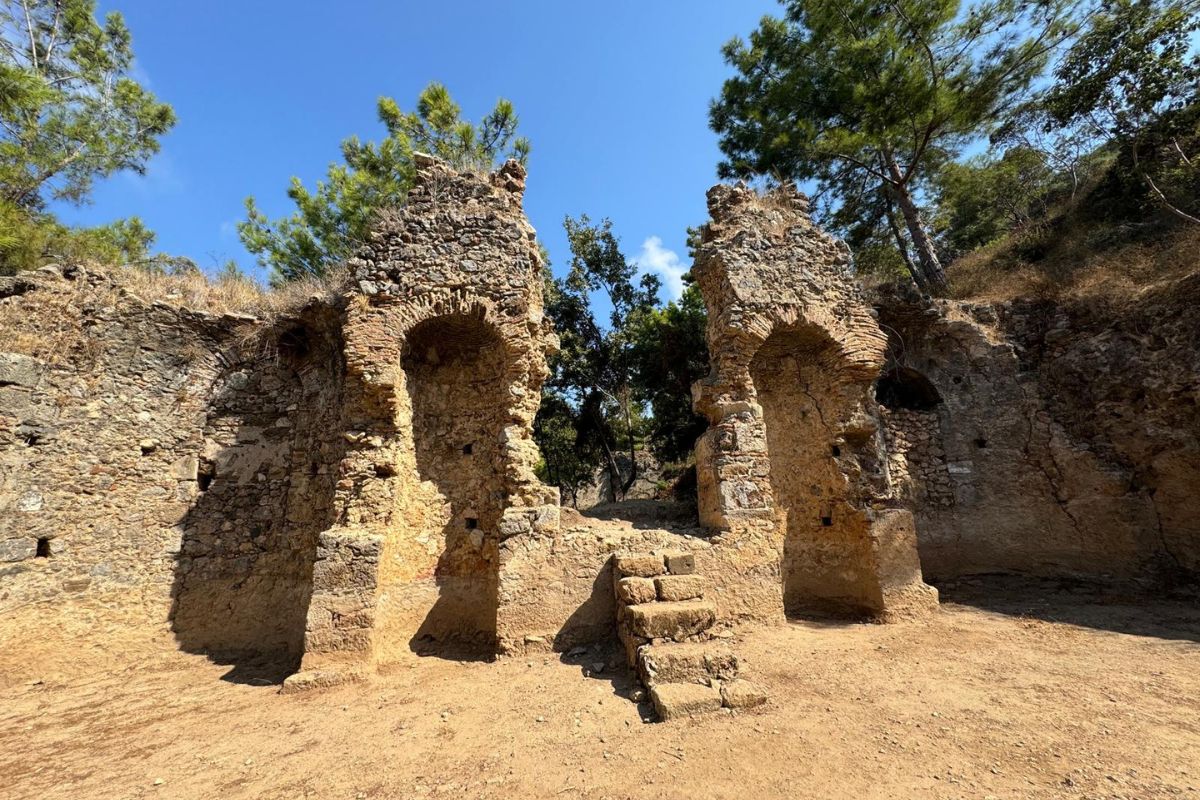
The city of Syedra, just a short drive from Alanya, is another gem for history lovers. Its ruins are scattered across the hills and offer wonderful views of the surrounding landscape. Make it a half-day trip.
Syedra
Alanya Archaeological Museum
If you’re interested in history and archaeology, don’t miss a visit to the local archaeological museum. You’ll find artefacts from various historical periods that give you a better understanding of the history of the city and the region.
Map of points of interest for your phone
Paragliding
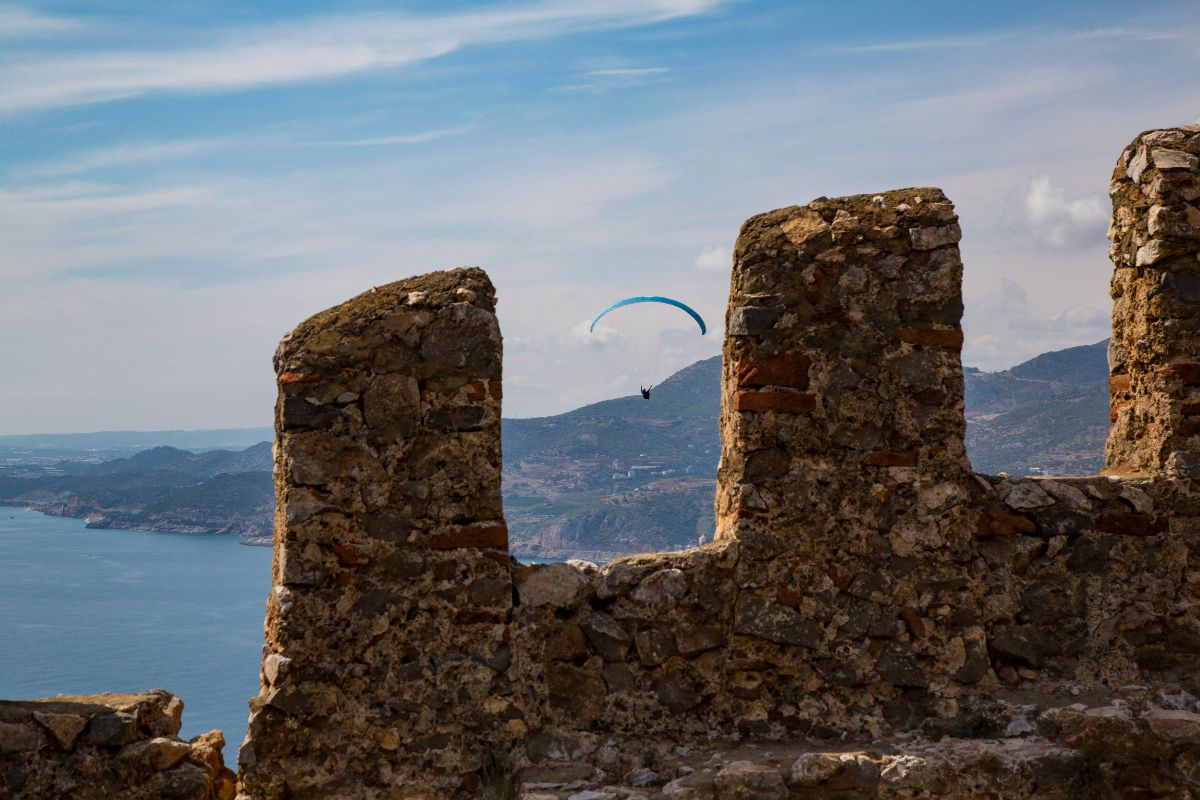
For all the adrenaline junkies, Alanya is a great spot, since you can try paragliding here and for significantly less than almost anywhere else.
Paragliding
Buzzing nightlife
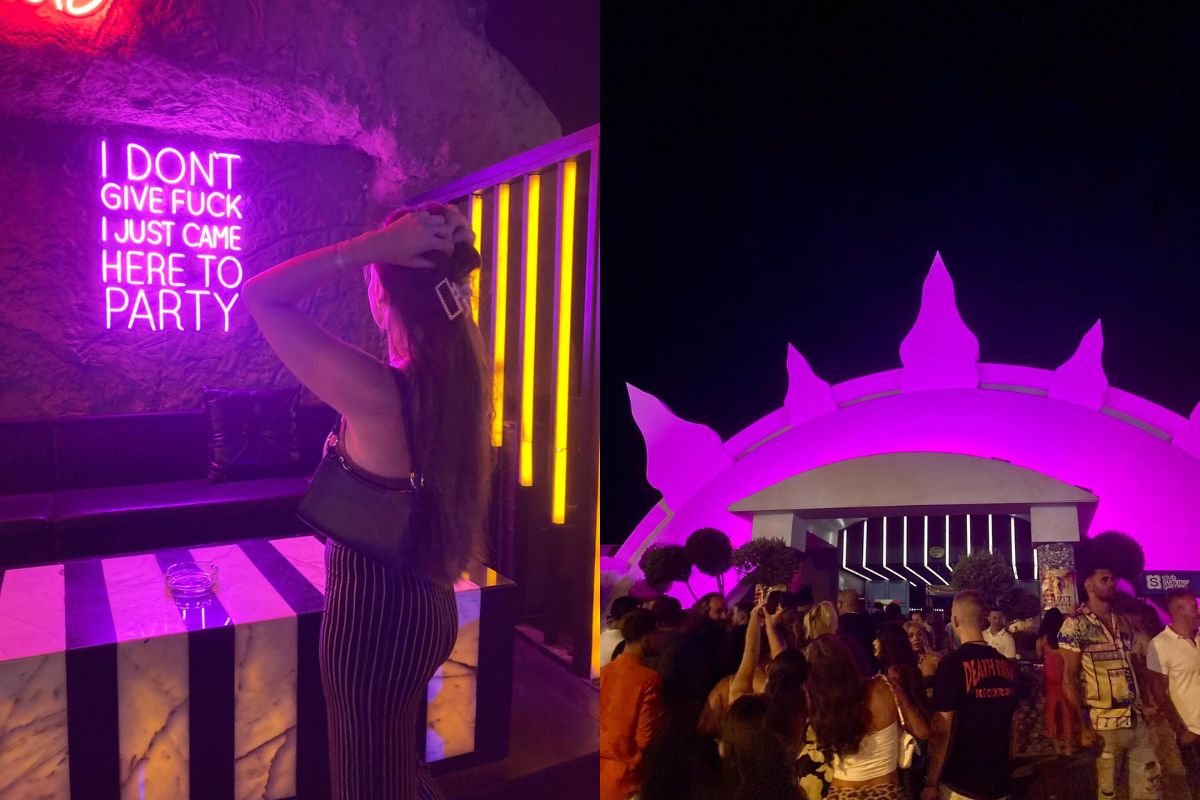
Alanya is a city that never sleeps. It’s not called the seaside Las Vegas for nothing. You’ll find plenty of bars, clubs and restaurants where you can enjoy an evening full of dancing, drinks and fun. I recommend the four-storey Robin Hood nightclub or the stylish Havana Club Alanya. But you’ll have the best night at the spectacular Summer Garden club. Most of the nightclubs are open-air, too.
Alanya has a buzzing nightlife.
Day trips in the area
From Alanya you can set off on plenty of trips. For inspiration, be sure to check out GetYourGuide.
For a day trip, I recommend visiting the town of Side. It’s known for its ancient monuments, such as the amphitheatre and the Temple of Apollo. Stroll among the old ruins and soak up the atmosphere of the town.
Side
Antalya
Antalya, the capital of the Turkish Riviera, is just a few hours’ drive from Alanya. This city offers beautiful beaches, historic monuments and a bustling market. Visit the old town of Kaleiçi, where you can wander among historic buildings and taste local specialities in the restaurants.
Antalya
Manavgat
Manavgat is another great spot for a day trip. You’ll find a beautiful park with waterfalls here that’s popular with tourists. You can also check out the local market, where they sell fresh fruit, vegetables and local specialities.
Manavgat Waterfalls
Pamukkale
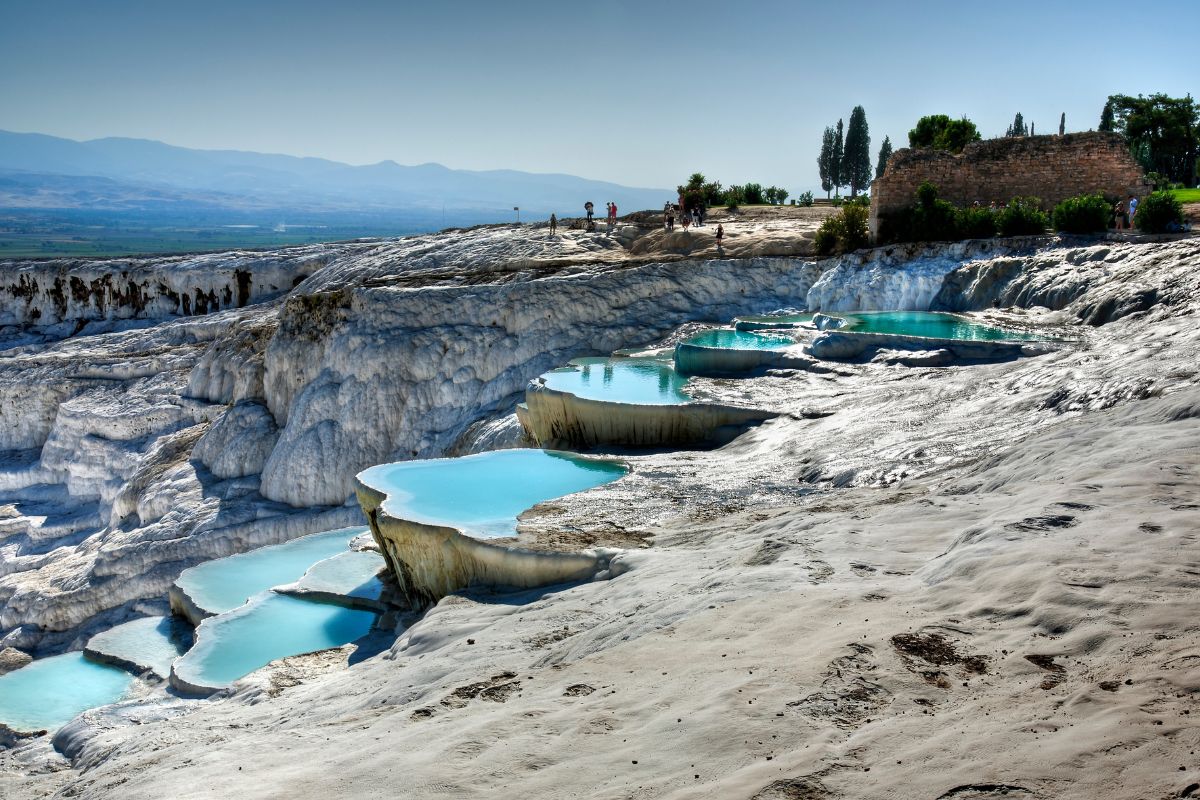
Pamukkale is famous for its travertine terraces and hot springs. This natural wonder is on the UNESCO list and is definitely worth visiting. You can enjoy a soak in the thermal waters and admire the stunning views. Just keep in mind that the bus journey from Alanya and back is long (roughly 6 hours each way).
TIP: You’ll find all the information about Pamukkale HERE.
Pamukkale
Frequently asked questions
What are the best beaches in Alanya?
Cleopatra Beach and Damlataş Beach are considered the best beaches in the city.
How can I get from Alanya to nearby excursions?
There are many organized tours available from Alanya, but you can also rent a car or use public transport.
Is Alanya safe for tourists?
Yes, Alanya is generally considered a safe city, but we recommend following basic safety precautions.
Do I need a visa to visit Alanya?
If you are a citizen of the European Union, Turkey allows you to enter without a visa for up to 90 days within any 180-day period. However, always check the current information.
Tips and Tricks for Your Vacation
Don’t Overpay for Flights
Search for flights on Kayak. It’s our favorite search engine because it scans the websites of all airlines and always finds the cheapest connection.
Book Your Accommodation Smartly
The best experiences we’ve had when looking for accommodation (from Alaska to Morocco) are with Booking.com, where hotels, apartments, and entire houses are usually the cheapest and most widely available.
Don’t Forget Travel Insurance
Good travel insurance will protect you against illness, accidents, theft, or flight cancellations. We’ve had a few hospital visits abroad, so we know how important it is to have proper insurance arranged.
Where we insure ourselves: SafetyWing (best for everyone) and TrueTraveller (for extra-long trips).
Why don’t we recommend any Czech insurance company? Because they have too many restrictions. They set limits on the number of days abroad, travel insurance via a credit card often requires you to pay medical expenses only with that card, and they frequently limit the number of returns to the Czech Republic.
Find the Best Experiences
Get Your Guide is a huge online marketplace where you can book guided walks, trips, skip-the-line tickets, tours, and much more. We always find some extra fun there!
TL;DRBest tips for Bangkok cover 18 places worth visiting, including the Grand Palace with Wat Phra Kaew (entry 500 THB), Wat Arun (Temple of Dawn, entry 100 THB), Wat Pho with its 46-metre Reclining Buddha, the Golden Mount at Wat Saket with views after climbing 318 steps, and the Chinatown district along Yaowarat Road. 3 to 4 days is enough for the main sights, while less touristy spots like markets and parks can easily fill a week or more. The best time to come is November to March, when the dry season brings temperatures of 24–32°C, whereas April to October tends to be hot, humid and rainy. Other recommended spots include Chatuchak Weekend Market with over 15,000 stalls, the Mahanakhon skyscraper with its SkyWalk on the 78th floor, Wat Traimit with its 5.5-tonne golden Buddha statue, and the Taling Chan floating market.
In this guide I will share with you Bangkok, Thailand: 18 Best Things to Do and See. If you’re thinking about a holiday in Bangkok or just a short stopover on your way to a Thai island, we have to warn you: it’s a place that will literally engulf you with its energy, and you’ll want to stay longer. ☺️
We didn’t expect anything from Bangkok; on the contrary, we thought we’d be happy to escape, but in the end, we absolutely fell in love with it, and we don’t even like big cities!
In our article, you’ll find tips on the best sights, what to see in Bangkok, where to eat, where to shop, and what else to do here.
If you like a more modern environment, you’ll like the Sukhumvit district with many luxurious restaurants and bars.
Do you want peace and a river view? Then you should probably choose Riverside, from where you’re also close to the sights. Backpackers love Khao San Road, it’s cheap, with lots of foreigners and bars.
Other popular districts include Silom, a financial center with luxurious restaurants and parks, which comes alive at night with clubs and bars.
Do you mainly want to shop here? Then you might want to stay in the Siam area, where you’ll find a large number of shopping centers.
Our Hotel Tips in Bangkok
If you’re looking for a luxury hotel, check out Ascott Embassy Sathorn Bangkok; if you want a very cheap but great hostel, there’s Khao San Social Capsule. And the golden mean? Probably Naga Residence.
We absolutely fell in love with Bangkok!
Weather in Bangkok: when to Go
If you’re planning a trip to Bangkok, the ideal time to go is between November and March. During this time, Bangkok experiences its dry season, with pleasant temperatures ranging from 24°C to 32°C, and it rarely rains.
Conversely, from April to October is the rainy season, and temperatures can reach up to 36°C, with high and quite unpleasant humidity. Everything sticks to you, and it’s hard to go outside.
If even this doesn’t deter you, be prepared that during this time there are also frequent afternoon showers that can also bring floods, especially between May and October.
Month
Temperature (°C)
Rainfall (days)
November
24 – 31
3
December
21 – 32
1
January
21 – 32
1
February
24 – 33
2
March
25 – 34
4
April
26 – 35
6
May
26 – 34
14
June
26 – 33
15
July
26 – 33
17
August
26 – 33
18
September
25 – 32
20
October
25 – 32
20
Bangkok, Thailand: 18 Best Things to Do and See
Now you know where to stay, and now let’s look at everything you can see here, so you can decide how long to go to Bangkok for; I personally recommend 3-4 days.
Grand Palace and Wat Pho
The Grand Palace is one of the most significant places to see in Bangkok. This stunning complex, originally built in 1782, served as the residence of Thai kings and is now an important historical and cultural monument.
Within the complex, you’ll find several important buildings, such as Dusit Maha Prasat Hall, where official royal ceremonies are held, and Chakri Maha Prasat, which combines Thai and neoclassical styles.
Admission costs 500 THB, and it’s ideal to go right at opening time because it gets incredibly crowded. The palace is open from 8:30 AM to 3:30 PM, and a strict dress code must be observed – long trousers for men and covered shoulders and knees for women. If you don’t have suitable clothing, you can rent it at the entrance for a fee.
🔗 These are affiliate links — they don't change your price and help us create content. · All experiences →
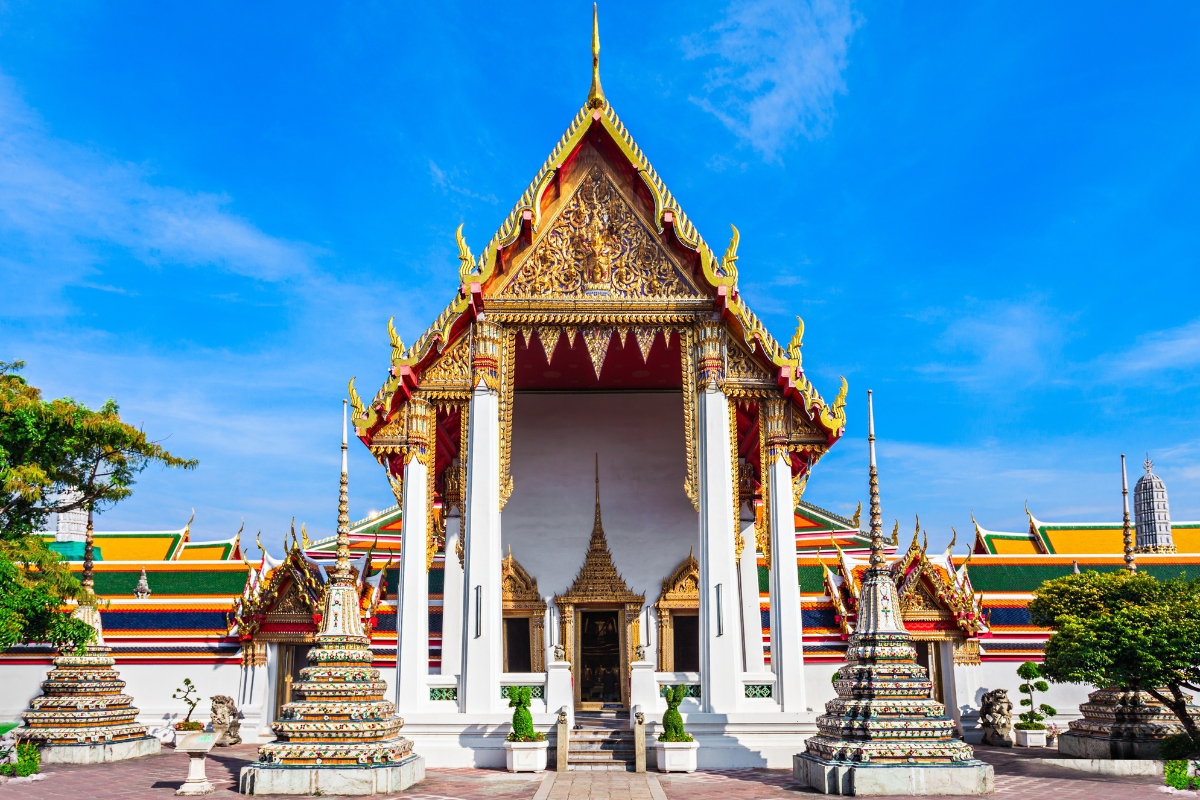
Wat Pho, located right next to the Grand Palace, is home to the famous Reclining Buddha, which is 46 meters long and covered in gold.
Admission to Wat Pho is 100 THB, and opening hours are from 8:00 AM to 7:30 PM.
Wat Phra Kaew
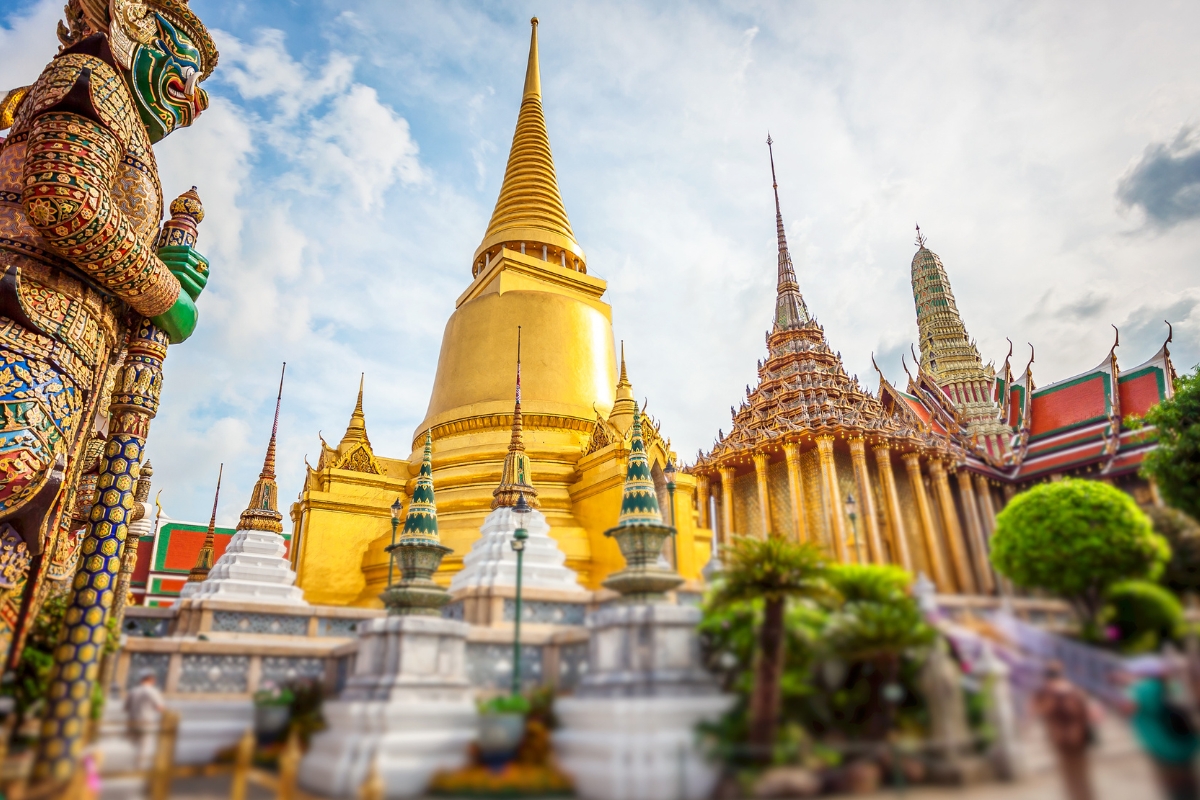
Wat Phra Kaew, also known as the Temple of the Emerald Buddha, is the most sacred religious site in Thailand. You’ll find the temple within the Grand Palace complex in the historic Phra Nakhon district.
The Emerald Buddha, the main attraction of this temple, is actually carved from a single piece of green jade and measures 66 cm in height.
The statue is considered a symbol of protection for the Thai nation, and only the Thai king is permitted to touch it. Three times a year, during a ceremony, the king changes the statue’s robes to mark the arrival of a new season – hot, cool, and rainy.
In addition to the Emerald Buddha, other interesting features of the temple are worth mentioning. Within the temple complex, there is a detailed model of Angkor Wat, which was created at the command of King Rama IV, to commemorate centuries-old cultural and historical ties with Cambodia. Another attraction is the 178 murals depicting the story of Ramakian, the Thai version of the Indian epic Ramayana, which you’ll find along the temple walls.
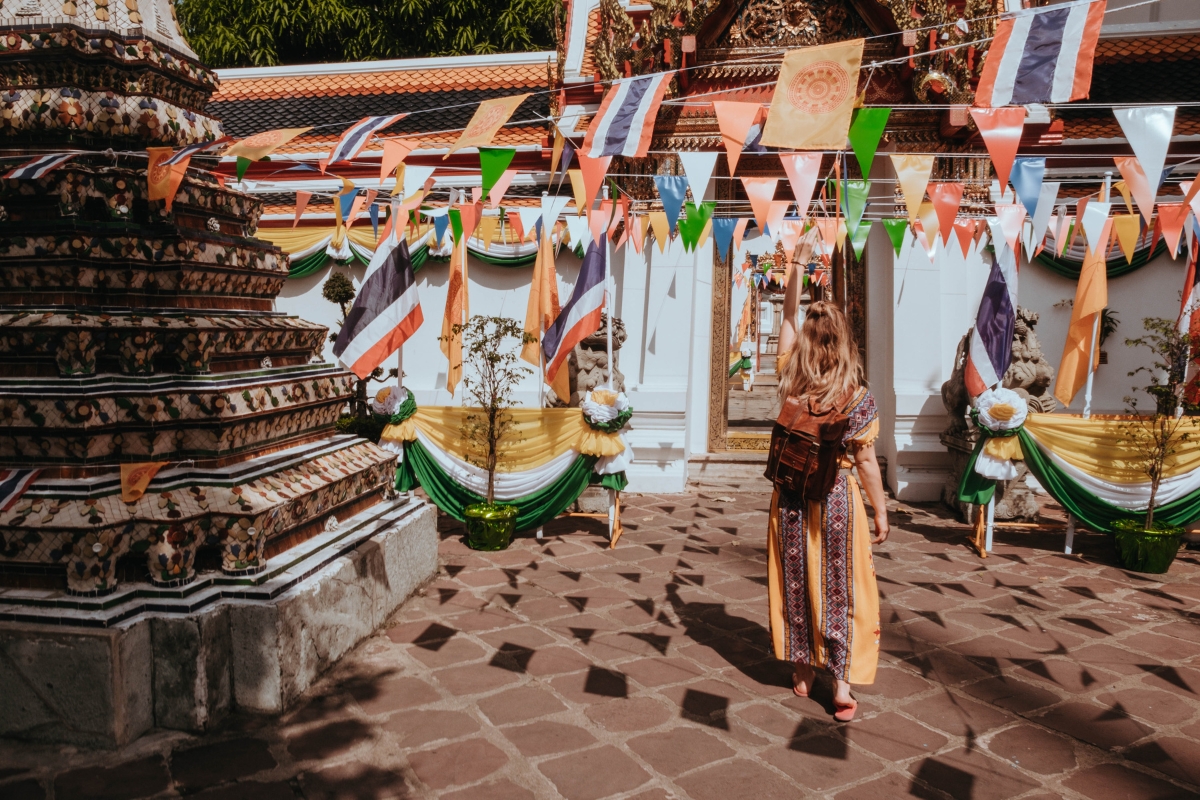
Wat Phra Kaew – Sights in Bangkok
The temple is open daily from 8:30 AM to 3:30 PM, and admission is 500 THB, which also includes access to other attractions within the Grand Palace complex, such as the Royal Thai Decorations and Coin Pavilion and the Queen Sirikit Museum of Textiles.
I recommend arriving early in the morning to avoid tourist crowds and enjoy it more. When visiting Wat Phra Kaew, a strict dress code must again be observed – covered shoulders and knees; tight and transparent clothing is not permitted. If you don’t have suitable clothing, you can rent it at the entrance for a fee.
Wat Phra Kaew is located on the east bank of the Chao Phraya River and is easily accessible by various modes of transport. You can use a taxi, tuk-tuk, or public transport such as the BTS SkyTrain or a boat taxi, which will take you to Tha Chang pier, from where it’s just a short walk to the main entrance of the Grand Palace. I recommend using a river taxi, which will offer beautiful city views and help you avoid traffic jams.
Wat Arun
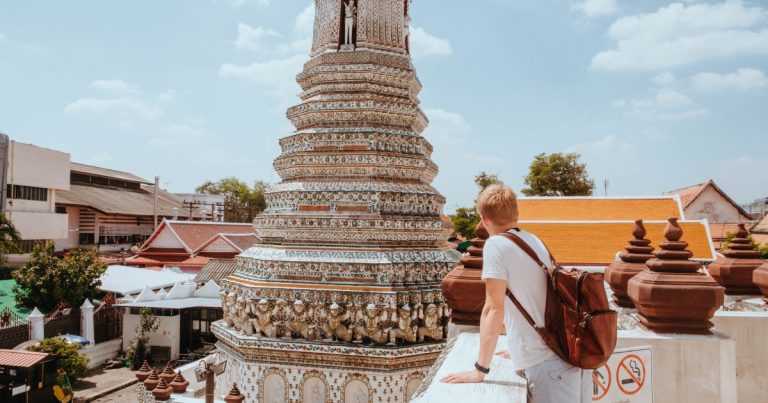
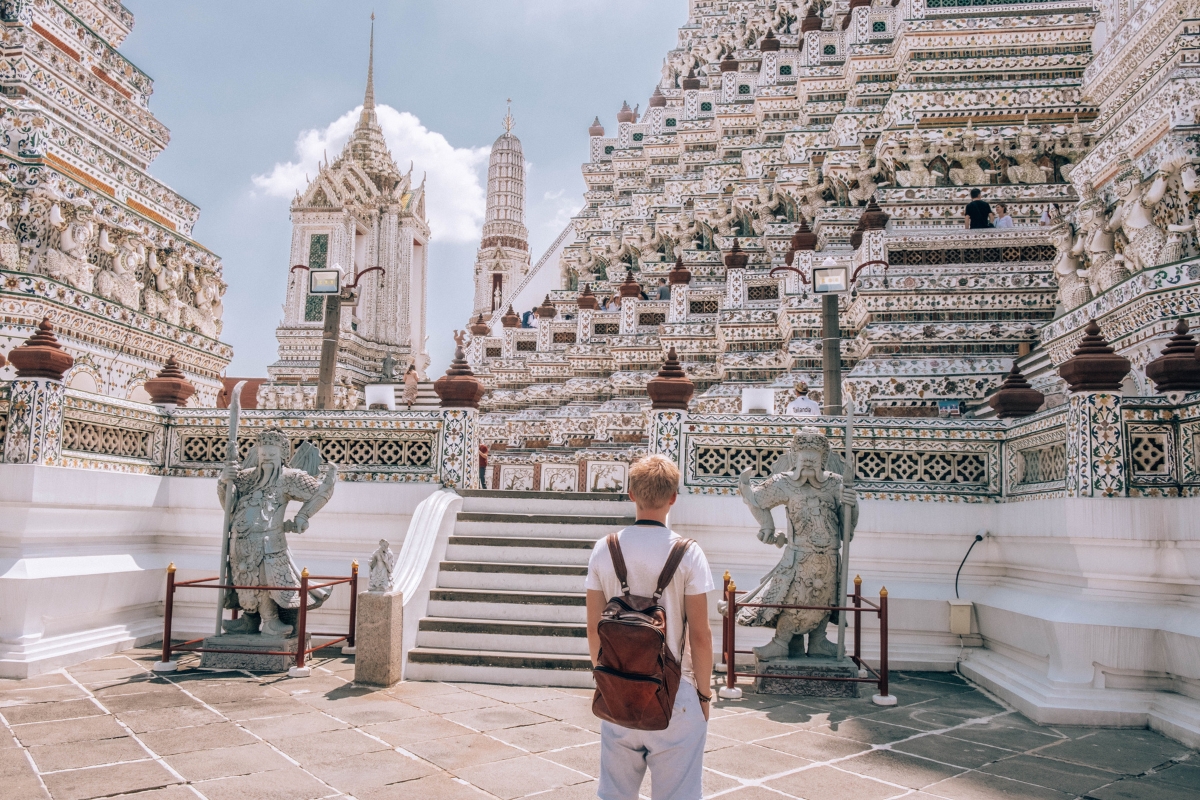
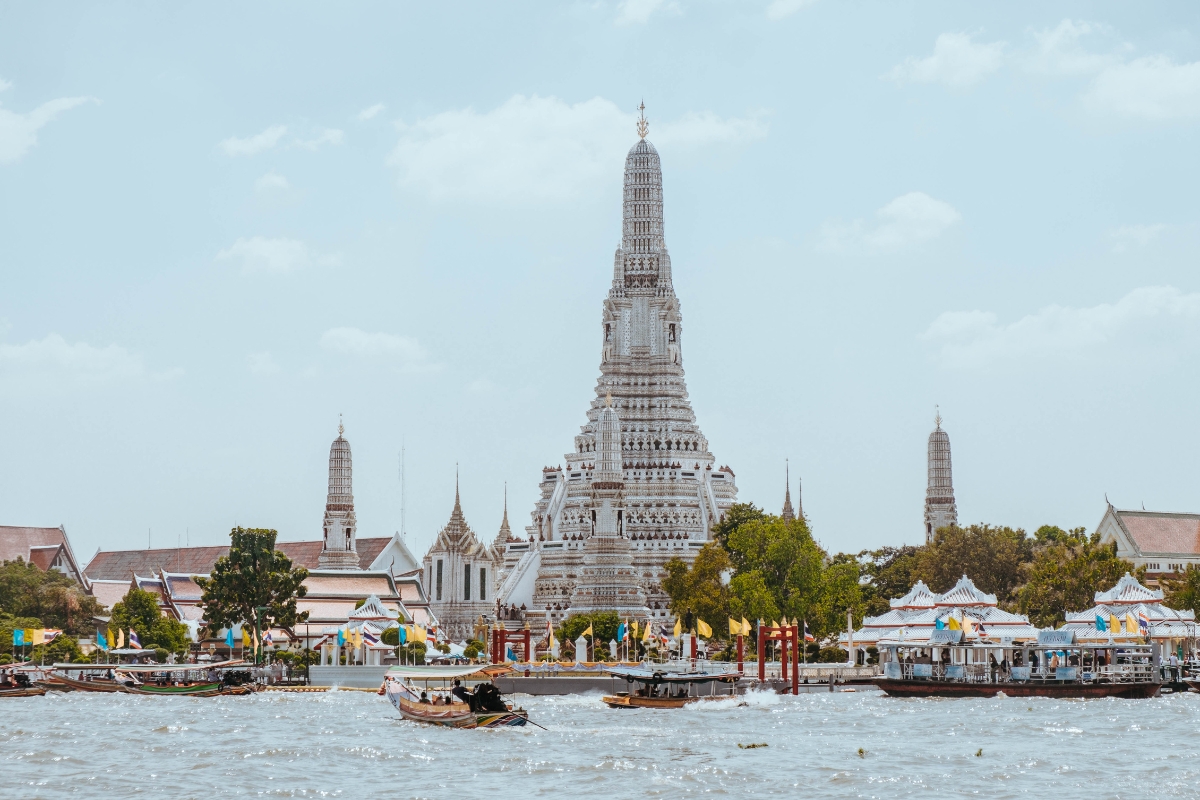
Wat Arun, known as the Temple of Dawn, is one of Bangkok’s icons. This temple, located on the west bank of the Chao Phraya River, has a rich history dating back to the Ayutthaya period, when it was originally known as “Wat Makok”.
In 1767, King Taksin renamed it “Wat Chaeng” (Temple of Dawn) to commemorate his arrival at this spot at dawn after the fall of Ayutthaya.
Later, during the reign of King Rama II, the temple was renovated and named “Wat Arun”.
Wat Phra Kaew – Sights in Bangkok
The temple is unique for its combination of Khmer and Thai architectural styles. The main prang, over 80 meters high, is covered with colorful pieces of Chinese porcelain and seashells, giving it a distinctive sheen. This main prang symbolizes Mount Meru, which, according to Buddhist cosmology, forms the center of the universe.
Steep stairs lead to the top of the main spire, which are challenging, but the view is worth it – you’ll see not only the Chao Phraya River but also parts of the Grand Palace and Wat Pho on the opposite bank.
Wat Arun is open daily from 8:00 AM to 6:00 PM, with the last tickets sold around 5:30 PM. Admission is 100 THB for tourists, while Thais have free entry. I recommend arriving early in the morning when there are fewer tourists and temperatures are more pleasant, or conversely, late in the afternoon when you can see the temple illuminated by golden lights at sunset.
For visiting the temple, a strict dress code must again be observed – shoulders and knees must be covered, otherwise, you’ll have to rent a sarong for 20 THB, for which a refundable deposit of 100 THB is required.
The best way to get to Wat Arun is by boat across the river. You can take the Chao Phraya River Ferry, which will take you to Tha Tien pier, from where you can get directly to the temple. Alternatively, you can use the metro (MRT) to Itsaraphap station, from where it’s about a 15-minute walk, or use a mototaxi.
Wat Arun is located near other significant landmarks, such as Wat Pho and the Grand Palace, making it easy to visit these places in one day.
Wat Phra Kaew – Sights in Bangkok
Wat Saket (Golden Mount)
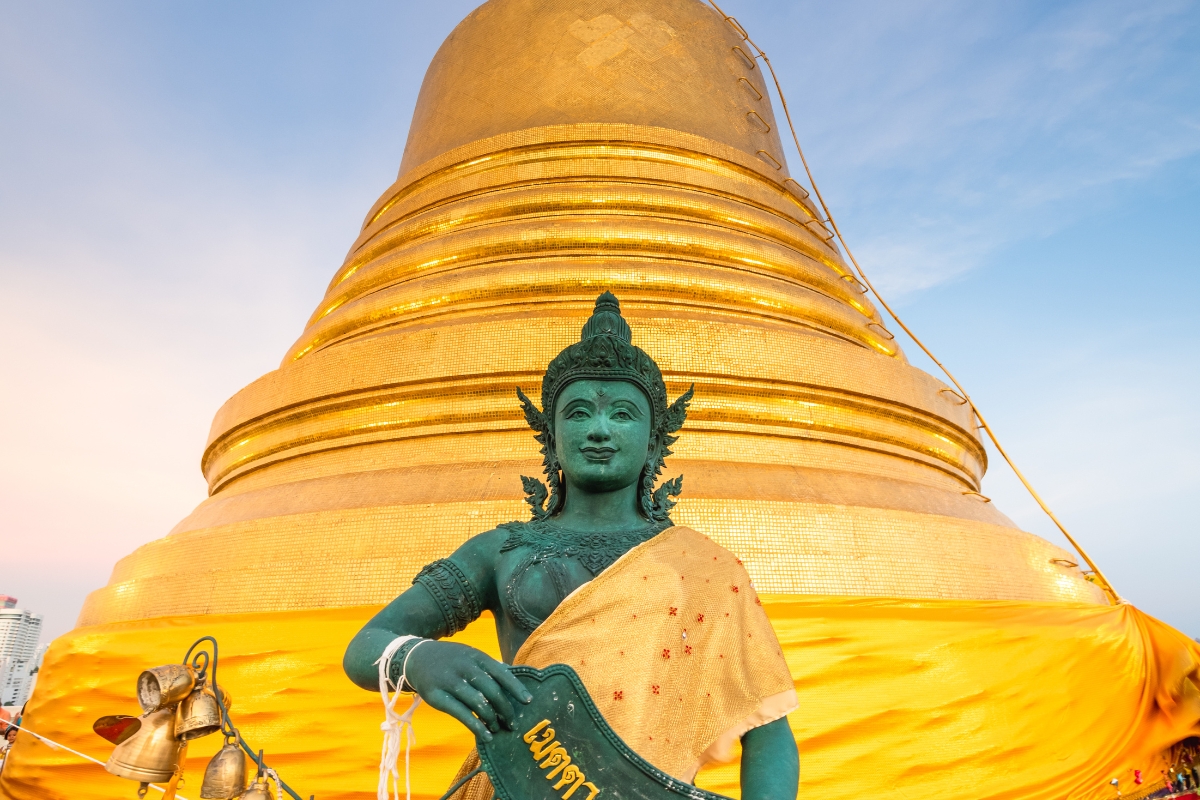
Wat Saket, also known as the Golden Mount (Phu Khao Thong), is one of Bangkok’s most famous temples, offering an amazing 360-degree view of the city.
The temple was originally built during the Ayutthaya period, but its current form dates back to the reign of King Rama III, when a large golden stupa was built on an artificial hill. This stupa is a symbol of Buddhist values and reflects the spiritual significance of the place.
The path to the top of the Golden Mount involves climbing 318 steps, which are surrounded by lush greenery, exotic trees, and statues.
Along the way, you’ll encounter bells that you can ring for good luck! At the summit, you’ll find a large golden stupa containing relics of the Buddha brought from India, making Wat Saket an important pilgrimage site for local devotees.
Wat Saket is open daily from 7:00 AM to 7:00 PM, with the best time to visit being early morning or late afternoon, when there are fewer tourists and, more importantly, it’s not too hot. Admission is 100 THB.
I recommend arriving just before sunset, when the city view is most beautiful, and the colors of the sunset add a magical atmosphere to the entire place.
You can get to Wat Saket either by MRT (Sam Yot station), from where it’s about a 15-minute walk, or by boat bus along the Khlong Saen Saeb canal, which will take you to Phan Fha Leelard pier, near the Golden Mount. Alternatively, you can use a taxi or tuk-tuk, but you need to agree on the price beforehand.
Chinatown (Yaowarat Road)
Chinatown is one of the most vibrant places to see in Bangkok. Yaowarat Road, known as the main artery of Chinatown, is full of street food stalls, gold shops, herbal medicine stores, and shops offering various items – from traditional medicines to souvenirs.
If you love street food, I recommend browsing GetYourGuide and trying to find a food tour to have someone guide you.
Try famous Chinese noodles, roasted chestnuts, crispy duck if you eat meat (Lukáš was still eating it at the time), or exotic sweets like mango sticky rice.
An evening visit to Chinatown is the best choice, as the streets fill with hundreds of stalls and neon lights create an incredible atmosphere. Local restaurants, such as TK Seafood and Lek Rut Seafood, are very popular and worth trying.
For those who want to experience more of Chinese culture, I recommend visiting Wat Mangkon Kamalawat, the largest Chinese Buddhist temple in Bangkok, located in the heart of Chinatown. The temple is often a venue for traditional celebrations, such as Chinese New Year or the Vegetarian Festival.
🔗 These are affiliate links — they don't change your price and help us create content. · All experiences →
The best way to get to Chinatown is by metro (MRT) to Wat Mangkon station, from where it’s just a short walk. Alternatively, you can use a tuk-tuk or a boat along the Chao Phraya River and disembark at Ratchawong pier, from where Chinatown is easily accessible on foot.
Make sure to bring cash, as many stalls do not accept card payments, and wear comfortable shoes, as you’ll be doing a lot of walking among the stalls and restaurants.
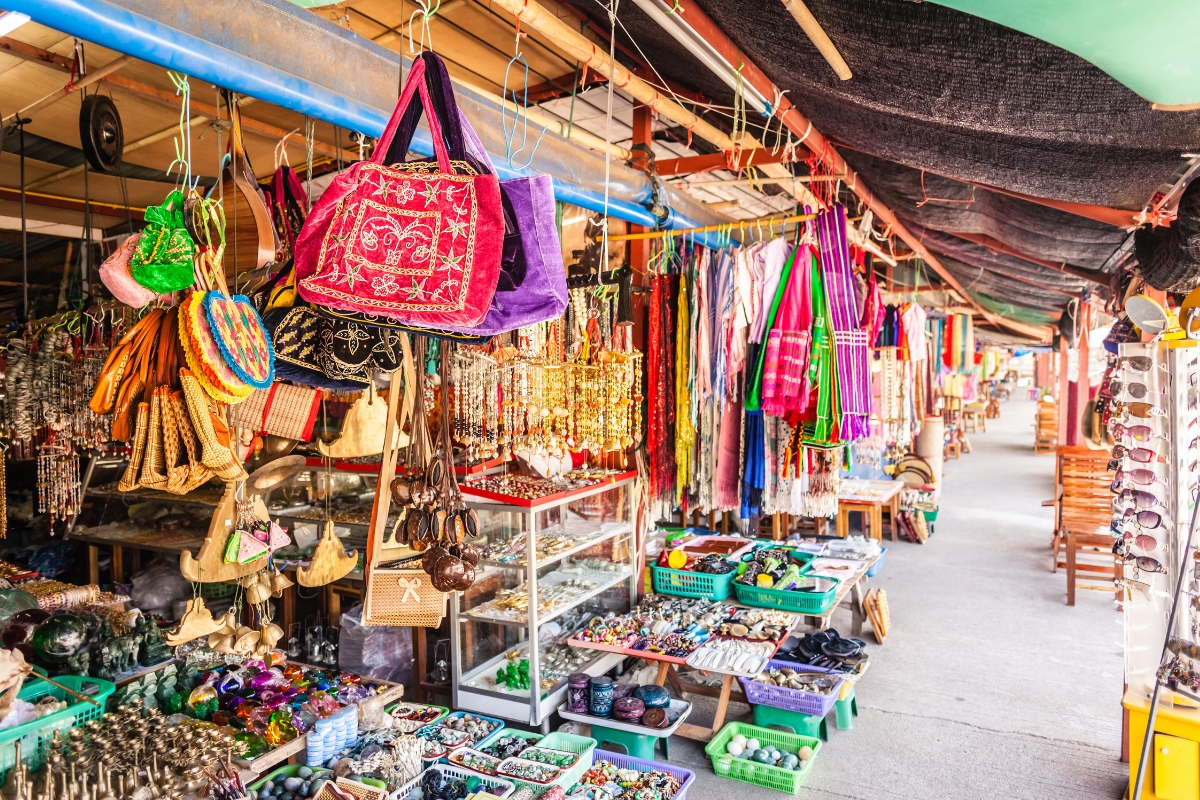
Chatuchak Weekend Market
Chatuchak Weekend Market is a paradise if you want to buy something. This market, held every weekend, is one of the largest outdoor markets in the world, with over 15,000 stalls spread across 35 acres.
Here you’ll find everything from clothing, souvenirs, exotic plants, to antiques and even pets.
Where to shop in Bangkok? At Chatuchak Weekend Market
The market is divided into different sections, each with its own focus – for example, Section 1 is dedicated to antiques and handicrafts, while Section 7 is an open gallery of contemporary art, where you’ll find works by Thai and other Asian artists.
You’ll also find popular street food here, including coconut ice cream, grilled prawns, chicken skewers, and the famous mango sticky rice. Plus, at a great price – most Thai dishes cost between 60 and 100 THB. Massages are also available, for example, a 30-minute foot massage for 150 THB or a 60-minute massage for 250 THB.
The best time to visit the market is in the morning around 9:00 AM, when there are fewer people and it’s less hot. Generally, at noon in Thailand, it’s best to hide in a shopping mall 😁. I recommend wearing comfortable shoes, as you’ll be doing a lot of walking, and carrying a bottle of water.
The market is easily accessible by BTS Skytrain (Mo Chit station) or MRT (Chatuchak Park or Kamphaeng Phet station).
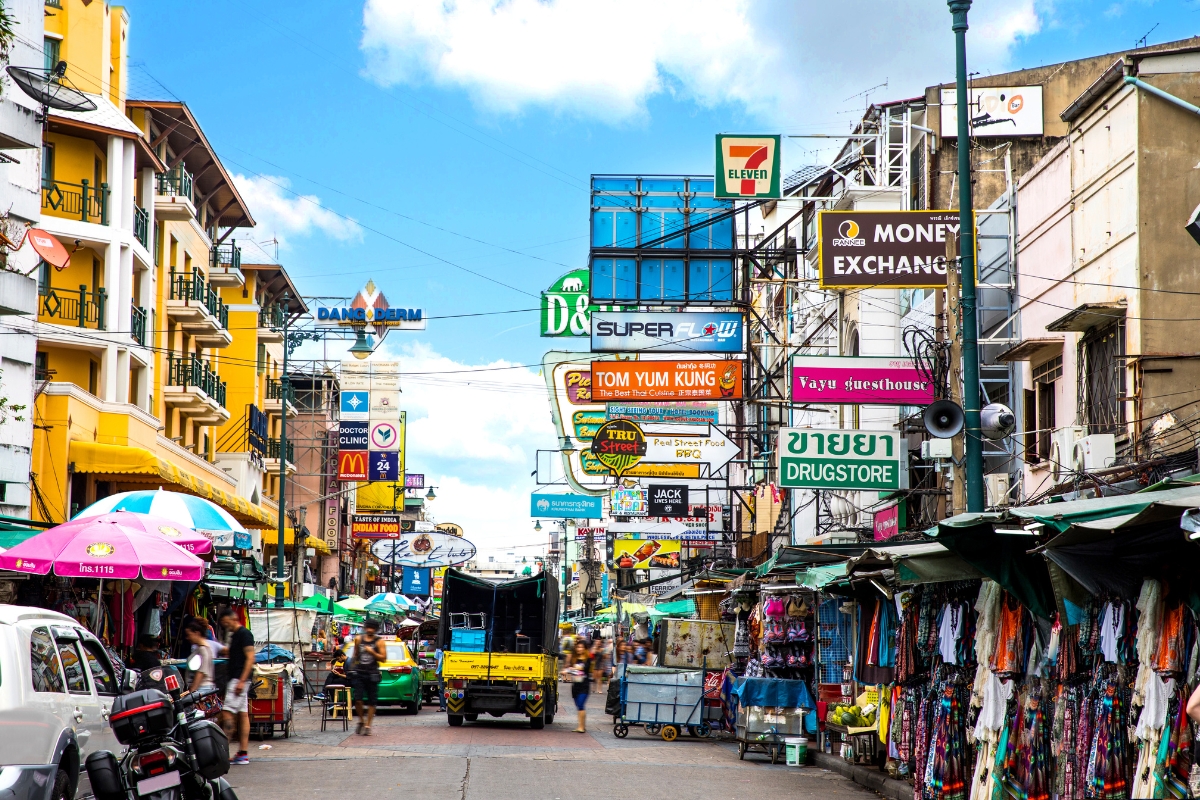
Khao San Road
Khao San Road is one of the most famous places in Bangkok and is rightly nicknamed the “backpackers’ Mecca”. This street never sleeps and offers a mix of everything you could wish for – from street food and cheap accommodation to clubs, bars, and souvenir markets.
The street is full of travelers from all over the world who come here not only for affordable accommodation but also for the vibrant nightlife.
Khao San Road
Sukhumvit
Sukhumvit is the opposite of Khao San Road; it’s a modern district full of luxury hotels, shops, bars, and nightclubs.
I recommend visiting one of the rooftop bars, such as Octave Rooftop Lounge Bar at the Marriott Hotel, where you can enjoy a drink with an amazing panoramic city view.
If you want to go shopping, head to Terminal 21, which offers a unique concept where each floor represents a different global destination, from London to Tokyo.
Among the popular bars in this district are Levels Club Lounge, Soi 11, or Soi Cowboy.
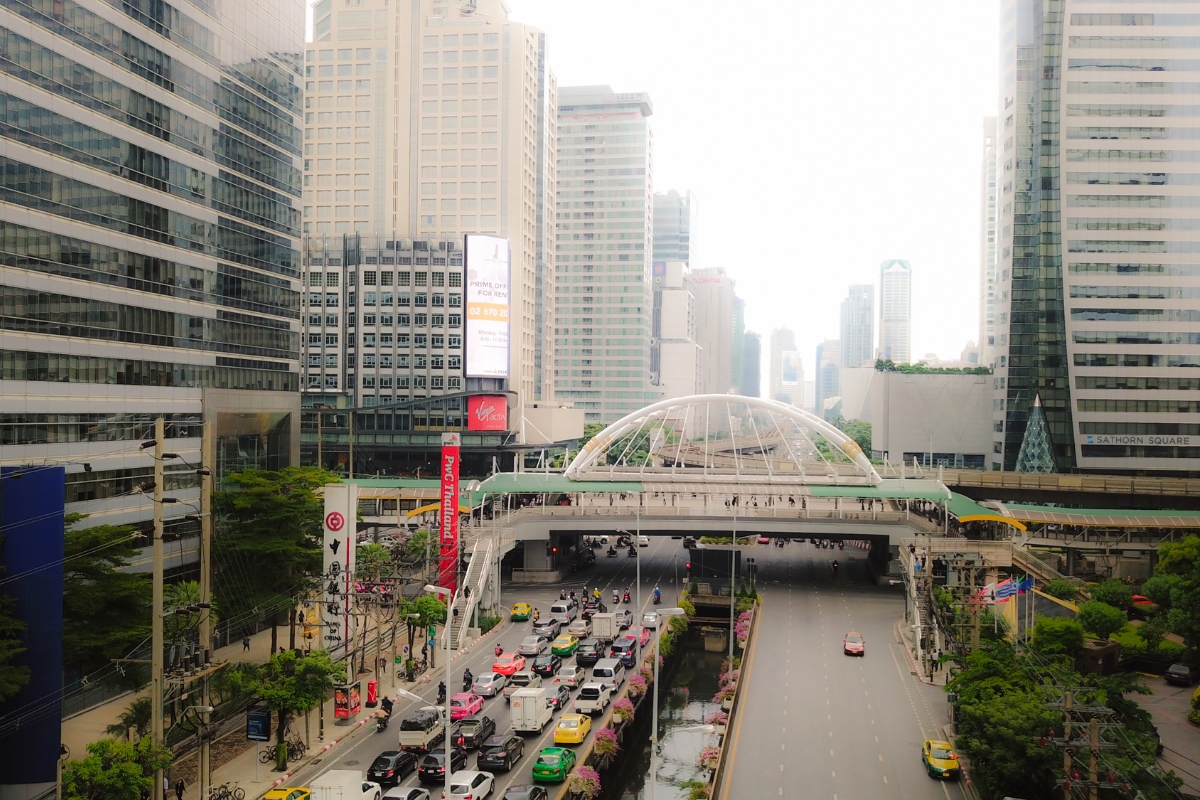
Silom Bangkok
Silom
Silom is a district that offers something for everyone – from peaceful parks to vibrant nightlife venues. During the day, Silom is a center for financial institutions and business activities, but at night it transforms into a lively hub of nightlife with numerous bars, clubs, and restaurants.
Patpong Night Market is one of the most famous markets in this area, known for its souvenir and clothing stalls, as well as nightlife venues in the adjacent streets. If you prefer a quieter atmosphere, I recommend visiting Lumphini Park, which is located nearby and is an ideal place for relaxation.
The nearest metro stations are Sala Daeng (BTS) or Silom (MRT), from where you can easily reach the main attractions in Silom. If you like street food, try local dishes on Soi Convent or Soi 20, where various Thai specialties are served.
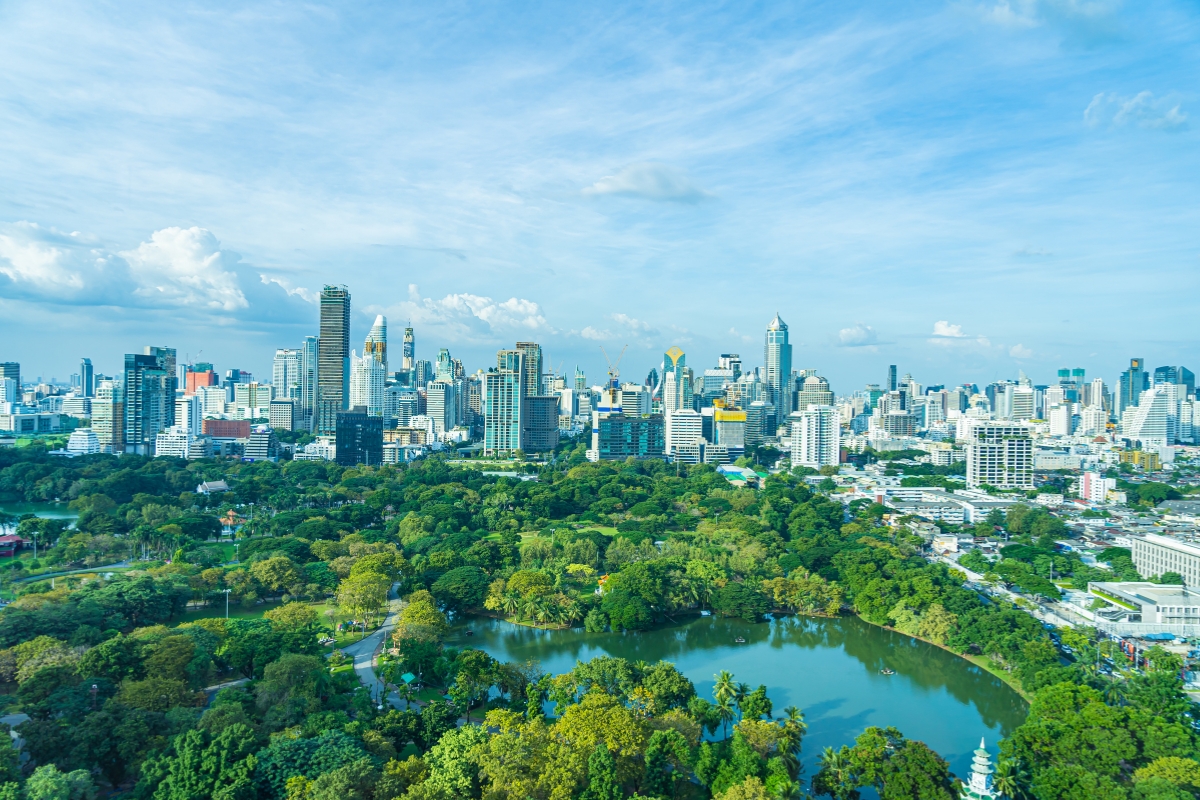
Lumphini Park
Lumphini Park
Even in Bangkok, you’ll find beautiful greenery. This expansive park spans over 142 acres, and if you don’t just want to walk around, you can rent a boat on the pond here.
For us Europeans, perhaps the greatest spectacle is in the morning, when the park is full of locals practicing tai chi.
Entry to the park is free, and it’s open daily from 4:30 AM to 9:00 PM. The best way to get here is by BTS Skytrain, Sala Daeng station, or MRT metro, Lumphini station, which will take you directly to the park.
Bang Krachao
Bang Krachao
Bang Krachao, is a green island in the middle of the Chao Phraya River, known as the “green lung of Bangkok”. We recommend booking a bike tour through GetYourGuide.
🔗 These are affiliate links — they don't change your price and help us create content. · All experiences →
Mahanakhon Skyscraper
The Mahanakhon Skyscraper is one of the tallest buildings in Thailand and offers breathtaking city views. The SkyWalk on the 78th floor with its glass floor is simply unmissable in Bangkok.
Besides the SkyWalk, you can also visit the Rooftop Bar on the top floor, where you can enjoy a cocktail with panoramic views of Bangkok. Mahanakhon is open daily from 10:00 AM to 12:00 AM (midnight), with the last entry permitted at 11:00 PM.
Admission to the SkyWalk is 880 THB for adults and 250 THB for children aged 3-12. The best way to get here is by BTS Skytrain; alight at Chong Nonsi station, from where it’s just a few minutes’ walk.
Wat Paknam in Bangkok
13. Wat Paknam
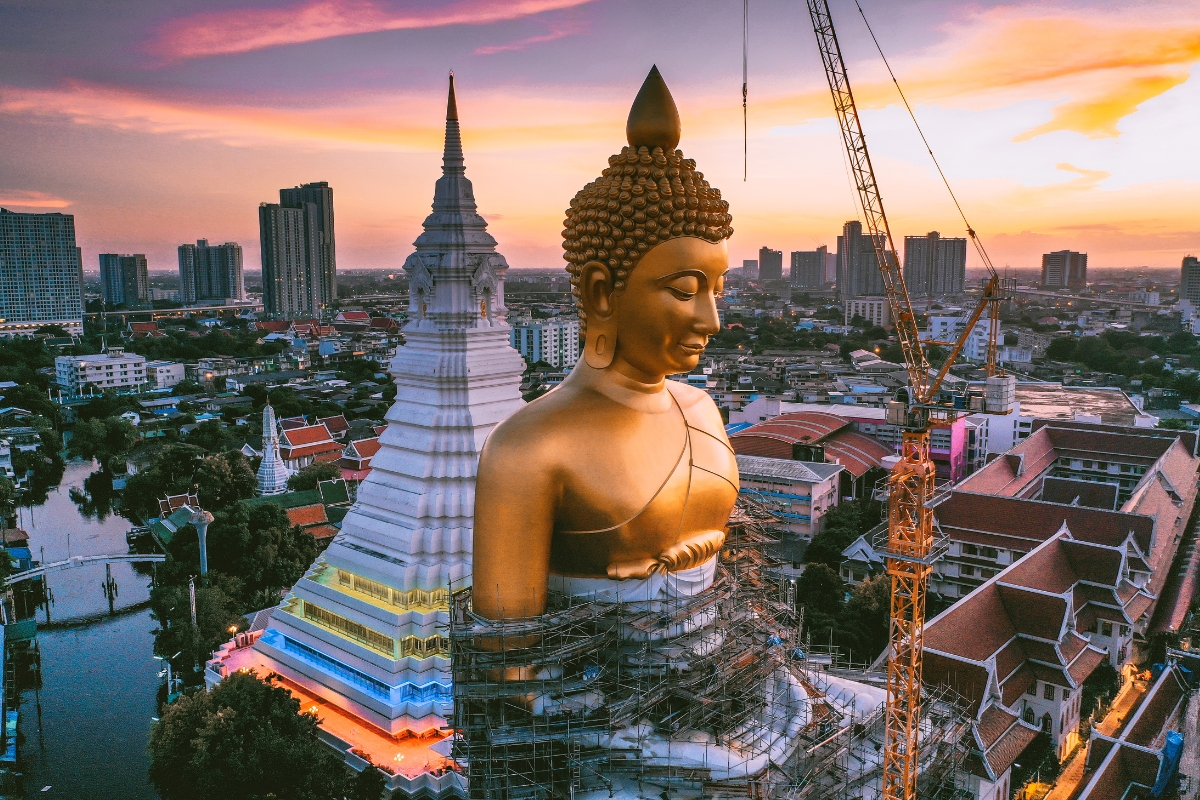
Wat Paknam Phasi Charoen, also known as “Wat Paknam”, is located on the western outskirts of Bangkok and is known for its enormous Buddha statue, which, at 69 meters, is the tallest in Bangkok.
The temple was built in 1610 during the Ayutthaya period, and its restoration and expansion have attracted more tourists in recent years. The main attraction of the temple is not only the Buddha statue but also the five-story Maharatchamongkhon stupa, which was completed in 2012. Inside the stupa, you will find a museum dedicated to various forms of Buddha and meditation.
On the top floor, there is a magnificent ceiling painting depicting Buddhist cosmology.
Visiting the temple is free, and it is open daily from 9:00 AM to 7:00 PM. Remember that you must have your shoulders and knees covered in temples.
14. Marble Temple (Wat Benchamabophit)
Wat Benchamabophit is one of the most beautiful temples in Bangkok and is known for its unique combination of Thai and European architecture. The temple was built in 1899 during the reign of King Chulalongkorn (Rama V) and was designed by Prince Naris, who incorporated Italian Carrara marble into the design, giving the temple its name “Marble Temple”.
Wat Benchamabophit in Bangkok
The temple’s main building, called the Ubosot, is adorned with magnificent marble carvings, and its interior houses a gilded statue of Phra Buddha Chinnarat, which is among the most sacred in Thailand.
Besides the magnificent architecture, there is also a tranquil courtyard with bronze Buddha statues and beautifully landscaped gardens. You will find Victorian stained-glass windows depicting scenes from Thai mythology here.
Wat Benchamabophit is located in the royal Dusit district, near Chitralada Palace and the Royal Plaza.
The temple is open daily from 8:00 AM to 5:00 PM, and admission costs 50 THB. Again, it is necessary to have your knees and shoulders covered when visiting.
Wat Traimit
Temple of the Golden Buddha – Wat Traimit
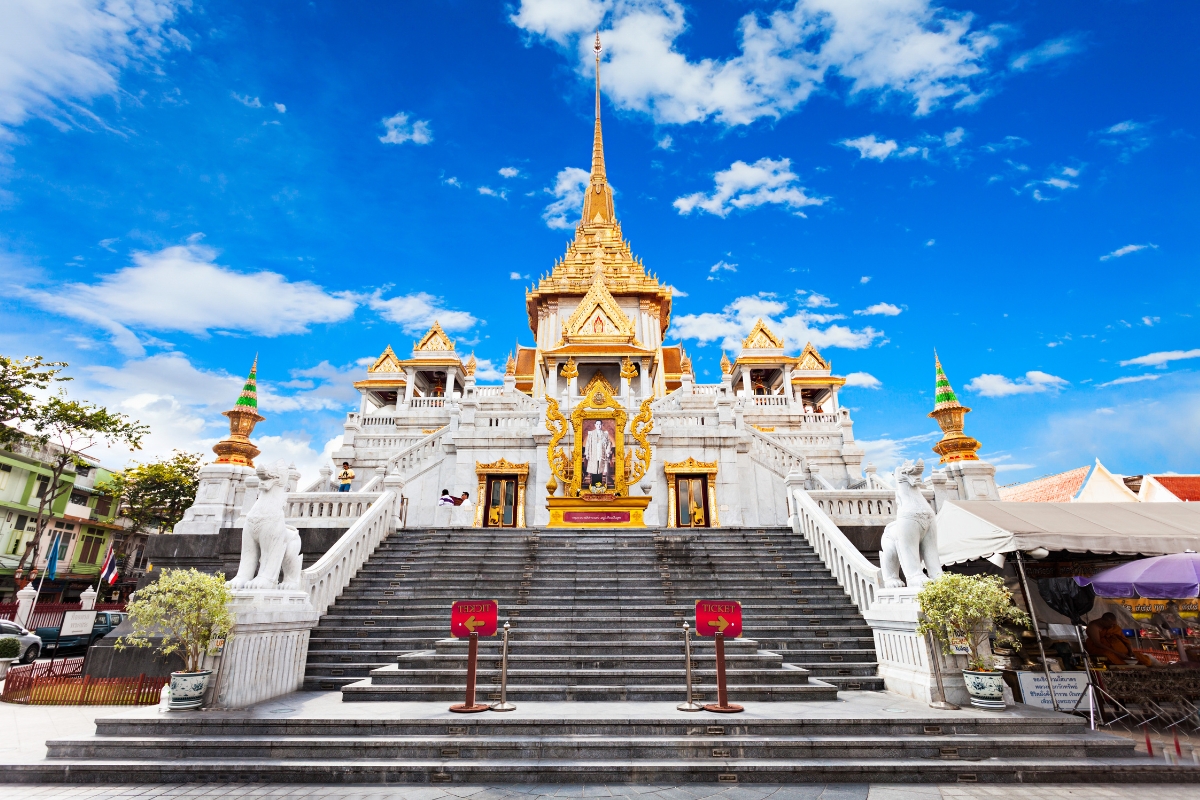
Wat Traimit Temple, known for its enormous golden statue of a seated Buddha, is one of the most significant places to see in Bangkok. The golden Buddha statue is made of solid gold, weighs 5.5 tons and is considered the largest golden statue in the world.
The statue dates back to the 13th or 14th century and was originally covered with a layer of plaster to protect it from invasions. In 1955, its true form was accidentally discovered during its relocation to the temple when the plaster cracked, revealing the golden statue.
The temple is located at 661 Charoen Krung Road, near Chinatown. Wat Traimit is open daily from 8:00 AM to 5:00 PM, and admission is 40 THB.
Dusit Palace
Dusit Palace
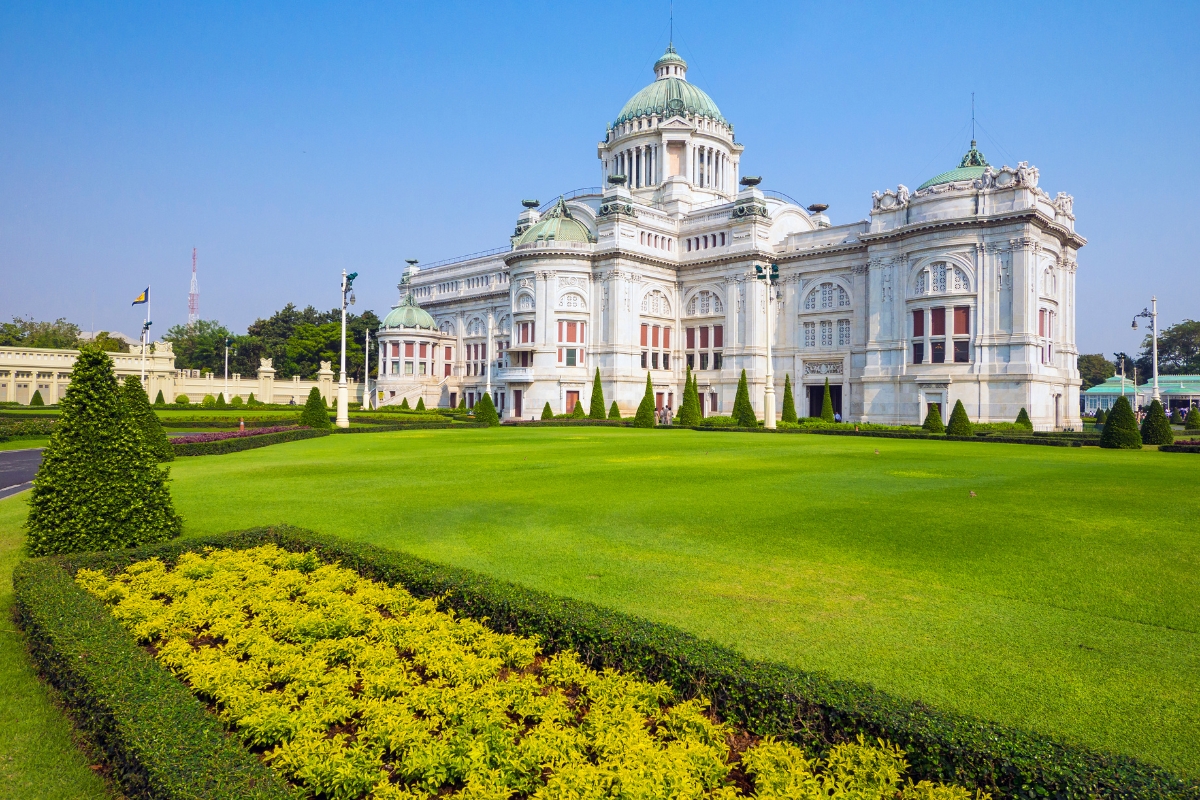
Dusit Palace is an extensive complex of royal and government buildings, built at the turn of the 19. 19th and 20th centuries by King Rama V, and is known for its combination of Thai and European architecture.
One of the main attractions is Vimanmek Mansion, the world’s largest golden teak palace, which now serves as a museum showcasing the life of the Thai royal family.
Ananta Samakhom Throne Hall is a magnificent building constructed in European neoclassical style, which served as the seat of the Thai Parliament and now functions as a museum showcasing Thai art and crafts.
Abhisek Dusit Throne Hall was originally built for royal audiences and later served as a space for presenting Thai handicrafts.
Don’t forget to visit the Royal Elephant Museum during your visit, where you can learn more about the significance of elephants in Thai culture.
Dusit Palace is open from 9:30 AM to 4:00 PM, with the last tour of Vimanmek Mansion starting at 3:00 PM. The best way to get here is by metro (SkyTrain) to Phaya Thai station, from where it’s about 2.5 km, or by taxi or boat along the Chao Phraya River to Thewet Pier and then walk.
Taling Chan
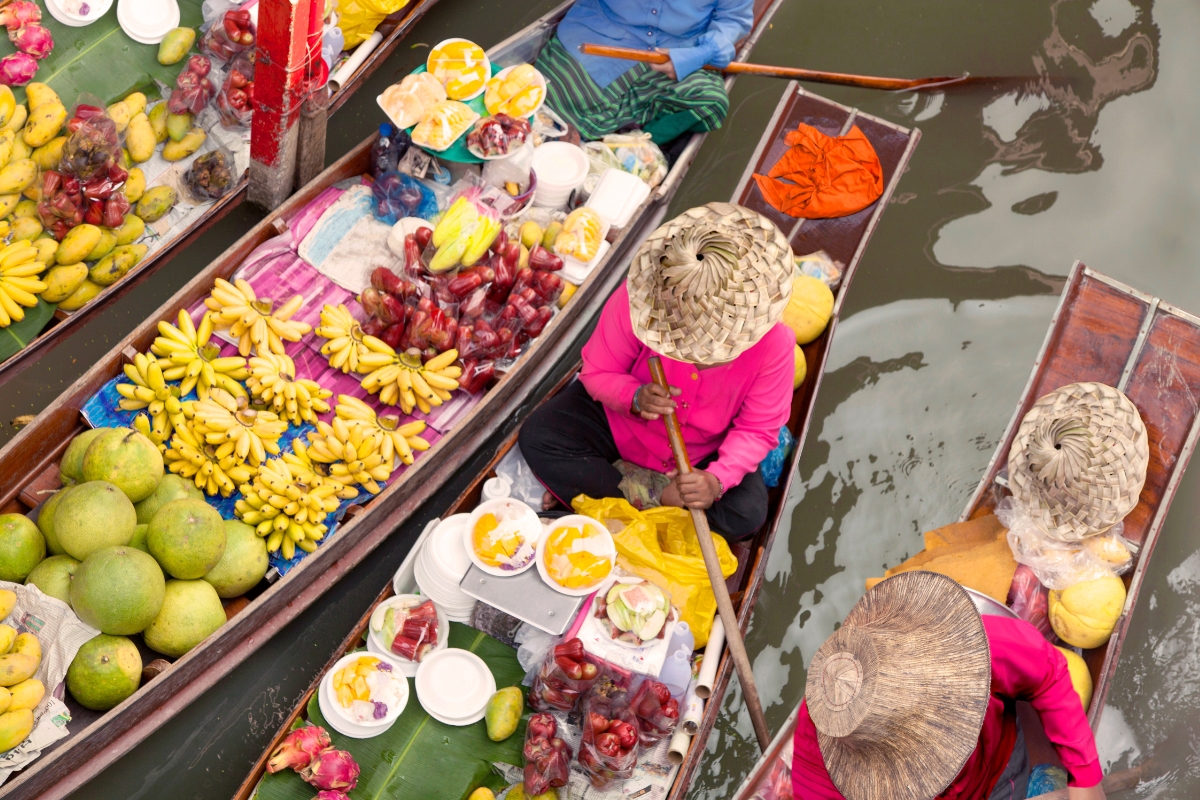
Floating Market – Taling Chan
Taling Chan is one of the few floating markets in Bangkok, where you can taste fresh seafood and other Thai specialties directly from a boat. If you want to go, you can book a trip through GetYourGuide.
The market is smaller and more authentic than the touristy floating markets outside Bangkok, so we highly recommend it.
The best way to get to the market is by taxi, or by BTS to Wongwian Yai station and then other transport. Don’t forget to bring cash, as card payments are not accepted.
🔗 These are affiliate links — they don't change your price and help us create content. · All experiences →
Authentic Thai Massages (Tips on where to get a Massage)
If you’re wondering where to get a massage in Bangkok, there are plenty of options. Among the most popular is Yunomori Onsen Spa, which combines traditional Japanese onsen culture with Thai massages. This luxurious spa complex offers various mineral baths that help relax muscles and relieve stress.
Another renowned place is The Oriental Spa at the Mandarin Oriental hotel. This five-star spa offers over 40 types of treatments that combine traditional and modern techniques.
If you’re looking for something more affordable, try Let’s Relax Onsen Spa Thonglor, which is popular among both locals and tourists. It offers a wide range of massages, including traditional Thai massages, aromatherapy oil massages, and hot stone massages. Onsen packages include access to various mineral baths and other treatments.
Another affordable option is Health Land. This chain of wellness centers has several branches throughout Bangkok and offers various types of massages, including Ayurvedic, which uses essential oils to relax the body and mind.
Where to Eat in Bangkok – Tips for the Best Restaurants
Alright, the best thing about Bangkok is definitely the food. At least for us lovers of Thai cuisine! If you’re looking for great restaurants, I recommend starting at Issaya Siamese Club, where modern Thai cuisine is served in a beautiful colonial villa with a charming garden.
Another great tip for an excellent Thai restaurant is Le Du in Silom.
Want excellent street food and love fish? Head to Ngow Fishball Noodle in Chinatown.
Spicy food lovers shouldn’t miss Khua Kling Pak Sod, where you can taste typical dishes from Southern Thailand, such as the spicy Khua Kling curry.
And if you’re looking for a great place for roasted duck, be sure to visit Prachak Pet Yang, a traditional Cantonese restaurant that has been operating in Bangkok for over 100 years.
Food is the best thing about Thailand
Michelin Restaurants in Bangkok
Looking for Michelin-starred restaurants? In Bangkok, you’ll find Gaggan Anand, which offers a creative and innovative fusion menu, or Sorn, which focuses on authentic Southern Thai cuisine.
Vegan Restaurants in Bangkok
When we were in Bangkok, I ate vegetarian and vegan (Luky still ate meat), and I definitely had no problem.
Bangkok also has a great vegan scene. I recommend visiting Veganerie Concept, a popular vegan cafe and restaurant located in the Sukhumvit area, offering a wide selection of dishes including waffles and smoothie bowls.
Another great choice is Broccoli Revolution, where you’ll find Thai classics like laab and spicy curries, as well as international dishes, including burgers and quesadillas.
Personally, I love Thai food, but if you want a break from it, try Italian cuisine at Govinda Vegan Restaurant, which offers vegan versions of pasta and pizza.
What I’ll always miss are their coconuts
If you’re craving Thai food in a pleasant atmosphere, visit Mango Vegetarian Vegan Restaurant and Arts Gallery in the Old Bangkok area, where they also had a great selection of fresh juices and kombucha.
Another great option is The Vegan Table, which offers both Thai and Western dishes and great cocktails during happy hour. For a more affordable option, try So Vegan or the food stalls in shopping malls like Terminal 21 or Siam Paragon, where you can get a vegan lunch for a few bucks.
FAQ
Where is the best view of Bangkok?
Great views can be had from the Golden Mount and the Mahanakhon skyscraper.
Where to go shopping in Bangkok?
Go to Chatuchak Weekend Market on the weekend; it’s one of the largest outdoor markets in the world, with over 15,000 stalls spread across 35 acres.
How long to visit Bangkok for?
For the main sights, 3 to 4 days will be enough, but if you want to explore less touristy places, such as local markets, parks, and more remote attractions, feel free to stay a week or longer.
Is Bangkok safe?
Overall, yes! Bangkok is a relatively safe city, but like anywhere else, it’s good to be vigilant. Petty thefts are the most common issue, especially in crowded tourist areas. Also, be careful with street food – it’s usually delicious and fresh, but if you have a sensitive stomach, start slowly.
What to try in Bangkok?
Everything!😁 Pad Thai is a classic you must try in Thailand. And if you like something spicier, then Tom Yum (spicy soup with shrimp, but vegan versions also exist)! Som Tam (papaya salad) or classic satay skewers are also popular. Don’t forget to try fresh fruit juices and iced coconuts!
What’s the best way to get around Bangkok?
Public transport works great here – BTS Skytrain and MRT metro. If you want to experience something traditional, hop on a tuk-tuk. If you want a taxi, call a Grab (like an Asian Uber).
What sights to see in Bangkok?
Definitely the Grand Palace and Wat Phra Kaew (Temple of the Emerald Buddha). If you like views, don’t miss Wat Arun – the Temple of Dawn on the banks of the Chao Phraya River.
Tips and Tricks for Your Vacation
Don’t Overpay for Flights
Search for flights on Kayak. It’s our favorite search engine because it scans the websites of all airlines and always finds the cheapest connection.
Book Your Accommodation Smartly
The best experiences we’ve had when looking for accommodation (from Alaska to Morocco) are with Booking.com, where hotels, apartments, and entire houses are usually the cheapest and most widely available.
Don’t Forget Travel Insurance
Good travel insurance will protect you against illness, accidents, theft, or flight cancellations. We’ve had a few hospital visits abroad, so we know how important it is to have proper insurance arranged.
Where we insure ourselves: SafetyWing (best for everyone) and TrueTraveller (for extra-long trips).
Why don’t we recommend any Czech insurance company? Because they have too many restrictions. They set limits on the number of days abroad, travel insurance via a credit card often requires you to pay medical expenses only with that card, and they frequently limit the number of returns to the Czech Republic.
Find the Best Experiences
Get Your Guide is a huge online marketplace where you can book guided walks, trips, skip-the-line tickets, tours, and much more. We always find some extra fun there!
TL;DRAmalfi is the charming little town that gives Italy’s famous Amalfi Coast its name, all steep cliffs, pastel houses and turquoise sea. The Cathedral of St Andrew dominates the skyline. The best time to visit is April to October, with May and September as the sweet spot — steer clear of July and August, when the crowds and prices peak. The nearest airport is Naples, from where you carry on by bus or ferry. This guide has 18 tips on what to see and do, where to stay, and how to get there.
Let’s mentally transport ourselves to the coast of Campania, to a city that is one of Italy’s most popular destinations. We’re talking about the charming town of Amalfi, which dominates the coast of the same name and attracts visitors with views of steep cliffs, pastel houses, and turquoise blue sea. In this guide I’ll share with you Amalfi, Italy: 18 Best Things to Do and See.
Amalfi has a Mediterranean climate, which means summers are very hot and dry, while winters are very mild. The ideal time to visit Amalfi is from April to October.
May and September are the so-called golden months – temperatures are pleasant and there aren’t too many tourists in Amalfi. On the other hand, avoid July and August, when the town is most crowded and accommodation prices soar.
How to get to Amalfi
There are several ways to get to Amalfi. If you fly to Italy, the closest airport to the Amalfi Coast is in Naples, from where you can continue to Amalfi by bus or car (TIP: There are many car rental companies at the airport; we used C-rent).
From Naples, take the A3 highway towards Salerno, where you then turn onto a picturesque coastal road that leads directly to Amalfi. The road is winding and full of turns (bring motion sickness pills 😄), but the views are worth it. However, keep in mind that especially during peak season, parking in Amalfi is almost impossible.
Alternatively, you can use SITA buses, which run regularly to Amalfi from Naples, Salerno, or Sorrento. Another option is a ferry, which departs during the season from several coastal towns (for example, from Naples, Salerno, Sorrento, Positano, or from the islands of Capri or Ischia).
Amalfi Town
Where to Stay in Amalfi
Amalfi is small, so you can stay, for example, here:
Hotel La Ninfa (mid-range option),
L’Antico Borgo Dei Limoni (cheaper alternative),
Villa Santa Maria (luxury option).
Accommodation in Amalfi
18 Best Things to Do and See
If I’ve enticed you to visit Amalfi, then I’ve put together 18 tips on what to see and do in Amalfi.
Monte Cerreto
Monte Cerreto is the highest peak on the Amalfi Coast, and the climb up this mountain is definitely worth it. On the way to Monte Cerreto, you are guaranteed to enjoy incredible views of the entire coast.
I recommend setting out early in the morning, when the air is still fresh and the trails aren’t crowded with tourists. Don’t forget to pack plenty of water and comfortable shoes – the path is challenging in places.
Monte Cerreto
Duomo Di Amalfi
One of the most impressive buildings in Amalfi is the Duomo di Amalfi, which will captivate you with its monumentality. Inside, you’ll find an amazing art collection and an underground crypt where the remains of St. Andrew are said to rest.
Duomo di Amalfi
Chiostro Del Paradiso Cloister
The Chiostro del Paradiso is part of the Amalfi Cathedral complex and served as a cemetery for local nobility. It is a peaceful place with beautiful columns and arches that recall the connection between Arab and European cultures.
Fontana Del Popolo
The Fontana del Popolo is located in the square. Dating back to the 16th century, it is one of the most photographed spots in Amalfi, thanks to its beautiful Baroque architecture and detailed sculptures.
Piazza Del Duomo
The heart of fairytale Amalfi is Piazza del Duomo. Here you’ll find cafes, restaurants, small shops, and if you’re lucky, talented street performers. The square’s dominant feature is, of course, St. Andrew’s Cathedral.
Piazza del Duomo
Lungomare Dei Cavalieri Promenade
You can take a pleasant stroll along the Lungomare dei Cavalieri promenade, with views of the turquoise water and the local harbor. I especially recommend such a walk in the evening, when there’s a beautiful sunset view from here.
Historic Mills in the Valle Dei Mulini Gorge and the Handmade Paper Museum
In the Valle dei Mulini valley, you can discover ancient mills that once supplied the town. A point of interest here is the local Handmade Paper Museum, which showcases traditional paper-making techniques that Amalfi was very proud of in the Middle Ages.
Valle dei Mulini
Sentiero Degli Dei Trail (Path of the Gods)
This famous hiking trail offers breathtaking views of the Amalfi Coast. The trail is ideal for all nature lovers and hikers. The views are so beautiful that the trail is rightly nicknamed the “Path of the Gods”.
Sentiero degli Dei
Marina Grande Beach
Marina Grande is the main beach in Amalfi and a popular spot for swimming. Although often crowded with tourists, it offers beautiful views of the town while swimming in the clear sea.
Marina Grande
Boat Trip along the Coast
One of the best ways to see the entire Amalfi Coast is by boat. By boat, you can discover hidden coves, caves, and small beaches that are not accessible from land. You can book a boat trip on the travel portal GetYourGuide.
🔗 These are affiliate links — they don't change your price and help us create content. · All experiences →
Excursions in the Surroundings
Amalfi is an excellent starting point for excursions in the surrounding area. While you’re there, also visit other towns on the Amalfi Coast:
Sorrento
Sorrento is the gateway to the Amalfi Coast. The city is known for its historic center and beautiful views of the Bay of Naples. It’s an ideal starting point for excursions to the surrounding area, including Capri or Pompeii. Don’t forget to taste the local limoncello here, which is one of the best in Italy.
Positano is famous for its picturesque, pastel-colored houses that cling to the hillside above the sea. This small town is known for its narrow streets full of boutiques, restaurants, and cafes. The views from the upper parts of the town over the Tyrrhenian Sea are truly magical.
Regular ferry services depart from Amalfi to the island of Capri. Among the main attractions is the Blue Grotto (Grotta Azzurra), which can only be reached by boat. The island also offers beautiful gardens, luxury shops, and magnificent natural scenery.
Ravello is a peaceful town with magnificent villas and gardens. Villa Rufolo and Villa Cimbrone are two main sites where you can admire beautiful gardens and architecture. Ravello is also known for its music festivals and cultural events.
Vietri Sul Mare
If you’re interested in ceramics and other crafts, then visit Vietri sul Mare. The town is famous for its traditional ceramics and pottery workshops.
Atrani
If you’ve had enough of crowded Amalfi, then I recommend visiting the small town of Atrani. It is known for its narrow streets, peaceful atmosphere, and the beautiful Church of San Salvatore. It is one of the few places on the Amalfi Coast where you can experience authentic, peaceful Italian life.
Praiano
Praiano is a quieter alternative to Positano or Amalfi, ideal for those seeking a smaller town with magnificent views. Here you’ll find beautiful beaches and several small churches.
Salerno
Salerno is a larger city with a beautiful promenade and a historic center. Here you can visit Salerno Cathedral or the Salerno Medical School, which was one of the oldest in Europe.
Positano
Lukáš and Lucie recommend
Where to stay in Amalfi
4 accommodations — wellness hotels, hotels and other lodging options
Finally, I’ve put together some interesting facts about Amalfi for you:
In the 9th and 10th centuries, Amalfi was a powerful maritime republic that influenced trade throughout the Mediterranean.
Italians consider the town of Amalfi one of the most beautiful in the country.
Local specialties include seafood, homemade pasta, and traditional dishes such as Scialatielli ai frutti di mare. Don’t forget to try a dessert, for example, Delizie al Limone – a fluffy lemon cake.
The town of Amalfi was once much larger. In the 14th century, a large part of it slid into the sea.
FAQ
How to Get to Amalfi Town?
The best way to get to Amalfi is by flying to Naples and from there by bus, car, or boat. There are no direct trains to Amalfi.
Is Amalfi expensive?
Prices in Amalfi are generally higher, especially during peak tourist season.
How long to stay in Amalfi?
I recommend staying at least 3 days to fully enjoy the town and its surroundings. However, a day trip to Amalfi is also fine.
Are there beaches in Amalfi?
Yes, Amalfi has several beautiful but smaller beaches, such as Marina Grande. However, they are often crowded in summer. By boat, however, you can also find hidden and private small beaches.
Is Amalfi suitable for families with children?
Absolutely! Amalfi offers plenty of activities for families, including walks, museums, and boat trips.
Tips and Tricks for Your Vacation
Don’t Overpay for Flights
Search for flights on Kayak. It’s our favorite search engine because it scans the websites of all airlines and always finds the cheapest connection.
Book Your Accommodation Smartly
The best experiences we’ve had when looking for accommodation (from Alaska to Morocco) are with Booking.com, where hotels, apartments, and entire houses are usually the cheapest and most widely available.
Don’t Forget Travel Insurance
Good travel insurance will protect you against illness, accidents, theft, or flight cancellations. We’ve had a few hospital visits abroad, so we know how important it is to have proper insurance arranged.
Where we insure ourselves: SafetyWing (best for everyone) and TrueTraveller (for extra-long trips).
Why don’t we recommend any Czech insurance company? Because they have too many restrictions. They set limits on the number of days abroad, travel insurance via a credit card often requires you to pay medical expenses only with that card, and they frequently limit the number of returns to the Czech Republic.
Find the Best Experiences
Get Your Guide is a huge online marketplace where you can book guided walks, trips, skip-the-line tickets, tours, and much more. We always find some extra fun there!
TL;DRPositano is the most photogenic town on the Amalfi Coast, with pastel houses cascading down a steep hillside right above the turquoise sea. The main beach, Spiaggia Grande, the Santa Maria Assunta church with its majolica-tiled dome, and a wander through the boutique-lined lanes are all highlights. The best time to visit is May to October; summer gets packed, so choose spring or autumn if you want peace and quiet with gorgeous views. Inside you’ll find 12 tips on what to see and do, where to stay for a sea view, and how to get there.
Probably the most famous and photogenic place on the entire Amalfi Coast is the town of Positano. Have you heard of it? It’s a small Italian town seemingly nestled directly into a steep limestone slope just above the waves of the clear sea. In this article, “Positano, Italy: 12 Best Things to Do and See”, I’ve put together 12 tips for you on what to see and do in Positano.
The best time to visit Positano is from May to October, when the weather is pleasant and it’s an ideal time for swimming and sunbathing. But be aware, in the summer months, the town can be quite crowded with tourists, so if you’re looking for peace and quiet, consider visiting in spring or autumn. During this period, you can enjoy wonderful views and walks without any crowds.
Best Hotels in Positano
If you’re planning a stay in Positano, I recommend staying here:
B&B La Selva Santa (budget option),
Hotel Villa Delle Palme (mid-range option),
Hotel Posa Posa (luxury option).
Accommodation in Positano
How to get to Positano
The nearest airport is in Naples, from where you can get to Positano by car, bus, train, or boat. From Naples, I recommend taking the SITA bus, which is comfortable and affordable. The journey takes approximately 1.5 hours. However, if you dare to navigate the tricky turns of the local roads, you can rent a car (we used C-Rent’s services).
If you visit Positano while exploring the Amalfi Coast, then I’ve put together 12 tips for you on what to see and do there.
Positano is beautiful.
Church of Santa Maria Assunta
This church is one of Positano’s most significant symbols. Its distinctive dome, covered with colorful tiles, makes it an iconic place worth visiting. The church’s interior is adorned with beautiful frescoes and sculptures.
Santa Maria Assunta
Five Watchtowers
Throughout the Amalfi Coast, you’ll find historic watchtowers that served to protect towns from pirate raids. In Positano, you’ll find five of them right on the coast, the oldest of which, Torre Sponda, now serves as a hotel.
Torre Sponda
Museo Archeologico Romano
In this small museum, you can view artifacts from the Roman era and the region’s history.
Beaches of La Spiaggia Grande, d’Arienzo, and Fornillo
The beaches in Positano are probably among the most beautiful in Italy. La Spiaggia Grande is the most famous, while d’Arienzo and Fornillo offer a quieter atmosphere. Enjoy sunbathing, swimming, and the local beach bars here.
Beach in Positano
Stroll through the Alleys and Visit Local Shops
Positano is famous for its steep and narrow streets that wind around and around. Take a walk through the town and explore the local shops, where you’ll find handmade souvenirs, ceramics, and traditional Italian specialties.
Positano
Grotta Dello Smeraldo
The Emerald Grotto is only accessible by boat, but it’s worth seeing. It’s known for its vibrant green color, which permeates through the underwater light.
Palazzo Murat
This historic palace, once home to King Joachim Murat, is a magnificent example of 18th-century architecture. I recommend a stroll through its gardens.
Palazzo Murat
Piazza Tasso
Piazza Tasso is the very heart of Positano. Here you’ll find shops, cafes, and restaurants.
La Valle Delle Ferriere
For nature lovers, this place is a must-see. It’s a beautiful valley with waterfalls and trails, ideal for excursions and discovering the region’s natural beauty.
La Valle Delle Ferriere
Boat Trip
What better way to experience the beauty of Positano and the Amalfi Coast than from the water? Book one of the boat trips on the GetYourGuide portal.
Try a Cooking Class
What I can definitely recommend are the local cooking classes, where you’ll learn to make local specialties, taste plenty, and probably even clink glasses with good Italian wine, all with a beautiful view of Positano.
🔗 These are affiliate links — they don't change your price and help us create content. · All experiences →
Excursions in the Surroundings
Positano is the westernmost point of the Amalfi Coast, making it an ideal base for excursions in the surrounding area. Also visit other towns on the Amalfi Coast:
You can choose the SITA bus, which is comfortable and affordable, or rent a car.
Is Positano suitable for families with children?
Yes, Positano offers a variety of activities suitable for families with children, including the beach and strolls through its picturesque streets.
Is Positano expensive?
Yes, Positano is generally one of the more expensive destinations, especially during the peak summer season.
Tips and Tricks for Your Vacation
Don’t Overpay for Flights
Search for flights on Kayak. It’s our favorite search engine because it scans the websites of all airlines and always finds the cheapest connection.
Book Your Accommodation Smartly
The best experiences we’ve had when looking for accommodation (from Alaska to Morocco) are with Booking.com, where hotels, apartments, and entire houses are usually the cheapest and most widely available.
Don’t Forget Travel Insurance
Good travel insurance will protect you against illness, accidents, theft, or flight cancellations. We’ve had a few hospital visits abroad, so we know how important it is to have proper insurance arranged.
Where we insure ourselves: SafetyWing (best for everyone) and TrueTraveller (for extra-long trips).
Why don’t we recommend any Czech insurance company? Because they have too many restrictions. They set limits on the number of days abroad, travel insurance via a credit card often requires you to pay medical expenses only with that card, and they frequently limit the number of returns to the Czech Republic.
Find the Best Experiences
Get Your Guide is a huge online marketplace where you can book guided walks, trips, skip-the-line tickets, tours, and much more. We always find some extra fun there!
TL;DRSorrento is a “lemon” town in Campania perched on a cliff above the Bay of Naples, where the main highlights include Piazza Tasso, the Villa Comunale park, the Marina Grande and Piccola Marina harbours, the SS. Filippo e Giacomo Cathedral and the Corso Italia shopping street. The best time to visit is April to June and then September and October, when the weather is pleasant and there are fewer tourists. The easiest way to reach Sorrento is via Naples, from where the EAV train takes about an hour and a half. We recommend staying at least 3 days, and Sorrento also makes a great base for day trips to Capri, Amalfi, Positano and Pompeii.
Another gem of Campania that I visited is the “lemon” town of Sorrento in Italy, which sits right on a cliff overlooking the Bay of Naples. Wondering why “lemon”?
Sorrento is home to countless lemon trees and to limoncello, that delicious citrus liqueur. The lemons here are even protected and must be grown according to strict methods to preserve their consistent quality. So let’s take a look together at what to see and do in Sorrento.
Sorrento
When to Visit Sorrento: Weather
For me, the ideal time to visit Sorrento is spring and autumn — the months from April to June, and then September and October. During these periods the weather in Sorrento, Italy is pleasant, the temperatures aren’t too high and the crowds aren’t nearly as intense as in the summer months. You can of course visit Sorrento in summer too, but expect throngs of tourists and serious heat.
Sorrento, Campania
Best Hotels in Sorrento and Tips on Where to Stay
If you want to be in the middle of the action, I recommend staying near Piazza Tasso, where you’ll have all the main sights literally within reach. For a quieter stay, choose accommodation with a sea view or up in the hills around Sorrento, where you can enjoy stunning nature and views over the Bay of Naples.
The easiest way to get to Sorrento is to fly into Naples. From there you can rent a car or hop on the EAV train, which will take you straight to Sorrento in about an hour and a half. Carriers like Ryanair, easyJet and Lufthansa serve Naples airport from major European hubs. Another option is the ferry from Naples.
If you can’t miss out on a visit to fairytale Sorrento, I’ve put together 11 things to see and do in Sorrento just for you.
Piazza della Vittoria
One of the most picturesque squares in Sorrento is Piazza della Vittoria, which offers a gorgeous view over the Bay of Naples. You’ll find little shops, restaurants and cafés here.
Piazza della Vittoria
Villa Comunale
The lovely Villa Comunale park is just a few steps from Piazza della Vittoria and is perfect for a stroll with sea views. You’ll find beautiful gardens and terraces overlooking the Bay of Naples and Vesuvius.
Villa Comunale
Marina Grande and Piccola Marina
Marina Grande is an old fishing harbour where you can sample fresh seafood in the local restaurants.
Piccola Marina is the more modern harbour, from where boats set off to Capri and the surrounding areas. Both harbours have their own unique atmosphere and are worth a visit.
For shopping and wandering the streets, I recommend the main shopping avenue, Corso Italia. You’ll find plenty of boutiques, souvenir shops and restaurants. Come back here in the evening too, when the atmosphere is completely different.
Piazza Tasso
The heart of the Sorrento town centre is Piazza Tasso, packed with cafés, shops and historic buildings. Don’t forget to grab a coffee here and watch Italian life in full swing.
Piazza Tasso
Museobottega della Tarsialignea
This museum is dedicated to the traditional craft of marquetry (intarsia), which is typical of Sorrento. If you’re a fan of art and history, this small museum is definitely worth a visit.
Palazzo Correale
This historic palace sits in the centre of Sorrento and hosts exhibitions of Italian art. If you want to learn more about the region’s history and admire beautiful architecture, be sure to stop by.
Basilica di Sant’Antonio
This beautiful basilica is dedicated to Saint Anthony, the patron saint of Sorrento. It’s one of the most important religious sites in town and is worth a visit both for its history and its stunning interior.
Basilica di Sant’Antonio
Cattedrale SS. Filippo e Giacomo
The Cathedral of Saints Philip and James is Sorrento’s main church. It will captivate you not only with its beautiful façade but also with its richly decorated interior. If you love sacred sites, you definitely shouldn’t skip this one.
Cattedrale SS. Filippo e Giacomo
Le Ville Romane di Puolo
If you’re interested in history, visit the Roman villas at Puolo, located a short distance from Sorrento. These ancient structures are a great example of Roman architecture and offer a fascinating glimpse into the past.
Map of points of interest for your phone
Day Trips Around Sorrento
Sorrento is a fantastic base for day trips around the area — you can set off to explore the Amalfi Coast or other beautiful spots:
Capri: Capri is one of the most beautiful islands in Italy and lies just a short boat ride from Sorrento. I recommend planning a full-day trip here to visit the famous Blue Grotto or wander the charming lanes full of boutiques and cafés.
Amalfi: The town of Amalfi is another pearl of the Amalfi Coast, famous for its majestic cathedral, winding lanes and breathtaking views of the cliffs and sea.
Positano: Positano, with its colourful houses cascading down the mountain slopes, is one of the most photogenic places in Italy.
Pompeii: The ancient city destroyed by the eruption of Vesuvius is one of the most significant archaeological sites in the world.
TIP: For an organised excursion, use the travel platform GetYourGuide.
Frequently Asked Questions
How long does the journey from Naples to Sorrento take?
The train journey takes approximately an hour and a half, by ferry about an hour.
Is there a beach in Sorrento?
Yes, Sorrento has several smaller beaches, but for larger beaches I recommend visiting Positano or Amalfi.
What are the traditional dishes in Sorrento?
Typical dishes include fresh seafood, gnocchi alla Sorrentina, and limoncello, a traditional lemon liqueur.
Can I get from Sorrento to Pompeii by train?
Yes, EAV trains are the easiest and cheapest way to get from Sorrento to Pompeii.
How long should I stay in Sorrento?
Sorrento is ideal for a half-day trip, full-day trip, or even a multi-day stay. However, I recommend staying at least 3 days.
Tips and Tricks for Your Vacation
Don’t Overpay for Flights
Search for flights on Kayak. It’s our favorite search engine because it scans the websites of all airlines and always finds the cheapest connection.
Book Your Accommodation Smartly
The best experiences we’ve had when looking for accommodation (from Alaska to Morocco) are with Booking.com, where hotels, apartments, and entire houses are usually the cheapest and most widely available.
Don’t Forget Travel Insurance
Good travel insurance will protect you against illness, accidents, theft, or flight cancellations. We’ve had a few hospital visits abroad, so we know how important it is to have proper insurance arranged.
Where we insure ourselves: SafetyWing (best for everyone) and TrueTraveller (for extra-long trips).
Why don’t we recommend any Czech insurance company? Because they have too many restrictions. They set limits on the number of days abroad, travel insurance via a credit card often requires you to pay medical expenses only with that card, and they frequently limit the number of returns to the Czech Republic.
Find the Best Experiences
Get Your Guide is a huge online marketplace where you can book guided walks, trips, skip-the-line tickets, tours, and much more. We always find some extra fun there!