

California is a dream almost everyone carries around in their head — the highway hugging the ocean, giant sequoias, the granite walls of Yosemite and LA after dark. But right behind that dream come the practical questions: how much will the whole thing cost, when is it actually worth flying, and should you go it alone or with a tour operator. We drove California ourselves, by car from south to north, and that very same uncertainty held us back at the start too. ☺️
On this page you’ll find three things: up-to-date tour and flight prices that we refresh every morning; our own concrete tips from our travels and the articles we link to here; and a plan for when and what to book so you don’t overpay needlessly. No fluff — just what we wished we’d known ourselves.

What to see and do in California
California isn’t one destination — it’s a whole continent in miniature. The classic backbone of a trip runs from Los Angeles up the coast to San Francisco, but the biggest thrills are hidden inland, in the national parks. Here’s what we think you simply can’t miss:
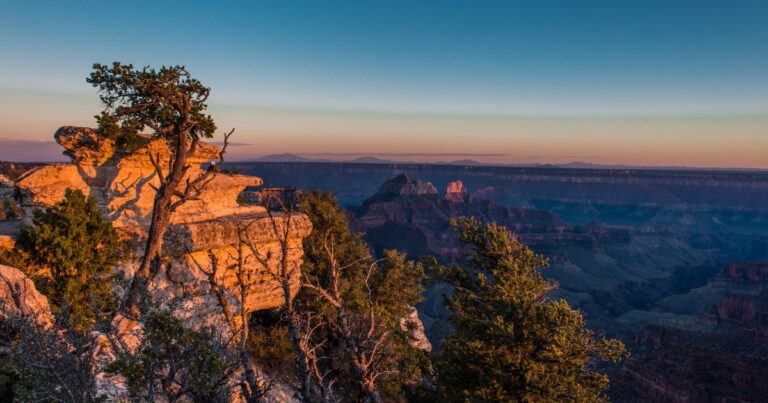
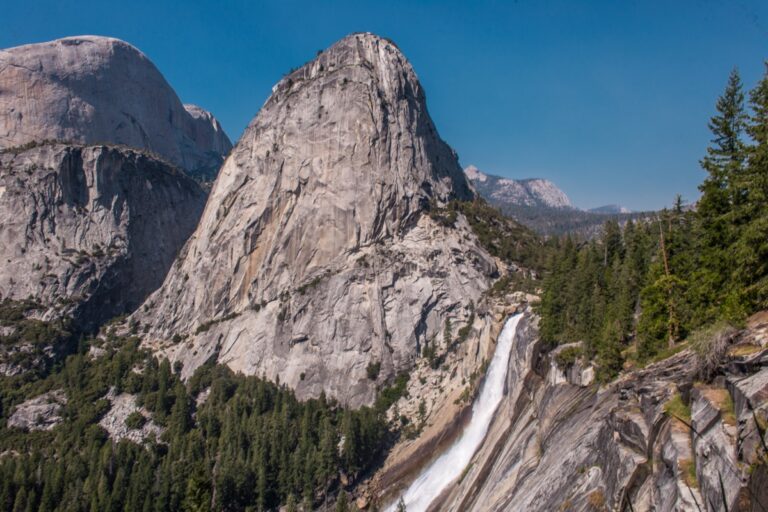
- Yosemite – granite monoliths, waterfalls and a valley that will floor you. For us, the most powerful park in all of California.
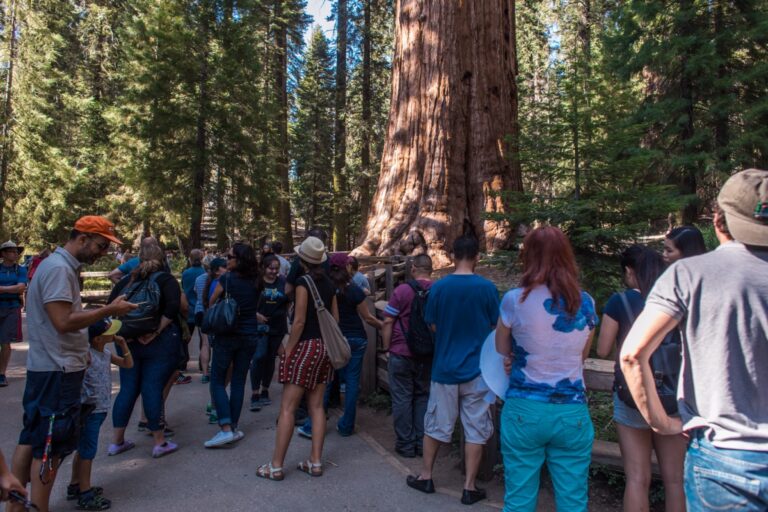
- Sequoia – home to the largest trees on Earth, including the colossal General Sherman.
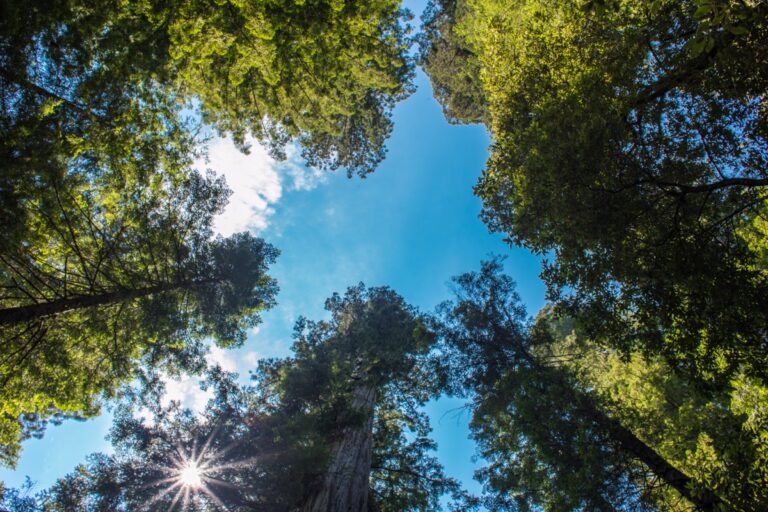
- Redwood – the tallest trees on the planet and misty rainforests up north, an atmosphere straight out of another world.
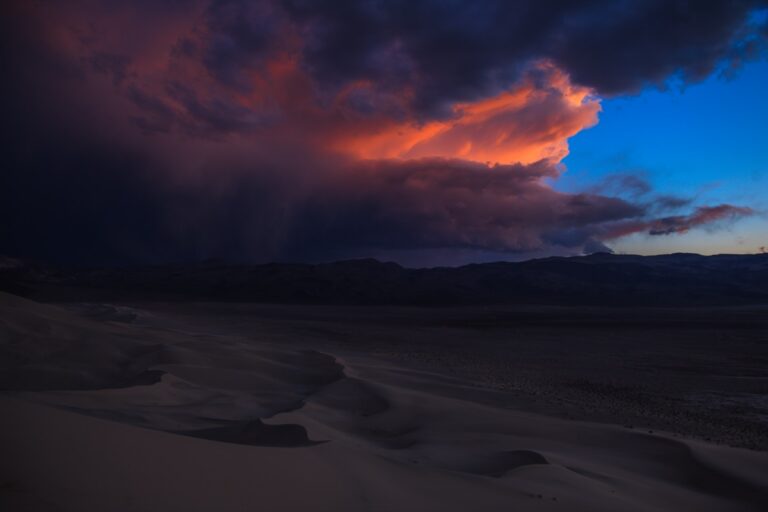
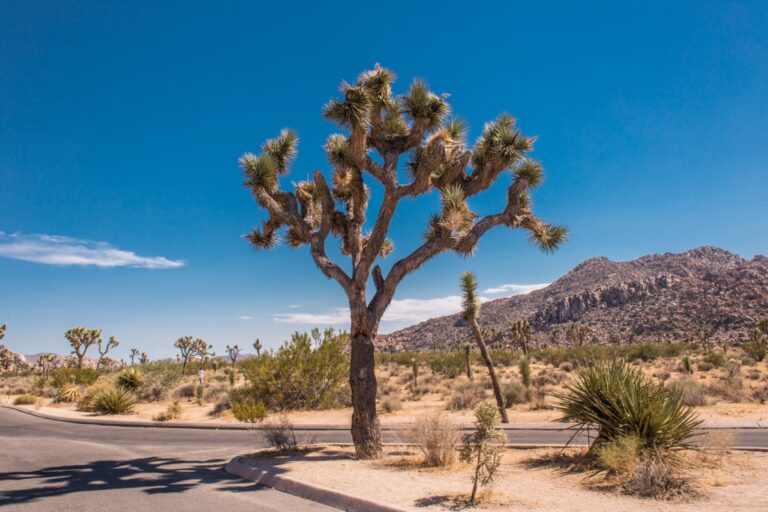
- Joshua Tree – a desert park of bizarre trees and boulders, a paradise for sunsets and stargazing.
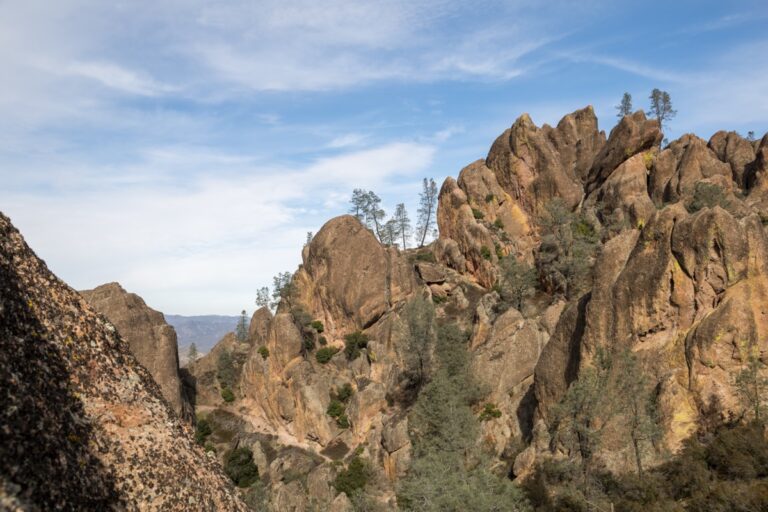
- Pinnacles – the youngest national park, where you crawl through caves and look out for rare condors.
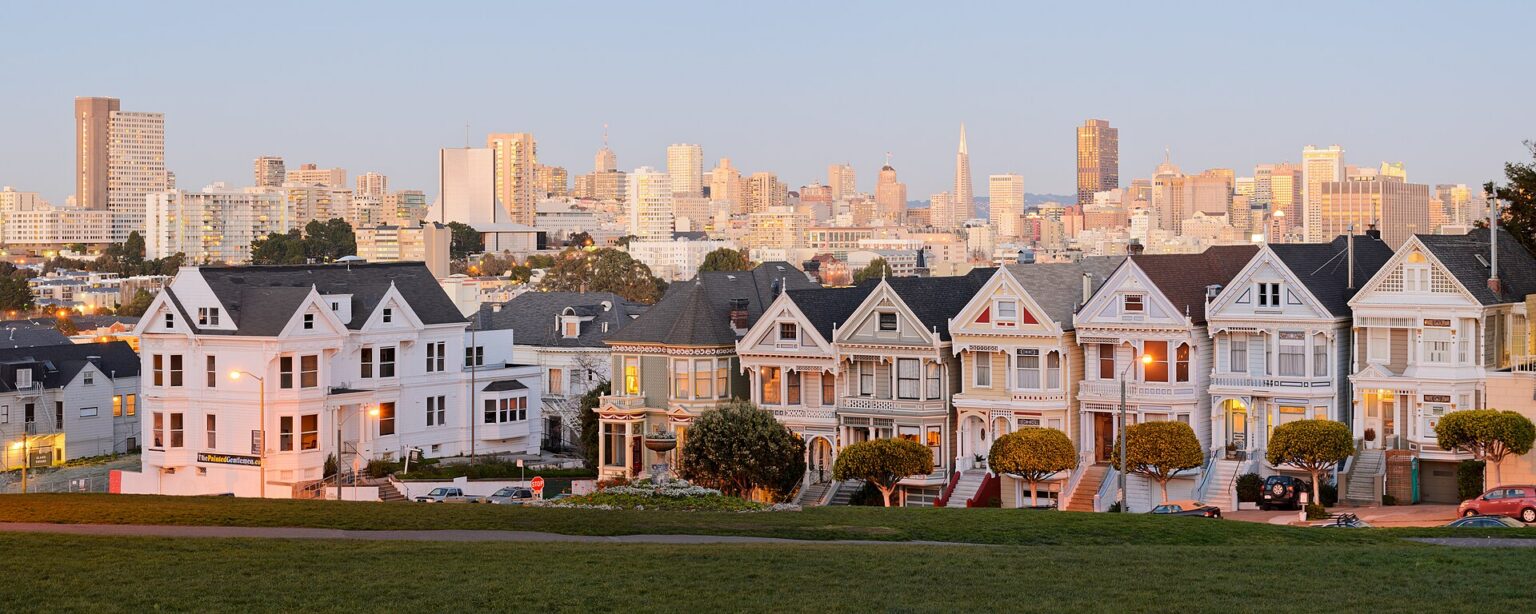
Add the cities, of course — buzzing Los Angeles and photogenic San Francisco with the Golden Gate — plus that legendary coastal highway. How to pull it all into a realistic itinerary is something we tackle in our article Road trip through the American West in 14–21 days.
When to visit California
California can be visited year-round, but the sweet spot is spring (April–June) and autumn (September–October). It’s pleasantly warm, the crowds are thinner than in summer and everything in the parks is open. Spring also means Yosemite’s waterfalls are running full, while autumn brings settled weather and warm evenings.
Summer (July–August) is the busiest and priciest time — parks are packed, cities are sweltering, and the coast often gets a chilly morning fog instead. If you want to reach the higher elevations of Yosemite (the Tioga Pass road), it’s reliably open only from late June to October, so it’s no coincidence that most people travel precisely in summer.
Watch out for the desert parks: try to visit Joshua Tree outside the summer peak, when temperatures hit 40 °C. Up north in Redwood, on the other hand, expect fog and damp pretty much any time — but that’s part of the deal and exactly what gives it its charm. Winter is mild in the lowlands, but snow closes the mountains.


How to get to California
From the Czech Republic, the only way to California is with a connection — there’s no direct route. The main gateways are Los Angeles (LAX) in the south and San Francisco (SFO) in the north; both fit perfectly with the classic road trip running from south to north (or the other way around). You’ll usually connect through one of the big European hubs (Frankfurt, Munich, Paris, Amsterdam, London) or on the US East Coast.
The real travel time from Prague, including the connection, is roughly 14–17 hours. To get around California you’ll then need a car in the vast majority of cases — distances are huge and public transport outside the cities is almost non-existent. We recommend watching flights well in advance; prices are usually best a few months before departure.
Renting a car
In California a car is practically a must — without one you won’t get between the parks or along the coast. The only exception is the cities themselves: in San Francisco a car tends to be more of a hindrance (parking is expensive and difficult), so it makes sense to pick one up only as you leave the city. For the whole road trip, book your car in advance through a rental comparison site — it’s usually pricier on the spot, and you risk the right type of car being gone.
- Insurance: pay extra for full coverage (CDW with no excess) — American repair costs are steep.
- Deposit: rental companies often block over 500 USD on your card, so keep that in mind given your card limit.
- Tolls and bridges: some bridges (e.g. the Golden Gate) are paid electronically — check how your rental company handles this so you don’t get a fine.
- Minimum age and licence: a Czech driving licence is fine, but younger drivers pay a surcharge.
Where to stay in California
On a road trip, accommodation gets sorted stage by stage — no single base will do. In the cities (LA, San Francisco) hotels and apartments make sense, while near the parks it’s motels and campgrounds. Here’s a rough guide by type of trip:
- Cities (LA, San Francisco) – hotels and apartments; in SF expect the highest prices in all of California, and you’ll save in the suburbs.
- Near the national parks – motels in the surrounding small towns (Mariposa near Yosemite, Three Rivers near Sequoia) or campgrounds inside the parks, which you need to book well in advance.
- The coast – motels and B&Bs along the highway; lovely, but pricey in season, so it pays to book ahead.
You’ll find our specific tips for staying overnight in each area in our accommodation tips below on this page and in the individual park articles.
Package tour or independent travel?
A tour is worth it when…
- you don’t want to deal with the logistics — flights, car, accommodation and the route are all planned for you;
- it’s your first trip outside Europe and you want the reassurance and support in your own language;
- you’re travelling for a shorter time and want to see as much as possible without losing time on organizing.
Go it alone when…
- you want the freedom to change plans based on the weather and your mood — which on a road trip is priceless;
- you don’t mind planning the route, car and accommodation yourself (and you’ll often save by doing so);
- you have 14–21 days and want to travel at your own pace.
The two of us did California on our own and wouldn’t do it any other way — the freedom to stop wherever we please is half the experience here. But if organizing stresses you out or you’re flying this far for the first time, a tour is a perfectly legitimate way to enjoy the trip without the worries.
Budget: daily costs in California
| Level | Accommodation | Food | Transport & activities | Total/day |
|---|---|---|---|---|
| Backpacker | 35 $–60 $ (campground, hostel, shared room) | 17 $–30 $ (cooking, fast food) | 30 $–45 $ (shared car, entry fees) | approx. 80 $–135 $ |
| Standard | 85 $–150 $ (motel, 3* hotel, apartment) | 35 $–60 $ (restaurant once a day) | 50 $–75 $ (own car, activities) | approx. 170 $–290 $ |
| Comfort | 190 $+ (4* hotel, nicer apartments) | 75 $+ (restaurants) | 85 $+ (comfortable car, excursions) | from approx. 350 $ |
Prices are indicative and calculated per person per day (excluding the flight). California is generally expensive — the biggest line items are city accommodation and fuel for long drives. Travelling as a pair also makes a car and a room work out cheaper than for a solo traveller.
How to save when planning
- Buy flights well ahead. For California the sweet spot is roughly 3–5 months before departure; waiting for a last-minute deal rarely pays off on long-haul flights. Search for flights in our flight finder.
- Book accommodation near the parks early. Campgrounds and motels around Yosemite and Sequoia fill up months ahead in season, leaving only the expensive ones. You’ll find our accommodation tips below.
- Avoid the height of summer. Flight and accommodation prices jump in July and August — shifting to May or September can easily save you thousands.
- Sort out activities and permits in advance. Some permits and popular hikes have limits and sell out. We sum up what to book in time on this page.
- If you’re considering an organized trip, keep an eye on the current tours — booking early usually beats a last-minute purchase.
Practical information
- Entering the USA: you need a valid electronic ESTA authorization (sort it out online in advance) and a biometric passport.
- Language and payments: English, and you pay by card everywhere — you’ll rarely need cash. Budget for tipping (15–20% in restaurants).
- Connectivity: the most convenient option is an eSIM — activate it before you fly and you’ll be online the moment you land in the USA, with no hunting for a SIM at the airport.
- Safety: California is generally safe, but in big cities never leave anything visible in your car — break-ins are the most common problem.
- Distances: don’t underestimate them. Between parks it can easily be 5–7 hours of driving, so plan your stages with some buffer.


