

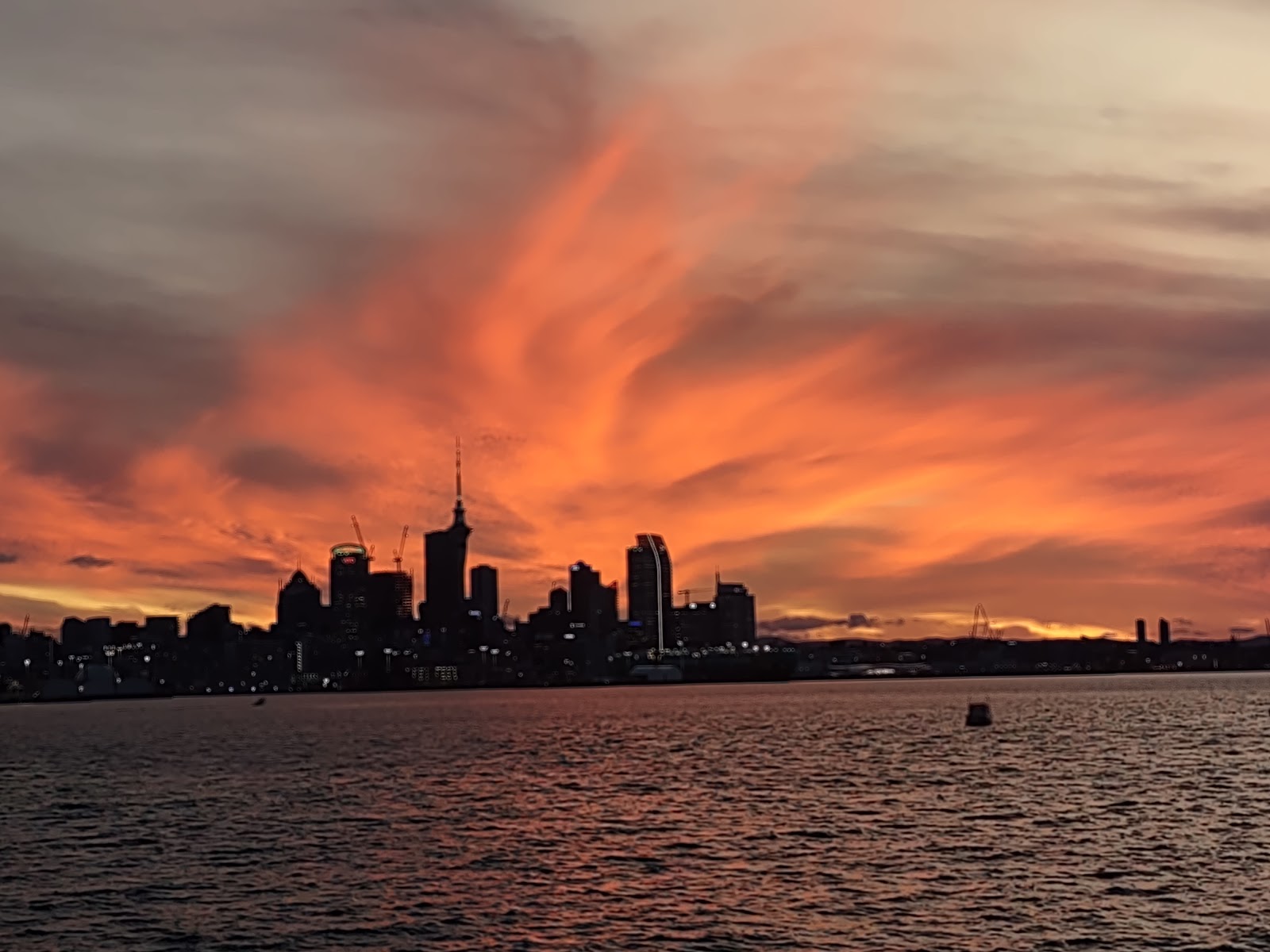
New Zealand is a dream destination for practically every traveler, and its largest metropolis welcomes you with an unexpected natural phenomenon: the city sits directly on 53 volcanic centers. Wherever you look, you’ll spot a green volcanic cone in the distance inviting you for an afternoon hike. Beyond the stunning nature, the city experienced a massive transportation revolution this autumn when the new underground City Rail Link opened in mid-September, allowing you to get around the center much faster.
Before you get excited about exploring neighborhoods full of excellent cafés and ocean views, you need to prepare for the most expensive entry ticket right at the country’s border. While tourists don’t need a traditional visa for stays under three months, you must arrange an electronic registration called NZeTA in advance and pay a tourist levy called IVL worth 100 NZD. Overall, this bureaucratic step will cost you over 117 NZD through the app, which converts to approximately €60, and you must also complete the free electronic customs declaration NZTD.
Upon arrival, pay extremely close attention to strict biosecurity rules, because undeclared food or dirty hiking boots can result in a 400 NZD fine. Additionally, transit through Australia usually requires a valid Australian visa even for short connections, so watch out for this particularly on Qatar Airways flights. However, once you navigate these formalities, a gateway opens to a diverse world where modern architecture meets wild beaches covered in black sand.
Summary
- Airport transport: The cheapest way to reach the city center is via the orange AirportLink bus to Puhinui station and then by train, paying simply by tapping your payment card.
- Public transport: All buses, trains, and inner harbor ferries accept contactless card or mobile payments, with a daily fare cap of 20 NZD (approximately €10).
- Three days is ideal: You’ll need about three days for the city itself, and definitely dedicate the rest of your time to trips into the surrounding nature or nearby islands.
- Admission fees and discounts: Many beautiful spots including the art gallery and volcanic summits are completely free, but international tourists must pay 32 NZD for the main museum.
- West coast: A trip to black sand beaches like Piha or Muriwai is essential, but be extremely careful of strong ocean currents and only swim between the flags.
- Island paradise: A ferry ride to Waiheke Island full of stunning vineyards or a hike up the youngest volcano Rangitoto ranks among the best experiences in the entire region.
- Weather will surprise you: The local climate is highly changeable and the saying about four seasons in one day holds absolutely true here, so layered clothing is essential.
When to Visit Auckland and Practical Information
The local climate is incredibly variable, and locals jokingly claim that you’ll experience all four seasons in a single day. The most stable and warmest weather occurs in February and March, when daytime highs hover around a very pleasant 24 degrees Celsius and rainfall is at its lowest. Winter months from June to August aren’t particularly freezing, but prepare for many rainy days, averaging around fifteen per month.
Even though summer temperatures around twenty degrees might seem harmless, you must remember that the sun burns much more aggressively here than in Europe. In December and January, the UV index reaches an extreme value of 12, so without quality sunscreen, a hat, and sunglasses, you’ll get burned even at just twenty-two degrees. Tap water is safe and drinkable, so carry a reusable bottle everywhere and regularly stay hydrated.
Regarding practical matters on the ground, many businesses still charge a small surcharge for card payments, as the planned ban on these fees was ultimately canceled in spring 2026. Tipping isn’t expected in regular restaurants, but if you’re extremely satisfied with the service, you can round up the bill slightly. If you plan to drive, remember that traffic moves on the left and you need an International Driving Permit alongside your regular license, and from November 2026, you can drive on a foreign license for a maximum of 12 months.
Where to Stay in Auckland
Choosing the right neighborhood is crucial for comfortable city exploration, as it helps you avoid unnecessary stress in traffic jams. If you’re visiting for the first time and don’t want to rent a car immediately, the best choice is the city center itself, or CBD, and the area around Britomart. You’ll have all the important transport hubs including ferries and the new metro right at your doorstep, making it easy to reach major attractions and surrounding islands.
If you prefer a quieter atmosphere and love excellent cafés, I recommend choosing accommodation in the trendy neighborhoods of Ponsonby or Parnell. You’ll find plenty of beautiful boutiques and outstanding restaurants, while the city center is still just a short bus ride or pleasant longer walk away. For travelers with rental cars, neighborhoods like Mount Eden or Newmarket are ideal, because parking directly in the city center can easily cost you 70 NZD for a single night.
Looking for specific hotel recommendations worth trying? Right in the heart of the action near the harbor, you’ll find the beautiful and eco-focused The Hotel Britomart, which will charm you with its design and location. The modern M Social Hotel Auckland offers excellent water views, located on Quay Street right opposite the harbor. If you’re looking for great value for money directly in the city, definitely check out Sudima Auckland City, and for early morning departures, Pullman Auckland Airport will serve you well. More detailed tips on neighborhoods and hotels can be found in our article Where to Stay in Auckland.
💡 Use this map to compare what’s currently available — you’ll immediately see how prices change just a few blocks away.
22 Things to See and Do in Auckland
1. Sky Tower
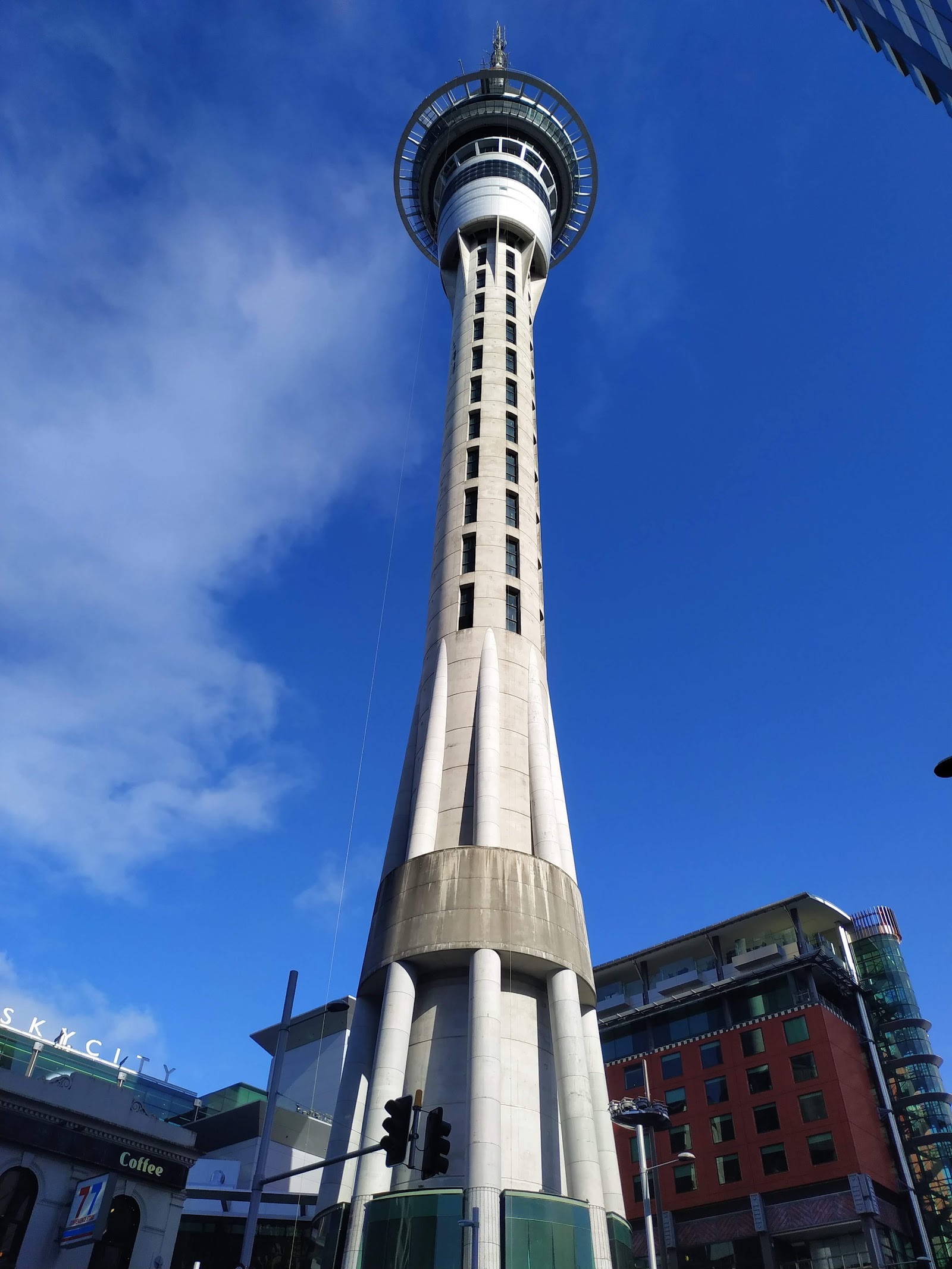
You’ll spot the city’s landmark from a distance practically everywhere, as this iconic tower soars to an impressive height of 328 meters. From the observation decks, you’ll see the surrounding volcanoes, both harbors, and islands in the Hauraki Gulf.
Standard adult admission costs 47 NZD, which converts to approximately €25, and you can buy your ticket directly on-site or conveniently online. The tower is open daily, usually until 8 PM or 9:30 PM depending on the current season, so you can easily catch the sunset here. You’ll enjoy the most beautiful sky colors from the glass-floored Sky Deck level, located 220 meters above the bustling streets.
For adrenaline lovers, the tower offers two crazy experiences you won’t soon forget. You can book the popular SkyWalk, where you walk around an external ledge without railings, or try the controlled SkyJump descent from 192 meters high, priced from 280 NZD. Both attractions are fully secured with professional safety cables, but stepping into the void above the deep city chasm requires a serious dose of personal courage.
💡 Tip: The tower also has a revolving restaurant called Orbit, where you can enjoy an excellent dinner with panoramic views, but you must book your table well in advance.
2. Maungawhau / Mount Eden
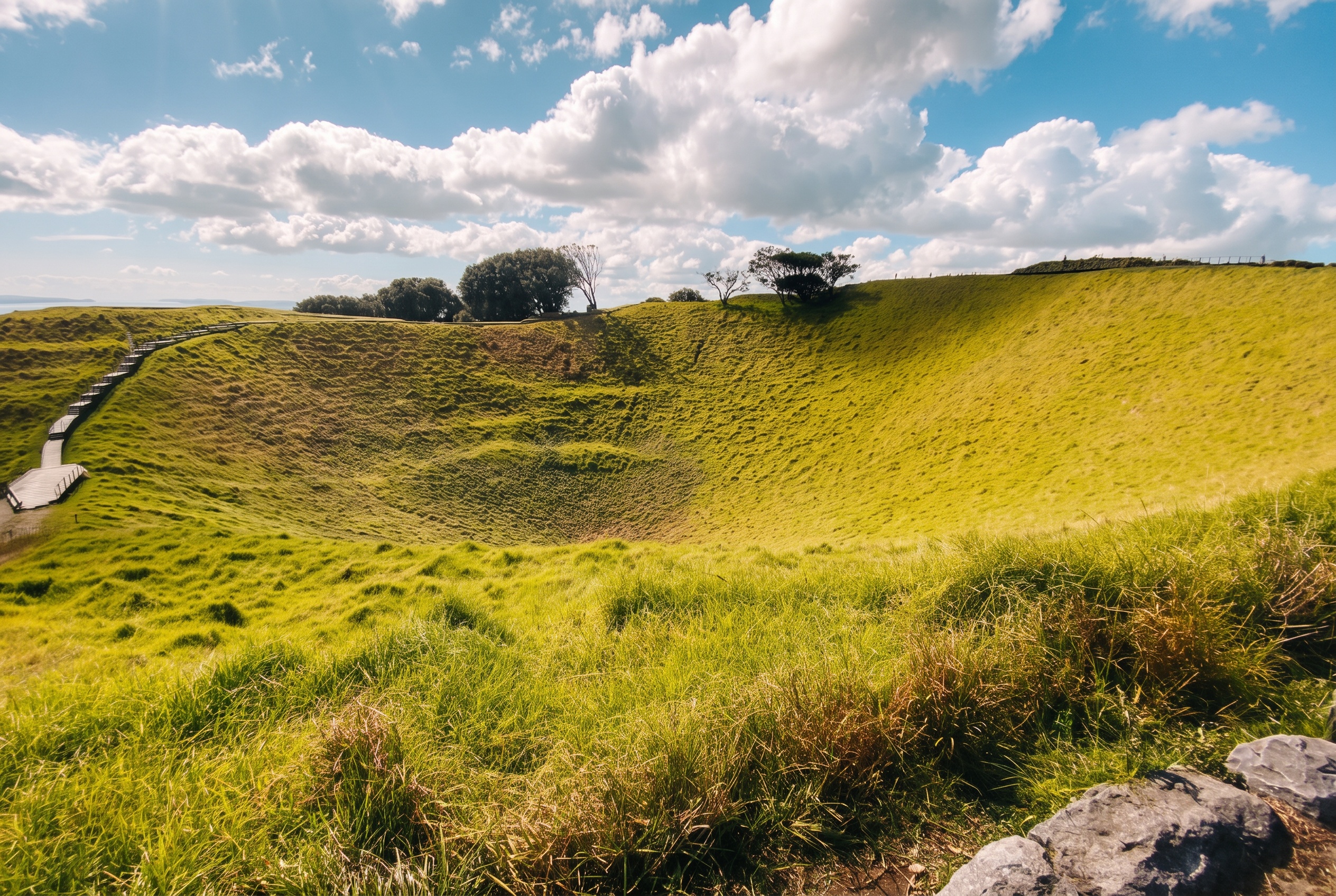
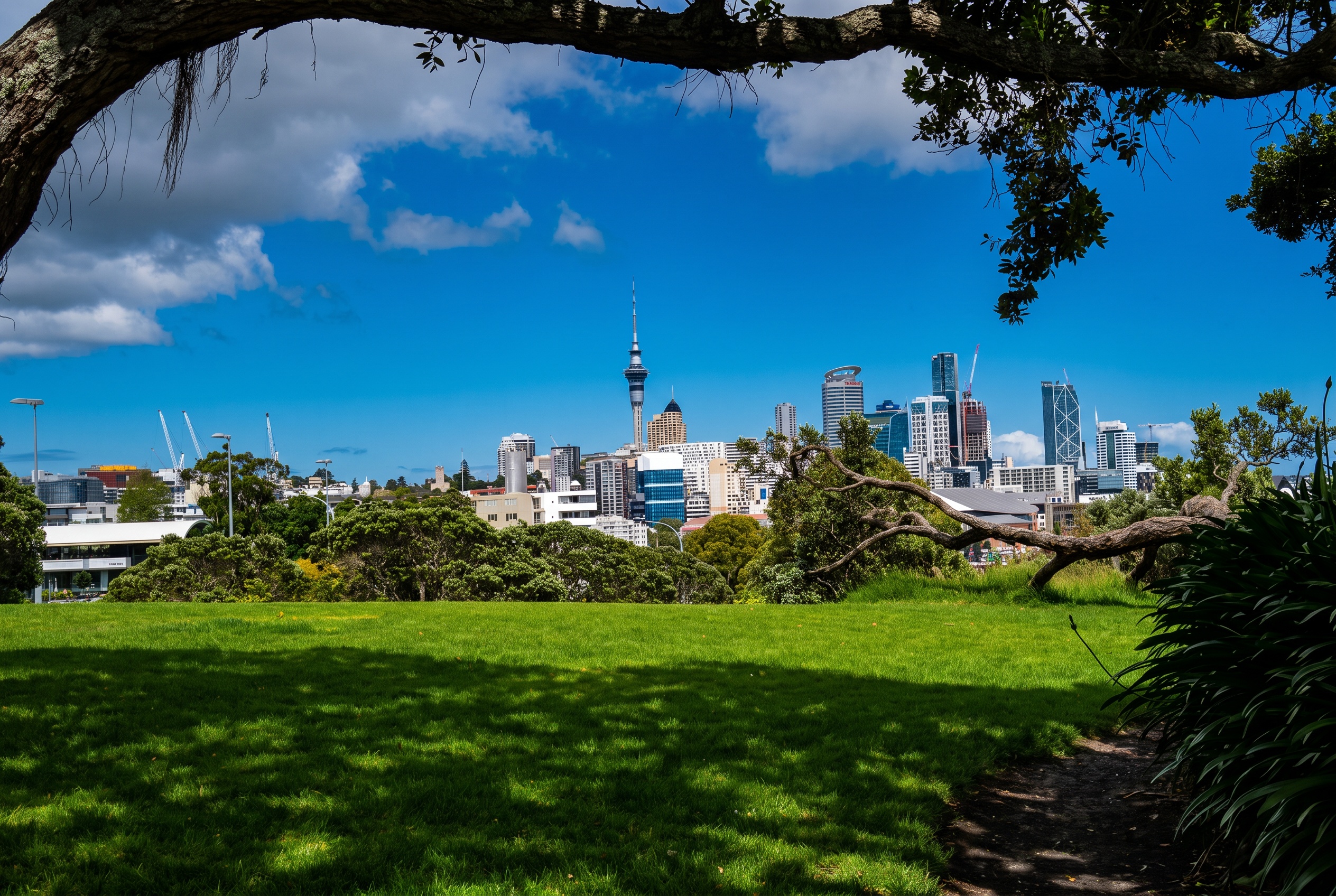
Climbing a real volcano right in the middle of a large city is an experience you definitely shouldn’t miss. Mount Eden, at 196 meters high, is the highest mainland volcano in all of Auckland, and from its grassy rim you’ll get one of the most beautiful views of the entire modern center. At the very bottom is a fifty-meter-deep crater that is a deeply sacred place for the local Māori.
To protect this precious site, a rule was introduced back in 2016 that private cars are strictly prohibited from driving to the summit. You can only get up there on foot, which turns the pleasant walk into a wonderful escape from traffic noise. Since 2020, there’s also been a beautiful elevated wooden walkway that safely guides you along the crater rim while protecting the sensitive volcanic soil from trampling.
The journey to the summit became enormously easier in September 2026, when the new Maungawhau train station opened, part of the new City Rail Link metro network. From the train, you’ll face just a gentle hill, with about 15 to 25 minutes of walking to reach the viewpoint, depending on your pace. Remember to respect the local rules and under no circumstances descend directly into the crater – just enjoy the view from the maintained wooden walkways.
💡 Tip: The best light for photographing the panorama with the Sky Tower will be early morning or late afternoon, when the sun is lower and the city colors appear much warmer.

3. Auckland War Memorial Museum, Auckland Domain, and Wintergardens
You can’t miss this enormous museum set in a beautiful park, because its classical building is monumentally impressive. Inside you’ll find fantastic collections documenting not only New Zealand’s military history, but above all one of the most significant exhibitions of Māori and Pacific culture. You’ll learn plenty of information about the unique nature, ancient Polynesian seafarers, and discover amazing wood carvings.
While local residents have free entry, foreign tourists pay 32 NZD for a ticket, which is approximately €21. If you visit during school holidays, the museum is open daily from nine to five, and on Tuesday they even hold evening tours until half past eight. Set aside at least three hours for your visit, because the individual floors are packed with artifacts from across the Pacific.
The building stands in the sprawling Auckland Domain park, which is the oldest park in the city and spreads across another old volcanic cone, Pukekawa. Right next to the museum, I definitely recommend visiting the enchanting Wintergardens glasshouses, which are completely free to access. You’ll find beautiful tropical and temperate plants, a peaceful pond, and plenty of benches ideal for a short rest after long hours walking among museum display cases.
💡 Tip: During the current reconstruction of some Māori and Pacific galleries, the museum offers discounted admission, so always check the current price in advance on their official website.
4. Auckland Art Gallery Toi o Tāmaki
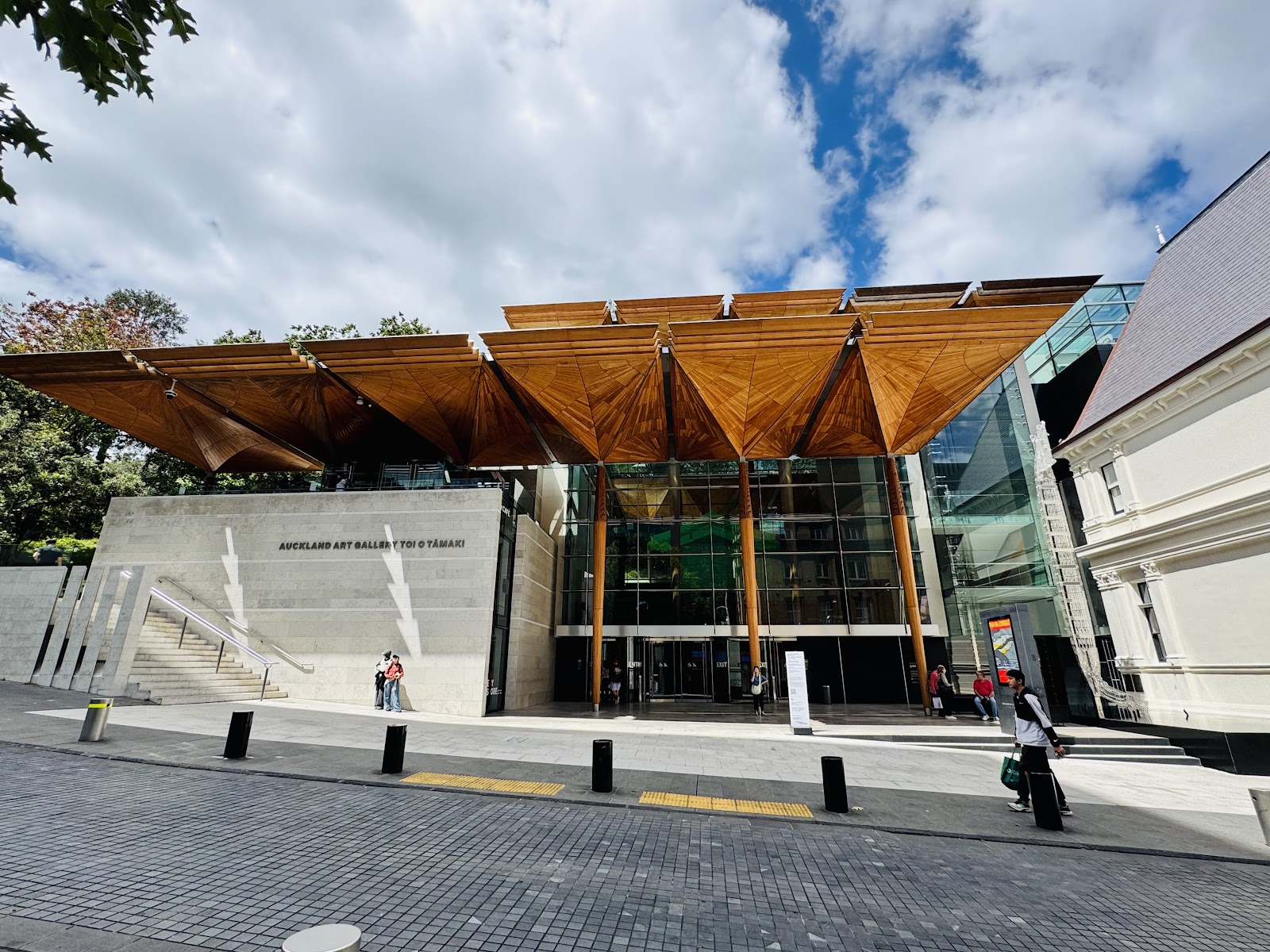
Right in the city center, a short walk from the main shopping street, you’ll come across a beautiful building that houses the main city gallery. The building itself is an architectural masterpiece, as it sensitively connects a historic late-nineteenth-century building with modern glass elements and huge wooden columns. You’ll find New Zealand and international art here.
The best news for all travelers on a limited budget is that entry to the permanent exhibitions is completely free for all visitors. The building is open daily from ten in the morning to five in the evening, and you only pay for some special visiting exhibitions from around the world. If you’re carrying a heavy backpack with gear, you can leave it free of charge in the local cloakroom and walk among the paintings completely unburdened.
During your visit, definitely don’t miss the section devoted to original Māori art, which brilliantly introduces you to the history of local tribes through stunning portraits with traditional facial tattoos. The gallery also offers freely available wi-fi with a limit of one gigabyte per day, which always comes in handy for quickly looking up information about other stops. After your art experience, you can also enjoy coffee in the adjacent cozy café with a view of the greenery of nearby Albert Park.
💡 Tip: If you arrive by car, park in the parking building on Victoria Street East, where in the evening and on weekends you’ll pay a very reasonable 2.50 NZD per hour.
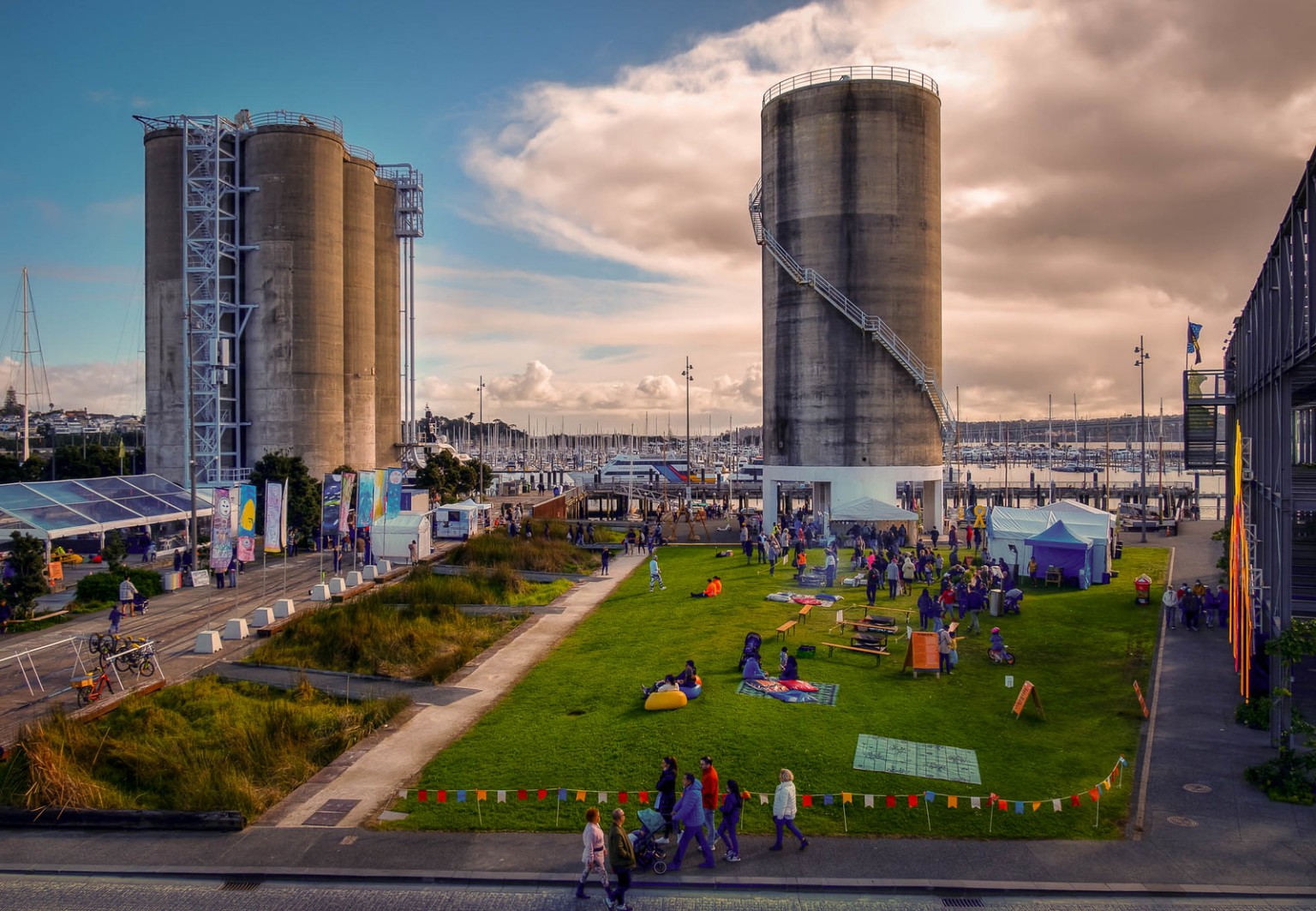
5. Viaduct Harbour, Wynyard Quarter, and Silo Park
The harbor area of the city has undergone an enormous transformation over the past two decades and today is the liveliest place in the entire center. What was once an industrial area has become a beautiful promenade full of luxury yachts, wide sidewalks, and modern architecture that invites long afternoon walks. The entire Viaduct Harbour area is surrounded by dozens of restaurants and bars that buzz with life from early morning until late at night.
When you cross the iconic pedestrian lift bridge, you’ll reach the modern Wynyard Quarter district, which is an excellent example of modern urban planning. A bit further on, you’ll come across the popular Silo Park, which is dominated by huge old industrial silos from the original cement works. This public space is freely accessible twenty-four hours a day, and during the summer months, markets, concerts, and outdoor film screenings are regularly held here, projected directly onto the wall of one of the silos.
While walking through Wynyard Quarter, you’ll also come across Auckland Fish Market, a fish market with fish and chips stalls where locals go for fresh fish and seafood. The entire harbor area is flat and beautifully maintained, making it an ideal place for a relaxed evening with a view of the moored sailboats.
💡 Tip: Head here just before sunset, when the lights of the surrounding skyscrapers and luxury yachts begin to beautifully reflect on the calm sea surface.
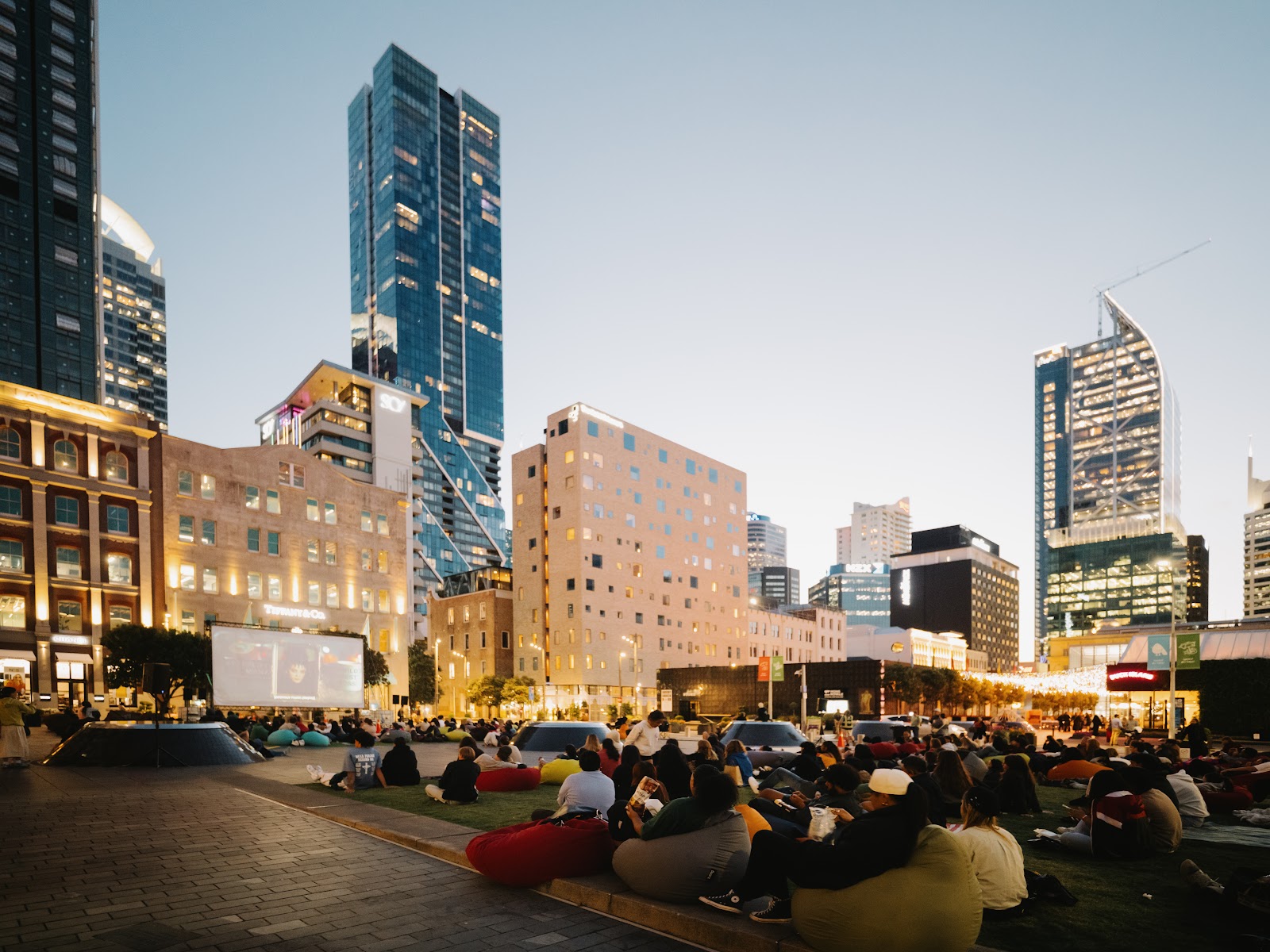
6. Britomart and the New Te Waihorotiu Station
The Britomart area is the elegant heart of the city, where beautifully renovated historic buildings mix with modern glass offices. You’ll find the most stylish fashion boutiques, design shops, and cozy cafés that invite you to an afternoon sitting with an excellent flat white. The entire district feels clean and well-maintained, so it’s no wonder that many locals head here for shopping or business meetings in modern shared offices.
Until recently, trains from all directions terminated at Waitematā station, but everything changed after the opening of the new City Rail Link metro. Trains now continue through a new underground tunnel into the center, and one of the first major stops is the brand-new underground Te Waihorotiu station. It’s expected to become the busiest transport hub in the entire country, as it lies directly beneath the popular Aotea Square and the main shopping street, Queen Street.
Thanks to these transport changes, getting around the center has become enormously faster and simpler. From Britomart you can now comfortably reach the popular Karangahape Road by train, which used to mean quite a lengthy journey on a crowded bus up a steep hill. The entire area around the interchange is interwoven with small car-free lanes where you can stroll peacefully and admire how the city has managed to modernize with respect for its old brick architecture.
💡 Tip: Explore the small hidden passages between buildings, such as Snickel Lane, where excellent cafés and bistros with a relaxed atmosphere hide away from the main street.
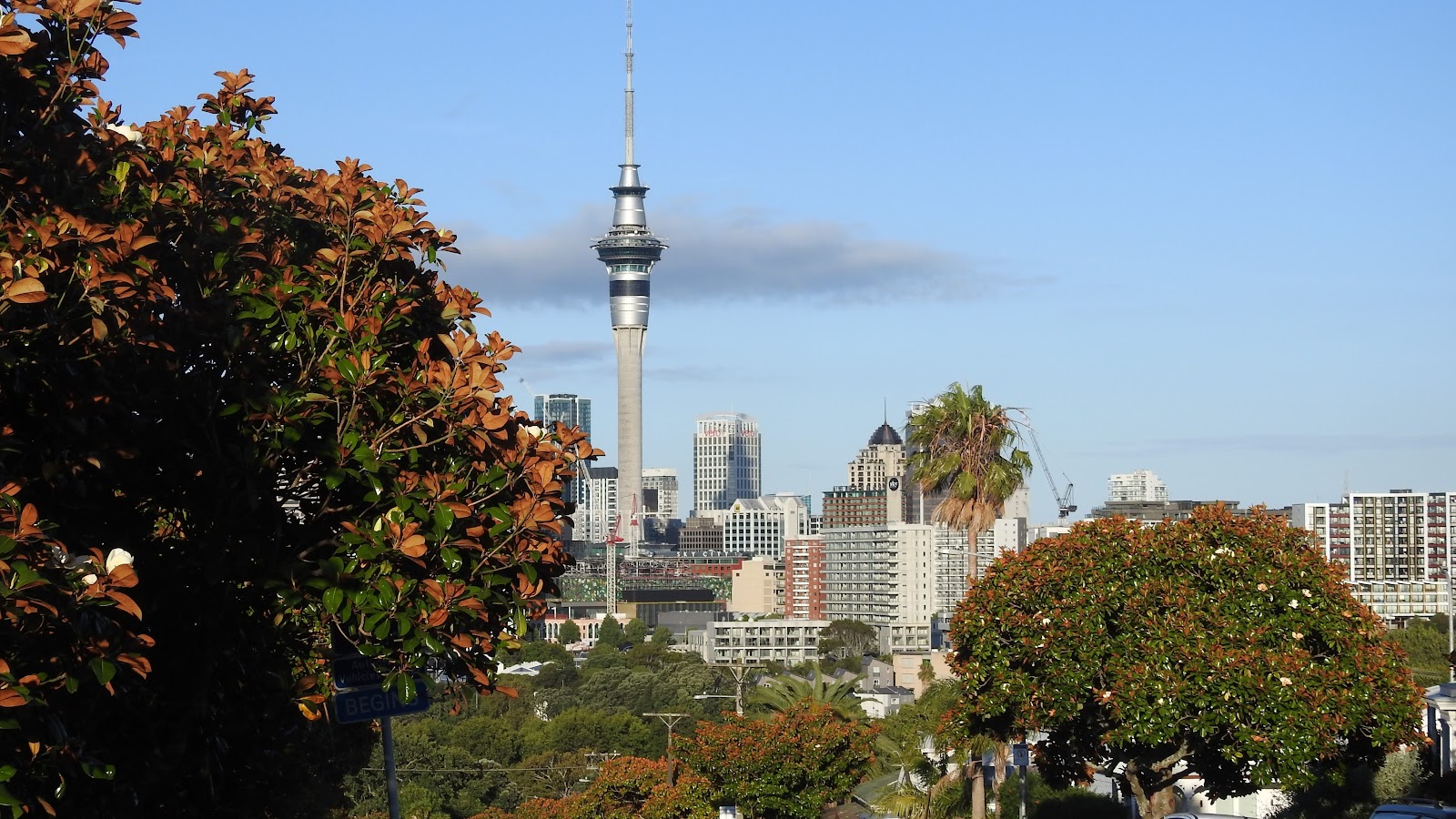
7. Ponsonby Road and K Road
These two famous streets form the cultural and culinary heart of the city, though each has its own distinct and unmistakable atmosphere. Ponsonby Road is filled with luxury boutiques, elegant wooden villas, and renowned eateries where locals flock for the best weekend brunches. In contrast, Karangahape Road, or K Road for short, is much wilder, bohemian, and packed with fantastic vintage shops, independent galleries, and vibrant street art.
Both neighborhoods are also a paradise for lovers of quality plant-based food, as they offer an endless array of fantastic vegetarian and vegan options. Definitely worth mentioning is the fully vegetarian Asian restaurant East, which even made it into the prestigious Michelin selection for 2026. If you’re looking for something more casual, don’t miss the 100% vegan Gorilla Kitchen on K Road, or stop by the celebrated Little Bird Kitchen on Ponsonby for excellent coffee.
K Road is now more accessible than ever, thanks to the recently opened Karanga-a-Hape train station as part of the new metro system. Just ride the escalators up from underground and you’ll find yourself right in the middle of pulsating life, filled with street musicians and creative people. Don’t forget to peek into the beautiful historic St Kevin’s Arcade, whose enormous windows offer lovely views into the greenery of nearby Myers Park.
💡 Tip: If you love Asian dumplings, hop on a bus a bit further to the famous Dominion Road, where alongside the excellent vegetarian spot Forest you’ll find dozens of authentic Asian bistros.
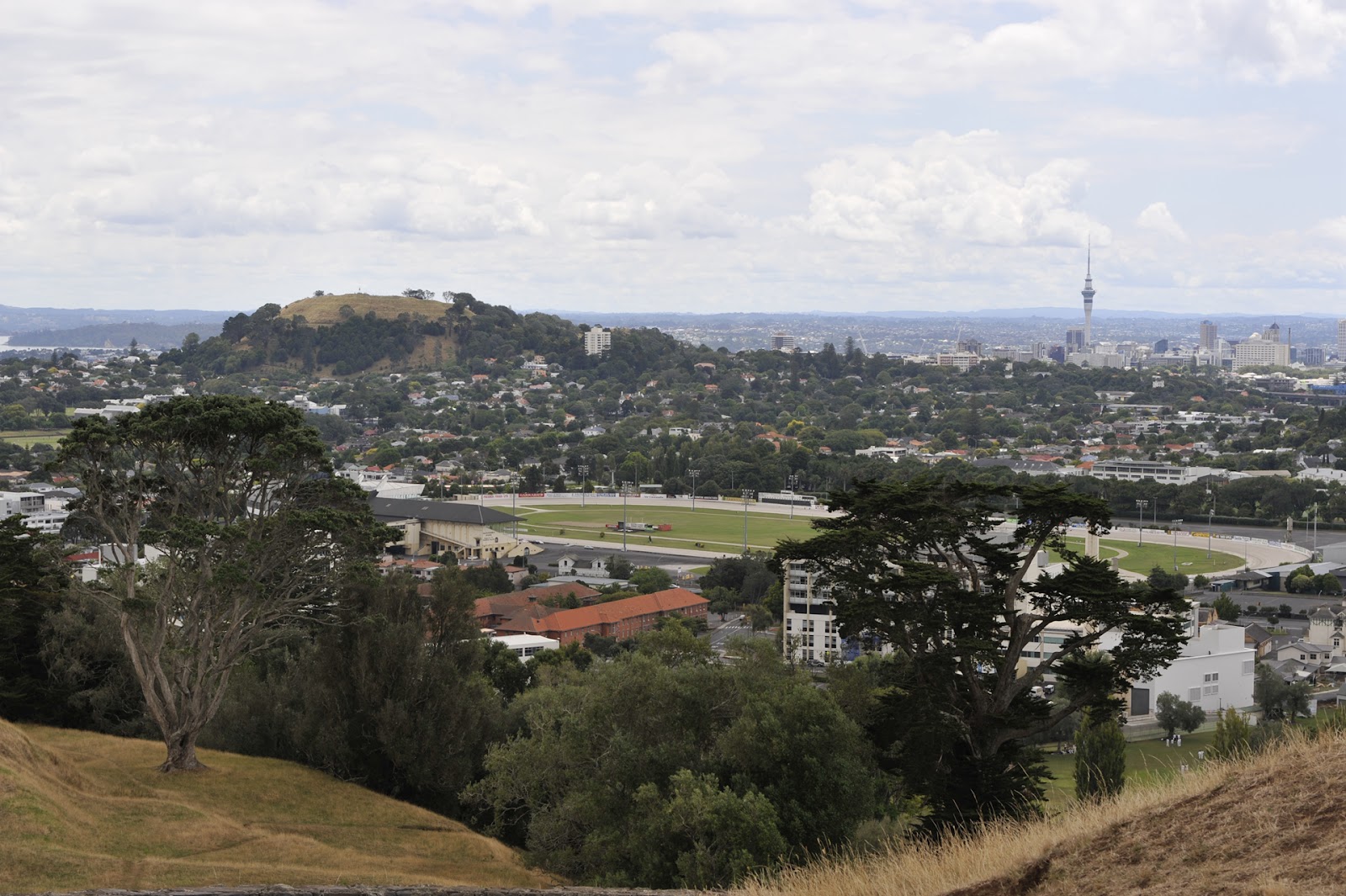
8. Maungakiekie / One Tree Hill and Cornwall Park
This enormous green oasis in the middle of urban development is one of the most beautiful places to relax that you can visit here. The complex consists of the gorgeous Cornwall Park, full of old mature trees, and the volcanic summit of Maungakiekie itself, standing 182 meters high. The park is open daily from seven in the morning until early evening and offers plenty of trails for walkers and cyclists, so you can easily spend half a day here.
What will completely disarm you during your visit is the fact that hundreds of sheep and cattle graze freely here right in the middle of a major city. This gives the entire place a wonderful countryside atmosphere, even though you’re standing just a few kilometers from the tallest skyscrapers. When you climb to the volcano’s summit itself, you’ll be rewarded with a stunning 360-degree view of both harbors that surround the city from east and west.
The place also has quite a turbulent history, commemorated by the massive stone obelisk standing at the very top. The English name One Tree Hill came from a solitary pine tree, which was damaged by activists in the early 2000s and eventually had to be removed. Although the original tree no longer stands at the summit, the place still has a powerful atmosphere and remains one of locals’ favorite spots for Sunday family picnics.
💡 Tip: After climbing the hill, stop by the café right in Cornwall Park, where in addition to excellent coffee they also offer fantastic artisan ice cream made from local cream.
9. Mission Bay and Tamaki Drive
If you’re in the mood for a relaxed beach atmosphere without having to leave the city, head to the popular Mission Bay beach. It’s reached via the wonderful Tamaki Drive coastal promenade, which follows the bay eastward from the center. The road is lined with tall trees and offers perfect views of the sea with the unmistakable silhouette of the volcanic island Rangitoto on the horizon.
Mission Bay itself is a beautiful sandy beach with calm water, so you can easily swim in summer or rent a paddleboard. Right across the road from the beach you’ll find dozens of excellent cafés, ice cream shops, and popular bistros where locals come to enjoy lazy Sunday afternoons. Thanks to the wide strip of maintained grass between the beach and the road, it’s also an ideal spot for a picnic with friends or reading a book on a blanket.
The entire route along Tamaki Drive is extremely popular with runners, inline skaters, and especially cyclists, because it’s flat and offers dedicated lanes for bikes and pedestrians. The journey from the center to Mission Bay measures about eight kilometers, which is the perfect distance for renting a shared e-bike or a leisurely scooter ride. On the way back, you can stop at some of the other smaller beaches dotted along this amazing coastal road.
💡 Tip: If you don’t feel like walking or cycling, plenty of regular buses run here from the center, where you just need to tap your payment card.
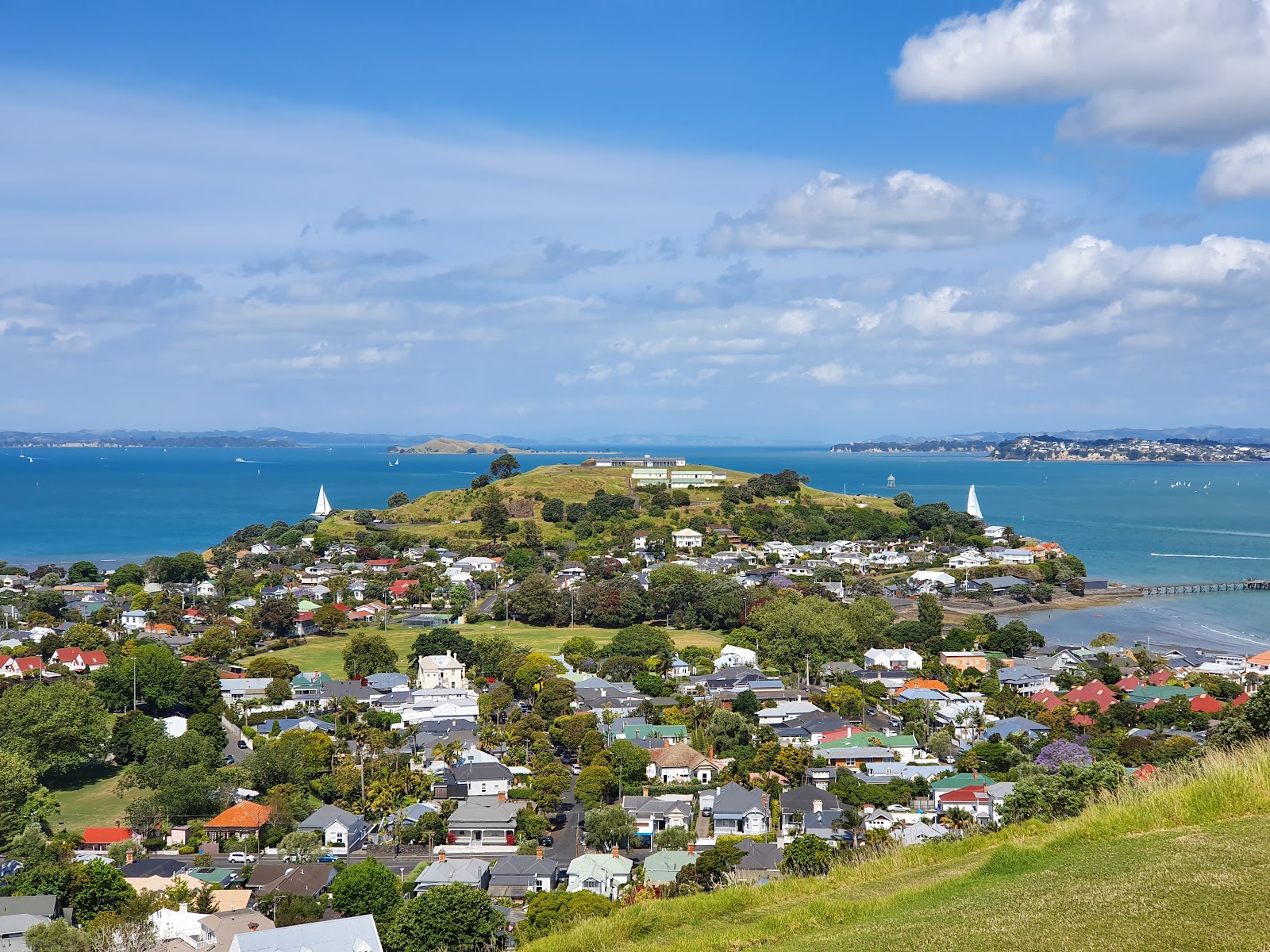
10. Devonport, North Head and Mt Victoria
A surprisingly short sail from the city center transports you to a completely different world, full of historic wooden houses and quiet streets. The ferry to Devonport takes just twelve minutes and is part of the regular public transport network, so you pay the standard fare simply by tapping your contactless card. This charming village on the north shore of the bay is known for its antique shops, small independent cinemas, and excellent bakeries.
From the center of Devonport, definitely head to the nearby hill of Maungauika, also known as North Head. This former military fortification hides an enormous network of old underground tunnels and preserved artillery pieces that you can explore completely free of charge from six in the morning until ten at night. The views from this strategic point over the open ocean and approaching ships are fantastic and definitely worth the bit of effort climbing up.
The second hill rising directly above the ferry terminal is Takarunga, or Mount Victoria, and it offers perhaps the best view of the city anywhere. From its grassy summit you’ll see the entire silhouette of modern skyscrapers with the Sky Tower and the busy harbor right at your feet. It’s the perfect place to go in early evening, sit in the grass, and watch the city on the other side of the bay slowly light up as night falls.
💡 Tip: Don’t forget to bring a headlamp for exploring the military tunnels at North Head, or at least charge your phone fully, because it can get quite dark and damp inside.
11. Rangitoto
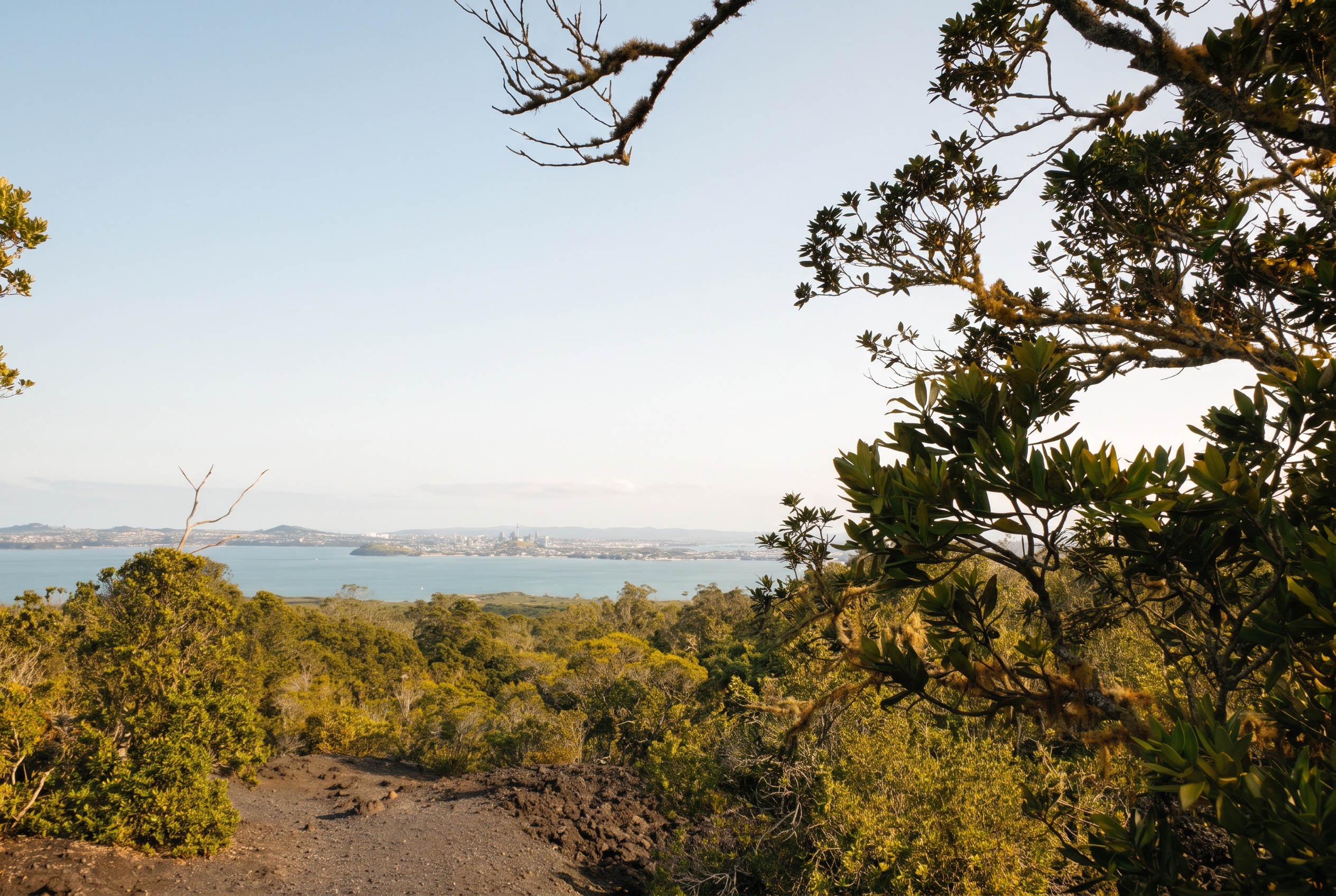
When you look out from the city toward the sea, your eye is drawn to a perfect volcanic cone rising straight from the waters of Hauraki Gulf. This is Rangitoto, the youngest volcano in the entire volcanic field, formed by a massive eruption just six hundred years ago. The ferry trip with Fullers360 takes just under half an hour from the center, and a return ticket costs adults 55 NZD, which includes the conservation fee.
Before departure, you must be prepared for strict biosecurity checks, because the island is a rare predator-free reserve. Before boarding the boat, they’ll inspect your backpacks and shoe soles to ensure you don’t bring any dangerous seeds, soil, or unwanted pests to the island. Moreover, you won’t find any cafés, shops, or rubbish bins on the entire island, so you need to bring all your food and especially plenty of drinking water with you.
The climb to the crater summit is an unforgettable experience that will take you about two to three hours including the return journey. The trail, just under two and a half kilometers long, leads across a black lava field on which grows the world’s largest forest of pōhutukawa trees. The elevation gain is about 260 meters, and at the top you’ll be rewarded with a fantastic view into the volcanic crater and a panorama of the entire bay with sailboats.
💡 Tip: Ferry tickets cannot be purchased on the spot and boat capacity is limited, so definitely book them well in advance online, ideally as soon as you know your trip date.
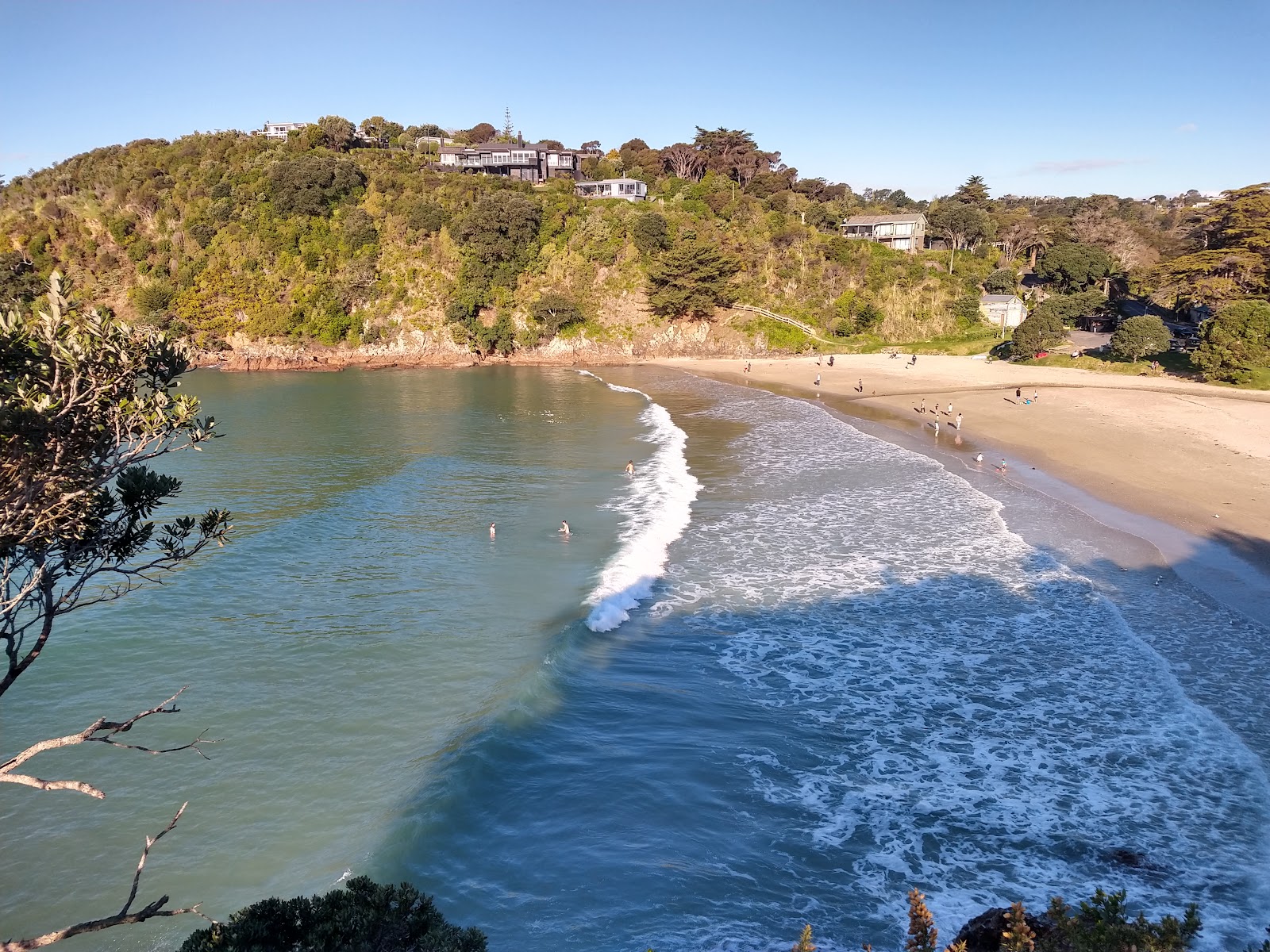
12. Waiheke
This stunning island is synonymous with relaxation, excellent local produce, and some of the most beautiful beaches in the wider area. The ferry crossing takes about forty minutes, but be careful that the standard daily cap on your payment card doesn’t apply to this route because it’s a long-distance ferry. You’ll pay 65 NZD for a walk-up return ticket, but if you head out of the city after 1 PM, you can save money with an off-peak ticket for 48.50 NZD.
Waiheke Island is world-renowned for its amazing microclimate, which makes it exceptionally well-suited to growing grapes and producing quality wines. You’ll find dozens of top-notch wineries here, many of which offer fantastic tastings with ocean views, such as the highly-rated Mudbrick or Cable Bay. Most establishments also offer excellent cheese or vegetable platters alongside the wine, so vegetarians will find plenty to enjoy.
Besides the vineyards, the island will delight you with its perfect bays featuring soft sand and turquoise-clear water. Don’t miss the beautiful Oneroa Beach, which is located just a short walk from the main village and is ideal for an afternoon swim. Given that the island is quite hilly and sprawling, it’s worth buying a ticket for the Hop-On Hop-Off bus or renting a quality e-bike for convenient getting around.
💡 Tip: During the summer season, the island is bursting at the seams, so if you want to secure a table at one of the popular wineries or for lunch, make your reservation even a month in advance.
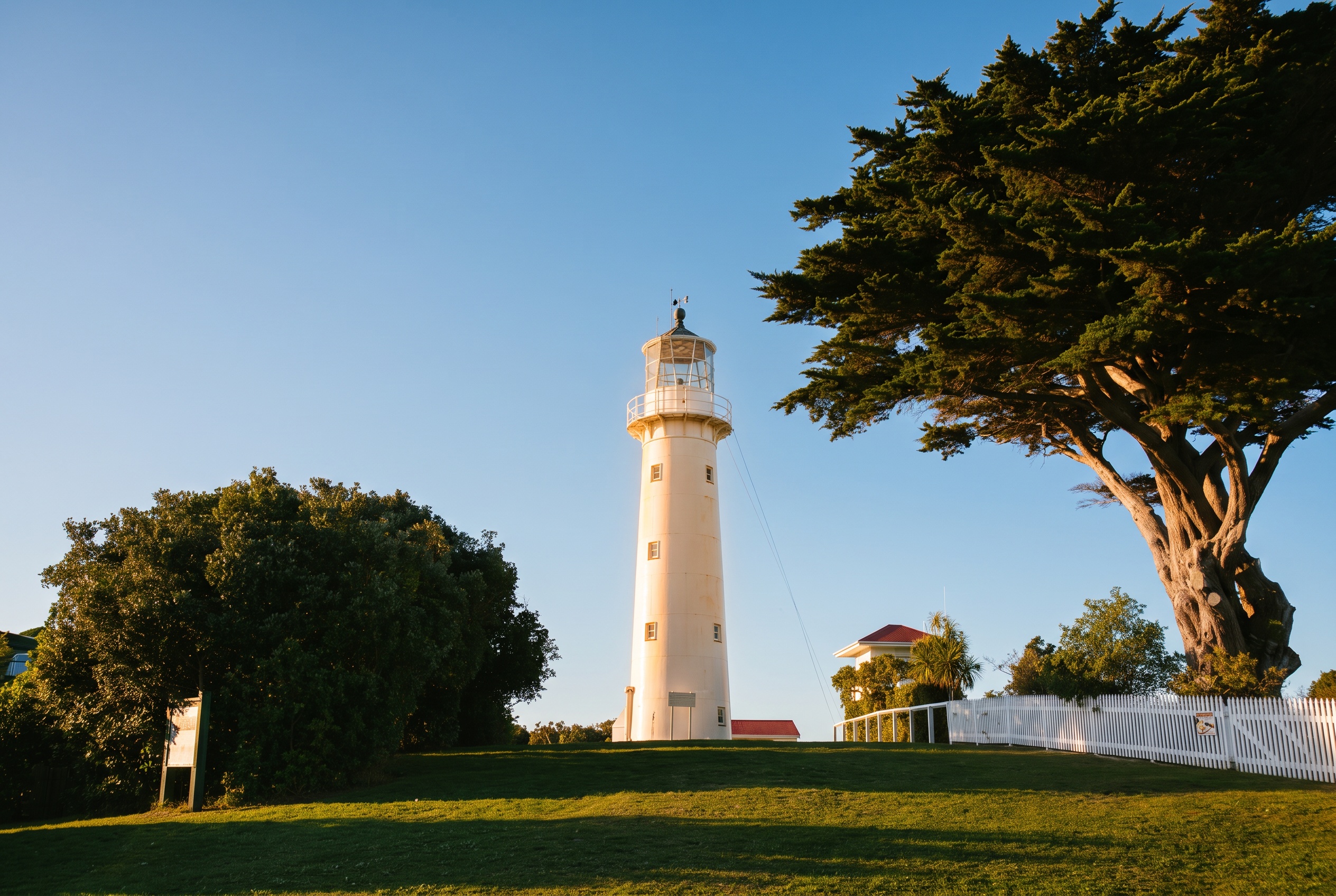
13. Tiritiri Matangi
For lovers of wild nature and ornithology, this small islet in the Hauraki Gulf is a must. It’s a strictly protected bird sanctuary without any predators, where, after massive conservation efforts, rare and endangered New Zealand bird species have been successfully reintroduced. If you’re lucky, you might spot the flightless takahē, the melodious kōkako, or the rare stitchbird in the wild.
Getting here requires some planning, as Explore Group ferries don’t run every day, but typically only from Wednesday to Sunday. A return ticket for an adult costs around 110 NZD, which is quite pricey, but the money helps protect this unique natural treasure. The journey takes a bit longer than to the other islands, and boat capacity is strictly limited to avoid disturbing the fragile ecosystem.
Like on Rangitoto, you won’t find any refreshment stands or restaurants here, so you’ll need to bring all your picnic food in your own backpack. The island is crisscrossed with a network of beautiful and well-maintained hiking trails that will take you into the densest parts of the forest and to coastal viewpoints. Don’t forget to go through a thorough inspection of your shoe soles and backpacks while still on the mainland to make sure you’re not carrying any seeds.
💡 Tip: During the peak season from November to April, ferries to the island are often sold out weeks in advance, so don’t delay booking your crossing.
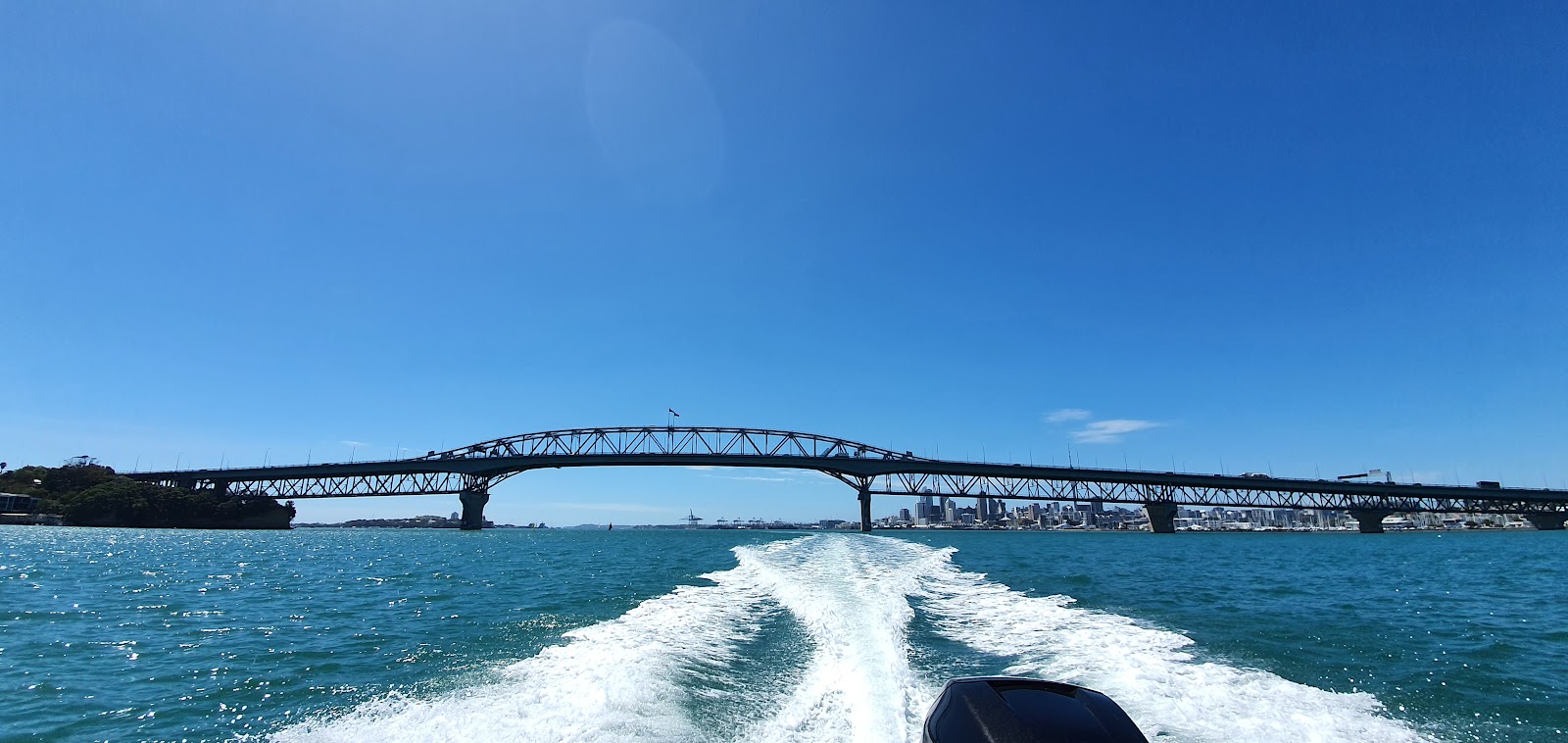
14. Harbour Bridge Climb and Bungy
If you love heights and engineering structures, this experience will get your heart racing. The massive steel Auckland Harbour Bridge stretches over a kilometer in length and has connected the city center with the northern suburbs since 1959, with a huge volume of traffic crossing it daily. But you can see places that ordinary mortals can’t—right inside its steel framework.
During the organized Bridge Climb, you’ll reach the very top of the bridge via technical walkways, which towers 64 meters above sea level. They’ll kit you out in safety gear, clip you onto a line, and a guide will safely lead you across the entire arch with stunning harbor views. This roughly two-hour experience, during which you’ll also learn plenty of fascinating facts about the bridge’s construction, will cost you 165 NZD.
For the most daring travelers, AJ Hackett, the company that essentially invented commercial bungy jumping, offers a jump straight from the bridge structure toward the water. A leap from 40 meters high costs 260 NZD, and as a bonus, you can choose whether you want to dip your head or your entire upper body in the ocean during the swing. If you fancy both, you can buy a better-value combination of the climb and jump, which costs 440 NZD.
💡 Tip: Even if you don’t dare to jump yourself, for twenty dollars you can pay for entry to a special viewing platform and safely watch your friends or partners during their adrenaline-fueled flight.
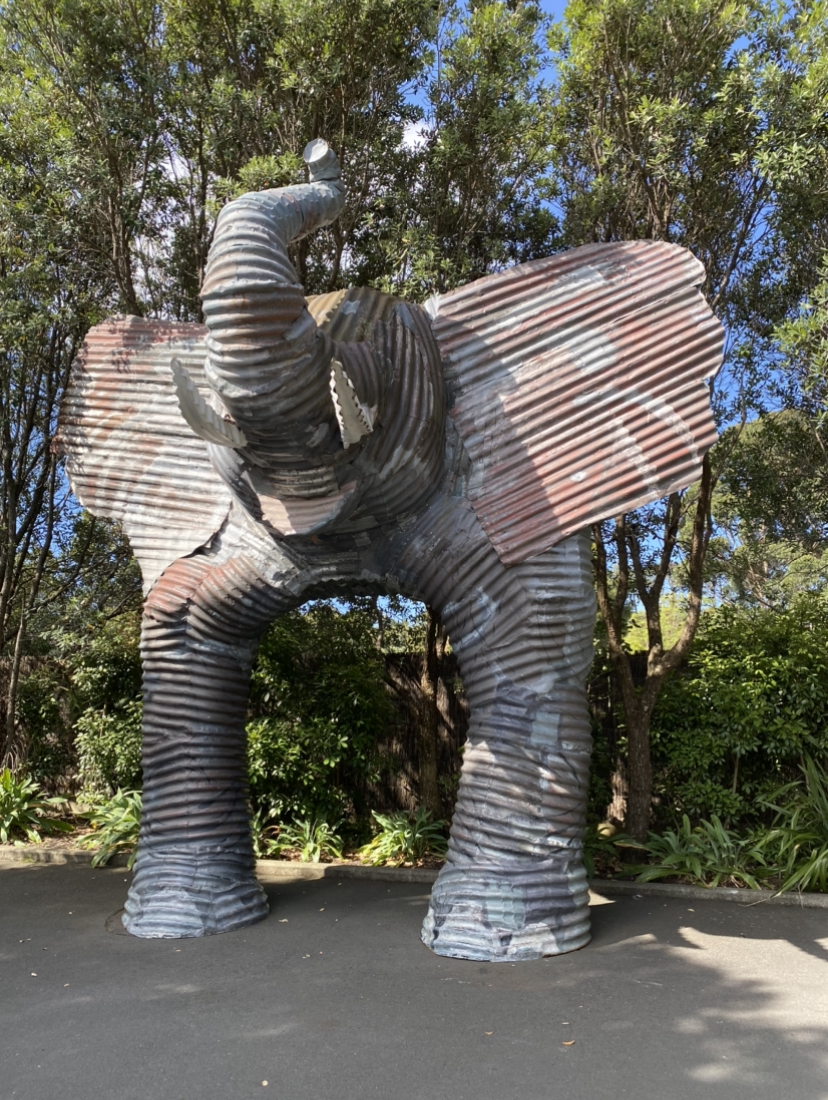
15. Auckland Zoo
The local zoo places huge emphasis on protecting endangered animals. It’s set in the beautiful surroundings of Western Springs, and you’ll find amazing spacious enclosures that perfectly simulate the animals’ natural environments. If you want to see not only exotic fauna but also rare New Zealand species, it’s an ideal spot for a half-day visit.
When buying tickets, prepare for a fairly common New Zealand practice, as international visitors pay a different price for admission than local residents. An adult tourist will pay 39 NZD for an all-day flexible ticket, equivalent to just under five hundred crowns, while children pay 22 NZD. The zoo is open every day from 9:30 AM to 4:30 PM, with the last visitors admitted one hour before closing time.
The most interesting section for tourists is undoubtedly the area dedicated exclusively to New Zealand nature, where you have a unique chance to see the iconic kiwi bird in a darkened nocturnal pavilion. The zoo actively participates in rescue programs, and much of the admission money goes directly to conservation funds. The entire complex is also full of beautiful wooden walkways, plenty of greenery, and pleasant spots to sit with a coffee.
💡 Tip: Plan your visit to catch one of the regular guided feedings, where you’ll learn plenty of details from the keepers about the behavior of individual animals.
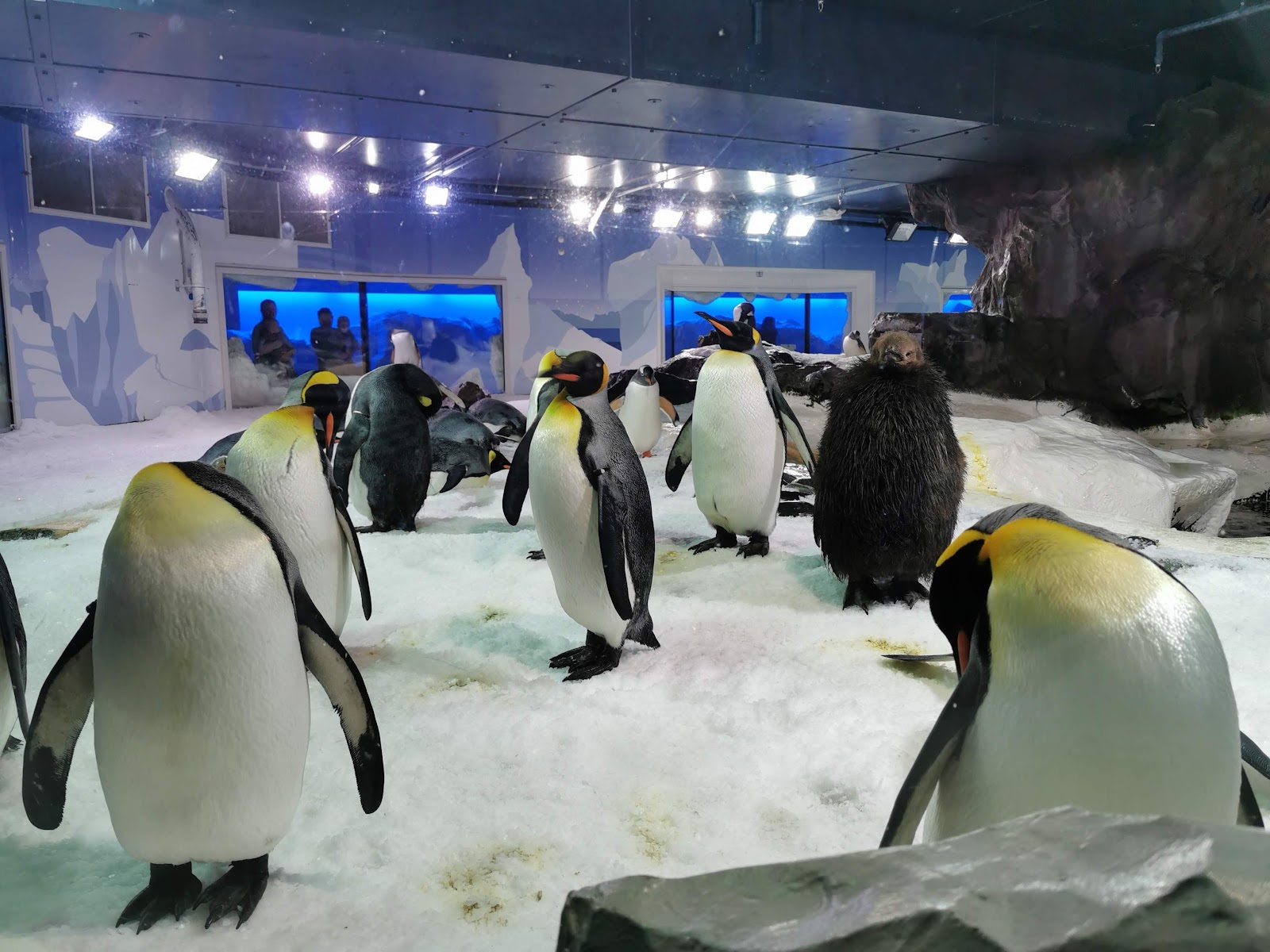
16. SEA LIFE Kelly Tarlton’s
This famous aquarium is one of the most popular family attractions, offering a touch of nostalgia while showcasing marine life. It’s located just beyond the city center on the scenic coastal promenade of Tamaki Drive and is particularly suited for families with children.
Ticket prices depend on which day you visit, so the cheapest entry is on weekdays outside school holidays for around 34 NZD. If you head here on a weekend or during the summer peak, you’ll pay up to 49 NZD for the same ticket, which converts to almost six hundred crowns. The aquarium opens every day at 9:30 AM and closes at 5 PM, with a visit typically taking a good two hours.
Among the major attractions, the aquarium has the weakest reviews, but for families with children, it’s a pleasant stop on the route to the beaches. Last entry is at 4:00 PM; allow about two hours for your visit.
💡 Tip: Prices change depending on the day, with the cheapest rate (34 NZD) on weekdays outside holidays, and peak season charging 49 NZD.
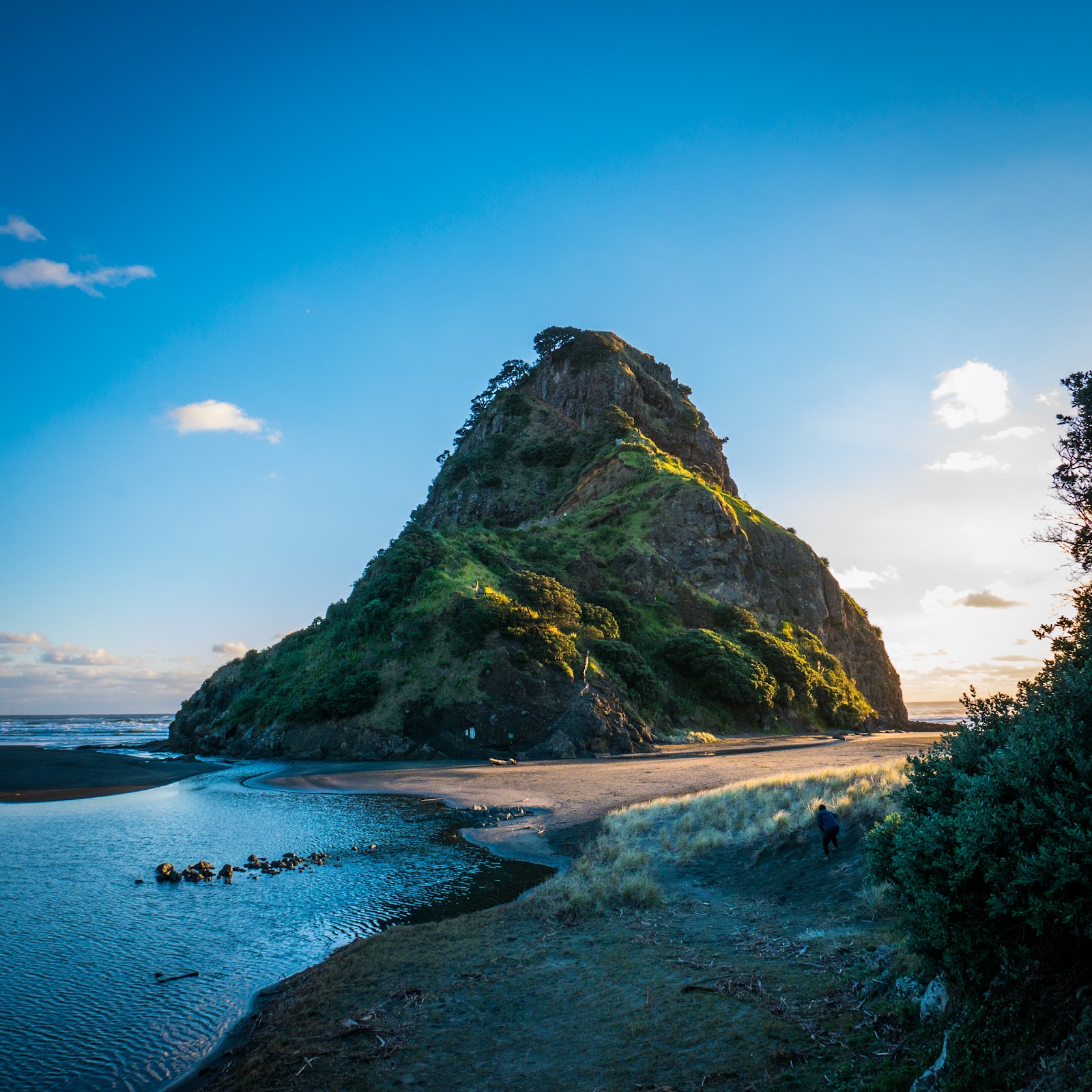
17. Piha and Lion Rock
The west coast with its black volcanic sand is untamed, wild, and among the most photogenic spots in the entire region. Piha Beach is famous among surfers, and its massive waves crashing against the rocks will amaze you. The bay’s dominant feature is the enormous rock formation called Lion Rock, which resembles a reclining lion and stands proudly right in the middle of the long sandy shore.
Unfortunately, following devastating storms in 2023, the summit trail on Lion Rock has been closed for safety reasons for the long term, and repairs will take quite a while as the site is protected by the heritage authority. Nevertheless, you can still admire the iconic rock from below and walk along the wide beach, where the fine black sand burns your feet in the summer months. The entire bay is surrounded by dense green hills that create a perfect contrast with the dark coastline.
When visiting, be extremely cautious, as Piha has a reputation as one of the most dangerous beaches in the country due to treacherous undertows called rip currents. Local lifeguards have their hands full here, so there’s an uncompromising rule: if you want to swim, you must only enter the water in the area marked by red and yellow flags. If you don’t feel confident with the wild waves, a walk in the shallow ripples at the shore’s edge is perfectly adequate.
💡 Tip: Keep in mind that there aren’t many food options on the beach, so you’d better bring your own sandwiches and water for the whole day.
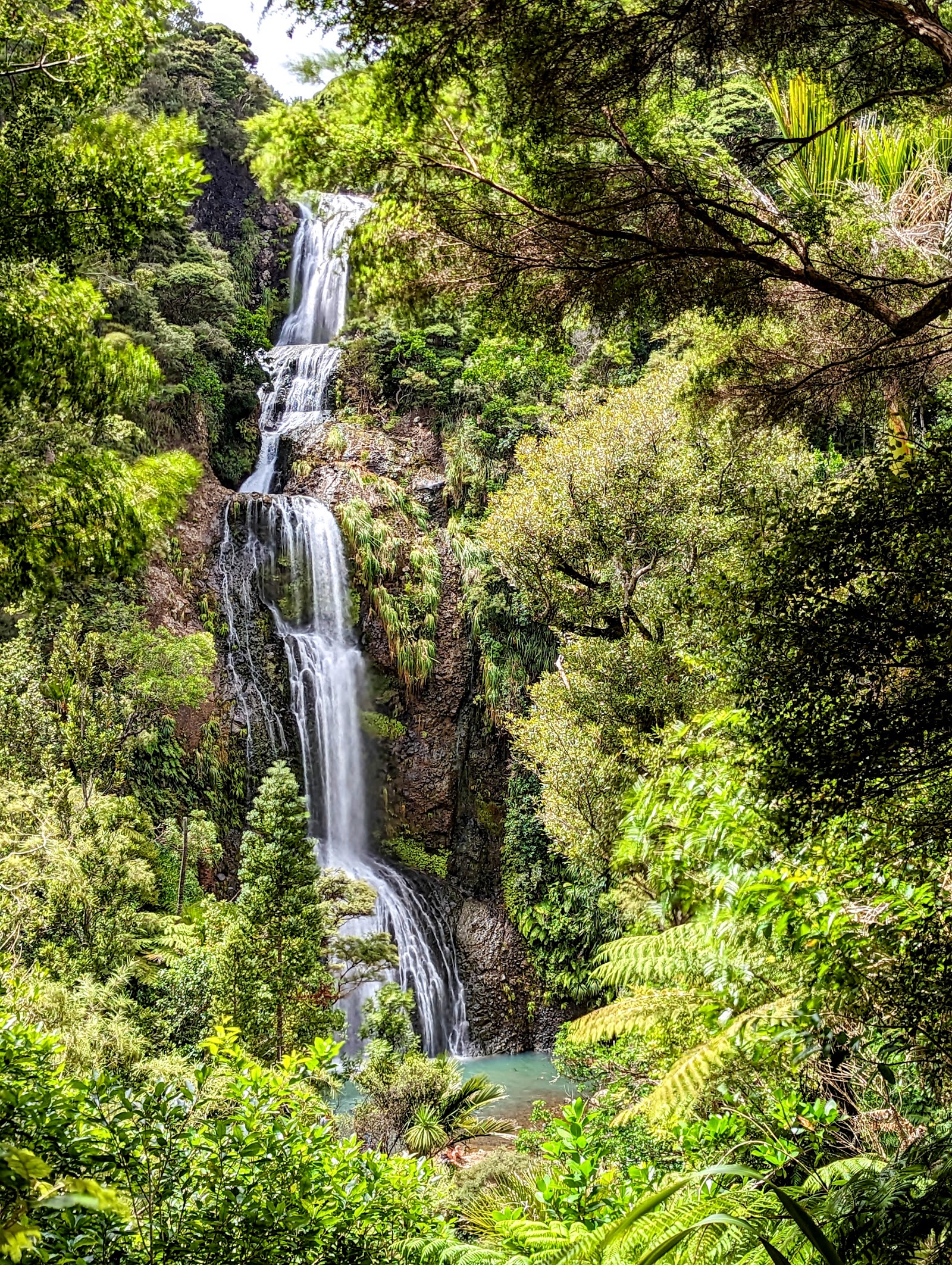
18. Karekare, Kitekite Falls and Waitākere Ranges
Just south of the busier Piha beach, you’ll find the isolated and mysterious Karekare Bay, which was made famous by the Oscar-winning film The Piano. The beach is framed by steep cliffs and offers tranquility, as far fewer tourists come here than to the neighboring beaches. This entire dramatic coastline is part of the vast forested Waitākere Ranges, which hide hundreds of kilometers of beautiful hiking trails and stunning viewpoints.
When moving through the local forests, however, you’ll encounter very strict rules, as precious kauri trees here are threatened by an incurable disease called kauri dieback. Nearly half of the trees in the ranges are infected, so you must walk exclusively on marked open trails and must clean your boots at special disinfection stations before entering the forest. The best place to find information about currently open trails is at the beautiful Arataki Visitor Centre, where experienced rangers can advise you.
Definitely don’t miss the short walk to the nearby three-tiered Kitekite Falls, which is about forty meters high. Direct access to the waterfall recently reopened after repairs, so you can head here without any problems for an amazing afternoon expedition deep into the rainforest. But here too, pay attention to boot hygiene, as spores of the deadly tree disease are transferred even on the smallest piece of mud.
💡 Tip: The path to Kitekite Falls is quite slippery and muddy after heavy rain, so definitely wear sturdy hiking boots for the trip and don’t go in ordinary sneakers.
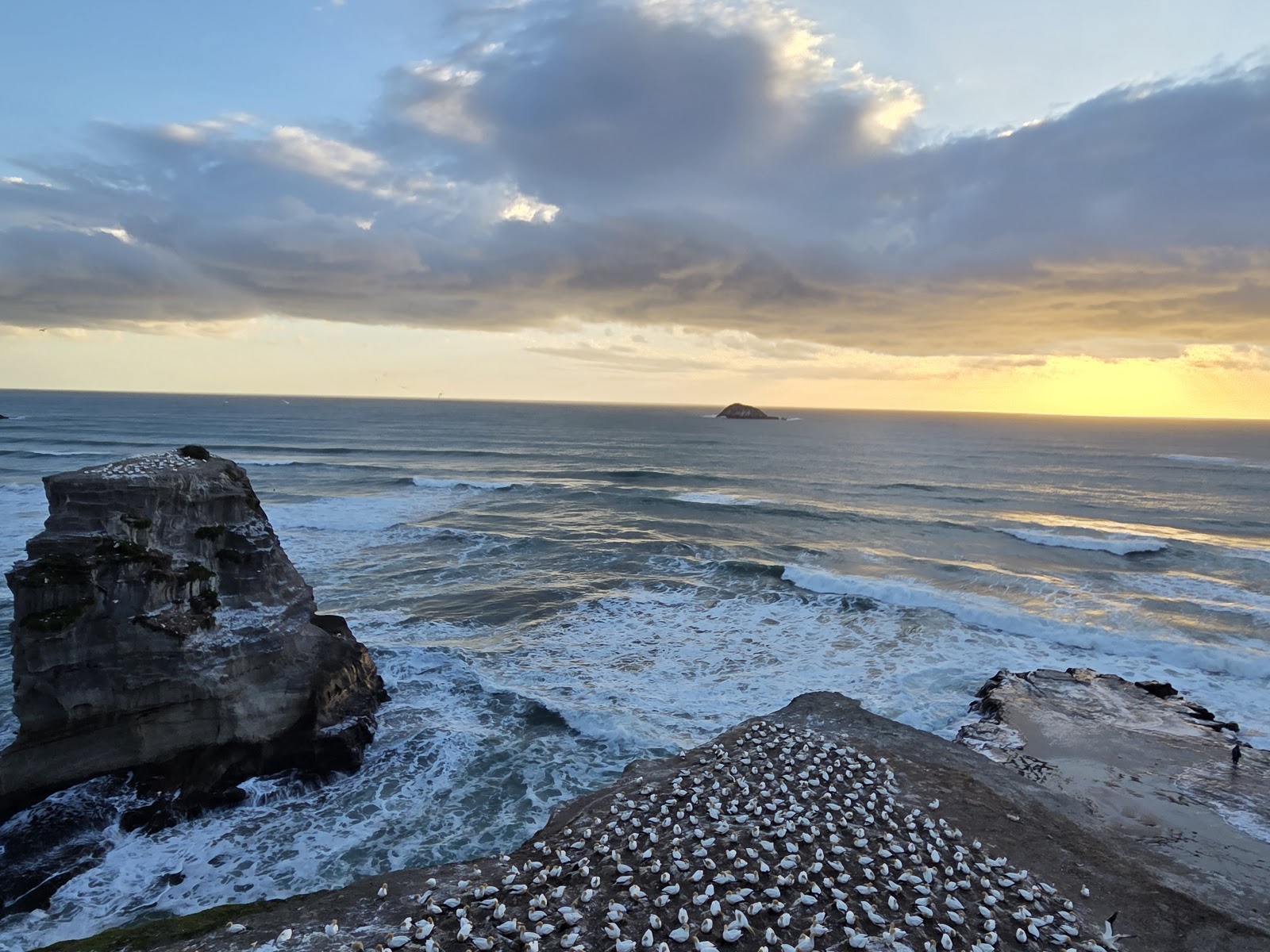
19. Muriwai
Another gem of the rugged west coast can be found less than an hour’s drive from the center, and it will captivate you mainly with its enormous natural spectacle. Muriwai is home to one of the few mainland colonies of magnificent Australasian gannets, who nest here annually on steep cliffs above the turbulent sea in numbers exceeding a thousand pairs. The birds start arriving in August and stay until March, with the first small fluffy chicks beginning to hatch during October.
Unfortunately, the area struggled with massive consequences from the devastating Cyclone Gabrielle in 2023, which caused extensive landslides. For this reason, major repairs were carried out on the viewing platforms along the Gannet Track; the platforms are being moved due to the expanding colony, so check the current status. Nevertheless, watching these elegant birds dive headfirst from heights into the ocean for fish is one of the most powerful natural experiences of the entire trip.
The beach itself beneath the cliffs is stunning with its length and black sand, where you can walk for hours. Just like on other west coast beaches, there are huge waves and dangerous currents here too, so only enter the water with great respect.
💡 Tip: Gannets tend to have quite a pungent odor, so if the wind is blowing toward the viewing platforms, be prepared that you’ll not only see the birds but also smell them quite strongly.
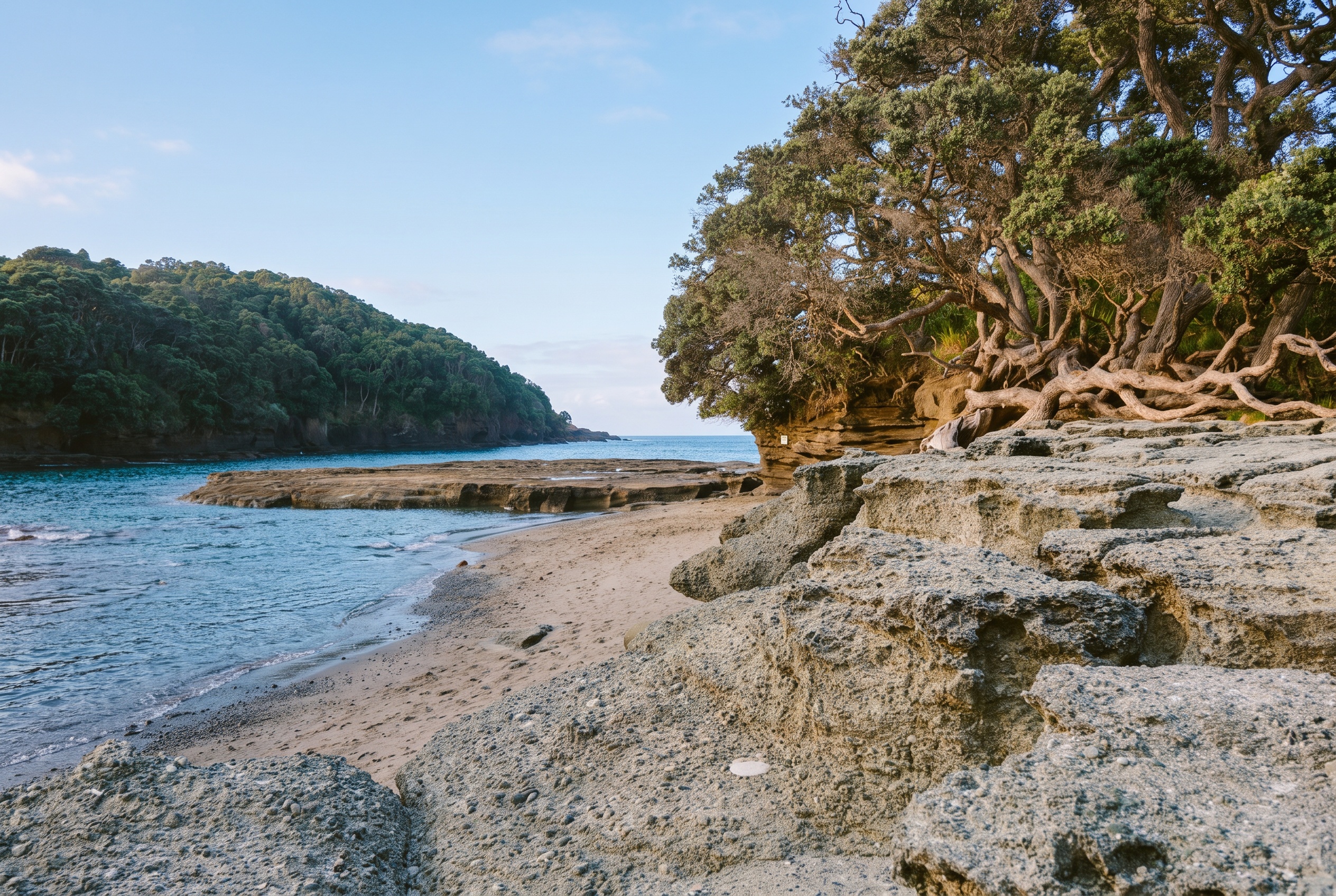
20. Goat Island Marine Reserve
Taking a trip about an hour and fifteen minutes north of Auckland is definitely worth it, as you’ll find the first and most famous marine reserve in all of New Zealand. Goat Island is a paradise for snorkeling and diving enthusiasts, as the water here teems with life and fish weave fearlessly right around you. Entry to the reserve itself is completely free, making it a very popular weekend destination for many families.
Thanks to long-term protection, you can easily see huge snapper, colorful reef fish, and with a bit of luck, stingrays in the shallow waters. If you don’t want to get your head wet, you can rent a clear kayak or pay for a glass-bottom boat ride, which lets you see the underwater world while staying completely dry. The beach is pebbly and quite small, so it’s best to arrive as early in the morning as possible, before it gets crowded.
Until the end of 2026, parking at the reserve is completely free, but from December 2026, paid parking is planned to be introduced, with proceeds going to further nature conservation. After a morning swim, extend your trip to the nearby town of Matakana, where famous farmers’ markets are held on weekends. For lunch, I recommend tasting the fantastic vegetarian delicacies made from local ingredients, which are sold in many stalls.
💡 Tip: Ocean water can be quite cold even in summer months, so definitely consider renting a wetsuit for snorkeling so you can last longer than a few minutes in the water.
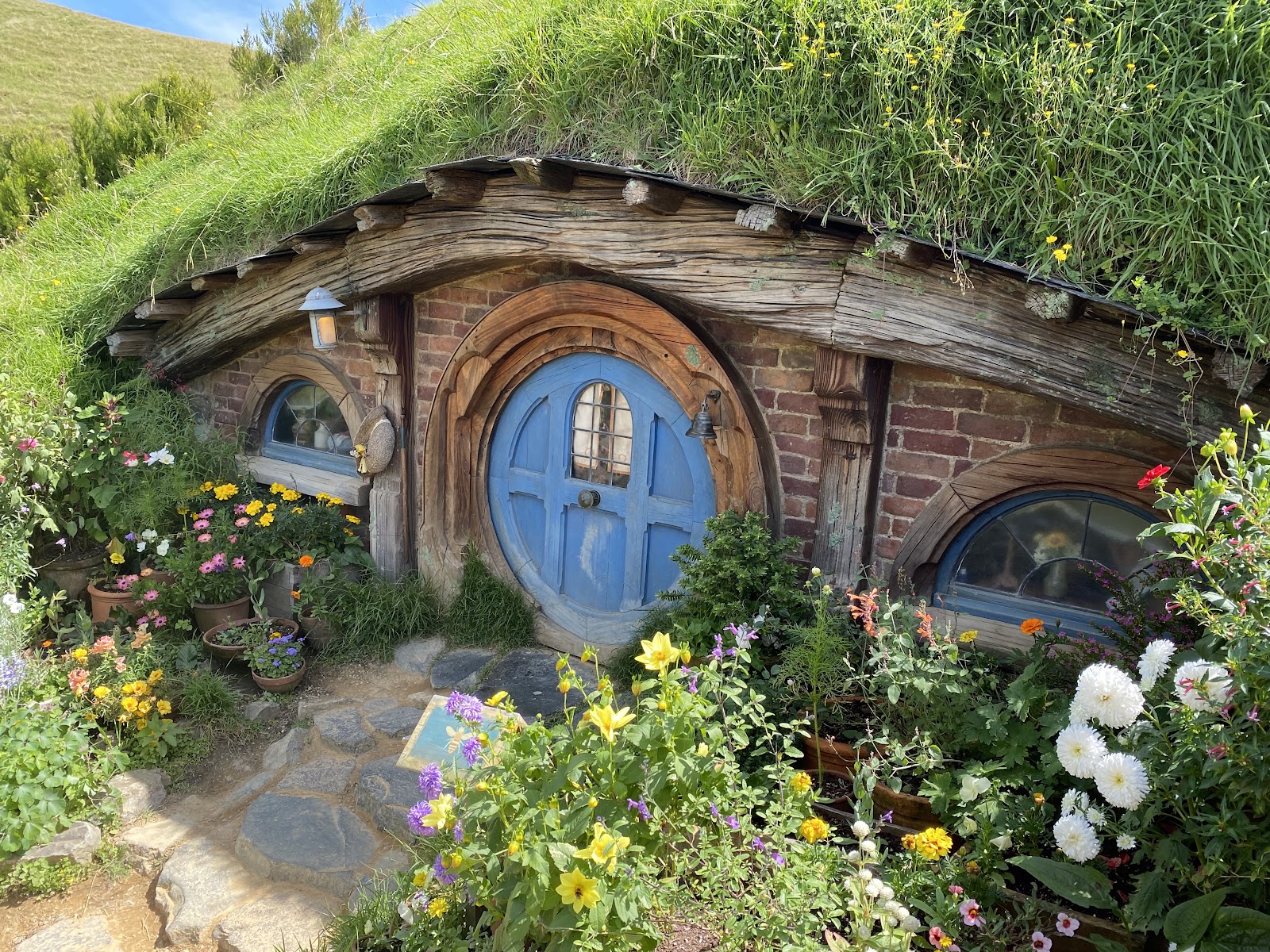
21. Hobbiton and Rotorua
Although these two famous places are not located directly in Auckland, for most travelers they represent the most common full-day trip from the city. Hobbiton is hidden among the rolling green hills of a farm in Matamata, and a two-hour tour of the picturesque hobbit holes will cost you around 130 NZD. The drive here from central Auckland takes just over two hours, so count on having a car or taking an organized tour.
If you continue about another hour south after visiting Hobbiton, you’ll reach the famous geothermal city of Rotorua. Here you’ll be hit by a strong sulphurous smell, but that’s richly compensated by the sight of bubbling mud and erupting geysers. The most famous thermal park Te Puia offers admission around 105 NZD, and besides geysers you can also admire traditional Māori culture and artistic carving schools.
In the Rotorua area, you can often encounter offers of traditional Māori feasts called hāngī, which is an interesting method where food is slowly cooked in hot stones buried directly in the ground. Meat and vegetables are commonly prepared this way, but vegetarian versions made from local ingredients are also usually available at cultural performances. This trip is quite time-consuming, so if you don’t want to spend the whole day in the car, consider spending one night in Rotorua.
💡 Tip: Hobbiton is such a popular attraction that tickets are often sold out weeks in advance, so book your specific time slot as soon as possible, ideally right after you buy your flights to New Zealand.
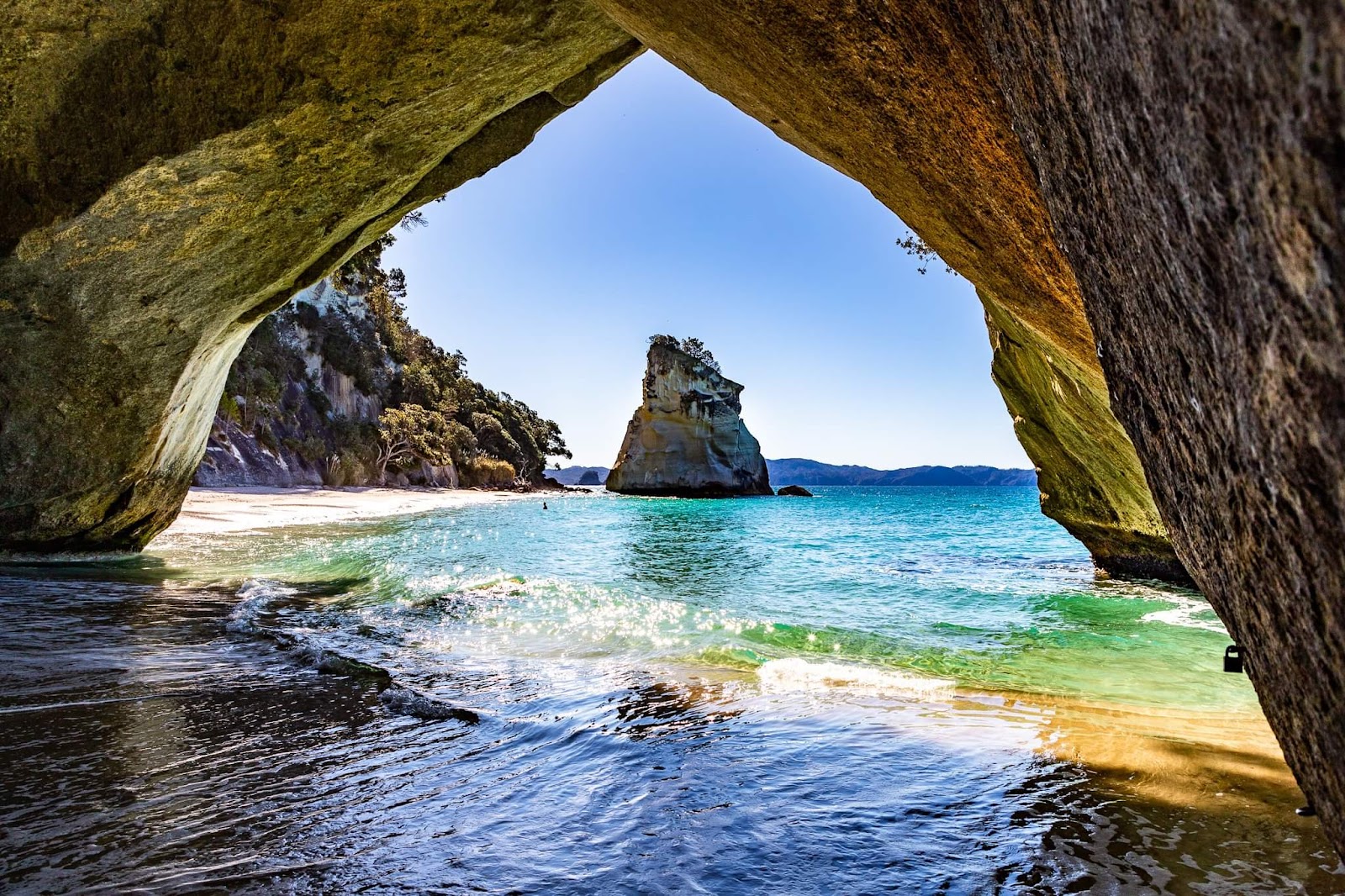
22. Coromandel: Cathedral Cove and Hot Water Beach
This stunning peninsula east of Auckland is an ideal destination for a weekend road trip full of amazing beaches and dense rainforests. The biggest draw is the photogenic Cathedral Cove beach with its huge rock arch, which you can reach after about a forty-five minute walk along a maintained trail. This trail was newly opened in December 2024 after devastating storms, with five million dollars for its repair financed directly from the IVL tourist levy.
Access to the arch is currently only possible via the main trail from the Grange Road car park, as some side paths like the Hahei Beach Short Walk remain closed for safety reasons. If meteorologists issue an orange or red warning for heavy rain, the entire trail is preventively closed to visitors. For this reason, always check the current weather forecast before heading to Coromandel, so you don’t make an unnecessary trip.
Not far from here you’ll find another natural phenomenon, the popular Hot Water Beach, where you can dig your own private thermal pool right in the sand. According to guides, hot water can only be dug out about two hours around low tide, so timing your arrival is key. Simply rent a spade for a small fee at the local café, find a spot where the sand feels hot under your feet, and enjoy a hot bath with a view of the cold ocean.
💡 Tip: The water under the sand can be really hot, so dig carefully and feel free to dilute your pool with cold seawater from the waves.
Where to Go Next from Auckland
If you’re planning to head straight out of the city on a road trip south, definitely don’t skip a stop at Hunua Falls. It’s a great place for a morning leg stretch, just avoid swimming directly in the pool below the waterfall for safety reasons. Another excellent stop on the way south is the famous Waitomo Caves, where you’ll see thousands of glowworms that create the illusion of an amazing night sky on the cave ceilings.
If you still have some time left right in the city before your flight, history and technology lovers should definitely visit the huge Museum of Transport and Technology (MOTAT), where you can also ride a historic tram. A wonderful oasis of calm near the airport is the expansive Auckland Botanic Gardens, where entry is completely free and you’ll find dozens of themed gardens. For more tips on organizing your stay, be sure to read our guide Where to Stay in Auckland.
Frequently Asked Questions
How many days do you need in Auckland?
Most travelers recommend 2–3 days: you can explore the city center, climb Mt Eden volcano, visit the museum, and take a trip to one of the islands like Waiheke or Rangitoto. However, if you want to add excursions to the wild west coast beaches of Piha and Muriwai or a full-day trip to Hobbiton, ideally plan for 4–5 days.
Do you need a visa for New Zealand?
For tourist stays up to 3 months, you don’t need a traditional visa. However, you must obtain an electronic registration NZeTA (17 NZD via app or 23 NZD online) and pay the tourist levy IVL of 100 NZD, which comes to approximately €55–60 in total. The NZeTA registration is valid for two years. Additionally, you must complete the free NZTD declaration at least 24 hours before your first departure.
How do I get from the airport to the city center?
The cheapest option is the orange AirportLink bus, which runs every 10 minutes to Puhinui station, where you continue by train to the city center. You can pay the fare simply by contactless card or mobile. If you prefer more comfort, an Uber ride typically costs 45–65 NZD.
Is Auckland expensive? What’s free?
Yes, the city can be expensive: a flat white coffee costs 5.50–7 NZD and a Sky Tower ticket costs 47 NZD. However, entry is completely free to the main Art Gallery, the Wintergardens botanical conservatories, the Mt Eden and One Tree Hill volcanoes, the military tunnels in Devonport, and all trails in the Waitākere Ranges. Note that the museum is free only for locals; international visitors pay 32 NZD.
Can you pay by card on public transport in Auckland?
Yes, across the entire network of buses, trains, and inner harbor ferries, you can conveniently pay by contactless card (Visa, Mastercard, Amex) or via Apple and Google Pay, with a daily cap of 20 NZD. Foreign cards may incur a small bank fee. However, be aware that this daily cap does not apply to longer tourist ferries, such as to Waiheke Island.
Is swimming at Piha safe?
Swimming is safe only and exclusively between the red and yellow flags and when lifeguards are on duty at the beach. Piha is notorious as one of the most dangerous beaches in the country due to extremely strong rip currents. The popular viewing trail to the top of Lion Rock has unfortunately remained closed since the 2023 storms.
When should you visit Auckland?
The warmest and driest period is in February and March, when temperatures hover around a pleasant 24 °C. Conversely, the most rainfall occurs in the winter months from June to August. During summer, the UV index also reaches extreme levels up to 12, so you’ll get sunburned even at just twenty-two degrees without quality sunscreen.
Tips and Tricks for Your Vacation
Don’t Overpay for Flights
Search for flights on Kayak. It’s our favorite search engine because it scans the websites of all airlines and always finds the cheapest connection.
Book Your Accommodation Smartly
The best experiences we’ve had when looking for accommodation (from Alaska to Morocco) are with Booking.com, where hotels, apartments, and entire houses are usually the cheapest and most widely available.
Don’t Forget Travel Insurance
Good travel insurance will protect you against illness, accidents, theft, or flight cancellations. We’ve had a few hospital visits abroad, so we know how important it is to have proper insurance arranged.
Where we insure ourselves: SafetyWing (simple monthly subscription) and TrueTraveller (for extra-long trips).
Find the Best Experiences
Get Your Guide is a huge online marketplace where you can book guided walks, trips, skip-the-line tickets, tours, and much more. We always find some extra fun there!


