
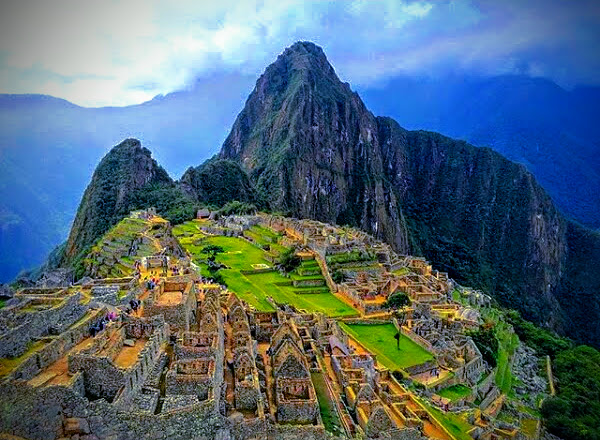
When you think of Peru, the lost city in the clouds probably comes to mind first. Cusco (also spelled Cuzco), the former capital of the Inca Empire, is often just a transit point for many travelers on their way to Machu Picchu. Yet the local streets hide colonial churches built directly on top of precise Inca walls. A stop for two to three days in Cusco is well worth it.
Buying entry to Machu Picchu on the spot in the morning is now more of a lottery, as tickets have a new system with specific time slots and ten different routes. Foreigners pay 152 Peruvian soles (S/ 152, around €40), and for routes with mountain climbs agencies quote S/ 200 (around €50). From May 2026, there’s an additional fee to the SERNANP protected areas authority of S/ 11 (€3). Since September 22, 2026, you cannot hold a ticket without paying, and you must pay within fifteen minutes. The Minister of Culture has announced that reservations are no longer refundable. In the town of Aguas Calientes below the mountain, you can buy tickets up to three days in advance at most. However, conditions keep changing. Check the current sales status on the official website tuboleto.cultura.pe.
Before you start packing your bags, remember the altitude of 3,400 meters, where acclimatization is the key to success. The ideal approach: fly from Lima to Cusco airport and immediately head down to the lower-lying Sacred Valley. Don’t be confused by reports about a new airport near Chinchero village. According to estimates, it will open no earlier than late 2027 or early 2028. For now, landings are still at the old airport right in Cusco. To explore the region, you’ll need the combined ticket Boleto Turístico for S/ 130 (€35). It’s valid for ten days and can only be purchased on-site, either in Cusco or at monument entrances. It’s not sold online. It does not cover Machu Picchu, the cathedral, Qorikancha temple, or the Maras salt mines.
TL;DR
- Machu Picchu tickets: Tickets are sold for specific circuits and time slots, and since September 2026 you must pay within fifteen minutes. Rules keep changing, so check them at tuboleto.cultura.pe.
- Acclimatization: The city sits high, and for a trouble-free stay it makes sense to spend the first nights in the lower-lying Sacred Valley.
- Boleto Turístico: You’ll pay S/ 130 (€35) for the combined ticket. However, the ticket does not cover Machu Picchu or the Maras salt mines.
- How many days you need: Set aside two to three days for the city and surrounding area. The Sacred Valley and Machu Picchu will take another two to three days.
- When to go: April, May, September, and October are usually a good compromise. There’s little rain and fewer people in the city than in June through August. However, Machu Picchu still has high season in September and October.
- Transport to Machu Picchu: From May to December, PeruRail runs directly from San Pedro and Poroy stations. In January through April, and with Inca Rail, you travel from Cusco by a combination of bus and train. Ollantaytambo has the most connections.
- Safety and food: Watch out for pickpockets and fake taxis. On the bright side, you can look forward to a wide selection for vegetarians.
When to Visit Cusco and Practical Information
The climate in the Peruvian Andes divides into just two distinct seasons, so factor this in when planning your trip. The dry season lasts from May to September and brings sunny days with average highs around 21 °C, while nights are cold. April, May, September, and October are usually a good compromise. There’s little rain and fewer people in the city than in June through August, though Machu Picchu still has high season in September and October.
The rainy season runs from November to March and can complicate travel plans. In January it rains an average of almost twenty days per month. The popular Inca Trail is closed for the entire month of February for regular maintenance, and mountain weather is unpredictable. Even in the dry season there can be exceptionally wet weather. According to reports from local agencies, the Inca Trail was closed due to El Niño-related rains from August 18 to September 5, 2026. If you go in June or July, prepare for cold nights. Average minimum temperatures drop to 1-2 °C and local houses often don’t have heating. The most famous event is the Inti Raymi sun festival, held annually on June 24.
💡 Tip: At high altitude, the sun burns much more intensely than it seems. Pack sunscreen even for cold days.
There are no direct flights from Europe to Cusco, and international routes from Cusco only go to other South American countries. The journey usually goes through Lima. The domestic flight takes about an hour and a half and is operated by airlines LATAM, SKY, or JetSMART. From the airport you can reach the city center in ten to twenty minutes. A taxi from the official stand costs roughly 35 to 60 soles (€9-16). Uber also operates in Cusco. Regular taxis don’t have meters, so agree on the price beforehand. It’s better not to hail taxis from the street, which is also recommended by the UK Foreign Office (FCDO).
The official currency is the Peruvian sol, and one sol costs roughly 6.29 CZK. Larger hotels and agencies commonly accept US dollars. However, you’ll need small amounts of soles in cash for fees to communities at natural attractions. While ATMs can be found on every corner, always withdraw money inside bank branches to avoid the risk of card skimming. In restaurants, a tip of ten percent is customary unless the bill includes a service charge. Sockets are usually 220 V and 60 Hz. European two-pin plugs often fit, otherwise you’ll need an adapter. Tap water is not potable.
Travelers from the Czech Republic don’t need a visa for regular stays. You’ll typically receive 90 days, with a maximum possible stay of 183 days that cannot be extended. For each day over the allowed period, there’s a fine of S/ 4.50 (€1). The TAM (Tarjeta Andina de Migración) immigration form has been electronic only since 2023 and you fill it out for free. Hotels will ask for it because as a foreigner staying up to sixty days, you don’t pay the eighteen percent accommodation tax with it. You’ll need your passport when buying tickets to Machu Picchu, the Boleto Turístico combined ticket, and train tickets. According to PeruRail, foreigners must show their passport exclusively at the Machu Picchu entrance.
Altitude Sickness and Safety
Staying at Andean altitudes brings specific health challenges that require attention. The US Centers for Disease Control and Prevention (CDC) states that up to half of travelers get sick after a rapid flight to Cusco. Cusco sits at 3,400 meters above sea level. The CDC therefore recommends sleeping the first night as low as possible, ideally no higher than around 2,750 meters. The Sacred Valley (about 2,800 to 2,950 m) approaches this threshold, while Machu Picchu (2,430 m) lies below it. It makes sense to spend the first one to two nights lower down so your body can adjust.
Move slowly for the first few days, drink plenty of bottled water, and skip alcohol for the first forty-eight hours. Consult your doctor before the trip about using preventive medications such as acetazolamide. The ubiquitous coca tea is part of local customs and makes many people feel better, but it’s not a cure for altitude sickness. You can buy coca leaves at any local market, but never bring them home. The coca leaf is an internationally controlled substance and importing it into the EU is prohibited. Coca can also give a positive drug test. If you experience shortness of breath at rest or have an unsteady gait, you must descend lower and seek medical attention.
💡 Tip: According to the CDC, physical fitness does not reduce the risk of altitude sickness, so even trained athletes should follow gradual acclimatization.
The Czech Ministry of Foreign Affairs has not issued any current warnings for Peru. The UK Foreign Office (FCDO) warns of pickpockets in tourist areas and cautions against fake taxi drivers or fraudulent money changers. Money changers sometimes try to pass off old invalid inti banknotes (currency valid until 1991) instead of current soles to tourists. Your journey may occasionally be complicated by local protests and road or railway blockades. For safety reasons, don’t try to drive or walk around them and wait until the situation calms down.
The FCDO states that for women traveling alone in the Cusco area, it has recorded cases of unethical practices by some agencies. Caution is also worthwhile when choosing evening drinks. There have been past cases of methanol poisoning in Peru, so drink traditional pisco only in verified bars. The FCDO also warns against unregulated ayahuasca plant rituals, which can have serious health consequences.

12. Southern Valley: Tipón, Pikillaqta, and Andahuaylillas
South of Cusco lies an area with the Tipón site, which contains an extensive system of agricultural terraces and irrigation channels. Tipón and Pikillaqta fall under Circuit II of the comprehensive Boleto Turístico ticket, which also covers monuments in the city and is valid for two days.
A bit further awaits Pikillaqta, which according to guidebooks is a pre-Inca city built by the Wari culture. The ruins are open daily from 8:30 AM to 4:30 PM and offer a different architectural style than Inca constructions. From the Southern Valley, you can also take a full-day trip with a trek to the horned fortress of Waqrapukara, managed by the Acomayo community. However, it’s best to verify entry conditions beforehand.
The final stop is usually the small town of Andahuaylillas with the San Pedro Apóstol church, open from 7:30 AM to 5:30 PM. Due to its richly decorated interior, guidebooks call it the Sistine Chapel of the Andes. The church belongs to the Andean Baroque Route (Ruta del Barroco Andino), and admission fees go toward local social projects.
💡 Tip: Tipón and Pikillaqta are included in the comprehensive Boleto Turístico ticket, but the church in Andahuaylillas is not, and admission is paid separately.
13. Pisac: Ruins and Market
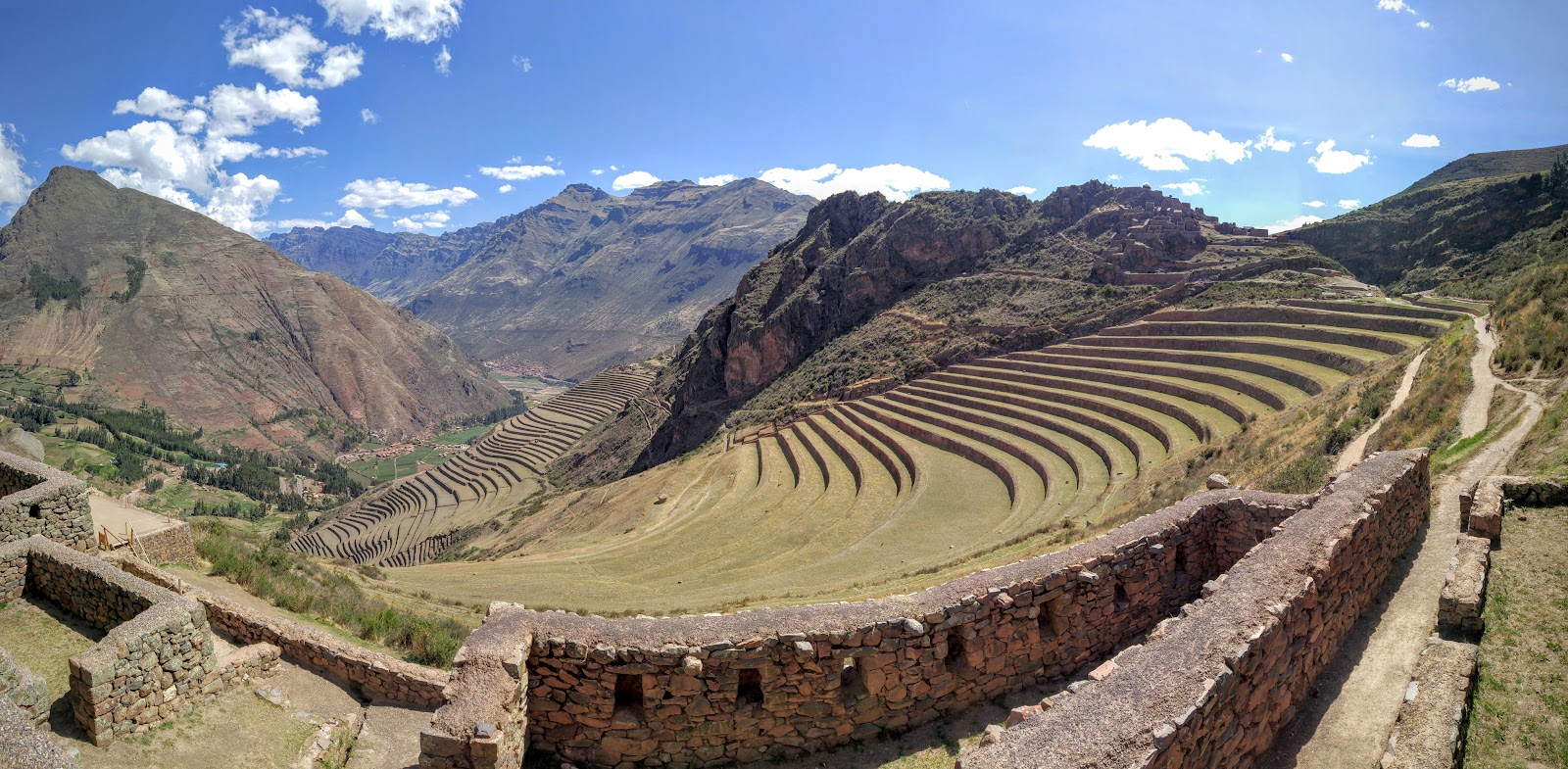
The gateway to the Sacred Valley is the small town of Pisac, which sits about 32 kilometers from Cusco at an altitude of 2,972 meters. Above it spreads an archaeological park, which you can visit daily between 8:00 AM and 4:30 PM. The ruins themselves sit higher on the ridge at altitudes of 3,446 to 3,514 meters.
Entry is covered by Circuit III of the comprehensive Boleto Turístico ticket, for which you can get a partial ticket for S/ 70 (€20) valid for two days.
Down in the valley awaits a craft market with opening hours from 9:00 AM to 5:00 PM. You’ll find textiles, ceramics, and local agricultural products. According to guidebooks, the biggest market day is Sunday.
💡 Tip: Shared minibuses called colectivos run from Cusco to Pisac. They depart from Calle Pavitos or Avenida Grau, but it’s best to verify the exact stops before traveling.
14. Ollantaytambo
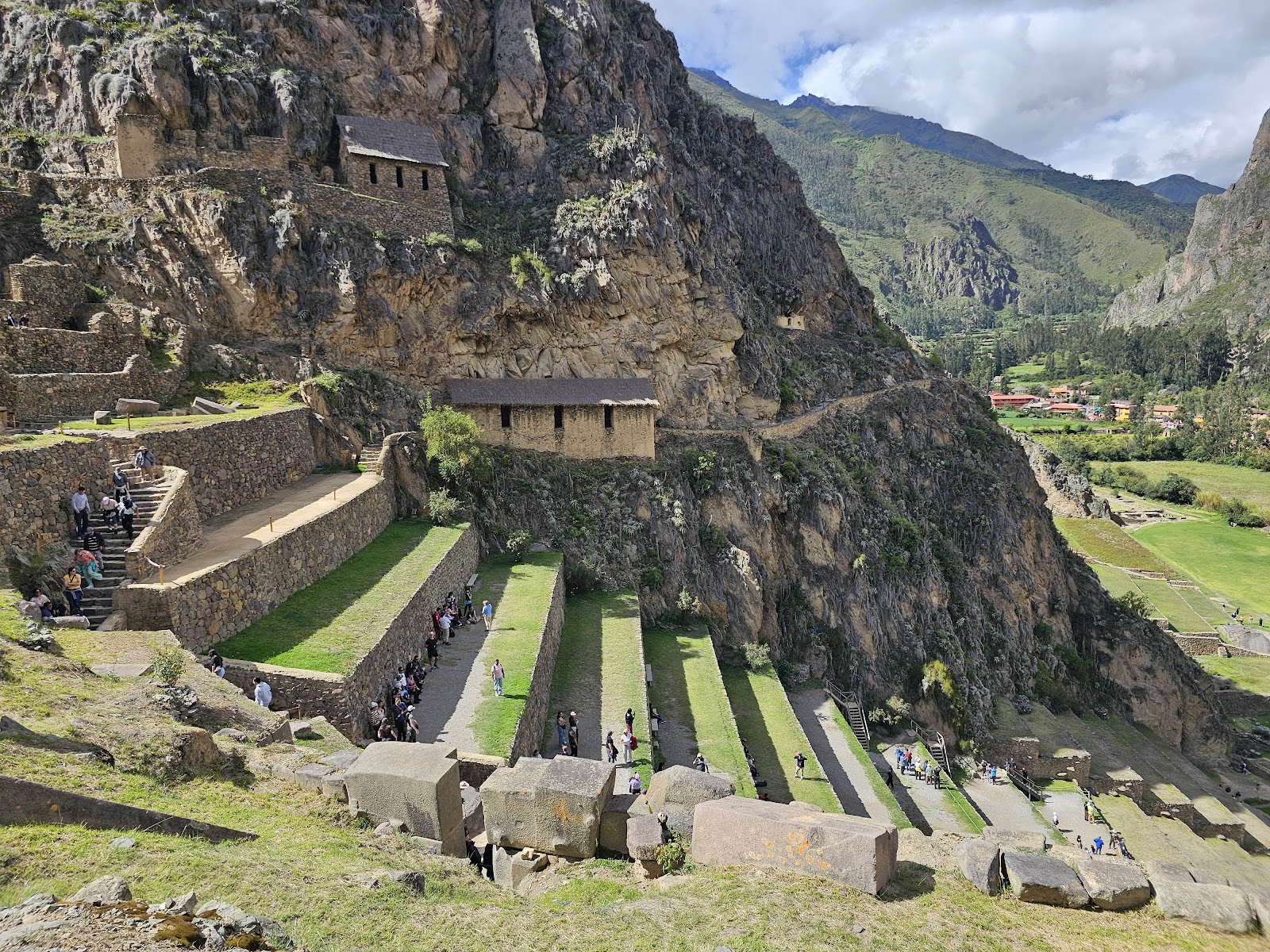
Deep in the Sacred Valley lies Ollantaytambo. It sits at an altitude of 2,792 meters, and the ruins complex above the town is open daily from 7:00 AM to 5:00 PM. Entry here falls under Circuit III of the comprehensive Boleto Turístico ticket.
Besides the ruins, Ollantaytambo is an important transport hub because it has the main station for the journey to Machu Picchu. Trains to Aguas Calientes station below the mountain depart from here on both railway companies, PeruRail and Inca Rail.
Don’t just rush through: according to guidebooks, it’s a living town with an original street layout.
💡 Tip: Stay overnight in Ollantaytambo on your first night after arrival. It sits more than 600 meters lower than Cusco, which makes acclimatization easier, and in the morning you’ll be close to the train.
15. Moray
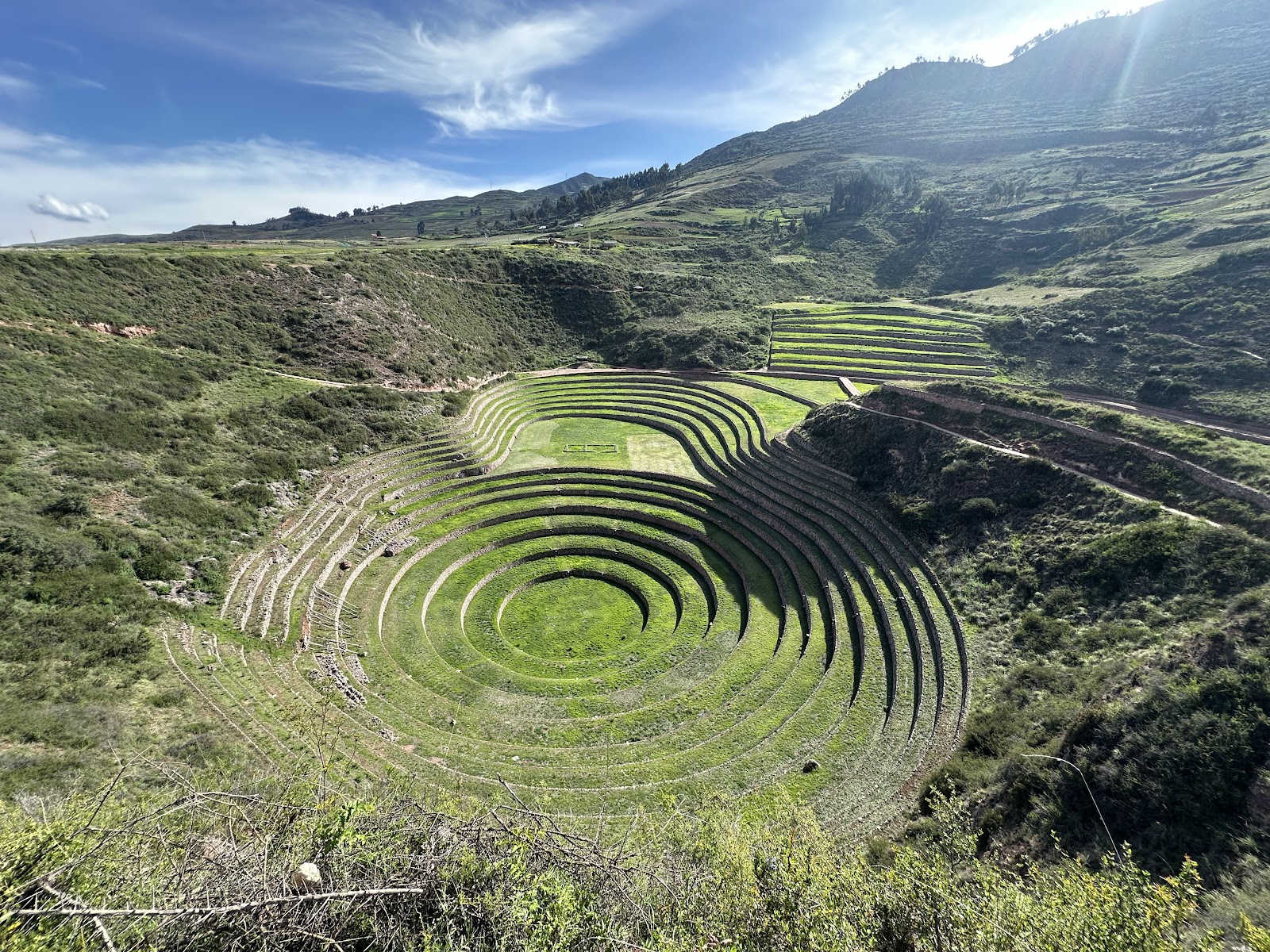
High on a plateau at approximately 3,500 meters altitude sits the Moray monument. The site consists of several concentric terraces and welcomes visitors daily from 7:00 AM to 6:00 PM. Entry also falls under Circuit III of the comprehensive Boleto Turístico ticket.
A popular hypothesis claims the site was an agricultural laboratory with different microclimates. But it’s just a hypothesis, and the terraces are worth visiting even without it.
Right next to the ruins is MIL Centro restaurant by chef Virgilio Martínez, which serves lunch as a tasting menu. It’s closed on Mondays, and you should verify the availability of a vegetarian version in advance.
💡 Tip: The comprehensive Boleto Turístico ticket covers Moray, but not the Maras salt mines, so prepare separate admission for them.
16. Maras Salt Mines
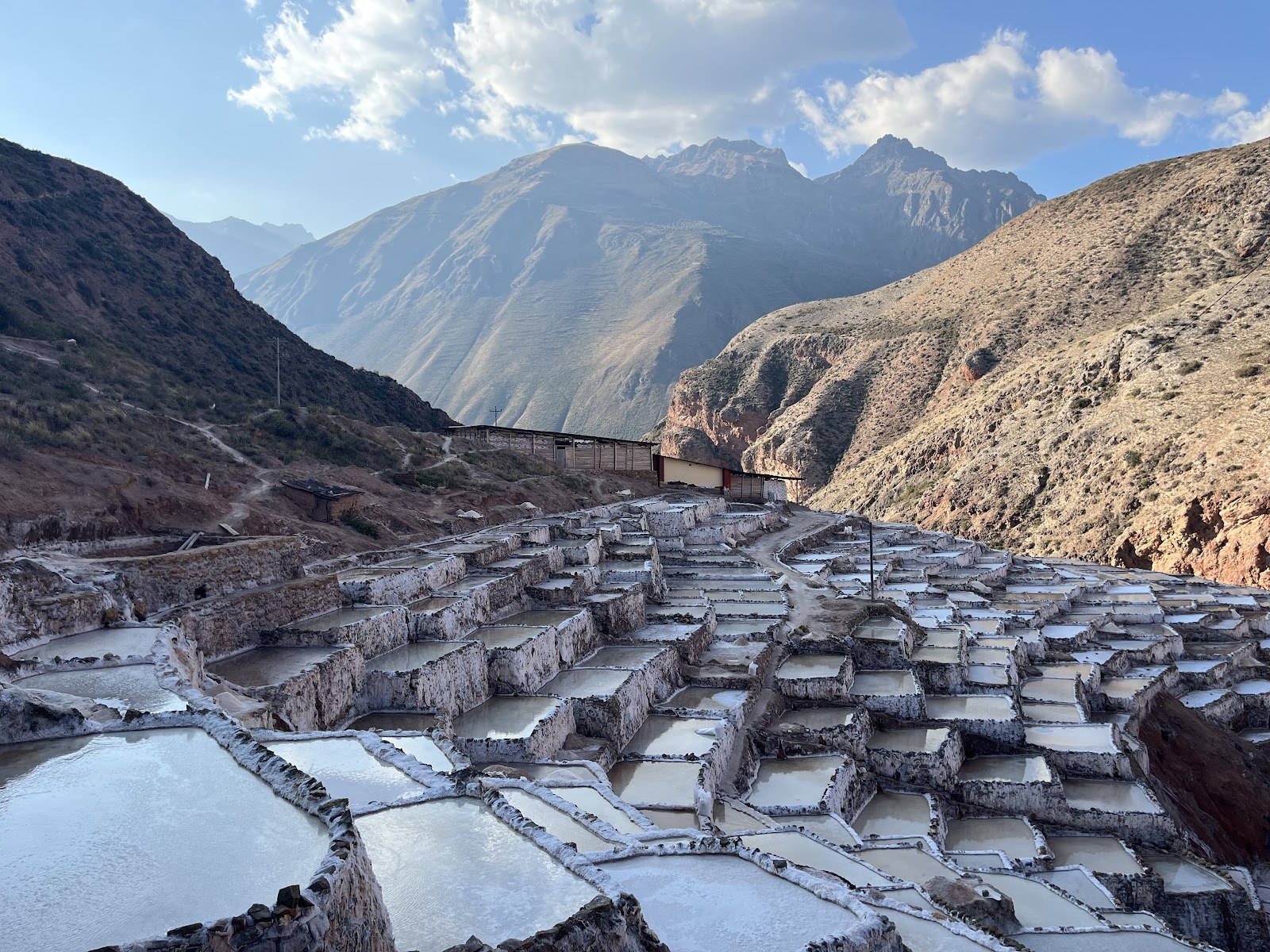
The Maras Salt Mines consist of thousands of small salt pools. According to guides, the site is operated by the local community and is open daily from 6:00 AM to 6:00 PM.
Watch out for a common trap regarding entrance fees, because the salt mines are not included in any circuit of the Boleto Turístico combined ticket. You pay separately at the entrance, and the ticket for foreigners costs approximately S/ 20 (around €5) according to guides.
💡 Tip: Entrance prices vary across different sources, and older articles mention S/ 10. Always verify the current amount at the ticket office.
17. Chinchero
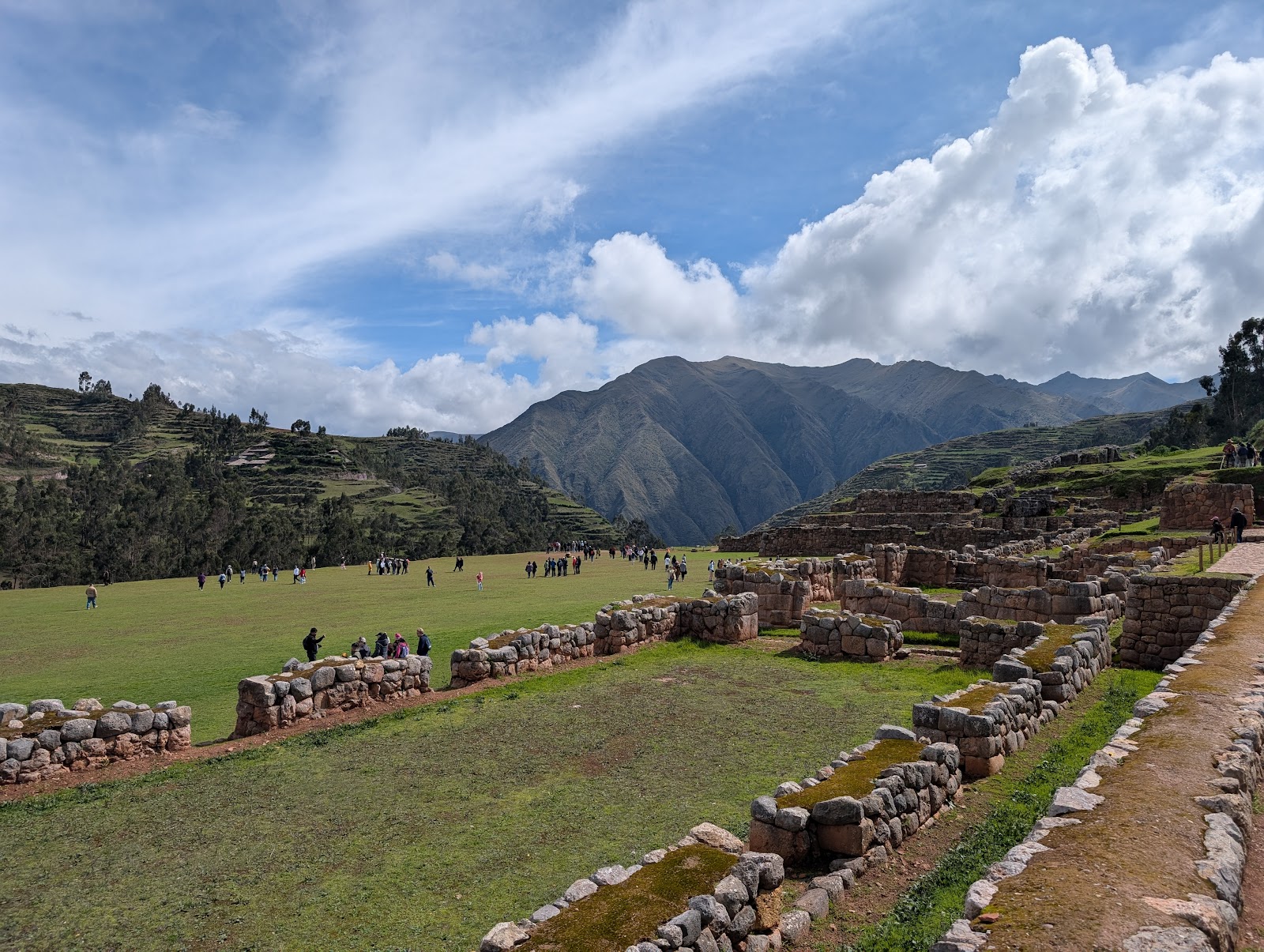
The traditional village of Chinchero sits high in the mountains and, according to common sources, reaches an elevation of approximately 3,760 meters. You’ll be significantly higher than in Cusco itself, so proper acclimatization is essential. The archaeological center here is open daily from 7:00 AM to 6:00 PM and is covered by Circuit III of the Boleto Turístico combined ticket.
The village boasts a colonial church that, according to guides, stands on Inca foundations. Chinchero is famous for its weaving cooperatives. From the Chinchero area, guides mention a one- to two-day trek to the royal estate of Huchuy Qosqo, which can only be reached on foot.
Construction of a new international airport is underway right next to the village. As of January 2026, approximately 40 percent was complete, and estimates suggest operations will begin no earlier than late 2027 or early 2028. For now, flights use the old Alejandro Velasco Astete Airport directly in the city.
💡 Tip: Don’t trust websites that write about Chinchero Airport as a done deal, and when searching for flights to the region, look for tickets to Cusco.
18. Machu Picchu and Aguas Calientes
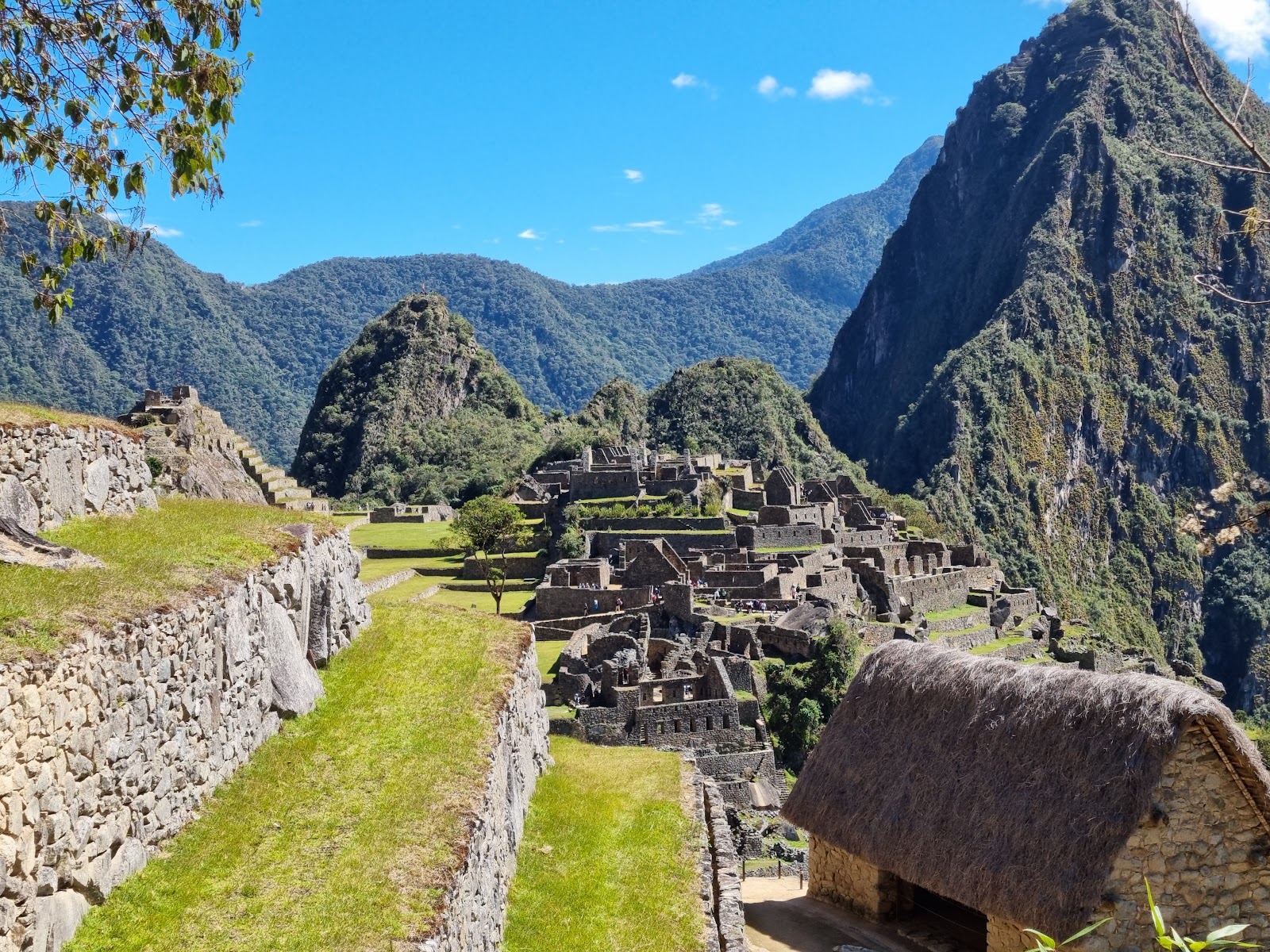
If you decide to devote time to just one paid experience, choose Machu Picchu. However, buying tickets requires preparation. The main official sales channel is the Ministry of Culture’s state portal tuboleto.cultura.pe. Since September 22, 2026, tickets cannot be held without payment, and you must pay within fifteen minutes. The Minister of Culture announced that reservations will no longer be refunded, so verify the current rules directly on this website.
The basic ticket for an adult foreigner costs S/ 152 (approximately €40), and for routes with mountain ascents, agencies charge S/ 200 (approximately €50). Since May 1, 2026, a special SERNANP fee of S/ 11 is added to these amounts. This surcharge does not apply to visitors arriving via the Inca Trail.
When purchasing, you’ll choose from three main circuits divided into ten different routes. The most popular is circuit number two, which according to travelers usually sells out first. If circuit two is no longer available for your date, take route 1-B from the first circuit. It leads to the upper terrace and provides the classic photo from above.
The first panoramic circuit includes route 1-A to Montaña mountain and the aforementioned 1-B. Routes 1-C to the Sun Gate and 1-D to the Inca Bridge are sold only in high season. The second classic circuit consists of routes 2-A and 2-B. The third royal circuit offers route 3-A to Waynapicchu and route 3-B, which is partially accessible for wheelchair users. The remaining routes 3-C Gran Caverna and 3-D Huchuypicchu open again only in high season.
Since November 3, 2026, low season applies, so the four mentioned seasonal routes are not sold. Therefore, check the availability of specific routes in the portal calendar. According to guides, there is a thirty-minute grace period for delays in low season and forty-five minutes in high season. However, for mountain routes, no grace period exists and you must arrive exactly on time.
For travelers without online tickets, on-site sales operate in the town of Aguas Calientes. Since May 7, 2026, you can buy tickets here at the local cultural center up to three days in advance.
You usually reach Machu Picchu by train with PeruRail or Inca Rail operators. From May to December, PeruRail runs directly from San Pedro and Poroy stations. From January to April and with Inca Rail, you travel from Cusco by a combination of bus and train. Ollantaytambo has the most connections. A one-way ticket from Ollantaytambo in the cheapest class costs approximately 50 to 85 USD, with prices changing according to demand. There’s also a cheaper route via Hidroeléctrica station, from where you can walk to Aguas Calientes along the tracks, according to travelers. During the rainy season, however, landslides are a risk.
The train ends in Aguas Calientes, from where a bus takes you up to Machu Picchu. A round-trip ticket costs 24 USD. However, a new operator is currently being selected through tender, so verify the situation before your trip. For food in Aguas Calientes, visit the vegetarian restaurant SATTVA by Govinda.
💡 Tip: The tour route is strictly one-way, so you cannot go back or switch to a different circuit.
💡 Tip: Watch out for websites with domains like machupicchu.org, which are just resellers.
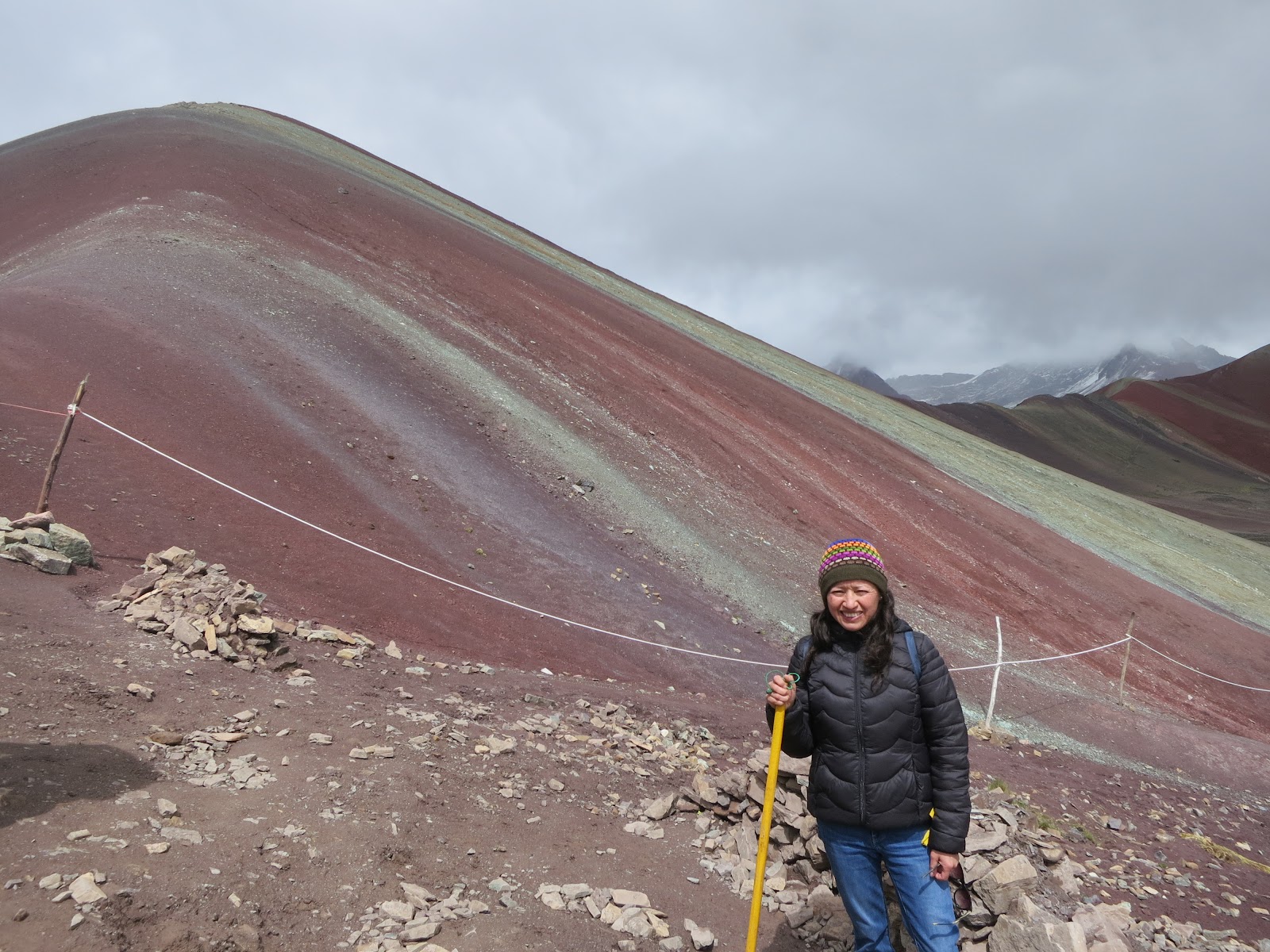
19. Rainbow Mountain (Vinicunca)
The viewpoint at Rainbow Mountain (Vinicunca) sits at an elevation of over 5,000 meters. Plan this ascent only after acclimatization and spend the first days of your stay at lower altitudes. Rapid transfer to such heights puts strain on any body.
Surrounding communities collect entrance fees from foreign visitors. According to guides, these range between S/ 25 and 30 (approximately €6-8) and are paid in cash in soles. For the detour to Red Valley, you’ll pay an additional S/ 30. In February 2026, closure of the site was considered due to snow and rain. Community disputes then led to an agreement on March 9, 2026, regarding a temporary tourism committee.
Tours from Cusco typically start between 2:00 and 3:00 AM. According to some travelers, this trek is not essential. One of them advises that if you do go, a private driver is worthwhile.
💡 Tip: To be safe, verify the situation regarding community disputes and mountain accessibility the day before with your agency.
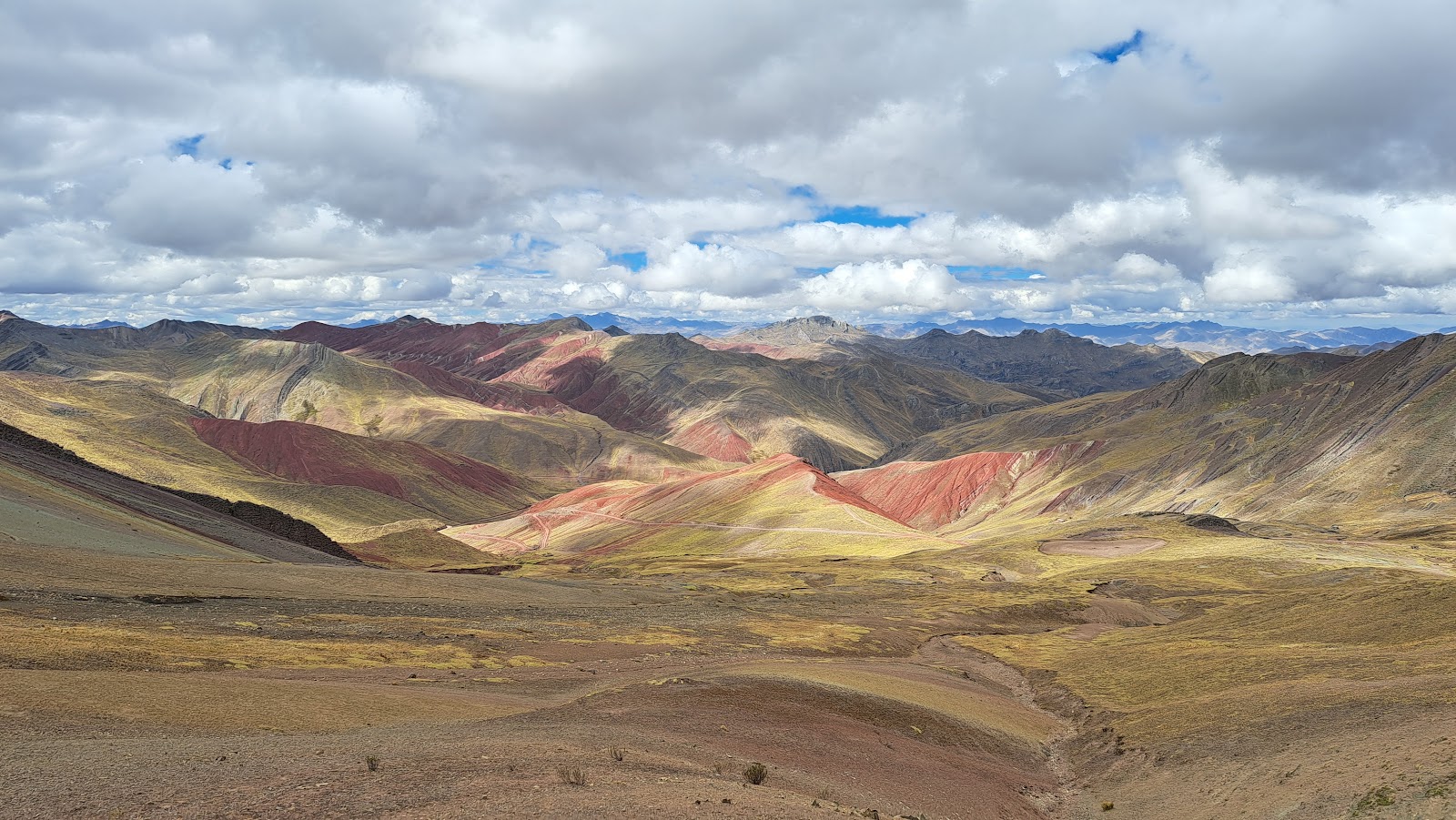
20. Palccoyo, an Alternative Without Crowds
If you’re looking for a quieter option, the Palccoyo site is available. The route measures approximately two kilometers round trip and follows almost flat terrain. Instead of one mountain, you’ll see three colorful ridges complemented by a stone forest. According to guides, the elevation is around 4,900 meters. Don’t underestimate acclimatization here either.
Entrance to this area costs approximately S/ 20 (around €5) according to blogs. According to travelers, Palccoyo offers similar, though less dramatic, scenery to Vinicunca. However, the trek is shorter and mostly flat.
💡 Tip: Travelers recommend this excursion as a gentler option for those preparing for the trek to Salkantay mountain.
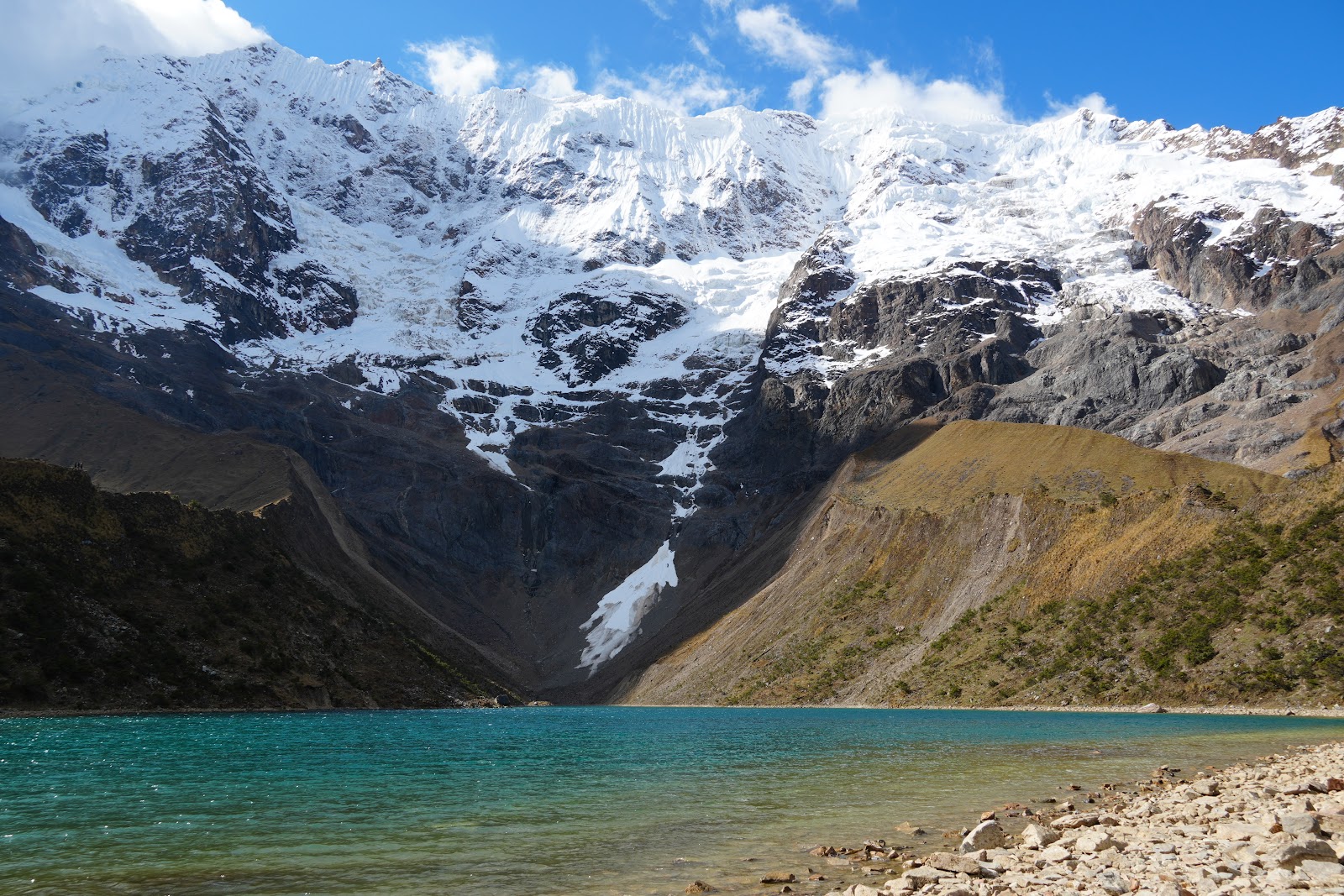
21. Laguna Humantay
This glacial lake sits at an elevation of approximately 4,200 meters. The ascent itself begins in the settlement of Soraypampa. According to information websites, it measures about two kilometers and takes approximately one and a half to two hours. From Cusco, people take a full-day excursion that lasts twelve to fourteen hours. Of that, you’ll spend approximately six hours just on the drive.
Entrance is paid in the town of Mollepata and costs S/ 10 to 20 (approximately €3-5) in cash. The most crowded time is in the morning when groups from standard organized tours arrive. According to visitors, the lake itself is a reward worth the effort.
💡 Tip: Head to the lake only after two or three days at altitude, and eat only light meals during your first days in Cusco.
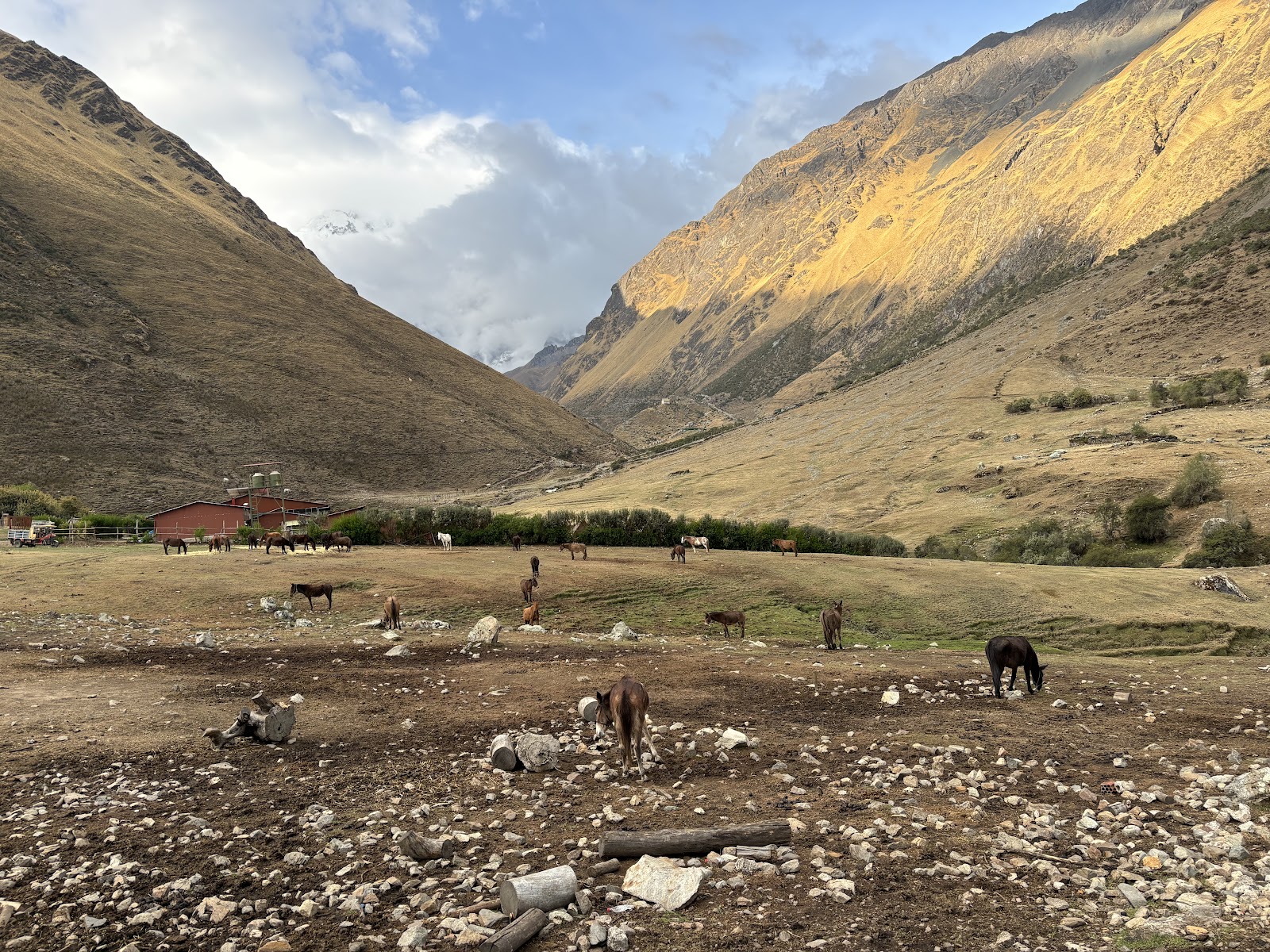
22. Inca Trail and Salkantay
The Classic Inca Trail is a four-day trek that takes you to altitudes above 4,200 meters. You can only embark on this route with a licensed tour operator. According to travel blogs, prices for these organized expeditions range from $500 to $1,500 (roughly €460 to €1,380).
Every year in February, the trail closes for regular maintenance. In 2026, this planned closure ran from January 31 to March 1. Plans can also be disrupted by heavy rain. According to reports from local agencies, the trail was closed due to rainfall associated with the El Niño phenomenon from August 18 to September 5, 2026.
An alternative is the Salkantay trek. It takes four to five days and doesn’t require any special permit. However, the UK Foreign, Commonwealth & Development Office (FCDO) mentions tourist deaths and rescue operations on these trails. Caution is advised.
💡 Tip: The February closure of the Inca Trail for 2027 hasn’t been officially announced yet. However, it’s an annual routine, so it’s best to plan a different itinerary for that month.
Where to Go from Cusco
The city and its surroundings hide many more places worth setting aside at least one extra day for. A view of the entire city is offered by the statue of the White Christ (Cristo Blanco), which you can reach for free. Be prepared for a steep climb from the San Blas neighborhood. On the way down, you can stop at Mirador de San Cristóbal, which also has free entry.
In the evening, you can book a visit to Planetarium Cusco, where you’ll learn details about Inca astronomy and observe the southern sky. Adult tickets start from S/ 90 (€23). During the day, you can visit ChocoMuseo on Plaza Regocijo, where chocolate-making workshops are held. History lovers can also look into the Inka Museum or the Santa Catalina Monastery.
From the Chinchero area, guidebooks describe a one- to two-day trek to the royal estate of Huchuy Qosqo. It sits high above the valley and can only be reached by foot trail. It’s better to arrange the route in advance with a local agency so you don’t get lost in the mountains.
Once you’ve explored Cusco, a tempting continuation is heading south. From Cusco, you can travel by PeruRail train or bus to Lake Titicaca and the city of Puno. According to travelers, the train route between Cusco and Puno is comfortable and scenic.
Don’t forget that your gateway for the entire journey will most likely be Lima. Lima sits at sea level and is the main hub before flying to the highlands. You’ll find the Museo Larco there, a sister institution to the MAP museum in Cusco.
Frequently Asked Questions
How many days for Cusco and Machu Picchu?
Plan for four to six days: two to three days for the city, one for the Sacred Valley, and one to two for Machu Picchu. If you’re planning a hike to Rainbow Mountain (Vinicunca) or a multi-day trek, add another two to three days. Don’t head straight to the mountains from the coast. Altitude needs time for acclimatization anyway.
How to avoid altitude sickness in Cusco?
The city sits at an altitude of 3,400 meters, and according to CDC data, up to half of people get sick after arrival. The best prevention is to sleep the first one to two nights lower down in the Sacred Valley and only then move up. Take it easy the first few days and drink plenty of water. Skip alcohol completely for at least the first forty-eight hours. Consult your doctor about medication. Coca tea is a local custom, but it doesn’t work as medicine, and don’t bring coca leaves home.
How to buy Machu Picchu tickets in 2026?
You can get tickets on the official website tuboleto.cultura.pe or in limited numbers on-site in Aguas Calientes. You choose the circuit, route, and entry time. An adult foreigner pays S/ 152 (€38) for the standard route and S/ 200 (€50) for routes with mountain ascents, according to agencies. From May 2026, there’s also a fee to the SERNANP organization of S/ 11 (€3). From September 22, 2026, you can’t hold a ticket without paying, and you must pay within fifteen minutes. The Minister of Culture announced that reservations will no longer be refunded. Check current rules at tuboleto.cultura.pe.
What is the Boleto Turístico del Cusco and is it worth it?
The comprehensive Boleto Turístico ticket costs S/ 130 (€33) and is valid for ten days at sixteen sites. It covers entry to places like Saqsaywamán, Pisac, Ollantaytambo, Moray, Chinchero, and several city museums. There’s no separate ticket for a single site. You choose between a partial circuit for S/ 70 (€18) and the full ticket for S/ 130, which is worth it if you visit sites from at least two circuits. Remember that it doesn’t include Machu Picchu, the main cathedral, Qorikancha temple, or the Maras salt pans. Children up to nine years old have free entry to covered sites.
How do I get from Cusco to Machu Picchu?
The most comfortable route is by train with PeruRail or Inca Rail to Aguas Calientes station. From May to December, PeruRail runs directly from San Pedro and Poroy stations in Cusco. In January to April and with Inca Rail, you travel from Cusco by a combination of bus and train. Ollantaytambo has the most connections. From Aguas Calientes, a bus takes you up to Machu Picchu, which for foreigners costs around 24 USD (€21) for a return ticket. Alternatively, you can hike up on foot. With PeruRail, you get one backpack up to 8 kg or hand luggage up to 12 kg free, with extra charges for additional pieces. So leave your big suitcase at the hotel. Hiking enthusiasts choose treks like the Inca Trail. This can only be done with a licensed agency and is usually closed in February. Another option is the multi-day Salkantay trek, or a cheaper route where, according to travelers, you take a minibus to Hidroeléctrica station and from there walk two and a half to three hours on foot along the tracks.
When is the best time to go to Cusco?
The dry season from May to September has the least rainfall. April, May, September, and October are a good compromise. There’s little rain and fewer people in the city than in June to August. But Machu Picchu still has its high season in September and October. From November to March, expect rain. In January, according to records, it rains almost twenty days a month. Watch out for June and July when nights are cold. The average minimum drops to 1 to 2 °C and houses often don’t have heating.
Is Cusco safe and can you eat vegetarian there?
The city requires standard caution because pickpocketing is not uncommon here, according to FCDO. At night, there’s a risk of so-called express kidnapping (forced cash withdrawal) when withdrawing from ATMs, so withdraw cash during the day inside banks instead. Watch out for fraudulent money changers with invalid banknotes. Order taxis through an app or take them from official taxi stands. Vegetarians will find it easy to eat here, according to travelers. Especially the San Blas neighborhood hosts several purely vegan restaurants, led by Green Point and Chia Vegan.
Tips and Tricks for Your Vacation
Don’t Overpay for Flights
Search for flights on Kayak. It’s our favorite search engine because it scans the websites of all airlines and always finds the cheapest connection.
Book Your Accommodation Smartly
The best experiences we’ve had when looking for accommodation (from Alaska to Morocco) are with Booking.com, where hotels, apartments, and entire houses are usually the cheapest and most widely available.
Don’t Forget Travel Insurance
Good travel insurance will protect you against illness, accidents, theft, or flight cancellations. We’ve had a few hospital visits abroad, so we know how important it is to have proper insurance arranged.
Where we insure ourselves: SafetyWing (simple monthly subscription) and TrueTraveller (for extra-long trips).
Find the Best Experiences
Get Your Guide is a huge online marketplace where you can book guided walks, trips, skip-the-line tickets, tours, and much more. We always find some extra fun there!


