

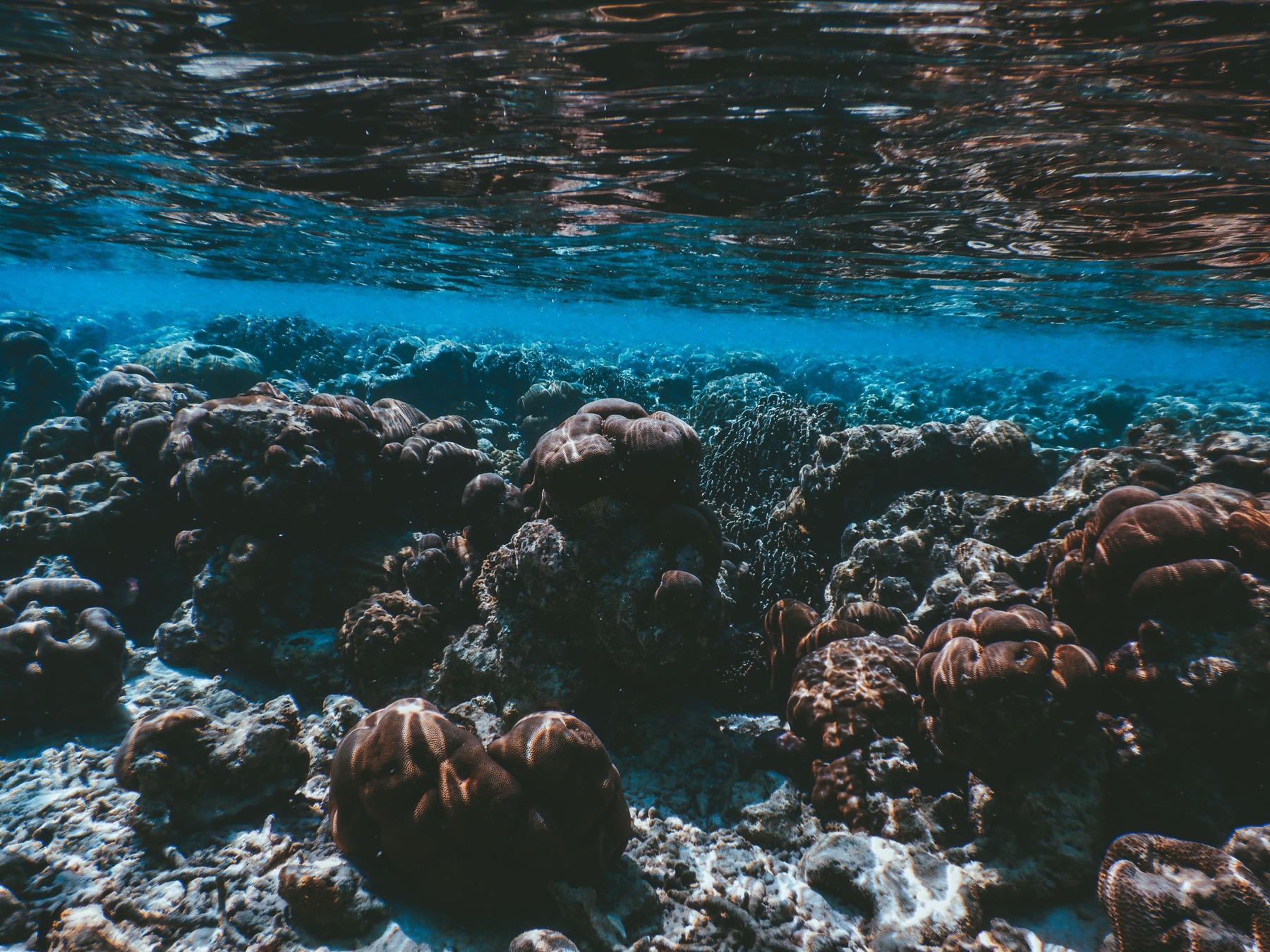
Visiting the Great Barrier Reef on Australia’s east coast usually means booking a full-day boat trip, but Western Australia offers a different kind of experience. At Ningaloo Reef Australia, the coral reef starts just a few steps from the beach, so all you need to do is put on your mask, wade in and start snorkeling. It changes the rhythm of your whole holiday: you’re not dependent on expensive cruises, and you can visit the reef three times in a single day if you like.
While the ocean is cold in winter in many parts of the world, conditions here are pleasant all year round. Long-term climate data shows that sea temperatures at Ningaloo never fall below 23°C, even in July, the coldest month, so you can snorkel at any time of year. Add a dry climate, little rainfall and the striking contrast of red desert meeting the turquoise waters of the Indian Ocean, and you have a remarkable destination.
In this guide, we’ll cover how to get here and where to base yourself—important considerations given the long distances across Western Australia. You’ll find out when your chances of seeing whale sharks are best, which beaches have dangerous currents and what rules you need to follow in the national park.
TL;DR
- Fringing reef from shore: Ningaloo is a fringing reef, which means you can swim out to the coral from a sandy beach at many locations without paying for a boat trip.
- World Heritage Site: The area was added to the UNESCO World Heritage List on 24 June 2011 for its biodiversity and excellent state of preservation.
- Pleasant water temperatures: The sea is warm year-round, staying above 23°C even in the coldest months and rising above 27°C at the height of summer.
- Whale sharks: The main whale shark tour season runs roughly from March to June in Coral Bay and through August in Exmouth.
- Two main bases: Exmouth is the larger town and closer to the national park, while Coral Bay is a smaller settlement where the reef begins right by the beach.
- National park fees: Entry to Cape Range National Park costs AUD 17 per vehicle, while pedestrians and cyclists enter free.
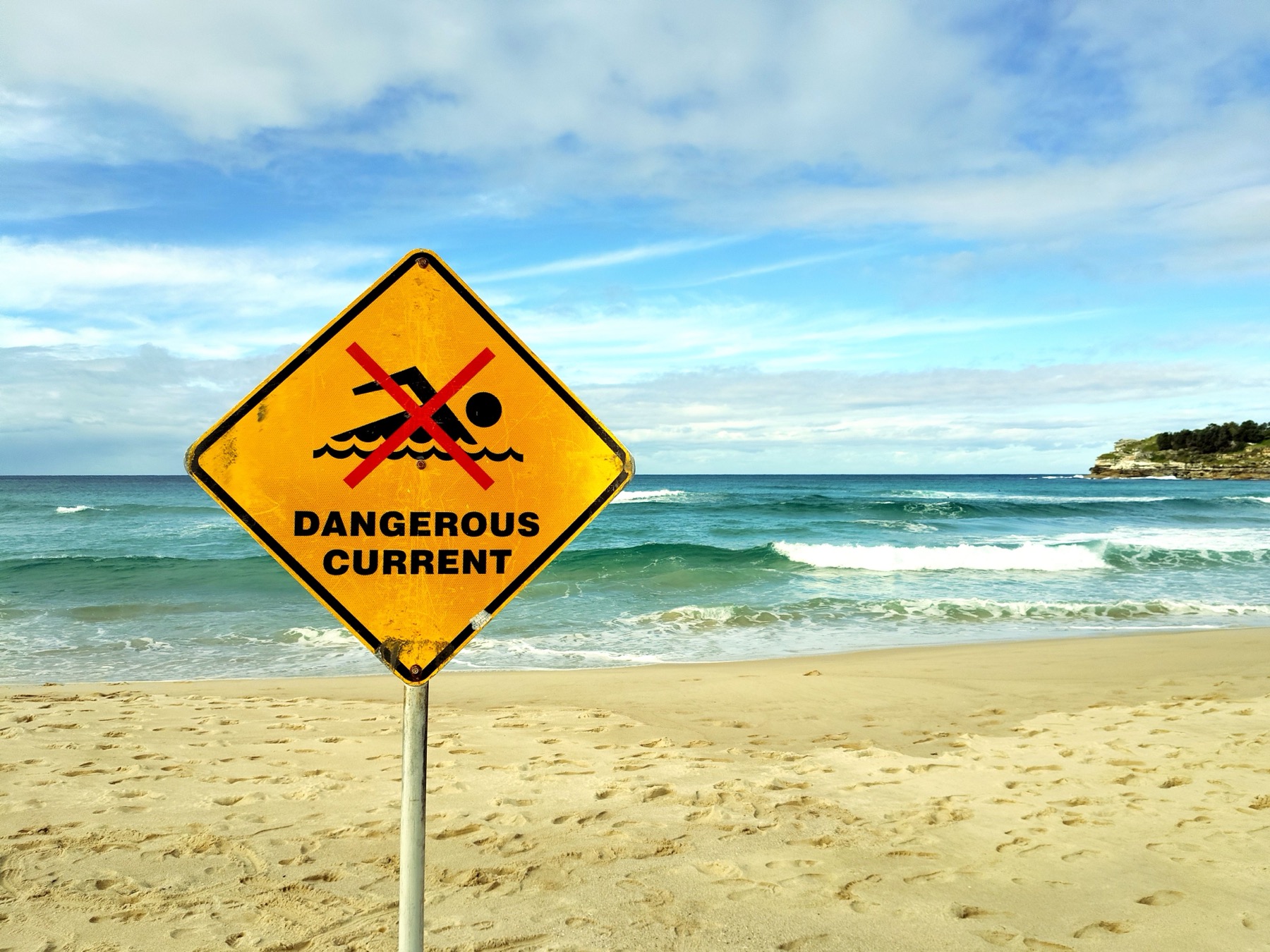
- Dangerous current: The famous Turquoise Bay has a strong current near its southern sandbar. Make sure you get out of the water in time.
- Tide-dependent snorkeling: You can snorkel at Oyster Stacks only when the tide is at least 1.2 metres; otherwise, you risk injuring yourself on the coral.
- Best time to visit: April to September offers a great balance of warm seas, more comfortable air temperatures and wildlife season.
Why Visit Ningaloo Instead of the Great Barrier Reef?
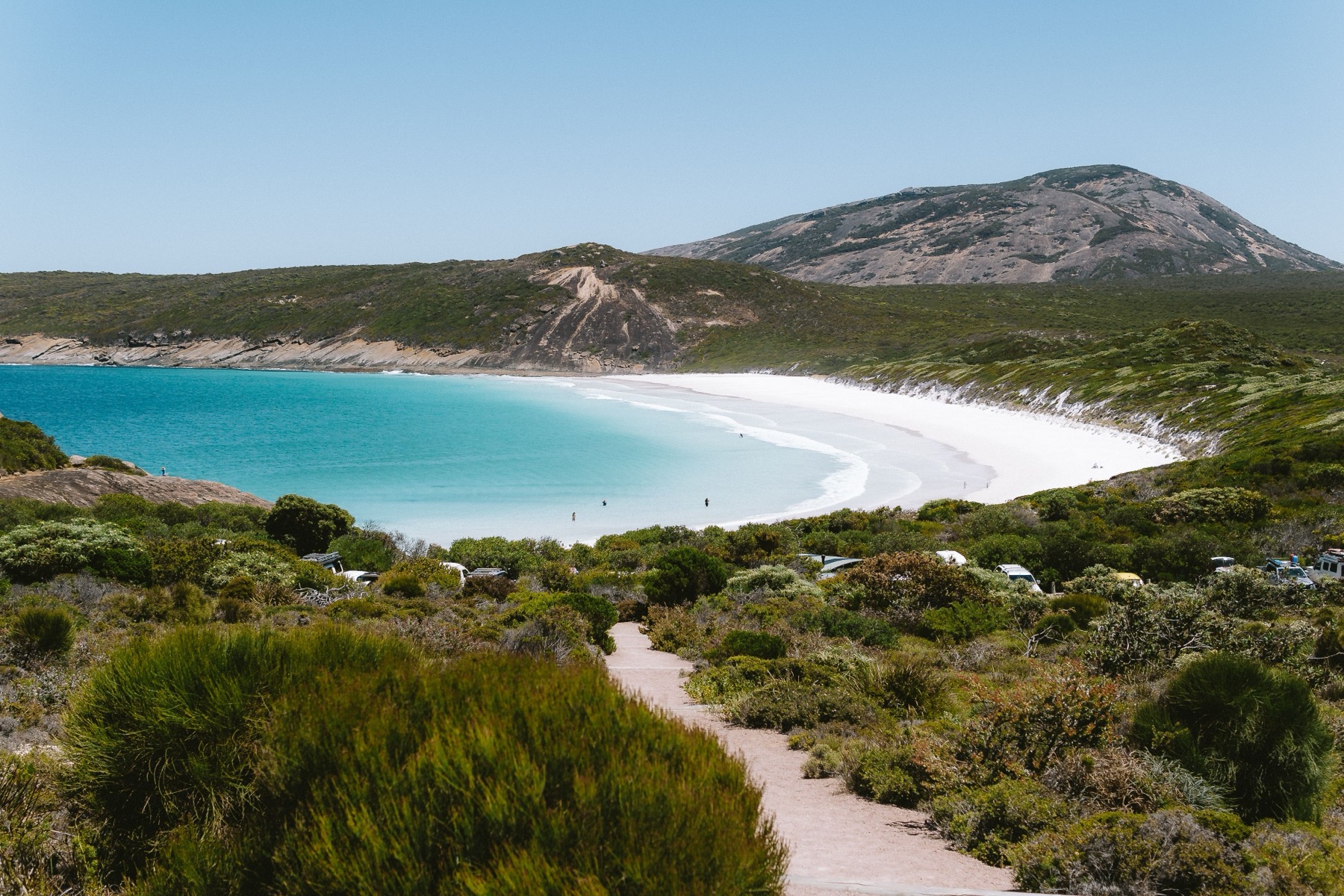
Australia is best known around the world for the Great Barrier Reef, but the west coast is home to a destination that’s more accessible in many ways. Ningaloo is a fringing reef stretching roughly 260 kilometres along the coast. Its proximity to the mainland makes it a favourite with independent travellers: at many of the best snorkeling spots, you can simply walk from the car park to the water.
UNESCO recognised the uniqueness of this ecosystem when the Ningaloo Coast was added to the World Heritage List on 24 June 2011. The protected area includes more than the reef and Ningaloo Marine Park: it also encompasses the nearby Muiron Islands, Bundegi and Jurabi coastal parks, and the adjacent Learmonth Air Weapons Range. The condition of the local coral is often praised. One visitor reviewing Turquoise Bay even said they thought it was better than the Great Barrier Reef itself.
Unlike the tropical rainforests that line much of Australia’s east coast, the landscape here is entirely different. The desert and limestone gorges of Cape Range National Park begin just behind the beaches, so you can walk through an arid red gorge in the morning and admire fish underwater in the afternoon. For a comparison with the east coast, read our guide to experiencing the Great Barrier Reef.
It’s not just the coral that makes the area special, but also the large number of marine animals that regularly visit the reef. These waters are a migration corridor for whale sharks, manta rays and humpback whales, making Ningaloo unique. The chance to see these animals in their natural habitat, combined with easy access to snorkeling, draws nature lovers from around the world.
How to Get Here and Where to Stay
Western Australia is vast, and the distances can take international visitors by surprise. If you’re short on time, flying is the best option: Qantas operates daily flights from Perth to Learmonth Airport (LEA). The domestic flight takes just under two hours and saves you a lot of time behind the wheel. Learmonth Airport is about 36 kilometres from Exmouth and 116 kilometres from the smaller settlement of Coral Bay, which you can reach by car or shuttle in around an hour and ten minutes.
Many travellers opt for a road trip, as the Coral Coast has plenty of worthwhile stops along the way. Driving north from Perth, however, is a long journey and takes more than a day because of the distances involved. Don’t try to do it all in one go, especially given the risk of hitting kangaroos and other wildlife, which are active after dark.
When choosing where to stay, you’ll need to decide between Exmouth and Coral Bay. Exmouth is the larger town, with better facilities, and serves as a base for Cape Range National Park, most of the snorkeling beaches and organised whale shark tours. It’s the region’s main hub, with more shops, petrol stations and accommodation options.
Coral Bay, on the other hand, is smaller and quieter, but its location is a major advantage. The reef begins right by Bill’s Bay, the main sandy beach, which has a Google rating of 4.6 from 196 reviews. You won’t need to drive anywhere—the water is just a few minutes’ walk from your accommodation. The area is also a popular base for manta ray tours.
If you’re exploring around Exmouth, you’ll probably visit Cape Range National Park, which charges an entry fee. Budget AUD 17 per standard vehicle carrying up to 12 people, or AUD 10 if you’re eligible for a concession. Motorcycles cost AUD 10, while larger vehicles carrying more than 12 people are charged AUD 8 per passenger. You can pay at the park entrance or arrange an e-Pass online in advance. Best of all, there’s no entry fee if you arrive on foot or by bicycle.
Whale Sharks: Season, Rules and What to Expect
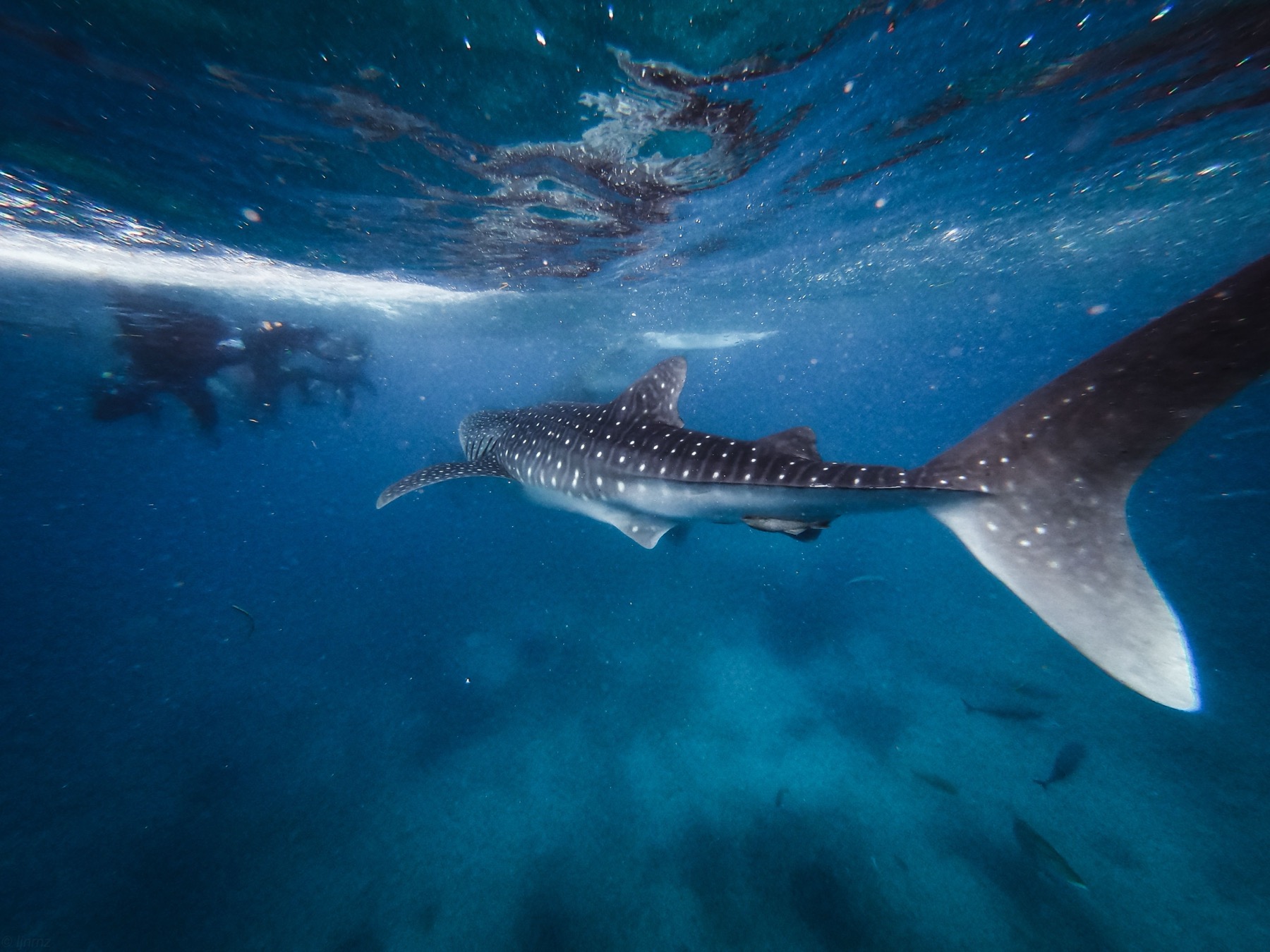
Swimming alongside the world’s largest fish is the main reason many people travel to Western Australia. These enormous, spotted animals appear regularly at Ningaloo Reef, and the main tour season runs roughly from March to June from Coral Bay and until August from Exmouth. Tour operators leave little to chance: spotter planes search the ocean and guide boats to wherever the whale sharks are feeding on plankton.
The price reflects the logistics and strict regulations, so this isn’t a cheap outing. For example, one well-known Exmouth operator charges AUD 625 per adult swimmer, AUD 595 per child and AUD 295 for a non-swimmer who stays on the boat. The number of people on board is strictly limited to avoid stressing the animals and ensure everyone has enough room in the water.
Western Australia takes conservation seriously, and commercial tours operate under strict licences and clear rules. In the water, you must keep at least 3 metres from a shark’s head and 4 metres from its tail to avoid being struck by its fin. No more than 10 people may be in the water with an animal at any one time, including the crew, safety spotter and any photographer documenting the encounter.
The interaction is carefully managed, and scuba diving isn’t allowed. Only snorkeling is permitted, with no motorised aids, and touching an animal is against the law. You must slide quietly into the water rather than jump, and keep your fins below the surface to avoid excessive noise and splashing. Similar rules apply to other ocean visitors: you must stay at least 30 metres from humpback whales.
Remember that you’re in the wild, not at a theme park. Although spotter planes help operators achieve a high success rate, no one can guarantee you’ll find the animals on a particular day or that they’ll stay near the surface. Tours are full-day adventures on the open ocean, which are worthwhile in their own right—even if nature doesn’t cooperate.
Turquoise Bay: A Beautiful Beach with a Dangerous Current
Turquoise Bay looks like a postcard, but beneath the surface lies one of the biggest hazards in the national park. Currents at Turquoise Bay can be strong, especially around the sandbar at the southern end of the beach. Many guidebooks and brochures promote the popular drift snorkel, but give less attention to how the water moves through the bay—and why you need to stay alert.
To do the drift snorkel, enter the water at the southern end of the beach and let the current carry you north along the coral formations. The danger comes at the end of the route: you must get out of the water before reaching the sandbar. If you miss your chance and get pulled past it, the current can quickly carry you out to sea. Swimming back to shore is exhausting and may be impossible without help from rescuers.
The strength of the outgoing current varies from day to day and depends on several factors. It can be particularly strong during a high tide or when waves are bigger. Water surging over the reef into the bay has to flow back out to the ocean, and much of it does so through the gap beside the sandbar. Park rangers warn that the drift snorkel in this southern section isn’t recommended for weak or inexperienced swimmers, even in calmer conditions.
If you’re not confident in the water or have young children with you, there’s a calmer alternative. Beginners can snorkel more safely in the northern half of the bay, near the Bay Loop car park, where the water is usually calmer. You’ll stay well away from the dangerous southern tip and still get to enjoy the rich marine life that has made Ningaloo famous around the world.
12 Ningaloo Reef Australia Places and Experiences Worth Your Time
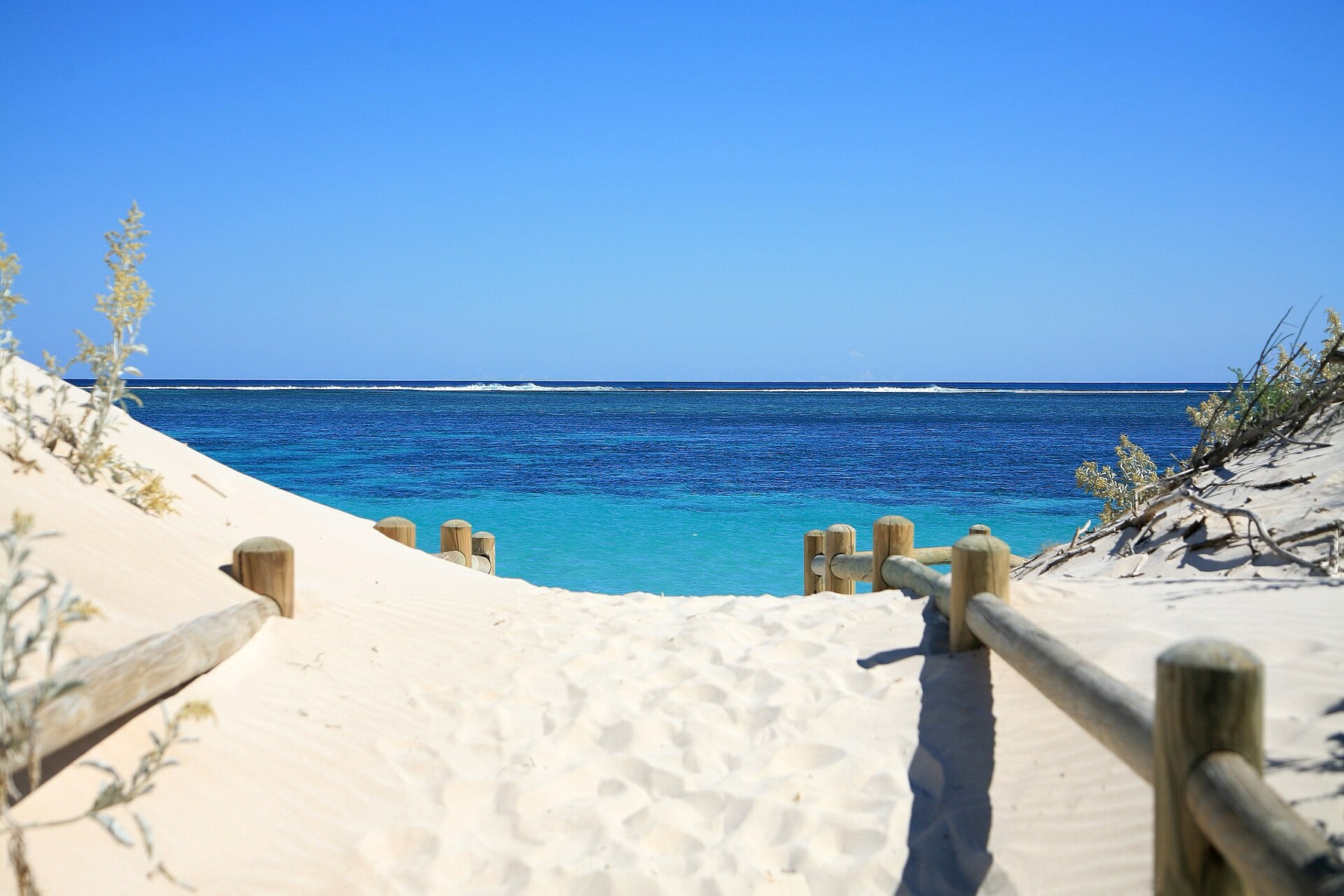
This vast region has far more to offer than a single beach. Its many fascinating locations combine coastal reefs with a rugged inland landscape. To help you find your way around, we’ve put together a list of the best stops, viewpoints and beaches. Most are on the peninsula near Exmouth and within the national park, so you’ll definitely need a car and ideally a few days to explore them.
1. Turquoise Bay
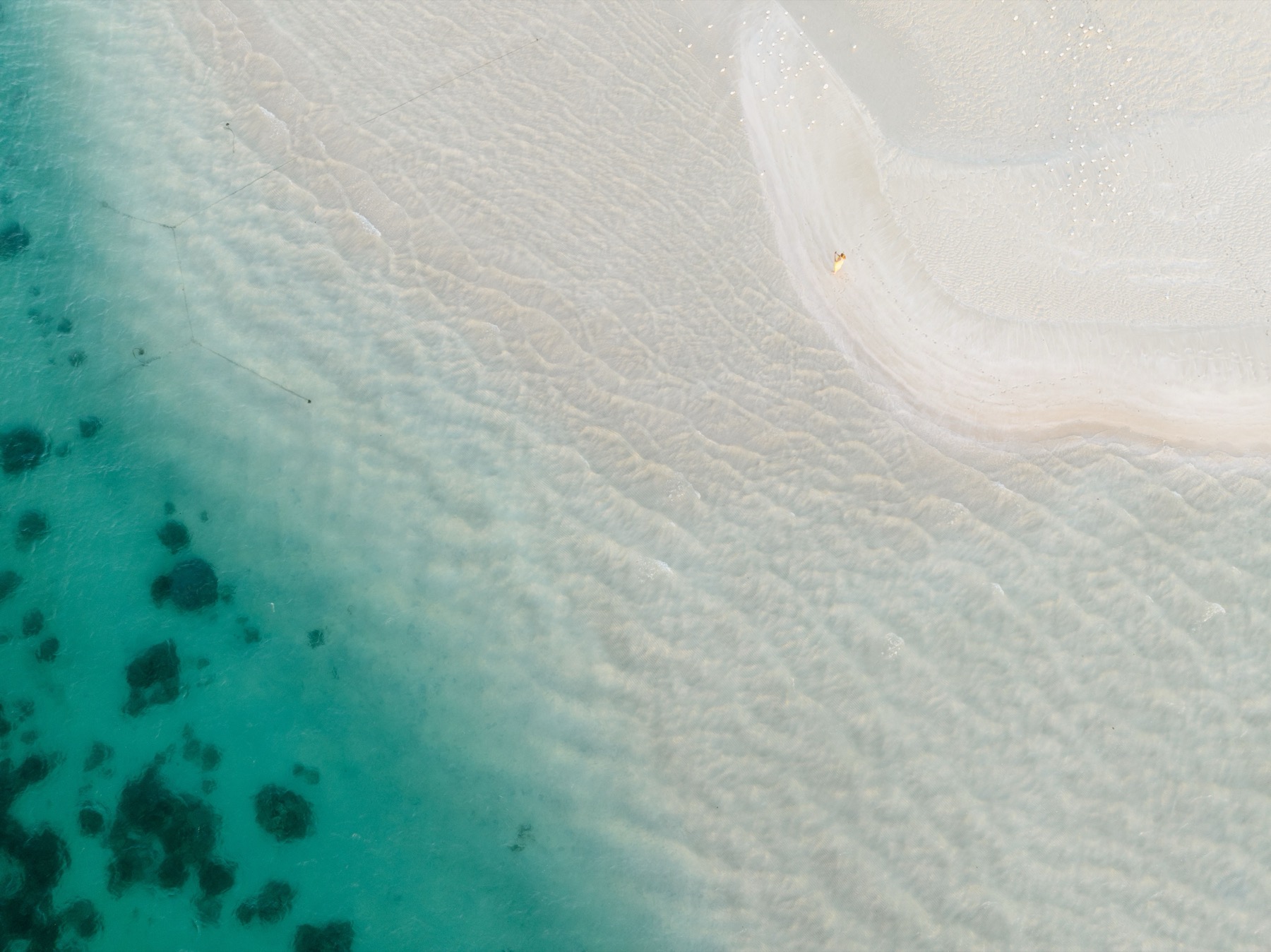
This is the region’s signature spot and features in just about every Western Australia travel brochure. White sand contrasts with clear turquoise water, with colourful coral gardens waiting below the surface. As we explained in the safety section above, though, you need to watch out for the outgoing currents near the southern sandbar, which can catch even strong swimmers by surprise. Their strength depends on the tide and the size of the waves washing over the reef. Turquoise Bay has a Google rating of 4.8 from 890 reviews.
Bring plenty of drinking water and your own shade, as there are no trees or beach umbrellas. The bay is part of Cape Range National Park, so standard park entry rules and fees apply. It’s worth arriving early, when the ocean is usually calmer and underwater visibility is excellent. You’ll also beat the afternoon crowds.
💡 TIP for less confident swimmers: If you’re not sure of your swimming ability or are travelling with young children, park at the northern Bay Loop car park instead. The water is calmer and you’ll be well away from the dangerous drift section to the south, while still enjoying views of the coral.
2. Oyster Stacks
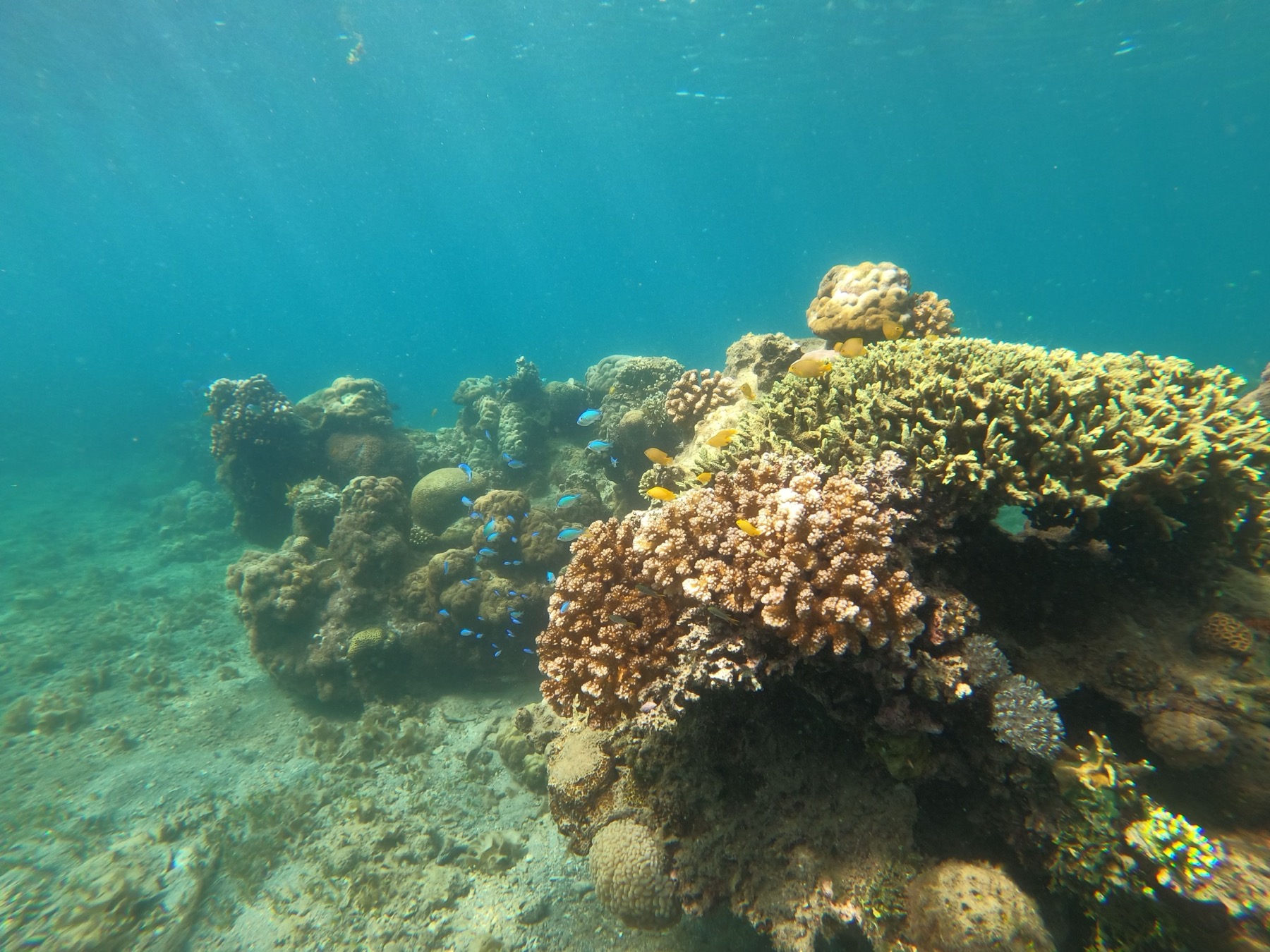
This is one of the best snorkeling spots in the park, but there’s an important catch that many visitors overlook. You can only enter the water when the tide is at least 1.2 metres high, because the coral grows extremely close to the surface. At lower tide, you could be seriously injured by sharp oyster shells and cause lasting damage to a fragile ecosystem that has developed over hundreds of years. Oyster Stacks has a Google rating of 4.8 from 520 reviews.
Before setting off for these distinctive rocky outcrops, you must check the tide times and height at Milyering Discovery Centre, where park rangers can give you the most accurate information. The site is about 60 kilometres from Exmouth and has a very small car park. Many reviews recommend arriving well before high tide so you can find a parking space.
Get into the water at the right time and you’ll find yourself in a giant natural aquarium. The local reef is full of colourful fish weaving between the rocks, and the shallow water makes it feel as if you could almost reach out and touch the marine life.
3. Lakeside
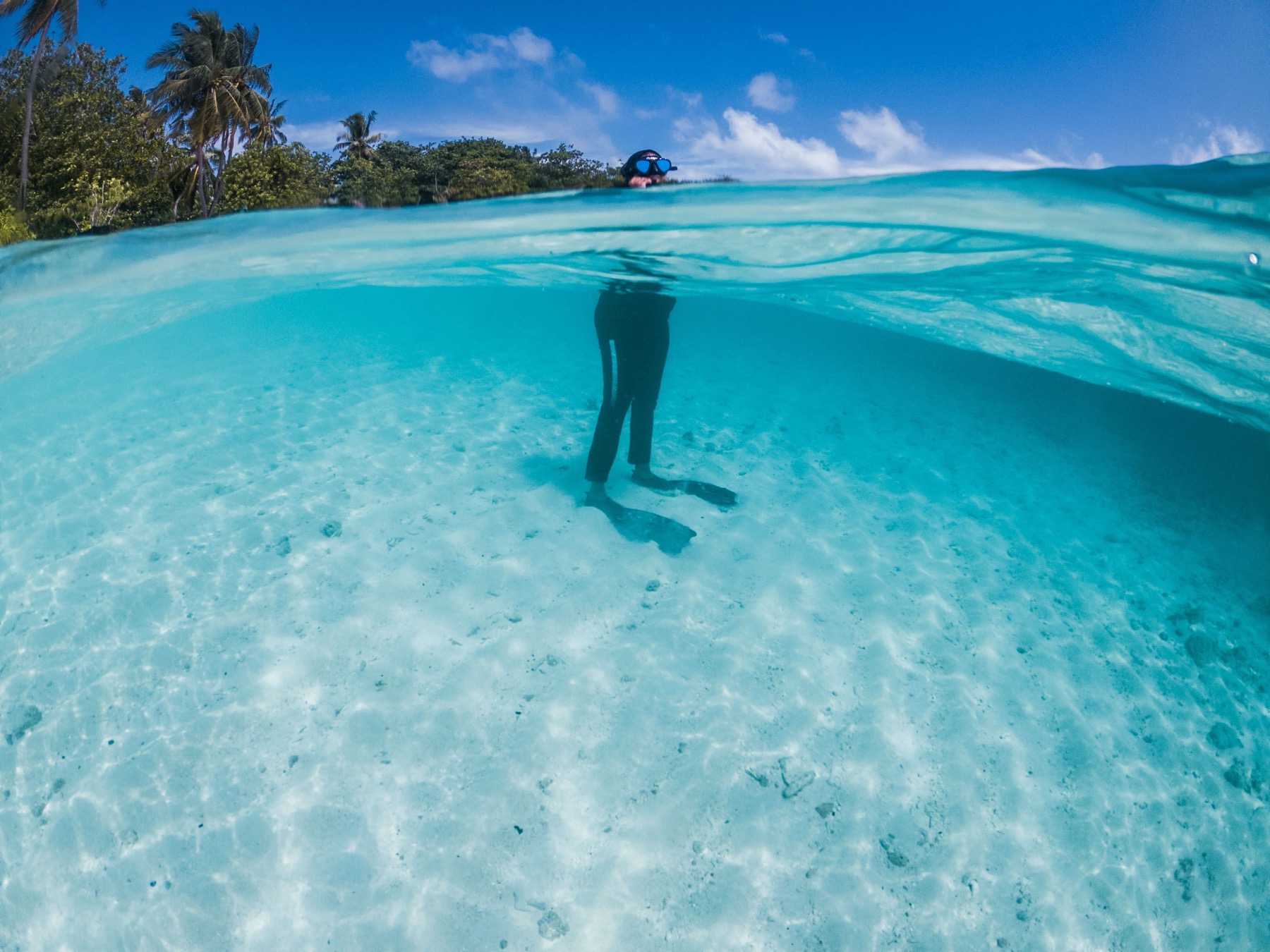
If you’re wary of the currents at Turquoise Bay or can’t make it to Oyster Stacks at the right tide, Lakeside is a quieter alternative. It has a safe, gently sloping entry into the water, making it ideal for families with children and first-time snorkelers. The water is sheltered and usually free of large waves, so you can take your time looking for marine life. Lakeside has a Google rating of 4.6 from 173 reviews.
From the car park, take a short walk south along the sand until you reach the yellow marker buoys. These buoys mark the best snorkeling area, with some interesting coral formations. Sea turtles are often seen around the underwater reef, and you may occasionally spot small reef sharks, too.
💡 TIP for responsible wildlife watching: These small sharks are harmless to people, and it’s fascinating to watch them move through the shallows. Even here, though, remember that you’re a guest in the wild. Don’t touch anything, avoid sudden movements and enjoy the calm atmosphere of the bay.
4. Cape Range National Park
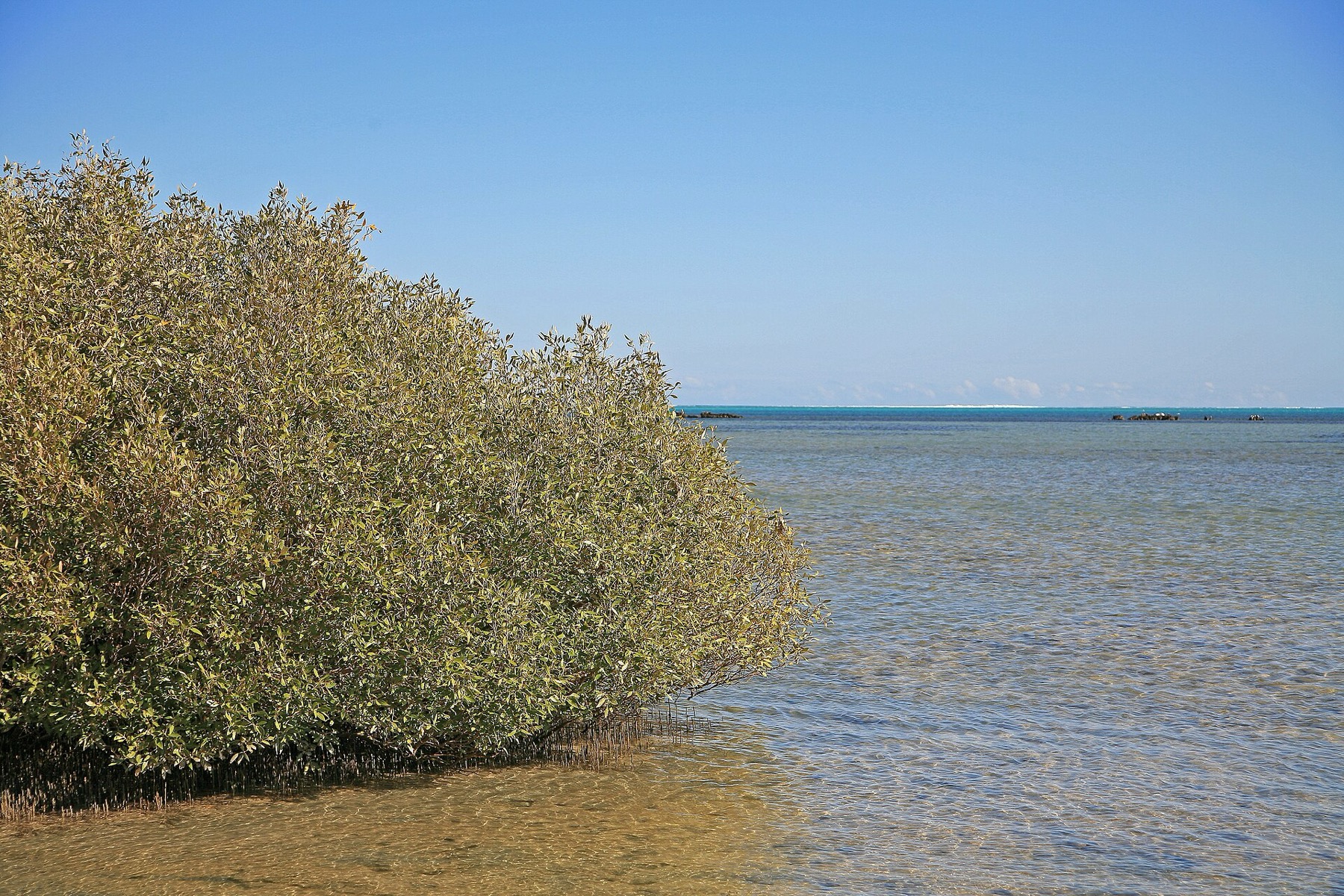
Most visitors come to Ningaloo for the ocean, but the inland part of the national park is just as impressive. It’s a vast limestone plateau cut through with deep gorges and red cliffs that drop almost to the coastline. This is where the Australian outback meets the Indian Ocean, creating some wonderful photo opportunities. The park has a Google rating of 4.8 from 721 reviews.
Take care when driving through the park, as kangaroos, emus and other wildlife are often near the roads, particularly in the early morning and evening when temperatures are cooler. Conservation rules are strictly enforced throughout the park, and mobile reception is almost nonexistent.
💡 TIP for exploring the wilderness: There are no shops or kiosks in the park, so bring food and plenty of drinking water. Its remoteness and rugged character are part of what makes this area feel so different from Australia’s more developed destinations.
5. Yardie Creek Trail
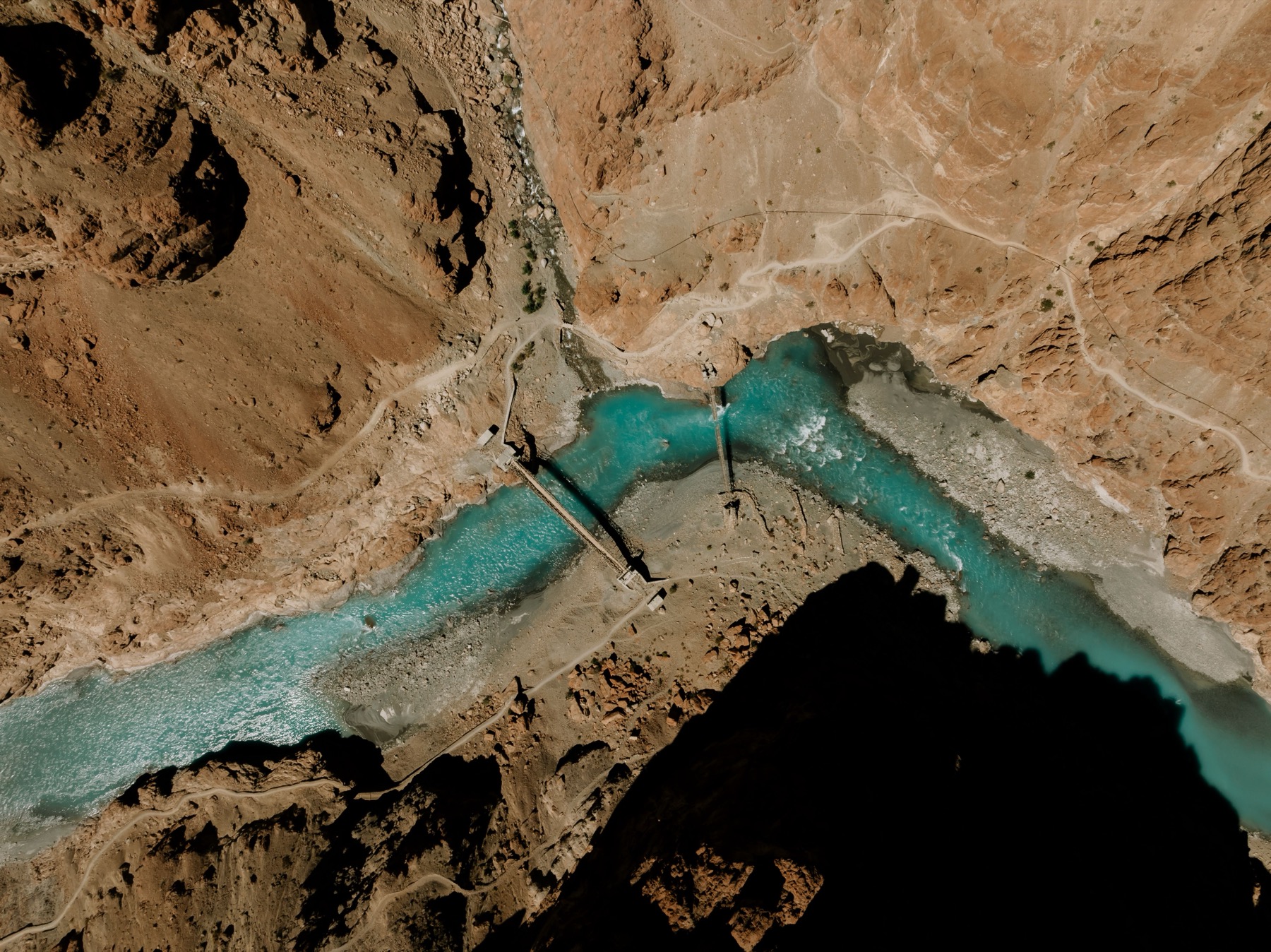
At the end of the sealed road through the national park, you’ll reach Yardie Creek Gorge, one of the few places in the area that holds water year-round. The walking trail takes you high above the water, with views of steep red walls plunging straight into the creek. The contrast between blue sky, rust-coloured rock and dark water makes for a striking scene. The trail has a Google rating of 4.7 from 219 reviews.
The walk isn’t particularly difficult, but the harsh Australian sun and lack of shade make an early start and plenty of water essential. Black-footed rock-wallabies live around the trail and on the rocky ledges.
These small marsupials like to shelter from the midday heat in the shade of overhangs. Walk quietly and keep an eye on the rocky terraces, and you may spot these shy residents of the gorge. It’s a lovely bonus on the hike.
6. Mandu Mandu Gorge
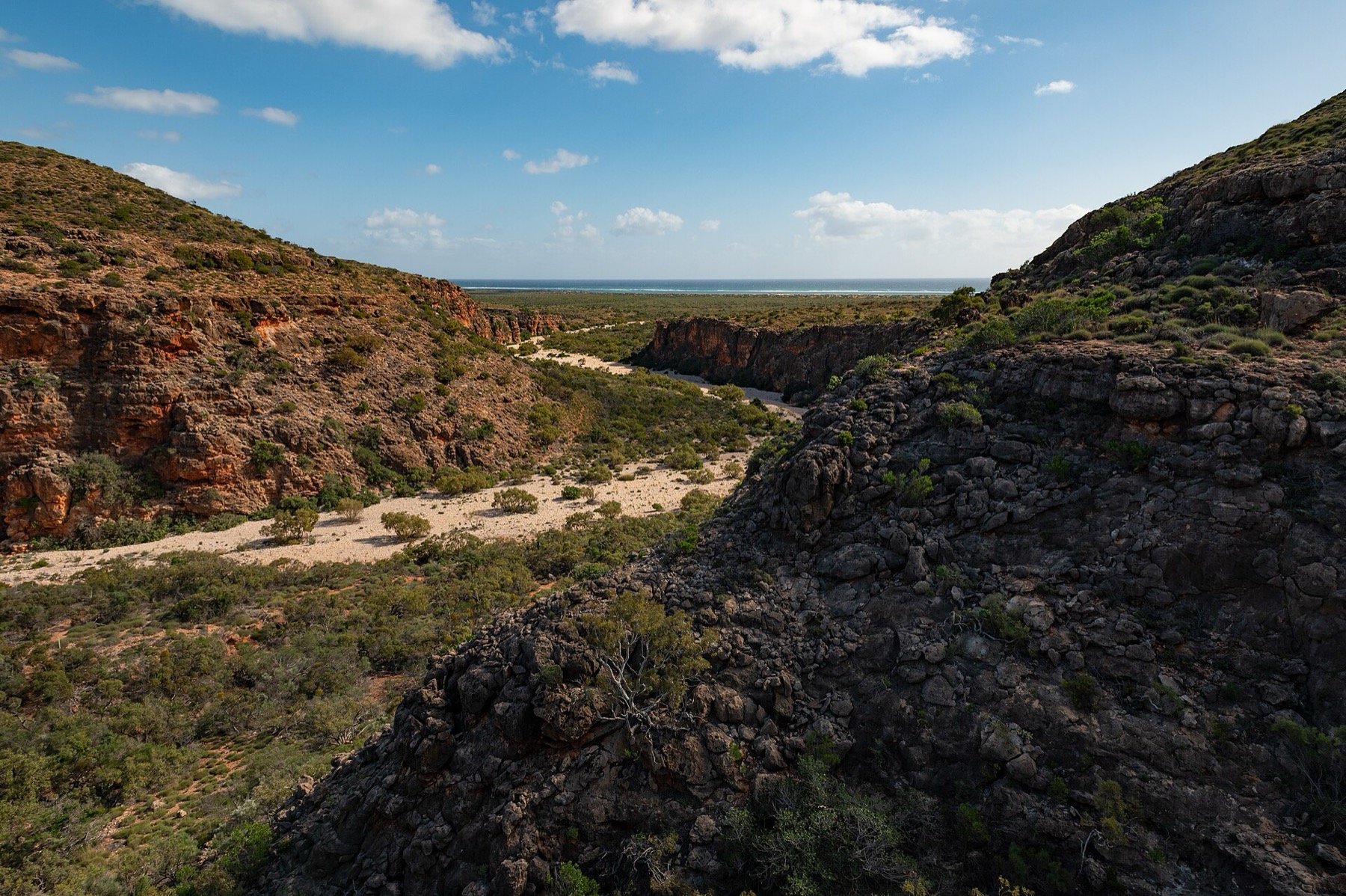
This is a great outing if you enjoy lacing up your hiking boots and don’t mind a bit of effort on rugged terrain. The loop trail takes you along a dry riverbed, over huge boulders and finally up to the edge of the gorge, where you’ll see the ocean in the distance. From this high point, you can appreciate how the enormous Ningaloo Reef runs along the coastline and how close it is to land. It has a Google rating of 4.7 from 85 reviews.
The hike takes around an hour and a half to two hours. It’s best to set off early, before the limestone walls heat up in the sun. By midday, the gorge can feel like an oven. You may spot ancient marine fossils embedded in the rocks—a reminder that this dry region was once the floor of a prehistoric ocean.
💡 TIP for what to wear: Bring sturdy, closed-toe shoes. The rocks in the riverbed can be sharp and unstable in places, so attempting this walk in ordinary beach flip-flops would be a very bad idea.
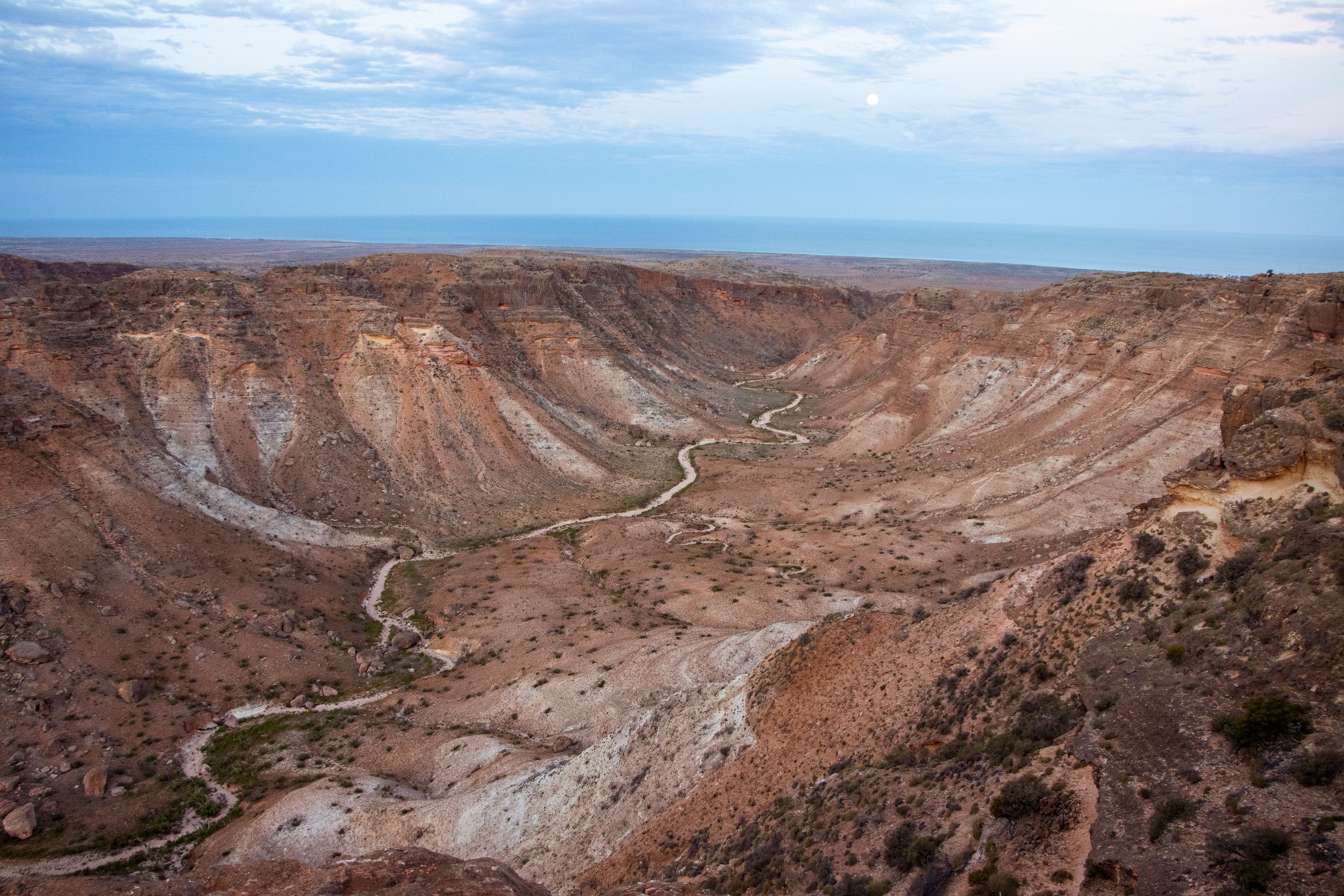
7. Charles Knife Canyon
If you want to feel as though you’ve stumbled into the Grand Canyon, take a detour to this scenic road above Exmouth. The route climbs steeply into the hills and follows a narrow ridgeline, with views on both sides into deep, erosion-carved gorges. From the top, the views stretch as far as the edge of Exmouth Gulf. The site has a Google rating of 4.8 from 384 reviews.
Parts of the road are sealed and others are gravel, but if you drive carefully, you can manage it in a regular car without four-wheel drive. The atmosphere is best just after sunrise, when the morning light brings out the canyon’s red walls and gives the landscape rich colours.
There are a few small car parks and pull-offs at the top and along the route. Stop to get out and take in the views. It’s an ideal place to enjoy a flask of coffee in the morning before exploring the west coast.
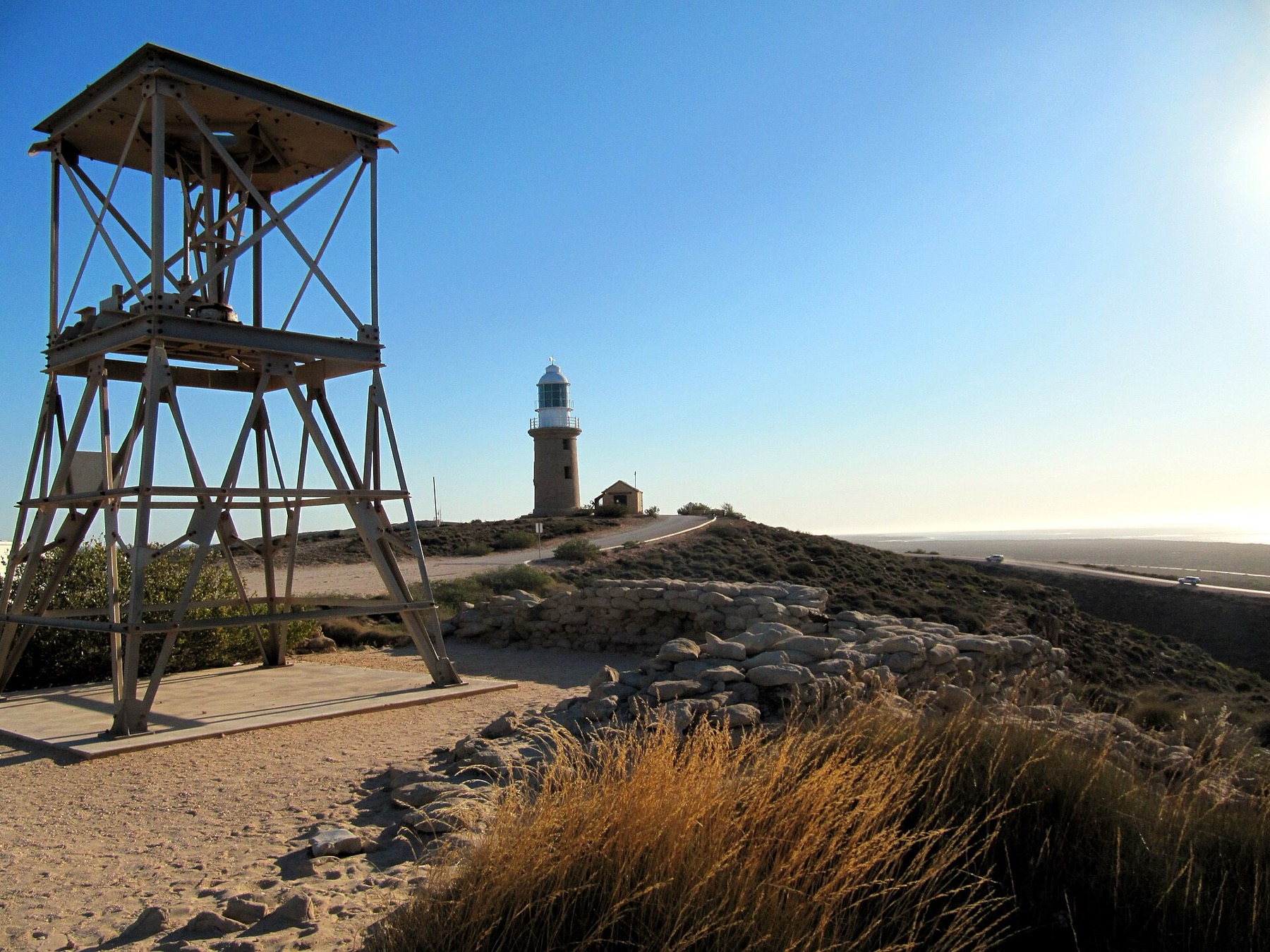
8. Vlamingh Head Lighthouse
This historic lighthouse stands on a hill at the tip of the peninsula and is one of the few places nearby where you can enjoy an elevated view of the ocean. It’s a popular sunset spot, so don’t expect to have it to yourself in the evening. People regularly bring camping chairs and flasks to watch the sun set over the Indian Ocean. It has a Google rating of 4.6 from 1,022 reviews.
During whale migration season, the grassy hill by the lighthouse is a great place to look for whales from shore. If you’re lucky, you’ll see spouts or the fins of humpbacks in the distance as they pass along the coast on their long journey.
You can’t go inside the lighthouse or climb to the top, but information boards nearby tell the story of the area’s maritime history. You’ll learn about this rugged stretch of the Australian coast, which has seen many shipwrecks over the years.

9. Ningaloo Centre
When you’ve had enough of the scorching sun and sea air, this modern visitor centre in the heart of Exmouth is an ideal place to cool off on a hot afternoon. Inside, you’ll find excellent exhibitions on the region’s history, marine life and the reef’s ecosystem. It’s a great place to learn how Ningaloo’s complex natural system works and why it’s so special. It has a Google rating of 4.3 from 936 reviews.
Beyond the marine displays, you can learn about Exmouth’s military history—the town was established in the 1960s as a strategic base—and the lives of the region’s Indigenous people. The centre also serves as the main tourist information point, where you can ask about current road conditions and tide heights or pick up detailed national park maps.
💡 TIP for planning: Before exploring the reef, stop here and ask the park rangers for the exact tide times for snorkeling at Oyster Stacks. It’s time well spent: you’ll understand the surrounding landscape in a broader context and avoid unnecessary problems later.
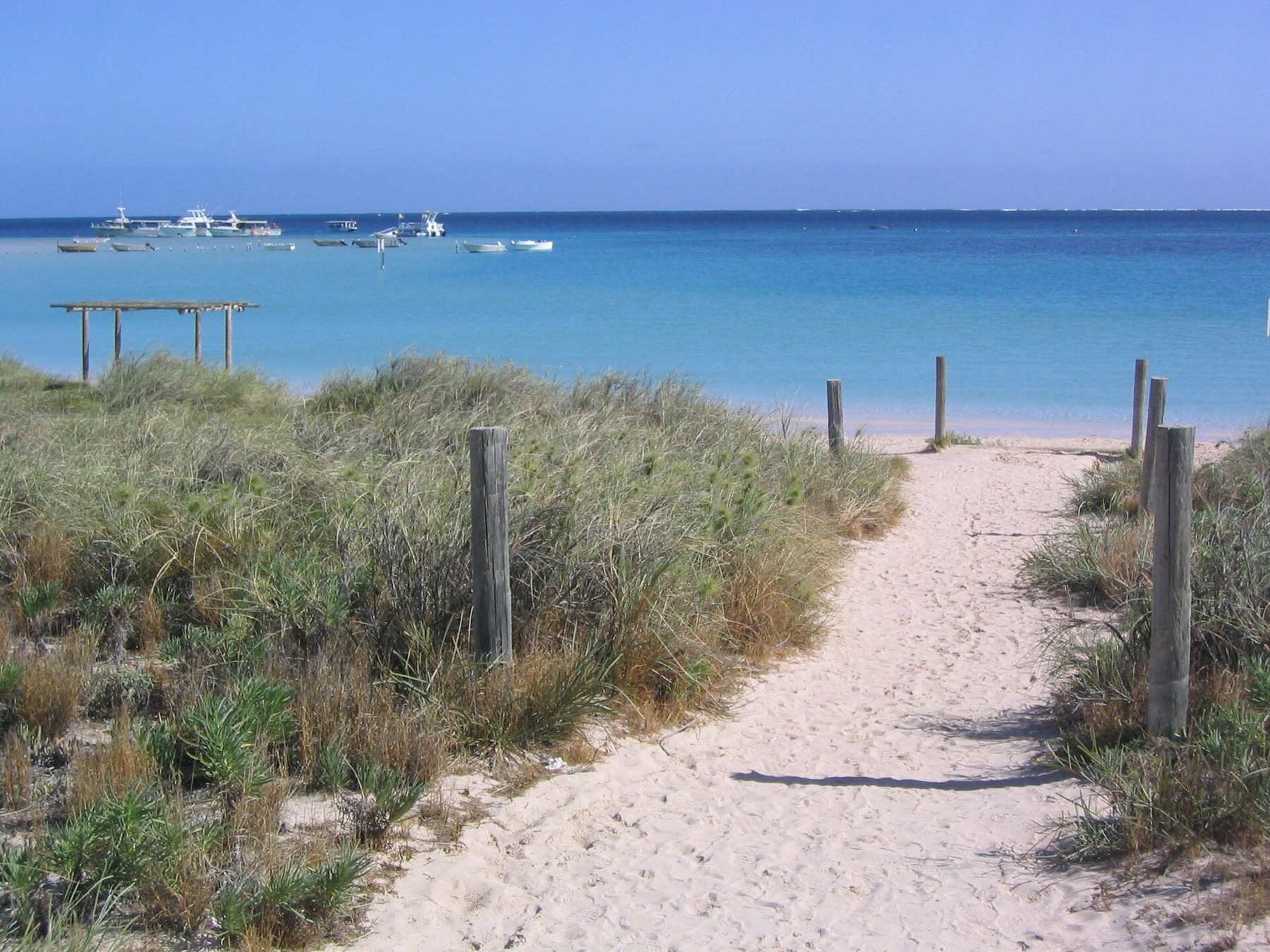
10. Coral Bay and Bill’s Bay
If you don’t want to start the car every time you feel like snorkeling, Bill’s Bay in Coral Bay is the place for you. The bay is naturally sheltered from ocean swells, and the coral formations begin just a few strokes from the sand. It’s ideal if you prefer a slower pace and want everything within walking distance of your accommodation. It has a Google rating of 4.6 from 196 reviews.
Coral Bay has a more intimate feel than larger Exmouth; it’s a sleepy beach settlement where nobody seems to be in a hurry. The water is usually clear and warm, and full of colourful fish, making this a good spot for families and beginner snorkelers who want to take their time in the water.
💡 TIP for protecting nature: Strict conservation rules apply here, too, so don’t touch or stand on the coral. The reef just offshore needs to be protected for future generations. Remember that stepping on coral can cause permanent damage.
11. Turtles and the Jurabi Turtle Centre
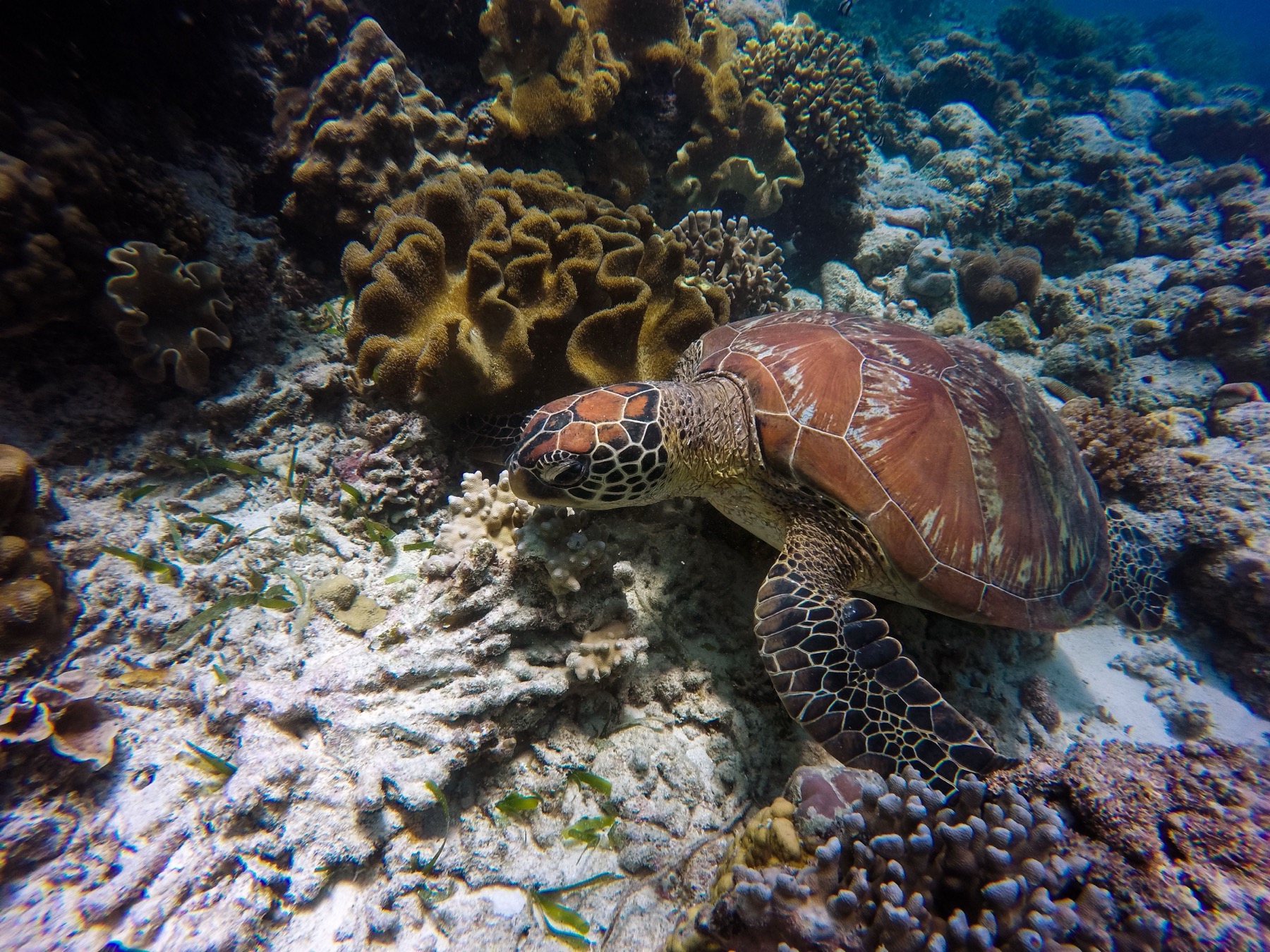
The Ningaloo region is one of the Indian Ocean’s most important nesting areas for endangered species, including loggerhead, green and hawksbill turtles. Adult turtles can be seen around the reef all year, so you may well encounter them while snorkeling. The real natural spectacle begins towards the end of the year, when large females come ashore at night to lay their eggs during the main nesting season, which runs roughly from November to March.
If you’d like to witness this delicate process, visit the Jurabi Turtle Centre, the area’s main education and information hub. Guided night tours with trained guides run roughly from December to January, offering the only safe and ethical way to observe nesting turtles up close.
💡 TIP for turtle safety: Walking along the beach alone at night with an ordinary flashlight can be very harmful to turtles. Bright light can frighten them, causing them to return to the ocean without laying their eggs. Always choose an official guided tour instead; the guides know exactly how to approach these endangered animals.
12. Manta Rays and Humpback Whales
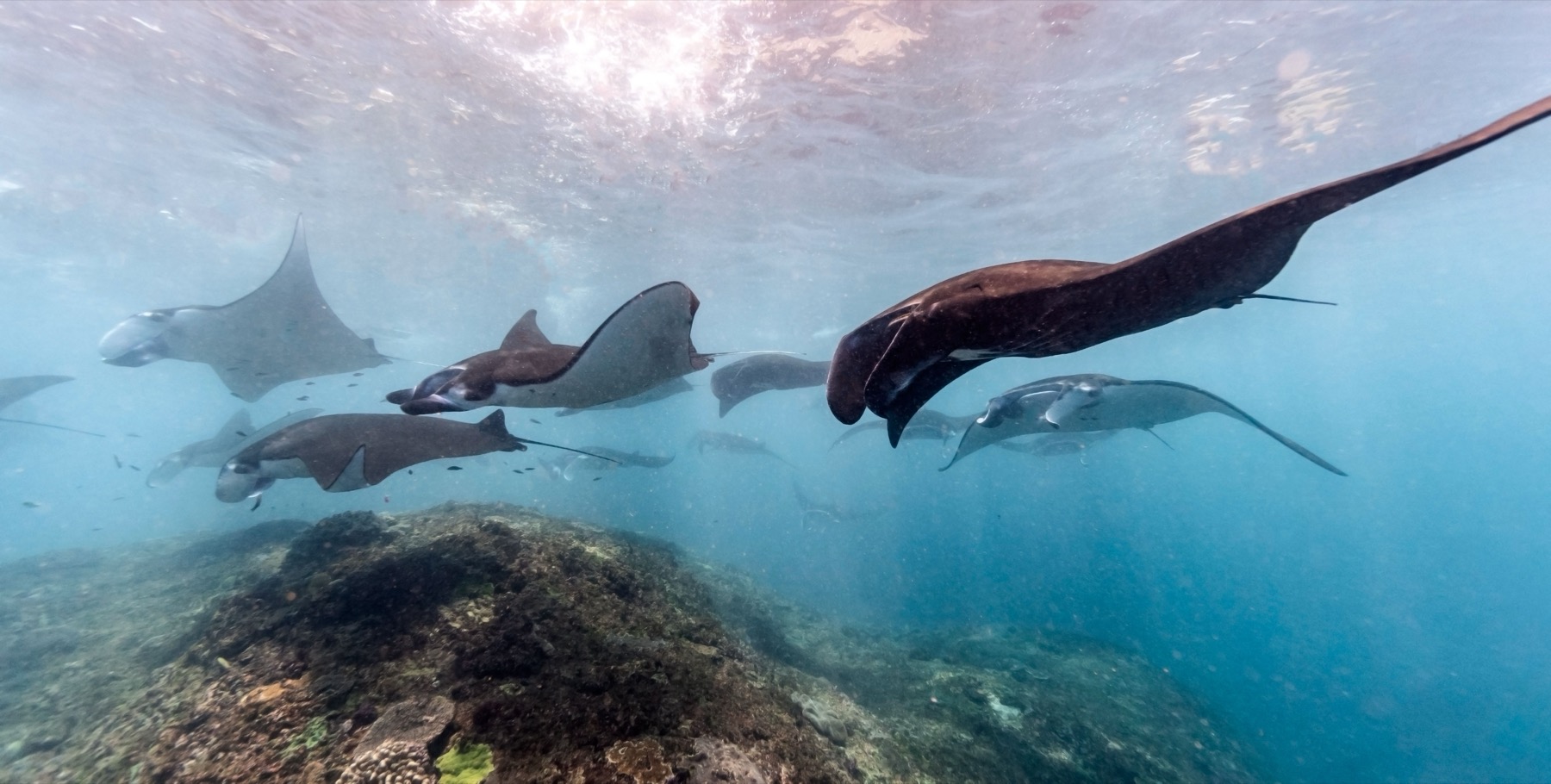
Whale sharks aren’t the only marine giants that draw travellers to Ningaloo from around the world. The best time to see manta rays is from May to November, with the quieter settlement of Coral Bay serving as the main base for tours. Watching a manta ray glide beneath the surface, its huge fins spread wide, is an unforgettable experience.
Humpback whales are another major draw, migrating along Australia’s west coast every year. They appear around the reef roughly from July to November, mating and giving birth in the warmer, shallower waters before heading back towards Antarctica.
You can look for them from shore on the hill by Vlamingh Head Lighthouse or from an excursion boat. Licensed operators must keep at least 30 metres away from humpback whales so they don’t disturb them.
When to Visit Ningaloo
Planning a trip to this remote part of Australia means thinking about both the temperatures—which can become extreme in summer—and the seasons for the animals you’ve come to see. Detailed data from the ERA5 satellite model for Exmouth shows that the climate is hot and very dry, with most of the rain falling during just a few months. The table below shows average air temperatures (2015–2024) and sea temperatures at Ningaloo (2019–2024) for a clearer picture.
| Jan | Feb | Mar | Apr | May | Jun | Jul | Aug | Sep | Oct | Nov | Dec | |
|---|---|---|---|---|---|---|---|---|---|---|---|---|
| max (°C) | 34.6 | 34.7 | 34.5 | 31.9 | 27.6 | 23.7 | 24.0 | 25.4 | 28.5 | 31.1 | 32.0 | 34.3 |
| min (°C) | 24.7 | 25.5 | 25.8 | 23.6 | 20.2 | 17.7 | 16.6 | 17.0 | 18.6 | 20.0 | 21.2 | 23.4 |
| sea (°C) | 24.6 | 26.7 | 27.6 | 27.4 | 26.3 | 24.3 | 23.0 | 23.1 | 23.6 | 24.5 | 24.9 | 25.8 |
| rainfall (mm) | 6 | 19 | 41 | 18 | 41 | 62 | 18 | 7 | 6 | 0 | 2 | 2 |
The table makes it clear why Ningaloo is such a good year-round swimming and snorkeling destination. The sea is coldest in July, but even then it’s 23.0°C, a comfortable temperature for swimming even if you feel the cold. The ocean is warmest in March, averaging 27.6°C—more like a natural bath. Keep in mind that these are ERA5 modelled figures for the wider Exmouth area, rather than measurements from one particular shallow beach, where sun-warmed water may be a little warmer.
Air temperatures show why it’s best to avoid the Australian summer. Temperatures peak at 34.7°C in February, and it’s very hot from December to March, which can make trips into the national park exhausting. As for rainfall, this is desert country: October averages 0 mm, while the wettest month, June, gets just 62 mm.
If you want comfortable air temperatures, warm water and a good chance of seeing whale sharks, the ideal time to visit is roughly April to September. You’ll avoid the most intense heat and find excellent conditions in the water.

Where to Stay
💡 Accommodation and activity tip: Compare accommodation options here to see what’s available and at what price. We prefer to look for places to stay on Booking.com, which often has the best cancellation policies. It’s also worth comparing and booking tickets, tours and activities through GetYourGuide.
Finding good accommodation in Western Australia takes a little time and advance planning. There aren’t many places to stay in either of the two main bases, and the best options book up well ahead during whale shark season, so don’t leave your search until the last minute. Here are some popular, well-rated options to consider.
If you choose larger, better-equipped Exmouth, you’ll find everything from campsites to resorts. It’s a practical base if you plan to spend a lot of time in Cape Range National Park and want the town’s amenities nearby.
- Exmouth Escape Resort (Google rating: 4.5 from 437 reviews). A popular resort with comfortable facilities and spacious rooms with kitchenettes—handy for preparing meals and snacks for full days in the national park.
- Ningaloo Lodge Exmouth (Google rating: 4.3 from 236 reviews). A pleasant place to stay right in town, just a short distance from shops and the visitor information centre.
- RAC Exmouth Cape Holiday Park (Google rating: 4.2 from 1,189 reviews). A large complex with caravan pitches and fully equipped cabins. It’s a popular choice for families.
- Ningaloo Caravan and Holiday Resort (Google rating: 4.0 from 1,005 reviews). Another large campsite and resort in the centre, with facilities for all kinds of travellers.
- Yardie Homestead (Google rating: 3.9 from 684 reviews). If you’d like to stay closer to the national park and don’t mind basic camping facilities, this site is right on the road to some of the most popular beaches.
In central Exmouth, you’ll also find Potshot, which is often cheaper but functions mainly as a lively pub. If you’re looking for a quiet night’s sleep before an early snorkeling trip, you may prefer to stay elsewhere.
If you’re drawn to smaller Coral Bay, where the reef is right outside, expect fewer choices—the settlement is small:
- Peoples Park (Google rating: 4.2 from 585 reviews). A campsite right by the beach, just a few steps from the water and the coral reef.
- Bruboodjoo (Google rating: 4.1 from 119 reviews). A more remote camping option for travellers with their own gear who want to get away from the occasional bustle of Coral Bay.
- Ningaloo Coral Bay – Bayview (Google rating: 3.8 from 905 reviews). A large complex with cabins and camping pitches close to the ocean.
- Ningaloo Coral Bay Backpackers (Google rating: 3.7 from 208 reviews). A basic hostel option for independent travellers and backpackers looking for simple facilities and a roof over their heads.

Where to Eat
Although this is a popular tourist destination, the food scene has its own character. Here’s what to expect when eating in Exmouth and Coral Bay, and why it pays to be self-sufficient on your excursions.
When it comes to food, remember that Exmouth and Coral Bay are small places with a limited choice of restaurants and cafés. You’ll find casual spots for a morning coffee, simple vegetarian dishes and fresh salads, but don’t expect a big dining scene or a choice of fine-dining restaurants. Local cafés often close in the early afternoon, so plan ahead if you want to eat out in the evening.
The most important rule for the area is to come prepared. Bring all your food and plenty of drinking water into Cape Range National Park, as there are no shops or food kiosks by the beaches or in the gorges. Many people stock up in Exmouth and pack a cooler with sandwiches, fruit and litres of water. Under the Australian sun, you’ll drink more than you might be used to.
Where to Go Next
Would you like to explore more of Australia? We’ve put together plenty of guides to help you plan an unforgettable journey across this vast continent.
If you’re planning to explore the country in more depth, take a look at our guide to Western Australia: what to see from Perth to the Kimberley, with tips for lots of other stops along the way. If you’re flying into the region, our guide to Perth, Australia: 18 things to see and do may come in handy.
Want to compare Ningaloo with the much more famous east coast? Read about the other side of the continent in our guide to the Great Barrier Reef: tours, prices and how to experience it, or explore the gateway to the tropics in Cairns and Daintree: 18 things to see. For an overview of the country, see our in-depth guide to Australia holidays: 30 most beautiful places, or get practical advice for drivers in our article on road-tripping in Australia: routes, cars, campsites and budget. And don’t miss the famous metropolis in our guide to Sydney, Australia: 31 things to see and do.
On your way northwest, it’s worth stopping near Perth to visit the island featured in our guide to Rottnest Island, Australia: 12 things to see—quokkas and beaches.
Frequently Asked Questions
Here are answers to some of the most common questions travellers have about visiting Ningaloo Reef.
When are whale sharks at Ningaloo?
The main season for tours, when these giants regularly feed on tiny plankton near the reef, runs roughly from March to June around Coral Bay and then until August from the larger town of Exmouth. However, no one can guarantee in advance that you’ll actually see the animals on any given day—it’s wild nature.
How much does swimming with them cost?
Prices reflect the costly operation of boats and accompanying spotter aircraft. For reference, one operator charges 625 AUD for an adult swimmer, 595 AUD for a child, and 295 AUD for an observer who doesn’t swim. Prices and exact conditions must always be verified with the specific company in advance.
Can you snorkel from the beach?
Yes, and that’s a huge advantage of Ningaloo over the east coast. It’s a fringing reef, which means that in many places—like Turquoise Bay or Bill’s Bay in Coral Bay—you can swim straight to the corals from the warm sand without needing to pay for an expensive boat.
How do I get to Exmouth?
The fastest and most comfortable way is a domestic flight with Qantas, which flies daily from Perth in Western Australia directly to Learmonth Airport. The flight takes just under two hours and the airport is strategically located about 36 kilometers from Exmouth town center. This saves you days behind the wheel.
Is there an entry fee for the national park?
Yes, there’s a fee to enter Cape Range National Park at the gate. It costs 17.00 AUD for a standard vehicle carrying up to 12 people, or 10.00 AUD for a motorcycle. However, if you enter the park on foot or by bicycle, entry to the entire area is completely free.
Is Turquoise Bay safe?
This beautiful bay has treacherous and very strong rip currents, especially around the sandbar at the southern end. The drift snorkel here is not recommended at all for weak swimmers, and a much safer alternative is swimming in the more sheltered northern section of the bay from the Bay Loop car park.
When is the best time to visit?
If you want to cleverly combine bearable air temperatures, pleasantly warm sea water that stays a lovely 23°C even in winter, and animal season, the best combination falls roughly between April and September. During this period you’ll also reliably avoid the extreme summer heat.
Exmouth or Coral Bay?
Exmouth is a larger town with better facilities and serves as the main base for the national park. Coral Bay, on the other hand, is a small and quiet settlement, but it has the huge advantage that the coral reef begins right at its main sandy beach, Bill’s Bay.
Will I see turtles?
Sea turtles live around the reef year-round and you can encounter them quite commonly while snorkeling. The nesting season runs roughly from November to March, and organized night tours with a trained guide are held approximately between December and January at the Jurabi Turtle Centre visitor facility.
Is it better than the Great Barrier Reef?
The entire area is completely different because it offers a reef accessible right from shore and a dramatic contrast with the rugged Cape Range desert. In one Google review of Turquoise Bay beach, a visitor even states that from their perspective it’s a better experience than in the east, but the final comparison always depends on your preferences.
Tips and Tricks for Your Vacation
Don’t Overpay for Flights
Search for flights on Kayak. It’s our favorite search engine because it scans the websites of all airlines and always finds the cheapest connection.
Book Your Accommodation Smartly
The best experiences we’ve had when looking for accommodation (from Alaska to Morocco) are with Booking.com, where hotels, apartments, and entire houses are usually the cheapest and most widely available.
Don’t Forget Travel Insurance
Good travel insurance will protect you against illness, accidents, theft, or flight cancellations. We’ve had a few hospital visits abroad, so we know how important it is to have proper insurance arranged.
Where we insure ourselves: SafetyWing (best for everyone) and TrueTraveller (for extra-long trips).
Why don’t we recommend any Czech insurance company? Because they have too many restrictions. They set limits on the number of days abroad, travel insurance via a credit card often requires you to pay medical expenses only with that card, and they frequently limit the number of returns to the Czech Republic.
Find the Best Experiences
Get Your Guide is a huge online marketplace where you can book guided walks, trips, skip-the-line tickets, tours, and much more. We always find some extra fun there!


