

The Maldives stopped being an unreachable dream reserved for millionaires a long time ago, and a holiday in Maafushi Maldives is living proof of that. This local island opens the gates to a tropical paradise even for those who don’t want to blow an entire month’s salary in a single week.
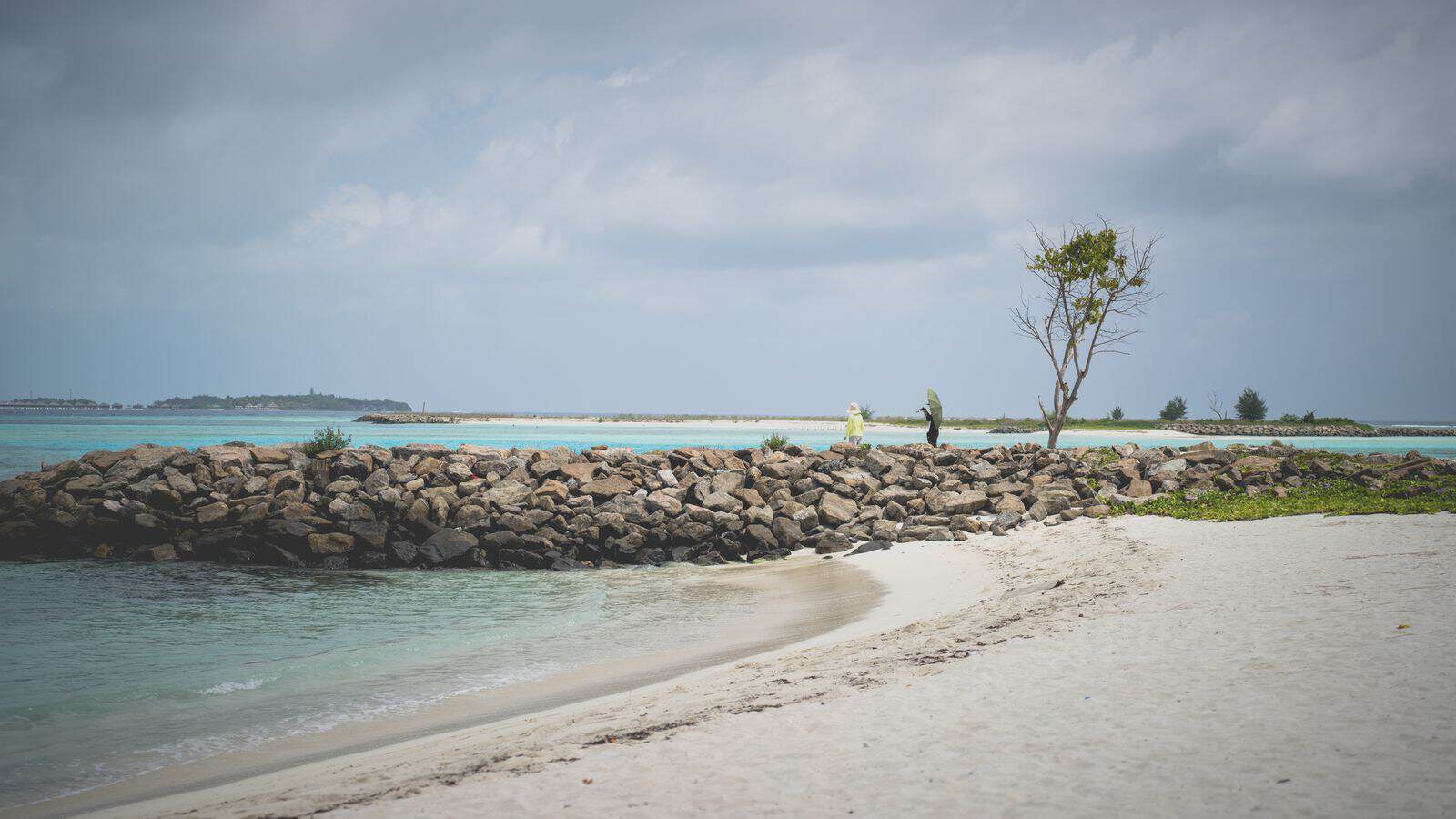
But I have to warn you right off the bat, so you don’t arrive with completely rose-tinted glasses. Maafushi is a fairly busy place full of contrasts, where on one side you’ll find powder-white sand, while on the other you might be surprised by early-morning noise from a construction site or the sight of a smouldering rubbish dump on the eastern shore.
Even so, this place has enormous charm, because it offers the cheapest and easiest start for your first Maldivian trip. You’ll find plenty of great cafés, affordable excursions, and above all the chance to experience the local culture up close, something no glossy luxury resort can ever give you.
TL;DR
- Getting there: From the airport in Malé you can reach the island very easily by shared speedboat in roughly 45 minutes, which makes it an ideal first stop.
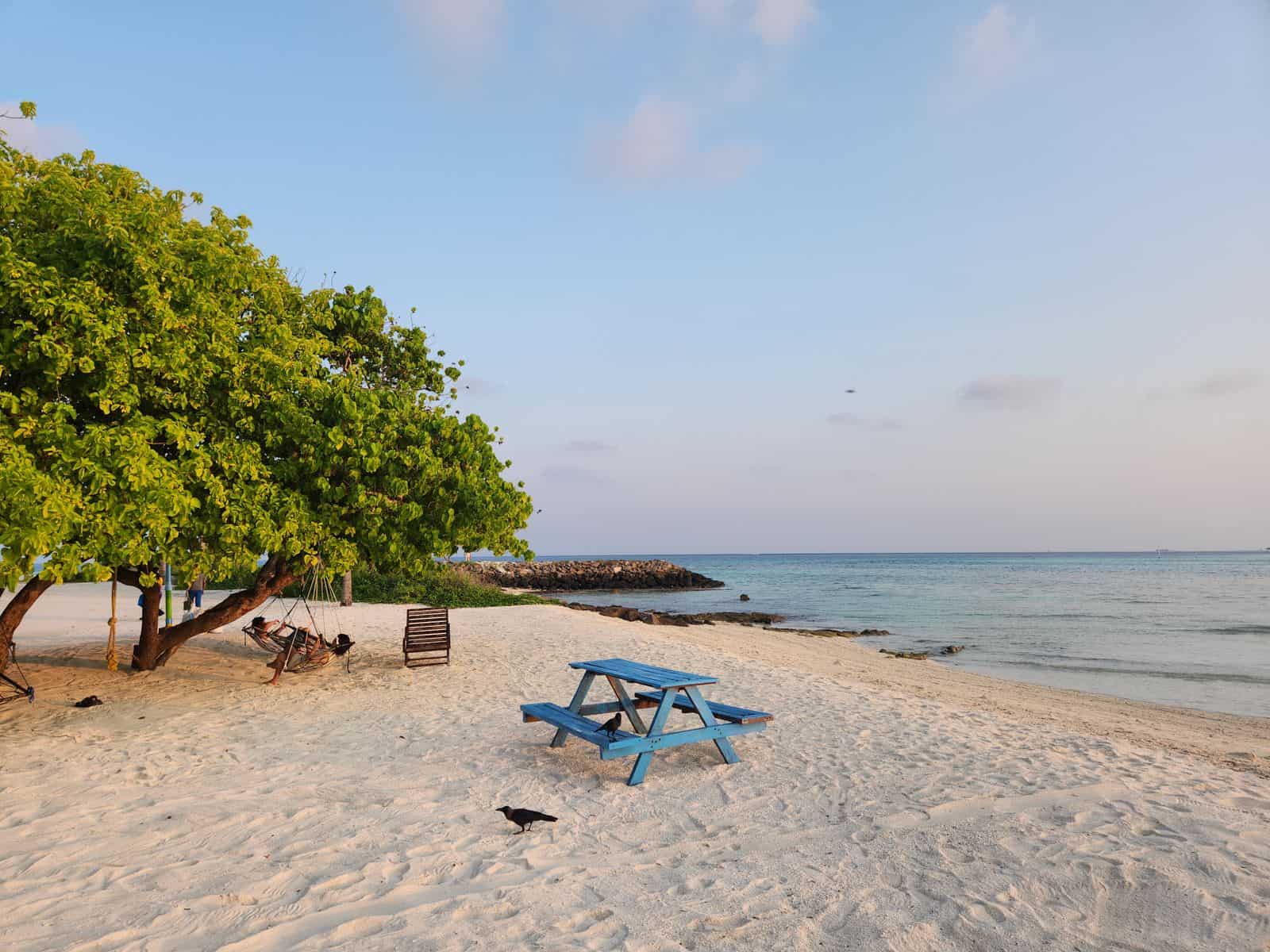
- Bikini Beach: Swimming in a bikini or swimsuit is only allowed on one designated beach, which gets very crowded in high season, so get there early.
- Snorkelling: Unfortunately the island has no coral reef accessible from the shore, so all underwater adventures are reached by boat.
- Tours: The varied selection of cheap excursions (sharks, mantas, sandbanks) is the main reason travellers from all over the world head here.
- Alcohol: Prohibition applies on the island, but you can have a drink at the so-called floating bar, a yacht anchored just off the shore.
- Ideal length of stay: Stay for about three to four days and then head off to explore other, quieter local islands or treat yourself to a night in a luxury resort.
The full destination guide: Asia — guide and what to see
When to Visit Maafushi
The weather in the Maldives is beautifully warm all year round and temperatures stay steadily around 30 degrees, so you’ll be able to use your swimsuit absolutely any time. The deciding factor when planning your trip is the rainy and monsoon season, which affects not only rainfall but also accommodation prices.
The main and driest season runs from December to April, when you can expect azure skies and minimal rain. February and March tend to be the very best months to visit, but bear in mind that the island will be packed with tourists and prices shoot up.
From May to November, on the other hand, the monsoon arrives, bringing occasional tropical showers and more cloud. But these aren’t days-long downpours; usually it rains for an hour and then the sun is back out again. On top of that, hotel prices during this period often drop by as much as forty percent, and thanks to the plankton there are more mantas in the sea.
Maafushi Maldives Hotels: Where to Stay
💡 Tip for accommodation and experiences: We love searching for places to stay on Booking.com, which tends to have the best cancellation policies. Tickets, tours and activities are then worth comparing and booking through GetYourGuide.
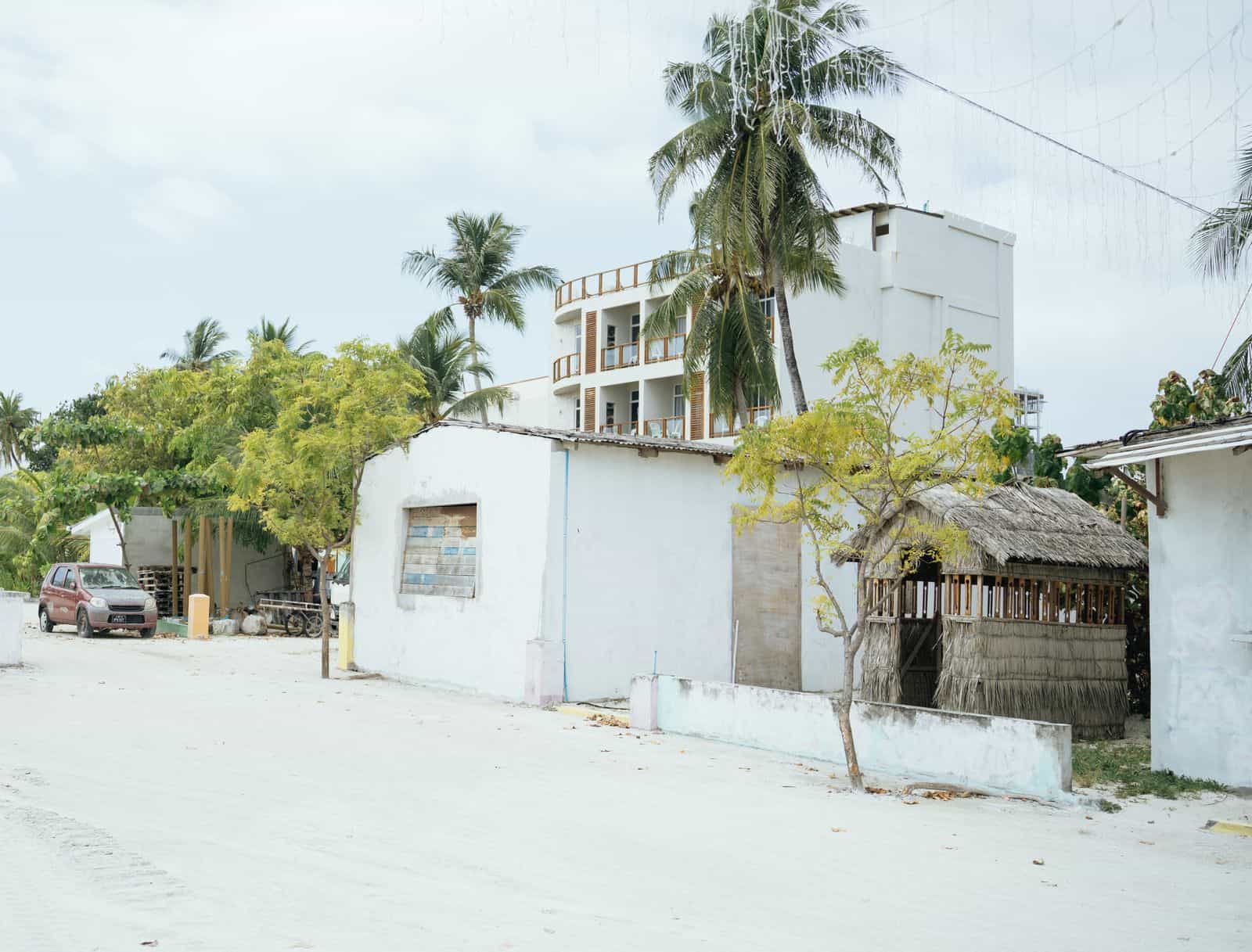
Maafushi offers the largest concentration of accommodation of any local island, so there’s something here for backpackers and more demanding travellers alike. Most guesthouses and hotels are clustered in the northern part of the island near the tourist beach, while the south is quieter and home to the local prison, which as a tourist you’ll never even notice.
When choosing accommodation, always make sure the hotel has good reviews and genuine photos, because it sometimes happens that certain websites show pictures from completely different islands. I’d recommend sorting your booking well in advance through classic Booking.com, where you have certainty and often the option of free cancellation.
| Hotel | Segment | From per night | Ideal for |
|---|---|---|---|
| :— | :— | :— | :— |
| Kaani Grand Seaview | Upper class | €97 | Demanding couples and view lovers |
| Arena Beach Hotel | Mid-range | €83 | First-time travellers and breakfast lovers |
| Kaani Village & Spa | Mid-range | €83 | Families with children (has a pool and spa) |
| Palmcasa | Budget | €46 | Couples looking for great value for money |
| Kaani Beach Hotel | Budget | €30 | Divers and active travellers |
If you’re after a touch of that imaginary resort luxury on a local island, take a look at Kaani Grand Seaview, which is among the very best on the island. It boasts a gorgeous rooftop pool overlooking the ocean and sits right by Bikini Beach, so the water is just a few steps away.
The golden middle ground and an absolute hit is Arena Beach Hotel, which lies right on the beach and is hugely praised by travellers for its generous breakfast buffet. It’s an absolute classic for anyone visiting the Maldives for the first time who wants the reassurance of quality service and well-organised tours booked straight from reception.
For those of you on a tighter budget, Palmcasa is an absolutely brilliant choice, offering fantastic value for money and holding top ratings. Another very popular cheaper option is Kaani Beach Hotel, which even has its own dive centre, something active sports lovers will especially appreciate, or Stingray Beach Inn for undemanding travellers.
15 Things to See and Do in Maafushi
This little island offers surprisingly a lot, you just need to know what you’re getting into. I’ll show you how to avoid the crowds, where to save money and which excursions you definitely shouldn’t miss.
1. Getting to the Island the Smart Way
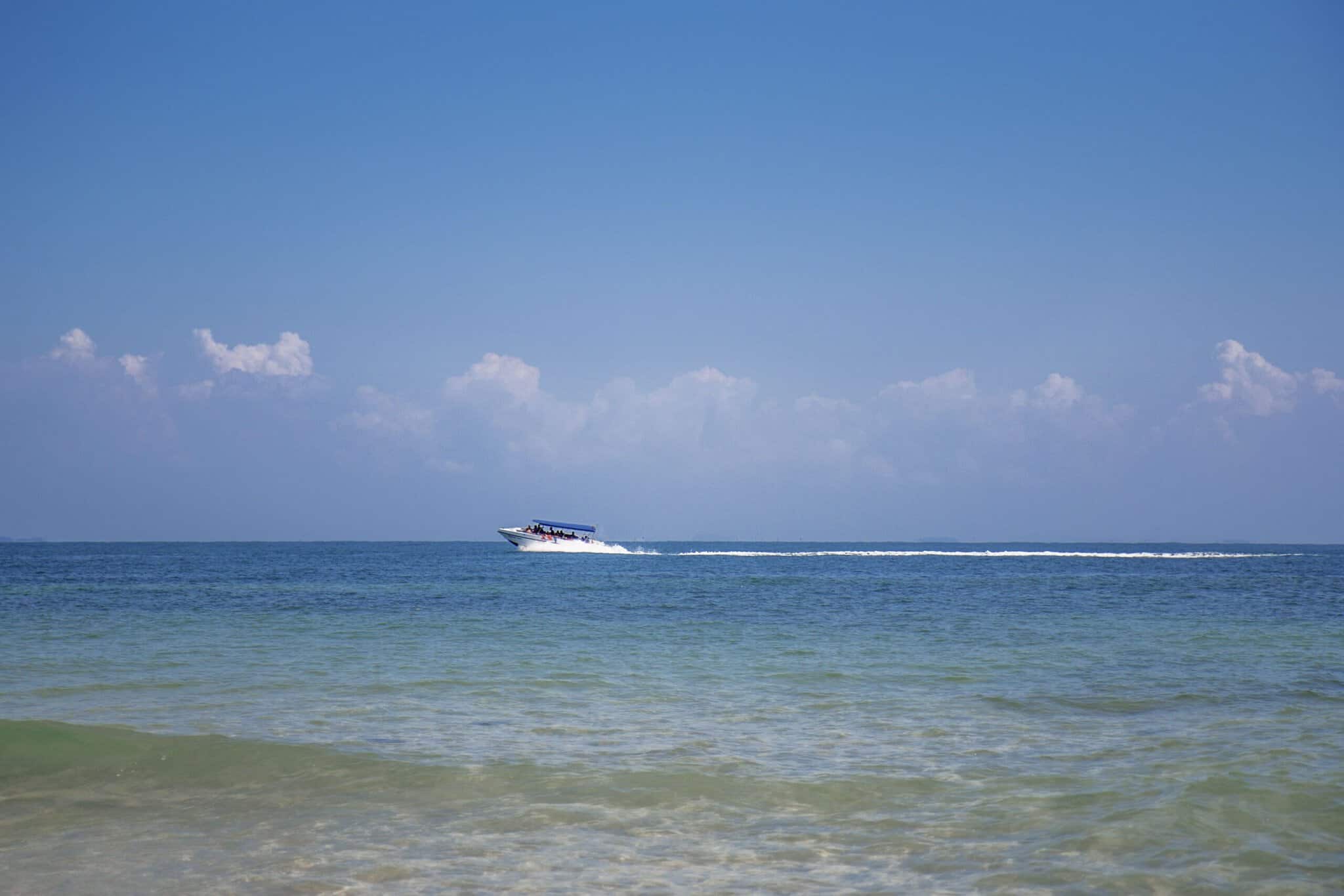
Your journey begins at Velana International Airport near the capital Malé, from where you basically have two main transport options. The first and most popular is the shared speedboat, which gets you to the island in roughly forty-five minutes and costs around thirty US dollars per person. If you’re flying in from the UK, most travellers connect via the Middle East (Emirates, Qatar Airways or Etihad) from London, so you’ll likely land tired and this quick transfer is very welcome.
The second option is the MTCC public ferry, which costs only about three dollars but takes an hour and a half and doesn’t leave directly from the airport but from the harbour in Malé itself. So you first have to reach it via the airport shuttle boat, which can be a little exhausting after a long flight from Europe.
💡 Tip: If you arrive on a Friday, forget the cheap public ferry altogether, because these boats don’t run at all on the Muslim holy day. Fortunately the shared speedboats operate normally every day, you just want to book them in advance through your accommodation.
2. A Day at Maafushi Beach and the Local Dress Code
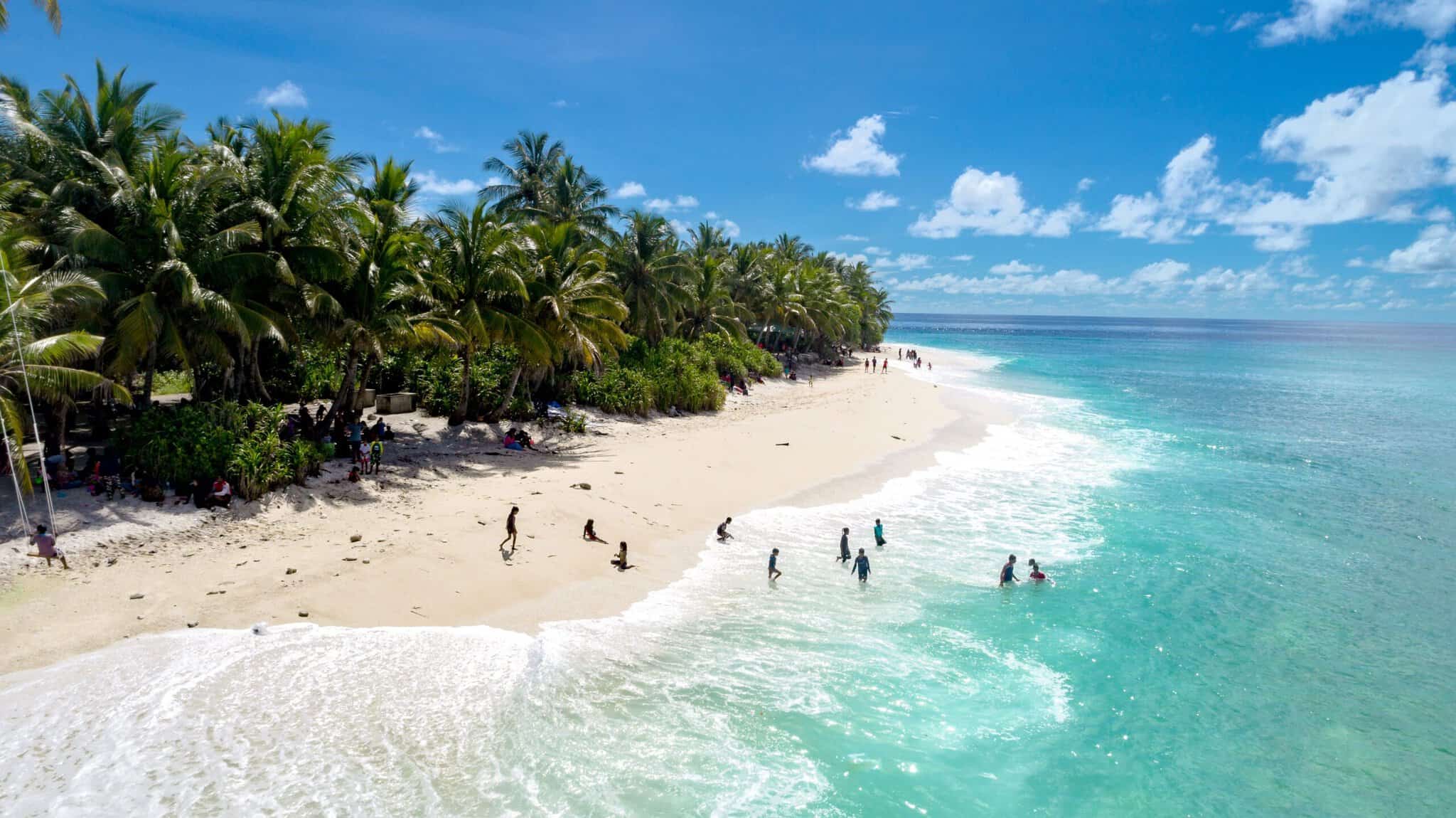
Since the Maldives is a strictly Muslim country, dress rules apply on the local islands and you can’t just stroll around the village in your swimwear. For tourists, a special Bikini Beach is set aside on the northern tip of the island, where swimming in bikinis and regular swimwear is entirely legal and tolerated.
In high season it fills up very quickly, so if you want a good spot (or at least a chance of grabbing a sunbed for five dollars), head to the water right around eight in the morning.
Outside this designated zone, that is in the village streets, in shops and restaurants, you need to observe a respectful dress code. This means covered shoulders and knees for both men and women, which in practice is easily solved with an ordinary short-sleeved T-shirt and light linen trousers or a longer skirt.
3. Half-Day Snorkelling Trip to See Turtles
One of the biggest surprises for many travellers is the fact that Maafushi has no quality coral reef directly accessible from the shore. The water by the beach is beautifully clear for swimming, but if you want to see the colourful underwater life, you have to head out on an organised boat trip.
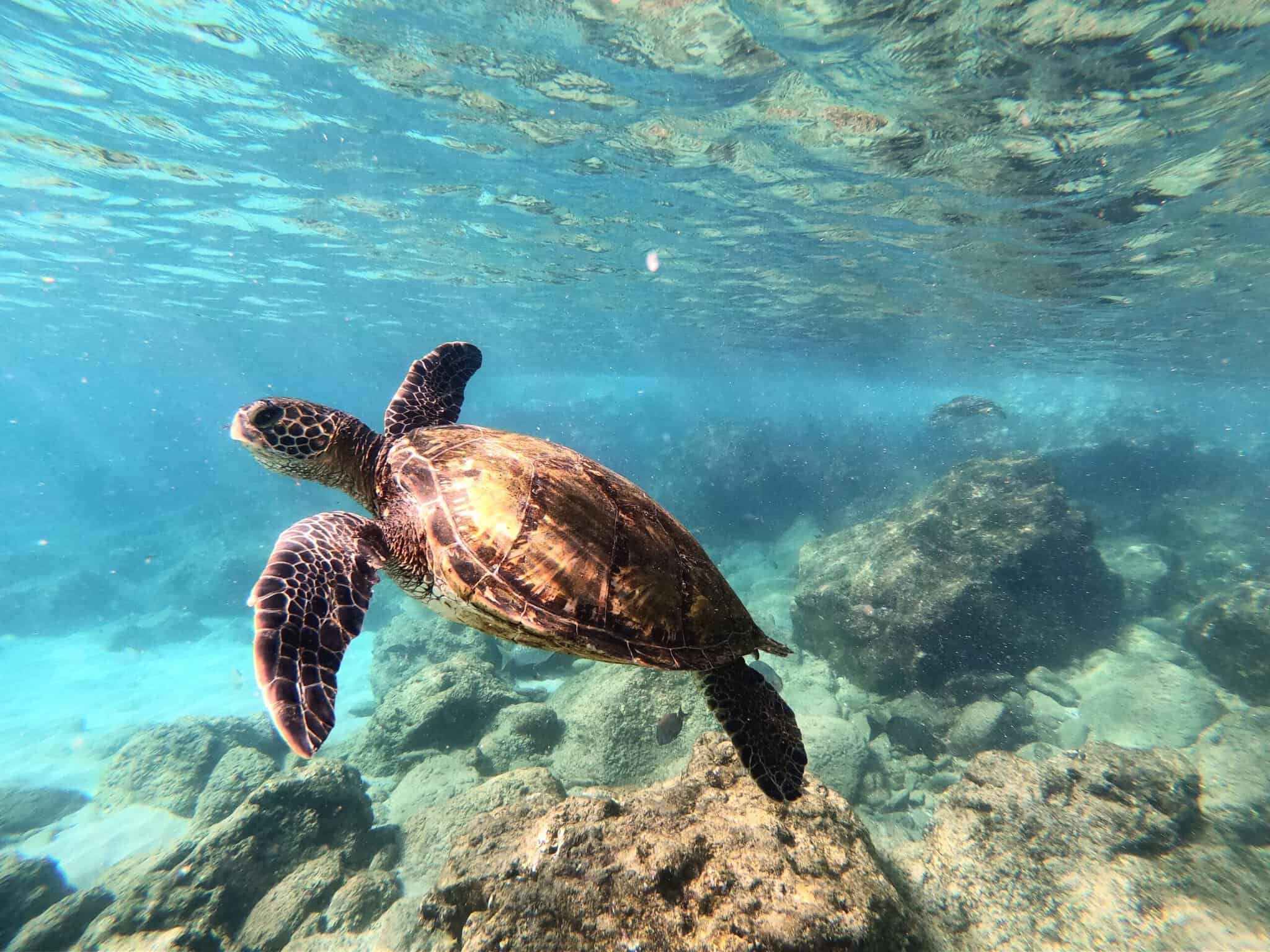
The best introductory experience is the half-day snorkelling trip, which lasts about four to five hours and costs a very reasonable twenty-five to fifty dollars. During this morning they’ll take you to three different spots, where you’ll have a huge chance to swim alongside sea turtles and explore a nearby shipwreck.
You can arrange these trips at almost any hotel or at the small agencies on the main street. I always recommend taking an evening walk around town, comparing prices with several vendors and booking your trip for the next day on the spot, which tends to be significantly cheaper than reserving in advance online.
4. Romance at a Sandbank Picnic
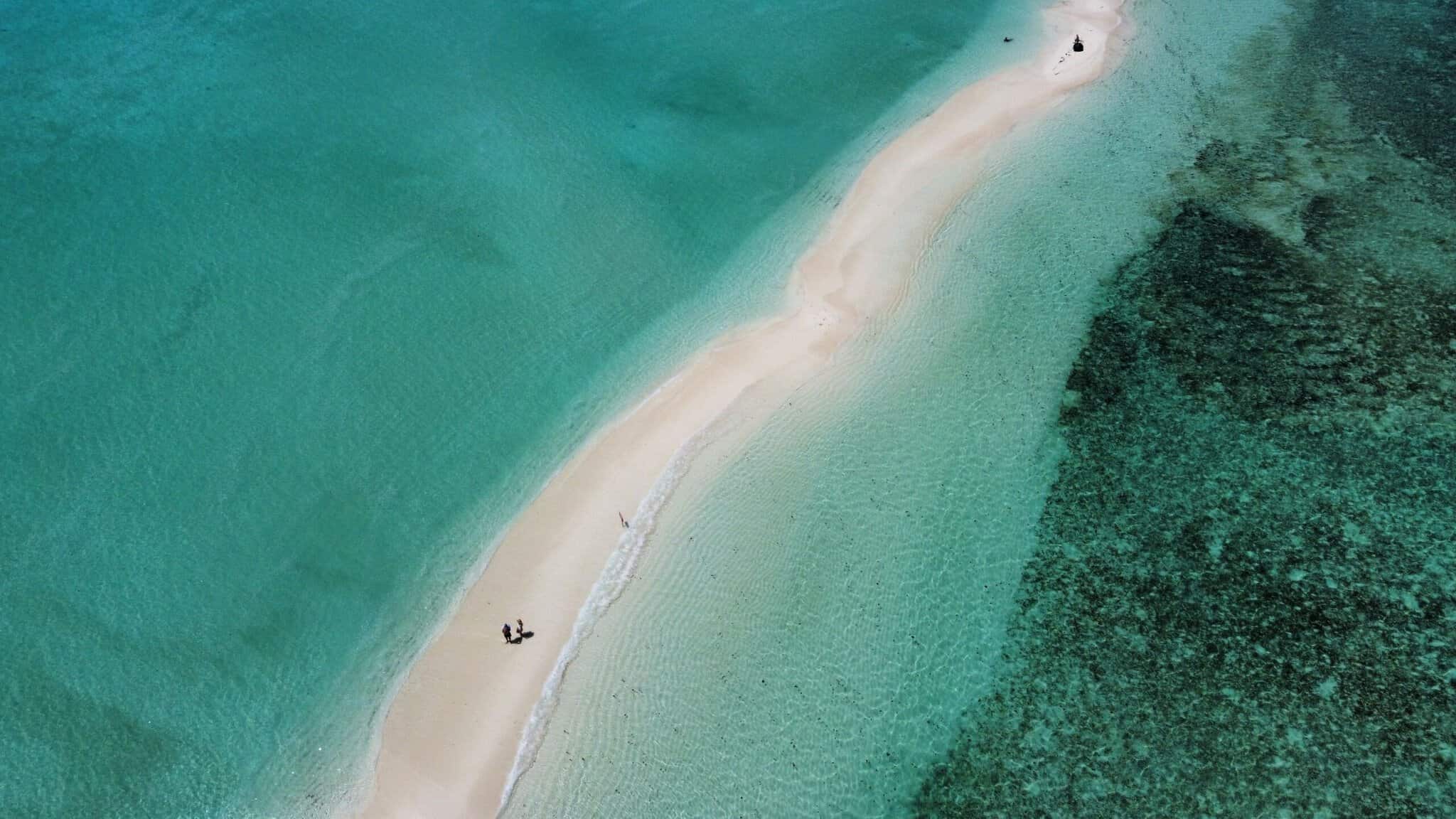
If you’re looking for that absolutely perfect postcard Maldivian experience, you definitely can’t skip the so-called sandbank picnic. It’s a trip to a deserted sandbar that rises just a fraction above the ocean surface, with nothing all around but endless blue.
The boat ride from the island takes just about fifteen minutes and this experience is often part of snorkelling packages, or you can buy it separately for around thirty dollars. The crew will set up a parasol for you on the white sand, prepare some light refreshments, and you’ll have time for swimming and taking photos.
💡 Tip: The sun here is truly relentless and there’s no natural shade whatsoever on the sandbar. Be sure to bring a hat, a rash vest and a good reef-safe sunscreen, so you don’t come home from your romantic trip with sunstroke.
5. Swimming with Whale Sharks (the Honest Reality)
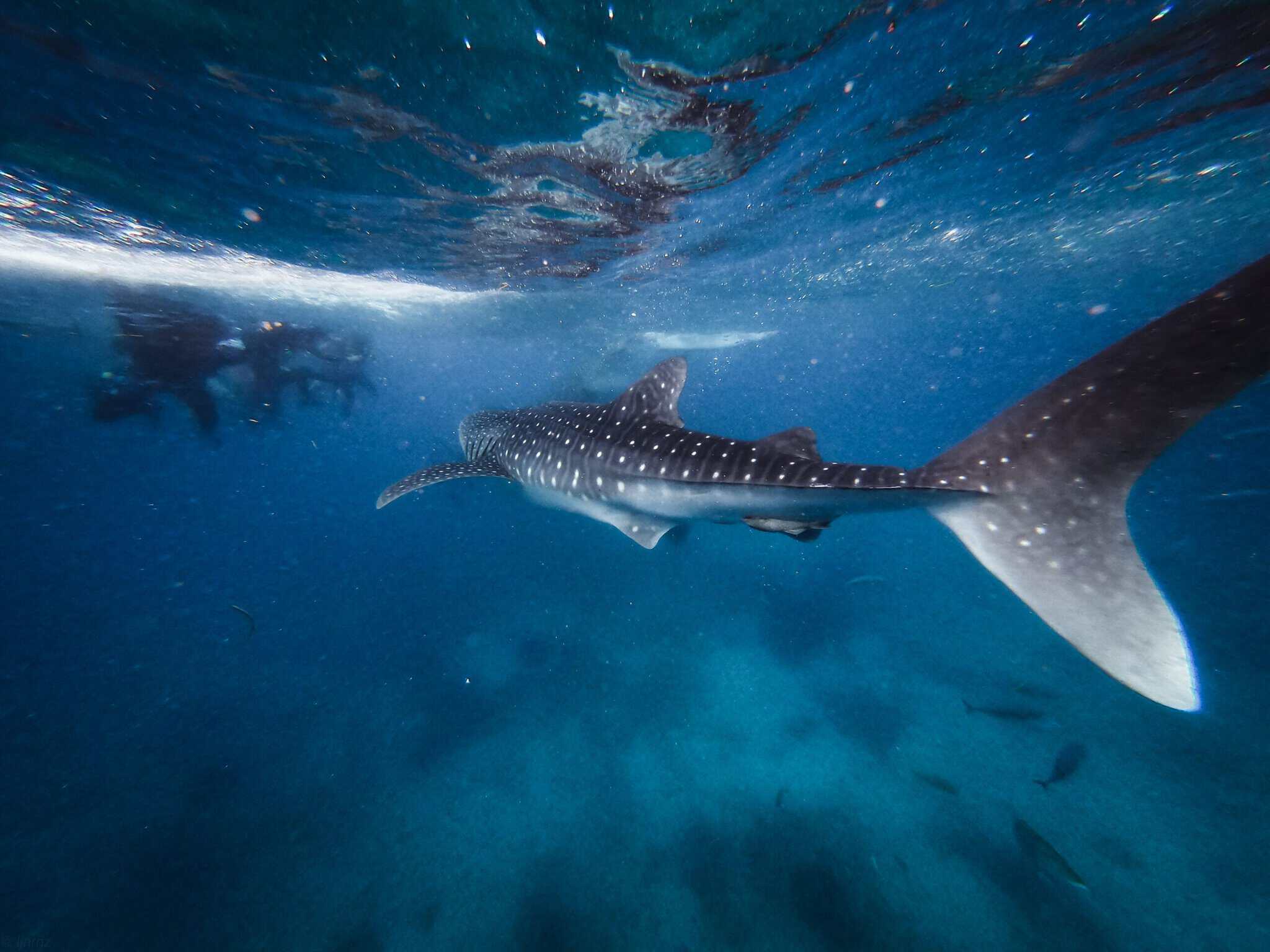
Seeing the largest fish on the planet with your own eyes is a huge dream, but we need to be completely honest about this trip from Maafushi. Whale sharks stay year-round in the protected South Ari Atoll area, where the speedboat journey takes over an hour and a half each way, so you’re in for a demanding full-day trek.
The encounter with the animal itself then unfortunately often resembles a hectic zoo, because more than twenty boats can converge on a single shark and a hundred people jump into the water. It’s sad, but better to know beforehand.
If it’s your lifelong dream, be sure to choose ethical operators with clear rules of conduct and ask about group size. But honestly, for a calmer and more intimate shark encounter it’s far better to stay on the islands of Dhigurah or Maamigili, which lie right in that area, so you avoid the long commute.
6. Night Adventure with Stingrays and Nurse Sharks
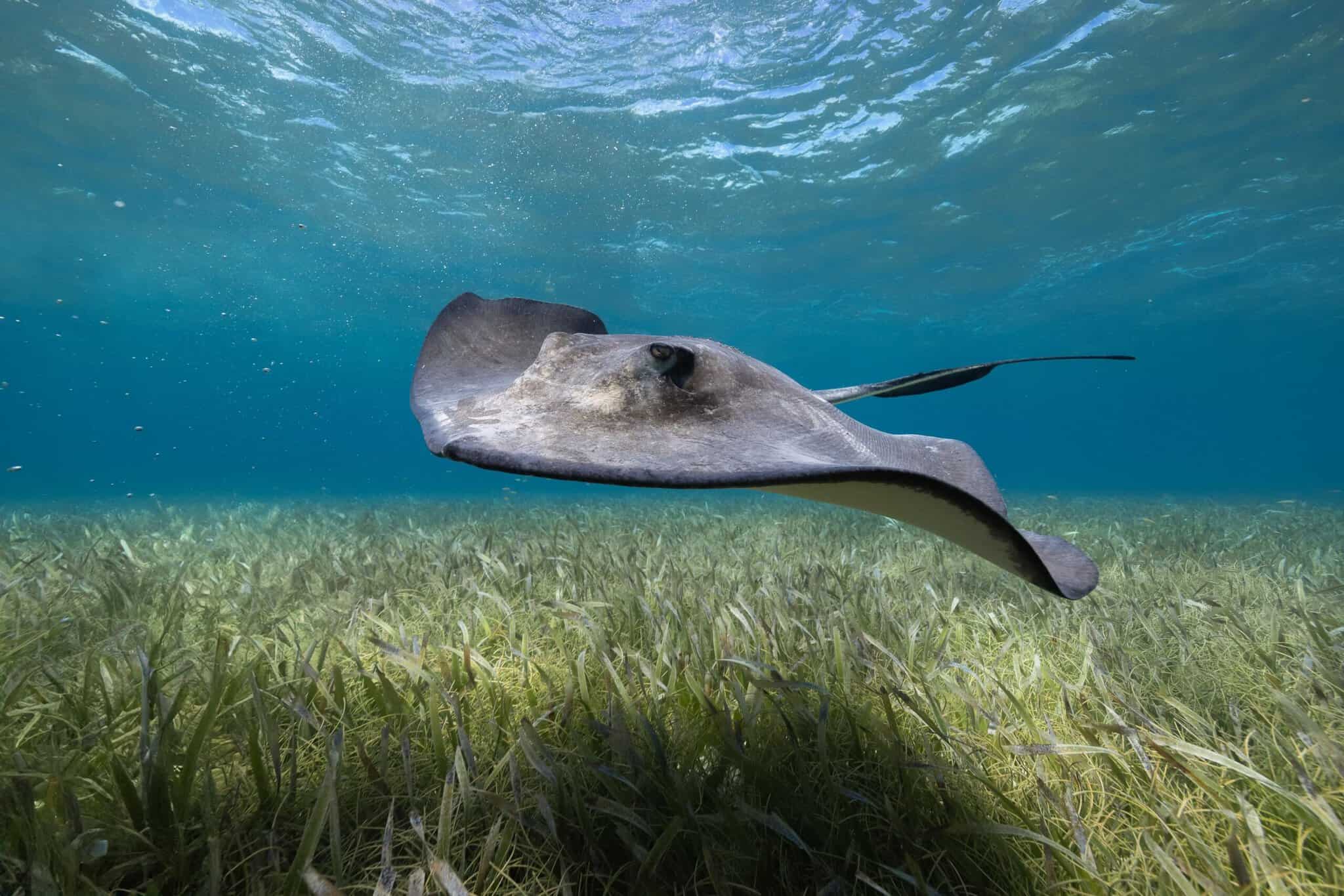
A far more reliable and often more fun alternative for lovers of large sea creatures is a trip to see the so-called nurse sharks. These peaceful creatures grow up to three metres long, pose no danger to humans, and swimming with them is an utterly fascinating experience.
This trip often takes place at dusk or at night and costs around thirty dollars. The operators know exactly where to take the boat, and you’ll find yourself in water full of dozens of these elegant creatures, often joined by enormous stingrays hunting for food in the sand.
Even though these animals are used to the presence of people, remember the basic rule: never touch them and never block their path. Just float calmly on the surface and let them swim up to you on their own, which they usually do without any shyness.
7. Relaxed Dolphin Cruise at Sunset
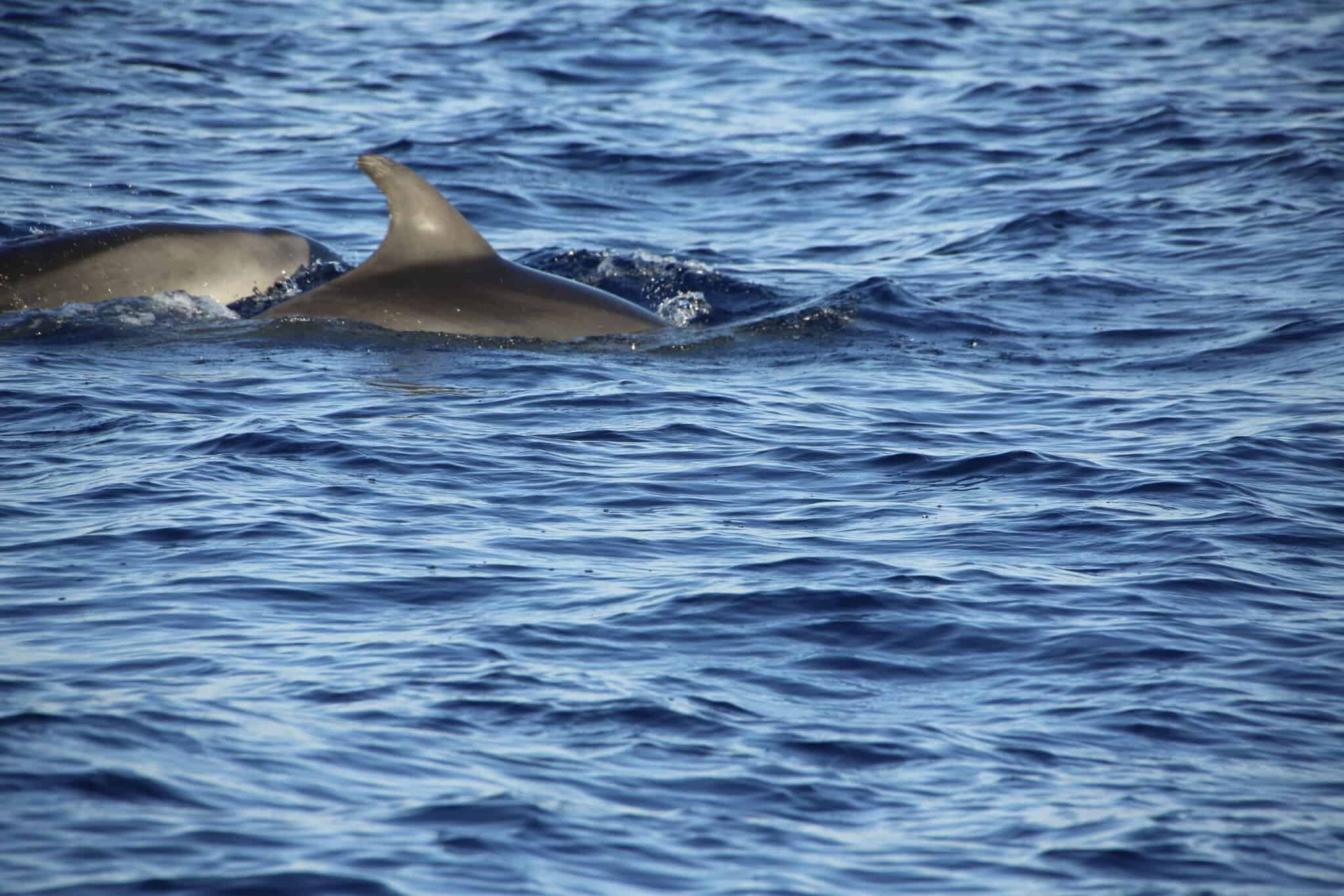
If adrenaline-fuelled dives don’t appeal to you and you’d rather stay on deck, treat yourself to a so-called sunset cruise. During the roughly hour-and-a-half voyage the captain takes you out to open sea, where you’ll have a huge chance to watch whole pods of wild dolphins leaping above the surface.
The experience is heightened by the fact that it takes place exactly when the sun begins to paint the sky in incredible shades of orange and pink. Dolphins love swimming right alongside the boat and often perform incredible acrobatic tricks that will completely win you over.
The trip usually costs around thirty dollars and is a great choice for families with children or as a relaxed activity for your last evening on the island. I’d recommend bringing a light jumper, because once the sun dips below the horizon it can get a bit breezy out on the open sea.
8. Diving for Complete Beginners
Maafushi is an absolutely ideal place for your first diving steps, because there are several excellently rated certified centres here, such as Maafushi Dive & Water Sports. The instructors are used to nervous beginners and will explain everything calmly and in detail.
You don’t have to do a full course right away, it’s enough to pay for a so-called discover scuba dive for beginners, which costs around seventy-five dollars. You get complete gear, go through a short training session in shallow water, and then head off with your instructor to a safe depth, where you’ll see the marine world from a completely new perspective.
Experienced divers will find plenty to enjoy too, because the surrounding atolls offer dozens of stunning sites full of life, colourful corals and underwater caves. Diving on a local island is also significantly cheaper than at the resorts, where entry into the bubble costs more than an entire flight.
9. Water Sports and a Little Adrenaline
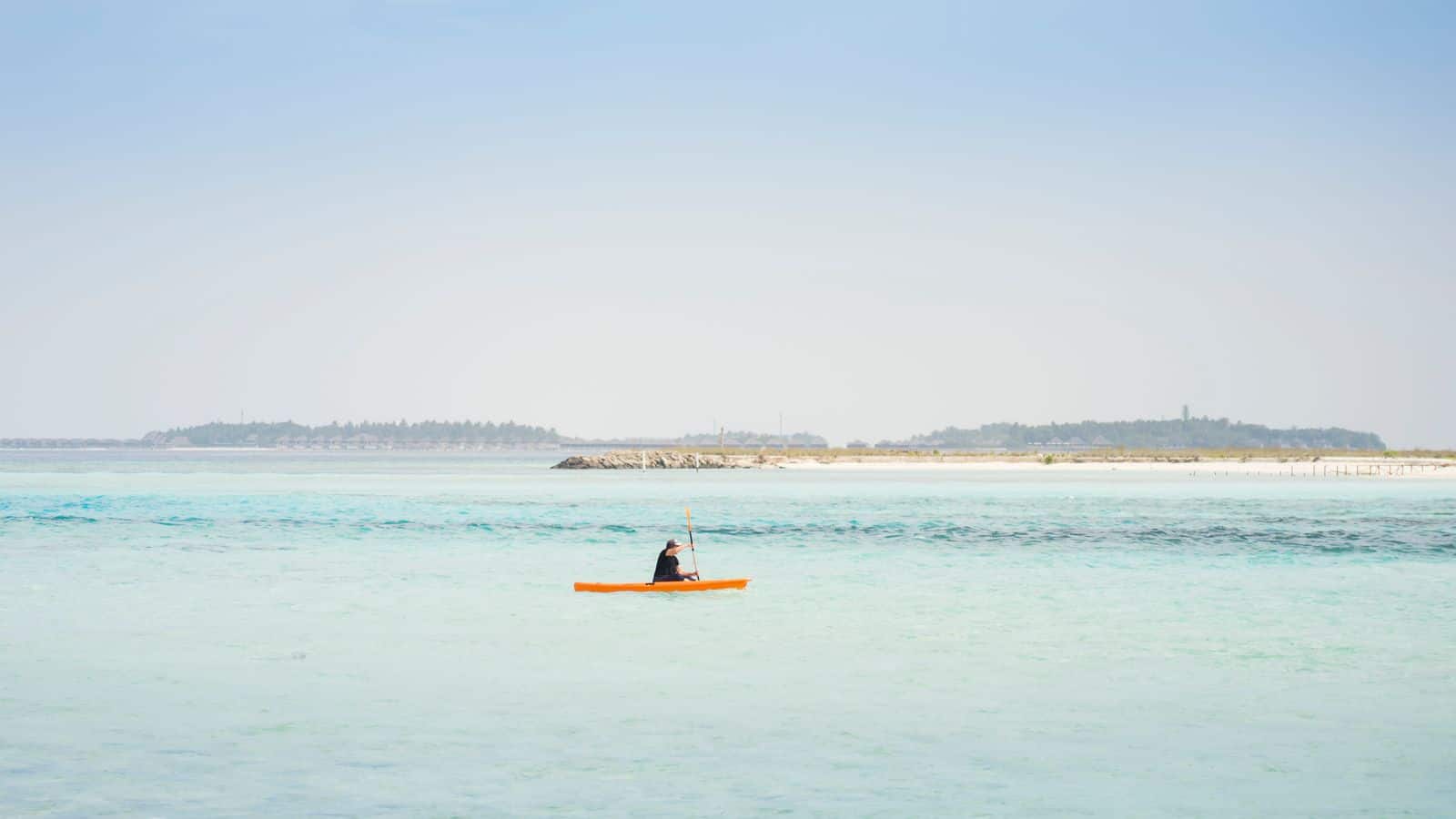
When you get tired of lounging peacefully on a sunbed, you can try a whole range of water fun offered by the centres scattered along the beach. Very popular is renting a paddleboard or kayak, for which you’ll pay around ten dollars an hour, and they let you admire the island nicely from a distance.
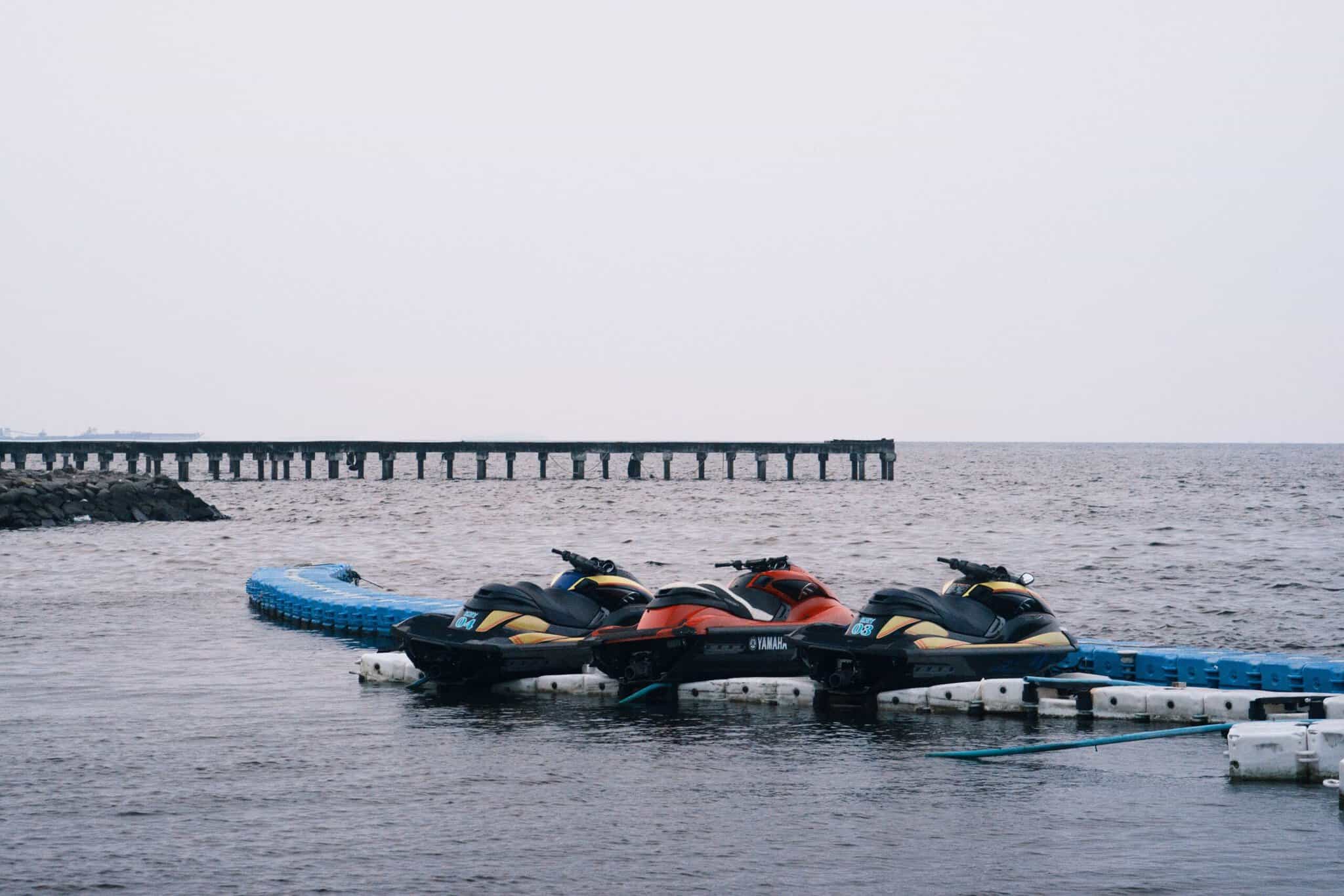
For lovers of faster fun they’ve got jet ski rides, banana boat tows or parasailing on offer, where the parachute lifts you high above the surface. The view from up there over the turquoise lagoons and surrounding islets is something that will stick in your memory for a very long time.
You’ll find sporting activities on land too, the locals love playing beach volleyball and often invite tourists to join in. It’s a brilliant way to work up a sweat and connect with the locals, who by the way play really well.
10. The Floating Bar, or How to Get Around the Alcohol Ban
As I mentioned, the Maldives is an Islamic republic and the sale and consumption of alcohol are strictly forbidden on inhabited islands. You won’t find it in any restaurant, you can’t buy it in a shop, and you can’t even bring it in your suitcase from home, because they’d confiscate it right at the airport.
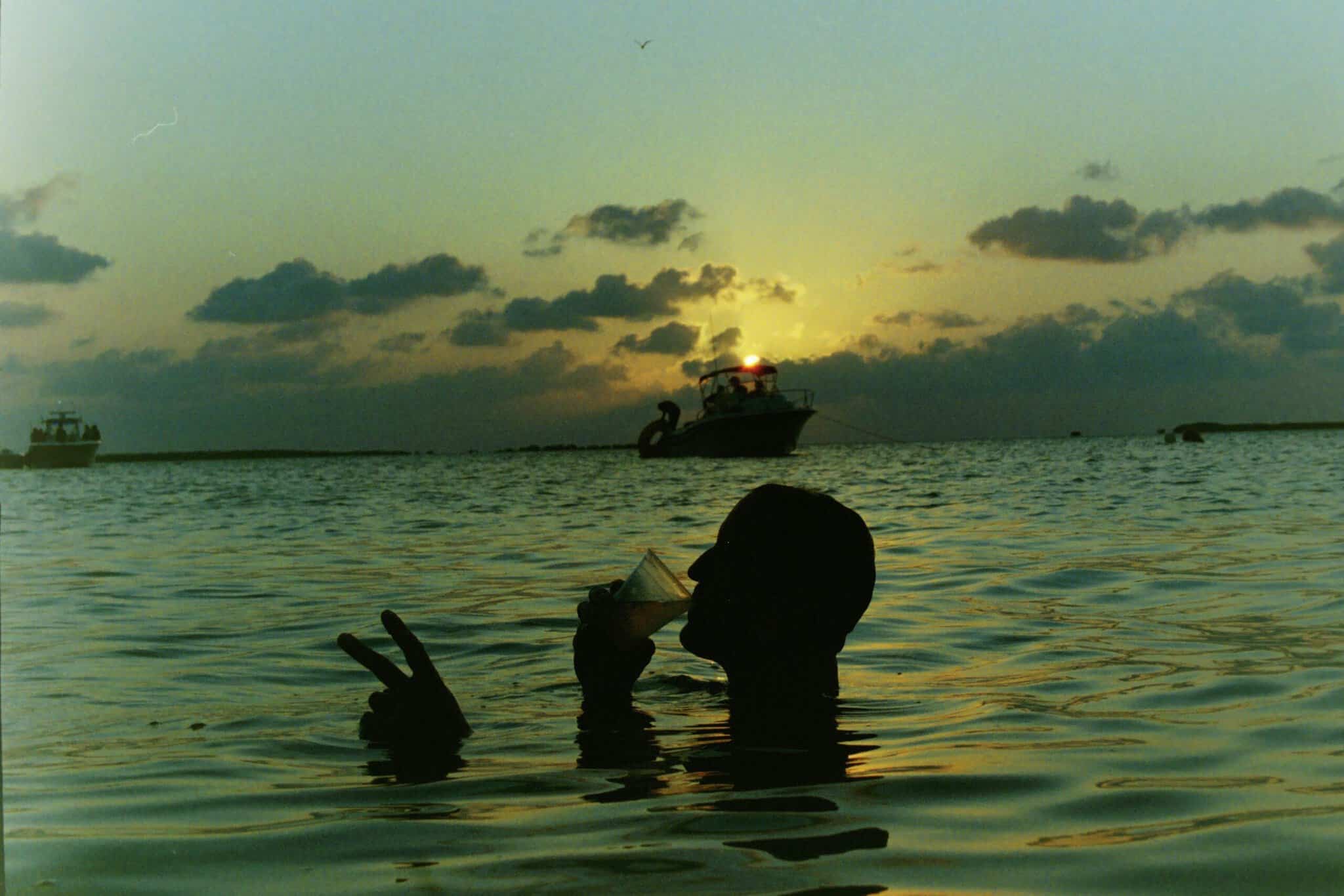
But enterprising locals came up with a brilliant loophole and created the so-called floating bars. These are large yachts anchored about a kilometre from the shore, which formally aren’t subject to island rules, so alcohol can be served on them legally. The most famous establishment is the Kaani Princess boat, which stays open until one in the morning.
Getting there is very easy, a small speedboat ferries you over for free from the harbour, the only condition usually being that you buy something on board. But have a well-stocked wallet ready, because an ordinary beer here costs around six dollars and a cocktail can easily set you back ten, so it pays to keep an eye out for deals like happy hour.
11. A Resort Day Pass as a Taste of Luxury
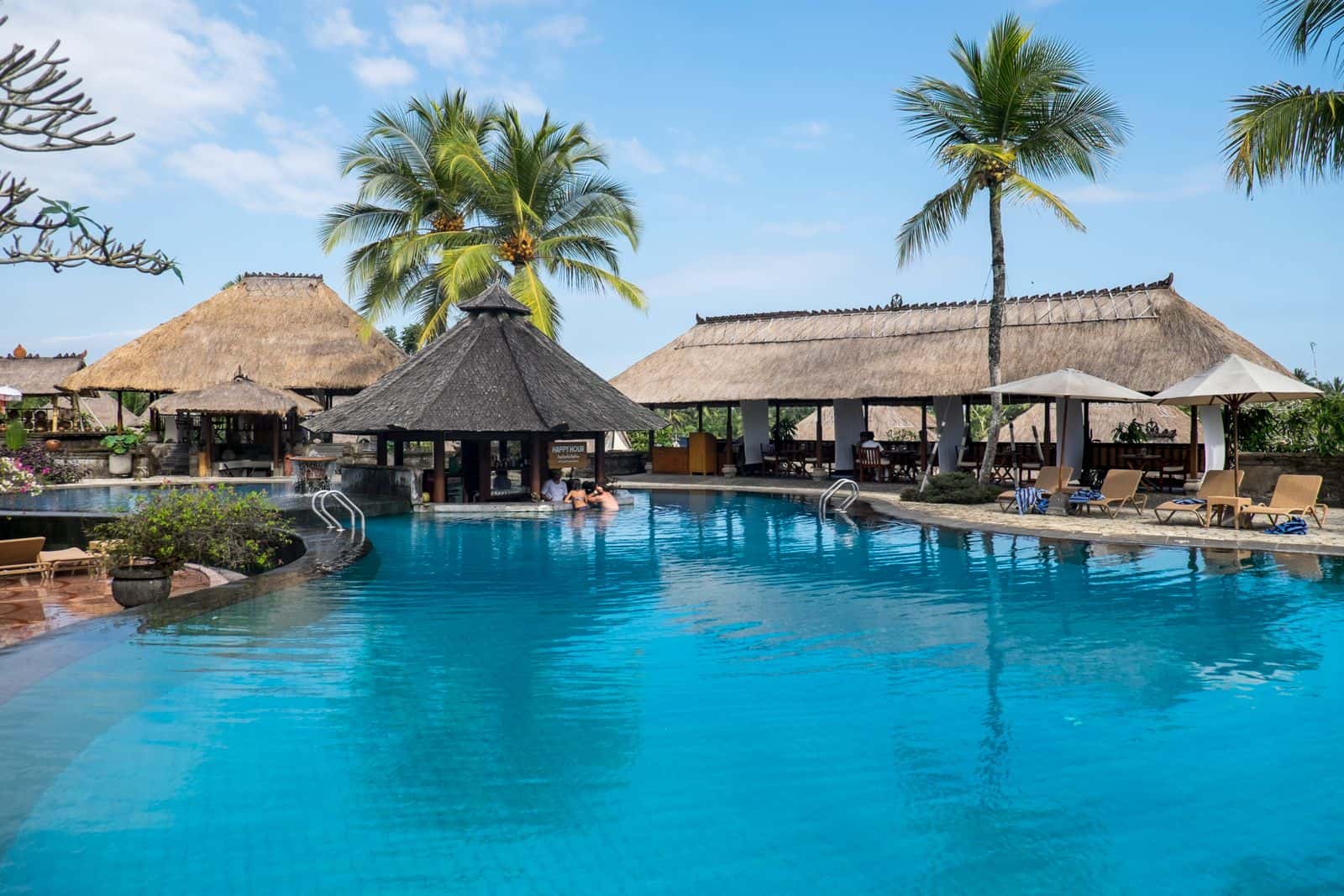
Would you like to experience that genuine postcard luxury, sipping drinks by the pool and strolling along endless beaches, but without paying thousands of dollars a night for it? The solution is the so-called resort day pass, a one-day permit to a nearby luxury island that lets you use their facilities from morning until late afternoon.
These trips usually cost from thirty-five to around one hundred and eighty dollars depending on the resort’s exclusivity and what the package includes. Very popular, for example, is the nearby island of Biyadhoo, which you can reach for just under seventy dollars including lunch, and where you’ll also find a fantastic coral reef.
💡 Tip: Arrange these trips on the spot through your accommodation or local offices, definitely not through big international intermediaries like GetYourGuide, where prices tend to be needlessly inflated by huge commissions. On a local island you can also compare the offers nicely.
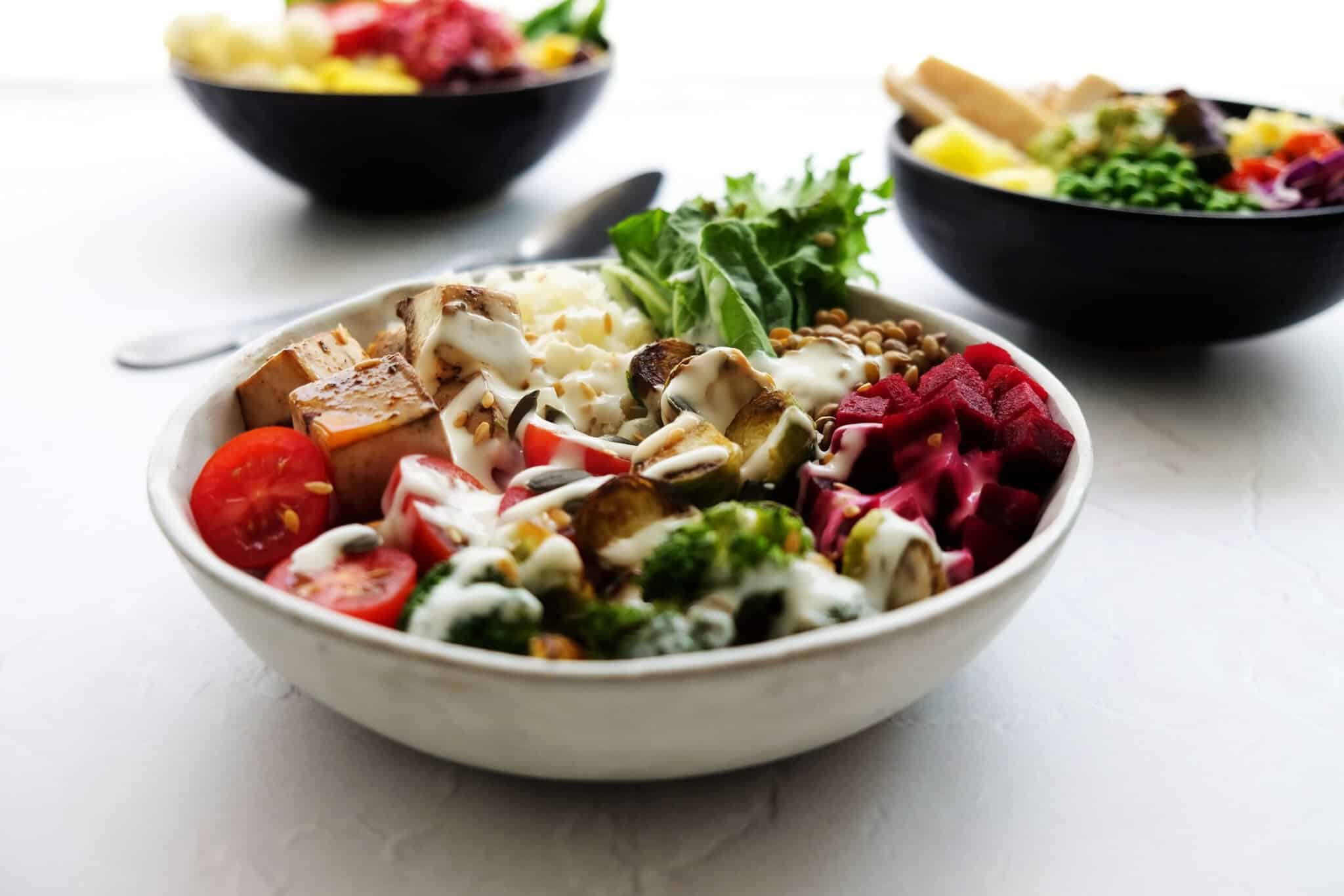
12. Where and What to Eat (Not Only) Meat-Free
The food on the island is surprisingly varied and, thanks to the strong Indian and Sri Lankan influence, the local cuisine is absolutely ideal for vegetarians too. For vegetarians it’s almost a fairytale. There’s excellent dhal, vegetable curry, fresh roshi flatbreads and tropical fruit on every corner.
Among the most popular places are Symphony Lagoon, which sits just by the water and offers a lovely atmosphere, or Stingray Cafe, which does fantastic Indian vegetarian and vegan specialities. Prices here are very reasonable, a hearty buffet dinner costs around twelve dollars, and a good cappuccino about three.
Traditional local cuisine otherwise revolves mainly around fish, so the classic island breakfast hit is mas huni, a mix of smoked fish, coconut and onion, or garudhiya, a strong fish broth. These dishes are happily served in almost every guesthouse, where they’ll also gladly prepare a purely meat-free version on request.
13. Money, Cash Machines and Hidden Taxes
When it comes to paying in the Maldives, the US dollar is absolute king, accepted practically everywhere and in many ways more practical than the local rufiyaa. Be sure to bring plenty of dollars in cash, ideally in smaller notes, because breaking a hundred for a coffee can be a problem.
There is a Bank of Maldives cash machine on the island, but it charges a fee of over six dollars per withdrawal and only dispenses the local currency, which you then can’t use anywhere else in the world. You can pay by card in larger hotels and centres, though they often add a surcharge of around three percent, while small cafés only take cash.
Watch out carefully for the price tags, because most listed amounts have hefty taxes and fees automatically added, known as “++”. This is a seventeen percent tourist tax, a ten percent service charge, and on top of that an ecological Green Tax of six dollars per person per night.
14. The IMUGA Electronic Visa and Getting Online
Before you even head to the airport, you have to sort out one essential administrative duty, and that’s completing the electronic IMUGA declaration. This form is completely free, is filled in a maximum of ninety-six hours before both arrival and departure, and make sure you don’t use some fraudulent website that will try to charge you money. As a UK passport holder you then get a visa free of charge on arrival for thirty days.
While in luxury resorts hotel Wi-Fi will do, on a local island you’ll definitely find your own mobile data handy for navigation or translation. The signal here is excellent and local operators offer reliable 4G coverage.
The simplest solution is to get a prepaid eSIM from Dhiraagu or Ooredoo, which you download to your phone while still at home and connect to right away on arrival. Alternatively, a hassle-free option is a travel eSIM from Holafly, which you set up before you fly out. A standard tourist plan with twenty gigabytes of data a month costs you around forty dollars.
15. How to Combine the Island Cleverly
Maafushi is a beautiful place, but let’s be honest, you can walk the island from one end to the other at a slow pace in about twenty minutes. Many travellers agree that after three or four days a case of island fever sets in and you get the feeling you’ve already seen everything and been everywhere.
So the best strategy is to combine the island with other places and not stay here for two whole weeks. You can move on to much quieter, sleepier local islands like Guraidhoo or Gulhi, where you’ll discover a slightly different, more authentic face of the Maldives without the big hotels.
💡 Tip: But remember one important logistical thing, there’s no direct connection between the more distant atolls. If you wanted to go, for example, from Maafushi to the popular island of Thoddoo, you always have to take the boat back to the airport in Malé and continue from there on another connection, which takes quite a bit of time.
Where to Go Next from Maafushi
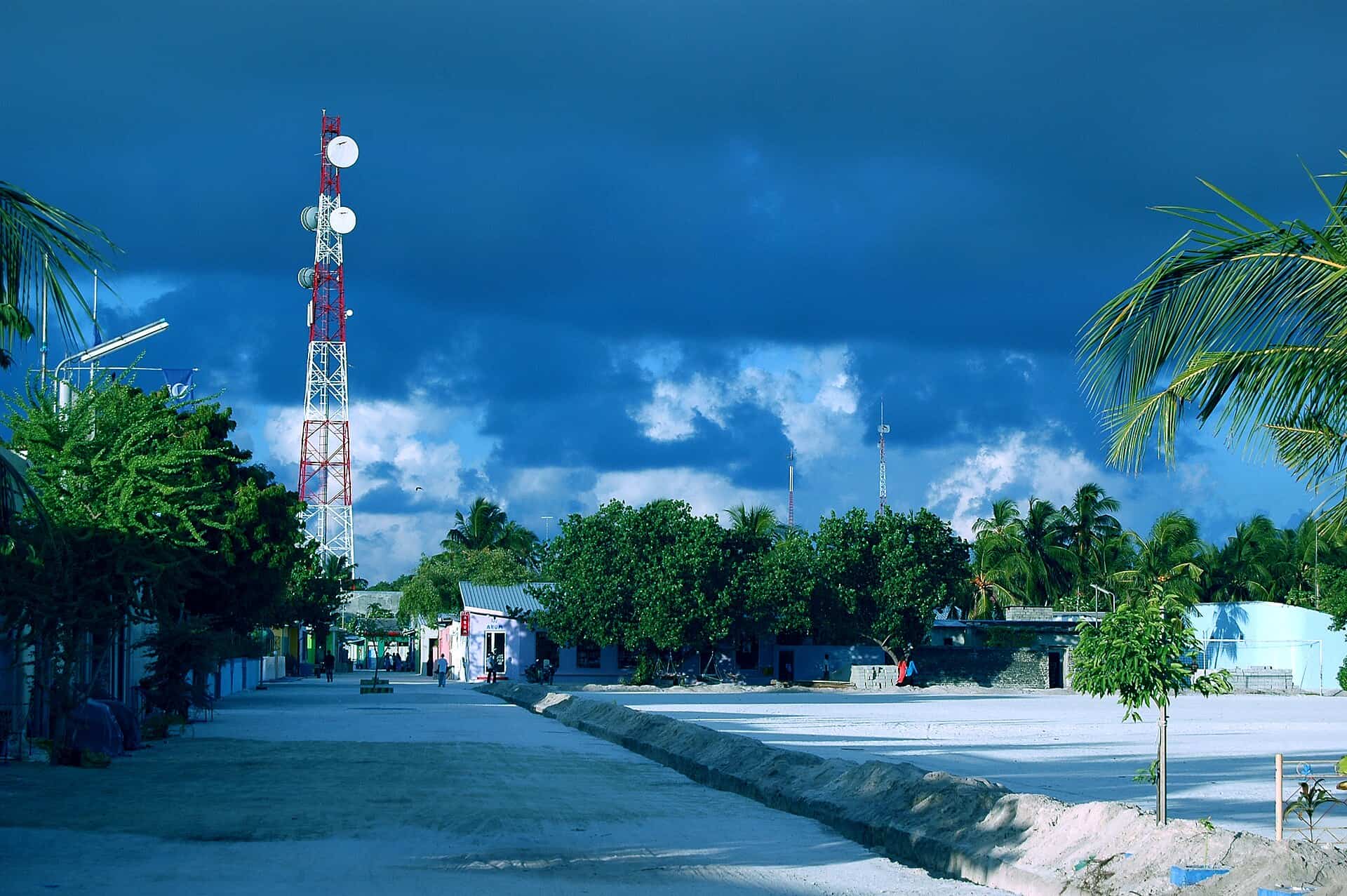
The Maldives are magical, but once you start travelling like this it’s hard to stop, so here are a few tips on where to head next time.
- If you want to explore other atolls too and are after comprehensive information, read our complete guide to the Maldives, where you’ll find plenty of practical tips.
- Tempted by an island that offers not just beaches but also stunning mountains, waterfalls and national parks? Then you might be interested in a holiday in Mauritius.
- For those who want to combine cheap travel, wild nature, tea plantations and amazing food, green Sri Lanka is an absolutely ideal choice.
- And if you’re looking for African exotica with spiced aromas and fascinating history, be sure to get inspired by our article on what Zanzibar is like.
Frequently Asked Questions
Planning your trip and still have a few practical details buzzing around your head? I’ve put together the most common questions so you can have complete peace of mind before you fly.
How much does a vacation in Maafushi cost?
The budget depends on your requirements, but it can be done very cheaply. A night in a decent guesthouse can be found from fifty dollars per room, food in a local restaurant costs five to twelve dollars, and a full-day trip costs around fifty dollars. A week-long stay without flights can be managed for five hundred to eight hundred dollars per person.
How many days to stay on the island?
“`html
The ideal duration is three to four days, during which you can try out the best excursions, relax on the beach, and soak up the local atmosphere. After that, it’s great to move on to another, quieter island, because Maafushi is really small and you might get bored quickly.
“`
How to get from the airport to the island?
“`html
The best and fastest option is a shared speedboat, which costs around thirty dollars and will get you there in forty-five minutes. They run several times a day and it’s a good idea to book in advance through your accommodation.
“`
Does the ferry go to the island on Friday too?
No, the cheap public ferry operated by MTCC doesn’t run at all on Fridays because it’s a Muslim day of prayer. If you arrive on Friday, your only transport option is a private or shared speedboat.
Can you wear a bikini on the island?
The user wants me to translate Czech text to English in a travel-blog tone while preserving all HTML tags. Let me translate the visible text:
“Ano, ale pouze na jedné jediné vyhrazené pláži zvané Bikini Beach na severu ostrova. Kdekoliv jinde, tedy ve vesnici, v obchodech nebo na jiných částech pobřeží, musíte mít zahalená ramena a kolena.”
Translation:
“Yes, but only at one single designated beach called Bikini Beach in the north of the island. Anywhere else, meaning in the village, in shops or on other parts of the coast, you must have your shoulders and knees covered.”
There are no HTML tags, attributes, or URLs in this text, and no CZK to convert to EUR.
Yes, but only at one single designated beach called Bikini Beach in the north of the island. Anywhere else, meaning in the village, in shops or on other parts of the coast, you must have your shoulders and knees covered.
Can I buy alcohol on the island?
“`html
There’s strict prohibition on the island itself and you can’t buy alcohol anywhere. However, you can take advantage of the free shuttle to the so-called floating bar, which is a yacht anchored at sea just off the coast, where alcohol is legally sold.
“`
When is the best chance to see whale sharks?
“`html
Whale sharks are present in the South Ari Atoll area year-round, but they have the most food (plankton) during the monsoon season from May to November. Meeting them from Maafushi means a full-day trip to the sea and success is never one hundred percent guaranteed.
“`
Does Maafushi have a nice beach and coral reef?
“`html
Bikini Beach is nice, but quite small and tends to get very crowded during the season. Unfortunately, the island doesn’t have its own coral reef accessible from the shore, so for proper snorkeling you always have to pay for a boat trip.
“`
Can you go to the island with kids?
Definitely yes, the island is absolutely safe, the water at the beach is shallow and calm, and you’ll find plenty of family-run guesthouses. Kids will be thrilled with dolphin trips and snorkeling with turtles, just keep in mind the longer boat journey.
Tips and Tricks for Your Vacation
Don’t Overpay for Flights
Search for flights on Kayak. It’s our favorite search engine because it scans the websites of all airlines and always finds the cheapest connection.
Book Your Accommodation Smartly
The best experiences we’ve had when looking for accommodation (from Alaska to Morocco) are with Booking.com, where hotels, apartments, and entire houses are usually the cheapest and most widely available.
Don’t Forget Travel Insurance
Good travel insurance will protect you against illness, accidents, theft, or flight cancellations. We’ve had a few hospital visits abroad, so we know how important it is to have proper insurance arranged.
Where we insure ourselves: SafetyWing (best for everyone) and TrueTraveller (for extra-long trips).
Why don’t we recommend any Czech insurance company? Because they have too many restrictions. They set limits on the number of days abroad, travel insurance via a credit card often requires you to pay medical expenses only with that card, and they frequently limit the number of returns to the Czech Republic.
Find the Best Experiences
Get Your Guide is a huge online marketplace where you can book guided walks, trips, skip-the-line tickets, tours, and much more. We always find some extra fun there!


