

We first travelled to the Hungarian capital with Lukáš many years ago, right in the middle of a scorching summer, and what I remember most is how we practically melted onto the blazing-hot asphalt by the Chain Bridge. Since then we’ve come back in pretty much every season, and we quickly figured out one crucial thing. The weather in Budapest, Hungary completely and uncompromisingly determines what kind of experience you’ll take home with you. While in December the only thing that saves you from the freezing fog is hot thermal water and a cup of mulled wine, in April you’ll be soaking up blooming parks, and in August you’ll instead be praying for air conditioning in every café. Choosing when to travel is therefore about far more than how many layers you throw in your suitcase — it directly shapes your entire itinerary. So let’s take a look together at when the best time to visit really is, what temperatures you can expect in each month, and which dates in 2026 you should watch out for because of festivals and the Formula 1 Grand Prix.
TL;DR
- Best months to visit: The absolute ideal weather awaits you in May, June and September, when temperatures hover around a pleasant 20 to 25 °C and the city lives outdoors.
- Summer heat: In July and August, brace yourself for extreme heat regularly topping 30 °C, high humidity off the river, and crowds of tourists.
- Critical dates for 2026: The Formula 1 Grand Prix (24–26 July 2026) and the music giant Sziget Festival (11–15 August 2026) will send accommodation prices through the roof, and the city will be bursting at the seams.
- When it’s cheapest: If you want to save money and don’t mind the cold, go in January or February, when hotel prices drop to rock bottom and the thermal baths are at their most magical.
- Closed baths: Keep in mind that the famous Gellért Baths are closed until 2028 due to a major renovation, so you’ll have to head elsewhere.
- Christmas markets: Budapest’s markets are among the most beautiful in Europe, usually starting in mid-November, with the main action taking place in front of St. Stephen’s Basilica and on Vörösmarty tér square.
8 Things You Must Know About the Weather and Planning Your Trip to Budapest, Hungary
1. Spring (March–May) Brings an Awakening and Ideal Conditions
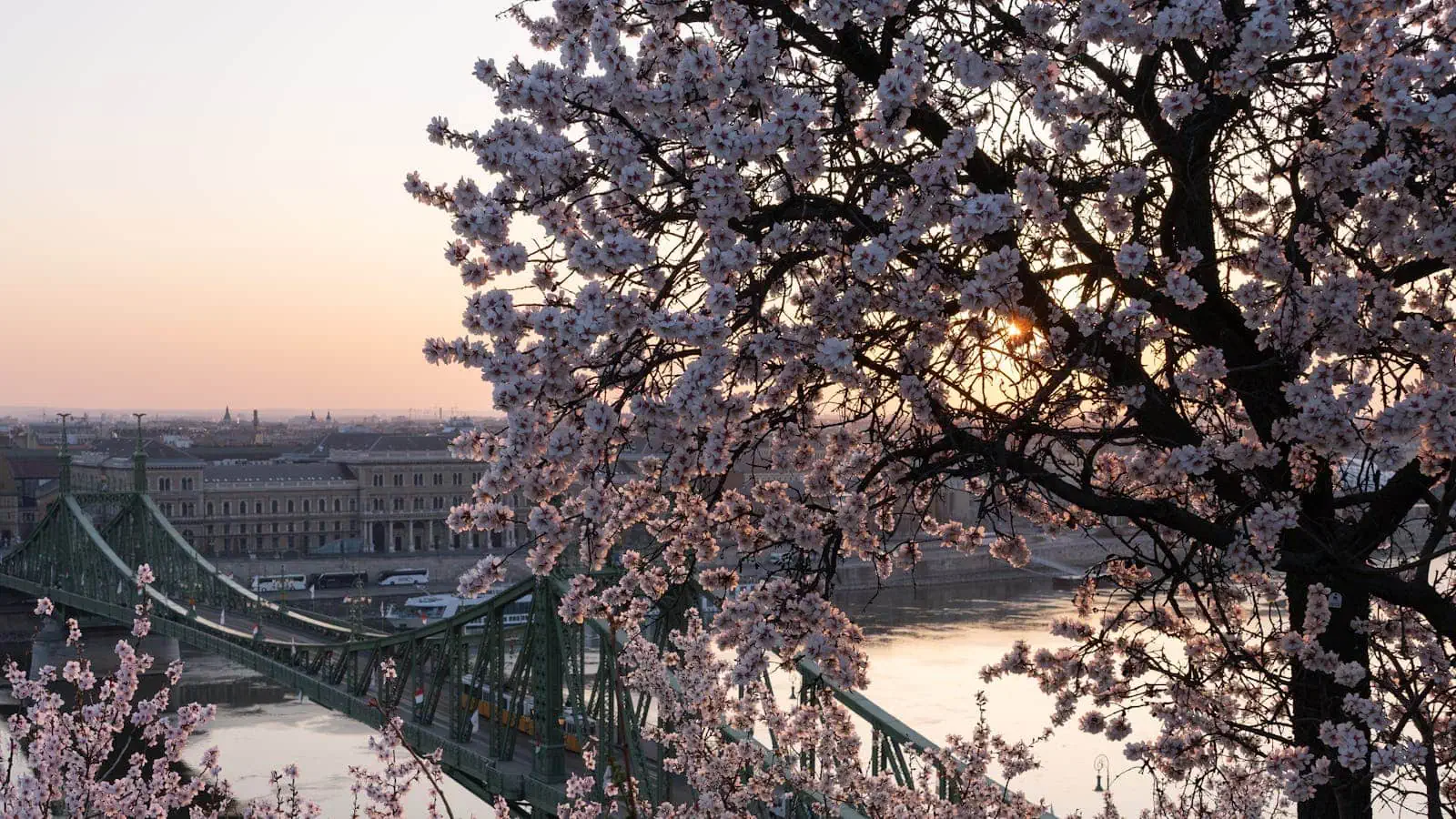
The spring months are an absolutely fantastic choice for a visit, even though early spring can still be a little unpredictable. In March a very cold wind often blows off the Danube and temperatures stubbornly hover somewhere around 10 to 15 °C. If you head here during this period, you’ll definitely still appreciate a warmer coat and the chance to duck into a cosy, heated café.
The turning point usually comes in April, when the city slowly starts to come alive. The trees on the popular Margaret Island (Margit-sziget) begin to bloom beautifully, and in the famous Jewish Quarter the first outdoor terraces of the legendary ruin bars open up. April is a great compromise if you want to catch nature waking up while still avoiding the biggest waves of tourists.
May is one Lukáš and I consider to be one of the absolute best months of the entire year. The mercury settles very steadily around an incredibly pleasant 20 to 25 °C. It’s the perfect time for long walks between flat Pest and hilly Buda.
The May sun already has some strength to it, but it doesn’t drain every last bit of energy out of you the way midsummer does. So you can calmly plan a hike up Gellért Hill for the views or a stroll across the iconic Chain Bridge. If you long to see the city in full bloom without fighting through impenetrable crowds at the Fisherman’s Bastion, come here at the tail end of spring.
2. Summer (June–August) Turns the City Into a Scorching Furnace
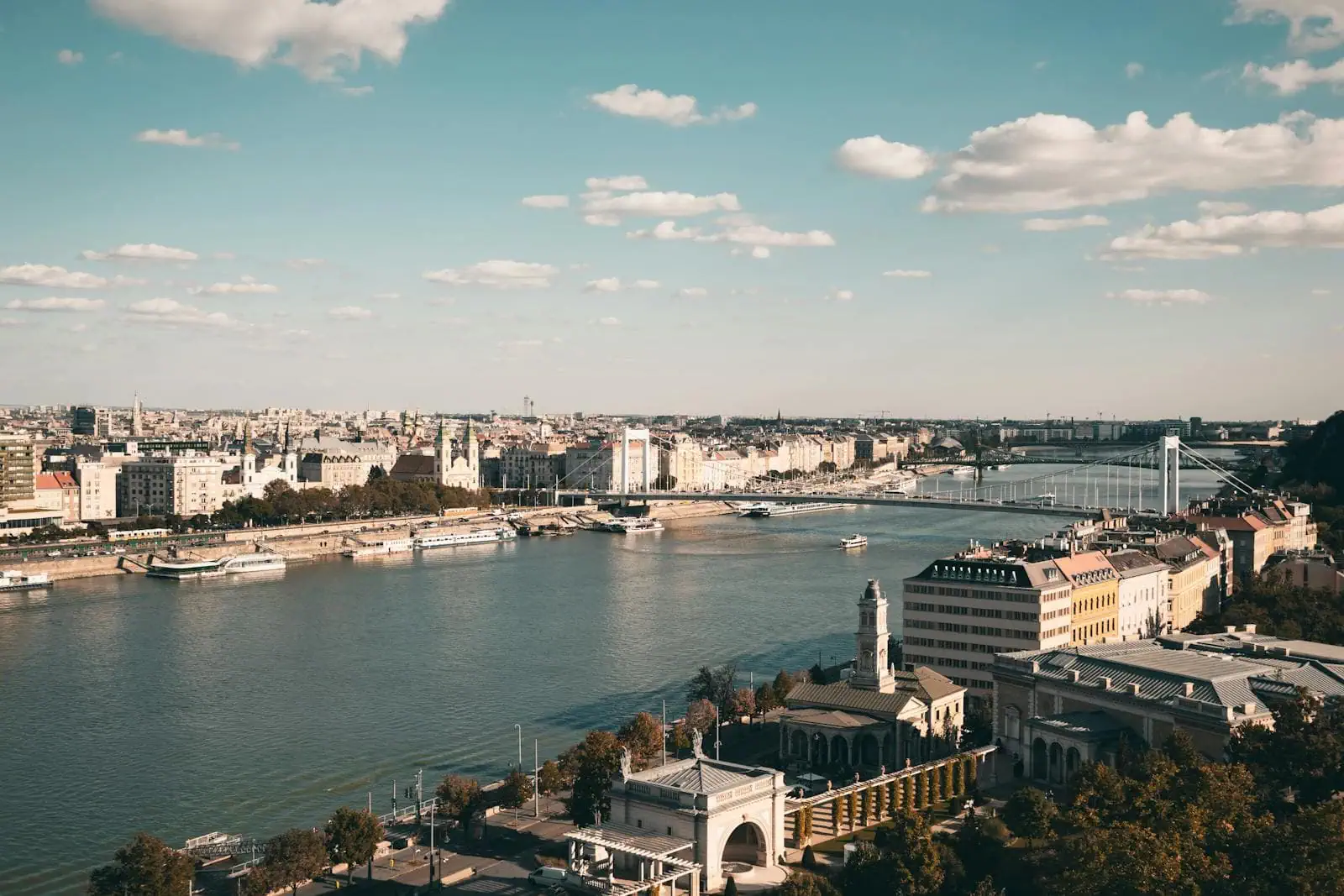
If you’re used to classic mild Central European summers, a Budapest summer will probably catch you off guard. July and August in particular often feel like a literal furnace. Official statistics mercifully quote average daytime temperatures around 28 °C, but the reality on the streets of Pest regularly climbs past 30 °C, and readings creeping toward 35 °C are no longer any rare exception.
This extreme heat also combines with high humidity rising off the river and huge amounts of sun-baked asphalt and stone. During the day the city becomes hard to bear for more sensitive types. Walking down the famous Váci utca shopping street at high noon, or climbing up to Buda Castle, sometimes feels more like a physical punishment than a relaxing holiday.
A Budapest summer therefore demands a complete change to your usual travel rhythm. You need to see the sights as early in the morning as possible. The gorgeous Fisherman’s Bastion, for example, is free before 9 a.m. and offers the best soft light for photos at that hour, without hundreds of other people in the shot.
During the day, by far the best strategy is to retreat somewhere shady. You can head to the sprawling Palatinus lido on Margaret Island or plan a visit to museums with powerful air conditioning, such as the striking House of Terror. In summer, life here simply shifts into the night-time hours, when the evening cruises along the Danube are absolutely magical and the ruin bars come alive with thousands of people.
3. Autumn (September–November) Offers the Golden Hour and the Wine Harvest
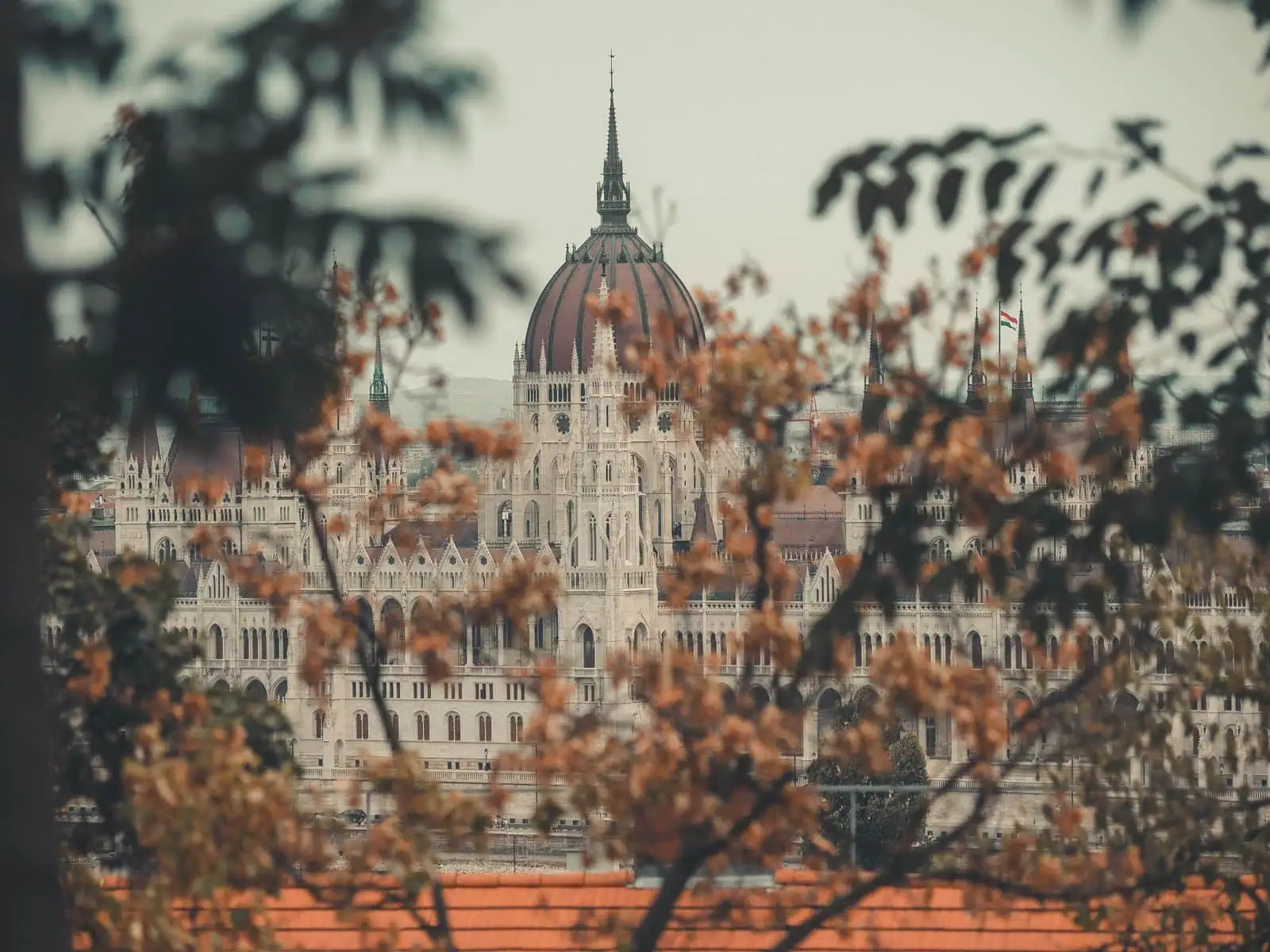
According to many locals and seasoned travellers alike, September is the single most beautiful month to visit. The oppressive August humidity finally lifts, the mercury settles around a fantastic 22 to 23 °C during the day, and the whole city is bathed in gorgeous golden autumn light.
A big advantage is that with the end of the main holiday season, the crowds of tourists finally thin out noticeably. It’s also the famous time of the wine harvest. The main Great Market Hall (Nagyvásárcsarnok) literally overflows with fresh paprika and sweet grapes, and you can enjoy a glass of excellent Tokaji wine in perfect peace on one of the many outdoor terraces.
October is still very pleasant weather-wise, though you’ll need to reckon with mornings that are getting fairly chilly and days that are getting noticeably shorter. It is, however, an absolutely great time to visit the thermal baths. That contrast between the cooler autumn air outside and the 38 °C hot water in the outdoor pools at the Széchenyi Baths, for example, becomes simply perfect in October.
November, sadly, acts more like the opening act for real winter. The days are very short, the sky is often steely grey, and over the river the long fog season begins. If you’re heading here in November, don’t forget to pack really warm clothes and an umbrella, as rainfall tends to be fairly frequent and clammy this month.
4. Winter (December–February) Tempts You With Fog, Markets and Hot Water
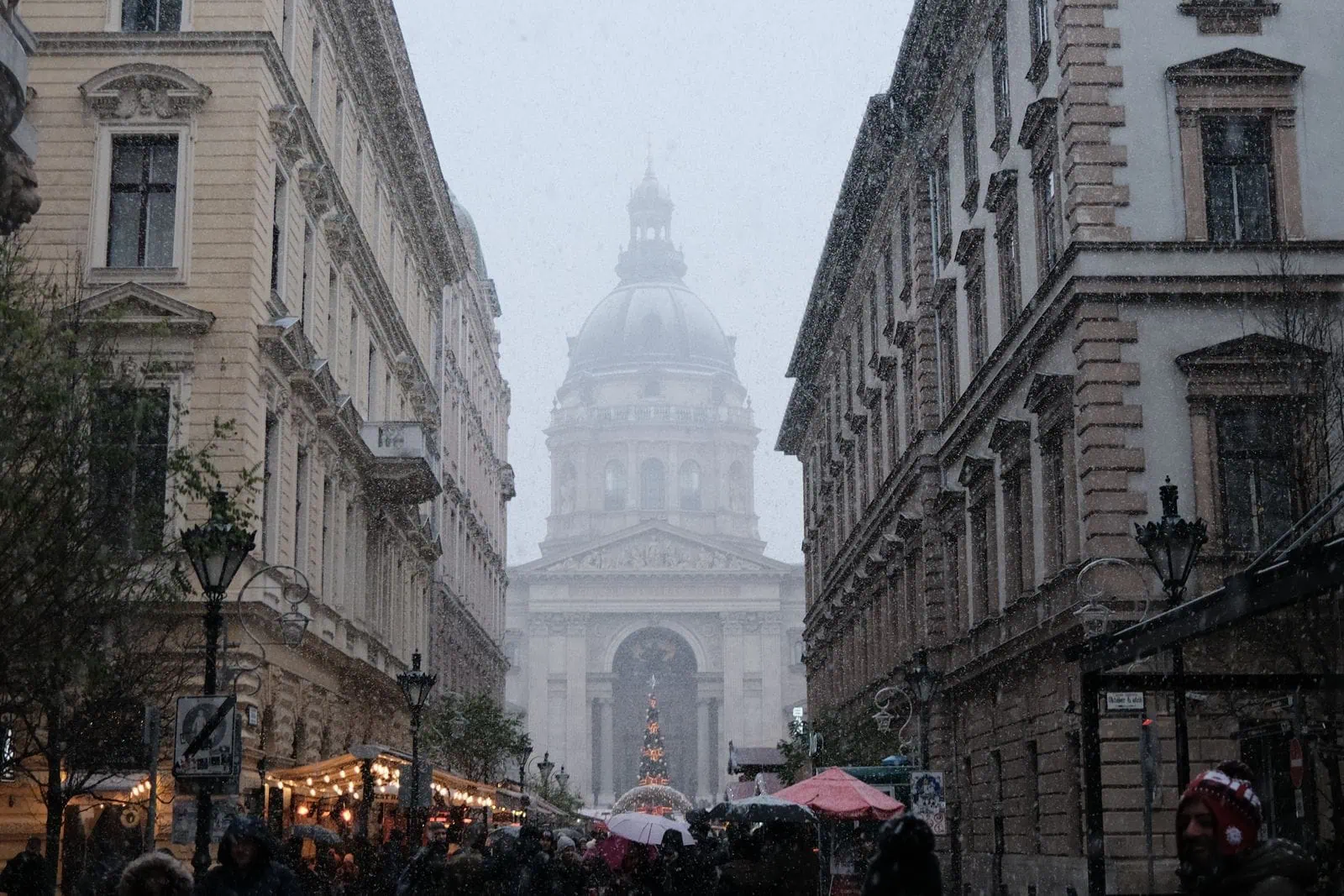
The winter months have a very specific, slightly melancholic atmosphere in the Hungarian capital. Temperatures mostly hover around freezing or just below it. The cold, heavy air also very often settles in the basin around the Danube, bringing lingering grey days, haze and very dense fog.
Because of this weather, your dreamed-of views from the Citadella or the terraces of the Fisherman’s Bastion can be seriously limited. Luckily, two absolutely essential things save the city in winter. The first is its renowned Christmas markets, which in December light up the entire historic centre beautifully and pour plenty of life and aromas into the frosty streets.
Although the markets mostly smell of the ever-present sausages and roasted meat, as vegetarians we swear by the fresh, hot lángos with cheese and sour cream, which reliably warms you up in the cold. For a sweet finish we always go for the traditional Kürtőskalács — a chimney cake baked right over glowing coals.
The second winter saviour is, of course, the thermal baths. It’s precisely in January and February that the outdoor hot pools make the most sense. Sitting in warm healing water while snowflakes fall on your head and thick white steam rises around you is a wonderful experience. ⚠️ But keep one absolutely crucial thing in mind: the famous Gellért Baths are closed until 2028 for renovation, so you’ll be better off heading to the Széchenyi or Rudas Baths instead.
5. Weather and Crowds in Detail, Month by Month
To help you get your bearings quickly when planning a weekend, we’ve put together a short overview of the whole year. Bear in mind that accommodation prices follow the crowd curve almost exactly. The more people head into the city, the more expensive not only your hotels but also flights and train tickets will be.
January and February are months of genuine winter. Average temperatures stay between -2 and 4 °C, it often freezes, and the city tends to be wrapped in fog. The upside is that these are the absolute cheapest months of the year — you can find accommodation for a fraction of summer prices and you’ll hit almost no queues in the museums.
March and April bring a gradual warm-up from 10 °C up to a pleasant 16 °C. It occasionally rains in April, but nature turns beautifully green. May and June then represent the notional peak of spring and the start of summer, with temperatures between 22 and 26 °C. The days are long, full of sunshine, and the city has enormous energy.
July and August mean an extreme onslaught. Temperatures consistently top 30 °C, it often rains in the form of quick summer thunderstorms, and the crowds of tourists are huge. September and October are a return to normal, with temperatures dropping to 15 to 23 °C, which is ideal for walking. November and December then bring a chill around 5 °C, but December is once again very expensive thanks to the Christmas markets.
6. When It’s Cheapest and How to Save Smartly
Overtourism is unfortunately a daily reality in Budapest. The city sees its biggest crush in July and August, when classic summer holidaymakers, visitors to the giant festivals and, on top of that, passengers from the enormous river cruise ships that dock here daily all overlap.
If you want to have at least a bit more of the city to yourself while not emptying your entire wallet, choose the right month. The best compromise between good weather and acceptable prices is April outside Easter, or the second half of October. The weather at this time is good enough for you to spend your days outdoors, but the streets are already nicely walkable.
If your main goal is to see museum interiors, taste great food in the cafés and soak in the thermal baths on the smallest possible budget, then January and February are your promised months. Prices of both flights and hotel rooms fall to the very bottom in this period, and you can treat yourself to a far better standard of accommodation for the price of an ordinary hostel in summer.
The key to saving your nerves even in peak season is then getting up early. Most tourists sleep in very late after a demanding night in the ruin bars. If you head to the Matthias Church for sunrise, you’ll have one of the most photographed spots in Europe almost entirely to yourself, and on top of that you’ll save on the morning admission to the bastion ramparts.
7. Major 2026 Events That Will Air Out Your Wallet
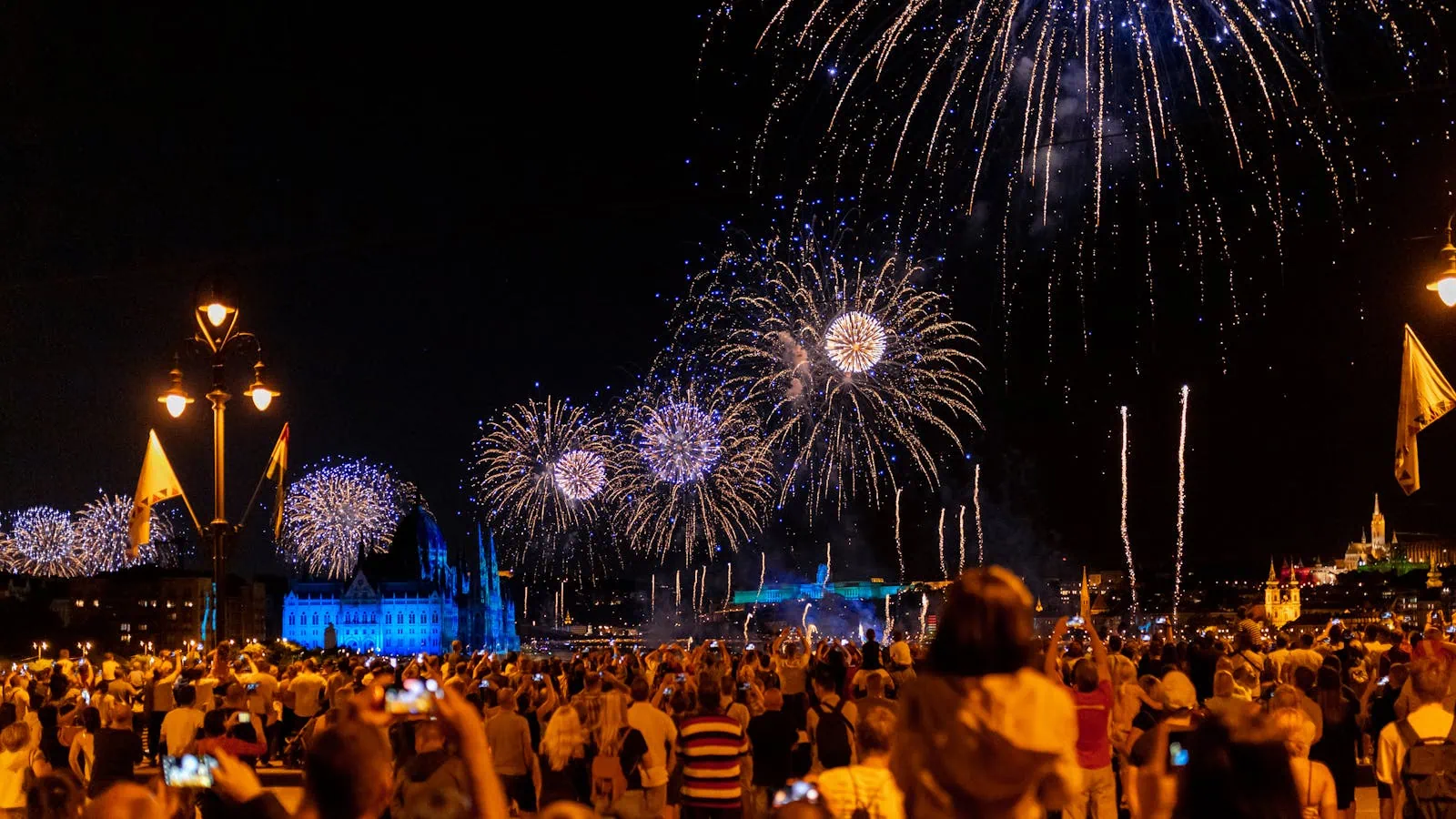
Budapest is written in very bold letters on the European map of big international events. If you’re deliberately aiming for one of them, a fantastic experience awaits you. But if you just want a quiet romantic weekend and accidentally land on these dates, your budget and nervous system will both take a proper beating.
The first giant event is Formula 1 – the Hungarian Grand Prix (24–26 July 2026). The Hungaroring circuit lies just under 20 kilometres from the city, and hundreds of thousands of fans from all over Europe descend on it. During this weekend, accommodation prices in the centre rise by up to 60% and hotels are sold out many months in advance.
Hot on its heels comes the famous Sziget Festival (11–15 August 2026). It’s one of the biggest music festivals in Europe, held on Óbuda Island. Half a million visitors spill from the island into the centre over the course of a single week, the ruin bars burst at the seams, and finding a free table in a restaurant without a reservation is nearly impossible.
The third critical event is St. Stephen’s Day, the national holiday (20 August). It’s the most important Hungarian holiday, full of military parades and air shows. It all culminates in the evening with a gigantic fireworks display over the Danube. The entire embankment on both sides of the river is hopelessly jammed and traffic in the city practically collapses. Give these dates a wide berth unless you’re a direct participant in the events.
8. What to Pack by Season and What Not to Forget
Packing for the Hungarian capital differs dramatically depending on exactly which month you’re travelling in. But there’s one thing you absolutely always have to pack in your suitcase, whether it’s thirty degrees outside or bucketing down. The absolute essential is, of course, swimwear and ideally your own towel and flip-flops, because a visit to the thermal baths is not to be skipped in any season.
If you’re going in winter, get ready for a very biting chill off the river. You’ll need a really warm winter coat or jacket, a good hat, a scarf and gloves. The streets in the centre are often wet and slippery, so insulated, waterproof boots with a good sole are essential if you want to enjoy the markets in comfort.
In the summer months, on the other hand, the key to survival is lightness and breathability. Pack clothing made of linen or thin cotton and definitely don’t forget a hat and sunglasses. The sun-baked stone streets show no mercy during the day. A reusable water bottle you can refill around the city will come in very handy too.
For spring and autumn, the only correct strategy is layering. Mornings can be very cold and you’ll be glad of a light jumper and a spring jacket, but around midday in the sunshine you’ll appreciate being able to strip down to just a short-sleeved T-shirt. And in every season, remember that Budapest is a city made for walking, so comfortable trainers are an absolute must.
Practical Summary and Rough Prices (2026)
To give you a better idea of your budget, we’ve put together a rough overview of the prices you can currently expect in Budapest. Do bear in mind that prices in Hungary have been rising fairly rapidly in recent years. When booking somewhere to stay, we always start on Booking.com.
- Entry to the Széchenyi Baths: An all-day ticket with a lockable locker costs about 10,500 HUF on weekdays and 12,000 HUF at weekends (roughly €27 to €31).
- Food at the Christmas markets: For a proper fresh lángos with cheese and cream you’ll pay around 2,500 to 3,500 HUF (about €6.50 to €9), and a hot chimney cake costs roughly the same.
- Accommodation in the cheaper season (January–March): A double room in a solid hotel in the centre can be found from as little as €48 to €72 per night.
- Accommodation in peak summer and during festivals: That same hotel could easily cost €140 to €220 per night in August or during the Formula 1.
- Price of coffee in the centre: For a nice cappuccino in a specialty café you’ll usually pay around 1,200 to 1,500 HUF (about €3 to €4).
- Entry to the Fisherman’s Bastion: A morning visit before 9 a.m. is completely free; during the day you’ll pay roughly 1,700 HUF (about €4.50) for access to the upper viewing towers.
Where to Next
If you already know which month you’ll be heading to the Hungarian capital, it’s time to start planning your specific itinerary. We’ve prepared a huge and very detailed guide for you — 66 tips on what to see in Budapest — where you’ll find not only the best-known landmarks but also our favourite hidden cafés, the best viewpoints over the city, and specific tips on how to get around efficiently using public transport. It’s our travel bible for this city, and we’re constantly keeping it up to date.
If you’ve decided to take the plunge and head into the winter cold to soak up a little of that magical Advent atmosphere, definitely read our special article focused purely on the Christmas markets in Budapest before you set off. In it we describe in detail which squares have the best stalls, what time the stunning 3D video mapping onto the façade of St. Stephen’s Basilica kicks off, and which overpriced tourist traps you’re better off avoiding by a wide margin.
And because a visit to this city wouldn’t be complete without properly warming your bones, we’ve also written a comprehensive overview mapping the best thermal baths in Hungary. In it we don’t just focus on the most famous Budapest complexes — we also give tips on smaller, quieter baths in the surrounding area, frequented mainly by locals. On top of that you’ll find practical advice on what to bring to the baths and how the system of wristbands and changing cabins works. To book tickets and guided tours in advance, we like using GetYourGuide.
Frequently Asked Questions
When is the best time to visit Budapest?
“`html
In terms of weather and pleasant temperatures, the absolutely best months are May, June and September. This way you’ll avoid the extreme summer heat, which commonly exceeds 30 °C, as well as the unpleasant winter cold and fog.
“`
What’s the weather like in Budapest in winter?
Winters tend to be quite cold and damp. Temperatures from December to February typically hover around freezing or just above. Dense fog very often forms over the river and the sky tends to be overcast, which perfectly complements the atmosphere in the hot thermal baths.
When do the Christmas markets take place in 2026?
“`html
Budapest’s Christmas markets are among the most beautiful in Europe and usually start in mid-November and last until January 1st. The main action is centered in front of St. Stephen’s Basilica and at Vörösmarty Square.
“`
Do thermal baths work even when it’s raining or snowing?
Yes, and that’s when they have their greatest charm. Sitting in 38°C hot water in the outdoor pool of Széchenyi Baths while snowflakes fall on your head is one of the best experiences in the entire city.
What to watch out for when planning a trip in summer 2026?
In summer 2026, be extremely careful about the dates of major events. Specifically, these are the Formula 1 races (July 24–26) and the Sziget Festival (August 11–15), when accommodation prices skyrocket and the city is absolutely packed.
When is accommodation cheapest in Budapest?
If you’re on a tight budget, head to the city in January or February. These are the months with absolutely the lowest tourist traffic, so hotels and hostels offer their rooms for a fraction of the usual summer or Advent prices.
Are the Gellért Baths open in 2026?
Unfortunately, they are not. The famous and architecturally magnificent Gellért Baths are undergoing extensive reconstruction and will remain completely closed to the public at least until 2028.
What not to forget to pack regardless of the season?
Whether you’re going in the middle of a sweltering summer or in freezing cold, always pack a swimsuit, your own towel, and ideally rubber flip-flops in your suitcase. Without visiting the thermal baths, your trip wouldn’t be complete at all.
Tips and Tricks for Your Vacation
Don’t Overpay for Flights
Search for flights on Kayak. It’s our favorite search engine because it scans the websites of all airlines and always finds the cheapest connection.
Book Your Accommodation Smartly
The best experiences we’ve had when looking for accommodation (from Alaska to Morocco) are with Booking.com, where hotels, apartments, and entire houses are usually the cheapest and most widely available.
 🚗 Car rental on the roadVerified rental cars in Hungary
Search with the DiscoverCars comparison engine — it compares prices from dozens of local and international rental companies, and most bookings come with free cancellation.
Compare car prices in Hungary →Don’t Forget Travel Insurance
Good travel insurance will protect you against illness, accidents, theft, or flight cancellations. We’ve had a few hospital visits abroad, so we know how important it is to have proper insurance arranged.
Where we insure ourselves: SafetyWing (best for everyone) and TrueTraveller (for extra-long trips).
Why don’t we recommend any Czech insurance company? Because they have too many restrictions. They set limits on the number of days abroad, travel insurance via a credit card often requires you to pay medical expenses only with that card, and they frequently limit the number of returns to the Czech Republic.
Find the Best Experiences
Get Your Guide is a huge online marketplace where you can book guided walks, trips, skip-the-line tickets, tours, and much more. We always find some extra fun there!


