

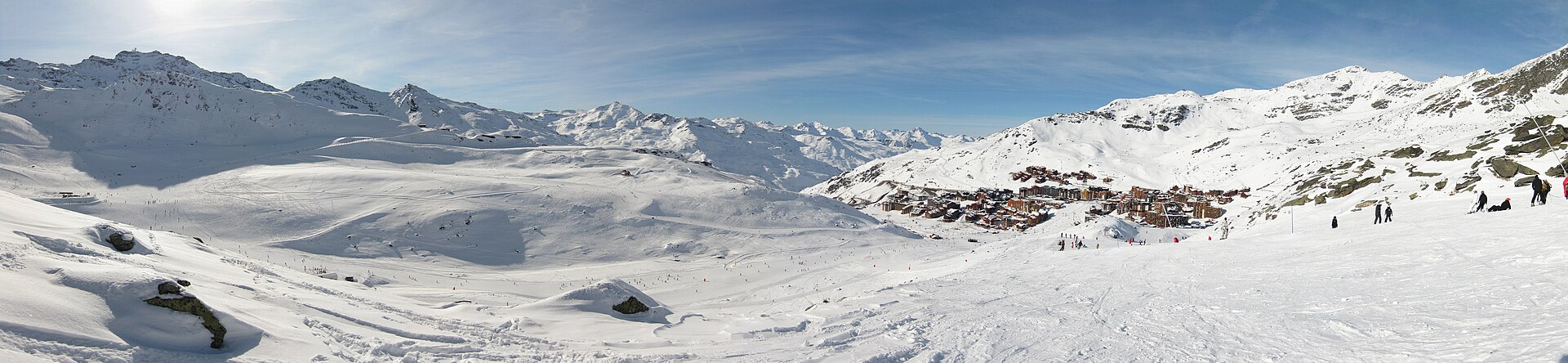
The French Alps are far more than a pretty backdrop for winter fun — they’re a wild, uncompromising world of their own that pulls you in with sheer, rugged beauty. Here you stand at the doorstep of the highest mountains in Western Europe, where you can perch on a rocky spire at almost four thousand metres in the morning and spend the afternoon watching the region’s disappearing glaciers spill down into the valleys. If you’re planning a trip to the French Alps ski resorts, you’ve come to the right place.
This is a land of extremes, and the French approach their mountains with a kind of engineering audacity all their own. Where others might build a small wooden hut, the French construct a gigantic network of cable cars linking entire valleys together. The result is the biggest ski playground on the planet, legendary long-distance treks, and roads where cycling history is written every single summer. I’ve put together 12 tips on what to see and do in the French Alps so you can enjoy this majestic destination to the fullest. You’ll learn where to base yourself strategically, how much lift passes cost for 2026, and what to watch out for when planning your trip.
TL;DR
- The largest ski area on the planet: The Les Trois Vallées region offers an incredible 600 kilometres of interconnected slopes on a single ski pass.
- Europe’s highest resort: In Val Thorens the snow lies from November to May, and it’s a huge hit for spring skiing.
- A mecca of mountaineering: Chamonix isn’t a typical ski resort but a buzzing base camp for climbers right beneath Mont Blanc.
- A trip into the stratosphere: The Aiguille du Midi cable car takes you up to 3,842 metres, but in May and June 2026 the main terrace will be under renovation.
- Summer extreme: If you love cycling, mark July 2026 in your calendar, when the Tour de France peloton will tackle the legendary 21 hairpin bends of Alpe d’Huez not once but twice.
- A royal trek: The Tour du Mont Blanc measures 170 kilometres, and you’ll need to sort out mountain hut reservations a year in advance.
When to Visit the French Alps
The Alps don’t forgive planning mistakes, so picking the right dates is absolutely key. The ski season kicks off in December, but the very best snow conditions and longer, sunnier days come in March. On the other hand, give February a wide berth, because the whole of France takes staggered school holidays and the resorts are literally bursting at the seams. For lovers of spring snow, April is ideal — the higher resorts still have great conditions but accommodation prices have already dropped noticeably.
If you’re heading here in summer for high-mountain hiking, the window is fairly narrow. Most mountain huts don’t open until mid-June and close at the end of September. In June there can still be plenty of dangerous snow on the high passes, while August is overcrowded and full of heat-driven afternoon storms. The very best month for summer hiking is September, with stable weather, crisp autumn light, and far fewer walkers on the trails.
Getting to the French Alps from the UK is refreshingly straightforward. The fastest option is to fly into Geneva in Switzerland, with plenty of budget flights from London and other major UK airports on carriers like easyJet, British Airways, and Swiss. From Geneva Airport, reliable shuttle buses run constantly to resorts like Chamonix and the Tarentaise valley. If you prefer to drive and bring your own kit, the Eurotunnel gets you to Calais, from where it’s a long haul south of around eight to nine hours. Budget for pricey French motorway tolls, which are charged per section and add up to tens of euros. Watch out when driving through the big valley cities like Lyon or Grenoble, too, as France has strict low-emission zones. You’ll need a Crit’Air sticker (around €5), or you risk a hefty €68 fine.
Where to Stay in the French Alps
💡 Accommodation and experiences tip: We love searching for places to stay on Booking.com, where the cancellation policies tend to be the best. For tickets, tours and activities, it pays to compare and book through GetYourGuide.
The French approach to mountain architecture from the 1960s and 70s is often decidedly brutal. Don’t come looking for romantic little wooden chalets tucked away in the forest like next door in Austria. The French built purely for function under the so-called plan neige, aiming to house as many people as close to the slopes as possible. The ski-in ski-out concept applies quite literally here, so you usually clip into your skis right by the lift of a huge concrete complex and glide straight onto the piste. When hunting for a place to stay, it’s worth browsing the listings on Booking.com, where you’ll find everything from modest apartments to luxury mountain hotels.
For skiing in the enormous Three Valleys area, Les Menuires is a great compromise — from here you can quickly reach every corner, and prices are noticeably lower than in neighbouring, glitzy Courchevel. If you want guaranteed powder and don’t mind thinner air, go for the highest resort, Val Thorens. For exploring the area around Mont Blanc you don’t have to stay right in overpriced Chamonix at all — you’ll find far more peace and more reasonable prices in the villages of Les Houches or Argentière. These smaller villages are also brilliantly connected to the main centre by a free train if you hold a guest’s tourist card.
For specific recommendations, take a look at the highly rated Hotel Le Chablis in Les Houches, which offers cosy rooms, fantastic breakfasts, and sits just a stone’s throw from the main cable car. If you’re after absolute luxury right on the slopes in Val Thorens, book a room at Hotel Pashmina Le Refuge, with its gorgeous spa and breathtaking views of the snowy peaks. Over in the Chamonix valley, the stylish design-led Héliopic Hotel & Spa is very popular, strategically located right by the base station of the Aiguille du Midi cable car. After a demanding day, you can tuck into a superb cheese fondue — a reliable crowd-pleaser and a treat for any vegetarian — either at your hotel or in nearby restaurants.
12 Best Things to See and Do in the French Alps
Let’s dive into the very best these French mountains have to offer. Expect incredible ski terrain, bird’s-eye views, and colossal glaciers that are sadly slowly vanishing before our eyes.
1. Val Thorens, Europe’s Highest Resort
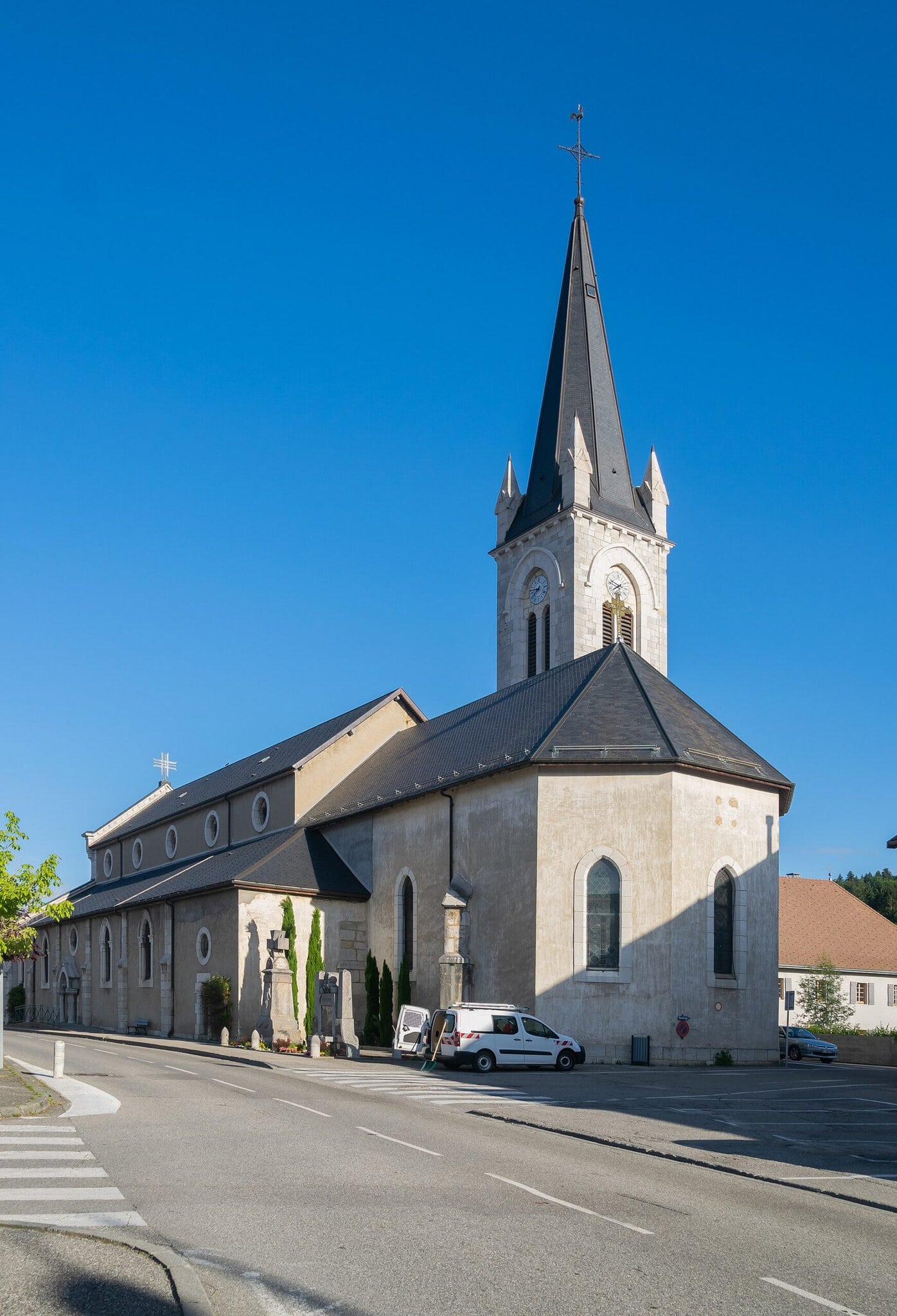
The French have never shied away from extreme projects, and Val Thorens is the best proof of that. It’s the highest ski resort in all of Europe, with the village itself sitting at a respectable 2,300 metres. That gives you a rock-solid guarantee of great snow from late November right into May — in the 2025/2026 season the lifts run from 6 December until 17 April. The crowning glory of the local area is the Cime de Caron peak at 3,195 metres, which opens up a breathtaking 360-degree panorama across more than a thousand Alpine summits.
Val Thorens has a genuinely cult status among skiers, and every winter you’ll bump into thousands of them here. The final thirty kilometres of rugged switchbacks can really put your car’s clutch through its paces, but the payoff is unquestionably worth it. The ski terrain is enormous and the sporting value of the local pistes will satisfy even the most demanding riders, whether you prefer freshly groomed corduroy in the morning or deep powder.
💡 Tip: If you want to save money and dodge the crowds, come at the shoulder of the season, in December or April. You can also buy a cheaper lift pass covering just the local Val Thorens and Orelle valley, though for the full experience I’d recommend paying extra for the entire connected Three Valleys area.
2. Les Trois Vallées: Ski the Biggest Area in the World
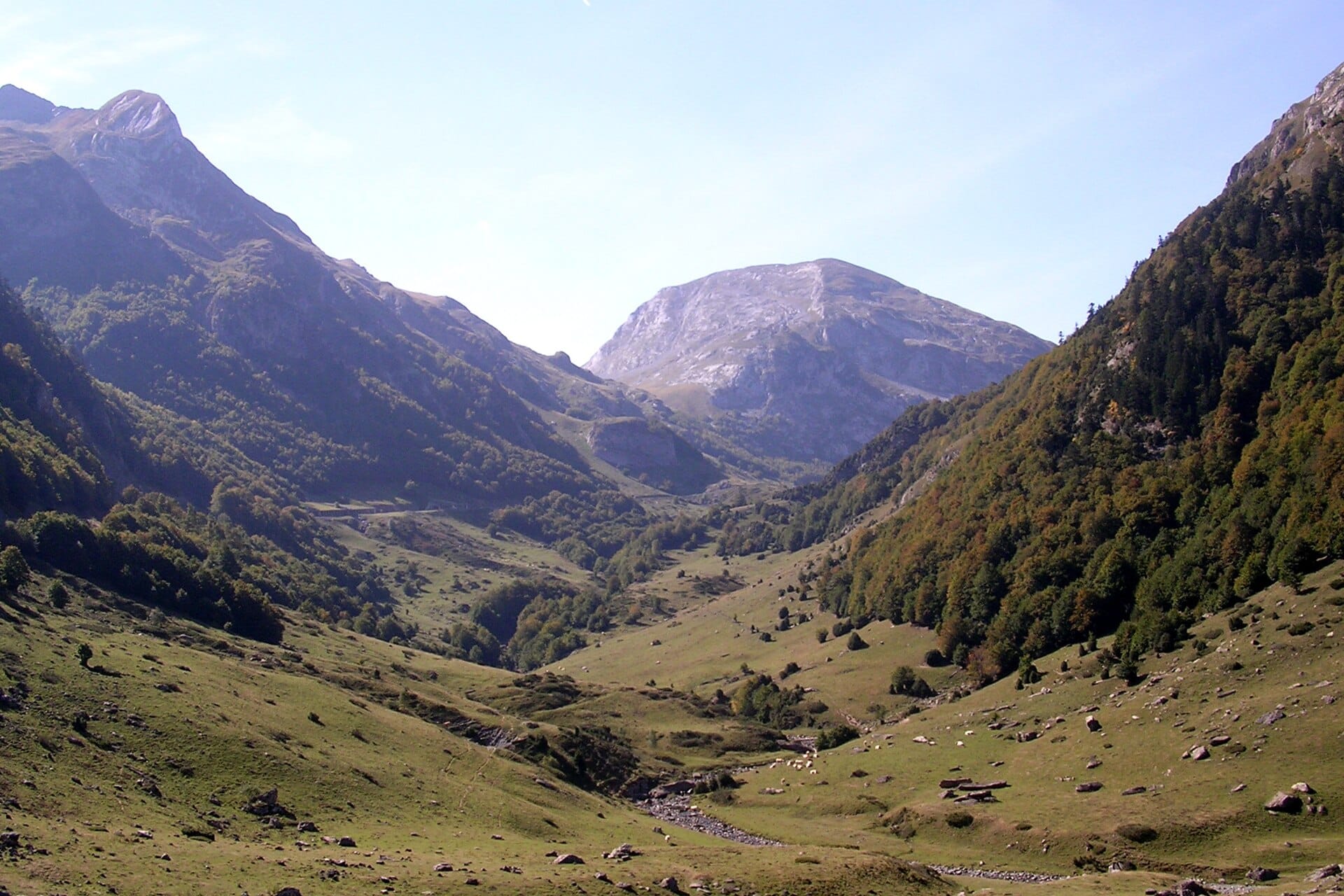
Together, the Three Valleys form an absolute skiing super-league that struggles to find any rival in Europe. They offer an astonishing 600 kilometres of connected pistes, officially making this the largest ski area in the world. You could ski here all week from dawn till dusk and never take the same run twice. The lift system is so cleverly designed and fast that hopping between the individual mountains flows completely smoothly, so you spend the maximum amount of time on the snow instead of standing in endless queues.
Of course, the French charge handsomely for this endless luxury, and lift passes will carve a hefty chunk out of your budget. In the 2025/2026 season, a six-day pass for the whole connected area costs €368, while a single day ticket is €73.60. The season here starts in early December and the lifts finally shut down in mid-April, so you’ve got plenty of time to plan your winter holiday and hunt down the best snow conditions.
💡 Tip: When crossing between valleys, always keep a careful eye on your return time. If you miss the last connecting cable car over the ridge, you’ll face a wildly expensive taxi ride the long way round through the lower valley, which can set you back well over a hundred euros.
3. Courchevel: A Glimpse of Absolute Luxury
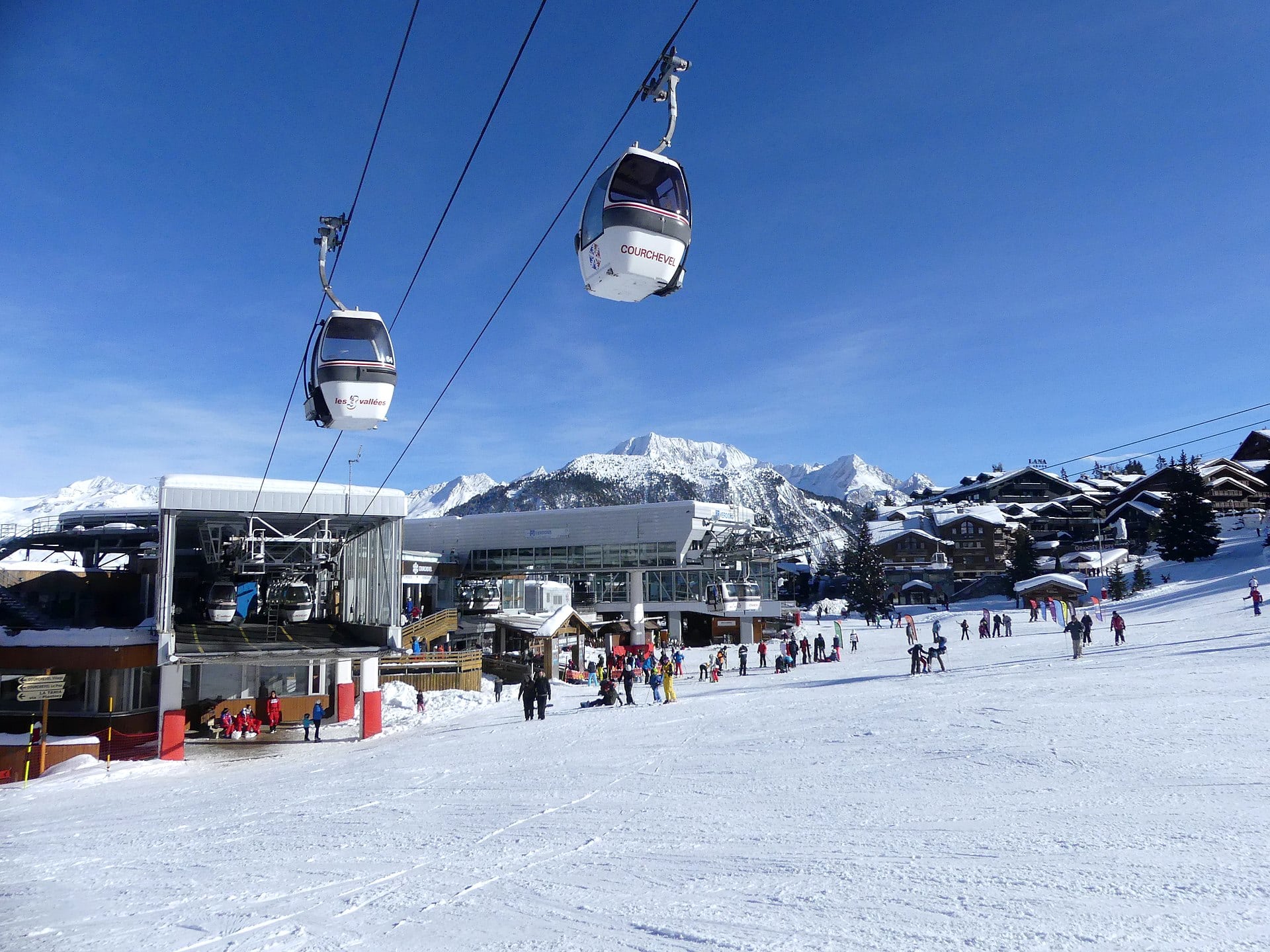
At the very edge of the Three Valleys lies Courchevel, an exclusive playground reserved for billionaires, global celebrities, and the seriously wealthy. The resort is split into several altitude levels, and the highest of them, iconic Courchevel 1850, is a parade of the most luxurious chalets and five-star hotels in the world. You’ll find pricey boutiques of global fashion houses set right in the snow and opulent restaurants crowned with several Michelin stars, where a reservation can take months to land.
Even if you probably won’t be staying here, do come over for at least one day of skiing as part of your extended lift pass. It’s well worth it, because the local pistes are perfectly groomed and often completely empty. The wealthy clientele here spend far more time at afternoon champagne parties than carving morning turns on the corduroy. When you stop for coffee, though, brace yourself for a proper price shock — even a plain espresso can easily cost you ten euros.
💡 Tip: Be sure to head down the gorgeous red Combe de la Saulire run, which starts at the peak of the same name. It offers a beautiful, incredibly flowing sporty descent with a vertical drop of nearly a thousand metres all the way down into the valley.
4. Méribel: Wooden Romance in the Heart of the Mountains
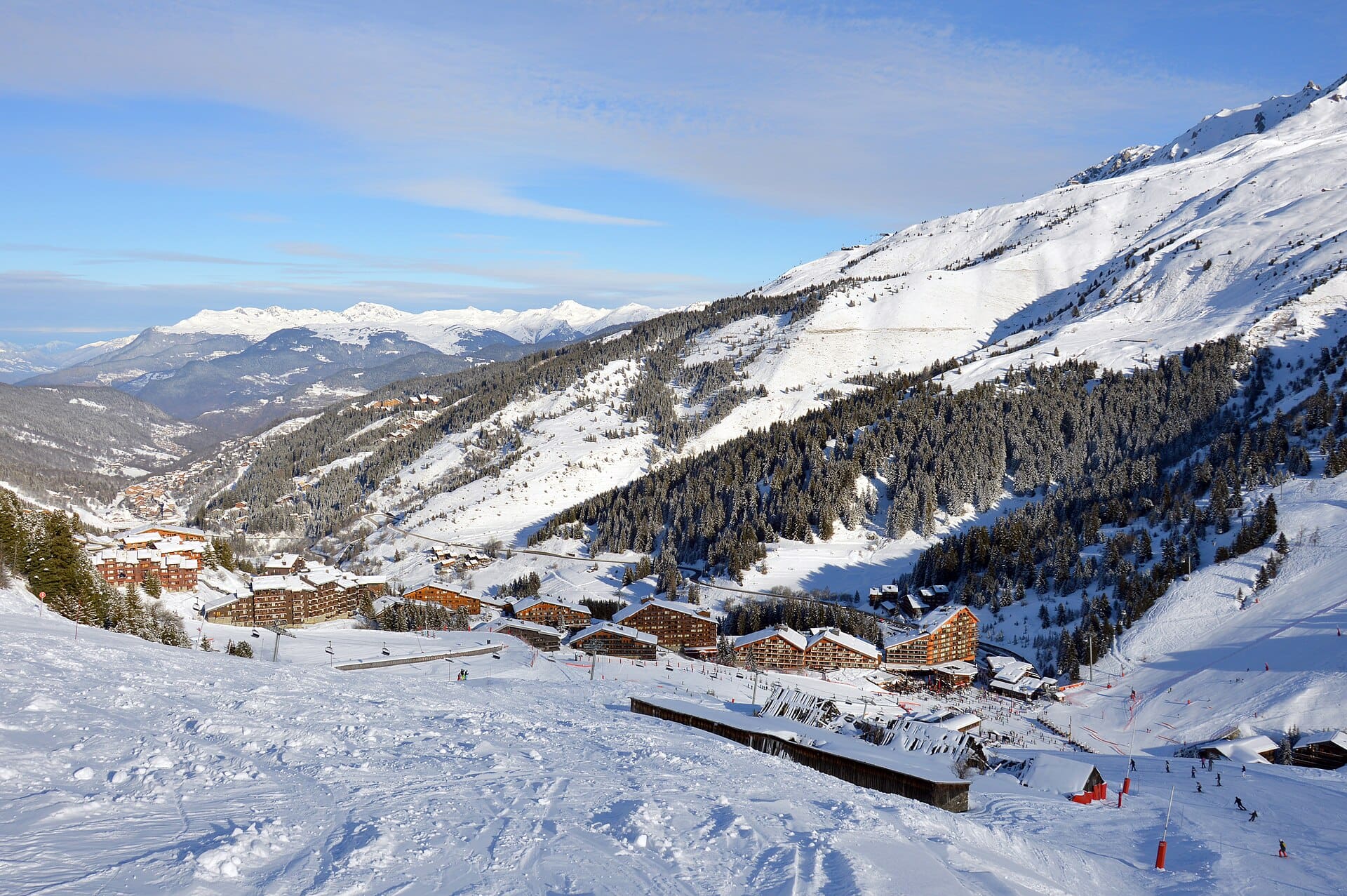
Right in the middle of the gigantic Three Valleys complex sits Méribel, the perfect antidote to the concrete tower blocks of other French resorts. Development here was subject to very strict rules, so every building has to respect the traditional Alpine style and must be clad in wood and local stone. As a result, the resort has kept a wonderfully romantic and warm atmosphere that you often miss elsewhere in France — you’ll feel more like you’re in Austria or Switzerland next door.
Beyond its lovely, tasteful architecture, Méribel’s huge advantage is its utterly unbeatable strategic position on the ski map. It sits smack in the centre of the whole web of pistes, so each morning you’re free to decide whether to explore luxurious Courchevel on one side or the sporty, higher Val Thorens on the other. From a logistical point of view, it’s simply the best launchpad for exploring the entire region.
💡 Tip: If you love long, varied runs, catch the very first morning cable car up to the Mont Vallon summit at 2,952 metres. From here descends one of the most beautiful red pistes in the whole area, surrounded by utterly wild high-mountain scenery with no other infrastructure in sight.
5. Tignes and Val d’Isère: The Espace Killy Freeride Paradise
If the Three Valleys feel a bit too mainstream and polished for you, just hop one valley over to the breathtaking Espace Killy, named after the legendary French downhill racer. It links the resorts of Tignes and Val d’Isère and offers a total of 300 kilometres of first-class pistes. The terrain here, though, is noticeably sportier, much steeper, and the freeride possibilities are practically endless. It’s a renowned spot for genuinely honest, physically demanding skiing and perfect powder.
Tignes is also one of the few places in France where you can happily ski even during the summer holidays. Thanks to the Grande Motte glacier, the winter season here runs until 3 May, and the lifts then fire up again in June and July for summer training camps. Skiing in a T-shirt on packed snow in July and then swimming in a crystal-clear mountain lake down in the valley in the afternoon is a wonderfully bizarre — and absolutely fantastic — experience you’ll fall in love with.
💡 Tip: After a demanding day on the Espace Killy slopes, treat yourself to a well-earned evening in the local restaurants. I warmly recommend trying traditional cheese fondue or fragrant raclette — a perfect vegetarian delight that’s guaranteed to warm you up after a freezing day and top up your lost energy.
6. Alpe d’Huez and Its Legendary 21 Cycling Hairpins
Alpe d’Huez is a fantastic winter resort that boasts the longest black run in Europe, known as La Sarenne, stretching an incredible 16 kilometres. Honestly, though, this name resonates far more powerfully in the sporting world thanks to its sun-baked summer tarmac. The road climbing from the valley town of Bourg d’Oisans up to the resort measures just under 14 kilometres, with a punishing average gradient of over eight per cent.
The most important thing of all, though, is the exactly 21 numbered hairpin bends that make up one of the most iconic climbs on the planet. Every summer day you’ll find hundreds of amateur cyclists sweating buckets as they try to beat themselves and grind all the way to the top. Each bend even bears the name of one of the historic Tour de France stage winners. The seventh bend, nicknamed “Dutch Corner”, is especially famous — during the race, orange-clad fans swarm here and create absolute mayhem.
💡 Tip: The year 2026 will be utterly extreme in this respect, as the Tour de France peloton will arrive here not once but twice. If you want to see the finish of stages 19 and 20 live on 24 and 25 July 2026, you’ll need to arrive with a huge head start, because the road is closed off completely on race day.

7. Les Deux Alpes and Its Upside-Down Glacier
In many ways, Les Deux Alpes is a total one-off that defies the usual laws of mountain physics. It has a completely inverted topography compared to most other ski areas in Europe. You’ll find the steepest and most demanding black runs right down at the bottom, just above the village, whereas the higher up you ride the cable car, the flatter and gentler the terrain becomes. That’s because the top of the whole area is formed by the huge, gentle Mantel glacier, home to the very easiest blue motorways for beginners.
This sprawling glacier, sitting at a respectable 3,600 metres, is also a huge draw for lovers of freestyle skiing and keen snowboarders. Every summer, one of the biggest and best-rated snowparks in Europe is built here, drawing pros from all over the world to practise demanding jumps into giant airbags and ride perfectly milled halfpipes under the summer sun.
💡 Tip: When descending from the glacier back to the valley in the afternoon, always be extremely careful. Because of the inverted topography, at the very end of the day you have to tackle very steep and often nastily icy sections, where hundreds of tired skiers heading for their hotels are squeezed into narrow bottlenecks.
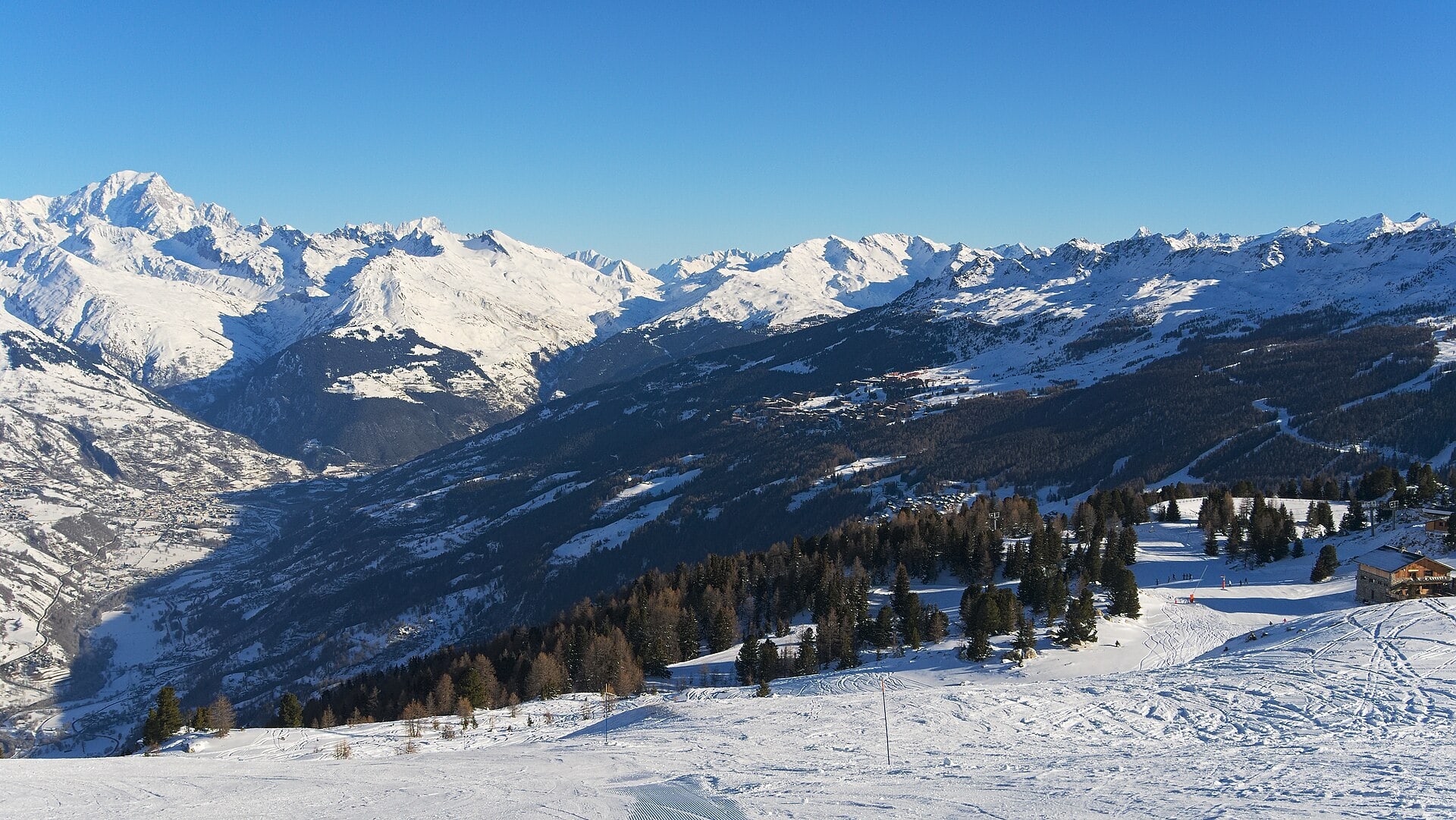
8. La Plagne and Les Arcs, Joined in the Giant Paradiski
At the turn of the millennium, the two enormous and hugely popular resorts of La Plagne and Les Arcs decided to join forces, creating a gigantic area called Paradiski that offers skiers a full 425 kilometres of superb runs. To link them, the French had to build a genuine engineering miracle. The Vanoise Express cable car is a huge double-decker cabin carrying an impressive 200 people at once and spanning the deep, steep valley without a single support pillar — an experience in itself.
While La Plagne is by nature gentler and geared towards relaxed family skiing on very wide blue motorways, Les Arcs offers far sportier and steeper terrain cleverly hidden among the trees. Both resorts once again champion the beloved ski-in ski-out philosophy without compromise, so you’ll find plenty of huge apartment complexes that may not win any beauty awards but are incredibly practical for a winter holiday.
💡 Tip: If you visit Les Arcs, don’t miss the legendary Aiguille Rouge run, which plunges uncompromisingly from over three thousand metres all the way down to the charming little village of Villaroger. This endless descent has a vertical drop of over two kilometres and will reliably set your thighs on fire.
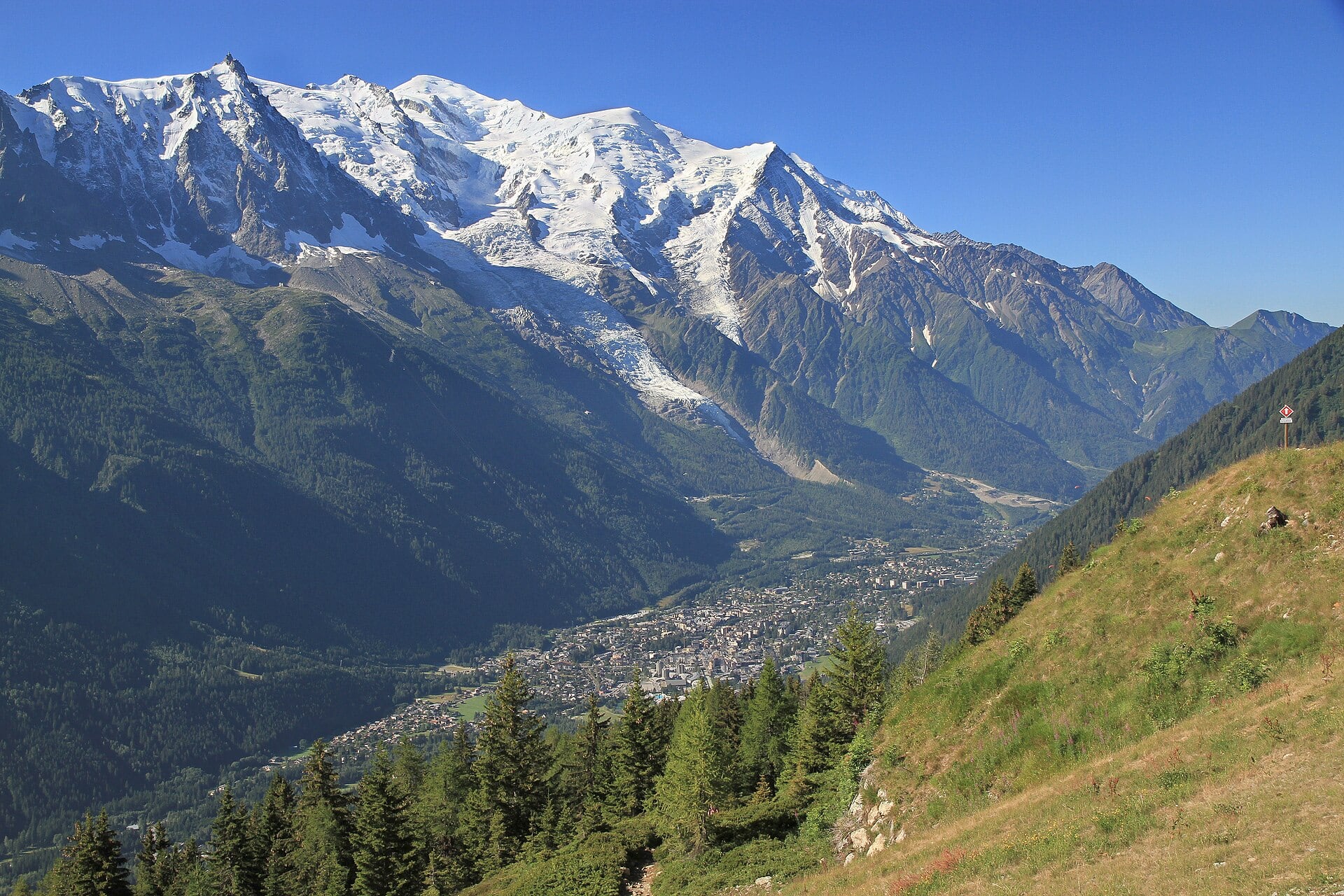
9. Chamonix-Mont-Blanc, the Buzzing Mecca of Alpinism
Chamonix in the French Alps is definitely not your quiet little mountain town of cosy family apartments — it’s a genuine high-mountain mecca. This buzzing base camp of European alpinism has an absolutely unreal atmosphere, where the streets throng with a curious mix of Japanese tourists clutching giant cameras, bronzed climbers festooned with carabiners, and hardened freeriders who’ve been impatiently waiting since dawn for the first deep powder.
The town lies tightly wedged into a deep valley, and directly above it the Mont Blanc massif rises like an impenetrable, majestic white wall. Whenever you tilt your head to the heavens, you see jagged glaciers crawling like endless frozen rivers down the steep slopes towards the town. Chamonix has a much rougher, sportier vibe overall than the polished Austrian resorts, and in the local bars in the evenings the talk turns to avalanche danger and current crevasse conditions rather than luxury fashion.
💡 Tip: If you want to take home something truly unforgettable from the mountains, look into tandem paragliding flights. You can easily book these breathtaking scenic paragliding flights over the Chamonix valley in advance through platforms like GetYourGuide, and it’s an absolutely fantastic once-in-a-lifetime experience.
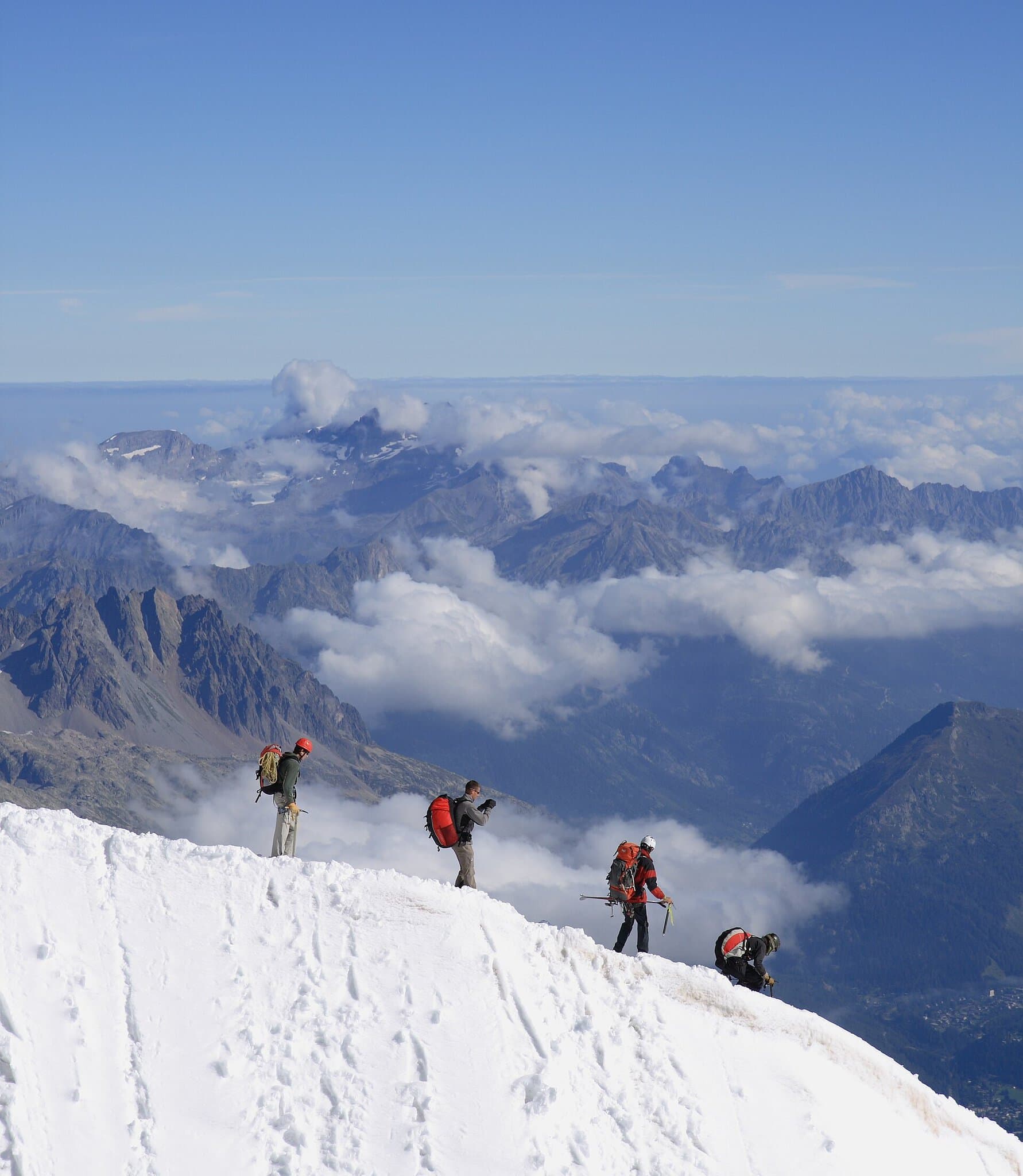
10. Aiguille du Midi: A Ticket to the Stratosphere
If you only have time for a single big attraction in Chamonix, it has to be this incredible cable car, no question. The Aiguille du Midi, with its summit at 3,842 metres, is a jagged rocky spire on top of which balances a complex maze of terraces and viewpoints that look at first glance like some secret base from a Bond film. The journey up is a powerful physical experience in itself, because the cable car conquers a huge vertical rise without a single support pillar, and as it swings out over the edge of the rock above a kilometre-deep abyss, the whole cabin holds its breath.
At the top you’re hit with a rough slap of very thin air, with roughly 40 per cent less oxygen than at sea level. Your reward, though, is an absolute, unbeatable view of the Mont Blanc massif and the chance to try the “Step into the Void”, a glass box suspended right over the drop. A return ticket costs €81 in the winter and spring season, rising to €83 from June, and booking a specific time slot is absolutely essential.
💡 Tip: I have a very important warning for you for 2026. From 25 May, the main viewing terrace closes completely for four to five weeks for a complex renovation. The complex will be partially accessible, but that most iconic view will sadly be significantly limited.
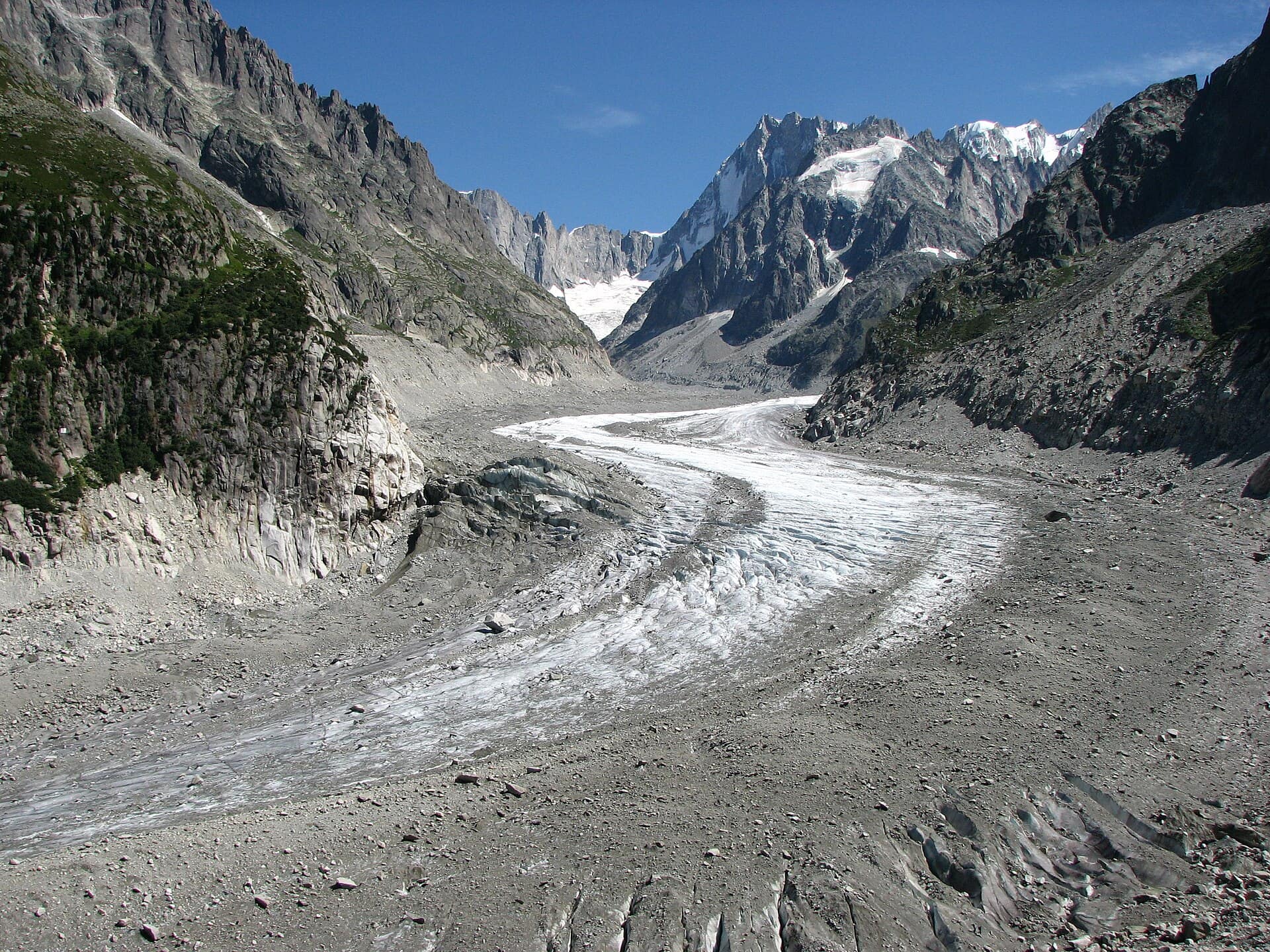
11. Mer de Glace and the Sad Story of a Vanishing Glacier
The second cornerstone of Chamonix tourism is the fascinating Mer de Glace, which aptly translates as “Sea of Ice”. You won’t reach it by an ordinary cable car, though, but on the historic Tramway de Montenvers rack railway, which has been steadily climbing through the dense pine forests from Chamonix up to just under two thousand metres since 1908. The ride in the iconic red vintage carriages is wonderfully romantic and offers lovely views over the green valley the whole way up.
At the site itself, though, a rather harsh and tangible lesson in ongoing climate change awaits, because this once mighty glacier is retreating at a truly frightening pace. It once reached right up to the train station; today you have to descend deep into the valley to touch it. Since 2024, thankfully, a brand-new modern gondola has been running, replacing the old cable car and dramatically shortening the journey to the retreating ice and the artificially carved ice cave you can peek inside.
💡 Tip: Buy a combined ticket for both the rack railway and the new gondola straight away — it works out far better value, unless of course you’re travelling with the handy Mont Blanc Natural Resort pass. Exploring the interior of the ice cave with its amazing blue light is an experience you definitely shouldn’t miss during your visit.
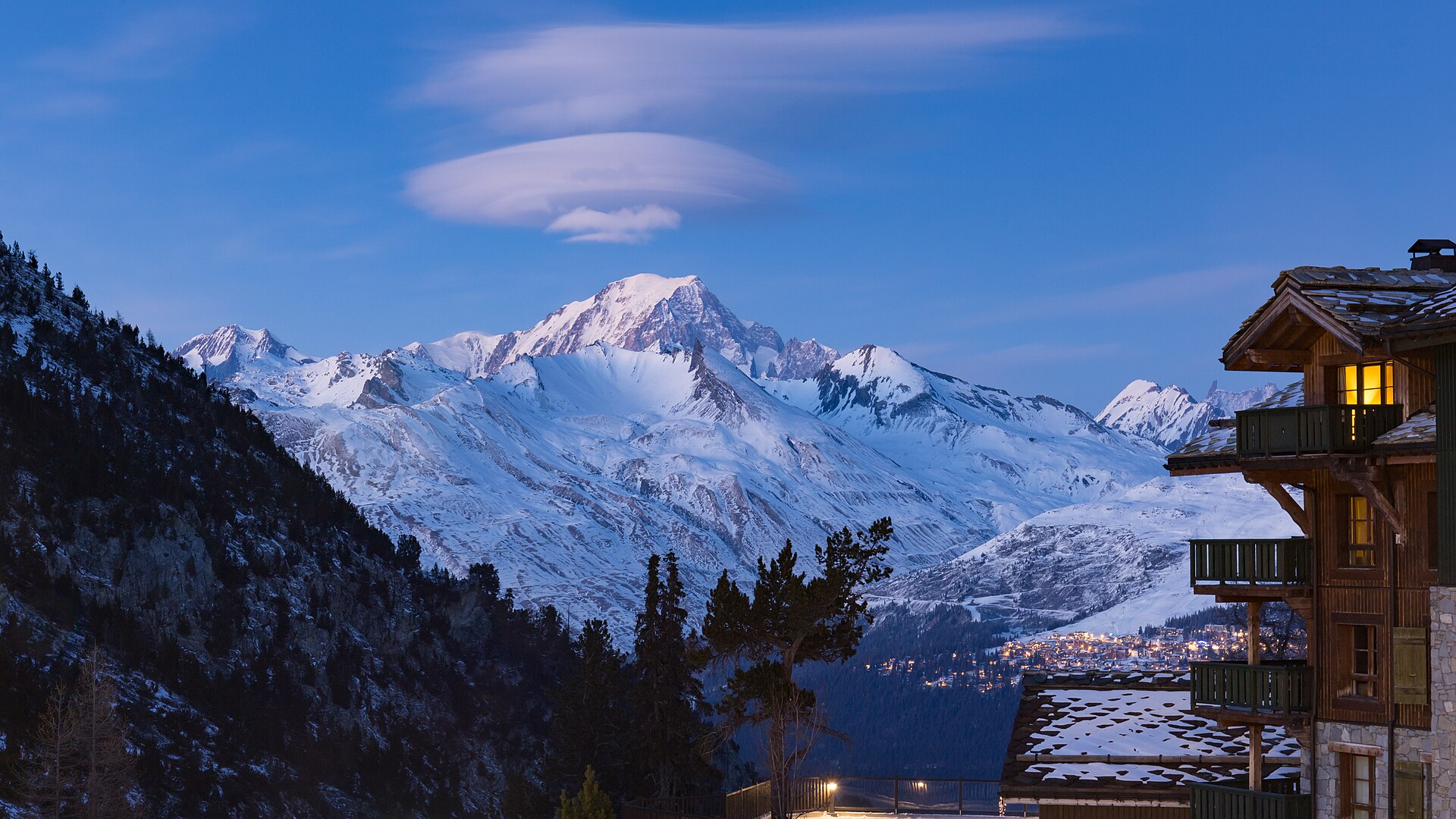
12. Tour du Mont Blanc, the Ultimate King of Long-Distance Treks
Turn your back on the cable cars, lace up a solid pair of hiking boots, and head into the mountains on foot. The Tour du Mont Blanc is quite literally the holy grail of every long-distance hiker, a 170-kilometre loop that cuts in turn through France, Italy, and Switzerland. Over the usual seven to ten days of walking, this route serves up around 10,600 metres of cumulative ascent — the equivalent of climbing from sea level all the way to the summit of Mount Everest and then some. The trail leads you across gorgeous Alpine meadows and offers views of the white mountain from every angle.
The real stumbling block, however, isn’t the brutal physical climbing but the fairly complex logistics. The trek is a victim of its own enormous success, and the capacity of the mountain huts, or refuges, is strictly limited. Wild camping is banned along the route under threat of hefty fines, so you’re entirely reliant on official accommodation, where one night with the compulsory half board will set you back around €80 to €90 per person.
💡 Tip: Note this well: bookings at the mountain huts open every year on 15 October for the whole of the following summer. If you want to do this trek in August, you’ll need to be sitting at your computer the previous autumn, frantically clicking on the official portal, because the best spots vanish instantly.
Where to Go Next from the French Alps
If the Alpine peaks have captivated you and you want to keep exploring this region, you have several great options. Stop by the town of Annecy, nicknamed the French Venice thanks to its enchanting canals, and home to one of the cleanest lakes in all of Europe.
If you want to delve even deeper into the mysteries of European alpinism and learn more about the history of conquering the highest mountain on the old continent, be sure to read our detailed guide to Chamonix and Mont Blanc, where you’ll find plenty more practical tips for this particular corner of France.
Frequently Asked Questions
How much does a ski pass cost in the French Alps?
In large interconnected areas, ski passes are quite expensive. For example, a six-day pass for the entire Three Valleys area (Les Trois Vallées) will cost you around 368 euros in the 2025/2026 season. However, you can save significantly if you buy a ski pass only for the local valley where you’re staying.
What’s the best route by car from Czechia?
The fastest and most comfortable route to the northern Savoyard resorts leads from Prague through German Nuremberg, Swiss Geneva and French Annecy. Pure driving time is between 10 to 12 hours. However, prepare money for the Swiss motorway vignette and relatively expensive French tolls.
When is the best snow for skiing?
The absolute best skiing conditions are found in French resorts during March, when there’s already plenty of snow from the whole winter, but the days are longer and the sun shines more often. January is also very good, while February tends to be incredibly crowded due to the ongoing French spring holidays.
When do reservations open for the summer Tour du Mont Blanc trek?
This is absolutely crucial information, because mountain hut (rifugio) reservations open as early as October 15th of the previous year. If you want to set off on a trek during the summer months, you need to book your accommodation on the official portal nearly three-quarters of a year in advance. Capacity on the popular route is strictly limited, and the very best spots usually disappear at lightning speed within the first few days.
Do I need an eco-sticker for my car in the French mountains?
You don’t usually need the Crit’Air eco-sticker to drive directly to high-altitude ski resorts, but be extremely careful when passing through large cities in the valleys, such as Grenoble or Lyon. These low-emission zones are still in effect in 2026, and entering without the sticker, which costs just over €5 and must be purchased online in advance, can result in a hefty fine of €68.
Will the Aiguille du Midi viewpoint be open all year in 2026?
Unfortunately no, and please pay really close attention to this when planning your holiday. From May 25, 2026, the main observation terrace at the very top will be completely closed for four to five weeks due to extensive and demanding reconstruction. The cable car will still run and part of the entire complex will be accessible, but the very best view will be temporarily significantly limited.
When will the 2026 Tour de France go through the Alps?
If you’re passionate cycling fans, mark the third week of July 2026 in your calendar. The entire race will arrive in the Alps for stage 15, which takes place on July 19th. Subsequently, the peloton will tackle the legendary climb up Alpe d’Huez twice in a row during stages 19 and 20, specifically on July 24th and 25th.
Can you ski in France in the summer too?
Yes, summer skiing is fortunately still possible on the large glaciers in the Tignes resorts, where you’ll find the expansive Grande Motte glacier, and also in Les Deux Alpes. The lifts here usually start running again after a short spring break around the end of June and beginning of July. However, due to high temperatures, skiing typically only takes place in the morning, before the snow gets too soft in the intense summer sun.
Tips and Tricks for Your Vacation
Don’t Overpay for Flights
Search for flights on Kayak. It’s our favorite search engine because it scans the websites of all airlines and always finds the cheapest connection.
Book Your Accommodation Smartly
The best experiences we’ve had when looking for accommodation (from Alaska to Morocco) are with Booking.com, where hotels, apartments, and entire houses are usually the cheapest and most widely available.
 🚗 Car rental on the roadVerified rental cars in France
Search with the DiscoverCars comparison engine — it compares prices from dozens of local and international rental companies, and most bookings come with free cancellation.
Compare car prices in France →Don’t Forget Travel Insurance
Good travel insurance will protect you against illness, accidents, theft, or flight cancellations. We’ve had a few hospital visits abroad, so we know how important it is to have proper insurance arranged.
Where we insure ourselves: SafetyWing (best for everyone) and TrueTraveller (for extra-long trips).
Why don’t we recommend any Czech insurance company? Because they have too many restrictions. They set limits on the number of days abroad, travel insurance via a credit card often requires you to pay medical expenses only with that card, and they frequently limit the number of returns to the Czech Republic.
Find the Best Experiences
Get Your Guide is a huge online marketplace where you can book guided walks, trips, skip-the-line tickets, tours, and much more. We always find some extra fun there!


