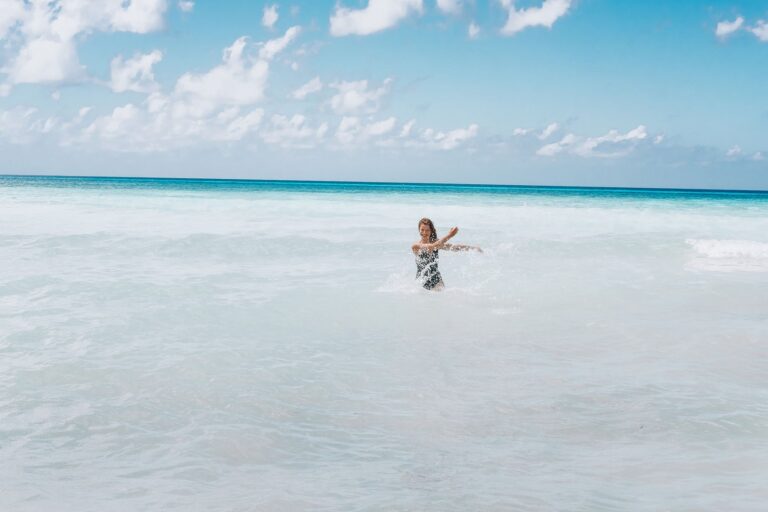
A little town where narrow cobblestone lanes twist between colourful colonial houses, the smell of freshly roasted coffee drifts from every corner, and towering above it all stands an incredible pink church that looks as if someone moulded it out of sugar icing. This is San Miguel de Allende, Mexico — the jewel of central Mexico and a place that completely wins over every romantic soul. No wonder it regularly appears at the top of rankings of the world’s most beautiful towns.
If you’re looking for a destination in Mexico that isn’t just about beaches and resorts, but offers a deep cultural experience, amazing food and unbelievable visual beauty, you’re in the right place. San Miguel de Allende has a distinctive, slightly bohemian atmosphere that has drawn artists, digital nomads and travellers from all over the world for decades. In this guide you’ll find everything you need to plan your trip, from practical accommodation tips to the very best things to do in San Miguel and its surroundings.
TL;DR
- Biggest icon: Parroquia de San Miguel Arcángel, the majestic pink church on the main square that sets the tone for the entire town.
- The heart of the action: El Jardín square is the centre of town, buzzing from morning until night.
- For art lovers: Stop by the former textile mill Fábrica La Aurora, now packed with amazing galleries and design shops.
- When to go: The best weather runs from November to April, when it’s dry and pleasantly warm (watch out for chilly nights, though).
- Budget: Be prepared — San Miguel is one of the most expensive towns in Mexico, with prices often on par with the USA or Western Europe.
- Day trips: Set aside time to visit nearby Guanajuato (the funicular to the Pípila monument) or historic Querétaro.
The full destination guide: Mexico — guide and what to see
When to go and what weather to expect in San Miguel de Allende, Mexico
Choosing the right time to visit central Mexico is crucial, because the weather here behaves a little differently than on the Caribbean or Pacific coasts. The Bajío region, where San Miguel sits, lies at an altitude of over 1,800 metres above sea level. That means one thing — the sun can really beat down during the day, but as soon as it sets, the temperature drops sharply.
The best time to visit is from November to April, during the dry season. Daytime temperatures hover around a very pleasant 24°C, which is absolutely ideal for strolling around town. Travellers do point out one quirk, though: the winter nights. During December and January the temperature after dark can easily fall to around 4°C, so a warm jumper or light jacket is an absolute must (source). From June to August comes the rainy season. That doesn’t mean it rains non-stop — usually it’s heavy night or afternoon showers — but it’s worth factoring in.
💡 Tip: If you want to experience something truly magical, plan your trip for late October/early November during the Día de Muertos celebrations (Day of the Dead). The town is decorated with cempasúchil marigolds, the air smells of incense and the streets are full of processions. Just bear in mind you’ll need to sort out accommodation anything from six months to a year in advance. For more, check out our article When to go to Mexico.
Where to stay in San Miguel de Allende
Accommodation in San Miguel de Allende is a chapter all of its own. The town is a huge draw for expats (mainly retirees from the USA and Canada), who make up roughly 10% of the local population. The result is a massive rise in property prices and rents. According to experiences shared on forums, the median price of a house in the centre has climbed over the past decade from 324,000 to 540,000 USD (about €500,000), and a monthly rental of a small flat will set you back 700 to 1,200 USD (€650 to €1,100). Short-term stays via Booking or Airbnb therefore aren’t the cheapest, but the experience of sleeping in a historic colonial house is more than worth it.
If you want to be right in the thick of it and don’t mind a higher budget, look for accommodation in the Centro Histórico neighbourhood. You’ll be just a few steps from the main square, the best restaurants and cafés. The boutique hotels here often occupy renovated villas with inner courtyards full of greenery and fountains. For a calmer atmosphere and slightly friendlier prices, take a look at the San Antonio or Guadalupe neighbourhoods. Both are about a 15- to 20-minute gentle walk from the centre and offer a more authentic local vibe full of street art and small bakeries.
Where exactly to stay:
- Budget option: Hostel Inn or La Catrina Hostel offer clean, cosy digs for backpackers and solo travellers. A bed in a shared dorm costs around 400 to 600 MXN (€20 to €30) per night.
- The happy medium: Hotel Antigua Trece or Casa 1810 Hotel Boutique. Beautifully renovated houses with terraces and plunge pools. Prices run around 2,500 to 4,000 MXN (€125 to €200) per night for two.
- Luxury and romance: Rosewood San Miguel de Allende or Belmond Casa de Sierra Nevada. The absolute top tier, perfect if you’re celebrating an anniversary or simply want to treat yourselves. These hotels rank among the best in all of Mexico.
In San Miguel de Allende everything revolves around a view of the pink Parroquia cathedral, so a rooftop bar with a view is the highest-value currency in town. You can walk the entire historic centre on foot — just count on cobblestone lanes that are no friend to wheeled suitcases.
💑 For couples: Casa de Sierra Nevada, A Belmond Hotel is the romantic flagship spread across colonial houses just steps from the square, with a hidden rooftop speakeasy bar (from ~€400 per night).
👨👩👧 For families: Casa 1810 Parque Hotel Boutique has family rooms, a main pool and a kids’ pool plus a garden, and it’s still walkable to the centre (from ~€240 per night).
💰 Best value for money: Hotel Punto 79 offers modern rooms around a patio and a rooftop pool just two minutes from the centre — a mid-range pick that guests rate very highly (from ~€75 per night).
✨ For the experience: Rosewood San Miguel de Allende is the town’s luxury flagship, with the famous Luna rooftop bar and a panoramic view of the Parroquia (from ~€400 per night).
Booking tip: for all of these hotels, choose a rate with free cancellation — plans change and you don’t want to pay for somewhere you never end up reaching. And don’t leave it to the last minute: the top-rated addresses sell out months ahead in high season, and prices then jump by tens of percent.
💡 Tip: When picking a hotel in the historic centre, always check whether the rooms face the inner courtyard (patio) or the street. The sound of the cobblestone streets and night-time celebrations can get pretty loud, so a courtyard-facing room guarantees you a peaceful night’s sleep.
Things to do in San Miguel de Allende, Mexico: the 12 best tips
San Miguel de Allende isn’t a town where you have to dash around dozens of museums with a tick-list in hand. Here it’s mostly about soaking up the atmosphere, wandering the lanes, discovering hidden cafés and admiring the architecture. Let’s take a look at the highlights — the best things to see in San Miguel and its surroundings.
1. Parroquia de San Miguel Arcángel
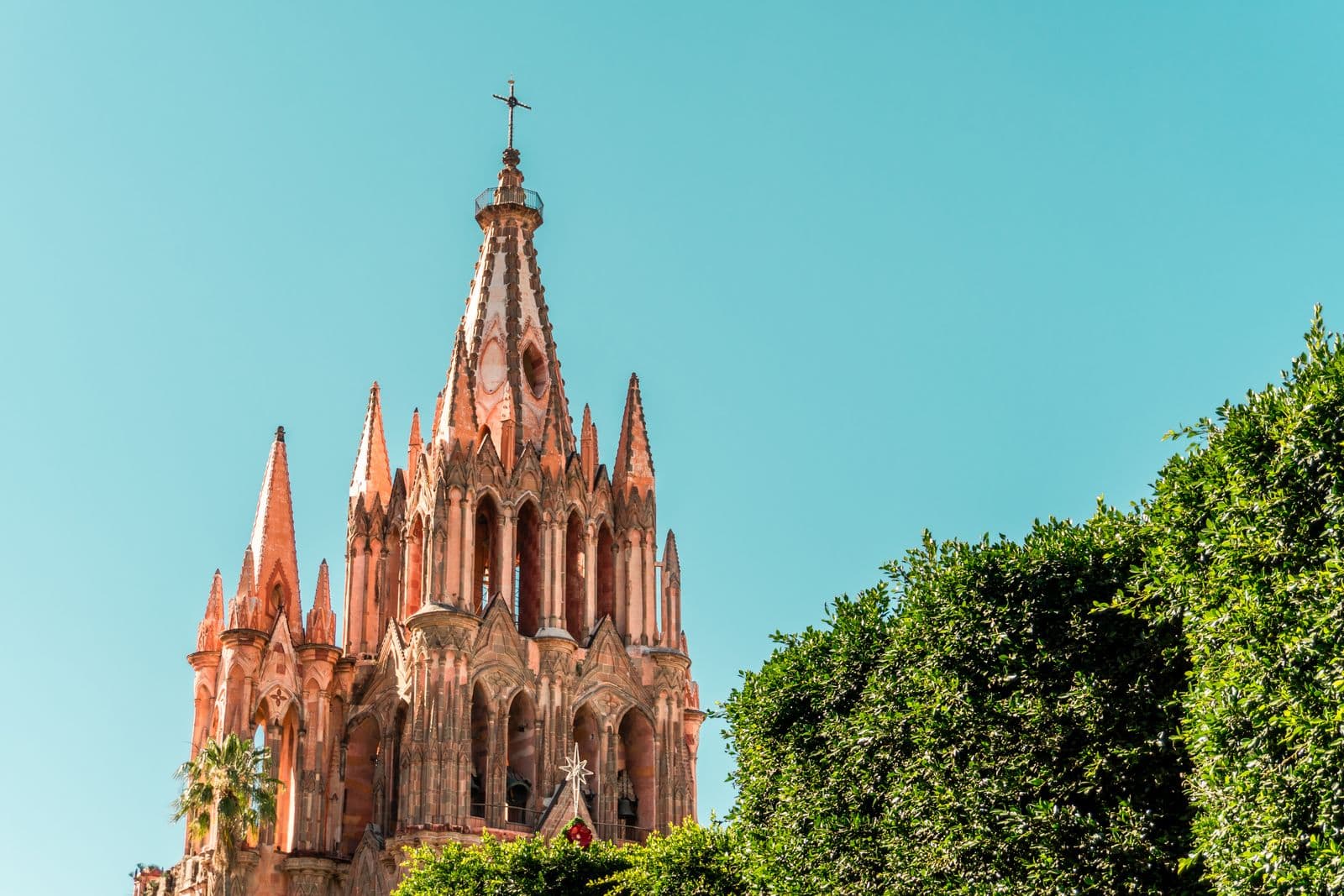
The town’s most famous building and probably one of the most photographed churches in all of Mexico. With its neo-Gothic façade of pink sandstone, the Parroquia de San Miguel Arcángel looks a bit like a fairy-tale castle or a giant wedding cake. Travellers often agree that whichever way you head in town, all roads eventually lead you back to its pink spires.
The original church dates from the 17th century, but it acquired its iconic look only at the end of the 19th century. The local self-taught mason Zeferino Gutiérrez took inspiration from postcards of European Gothic cathedrals and designed the new façade. The result is breathtaking. Entry to the church is free, and inside you’ll find beautiful neoclassical altars and the venerated statue of the Lord of the Conquest (Señor de la Conquista).
The church looks loveliest just before sunset, when the pink stone takes on an incredibly warm hue. Don’t forget to come back after dark too, when the whole building is beautifully lit and the square in front of it comes alive with Mexican music.
2. El Jardín: the heart of town
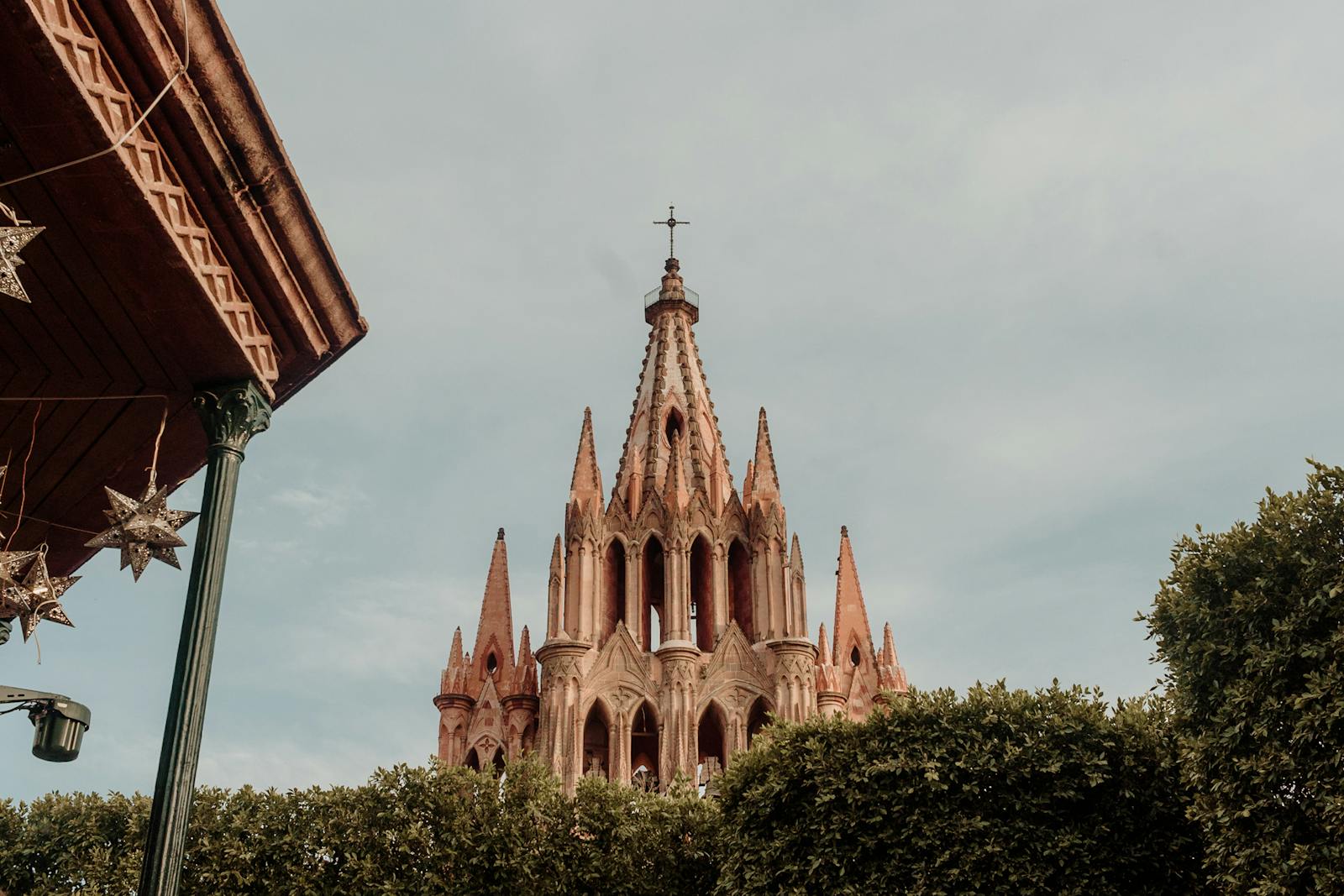
Right in front of the Parroquia stretches the main square known as El Jardín (the Garden). It’s not just an ordinary park — it’s the social epicentre of all of San Miguel. Visitors describe this spot as the perfect place for people-watching, where, in the shade of precisely trimmed trees, local families, street musicians, balloon sellers and crowds of expats all mingle.
You’ll find plenty of wrought-iron benches here where you can sit down with an ice cream or some fresh fruit from a nearby stall and simply soak up the atmosphere. In the evening the mariachi bands gather to play requested songs for a small fee. It’s the perfect spot for a lazy afternoon, when you have no particular plan and just want to drift along to the rhythm of Mexican life.
The square is lined with historic arcades (portales) that hide restaurants and shops. Food prices right on the square are understandably steep, but for a coffee or margarita with a view of the church, it’s an ideal stop.
3. Fábrica La Aurora
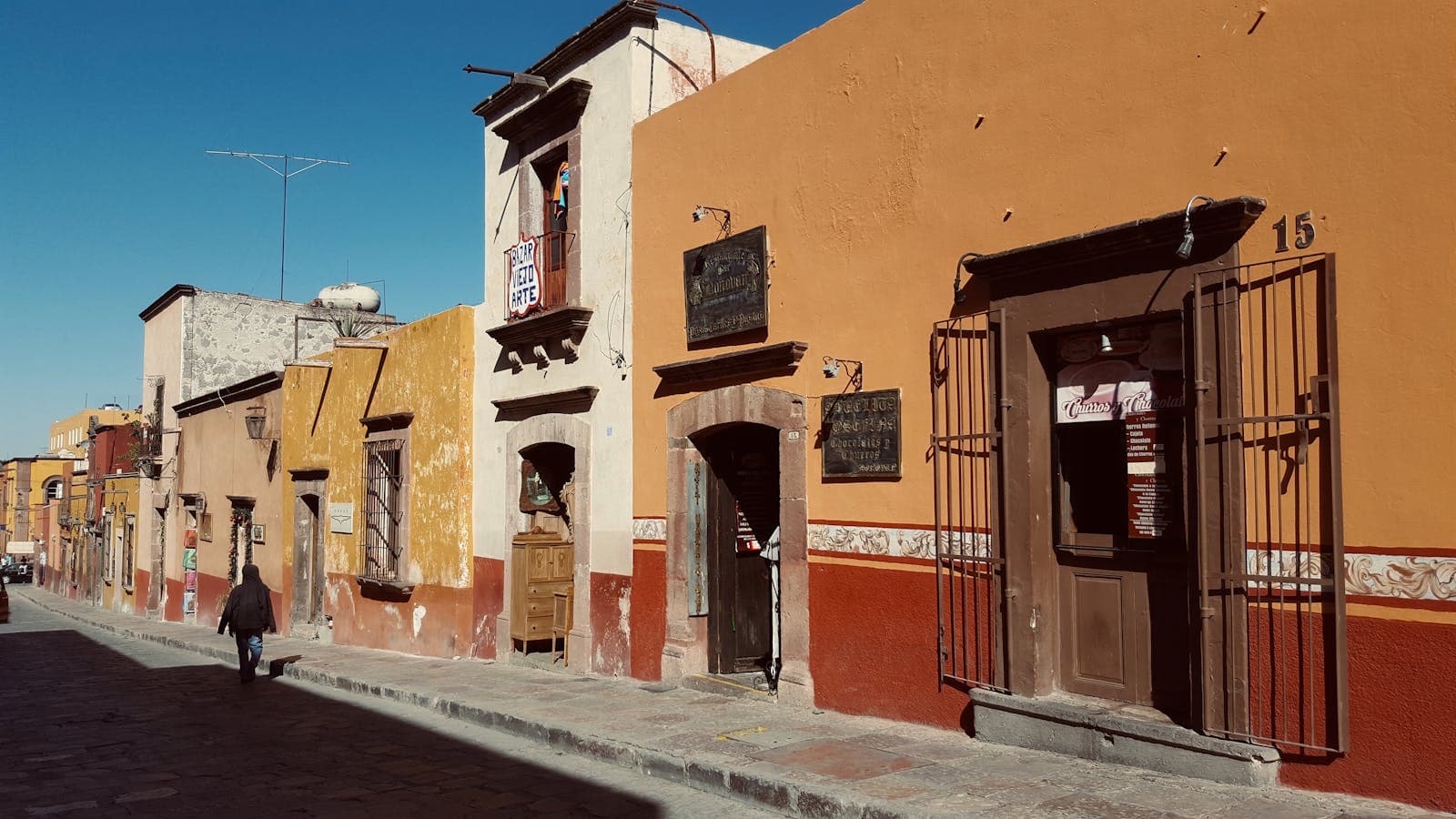
If you love art and design, this place will absolutely thrill you. Fábrica La Aurora is a former textile mill that has been sensitively renovated and turned into an enormous complex of art galleries, studios, antique shops and cafés. You’ll find it about a 15-minute walk from the historic centre.
Many original industrial features have been preserved here, even old weaving looms, which now create an interesting contrast with modern paintings and sculptures. You could easily spend half a day here admiring works by both Mexican and international artists. The complex is huge and very photogenic.
Travellers recommend planning your visit for a Thursday, when the so-called Open Studio day takes place. Many artists open the doors of their studios, you can watch them at work, chat about their techniques and they’ll often offer you a glass of wine too. Entry to the entire complex is completely free.
4. Views from the rooftop bars
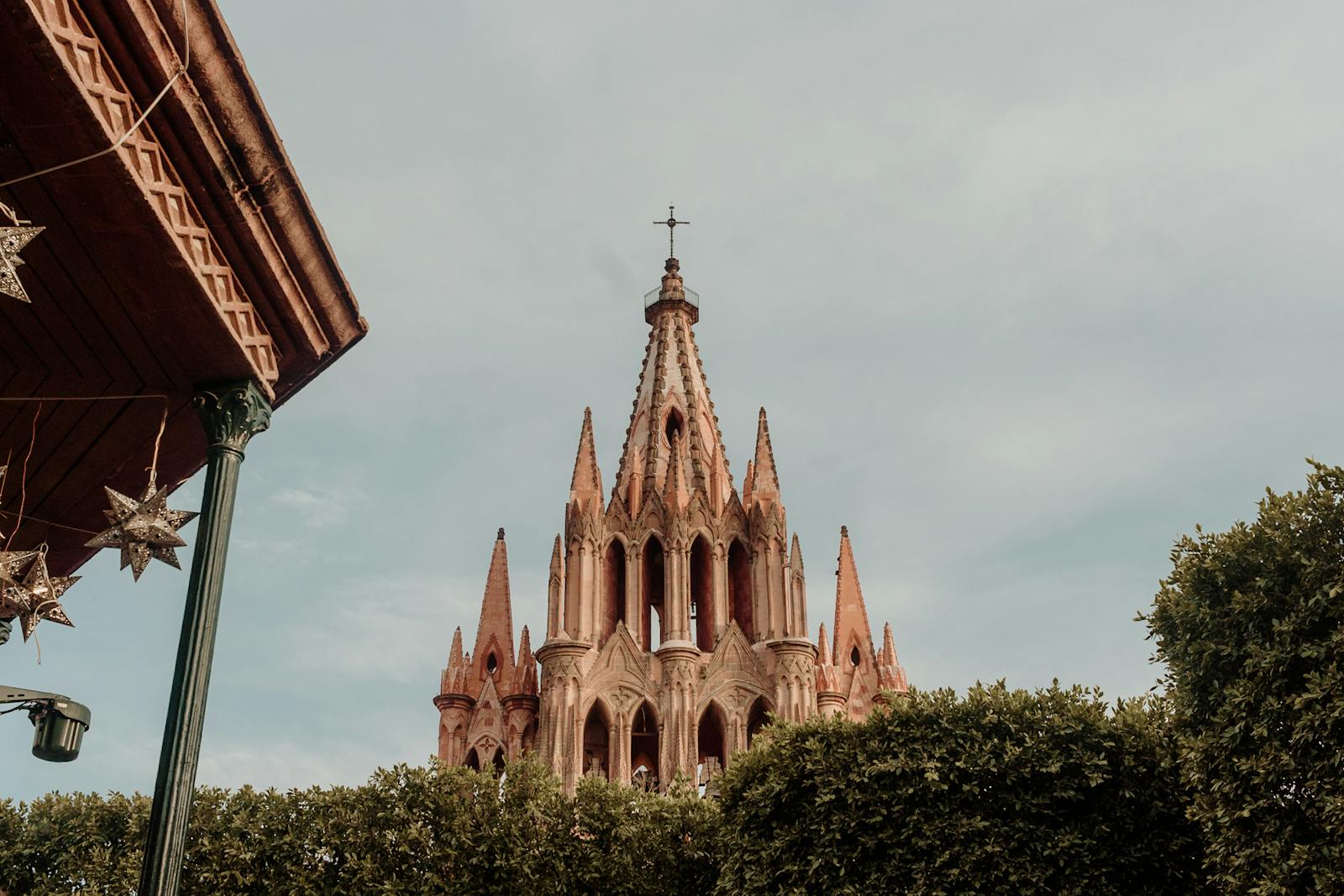
San Miguel is famous for its rooftop bars and restaurants. Because the town sits in hilly terrain and buildings in the centre can’t exceed a certain height, these terraces offer fantastic views of the Parroquia and the surrounding rooftops. A sunset from one of these bars is an absolute must.
Among the most popular are the Atrio and Quince bars, which sit so close to the main church that you feel as if you could reach out and touch it. Before sunset you can watch the ceremonial bell-ringing and the gradual lighting-up of the town from here. A real classic is then the Luna Tapas Bar on the roof of the Rosewood hotel. It’s a bit further from the centre, but it offers the most iconic panoramic view of the whole San Miguel skyline.
Bear in mind that cocktails at these venues aren’t cheap at all (often around 250–400 MXN / €12–20 per drink). For weekends and around holidays, definitely make a reservation in advance — they tend to be hopelessly full.
5. El Charco del Ingenio botanical garden
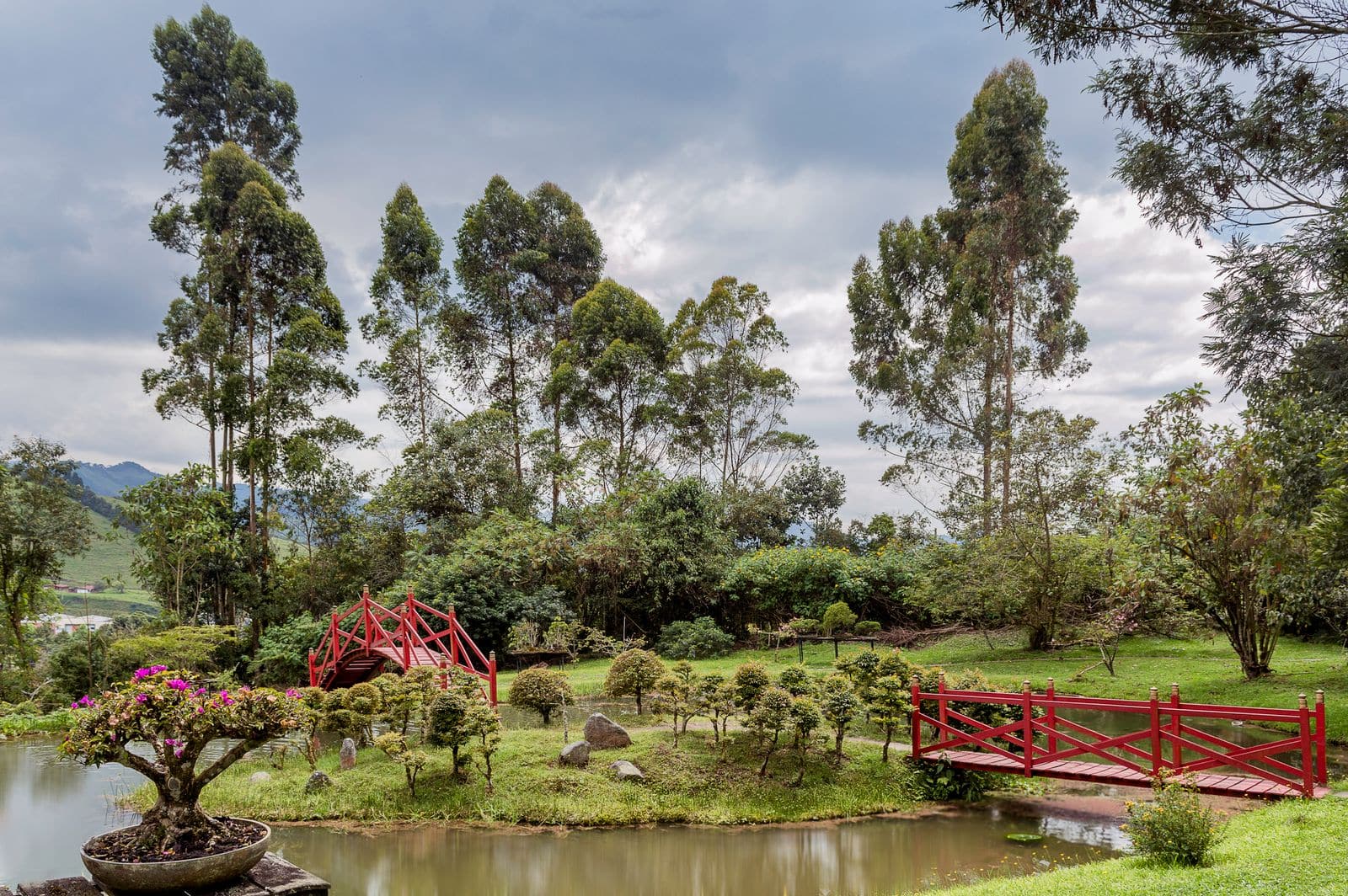
When you fancy a break from the bustle of town, head to El Charco del Ingenio. This huge, 220-acre botanical garden and nature reserve lies on the edge of San Miguel and is dedicated to rescuing Mexican succulents, cacti and endangered plant species.
The garden spreads around a deep canyon and an old dam. You can walk a roughly 3.5-kilometre loop, which takes one to two hours. Travellers point out that although you can walk here from El Jardín square in about 40 minutes, the route climbs steeply uphill and can be very exhausting in the sun. Most people therefore prefer a short taxi or Uber ride, which costs just a few dozen pesos.
Admission to the garden is around 80 MXN (about €4). Don’t forget to bring comfortable shoes, plenty of water and sunscreen, because there’s not much shade on the dusty paths between the cacti.
6. Mercado de Artesanías and Ignacio Ramírez
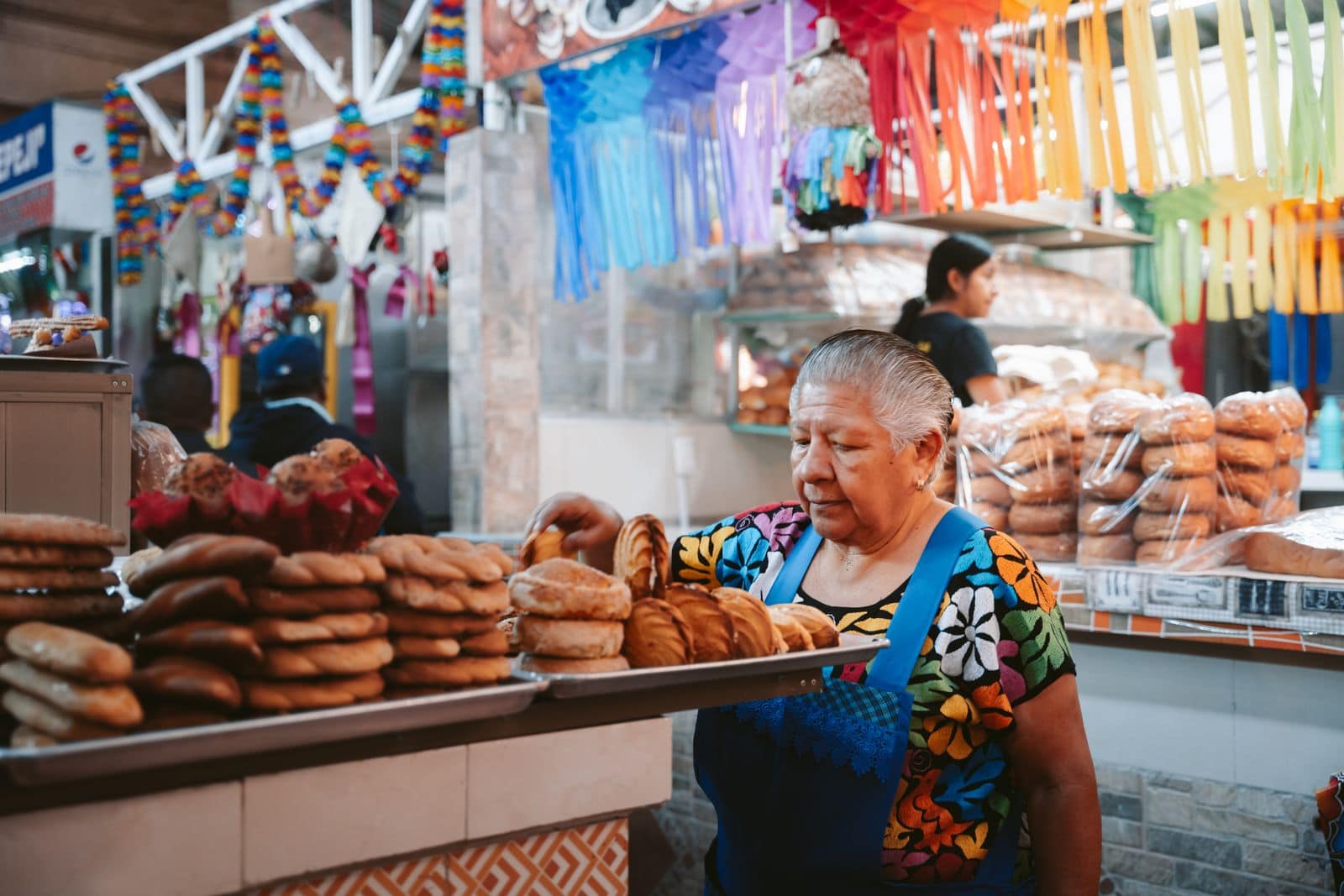
Markets are the soul of Mexico, and in San Miguel you’ll find two great ones right next to each other. The Mercado de Artesanías (Craft Market) is a long alley full of brightly coloured stalls where you can buy everything from hand-painted talavera ceramics, woollen rugs and silver jewellery to the typical tin hearts and stars (corazones de hojalata) the local craft is famous for. Haggling isn’t really expected here, but if you’re buying several pieces, you can try asking for a small discount.
Right next door, the Mercado Ignacio Ramírez flows seamlessly on — a classic food market. Here you’ll see piles of fresh fruit, vegetables, dried chillies and spices. It’s also a great place to eat cheaply and well. At the back of the market you’ll find stalls with fresh juices (jugos) and women who make homemade tortillas right in front of you and fill them with cheese or squash blossoms.

7. Experience a traditional wedding and a callejoneada
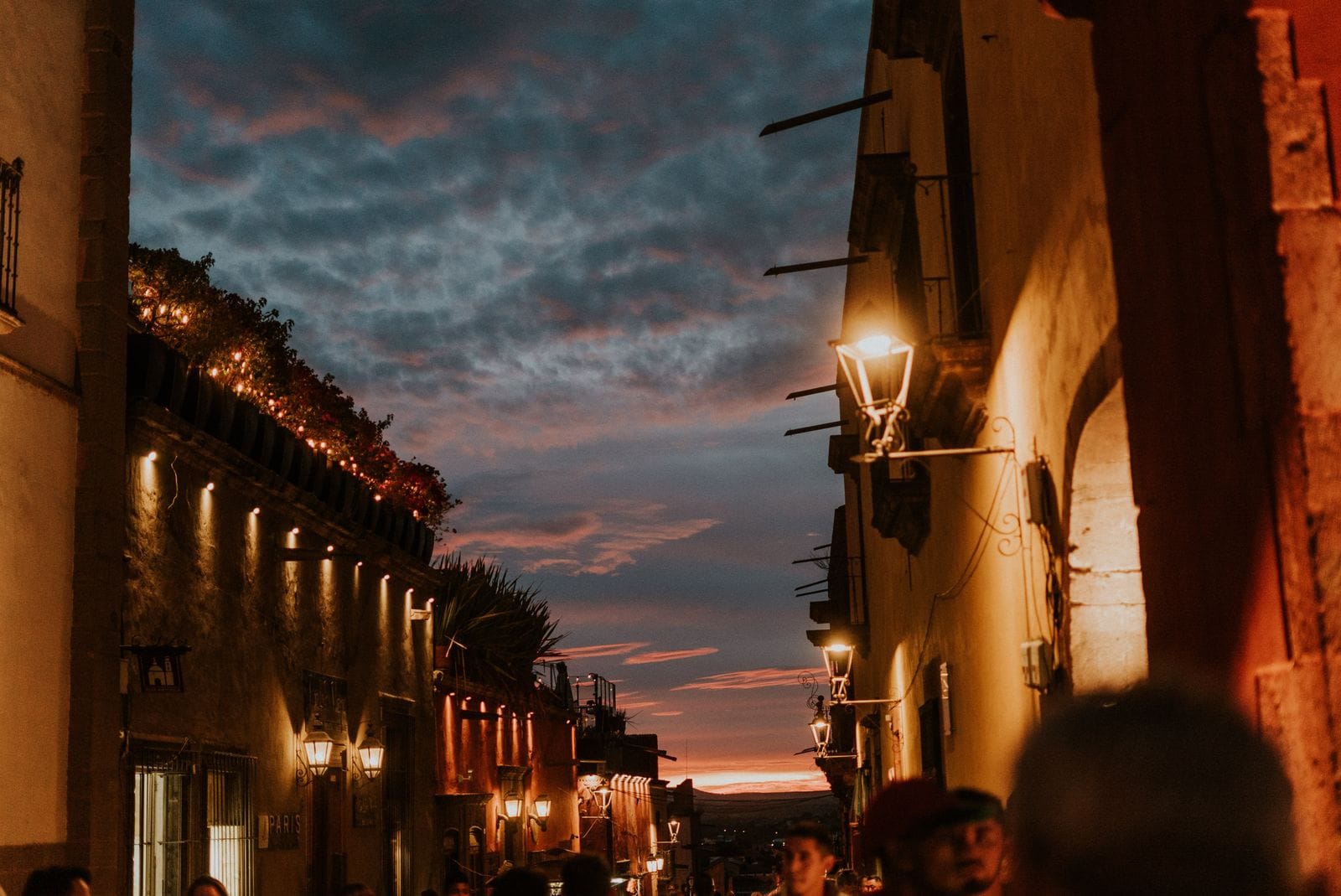
San Miguel de Allende is probably the most popular wedding destination in all of Mexico. Local weekends are full of huge, lavish celebrations. Mexican weddings here usually last two to four days, and an integral part of them is the so-called callejoneada.
A callejoneada is essentially a big street procession. The wedding party makes its way through the narrow lanes accompanied by a live mariachi band, sipping tequila from little ceramic cups and following enormous papier-mâché puppets called mojigangas, which usually represent the bride and groom. The procession often includes a donkey decorated with paper flowers, too. Wedding sites note that it’s a fantastic way for wedding guests to loosen up and get to know each other on the very first day.
Even if you’re not invited to any wedding, you’ll almost certainly come across some callejoneada in the centre on a Friday or Saturday evening. Stop, listen to the music and enjoy that infectious joy radiating from the procession.
8. Santuario de Atotonilco
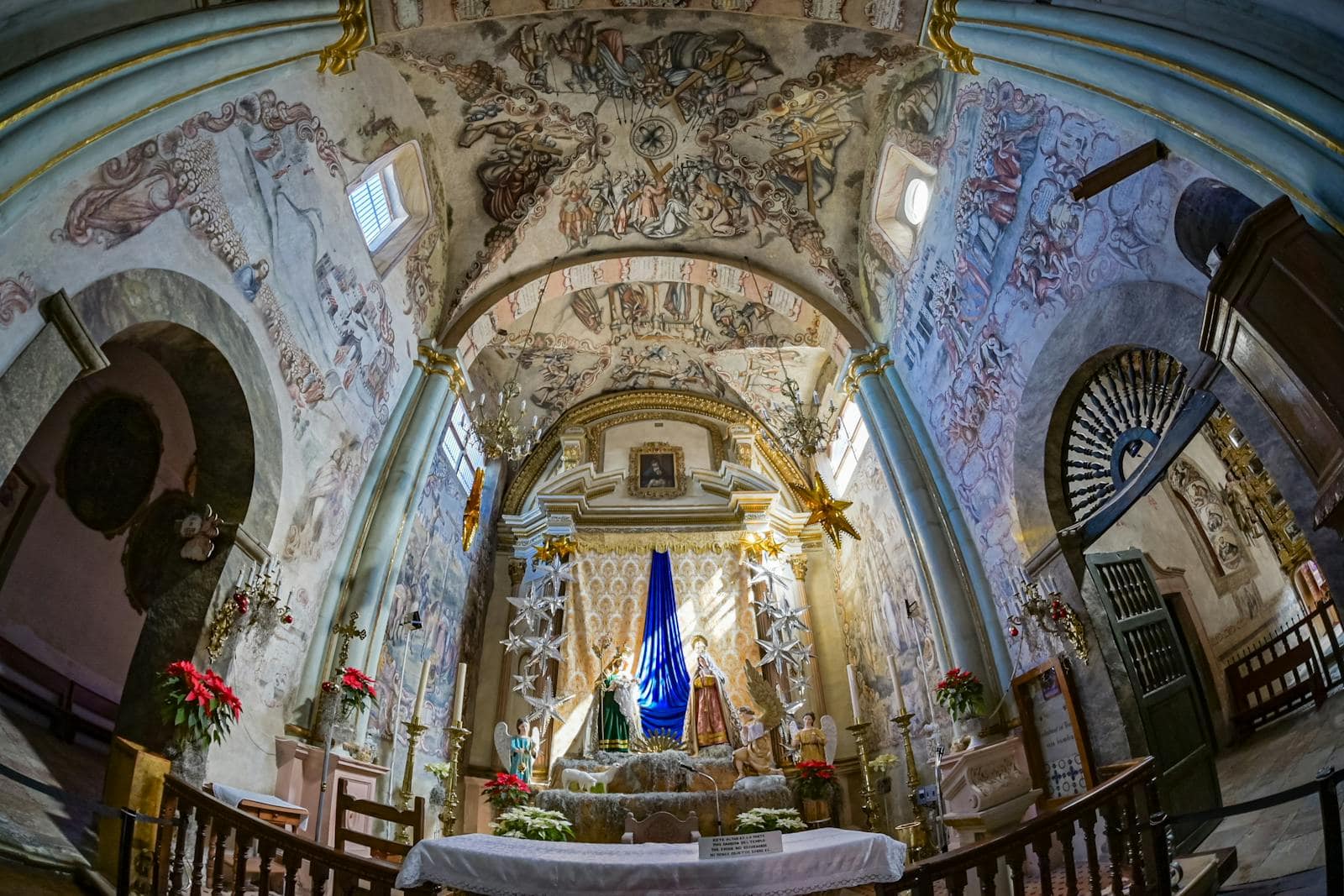
About 15 kilometres outside town lies the unassuming village of Atotonilco, which conceals a real treasure. The Santuario de Jesús Nazareno de Atotonilco is a Baroque church from the 18th century that, thanks to its incredible decoration, is on the UNESCO list and is often nicknamed “the Sistine Chapel of Mexico”.
From the outside, the church looks quite ordinary, more like a fortress with high walls. But the moment you step inside, you’ll understand the comparison. Almost every centimetre of the walls and ceilings is covered in detailed frescoes depicting biblical scenes and the life of Jesus. The paintings were created by the local artist Antonio Martínez de Pocasangre over a period of thirty years. The atmosphere inside is very dark, mystical and, for some, even a little eerie, but the artistic value is priceless.
💡 Tip: You can easily reach Atotonilco by local bus from the centre of San Miguel, or you can take a taxi. Combine your visit with the nearby hot springs (balnearios), such as La Gruta or Escondido Place, where you can relax in the warm water.
9. Instituto Allende
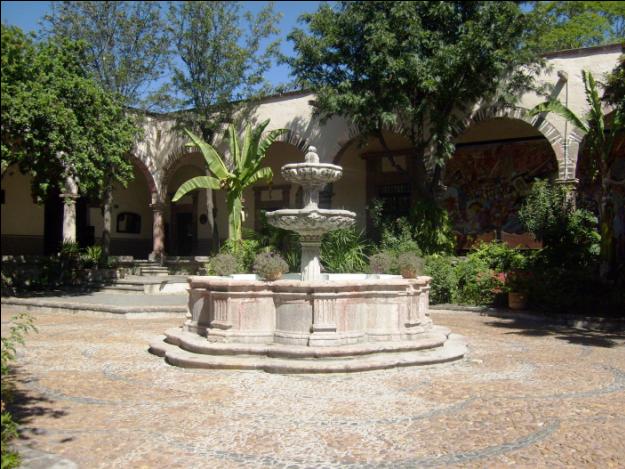
Another important stop for understanding the town’s atmosphere is the Instituto Allende. This art school and cultural centre occupies a magnificent 17th-century palace that originally belonged to a noble family. It was the founding of this school in the 1950s that drew the first wave of American and Canadian art students and veterans to San Miguel, kicking off the town’s transformation into what it is today.
You can simply wander through the sprawling courtyards full of sculptures, peek into the studios and check out the current exhibitions. From the institute’s main terrace there’s also one of the nicest classic views of the Parroquia and the town centre. On the ground floor there’s a lovely café, a great spot to work or read.
10. The Cañada de la Virgen archaeological site
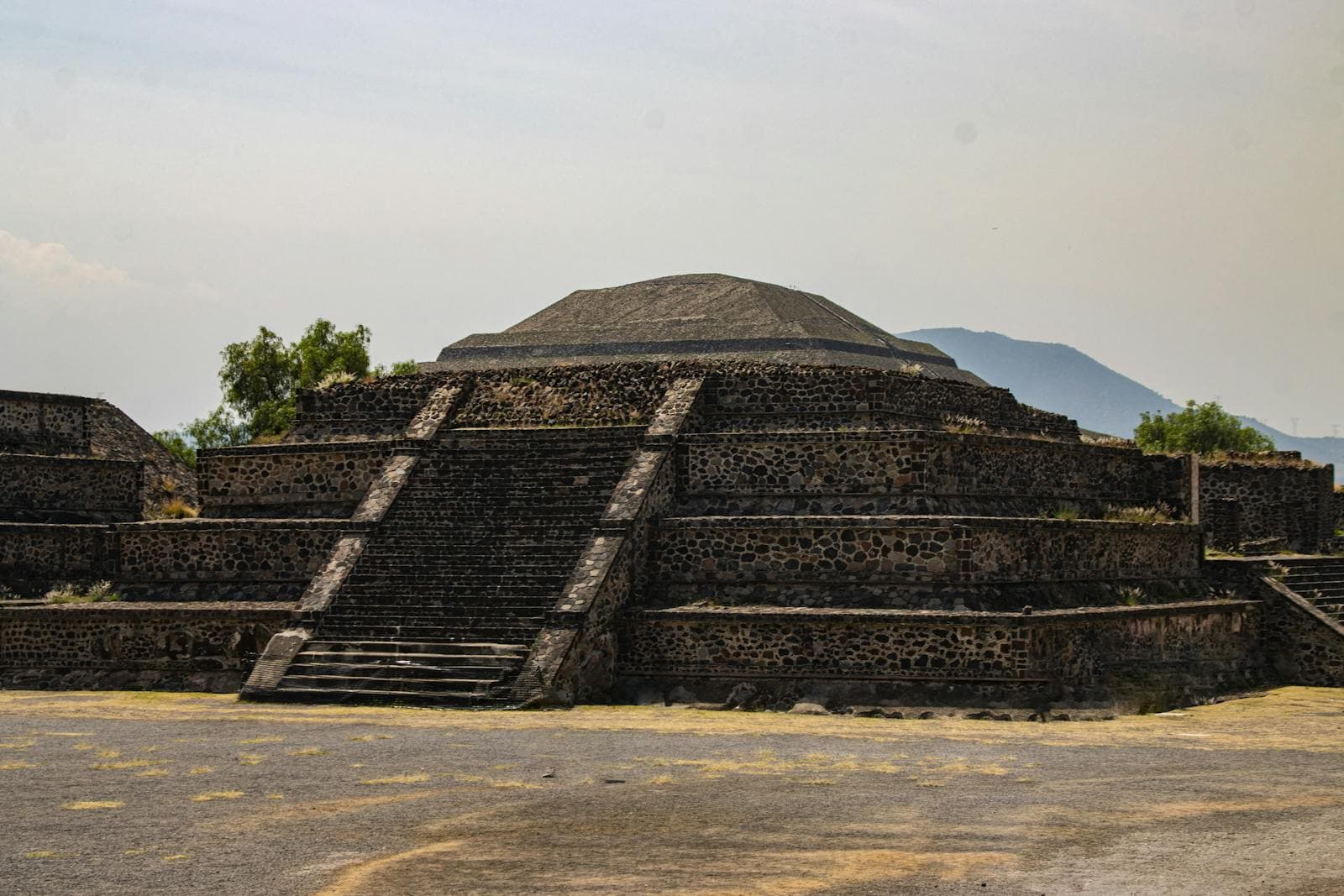
If pre-Columbian history interests you, set aside half a day to visit the Cañada de la Virgen pyramids. This archaeological site lies about 30 kilometres from town and was opened to the public only recently. It was originally inhabited by the Otomí people between 540 and 1050 AD.
It’s not as enormous a complex as Teotihuacán or Chichén Itzá, but it has its own particular charm. The complex mainly served for astronomical observations and rituals. Because the site is protected, you can’t move around it entirely freely. A shuttle bus takes you from the visitor centre, and you do the tour itself with a local guide. I’d recommend booking an English-speaking guide in advance — the explanation of the link between the local architecture and the movement of celestial bodies is fascinating.
11. Day trip to Guanajuato
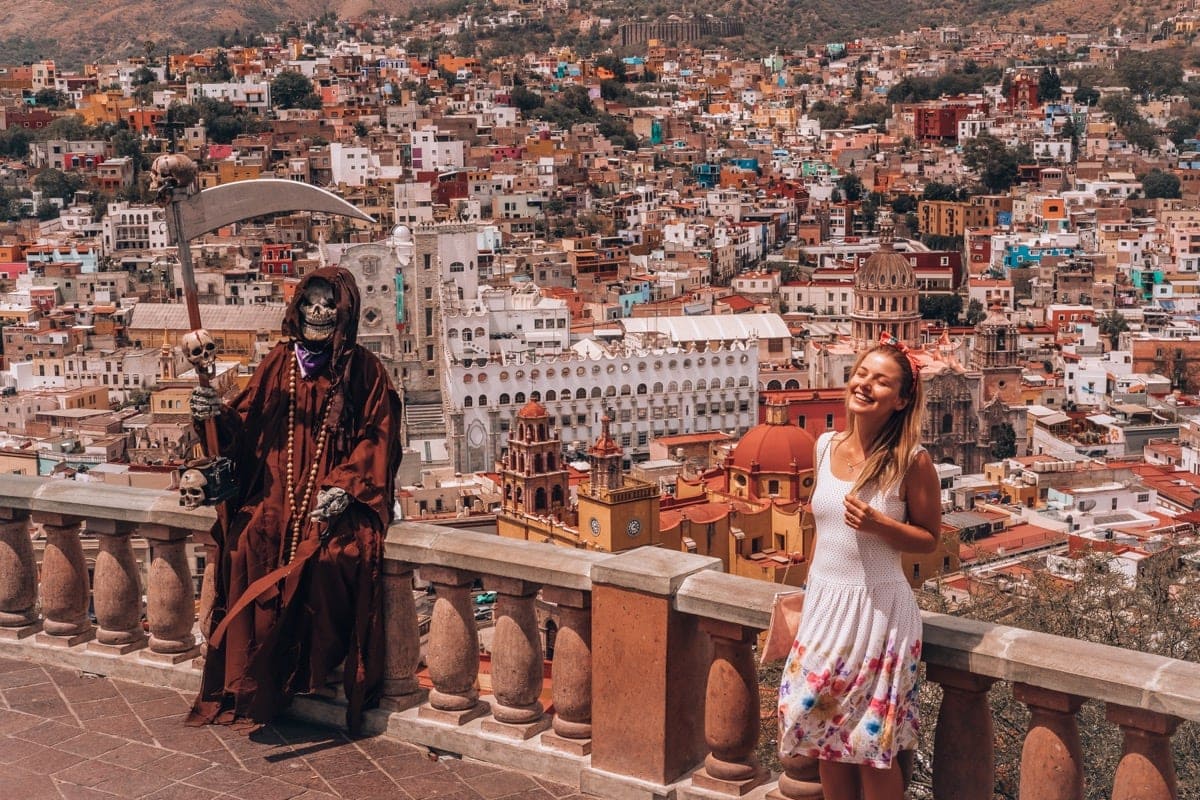
San Miguel de Allende is a great base for exploring the whole Bajío region. Travellers advise spending at least 4 nights in San Miguel so you have time for full-day trips too. The absolutely essential one is neighbouring Guanajuato, the capital of the state of the same name, about a 90-minute bus ride away.
Guanajuato is colourful, chaotic and completely different from polished San Miguel. It’s built in a deep valley, and its houses climb the steep hillsides like a colourful amphitheatre. The town is famous for its network of underground tunnels, through which cars now drive to relieve the narrow lanes above.
You’ll get the best view of the town from the Pípila monument. You don’t have to slog up the steep hill — a funicular runs from the centre that takes you up for 40 MXN (about €2). The view from above of the basilica, the university and the tangle of colourful houses is unforgettable. In the evening, traditional callejoneadas wind through the narrow lanes here too, by the light of lanterns. And if you’ve got a strong stomach, the town is bizarrely famous for its Mummy Museum (Museo de las Momias).
12. The historic centre of Querétaro
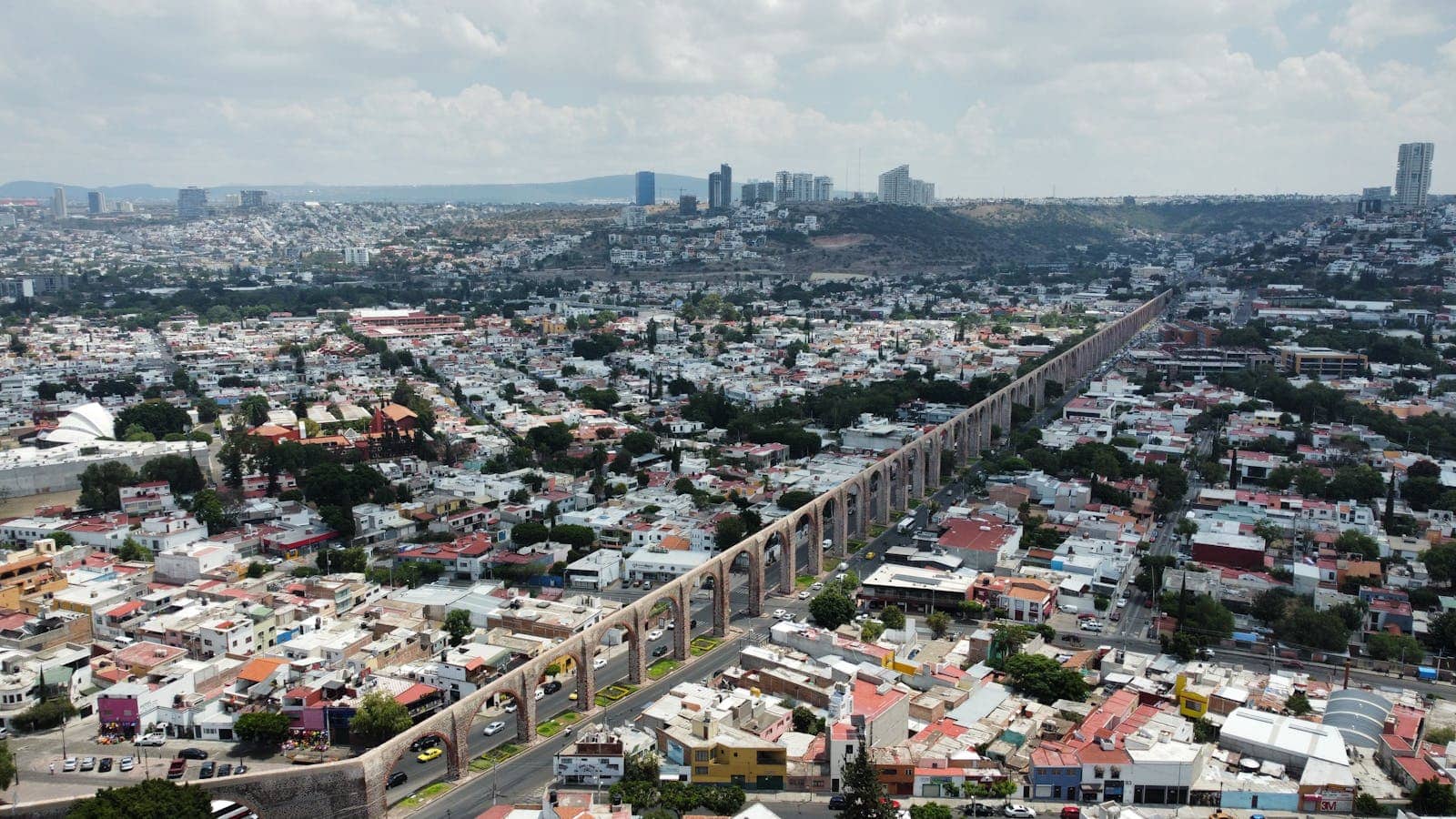
The second great trip is the neighbouring city of Santiago de Querétaro, which lies just about an hour from San Miguel. Its historic centre is on the UNESCO list and is full of beautiful pedestrian zones, shady squares and gorgeous Baroque churches.
Querétaro’s best-known landmark is the huge stone aqueduct from the 17th century. It consists of 74 massive arches, stretches almost 1.3 kilometres and is still a city landmark to this day. Querétaro is also the gateway to a wine region (Ruta del Queso y Vino), so if you love wine and cheese you can combine your trip with a visit to one of the local wineries, such as Finca Sala Vivé by Freixenet.
What to taste and where to eat well
The food scene in San Miguel de Allende is at an incredibly high level. You’ll find everything here from street stalls to luxurious chef-led restaurants. Since Lukáš and I are vegetarians, we pick out the best meat-free dishes from Mexican cuisine — and believe me, it’s heaven.
At the markets or street stalls, definitely try quesadillas with flor de calabaza (squash blossoms) or with huitlacoche (a special kind of corn fungus nicknamed the Mexican truffle, with a wonderful earthy flavour). A great quick snack is elote — boiled or grilled corn on the cob, slathered with mayonnaise, cotija cheese, lime and chilli powder.
In restaurants I recommend trying the legendary chiles en nogada, if it happens to be in season (around September). It’s a large poblano pepper smothered in a walnut sauce and sprinkled with pomegranate seeds (the colours of the Mexican flag). It’s traditionally stuffed with minced meat, but in San Miguel you can readily find amazing vegetarian versions filled with a mixture of nuts, cheese and dried fruit. Also excellent are the various types of mole (thick sauces with dozens of ingredients, including chocolate), which you can have with cheese-filled enchiladas, for example.
Among the local meat specialities (which we skip, but I have to mention them for completeness), the Bajío region is known for its carnitas (slow-pulled pork) and barbacoa (meat cooked in an earth oven). Cochinita pibil also has an excellent reputation — pork marinated in achiote and citrus juice, slow-roasted wrapped in banana leaves.
💡 Tip: In better restaurants it’s standard to leave a tip (propina) of 10 to 15%. Always check the bill — some venues (especially in the tourist centre) automatically add the tip to the total, so you don’t pay it twice.
Practical tips for a smooth trip
Before you set off, a few practical pointers will come in handy so nothing catches you out once you’re there.
Transport and how to get there: San Miguel de Allende doesn’t have its own international airport. From the UK there are no direct flights, so most travellers fly into Mexico City — typically via a connection with the likes of British Airways, KLM/Air France or Lufthansa from London — and then continue on. The nearest airports for San Miguel de Allende are Mexico City, León (Bajío airport – BJX) or Querétaro (QRO). From Mexico City to San Miguel de Allende you can catch very comfortable and safe long-distance coaches run by Primera Plus or ETN. The journey takes about 4 hours and a ticket costs roughly 25 to 40 USD (£20 to £32). The seats are spacious, reclining and often have their own screens.
Money and paying: In Mexico you pay in Mexican pesos (MXN); the exchange rate is roughly around 23 MXN to £1. In hotels, better restaurants and larger shops you can normally pay by card. Watch out, though, for ATMs and card terminals that often offer an unfavourable currency conversion (so-called DCC – Dynamic Currency Conversion). Always decline this option and choose to be charged in the local currency (pesos). For markets and smaller stalls you’ll need cash.
Safety: San Miguel de Allende is considered one of the safest towns in all of Mexico, even for evening walks through the historic centre. Caution is warranted, though, if you’re driving a rental car around the Bajío region and the state of Guanajuato. Outside the main routes and tourist centres, cartels operate, and night driving is definitely not recommended. If you’re driving, always use the toll motorways (cuota), where you pay a toll (roughly £2 to £12 per section) — they’re much safer and better maintained than the free roads (libre).
💡 Tip: The centre of San Miguel is entirely paved with very uneven cobblestones. Leave the heels at home, or you’ll wreck your feet. The only right footwear for this town is a comfortable pair of trainers.
Where to go next in Mexico
If you’re planning a longer trip around central Mexico, I recommend taking a look at our other articles too, which will help you put together the perfect itinerary:
- Stop off in the capital. We’ve put together a detailed guide to things to see in Mexico City, which is incredibly dynamic and full of great food.
- Read our big article Things to see in Mexico, with an overview of the most interesting places across the whole country.
- The neighbouring colonial gem will charm you with its colours. Find out what not to miss in our article Guanajuato, Mexico.
You can book city tours and day trips to the surrounding area on GetYourGuide.
Frequently asked questions
Is San Miguel de Allende a safe city?
Yes, the center of San Miguel de Allende and its main tourist and residential neighborhoods are considered very safe, even for solo travelers and evening walks. Higher caution (as everywhere else in Mexico) should be paid to pickpocketing at markets, and above all, avoid driving at night on the surrounding intercity roads.
How many days do I need to visit San Miguel?
For the city itself, 2 to 3 full days are ideal, during which you can comfortably explore the center, the markets, and the viewpoints. But if you also want to take trips to the surrounding area (for example to Guanajuato or Querétaro), we recommend planning at least 4 to 5 nights here.
How’s the altitude situation in the city?
The city lies at an altitude of over 1,800 meters. Most people don’t suffer from altitude sickness here, but for the first few days you might feel tired more quickly or get more out of breath when walking uphill. It’s important to drink plenty of water and limit alcohol until you acclimatize.
Do I have to rent a car?
Definitely not. The center of San Miguel itself is best explored on foot and parking there is an absolute nightmare. For trips to surrounding towns, luxury long-distance buses work great and are cheap, and within the city itself, Uber and inexpensive taxis operate without any problems.
What’s the source of the omnipresent American influence in the city?
In the 1950s, the art school Instituto Allende was established here. After World War II, the American government offered veterans generous scholarships for study, and it turned out that this support also applied to schools in Mexico. Hundreds of American veterans and artists thus moved to San Miguel, which began an influx of expats that continues to this day.
What are the prices like in San Miguel compared to the rest of Mexico?
San Miguel de Allende is one of the most expensive destinations in the country. Due to the high concentration of foreigners and luxury hotels, prices for accommodation, restaurant meals, and cocktails are often comparable to those in the USA or Western Europe. You’ll only find cheaper options at local markets or street food stalls.
Is it possible to pay by card everywhere?
In hotels, tourist restaurants, galleries and art shops, card payment is absolutely standard. However, if you’re planning to shop at Mercado de Artesanías, eat street food or buy small items at the square, you’ll definitely need cash (pesos). There are plenty of ATMs (cajero) in the center.
Tips and Tricks for Your Vacation
Don’t Overpay for Flights
Search for flights on Kayak. It’s our favorite search engine because it scans the websites of all airlines and always finds the cheapest connection.
Book Your Accommodation Smartly
The best experiences we’ve had when looking for accommodation (from Alaska to Morocco) are with Booking.com, where hotels, apartments, and entire houses are usually the cheapest and most widely available.
 🚗 Car rental on the roadVerified rental cars in Mexico
Search with the DiscoverCars comparison engine — it compares prices from dozens of local and international rental companies, and most bookings come with free cancellation.
Compare car prices in Mexico →Don’t Forget Travel Insurance
Good travel insurance will protect you against illness, accidents, theft, or flight cancellations. We’ve had a few hospital visits abroad, so we know how important it is to have proper insurance arranged.
Where we insure ourselves: SafetyWing (simple monthly subscription) and TrueTraveller (for extra-long trips).
Find the Best Experiences
Get Your Guide is a huge online marketplace where you can book guided walks, trips, skip-the-line tickets, tours, and much more. We always find some extra fun there!