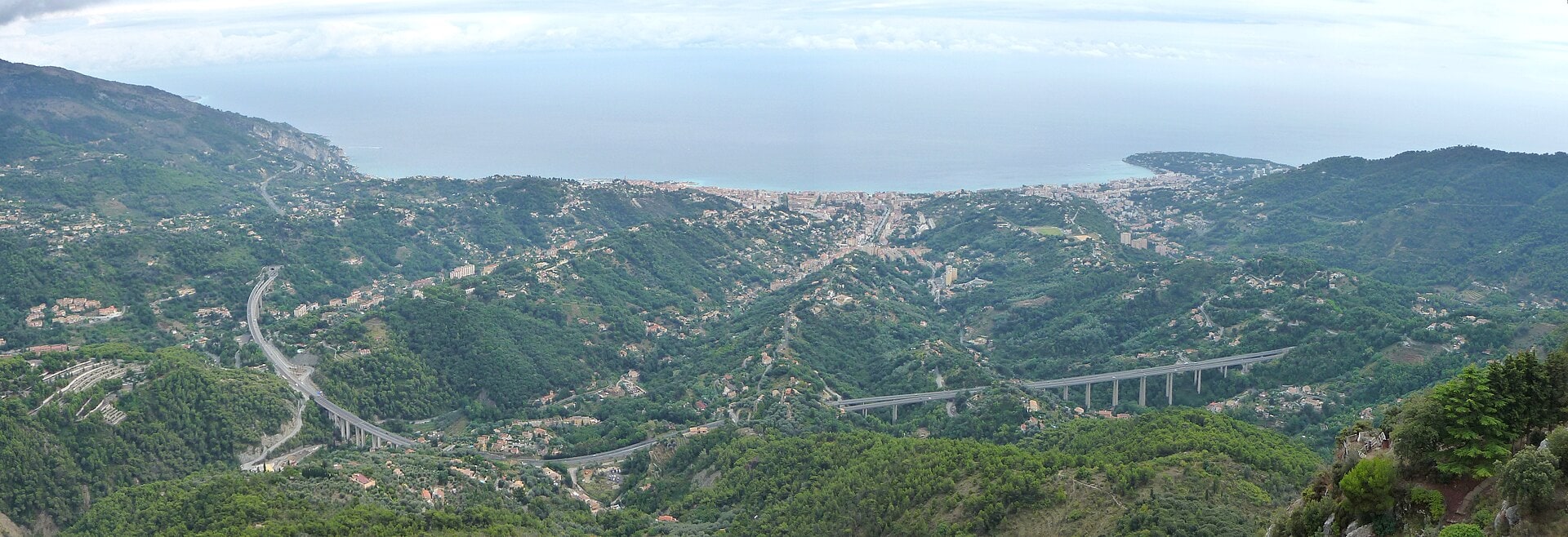
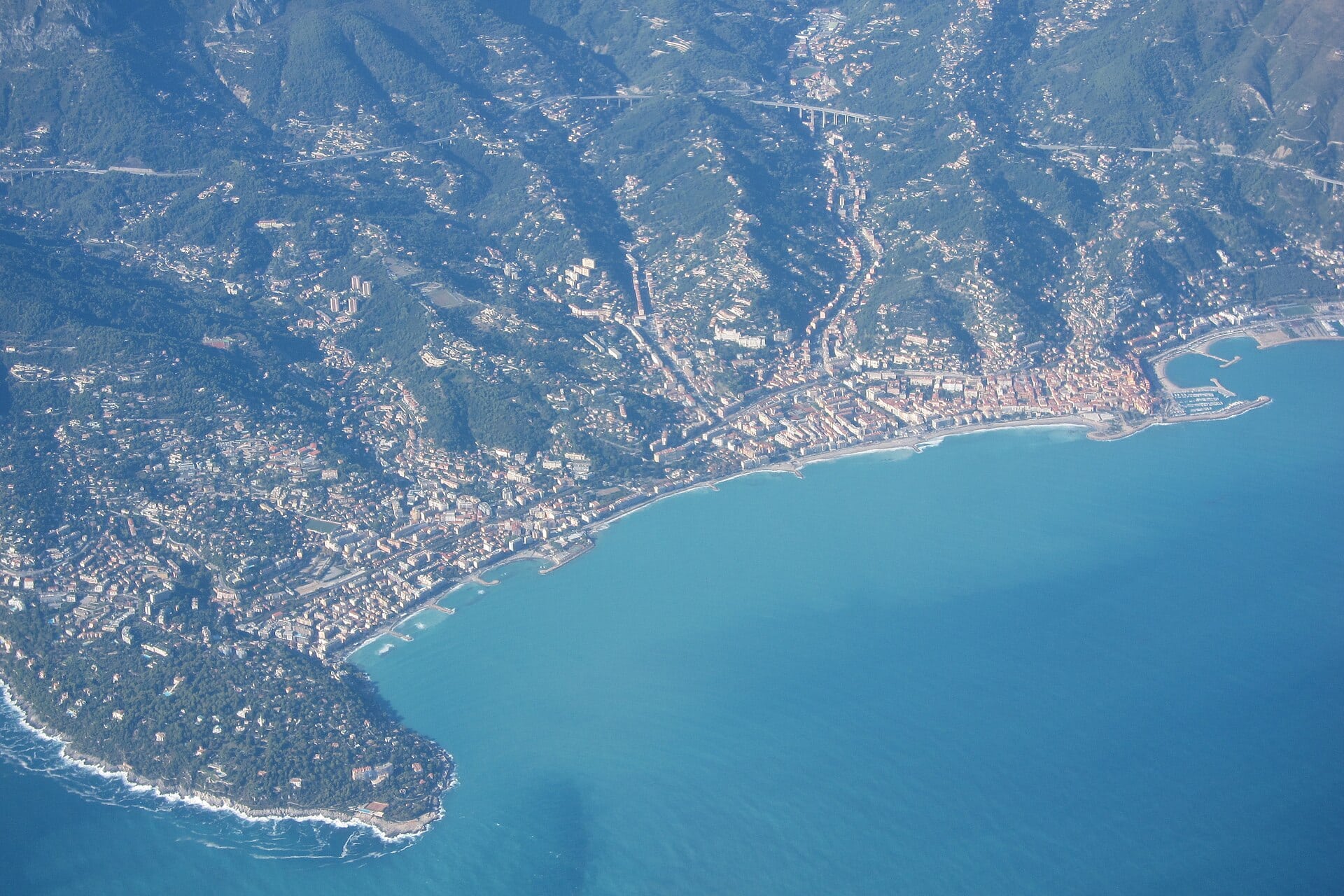
Picture a place where the majestic peaks of the Alps tumble straight down into the azure waters of the Mediterranean and the air smells of lemons. That, in a nutshell, is Menton, France — a captivating little town tucked away on the eastern edge of the French Riviera, quite literally just a few steps from the Italian border. Menton is a visually stunning destination that has held on to its authentic charm and hasn’t fallen victim to mass tourism the way its neighbouring resorts have. You’ll find a perfect blend of French elegance and Italian temperament here, because the town breathes pure Italy. In this guide, we’ll look together at how to get the most out of a visit to Menton, how to dodge the summer crowds, and why you should arrive by train rather than by car. Get ready for pastel façades, fragrant gardens, and endless calm.
In this article you’ll find exactly 11 tips on what to see and do in Menton. We’ll wander the narrow lanes of the old town, taste the best local lemon specialities, and I’ll point you towards the smartest places to stay. You’ll also discover the best time to visit so you can enjoy the famous Lemon Festival, and how much a holiday on the south coast of France is likely to set you back.
TL;DR
- Travel without a car: Forget about renting a car — the coastal roads grind to a halt in summer. The best way to get around is the reliable TER trains, which will take you everywhere.
- The warmest microclimate: Menton is the warmest spot on the entire Riviera, which makes it an ideal destination for spring and autumn trips too.
- The Lemon Festival: If you arrive in February, you’ll experience the famous Fête du Citron, when the town transforms into a giant parade of citrus sculptures.
- An Italian crossover: The town sits right on the border, so in a single day you can nip across for an Italian coffee or a market in neighbouring Ventimiglia.
- A botanical paradise: Thanks to its sheltered position, you’ll find some of the most beautiful exotic gardens in Europe here, such as the famous Val Rahmeh.
- Pebble and sandy beaches: Unlike Nice, Menton has beaches with finer sand — the most popular being Plage des Sablettes.
The full destination guide: France — guide and what to see
When to visit Menton
Menton boasts a truly unique microclimate that genuinely has no equal anywhere else in France. The high mountains shelter the town perfectly from cold northern winds, so the sun shines here for an incredible 316 days a year. It’s precisely thanks to this favourable Menton, France weather that citrus fruit thrives on such an enormous scale, and the town holds its status as far and away the warmest place on the entire Côte d’Azur. That makes it a perfect refuge for anyone wanting to escape the British winter or stretch out their summer.
If you long to explore the sights and take long walks through the gardens, come in spring or autumn. In May, June and September the temperatures hover around a very pleasant 22 to 25 °C. The town isn’t overcrowded at this time, and you can enjoy your morning coffee on the promenade in peace without an exhausting wait for a free table. The local cafés and bistros run at a leisurely pace, so this is when you’ll best soak up the genuine Mediterranean atmosphere without any unnecessary stress. February is a chapter all of its own, when the celebrated Lemon Festival takes place. It’s an utterly magical time full of colour, but accommodation on those dates vanishes at lightning speed.
Summer on the Riviera, by contrast, can be a relentless furnace. In July and August the sun beats down mercilessly and temperatures very often climb to 35 to 43 °C, which can turn an ordinary stroll into a fairly demanding athletic feat. If you do come in peak summer season, you absolutely must adapt your schedule to the local rhythm. Head out to explore the town in the morning, hide in the shade over midday, and spend the afternoon swimming at the beach. And watch out for one crucial French custom: lunch is served in restaurants strictly between 12:00 and 14:00. If you turn up hungry at a quarter past two, the most you’ll get is a glass of wine, because the kitchens will be firmly closed. Evening life then only starts to stir after half past seven.
Where to stay: Menton hotels in France
💡 Tip for accommodation and experiences: We like to look for places to stay on Booking.com, which usually has the best cancellation terms. For tickets, tours and activities, it pays to compare and book through GetYourGuide.
Choosing the right accommodation on the French Riviera is absolutely crucial for both your happiness and your wallet. Fortunately, Menton offers great options that won’t ruin you financially in the way the luxury hotels in nearby Monaco or Cannes will. The best strategy is to stay within walking distance of the train station, so you can easily and efficiently make day trips around the area. As for renting a car — forget it entirely, because the coastal roads turn into one endless car park in summer, and hunting for a free space in the narrow lanes will only cost you precious time and frayed nerves.
If you love a historic atmosphere, look for somewhere right around the old town (Vieux Menton). You’ll be close to the best cafés and morning markets, and in the evening you can enjoy romantic walks through the narrow lanes without any long journeys. Prices per night for two in Menton hotels in France typically range from around €120 to €180 in high season.
For lovers of complete tranquillity and grander views, the Garavan district is the ideal choice, stretching elegantly towards the Italian border. Here you’ll find beautiful Belle Époque villas, quieter beaches, and the famous botanical gardens. Do bear in mind, though, that getting to the historic centre from here involves a slightly longer walk along the sea, which honestly is no hardship at all in the early evening.
Here are some specific tips for great hotels you can book:
- Hotel Miléade L’Orangeraie: A beautiful historic hotel with a sprawling garden full of orange trees, just a short walk from both the beach and the centre.
- Ibis Styles Menton Centre: A great choice for anyone after modern accommodation with excellent value for money, right in the heart of town.
- Hotel Prince de Galles: If you long for a sea view and old-world charm, this hotel certainly won’t disappoint.
11 things to see and do in Menton, France
Let’s take a look together at the very best this sun-drenched town has to offer. We’ll discover narrow lanes lined with pastel houses, peek inside fascinating botanical gardens, and show you where to find the best lemon treats.
1. The old town (Vieux Menton) and colourful houses
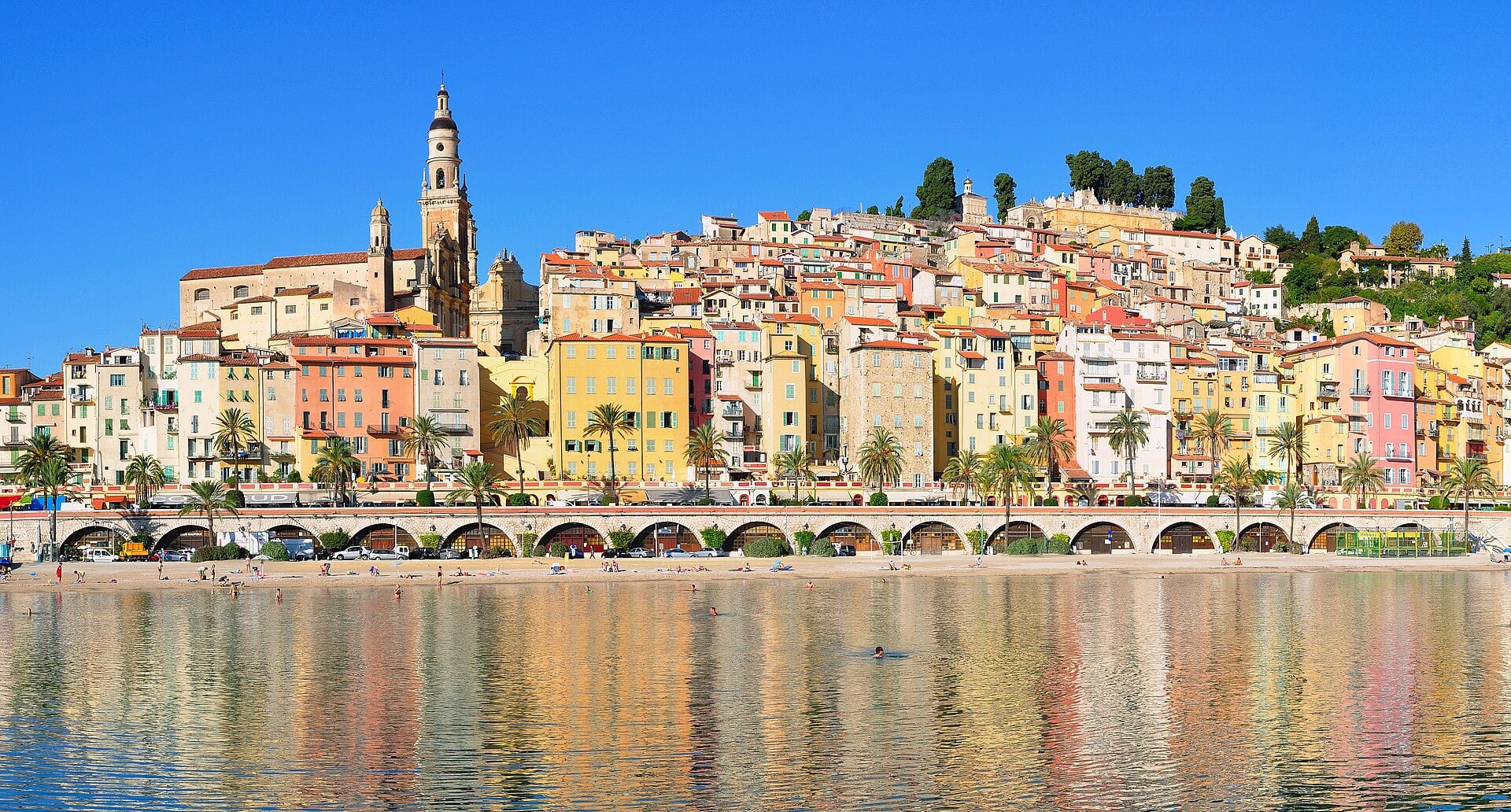
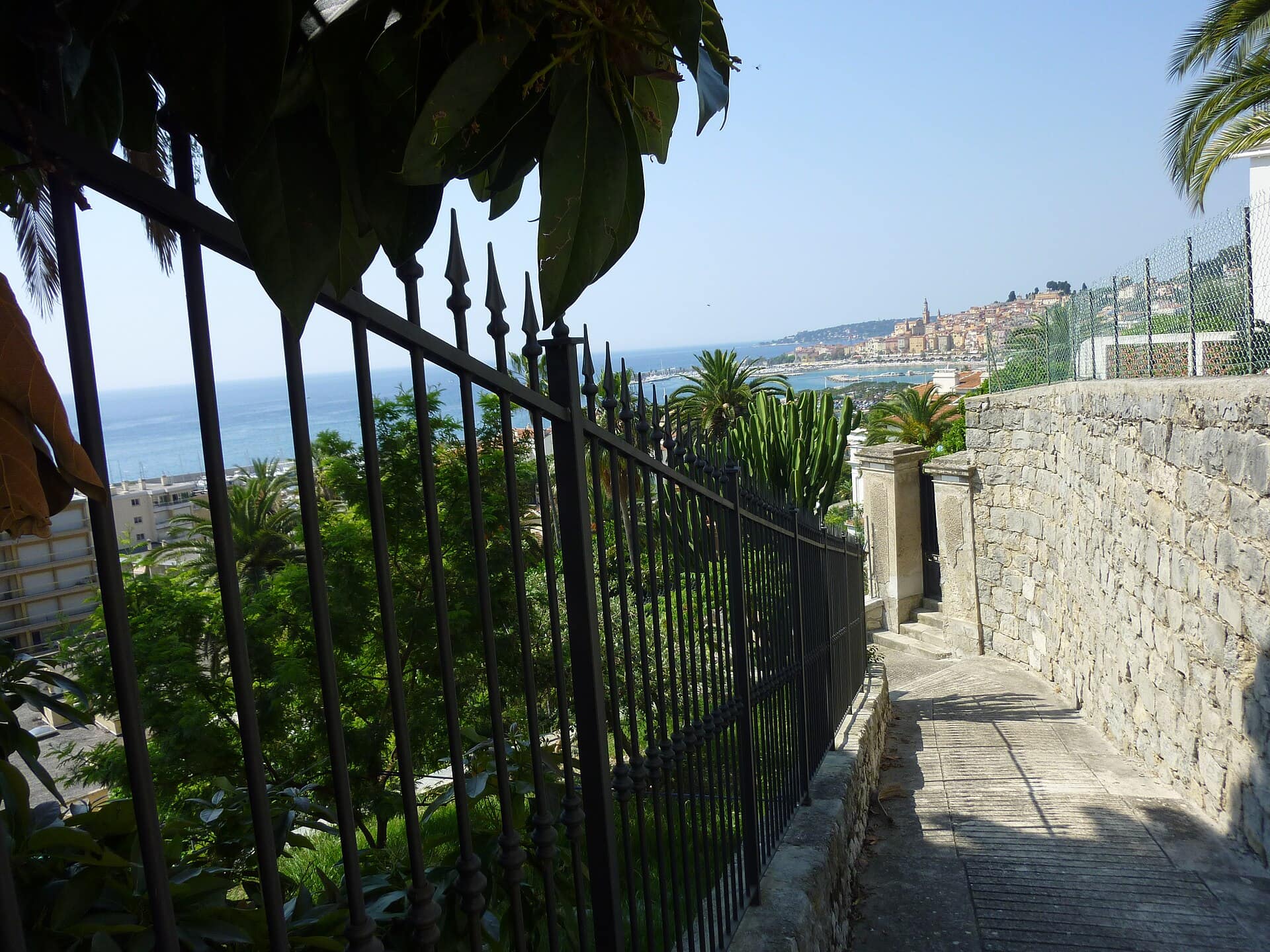
The historic centre of Menton is an absolute visual gem that instantly, and without warning, transports you several centuries back in time. The old town rises in cascading tiers up a steep hill directly above the harbour, and from a distance it looks like a breathtaking palette of warm, glowing tones. The narrow lanes form a fascinating tangle of endless staircases and vaulted passageways, in which it’s an enormous pleasure to simply get lost for a few hours and soak up the calm local rhythm of life.
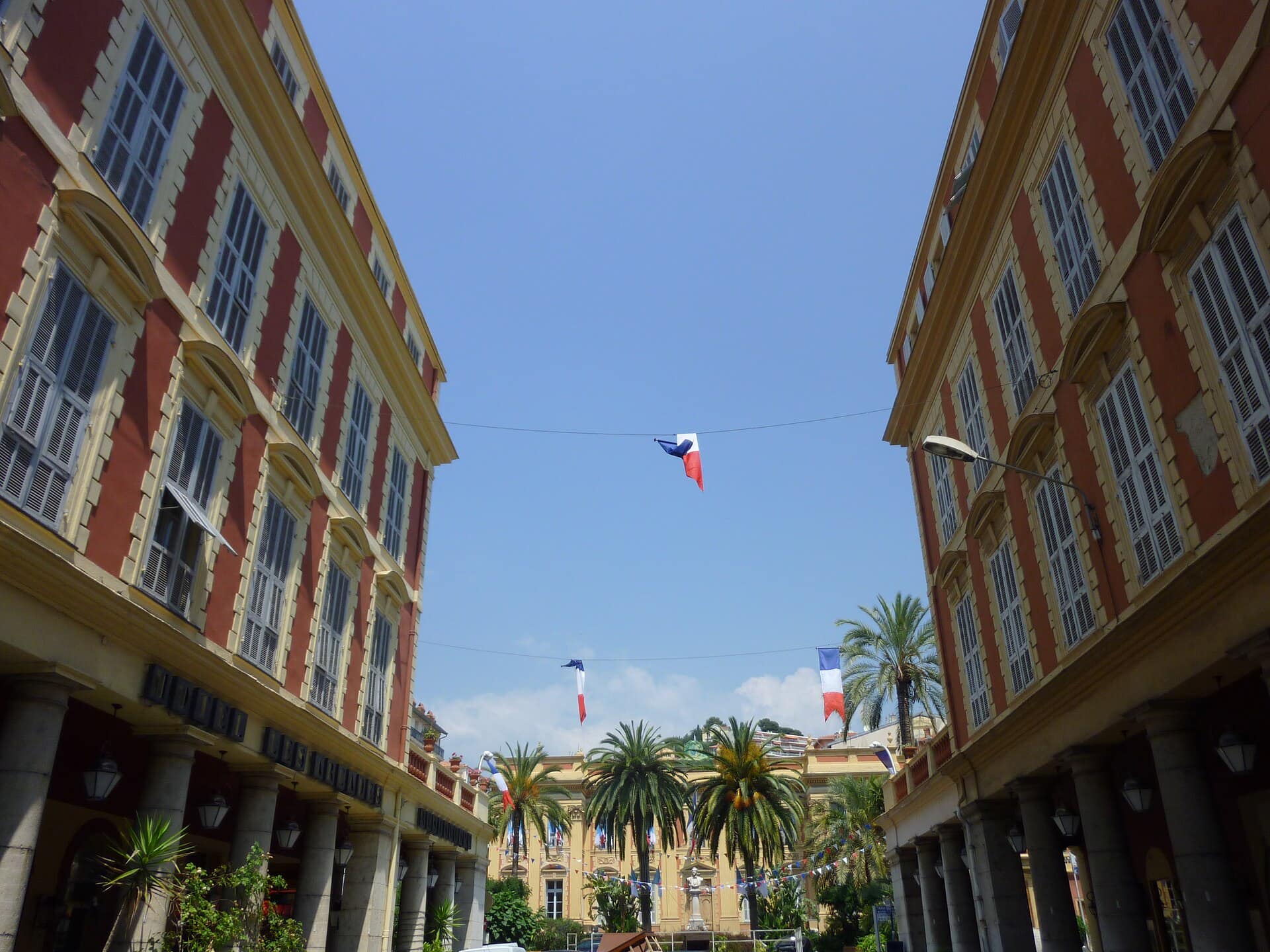
The local architecture makes it abundantly clear just how much the town was once influenced by neighbouring Italy. While in nearby Nice you’ll see a more elegant and orderly Savoyard style, Menton breathes a pure, slightly chaotic south. Every house façade here plays in vivid shades of yellow, ochre, deep orange and terracotta, which in perfect combination with the azure sky creates an incredible contrast. You’ll find plenty of small hidden squares where locals dry their laundry directly above the heads of passing tourists, and the constant scent of freshly brewed coffee drifts from open windows.
As you wander, don’t forget to lift your head and admire the beautiful historic details on the old wooden doors and window shutters. The atmosphere here flows noticeably slower and calmer than in the rest of the Riviera. If hunger strikes as you climb the hill, stop at one of the street stalls and buy some fresh socca. It’s a wonderfully traditional thin flatbread made from chickpea flour and baked in a wood-fired oven, which the locals love to enjoy with just a light dusting of coarse black pepper.
💡 Tip: Head into the old town either early in the morning or in the late afternoon. That way you’ll avoid the very worst of the midday heat, because climbing hundreds of steps in 43-degree summer temperatures is no joke.
2. The Saint-Michel Basilica and the view from the square
The true heart and landmark of the old town is, without question, the magnificent Saint-Michel Basilica (Basilique Saint-Michel-Archange). This majestic 17th-century building represents one of the very finest examples of Baroque architecture on the entire French Riviera. Its two distinctive yellow towers proudly dominate the Menton skyline and will reliably guide you back to it from any point in town, even if you happen to lose yourself for a moment in the winding lanes.
A very imposing, wide staircase leads up to the entrance of the basilica, and its paving is carefully crafted from intricate mosaics of white and grey sea pebbles. This old traditional style of paving is called calades, and it lends the whole forecourt before the church an incredibly elegant feel. The interior of the basilica is richly decorated with beautiful frescoes and massive gilded altars, so it’s well worth peeking inside to admire it — and to cool down pleasantly for a moment in its stone shade.
The main reason most visitors head up here, though, is the small square called Parvis Saint-Michel that spreads out directly in front of the church. It offers an absolutely phenomenal panoramic view of the sea and the harbour spread out far below you. It’s one of the best spots to capture those truly iconic photos of your holiday, especially in the soft early-evening light.
💡 Tip: If you come here during August, be sure to check the programme of the local music festival in advance. The square right in front of the basilica regularly hosts breathtaking open-air classical music concerts, which have absolutely perfect acoustics thanks to the surrounding historic buildings.
3. The Lemon Festival (Fête du Citron)
If you’re planning a visit during the cooler winter months, you’re actually in tremendous luck. Around the turn of February and March, Menton hosts one of the most bizarre and at the same time most beautiful events in all of Europe. The famous Lemon Festival draws over 200,000 enthusiastic visitors to the town every year and reliably shatters any winter melancholy. It lasts about two weeks, and during it the town quite literally smells of citrus for miles around.
During these grand celebrations, Menton transforms into a giant, dazzlingly yellow exhibition. More than 140 tonnes of fresh lemons and oranges are used to build the enormous sculptures and breathtaking allegorical floats. Each year the festival has a completely different theme — in the past it has been, for example, a colourful Bollywood, the wonders of world architecture, the underwater world, or famous theatre musicals. The fruit sculptures often reach several storeys high, and their painstaking construction takes the organisers entire weeks.
The main stage for the festival is the beautiful Biovès Gardens (Jardins Biovès), located right in the centre of town, where these massive installations are displayed for everyone to admire. At weekends there are grand and noisy parades along the seafront promenade, accompanied by plenty of musicians, dancers and acrobats. The fun doesn’t end after dark either, when the gardens are beautifully and mysteriously lit up.
💡 Tip: Be sure to buy tickets for all the parades and the gardens online on the festival’s official website well in advance. They tend to sell out long beforehand, and on the day you’ll often have no luck at all. What’s more, once the whole festival is over, the used fruit is sold to local residents for very symbolic prices.
4. The Val Rahmeh botanical garden
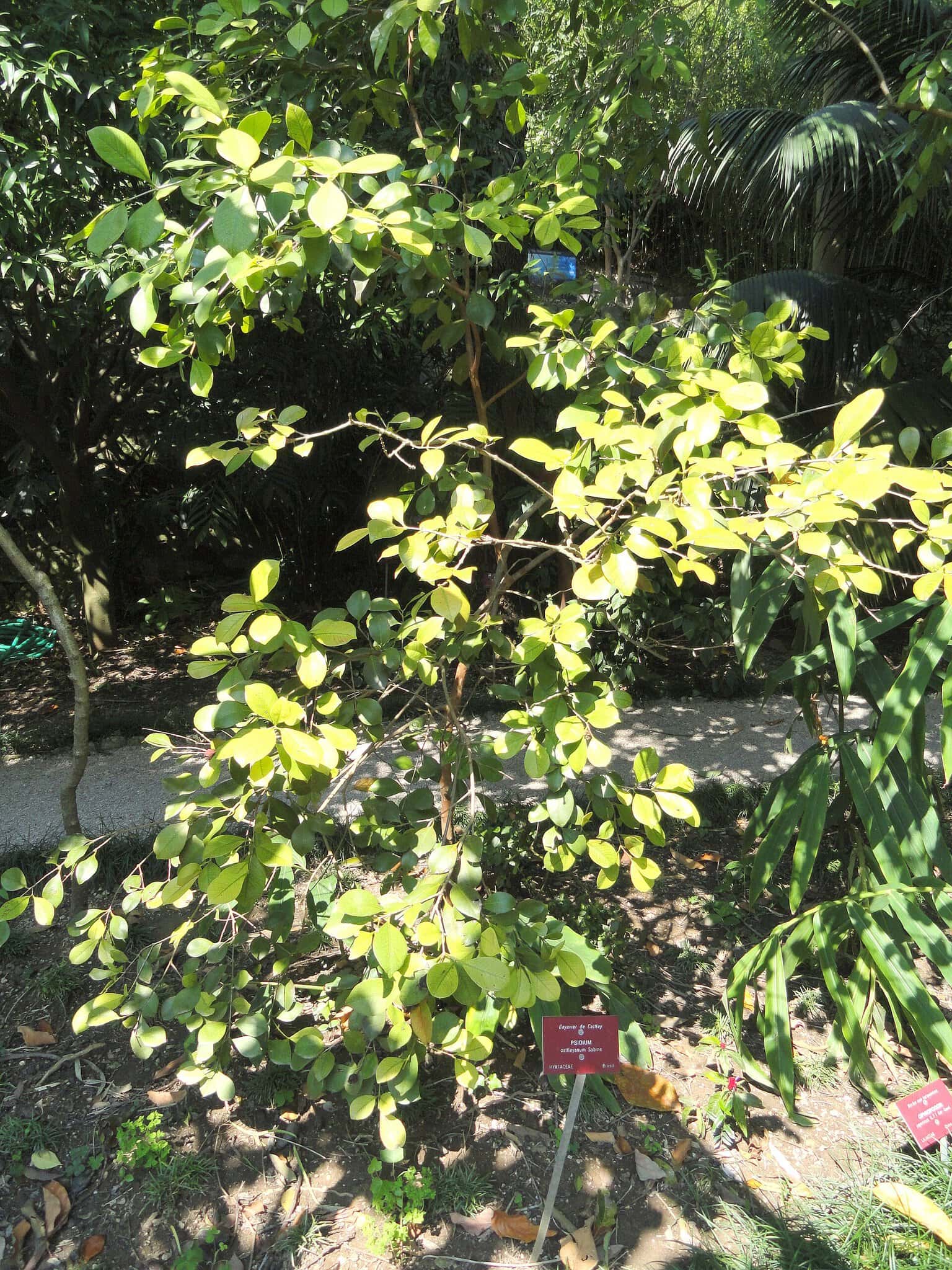
Thanks to its unique sunny climate, Menton is quite literally a paradise for all keen botanists and nature lovers. One of the very most beautiful oases of calm is the Val Rahmeh garden, founded with great care in the 19th century by the British aristocrat Lord Radcliffe. This incredible tropical paradise instantly pulls you out of the town’s busy pace and provides you with perfect — and much-needed — shade on hot summer days.
Today the garden proudly belongs to the prestigious Paris National Museum of Natural History and serves above all to protect very rare species. Only because the mountains shelter the town so perfectly from cold northern winds was it possible to create an incredible collection of more than 1,500 species of exotic plants brought over from Asia, Africa and faraway South America. You’ll walk among enormous green bamboos, towering palms and ancient olive trees, which together form a perfect cinematic backdrop.
The single greatest draw is the breathtaking pond full of giant water lilies, around which colourful exotic butterflies constantly flutter. Entry to the garden costs a friendly €7, and it’s well worth setting aside at least two hours for the whole visit. The atmosphere here is so incredibly peaceful that you might as well bring along a favourite book and settle onto one of the many wooden benches.
💡 Tip: The garden lies in the luxurious and quiet Garavan district, which you can reach from the main harbour on a very pleasant walk of about twenty minutes. Don’t forget to bring reliable insect repellent, though, as the damp environment around the pond occasionally attracts pesky mosquitoes.


5. Hidden gem: the Serre de la Madone garden
If you love wild nature and are deliberately seeking out a place free of big tourist crowds, you absolutely mustn’t miss Menton’s second famous garden. The gorgeous Serre de la Madone was created in the 1920s by the very talented British botanist Lawrence Johnston. The garden is ingeniously set into a steep slope and made up of an intricate system of stone terraces, hidden pools and trickling fountains.
Johnston spent long years travelling all over the world, and from every expedition he eagerly brought back rare seeds and seedlings. Thanks to Menton’s specific warm microclimate, he managed to successfully grow plants that would never survive winter anywhere else in Europe. The garden is laid out very organically and freely, so in places it feels more like a wild, all-engulfing jungle than a carefully trimmed and maintained city park.
The whole visit is designed as a fascinating journey around the world. You’ll walk through a dense little bamboo wood, admire enormous, majestic redwoods, and catch the strong scent of rare species of mahonia. This garden is far less visited than the popular Val Rahmeh, which gives it a much more intimate and mysterious atmosphere. It’s an absolutely perfect spot for quiet contemplation and escape from the summer heat.
💡 Tip: The garden lies a little higher up in the hills outside the main centre of town. The easiest and most comfortable way to reach it is on the local bus, line number 7, directly from the main train station. It’s open Tuesday to Sunday, and it’s best to always check the current opening hours on their website, as they change fairly often throughout the year.
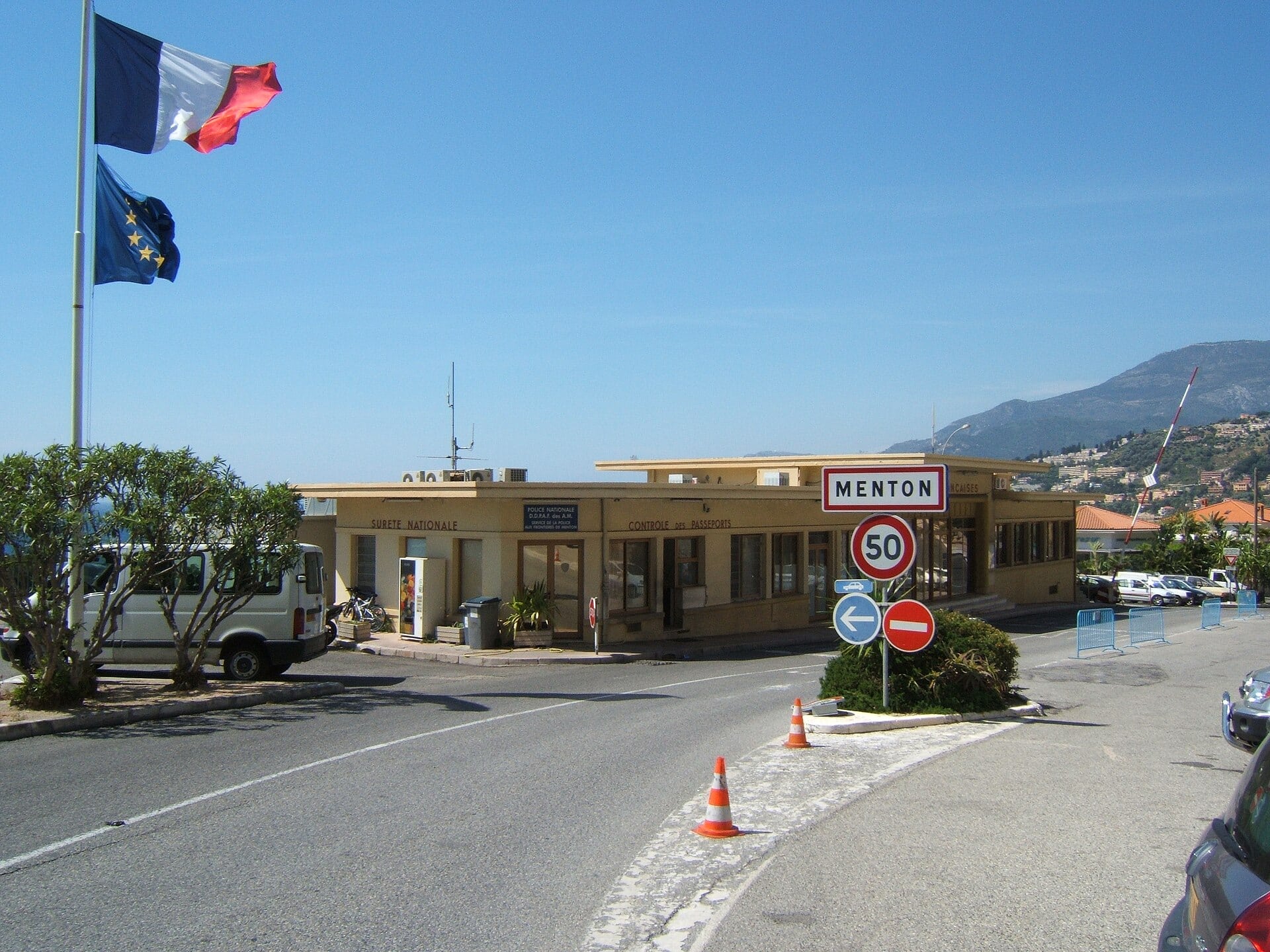
6. Relaxing on the beaches and swimming
After a full day of exploring historic sights and walking through gardens, there’s truly nothing better than cooling off pleasantly in the waves of the Mediterranean. Unlike neighbouring Nice, where you’ll find only very uncomfortable, large pebbles, Menton offers far more agreeable beaches. The water here is incredibly clear, shimmering in every shade of azure, and thanks to the calm sheltered bay the sea is mostly free of big, dangerous waves.
The most popular and visually most beautiful is Plage des Sablettes, which lies directly beneath the historic centre with a view of those colourful little houses. It’s a beach with very fine sand and just a little gravel, making it absolutely ideal for a day of summer lounging. Alongside it runs a renovated, lively pedestrian zone full of great restaurants and cafés with sea views, where you can comfortably pop in for a good lunch.
If you’re after a slightly quieter spot to relax, though, head towards the Italian border to the beaches in the Garavan district, specifically the lovely Plage Rondelli. On the complete opposite side of town you’ll find the pebbly Plage du Fossan, where there tend to be noticeably fewer people even in season. All of these town beaches have free public showers, which you’ll one hundred percent appreciate on a scorching summer’s day.
💡 Tip: Although the main Plage des Sablettes beach is mostly fine sand, right at the water’s edge you’ll hit a strip of small and occasionally slightly sharp stones. If you have sensitive feet, water shoes will definitely come in very handy here.

7. Art and the Jean Cocteau museum
In the mid-twentieth century, the famous French poet, painter and filmmaker Jean Cocteau fell head over heels in love with Menton. This incredibly versatile artist left a very distinct mark on the town and is, to this day, regarded by locals as something of a little hero. During his lifetime, the town even generously offered him the use of an old 17th-century stone defensive fort right on the seafront, known as the Bastion.
Cocteau carefully renovated this small fort himself and turned it into his own original museum. Here he created beautiful, intricate mosaics from tiny sea pebbles on the floors and even designed special illuminated display cases for his works. In the small but very atmospheric space of the historic Bastion, you’ll find a fascinating collection of his pastels, drawings and unusual colourful ceramics.
Not far from here, on the coast, stands the modern Musée Jean Cocteau building, which houses a vast collection of his work donated by the American collector Séverin Wunderman. Sadly, this modern building was seriously damaged by major flooding a few years ago, and its operation is still heavily restricted. Be sure, though, to at least visit the historic Bastion, which is well worth the cultural experience.
💡 Tip: If Cocteau’s highly original art has caught your interest, be sure to also visit the Wedding Hall (Salle des Mariages) located right inside Menton’s town hall. He personally painted this entire room from floor to ceiling with his beautiful, dreamlike frescoes.
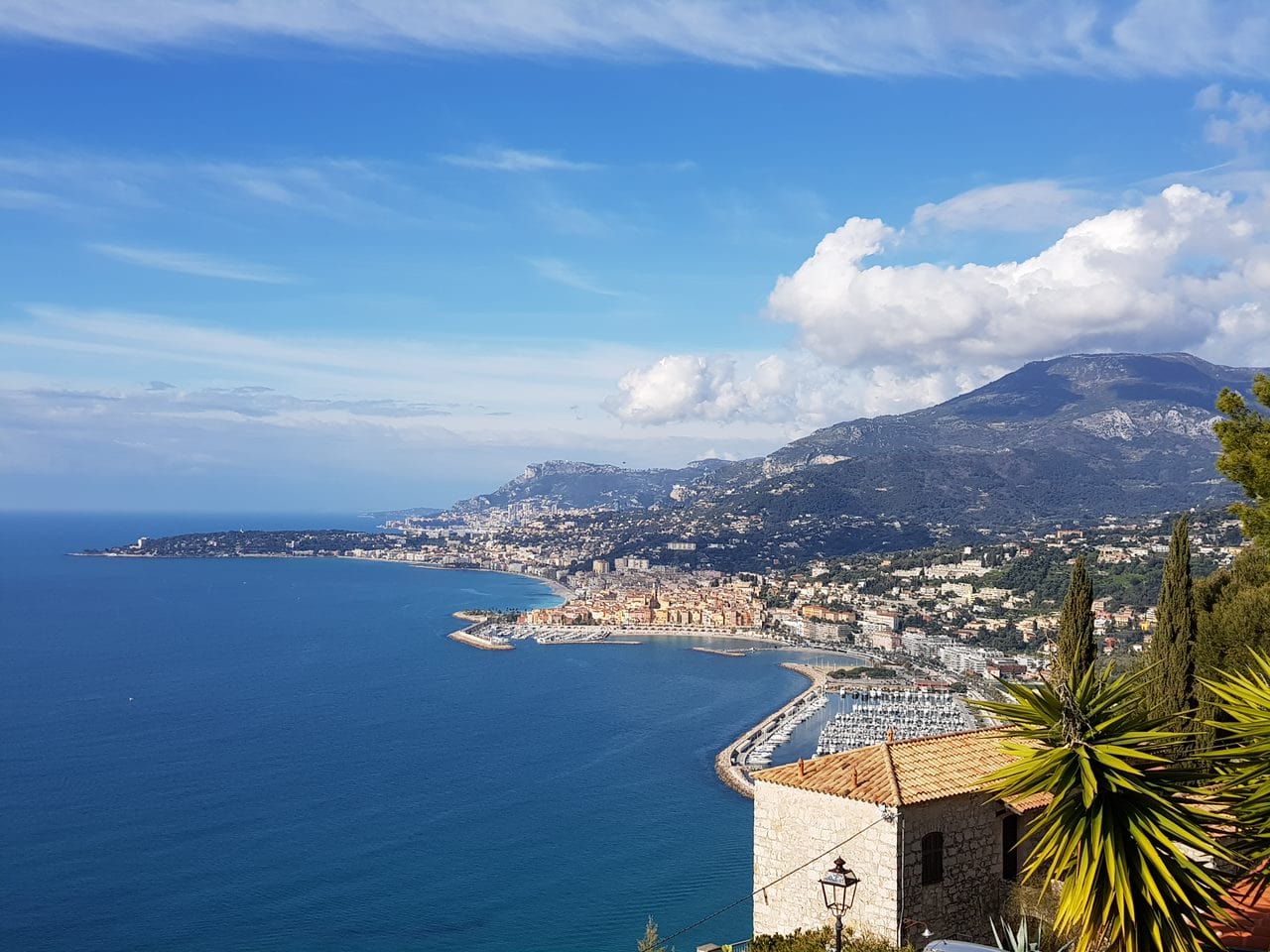
8. A walk along the promenade and the harbour
Just like every proper, beloved resort on the French Riviera, Menton has its own iconic seafront promenade, where all the evening and social life plays out. The Promenade du Soleil stretches several long kilometres directly along the sea and is the absolutely ideal spot for a quiet early-evening stroll. It’s lined with towering palms, plenty of benches, and grand historic Belle Époque hotels that beautifully recall the faded glory of the 19th century, when wealthy British aristocracy came here to rest.
I’d warmly recommend starting your walk at the elegant local casino and ambling slowly all the way to the historic harbour, Vieux Port. Along the way you’ll pass dozens of small, tempting shops and cafés where you can have an excellent espresso for around €1.80 to €2.50, or a delicious artisan ice cream. Watching the sunset with a panoramic view of the terracotta houses of the old town is simply an experience that never gets old on the south coast of France.
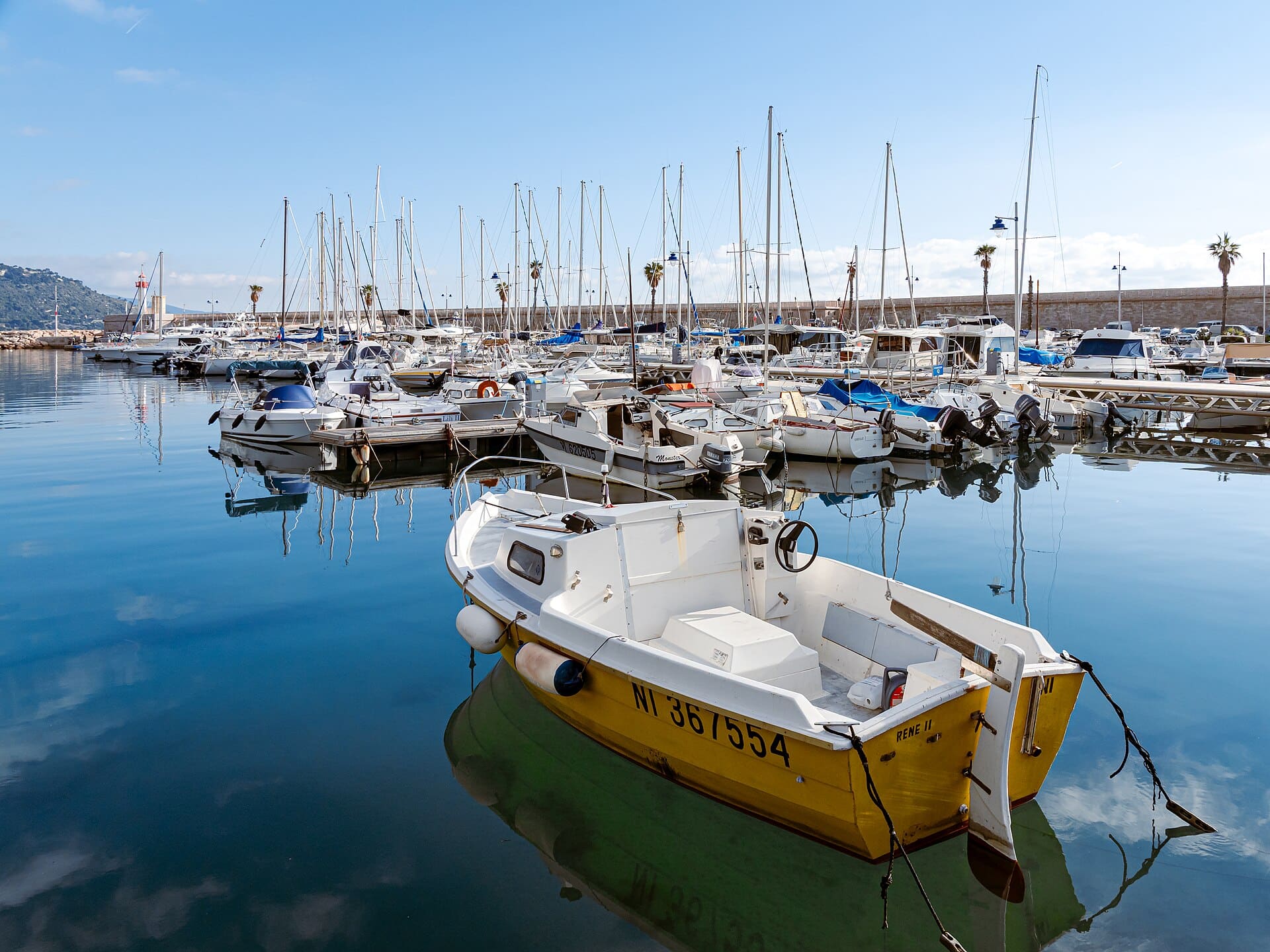
In the harbour itself you can admire up close the genuine Mediterranean contrast between traditional wooden fishing boats (known as pointus) and the luxurious white yachts of wealthy holidaymakers. Local fishermen bring in their fresh catch here every early morning, so it stays alive all day long with a very authentic and lively buzz.
💡 Tip: If you enjoy photography, the very best light for capturing the old town and the harbour arrives about an hour before sunset itself. The warm colours of the yellow and ochre façades come alive incredibly in this light, and your photos will look like perfect postcards.
9. Tasting the local lemon specialities
Food in Menton is a beautiful chapter all of its own and is guaranteed to delight every lover of fresh summer flavours. The town is famous the world over for its perfect lemons, which have even earned the prestigious protected geographical indication (PGI). Menton lemons are noticeably sweeter, with a far thicker skin full of essential oils and a much more intense aroma than the ordinary citrus from the supermarket. Almost every good restaurant and bakery in town lovingly prepares some wonderful local speciality from them.
An absolute, non-negotiable must is to taste the famous Tarte au Citron (lemon tart). Delicate buttery pastry filled with an intense, sweet-and-sour lemon cream is the most perfect showcase of the local pastry art. You’ll find it in every honest boulangerie, and it pairs wonderfully with coffee. The local artisan jams, marmalades and olive oil infused with fresh lemon zest are also excellent.
As a souvenir, be sure to bring home a bottle of genuine Menton limoncello. Although this sweet liqueur is mainly associated with nearby Italy, the Menton version is simply unbeatable thanks to the quality of the local lemons. For a quick lunch or an afternoon snack, I’d recommend reaching for the vegetarian classic known as socca. It’s a hot, gorgeously crisp chickpea-flour flatbread baked in a wood-fired oven, typical of the whole coast and dusted with nothing but coarse pepper. In restaurants, look out for the so-called Menu du jour (menu of the day), which will set you back a very pleasant €15 to €25 at lunchtime.
💡 Tip: For the very best lemon products and local cheeses, head to the historic covered market, Marché des Halles. It’s open every morning, and besides fresh citrus you can pick up fragrant Provençal herbs, spices and sprigs of dried lavender.
10. A train trip to the Italian markets (Ventimiglia)
Once you’re based in Menton, it would be a downright sin not to make the most of its absolutely unique position right on the Italian border. You can reach the Italian border town of Ventimiglia on a comfortable local train in under fifteen minutes. The journey itself along the coast offers beautiful views of steep cliffs and a restless sea, and a return ticket will cost you literally just a few euros.
Ventimiglia is known throughout the whole wide region above all for its enormous and very popular Friday markets. Every Friday in the early morning, the broad waterfront transforms into an endless row of hundreds of stalls, where you can buy absolutely everything from fresh local vegetables and great Italian cheeses to quality leather handbags and designer clothing. The market is very noisy, gorgeously chaotic and full of wild haggling, which forms an incredibly stark contrast to the calm, French-orderly Menton.
Even if you don’t come on a Friday, the town is definitely worth a short afternoon visit. Stop in for a genuine Italian espresso at the bar (which costs a fraction of the French price here, usually just a little over a euro), have some excellent vegetarian pasta for lunch, and explore the old historic centre, Alta, which rises very romantically on a hill high above the river.
💡 Tip: If you’re heading specifically for the big Friday market, set off as early in the morning as you possibly can. The TER trains from France are packed to bursting from eight o’clock onwards, and by midday the best goods at the markets are simply gone.
11. A base for exploring the Riviera (without a car!)
Menton is an absolutely brilliant and strategic starting point for discovering the whole French Riviera, from the Italian border all the way to distant Cannes. The single biggest mistake tourists make in this region is trying to drive along the coast in a rental car. In the summer months the visually gorgeous roads turn into one endless, frustrating car park, and hunting for a free space in the narrow lanes will cost you plenty of nerves and money on parking.
Fortunately, the network of regional TER trains works absolutely perfectly and reliably here. The trains run with enormous punctuality and a frequency of three to four times an hour, stopping right in the centres of all the important towns. From Menton you can reach luxurious Monaco in just twenty minutes, with a ticket costing around €4 to €6, and the station is also stunningly carved right into the rock.
You’ll reach bustling Nice in about thirty-five minutes for around €6, and cinematic Cannes in roughly an hour for €7 to €10. If you’re planning more intensive travel and want to see as many places as possible, ask at the station about the regional Pass SudAzur ticket, which lets you travel unlimited throughout the whole department for a very good price. A great tip for a short train trip is also the nearby village of Èze, from which you can climb the famous Nietzsche Path up to an exotic garden full of cacti.
💡 Tip: For the absolutely easiest way to plan journeys and buy tickets online without needless queuing at the station, use the official website or the handy SNCF Connect app. You simply download the tickets straight to your phone and you’re all set.
Where to go next from Menton
Menton is a fantastic launchpad for exploring the south of France more deeply. If luxury tempts you, definitely take the train to Monaco, where you can walk around the Formula 1 circuit. For lovers of dramatic views, I’d recommend the medieval village of Èze, balancing on a rock high above the sea.
If you want to experience a vibrant city with perfect infrastructure, read our article about what to see in Nice. And if you’re interested in the wider context and more day-trip tips for the whole region, take a look at our big guide to the French Riviera.
Frequently asked questions
How to best get to Menton?
The easiest route is via the international airport in Nice (Nice Côte d’Azur). Direct flights operate from Prague, and if you book in advance, you can find tickets with Eurowings starting from around €40. From the airport, you can take the tram to the main station in Nice (Gare de Nice-Ville) and from there a direct TER train will get you to Menton in about 35 minutes. The official tourist portal highly recommends this mode of transport.
Is a vacation in Menton expensive?
Southern France is among the pricier destinations, but Menton is still more affordable than Cannes or Monaco. If you want to save money on food, look for the so-called “Menu du jour” (daily menu) at lunchtime, which will cost you around €15 to €25. Dinner at a regular restaurant costs between €20 and €35. A coffee on the promenade will set you back around €2.
Do I need a car on the Riviera?
Definitely not. Renting a car on the coast during summer season is rather a nuisance due to huge traffic jams on the roads and lack of expensive parking spaces. Regional TER trains work absolutely brilliantly, running 3 to 4 times per hour, are reliable, cheap and stations are located right in the centres of all interesting towns.
Are there sandy beaches in Menton?
Yes, unlike Nice, where there are only uncomfortable large pebbles, in Menton you’ll find beaches with fine sand and small gravel. The most popular and best-equipped is the central Plage des Sablettes. Even so, it’s worth bringing water shoes, because at the actual entry into the sea there are often smaller sharp stones.
How far is it from Menton to Italy?
Menton is located literally on the border with Italy. It’s only about 12 to 15 minutes by train to the nearest Italian town of Ventimiglia. You can easily cross the border on foot during a longer romantic walk along the sea and pop over to Italy for a proper cheap espresso for just one euro.
When does the famous Lemon Festival take place?
The Fête du Citron takes place annually at the turn of February and March and lasts roughly two weeks. If you’re planning to go and experience this magnificent parade of 140 tons of citrus fruits, buy tickets for the processions and exhibitions on the official website well in advance—even months ahead—as the event is enormously popular.
Is it necessary to leave a tip at restaurants?
In France, it’s common that the service charge (the so-called “service compris” of 15%) is already automatically included in the final bill. So tipping isn’t mandatory. However, it’s good practice to leave 1 to 2 euros in cash on the table if you were really satisfied with the service, since you often can’t add a tip through the card terminal.
Tips and Tricks for Your Vacation
Don’t Overpay for Flights
Search for flights on Kayak. It’s our favorite search engine because it scans the websites of all airlines and always finds the cheapest connection.
Book Your Accommodation Smartly
The best experiences we’ve had when looking for accommodation (from Alaska to Morocco) are with Booking.com, where hotels, apartments, and entire houses are usually the cheapest and most widely available.
 🚗 Car rental on the roadVerified rental cars in France
Search with the DiscoverCars comparison engine — it compares prices from dozens of local and international rental companies, and most bookings come with free cancellation.
Compare car prices in France →Don’t Forget Travel Insurance
Good travel insurance will protect you against illness, accidents, theft, or flight cancellations. We’ve had a few hospital visits abroad, so we know how important it is to have proper insurance arranged.
Where we insure ourselves: SafetyWing (simple monthly subscription) and TrueTraveller (for extra-long trips).
Find the Best Experiences
Get Your Guide is a huge online marketplace where you can book guided walks, trips, skip-the-line tickets, tours, and much more. We always find some extra fun there!