Norway is packed with jaw-dropping natural wonders, but Hardangerfjord in Norway is an absolute one-off that you definitely shouldn’t skip when planning your Nordic adventure. As the country’s second-longest fjord, it stretches an impressive 179 kilometres and serves up scenery that looks like it was painted by a master artist.
This region is affectionately nicknamed the orchard of Norway, because its surprisingly mild climate allows hundreds of thousands of fruit trees to thrive here. Picture steep green slopes plunging into deep blue water, crowned by the white peaks of glaciers, with apple and cherry trees blossoming through it all.
In this guide we’ll explore 8 specific tips on what to see and do around the fruit fjord. I’ll point you towards the best places to stay, walk you through practical transport info, and show you the most beautiful spots, from majestic waterfalls to epic mountain treks.
TL;DR
- Best time to visit: Late April and May offer breathtaking views of the blossoming orchards, while summer is ideal for mountain hiking.
- Waterfalls you must see: The famous Vøringsfossen with its new viewpoint bridge, and Steindalsfossen, which you can actually walk behind.
- Local food and drink: Be sure to try the celebrated apple juice and the craft cider, which even holds a protected designation of origin.
- Active holiday: In summer you can ski on the Folgefonna glacier or tackle the demanding trek to the iconic rock ledge of Trolltunga.
- Transport and access: From nearby Bergen you can reach the fjord by car in roughly two hours, driving through a scenic valley.
- Accommodation with a view: The jewel of the region is the historic Hotel Ullensvang in Lofthus, perfect for unwinding after a tough day.
The full destination guide: Norway — guide and what to see
When to Visit Hardangerfjord
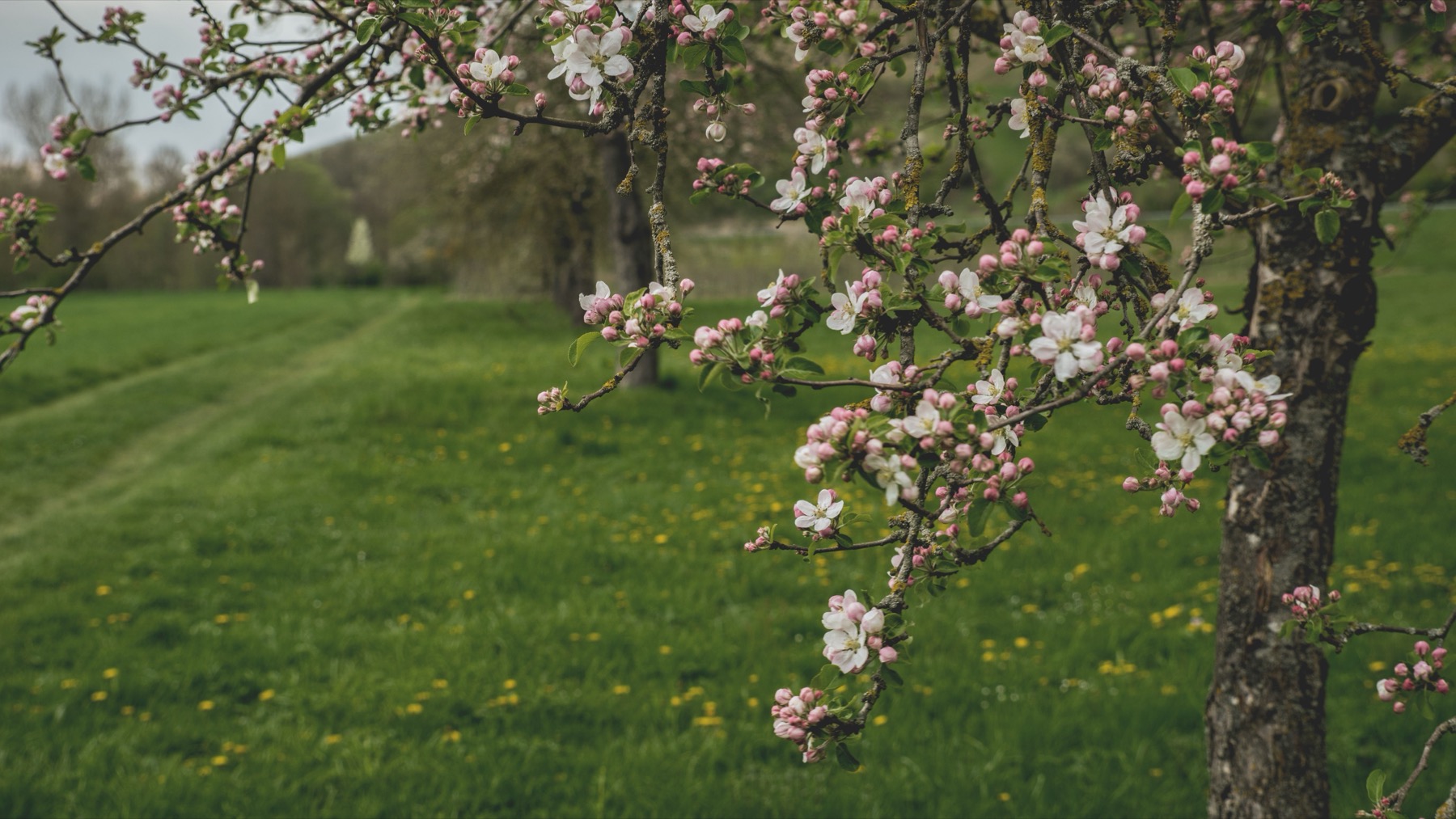
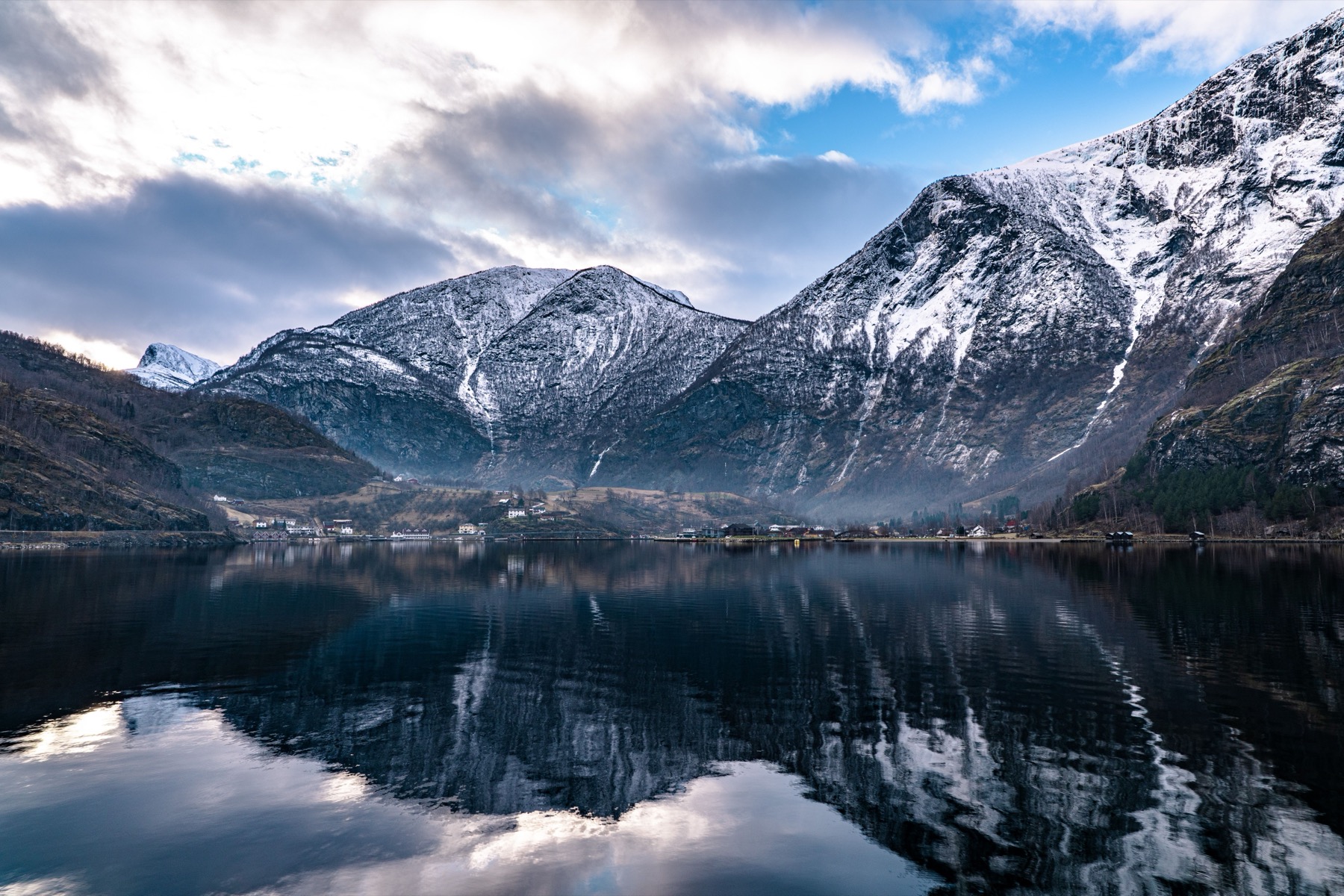
Planning a trip to Norway always depends heavily on what exactly you want to experience. If you’re longing to see the fjord at its most romantic, head over in late April or May. This is when hundreds of thousands of apple, plum and cherry trees burst into bloom, creating an utterly stunning contrast with the snow-capped peaks in the background.
For lovers of mountain hiking, on the other hand, summer is the best choice, roughly from late June to August. The snow at higher altitudes has melted, so you can safely reach the famous trails. On top of that, summer sees the waterfalls at full power thanks to the meltwater pouring off the high plateaus.
That said, you need to bear in mind that Norwegian weather can be highly unpredictable, even in the middle of July. In a single day you might experience warm, short-sleeve sunshine and cold, persistent rain, so layered clothing and a quality waterproof jacket are absolute essentials.
Where to Stay Around Hardangerfjord
💡 Tip for accommodation and experiences: We like to look for places to stay on Booking.com, which usually has the best cancellation terms. For tickets, tours and activities, it pays to compare and book through GetYourGuide.
Choosing the right base is absolutely key to exploring this sprawling region. The area around the fjord offers plenty of gorgeous spots, but accommodation tends to sell out fast in summer, so I’d recommend booking your hotels through Booking well in advance.
If you’re after genuine luxury and a slice of history, you’ll be smitten with Hotel Ullensvang in the little village of Lofthus. This iconic hotel sits right on the shore of the fjord, boasts a beautiful wellness centre with glass-walled pools, and a night for two costs roughly 2,000 to 3,000 NOK (about €175 to €265).
A brilliant strategic base for exploring the waterfalls and the high plateau is the Eidfjord Fjell & Fjord Hotel in picturesque Eidfjord. It’s a cosy, smaller hotel with a family atmosphere that makes an ideal launchpad for trips into nature.
For travellers planning the more demanding mountain treks in the southern part of the region, the best base is the small town of Odda. Here you can try, for example, the popular Trolltunga Hotel, which caters to hikers and will happily help you plan routes and check current conditions.
Orchards, Villages and Treks Around Hardangerfjord
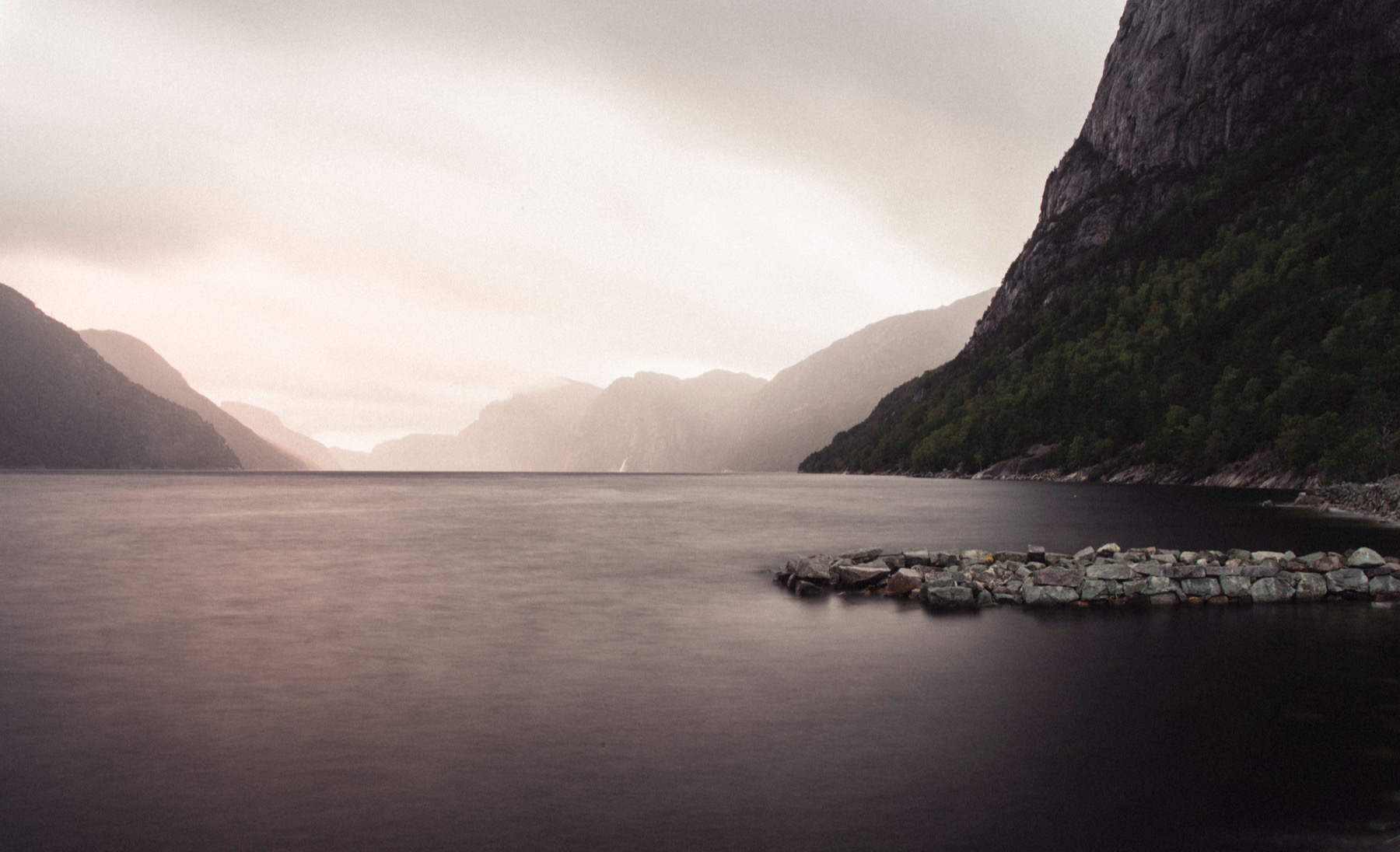
The area around the fjord offers the perfect mix of peaceful country life and dramatic nature. You’ll find endless orchards, old timber farms and modern museums that bring the local culture to life.
At the same time, it’s a region that draws active travellers from all over the world. The hiking trails around the fjord are among the most beautiful in all of Scandinavia, even if they often call for decent fitness.
Let’s take a look at the first four tips, which will guide you through the local culture and blossoming orchards, and introduce you to some of the country’s best-known excursions.
1. Blossoming orchards and celebrated apple cider
The fruit-growing tradition in this region dates back to the 13th century, when the first trees were brought here by British monks. Today the area produces almost 40 percent of all Norwegian fruit, from crisp apples to sweet cherries and plums.
The biggest draw for foodies is undoubtedly the local craft cider, which even holds a protected designation of origin, much like French champagne. Throughout the summer you can visit dozens of local farms offering cellar tours paired with tastings of this sparkling treasure.
Along the narrow roads you’ll come across one absolutely wonderful Norwegian quirk. Farmers set up self-service wooden fruit stalls, where you simply grab a basket of cherries or a bottle of fresh juice and drop your money into the honesty box.
💡 Tip: Try planning a trip along the so-called Cider Route in the village of Ulvik. You can rent a bike and leisurely cycle from farm to farm, chat with the producers about how it’s made, and soak up the views over the deep blue water.
2. Dronningstien: the Queen’s panoramic trail
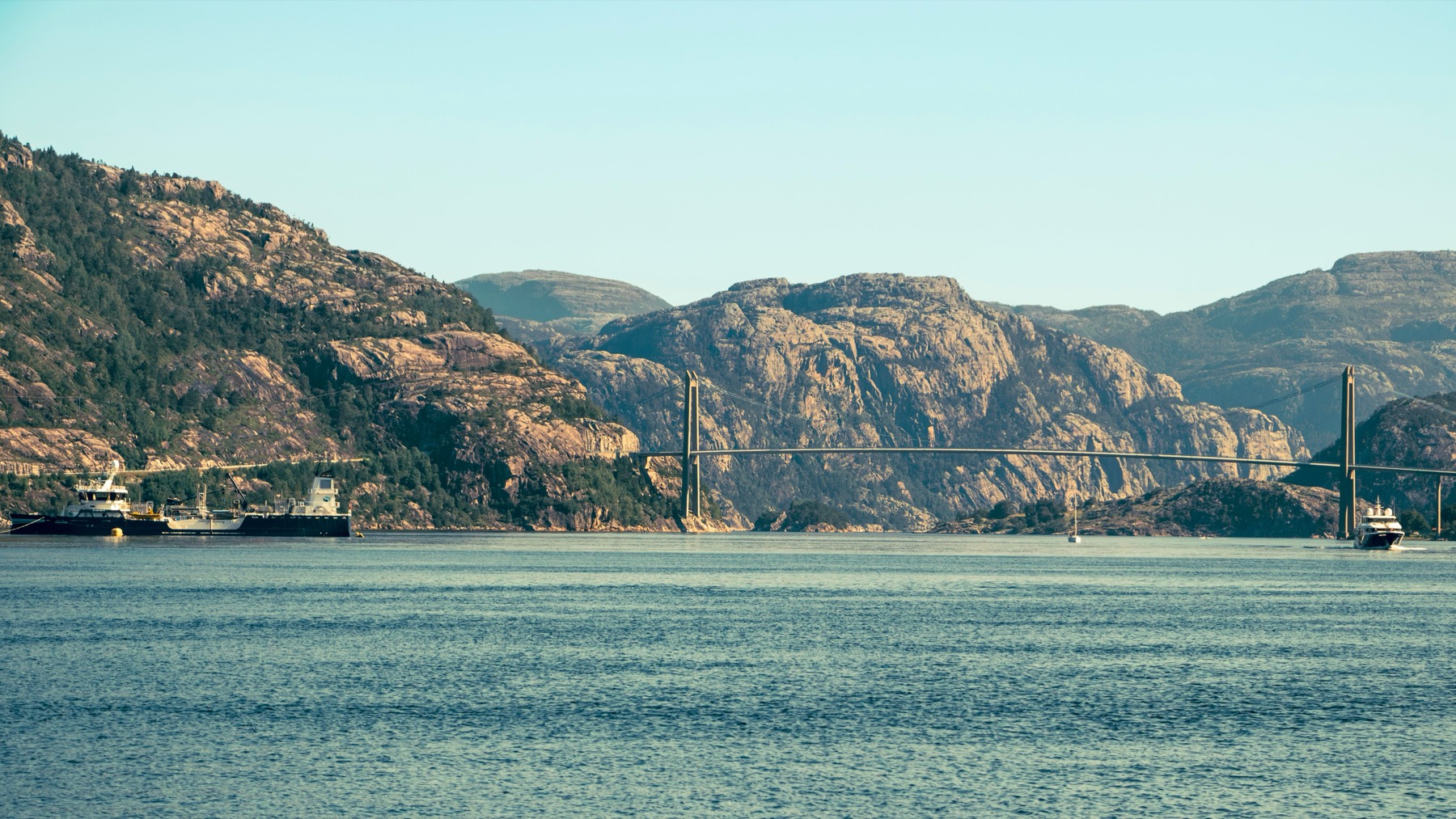
If you love high-mountain walks and stunning views, this trail will completely win you over. It earned the name Dronningstien, or the Queen’s Trail, because it’s one of Norwegian Queen Sonja’s favourite hiking routes.
The trek is an impressive 16 kilometres long and runs high along the mountain ridges between the villages of Kinsarvik and Lofthus. Along the way you’ll enjoy breathtaking views over the narrow Sørfjord, which cuts deep into the mainland, as well as the Folgefonna glacier across the water.
Be prepared for a full-day and fairly demanding outing that will take you roughly 6 to 8 hours of walking. The route starts with a steep climb through forest, but once you rise above the tree line, a panorama opens up that you won’t forget any time soon.
💡 Tip: The route isn’t a loop, so you’ll need to sort out getting back to your car. In the summer season the locals run special shuttle buses that will conveniently ferry you back from Lofthus to the car park in Kinsarvik.
3. Trolltunga: the iconic rock ledge
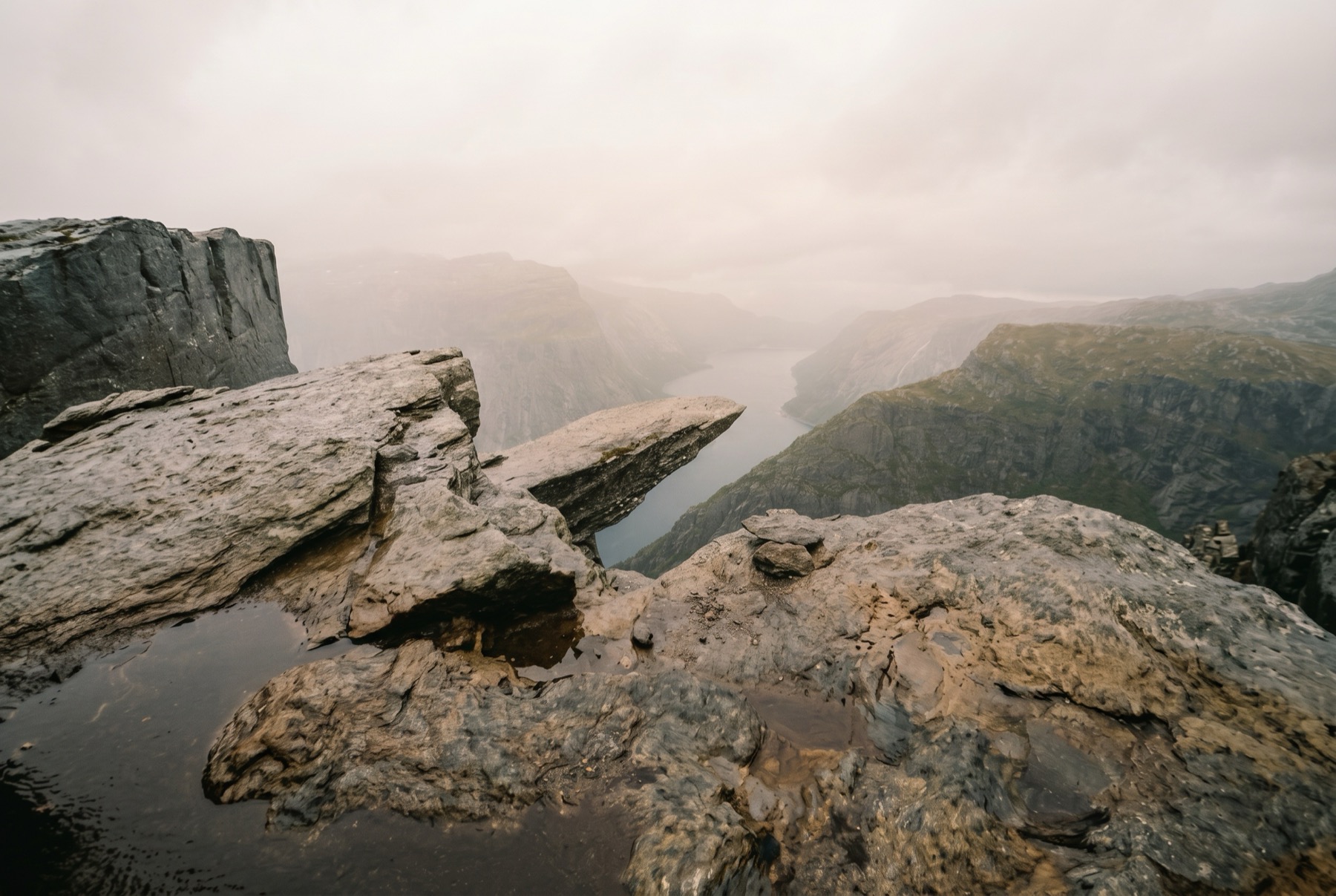
This rock formation jutting out into thin air above Lake Ringedalsvatnet is probably the most photographed spot in all of Norway. For many travellers, that shot of you sitting on the very edge of the stone tongue is the main reason they head to Scandinavia in the first place.
But don’t be fooled by the gorgeous photos on social media; getting there is genuinely tough going. You’re facing a demanding 28-kilometre trek that takes 10 to 12 hours of walking over challenging, rocky terrain.
The starting point for this hike is the small town of Odda at the very south of the region. From there you have to drive up a winding road to the car park in Skjeggedal, where the climb itself begins and tests your fitness right from the first few kilometres.
💡 Tip: You’ll find detailed info on preparation, parking and gear in our separate article Trolltunga — the hike to the troll’s tongue, where we’ve put together all the essential advice for a safe ascent.
4. Charming villages and the Hardangervidda plateau
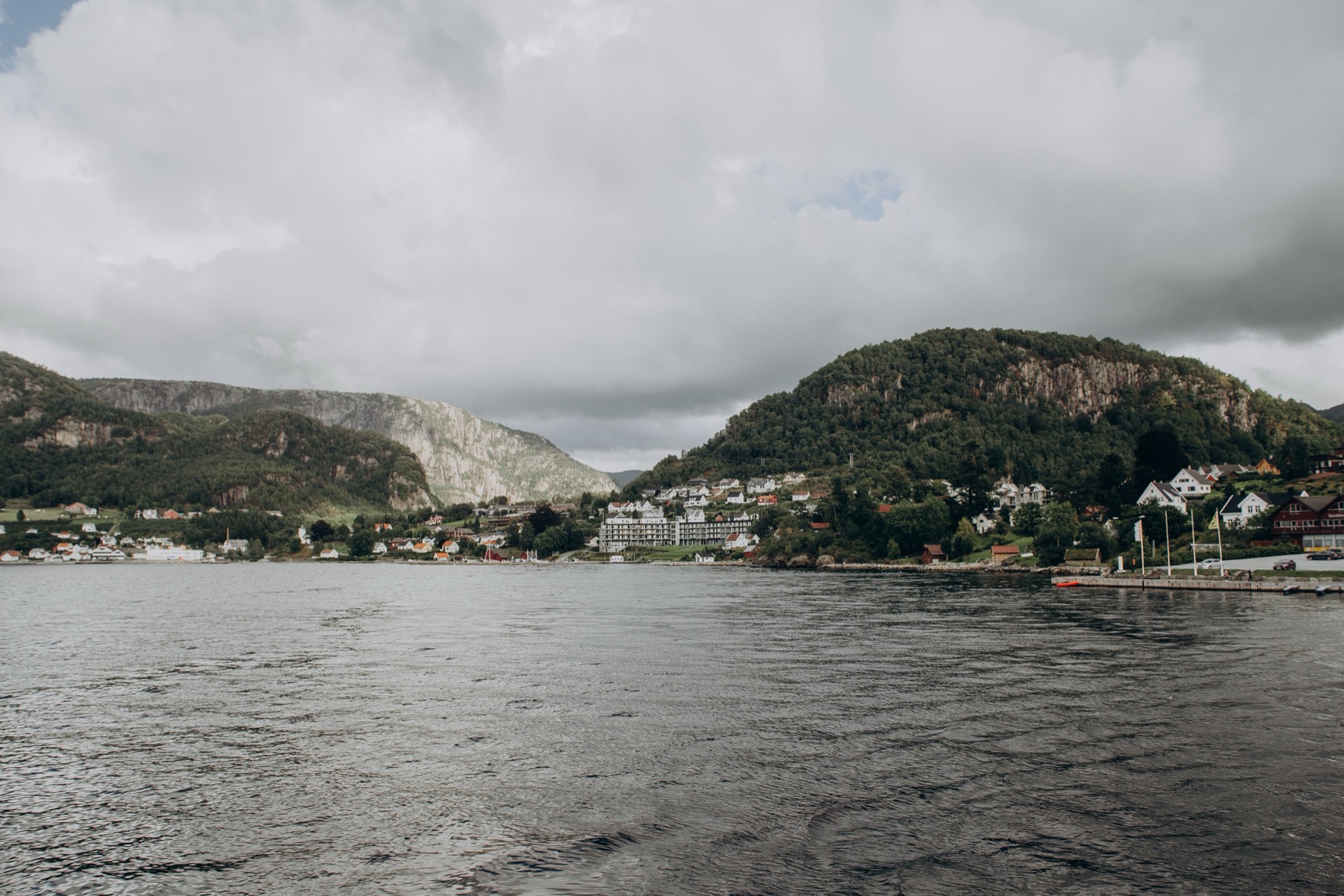
The fjord’s shores are lined with several picturesque villages that are well worth a closer look. Norheimsund, for instance, hides the lovely Hardanger Folkemuseum, where you can see traditional timber houses and old boats.
The village of Eidfjord, meanwhile, acts as a sort of gateway to Norway’s largest national park. Right above the fjord stretches the vast Hardangervidda plateau, the largest of its kind in all of Europe.
This rugged mountain tundra is home to one of the largest herds of wild reindeer in the world. Up here you’ll find countless waymarked trails that lead you through a landscape full of crystal-clear lakes, lichens and endless horizons.
💡 Tip: Before you head into the mountains, stop by the modern Norsk Natursenter visitor centre in Eidfjord. They have amazing interactive exhibits about the local nature, and their panoramic cinema screens a stunning documentary about the national park.

Map of points of interest for your phone
Stunning Waterfalls and the Folgefonna Glacier
Water is everywhere in this region and makes its presence felt with tremendous force. Meltwater from the high plateaus and glaciers tumbles over steep cliffs down to sea level, creating some of the highest and most powerful waterfalls in Europe.
The western side of the fjord, meanwhile, is guarded by a mighty mass of ice that has survived since the last ice age. The local nature is so incredibly varied that in a single day you can walk through a blossoming orchard and across frozen blue ice.
Let’s introduce four more amazing spots where you’ll experience Norway’s wild nature up close. Trust me, the roar of thousands of litres of falling water will absolutely blow you away.
5. Vøringsfossen: the most famous waterfall with a unique bridge
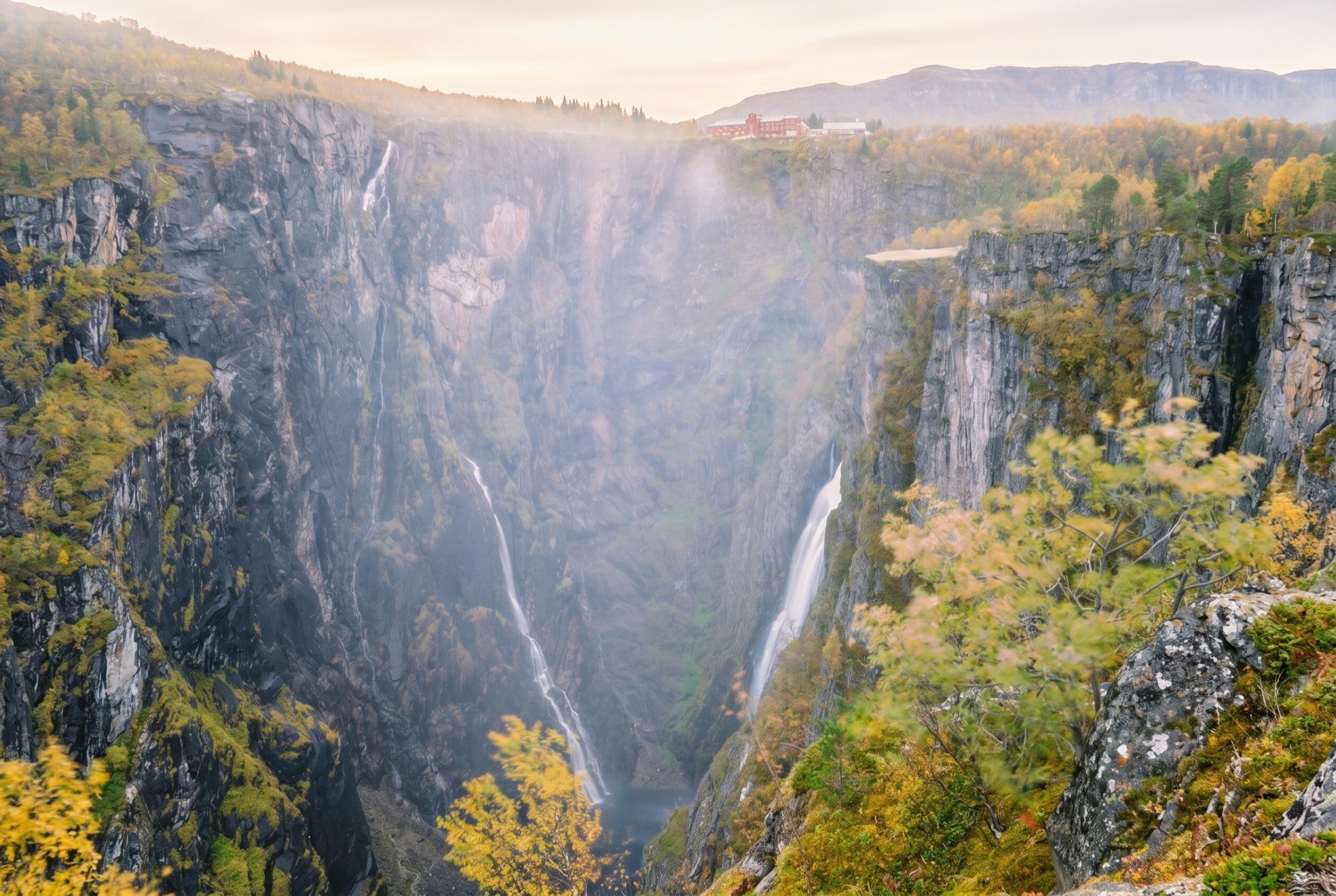
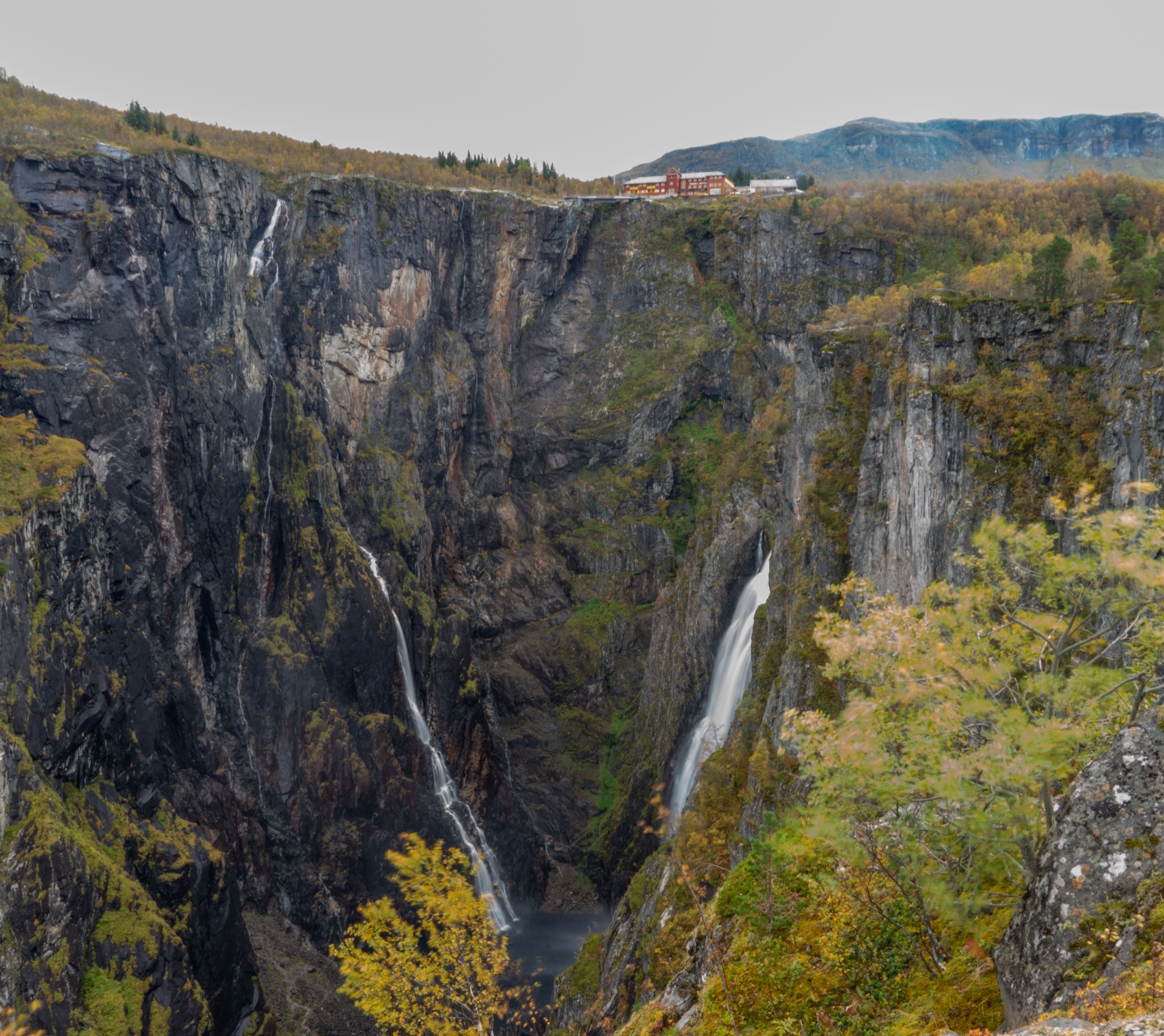
This is an absolute classic that you can’t skip when visiting the region. Vøringsfossen plunges into the deep, almost vertical Måbødalen gorge with a total drop of 182 metres, of which the main free fall measures an impressive 145 metres.
It sits just a short distance from main road number 7, so it’s very easy to reach. Recently the Norwegian authorities built a new architectural marvel here: a futuristic bridge spanning the gorge itself, right above the falling water.
The view down into the abyss from this latticed steel bridge is only for the braver among us, but it’s utterly fantastic. From both sides of the viewpoint you can watch the water shatter against the rocks and create beautiful rainbows.
💡 Tip: If you have more time, you can walk down the old historic trail from the car park by the main road to the floor of the valley. This gives you a completely different perspective and lets you feel the waterfall’s power from below.
6. Steindalsfossen: the waterfall you can walk behind
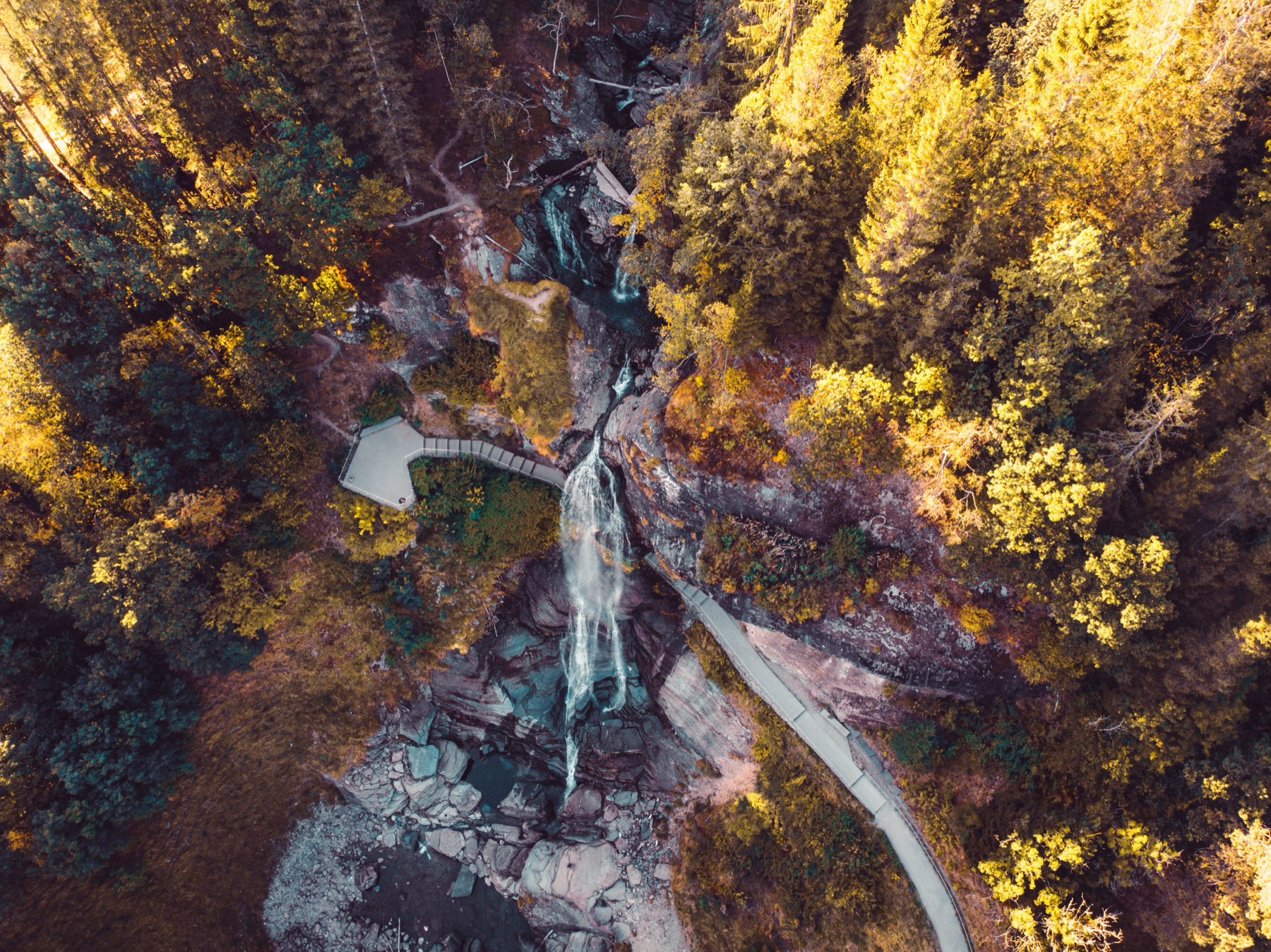
Near the small town of Norheimsund you’ll find one of the most fun and most-visited natural wonders in the country. Steindalsfossen may not be among the tallest, measuring only about 50 metres, but it offers one absolutely unique attraction.
A safe walking path has been built directly behind the wall of falling water. So you can stroll right behind the watery curtain, feel the icy mist on your face and stay relatively dry the whole time.
This waterfall was already enormously popular a hundred years ago; reportedly even German Emperor Wilhelm II visited it on every summer holiday. What’s more, it’s a very easy stop, ideal for families with children, as the walk from the car park takes just a few minutes.
💡 Tip: The best time to visit is late spring or early summer, when the snow is melting high in the mountains and the waterfall is at its strongest. Have your cameras ready, as photos through the wall of water look magical.
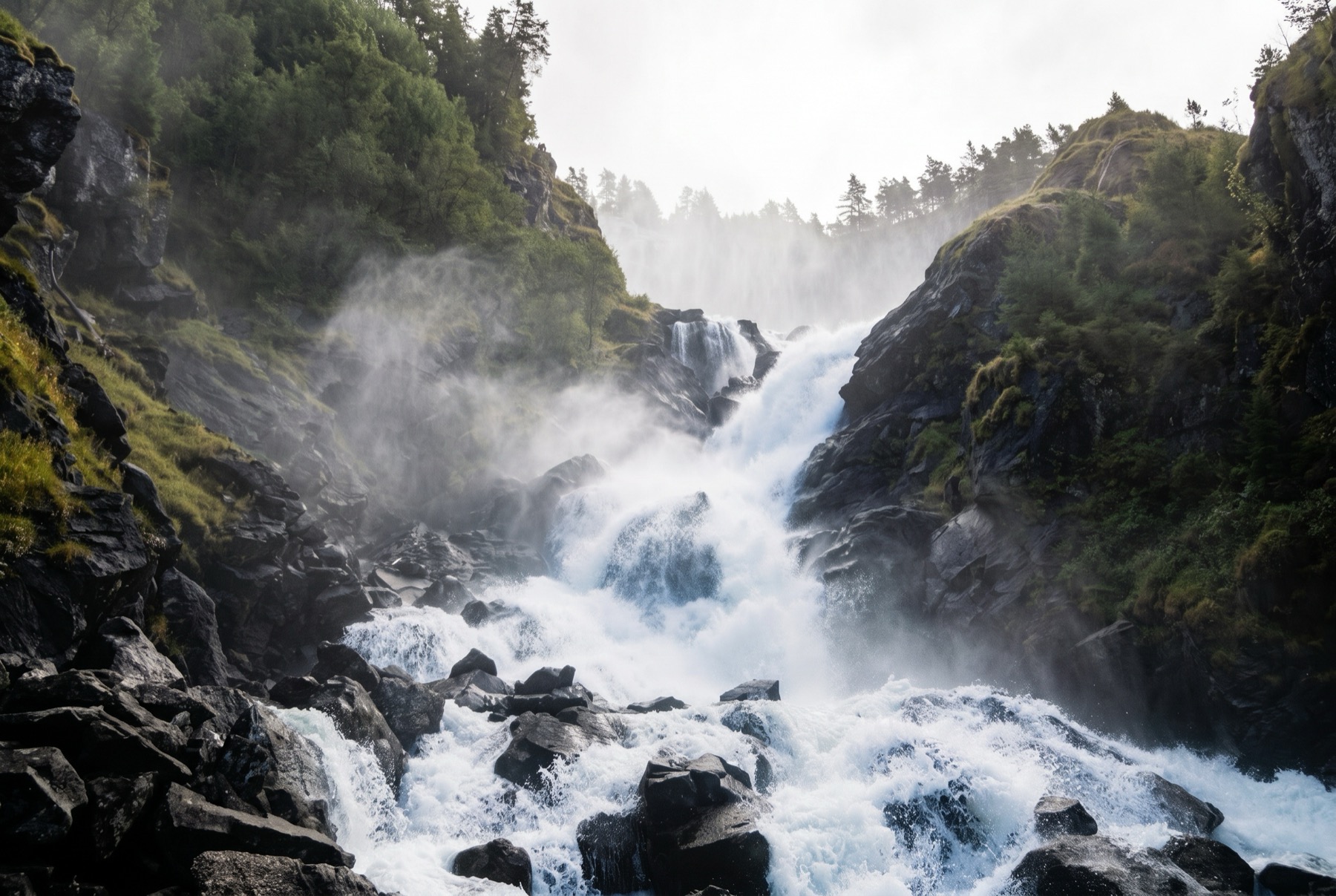
7. Låtefossen: the twin waterfall by the old road
On the way to the town of Odda you’ll come across a waterfall where you simply have to stop. Låtefossen is special because near the top it splits into two separate streams that crash downwards and merge again at the bottom.
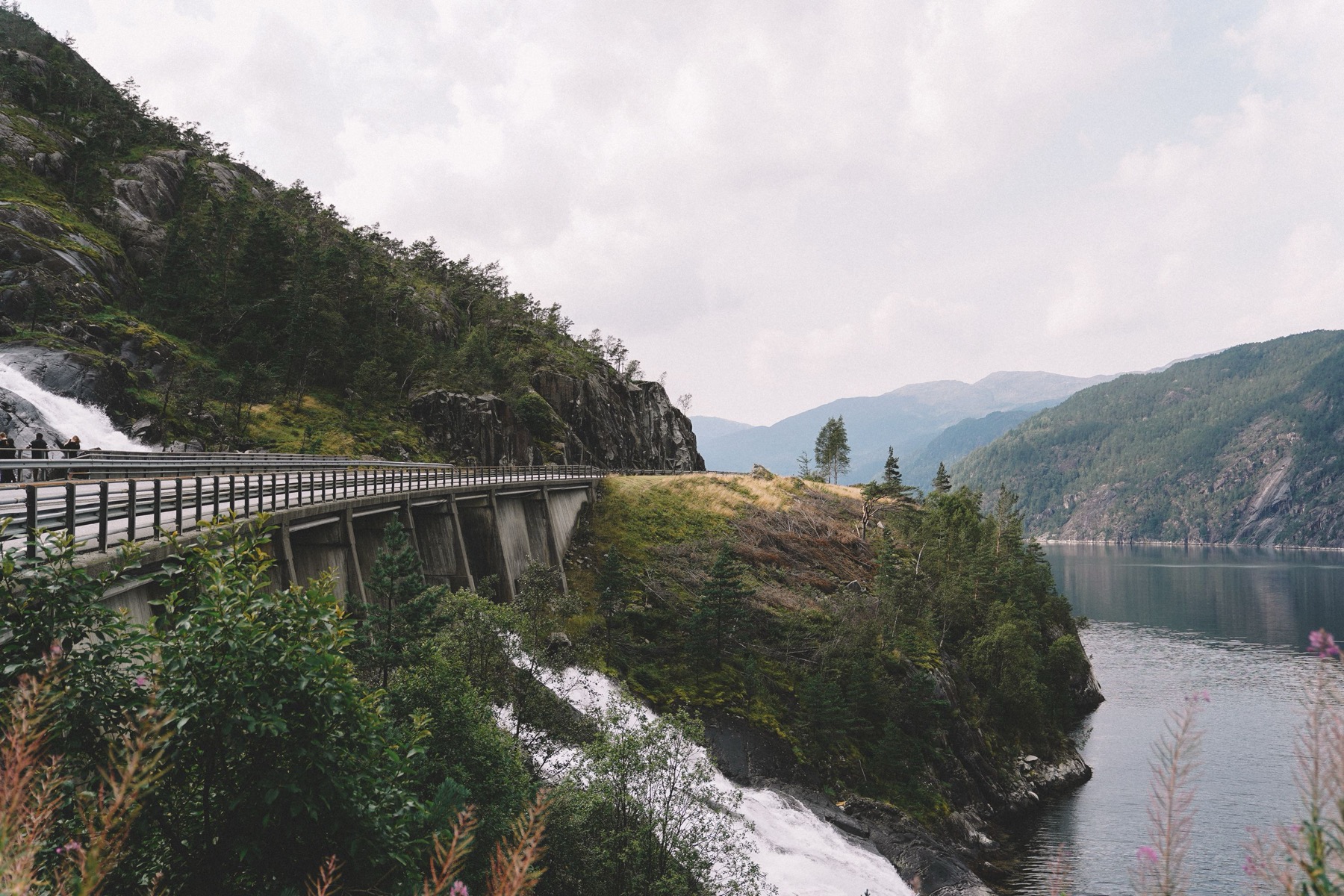
The most fascinating thing about it, though, is that it falls right beside a historic stone road with six picturesque arches. The spray from the waterfall is so forceful that cars routinely drive through a thick watery mist, wipers going full tilt.
As far back as the late 19th century, wealthy European tourists arrived here by carriage to marvel at this force of nature. Today you’ll find a small free car park with a little souvenir shop, though it tends to get pretty crowded in high season.
💡 Tip: Be careful when crossing the road for a better photo. Drivers are often blinded by the spray and the stretch is quite poor for visibility, so safety has to come first.
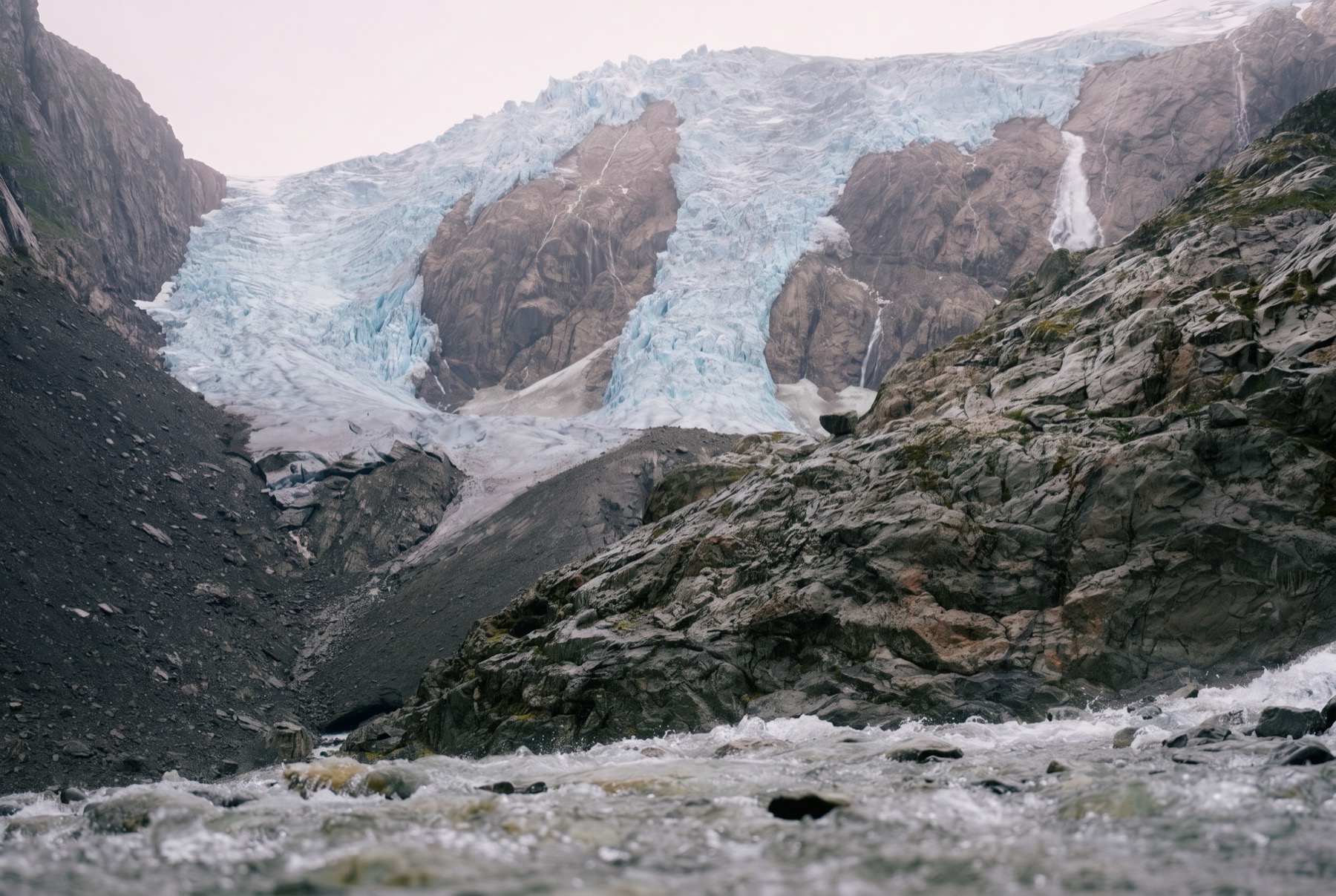
8. The Folgefonna glacier: summer skiing above the fjord
Stretching above the western shore of the fjord is Folgefonna, the third-largest mainland glacier in all of Norway. It’s a magical place that, even in the heat of summer, offers proper winter fun and snowdrifts.
A local rarity is the summer ski resort Fonna Glacier Ski Resort, which often opens its gates as late as May. Here you can enjoy the utterly absurd but brilliant experience of skiing down a perfectly groomed slope in just a T-shirt.
For non-skiers, safe guided tours with certified guides are organised right across the blue glacier. With crampons on your feet and an ice axe in hand, you can explore deep ice crevasses and crystal-clear glacial pools.
💡 Tip: The drive up to the glacier from the village of Jondal is an experience in itself. Have some coins ready for the toll, because you’ll be travelling along a private mountain road that offers breathtaking views all the way to the North Sea.
How to Get to Hardangerfjord
Travel logistics in Norway are always a bit of an adventure, but getting to this fjord isn’t complicated. The most common starting point is the city of Bergen, which has a large international airport with good connections to the rest of Europe. From the UK there are direct flights to Bergen from London and other major airports, making it an easy gateway for a Hardangerfjord from Bergen trip.
From Bergen, the drive in a rental car to the northern edges of the fjord (for example to the town of Norheimsund) takes just under two hours of relaxed driving. The roads are in excellent condition and along the way you can soak up the magnificent Norwegian landscape.
When getting around the region itself, you’ll often need to use the car ferries, since the fjord is too wide to bridge. The busy Kinsarvik–Utne crossing, for instance, takes you across the water and offers a wonderful chance to see the mountains right from the surface of the fjord.
Where to Go Next from Hardangerfjord
If you have a car and plenty of time, this region is the perfect crossroads for further adventures. Travelling around Scandinavia is all about constant discovery, so I’d recommend planning a wider loop through the surrounding area.
For inspiration on more amazing places in the country, be sure to check out our packed article Norway: 50 tips on what to see. It’ll give you a great overview of all the highlights, from the south to the far north.
Curious to learn more about how these deep valleys formed and where to go by boat? Read our detailed Norwegian Fjords — a guide, where you’ll find plenty of practical information for your planning.
To round off your road trip, definitely stop in the old Hanseatic city we wrote about in Bergen: what to see. A stroll among the colourful timber houses of the Bryggen quarter is a beautiful way to cap off a trip into the wilderness.
Frequently Asked Questions
When do the orchards bloom at Hardangerfjord?
It depends on the current weather, but the best chance for full bloom is usually at the end of April and throughout May. It’s the most popular time for romantic walks and photo shoots.
How to best get from Bergen?
The most comfortable way is to head out by car on the E16 road and then on route 7, which takes about two hours to the small town of Norheimsund. During the journey along the fjord, you’ll occasionally need to use the local ferries.
Is Vøringsfossen worth visiting?
Definitely yes, it’s one of the most famous natural phenomena in the country. You’ll see massive water plunging into a giant chasm and you can also walk across the new architecturally interesting viewing bridge.
Is the famous Trolltunga near Hardangerfjord?
Yes, it’s located in the southern part of the region near the town of Odda. Keep in mind, though, that this is a very demanding full-day trek for experienced hikers, which you can read about in our separate article.
Can you ski on the Folgefonna glacier in summer?
Yes, and it’s an amazing experience. The Fonna summer ski resort usually opens in May and, under good snow conditions, operates even in the middle of summer, so you can ski lightly dressed in a t-shirt.
Where’s the best place to stay in the region?
It depends on your itinerary, but a great choice is the village of Lofthus with views over the orchards, the town of Eidfjord as a gateway to the mountains, or Odda, which serves as a base for hiking and climbing.
What is Hardangervidda anyway?
It’s an absolutely enormous high plateau rising above the fjord, which forms the largest national park in Norway. It represents home to wild reindeer and is interwoven with hundreds of kilometers of beautiful hiking trails.
Tips and Tricks for Your Vacation
Don’t Overpay for Flights
Search for flights on Kayak. It’s our favorite search engine because it scans the websites of all airlines and always finds the cheapest connection.
Book Your Accommodation Smartly
The best experiences we’ve had when looking for accommodation (from Alaska to Morocco) are with Booking.com, where hotels, apartments, and entire houses are usually the cheapest and most widely available.
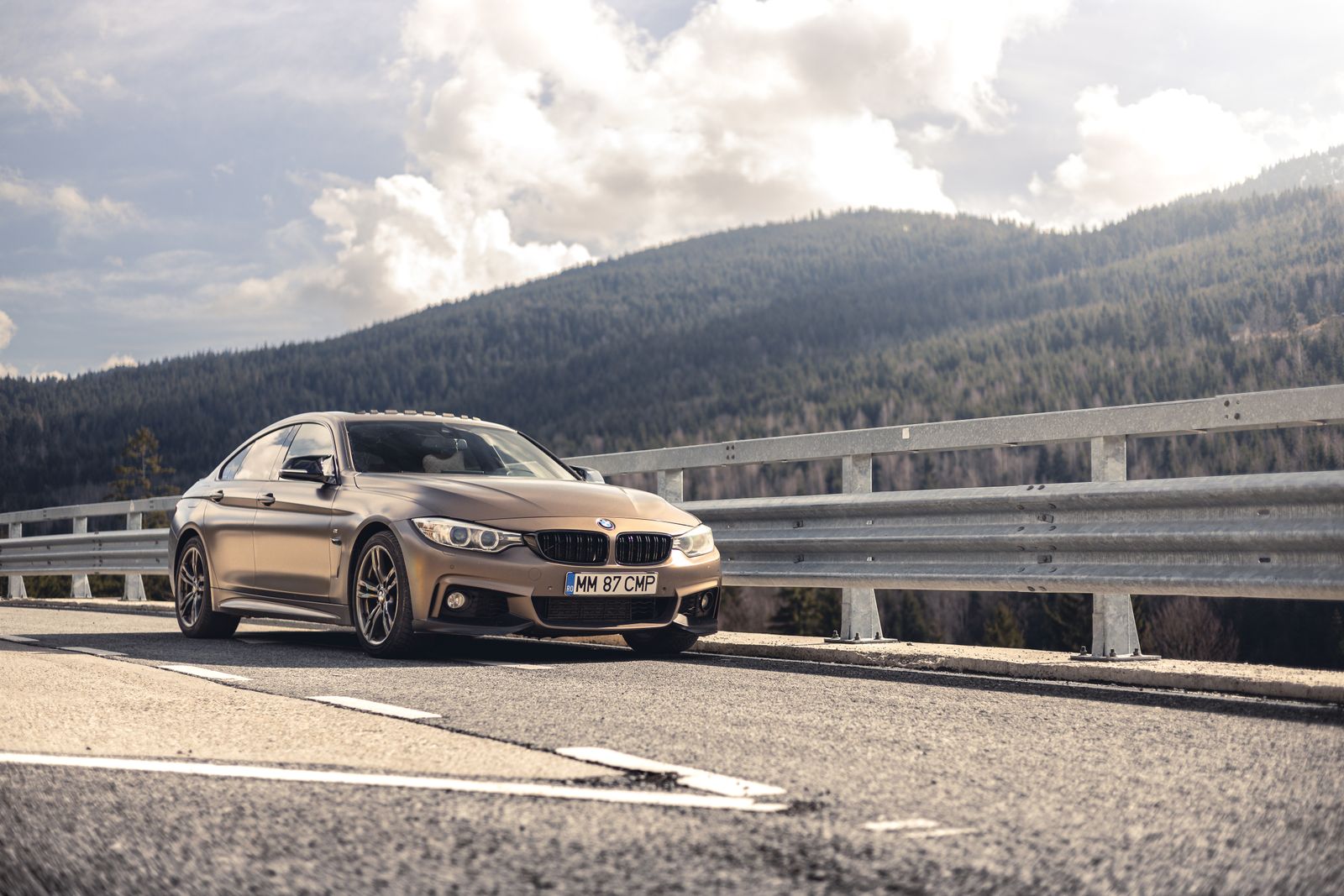 🚗 Car rental on the roadVerified rental cars in Norway
Search with the DiscoverCars comparison engine — it compares prices from dozens of local and international rental companies, and most bookings come with free cancellation.
Compare car prices in Norway →Don’t Forget Travel Insurance
Good travel insurance will protect you against illness, accidents, theft, or flight cancellations. We’ve had a few hospital visits abroad, so we know how important it is to have proper insurance arranged.
Where we insure ourselves: SafetyWing (simple monthly subscription) and TrueTraveller (for extra-long trips).
Find the Best Experiences
Get Your Guide is a huge online marketplace where you can book guided walks, trips, skip-the-line tickets, tours, and much more. We always find some extra fun there!