

Occitania is one of those southern French dreams that lodges itself in your head and won’t leave – the medieval walls of Carcassonne, rose-pink Toulouse, canals, vineyards and a coastline where you’re not squeezed in among the crowds. But then the practical doubts kick in: when’s the best time to go, what’s it all going to cost, and above all – book a package tour or plan it yourselves?
That’s exactly why we put this hub together. You’ll find up-to-date tour and flight prices that we refresh every morning, our tips from our own trips and city-by-city articles, plus a plan for when and what to book so you don’t end up overpaying.

What to see and do in Occitania
Occitania is huge – it stretches from the Pyrenees to the Mediterranean and from the Atlantic over towards Provence. We’ve explored mostly the southern, coastal and historic part. Here are the places that make it worth the trip:
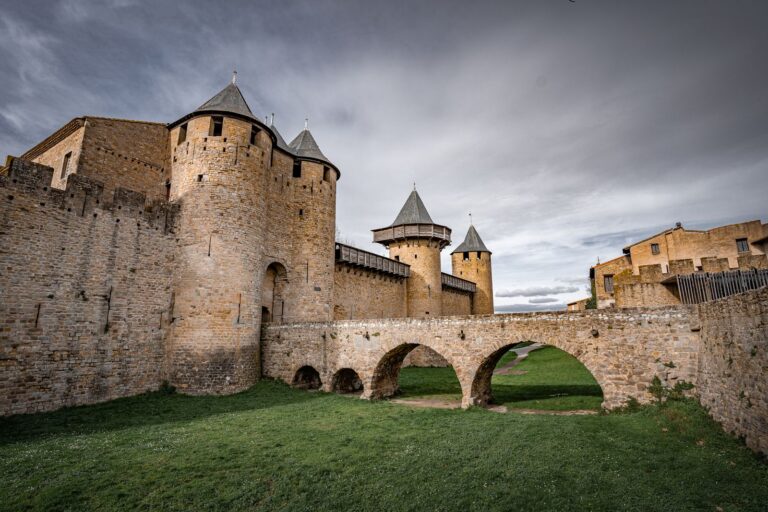
- Carcassonne – the largest surviving medieval fortress in Europe. The walls look straight out of a fairy tale, but come early in the morning or in the evening; it’s packed during the day.
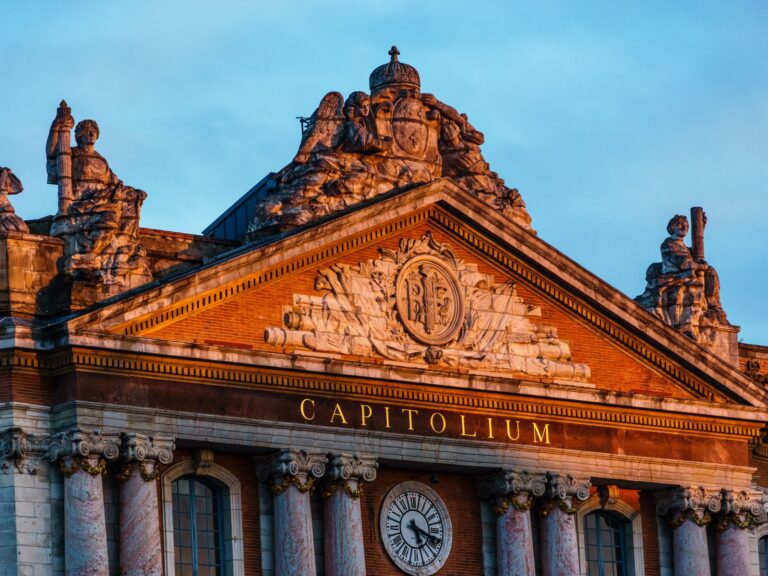
- Toulouse – the “pink city” built of brick, with a student buzz, great bistros and a gateway to the whole of Occitania.
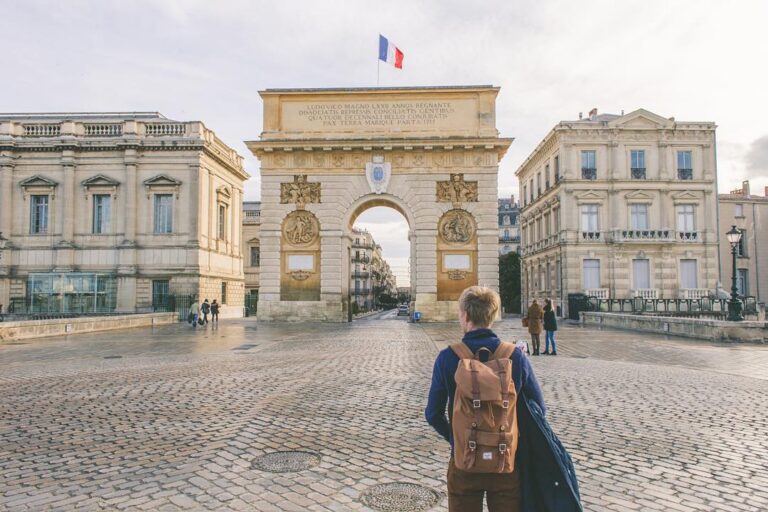
- Montpellier – a young university city just a short hop from the sea, with a lovely old centre and modern quarters.
- Sète – the “Venice of Languedoc”, with canals, a fishing harbour and the best seafood for miles around.
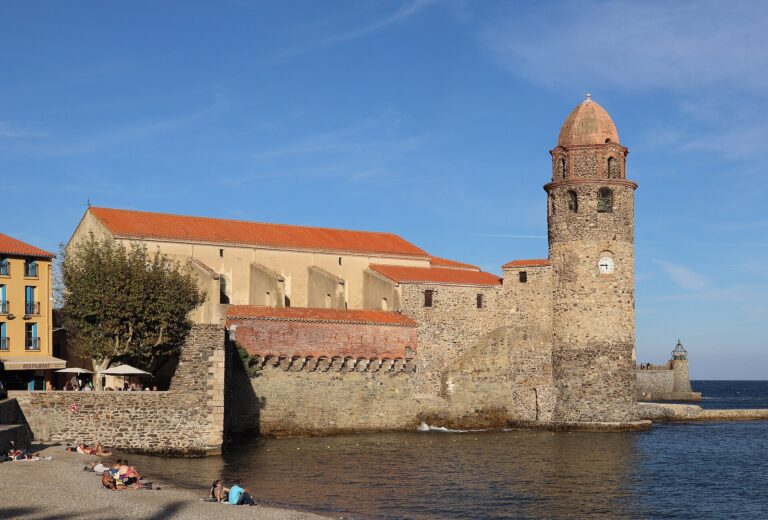
- Collioure and the Côte Vermeille – a colourful Catalan town near the Spanish border where the Fauvists once painted. Our absolute favourite.
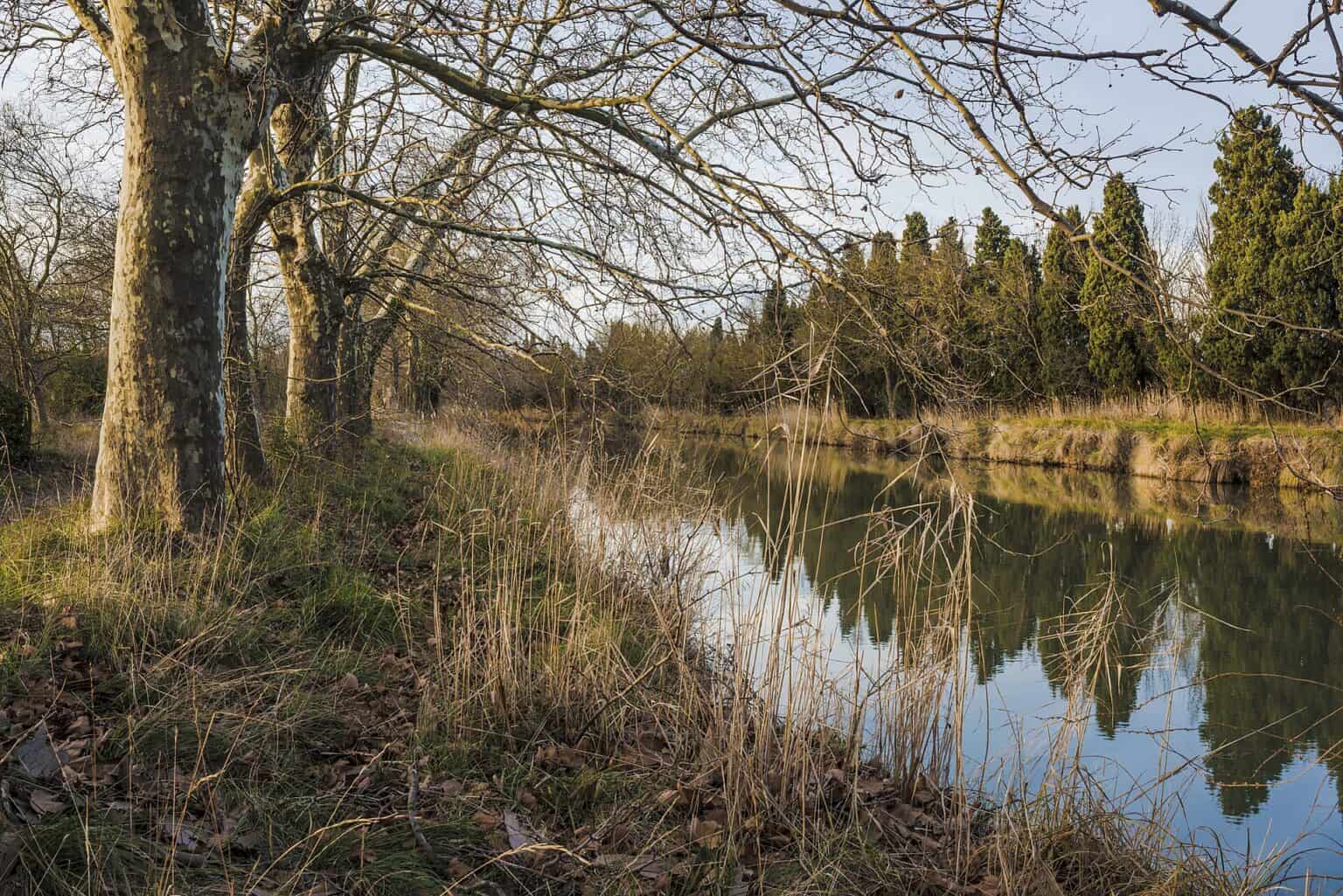
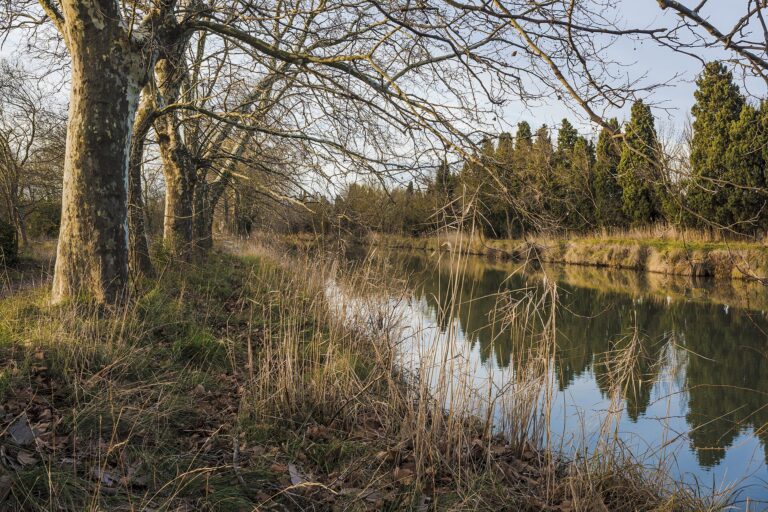
Add to that the vineyards of Languedoc, the UNESCO-listed Canal du Midi and beaches that aren’t nearly as crammed as the Riviera. You’ll have plenty to fill a week to ten days without ever having to rush.
When to visit Occitania
Occitania is at its loveliest in spring (May–June) and in September. Warm enough for swimming and sightseeing, the sea is pleasant, and best of all it’s calm – no summer crowds and no scorching heat. On top of that, accommodation costs noticeably less than in peak season.
July and August are the hottest and liveliest, but also the priciest and busiest – the beaches, Carcassonne and Sète are bursting at the seams, and inland it can easily top 35 °C during the day. If you’re travelling with kids and swimming is the main goal, book your stay well in advance.
We wouldn’t recommend the off-season (October–April) for swimming, but it’s great for exploring cities like Toulouse or Montpellier – cheap, queue-free and full of authentic atmosphere. Just bear in mind that some coastal businesses tend to be closed.
How to get to Occitania
By air, the main gateway to Occitania is Toulouse, with Montpellier as a handy second airport. From the Czech Republic you usually won’t fly direct – most often you’ll change in Paris, Lyon or another European hub. From the airport, either a hire car or the trains – which connect the south of France rather well – will do the job nicely.
Driving from the Czech Republic is a longer haul – reckon on roughly 1,400–1,600 km and two days on the road with an overnight stop. A car pays off mainly when you want to crisscross the region and lug your beach and mountain gear around with you. On French motorways, factor in tolls, which add a fair bit to the cost of the trip.
Renting a car
A car always pays off in Occitania when you want to reach the countryside, the vineyards and the smaller beaches – the Côte Vermeille around Collioure, for instance, is incomparably easier to explore by car. But if you’re only planning the big cities (Toulouse, Montpellier) and the hops between them, the trains handle that comfortably and a car would just be a parking headache.
- Book ahead through a rental comparison site – on the spot in season it tends to be pricey, and the small cars vanish fast.
- Keep an eye on the insurance and the deposit amount (the hold on your card) – basic cover often isn’t enough, and a top-up policy is worth it.
- Factor in motorway tolls and paid parking in city centres – those add more to the trip than the rental itself.
Where to stay in Occitania
Where you stay depends on whether you’re after cities and culture or more sea and relaxation. We’ve had the best experience combining the two – a few nights in a city, a few by the coast.
- Toulouse and Montpellier – an ideal base for cities and day trips, with a wide choice of hotels and apartments and good rail links.
- Sète and Collioure – for a seaside stay and a calmer vibe. In season, book well in advance; these little towns fill up fast.
- Carcassonne – a couple of nights is plenty. Sleeping inside the walls is an experience, but pricier than down in the lower town.
- Country apartments and gîtes – brilliant for travellers with a car and longer stays, often the best value for money, especially for families.
Package tour or independent travel?
Honestly – Occitania is easy enough to do on your own, but it comes down to how much you enjoy planning and how much time you have.
A package tour pays off when:
- you want to see several cities in a short time without sorting out transport and accommodation,
- you’d rather not deal with connecting flights and logistics,
- you appreciate a guide and the historical context (Carcassonne, the Cathars, the vineyards),
- it’s your first visit and you want everything arranged in advance.
Go DIY when:
- you like setting your own pace and want to linger wherever you fall in love with the place,
- you’re planning a mix of sea and countryside and want to hire a car,
- you’re travelling with kids and need flexibility,
- you want to save money and pick your own accommodation and food.
The two of us love exploring Occitania on our own with a car – the region is welcoming, the trains and roads work well, and the flexibility is worth it. But if you want a hassle-free first taste of the highlights, an organised tour is a perfectly legitimate choice.
Budget: daily costs in Occitania
A rough daily budget per person (excluding flights/travel to France). Occitania is friendlier on the wallet than the Riviera, but it’s still Western Europe – so plan realistically. Prices are indicative and tend to climb in peak season.
| Level | Accommodation | Food | Transport & activities | Total/day |
|---|---|---|---|---|
| Backpacker | 30 €–40 € (hostel, dorm) | 12 €–18 € (supermarket, bakery) | 8 €–14 € (public transport, entry fees) | 45 €–70 € |
| Standard | 45 €–80 € (apartment, 3* hotel) | 25 €–35 € (bistro, lunch out) | 16 €–30 € (car, day trips) | 85 €–140 € |
| Comfort | 100 €–180 € (4* hotel, nice apartment) | 45 €–70 € (restaurants, wine) | 30 €–60 € (car, day trips, tastings) | 180 €–310 € |
How to save when planning
- Buy flights roughly 2–4 months ahead. For connecting routes to Toulouse, the price swings a lot depending on the date – track several dates at once. Search for flights in our flight finder.
- Book accommodation in Sète and Collioure 3–4 months ahead for summer. These little coastal towns sell out, and last-minute usually means paying more. Our accommodation tips.
- Skip peak season if you can. May, June and September offer essentially the same weather for considerably less money.
- Treat a package tour as first minute, not last minute. Last-minute deals are rare for the south of France. Booking early gets you a better choice and a better price. Current tours.
- Sort out activities and timed-entry tickets in advance – you’ll save time and the stress of queuing. See what to book early.
Practical information
- Language: French. You’ll get by in English at tourist spots and in the cities, less so in the countryside – a few basic phrases go a long way.
- Payments: you can pay by card almost everywhere, but keep a few euros in cash for markets, small bakeries and parking machines.
- Connectivity: coverage is good. EU roaming works, but for a longer stay or peace of mind an eSIM is handy – activate it from home and skip the hunt for a local SIM.
- Safety: Occitania is calm. In the bigger cities (Toulouse, Montpellier), just take the usual care against pickpockets in the centre and at stations.
- Getting around: trains between cities work superbly, but you can’t really manage the countryside and beaches without a car.


