

Corsica is one of those dreams that settles in your head and refuses to leave – wild mountains tumbling straight into a turquoise sea, the scent of the maquis, and tiny villages clinging to the cliffs. But then come the practicalities: how much does the whole thing actually cost, when is the best time to go so it’s neither overcrowded nor unbearably hot, and should you book a tour or can you pull it off on your own with a car? We once floundered in exactly that same uncertainty.
This page is our jumping-off point for Corsica, and you’ll find three things here: current prices for tours and flights, which we refresh every morning; our tips from our own trips and articles – specific places, routes, and what not to miss where; and a plan for when and what to book so you don’t overpay for nothing. Come and plan your Corsica with us. ☺️

What to see and do in Corsica
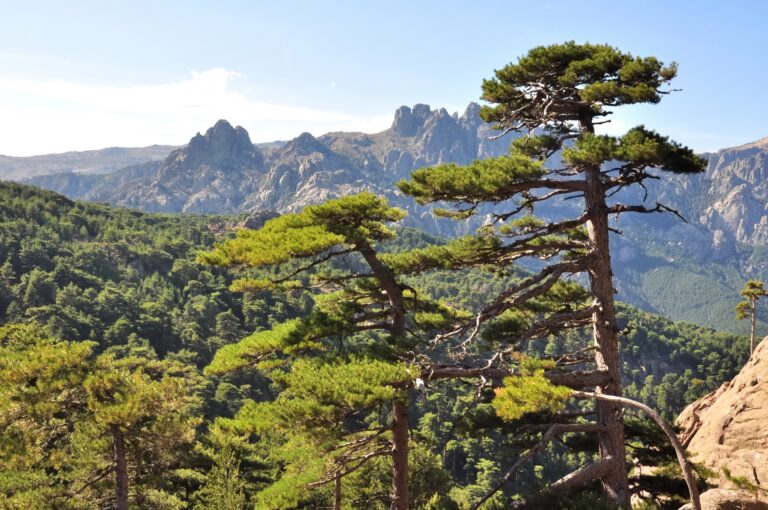
Corsica is small in size but so packed with things to do that you’ll be surprised how fast the days fly by. If you want to see the best of it and don’t have a whole month, a solid foundation is a 7–10 day road trip loop around the island – it links the coast with the interior, so you get to see both faces of the island.
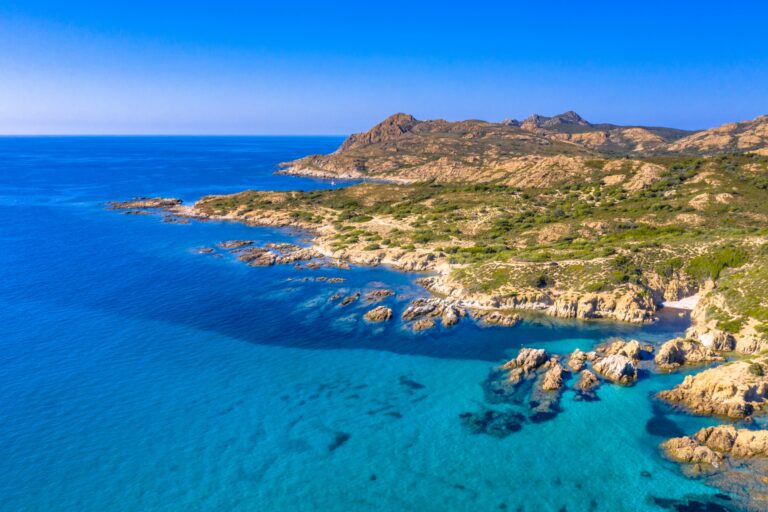
- Bastia and Cap Corse – a port town with an Italian flavour and a wild peninsula in the north, where the road hangs over the sea.
- Calvi and the Balagne – a citadel above the bay, beaches, and a loop through ancient “artists’ villages” in the interior.
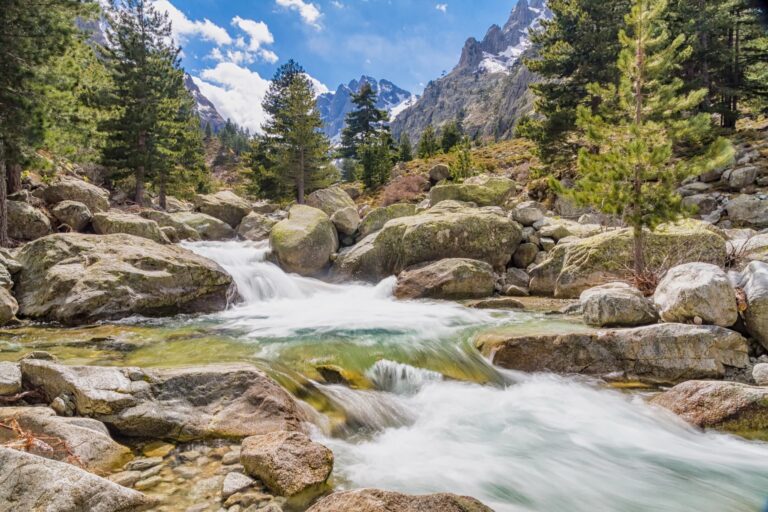
- Corte and the interior – the heart of Corsica, the Restonica and Tavignano mountain gorges, canyons, and hiking far from the crowds.
- GR20 – for the fit: the legendary trek across the island, often called the toughest long-distance trail in Europe.
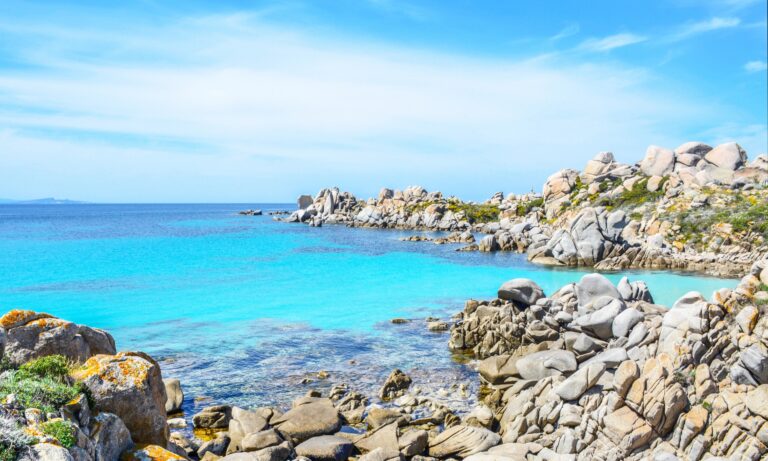
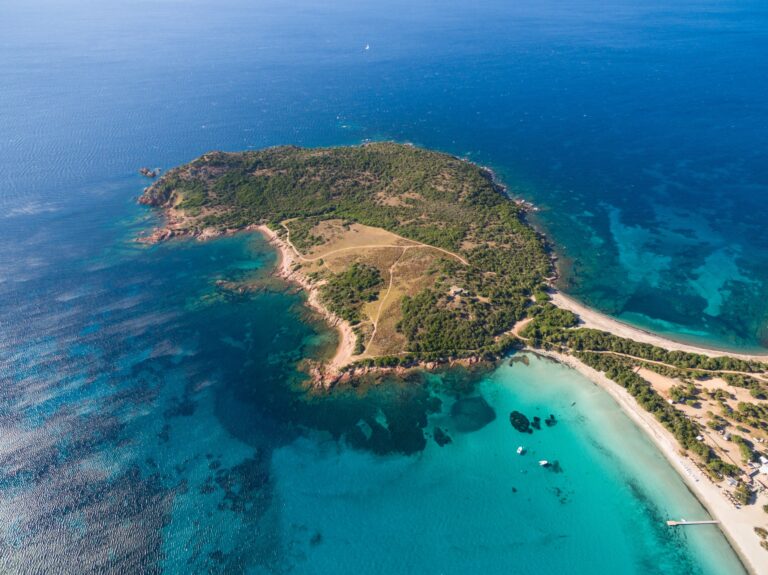
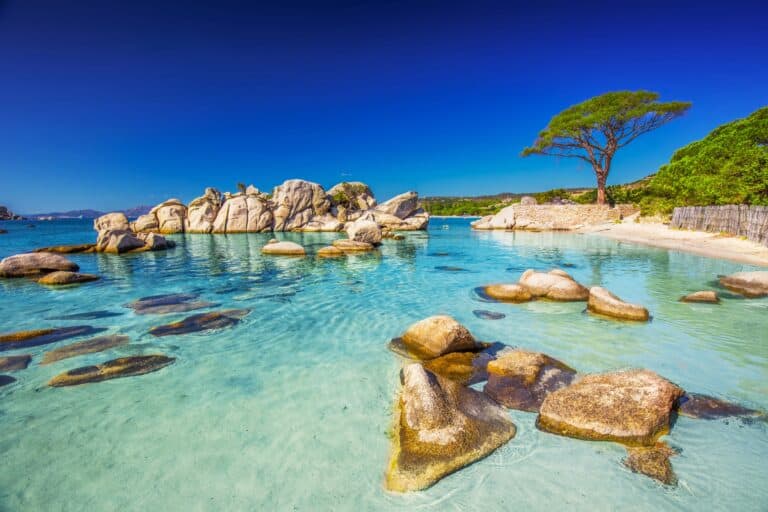
- The south of the island – Bonifacio on its limestone cliffs and the beaches around Porto-Vecchio are some of the most photogenic spots out there.
If you’re still getting your bearings, start with our guide with 15 tips on what to see and do in Corsica – it sums up the essentials in a single read.
When to visit Corsica
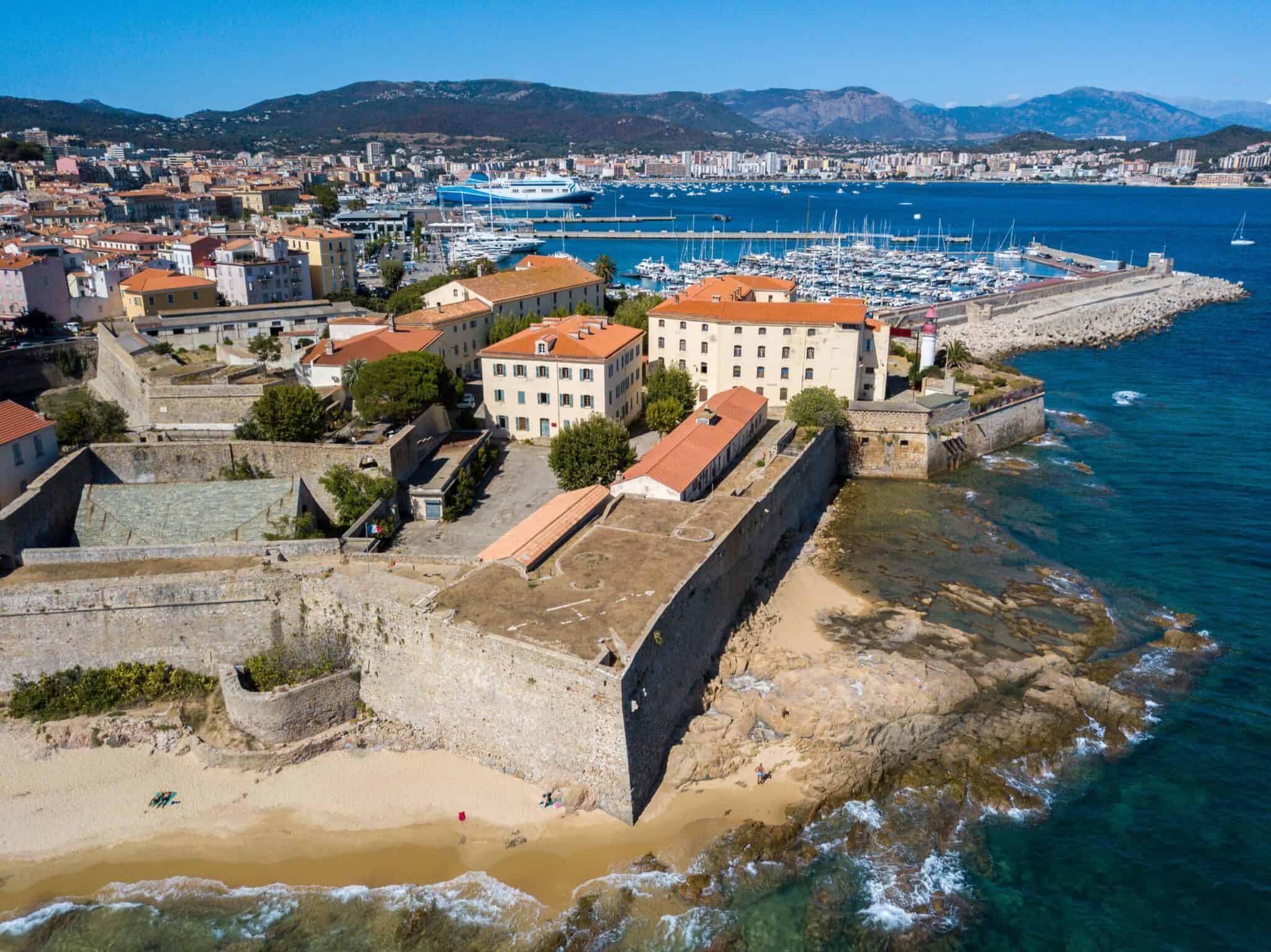
Corsica is at its most pleasant in late spring and early summer (May–June) and then again in September. The sea is already (or still) warm enough for a swim, nature is fresh, prices are more reasonable, and the crowds are manageable. The maquis blooms in spring, and the waterfalls and mountain rivers are at their fullest in May and June – ideal for the interior and for hiking.
July and August are peak season: hottest, priciest, and busiest. The beaches are packed, accommodation is expensive, and the mountains can get scorching during the day. If you’re travelling with kids for a beach holiday, factor that in – and book well ahead. On the other hand, the GR20 and the high mountains make the most sense precisely in summer, when the snow is gone and the mountain refuges are open (roughly June to September).
Off-season (November–March) the island is quiet and beautiful in its own way, but a lot of hotels, restaurants, and ferry connections run on reduced schedules – count on a sightseeing trip rather than a beach holiday.
How to get to Corsica
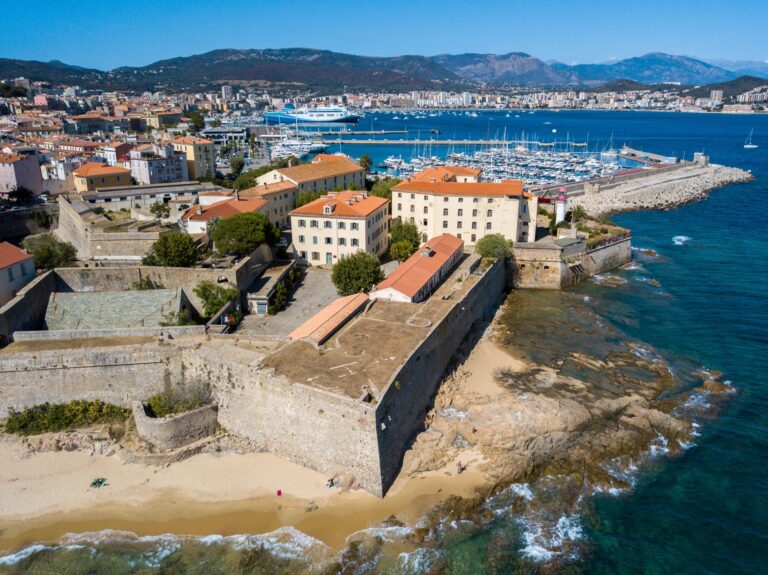
There’s no direct flight to Corsica from the Czech Republic, so you’ll need to factor in a connection – most often via a French or Italian hub. You can fly into four Corsican airports: the main gateways are Bastia (north) and Ajaccio (west), plus the regional Calvi and Figari (south, near Bonifacio and Porto-Vecchio). Choose your airport based on which part of the island you want to explore – you’ll save hours on the road.
The second option is by car + ferry: drive to one of the Italian ports (Genoa, Livorno, Savona) and take a ferry across to the island. It’s longer and, with stops, can easily be more than a day’s journey from the Czech Republic, but you have your own car and don’t have to deal with a rental. For a road trip around the island a car is more or less essential anyway – more on that in the car rental section below.
Renting a car
On Corsica a car is worth it almost every time – public transport is limited, and the loveliest corners (the interior, Cap Corse, the mountain gorges) are simply out of reach without your own wheels. You can manage without a car only if you’re planning a stay-put beach holiday in one place or hiking the GR20. Book online in advance through a rental comparison site, not at the airport counter – in season it tends to sell out and on-the-spot prices are considerably higher.
- Insurance: check the excess amount; it’s often worth taking extra cover so you don’t have a large deposit blocked on your card.
- Car size: a smaller car is an advantage on the narrow hairpins – easier to park and to pass other vehicles.
- Ferry: if you’re bringing your own car from the mainland, book your ferry spot in advance; it sells out in summer.
- Fuel: petrol stations are sparse in the interior and closed at weekends – better to drive with a full tank.
Where to stay in Corsica
Where to base yourself depends on what you want from the trip. If you’re planning a road trip, don’t commit to a single spot for the whole stay – move your base every two or three nights so you don’t spend half your holiday driving. The south (Porto-Vecchio, Bonifacio) is popular for swimming, the north (Calvi, Bastia) for a mix of sea and culture, and the interior around Corte for mountains and peace and quiet.
- Apartments and studios – the best value for money, especially if you want to cook for yourselves (restaurants are pricey).
- Campsites and mobile homes – Corsica has excellent seaside campsites; ideal for families and budget travellers.
- Hotels and guesthouses – pricey in season, good value out of it; handy in town centres if you don’t have a car.
- Mountain refuges on the GR20 – you have to book ahead, capacity is limited.
Package tour or independent travel?
A tour is worth it when…
- you want your transport, accommodation, and itinerary all sorted and no logistics to think about,
- it’s your first time and you feel unsure finding your way around abroad,
- you’d rather have a sightseeing tour with a guide who fills in the context,
- you don’t want to deal with renting a car and driving the mountain hairpins.
Go it alone when…
- you want the freedom to change plans according to the weather and your mood,
- you’re drawn to a road trip at your own pace with stops off the beaten track,
- you’re travelling as a couple or with a group and want to optimise costs,
- you’re going on a trek (the GR20) or heading somewhere the tours don’t reach.
For the two of us, Corsica is all about a car and our own pace – the island is made for a road trip. But if this is your first independent trip abroad, or you simply want a hassle-free holiday, a tour is a perfectly legitimate choice. It’s not about what’s “better,” but about what suits you. ☺️
Budget: daily costs in Corsica
| Level | Accommodation | Food | Transport & activities | Total/day |
|---|---|---|---|---|
| Backpacker | 35 €–55 € (campsite, shared) | 12 €–18 € (self-catering) | 16 €–25 € (shared car, hikes) | approx. 65 €–100 € |
| Standard | 70 €–110 € (apartment) | 25 €–35 € | 30 €–45 € (car, entry fees) | approx. 125 €–190 € |
| Comfort | 140 €+ (hotel) | 45 €+ (restaurants) | 60 €+ (car, boat trips) | approx. 250 €+ |
These figures are a rough guide and assume two people travelling (accommodation costs split per person). In season Corsica is pricier than mainland France — especially accommodation and dining in the tourist hubs. Outside July and August, costs drop noticeably.
How to save when planning
- Buy flights 2–4 months ahead and keep an eye on prices as you go – for peak season (July–August), the earlier the better. “Search for flights with our flight finder.”
- For in-season accommodation, feel free to book half a year ahead – the good apartments and seaside campsites are the first to go. Our accommodation tips.
- Reserve your car in advance, not last-minute at the airport – in summer it’s often sold out and on-the-spot prices shoot up sharply.
- Book activities and boat trips (Bonifacio) early, the popular slots fill up. What to book early.
- Shift your dates outside August – even a few days into June or September will save you thousands on both accommodation and flights.
- Tours are worth tracking in two waves: early bird for peace of mind and choice, last minute only if you’re flexible. You’ll find current tours on this page.
Practical information
- Language and currency: French is the official language (Corsican as a second language), and you pay in euros. A few words of French help; you’ll get by in English mainly in the tourist spots.
- Payments: cards are widely accepted, but in smaller villages and at markets keep some cash on you – and watch out for minimum amounts for card payments.
- Connectivity: Corsica is in the EU, so roaming works just like at home. If your data plan is on the small side, an eSIM pays off – load up on data before the trip and at least you can navigate in the mountains without panicking.
- Safety: Corsica is calm and safe. Take more care on the narrow mountain roads – hairpin bends, sometimes without crash barriers, and slow going.
- Tip: fill up in good time; in the interior petrol stations are few and far between, and even closed at weekends.


