

If you dream of travelling north of the Arctic Circle, one big question will probably pop into your head pretty quickly. Just how much will a trip to Lofoten in Norway lighten your wallet? Norway has a reputation as one of the most expensive countries on the planet, and the Lofoten archipelago is no exception in this regard.
Still, don’t let that put you off, because this Nordic beauty is absolutely worth it, and with a little planning it doesn’t have to mean personal bankruptcy. Your travel budget depends mainly on what standard of accommodation and dining you ultimately choose.
While sleeping in the iconic red cabins and eating out at restaurants will set you back thousands of pounds, with your own tent and a few supermarket runs you can keep things very reasonable. Let’s take a detailed look at how much a holiday in Lofoten costs in 2026 and where you can cleverly save.
TL;DR
- Flights and ferries: Return flights from Prague to Bodø or Narvik will cost you roughly 6,000 to 9,000 CZK in 2026. A ferry for a car and two people from Bodø to Moskenes comes to about 1,200 NOK (approx. €110).
- Accommodation on the islands: A night in a traditional rorbu fisherman’s cabin costs from 2,000 to 4,000 NOK (€175 to €350). Camping is significantly cheaper — a spot for a car and tent will run you 300 to 400 NOK (€26 to €35) per night.
- Food and cooking costs: If you cook for yourself using groceries from Kiwi or Rema 1000 supermarkets, you can push your daily food budget down to 150 to 200 NOK (€13 to €17) per person.
- Car rental and transport: A weekly rental of a smaller car in peak season comes to 7,000 to 10,000 NOK (€610 to €880). Also factor in high fuel prices, which hover around 23 NOK per litre (€2).
- Payments and cash: Norway is an almost entirely cashless society, and you won’t need any physical money at all. You can pay everywhere with an ordinary payment card.
7 Things You Need to Know
Let’s take a closer look at the most important items on your trip.
1. Flights and the Car Ferry
Getting up to the far north of Norway is the first big item in your budget. The most common option is to fly into Bodø or Evenes Airport near Narvik. From London you’ll usually get there with one connection in Oslo, and return flight prices climb towards £320 in peak summer. If you prefer to travel in your own or a rented car from the mainland, you can’t avoid a sea crossing.
The busiest ferry runs the route from Bodø to the port of Moskenes, which sits right at the southern tip of Lofoten. The crossing takes roughly three to four hours and treats you to absolutely breathtaking views of the Lofoten mountain wall as it draws closer. For a standard car and two passengers you’ll pay around £90 one way. If you travel on foot without a car, the ferry is significantly cheaper and often even free, which is a huge advantage for backpackers. The crossing itself is an experience, because the ocean here loves to show its power, so for more sensitive stomachs it’s well worth packing some travel sickness tablets.
💡 Tip: In the summer months ferries are hopelessly sold out. Book your car spot well in advance through the official Norwegian reservation systems so you don’t end up stuck for hours at the port on the so-called standby list. You’ll save yourself a lot of needless stress right at the start of your holiday.
2. Accommodation: Iconic Rorbu vs. Camping
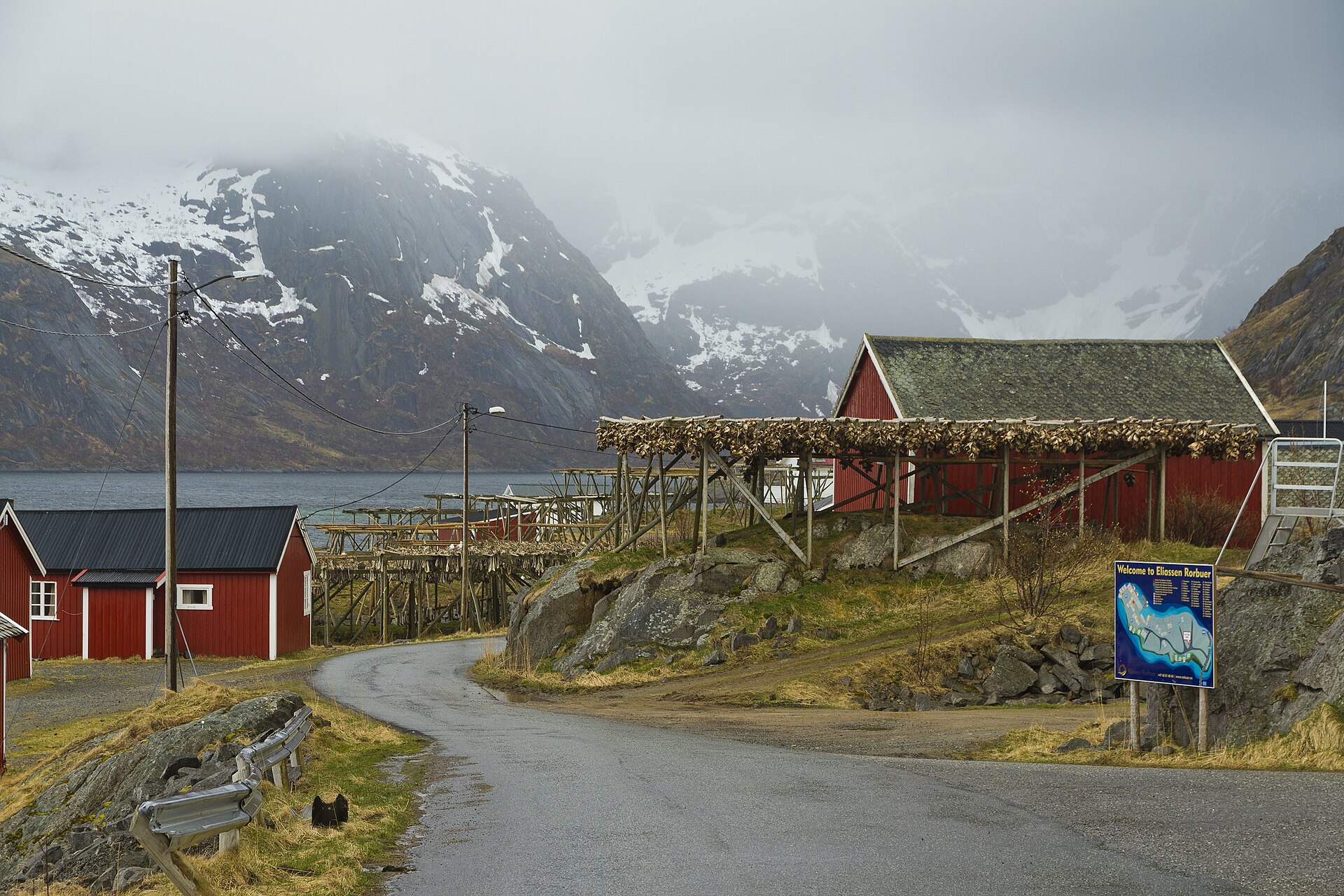
Your wallet will feel the biggest difference right here, when choosing where to stay. Almost every visitor to Lofoten longs to spend at least one night in a traditional red fishermen’s cabin called a rorbu. These cabins stand on wooden stilts right above the water, once served fishermen during the seasonal catch, and today offer a one-of-a-kind romantic atmosphere. Just bear in mind that this is a premium experience that costs between 2,000 and 4,000 NOK for a single night. The big upside of a rorbu, however, is the fully equipped kitchenette, which then saves you huge sums on eating out.
If you’re after a more affordable alternative, Lofoten is an absolute paradise for camping. Norwegian campsites are clean, brilliantly equipped and set in stunning nature, often right beside snow-white beaches. A pitch for a car and a small tent costs a very reasonable 300 to 400 NOK per night. A compromise between a tent and a pricey rorbu can be local hostels or smaller guesthouses, where a bed in a shared room runs around 800 NOK.
If you prefer total freedom, Norway allows the so-called right to roam (allemannsretten). This means you can pitch a tent for free almost anywhere, as long as you keep a minimum distance of 150 metres from the nearest dwelling and don’t camp on cultivated land. Always make sure, though, that you leave no litter behind.
💡 Tip: Most Norwegian campsites have fully equipped shared kitchens and hot showers. Showers are often charged separately using coins or special tokens, so always check the current rules at reception and keep some change or a topped-up card handy.
3. Transport: Car Hire, Tolls and Parking
You’ll explore Lofoten best by car, because public transport here is fairly sparse and won’t get you to the more remote spots or hidden beaches. A weekly car rental in summer season comes to roughly 7,000 to 10,000 NOK in 2026. If you’re hiring a car, watch carefully that you return it with a completely full tank. Otherwise the rental companies charge hefty admin fees that hurt far more than overpriced Norwegian petrol itself.
Tolls apply across the whole of Lofoten, but you needn’t fear any complicated bureaucracy. Most rental cars have a built-in electronic AutoPass box, which registers the fees completely automatically as you drive through the toll gates. The rental company then simply charges the total for your passages to your credit card once you’re back home.
Besides tolls, also be prepared for paid parking at most tourist hotspots. Many trailheads for popular hikes now charge for their car parks so that small villages can cope with the daily flood of visitors. In some places you’ll also come across a so-called beach fee, a small local charge for maintaining the natural sites around popular beaches.
💡 Tip: For quick parking payments, download the EasyPark app as soon as you land. It works reliably all across Norway and will save you a lot of frustration at parking machines, which sometimes refuse foreign cards.
4. Food: Cooking in the Rorbu and Supermarkets
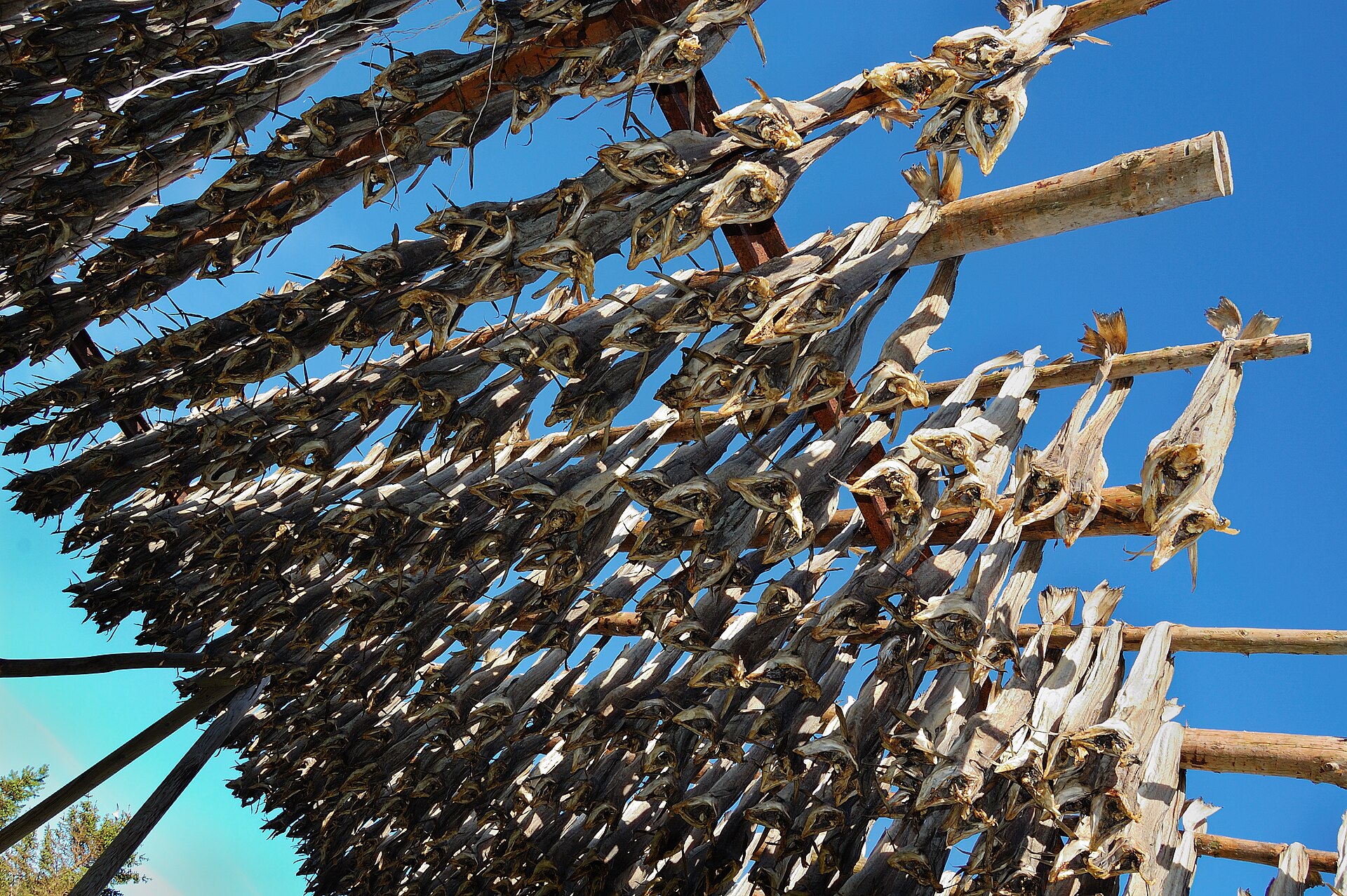
Grocery prices on the islands essentially match those on the Norwegian mainland. In practice that means you should roughly double your usual UK prices. Eating out at restaurants can therefore get expensive very quickly. A plain main course in 2026 will set you back 200 to 400 NOK, which can easily be £30 for a single portion.
That’s why the biggest saving comes from a fully equipped kitchen in your rorbu or at the campsite. If you buy your ingredients yourself, you can bring your daily food costs for one person down to a very acceptable 112 to 195 NOK. Head straight for the green Kiwi supermarkets or the blue Rema 1000 stores, which count as the cheapest chains in the country. In these shops it’s definitely worth hunting out the own-brand ranges, such as Rema’s popular Prima.
A traditional Norwegian breakfast includes caviar paste in a tube or potato flatbreads called lompe, which can even be eaten sweet. A local speciality is the Arctic cod known as skrei, or the famous fish burgers at Anita’s Sjømat on the island of Sakrisøy. If you fancy excellent coffee and a great hipster vibe, head to the Trevarefabrikken in Henningsvær, and for a good dinner you can drop in to the classic Krambua restaurant in picturesque Reine.
💡 Tip: Don’t forget to toss a traditional Norwegian brown cheese, brunost, into your shopping basket. It has a distinctive sweetish caramel flavour and is simply part of a proper Nordic breakfast on fresh bread. Kids usually absolutely adore it!

5. Activities and Museum Admission
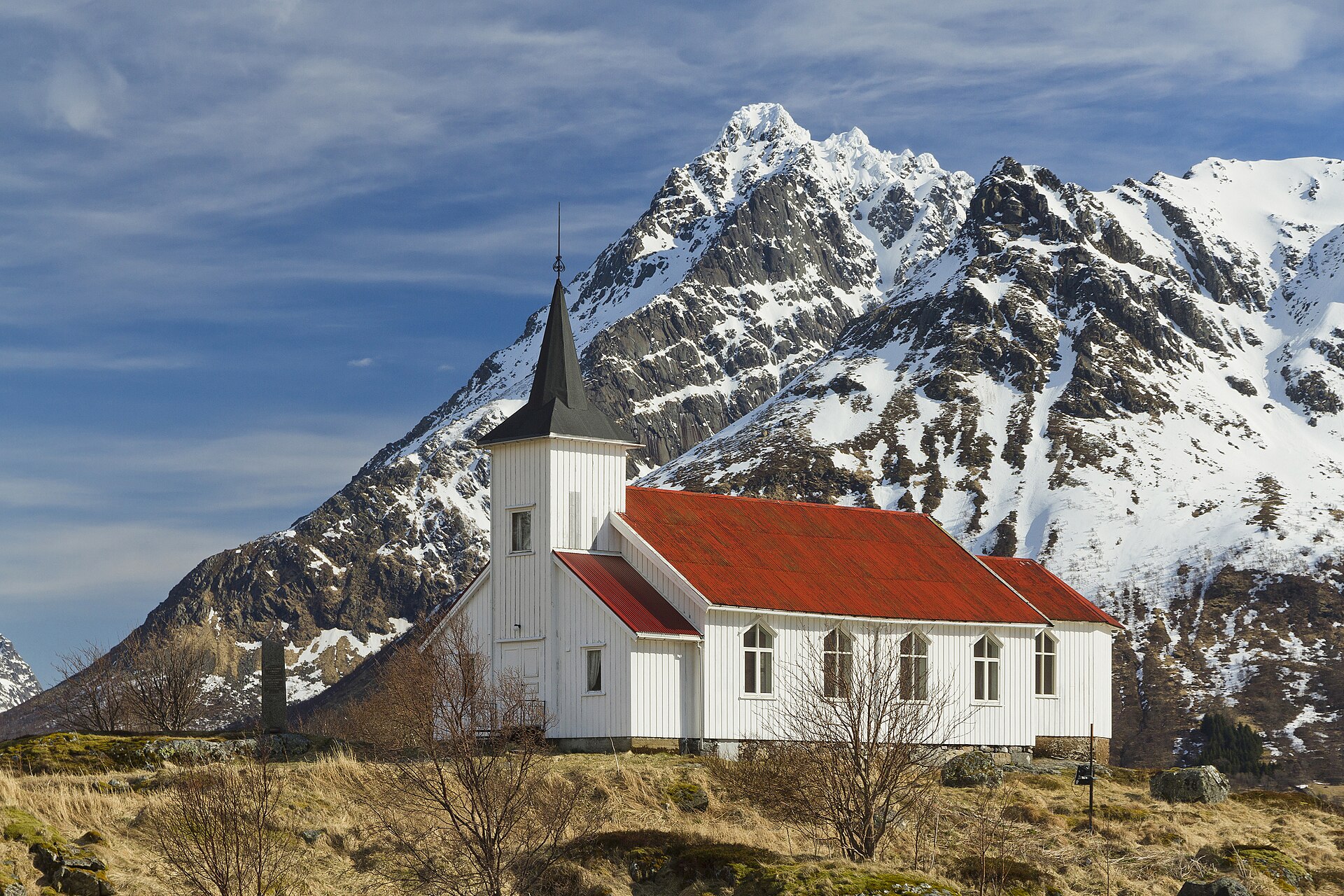
The biggest draw of Lofoten is, of course, its rugged nature, which is thankfully completely free for every traveller. You won’t pay a penny for the most beautiful views from the mountain peaks, walks along snow-white beaches and wandering through picturesque fishing villages. Watching the midnight sun in summer or the fascinating northern lights in the winter months won’t cost you anything at all; you just need to find the right spot away from light pollution.
If you want to enrich your itinerary with paid experiences, though, you’ll have to dig deeper into your pocket. A visit to the Lofotr Viking Museum is hugely popular, where a ticket costs around 250 NOK and pulls you perfectly into Nordic history. For various organised cruises, such as a boat trip to the stunning Trollfjord or evening northern lights spotting with a local guide, you’ll typically pay from 900 to 1,500 NOK per person. Trips like these are very easy to find and book through the GetYourGuide platform.
💡 Tip: Don’t plan too many organised activities for one day. The weather on the islands often changes fast, and you may discover that the greatest experience is simply sitting on a wooden terrace with a hot cup of tea, calmly watching the stormy sea.
6. Lofoten Weather and How to Pack for the North
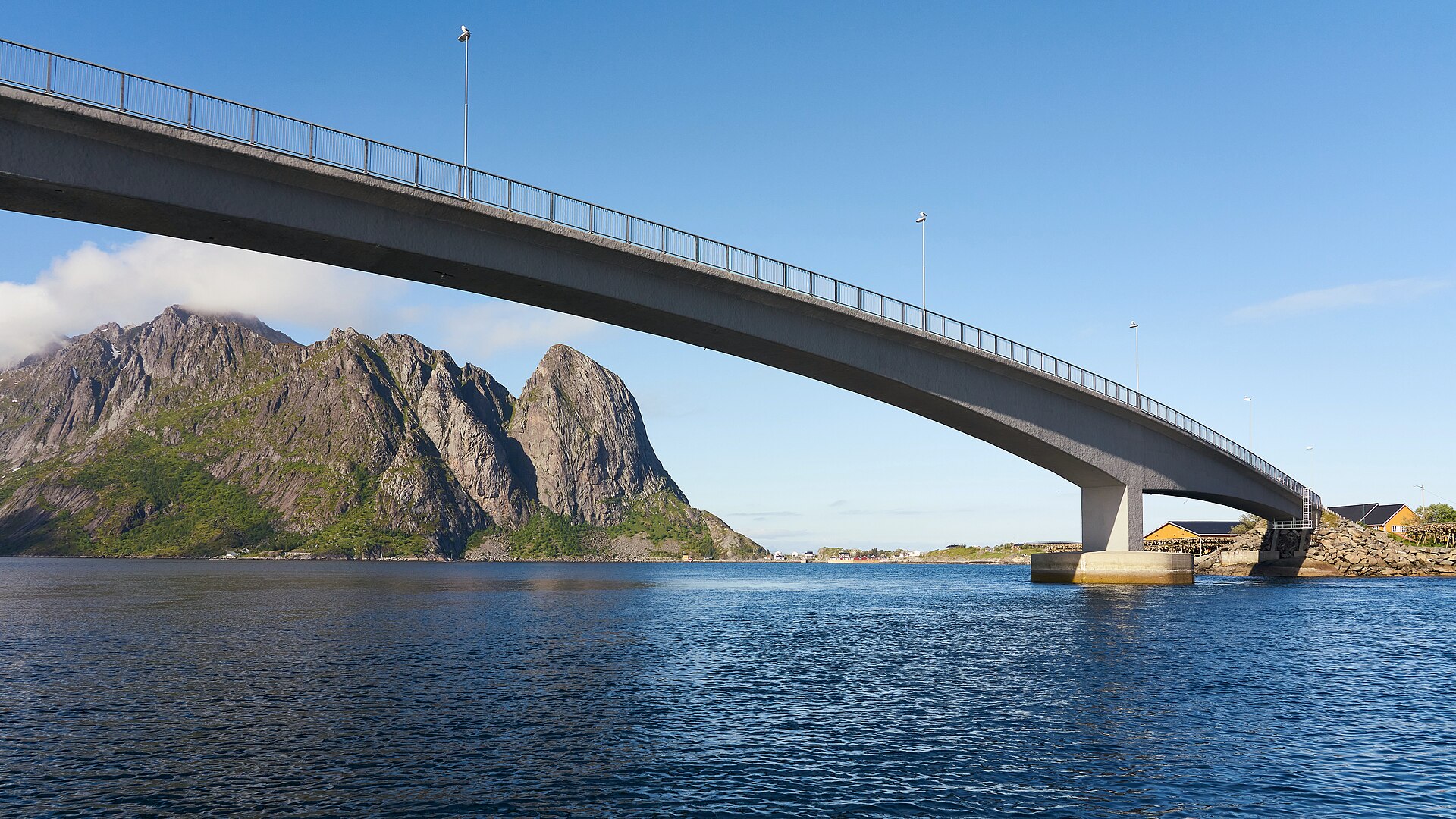
Packing for Lofoten is a bit of a logistical exam. The weather here does whatever it likes, and over a single afternoon you’ll routinely get sunshine, gales and horizontal rain. Even if you set off in the middle of July, the average daytime temperature often hovers between just 12 and 15 degrees Celsius. The yr.no app will become your bible and you’ll check it several times a day; without it, you’d be wise not to head out on longer trips at all.
The secret to surviving in the north is called layering. Forget thick, shapeless winter jackets in which you’ll instantly cook on an uphill climb. You need a system you can smoothly take off and put on as you go. The foundation is good-quality merino wool, which keeps you warm brilliantly even if you happen to sweat or get wet. On top of that goes a light fleece, and over the top a waterproof, windproof hardshell layer. In late July and August the insects can be a nuisance, so definitely pack a good repellent containing DEET to protect you from mosquitoes and midges.
💡 Tip: During the polar day, don’t underestimate sleep. The sun shines even at midnight and your body can get confused. Pack a travel blackout eye mask or special suction-cup blinds for windows. Many accommodations do have blackout curtains, but they let through a surprising amount of light.
7. Money, Health and Safety
Norway runs as an almost entirely cashless society. That means you can pay with a normal card literally everywhere, even for a coffee in the tiniest bakery at the very end of the world in the village of Å, or for parking out in the middle of nature. You don’t need to exchange any physical Norwegian kroner before your trip. You may come across a sign saying Vipps, which is the local equivalent of a payment app, but as a tourist you’ll get by just fine with a standard card terminal. Tipping isn’t usually expected in Norway, as staff are paid very decent wages.
Although Norway isn’t in the European Union, it belongs to the European Economic Area. As a UK traveller, make sure you bring a valid GHIC (Global Health Insurance Card), which covers necessary care under similar terms to those for locals. Note, though, that you’ll still pay the same Norwegian patient contribution (egenandel), which is around 200 to 400 NOK for a standard doctor’s visit. The only full hospital on the islands is in the town of Gravdal, while pharmacies with limited opening hours are found in larger centres such as Svolvær or Leknes. Definitely pack your own first-aid kit with fever medication, antihistamines and travel sickness tablets.
💡 Tip: The GHIC doesn’t cover repatriation home, demanding mountain rescue operations or dental care. Comprehensive commercial travel insurance with high limits is therefore an absolute must for a stay in Norway’s rugged wilderness. For emergencies, save the number 116 117 for the nationwide Norwegian out-of-hours service.
Practical Summary and Approximate Prices
To make budgeting easier, we’ve put together an overview of the average prices you’ll likely come across in Lofoten in 2026. Treat all prices as a rough guide, as they vary depending on the current season.
- Return flight from Prague: 6,000 – 9,000 CZK
- Ferry (car + 2 people): 1,200 NOK (approx. €110)
- Night at a campsite (tent and car): 300 – 400 NOK (approx. €26 – €35)
- Night in a rorbu for two: 2,000 – 4,000 NOK (approx. €175 – €350)
- Weekly car rental: 7,000 – 10,000 NOK (approx. €610 – €880)
- Litre of fuel: 23 NOK (approx. €2)
- Main course in a restaurant: 200 – 400 NOK (approx. €17 – €35)
- Coffee in a café: 50 – 70 NOK (approx. €4 – €6)
- Loaf of bread at the supermarket: 40 NOK (approx. €3.50)
- Admission to the Viking museum: 250 NOK (approx. €22)
💡 Accommodation and experiences tip: We like to find our accommodation on Booking.com, where the cancellation terms tend to be best. Tickets, tours and activities are then worth comparing and booking through GetYourGuide.
Where to Go Next
If planning a trip north has got you excited and you want to dive even deeper into the preparations, be sure to read our other articles. Check out our big guide to Lofoten, where you’ll discover the most beautiful trips and hikes. For detailed accommodation info, open the article on where to stay in Lofoten, and you’ll definitely find our practical guide on how to get to Lofoten handy too.
Frequently Asked Questions
Are the Lofoten Islands really as expensive as people say?
Yes, Norway is generally one of the most expensive destinations in Europe. The biggest chunk of your budget will go towards services, restaurants, and accommodation in traditional cabins. However, if you choose to sleep in a tent and cook your own meals from supermarket groceries, you can reduce costs to a very reasonable level that’s comparable to a holiday in Western Europe.
Do I need cash in Norway?
Not at all. Norway is a pioneer in cashless payments and you’ll hardly see any paper banknotes there. You can pay for absolutely everything with a regular payment card, from mountain car park tickets to public toilets to ferry tickets. You can safely skip the currency exchange office.
How much does accommodation in a traditional rorbu cost?
The iconic red cabins on stilts over the water are a major attraction, which is reflected in their price. For one night during the peak summer season, you’ll pay on average between €170 and €340. The price varies depending on location and level of luxury, with some modern rorbu even offering their own sauna.
Where can I find the cheapest groceries in Lofoten?
You’ll find the best food prices at the Kiwi and Rema 1000 chains. These shops are scattered throughout the archipelago and offer a wide selection of private label brands that are significantly cheaper than premium products. It’s worth looking for the Prima brand, for example. Avoid small convenience stores and overpriced shops at petrol stations.
How does toll payment work with a rental car?
You don’t need to worry about tolls at all. Cars from Norwegian rental companies are equipped with a small AutoPass box that automatically registers passage through toll gates. After you return the vehicle, the rental company will add up all the charges and deduct them from your credit card.
What clothing should I bring for a summer holiday in the north?
Even in July, you can be surprised by strong winds and rain with temperatures around 10 degrees on the islands. Layering is key. Pack quality merino wool thermal underwear, a warm fleece jumper, and reliable waterproof jacket and trousers. Leave thick winter coats at home—instead opt for multiple thin layers and also bring insect repellent.
Is my Czech health insurance card valid in Norway?
Yes, thanks to membership in the European Economic Area (EEA), your blue EHIC card is valid in Norway too. It guarantees you treatment under the same conditions as Norwegians have, which means you’ll pay the Norwegian co-payment (egenandel). For this reason, it’s essential to also have quality travel insurance.
Tips and Tricks for Your Vacation
Don’t Overpay for Flights
Search for flights on Kayak. It’s our favorite search engine because it scans the websites of all airlines and always finds the cheapest connection.
Book Your Accommodation Smartly
The best experiences we’ve had when looking for accommodation (from Alaska to Morocco) are with Booking.com, where hotels, apartments, and entire houses are usually the cheapest and most widely available.
 🚗 Car rental on the roadVerified rental cars in Norway
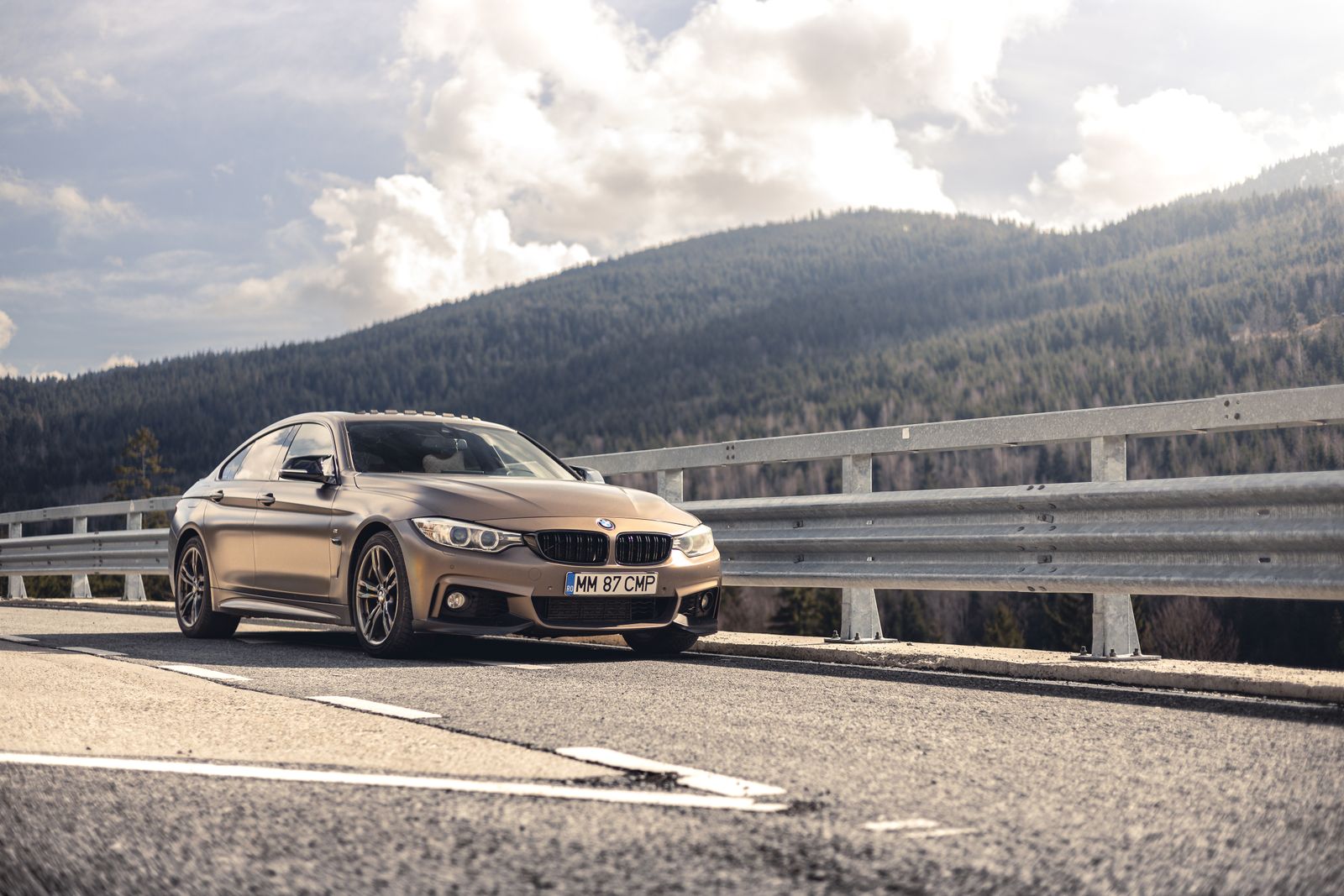
Search with the DiscoverCars comparison engine — it compares prices from dozens of local and international rental companies, and most bookings come with free cancellation.
Compare car prices in Norway →Don’t Forget Travel Insurance
Good travel insurance will protect you against illness, accidents, theft, or flight cancellations. We’ve had a few hospital visits abroad, so we know how important it is to have proper insurance arranged.
Where we insure ourselves: SafetyWing (best for everyone) and TrueTraveller (for extra-long trips).
Why don’t we recommend any Czech insurance company? Because they have too many restrictions. They set limits on the number of days abroad, travel insurance via a credit card often requires you to pay medical expenses only with that card, and they frequently limit the number of returns to the Czech Republic.
Find the Best Experiences
Get Your Guide is a huge online marketplace where you can book guided walks, trips, skip-the-line tickets, tours, and much more. We always find some extra fun there!


